

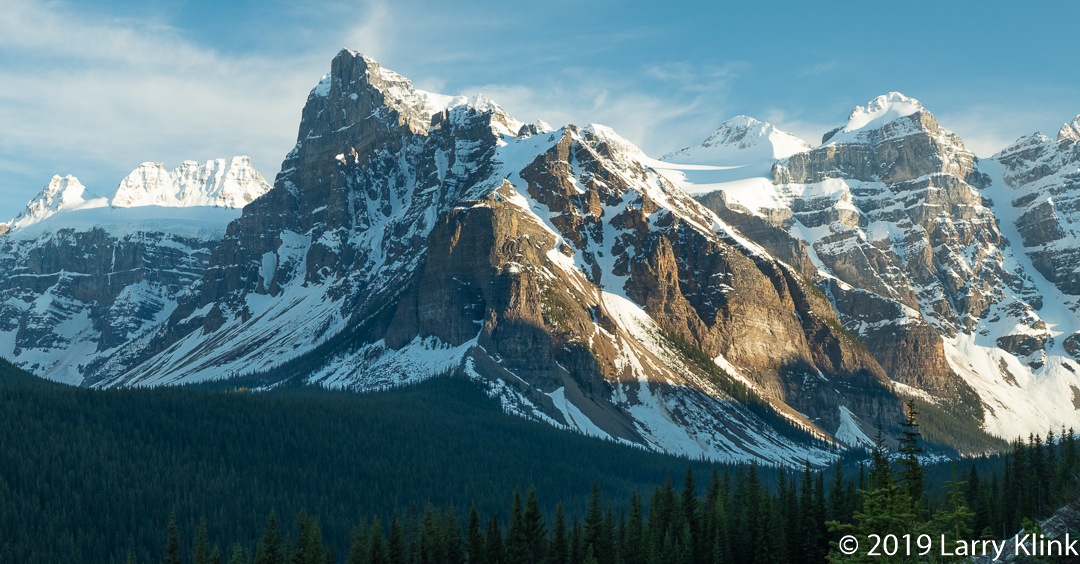
Moraine Lake; Banff National Park, Alberta, Canada; MAY 2019
Canada’s Banff National Park is filled with stunning mountain peaks capped with glaciers and snow. The steep, rugged mountains are the source of beautiful, turquoise streams that feed alpine lakes.
The turquoise water is interesting. As glaciers move, they polish the underlying rock, producing very fine particles of dust called rock flour. The rock flour mixes with the water traveling downstream. The color is a result of light reflecting around the densely packed dust in the water. On bright days, with the sun in the right position, the river displays the brilliant turquoise. If the sky is more cloudy, the water will be a milky off-white. When it reaches the lakes, the rock flour eventually settles out. But, if the river is filling the lake quickly, the lakes can be turquoise also.
The mountainside on this image from Kootenay National Park is beautifully colored. But the coloring is deceptive. The rust color is dead conifers. The black is foliage that was consumed by fire. Many of the conifers died due to pine beetle infestation.
Please click on caption to see image at higher resolution!

Kootneay National Park, British Columbia, Canada,; MAY 2019
Color born of tragedy: The rusty red color are evergreens damaged by the mountain pine beetle; the black is fire damage.

Banff National Park, Alberta, Canada; MAY 2019
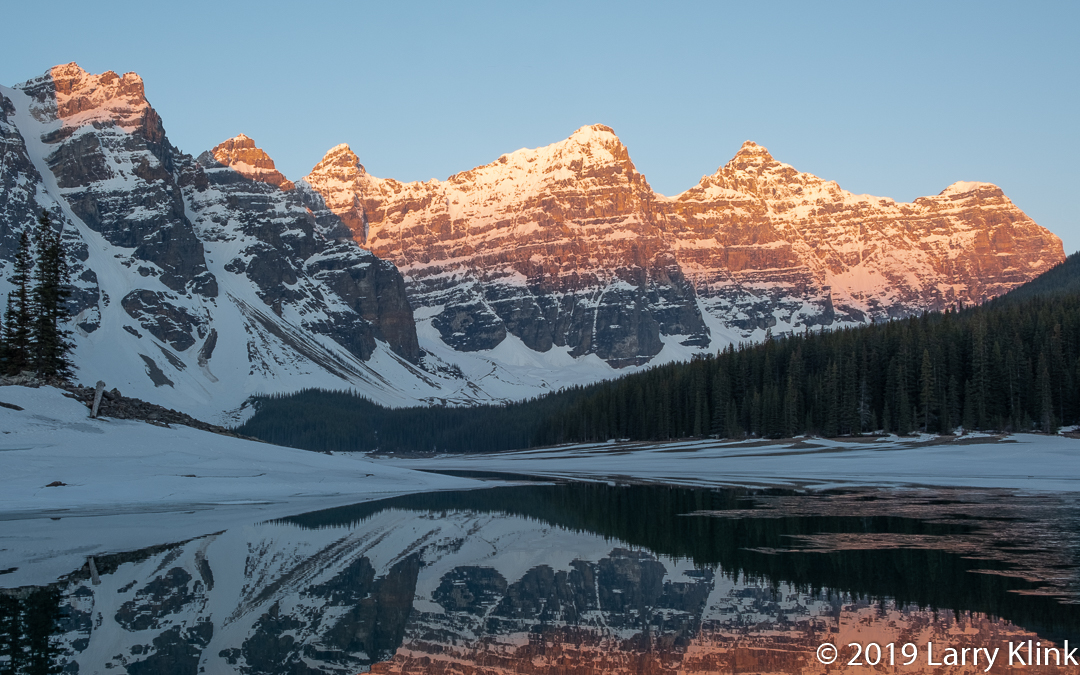
Banff National Park, Alberta, Canada; MAY 2019
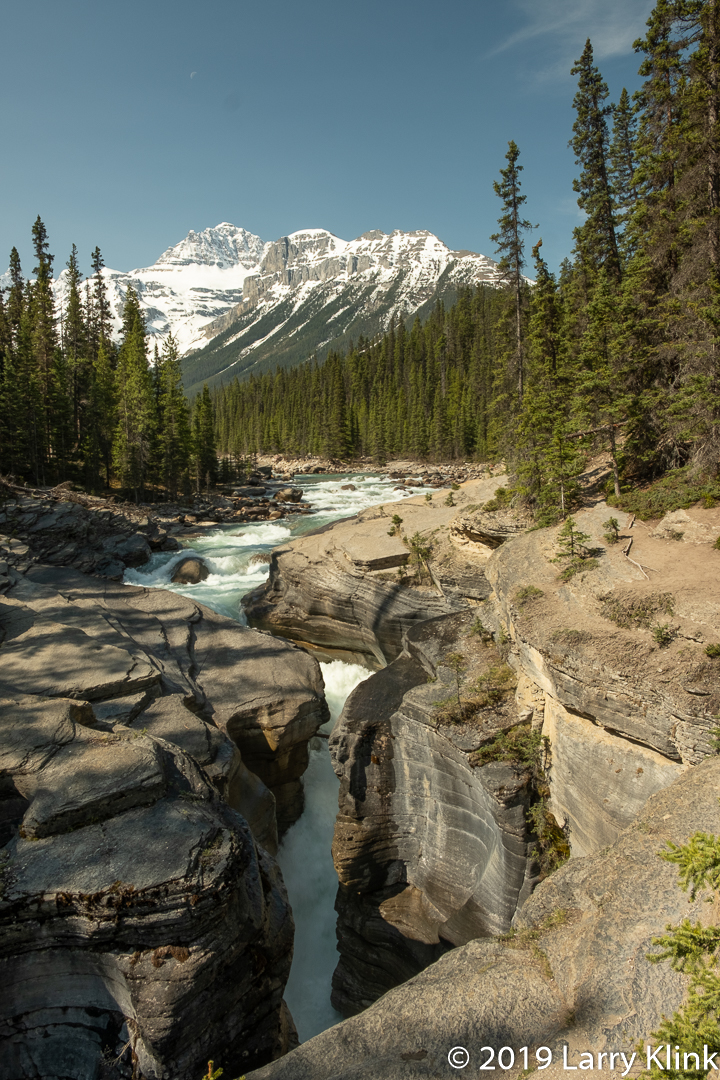
Banff National Park, Alberta, Canada; MAY 2019

Banff National Park, Alberta, Canada; MAY 2019
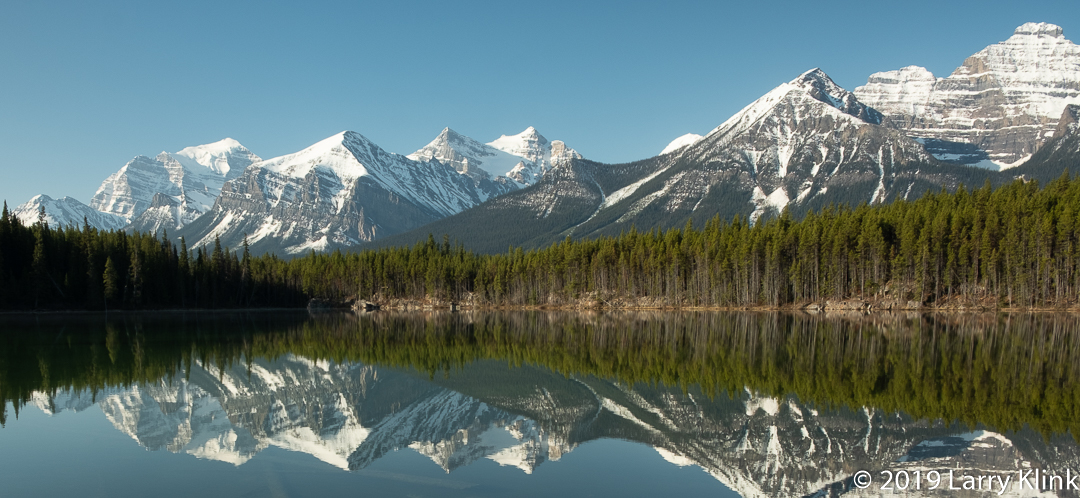
Alberta, Canada; MAY 2019
These and other images are available to purchase on my website: www.earthwatcher.us or by contacting larry.klink@earthwatcher.us
 Earthwatcher