I am a very analytical person. My creativity flows from my need to understand and explain. I made a career of distilling processes to their essence and reconstructing them to be more efficient and productive. My approach to photography is an extension of my life’s work. I distill a scene to identify its processes and actors. I try to understand how the processes, generally the forces of nature and the forces of humans, have and are interacting with the actors to create the scene. I focus on one or more of the actors and compose a scene that shares a moment with them in an aesthetically pleasing way.
Actors may be humans or wildlife. They also may be the sun, the moon, a tree, a river, mountain or other object. Each image shares a unique moment showing how its actors and processes have, are, and sometimes even will impact each other. But I also want to entice the audience to linger and to find their own story. I want them to imagine themselves experiencing the sights, the sounds and the feeling as if they were there.
I am sharing a few early morning scenes from the banks of the American River. I walk the trails along the river several times each week for several hours at a time. I am grateful that the people of the Sacramento area cared enough to build a buffer area against flooding and to turn that almost 40 miles of buffer into urban green space available to all.
Please click on caption to see image at higher resolution.
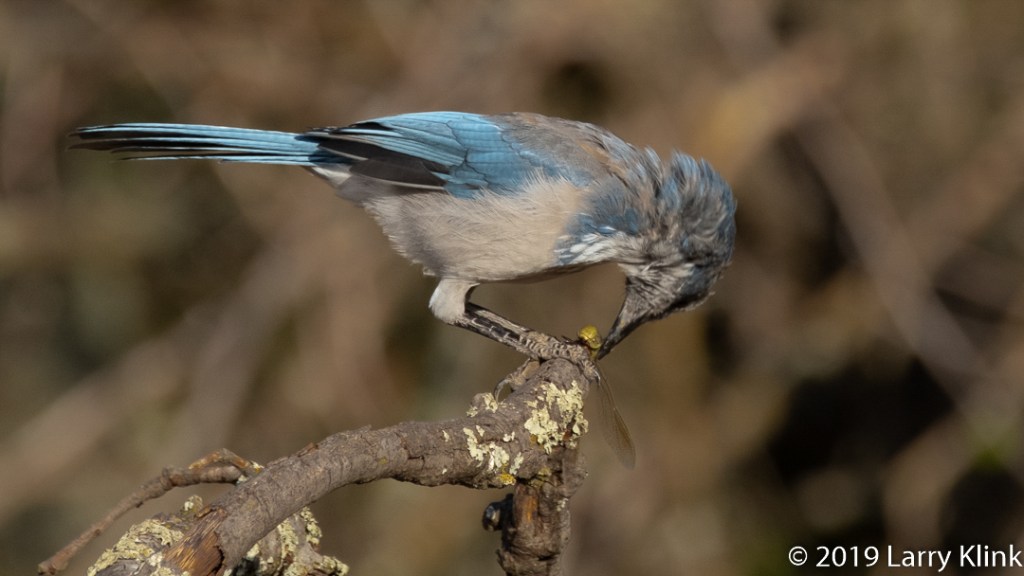
I was fortunate enough to observe a California Scrub Jay (Aphelocoma californica) in the process of eating a dragonfly. It used its beak and talons to position the insect, then picked it up with its beak and swallowed it.
Please click on caption to see image at higher resolution.
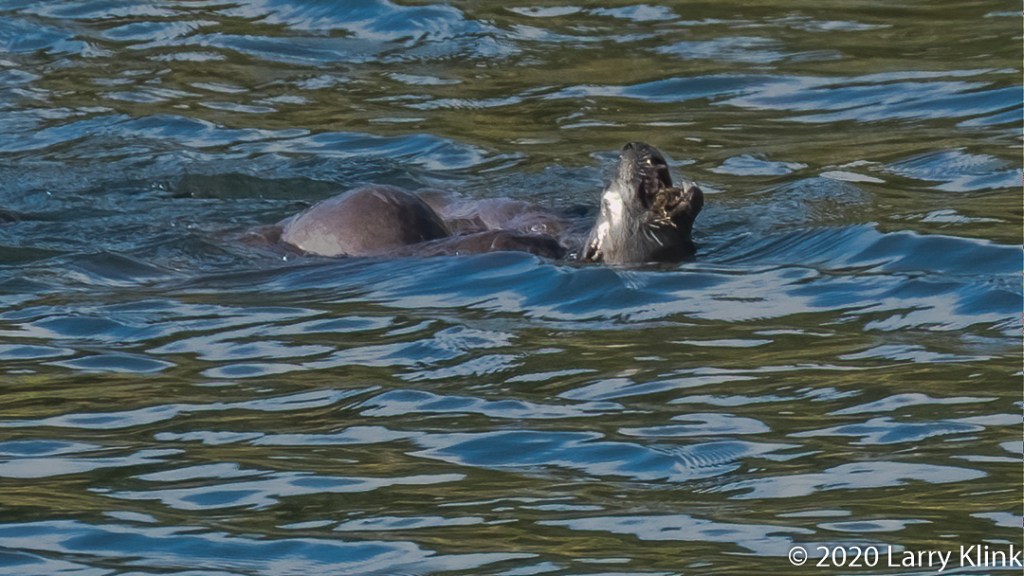
Today I am sharing 2 images I took last week. A group of 5 River Otters were foraging in the American River at Sailor Bar. I watched their bodies slither as they dove into the water then came up with their head held high, swallowing their prey. It was great fun.
Please click on caption to see image at higher resolution.
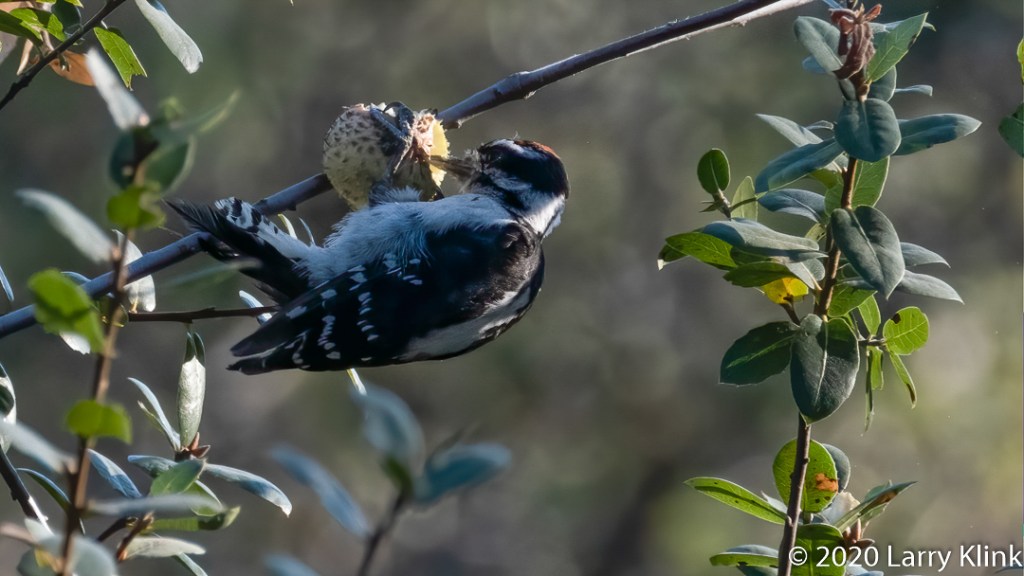
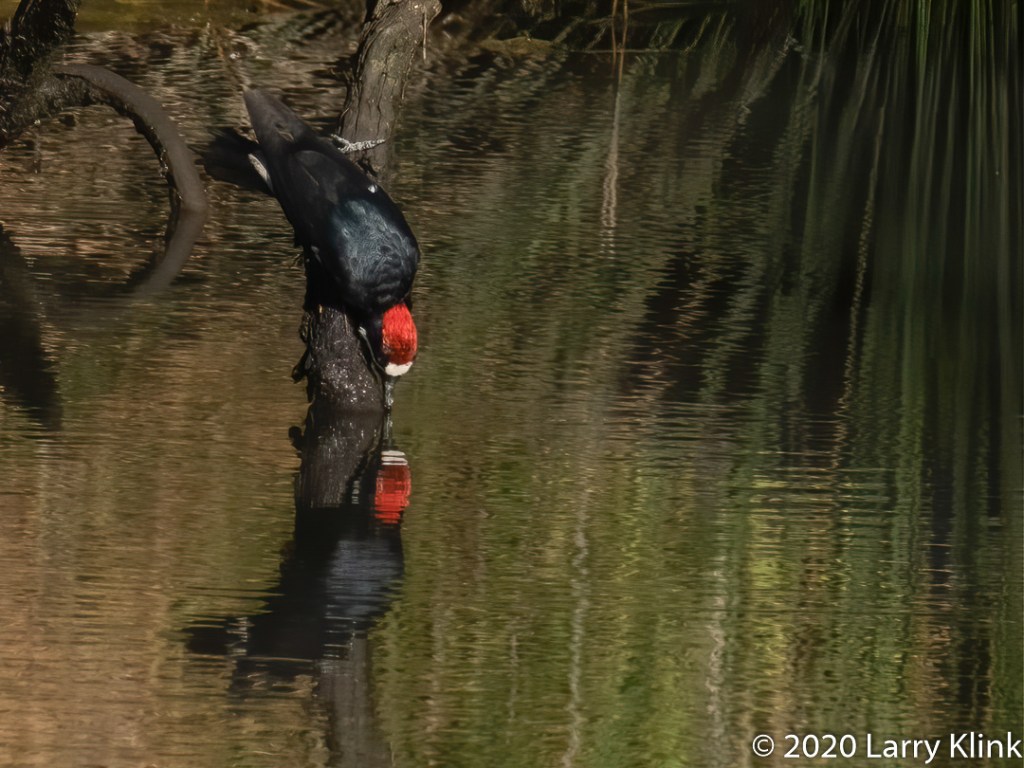
I am sharing images of birds and of an otter that are enjoying breakfast time. I watched as they worked hard to get their meal.
This year, I have had many opportunities to see animals hunt and eat. I am truly grateful to have had those opportunities and thankful that I only had to pull mine from a cupboard.
Please click on caption to see image at higher resolution.
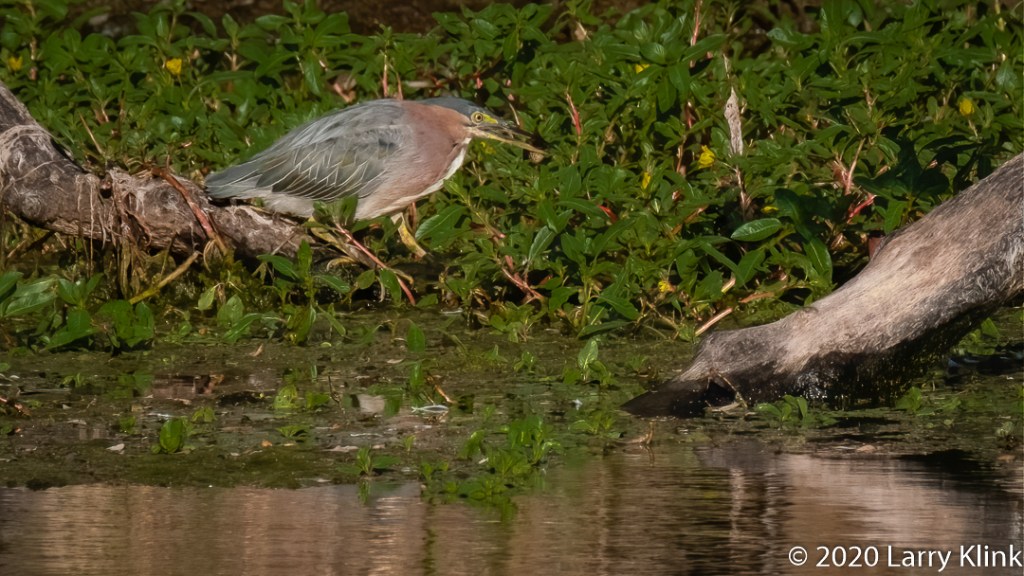
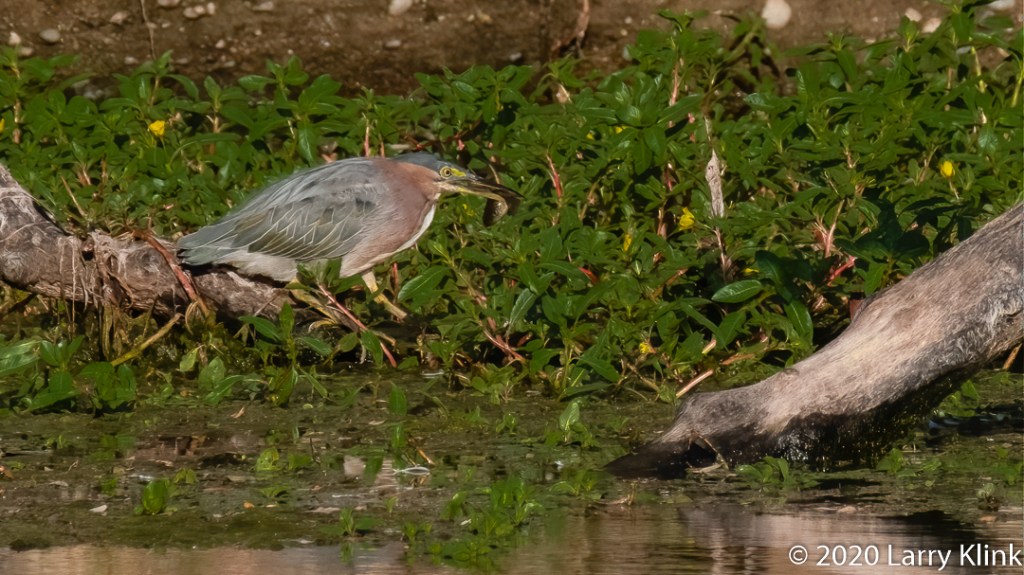
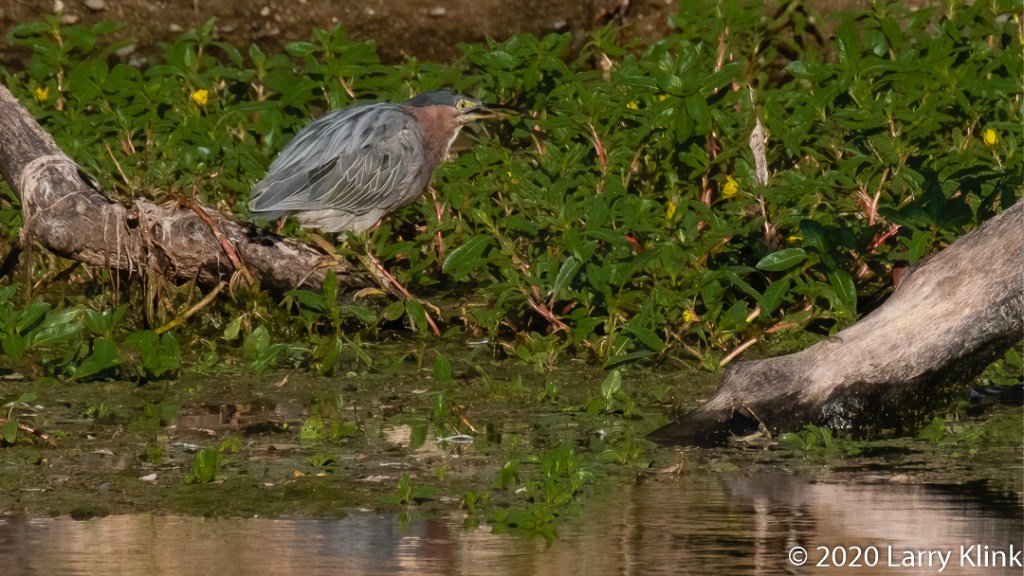
There are a lot of pictures in this post that, at first glance, appear nearly the same but, they are not the same; they are a sequence of a Green Heron stalking, capturing, and devouring it prey. I see Green Herons from time to time but mostly they are perched. On this day one gave me the opportunity to watch it hunt and eat. Though I see Egrets and other Herons stalk frequently, this is only the second time I saw one stalk and the first I saw one catch and eat. So, please step through these images, in order, one at time and enjoy this opportunity with me.
Please click on caption to see images in higher resolution.
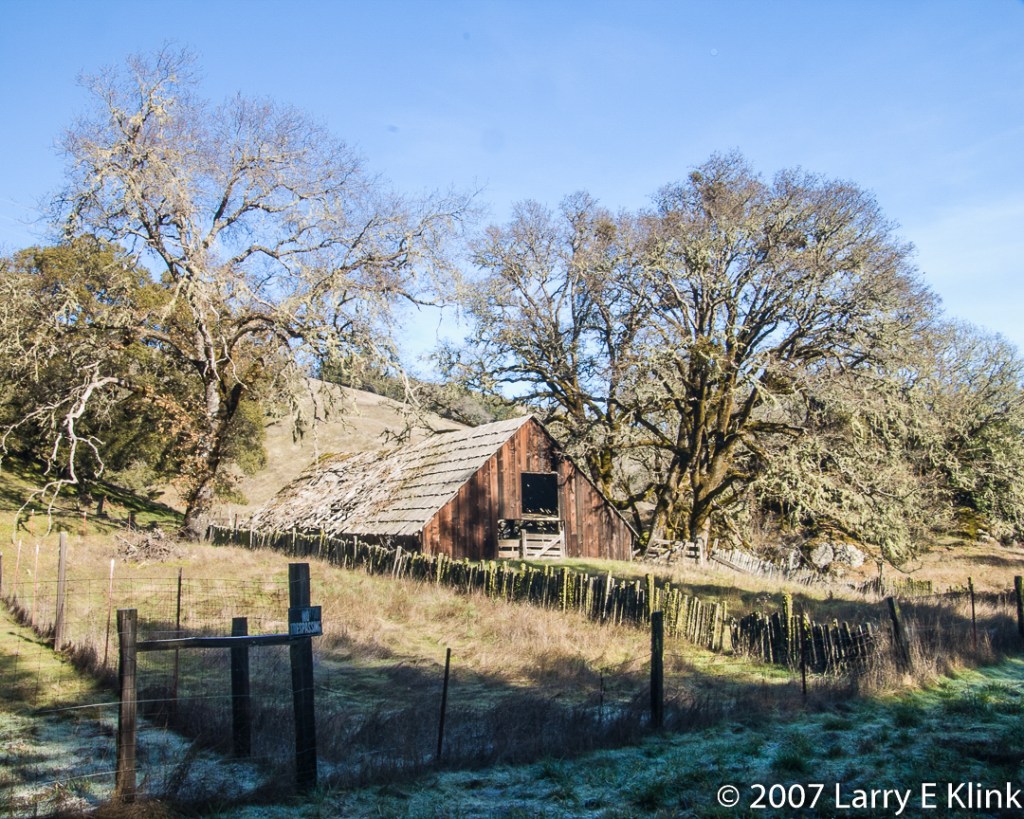
I am sharing 4 images from one of my favorite local spots to photograph. I am drawn to the spot, just outside Folsom, CA, because it is an oak dotted rangeland typical of this area of California.
One of the images is a black and white version of another in the set. I thought it looked very dramatic in black and white.
Please click on caption to se image at higher resolution.
In this post, I am sharing some more baby animals: songbirds and raptors.
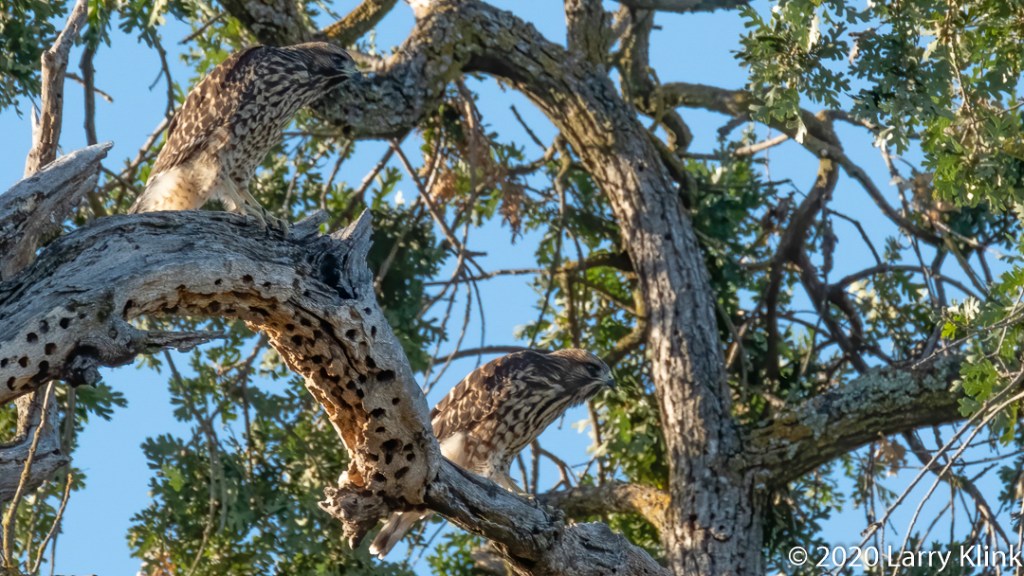
When photographing, one goal is to make your subject stand out. In 2 photos, I violated that rule, for a purpose. Check out the young Red-shouldered Hawks and the juvenile Western Kingbird. The point of interest, beside the birds themselves, is their marvelous camouflage.
I was fortunate to see this pair of eaglets with one of the adults. In a few weeks, the adults will leave, and the eaglets will be on their own. They will hang around the nesting tree until about October when the adults return and reclaim the nest. If they survive, in about 4 years they will molt into adult colors and be ready to rear their own eaglets.
I found the Juvenile Brown-headed Cowbird in our backyard. Cowbirds lay their eggs in the nest of another bird who hatches and rears it. After it fledges, it will find its way back to its own herd of cowbirds. This one must be pleased with the cuisine; it seems in no hurry to leave. (A group of cowbirds can be called a corral or a herd.)
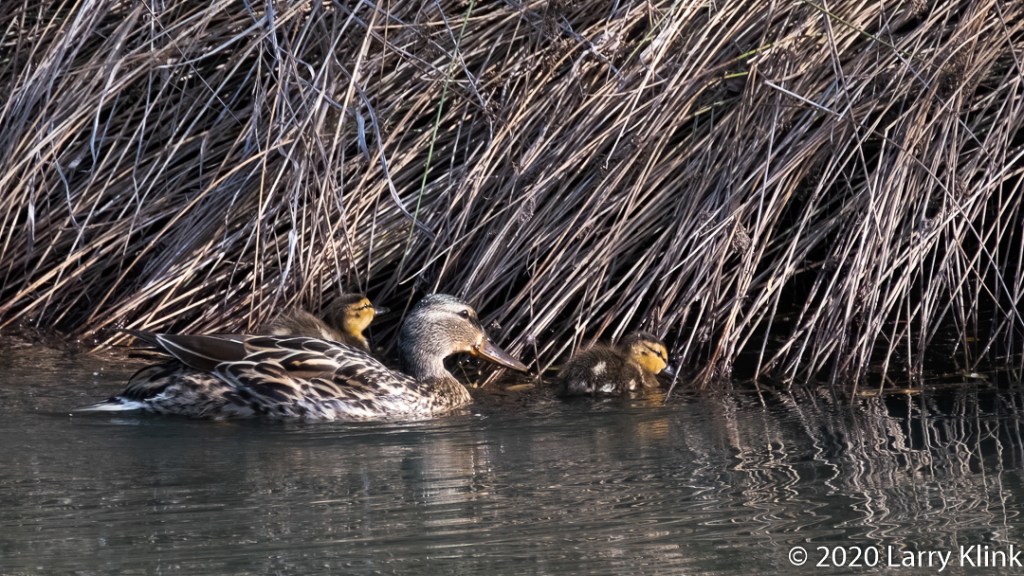
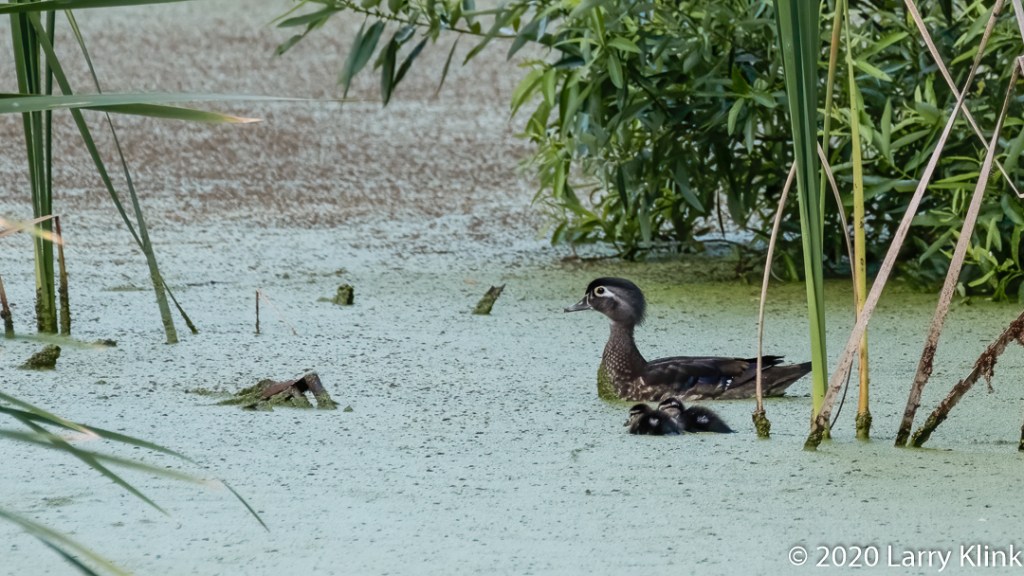
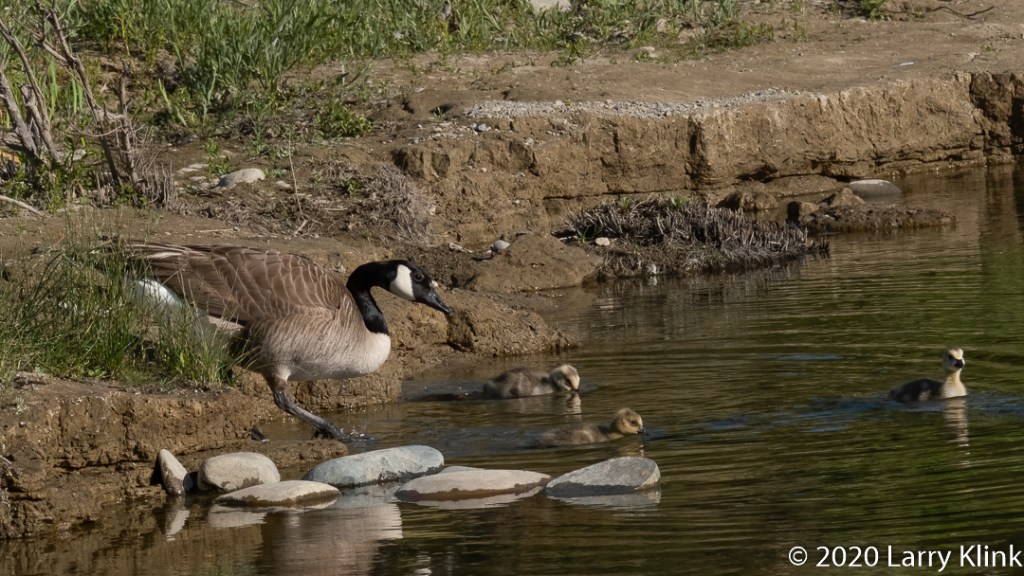
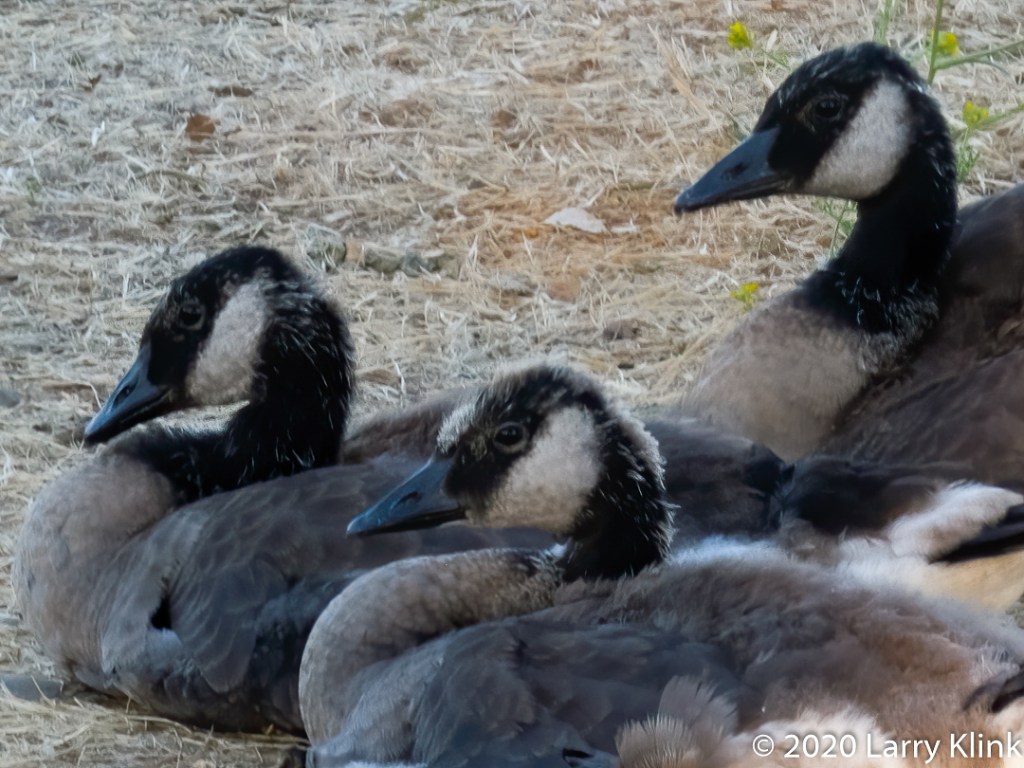
I am presenting the first of 2 parts entitled Cute Chicks. This part will present some local waterfowl.
One of the images is entitled Huddled Sord of Baby Mallards. I learned that a group of Mallards in flight is called a flock or sometimes a flight. Mallards on the ground are called a SORD. If the name sounds weird, it is because it appears to have no other uses.

















 Earthwatcher