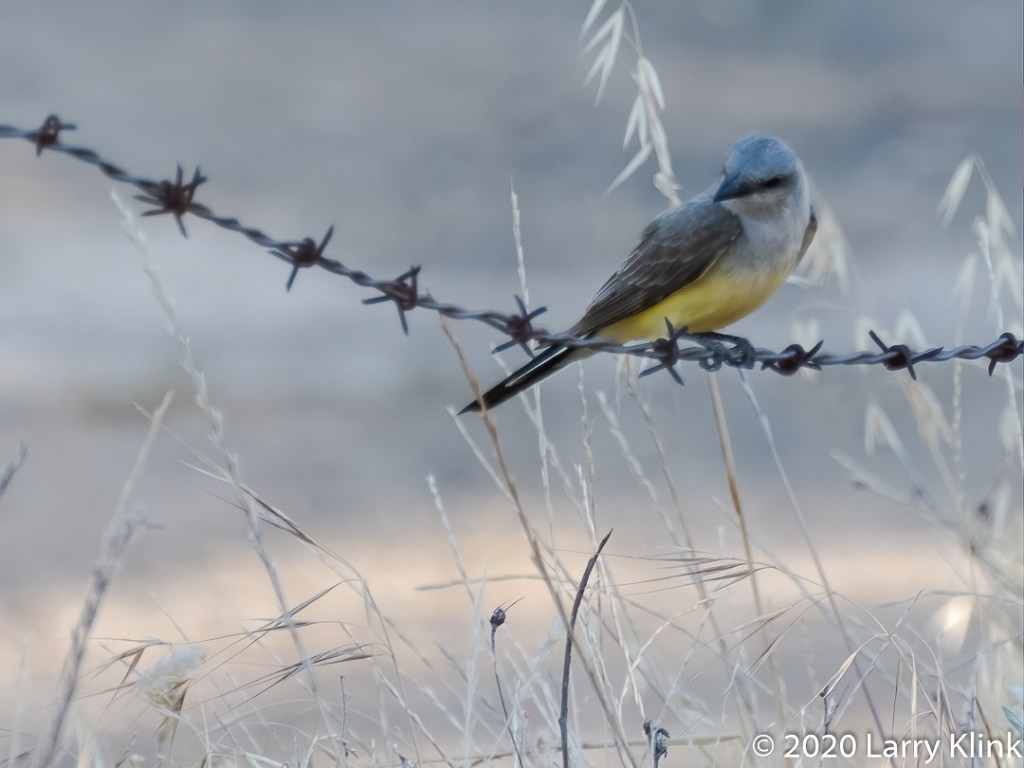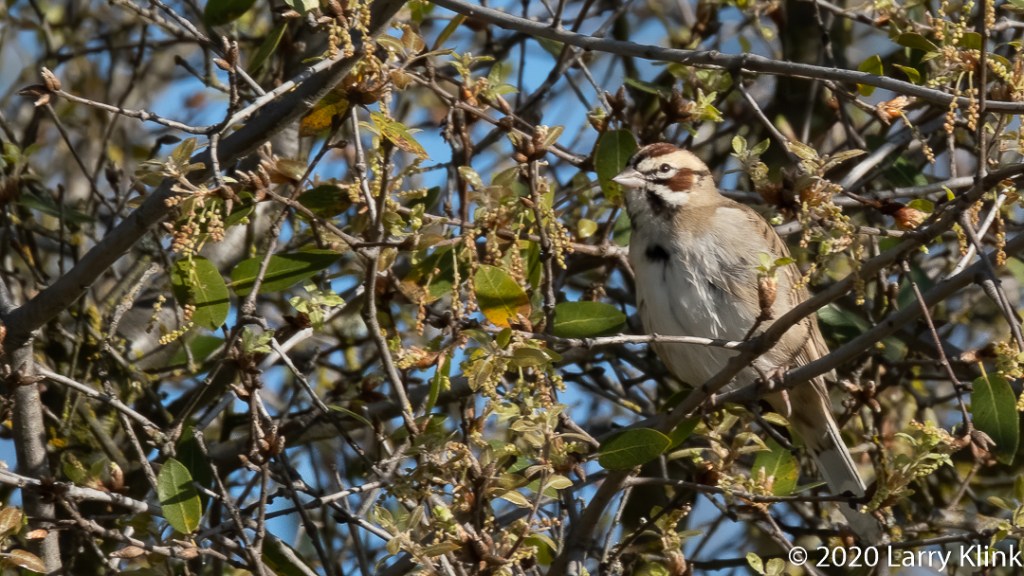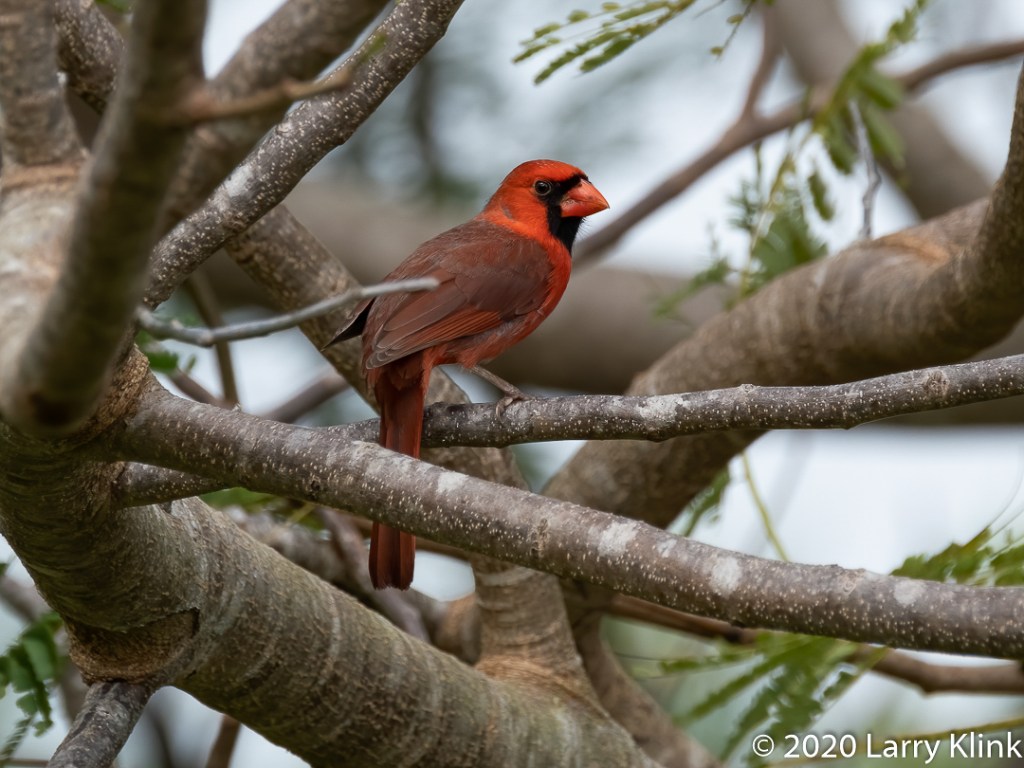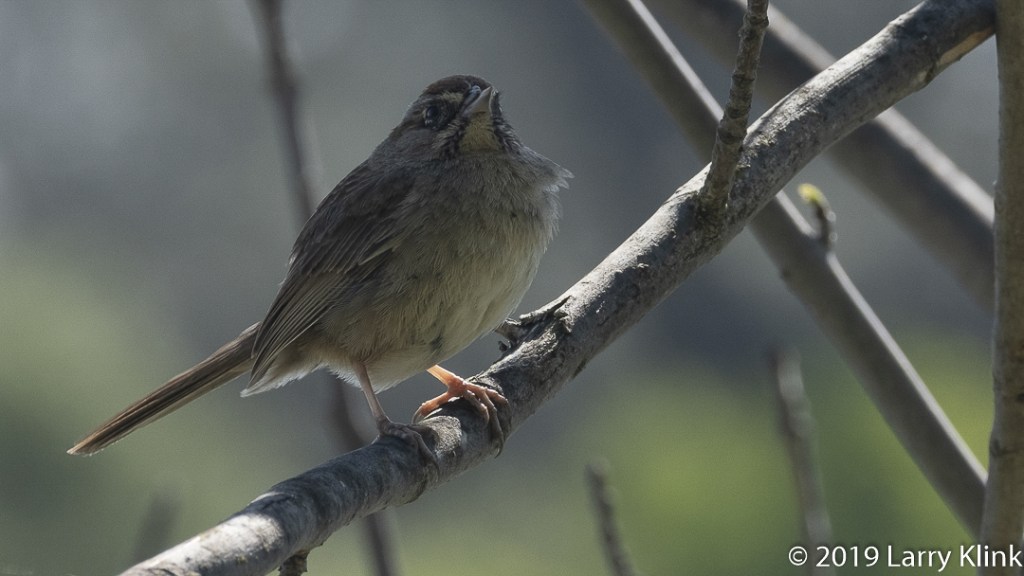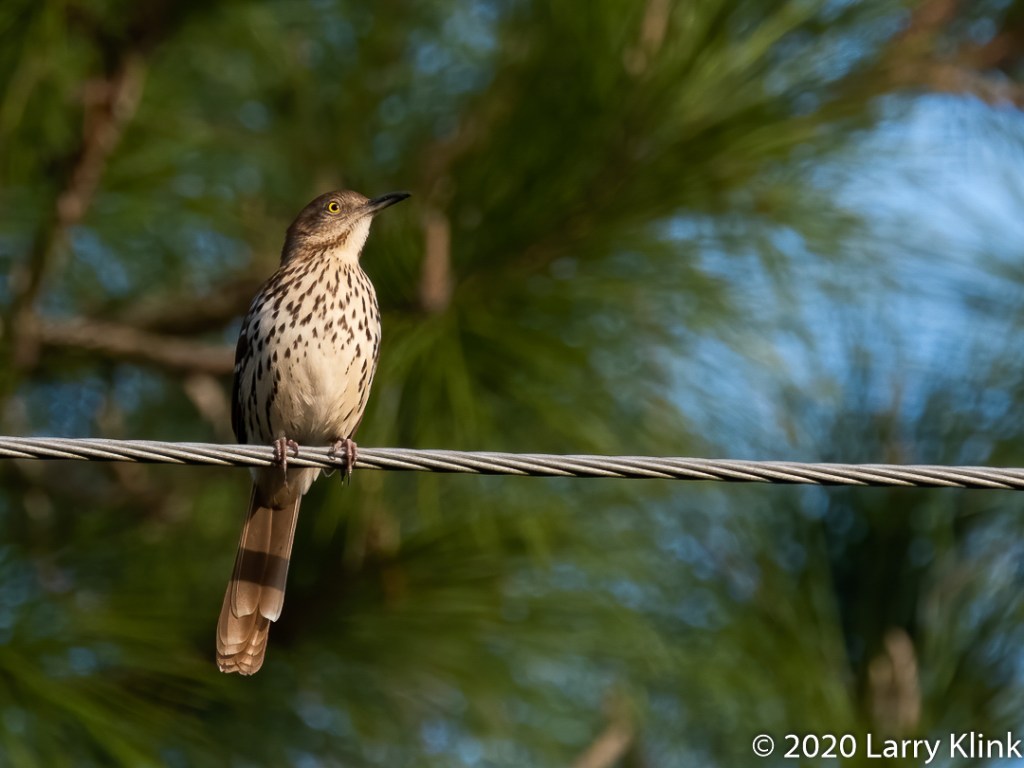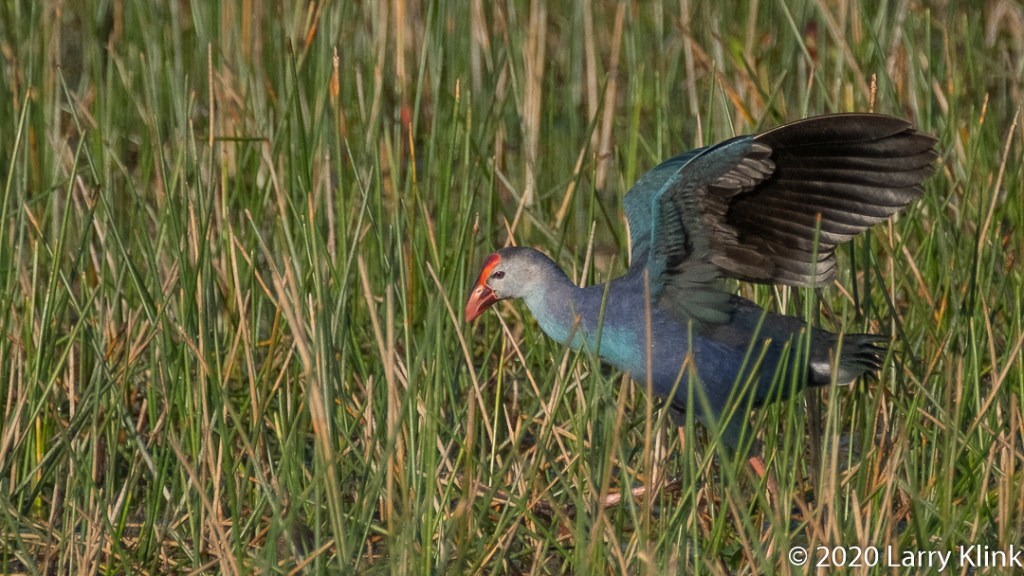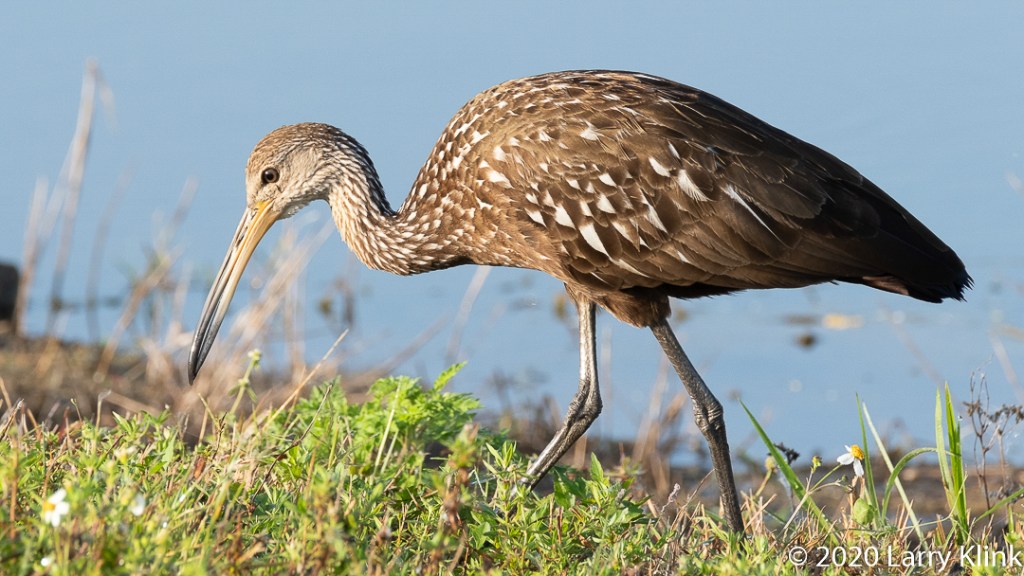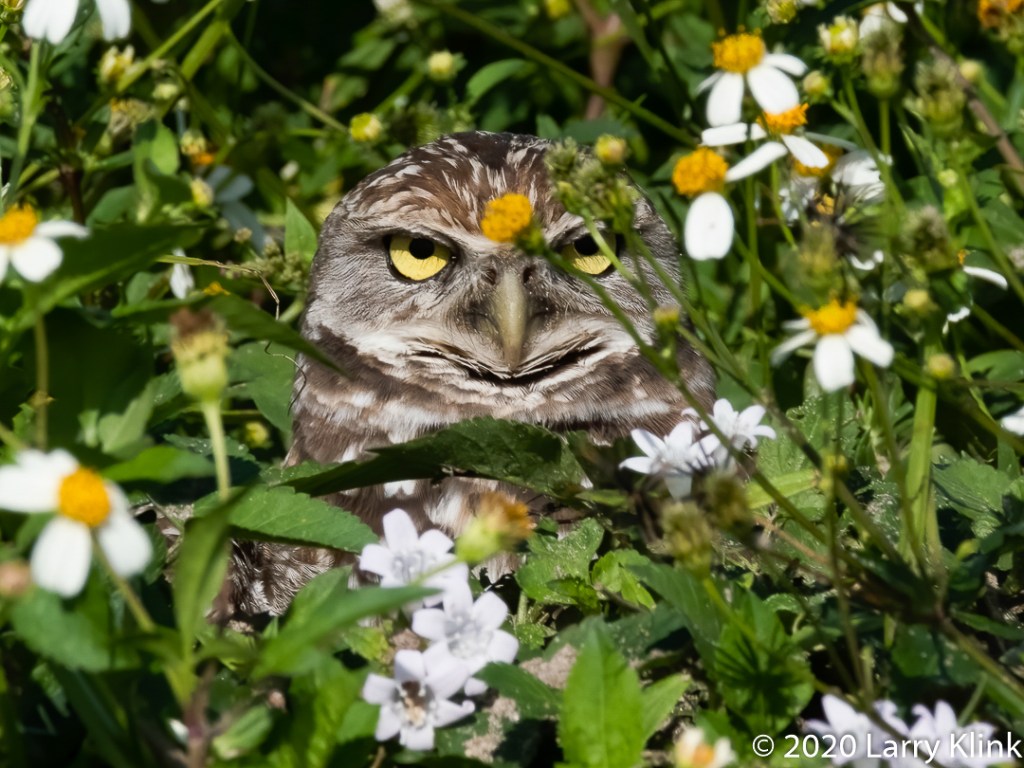
I’ve been writing my blog for a few years. In that time, I have tried to evolve it into a better and more interesting photography blog. If any of my followers have any suggestions, opinions or any comments that could help me improve, please share them with me.
Author: Earthwatcher
Some Raptors from Florida

Cape Coral, FL; FEB 2020
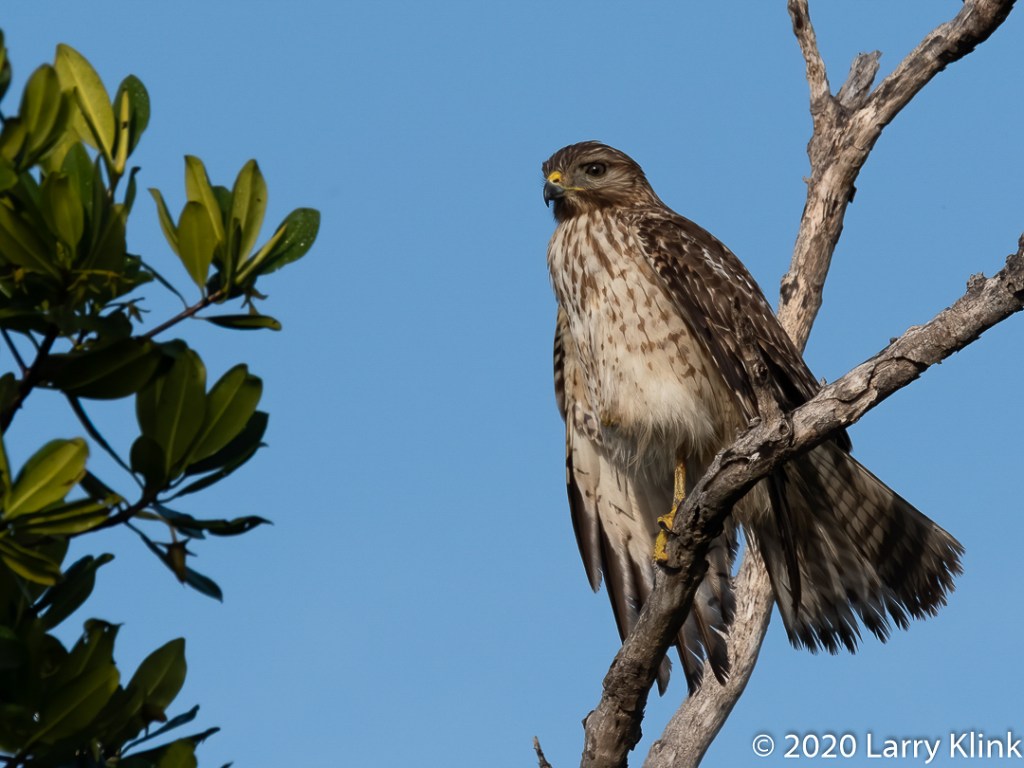
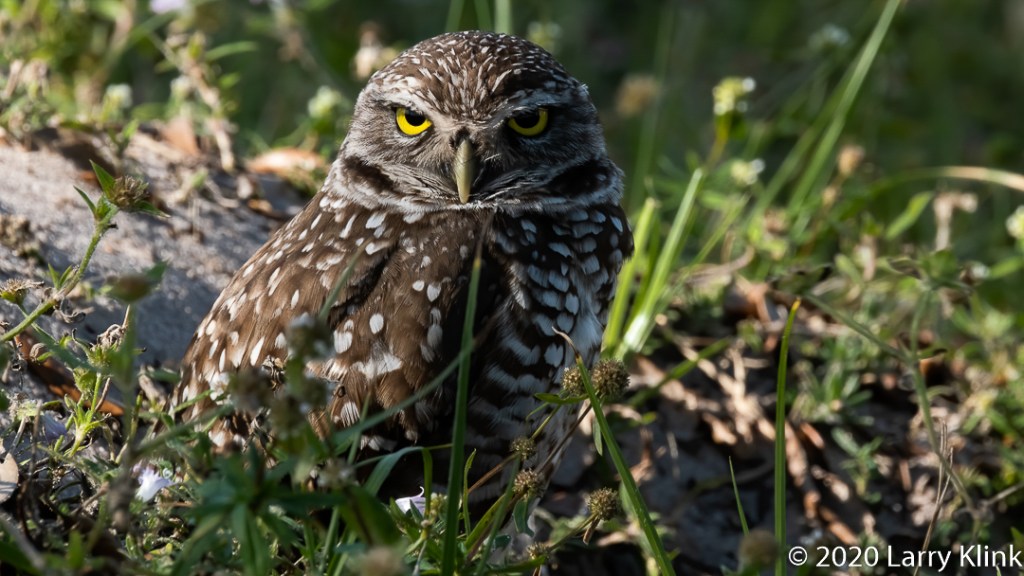
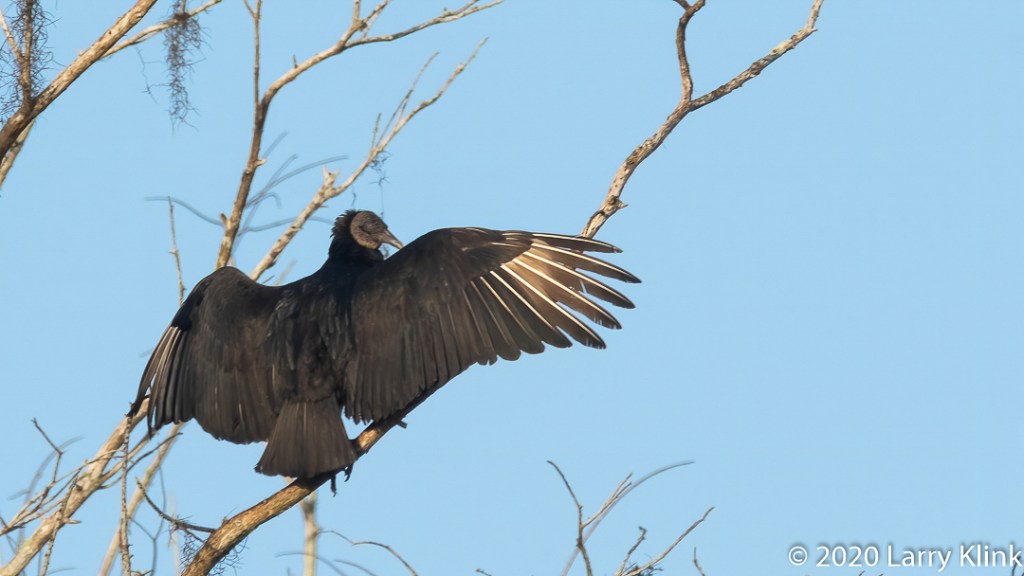
Today I am sharing some of the raptors we saw on a birding adventure in Florida. The collection includes the Burrowing Owl, the Florida subspecies of the Red-shouldered Hawk and the Black Vulture.
The Burrowing Owl is an interesting character that does not fit our stereotypes. Our literature is full of owls. They are the wise, stealthy, mysterious creatures that hunt at night, flying silently and swooping down to take its prey. The burrowing owl lives in burrows under the ground. They are comical to watch as they stand outside their burrow staring with eyes wide open, twisting their head back and forth like R2-D2 of Star Wars. They can fly to hunt but they also watch and attack or walk while hunting. They forage by day or night and eat invertebrates, insects and sometimes a mouse or shrew.
The Black Vulture is a smaller cousin to the Turkey Vulture found along the Mid-Atlantic and Southeastern states of the United States as well as Mexico, the Caribbean and extreme northern South America. The Black Vulture has a gray head and its wings are all black except for a very large section of white at the end of the wing. In contrast, the Turkey Vulture has a red head and its wings are white along the underside trailing edge.
The Florida subspecies, called extimus of the Red-shouldered Hawk is a paler colored bird than the western group, called the eleganz, we see here in Northern California.
Info from: Cornell Labs All-About-Birds and the Stokes Field Guide to Birds of North America.
Note: Please click on caption to see image at higher resolution.

Bunche Beach, Fort Meyers, FL; FEB 2020

Harns Marsh, Fort Meyers, FL; FEB 2020

Cape Coral, FL; FEB 2020 #Photography

Harns Marsh, Fort Meyers, FL; FEB 2020

Cape Coral, FL; FEB 2020
Please visit my website, www.earthwatcher.us to see my collection of landscapes and wildlife.
These and other images are available to purchase by contacting larry.klink@earthwatcher.us.
A Jay and Some Songbirds

Port St Lucie, FL; FEB 2020
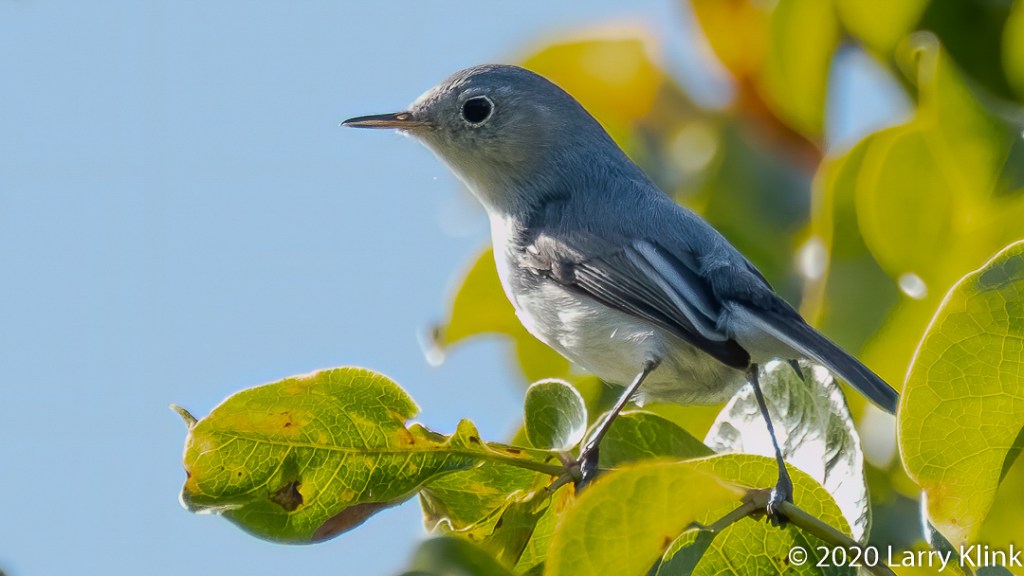
Today, I am sharing some more images from my February birding adventure in Florida. Most of the birds are songbirds. However, I have a jay and a couple of grackles in the set also.
Note: Please click on caption to see images at higher resolution.

Port St Lucie, FL; FEB 2020

Port Saint Lucie, FL; FEB 2020

Sanibel Island, FL; FEB 2020

Lakes Park, Fort Meyers, FL; FEB 2020

Lakes Park, Fort Meyers, FL; FEB 2020

Sanibel Island, FL; FEB 2020

Harns Marsh, Fort Meyers, FL; FEB 2020
Please visit my website, www.earthwatcher.us to see my collection of landscapes and wildlife.
These and other images are available to purchase by contacting larry.klink@earthwatcher.us.
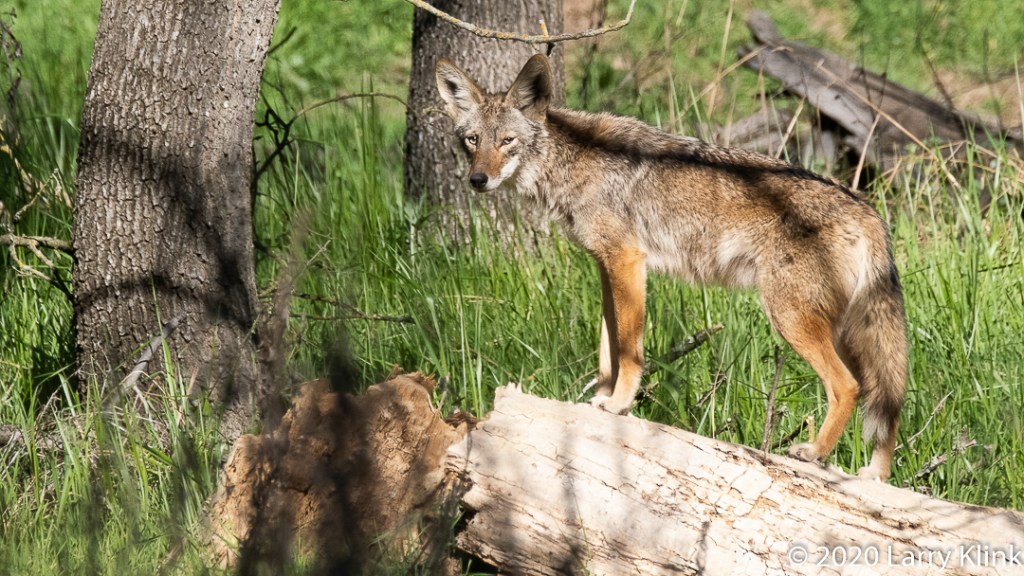
Local Birds – Special Time

Effie Yeaw Nature Center, Sacramento, CA; MAY 2020
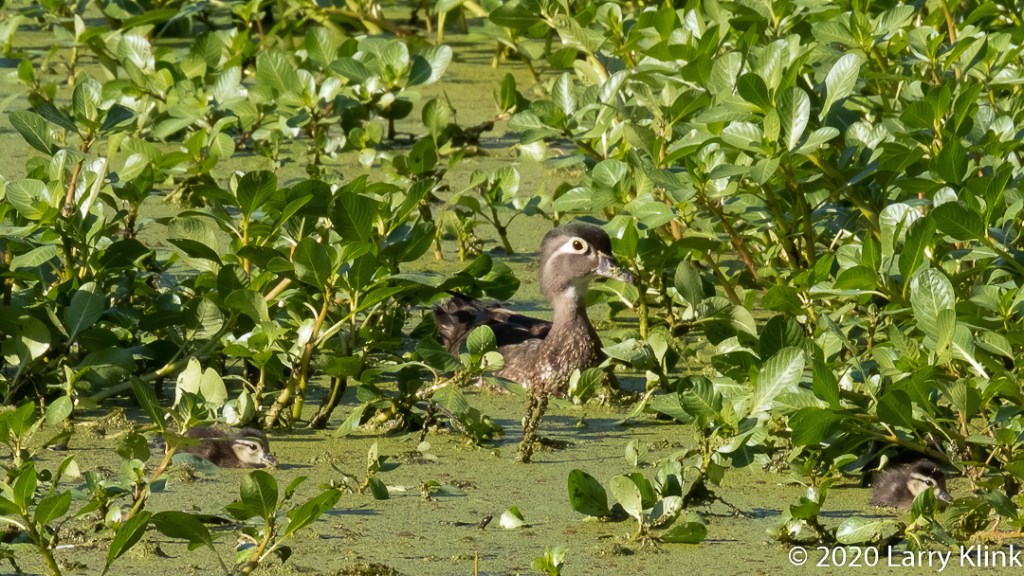
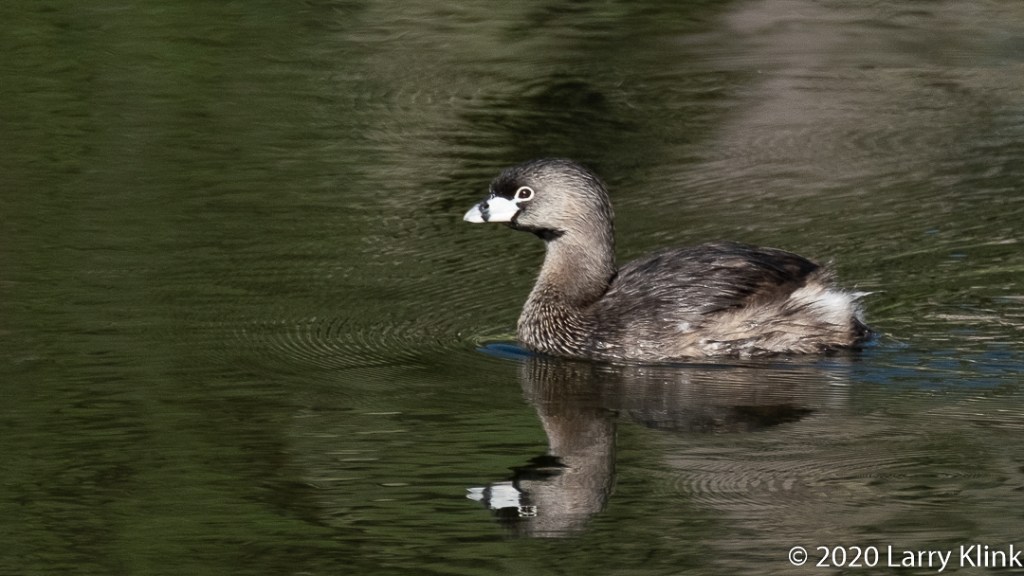
In the past 2 weeks, I have been able to get back to some of my familiar trails along the American River. It was a great time to get out because there are baby birds and there are males in their breeding plumage, all of which make this time of year special.
Please click on caption to see image at higher resolution.

Effie Yeaw Nature Center, Sacramento, CA; MAY 2020

Effie Yeaw Nature Center, Sacramento, CA; MAY 2020

Sailor Bar, American River Parkway, Fair Oaks, CA; MAY 2020

Effie Yeaw Nature Center, Sacramento, CA; MAY 2020

Effie Yeaw Nature Center, Sacramento, CA; MAY 2020

Sailor Bar, American River Parkway, Fair Oaks, CA; MAY 2020

Effie Yeaw Nature Center, Sacramento, CA; MAY 2020
Please visit my website, www.earthwatcher.us to see my collection of landscapes and wildlife.
These and other images are available to purchase by contacting larry.klink@earthwatcher.us.
Far-flung Seascapes

Sacheust NWR, Newport, RI ; SEP 2019
Today I am sharing some seascapes from a few places across the globe – Georgia, Rhode Island, Washington and South Africa.
Note: Please click on caption to see images at higher resolution;

Mboyti River Lodge, Lusukisiki, South Africa; AUG 2016

Cumberland Island, GA; MAY 2008

Sacheust NWR, Newport, RI; SEP 2019

Sequim Bay, WA; AUG 2015

Knysna, South Africa; AUG 2016
Please visit my website, www.earthwatcher.us to see my collection of landscapes and wildlife.
These and other images are available to purchase by contacting larry.klink@earthwatcher.us.
Anhingas and Night Herons

Blue eye ring indicates readiness to breed.
Merritt Island National Wildlife Refuge, Titusville, FL; FEB 2020
The Anhinga is water bird that looks like a Cormorant but are not Cormorants. Anhinga’s have a more dagger-like beak and longer tails. Like a Cormorant, they swim partially submerged when foraging for food. Typically, we see only their head and snake-like neck above the water line. When I see them, it reminds me of one of the iconic “Nessie” pictures. The name Anhinga comes from the Brazilian Tupi language, meaning snake bird or devil bird. They mostly eat fish which they spear with their dagger-like beak.
Anhingas are found along the coasts of Southeastern US, Mexico, Central America and the Caribbean. They nest in colonies with Herons, Egrets and Cormorants.
Night Herons are medium sized herons that forage mostly at night. In this post, I have images of both the Black-crowned Night Heron and the Yellow-crowned Night Heron.
The Black-crowned Night Heron is found in wetlands across most of the North America, though some winter over in Mexico and Central America. They forage in early morning and evening where they feed on a wide variety of fresh water and marine animals. They nest in colonies with other Black-crowned Night Herons.
The Yellow-crowned Night Heron is found mostly along the Atlantic coast of Florida and along North America’s Gulf coast, though some do move much further inland to breed. They are also found along the coasts of Mexico, Central America and the Caribbean.
The Yellow-crowned Night Heron feeds mostly on crustaceans. They nest alone or in colonies with others of their kind.
Info from: All About Birds by Cornell Labs
Note: Please click on caption to see image at higher resolution.

J N “Ding” Darling National Wildlife Refuge; Sanibel Island, FL; FEB 2020

Six Mile Cypress Preserve, Fort Meyers, FL; FEB 2020

Green-blue eye ring indicates readiness to breed.
Lakes Park, Fort Meyers, FL; FEB 2020

J N “Ding” Darling National Wildlife Refuge; Sanibel Island, FL; FEB 2020

Sanibel Island, FL; FEB 2020

Green-blue eye ring indicates readiness to breed. Lakes Park, Fort Meyers, FL; FEB 2020
Please visit my website, www.earthwatcher.us to see my collection of landscapes and wildlife.
These and other images are available to purchase by contacting larry.klink@earthwatcher.us.
Scenes from the Grand Canyon

Juvenile California Condor; Mather Point, South Rim, Grand Canyon National Park; AUG 2019
I have a friend, Gary Hart, who leads some of the best photography workshops you will ever find. Two of m favorites were to the Grand Canyon. One was to raft the Colorado River and the other to photograph lightening from the rim. Here are some images from those trips.
Note: Please click on caption to see images at higher resolution.

Grand Canyon National Park, AZ; MAY 2016

Rim Trail, South Rim, Grand Canyon National; Park; AUG 2019

Grand Canyon National Park, AZ; MAY 2016

Mojave Point, South Rim, Grand Canyon National; Park; AUG 2019

Grand Canyon National Park, MAY 2016

Point Imperial, Grand Canyon National Park, AZ; JUL 2019

Point Imperial, Grand Canyon National Park, AZ; AUG 2019

Grand Canyon National Park, AZ; MAY 2016

Point Imperial, Grand Canyon National Park, AZ; AUG 2019
Please visit my website, www.earthwatcher.us to see my collection of landscapes and wildlife.
These and other images are available to purchase by contacting larry.klink@earthwatcher.us.
Special Trees

Great Basin National Park, NV; OCT 2015
Today I am featuring some special trees: The The Great Basin Brisltecone Pine (Pinus longevea), the Coastal Redwood (Sequoia sempervirens) and the Giant Sequoia (Sequoiadendron giganteum). Most of the images are from California but one comes from Great Basin National Park in Nevada.
There are only 8 groves of the Giant Sequoia in the world. They are all located in the Sierra Nevada mountains of California. These wonders grow more than 300 feet tall with diameters that exceed 50 feet. The branches on these trees are often bigger than the trunks of trees I see every day.
The Coastal Redwood is found only along the coasts of Northern California with just a slight incursion into Oregon. These trees are the tallest in the world, reaching heights in excess of 375 feet and diameters in excess of 30 feet. Many of these trees are over 600 years old with the oldest known tree 2,200 years old.
The Bristlecone pines are small, gnarled, ancient trees some of which have lived more than 5,000 years. They grow at high altitudes and like poor soil conditions. They are tough old buggers.
Note: Please click on caption to see image at higher resolution

Sequoia National Park, OCT 2014

Jedediah Smith State Redwoods Park, CA, JAN 2013

Ancient Bristlecone Pine Forest, Schullman Grove, CA JUL 2013

Calaveras Big Trees State Park, CA, DEC 2013

Ancient Bristlecone Pine Forest, Schullman Grove, CA, JUL 2014

Jedediah Smith State Redwoods Park, CA, JAN 2013

Ancient Bristlecone Pine Forest, Schullman Grove, CA; JUL 2013

Schullman Grove, Ancient Bristlecone Pine Forest, CA; MAY 2016
Please visit my website, www.earthwatcher.us to see my collection of landscapes and wildlife.
These and other images are available to purchase by contacting larry.klink@earthwatcher.us.
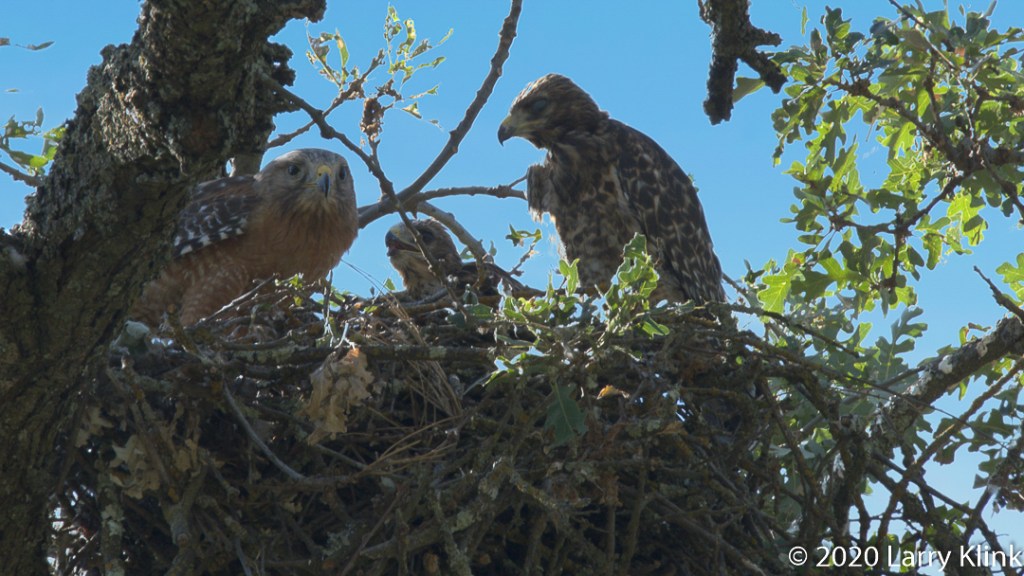
Scenes Along the American River Parkway

William B Pond Park, Sacramento, CA; JAN 2015
I love to walk. One of my favorite places is along the American River Parkway. The parkway is a 39 mile, paved biking and hiking trail that follows the American River between downtown Sacramento and Folsom Lake. There are also many dirt paths off the main trail that let you enjoy the riparian oak woodlands along the river. Here are a few scenes from my hikes.
Note: Please click on caption to see image at higher resolution.

Lake Notoma, American River Parkway, Folsom, CA; DEC 2017

Negro Bar, American River Parkway, Folsom, CA; DEC 2012

Lake Notoma, American River Parkway, Folsom, CA; DEC 2017

Effie Yeaw Nature Center, Sacramento, CA; JAN 2019

Effie Yeaw Nature Center, Sacramento, CA; DEC 2019
Its damp and foggy. The recent rain has saturated the color of the vegetation along the banks of an ephemeral pool that lays dry after the river last receded.
Please visit my website, www.earthwatcher.us to see my collection of landscapes and wildlife.
These and other images are available to purchase by contacting larry.klink@earthwatcher.us.
Snowy Egret

J N “Ding” Darling National Wildlife Refuge; FEB 2020
The Snowy Egret is an elegant bird with bright white plumage, black beak and legs and bright yellow feet. When it displays its long, curved plumage, it is gorgeous. They can be found, year around, along the coastal waters of the US, Mexico, and the Caribbean. But its migration and breeding periods takes it into much of the interior of the US.
Like other egrets and herons, they nest high in trees, in colonies, with other similar birds. They forage on frogs, worms, crustaceans, and insects. I find watching Egrets and Herons stalk fascinating.
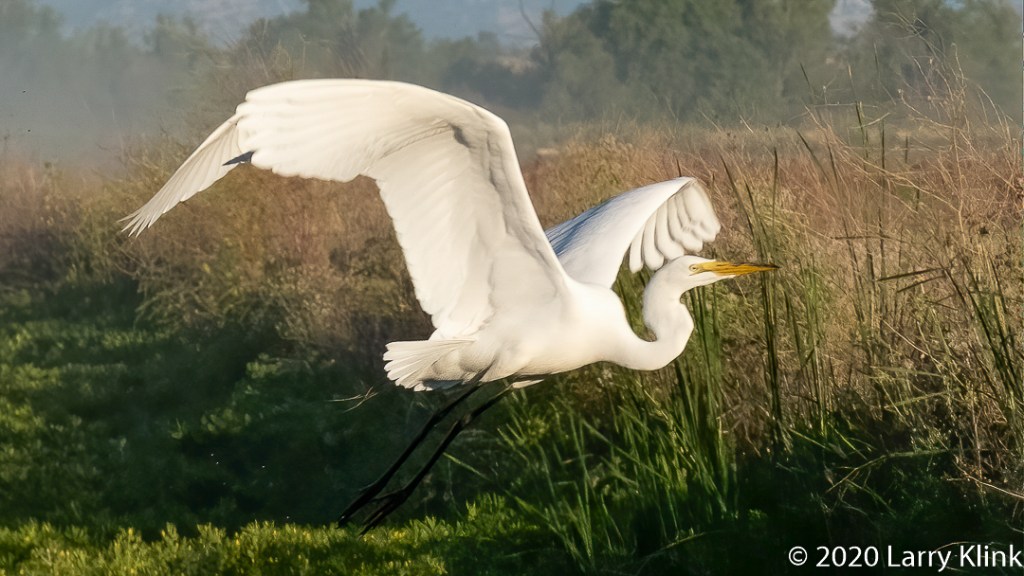
The Snowy Egret is noticeably smaller than its cousin the great egret; the one that is tall and has a yellow beak. When you see an egret, look closely; it might be a Snowy or, it might be a Great.
In this set, I mixed a few pictures from our recent trip to Florida as well as some I have taken locally.
Note: Please click on caption to see image at higher resolution.

Effie Yeaw Nature Center, Sacramento, CA; MAR 2020

Effie Yeaw Nature Center, Sacramento, CA; SEP 2019

Sanibel Island, FL; FEB 2020

Sanibel Island, FL; FEB 2020

Effie Yeaw Nature Center, Carmichael, CA; MAR 2019
Please visit my website, www.earthwatcher.us to see my collection of landscapes and wildlife.
These and other images are available to purchase by contacting larry.klink@earthwatcher.us.