I am a very analytical person. My creativity flows from my need to understand and explain. I made a career of distilling processes to their essence and reconstructing them to be more efficient and productive. My approach to photography is an extension of my life’s work. I distill a scene to identify its processes and actors. I try to understand how the processes, generally the forces of nature and the forces of humans, have and are interacting with the actors to create the scene. I focus on one or more of the actors and compose a scene that shares a moment with them in an aesthetically pleasing way.
Actors may be humans or wildlife. They also may be the sun, the moon, a tree, a river, mountain or other object. Each image shares a unique moment showing how its actors and processes have, are, and sometimes even will impact each other. But I also want to entice the audience to linger and to find their own story. I want them to imagine themselves experiencing the sights, the sounds and the feeling as if they were there.
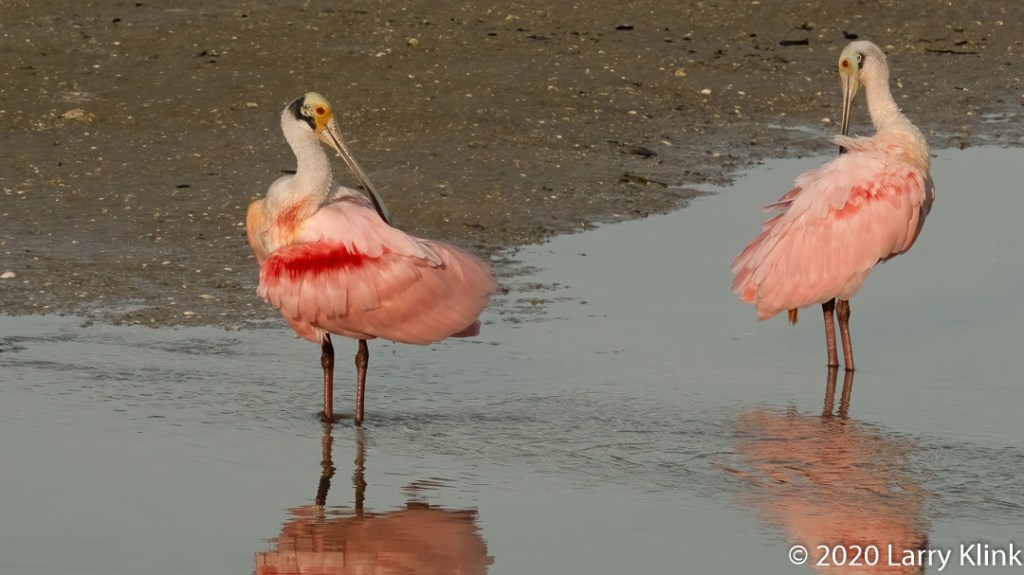
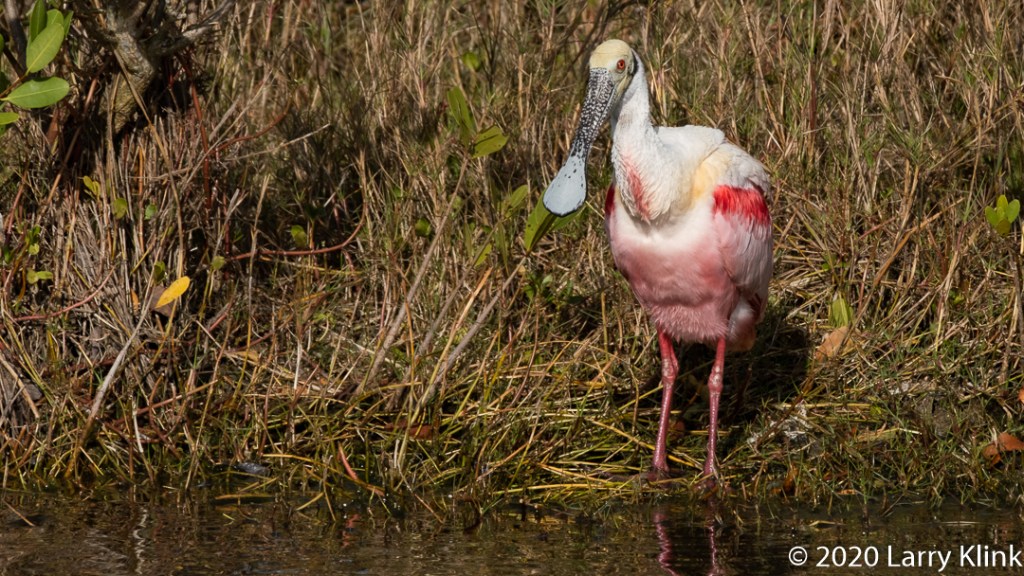
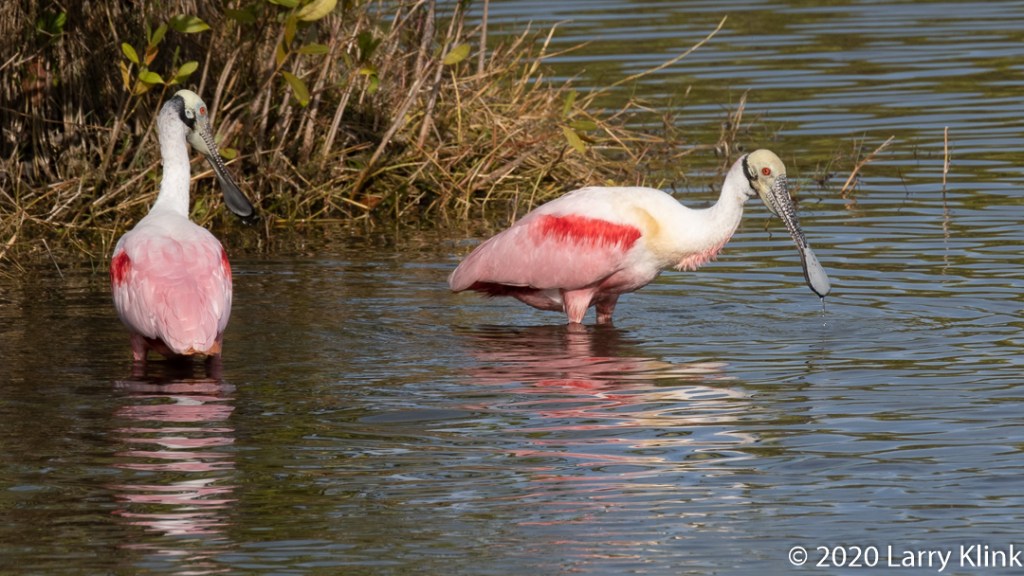
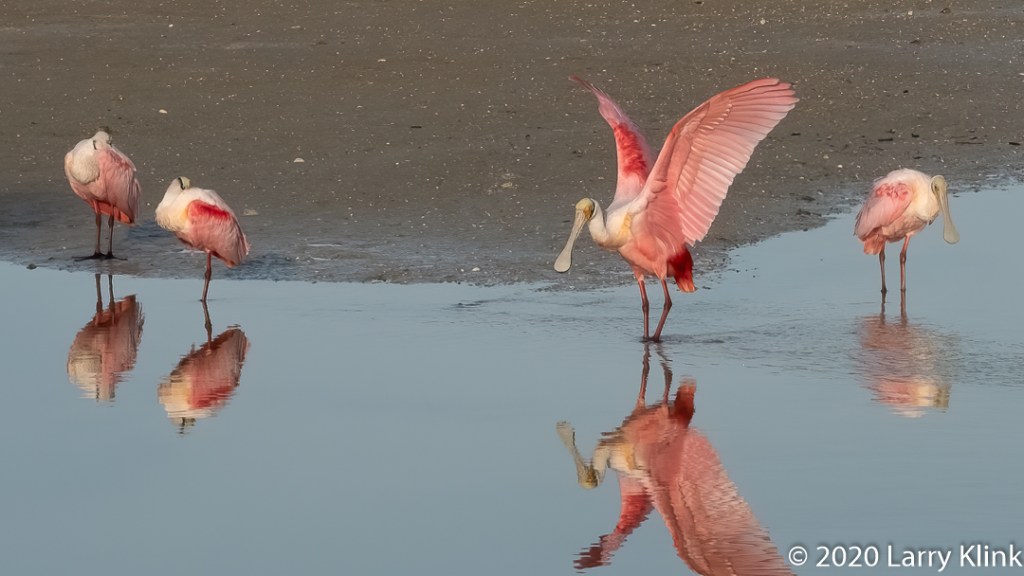
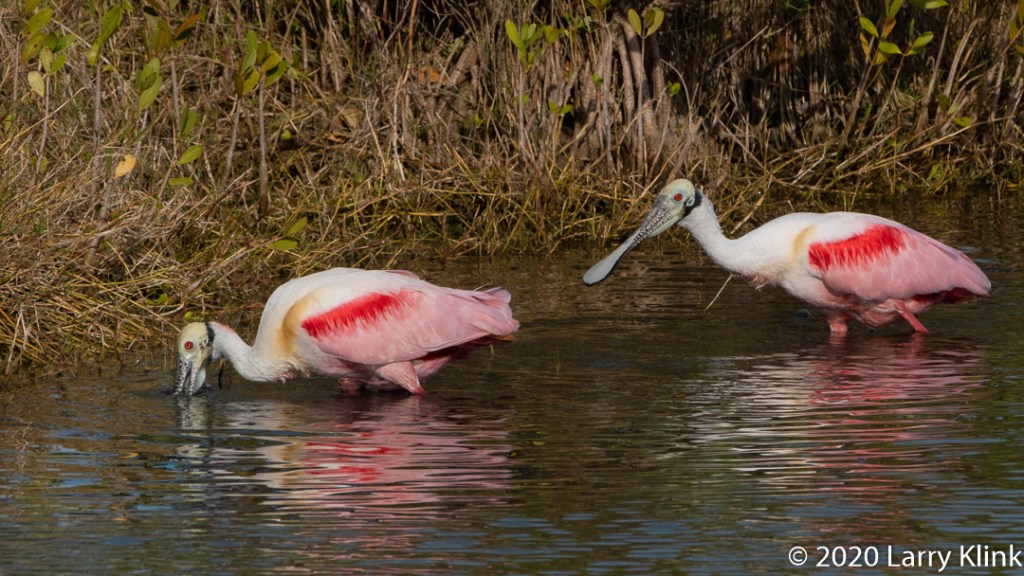
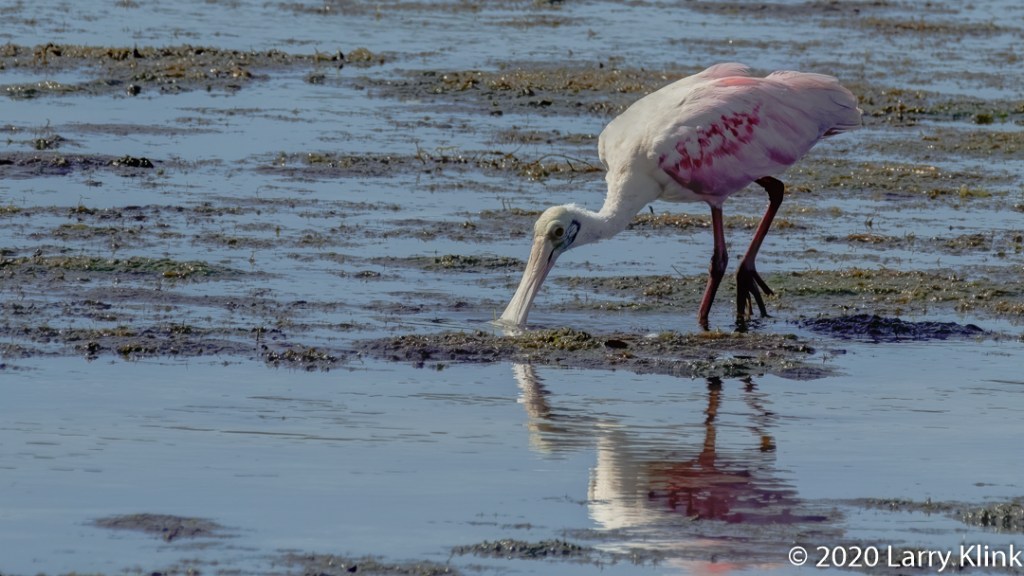
On a recent trip to Florida, we got to see the Roseate Spoonbill. I was excited. It was one of the birds I had hoped to see. In the US, they live year-round in Florida and along the Gulf Coast of Texas. They can also be found in Mexico, Central and South America. They breed in colonies with birds like herons and ibises. They forage in shallow water where small fish and marine invertebrates are available. They forage by walking slowly with beak open, feeling for their pray.
Note: Please click on caption to see image at higher resolution.
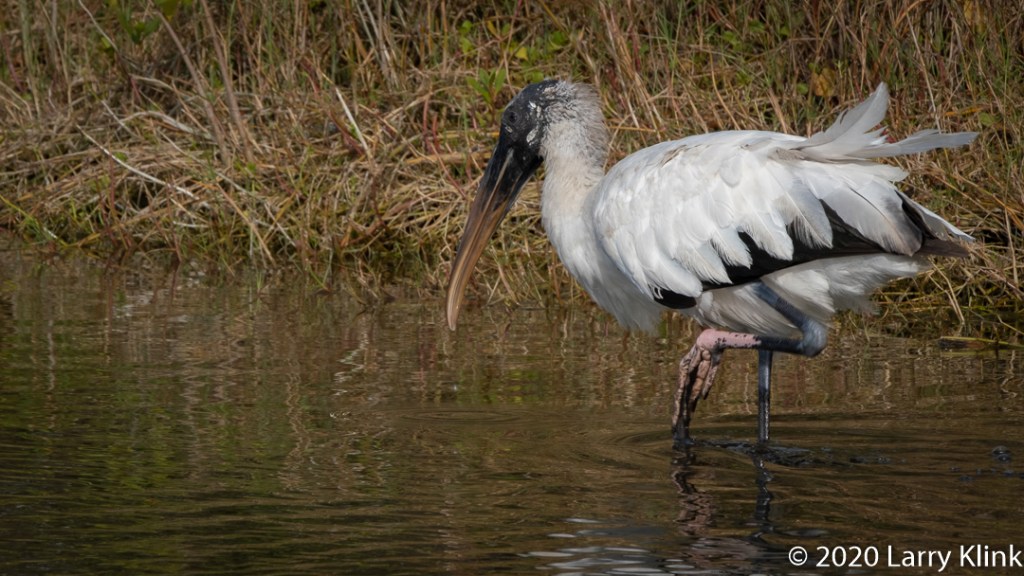
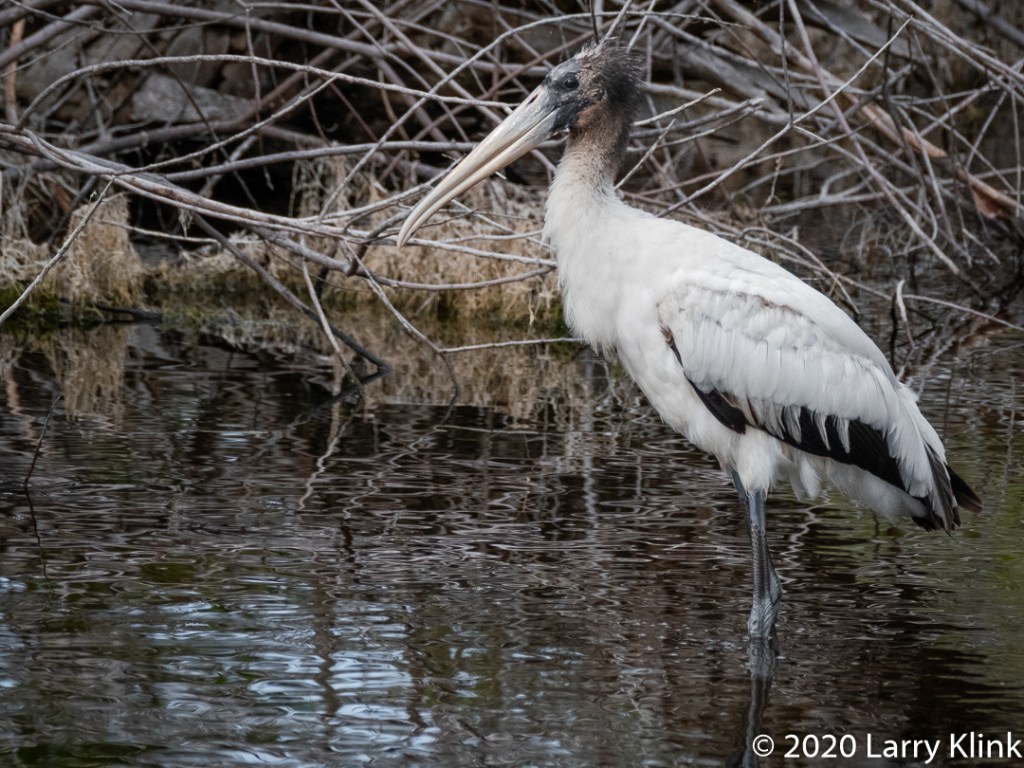
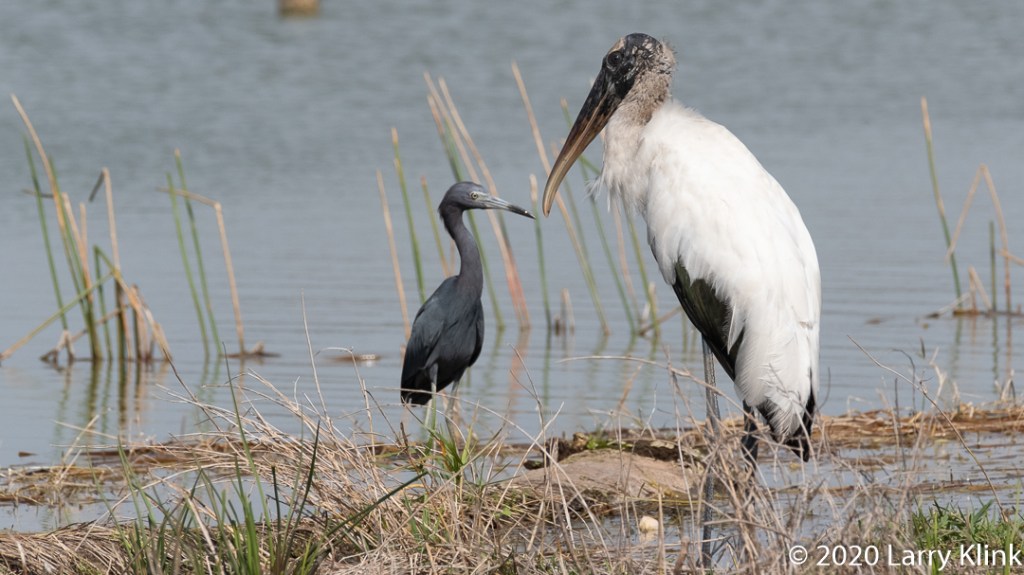
The Wood Stork (Mycteria Americana) is a large bird that is found in the swamps and wetlands of coastal Florida, Georgia and South Carolina. It can also be found in Cuba and Mexico. It hunts for fish and crustaceans while walking slowly with its beak in the shallow water. I watched one hunt. It had its beak submerged but used its feet to stir up the muddy bottom.
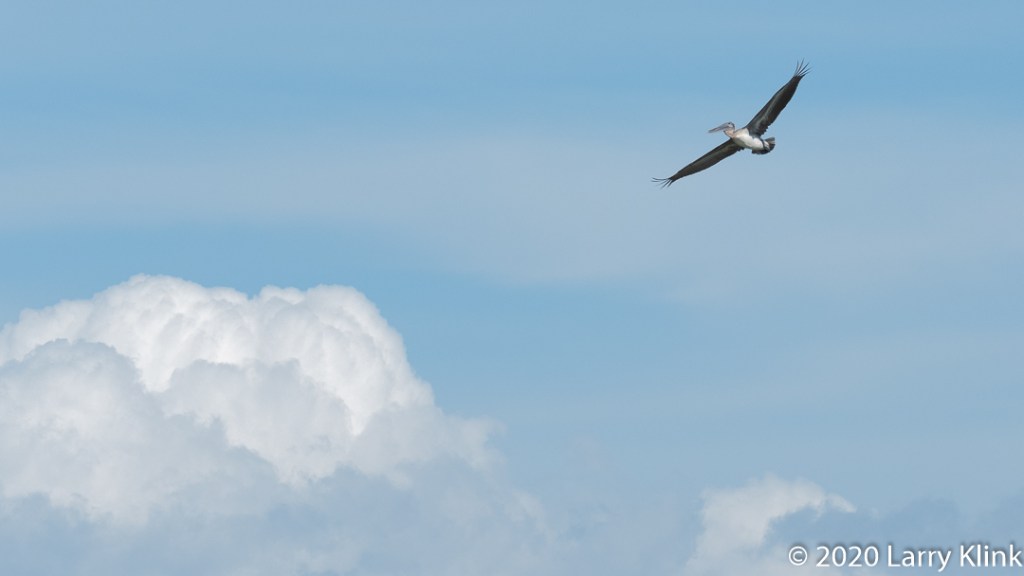
We found these beautiful creatures during a recent visit to Florida. I watched some fly overhead but I didn’t see any delivering babies.
Note: Please click on caption to see image in higher resolution.
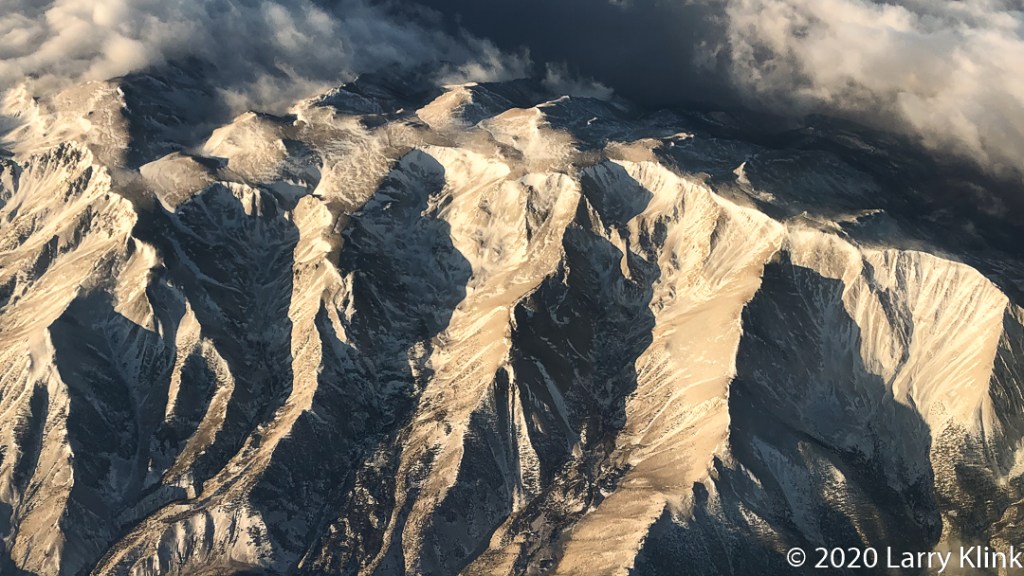
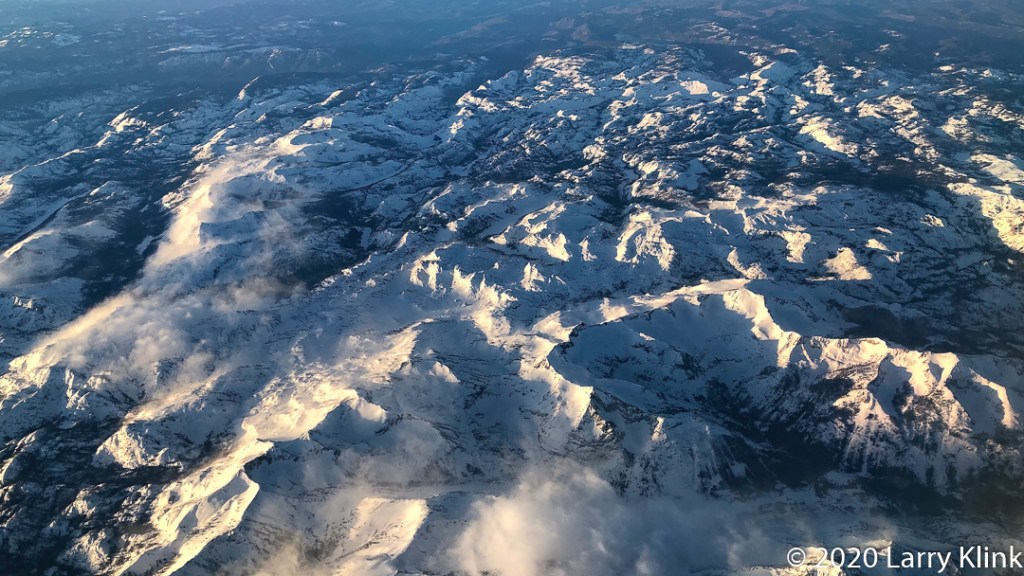
On a recent trip. We flew over the Sierra Nevada Mountains and the Basin and Range area of Nevada. The sun was rising, and it provided some interesting views from the plane.
One scene was Mono Lake. I have posted scenes of Mono Lake and its magnificent tufa on many occasions. The flight path on this trip provided a stunning view of the lake and the mountains surrounding it.
I enjoy studying geomorphology, i.e. how the earth was sculpted by natural forces. Two of the images tell a story about land formation through the erosion and deposition that sculpted the beautiful landscape.
By the way, these images were taken with my iPhone 8 through the window of the commercial passenger plane.
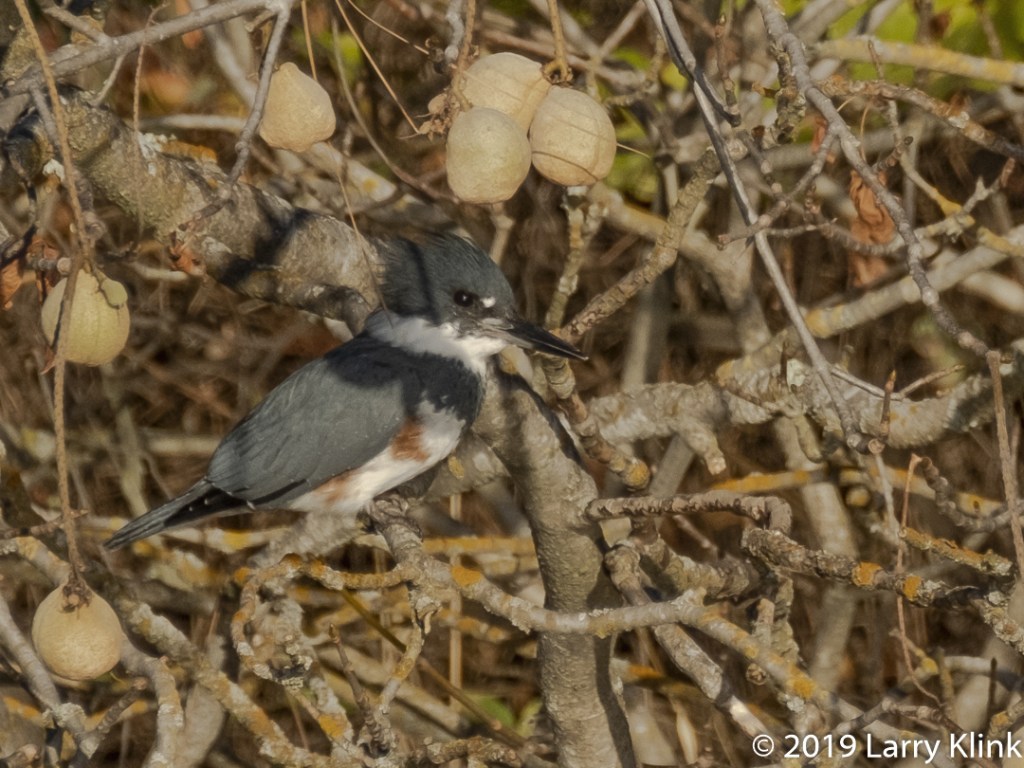
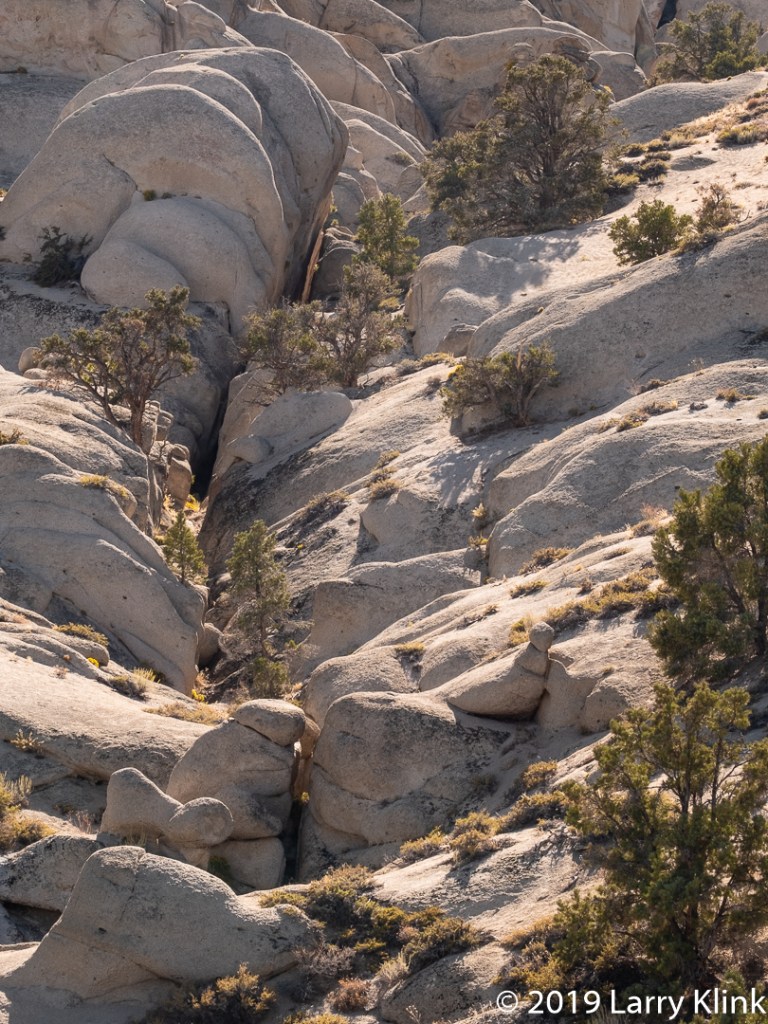
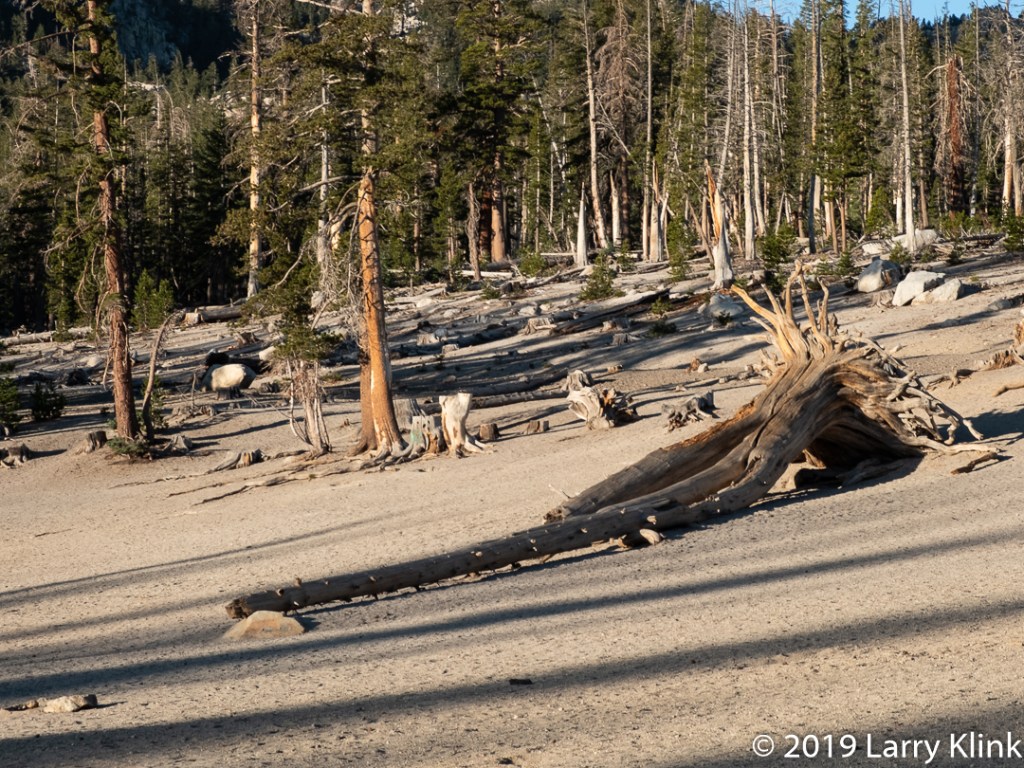
There is no theme to this post. It’s just a set of images taken mostly in 2019 that I thought I’d post today.
The Southern Boubou (Laniarius ferrugineus) was taken in August of 2016. It is one image that I overlooked when I was posting my images from Africa.
The Coyote (Canis latrans) was taken at Yellowstone National Park in May 2019. We watched him stalk for half an hour until he took off after something. We never saw what he was stalking but alas, he missed.
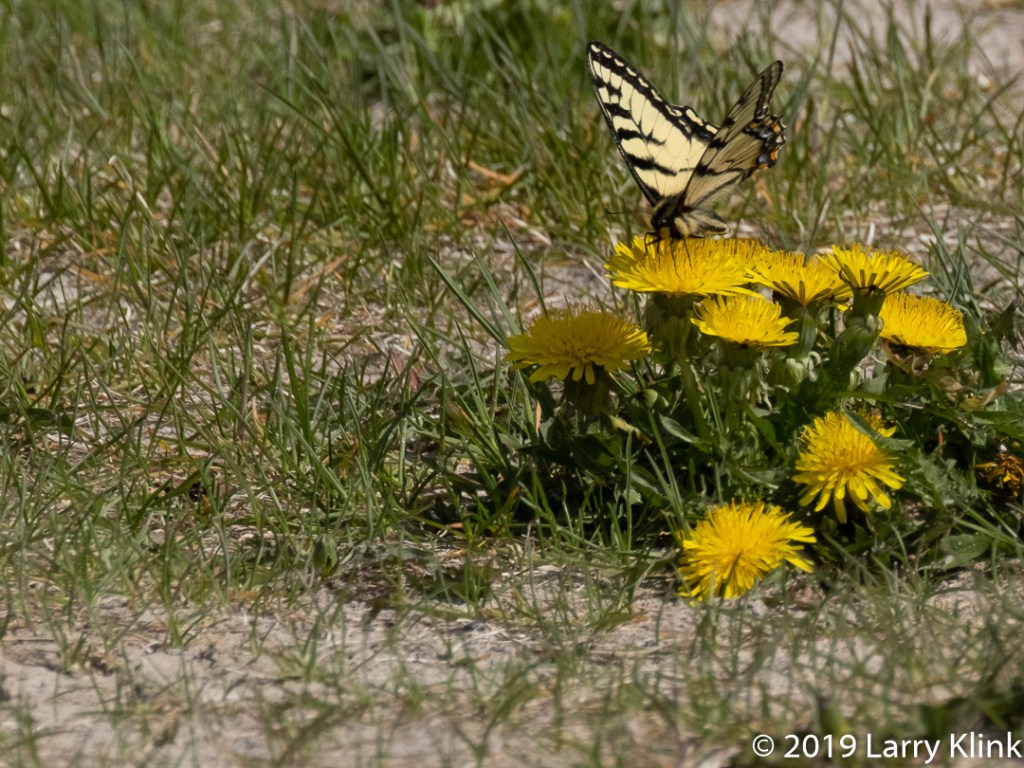
The Yellow Swallowtail Butterfly (Papilio glaucus) was taken in Jasper National Park, Alberta, Canada in May 2019.
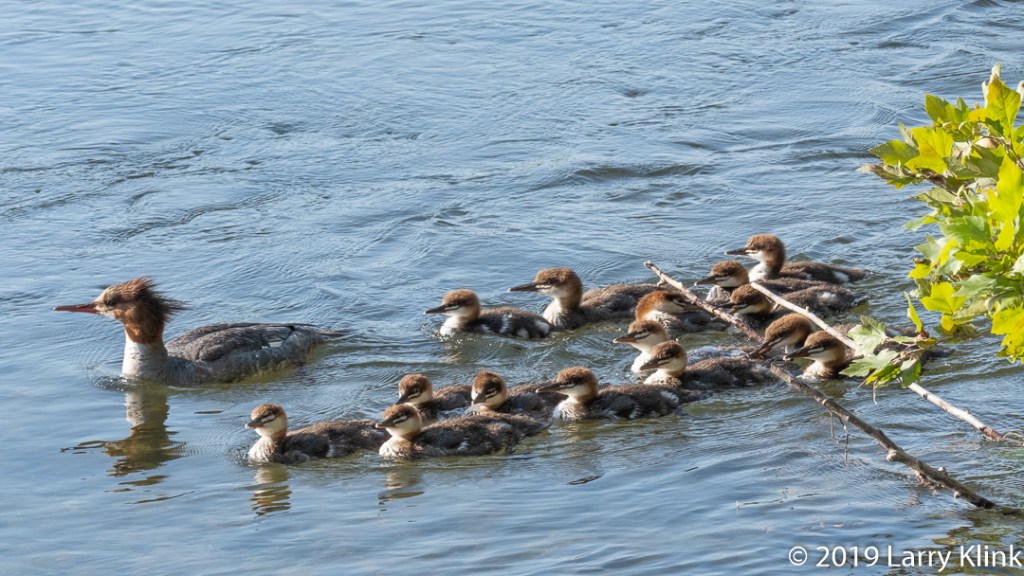
This female Common Merganser (Mergus merganser) was taking care of these babies all by herself. The Common Mergansers have some peculiar child rearing behavior. Sometimes, one will lay its eggs in the nest of another and leave. Sometimes they just abandon their chicks to another Common Merganser to raise. So, at times, you will see one female with a large group of ducklings. I watched this group for a long period of time. During that time, the mother would hide the brood in the shelter of some brush alongside the river. When she felt it was safe, they would dash to another shelter. It was a lot of fun. This image was taken at Effie Yeaw Nature Center, Sacramento, CA in June, 2019.
The landscape is a sunrise at Ash Meadows National Wildlife Refuge in Amargosa Valley, NV in October 2019. This wonderful sanctuary is an oasis in the Nevada desert outside Death Valley National Park. Its home to birds and other creatures alike.
Note: Please click on caption to see image at higher resolution.
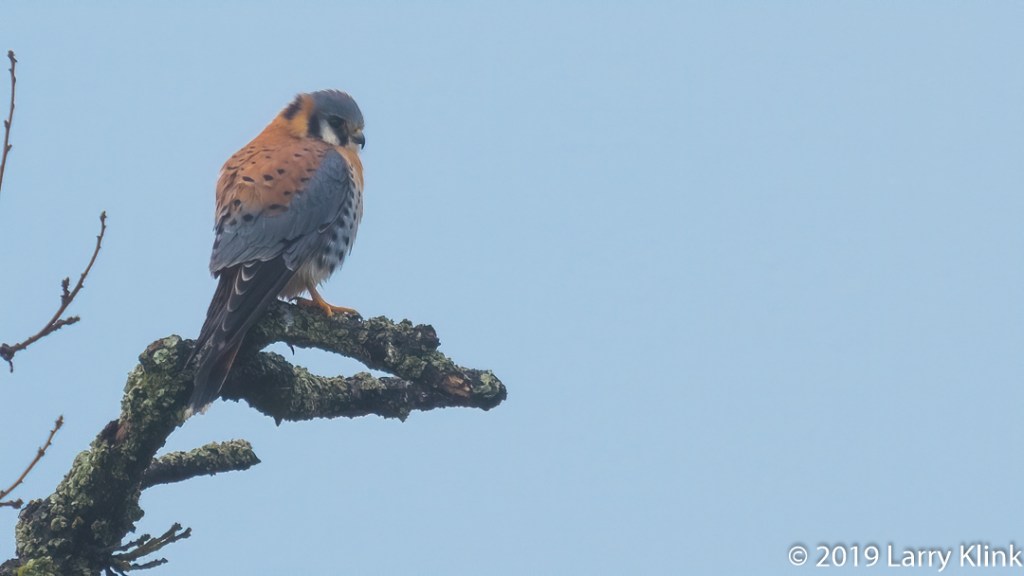
One of my favorite birds is the American Kestrel; a small falcon. These colorful birds perch in tree tops, power lines and other places where they can hunt for prey. They eat insects, invertebrates, rodents and small birds. One interesting Kestrel practice is called “kiting”, i.e. they hover then, when the timing is right, pounce on their prey.
Kestrels nest in tree cavities though they don’t excavate their own; they take over abandoned cavities.
Note: Please click on caption to see image at higher resolution.
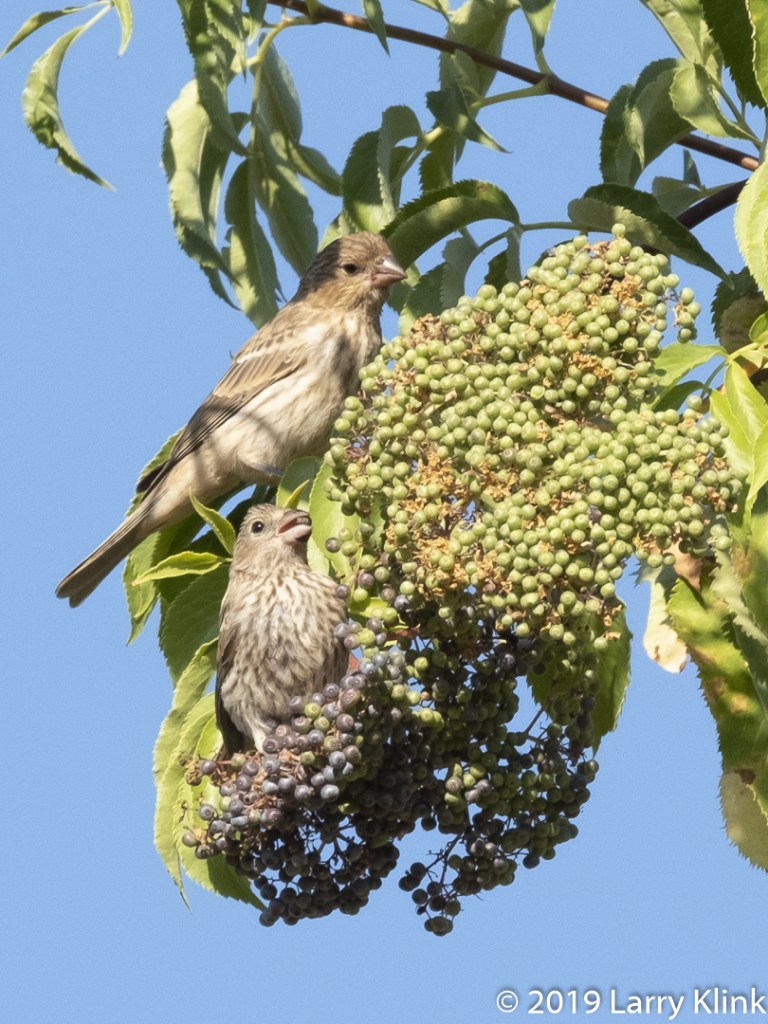
The Blue Elderberry (Sambucus nigra ssp. caerulea), also known as the Mexican Elderberry, or Tapiro is a deciduous shrub or small tree, growing to as tall as 30 feet. It is native from Oregon to Baja and into western Texas. It has cream or yellow flowers in the spring and purple berries in the fall. Its berries are one of the most important sources of food for birds in California. [i] It was also an important source of food and medicine for the Native Americans and early European settlers who inhabited this region.
In the book “Seaweed, Salmon and Manzanita Cider”, Rhonda Robles of the Ajachmem, explains that the elderberry was well known to her ancestors. The elderberries are said to be helpful for bronchitis, sore throats, coughs, asthma, colds, and constipation. They also induce perspiration to break a fever. She also states that recent research has found that elderberries stimulate and build up the resistance of the immune system, and they also directly inhibit the influenza virus. In addition, elderberries are loaded with minerals, antioxidants, and vitamin C. Indeed, elderberry products can be found in the cold and flu section of pharmacies and other stores.
The book “Living Wild” has recipes for champagne and wine made from the elderberry flower and syrup and pancakes made from the berries.
We must be careful however in using elderberries. They must be dried or cooked before eaten. Never eat elderberries raw. They contain a cyanide-inducing glycoside. Eating a sufficient quantity of these cyanide-inducing glycosides can cause a toxic buildup of cyanide in the body and make you ill.
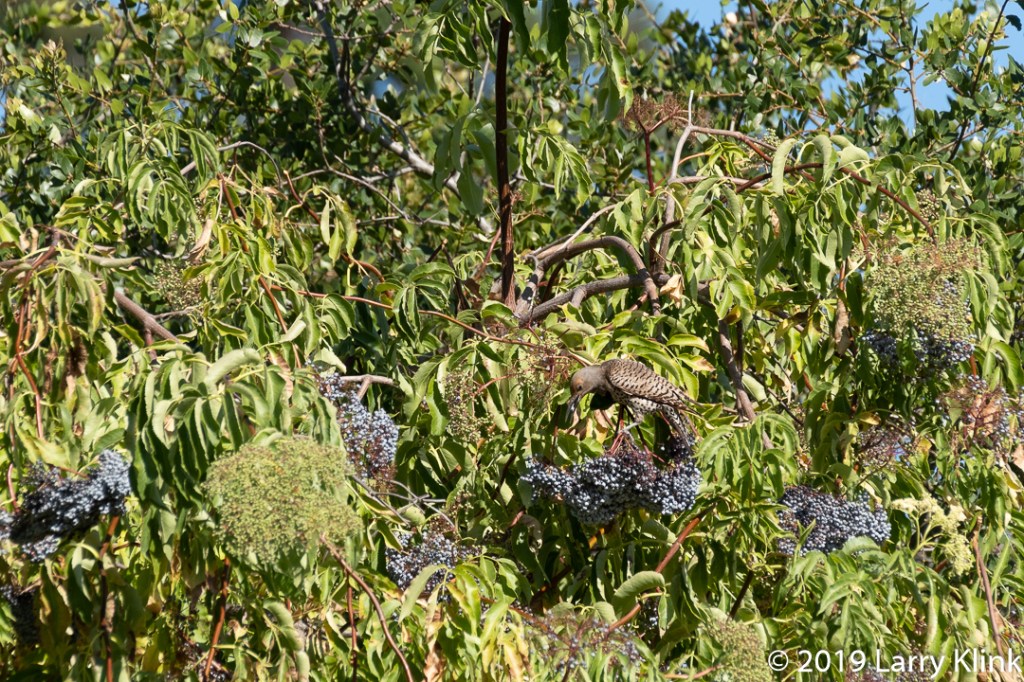
Birds, however, like elderberries a lot and don’t appear to get sick when they eat them raw. Over the course of the season, I was able to photograph several birds enjoying elderberry fruit.
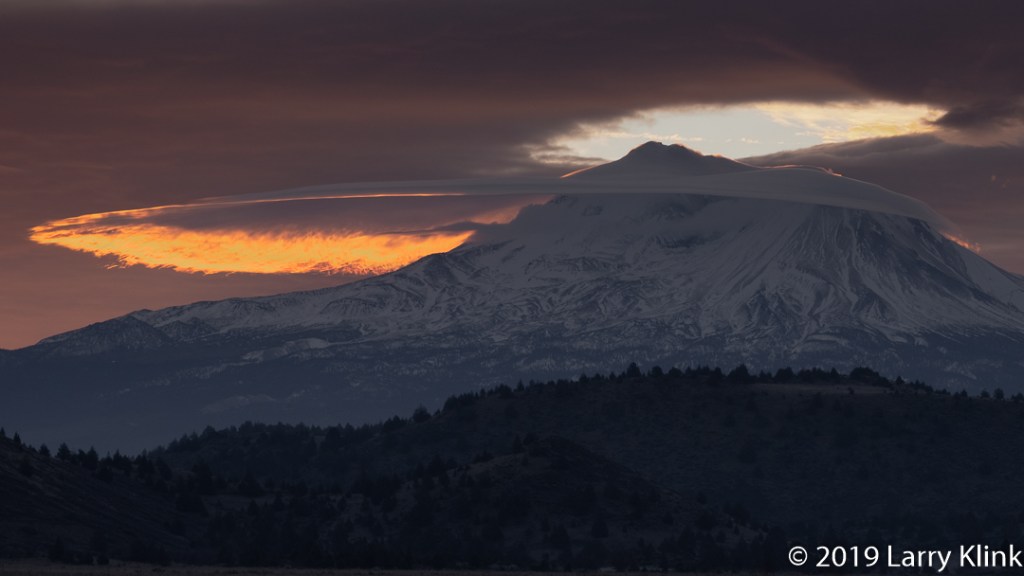
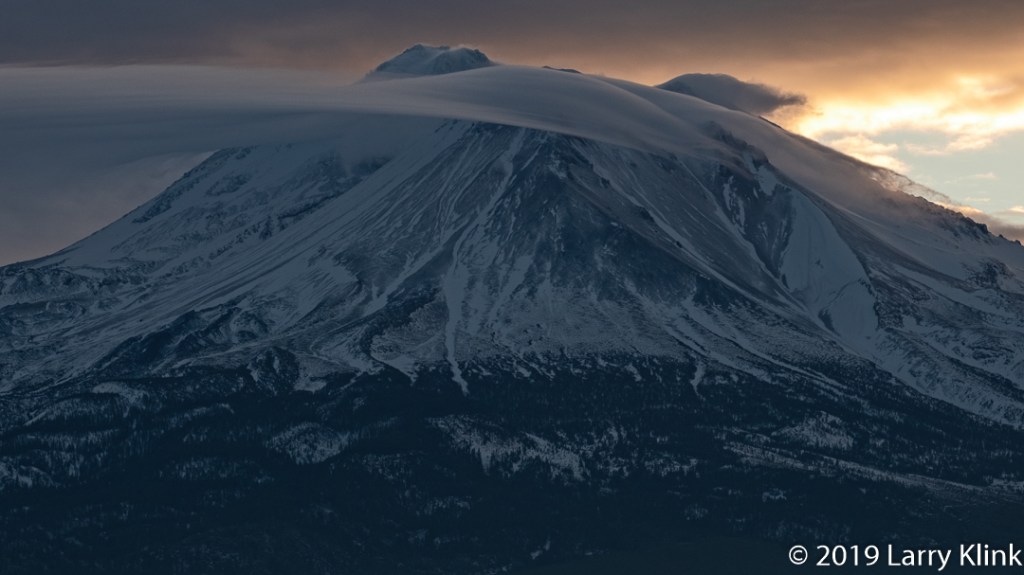
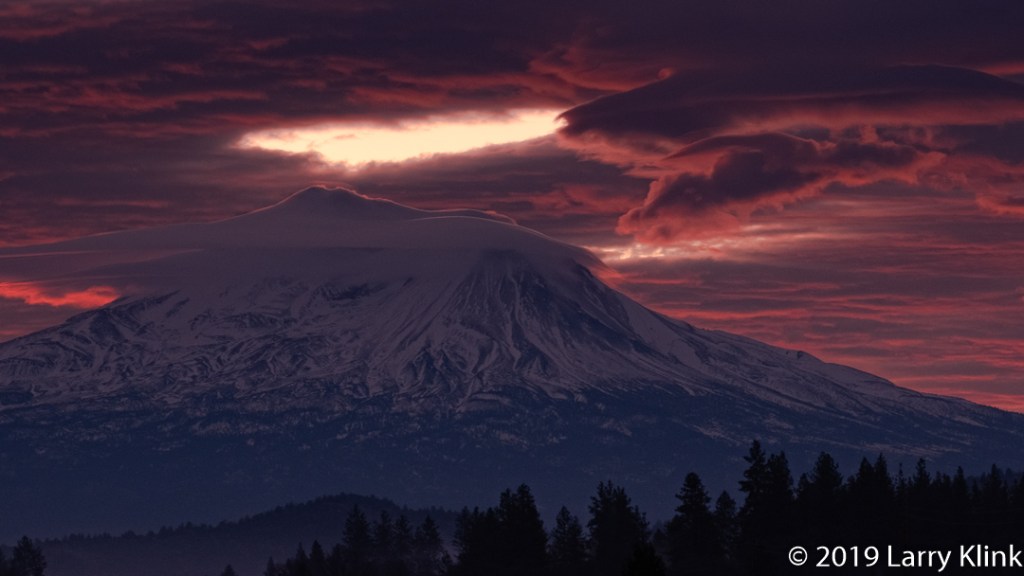
On the way home from a Christmas trip, we got off to an early start, Much to our good fortune, we hit the Oregon-California border just as the sunlight was breaking to the east and was treated to a magnificent site – the skies above Mt Shasta appeared to be on fire. The peak was covered with a thin lenticular cloud that looked life a flowing gossamer fabric. Sometimes nature rewards you with some awesome treats.
Please click on caption to see images at higher resolution.
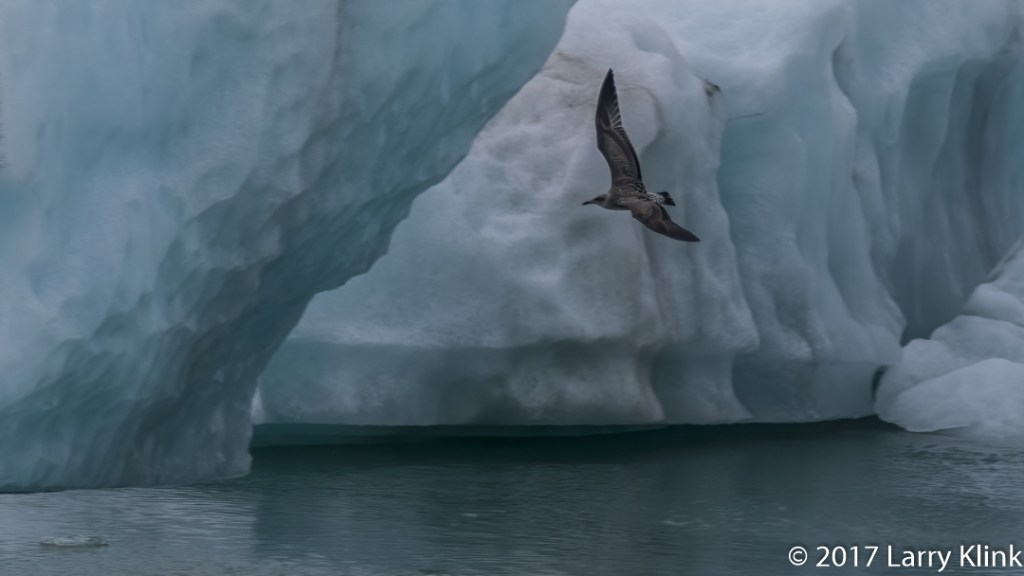
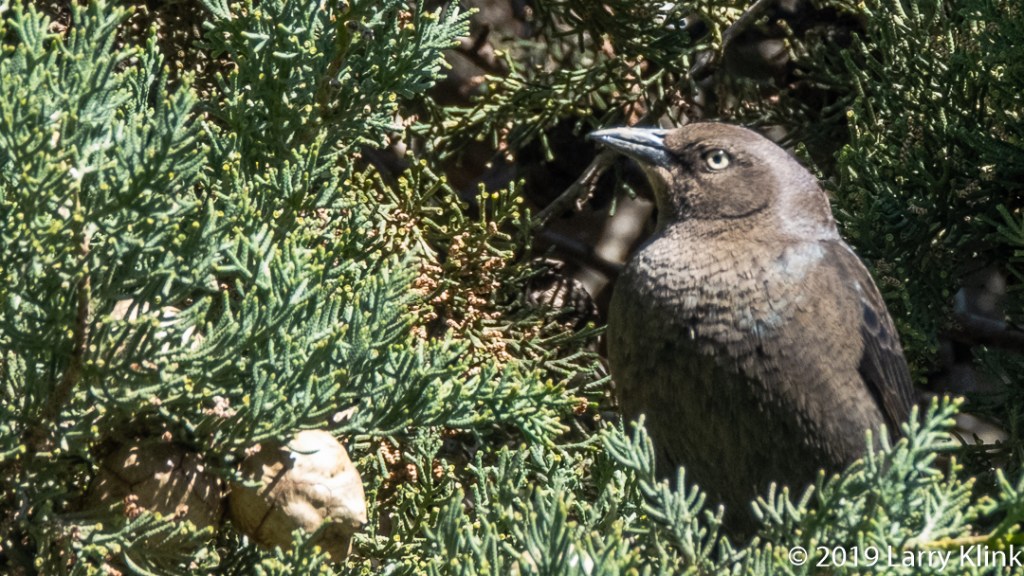
A few more birds, mostly from 2019; the Herring Gull is from Iceland in 2017.
The icebergs at Jokulsarlon are a magnificent site to behold. But I became fascinated by the life around them. Birds soared through them, presumably hunting. I am sure there were bird noises as well as people noises, but I don’t remember any. I was in a zone of quiet concentration.
My normal encounter with Brewer’s Blackbirds is in the parking lot of fast food restaurants and supermarkets. They are opportunistic hunters. It was nice to observe them in more natural environments.
Please click on caption to see image at higher resolution.

















 Earthwatcher