Vultures and Other Scavengers

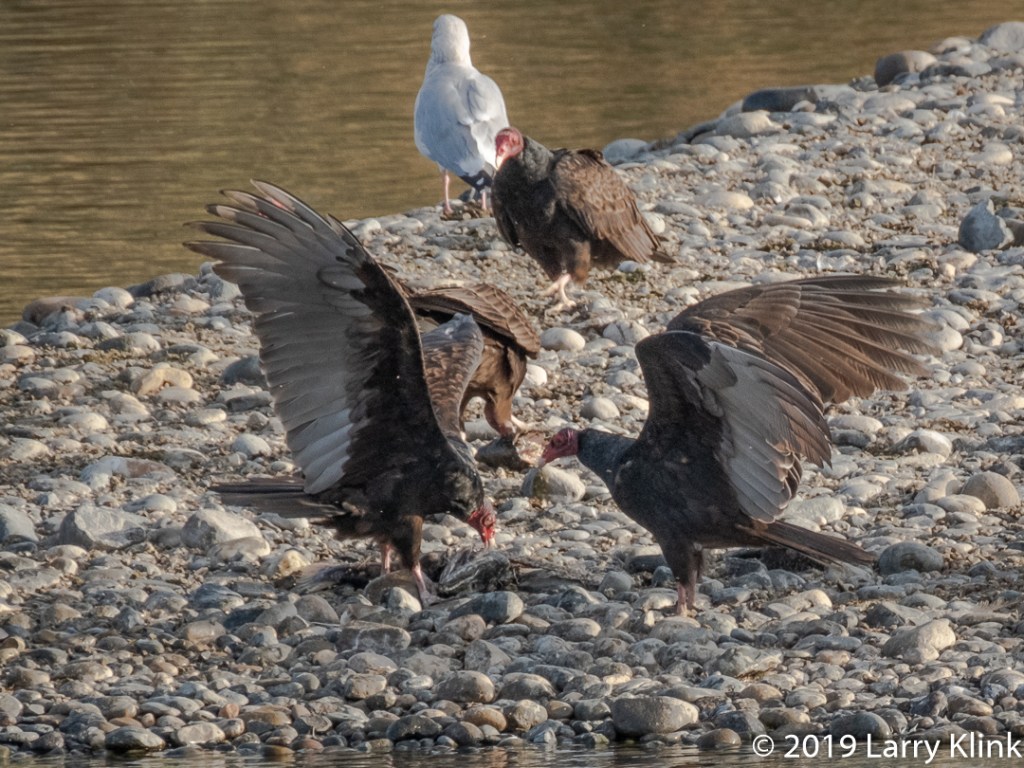
Turkey Vultures (Cathartes aura) Feeding On Salmon;
Lake Natomas, American River Parkway, Gold River, CA; NOV 2019

In Sacramento, we are privileged to live along the American River. This mighty river is one of many that provide spawning territory for salmon. Spawning is the last great act of these creatures; after they spawn, they die. Though it is the end for them, their death provides nutrients for plants and other animals. When the Salmon run gets underway, migrating Turkey Vultures and Gulls arrive and supplement the year-around population and clean up the carcasses.

Scavenging is not limited to the Salmon carcasses. I’ve also found a Raven with the carcass of a dead bird. Hunting and killing is not normal behavior for the Raven so most likely it found the carcass.

Look closely at the rocks among the vultures. Some of what looks like rocks are part of the carcasses.

Note: Please click on caption to see images at higher resolution.

Turkey Vultures (Cathartes aura) Feeding On Salmon;
Lake Natomas, American River Parkway, Gold River, CA; NOV 2019
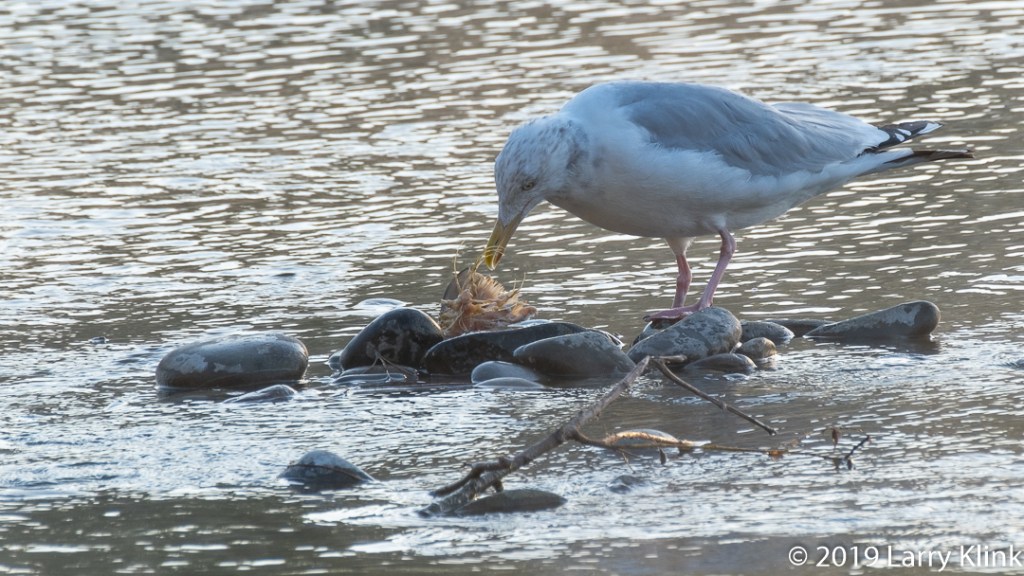
Western Gull (Larus occidentalis) Picking on Salmon
Effie Yeaw Nature Center, Sacramento, CA; OCT 2019
Common Raven (Corvus corax) with Scavenged Meal;
Willow Creek Recreation Area, Folsom, CA; OCT 2019

These and other images are available to purchase on my website: www.earthwatcher.us or by contacting larry.klink@earthwatcher.us.

Some More Birds from This Year

American Robin (Turdus Migratorius)
Effie Yeaw Nature Center, Sacramento, CA; NOV 2018

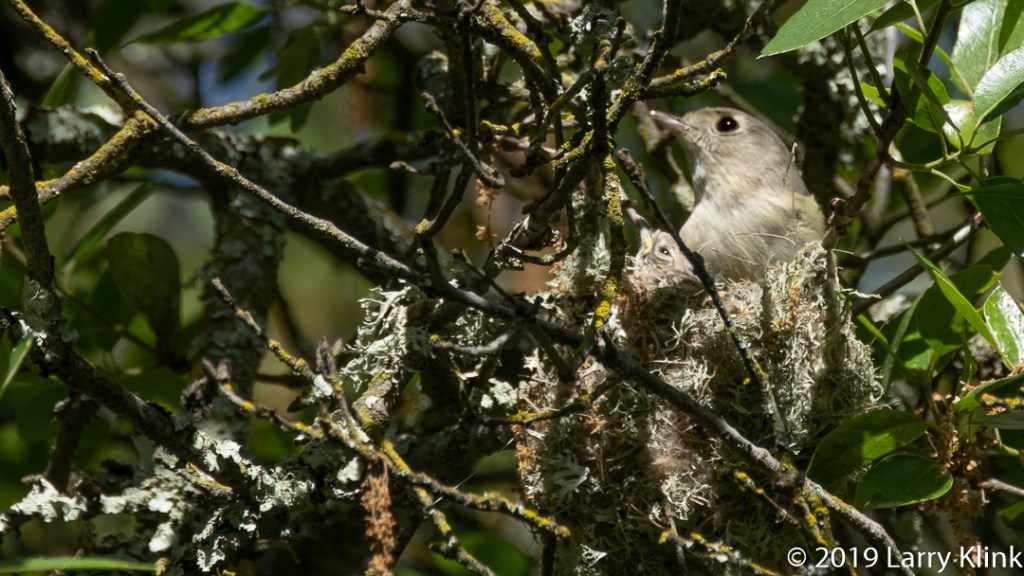
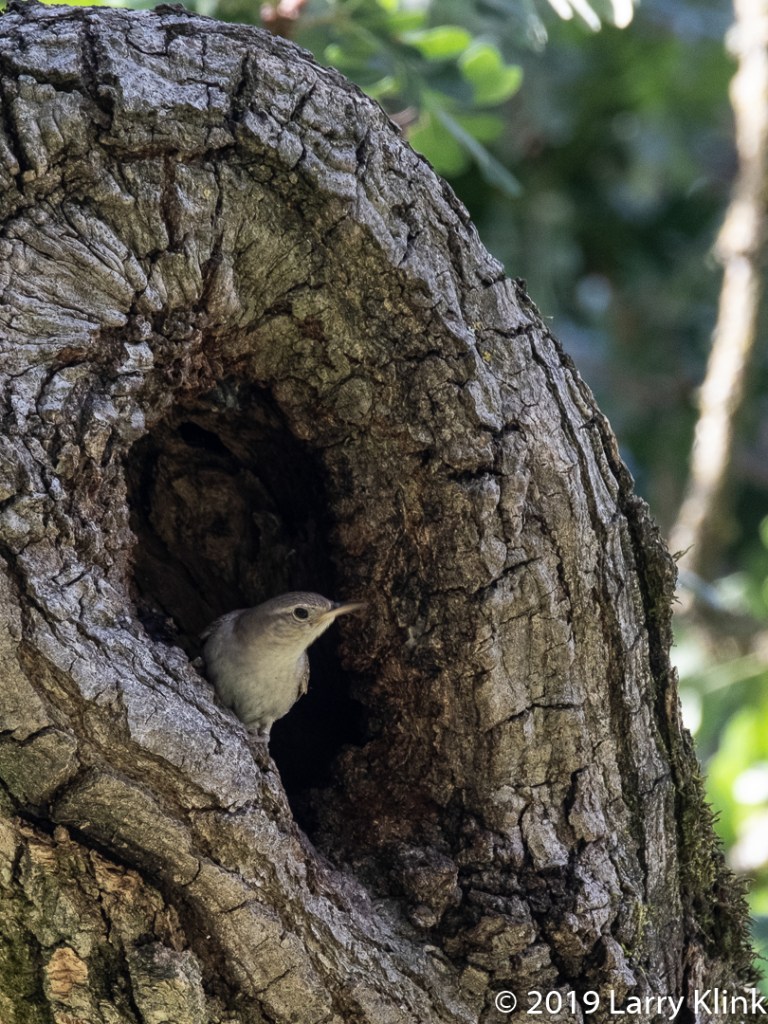
Here are some more bird photos that I have taken in the past year. Take a close look at Hutton’s Vireo with Chick. Though it is well camouflaged, there is a baby in the nest with mom. The Bewick’s Wren is also attending a nest deep in the cavity of the tree.

Please click on caption to see image at higher resolution!

Hutton’s Vireo (Vireo huttonii) with Chick;
Effie Yeaw Nature Center, Sacramento, CA; APR 2019
Bewick’s Wren (Thryomanes bewickii);
Effie Yeaw Nature Center, Sacramento, CA; JUN 2019
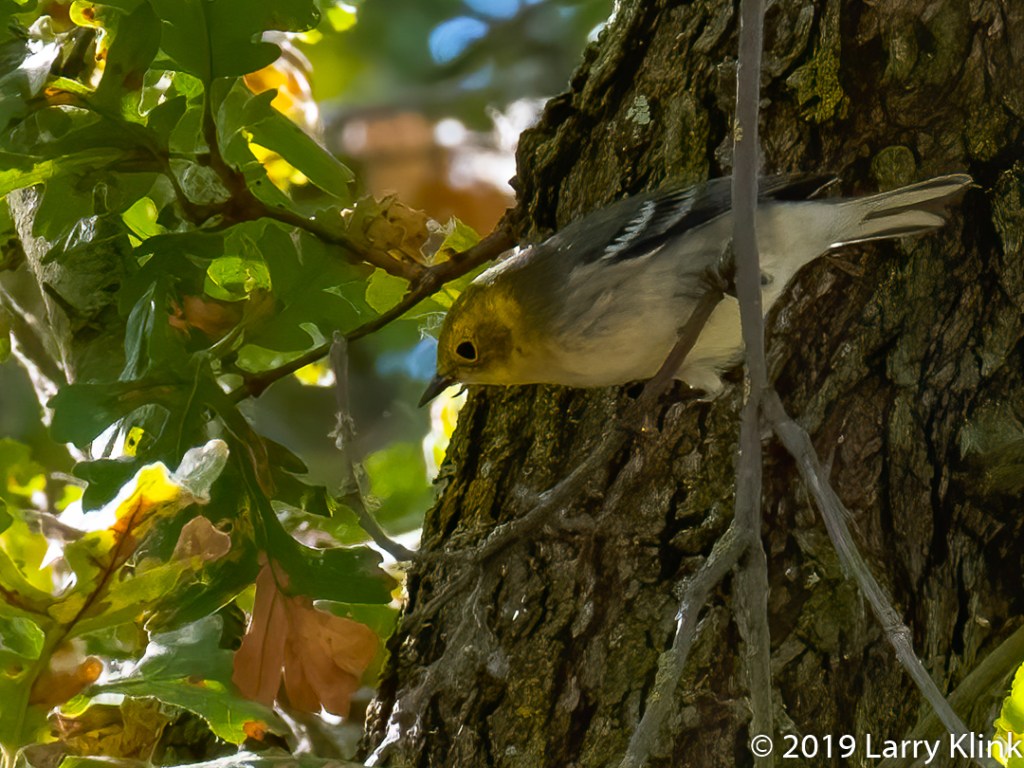
Hermit Warbler (Setophaga occidentalis);
William Pond Park, Sacramento, CA; SEP 2019
Hutton’s Vireo (Vireo huttonii);
Effie Yeaw Nature Center, Sacramento, CA; SEP 2019
Mourning Dove (Zenaida macroura);
Willow Creek Recreation Area, American RIver Parkway, Folsom, CA; APR 2019
Oak Titmouse (Baeolophus inornatus);
Effie Yeaw Nature Center, Sacramento, CA; APR 2019

These and other images are available to purchase on my website: www.earthwatcher.us or by contacting larry.klink@earthwatcher.us.

Swallows

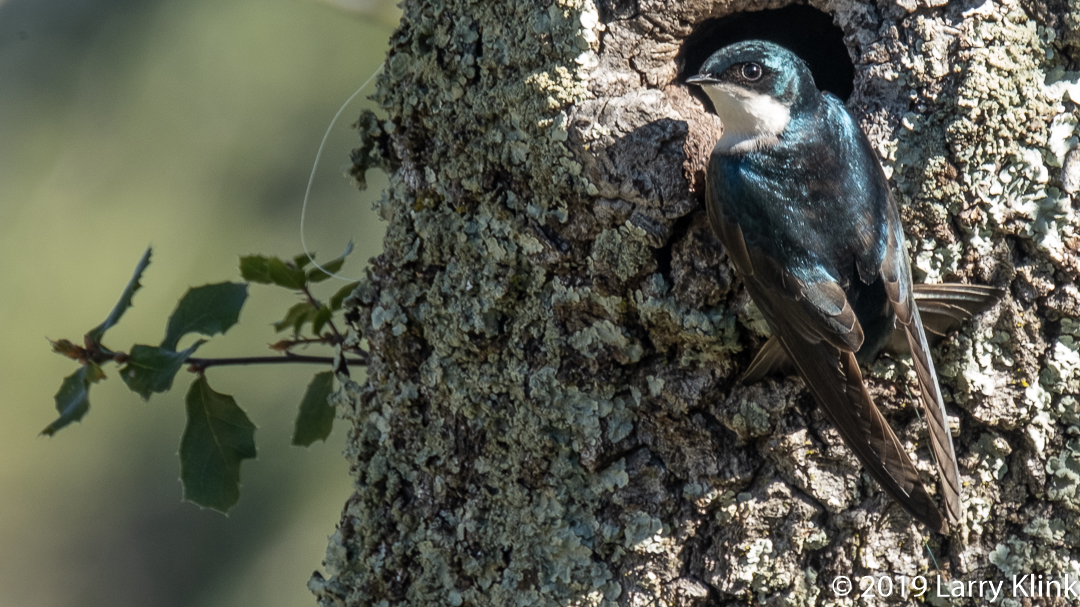
Tree Swallow (Tachycineta bicolor);
American River Parkway, Folsom, CA; MAR 2019

Swallows are those little birds we see with their distinctive back swept, pointed wings and their forked “swallow tail”. They maneuver through the sky at high speed, in a seemingly erratic pattern, catching and eating insects in flight. They will also eat mollusks, spiders and sometimes fruit.

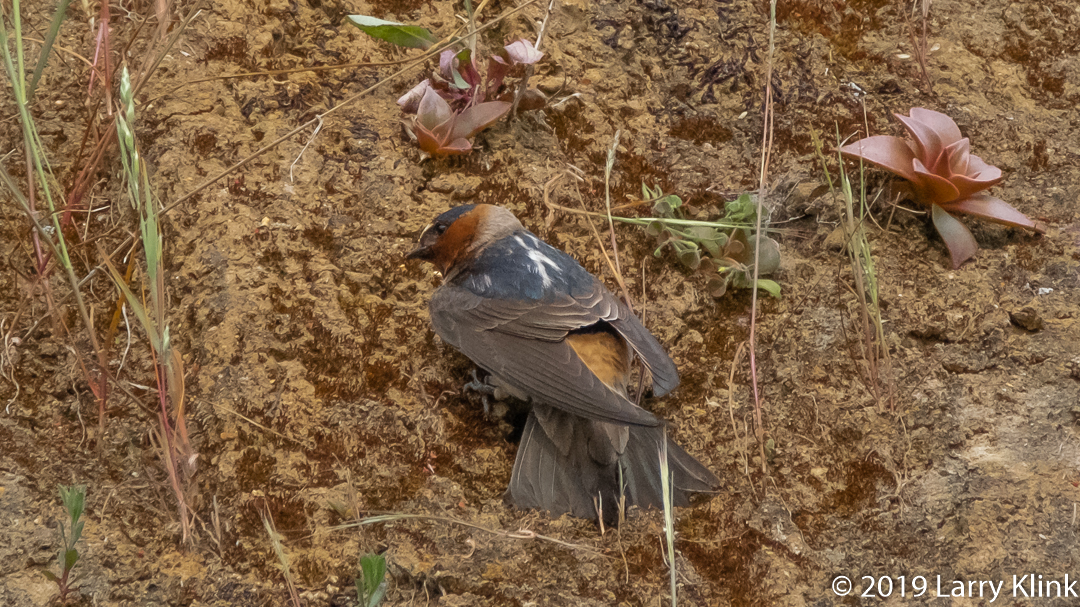
In the spring, along the American River, in the Sacramento area, I commonly see two types of swallows: Tree Swallows and Cliff Swallows. When I am lucky, I’ll see a Bank Swallow. I have been told we also have Violet-green Swallows but I haven’t seen any.

The most common swallow that I see is the Tree Swallow. They are called Tree Swallows because the nest in cavities in trees. It is a beautiful iridescent blue on its head and back, white on its breast and underside and blackish color on wings and tail. These birds live along the gulf coast, southern Mexico and Central America in the winter and move north throughout the US in summer.

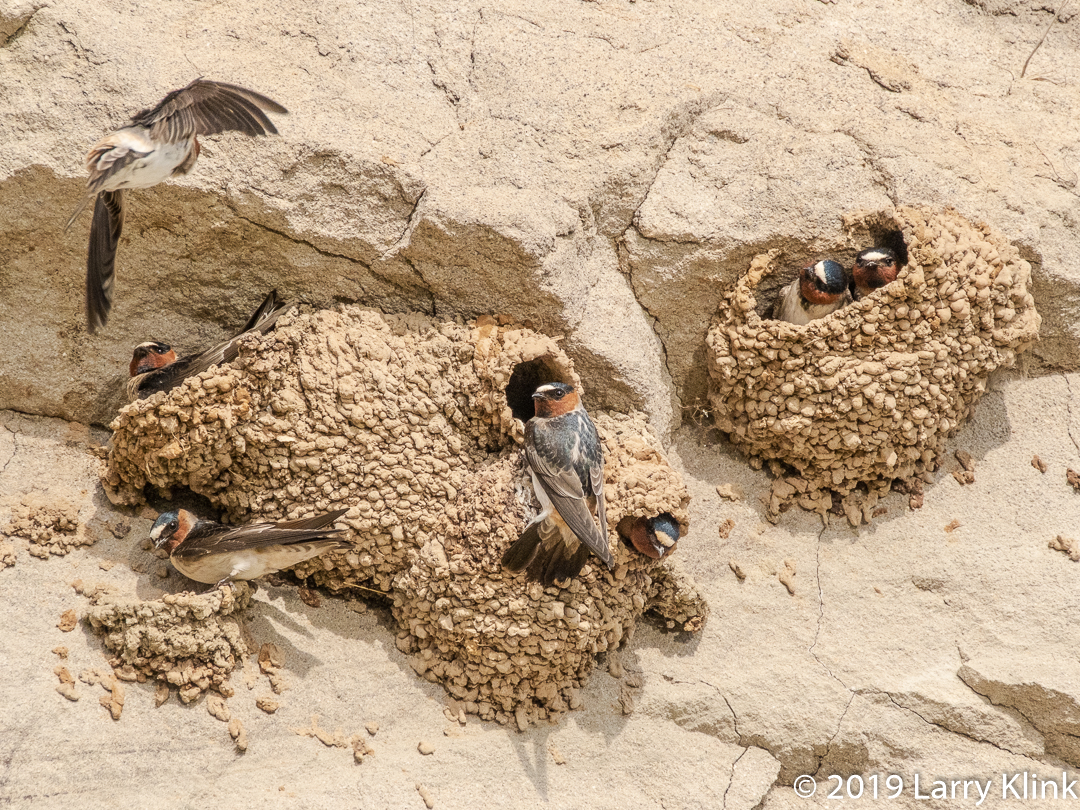
The Cliff Swallow is a multi-colored bird with off-white underside, gray-brown wings, blue-gray back and head cap and a brown-red neck. They are quire beautiful. They make nests of mud that appear precariously perched on a cliff face. They also build nest in man-made structures like bridges and buildings. They are very social; many birds build nests near one another and hunt together. They also live along the gulf coast, southern Mexico and Central America in the winter and move north throughout the US in summer.

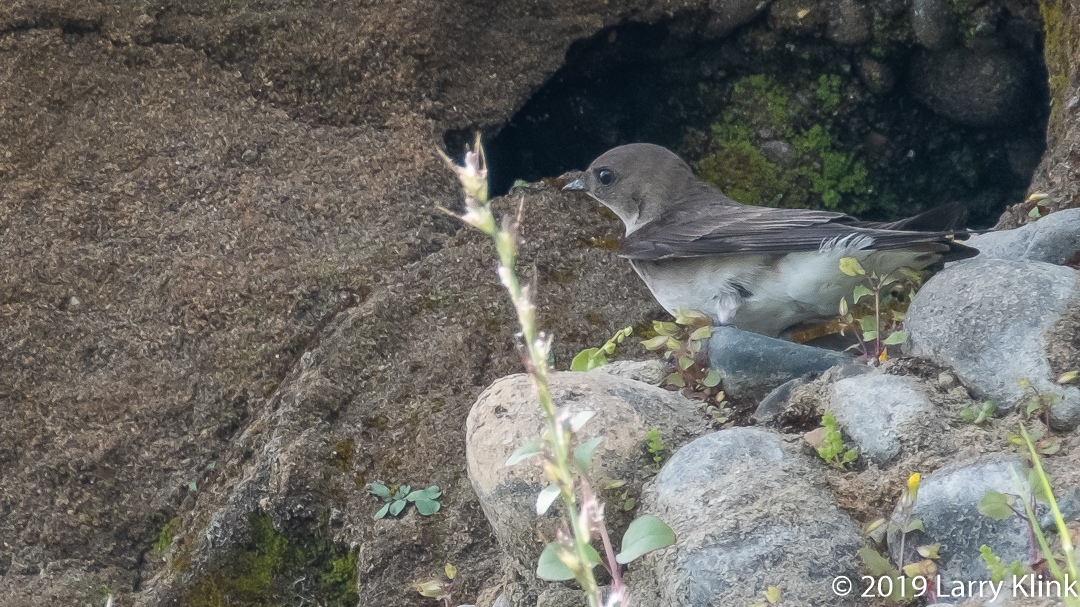
The bank swallow is a bird with different names in different parts of the world. In Europe, it is the Sand Martin while on the Indian subcontinent it is called the collard sand martin. They make a nest, lined with straw or feathers, in a hole they burrow into sand or gravel. They have mostly white underparts but have a gray back, wings and head. They will sometimes have a prominent grey collar at the base of their neck. They winter across they southern 1/3 of the US in winter then migrate north in the summer.

Here are some images of these beautiful swallows.

Please click on caption to see these images in higher resolution.

Cliff Swallow (Petrochelidon pyrrhonota) , American River Parkway,
Orangevale, CA; APR 2019
Bank Swallow (Riparia riparia). (AKA Sand Martin);
Lake Natomas, Orangevale, CA; APR 2019;
Tree Swallow (Tachycineta bicolor);
American River Parkway, Folsom, CA; MAR 2019

Cliff Swallow (Petrochelidon pyrrhonota);
American River Parkway, Orangevale, CA; APR 2019

Cliff Swallow (Petrochelidon pyrrhonota);
American River Parkway, Orangevale, CA; APR 2019


These and other images are available for purchase on my website: www.earthwatcher.us or by contacting larry.klink@earthwatcher.us.

A Predator and Some Prey

Coyote (Canis latrans);
Effie Yeaw Nature Center, Sacramento, CA; FEB 2019

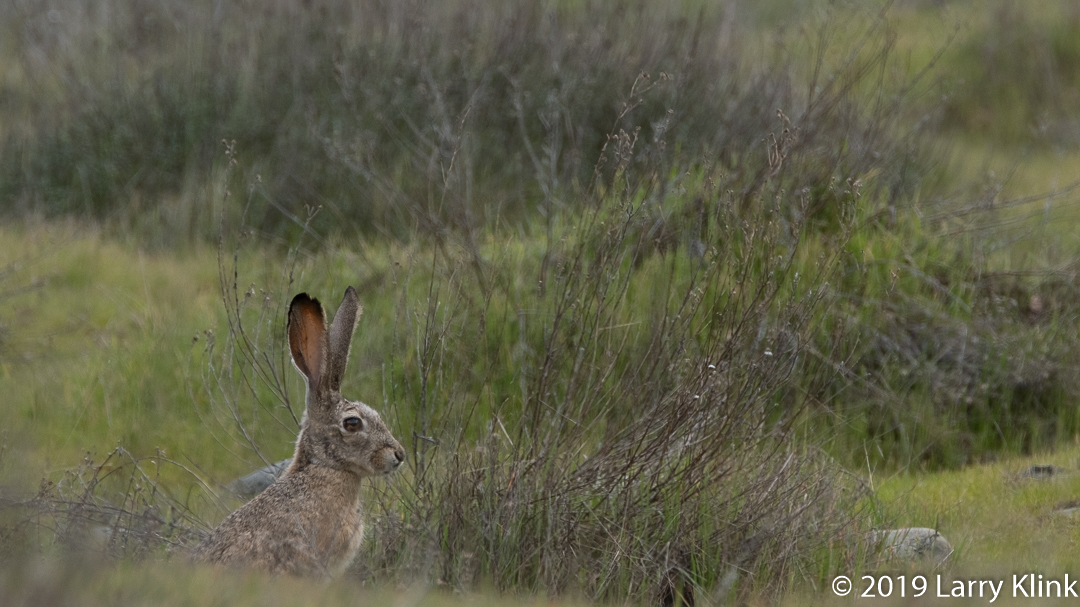
Here are images of a some animals that I’ve taken over the last few weeks; the Coyote, the Black-tailed Jackrabbit and the California Ground Squirrel.

Take notice of the coyote. His eyes face front. That is a trait of predators. The ground squirrel and the jackrabbit need to keep their eyes open for predators while they forage, so their eyes are on the side. Remember the adage:  “Eyes in the front, the animal hunts. Eyes on the side, the animal hides.”

Please click on caption to see image at higher resolution.


Black-tailed Jackrabbit (Lepus californicus);
Effie Yeaw Nature Center, Sacramento, CA; FEB 2019
California Ground Squirrel (Otospermophilus beecheyi);
Effie Yeaw Nature Center, Sacramento, CA; APR 2019

These and other images are available to purchase on my website: www.earthwatcher.us or by contacting larry.klink@earthwatcher.us.

Some Small and Pretty Birds

Yellow-rumped Warbler, Audobon Group (Dendroica Coronata)
Effie Yeaw Nature Center, Sacramento, CA; NOV 2018;

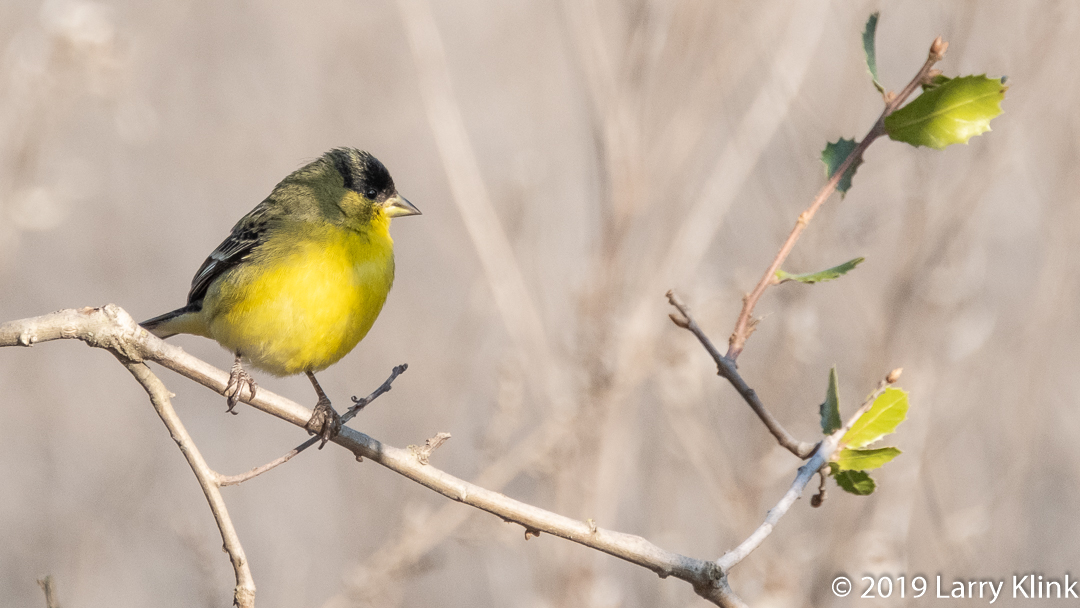
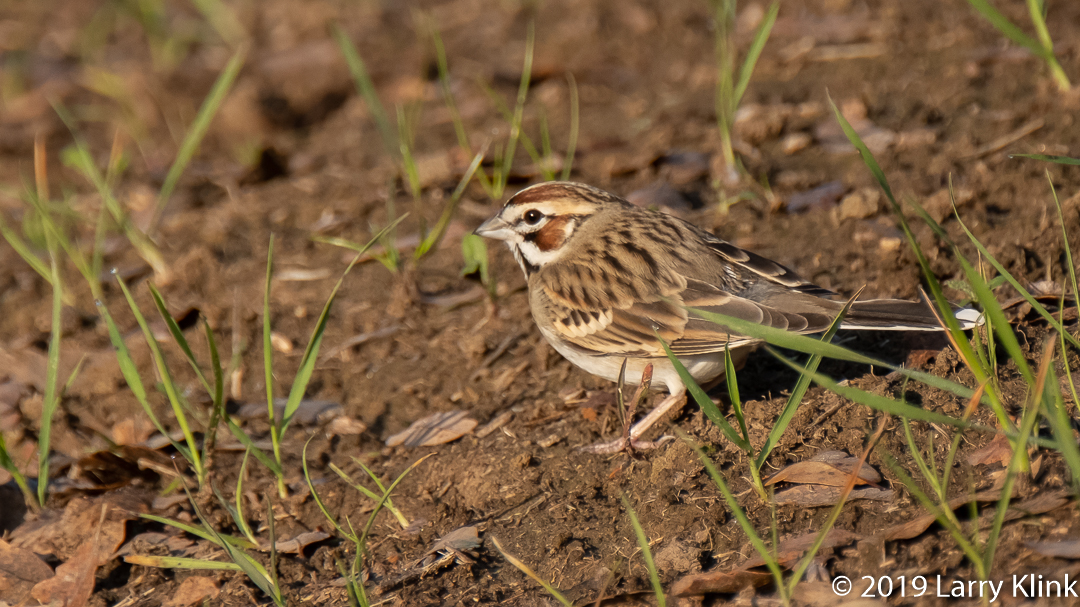
Here are a few pretty, small birds we see around the Sacramento area.

Note: Please click on caption to see image at higher resolution.

American Goldfinch (Carduelis tristis),
Sailor Bar, Fair Oaks, CA; JAN 2019
Lark Sparrow (Chondestes grammacus);
Sailor Bar, Fair Oaks, CA; JAN 2019
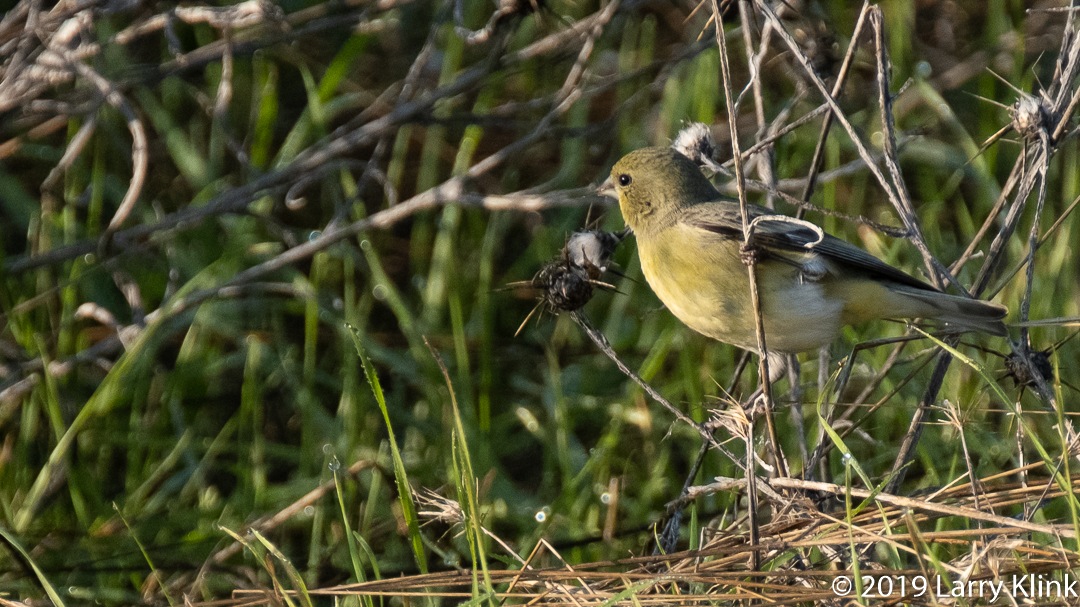
Female Lesser Goldfinch (Spinus psaltria)
Sailor Bar, Fair Oaks, CA; JAN 2019

These and other images are available for purchase on my website, www.earthwatcher.us or by contacting larry.klink@earthwatcher.us.
Birds and Flying Bugs

Image of an Eaglet - Bald Eagle Chick, American River Parkway, Folsom, CA, MAY 2017
Bald Eagle Eaglet

I want to share a few images from some recent walks around the American River Parkway near Folsom, CA. I’ve also included one from Oak Alley Plantation near New Orleans. Nature provides some beautiful creatures for us to appreciate. I hope you enjoy these few.

Regards,

Larry

Note: Click on caption to see image at larger size.

Image of a Female Eastern or Common Pondhawk Dragonfly, Oak Alley Plantation, LA, APR 2017
Eastern or Common Pondhawk

Image of a California Quail, American River Parkway, Folsom, CA, JUN 2017
California Quail

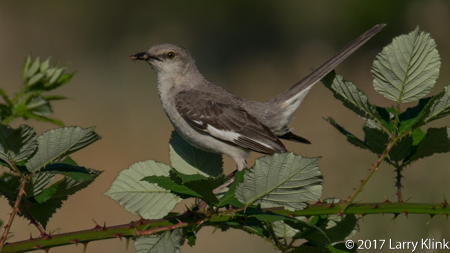
Image of a Northern Mockingbird, American River Parkway, Folsom, CA, JUN 2017
Northern Mockingbird

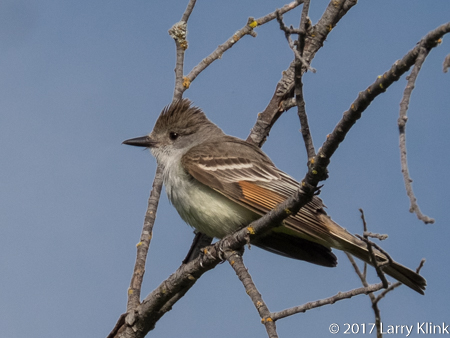
Image of an Ash-throated Flycatcher, American River Parkway, FOlsom, CA, JUN 2017
Ash-throated Flycatcher

Image of a Spicebush Swallowtail butterfly, American River Parkway, Folsom, CA, JUN 2017
Spicebush Swallowtail

Image of an Eaglet - Bald Eagle Chick, American River Parkway, Folsom, CA, MAY 2017
Bald Eagle Eaglet

IMage of a Spanish Swallowtailbutterfly, American River Parkway, Folsom, CA, JUN 2017
Spanish Swallowtail

Image of a Spanish Swallowtail butterfly, American River Parkway, Folsom, CA, JUN 2017
Spanish Swallowtail

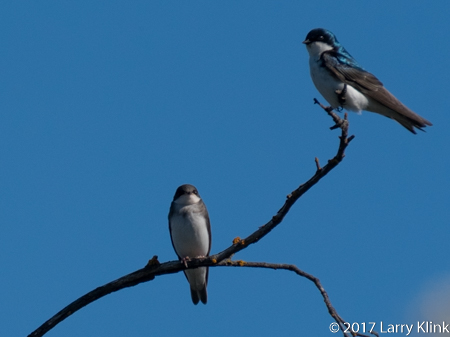
Image of a pair of Tree Swallows, American River Parkway, FOlsom, CA, JUN 2017
Tree Swallows

Image of a California Towhee, American River Parkway, Folsom, CA, JUN 2017
California Towhee


Note: These and other images are available for purchase on my website: www.earthwatcher.us or by contacting larry@earthwatcher.us

American River Near Folsom

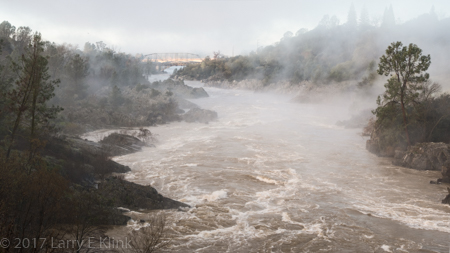
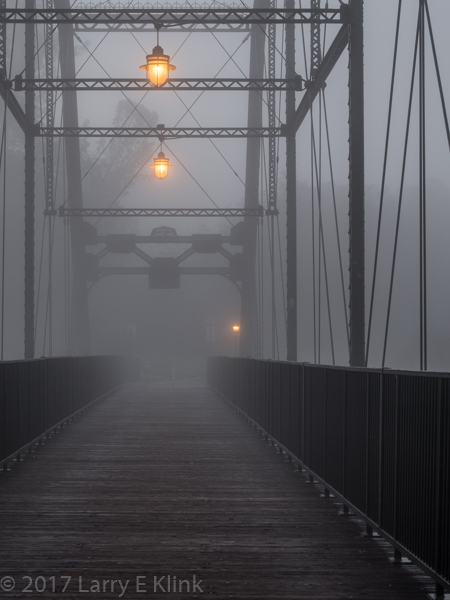
Image of American River Gorge near Folsom, CA
American River Gorge, Folsom, CA, Jan 2017

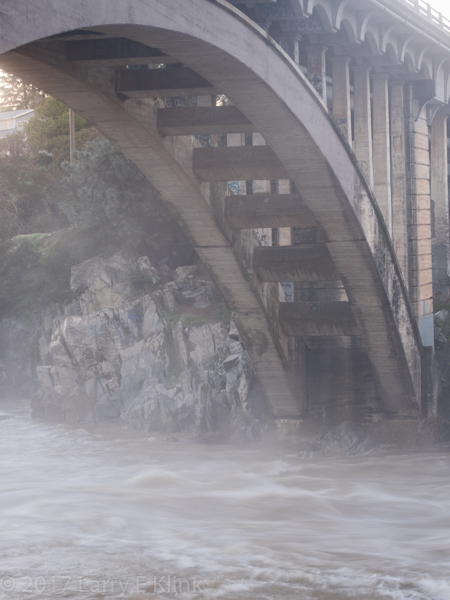
Last Friday was a cold, foggy morning and we had just come out of a long bout of heavy rain.  A lot of water was being released from Folsom Lake and the American River, near Folsom was running strong.  I decided to spend some time photographing the area of Folsom that surrounds the historic Walker Bridge / Donald W. Alden Memorial Bridge.  It was a great time to be out.  The river roared as it created whitewater through the gorge. Quite a treat.  In the 5 years that I have lived in the area, I never saw significant whitewater or heard the river roar.

The Walker Bridge / Donald W. Alden Memorial Bridge was built in 1893.  It was sold 3 times: once to a man in Japan who wanted it for the steel but was never able to get it, once to the State of California who dismantled it and moved it near Walker, CA to span the Klamath River, and finally back to the City of Folsom who reinstalled it on its original abutments.  It now serves as a pedestrian footbridge and an access point to the American River Parkway from the City of Folsom.

I hope you enjoy these images.

Note: Click on image to see in larger size.  I particularly recommend this for the image of the American Rive Gorge.

Image of Walker Bridge / Donald W Alden Memorial Bridge, FOlsom, CA in Fog
Walker Bridge / Donald W Alden Memorial Bridge, Folsom, CA

Image of Rainbow Bridge arch after heavy rains, Folsom, CA. JAN 2017
Rainbow Bridge Arch, Folsom, CA

Regards,

Larry


These and other images are available to purchase at my website: www.earthwatcher.us or by contacting larry@earthwatcher.us.

Winter Wildlife

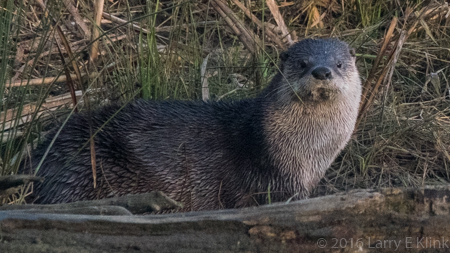
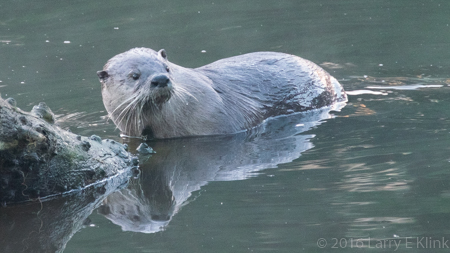
RIver Otter - Perspective 4
River Otter – Perspective 4

It’s fun to be in Northern California in the winter.  We are part of the Pacific Flyway, so we get many birds, primarily waterfowl, who winter over.  But even in my backyard I see Oregon Juncos and a species of Goldfinch that spends its summers in the Sierra foothills.  Though my passion is landscapes, photographing this wildlife is fun because watching them go about their business of living is fun.

I’ve been out twice in the last two weeks photographing and enjoying the wildlife.  On one trip, I went to 2 of the wildlife refuges that have been built along the flyway.  Some years ago, land was set aside as a safe haven for migrating waterfowl.  Levees were built and fields flooded so they could live and eat.  This helped farmers by keeping the birds off their cropland.  A win-win situation, enjoyed by birders, photographers and duck hunters.  On the day I visited the refuges, raptors became my focus.  They benefit from the migrating waterfowl as well.

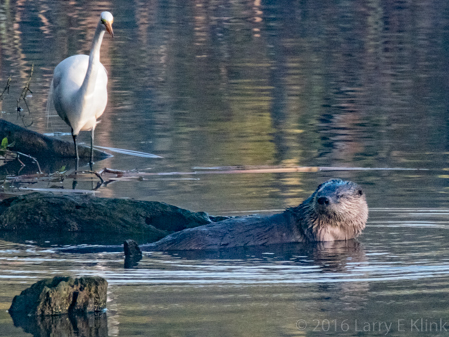
This past week, I got to spend an hour watching a River Otter and an Egret.  They appeared to be helping each other feed.  Otters always seem to be playing even as they feed.

I hope you enjoy these images.

Regards

Larry

Note: Click on image to view at larger size

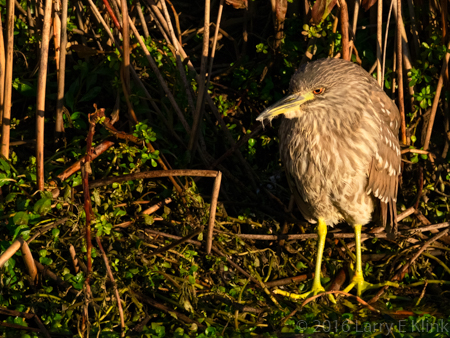
Image of Juvenille Black Crowned Night Heron
Juvenile Black Crowned Night Heron

Image of Red Shouldered Hawk
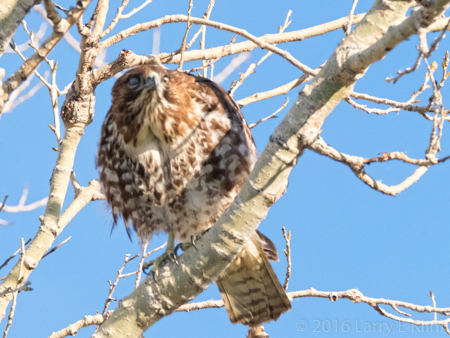
Red Shouldered Hawk

Image of River Otter - Perspective 1
River Otter – Perspective 1

Snow Geese
Snow Geese

Image of River Otter and Egret
River Otter and Egret

Image of Peregrine Falcon
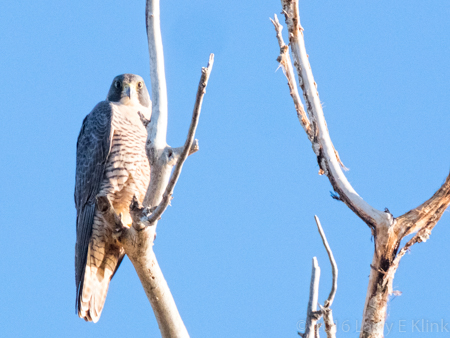
Peregrine Falcon

These and other images are available to view and purchase at my website: www.earthwatcher.us or by contacting larry@earthwatcher.us.
Birds

I am not typically a bird photographer.  When I do shoot birds, I try to take them in the context of their environment, trying to answer the questions: this is who I am and this is how I survive.  Living in the Sacramento, CA area affords me the opportunity to shoot migrating winter birds but, I find I really like to go back to the usual suspects – herons, egrets, Canada geese and mallards, hawks.  Learning about them, observing their behavior gives me a lot of pleasure.
The last week or so, I’ve had the added pleasure of trying out my new Fujinon 100-400mm F4.5-5.6 lens and 1.4X Tele-converter.  Its a great lens but its been more than a year since I shot with a long lens so, I made a few depth of field mistakes.  Oh well, I guess I just need to go out and shoot more.

Anyway, here are a few images I shot.  I hope you enjoy them.

20160209-Wm-Pond-Park-047-WEB
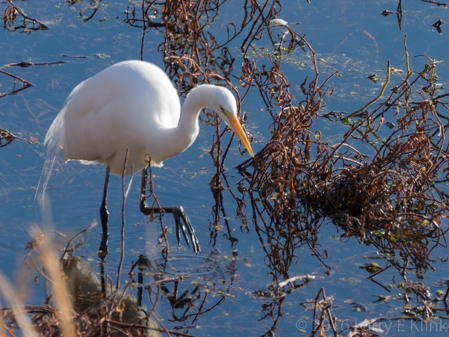
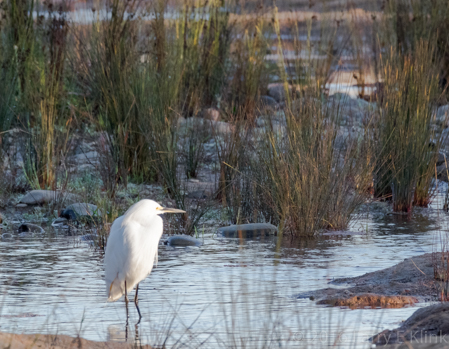
Great Egret

20160209-Wm-Pond-Park-027-WEB
Canada Goose

20160209-Wm-Pond-Park-030-Edit-WEB
Snowy Egret

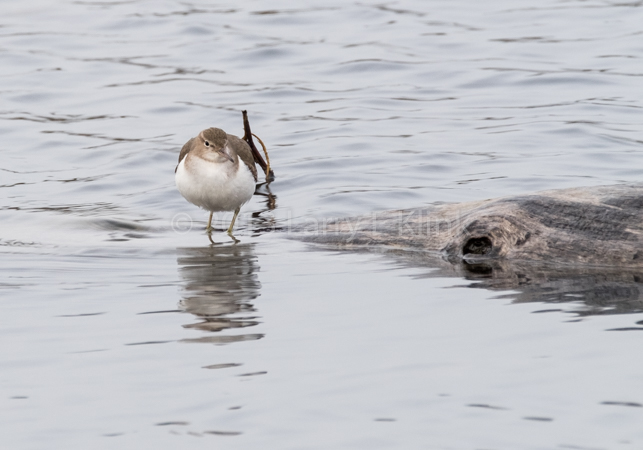
Mountain Plover - Winter Plummage
Mountain Plover

20160209-Wm-Pond-Park-043-WEB
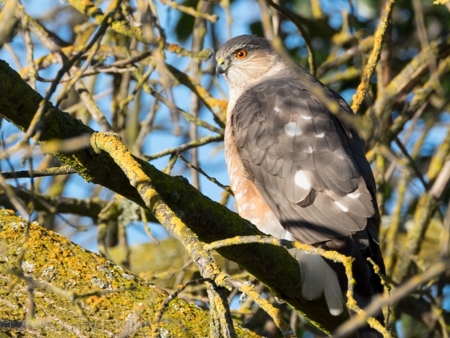
Red Shouldered Hawk

Bald Eagle
Bald Eagle

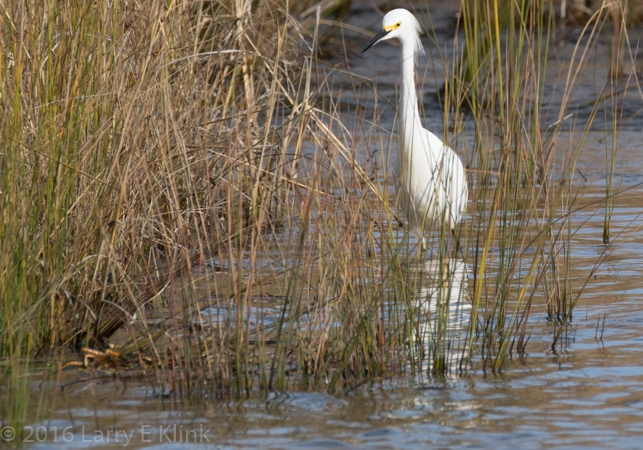
Snowy Egret
Snowy Egret


Shooting With My Phone

Rainbow Bridge, American River Parkway, Folsom, CA, JUN 2015 (Click to See Image Enlarged)

I regularly walk along various stretches of the American River Parkway trail system. It is a great place to get exercise and enjoy the beauty of an urban forest and riparian habitat. I rarely have my camera because, if I did, I’d never get exercise. But, I always have my phone.

On several of my blogs, I remind readers that it is the composition and lighting that make the image and not the camera. Especially with today’s smartphone cameras and their incredible software. But, I have a problem using my phone. I can’t hold it steady enough to lock in the composition and get the focus right. So, I invested in a walking stick/monopod/tripod by Manfroto and a bracket to hold my phone. Now, I can overcome my shakiness. I also carry a microfiber cloth to clean the lens – it can get grimy being carried around in purse, pocket or holster. Grimy lenses impact the clarity of the image.

I have the Samsung Galaxy S6 with its 16MP rear camera. It does a great job. You can use it as a point and shoot by using auto mode or you can put it in pro mode which allows you to manually control functions just like on a DSLR. I find manual selection of the focus point to be the most useful but wish it wasn’t tied to the auto exposure so I could control them separately.

The attached image was shot with my phone last week. I am very pleased with it. Enjoy and make the best of your photography.

Please share.

Regards,

Larry