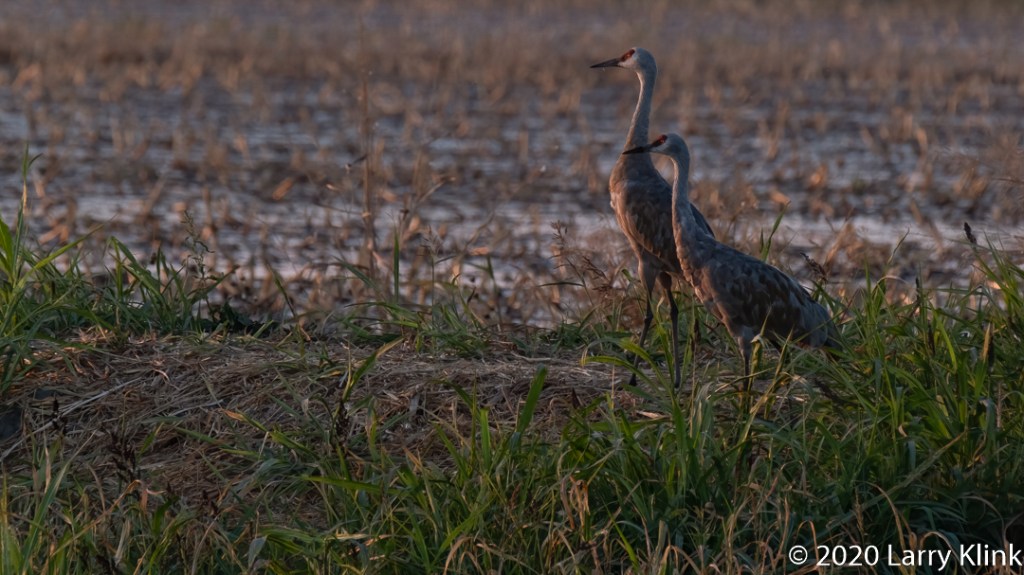
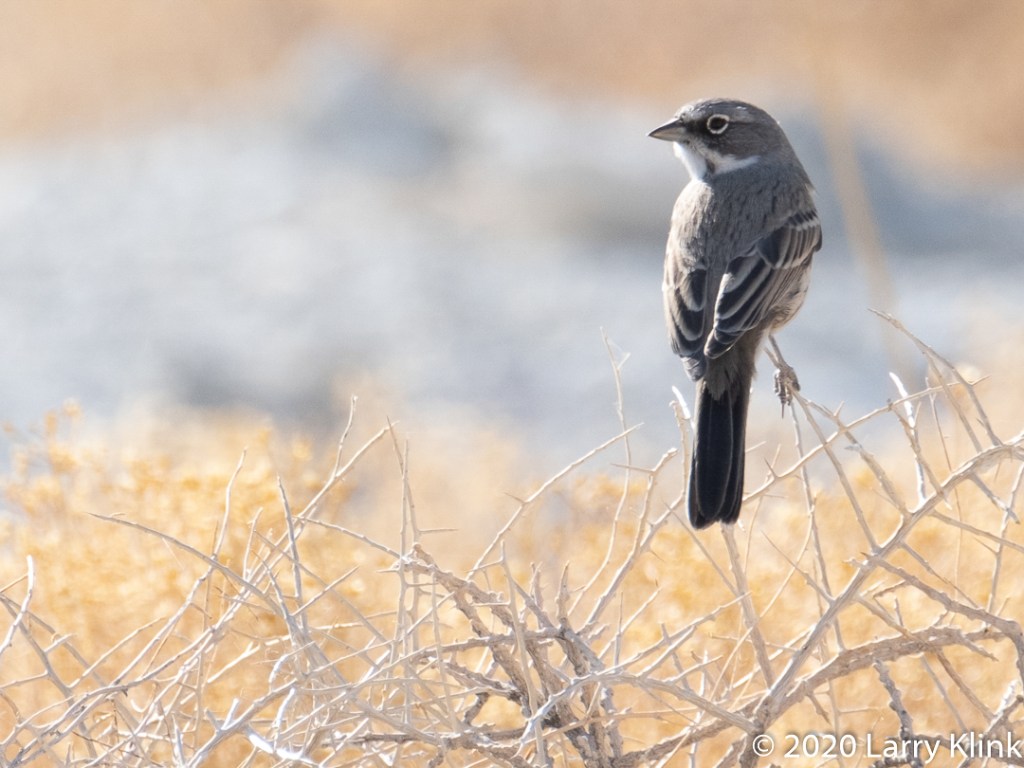
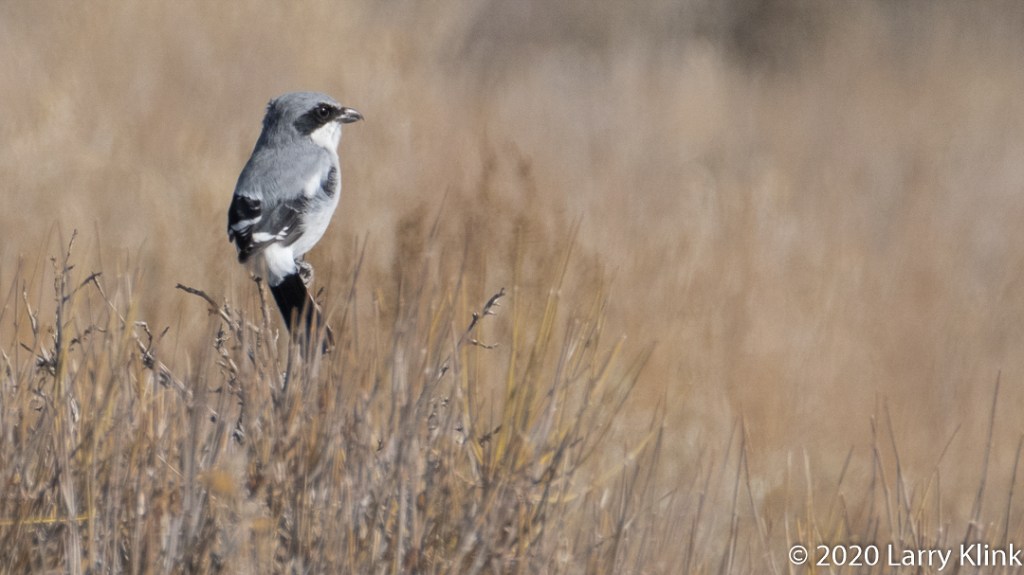
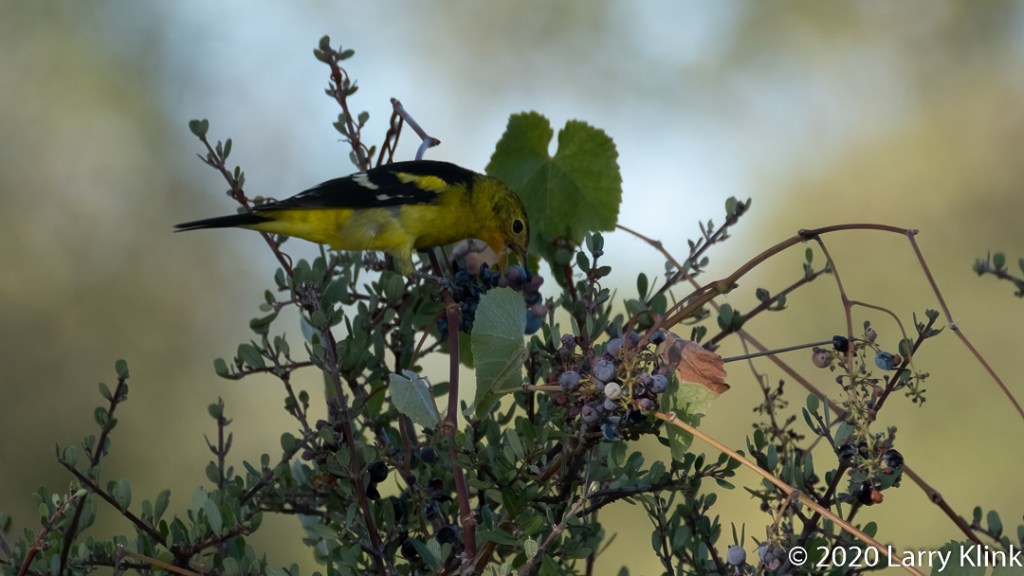
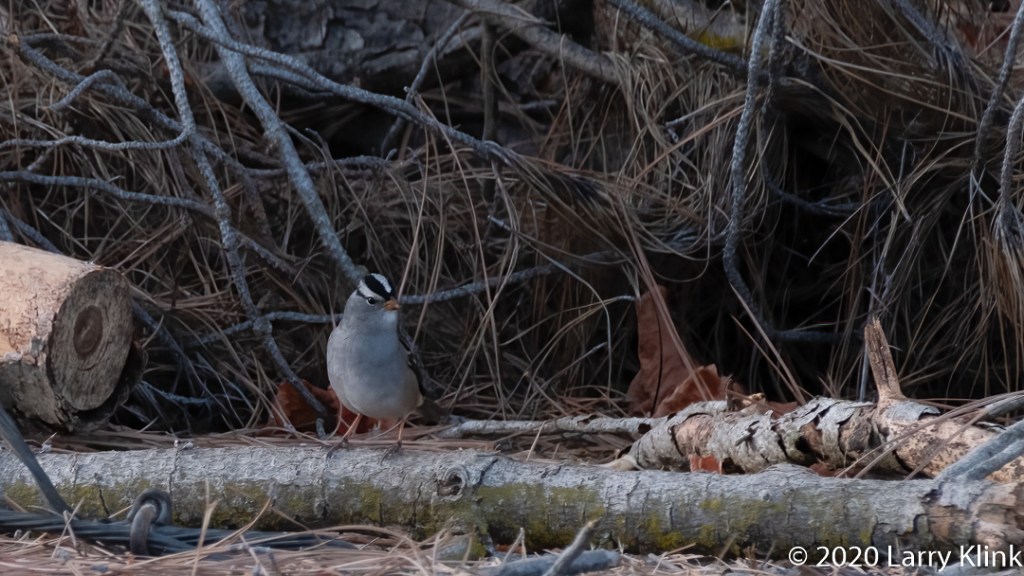
Last week we made the first of our pilgrimages to a spot where Sandhill Cranes winter over. It is still early in the migration and there seemed to be fewer there this year. I caught these images just as the last rays of the sun were setting over Mt Diablo.
Please click on the caption to see image at higher resolution.
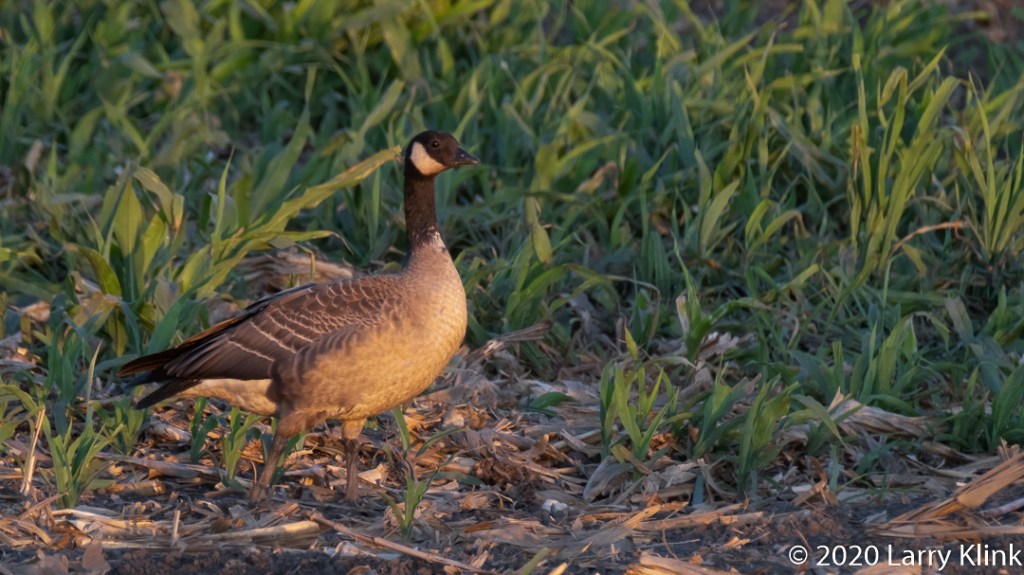
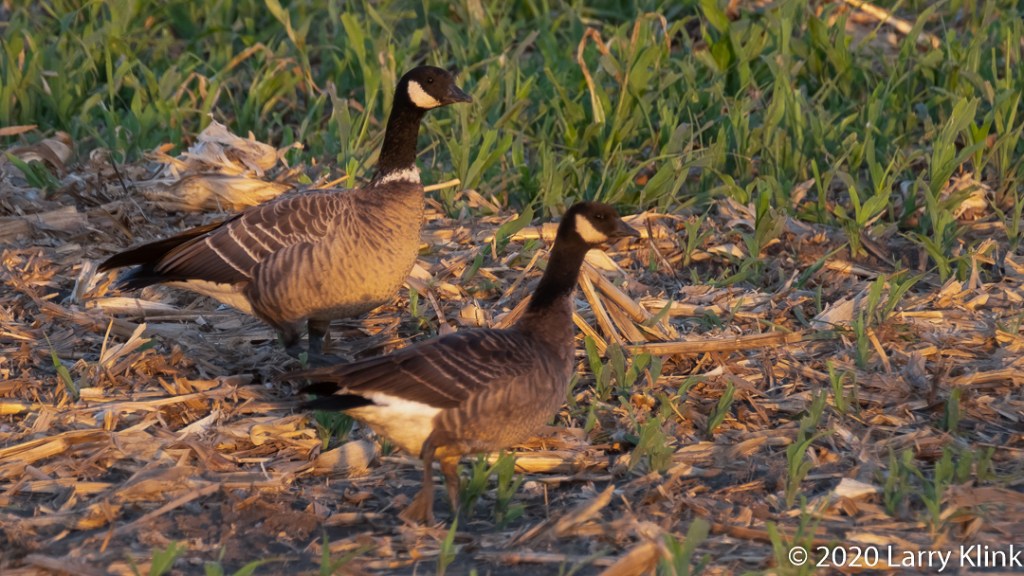
Living along the Pacific Flyway provides a treat; many birds pass through or winter over around here. Our most well known and popular of the winter visitors is the Sandhill Crane. But, in this post, I am going to present another visitor, one less known, the Cackling Goose (Branta hutchinsii).
The Cackling Goose and the Canada Goose look nearly identical and they are related. Until recently they were considered 2 subspecies of a single species. The Cackling Goose is smaller and makes a distinctive cackle instead of the Canada Goose’s honk. One of the field marks I use to identify them is a white band at the base of the black neck; its not a perfect identifier but it is very good.
While the Canada Goose is ubiquitous year around, I have only seen the Cackling Geese, reliably, in a limited area and only in Late October and November. One birder told me that we get the Aleutian Subspecies; there are several other subspecies.
Please click on caption to see imaes at higher resolution.
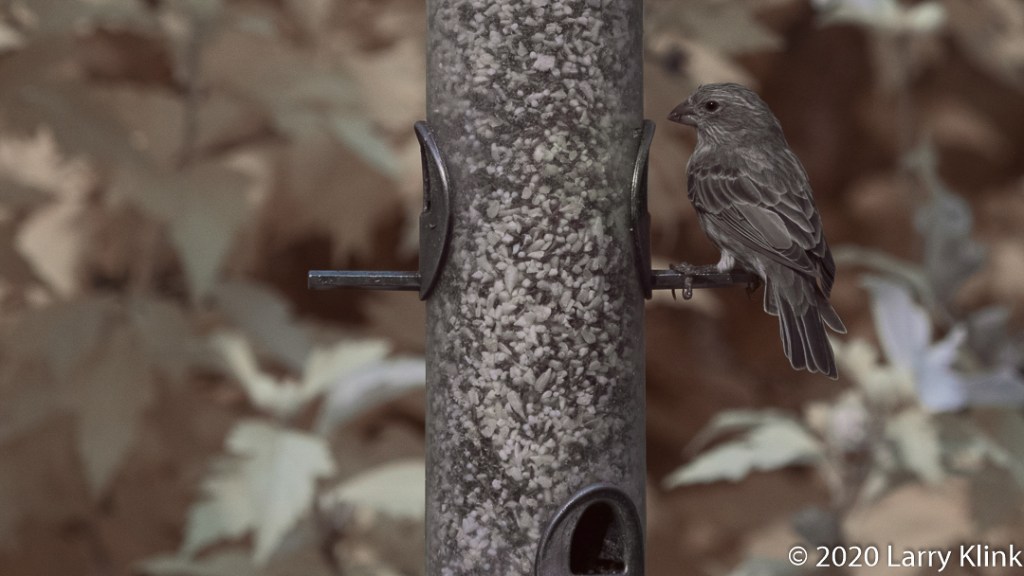
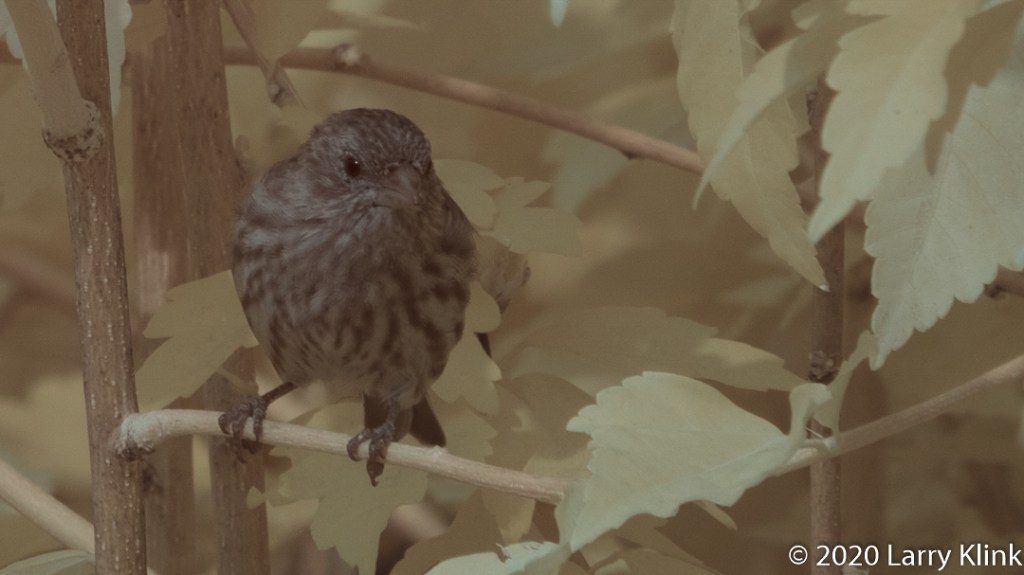
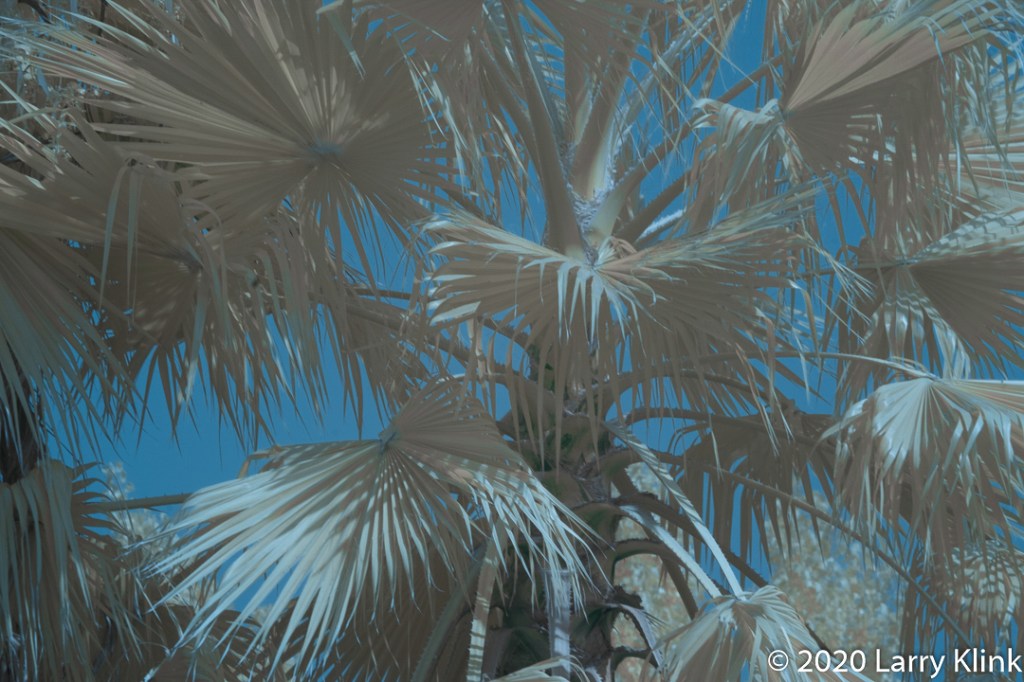
I’ve produced my first set of images in false color infrared. Most infrared pictures I see are in black and white. But my camera can also capture some visible light; not all, just some. So, I can get some interesting effects. I still haven’t fully grasped what it means to shoot heat as well as light. A goldfinch facing the sun will give me some yellow in its breast but facing away from the sun, I lose the yellow. A red car became bright orange. A blue car became darker. So, still much to learn.
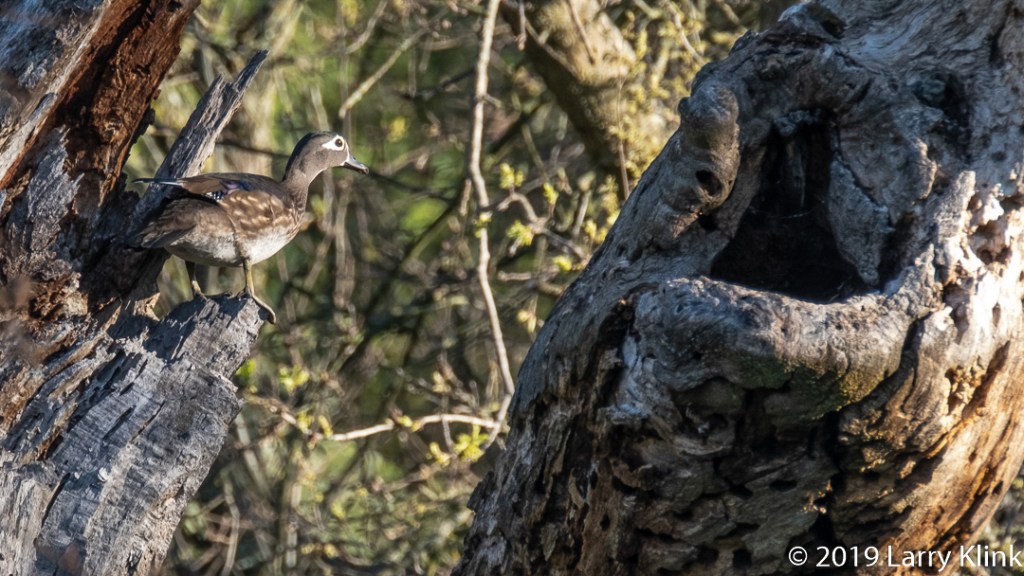
In a blog I follow and enjoy, Peace of Life Today, the author shared the post “Just A Duck” which contained some beautiful photos of a female Mallard. Until a few years ago, that is what they were to me. I could identify a white domestic duck and a male Mallard. I have heard people talk about a variety of ducks, but they were just some abstract concept. Then I met some new friends who were wildlife photographers. They taught me that we live in the Pacific Flyway, a migration route and wintering ground for many species of waterfowl. They, along with other birding friends, taught me about Mergansers, Golden Eye’s, Teals, and many more. The diversity and beauty of these creatures is astounding. For me, there is no such thing as just a duck anymore and I am better for it.
Please click on caption to see image at higher resolution.
I was fortunate enough to observe a Thick-billed Fox Sparrow (Passeralli iliac megarhynchaon) on a recent visit to Loon Lake in the Eldorado National Forest. This large sparrow is a fall to spring visitor in our area but not one that I have recognized before. So, it was a treat. Now that I Observed and identified it, maybe I’ll see some in this area.
Please click on caption to see image at higher resolution!
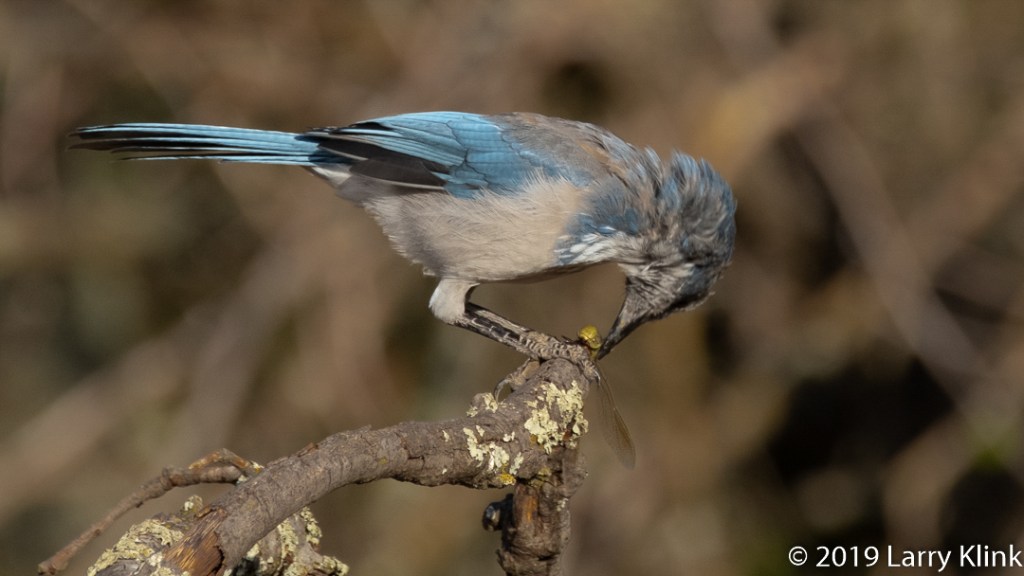
I was fortunate enough to observe a California Scrub Jay (Aphelocoma californica) in the process of eating a dragonfly. It used its beak and talons to position the insect, then picked it up with its beak and swallowed it.
Please click on caption to see image at higher resolution.
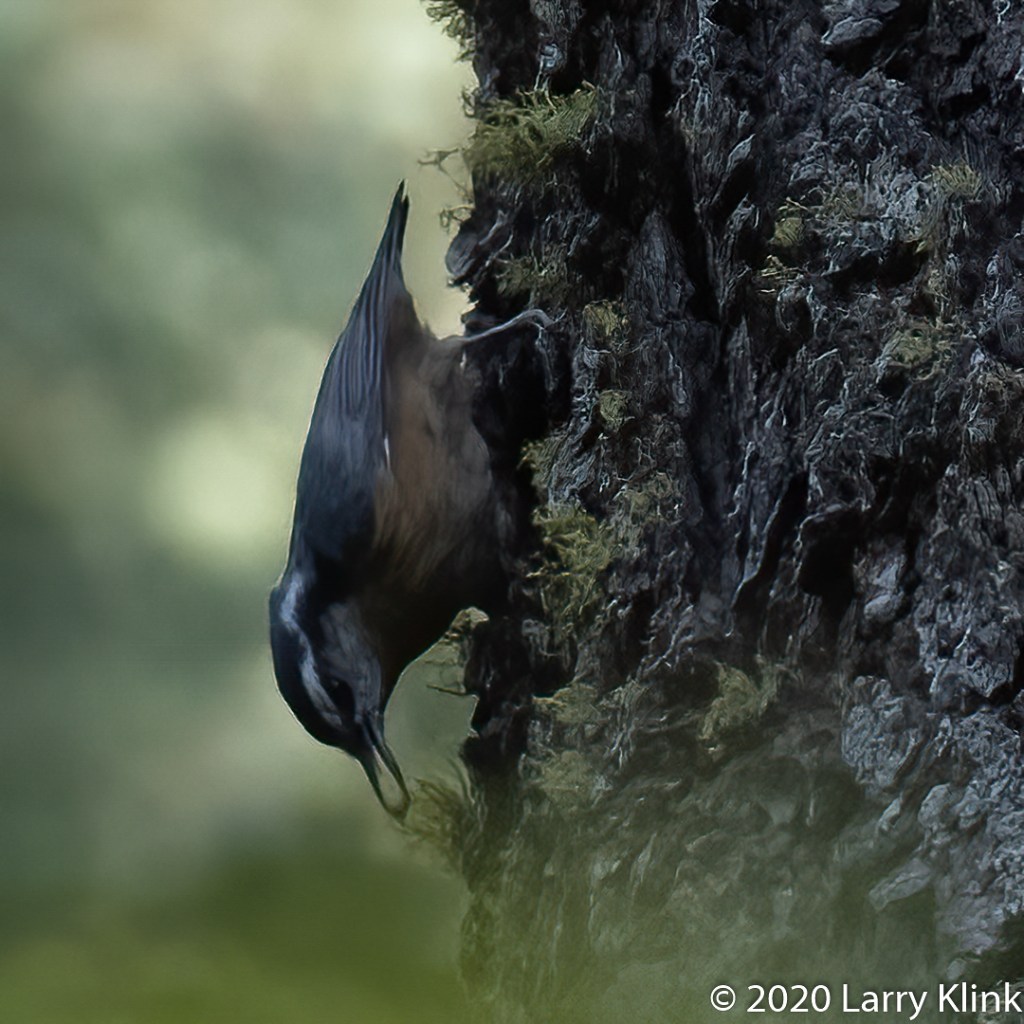
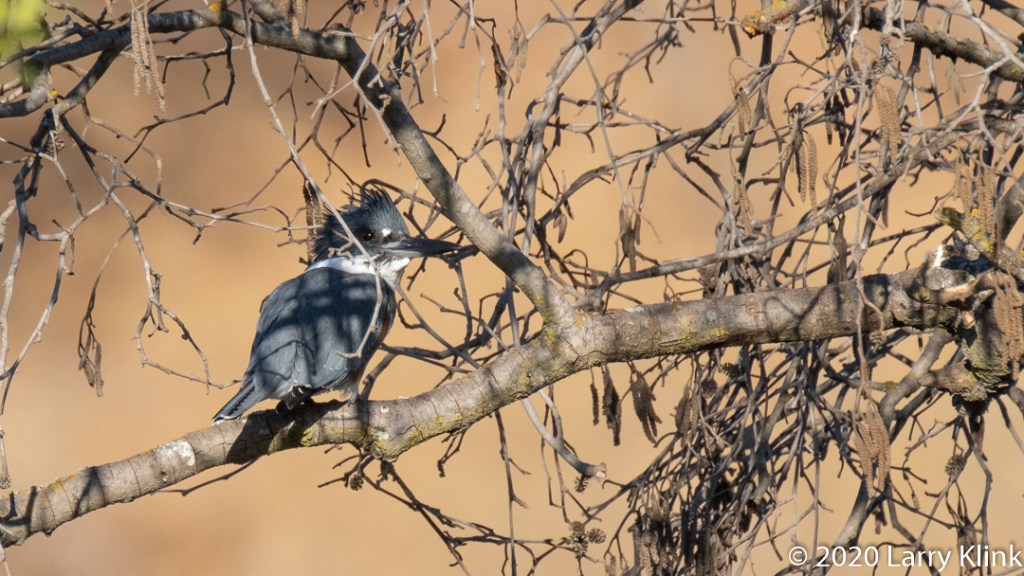
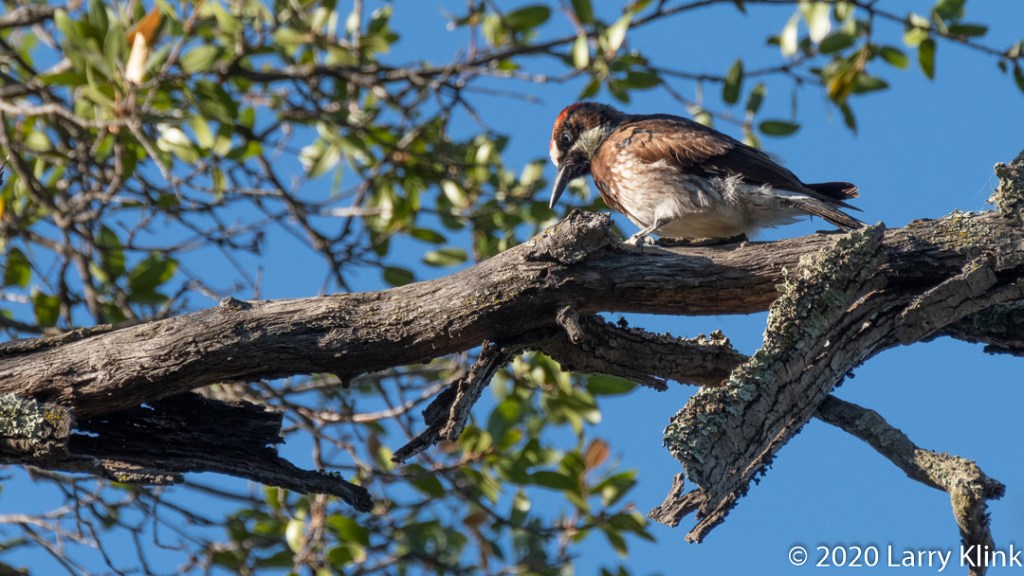
I am sharing images of birds and of an otter that are enjoying breakfast time. I watched as they worked hard to get their meal.
This year, I have had many opportunities to see animals hunt and eat. I am truly grateful to have had those opportunities and thankful that I only had to pull mine from a cupboard.
Please click on caption to see image at higher resolution.