Almost every day I see a kettle of Turkey Vultures soaring in search of food. One spot, where I walk up a half mile, 5% grade, there are always a few perched on a tower at the top. I hope you enjoy the images of these stately creatures with their odd looking heads.
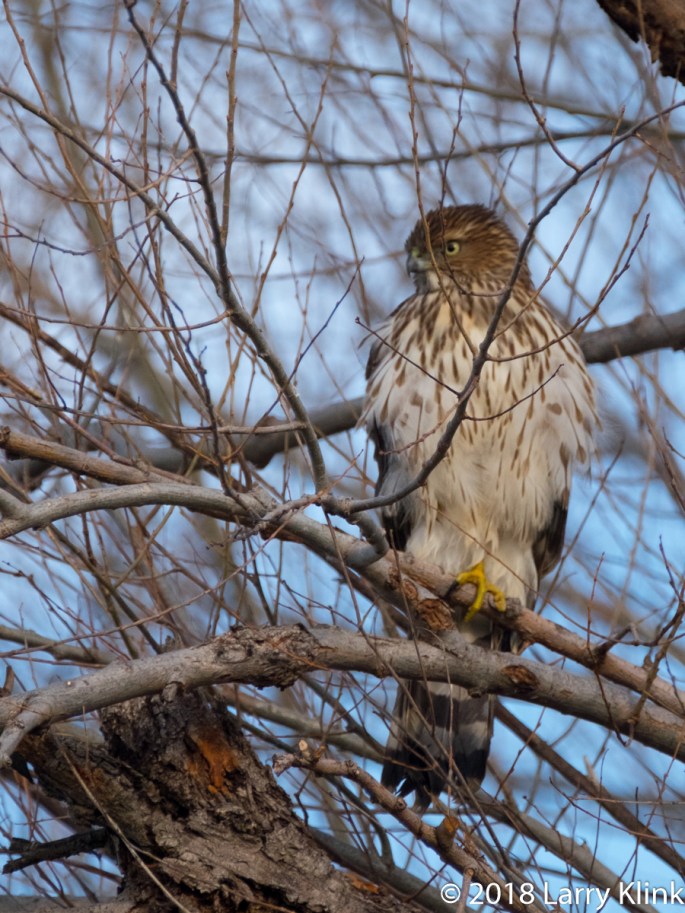
We have an active backyard. Several species of birds frequent our feeder and the ground beneath. My wife is always chasing squirrels from the feeder. This afternoon, we had an unexpected visitor – a Cooper’s Hawk. He was very gracious. He hung around for about 15 minutes and allowed me to photograph him. Interesting though, no birds came to the feeder, no squirrels came around. Not a tweet could be heard; not even from the baby starling that has been crying all week. It took about an hour after the hawk left for backyard life to resume.
Regards,
Larry
Note: Click on caption to see larger, higher resolution image.
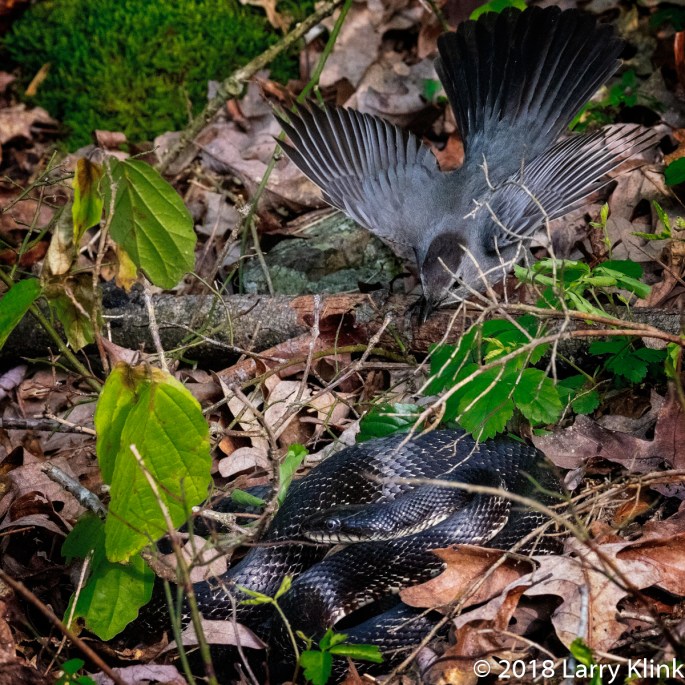
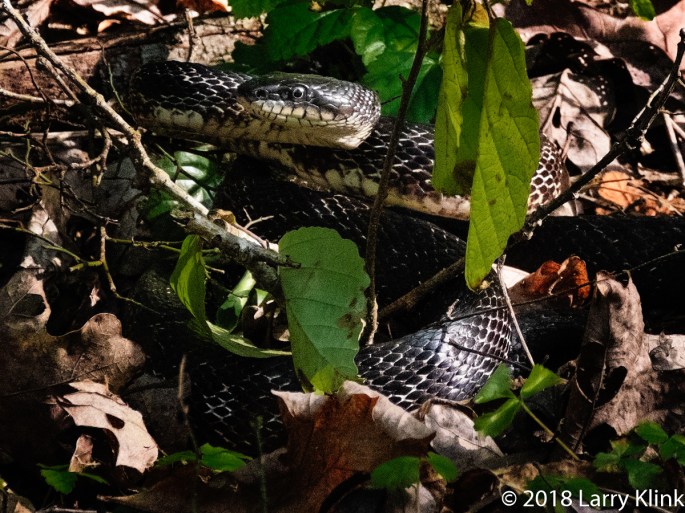
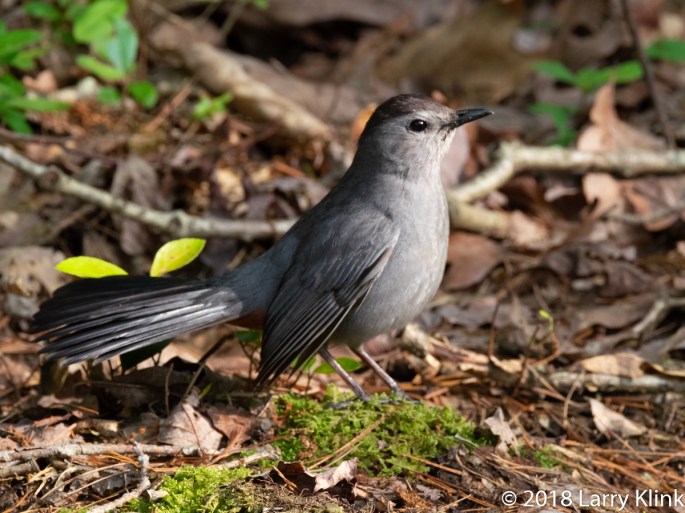
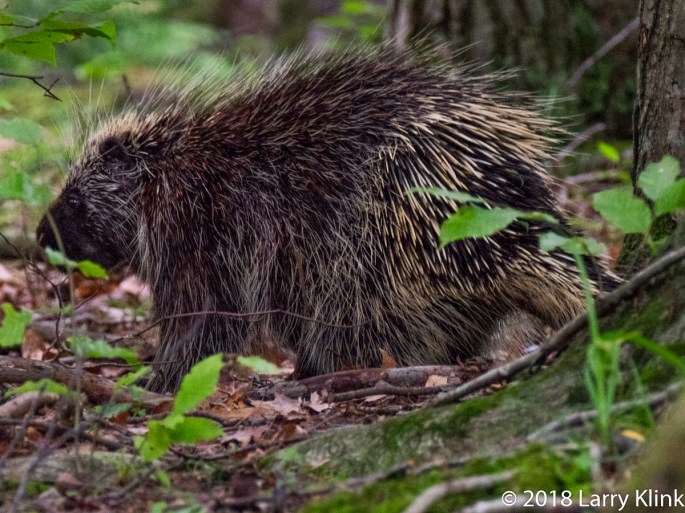
Last week, we made a visit to Cowans Gap State Park in central Pennsylvania. We were fortunate to get two rare and interesting wildlife sightings.
The first sighting was a grey catbird dancing around at the base of a tree. We watched for a few minutes, perplexed by what it was doing. When I got my camera and tripod set-up, I noticed a northern black racer snake curled up in the bush near the bird. As we watched, we learned that the catbird’s elaborate dance, coupled with pecking the snake’s head was really an attempt to chase the snake away. Though we didn’t see the bird’s nest, we surmised it was nearby. It was really fun to watch this activity live rather than a scene in a TV documentary.
The second sighting was of a very large porcupine. It was the first time I have seen a porcupine in the wild.
I hope you enjoy these images.
Regards,
Larry
Note: To see images in larger size and higher resolution, click on the caption.
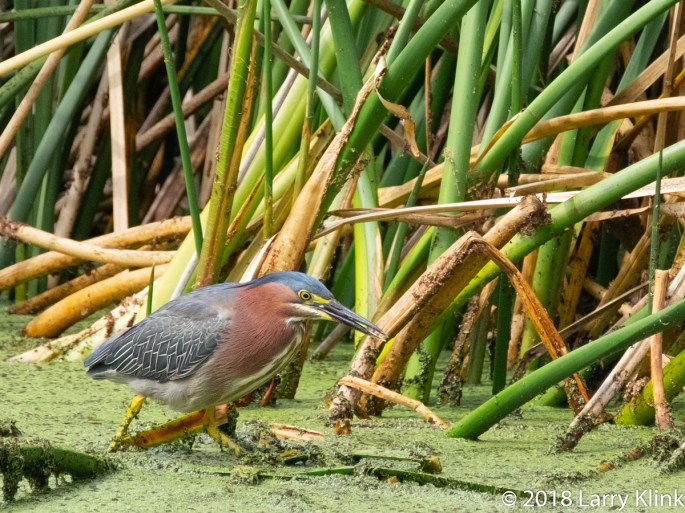
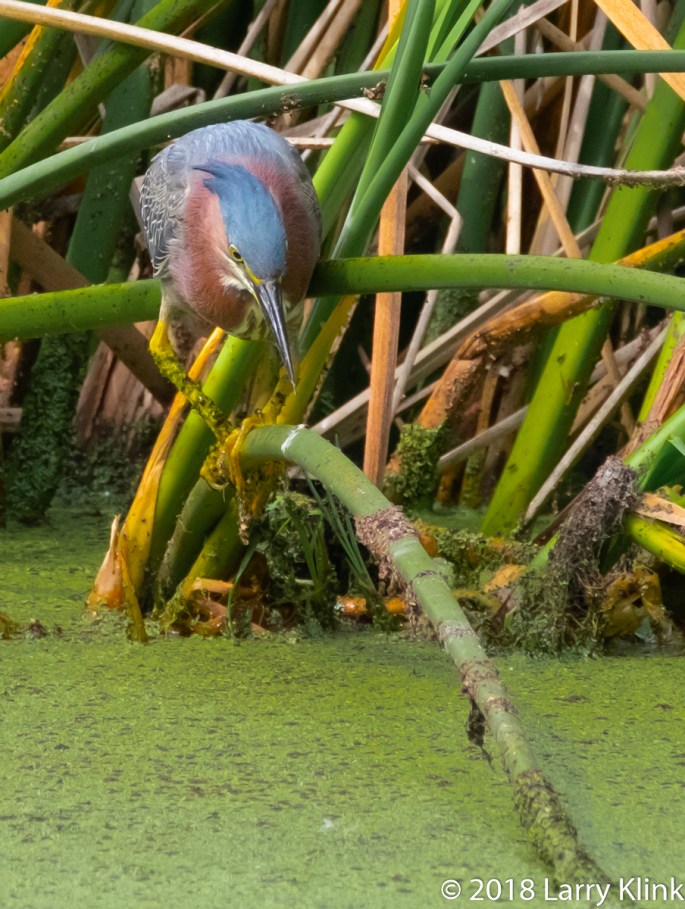
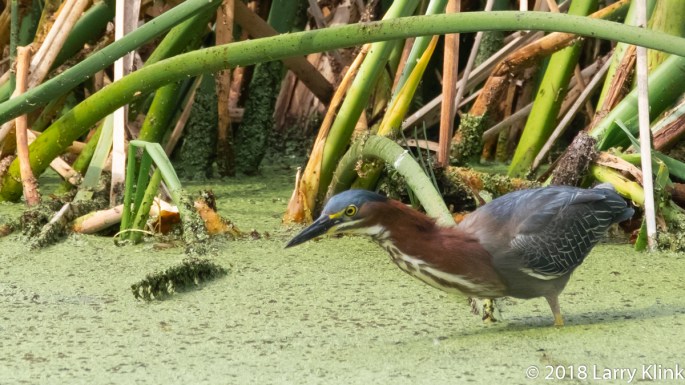
This week, I was blessed to be able to observe and photograph a green heron for 10 minutes. I see green herons from time to time but only one other time did I see one long enough to take a photo and one shot was all he gave me. This colorful bird is much smaller than its more familiar cousin, the Great Blue Heron. Why it is called the green heron, I do not know. I only see gray, blue, chestnut red and yellow. Regardless, they are beautiful. I hope you enjoy these images.
Regards,
Larry.
Note: Click on caption to see image at larger size and greater resolution
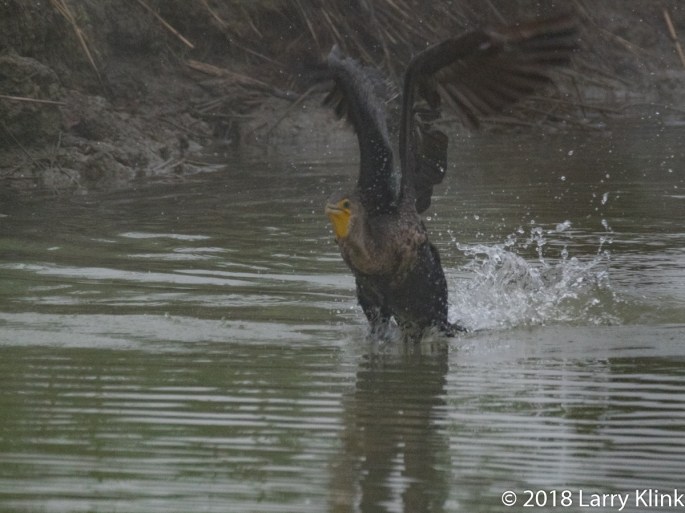
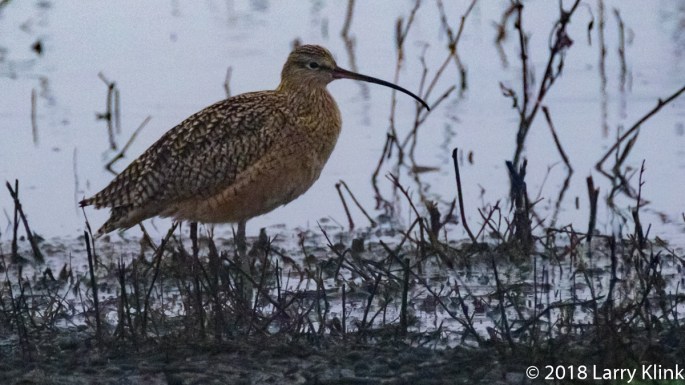
A few days ago, I shared some images of the less common sightings at these 2 major refuges on the Pacific Flyway. But, the usual suspects were there also. Today, I will share a few images from this set.
Regards,
Larry
Note: Please click on caption to see image in larger size.
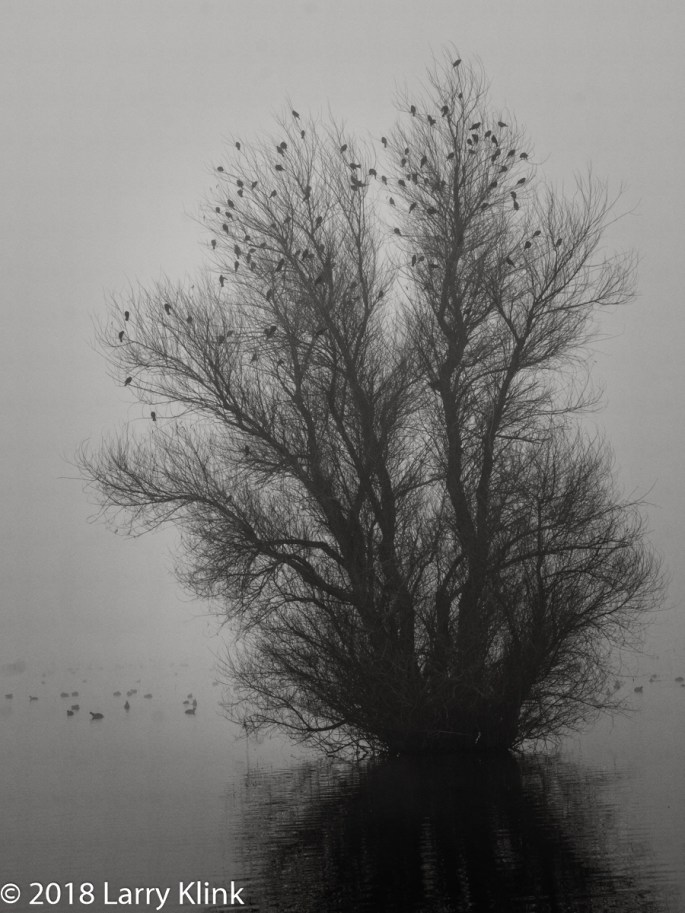
Our visit to the Sacramento and Colusa National Wildlife Refuges found us in fog an low light. These conditions make photography more difficult but also present some interesting opportunities for unique and special images. Additionally, on this visit, we were treated to some birds that we don’t normally see. I hope you enjoy these images.
Regards,
Larry
Note: Please click on caption to see image in larger size.
A few weeks ago, we spent an evening and early morning at Yosemite. Water was running everywhere. The Merced River was a raging snake of whitewater. The granite cliffs of Yosemite are amazing anytime but, when they are covered with ribbons of water falling 3,000 feet, it is really amazing.
I hope you enjoy these images.
Regards,
Larry
Note: Click on caption to see image at larger size.
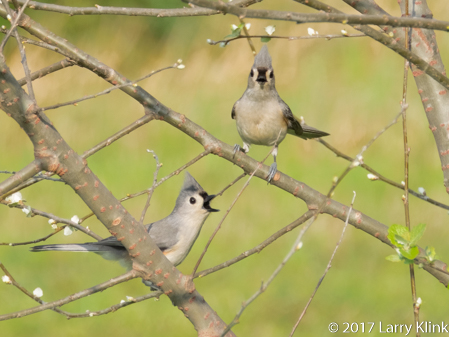
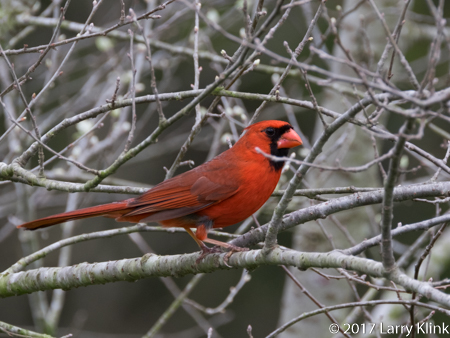
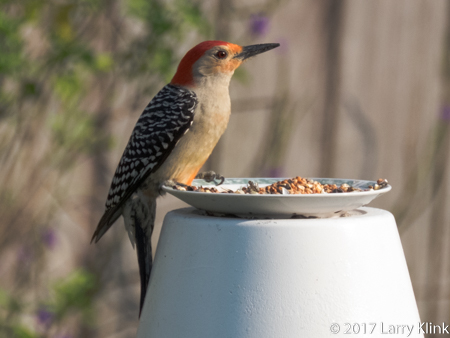
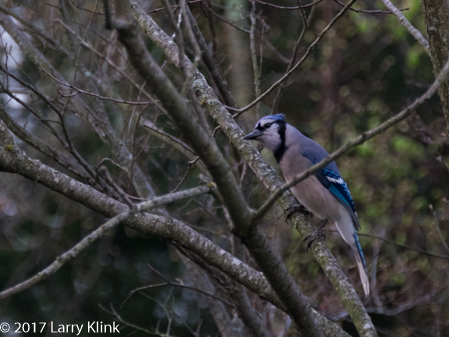
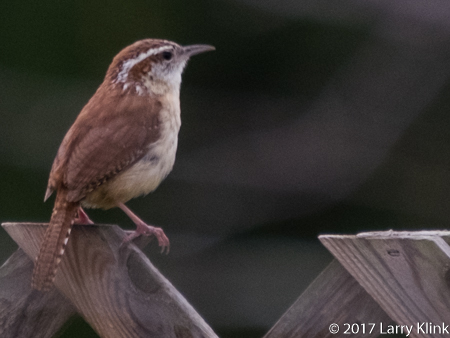
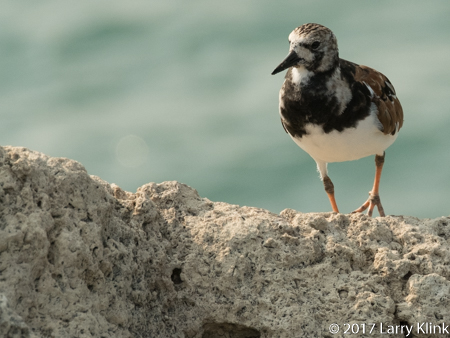
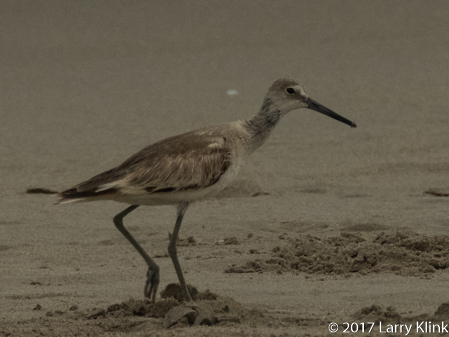
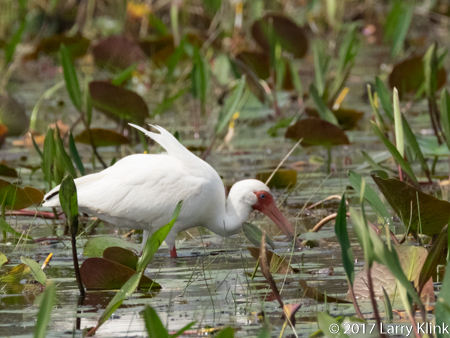
On a recent road trip, we got to see a number of interesting birds that we don’t get to see here in California. We also got to see some of the usual suspects.
Here are some interesting tidbits:
The typical vulture we see in the US is the Turkey Vulture. While the black vulture has a gray head, the turkey vulture has a red head. The black vulture is found in southeastern US.
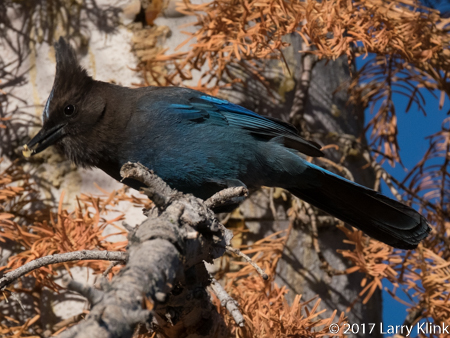
The blue jay is found in the eastern half of the US. In the west, we have the scrub jay. The stellar jay and the gray jay are found in areas of the west with cooler temperatures.
Here are images of some of those birds. I hope you enjoy them.
Regards,
Larry
Note: To see the images at a larger size, please click on bird name.
It’s fun to be in Northern California in the winter. We are part of the Pacific Flyway, so we get many birds, primarily waterfowl, who winter over. But even in my backyard I see Oregon Juncos and a species of Goldfinch that spends its summers in the Sierra foothills. Though my passion is landscapes, photographing this wildlife is fun because watching them go about their business of living is fun.
I’ve been out twice in the last two weeks photographing and enjoying the wildlife. On one trip, I went to 2 of the wildlife refuges that have been built along the flyway. Some years ago, land was set aside as a safe haven for migrating waterfowl. Levees were built and fields flooded so they could live and eat. This helped farmers by keeping the birds off their cropland. A win-win situation, enjoyed by birders, photographers and duck hunters. On the day I visited the refuges, raptors became my focus. They benefit from the migrating waterfowl as well.
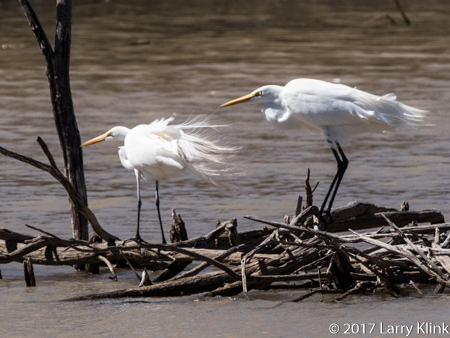
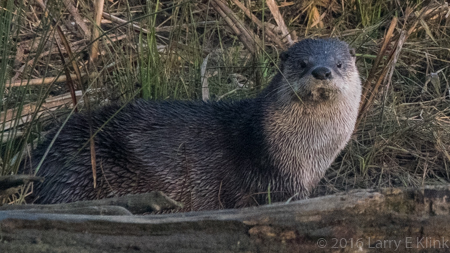
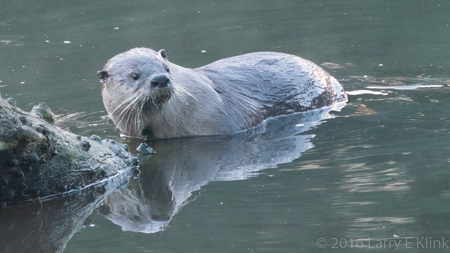
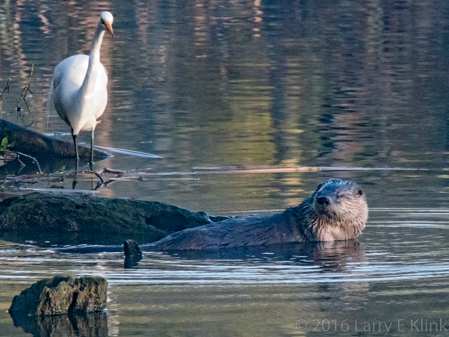
This past week, I got to spend an hour watching a River Otter and an Egret. They appeared to be helping each other feed. Otters always seem to be playing even as they feed.
I hope you enjoy these images.
Regards
Larry
Note: Click on image to view at larger size
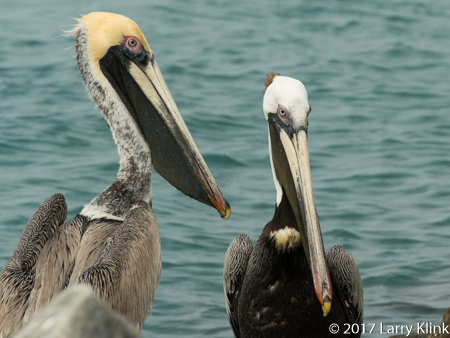
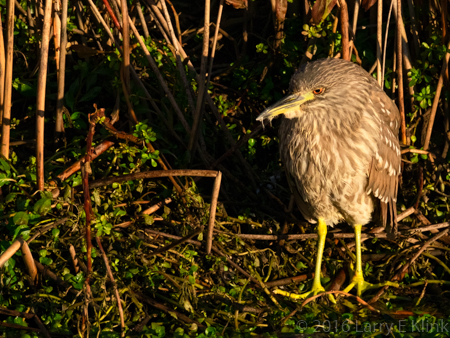
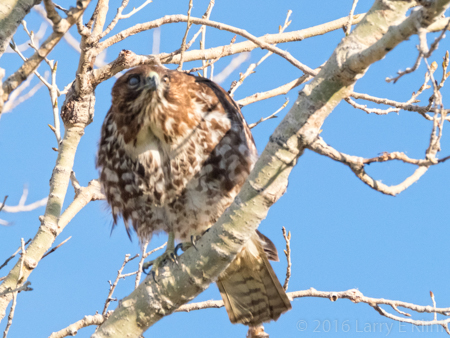
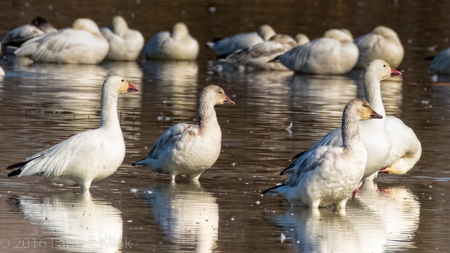
Juvenile Black Crowned Night HeronRed Shouldered HawkRiver Otter – Perspective 1Snow GeeseRiver Otter and EgretPeregrine Falcon
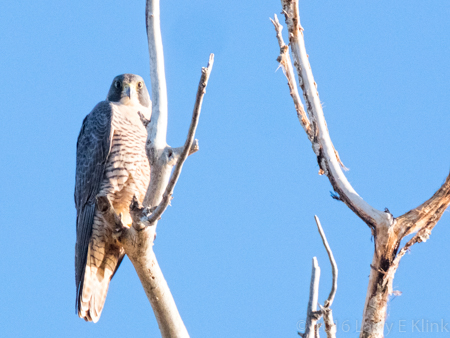
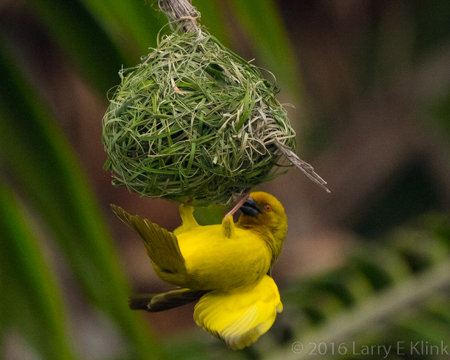
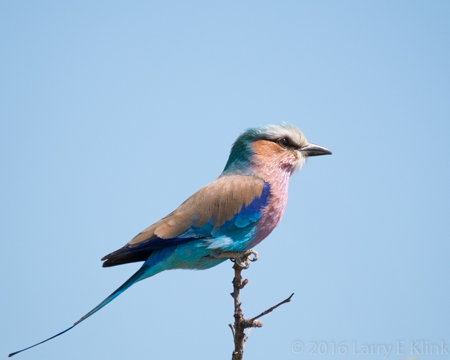
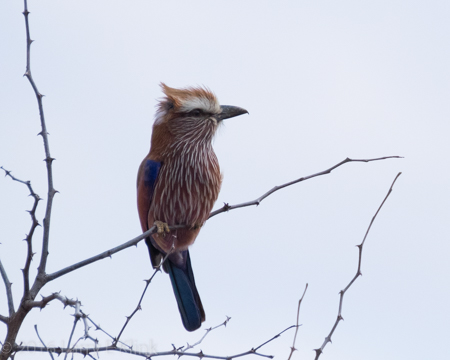
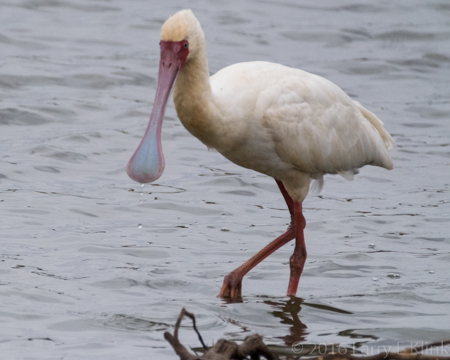
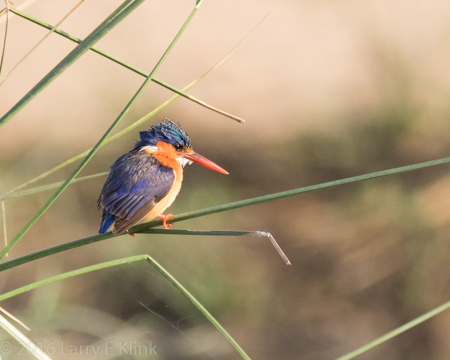
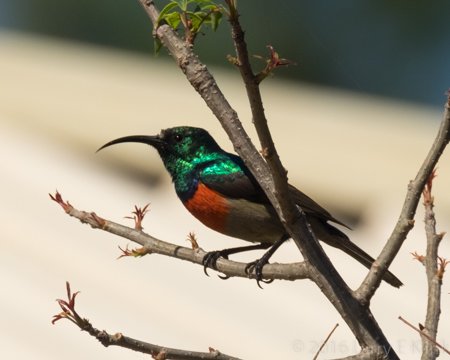
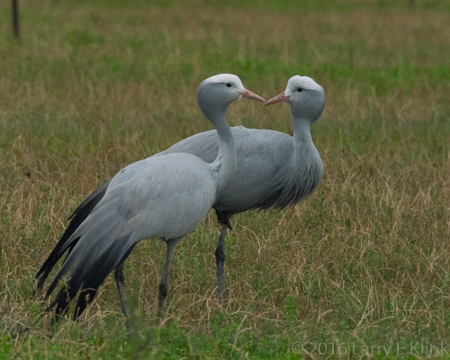
Here is a sample of the birds we saw while in South Africa. There were many interesting, colorful birds. I was especially captivated by the Lilac Breasted Roller,the Purple Crested Turaco and the varieties of sunbirds and kingfishers. There are many more examples on my website (www.earthwatcher.us). I hope you enjoy the images. I encourage you to look at the others that are on my website because I know you will enjoy them also.
Regards
Larry
These images can been seen at a larger size by clicking on the image





















 Earthwatcher