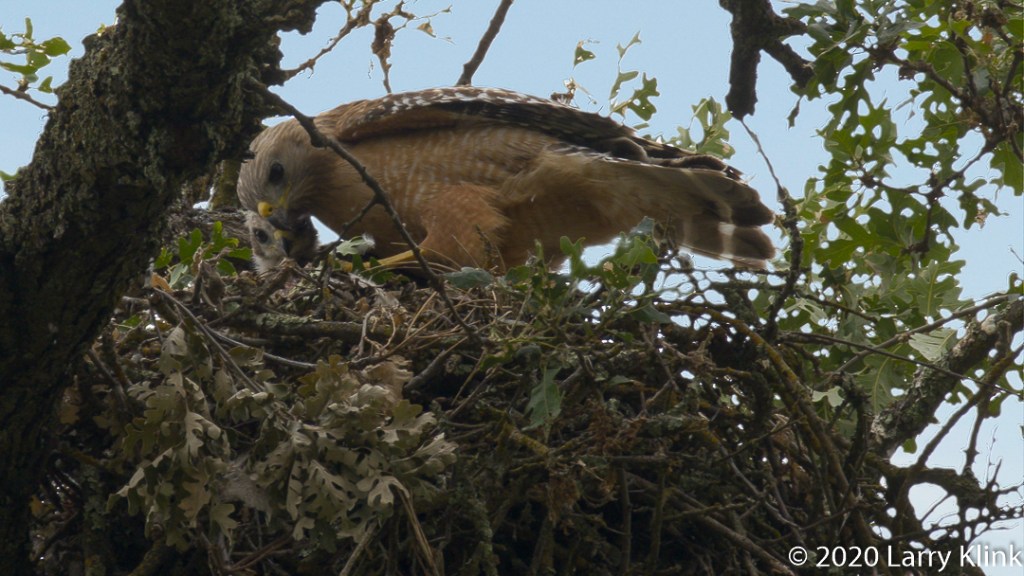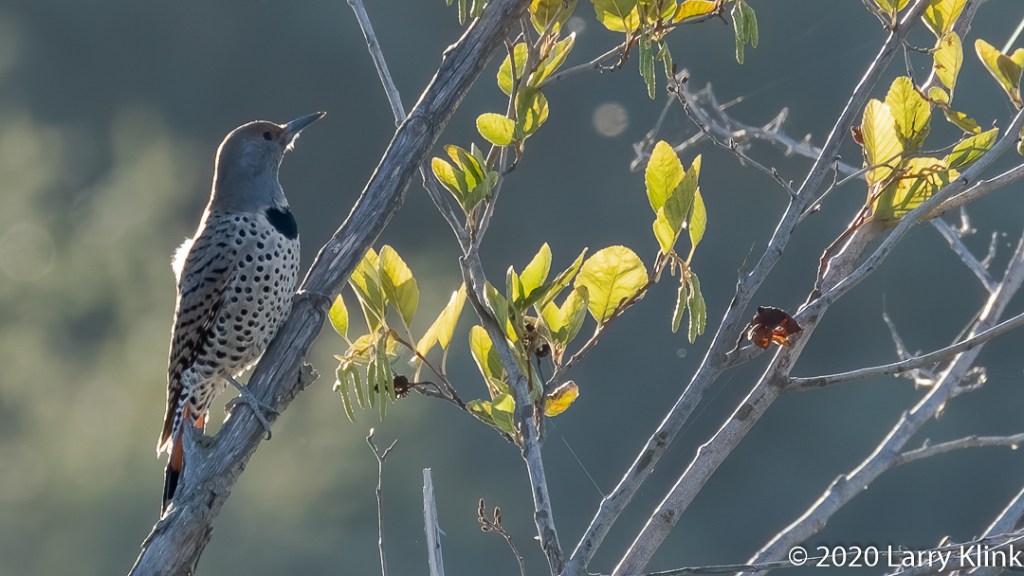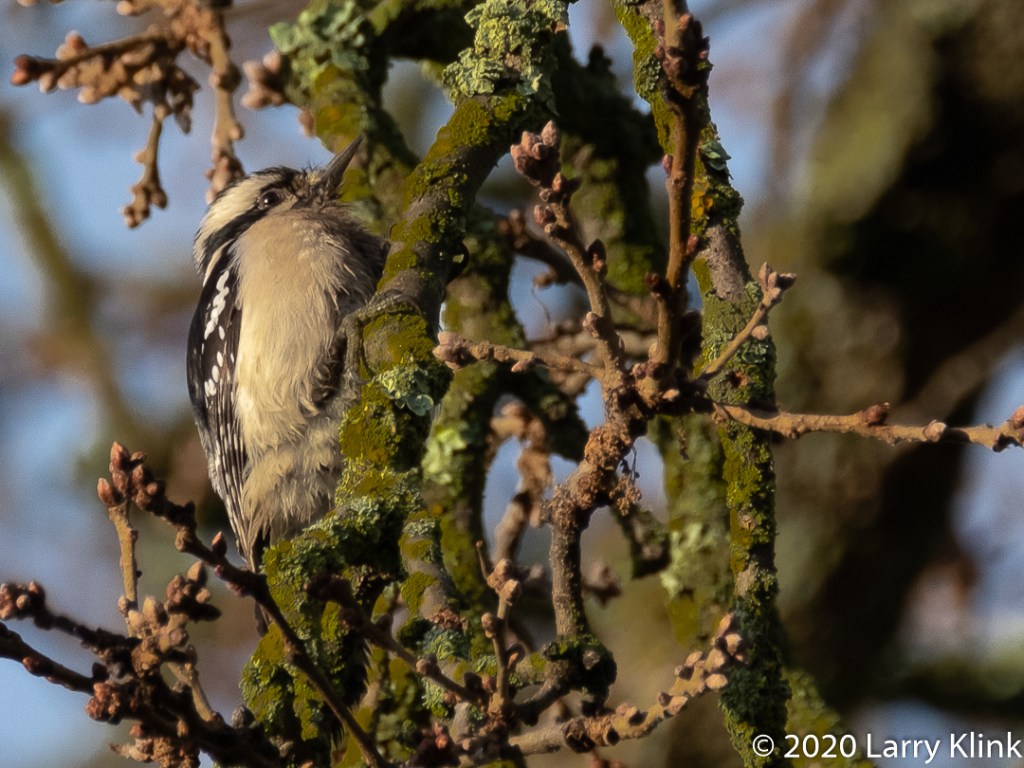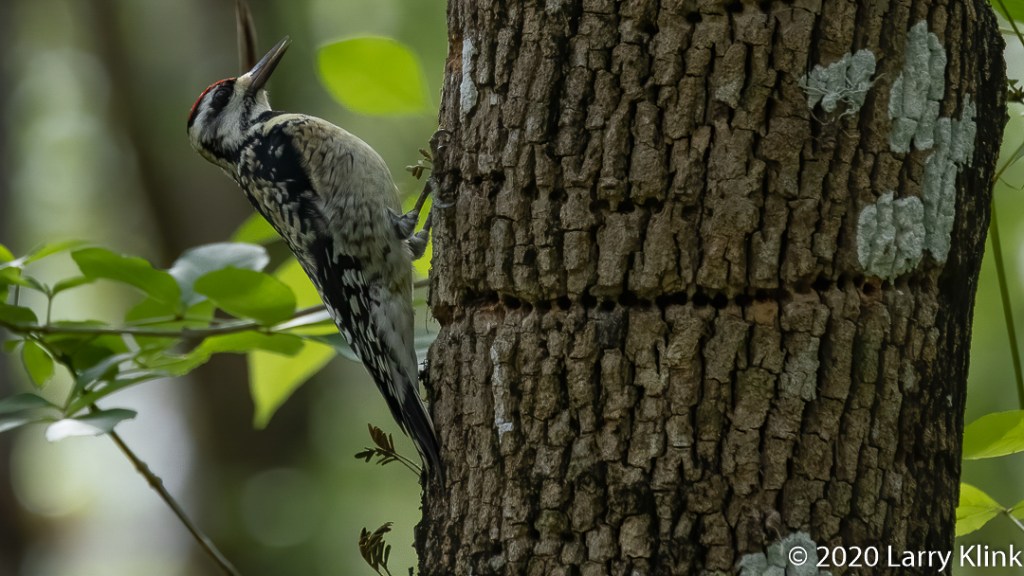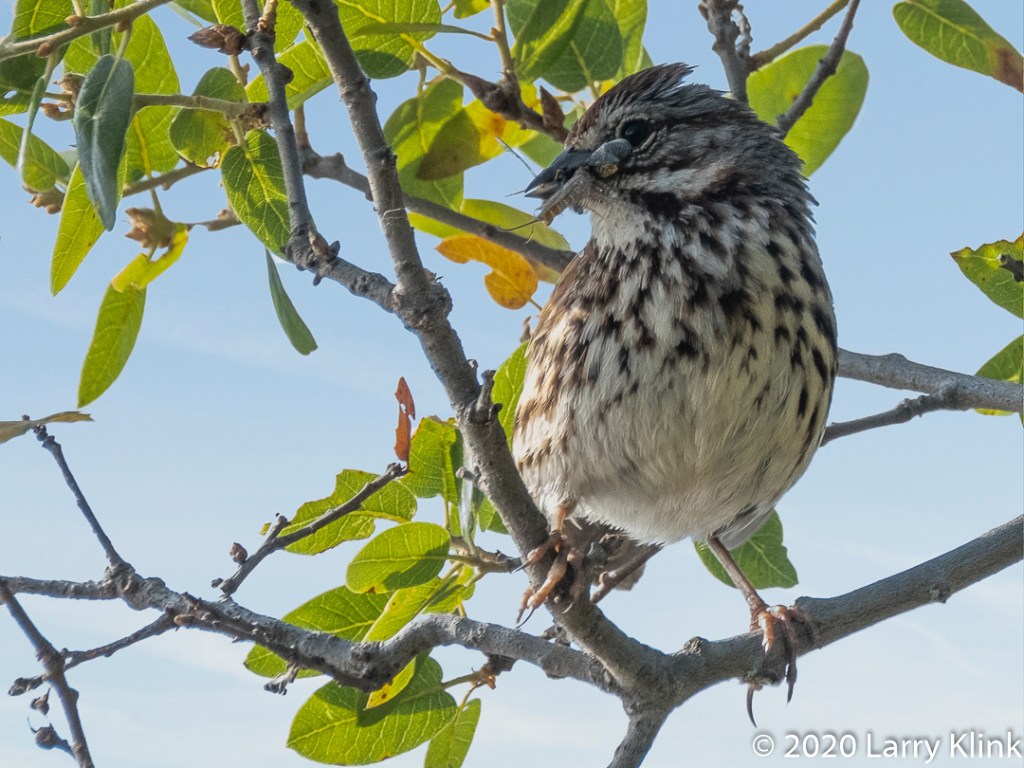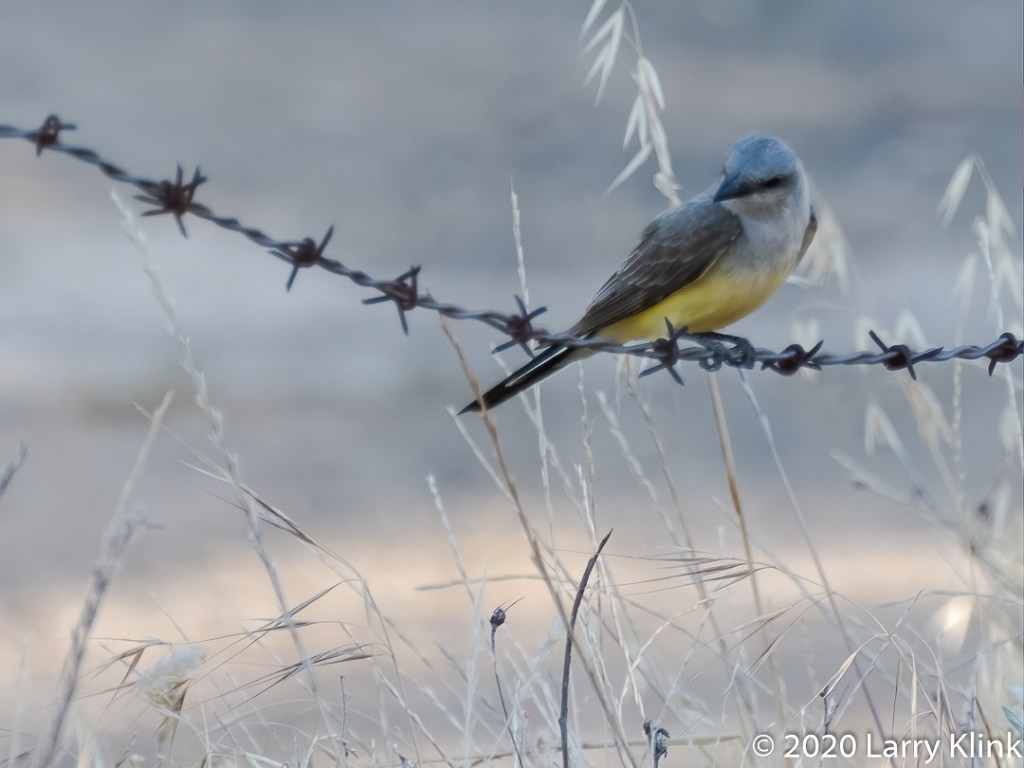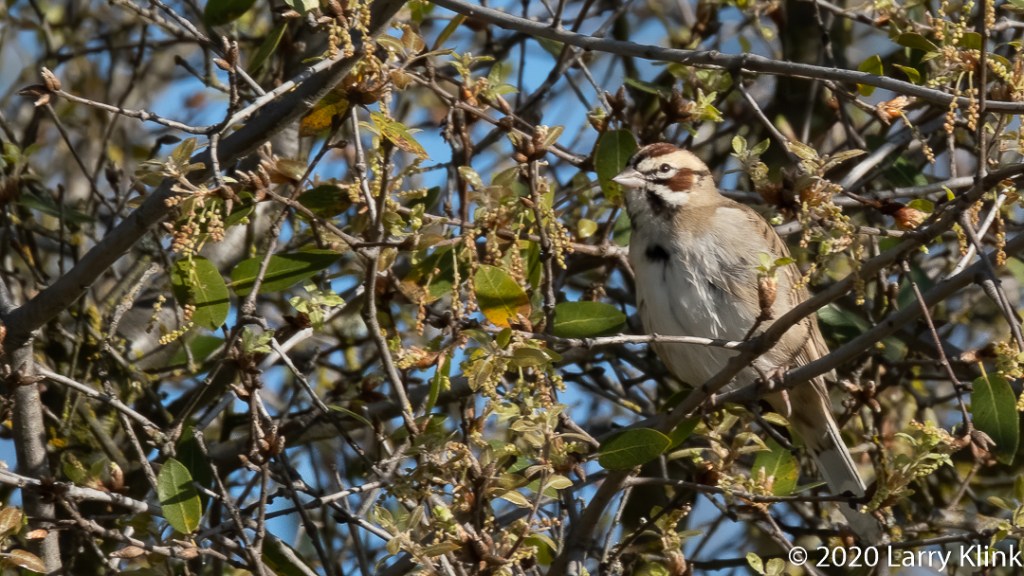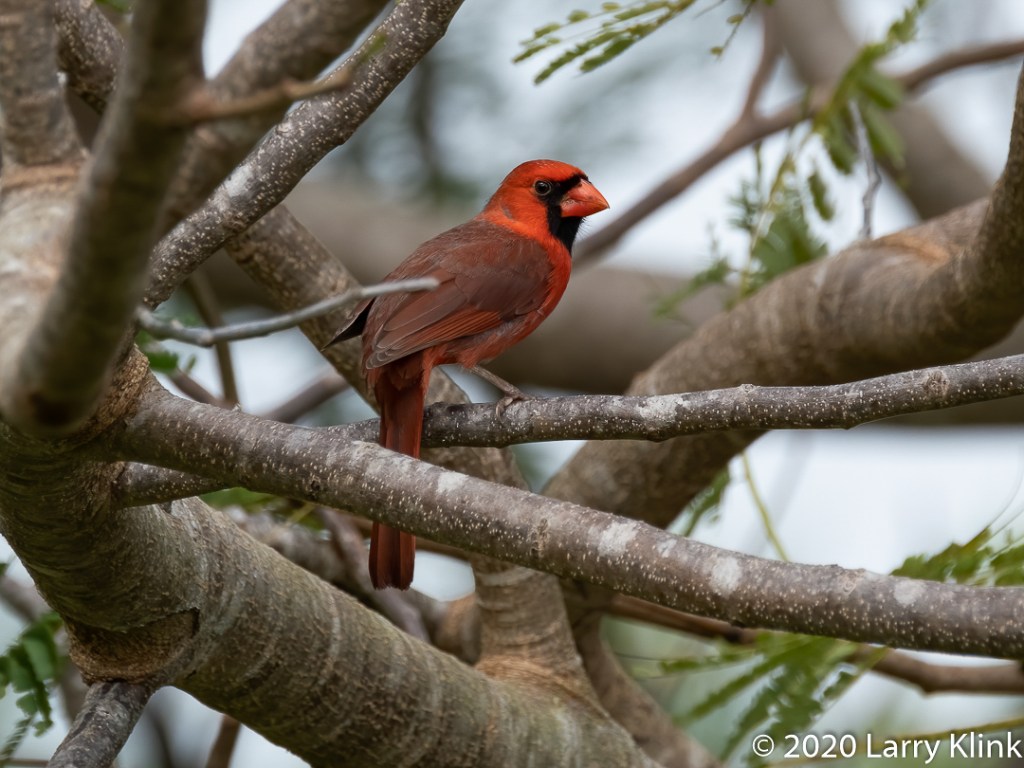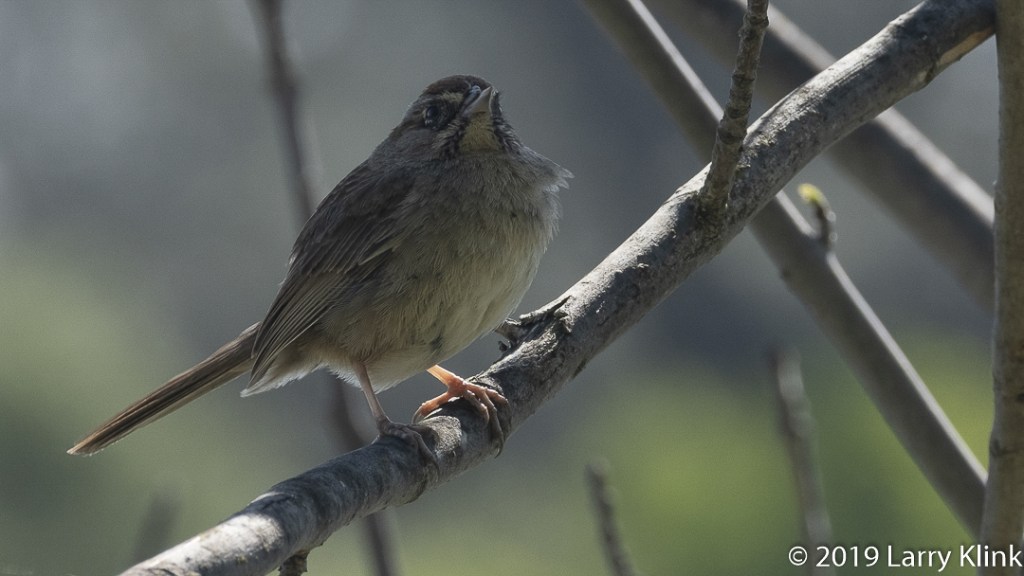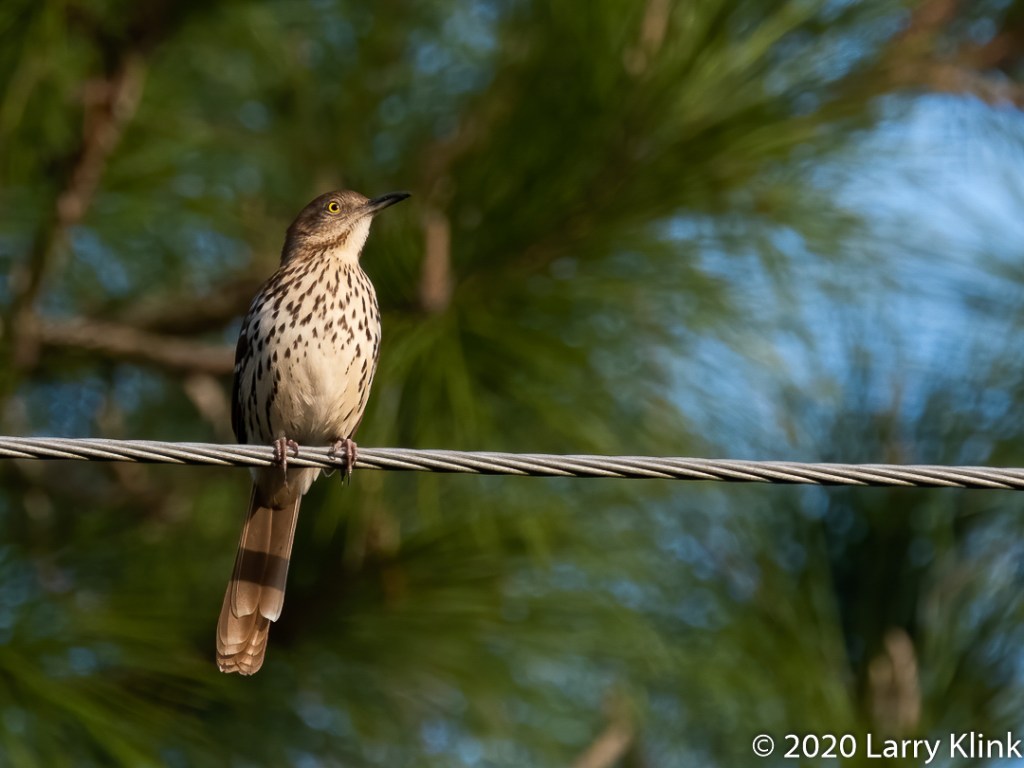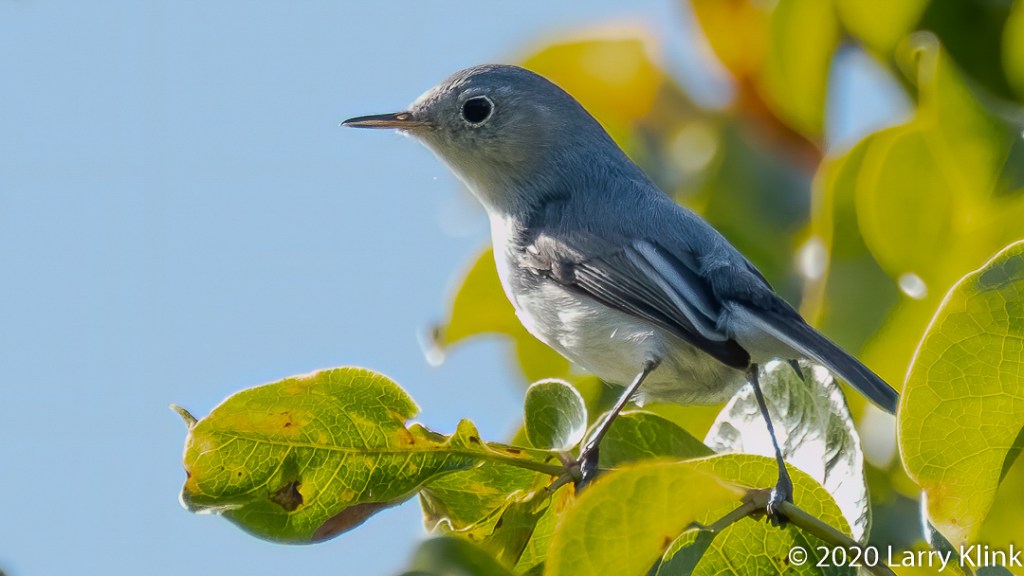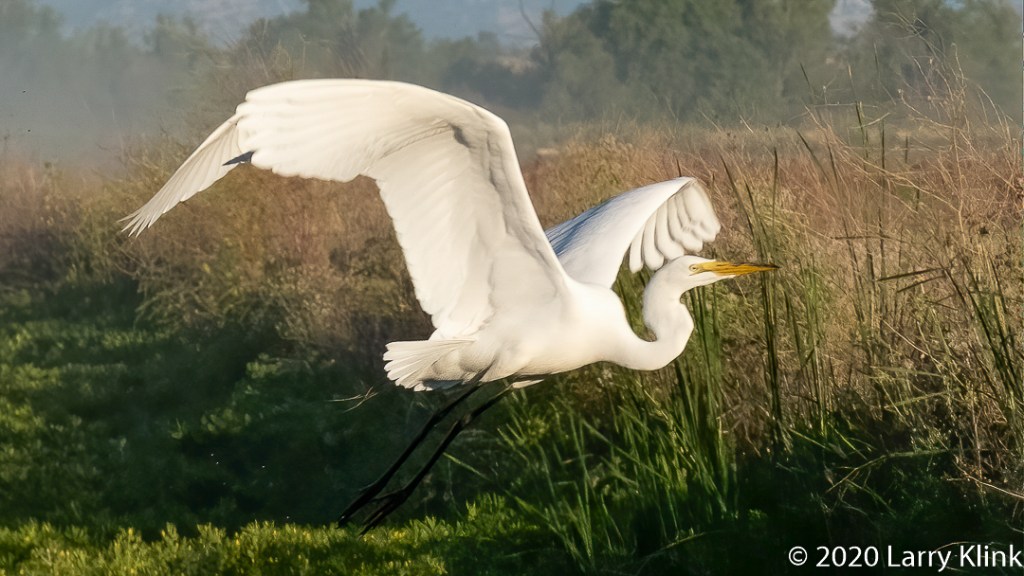
Today I am sharing a few more songbirds that I have photographed over the last several months. The Cardinals and the Brown Thrasher were taken in Florida, the remainder here in the Sacramento area.
Please click on caption to see images at higher resolution.
Today I am sharing images of birds that hang around marshy areas.
The American Avocet can be found in marshes in the Western United States, the Southeast Coast and Gulf Coast of the US as well as Mexico. It is generally seen in inland portions of the US only during breeding and when migrating to breeding grounds. It nests on the ground. It forages by walking in shallow water, swishing its head back and forth to capture aquatic invertebrates.
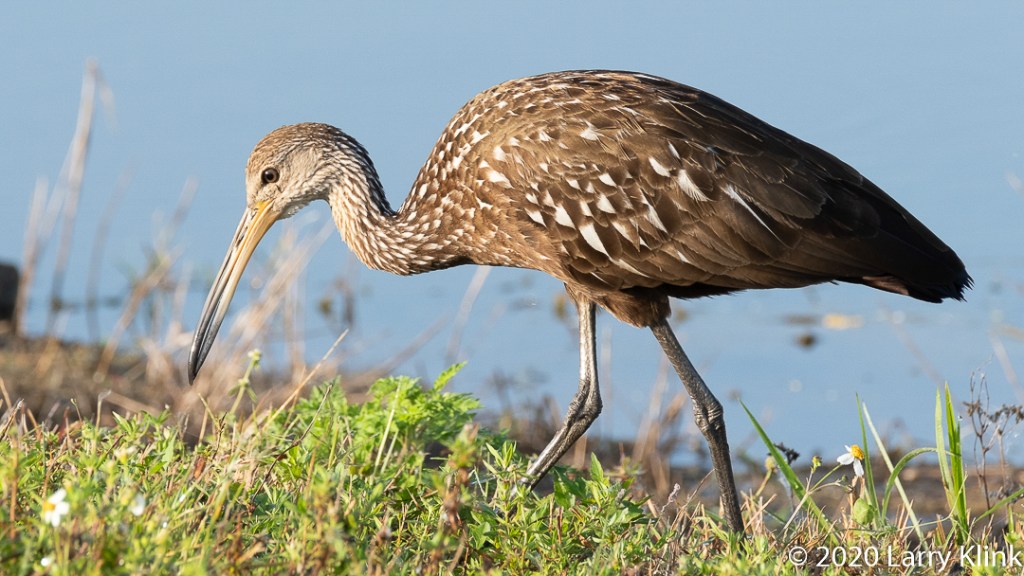
The Limpkin is found in Florida, the Yucatan Peninsula, and the Caribbean. They nest on the ground. They forage day and night specializing in eating apple snails. Their bill seems specifically adapted to eat them. I have never heard the call of a Limpkin, but I read that it is otherworldly.
The Common Moorhen, also known as the Common Gallinule, is found along coastal section of the United States as well as Mexico and the Caribbean. They sometimes nest in trees and shrubs but mostly nest on aquatic plants near the water’s edge. They swim when foraging and eat aquatic plants.
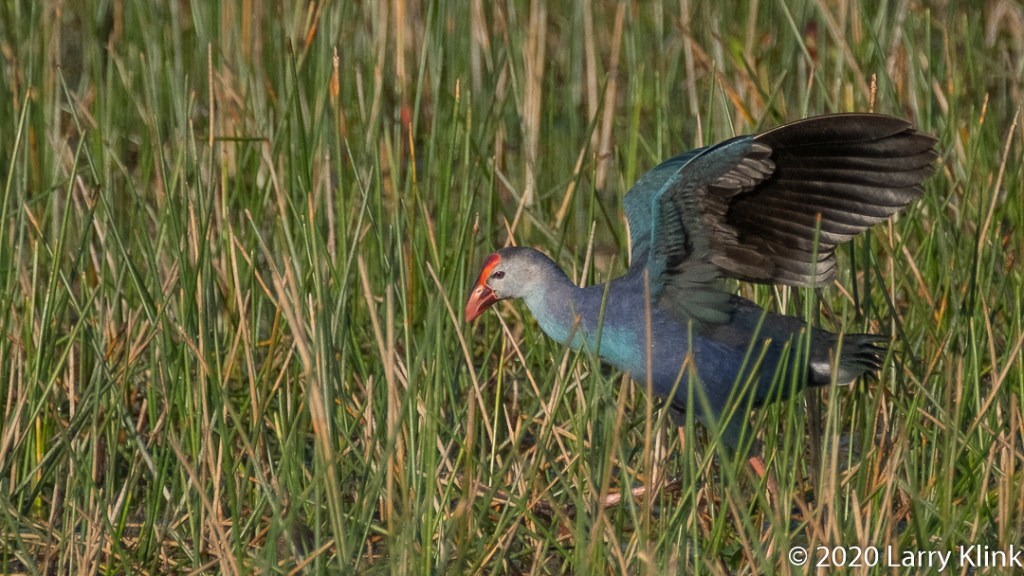
The Purple Swamp Hen, also known as the Purple Gallinule, lives in Florida, parts of Mexico, the Yucatan Peninsula, and the Caribbean. They attach their nests to standing or floating vegetation in the marshes. They eat aquatic plants, insects, spiders, small frogs and fish, and eggs and nestlings of other birds.
The Greater Yellowlegs is found across most of North America and the Caribbean. They nest on the ground. They forage by wading and stabbing at aquatic invertebrates.
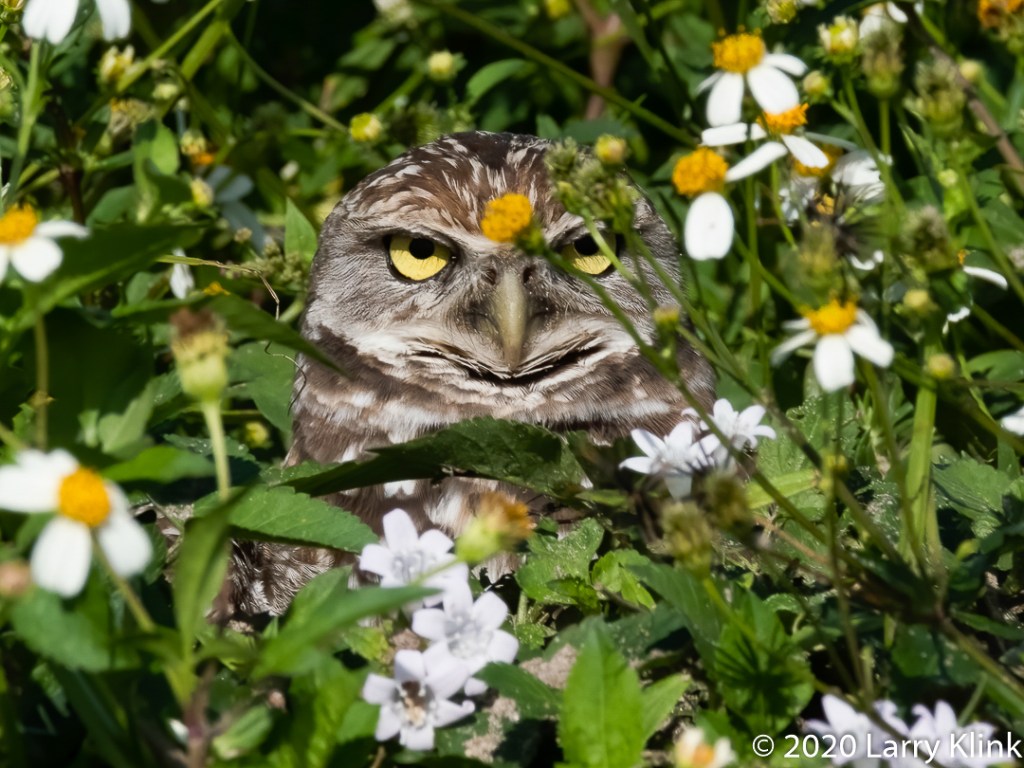
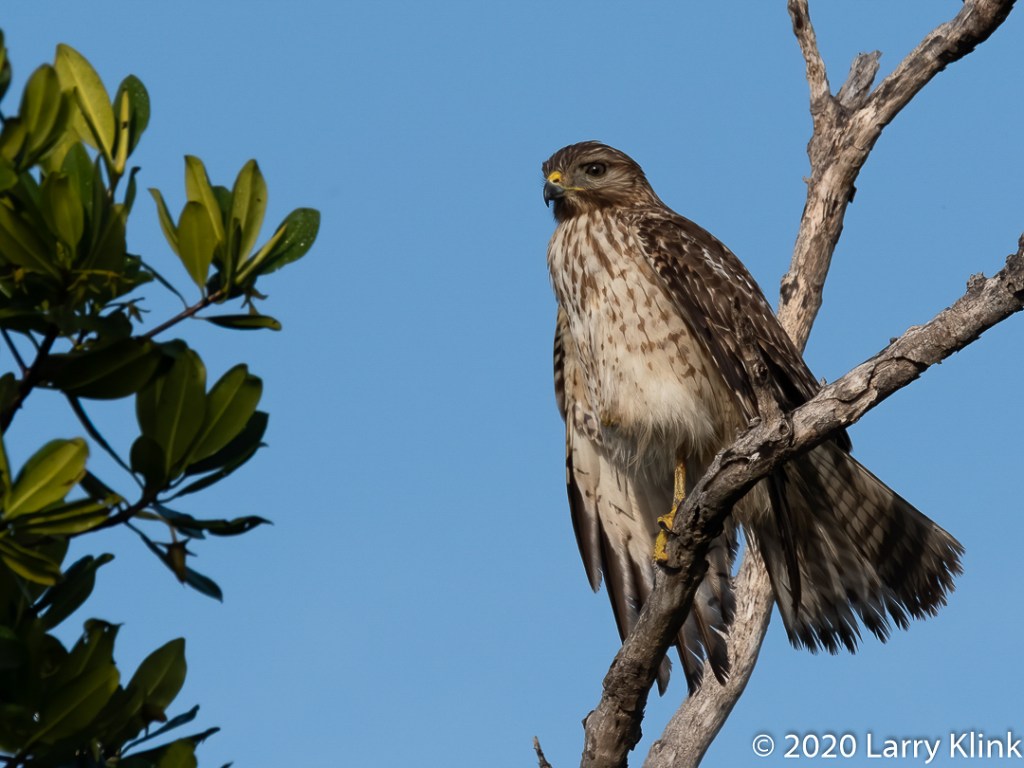
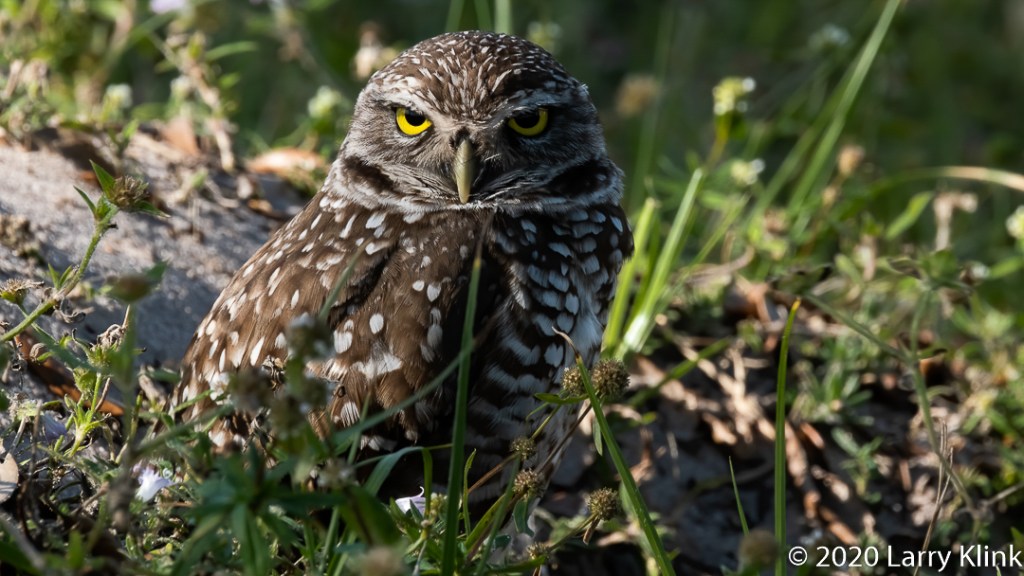
Today I am sharing some of the raptors we saw on a birding adventure in Florida. The collection includes the Burrowing Owl, the Florida subspecies of the Red-shouldered Hawk and the Black Vulture.
The Burrowing Owl is an interesting character that does not fit our stereotypes. Our literature is full of owls. They are the wise, stealthy, mysterious creatures that hunt at night, flying silently and swooping down to take its prey. The burrowing owl lives in burrows under the ground. They are comical to watch as they stand outside their burrow staring with eyes wide open, twisting their head back and forth like R2-D2 of Star Wars. They can fly to hunt but they also watch and attack or walk while hunting. They forage by day or night and eat invertebrates, insects and sometimes a mouse or shrew.
The Black Vulture is a smaller cousin to the Turkey Vulture found along the Mid-Atlantic and Southeastern states of the United States as well as Mexico, the Caribbean and extreme northern South America. The Black Vulture has a gray head and its wings are all black except for a very large section of white at the end of the wing. In contrast, the Turkey Vulture has a red head and its wings are white along the underside trailing edge.
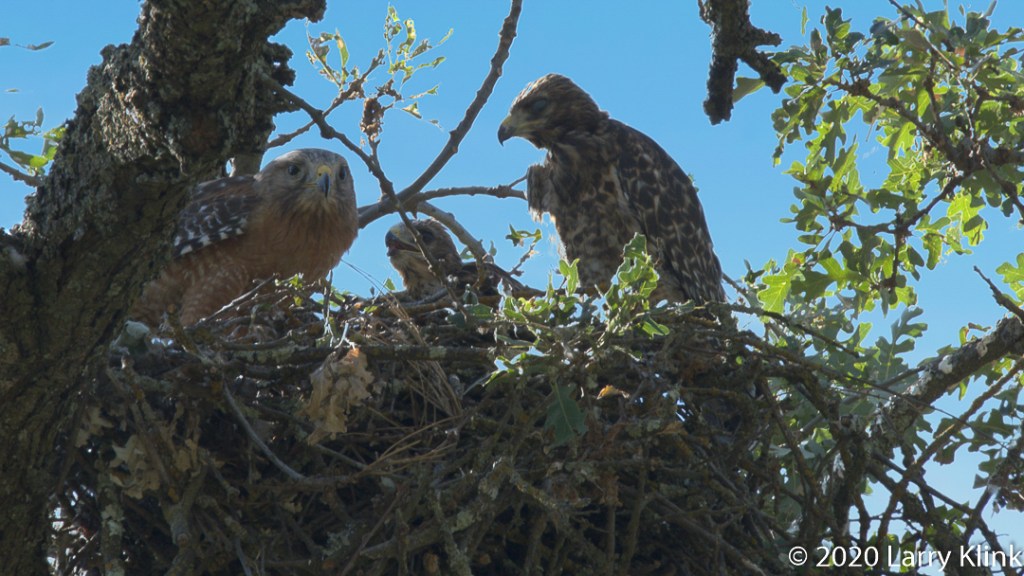
The Florida subspecies, called extimus of the Red-shouldered Hawk is a paler colored bird than the western group, called the eleganz, we see here in Northern California.
Info from: Cornell Labs All-About-Birds and the Stokes Field Guide to Birds of North America.
Note: Please click on caption to see image at higher resolution.
Today, I am sharing some more images from my February birding adventure in Florida. Most of the birds are songbirds. However, I have a jay and a couple of grackles in the set also.
Note: Please click on caption to see images at higher resolution.
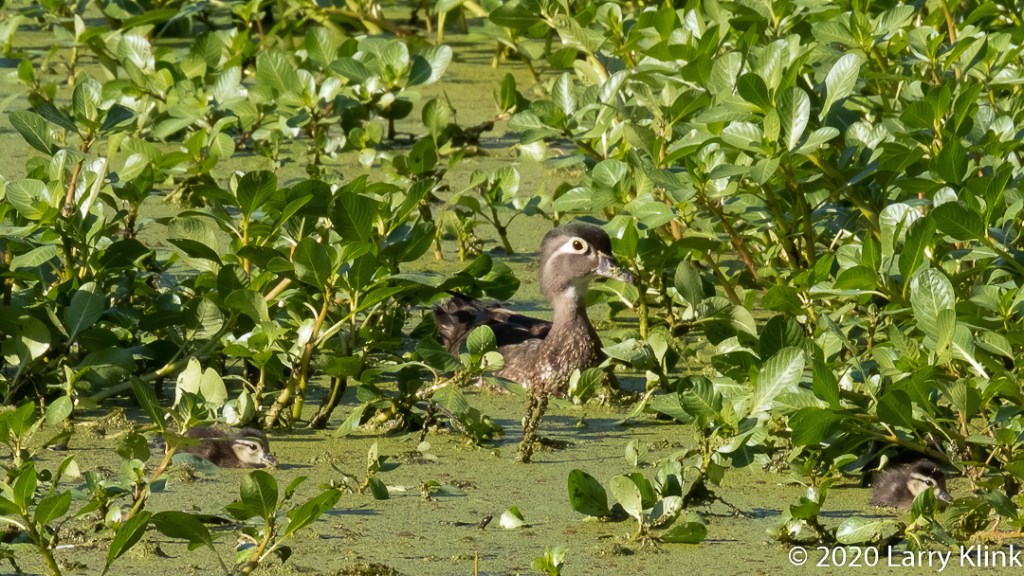
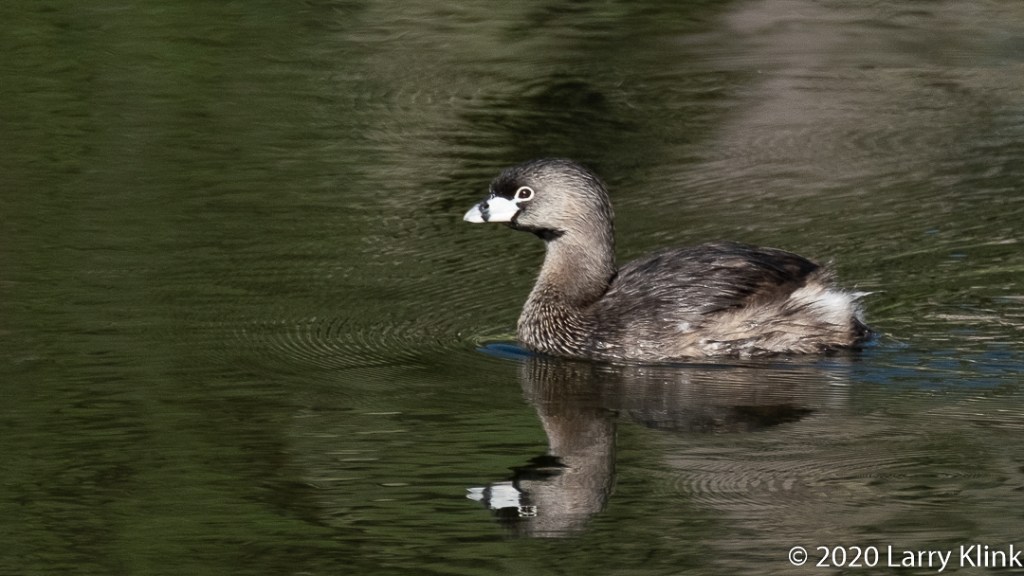
In the past 2 weeks, I have been able to get back to some of my familiar trails along the American River. It was a great time to get out because there are baby birds and there are males in their breeding plumage, all of which make this time of year special.
Please click on caption to see image at higher resolution.
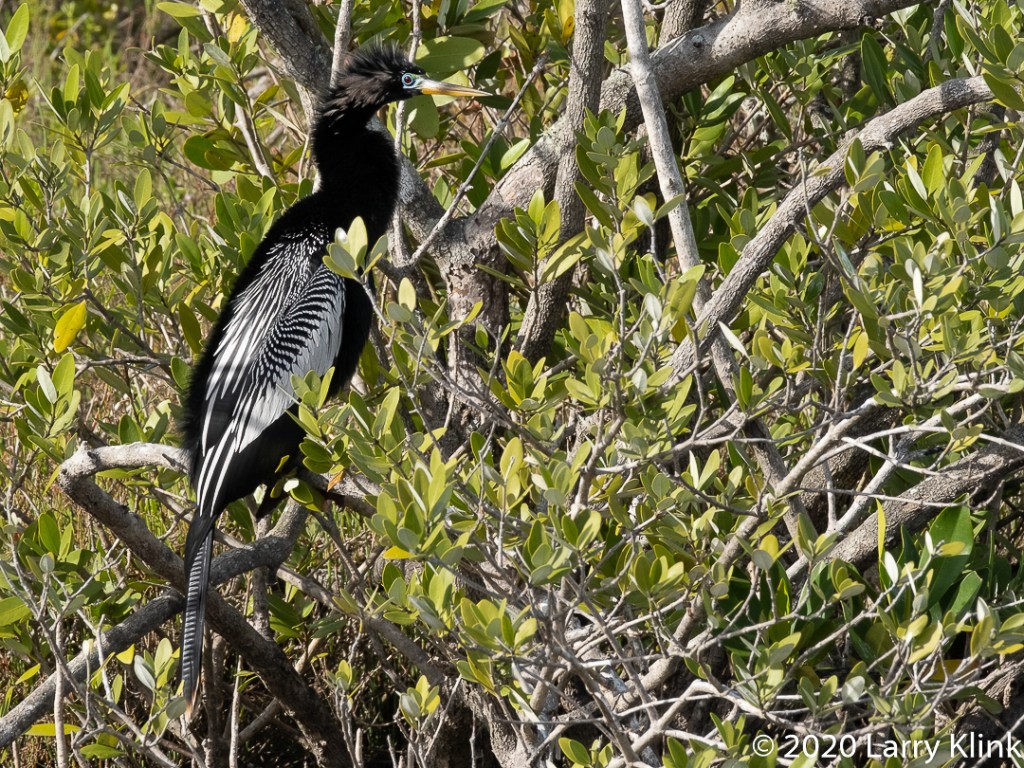
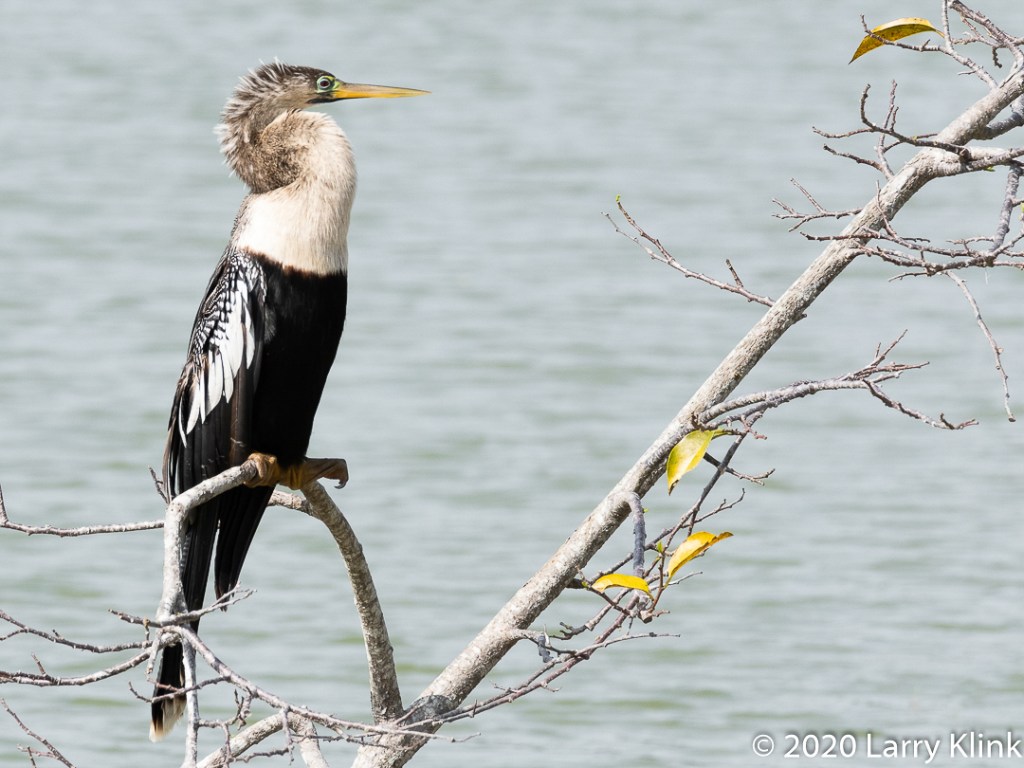
The Anhinga is water bird that looks like a Cormorant but are not Cormorants. Anhinga’s have a more dagger-like beak and longer tails. Like a Cormorant, they swim partially submerged when foraging for food. Typically, we see only their head and snake-like neck above the water line. When I see them, it reminds me of one of the iconic “Nessie” pictures. The name Anhinga comes from the Brazilian Tupi language, meaning snake bird or devil bird. They mostly eat fish which they spear with their dagger-like beak.
Anhingas are found along the coasts of Southeastern US, Mexico, Central America and the Caribbean. They nest in colonies with Herons, Egrets and Cormorants.
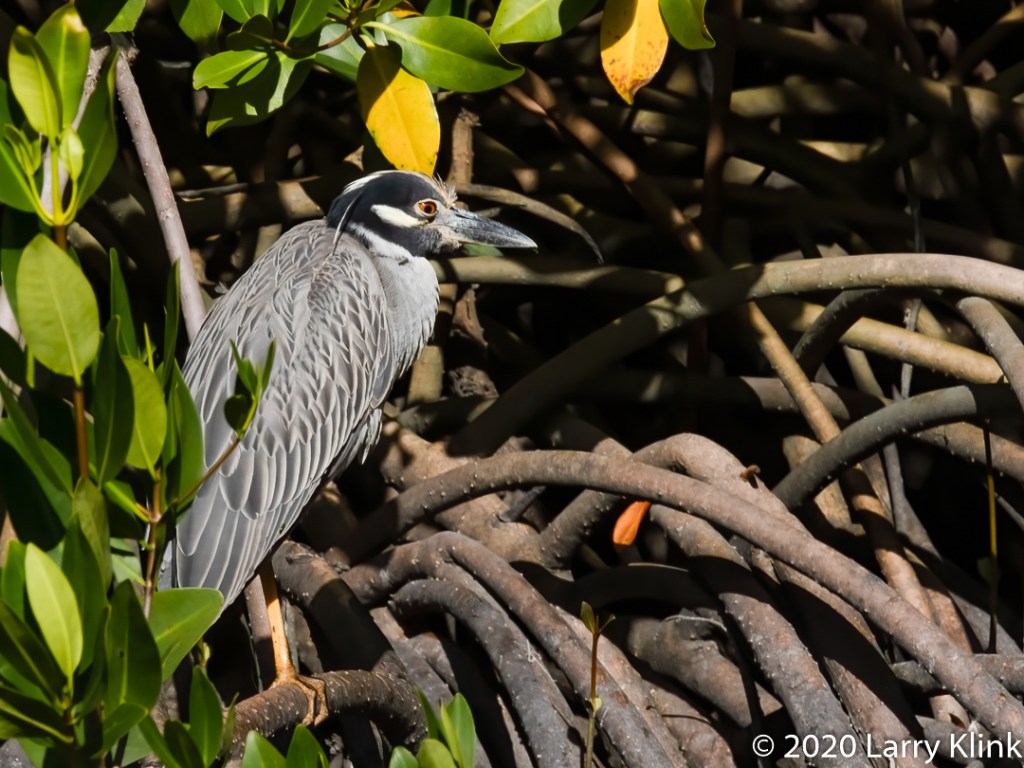
Night Herons are medium sized herons that forage mostly at night. In this post, I have images of both the Black-crowned Night Heron and the Yellow-crowned Night Heron.
The Black-crowned Night Heron is found in wetlands across most of the North America, though some winter over in Mexico and Central America. They forage in early morning and evening where they feed on a wide variety of fresh water and marine animals. They nest in colonies with other Black-crowned Night Herons.
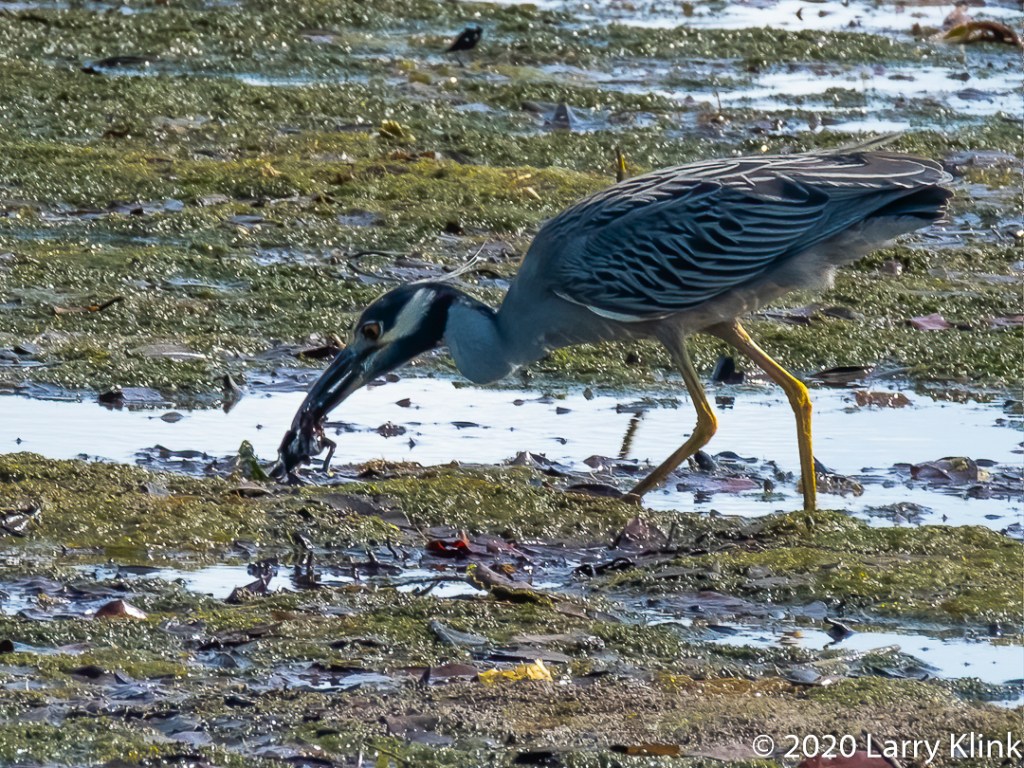
The Yellow-crowned Night Heron is found mostly along the Atlantic coast of Florida and along North America’s Gulf coast, though some do move much further inland to breed. They are also found along the coasts of Mexico, Central America and the Caribbean.
The Yellow-crowned Night Heron feeds mostly on crustaceans. They nest alone or in colonies with others of their kind.
Info from: All About Birds by Cornell Labs
Note: Please click on caption to see image at higher resolution.
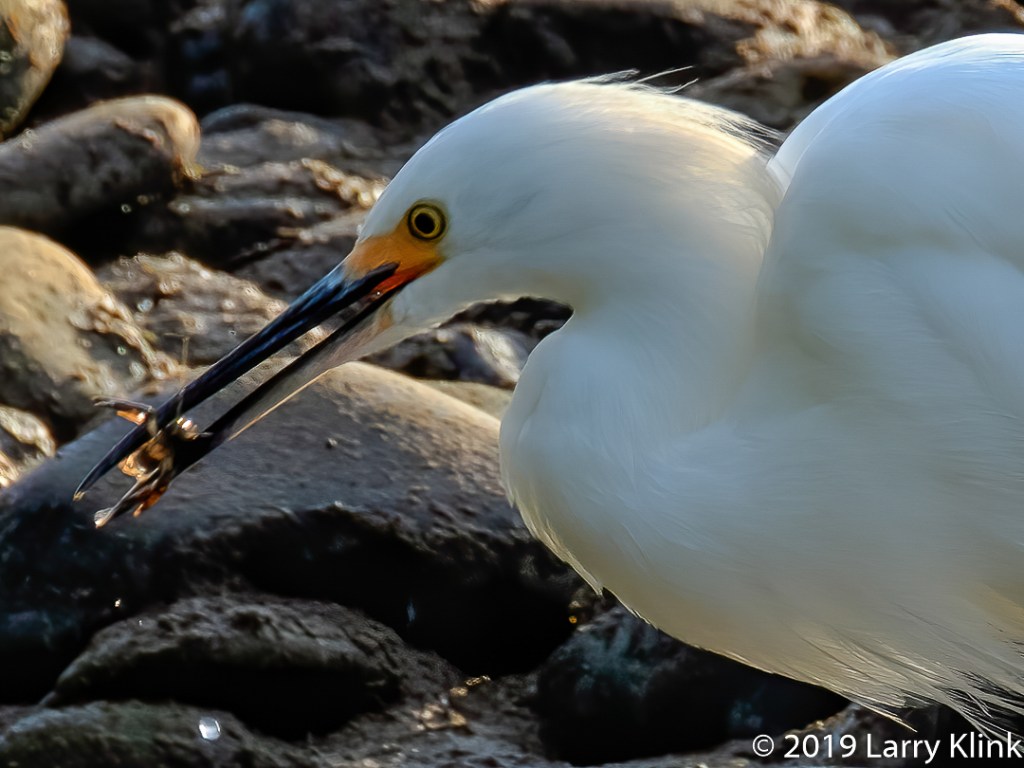
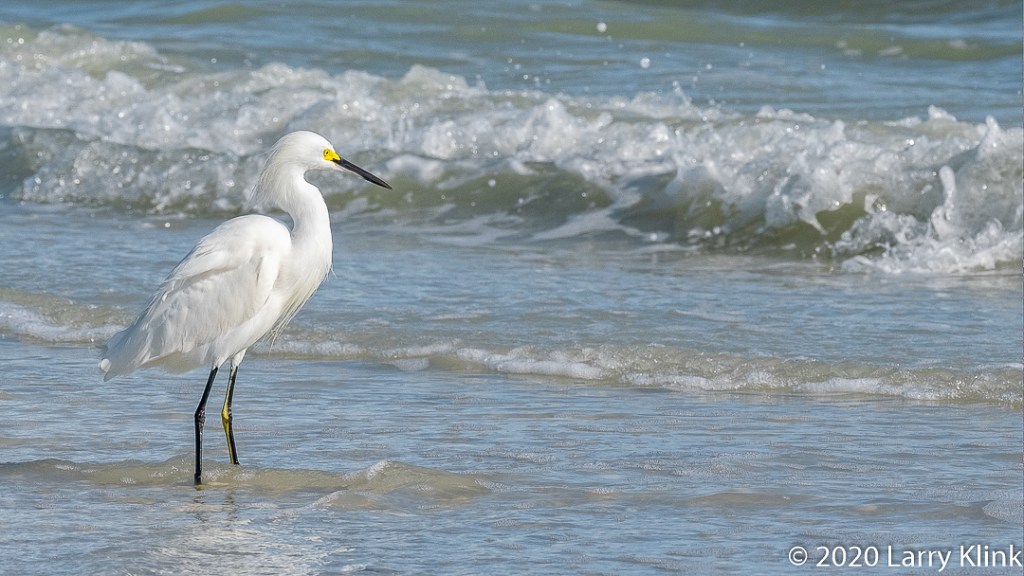
The Snowy Egret is an elegant bird with bright white plumage, black beak and legs and bright yellow feet. When it displays its long, curved plumage, it is gorgeous. They can be found, year around, along the coastal waters of the US, Mexico, and the Caribbean. But its migration and breeding periods takes it into much of the interior of the US.
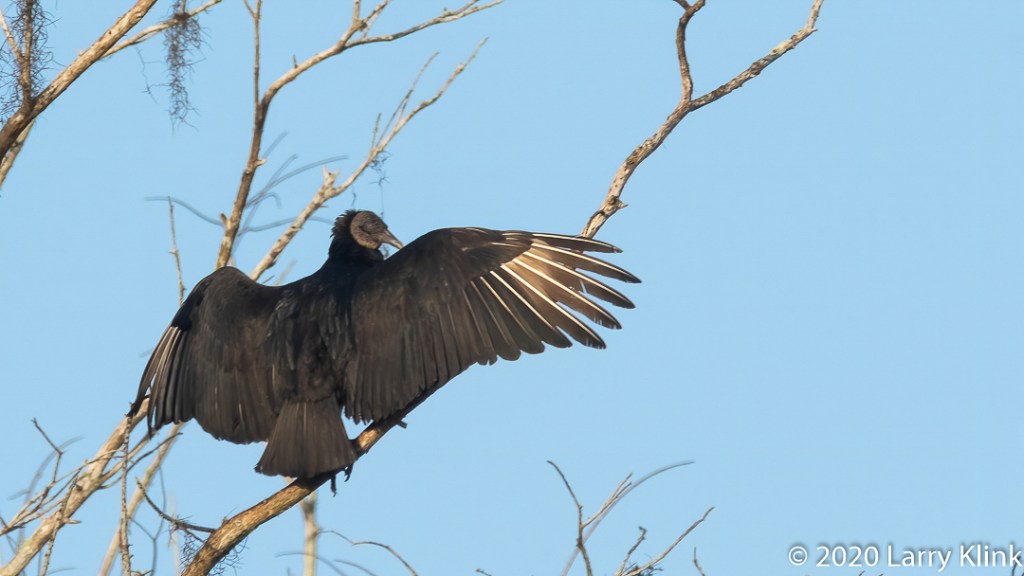
Like other egrets and herons, they nest high in trees, in colonies, with other similar birds. They forage on frogs, worms, crustaceans, and insects. I find watching Egrets and Herons stalk fascinating.
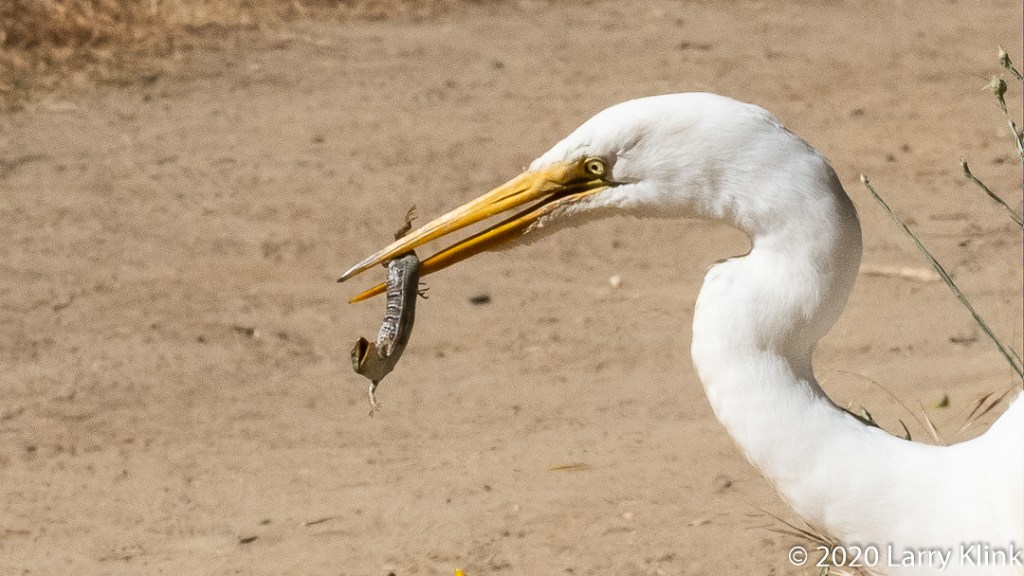
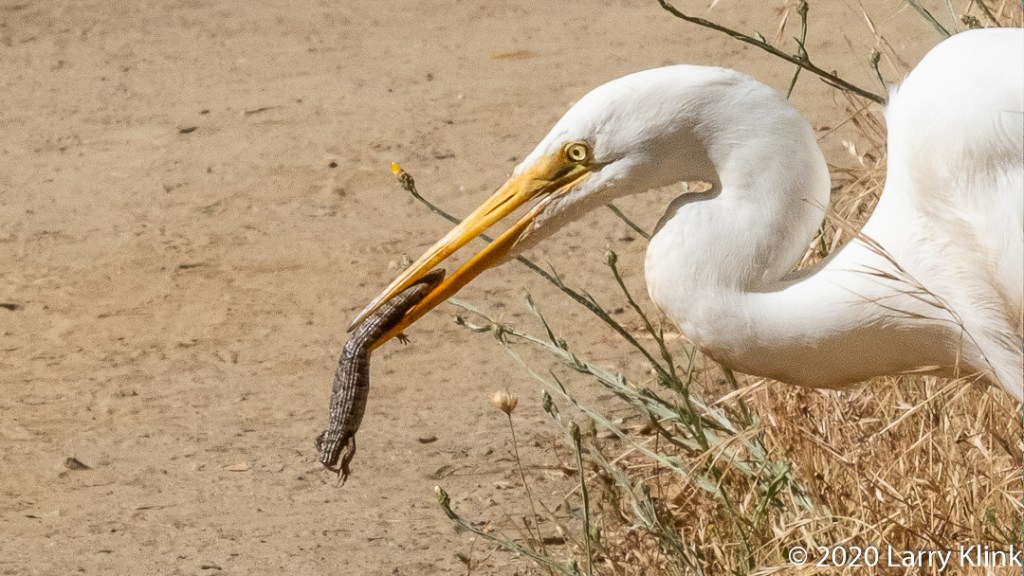
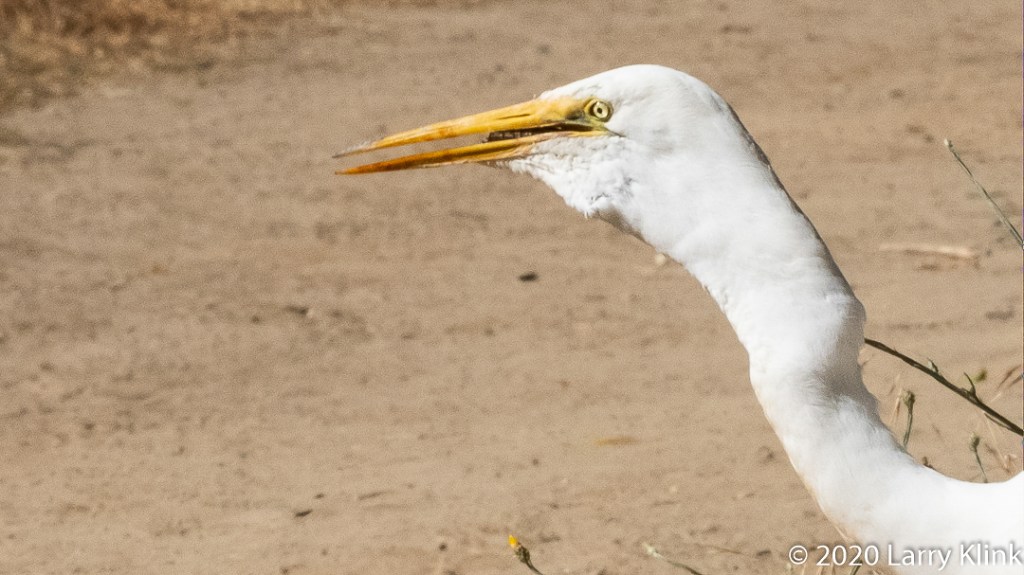
The Snowy Egret is noticeably smaller than its cousin the great egret; the one that is tall and has a yellow beak. When you see an egret, look closely; it might be a Snowy or, it might be a Great.
In this set, I mixed a few pictures from our recent trip to Florida as well as some I have taken locally.
Note: Please click on caption to see image at higher resolution.
Terns are seabirds, i.e. birds that feed in the oceans outside the surf/tidal zones. On our recent trip to Florida, we visited a beach on Sanibel Island that had a small flock of Royal Terns along with a few Forster’s Terns and Sandwich Terns. I really enjoyed seeing them, but I did chuckle a bit when I saw the Royal Tern. They reminded me of a long nosed, old. bald guy. Mostly, they were just hanging out on the beach until something disturbed them. Then, they all took off, circled around and came back down to hang out.
Most of the Terns in these images are the Royal Tern. One of the images includes a Forster’s Tern and another shows a Sandwich Tern softly blurred in the background. They are noted in the individual image.
Note: Please click on caption to see image at higher resolution.
The Sanderling is the little white bird we see along the coast. It scurries after the receding surf collecting small invertebrates or probing the sand for small crabs, worms and mollusks. As the surf returns, they scurry back to dry shores. I think they are both interesting and amusing to watch.
In the US, we get to see Sanderlings along the Atlantic, Pacific and Gulf coasts outside the breeding season. They breed in far, northern Canadian islands and peninsulas. Interestingly, the use the “broken wing” behavior to lure predators from the nest similar to Kildeer.
I’ve included a Ruddy Turnstone in this post. It too is a bird that we can see along coastal waters but breeds in the far north. They hunt by flipping over rocks, shells and seaweed; they eat insects, small crustaceans and bird eggs.
This Ruddy Turnstone is perched atop an interesting feature; a large, naturally formed pile of sea shells that continually replenishes itself. Homo sapiens can often be found foraging in this pile for decorative objects.
Today, I am going to take a short break from sharing the amazing birds I saw in Florida so that I can share 2 images I took this past week. I am sharing these 2 beautiful raptors.
The eagle is on a nest. I suspect that at least one of its chicks has hatched. I did not see any tiny heads. But I did see the adult, bent over, with food in its mouth. I did not see it eat that food. So, I think it is possible there is a chick in the nest.
The Red-shouldered hawk had just leapt from its perch to fly away.
Note: Please click on caption to see image at higher resolution.