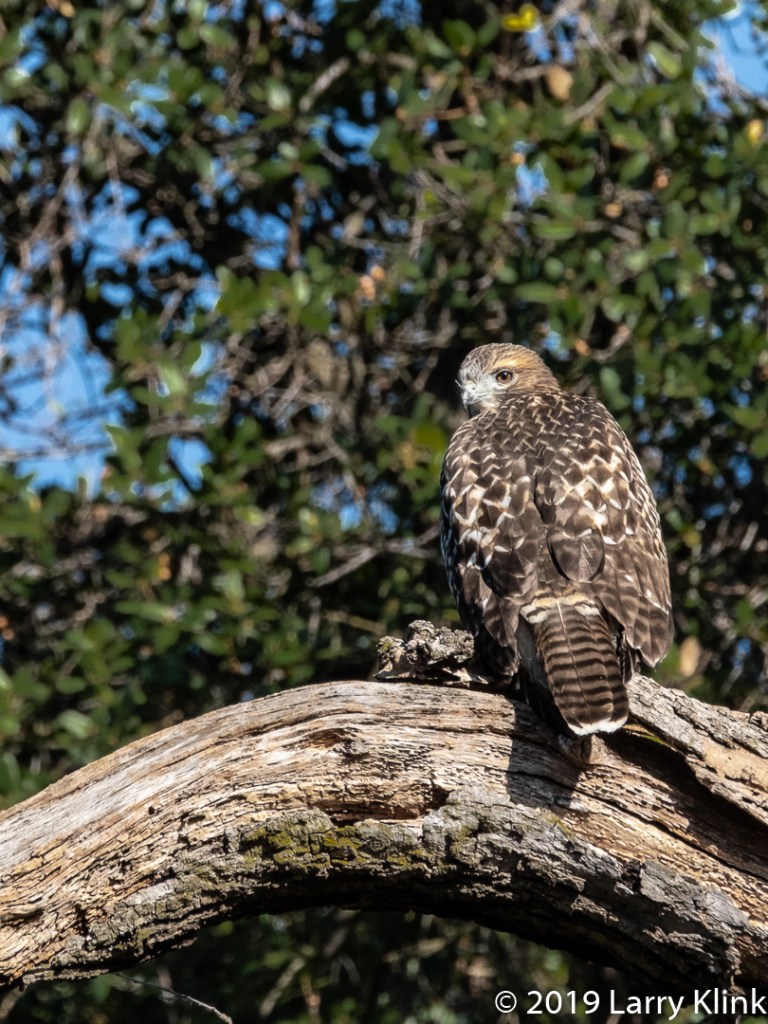
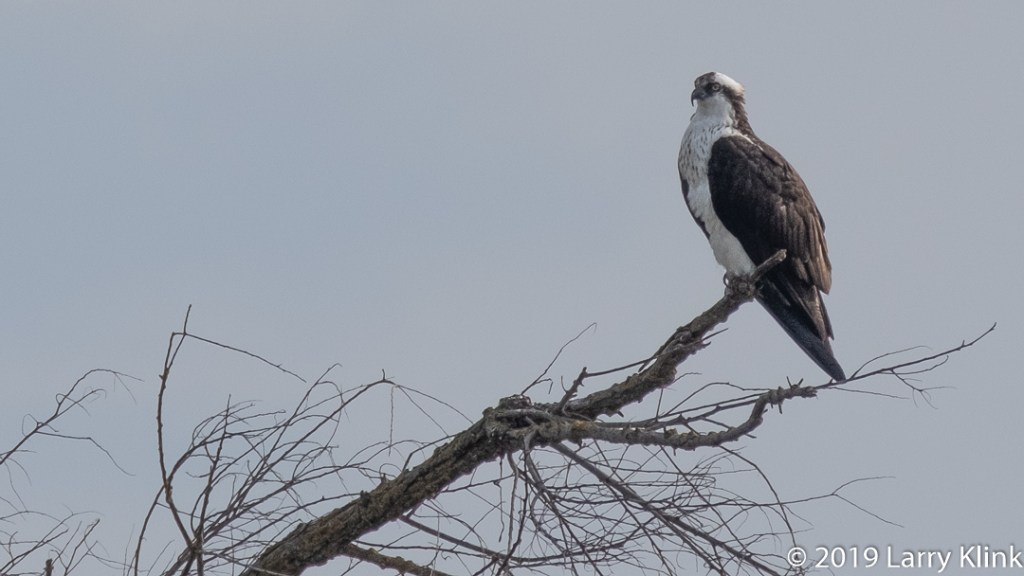
Here are a few raptors, birds of prey, I’ve photographed over the past year.
The Red-shouldered and Red-tailed Hawks are members of the Buteo family. They forage in more open areas and prefer small rodents. The Goshawk and Sharp-shinned Hawks are members of the Acipiter family. They are built to forage in in forested areas and prefer birds. The Merlin is a small falcon. Though they have there preferences, they’ll eat whatever they can catch.
Note: Please click on caption to see these images at higher resolution.
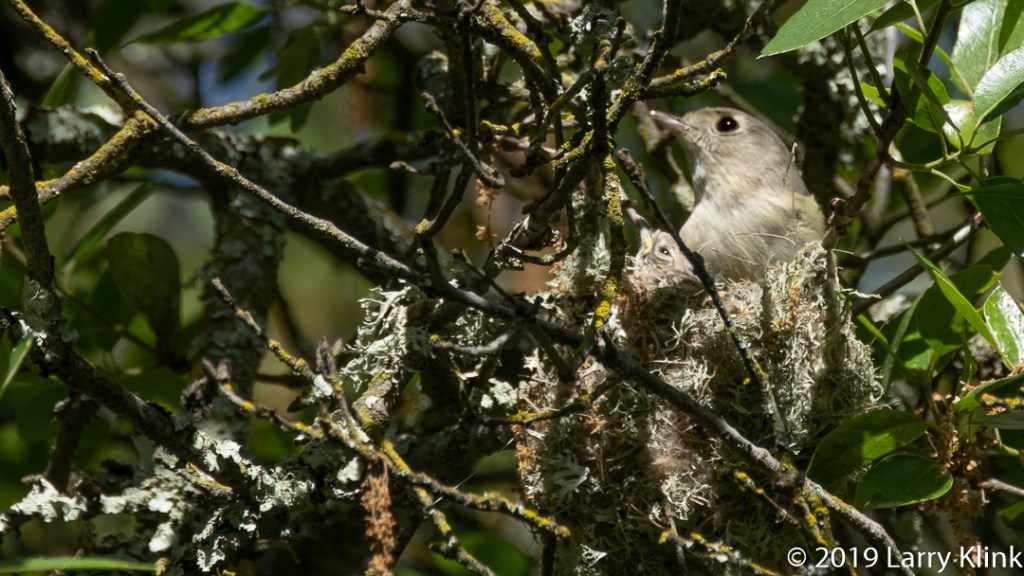
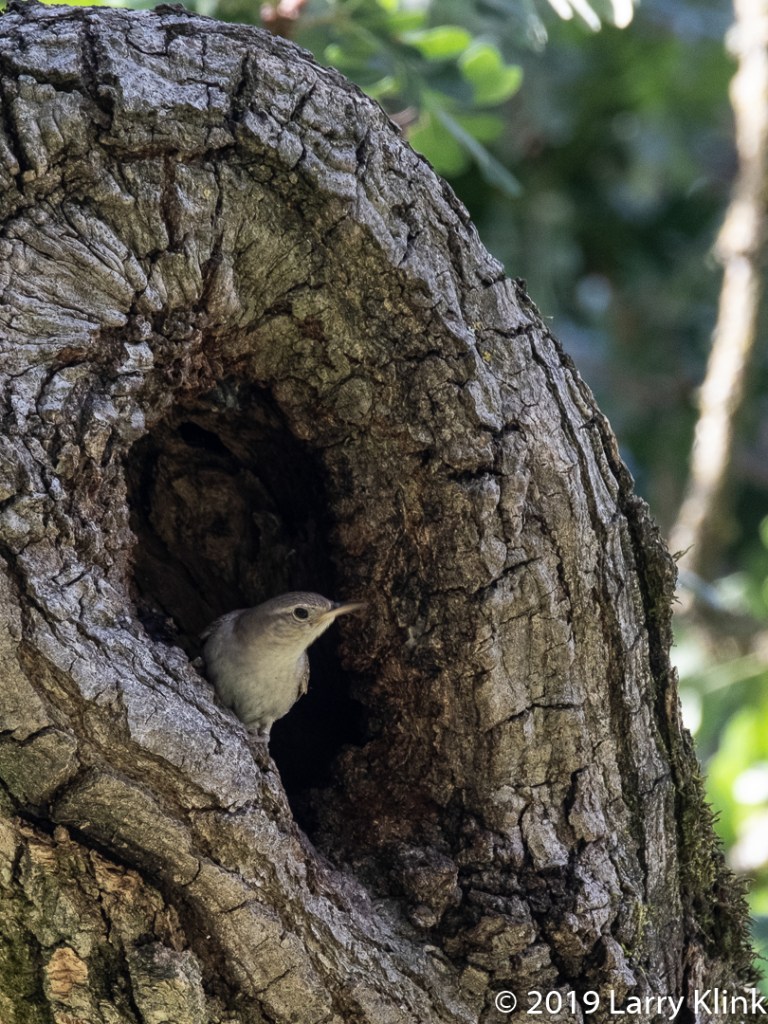
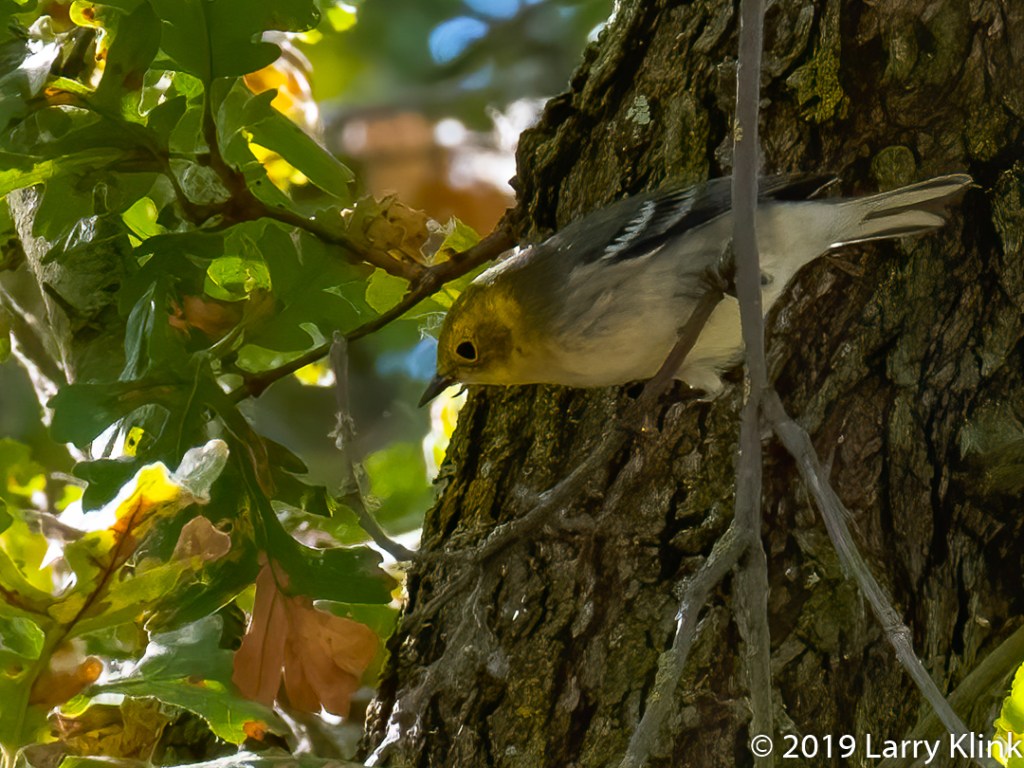
Here are some more bird photos that I have taken in the past year. Take a close look at Huttonโs Vireo with Chick. Though it is well camouflaged, there is a baby in the nest with mom. The Bewick’s Wren is also attending a nest deep in the cavity of the tree.
Please click on caption to see image at higher resolution!
Over the course of the current year, I have been busily photographing
many birds; so many that I have gotten behind in my posts. Over the next few
months Iโll do my best to catch up, interspersed with some other interesting
aspects of nature such as the golden leaves of the aspens along the eastern
sierra. In this post, Iโll start with sharing some birds that I find especially
beautiful.
The Bullockโs Oriole (Icterus bullockii) is found in the
western part of North America. They like open areas near trees where they can
find caterpillars, fruit and nectar.
The Hooded Oriole (Icterus cucullatus) is
found in the southwestern United States. However, in breeding season they
reside in western California also. They live in more open areas, and especially
like palm trees. They like fruit, nectar and the sugar water in hummingbird
feeders.
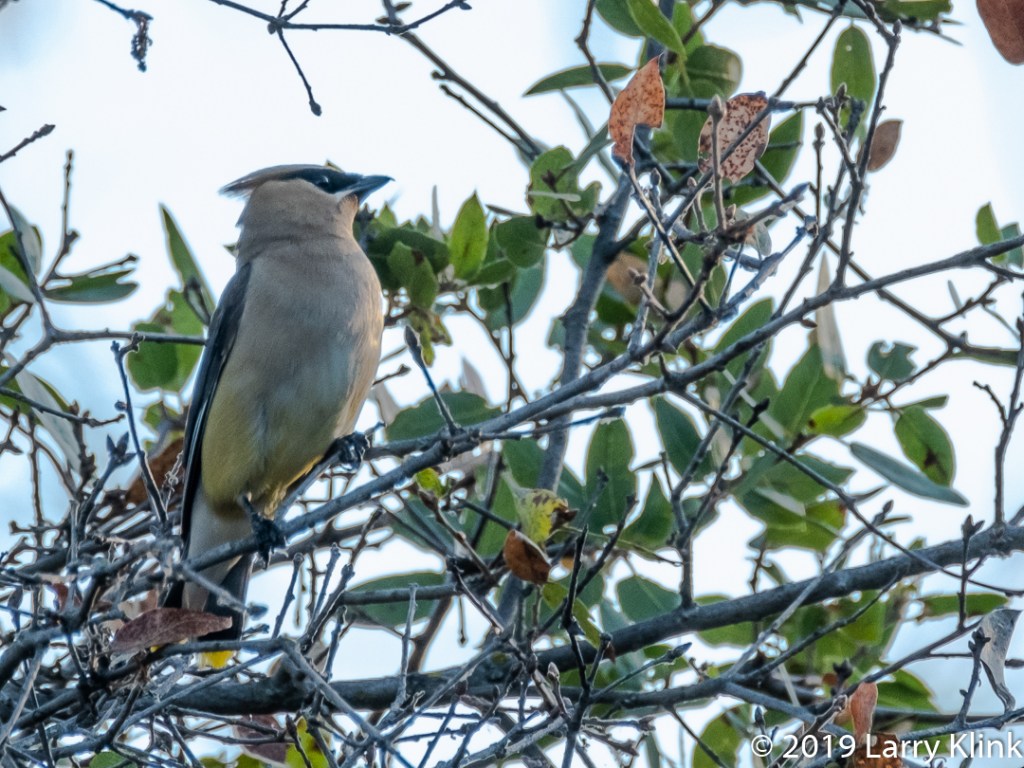
The Cedar Waxwing (Bombycilla cedrorumlives) can be
found across much of the United States. They are social birds that flock
together in trees. Their preferred diet is fruit and berries but sometimes practice
the aerobatics of flycatchers chasing insects. Waxwings get their name from a
waxy substance they secrete from their wingtips.
Here in the Sacramento area, we see the waxwings in the winter and the orioles in the summer.
We recently spent a few days on the beach at Waldport, OR.
It is located in Oregon Dunes area of the coast. Just outside of town sets a
beach amongst a craggy, old volcanic lava flow. It is a beautiful beach with
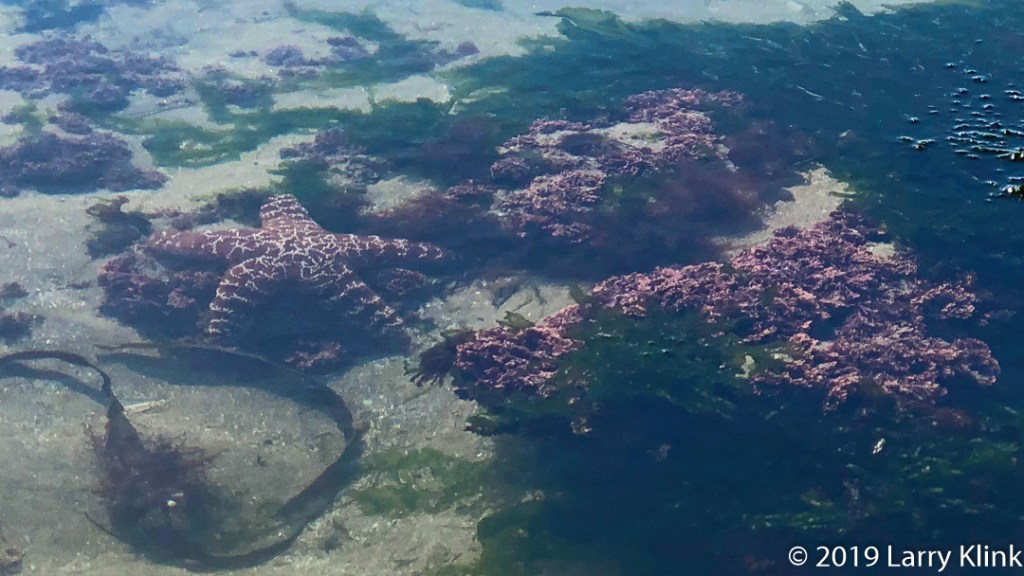
many tidal pools left teeming with wildlife as the tide recedes.
On this visit, the birds really took center stage. We saw
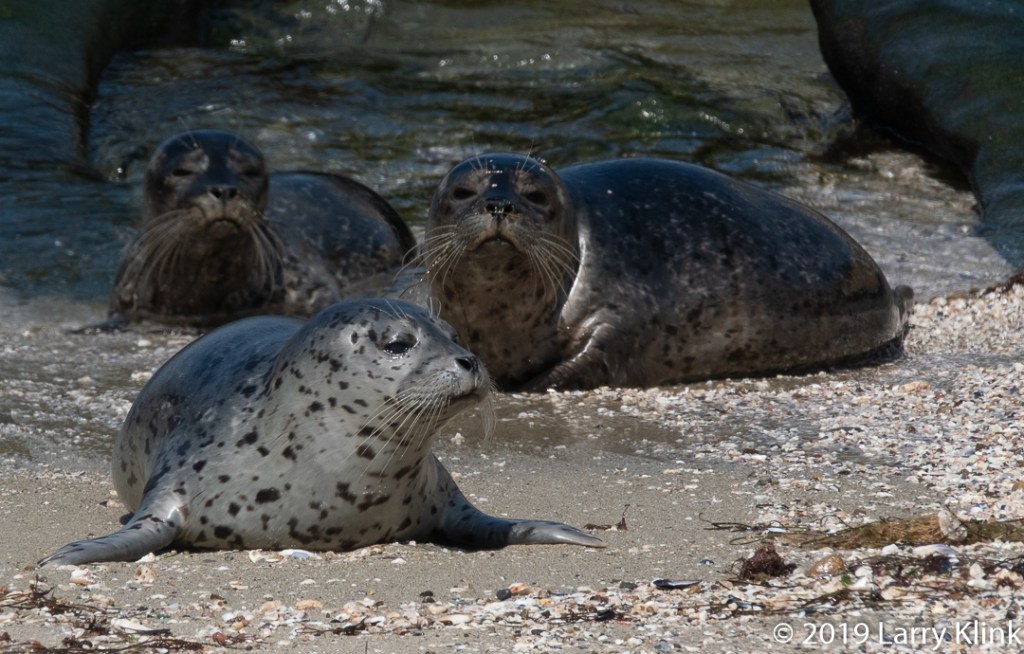
some seals, but they were offshore and all I could see were heads bobbing. So,
they werenโt photo worthy. But we found some Pelagic Cormorants (Phalacrocorax
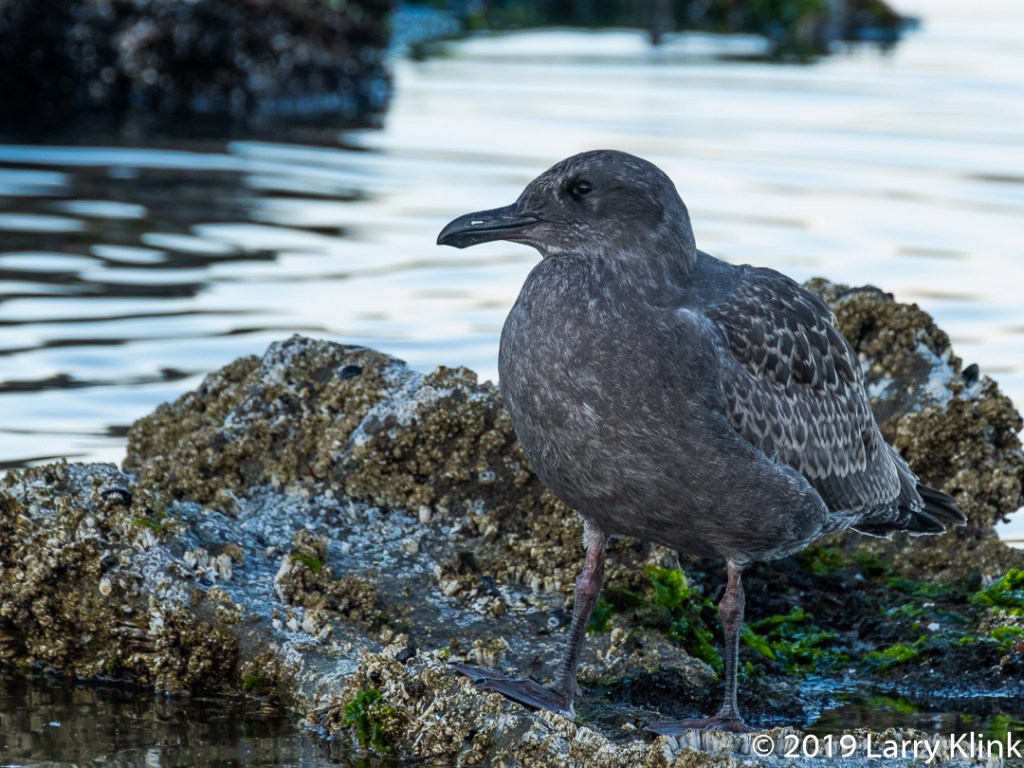
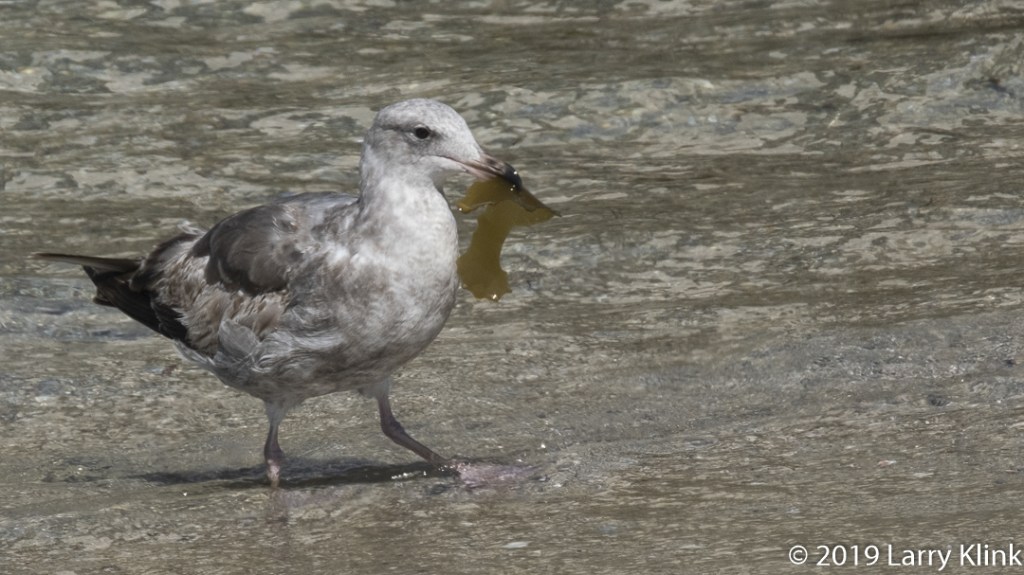
pelagicus); one with a chick on the nest. We found Western Gulls (Larus
occidentalis), many of which were recently fledged juveniles.
The Pelagic Cormorant is found along coastal waters and eats
fish and marine invertebrates. It roosts and nests on steep, inaccessible rocky
cliffs. It swims and dives for food.
The Western Gull is the common gull that you find on US West
Coast beaches. They like fish, marine invertebrates, bird eggs and jelly fish. They
will also scavenge on carrion and human refuse.
Our experience with the Western Gull brought some amusement. The juveniles were in the water and along the shore. When they wandered too far inland, an adult would chase after and send it back to the shoreline with the others. In the early morning, we even saw adults force the young into the tidal pools to splash and bathe. It was great fun.
Note: Please click on caption to see image at higher resolution
Last May, we visited some family in the San Diego area. On
one of those days, we visited some spots along the shore that teemed with
wildlife. It was a great time.
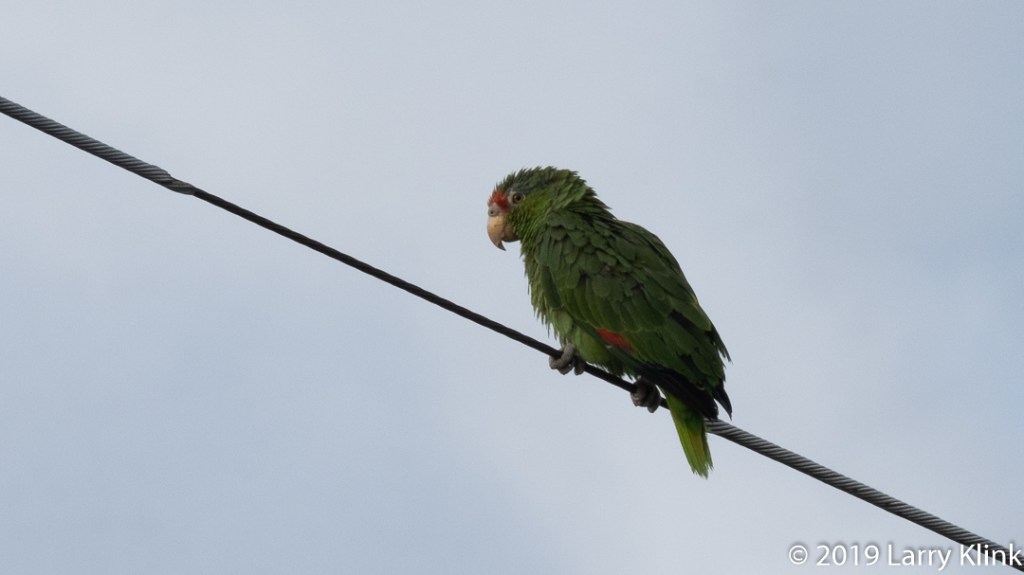
Please note that the wild Red-crowned Parrot is a wild bird. Pet releases and other incidents have allowed a colony of these birds to establish themselves in the San Diego area.
Note: Please click on caption to see image at higher resolution.
I’ve been traveling a lot this year. In my travels, I have seen and photographed many interesting birds. I just haven’t made the time to share them. Here are a few of them. Others will follow.
First up is the Gray Jay. It is a corvid like other jays but
is smaller and has a much less raucous voice. In November 2016 the BBC reported
that Canada adopted this bird, also known as the Whiskey Jack, as its national
bird.
The other Jay in this collection is Woodhouseโs Jay. Those of us in the west donโt see Blue Jays; they are eastern birds. Mostly, we see the scrub jay. At one time, the Scrub Jay was just called the Western Scrub Jay. But recently, it was split into 3 separate species: the California Scrub Jay which we see here west of the Sierra Nevada mountains; the Island Scrub Jay which is only found in the Santa Cruz Islands, and Woodhouseโs Jay which is seen between the Sierra Nevada mountains and the Rocky mountains and from Southeastern Oregon into Mexico.
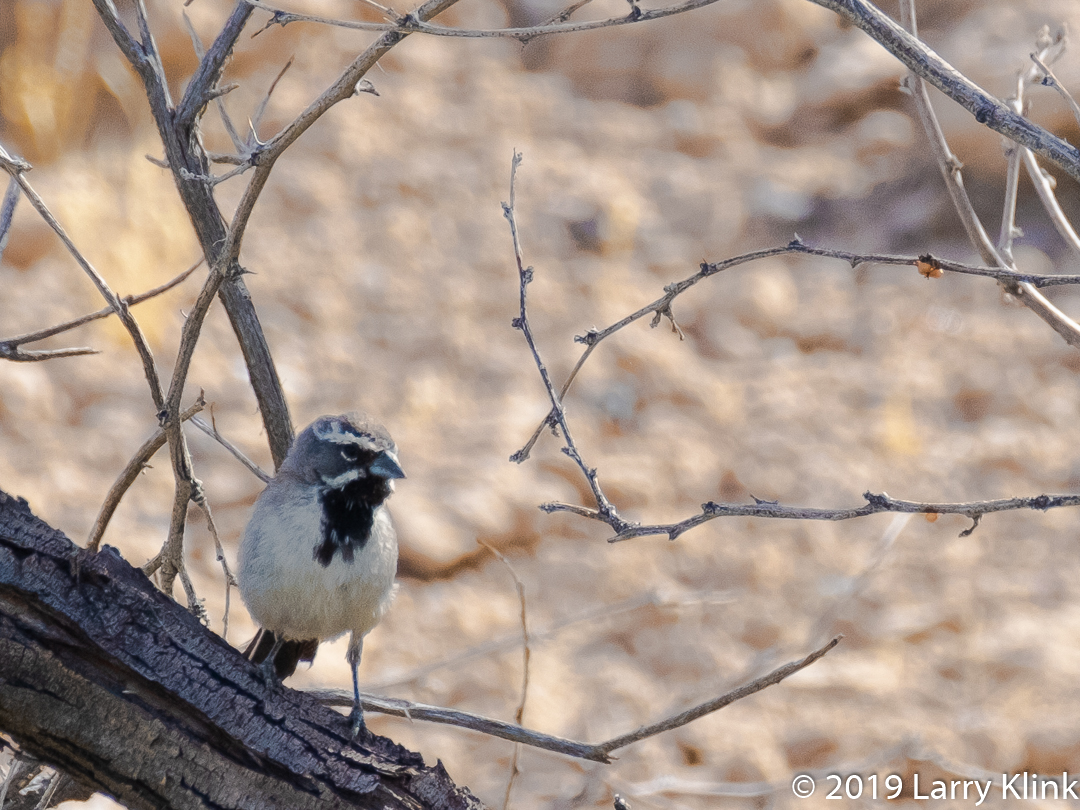
I found the Horned Lark and the Black-throated Sparrow at
Ash Meadows National Wildlife Refuge. Ash Meadows is an oasis, a marshland in
the Mojave Desert that is fed from springs that draw from an ancient aquifer.
Youโll find it in Amargosa Valley, NV . It is a great place to visit, in the
early morning.
The Yellow-headed Blackbird is a common bird in much of the western US. It thrives in marshes among the reeds and cattails.
Note: Please click on caption to see image at higher resolution.
This past week, I had the opportunity to visit the Grand
Canyon National Park. While there, I saw a rare site: a juvenile and adult
California Condor (Gymnogyps californianus). This vulture can reach 4 ยฝ feet
long with a wingspan of nearly 10 feet; 25% larger than the more commonly seen Turkey
Vulture.
What makes this bird remarkable, beside its size, is that it was nearly driven to extinction. Many millennia ago, it ranged across the entire North American continent. By the time European settlers arrived, it was found mostly in the western part of North America.
During the 20thcentury, California Condor populations declined until extinction became extremely likely. In 1987 all remaining 22 wild birds were captured. These birds formed the breeding stock for a federally sponsored program aimed at reestablishing them in the wild. These condors were bred and their offspring released into the wild. The birds have begun breeding in the wild. Captive birds continue to be released. The population is now expanding.
The birds can sometimes be seen in places like the Grand Canyon but seeing them is still the exception rather than the rule. So, I feel blessed to have been able to see and photograph these magnificent birds.
Note: Please click on caption to see images at higher resolution.
We had the opportunity to visit the Phinizy Swamp Nature
Park near Augusta, GA a few weeks ago. While there, we were treated to some
bird and alligator sightings including some interesting egret โ Alligator
interactions.
The Phinizy Swamp Nature Park is part of a complex shared with the
Phinizy Center for Water Sciences. According to their website, the Phinizy
Center for Water Sciences studies rivers and watersheds to understand impacts
on water quality and quantity. The history of the park is fascinating. It tells
the story of a stream that was once the recipient of waste from sanitary and
storm sewers of Augusta and how it was cleaned up. Today, it serves as the
third stage of water treatment โ further filtering water cleaned by the water
treatment plant.
On our visit, we were treated to adult and juvenile Little Blue
Herons, Snowy Egrets and Alligators. At one point we watched a Snowy Egret
having a stare down with an alligator. After about 5 minutes, the alligator
turned and left. In another incident we saw an alligator with sticks and green
vegetation covering its head and snout. I was curious if alligators used
camouflage when hunting. There was little information. But one article
referenced an article published in the journal Ethology Ecology & Evolution
by Vladimir Dinets, a behavioral ecologist at the University of Tennessee
Knoxville. He stated that, during the nesting season for birds like egrets,
alligators will cover themselves with nesting material to attract prey.
Another interesting discovery was the juvenile Little Blue Heron. Mate
Rouse, a guide at the Okefenokee National Wildlife Refuge mentioned to us that
the juveniles were all white. I had buried that fact somewhere in my brain. So,
on this trip, I saw some white birds that looked like egrets but didnโt look
quite right. The legs were a gray-green color and the beak was more gray. So, I
took photos and did some research only to discover that I wasnโt looking at
egrets, I was looking at a juvenile Little Blue Heron. That moment connected
the dot back to what I had been told.
I hope you enjoy the images. I hope someday you can stop at Phinizy Swamp Nature Center. There are lots of other birds there to see also.
Note: Please click on caption to see images at higher resolution.
Eaglet at Week 8; Rollingwood Bluffs Park, Folsom – Orangvale, CA; May 17. 2019
Twenty Nineteen is the third season a pair of Bald Eagles
has nested on a bluff above Lake Natomas near Orangevale, CA. This year, as
well as the last 2 years, this pair of eagles has produced 2 offspring.
According to the volunteers that monitor the nest, the eggs were laid in late
February and they hatched approximately March 26. One baby hatched 3 days
before the other. This year, I decided to visit the nest weekly and post a set
of images showing them as they grow. Itโs
been a great experience because I got to know some people who have been
observing eagles for a long time. They were very happy to share their knowledge
with me.
My first visit was MAR 31. On that visit, all I was able to
see was a tiny patch of down just above the nest edge. At week 2, I could see a
head. Although, it looked more like the stereotypical gray space alien with its
long head and neck. By week 3, the yellow down had been replaced by a gray down
that will remain as an underlayment for feathers throughout life. From week 3 to
week 4, the eaglets had grown substantially. One image shows some sibling
rivalry. At week 5, feathers are emerging. On the image, you can see the pin
feathers on the wing. By week 7, the feathers had filled in substantially, but
the flight feathers arenโt developed enough to support flight.
Mother and father eagle feed the oldest eaglet first and do
so until it is full because if it is not satiated, it will kill the younger
one. But, when they feed the younger one, they make sure it gets food by
preventing the older one from stealing it.
The babies will fledge by mid-June. By the end of June, the babies will reach adult size. They will not fully mature for 2 โ 5 years. It takes about 3 years to get their distinctive adult plumage. Mom and dad will leave the nest about July and leave the babies to fend for themselves. They will return about November to prepare the nest for next year. When they do, the babies will be invited to leave and told never to come back.
I will try to follow-up with some more images as the summer progresses.
Two Eaglets born approximately MAR 26, 2019 are in the nest; A small patch of yellowish down can be seen below the adult to the right of a longer diagonal stick. That is one of the eaglets. March 31, 2019.Mother Eagle with one of the eaglets at Week 2. April 7, 2019.Mother Eagle with eaglet at Week 3; April 14, 2019.Eaglets at Week 4; APRIL 21, 2019 Some Sibling Rivalry. Eaglets at Week 4; APRIL 21, 2019 Mother Eagle with Eaglets at Week 5. April 28, 2019Mother Eagle and Eaglet at Week 5. Eaglet has Pin Feathers on Wings; April 28, 2019Mother Eagle with Eaglets at Week 5; May 3 2019Eaglets at Week 6; May 12, 2019Eaglet at Week 8; May 17, 2019Father Bald Eagle, April 7, 2019Mother Bald Eagle; April 7, 2019