Local Birds – Special Time

Canada Goose (Branta canadensis) with Goslings
Effie Yeaw Nature Center, Sacramento, CA; MAY 2020

In the past 2 weeks, I have been able to get back to some of my familiar trails along the American River. It was a great time to get out because there are baby birds and there are males in their breeding plumage, all of which make this time of year special.

Please click on caption to see image at higher resolution.

Snowy Egret (Egretta Thula)
Effie Yeaw Nature Center, Sacramento, CA; MAY 2020
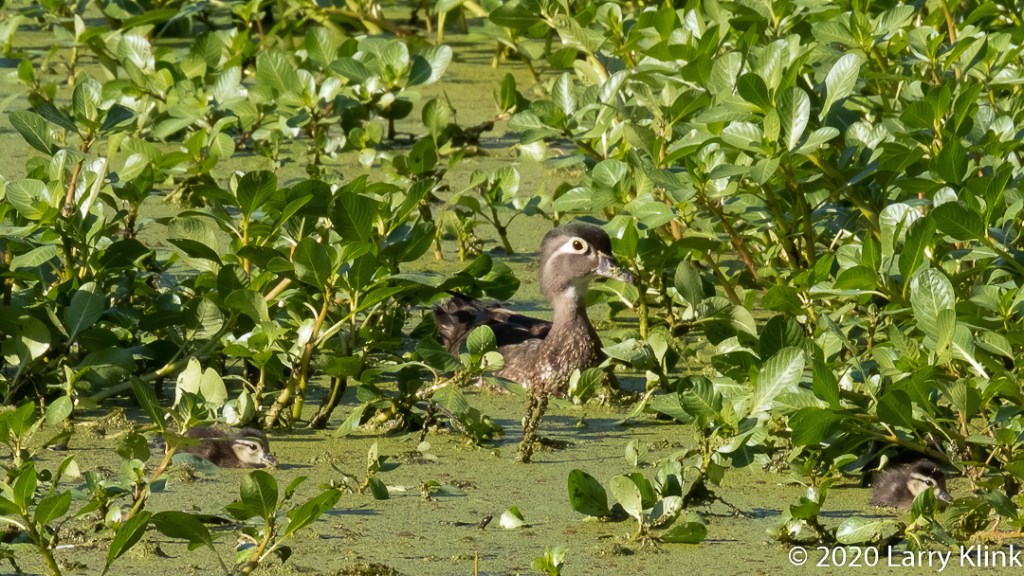
Wood Duck (Aix sponsa) with Ducklings
Effie Yeaw Nature Center, Sacramento, CA; MAY 2020
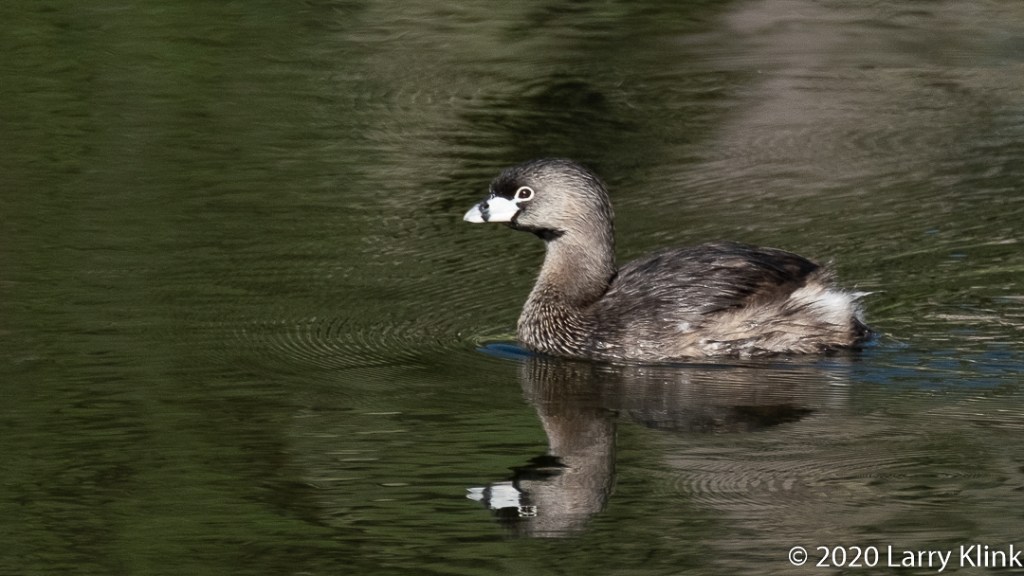
Pied-billed Grebe (Podilymbus podiceps)
Sailor Bar, American R
iver Parkway, Fair Oaks, CA; MAY 2020
Female Tree Swallow (Tachycineta bicolor)
Effie Yeaw Nature Center, Sacramento, CA; MAY 2020
Male Tree Swallow (Tachycineta bicolor)
Effie Yeaw Nature Center, Sacramento, CA; MAY 2020
Green Heron (Butorides virescens)
Sailor Bar, American River Parkway, Fair Oaks, CA; MAY 2020
Wood Ducks (Aix sponsa)
Effie Yeaw Nature Center, Sacramento, CA; MAY 2020
Please visit my website, www.earthwatcher.us to see my collection of landscapes and wildlife.

These and other images are available to purchase by contacting larry.klink@earthwatcher.us.

Anhingas and Night Herons

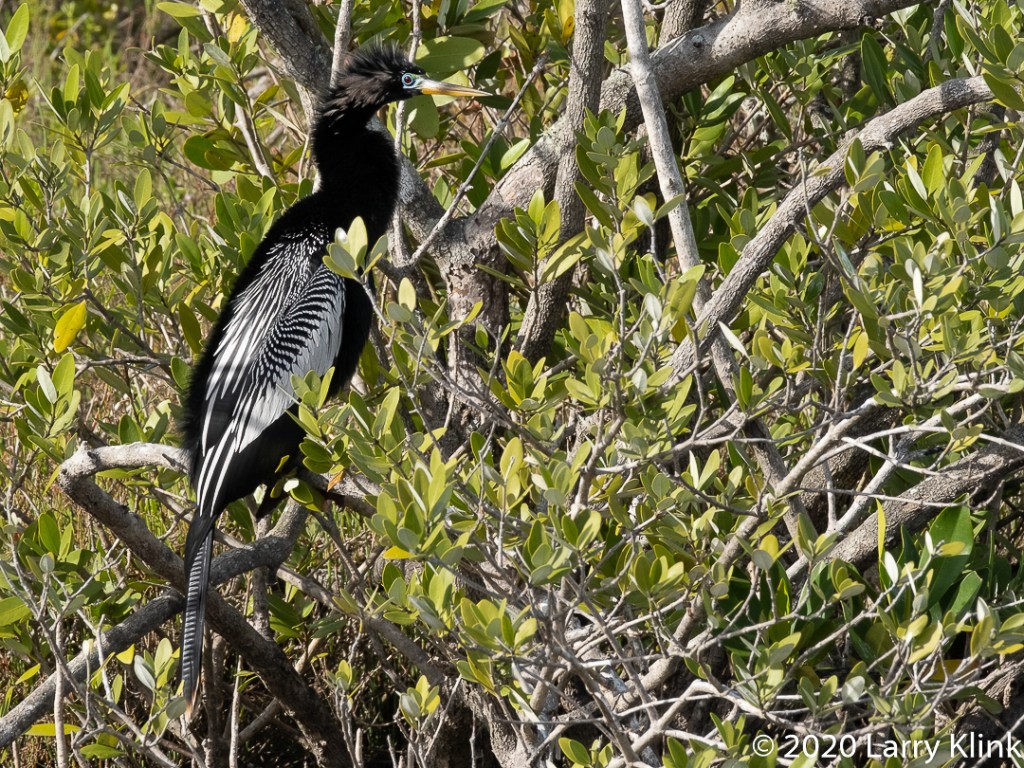
Anhinga (Anhinga anhinga)
Blue eye ring indicates readiness to breed.
Merritt Island National Wildlife Refuge, Titusville, FL; FEB 2020

The Anhinga is water bird that looks like a Cormorant but are not Cormorants. Anhinga’s have a more dagger-like beak and longer tails. Like a Cormorant, they swim partially submerged when foraging for food. Typically, we see only their head and snake-like neck above the water line. When I see them, it reminds me of one of the iconic “Nessie” pictures. The name Anhinga comes from the Brazilian Tupi language, meaning snake bird or devil bird. They mostly eat fish which they spear with their dagger-like beak.

Anhingas are found along the coasts of Southeastern US, Mexico, Central America and the Caribbean. They nest in colonies with Herons, Egrets and Cormorants.

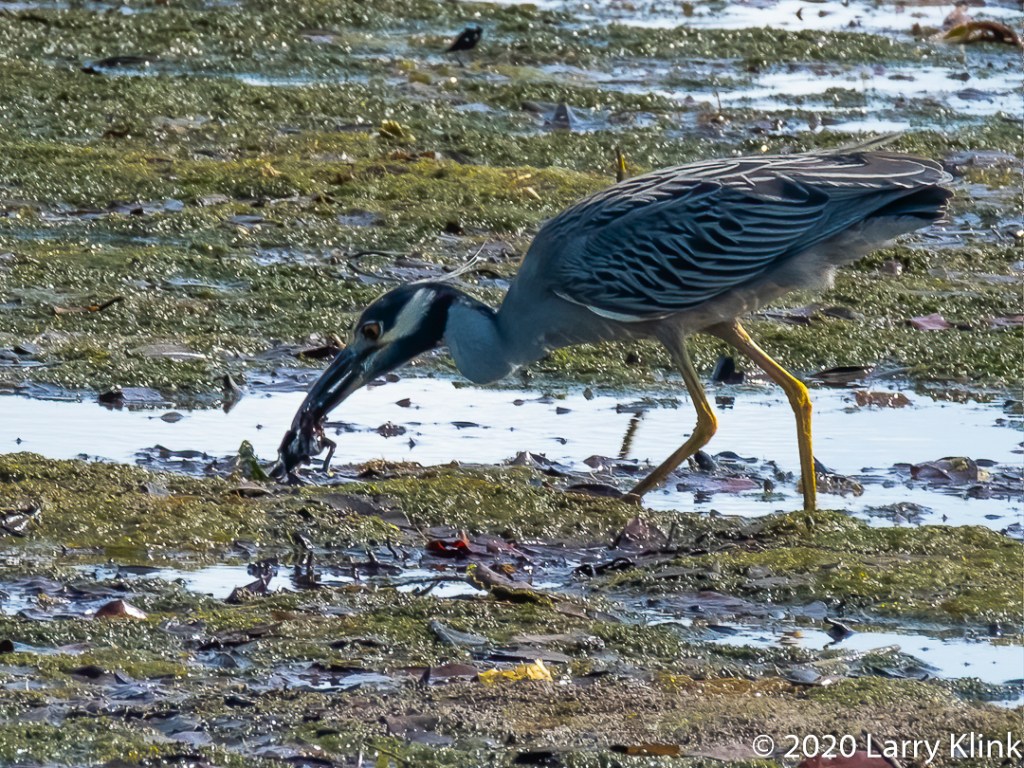
Night Herons are medium sized herons that forage mostly at night. In this post, I have images of both the Black-crowned Night Heron and the Yellow-crowned Night Heron.

The Black-crowned Night Heron is found in wetlands across most of the North America, though some winter over in Mexico and Central America. They forage in early morning and evening where they feed on a wide variety of fresh water and marine animals. They nest in colonies with other Black-crowned Night Herons.

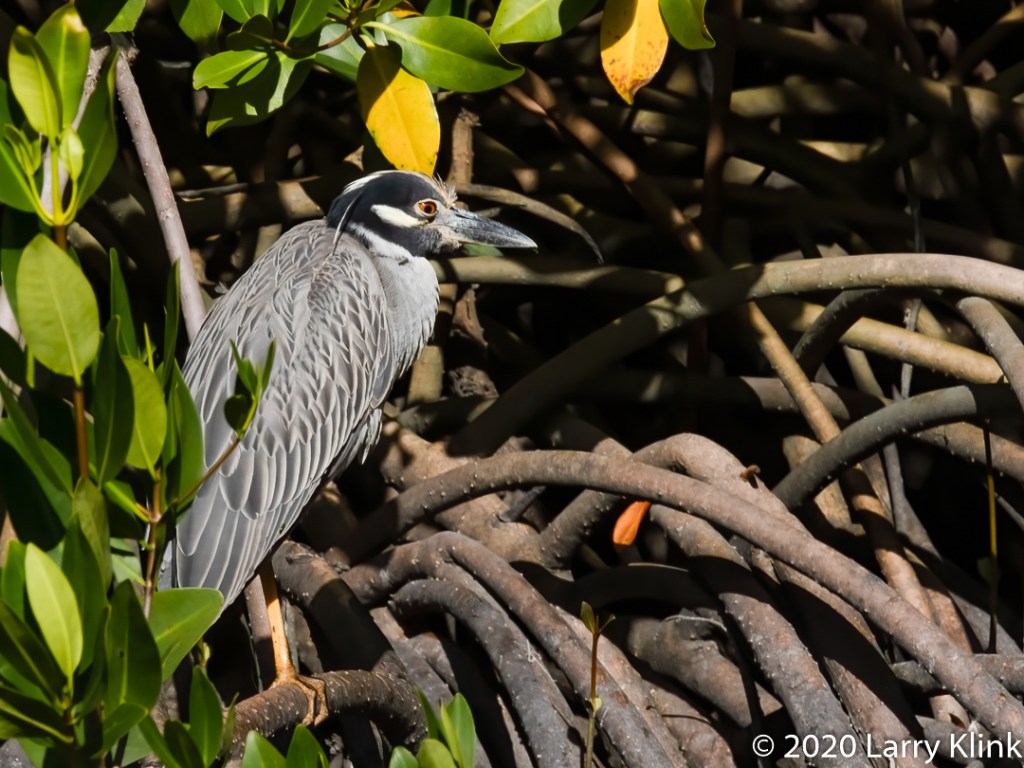
The Yellow-crowned Night Heron is found mostly along the Atlantic coast of Florida and along North America’s Gulf coast, though some do move much further inland to breed. They are also found along the coasts of Mexico, Central America and the Caribbean.

The Yellow-crowned Night Heron feeds mostly on crustaceans. They nest alone or in colonies with others of their kind.

Info from: All About Birds by Cornell Labs

Note: Please click on caption to see image at higher resolution.

Yellow-crowned Night Heron (Nyctanassa violacea)
J N “Ding” Darling National Wildlife Refuge; Sanibel Island, FL; FEB 2020
Black-crowned Night Heron (Nycticorax nycticorax)
Six Mile Cypress Preserve, Fort Meyers, FL; FEB 2020
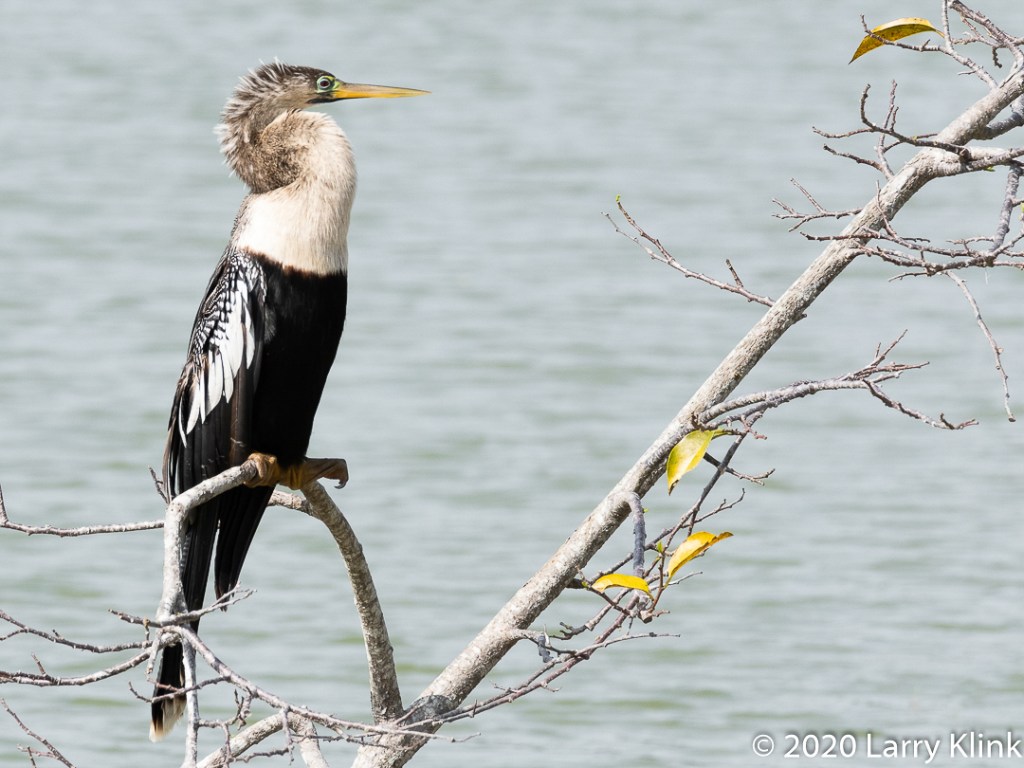
Female Anhinga (anhinga anhinga)
Green-blue eye ring indicates readiness to breed.

Lakes Park, Fort Meyers, FL; FEB 2020
Yellow-crowned Night Heron (Nyctanassa violacea)
J N “Ding” Darling National Wildlife Refuge; Sanibel Island, FL; FEB 2020
Female Anhinga (Anhinga anhinga)
Sanibel Island, FL; FEB 2020
Female Anhinga (anhinga anhinga)
Green-blue eye ring indicates readiness to breed. Lakes Park, Fort Meyers, FL; FEB 2020

Please visit my website, www.earthwatcher.us to see my collection of landscapes and wildlife.

These and other images are available to purchase by contacting larry.klink@earthwatcher.us.
Scenes from the Grand Canyon

Let Me Take You on a Tour
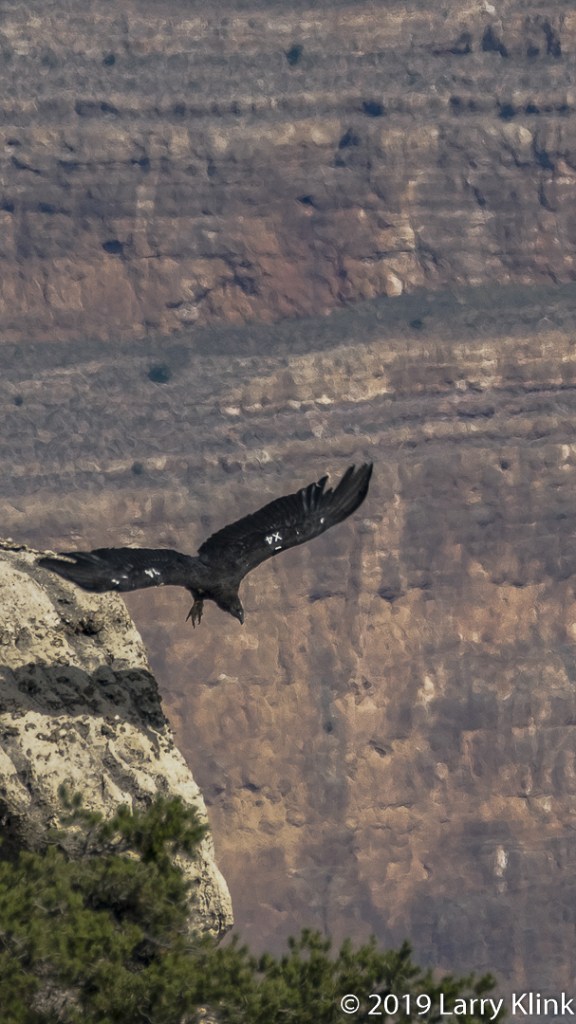
Juvenile California Condor; Mather Point, South Rim, Grand Canyon National Park; AUG 2019

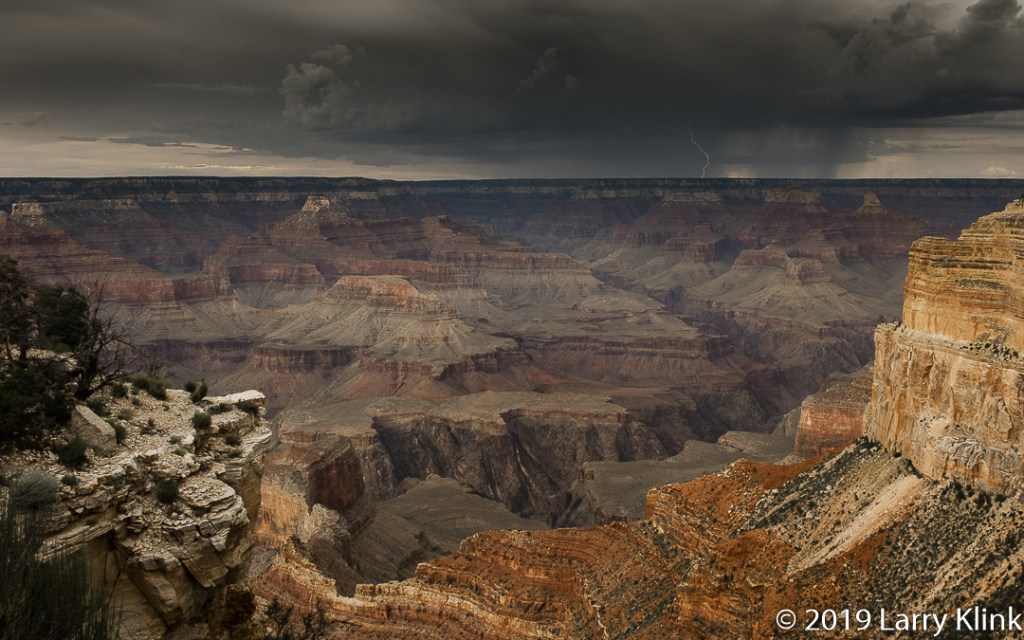
I have a friend, Gary Hart, who leads some of the best photography workshops you will ever find. Two of m favorites were to the Grand Canyon. One was to raft the Colorado River and the other to photograph lightening from the rim. Here are some images from those trips.

Note: Please click on caption to see images at higher resolution.

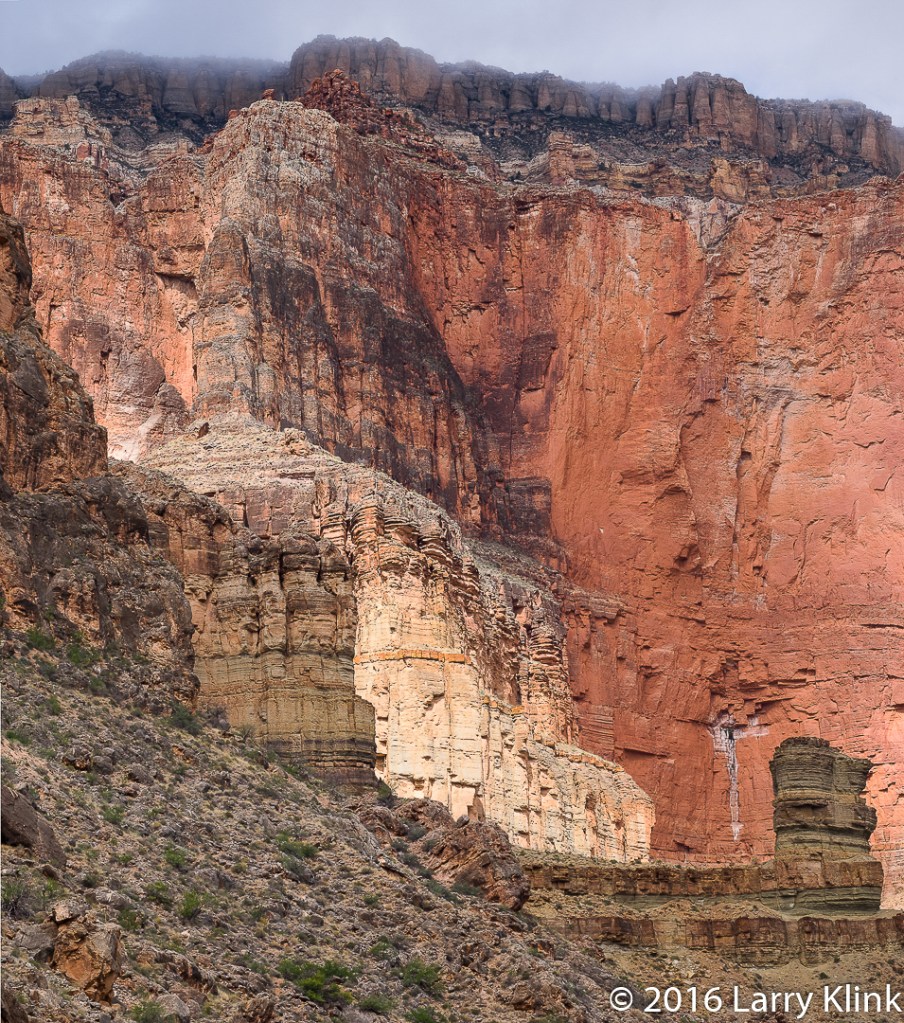
Ancient Walls
Grand Canyon National Park, AZ; MAY 2016
Sunset Over Grand Canyon
Rim Trail, South Rim, Grand Canyon National; Park; AUG 2019
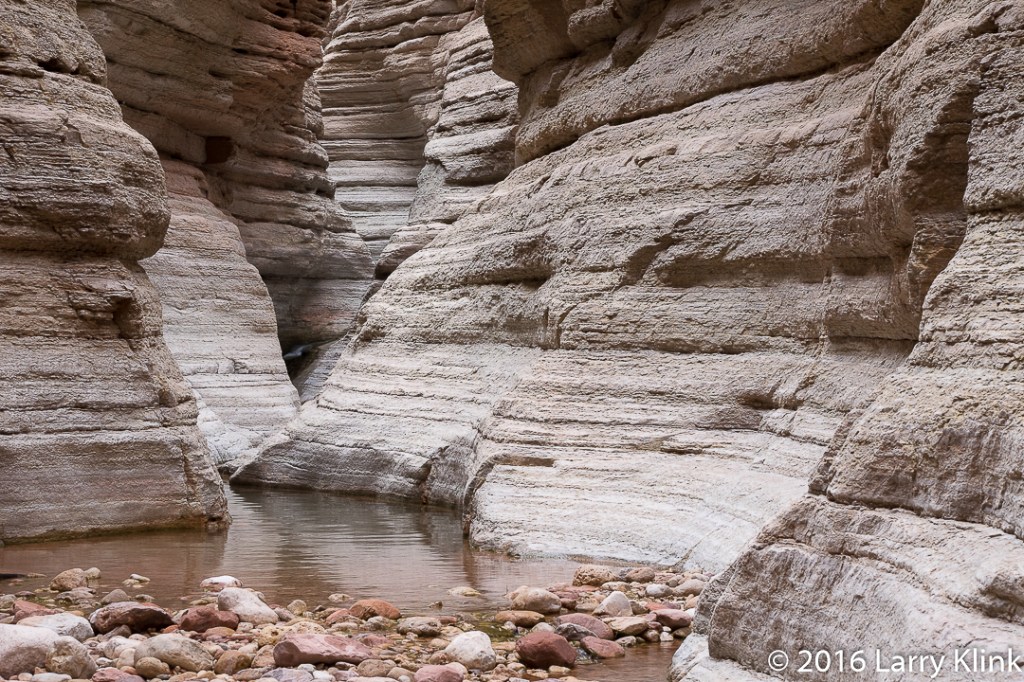
Kanab Creek Canyon
Grand Canyon National Park, AZ; MAY 2016
Lightning Over Grand Canyon
Mojave Point, South Rim, Grand Canyon National; Park; AUG 2019
Grand Canyon
Grand Canyon National Park, MAY 2016
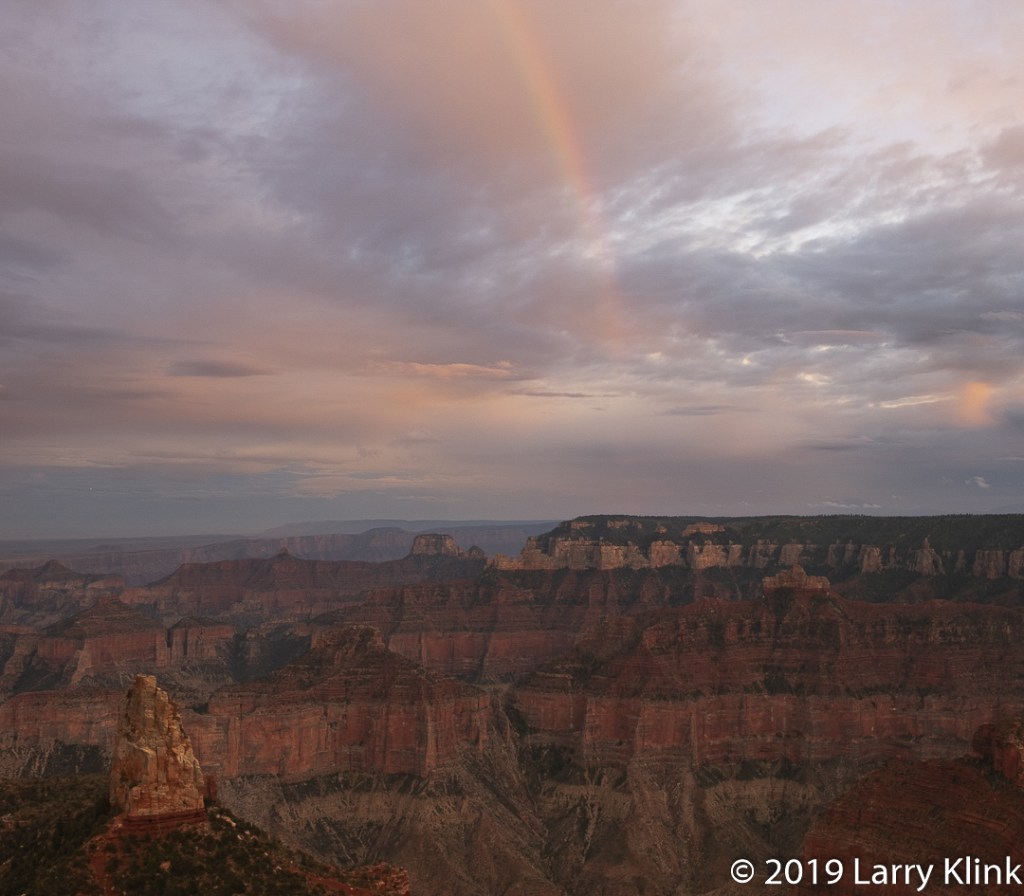
Rainbow Over Grand Canyon
Point Imperial, Grand Canyon National Park, AZ; JUL 2019
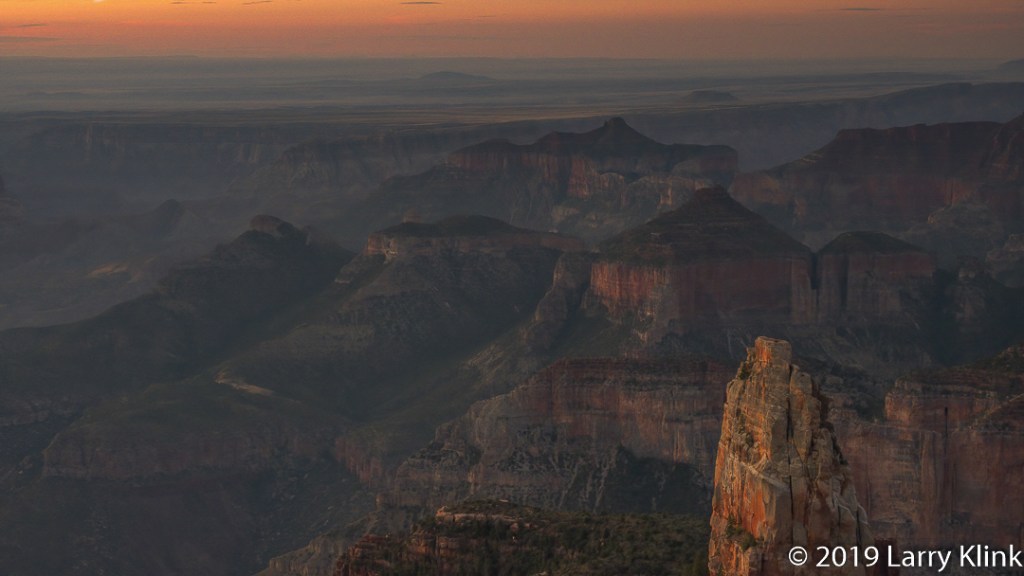
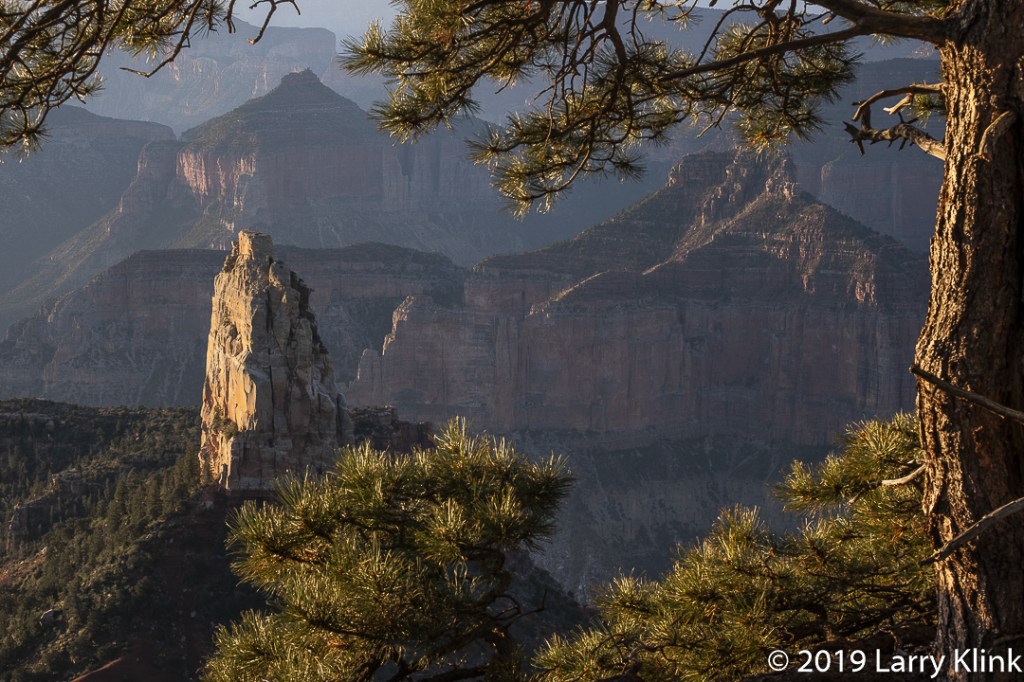
Sunrise From Point Imperial
Point Imperial, Grand Canyon National Park, AZ; AUG 2019
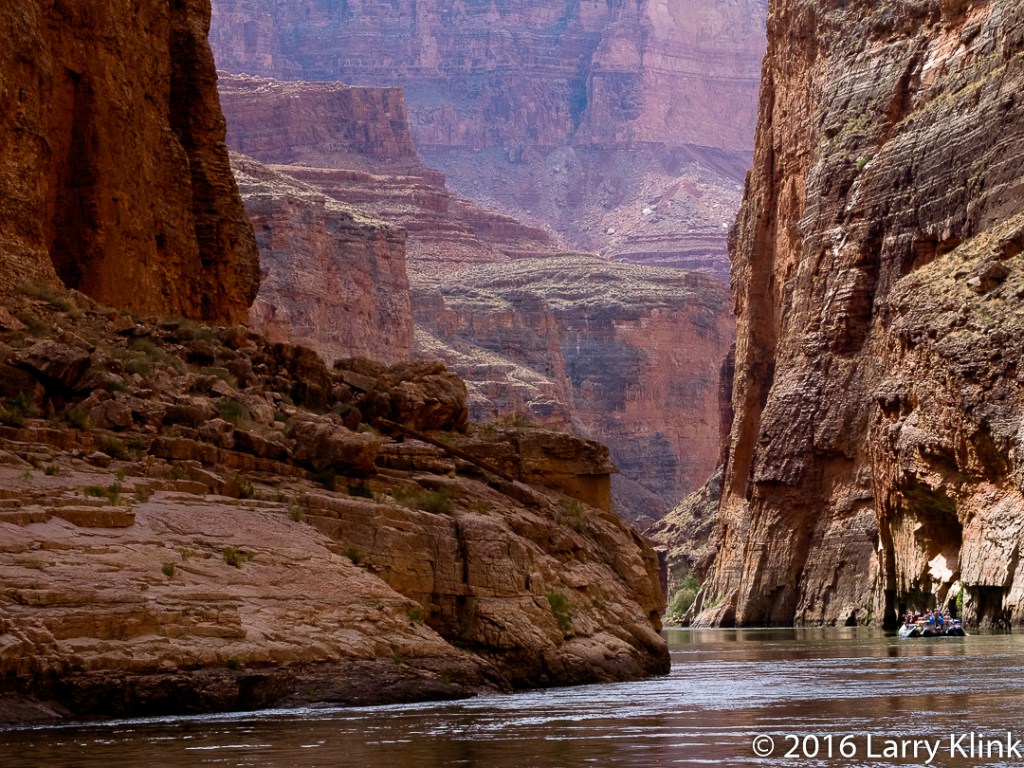
Through the Canyon
Grand Canyon National Park, AZ; MAY 2016
Sunrise From Point Imperial
Point Imperial, Grand Canyon National Park, AZ; AUG 2019

Please visit my website, www.earthwatcher.us to see my collection of landscapes and wildlife.

These and other images are available to purchase by contacting larry.klink@earthwatcher.us.
Snowy Egret

Snowy Egret (Egretta thula) on Mangrove
J N “Ding” Darling National Wildlife Refuge; FEB 2020

The Snowy Egret is an elegant bird with bright white plumage, black beak and legs and bright yellow feet. When it displays its long, curved plumage, it is gorgeous. They can be found, year around, along the coastal waters of the US, Mexico, and the Caribbean. But its migration and breeding periods takes it into much of the interior of the US.

Like other egrets and herons, they nest high in trees, in colonies, with other similar birds. They forage on frogs, worms, crustaceans, and insects. I find watching Egrets and Herons stalk fascinating.

The Snowy Egret is noticeably smaller than its cousin the great egret; the one that is tall and has a yellow beak. When you see an egret, look closely; it might be a Snowy or, it might be a Great.

In this set, I mixed a few pictures from our recent trip to Florida as well as some I have taken locally.

Note: Please click on caption to see image at higher resolution.

Snowy Egret (Egretta thula)
Effie Yeaw Nature Center, Sacramento, CA; MAR 2020
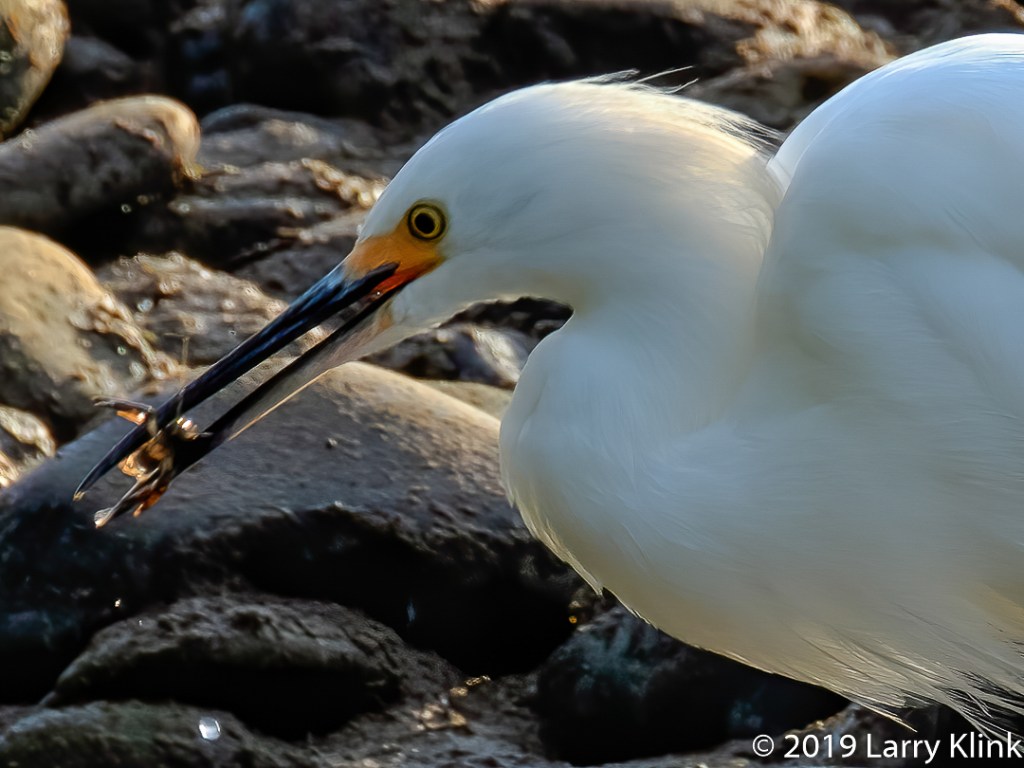
Snowy Egret (Egretta thula) with Prey
Effie Yeaw Nature Center, Sacramento, CA; SEP 2019
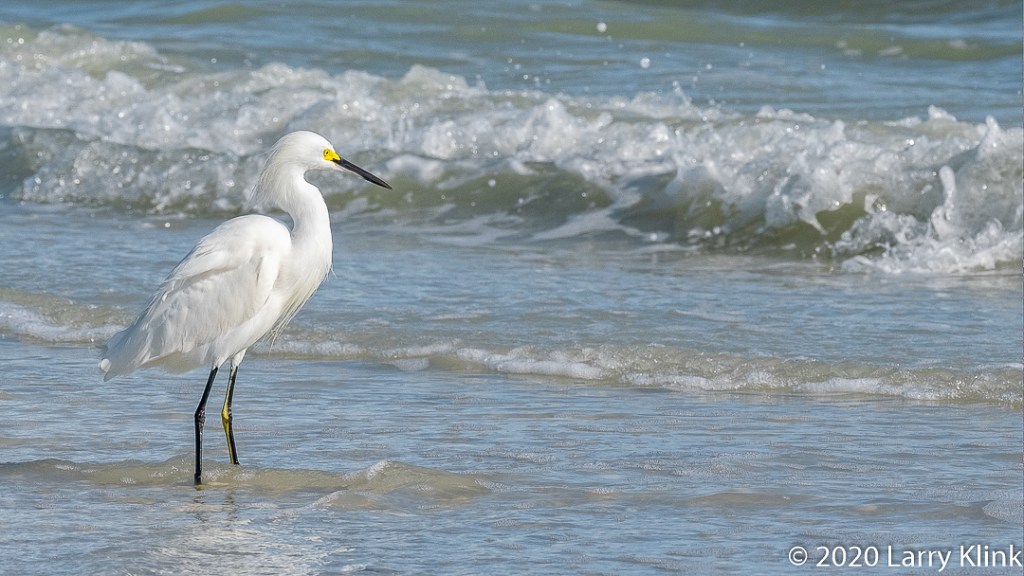
Snowy Egret (Egretta thula)
Sanibel Island, FL; FEB 2020
Snowy Egret (Egretta thula)
Sanibel Island, FL; FEB 2020
Snowy Egret (egretta thula)
Effie Yeaw Nature Center, Carmichael, CA; MAR 2019

Please visit my website, www.earthwatcher.us to see my collection of landscapes and wildlife.

These and other images are available to purchase by contacting larry.klink@earthwatcher.us.

Royal Terns and Friends

Royal Tern (Thalasseus maximus)
Bowman’s Beach, Sanibel Island, FL; FEB 2020

Terns are seabirds, i.e. birds that feed in the oceans outside the surf/tidal zones. On our recent trip to Florida, we visited a beach on Sanibel Island that had a small flock of Royal Terns along with a few Forster’s Terns and Sandwich Terns. I really enjoyed seeing them, but I did chuckle a bit when I saw the Royal Tern. They reminded me of a long nosed, old. bald guy. Mostly, they were just hanging out on the beach until something disturbed them. Then, they all took off, circled around and came back down to hang out.

Most of the Terns in these images are the Royal Tern. One of the images includes a Forster’s Tern and another shows a Sandwich Tern softly blurred in the background. They are noted in the individual image.

Note: Please click on caption to see image at higher resolution.

Royal Terns
Note: The tern in the background on the left is a Sandwich Tern.
Bowman’s Beach, Sanibel Island, FL; FEB 2020

Royal Tern
Bowman’s Beach, Sanibel Island, FL; FEB 2020
Forster’s Tern (Sterna forsteri), Royal Tern (Thalasseus maximus)
The smaller tern with black beak and orange legs is the Forster’s Tern.
Bowman’s Beach, Sanibel Island, FL; FEB 2020
Royal Tern
Bowman’s Beach, Sanibel Island, FL; FEB 2020

Please visit my website, www.earthwatcher.us to see my collection of landscapes and wildlife.

These and other images are available to purchase by contacting larry.klink@earthwatcher.us.

Sanderlings and a Ruddy Turnstone

Sanderling (Calidris alba)
Sanibel Island, FL; FEB 2020

The Sanderling is the little white bird we see along the coast. It scurries after the receding surf collecting small invertebrates or probing the sand for small crabs, worms and mollusks. As the surf returns, they scurry back to dry shores. I think they are both interesting and amusing to watch.

In the US, we get to see Sanderlings along the Atlantic, Pacific and Gulf coasts outside the breeding season. They breed in far, northern Canadian islands and peninsulas. Interestingly, the use the “broken wing” behavior to lure predators from the nest similar to Kildeer.

I’ve included a Ruddy Turnstone in this post. It too is a bird that we can see along coastal waters but breeds in the far north. They hunt by flipping over rocks, shells and seaweed; they eat insects, small crustaceans and bird eggs.

This Ruddy Turnstone is perched atop an interesting feature; a large, naturally formed pile of sea shells that continually replenishes itself. Homo sapiens can often be found foraging in this pile for decorative objects.

Info from Cornell Labs All About Birds: https://www.allaboutbirds.org/guide/Sanderling/overview and https://www.allaboutbirds.org/guide/ruddy_turnstone.

Note: Please click on caption to see image at higher resolution.

Sanderling
Sanibel Island, FL; FEB 2020

Ruddy Turnstone (Arenaria interpres)
Blind Pass Beach, Sanibel Island, FL; FEB 2020
Sanderling
Sanibel Island, FL; FEB 2020

Please visit my website, www.earthwatcher.us to see my collection of landscapes and wildlife.

These and other images are available to purchase by contacting larry.klink@earthwatcher.us.

Two Raptors

Bald Eagle (Haliaeetus leucocephalus) on Nest
It is possible there are chicks in the nest. I watched the adult and saw it bent over with food in its mouth. I can’t be certain. I didn’t see tiny heads.
Rollingwood Bluffs, American River Parkway, Orangevale, CA; MAR 2020

Today, I am going to take a short break from sharing the amazing birds I saw in Florida so that I can share 2 images I took this past week. I am sharing these 2 beautiful raptors.

The eagle is on a nest. I suspect that at least one of its chicks has hatched. I did not see any tiny heads. But I did see the adult, bent over, with food in its mouth. I did not see it eat that food.  So, I think it is possible there is a chick in the nest.

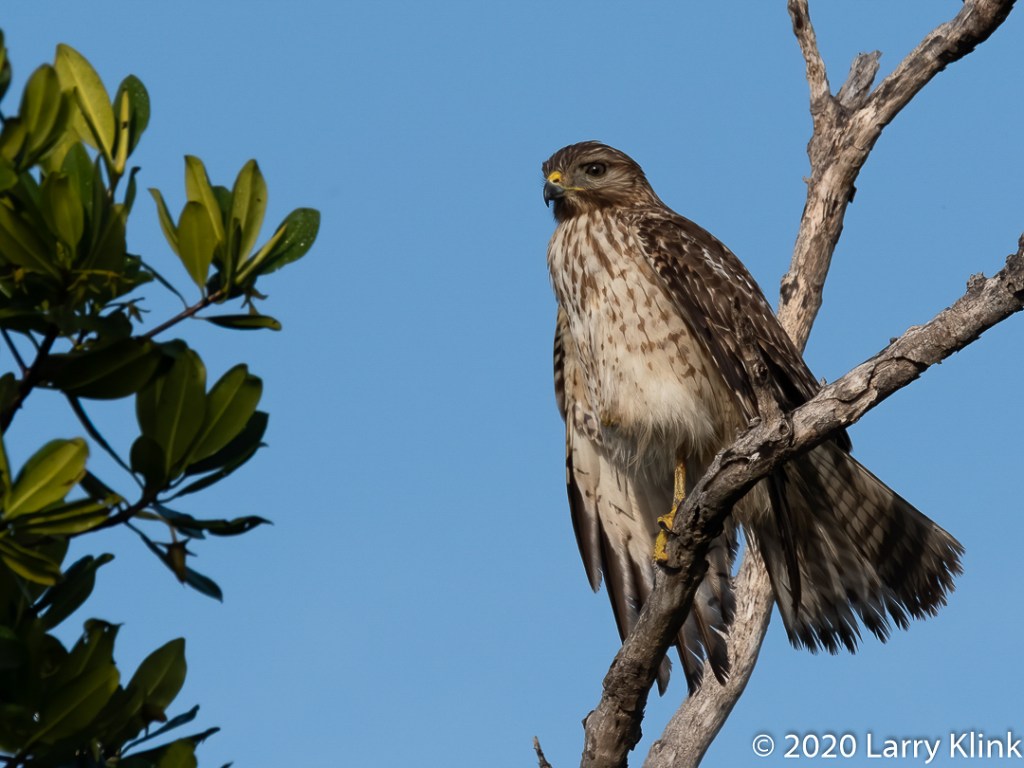
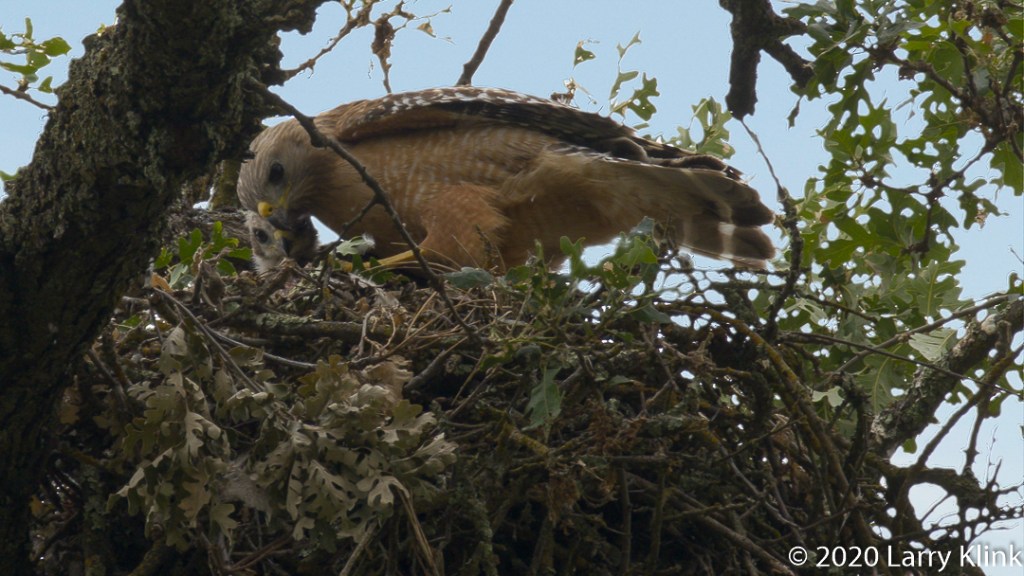
The Red-shouldered hawk had just leapt from its perch to fly away.

Note: Please click on caption to see image at higher resolution.

Red-shouldered Hawk (Buteo virginianus)
Image captured as hawk left its perch in the tree.
Mississippi Bar, American River Parkway, Orangevale, CA; MAR 2020

Please visit my website, www.earthwatcher.us to see my collection of landscapes and wildlife.

These and other images are available to purchase by contacting larry.klink@earthwatcher.us.
Some Scenes of Florida

Marching Sprites
Six Mile Cypress Preserve, Fort Meyers, FL; FEB 2020

My recent trip to Florida was mainly to photograph birds. Along the way, I found some nice landscapes and seascapes to photograph. My mind’s image of Florida is mostly brightly lit cities and beaches – the usual images that we see. I was lucky enough to be in areas that are more wild – swamps and marshes. That is what I am presenting here. We drove through some interesting areas – pine forests, palmetto groves and other places that I didn’t get to shoot. Maybe I’ll get the chance at a later date.

Note: Please click on caption to see image at higher resolution.

Bromeliad on Cypress
Six Mile Cypress Preserve, Fort Meyers, FL; FEB 2020
Florida Seascape
Sanibel Island, FL; FEB 2020

Mangrove Marshland with Tricolored Heron
Merritt Island National Wildlife Refuge, Titusville, FL; FEB 2020

Garden In A Tree
Six Mile Cypress Preserve, Fort Meyers, FL; FEB 2020
A Pond in the Swamp
Six Mile Cypress Preserve, Fort Meyers, FL; FEB 2020s

Please visit my website, www.earthwatcher.us to see my collection of landscapes and wildlife.

These and other images are available to purchase by contacting larry.klink@earthwatcher.us.
White Ibis

Photographic images of the White Ibis (Eudocimus albus)
White Ibis (Eudocimus albus)
The Ibis with the gray neck and black feathers is a juvenile.
Harns Marsh, Fort Meyers, FL; FEB 2020

The bright pink and white colors of the White Ibis, remind me of the bright, flamboyant Cadillacs and Packards of the mid to late 1950’s.  The gray, pink and white Packard Caribbean convertible comes to mind.

The White Ibis is found, year around, along the Atlantic and Gulf Coasts of the Southeastern US as well as the Bahamas, the Caribbean and parts of Central America. They nest in trees, in colonies with herons and egrets.

These birds forage by walking along the shore line, sticking their beaks in the mud and feeling around for invertebrates, worms and insects. They will also stab fish, frogs  and crustaceans with their beaks. Interestingly, they remove the claws and pinchers from frogs and crabs before they eat them.

Info from CornellLab All About Birds: https://www.allaboutbirds.org/guide/White_Ibis/lifehistory

Note: Please click on caption to see image at higher resolution.

White Ibis
Merritt Island National Wildlife Refuge, Titusville, FL; FEB 2020
White Ibis with Inflated Pufferfish
Bunche Beach, Fort Meyers, FL; FEB 2020
White Ibis
Merritt Island National Wildlife Refuge, Titusville, FL; FEB 2020
White Ibis
Merritt Island National Wildlife Refuge, Titusville, FL; FEB 2020

Please visit my website, www.earthwatcher.us to see my collection of landscapes and wildlife.

These and other images are available to purchase by contacting larry.klink@earthwatcher.us.

Little Blue Heron

Little Blue Heron (Egretta caerulea)
Harns Marsh, Fort Meyers, FL; FEB 2020

The Little Blue Heron is another small heron that, in North America, is found year-round along the Atlantic and Gulf Coasts of the Southeastern US as well as the Bahamas, the Caribbean, and parts of Mexico and Central America.  There is a group of Little Blue Herons that migrate from Mexico and Central America into more interior areas of the Southeastern US when breeding.

The Little Blue Heron forages in swamps, marshes, ponds, stream and other wetlands. They like small fish, small amphibians, crustaceans, insects and invertebrates. My observation is that they stalk and attack prey much like an egret – slow movements with the neck extended then attacking in rapid jut of the neck.
The juvenile Little Blue Heron is all white. Their legs are a gray-green color and the beak is gray. If you are in Little Blue Heron country and you see a bird that looks like an egret, take a closer look; it may be a juvenile Little Blue Heron.

Infor from CornellLabs All About Birds: https://www.allaboutbirds.org/guide/Little_Blue_Heron/lifehistory

Note: Please click on caption to image at higher resolution.

Juvenile Little Blue Heron on Mangrove
J N “Ding” Darling National Wildlife Refuge, Sanibel Island, FL; FEB 2020
Snowy Egret (Egretta Thula) and Little Blue Heron (Egretta caerulea)
J N “Ding” Darling National Wildlife Refuge, Sanibel Island, FL; FEB 2020
Little Blue Heron
Harns Marsh, Fort Meyers, FL; FEB 2020
Little Blue Heron
Harns Marsh, Fort Meyers, FL; FEB 2020

Please visit my website, www.earthwatcher.us to see my collection of landscapes and wildlife.

These and other images are available to purchase by contacting larry.klink@earthwatcher.us.