Glossy Ibis

Glossy Ibis (Plegadis falcinellus)
Merritt Island National Wildlife Refuge, Titusville, FL; FEB 2020

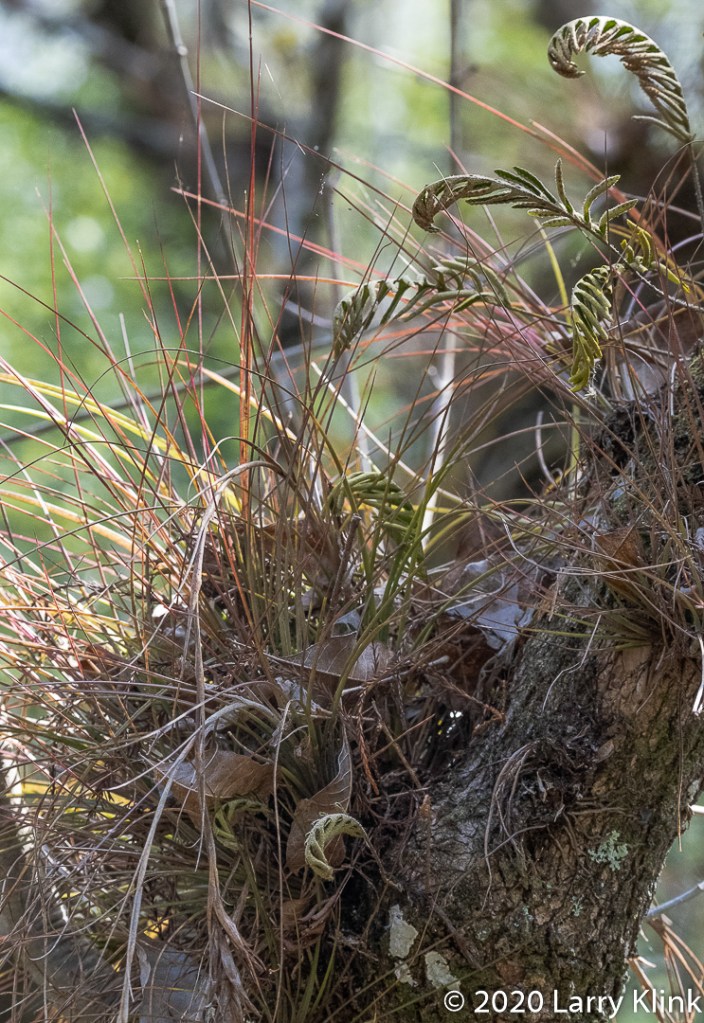
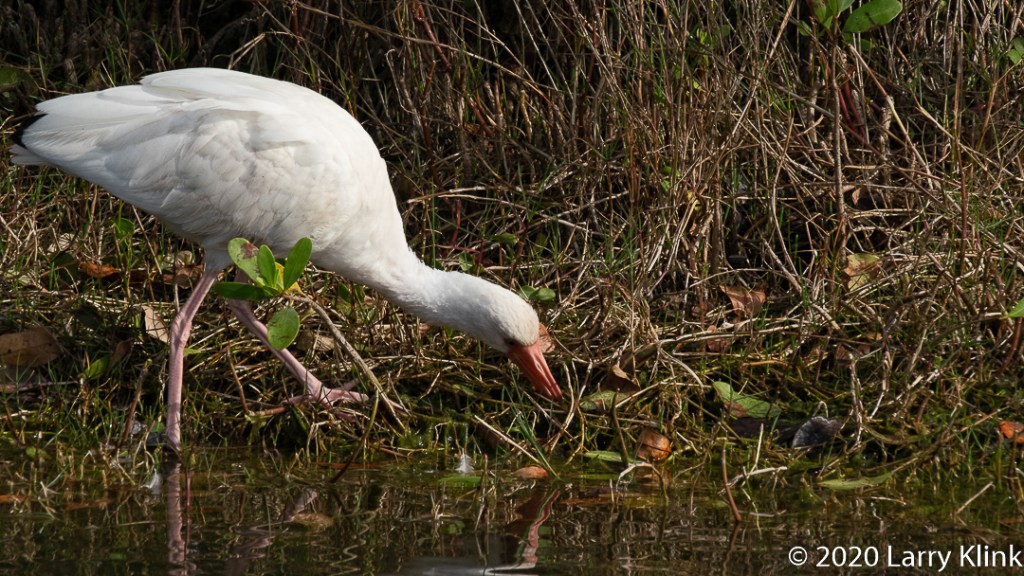
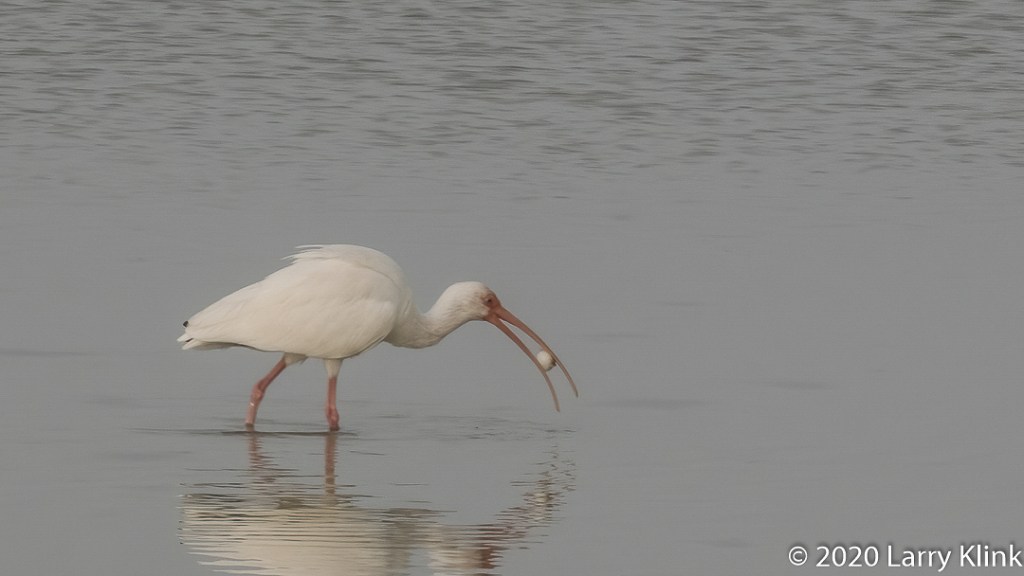
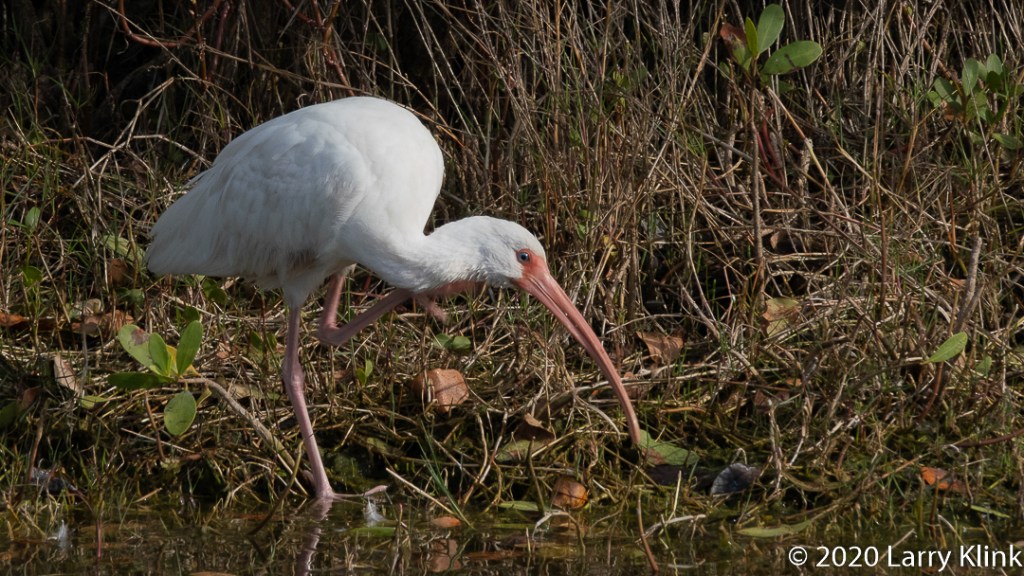
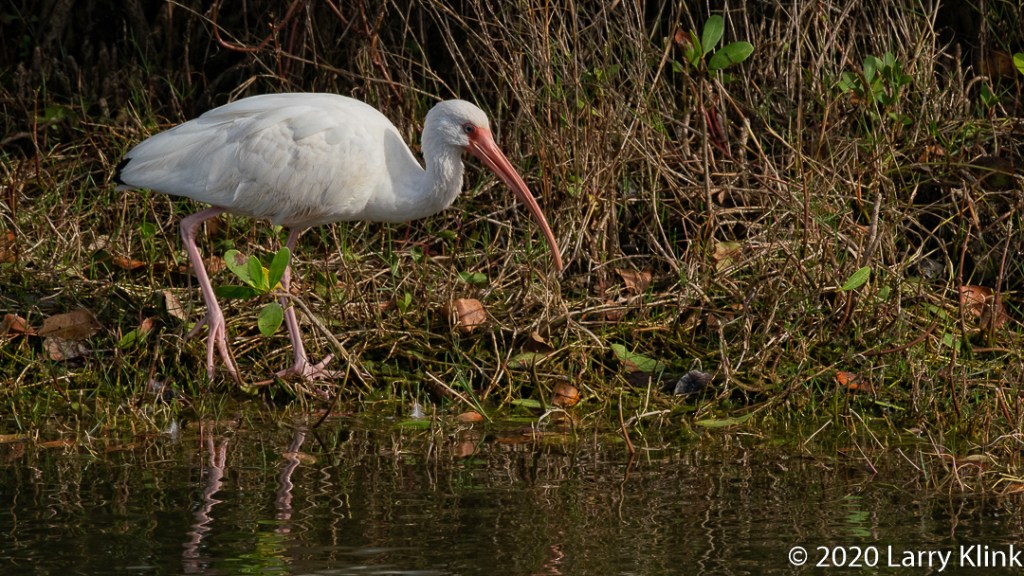
The Glossy Ibis is another interesting wading bird. From a distance, it just looks like a gray bird with long legs and a long, curved bill. But as you get closer, the iridescence of its feather’s colors it in reds, bronze and greens. These birds forage in wetlands, as well as fresh and saltwater marshes for fish, insects and seeds.

The Glossy Ibis is found, year around, in Florida, the Atlantic and Gulf Coast of the US as well as the Bahamas and the Caribbean. In breeding season, they venture all along the US Atlantic Coast. They can also be found in Europe, Asia and Africa. They nest in trees, in colonies with herons and egrets.

Info from CornellLab All About Birds: https://www.allaboutbirds.org/guide/Glossy_Ibis/overview

Note: Please click on caption to see image at higher resolution.
Glossy Ibis
Merritt Island National Wildlife Refuge, Titusville, FL; FEB 2020
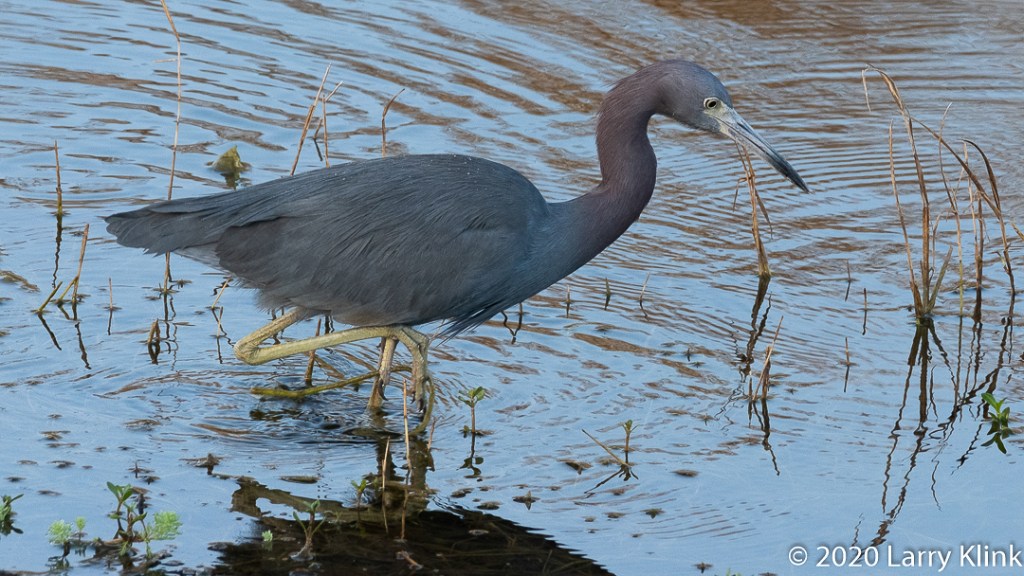
Glossy Ibis
Harns Marsh, Fort Meyers, FL; FEB 2020
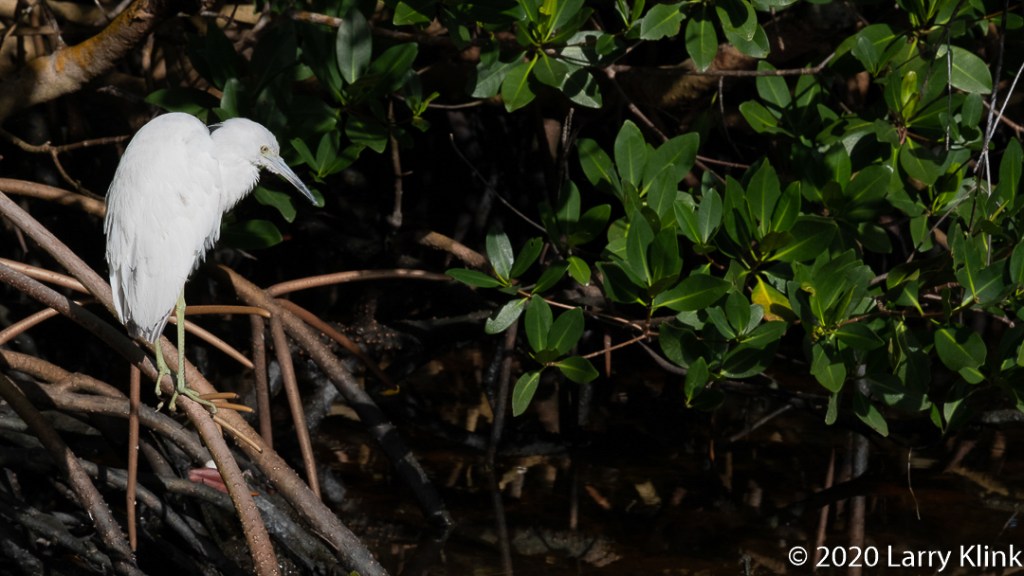
Glossy Ibis,
Merritt Island National Wildlife Refuge, Titusville, FL; FEB 2020
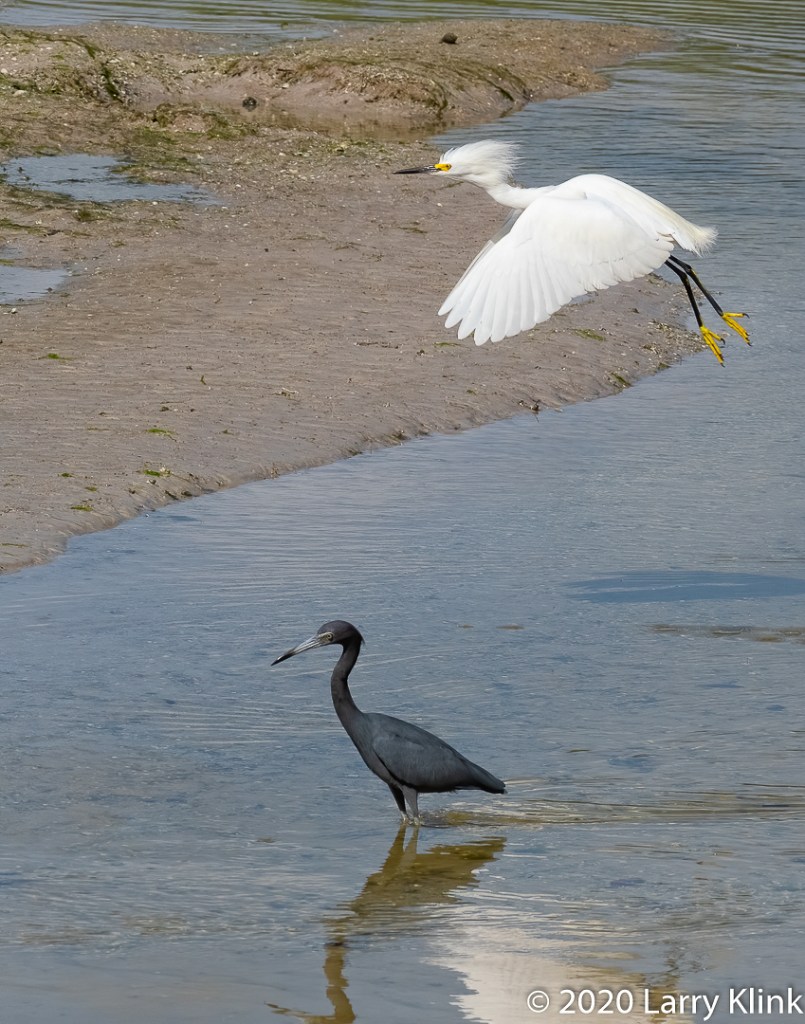
Glossy Ibis
Merritt Island National Wildlife Refuge, Titusville, FL; FEB 2020

Please visit my website, www.earthwatcher.us to see my collection of landscapes and wildlife.

These and other images are available to purchase by contacting larry.klink@earthwatcher.us.

Reddish Egret

Reddish Egret (Egretta rufescens)
J N “Ding” Darling National Wildlife Refuge; FEB 2020

The Reddish Egret is another amazingly beautiful, medium to large sized, heron. They are found, year around in the Bahamas, the Caribbean and parts of Florida. When not breeding they can also be found along the Gulf and Pacific Coasts of Mexico and Central America, They live and forage in marshes, particularly in brackish waters where they dine primarily on fish, crustaceans, frogs and insects.

They nest in swampy areas in colonies with other egrets and herons.

They are considered as a threatened species and are protected in Texas. They were, at one time, hunted for their plumage.

The images I shared here are breeding, dark morph, reddish egrets. The pink in the bill denotes its breeding status. When not breeding, the beak is gray. There is a white morph of the Reddish Egret but I have not seen any of those.

A note about herons and egrets. Herons and egrets are all members of the same family (Ardeidae). But they are not considered distinct groups. The 2 large ones, Great Blue Heron and Great Egret are members of the genus Ardea. The Snowy Egret, Little Egret, Little Blue Heron, Tricolored Heron and Reddish Egret are in the genus Egretta. So, despite the distinction in the common names, they are all related.

Info from:

Cornell Labs All About Birds: https://www.allaboutbirds.org/guide/Reddish_Egret/overview

Wikipedia: https://en.wikipedia.org/wiki/Reddish_egret

DifferenceBetween.Net: http://www.differencebetween.net/science/nature/birds-nature/difference-between-heron-and-egret/

Note: Please click on caption to see image at higher resolution

Reddish Egret
J N “Ding” Darling National Wildlife Refuge, Sanibel Island, FL; FEB 2020
Juvenile Reddish Egret
Fishing Pier, Sanibel Island, FL; FEB 2020
Reddish Egret
J N “Ding” Darling National Wildlife Refuge; FEB 2020
Reddish Egret
J N “Ding” Darling National Wildlife Refuge; FEB 2020

Please visit my website, www.earthwatcher.us to see my collection of landscapes and wildlife.

These and other images are available to purchase by contacting larry.klink@earthwatcher.us.
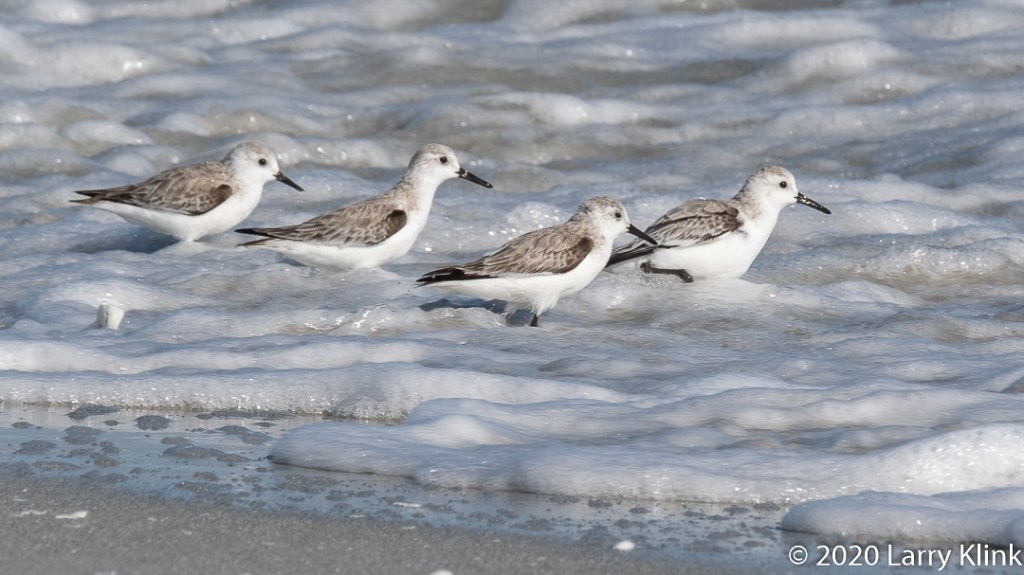
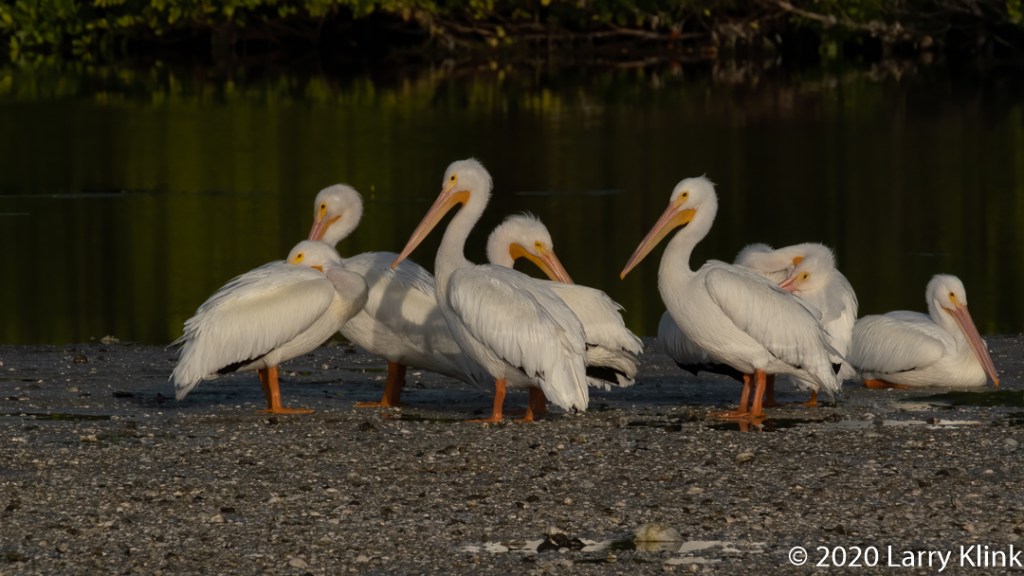
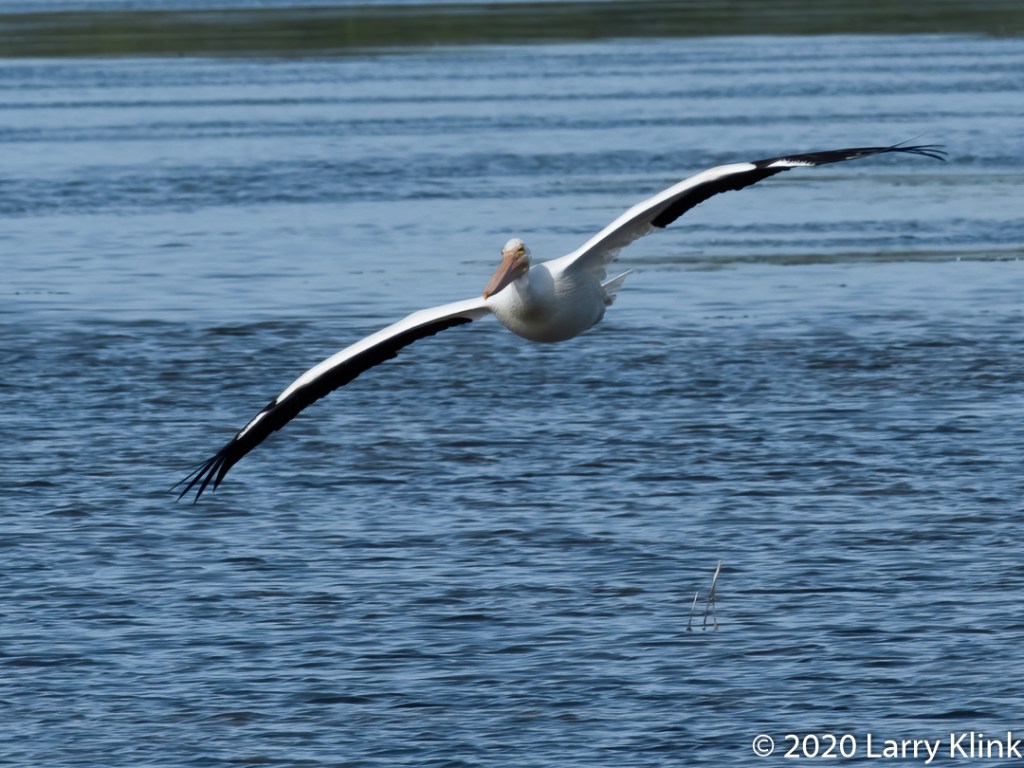
American White Pelican

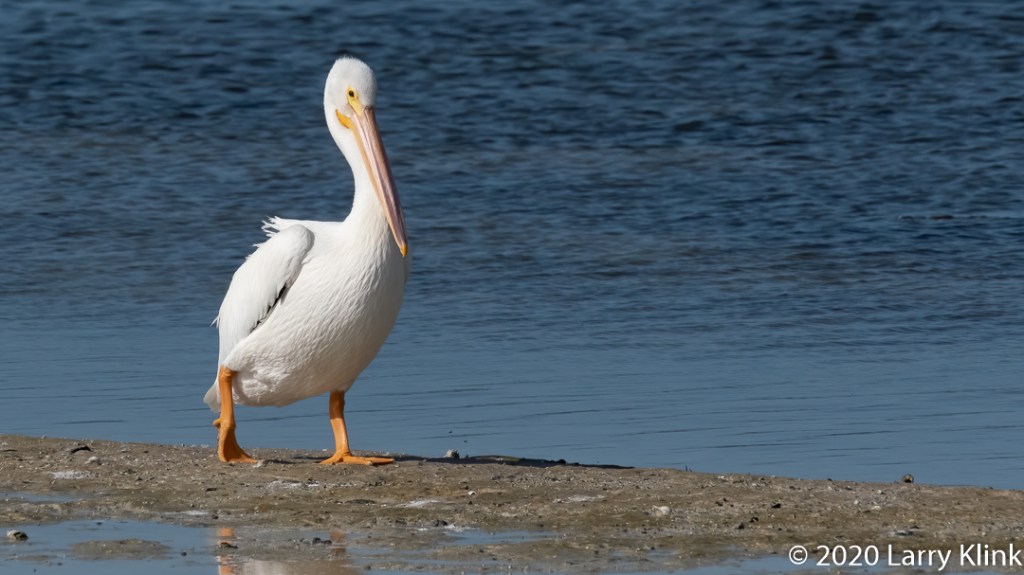
American White Pelican (Pelecanus erythrorhynchos)
J. N. “Ding” Darling National Wildlife Refuge, Sanibel Island, FL; FEB 2020

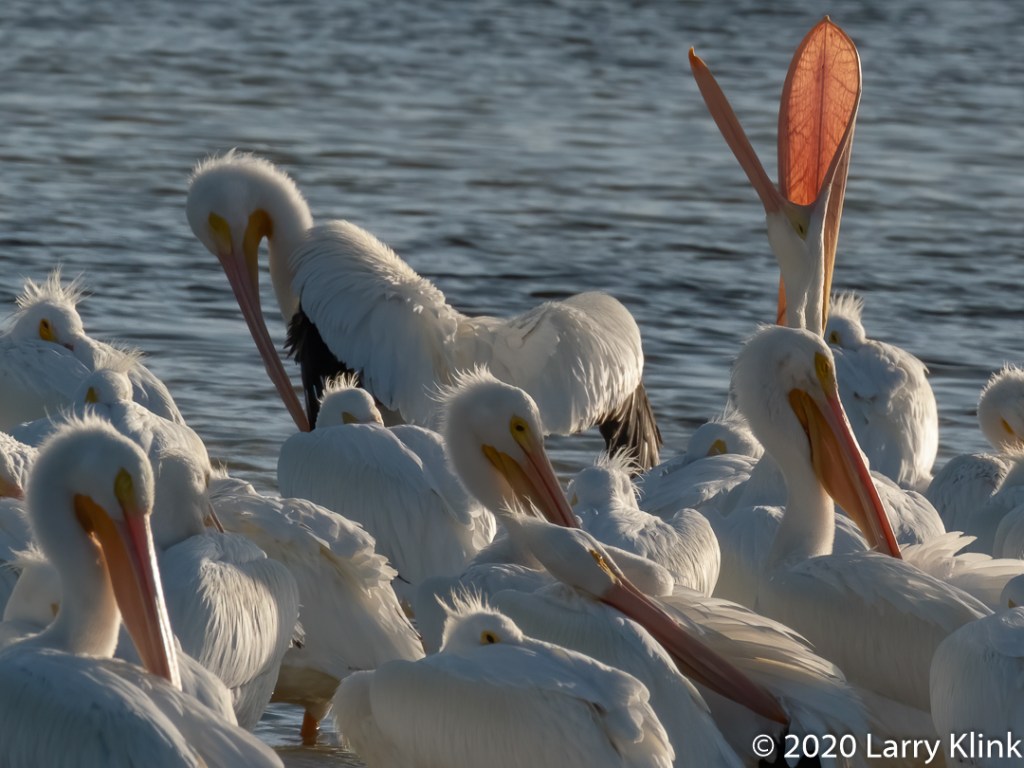
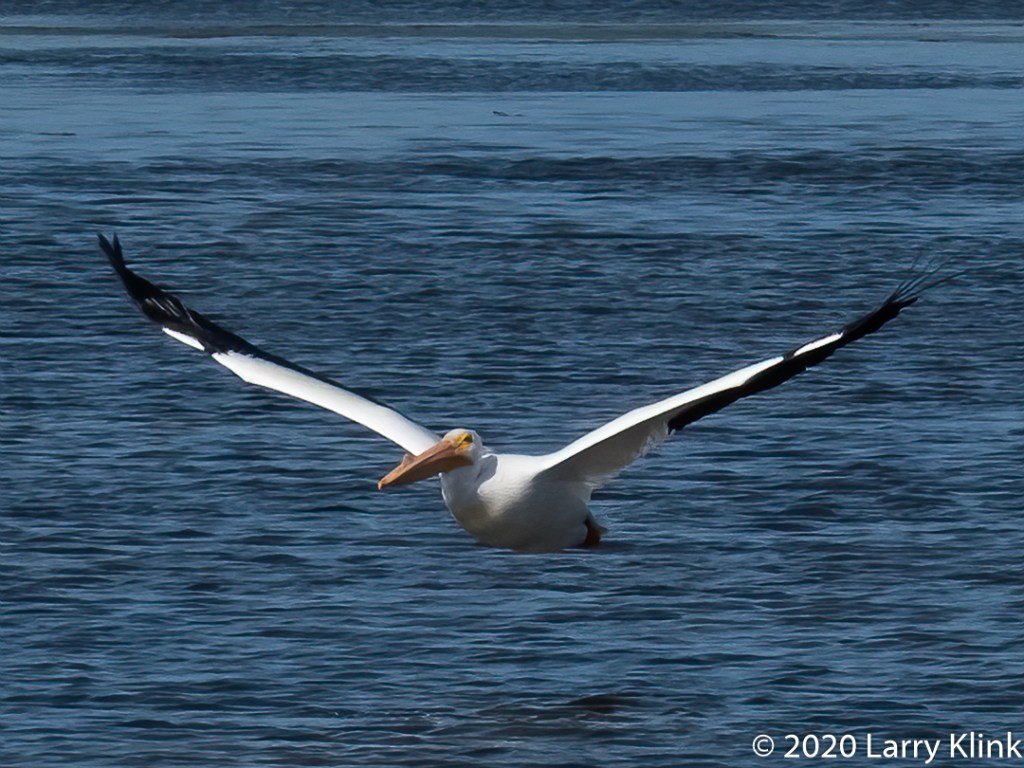
The American White Pelican is one of North America’s largest birds. Most of the year, they can be found in much of the area between the mid-western US to the western coast, south into Mexico and Central America and north into Canada. In their non-breeding winter season, they collect along the southern US Atlantic and gulf coasts as well as the coast of California. They also like the central valley of California and California’s Salton Sea and Colorado River Drainage area. They breed in the northern US and Canada. Though they stay near the coast over winter, they prefer to be in the ponds and estuaries rather than along the shore.

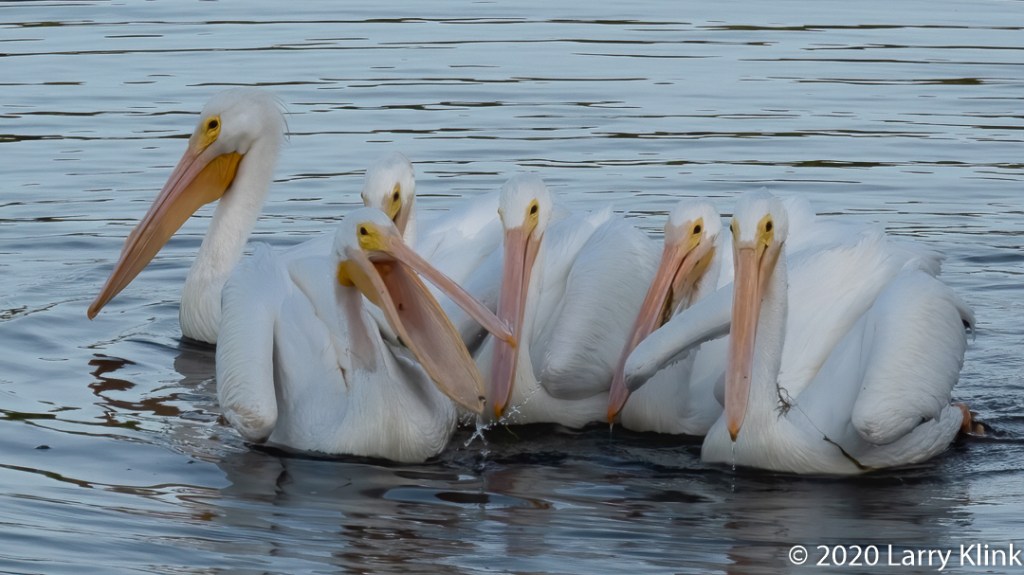
Unlike the Brown Pelican, the American White Pelican doesn’t dive for food. They tip their head into the water and scoop their food or sometimes they dabble; tip over and stick their head in the water with their tail up like a large duck. They dine mainly on fish but also on some marine invertebrates. Several of these pelicans may join together to hunt. They wrangle fish into shallow water or sometimes towards one another. At other times, they will steal food from cormorants and other pelicans.

In one of the pictures, there is a pelican with its mouth open and in the air. It may be trying to control its body temperature. I read that there are a lot of veins and arteries in its pouch so by warming or cooling its pouch, it can warm or cool its body.

Info from Cornell Labs All About Birds. https://www.allaboutbirds.org/guide/American_White_Pelican/overview

Note: please click on caption to see image at higher resolution.

American White Pelican
J. N. “Ding” Darling Wildlife Refuge, Sanibel Island, FL; FEB 2020
American White Pelican
J. N. “Ding” Darling National Wildlife Refuge, Sanibel Island, FL; FEB 2020
American White Pelican
J. N. “Ding” Darling Wildlife Refuge, Sanibel Island, FL; FEB 2020
American White Pelican
J. N. “Ding” Darling National Wildlife Refuge, Sanibel Island, FL; FEB 2020
American White Pelican
J. N. “Ding” Darling Wildlife Refuge, Sanibel Island, FL; FEB 2020

Please visit my website, www.earthwatcher.us to see my collection of landscapes and wildlife.

These and other images are available to purchase by contacting larry.klink@earthwatcher.us.

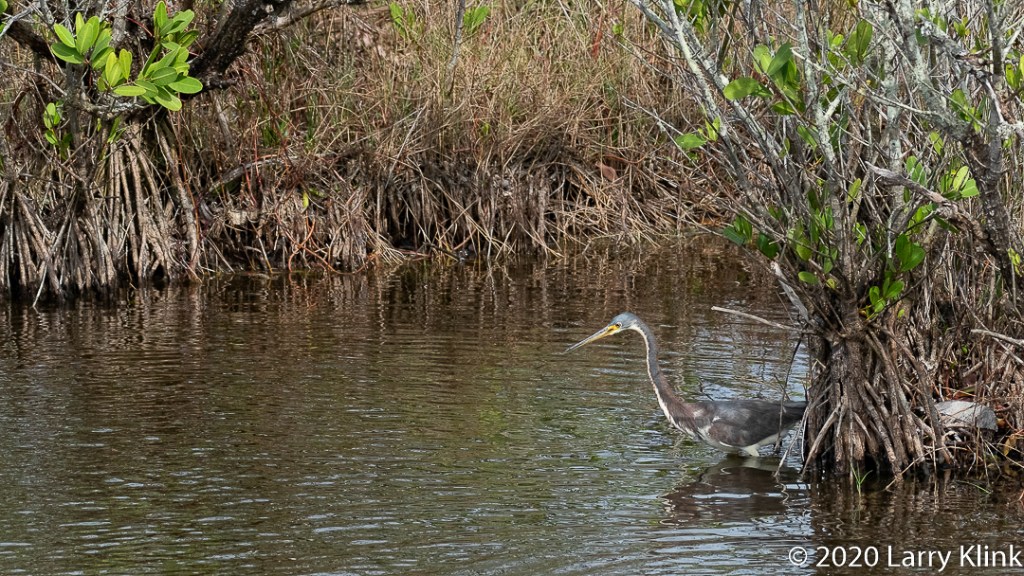
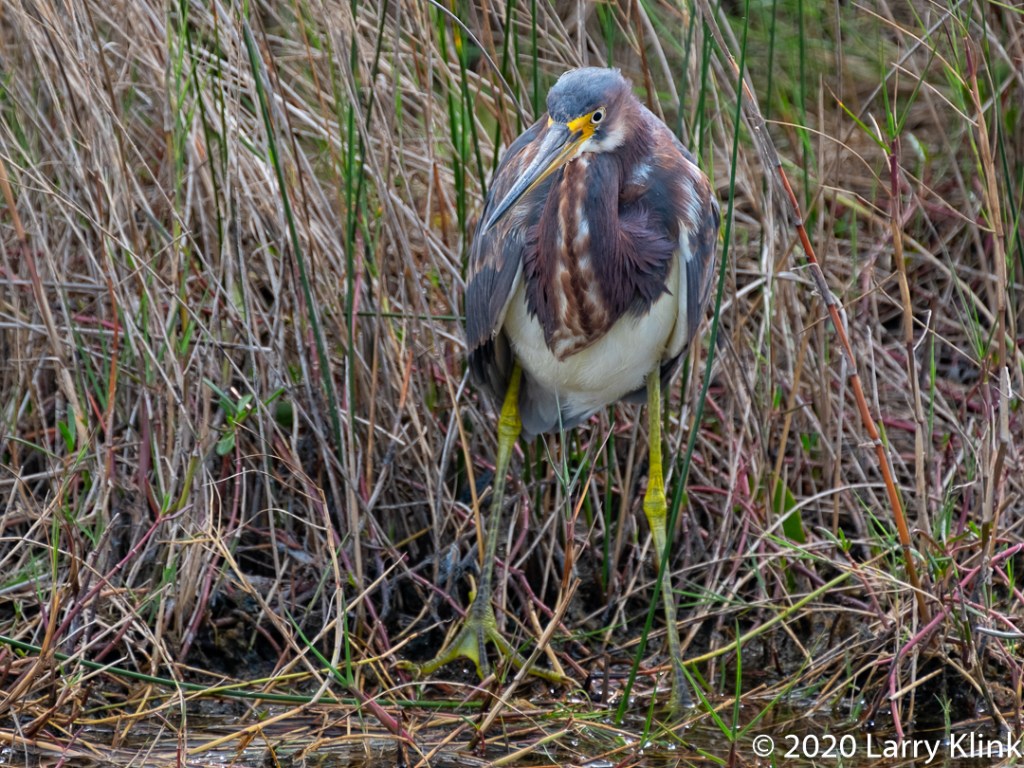
The Tricolored Heron

Tricolored Heron (Egretta tricolor)
Merritt Island National Wildlife Refuge, Titusville, FL; FEB 2020

The Tricolored Heron is an amazingly beautiful, small heron – up to 30” tall. They are found, year-round in Florida and along the US Gulf Coast. During nonbreeding periods, they can also be found along the Pacific Coast of Southern California and Mexico as well as parts of Central America. They breed in areas of North Florida. They like the coastal estuaries, saltmarshes, mangrove forests and lagoons.

Tricolored Herons prefer to eat fish from brackish waters. They stalk and attack like other herons and egrets with a few minor uniqueness’s. They nest in colonies with other herons and egrets.

All About Birds from Cornell Labs posted an interesting observation about the Tricolored Heron: “Angsty teenagers aren’t just a human phenomenon. As Tricolored Herons get older they often lunge and snap at their parents when they arrive at the nest with food. To appease the youngsters, parents greet them with bows.”

I was amazed when I first saw one of these birds. I think all herons and egrets are beautiful but, for me, this one tops the list.

Note: Click on caption to see image at higher resolution.

Tricolored Heron;
Harns Marsh, Fort Meyers, FL; FEB 2020
Tricolored Heron;
J N “Ding” Darling National Wildlife Refuge; FEB 2020
Tricolored Heron;
Merritt Island National Wildlife Refuge, Titusville, FL; FEB 2020
Tricolored Heron;
Merritt Island National Wildlife Refuge, Titusville, FL; FEB 2020

Please visit my website, www.earthwatcher.us to see my collection of landscapes and wildlife.

These and other images are available to purchase by contacting larry.klink@earthwatcher.us.
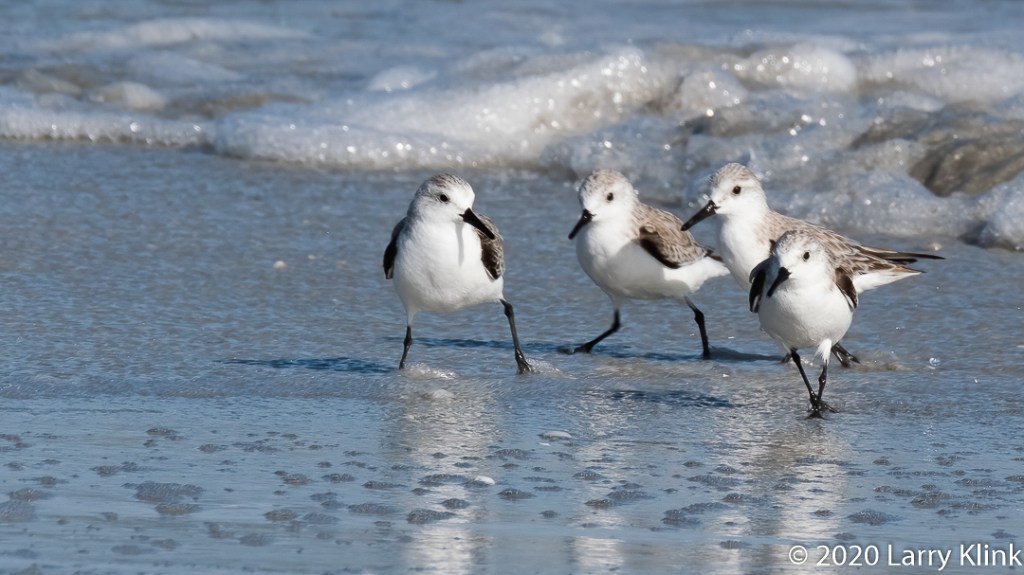
The Atlantic Brown Pelican

Brown Pelican (Pelecanus occidentalis carolinensis); Atlantic Subspecies
Island, FL; FEB 2020

The Brown Pelican is the common pelican species we see along the east and west coast of the United States. There are 2 subspecies of the Brown Pelican – the Atlantic (Pelecanus occidentalis carolinensis) and the Pacific (Pelecanus occidentalis californicus). There are 3 other subspecies found in other parts of the Western Hemisphere. Today’s post pertains to the Atlantic subspecies birds I saw on a recent rip to Florida.

The Brown Pelican lives in flocks and are primarily year around residents of the areas where the forage. They do migrate to breeding grounds, but they are generally in close proximity to their foraging area. They prefer small fish but will eat marine invertebrates like prawns and scavange dead animals too. Thy sometimes swim in shallow water and scoop up food but they are renowned for  their steep, head first, dives into the water to scoop up their prey. It’s pretty cool to watch. They can pick-up as much as 2 ½ gallons of water with their prey.

Here are a few images to enjoy.

Note: Please click on caption to see image at higher resolution.

Brown Pelican (pelecanus occidentalis carolinensis)
The one with the yellow head is a breeding adult, the other is a juvenile.
Bunche Beach, Fort Meyers, FL; FEB 2020
Juvenile Brown Pelican (Pelecanus occidentalis carolinensis); Atlantic Subspecies
Fishing Pier, Sanibel Island, FL; FEB 2020
Seascape With Brown Pelican (Pelecanus occidentalis carolinensis)
Sanibel Island, FL; FEB 2020
Juvenile Brown Pelican (Pelecanus occidentalis carolinensis); Atlantic Subspecies
Fishing Pier, Sanibel Island, FL; FEB 2020

Please visit my website, www.earthwatcher.us to see my collection of landscapes and wildlife.

These and other images are available to purchase by contacting larry.klink@earthwatcher.us.

Info from All About Birds (https://www.allaboutbirds.org/guide/Brown_Pelican/lifehistory) and Wikipedia (https://en.wikipedia.org/wiki/Brown_pelican).

Some Recent Bird Sightings

Sandhill Crane (Grus canadensis)
North Staten Island Rd, Galt, CA; NOV 2019

A week ago, we visited Staten Island, CA. It is an island in the Sacramento-San Jouquin River Delta. More importantly, Staten Island is owned by The Nature Conservancy and is managed to allow conservation friendly agriculture and as a place for birds to stop on winter migrations as well as to winter over. For this area, it means we have an opportunity to see Sandhill Cranes, Tundra Swans, White-fronted Geese and many other birds. On this visit, we got to see the Sandhill Cranes, Cackling Geese, Snow Geese and Sora.

The Sora (Porzana Carolina) was my surprise bird. I didn’t even know they existed. It is one of those drab, gray birds that hide in the brush, along streams and irrigation ditches. But drab and gray is not a fitting description. They are quite beautifully marked and have a bright yellow bill. Three Sora gave me the rare opportunity to see them in the open and photograph them.

Please click on caption to see images in higher resolution.

Sora (Porzana carolina) – P2
North Staten Island Rd, Galt, CA; NOV 2019
Juvenile Snow Goose (Chen caerulescens) and Cackling Goose (Branta hutchinsii)
North Staten Island Rd, Galt, CA; NOV 2019
Sandhill Crane (Grus canadensis)
North Staten Island Rd, Galt, CA; NOV 2019
Sora (Porzana carolina)
North Staten Island Rd, Galt, CA; NOV 2019
Sandhill Crane (Grus canadensis)
North Staten Island Rd, Galt, CA; NOV 2019

These and other images are available to purchase on my website: www.earthwatcher.us or by contacting larry.klink@earthwatcher.us.

Swans

Trumpeter Swan (Cygnus Buccinator)
Swan Lake Flat, Yellowstone National Park; SEP 2018

Today I am sharing images of swans I’ve photographed over the past several years.

Trumpeter Swans (Cygnus Buccinator) are North America’s largest waterfowl. Thy can have a 6 foot wingspan and weigh as much as 26 pounds. According to All About Birds, a Website from Cornell Labs: “They breed on wetlands in remote Alaska, Canada, and the northwestern U.S., and winter on ice-free coastal and inland waters.” The odd thing here is that I found some on the icy Yellowstone River in February.

The Tundra Swan (Cygnus Columbianus) is a winter migrant to the US. We see them winter over on the Pacific Flyway from late October through about the end of February. They nest on arctic tundra. The Tundra Swan is sometimes called a Whistling Swan.

The Mute Swan (Cygnus Olor) is not native to North America; it’s a European immigrant. It is the swan we see in ponds and lakes at parks, farms and estates. According to All About Birds: “ All of the Mute Swans in North America descended from swans imported from Europe from the mid 1800s through early 1900s to adorn large estates, city parks, and zoos. Escapees established breeding populations and are now established in the Northeast, Mid-Atlantic, Great Lakes, and Pacific Northwest of the U.S.” The ones I am presenting may be from a wild colony or may be feral.

I found the Whooper Swans (Cygnus cygnus) in Iceland. According to Wikipedia, Whooper swans can migrate hundreds or even thousands of miles to their wintering sites in southern Europe and eastern Asia. They breed in subarctic Eurasia. Icelandic Whooper Swans breed and winter over in the United Kingdom and Ireland. They can have a wingspan of 9 feet and weigh over 30 pounds. Whooper Swans pair for life.

Please click on caption to see image at higher resolution.

Tundra Swans (Cygnus Columbianus)
Staten Island Road, Galt, CA; JAN 2018
Whooper Swans (Cygnus cygnus)
South Coast of Iceland; SEP 2017
Mute Swan (Cygnus Olor)
Scott Road, Folsom, CA; FEB 2016
Trumpeter Swans (Cygnus Buccinator) – P1
Yellowstone River, Yellowstone National Park, WY, FEB 2013
Trumpeter Swans (Cygnus Buccinator)
Swan Lake Flat, Yellowstone National Park; SEP 2018
Mute Swan (Cygnus Olor) – P2
Willow Creek Recreation Area, Folsom, CA; OCT 2019
Trumpeter Swans at Sunrise (Cygnus Buccinator) -P1
Swan Lake Flat, Yellowstone National Park; SEP 2018
Trumpeter Swans (Cygnus Buccinator) at Sunrise – P2
Swan Lake Flat, Yellowstone National Park; SEP 201
Trumpeter Swan (Cygnus Buccinator) – P2
Yellowstone River, Yellowstone National Park; FEB 2013

These and other images are available to purchase on my website: www.earthwatcher.us or by contacting larry.klink@earthwatcher.us.
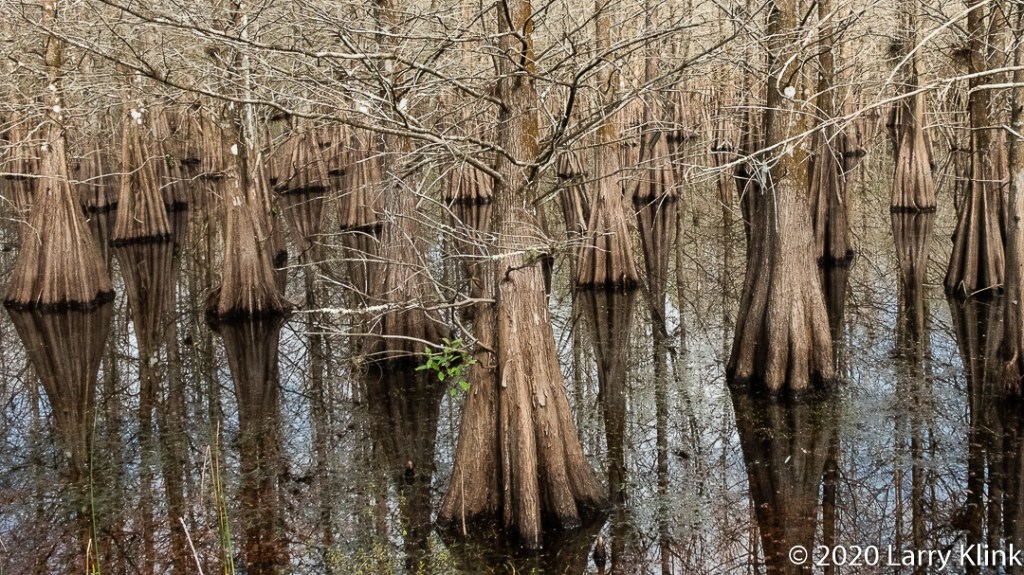
Vultures and Other Scavengers

Turkey Vultures (Cathartes aura) Feeding On Salmon;
Lake Natomas, American River Parkway, Gold River, CA; NOV 2019

In Sacramento, we are privileged to live along the American River. This mighty river is one of many that provide spawning territory for salmon. Spawning is the last great act of these creatures; after they spawn, they die. Though it is the end for them, their death provides nutrients for plants and other animals. When the Salmon run gets underway, migrating Turkey Vultures and Gulls arrive and supplement the year-around population and clean up the carcasses.

Scavenging is not limited to the Salmon carcasses. I’ve also found a Raven with the carcass of a dead bird. Hunting and killing is not normal behavior for the Raven so most likely it found the carcass.

Look closely at the rocks among the vultures. Some of what looks like rocks are part of the carcasses.

Note: Please click on caption to see images at higher resolution.

Turkey Vultures (Cathartes aura) Feeding On Salmon;
Lake Natomas, American River Parkway, Gold River, CA; NOV 2019
Western Gull (Larus occidentalis) Picking on Salmon
Effie Yeaw Nature Center, Sacramento, CA; OCT 2019
Common Raven (Corvus corax) with Scavenged Meal;
Willow Creek Recreation Area, Folsom, CA; OCT 2019

These and other images are available to purchase on my website: www.earthwatcher.us or by contacting larry.klink@earthwatcher.us.
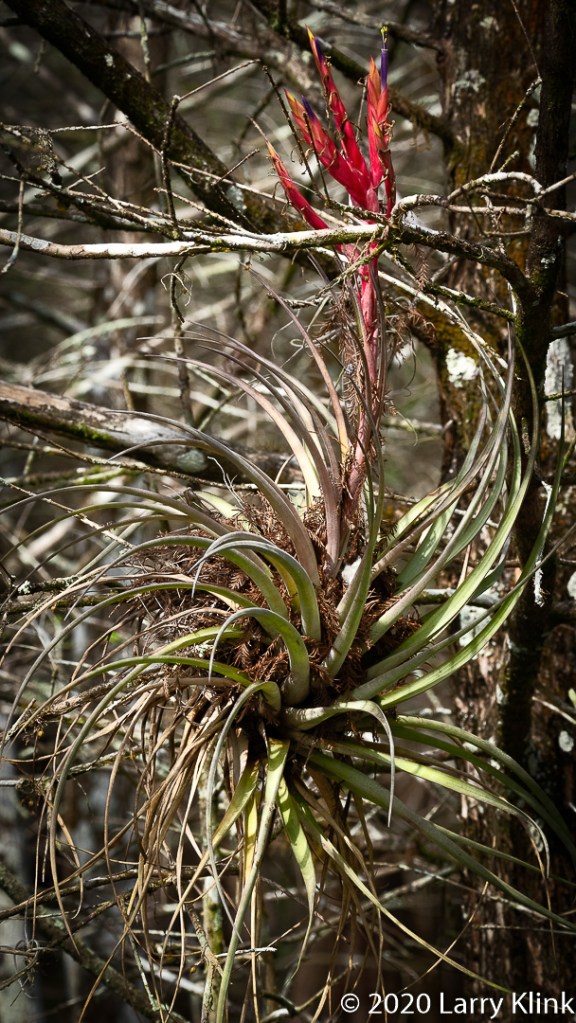
Raptors

Osprey (Pandion haliaetus)
Wm Pond Park, Sacramento, CA; Mar 2019

Here are a few raptors, birds of prey, I’ve photographed over the past year.

The Red-shouldered and Red-tailed Hawks are members of the Buteo family. They forage in more open areas and prefer small rodents. The Goshawk and Sharp-shinned Hawks are members of the Acipiter family. They are built to forage in in forested areas and prefer birds. The Merlin is a small falcon. Though they have there preferences, they’ll eat whatever they can catch.

Note: Please click on caption to see these images at higher resolution.

Northern Goshawk (Acipiter Gentilis)
Owens River Road, Lee Vining, CA; OCT 2019
Merlin (Falco columbarius)
Effie Yeaw Nature Center, Sacramento, CA; OCT 2019
Sharp-shinned Hawk (Accipiter striatus)
Effie Yeaw Nature Center, Sacramneto, CA; OCT 2019
Red-tailed Hawk (Buteo jamaicensis) on Nest
Battle Mountain, NV; MAY 2019
Juvenile Red-tailed Hawk (Buteo jamaicensis)
Effie Yeaw Nature Center, Sacramento, CA; JUL 2019
Red-shouldered Hawk (Buteo lineatus) – P2
Effie Yeaw Nature Center, Carmichael, CA; OCT 2019
Red-shouldered Hawk (Buteo lineatus)
Hawk swooped down over my shoulder, picked-up a rodent and carried it to this tree. Effie Yeaw Nature Center, Carmichael, CA; OCT 2019
Osprey (Pandion haliaetus)
Wm Pond Park, Sacramento, CA; Mar 2019

These and other images are available to purchase on my website: www.earthwatcher.us or by contacting larry.klink@earthwatcher.us.

Some More Birds from This Year

American Robin (Turdus Migratorius)
Effie Yeaw Nature Center, Sacramento, CA; NOV 2018

Here are some more bird photos that I have taken in the past year. Take a close look at Hutton’s Vireo with Chick. Though it is well camouflaged, there is a baby in the nest with mom. The Bewick’s Wren is also attending a nest deep in the cavity of the tree.
Please click on caption to see image at higher resolution!

Hutton’s Vireo (Vireo huttonii) with Chick;
Effie Yeaw Nature Center, Sacramento, CA; APR 2019
Bewick’s Wren (Thryomanes bewickii);
Effie Yeaw Nature Center, Sacramento, CA; JUN 2019
Hermit Warbler (Setophaga occidentalis);
William Pond Park, Sacramento, CA; SEP 2019
Hutton’s Vireo (Vireo huttonii);
Effie Yeaw Nature Center, Sacramento, CA; SEP 2019
Mourning Dove (Zenaida macroura);
Willow Creek Recreation Area, American RIver Parkway, Folsom, CA; APR 2019
Oak Titmouse (Baeolophus inornatus);
Effie Yeaw Nature Center, Sacramento, CA; APR 2019

These and other images are available to purchase on my website: www.earthwatcher.us or by contacting larry.klink@earthwatcher.us.