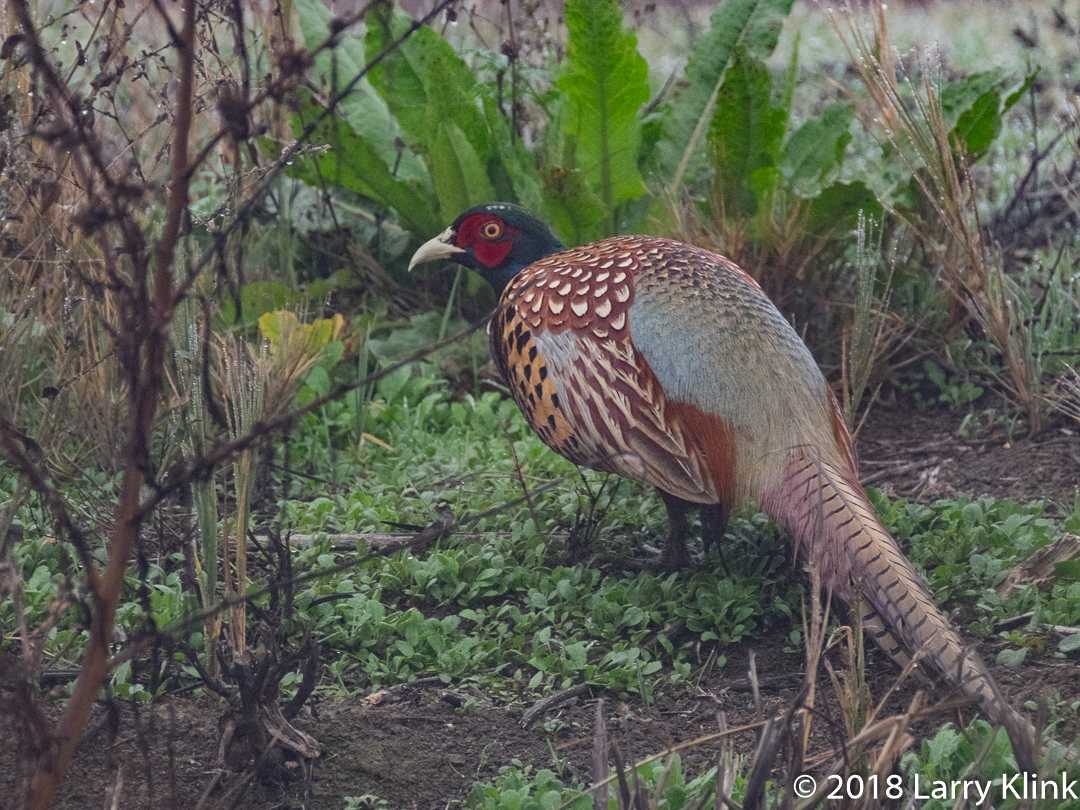
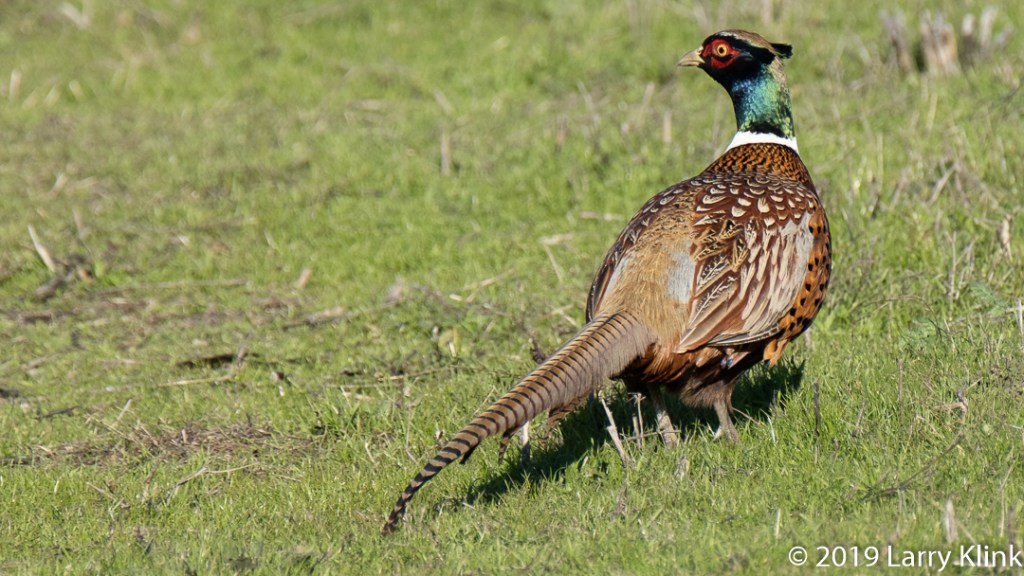
Growing up in western Pennsylvania, I would see the Ring-necked Pheasant occasionally. I always considered it a special treat because they are so beautiful. But, for several decades I never saw any; though I thought about them from time to time. I’ve been fortunate, however, to have had 3 sightings in the past 2 years. I am very happy to be able to share them with you.
These birds like to live and forage in tall vegetation, so they aren’t easy to see. But, sometimes, you can see them as they cross over open spaces. They are omnivorous.
Please click on caption to see these images at higher resolution
Downy Woodpecker Effie Yeaw Nature Center, Sacramento, CA; DEC 2018
Correction: I mistakenly identified the male woodpecker as a Nuttal’s. It is actually a Downy. Sorry for the confusion.
The Nuttal’s Woodpecker is a small woodpecker who lives only in California’s Oak Woodlands. Interestingly, though they live in oak woodlands, they don’t eat acorns. Instead they eat insects from the oak and other trees.
Please click on caption to see image in higher resolution
Returning from a recent trip to the Seattle area, we stopped
at the Sacramento National Wildlife Refuge. The visitor center and restrooms
were closed but the government shutdown didn’t affect the birds. This stop
turned out to be very productive. It was a great day for raptors. The star was
a juvenile Bald Eagle on a kill. But we saw Ferruginous Hawks, Northern
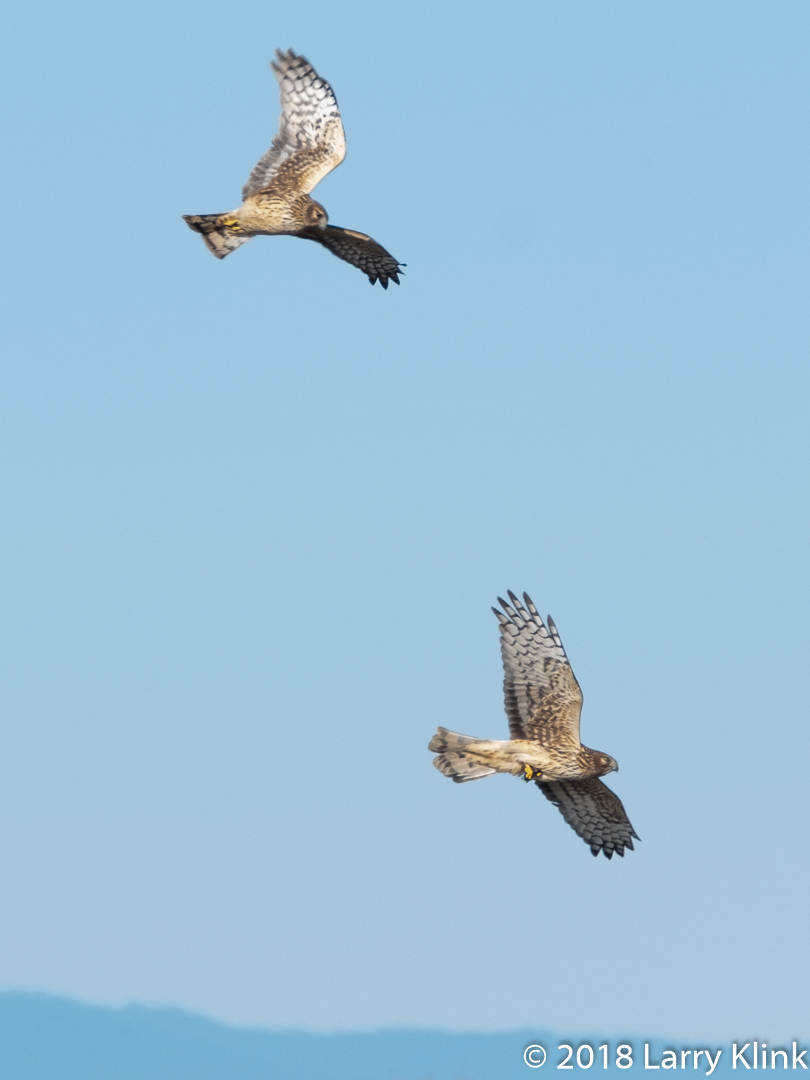
Harriers, Rough Legged Hawks, a Cooper’s Hawk and a Red-shouldered hawk also.
This is feast time for the raptors at Sacramento NWR because of the large
numbers of waterfowl that spend the winter months there.
I didn’t share images of the Rough-legged haws because I only got a rear quarter shot and it didn’t show enough to make the shot interesting. I’ve shared other Cooper’s Hawks and Red-shouldered Hawks in the recent past, so I didn’t include them. But, I hope you enjoy what I shared.
Note: Please click on caption to see image in higher resolution.
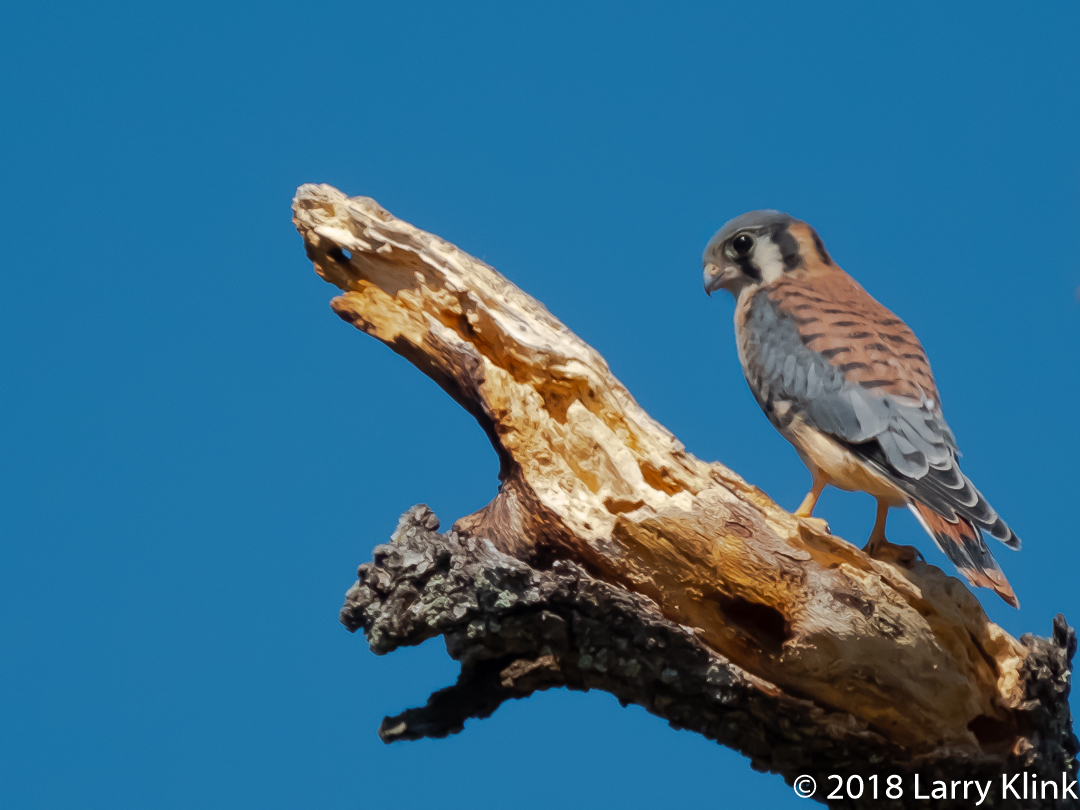
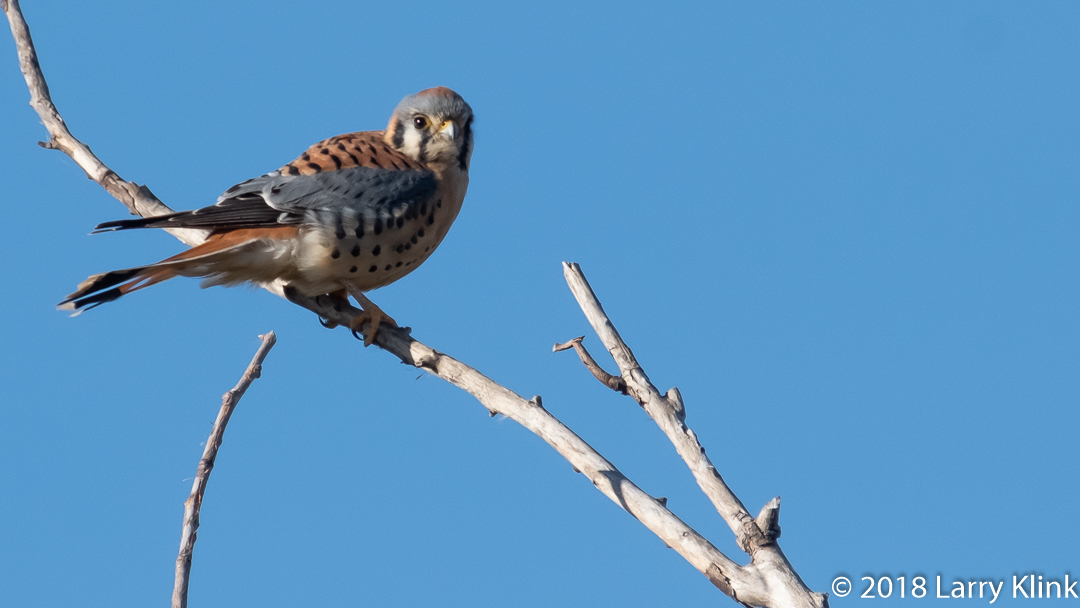
American Kestrel Effie Yeaw Nature Center, Sacramento CA; JUN 2018
The American Kestrel is a small raptor; about the size of a robin. As you travel through rural, agricultural areas or open meadows, you might notice a small bird on a wire or pole. As you notice it, you may think: just another gray bird. But, if you slow down, you may be surprised by a beautiful little multi-colored bird. This small falcon eats lizards, insects and small birds. One of its hunting behaviors is fascinating to watch. It, will hover, flapping its wings, then dive down to capture its prey.
Note: Click on caption to see image at higher resolution.
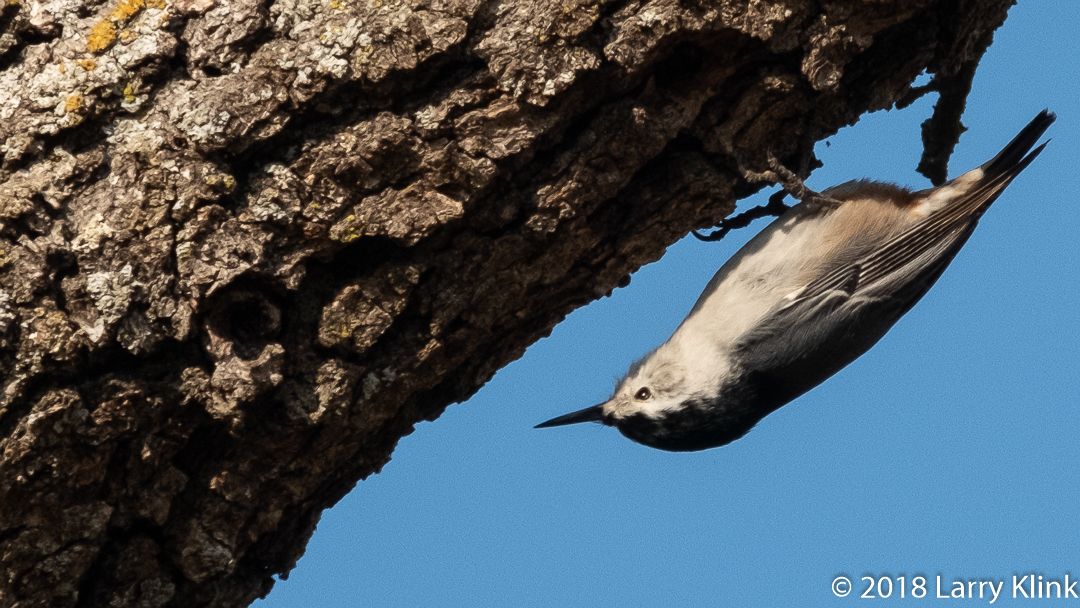
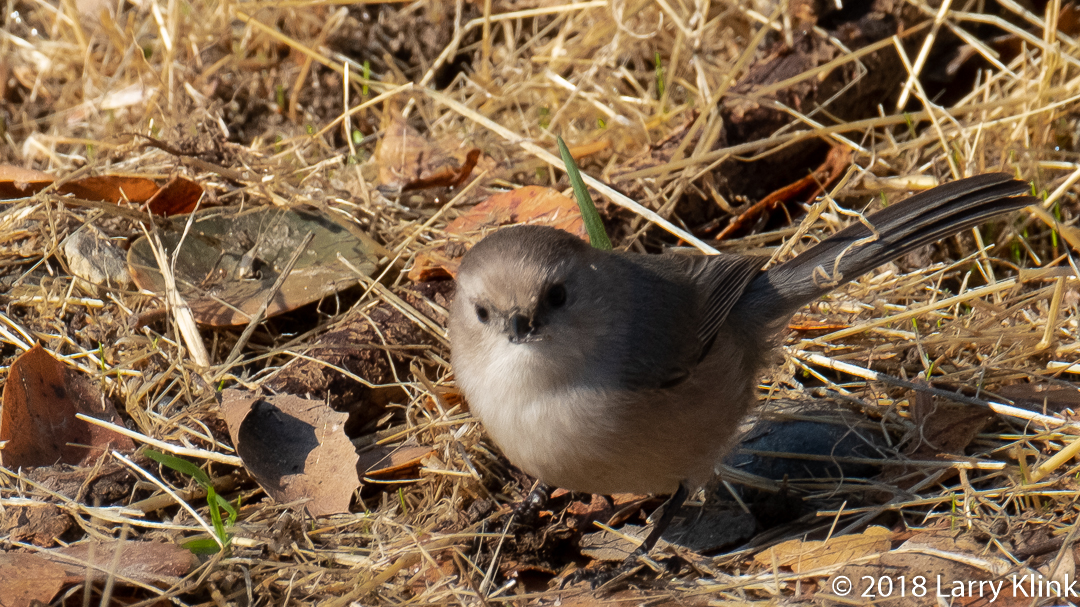
Over the past couple of months, I have been doing some birding in the area around home. Late fall and winter bring some birds migrating to warmer climates to join those that stay year around. Here are a few that live in the area most or all of the year.
Please click on caption to see image at higher resolution.
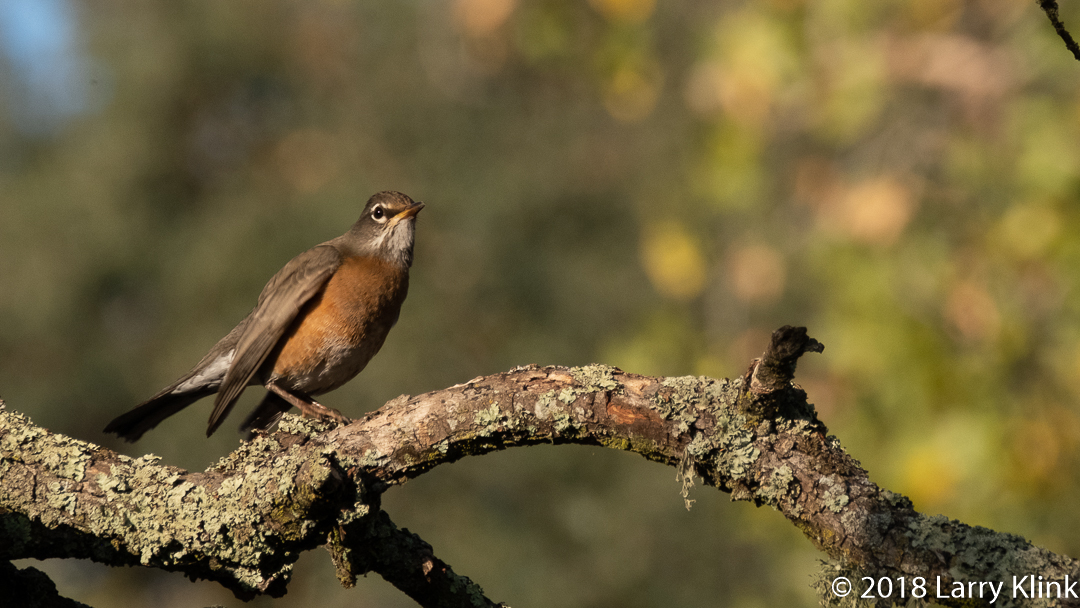
The American Robin stays around all year, but I never see them in large numbers like I have seen them in other areas. They are a beautiful bird with a pretty song. They are very easy to spot; they hunt for worms and other insects on the ground in open areas.
The black phoebe is a flycatcher. They like to live near the water, You can see them perched on trees, hunting for insects or arthropods. When they spot something take it while in the air or diving upon their prey while it is on the ground.
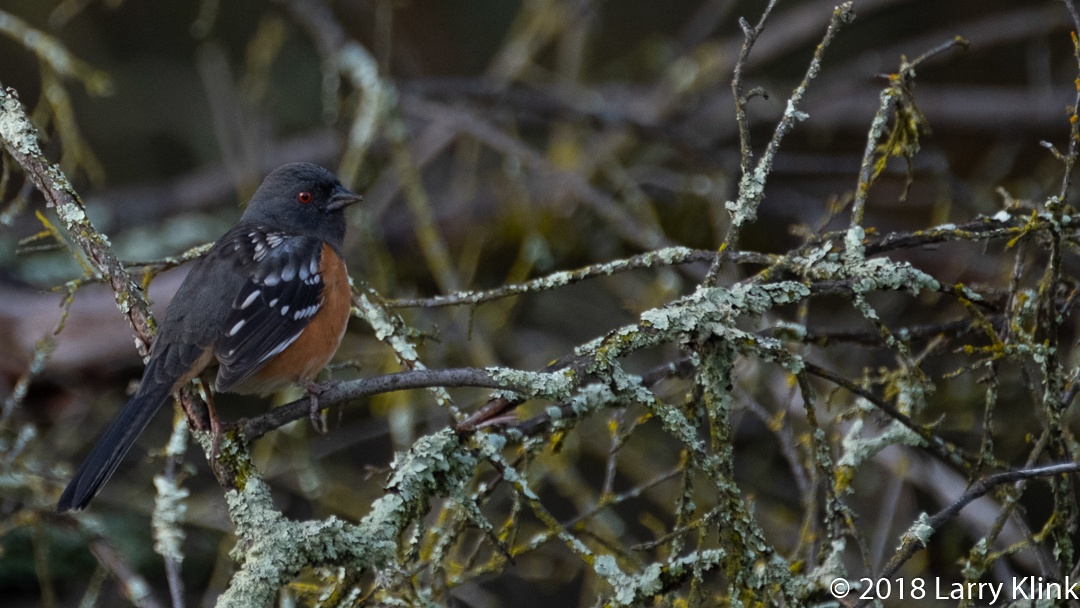
The spotted towhee likes to hide in the underbrush and eat insects. Look for fluttering in the brush pile and watch carefully you just might catch a glimpse of one.
The white breasted nuthatch can be seen scampering up, down and around tree branches and trunks in search of food. They are fun to watch as they move quickly while searching and descend headfirst when going downward. They primarily eat insects but do also eat nuts.
The bushtit is a tiny bird mostly found in small flocks. They fly from tree to tree staying only a very short time. They primarily dine on small insects and spiders.
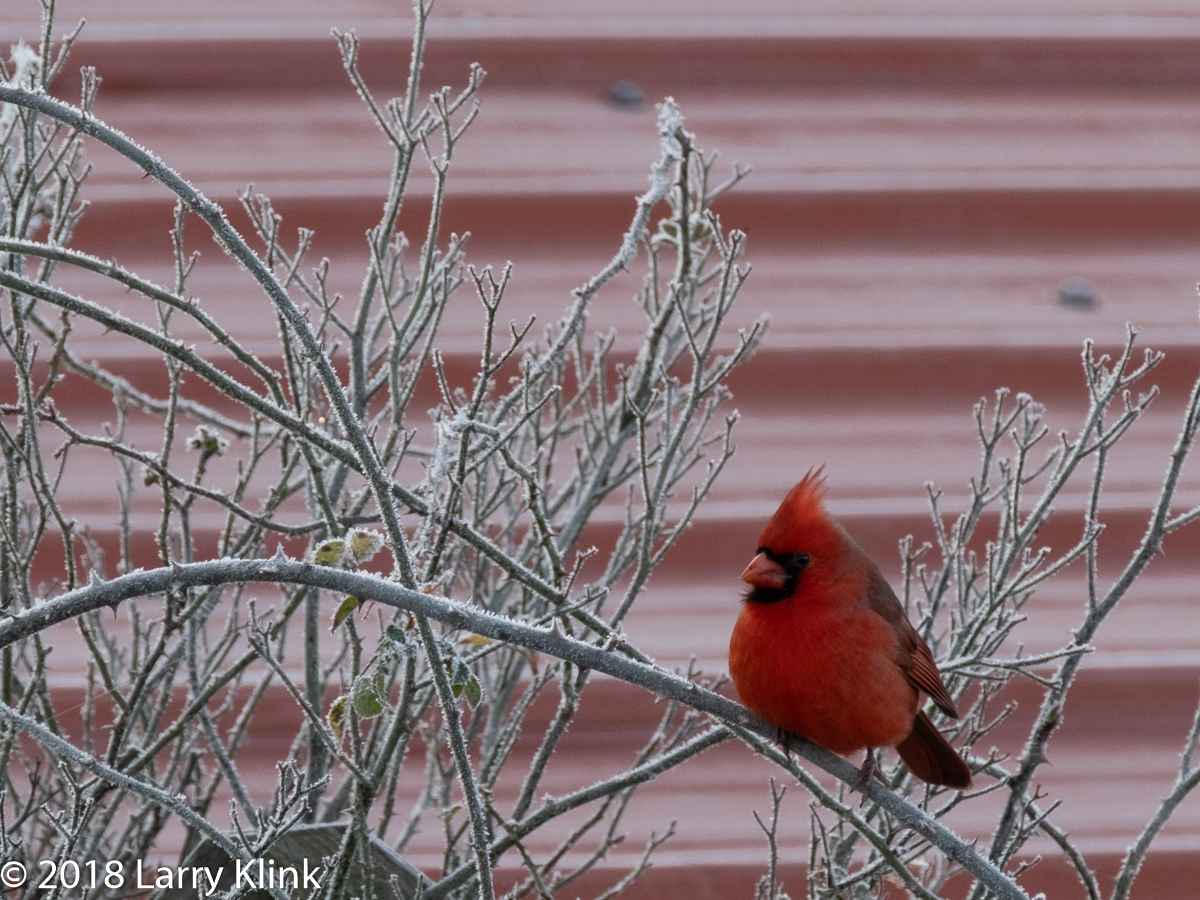
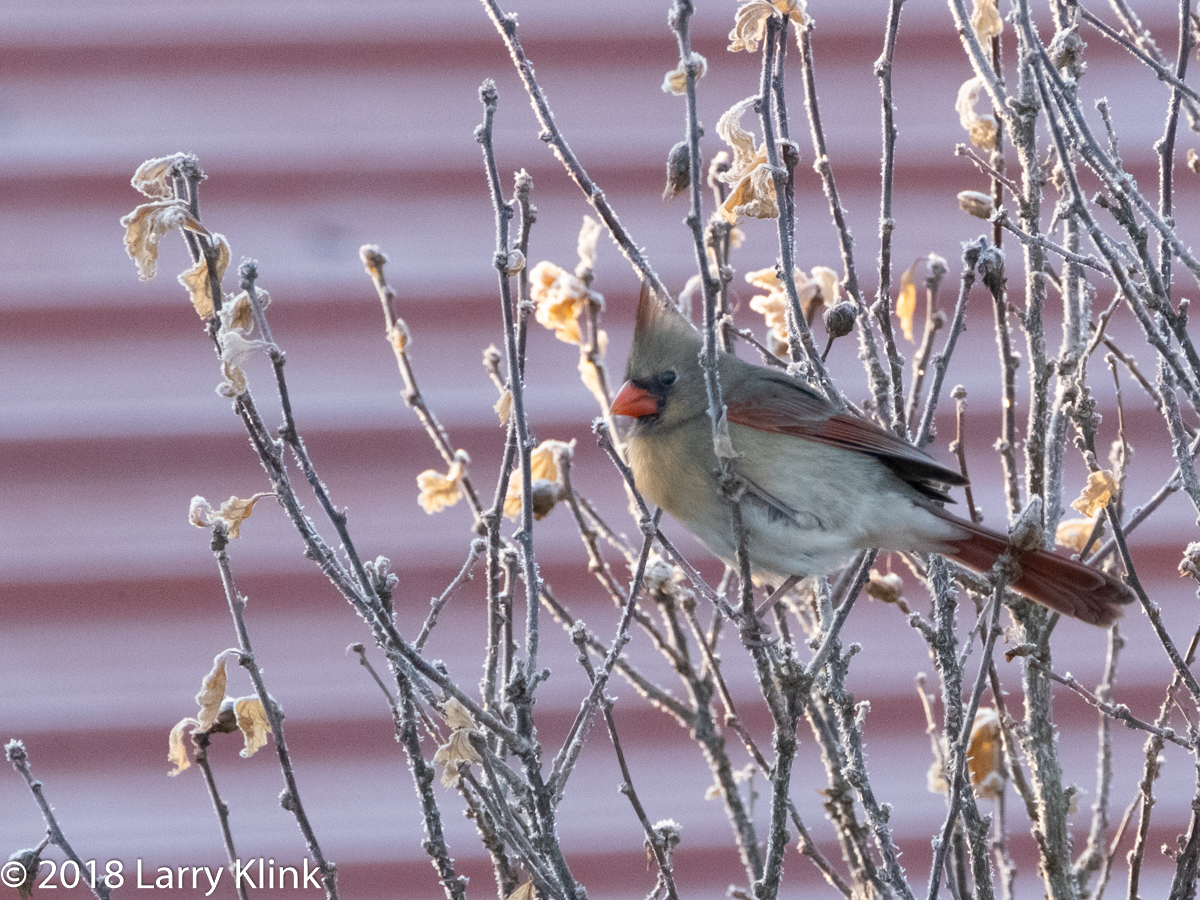
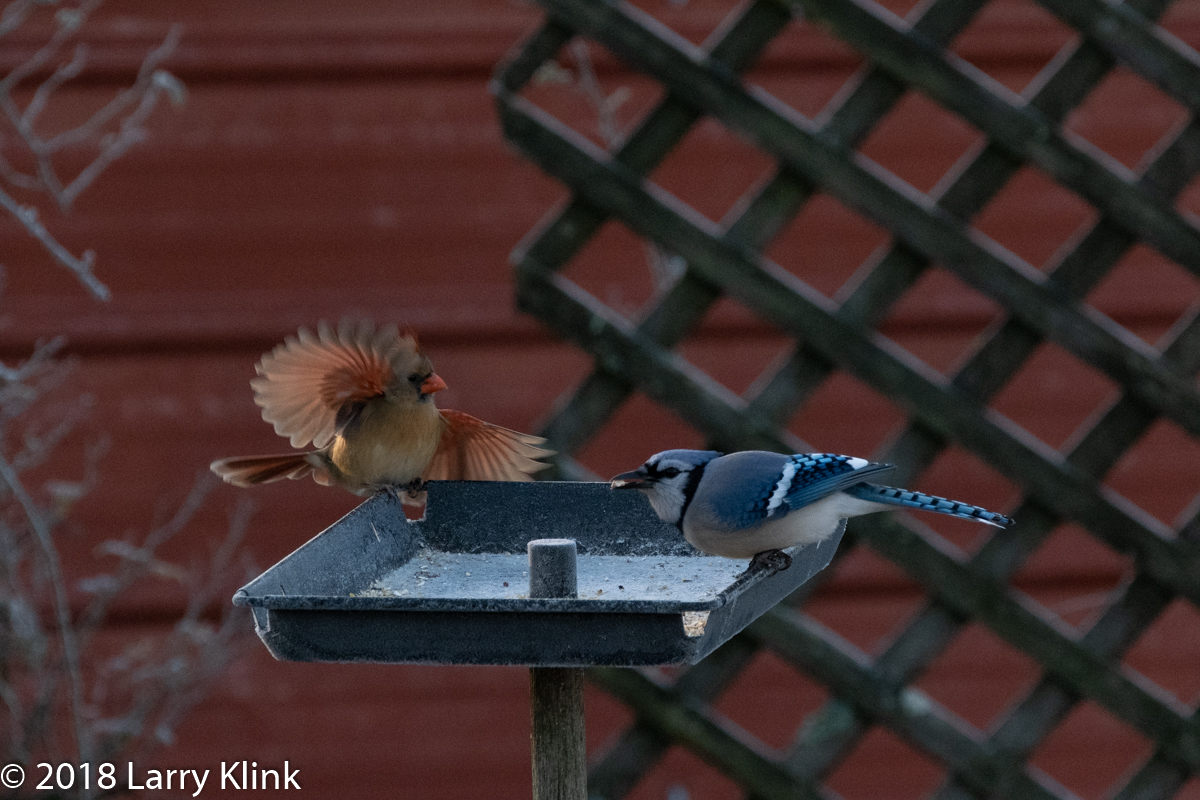
To be correct for the season, I should have had a cardinal on a bright green holly sprig draped with bright red berries and snow. However, I was in southeastern Oklahoma and had to settle for a frost covered crepe myrtle. But, the Northern Cardinal is a beautiful bird that looks lovely in almost any environment. I am happy to have gotten a few images to share with you. To my friends who celebrate Christmas, Hannukah, Diwali and Kwanza, may they brighten your holiday season. To those friends who don’t celebrate those holidays, may they brighten your week.
Note: Please click on caption to see these images at higher resolution.
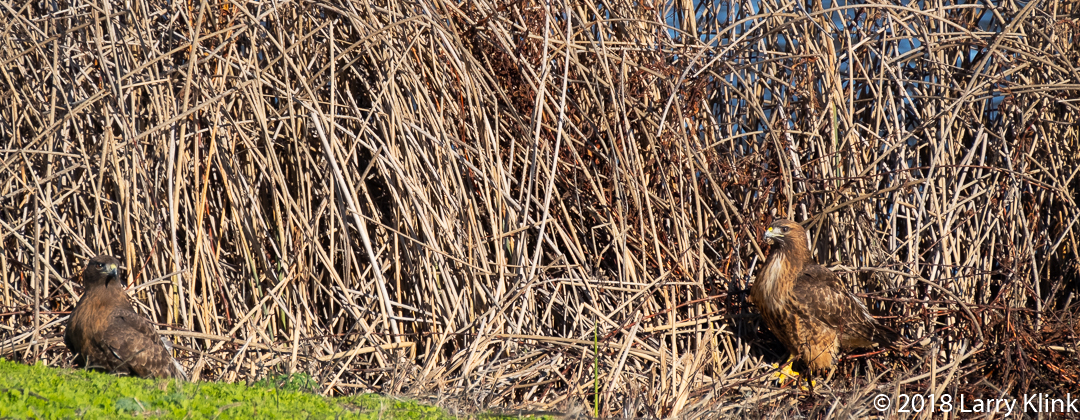
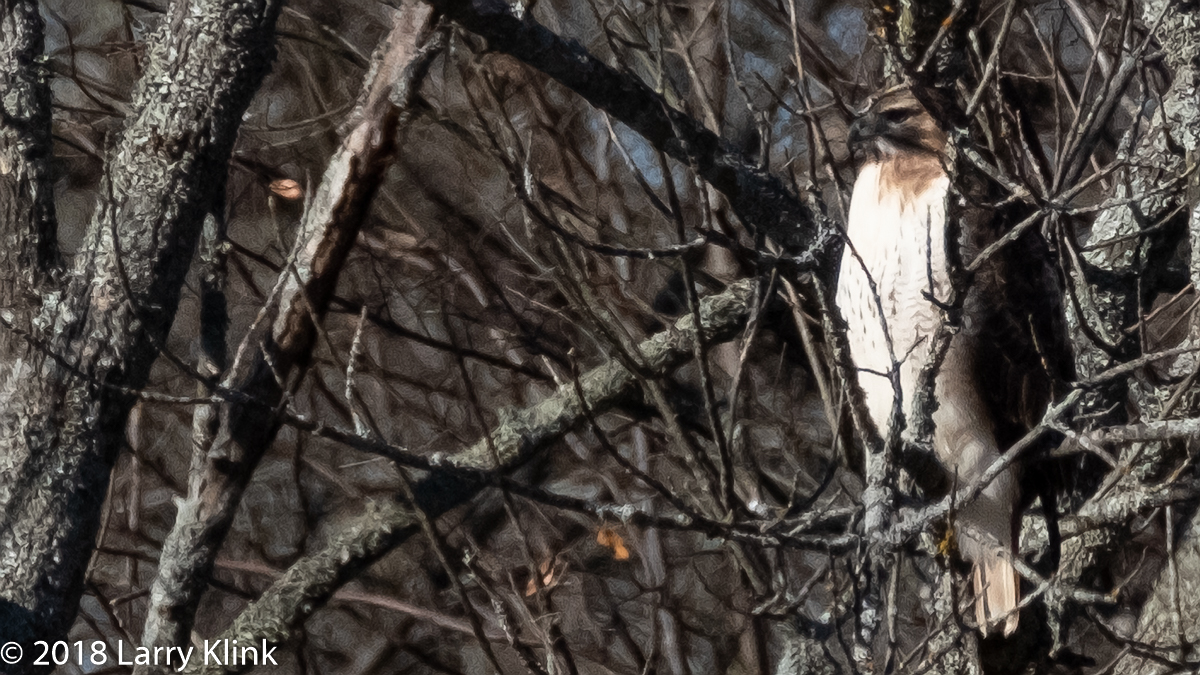
We made a visit to rural southeastern Oklahoma recently. While there, I was amazed at the number of red tailed hawks I saw. Much of the countryside was pastureland and I imagine it provided a lot of good food for the rodents and, in turn, the hawks. One day, I also saw a bald eagle in the grass, alongside the road.
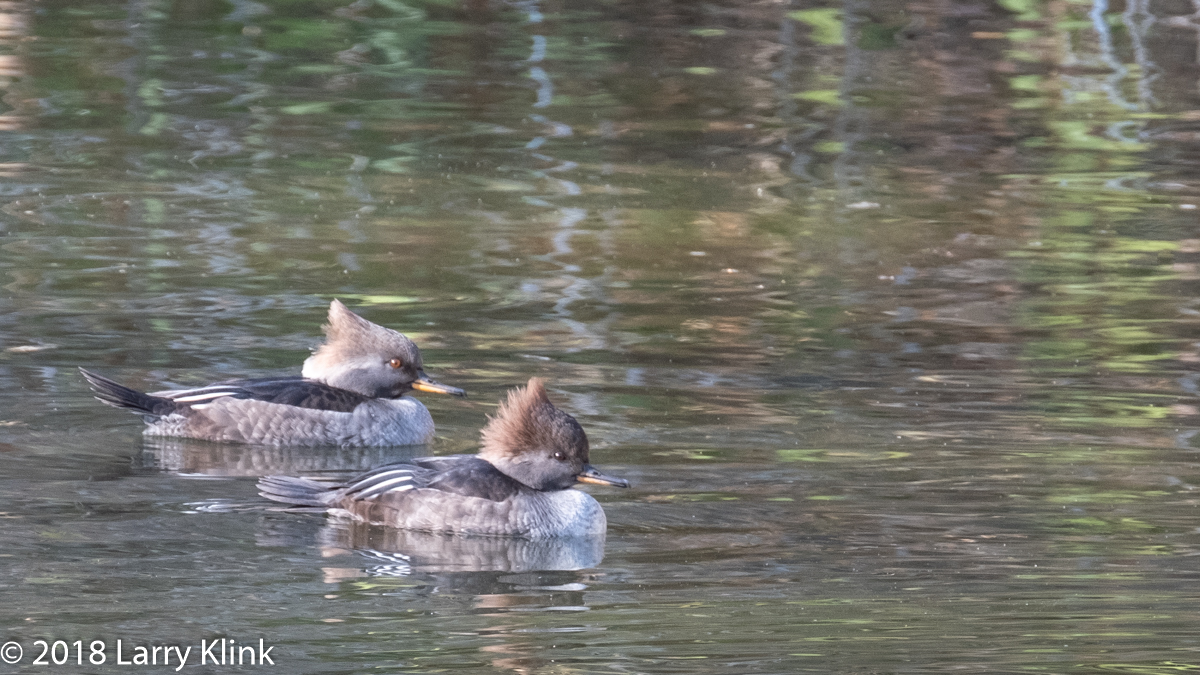
I regularly take long walks at different sections of the American River Parkway between Folsom and Fair Oaks. At one spot, along Lake Notomas, there is a small pond tucked back but alongside the bike trail. I never know what I am going to find. Last week, I was treated to what is a rare site to me – some hooded mergansers. Their cousins, the common mergansers, stick around all year. I often see belted kingfishers and acorn woodpeckers in that area also.
Acorn Woodpeckers are ubiquitous in this area. For those of you who aren’t familiar with them, their behavior is different from most other woodpeckers. They find acorns and pound them into holes in dead trees. When they can’t find a hole, they make one. Later, they come back and eat them – if the squirrels and other wildlife don’t get them first.
Regards,
Larry
Please click on caption to see image at higher resolution
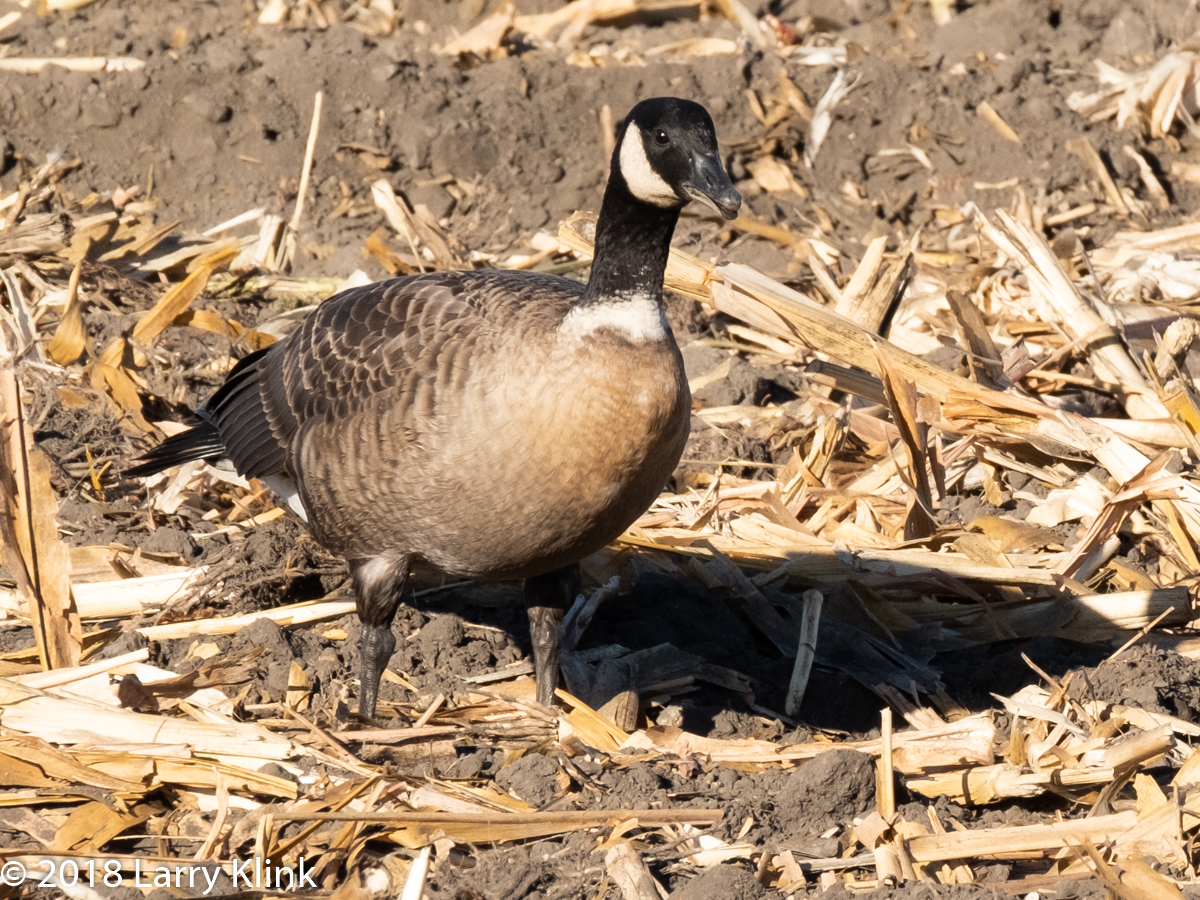
A couple of weeks ago, I went to photograph sandhill cranes. While there, I saw what I thought was Canada Geese. They seemed a bit unusual though, they were darker in color and instead of a handful, there were hundreds. I took a few images and thought little more about them. I stopped to talk to a person that led a tour I once took. I mentioned the geese. He told me they were not Canada Geese, they were Cackling Geese. I knew that several years ago, the powers that classify birds, split Canada Geese into 2 separate species: Canada and Cackling. All I ever knew was that the cackling geese were smaller. This person told me that there were other indicators: most have a white ring at the base of their dark neck and their call is more of a cackle than the honk of the Canada Goose; thus their name. So, it was a great experience. I learned something that will help me in the future. By the way, this was the Aleutian subspecies migrating to California’s central Valley from Alaska. They’ll start their trip back in January.
Please click on caption to see higher resolution image.
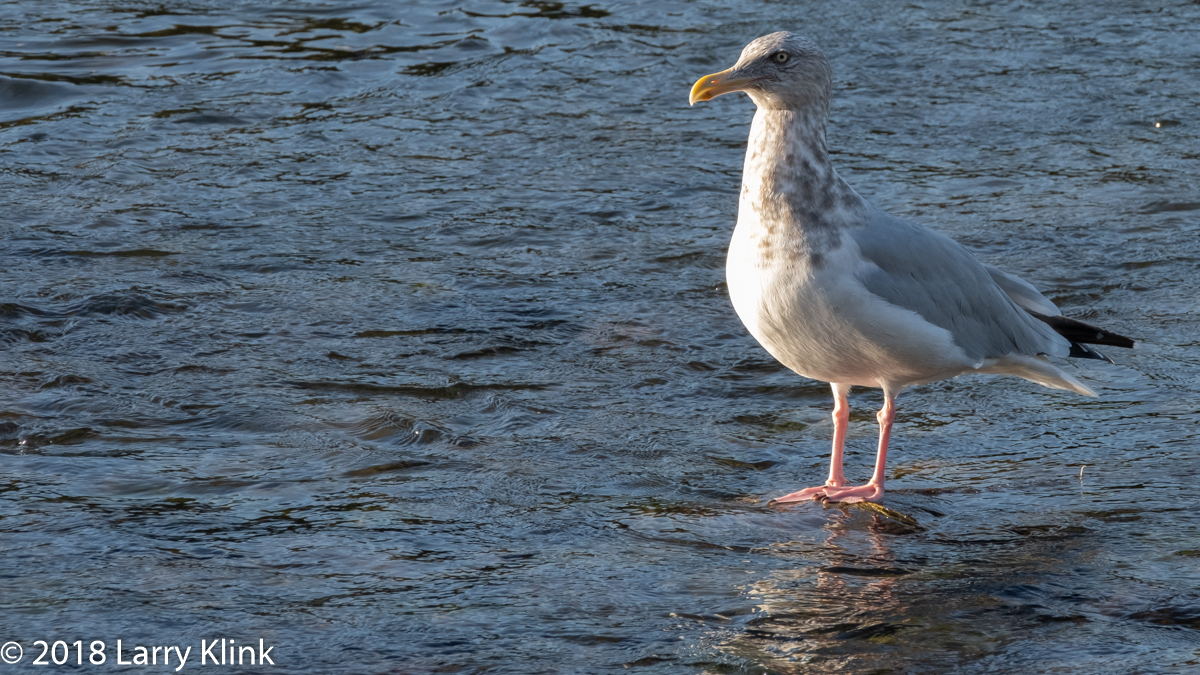
In November and December, the chinook or king salmon migrate from the ocean into the American River. The salmon breed and die. So, along with the salmon, the population of gulls and Turkey Vultures rise greatly. I assumed that what we see are California Gulls. After all, a gull is a gull. What I learned is we also get Herring Gulls. Both are white with a gray mantle, back and wing feathers. The California Gull is a noticeably darker gray, the Herring Gull is medium gray. The California Gull has yellow legs, dark eyes and a black spot on his bill; sometimes there is both a black and red spot. The Herring Gull has pink legs, yellow eyes and a red spot on his bill. Some of those colors change with the winter molt. I understand we also get the ring billed gull but I haven’t seen one.
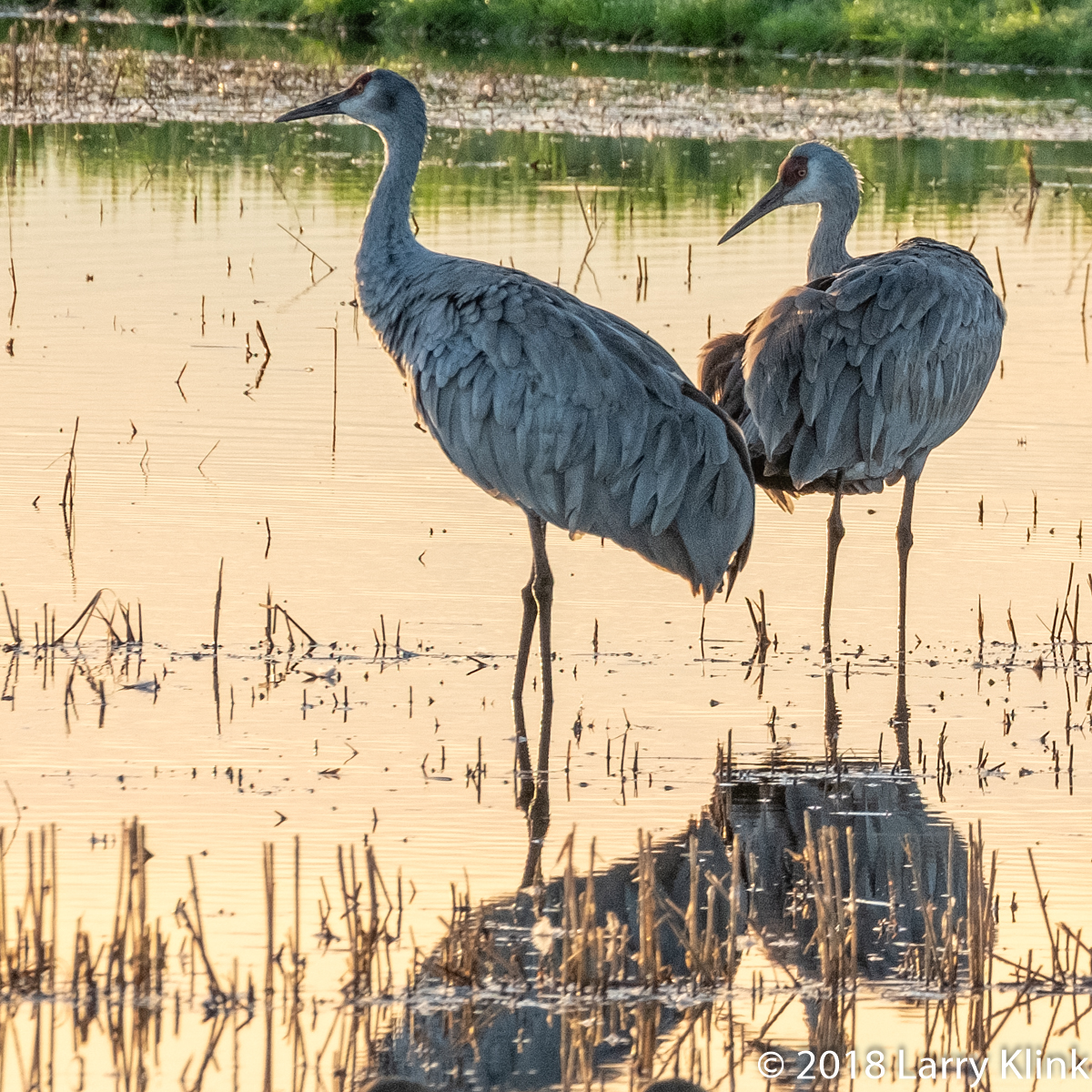
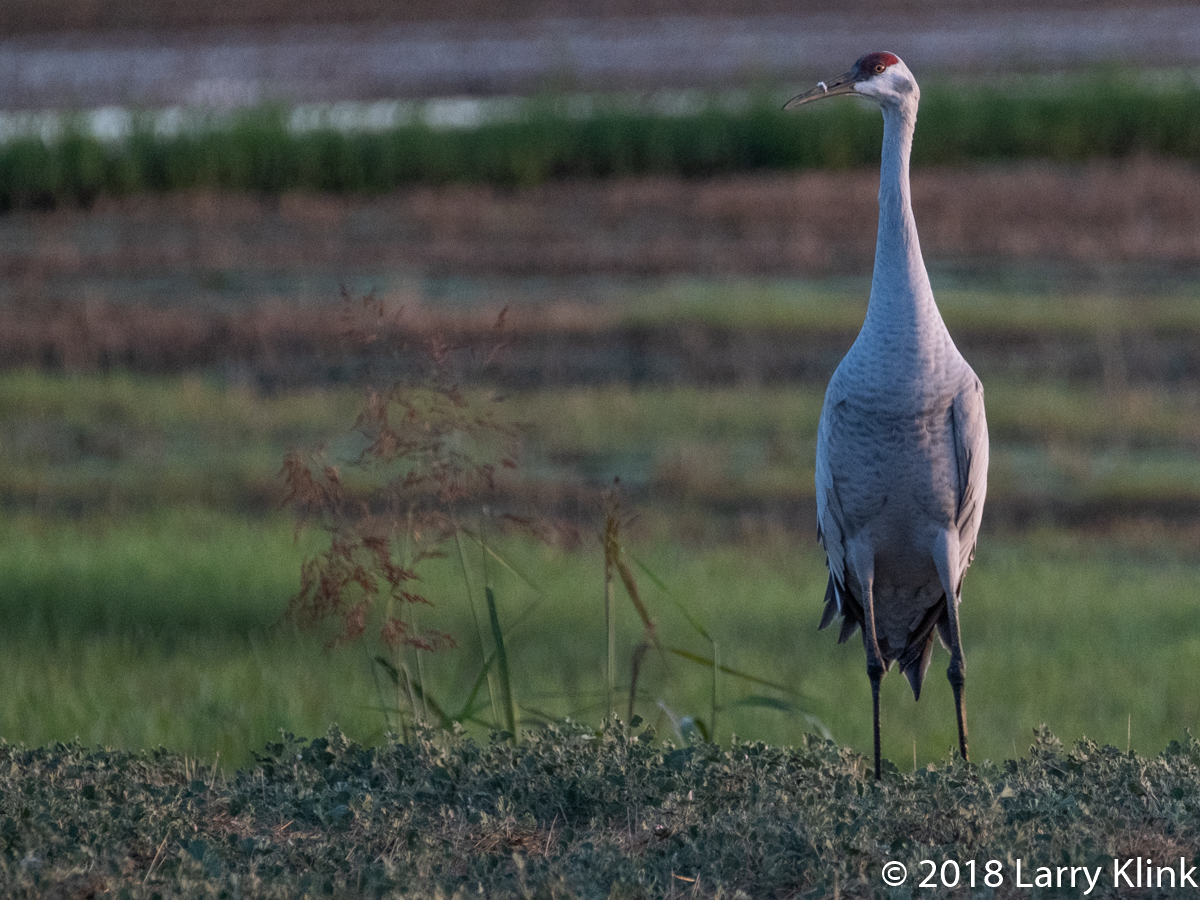
Sandhill Cranes populate much of the North America. But here, around Sacramento, we live along the Pacific Flyway; one of the primary migratory paths for birds heading to their wintering spot. One of the treats is that we attract large numbers of Sandhill Cranes who spend their nights in flooded rice fields and their days foraging in fields of cut grasses and grains.
Note: Please click on caption to see images at higher resolution.

















 Earthwatcher