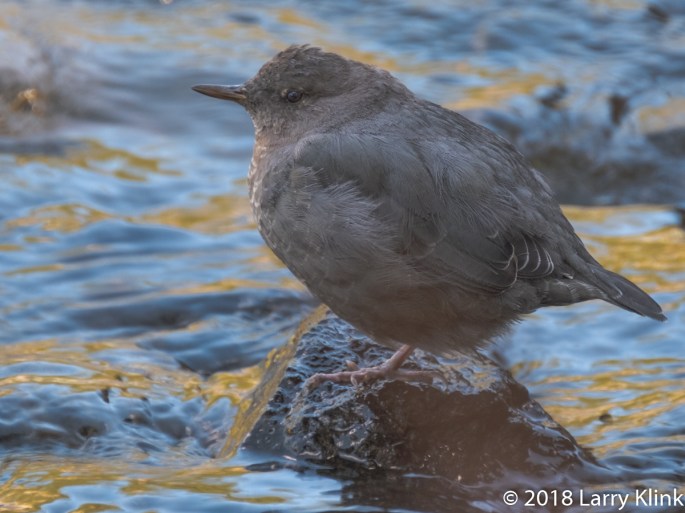
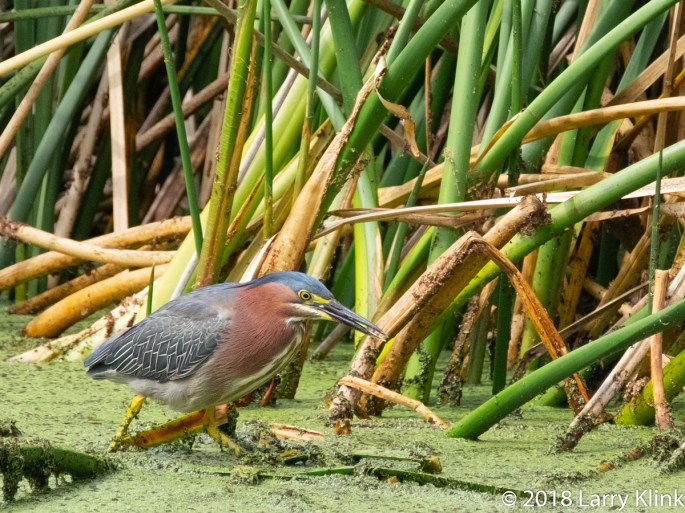
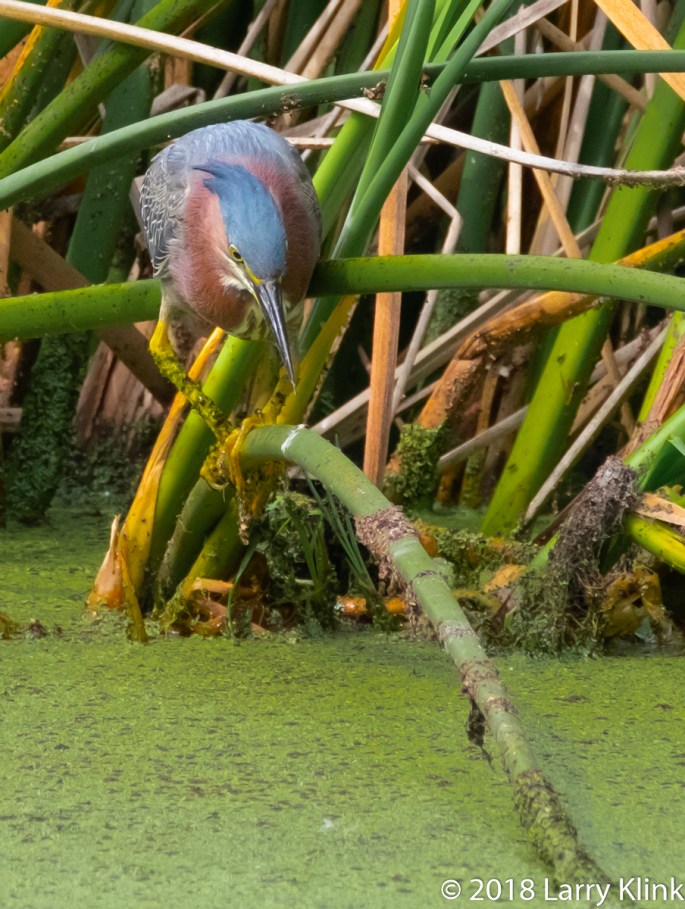
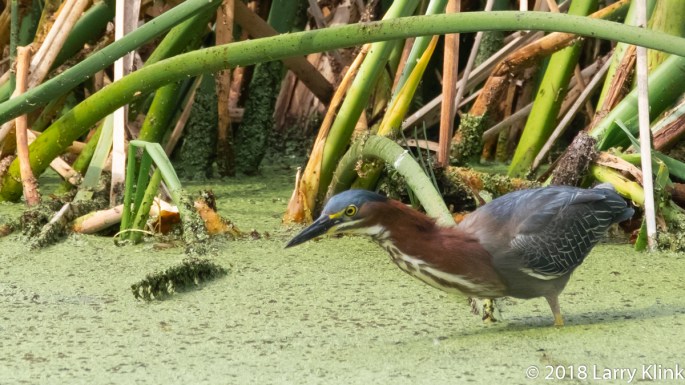
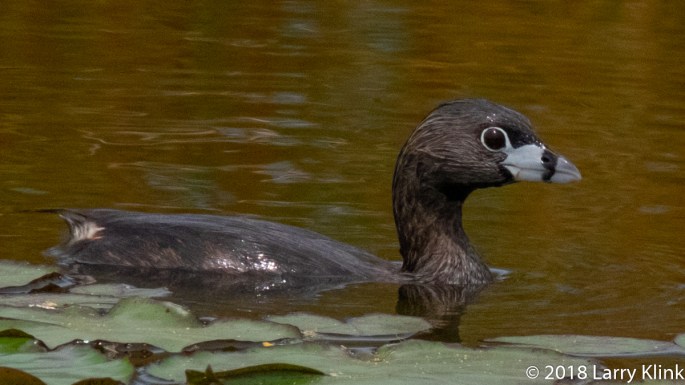
This week, I was blessed to be able to observe and photograph a green heron for 10 minutes. I see green herons from time to time but only one other time did I see one long enough to take a photo and one shot was all he gave me. This colorful bird is much smaller than its more familiar cousin, the Great Blue Heron. Why it is called the green heron, I do not know. I only see gray, blue, chestnut red and yellow. Regardless, they are beautiful. I hope you enjoy these images.
Regards,
Larry.
Note: Click on caption to see image at larger size and greater resolution
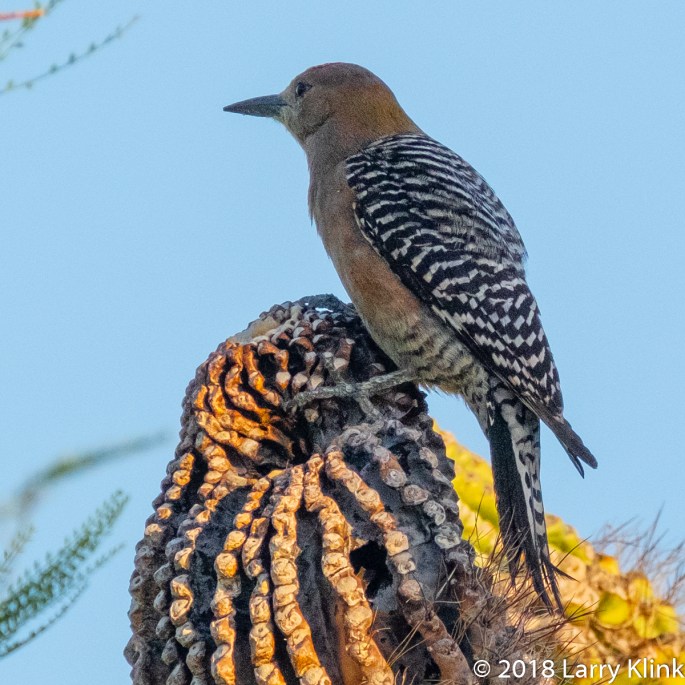
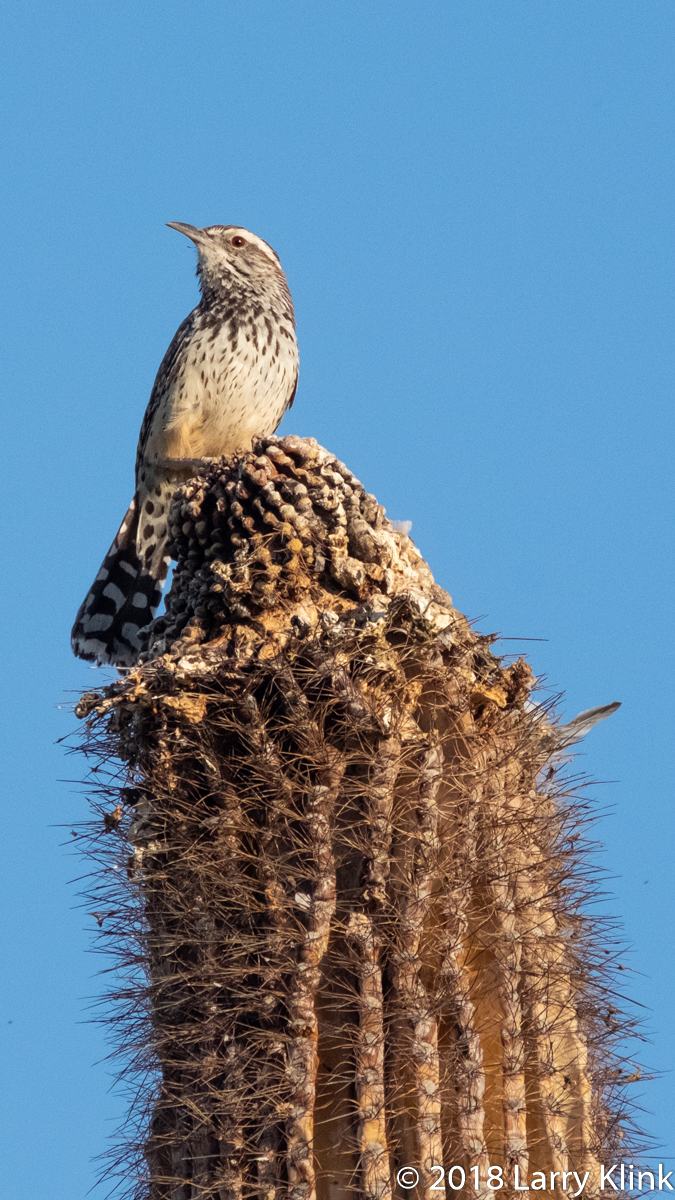
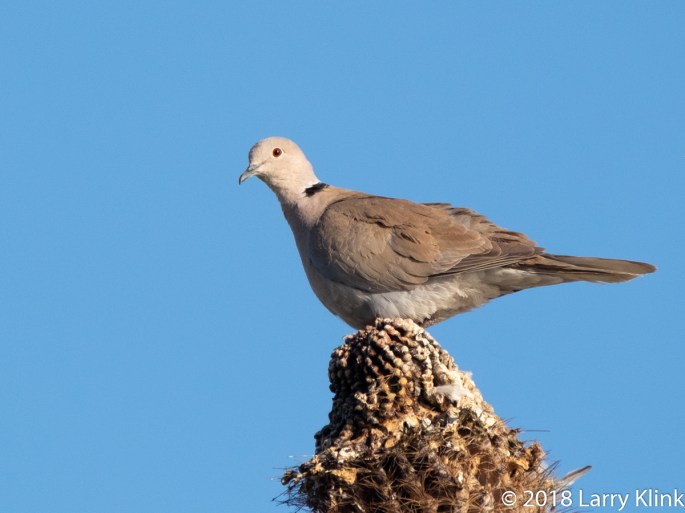
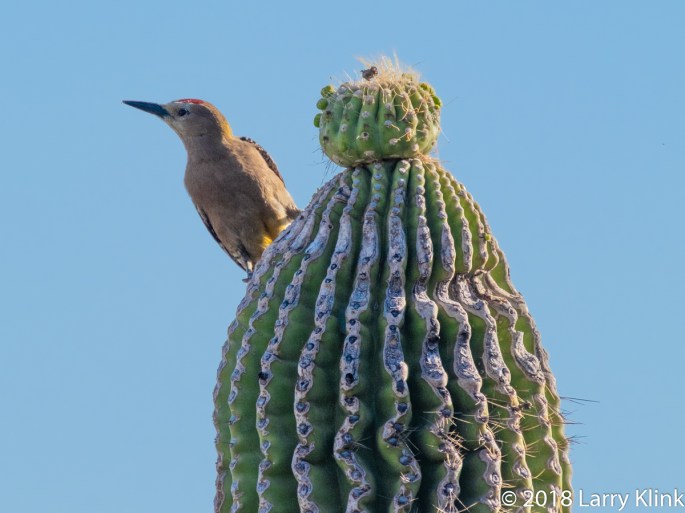
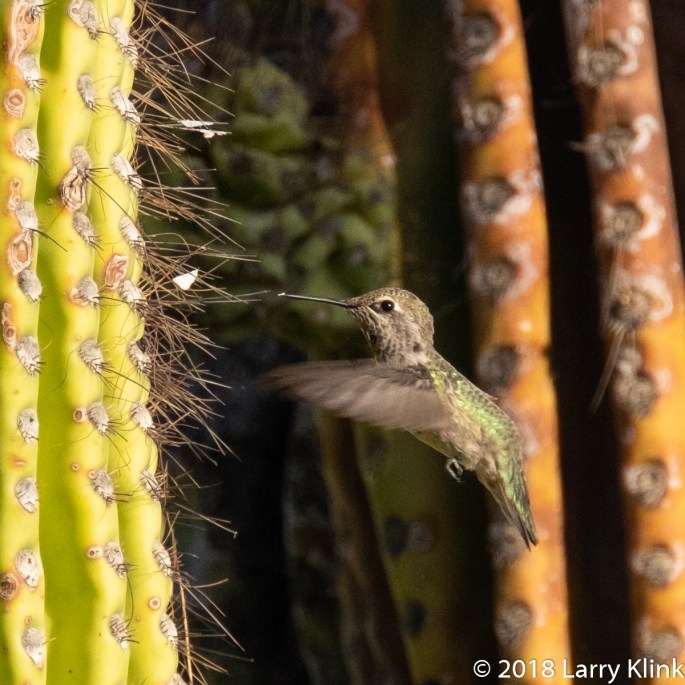
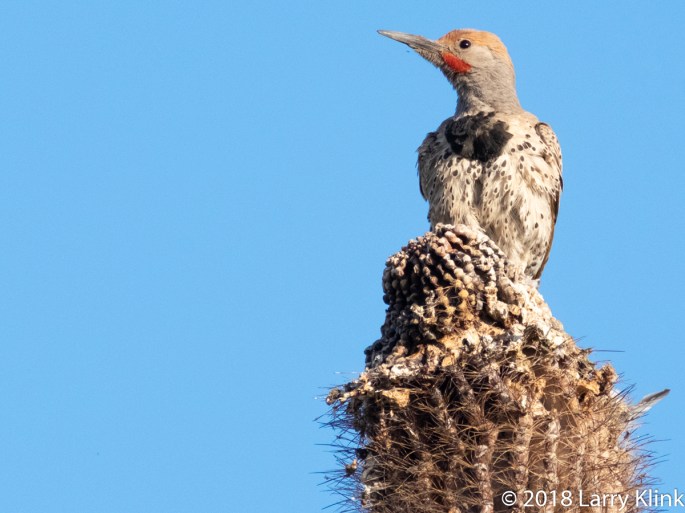
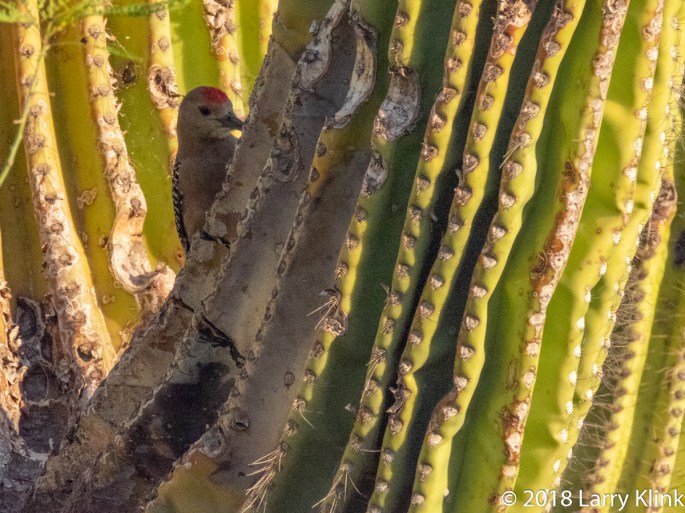
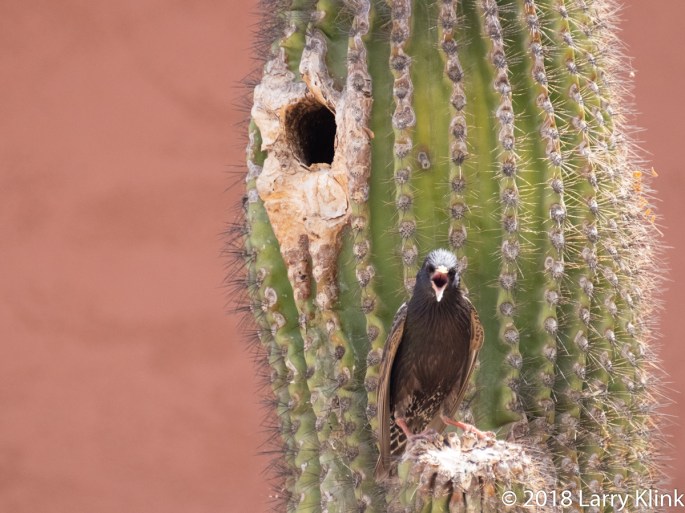
I visited Phoenix, AZ recently. I stayed at a beautiful place at the foot of South Mountain. The place had a patio that overlooked the city and at the corner of that patio was a large saguaro cactus. The mornings were beautiful, so I sat on the deck and watched the birds as they visited the cactus. Here is some of what I saw.
The starling was not taken on the same cactus. It was sitting outside its nesting hole on a cactus at another location.
Note: Click on caption to see image at a larger size.
A few days ago, I shared some images of the less common sightings at these 2 major refuges on the Pacific Flyway. But, the usual suspects were there also. Today, I will share a few images from this set.
Regards,
Larry
Note: Please click on caption to see image in larger size.
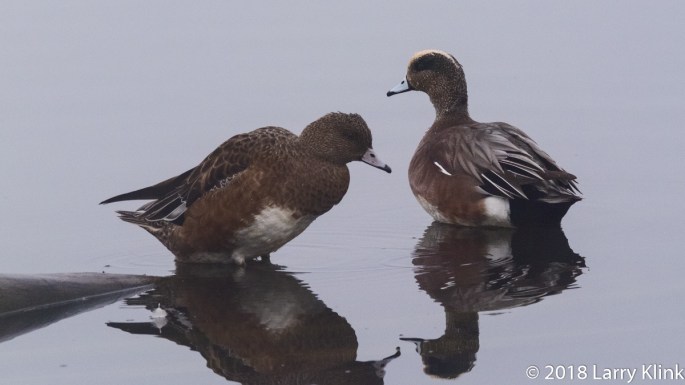
Our visit to the Sacramento and Colusa National Wildlife Refuges found us in fog an low light. These conditions make photography more difficult but also present some interesting opportunities for unique and special images. Additionally, on this visit, we were treated to some birds that we don’t normally see. I hope you enjoy these images.
Regards,
Larry
Note: Please click on caption to see image in larger size.
No, not government agents vs. protestors. On Jan 7th, Donna and I visited the Sacramento National Wildlife Refuge near Willows, CA. The highlight of the trip was a standoff between a peregrine falcon, a gull, and a Turkey Vulture. The falcon was standing guard over a female mallard. It was not clear if he brought it down himself or found it. Regardless, he was guarding his prize. The first interloper was the turkey vulture. He made some strafing runs at the falcon and was able to drive him off for a short period of time, but the falcon eventually prevailed. The second interloper was a gull, possibly a herring gull. It was a lot more reticent. It mostly stood watch while the falcon ate. But, he did try one attack. The falcon would have nothing of it and expressed his displeasure. In the end, the falcon consumed his meal while the vulture and gull looked on. We left before any battle over the leftovers ensued. There wasn’t much leftover to fight about.
Regards,
Larry
Note: Click on caption to see image in larger size.
I am mashing together 2 different subjects in this post: Aurora Borealis and the interaction of icebergs with each other and with the avian life that inhabits them. I hope you enjoy these images.
Regards,
Larry
Note to see these images in larger size and higher resolution, please click on caption.
A few weeks ago, we spent an evening and early morning at Yosemite. Water was running everywhere. The Merced River was a raging snake of whitewater. The granite cliffs of Yosemite are amazing anytime but, when they are covered with ribbons of water falling 3,000 feet, it is really amazing.
I hope you enjoy these images.
Regards,
Larry
Note: Click on caption to see image at larger size.
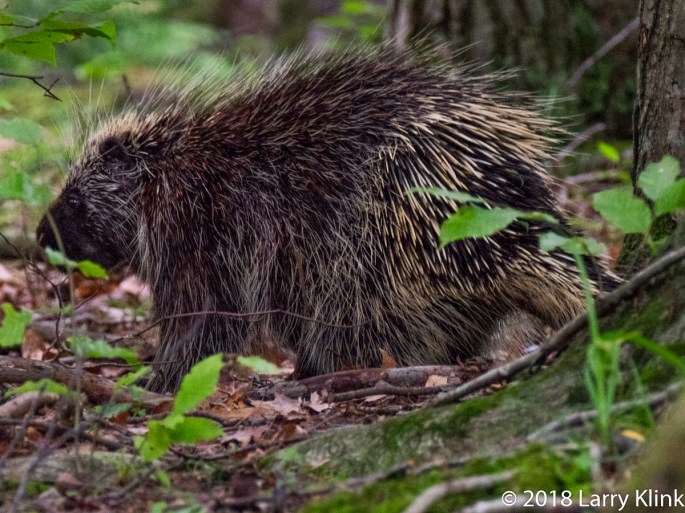
I want to share a few images from some recent walks around the American River Parkway near Folsom, CA. I’ve also included one from Oak Alley Plantation near New Orleans. Nature provides some beautiful creatures for us to appreciate. I hope you enjoy these few.
Regards,
Larry
Note: Click on caption to see image at larger size.
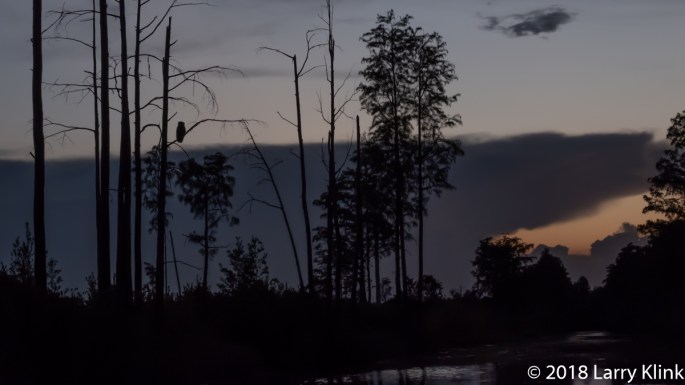
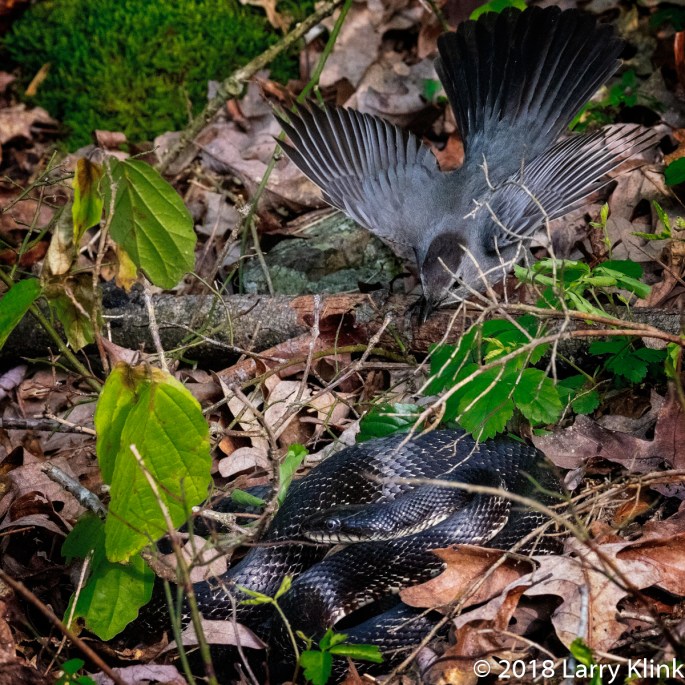
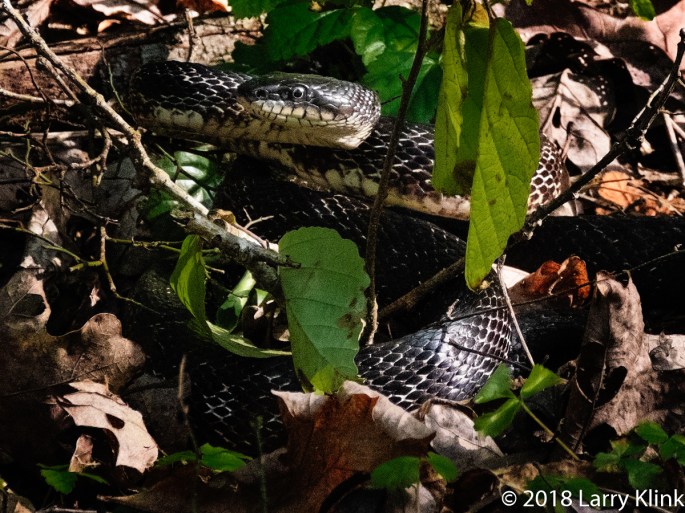
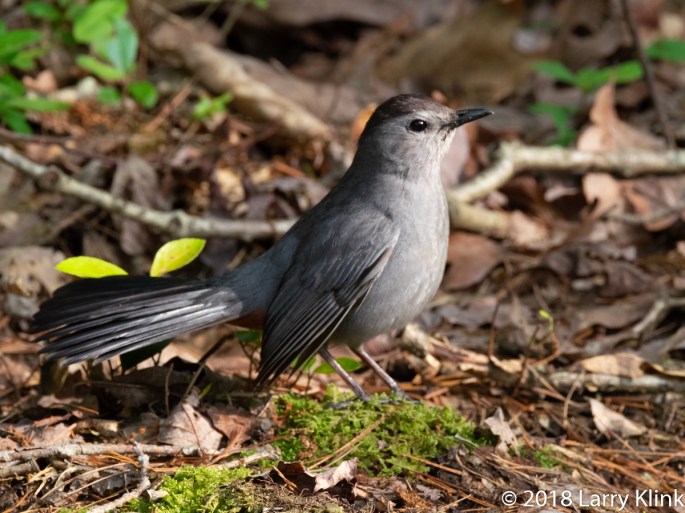
On a recent road trip, we got to see a number of interesting birds that we don’t get to see here in California. We also got to see some of the usual suspects.
Here are some interesting tidbits:
The typical vulture we see in the US is the Turkey Vulture. While the black vulture has a gray head, the turkey vulture  has a red head. The black vulture is found in southeastern US.
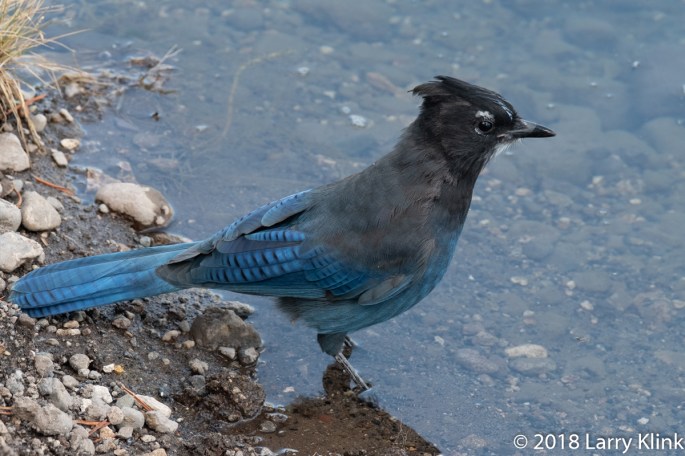
The blue jay is found in the eastern half of the US. In the west, we have the scrub jay. The stellar jay and the gray jay are found in areas of the west with cooler temperatures.
Here are images of some of those birds. I hope you enjoy them.
Regards,
Larry
Note: To see the images at a larger size, please click on bird name.