If anyone would like a copy of almost any picture in my library, for educational or research use, please contact me and I will happily share a digital copy with you.
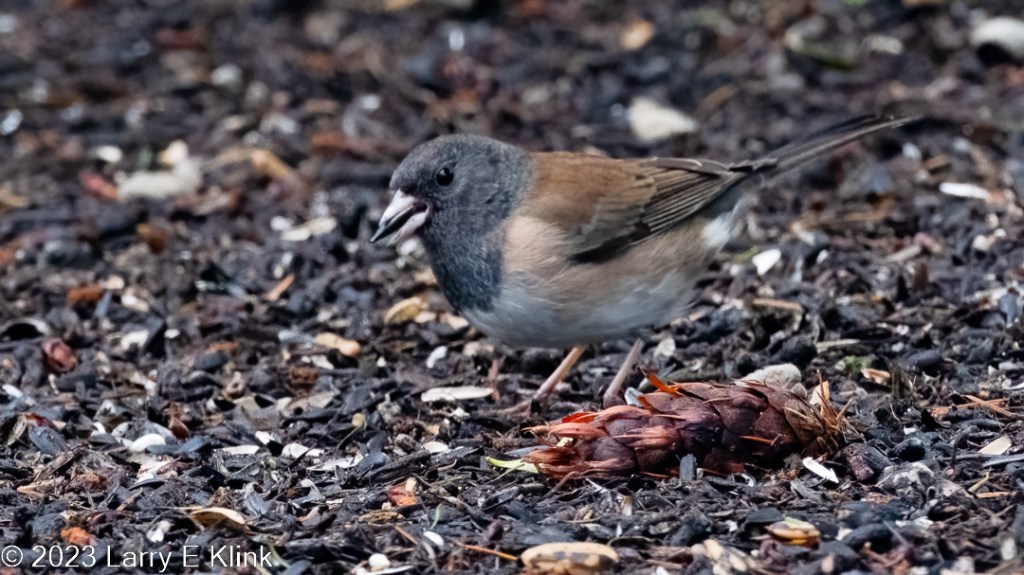
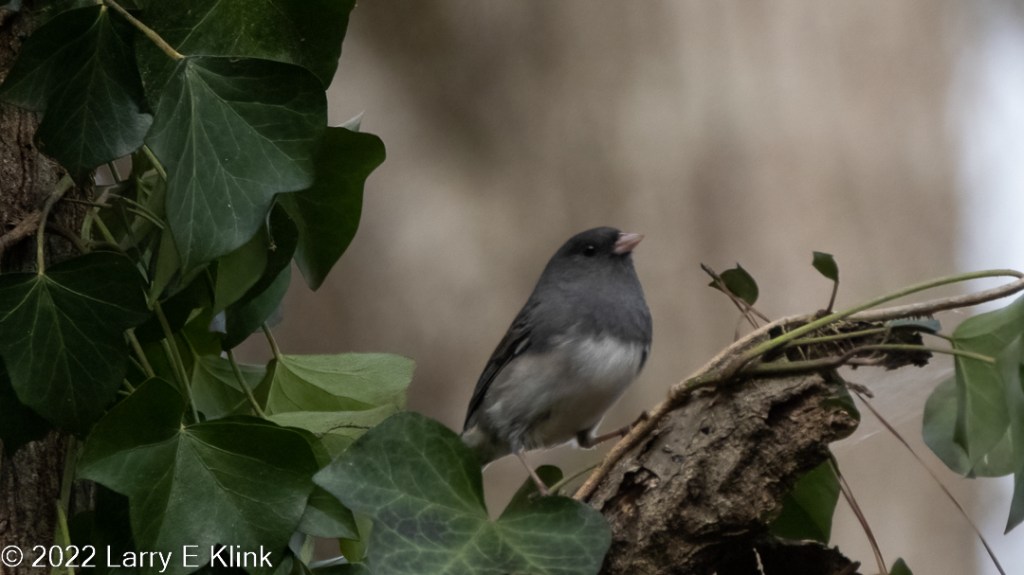
There are 2 subspecies of the Dark-eyed Junco: Slate-gray and Oregon. You can see the difference in their pictures. During the winter migration, the Slate-gray subspecies ranges across the continental USA while the Oregon subspecies is primarily in the western half of the continental USA. They are primarily ground feeders.
We visited Seattle over the Christmas holiday period, and I was excited to see the Oregon birds. Here in the Atlanta area, we see the Slate-gray birds. The Oregon birds were winter residents in our Sacramento backyard when we lived there. I think the Oregon bird is prettier, but I really like them both.
There is an interesting evolutionary change happening to some Oregon Juncos. Some of the birds have given up life in the boreal forests and have settled full time in Southern California. Scientists are studying them to determine why. I think I’d make that choice too.
Please click on caption to see images at higher resolution!
Please visit my website, www.earthwatcher.us to see my collection of landscapes and wildlife.
If anyone would like a copy of almost any picture in my library, for educational or research use, please contact me and I will happily share a digital copy with you.
I’m sharing these pictures because of an interesting relationship.
I took the image of the Spotted Owl about 9 years ago. I believe it is especially poignant because the owl is on a Coastal Redwood.
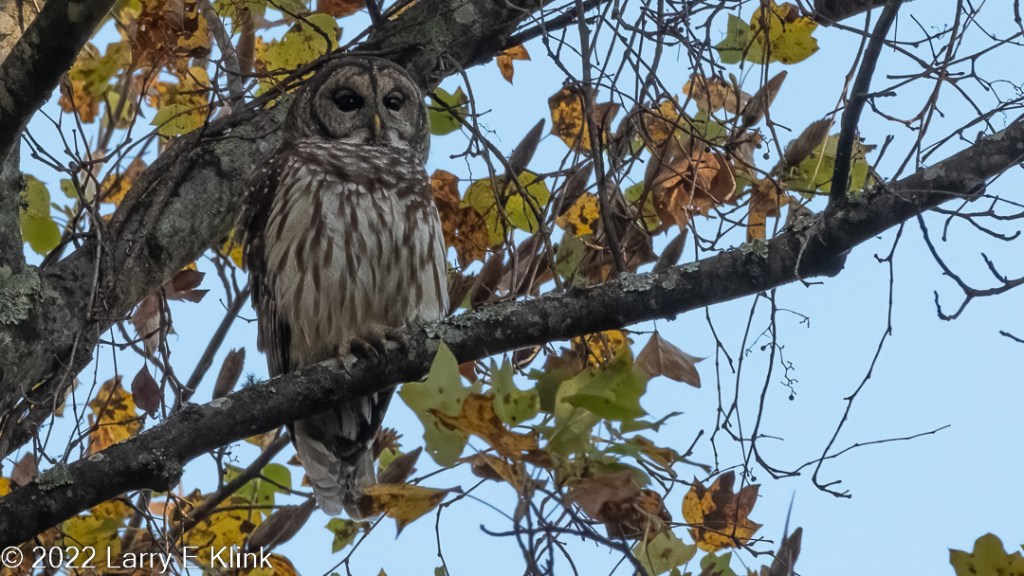
This Owl was placed on the endangered species act in 1990 because of habitat loss. It lives in old growth forests like the coastal redwoods of California and Oregon. It sparked a battle between conservationists and the US Government against Loggers who wanted the right to log old growth forests. The Spotted Owl and its habitat won the battle. However, the Spotted Owl may be losing the battle; its numbers have not grown since it was placed on the endangered species list. One possible culprit is the Barred Owl; is encroaching on the Spotted Owl’s habitat and driving it out.
Notice how similarly they look.
Please click on caption to see image at higher resolution.
If anyone would like a copy of almost any picture in my library, for educational or research use, please contact me and I will happily share a digital copy with you.
If anyone would like a copy of almost any picture in my library, for educational or research use, please contact me and I will happily share a digital copy with you.
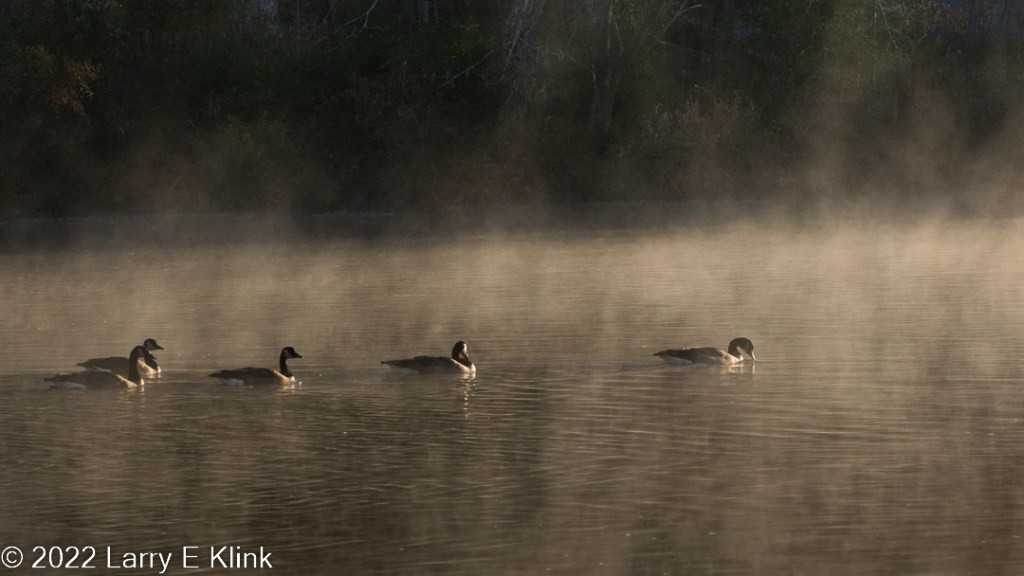
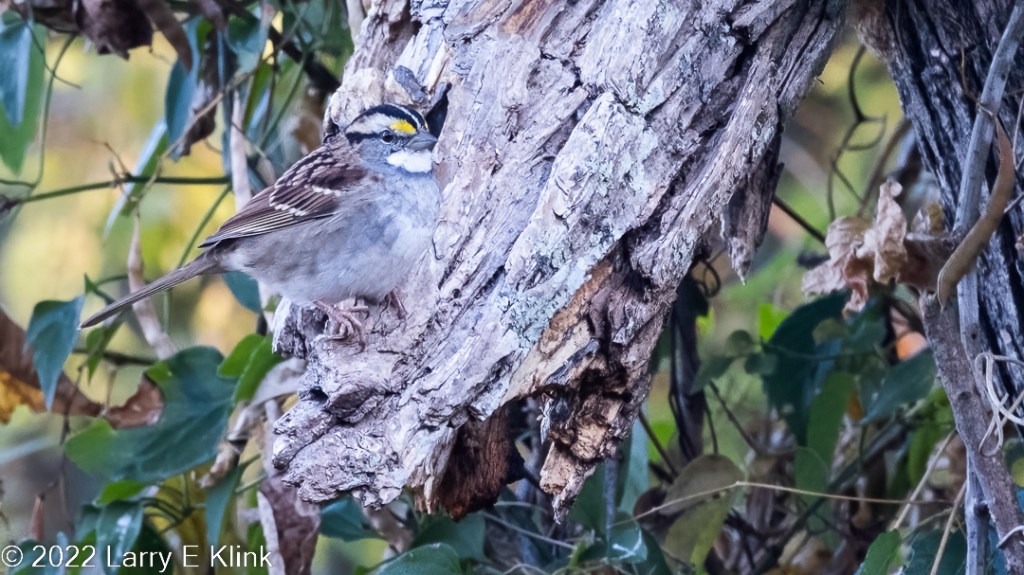
These birds are primarily from 2 locations: Beave Lake Bird Sanctuary in Asheville, North Carolina and Big Creek Greenway in Alpharetta, Georgia.
We stopped in Asheville to visit a friend but made our first, early morning stop, at Beaver Lake Bird Sanctuary. It’s a neat little wetland with a boardwalk meandering through it. We enjoyed it a lot.
The Big Creek Greenway is a 10 mile paved trail along Big Creek. Great place to walk; plenty of birds and deer.
Please click on caption to see image at higher resolution.
If anyone would like a copy of almost any picture in my library, for educational or research use, please contact me and I will happily share a digital copy with you.
A couple of weeks ago, we visited the Beaver Lake Bird Sanctuary in Asheville, North Carolina. It was a lovely place with a board walk that meandered through a wetland. While there, a Great Blue Heron gave us the opportunity to watch it hunt and capture breakfast. I created a time lapse so I could share it with you.
If anyone would like a copy of almost any picture in my library, for educational or research use, please contact me and I will happily share a digital copy with you.
If anyone would like a copy of almost any picture in my library, for educational or research use, please contact me and I will happily share a digital copy with you.
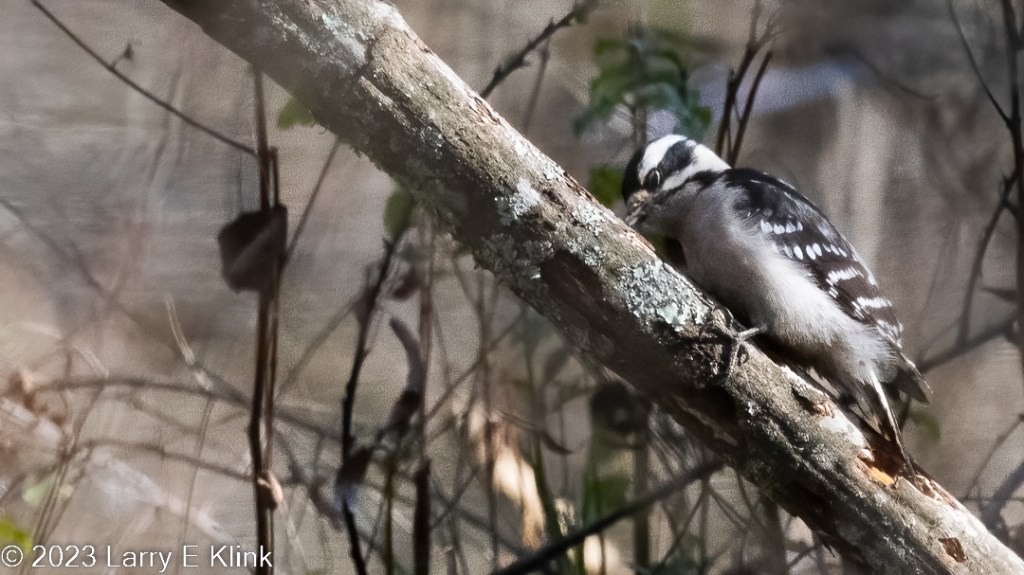
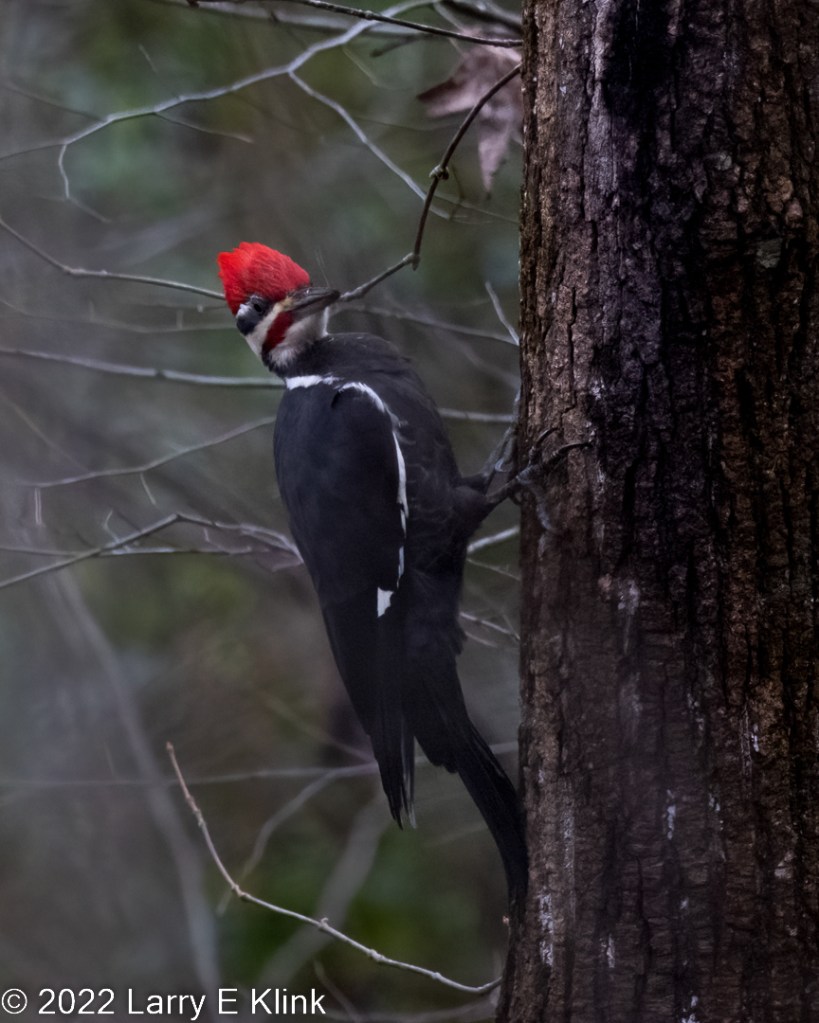
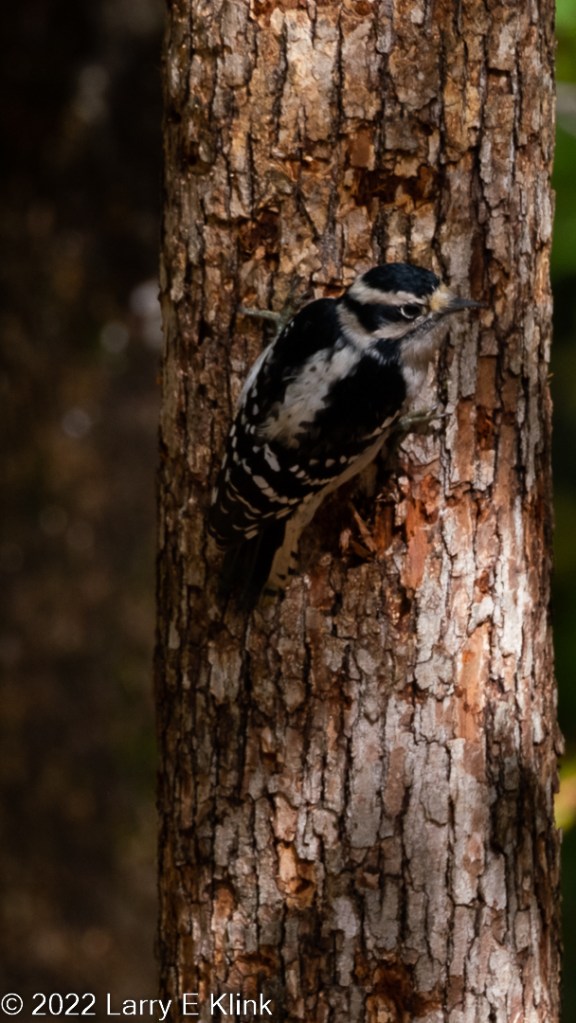
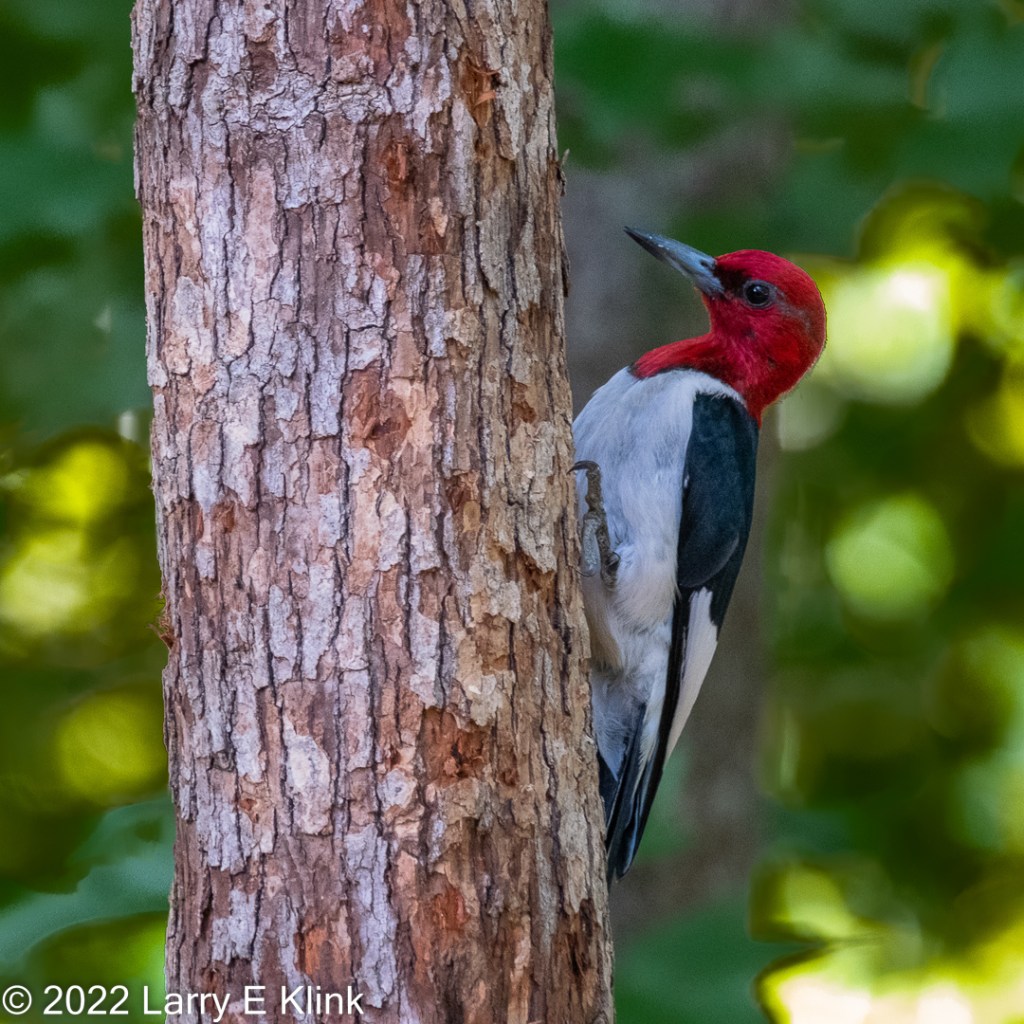
Since moving to Georgia, we’ve been visited by a variety of woodpeckers. We had a variety in California also but the only one in common is the Downy Woodpecker.
Though I’ve seen the Yellow-bellied Woodpecker here, I had to use an older picture from Florida because the one I got here wasn’t so good. Note the rings of holes on the tree trunk. Sapsuckers peck in rings around the tree trunk. If you see those rings, you know a Sapsucker has visited it.
The male and female Pileated Woodpecker looks almost identical but the male has a red patch above its beak.
The Downy and Hairy woodpeckers look nearly identical except that the Hairy is considerably larger and its beak is nearly as long as its head. The males of both species have a red patch on the back of their head.
Please click on caption to see image at higher resolution.
If anyone would like a copy of almost any picture in my library, for educational or research use, please contact me and I will happily share a digital copy with you.
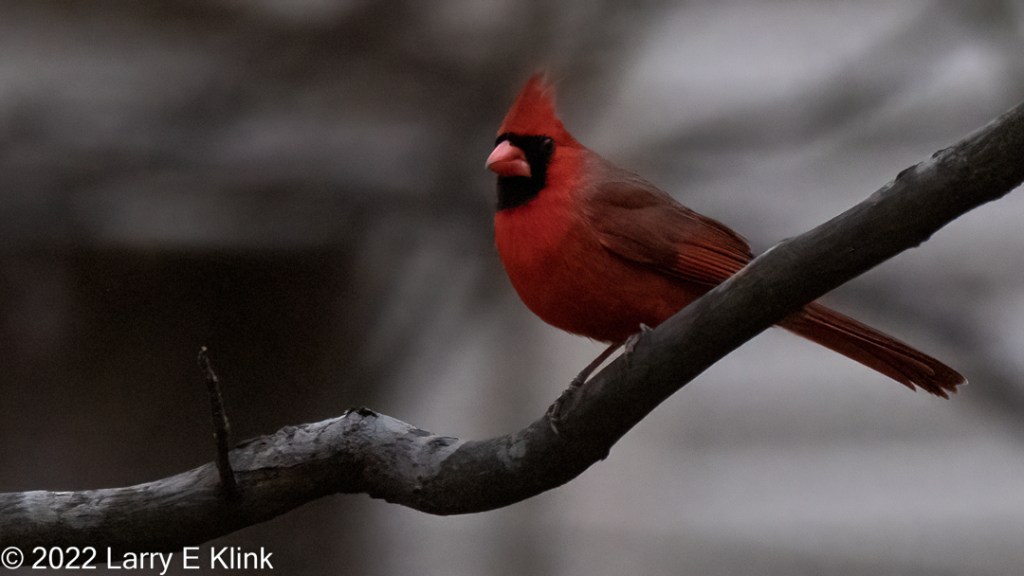
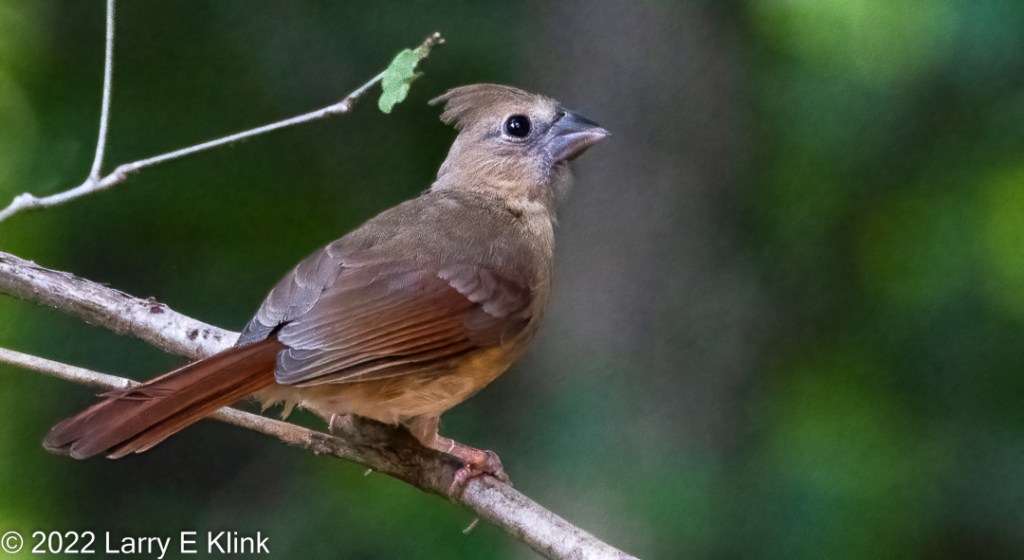
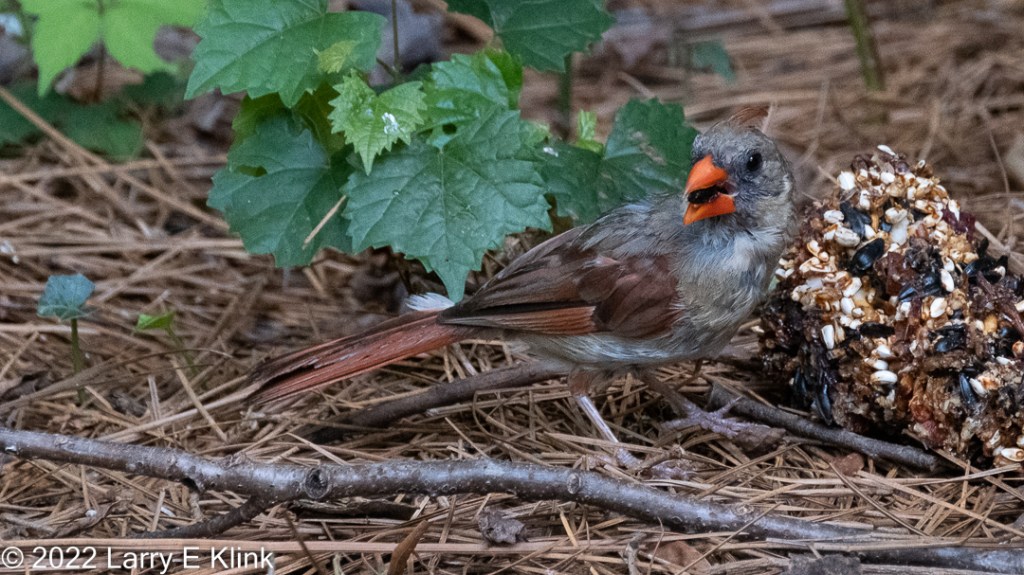
To me, few birds are as handsome as the bright red male Northern Cardinal. The female whose coloration is not so bright and bold, is quite beautiful also. Recently, I was able to watch and photograph a juvenile. I watched as the male fed the young one. I also found a Cardinal that was molting. My 9-year-old granddaughter said it looked like it was having a bad hair day. I told her that she was on the right track and explained what molting is all about.
Please click on caption to see image at higher resolution.
If anyone would like a copy of almost any picture in my library, for educational or research use, please contact me and I will happily share a digital copy with you.














 Earthwatcher