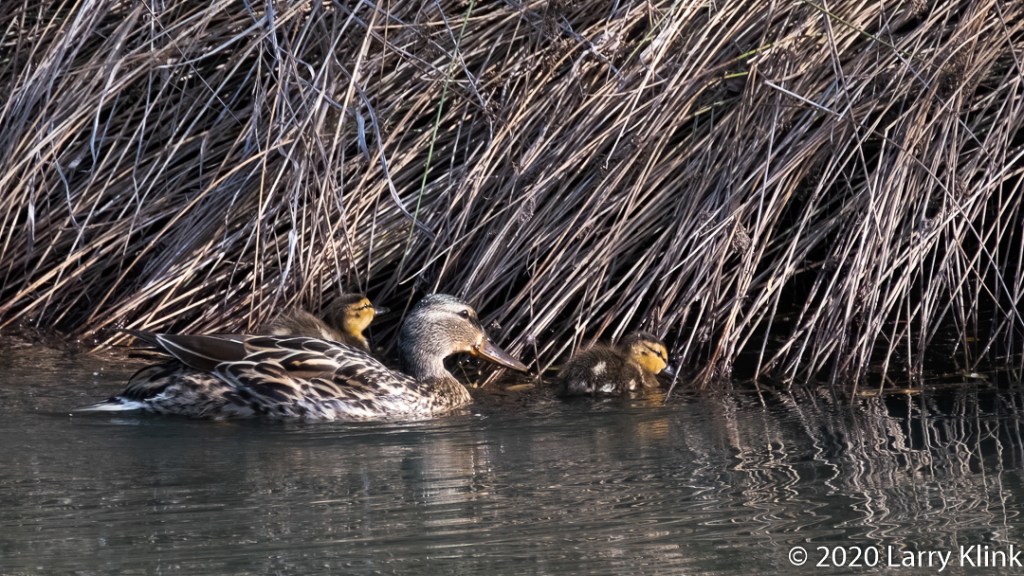
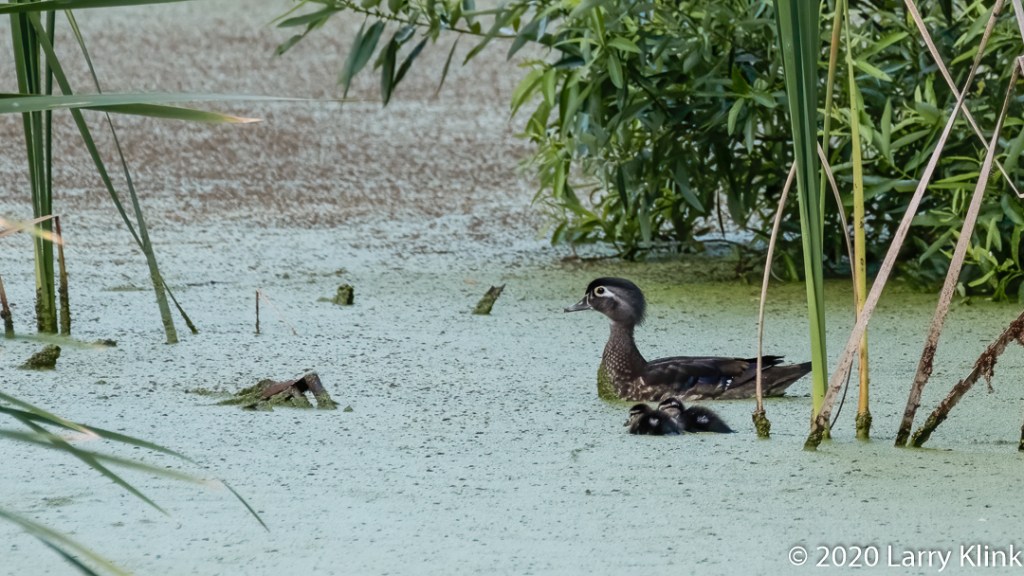
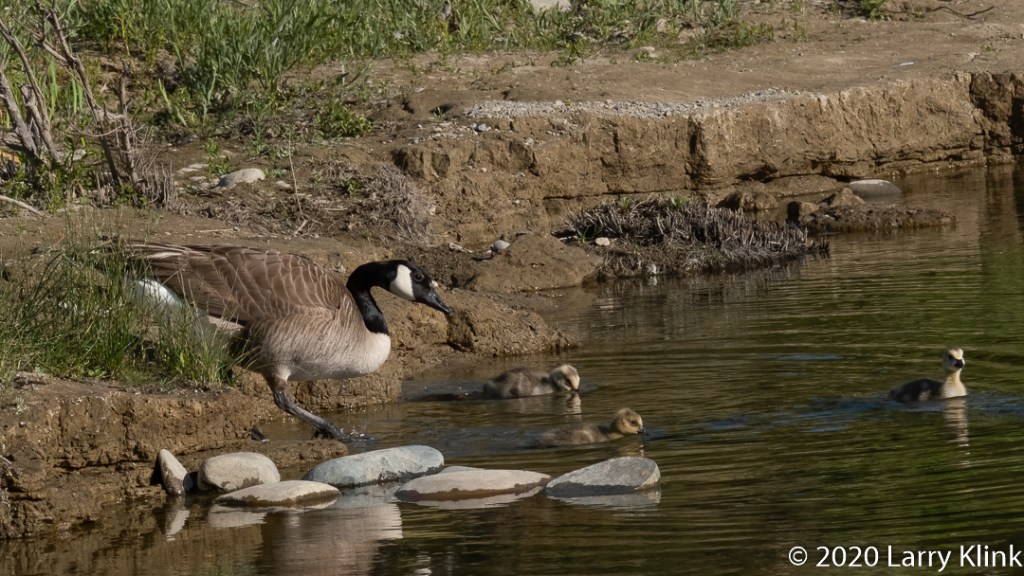
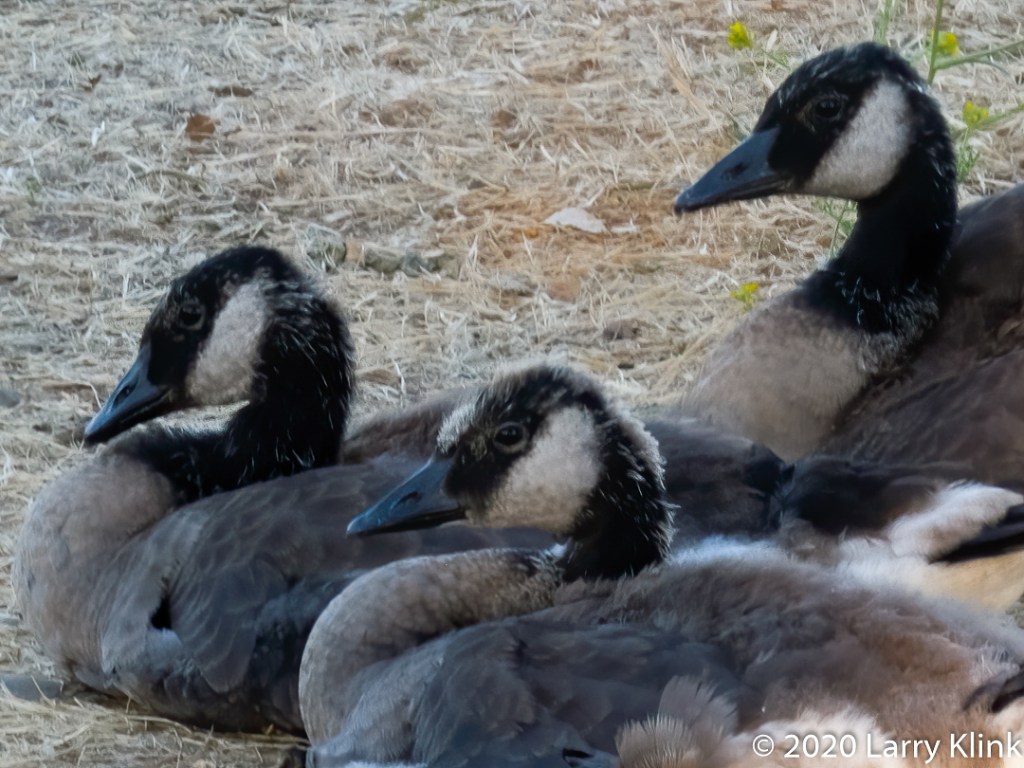
I am presenting the first of 2 parts entitled Cute Chicks. This part will present some local waterfowl.
One of the images is entitled Huddled Sord of Baby Mallards. I learned that a group of Mallards in flight is called a flock or sometimes a flight. Mallards on the ground are called a SORD. If the name sounds weird, it is because it appears to have no other uses.
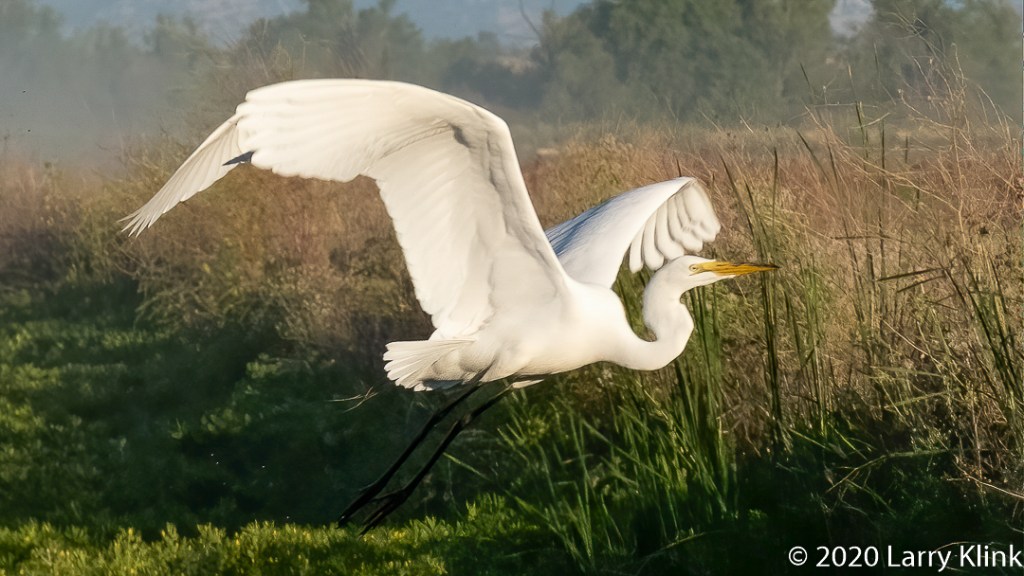
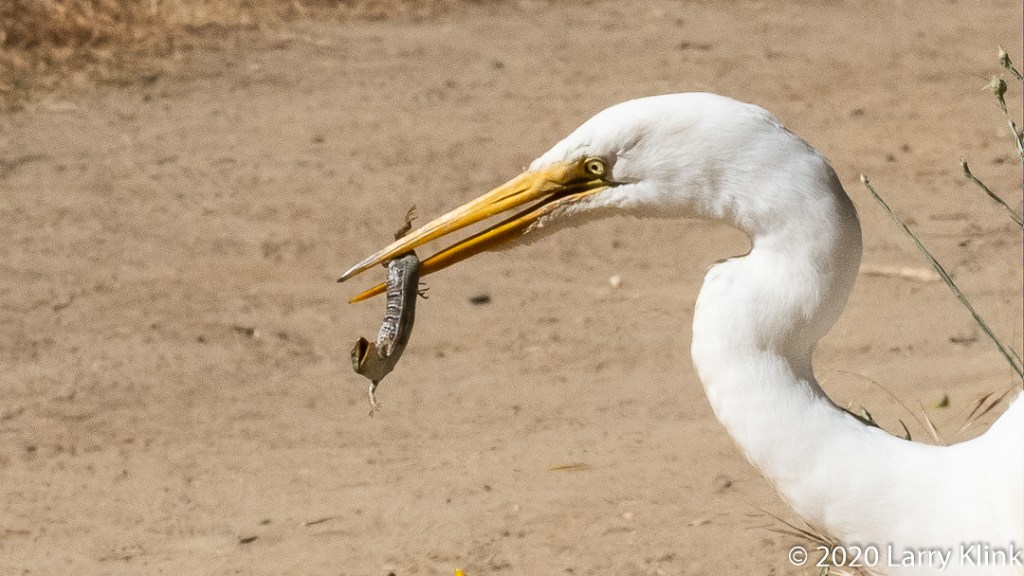
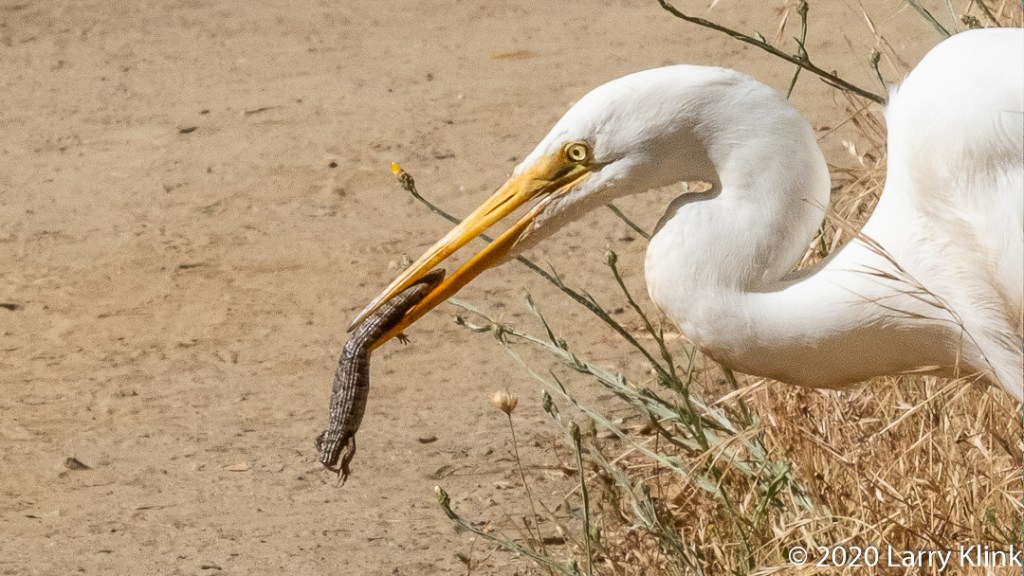
In this post, I am presenting 2 perspectives on the egret: the graceful, beautiful side and the visceral side.
A few weeks ago, we were at the Yolo Bypass Wildlife Refuge in Davis, CA. In one of the sloughs, there were perhaps a dozen Egrets, both Snowy Egrets and Great Egrets. It turned out to be a great day for capturing them in flight.
Please click on caption to see image at higher resolution.
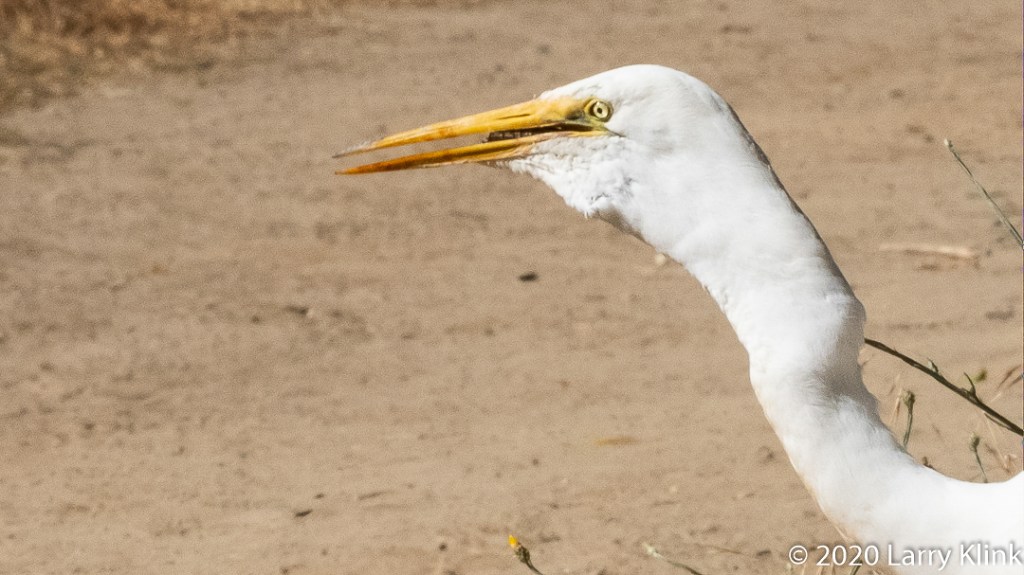
The lizardicide, killing of a western fence lizard for food, happened at Effie Yeaw Nature Center. It was fascinating to watch. The actual capture was done in tall grass under the shade of a tree. After capture, the Great Egret made a short hop/flight out to the trail then prepared to devour his prey. The intrepid little lizard put up a strong fight but, in the end, it succumbed.
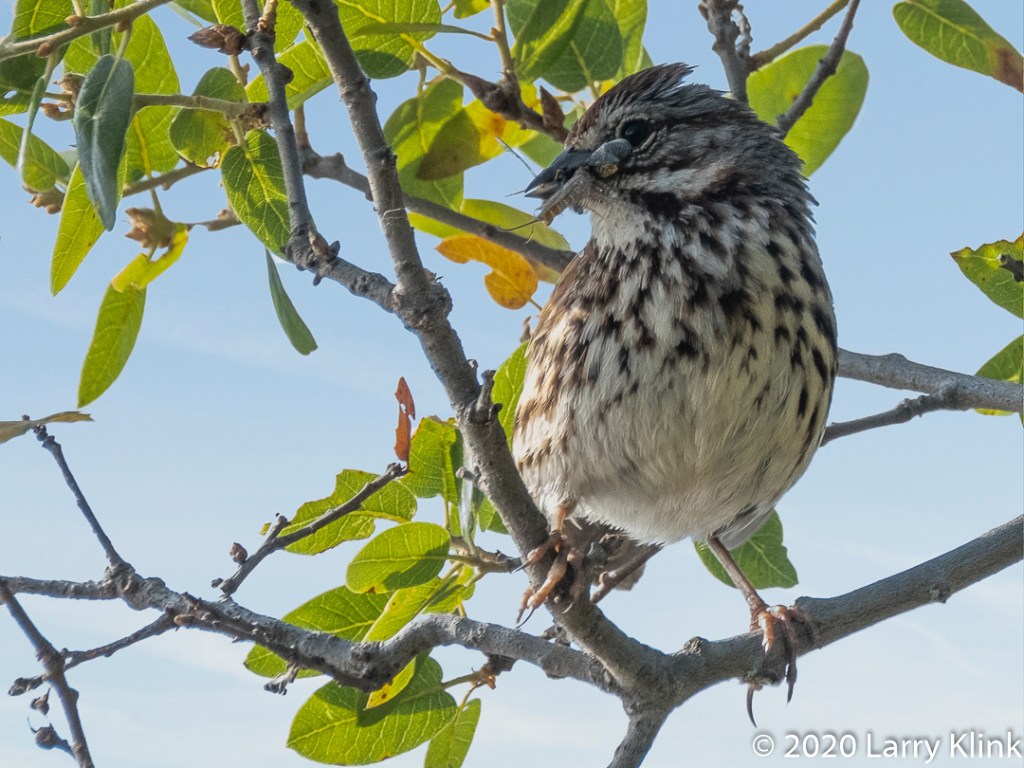
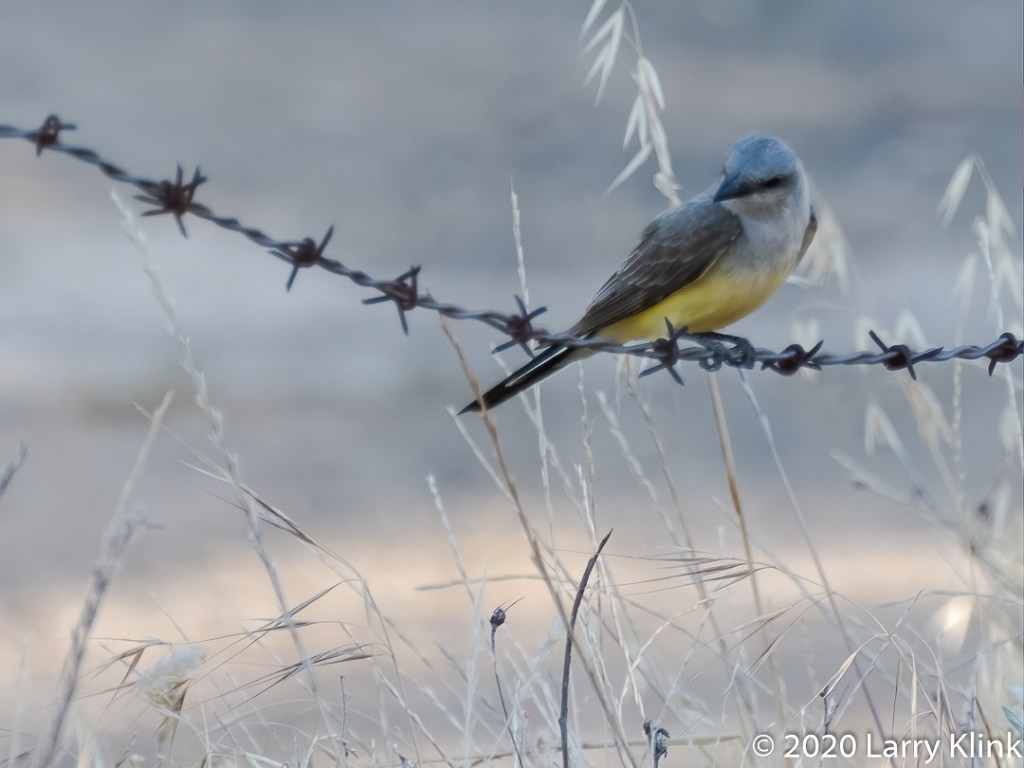
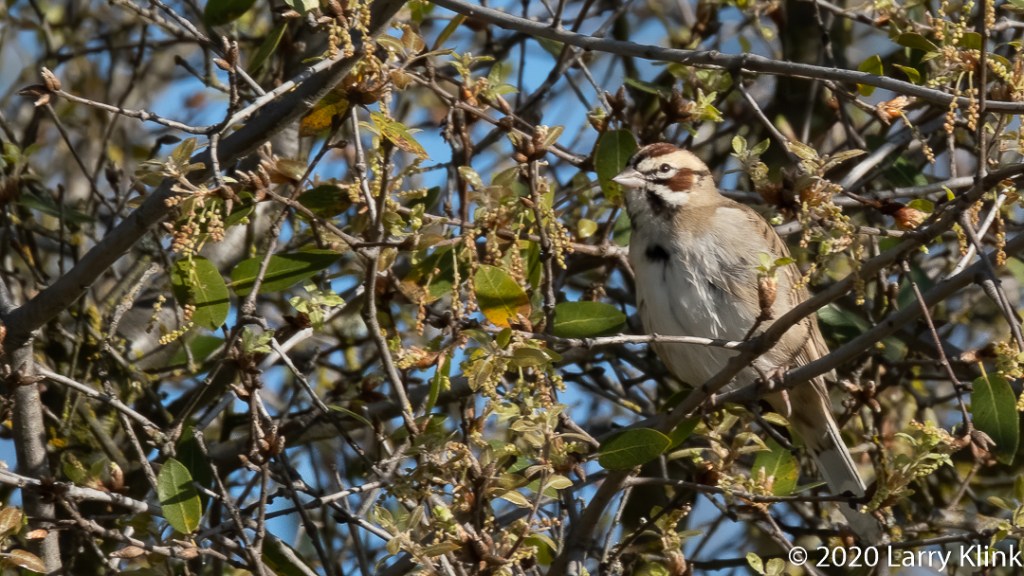
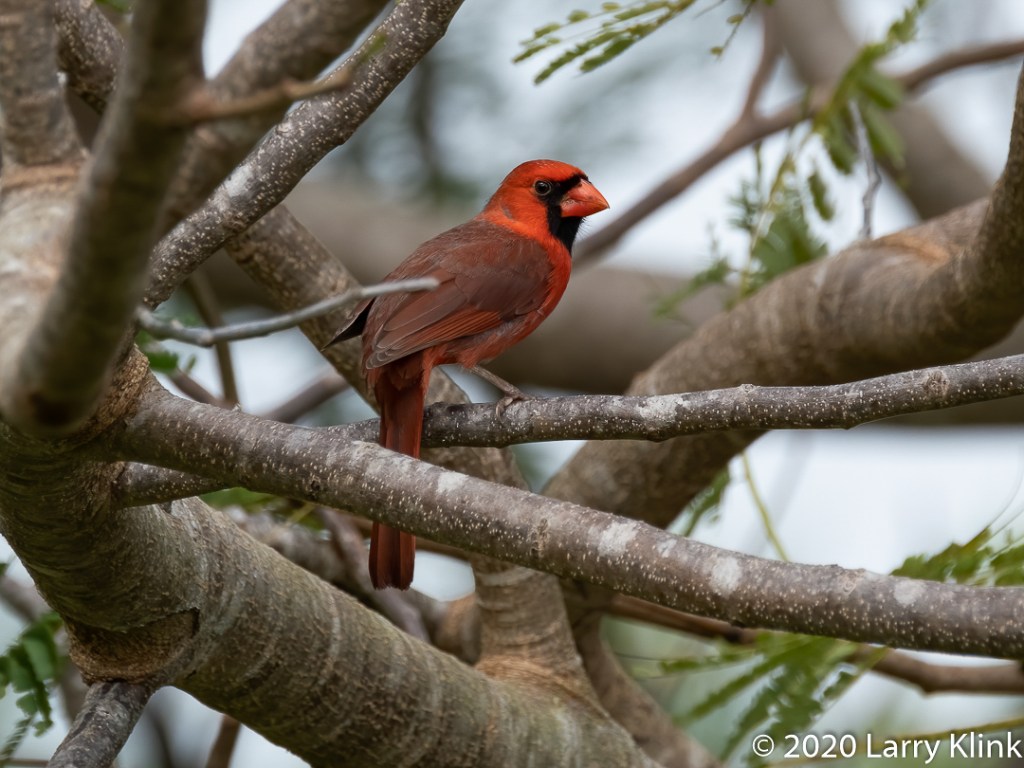
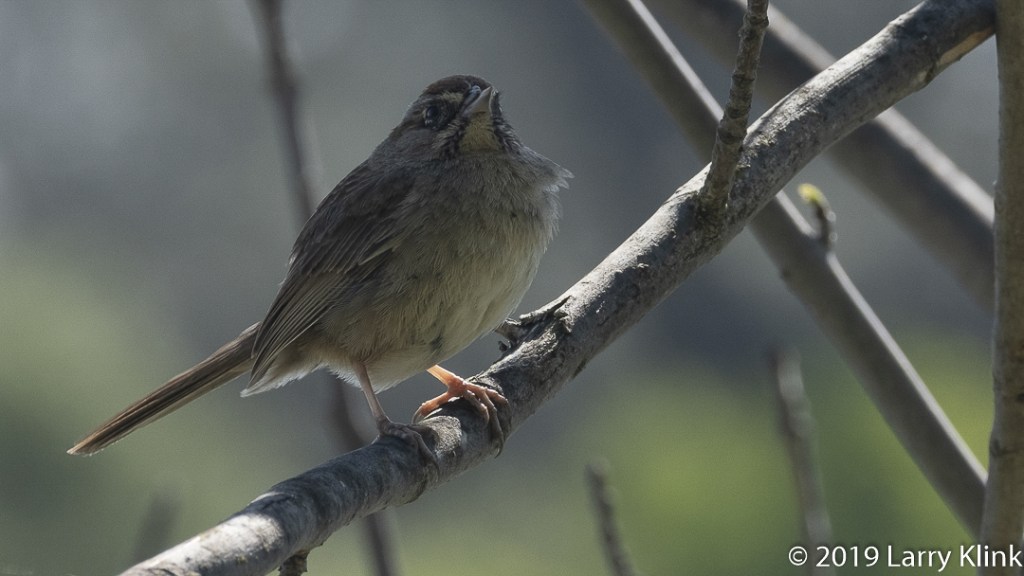
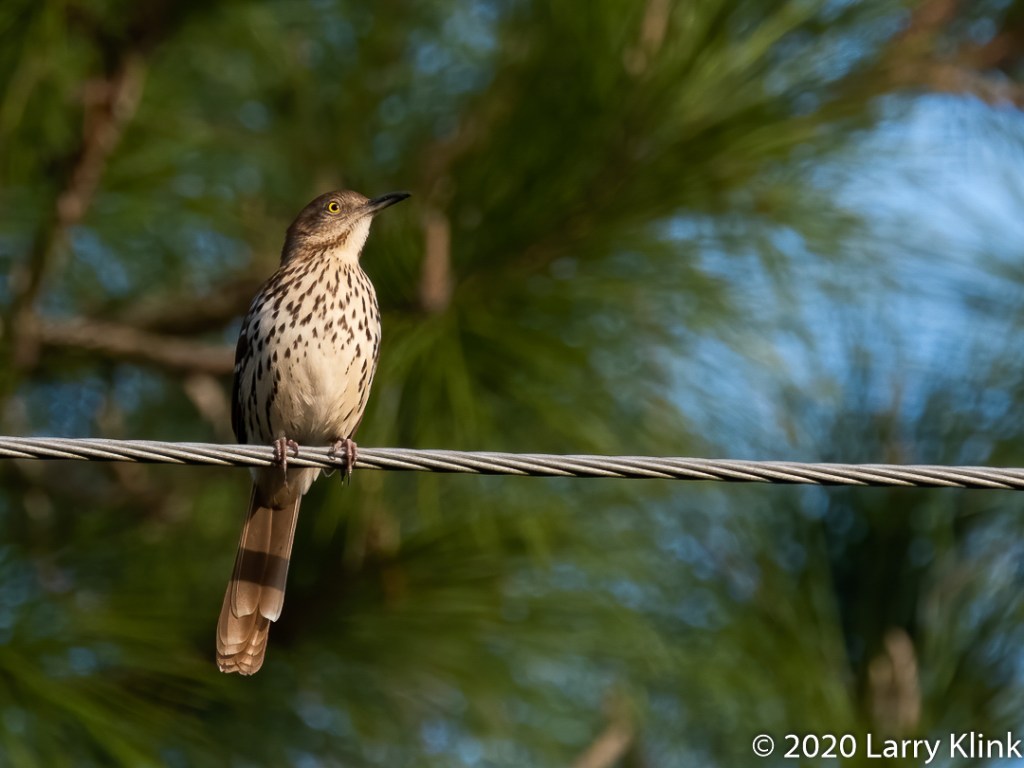
Today I am sharing a few more songbirds that I have photographed over the last several months. The Cardinals and the Brown Thrasher were taken in Florida, the remainder here in the Sacramento area.
Please click on caption to see images at higher resolution.
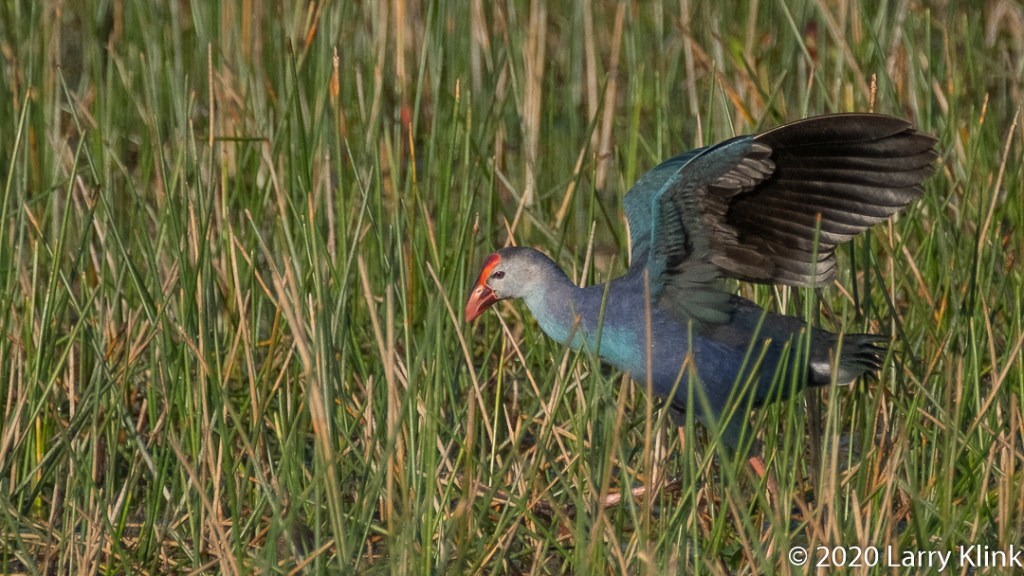
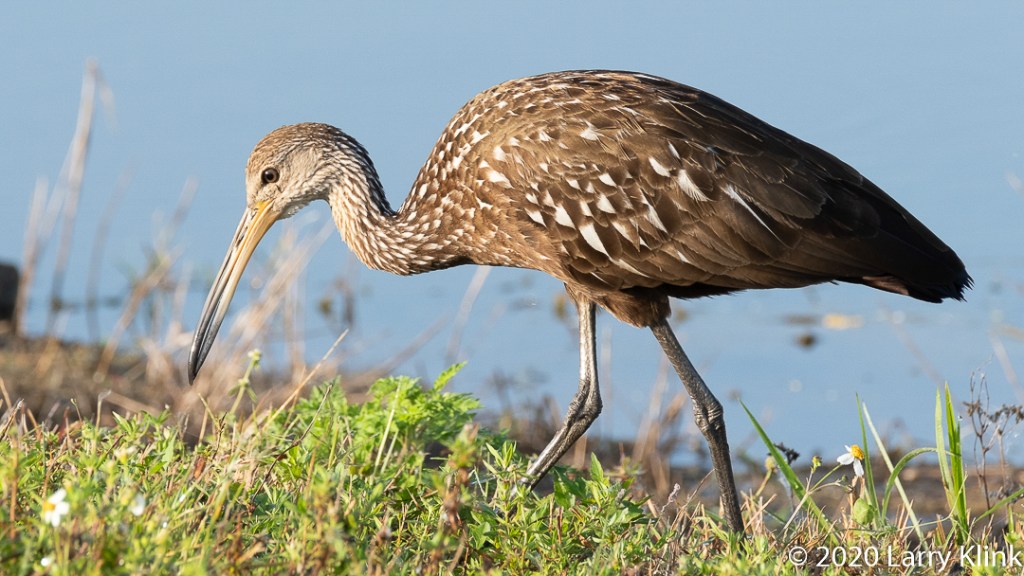
Today I am sharing images of birds that hang around marshy areas.
The American Avocet can be found in marshes in the Western United States, the Southeast Coast and Gulf Coast of the US as well as Mexico. It is generally seen in inland portions of the US only during breeding and when migrating to breeding grounds. It nests on the ground. It forages by walking in shallow water, swishing its head back and forth to capture aquatic invertebrates.
The Limpkin is found in Florida, the Yucatan Peninsula, and the Caribbean. They nest on the ground. They forage day and night specializing in eating apple snails. Their bill seems specifically adapted to eat them. I have never heard the call of a Limpkin, but I read that it is otherworldly.
The Common Moorhen, also known as the Common Gallinule, is found along coastal section of the United States as well as Mexico and the Caribbean. They sometimes nest in trees and shrubs but mostly nest on aquatic plants near the water’s edge. They swim when foraging and eat aquatic plants.
The Purple Swamp Hen, also known as the Purple Gallinule, lives in Florida, parts of Mexico, the Yucatan Peninsula, and the Caribbean. They attach their nests to standing or floating vegetation in the marshes. They eat aquatic plants, insects, spiders, small frogs and fish, and eggs and nestlings of other birds.
The Greater Yellowlegs is found across most of North America and the Caribbean. They nest on the ground. They forage by wading and stabbing at aquatic invertebrates.
Today, I am sharing some more images from my February birding adventure in Florida. Most of the birds are songbirds. However, I have a jay and a couple of grackles in the set also.
Note: Please click on caption to see images at higher resolution.
In the past 2 weeks, I have been able to get back to some of my familiar trails along the American River. It was a great time to get out because there are baby birds and there are males in their breeding plumage, all of which make this time of year special.
Please click on caption to see image at higher resolution.
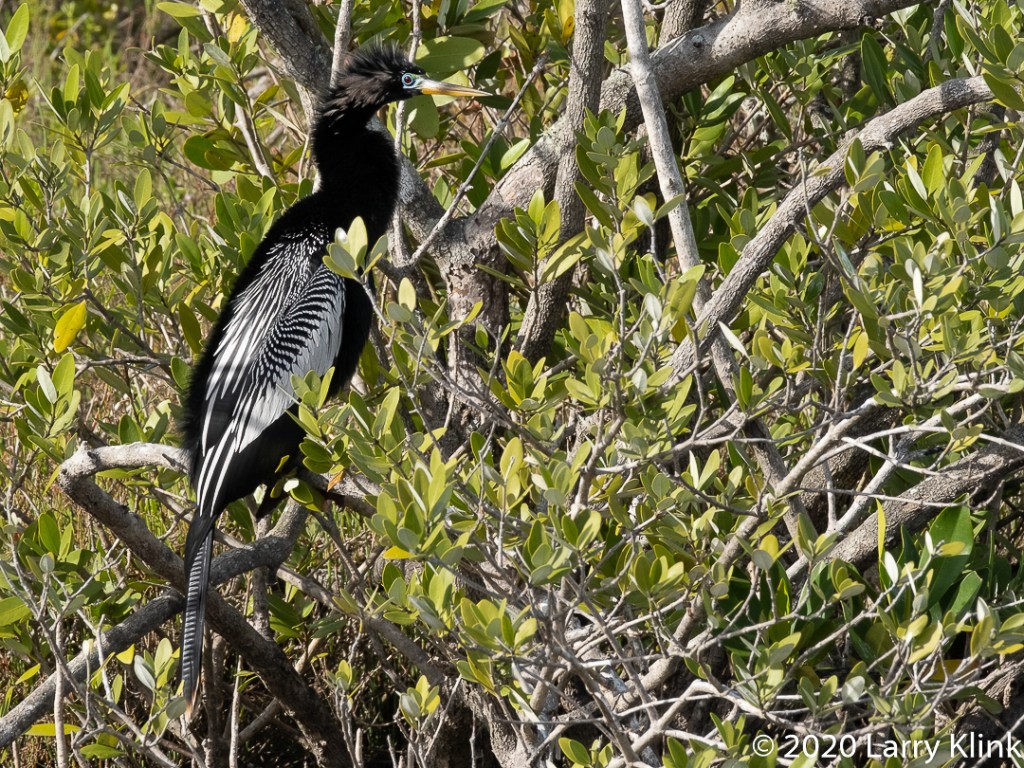
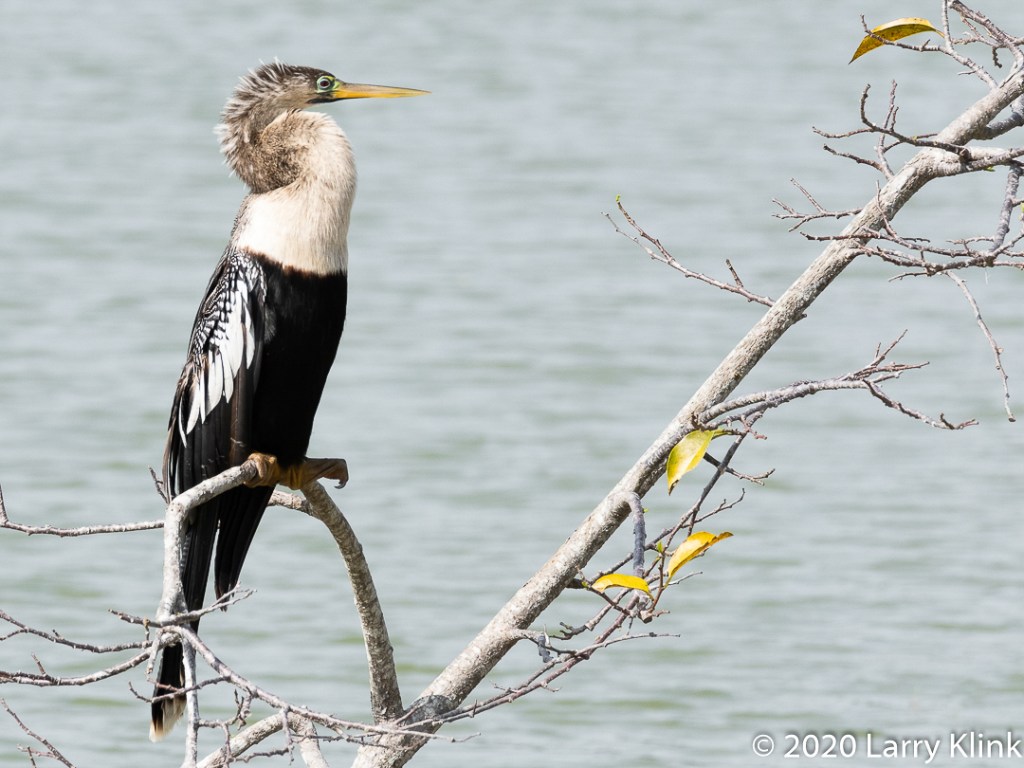
The Anhinga is water bird that looks like a Cormorant but are not Cormorants. Anhinga’s have a more dagger-like beak and longer tails. Like a Cormorant, they swim partially submerged when foraging for food. Typically, we see only their head and snake-like neck above the water line. When I see them, it reminds me of one of the iconic “Nessie” pictures. The name Anhinga comes from the Brazilian Tupi language, meaning snake bird or devil bird. They mostly eat fish which they spear with their dagger-like beak.
Anhingas are found along the coasts of Southeastern US, Mexico, Central America and the Caribbean. They nest in colonies with Herons, Egrets and Cormorants.
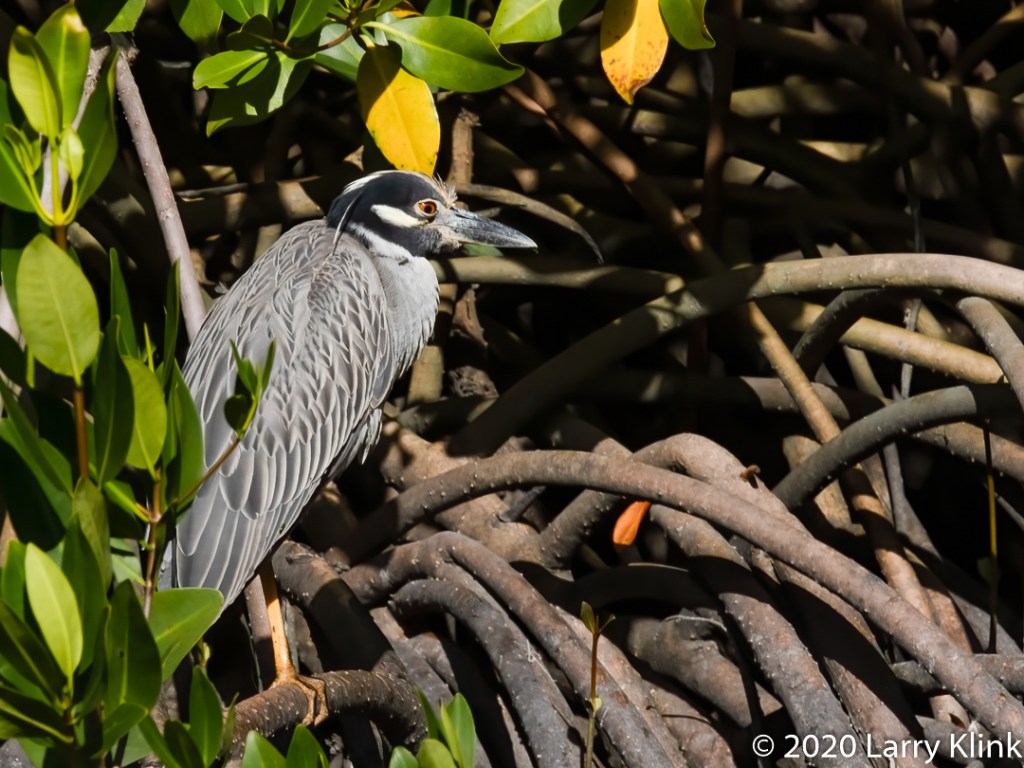
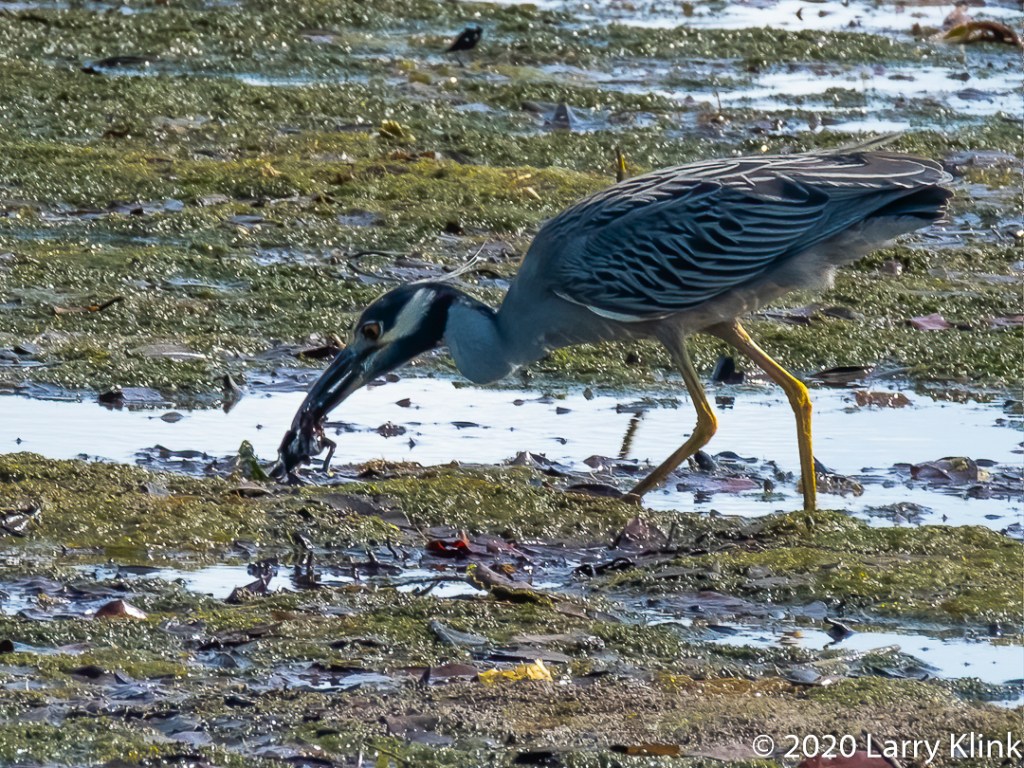
Night Herons are medium sized herons that forage mostly at night. In this post, I have images of both the Black-crowned Night Heron and the Yellow-crowned Night Heron.
The Black-crowned Night Heron is found in wetlands across most of the North America, though some winter over in Mexico and Central America. They forage in early morning and evening where they feed on a wide variety of fresh water and marine animals. They nest in colonies with other Black-crowned Night Herons.
The Yellow-crowned Night Heron is found mostly along the Atlantic coast of Florida and along North America’s Gulf coast, though some do move much further inland to breed. They are also found along the coasts of Mexico, Central America and the Caribbean.
The Yellow-crowned Night Heron feeds mostly on crustaceans. They nest alone or in colonies with others of their kind.
Info from: All About Birds by Cornell Labs
Note: Please click on caption to see image at higher resolution.
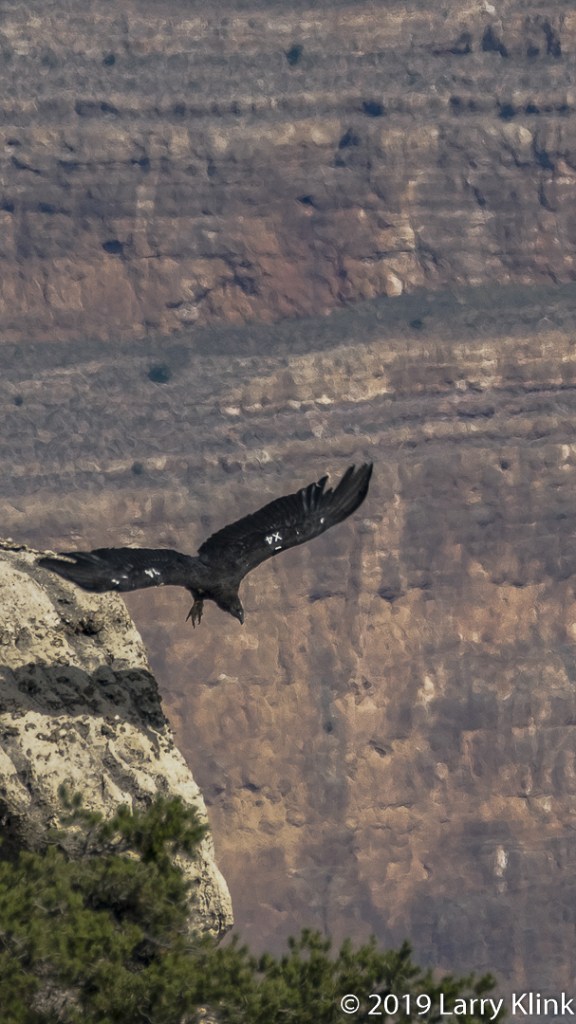
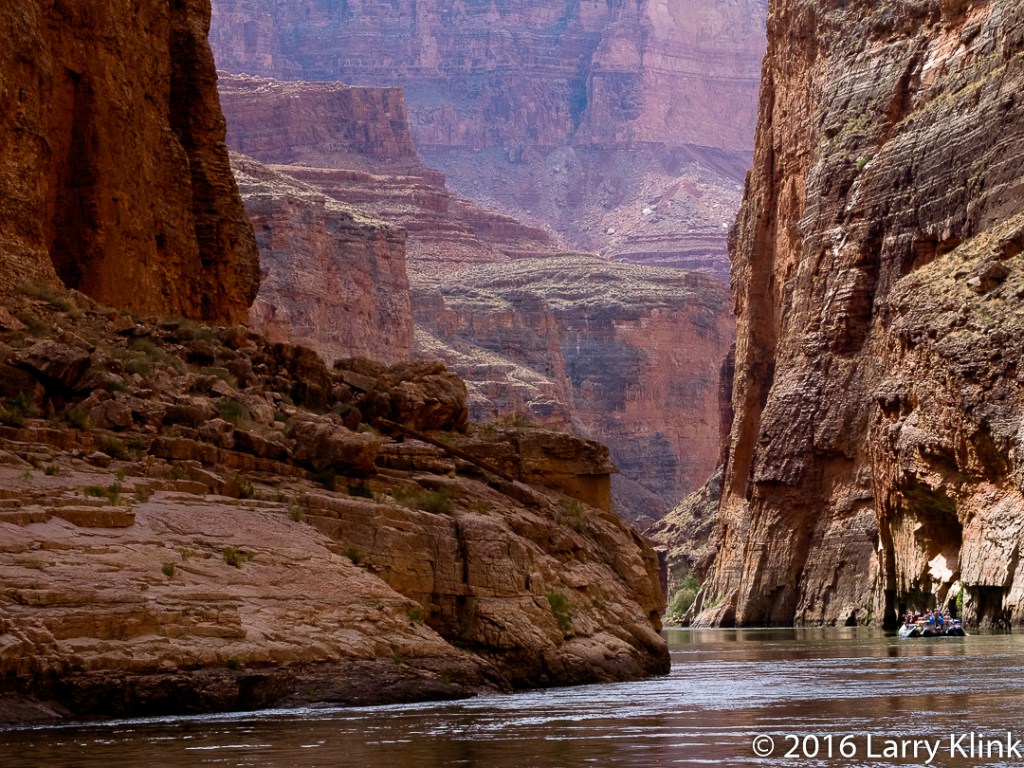
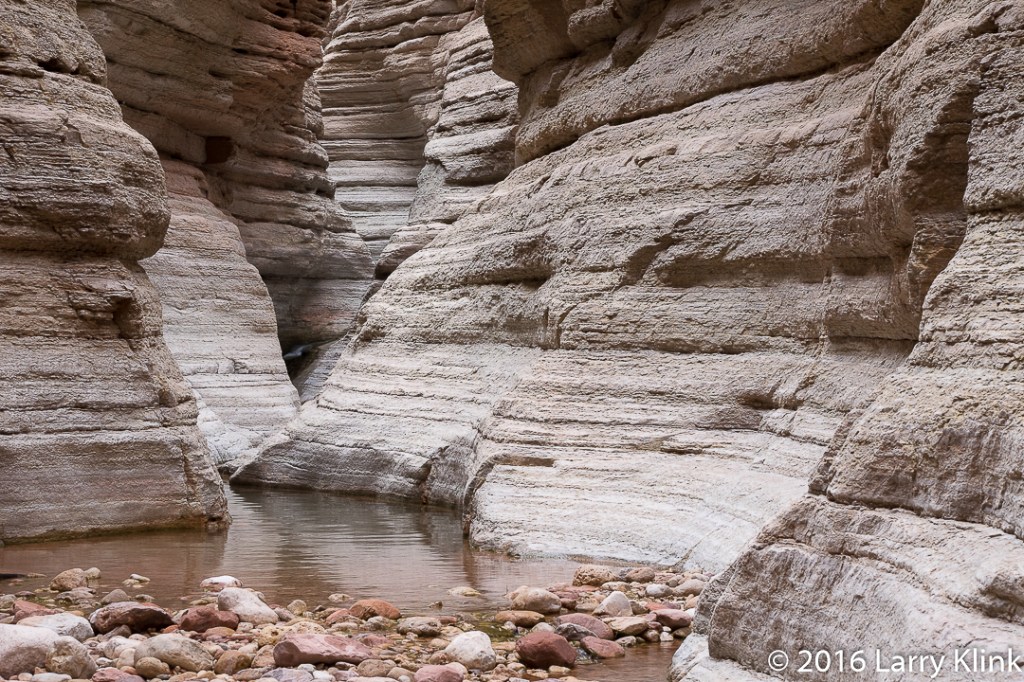
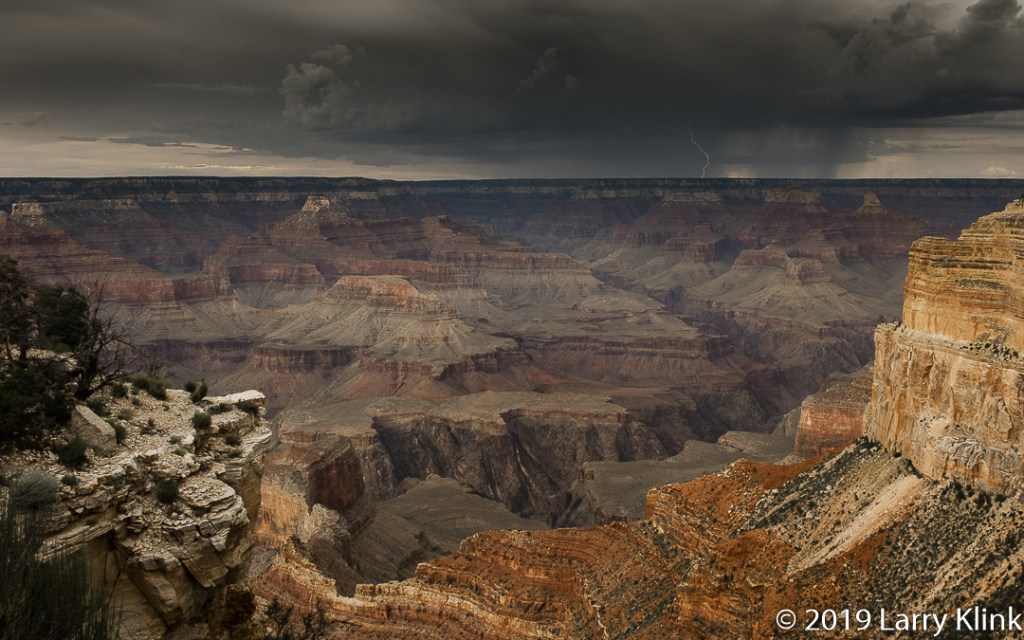
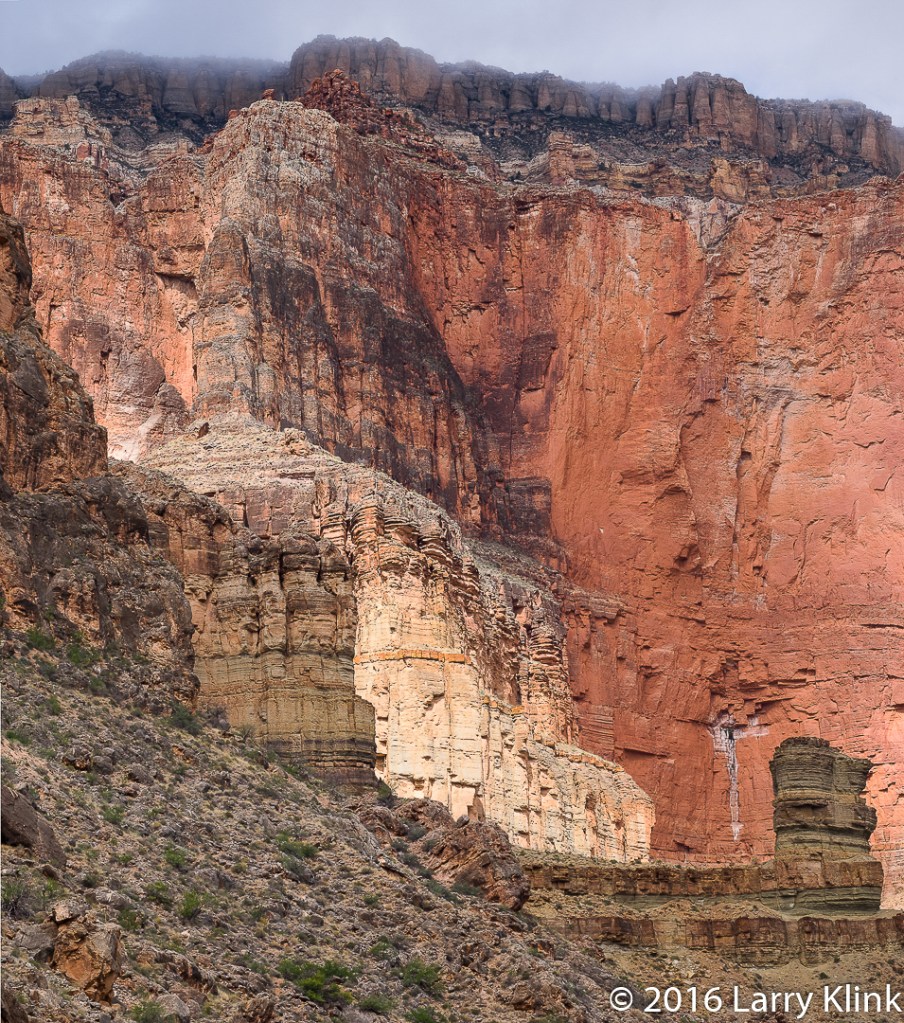
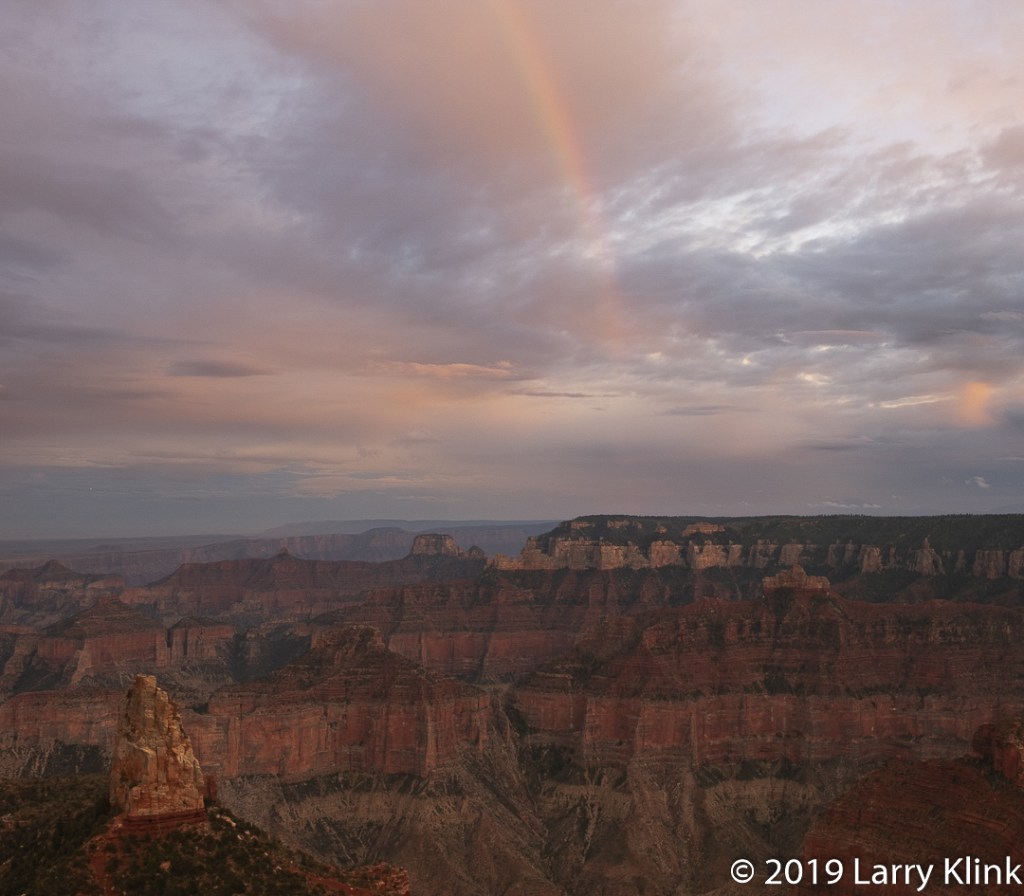
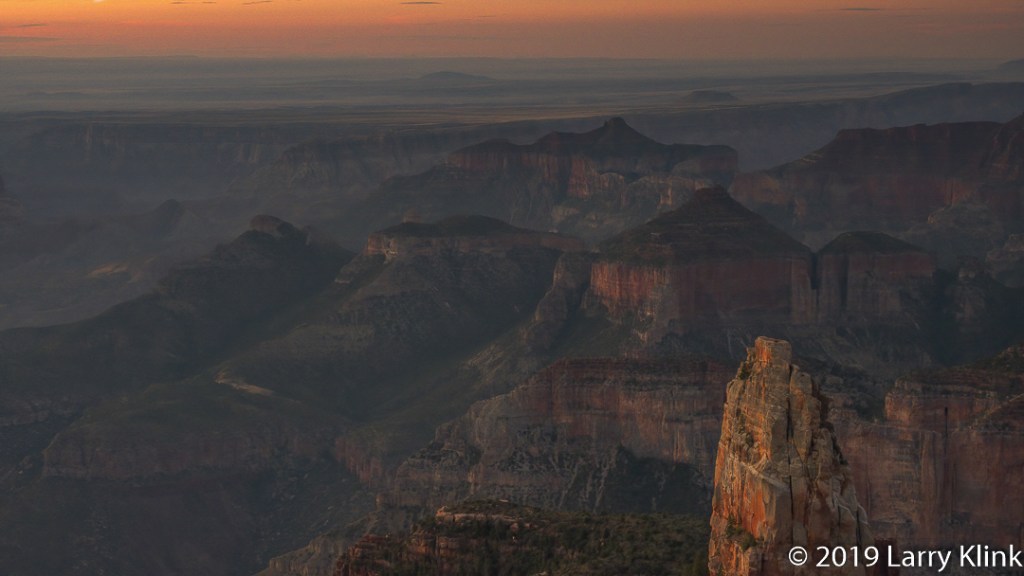
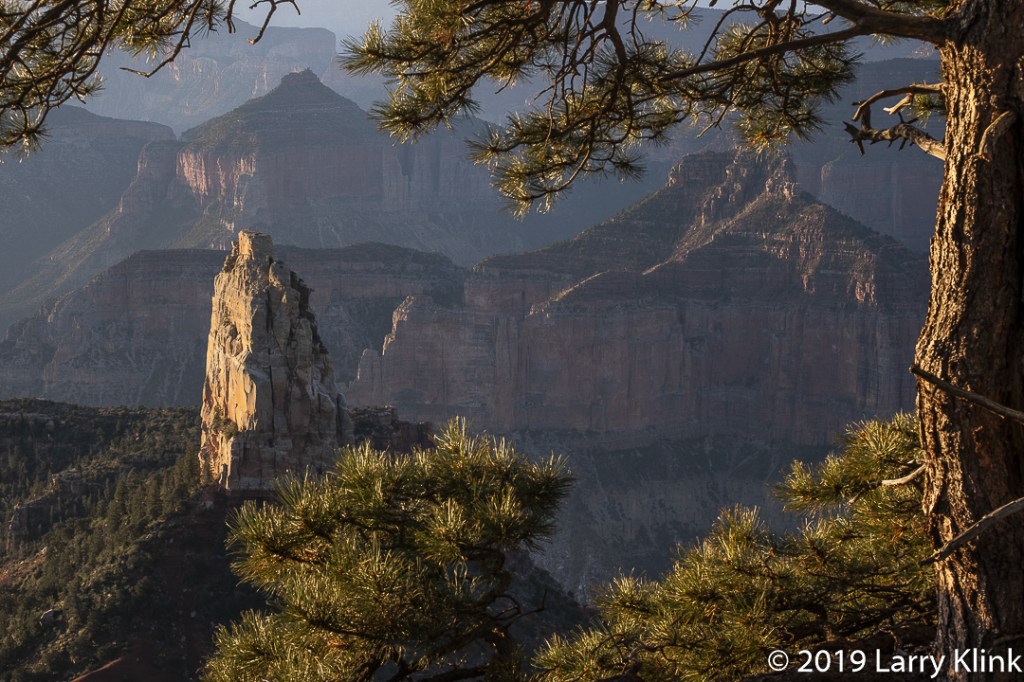
I have a friend, Gary Hart, who leads some of the best photography workshops you will ever find. Two of m favorites were to the Grand Canyon. One was to raft the Colorado River and the other to photograph lightening from the rim. Here are some images from those trips.
Note: Please click on caption to see images at higher resolution.



























 Earthwatcher