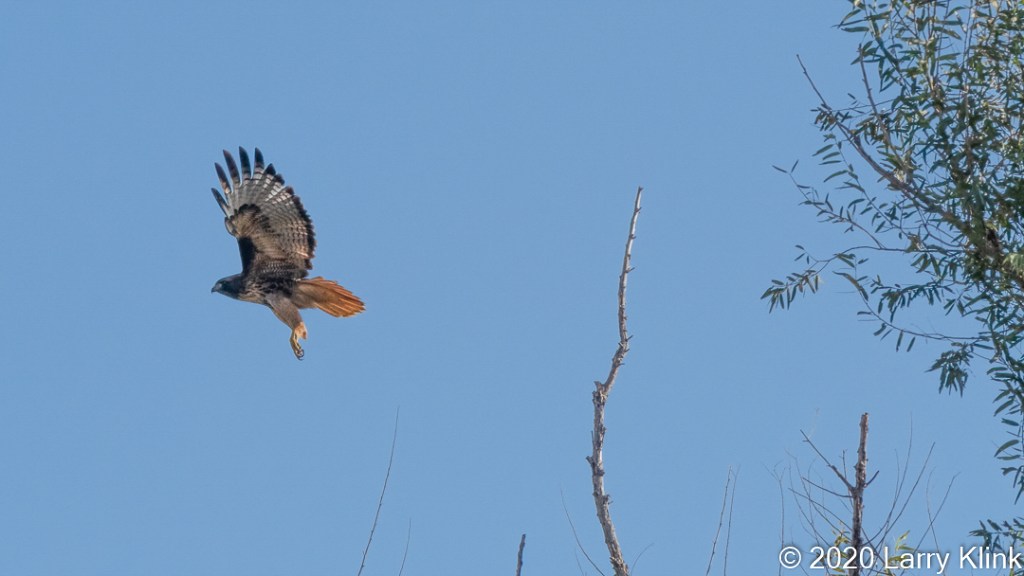
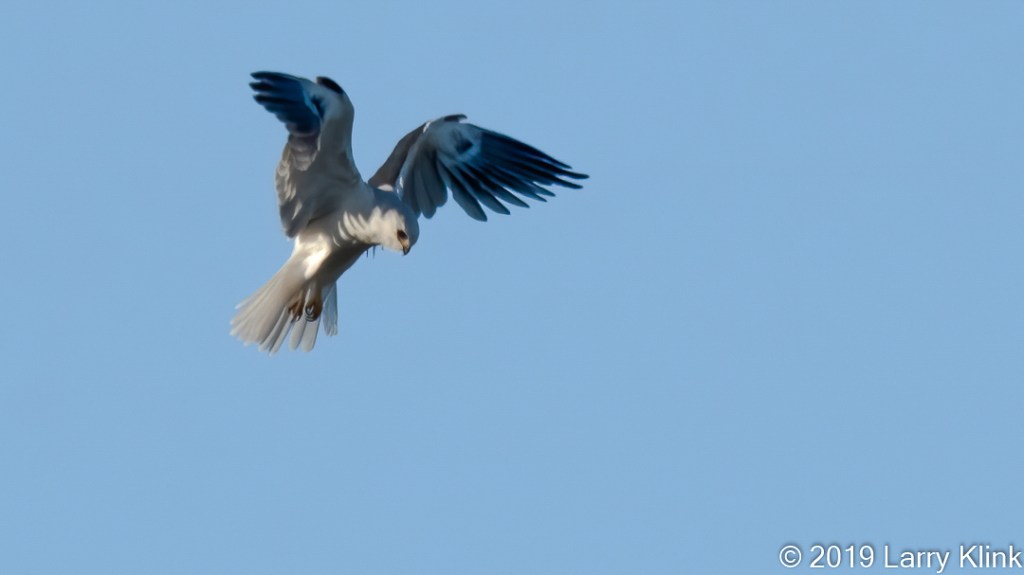
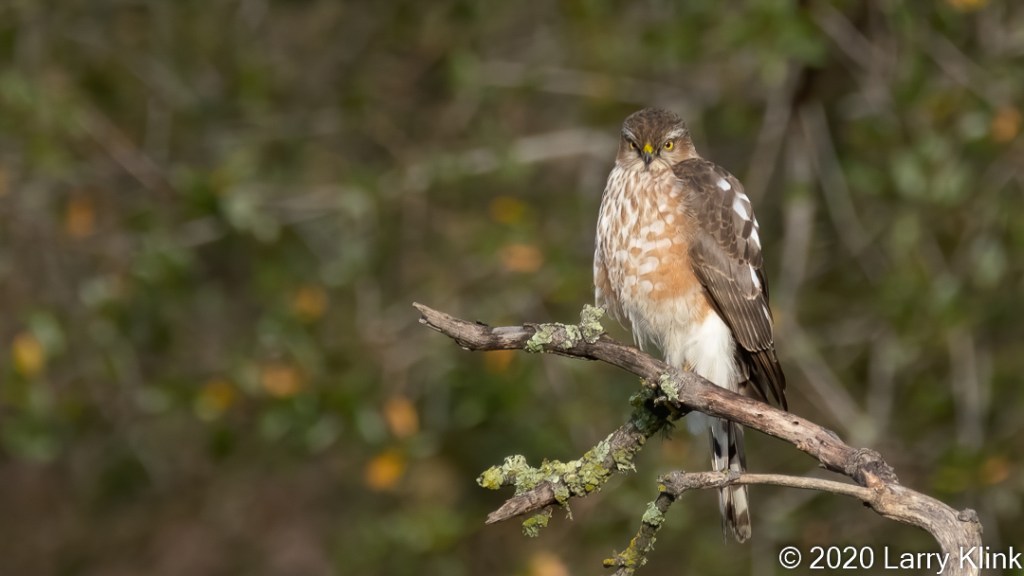
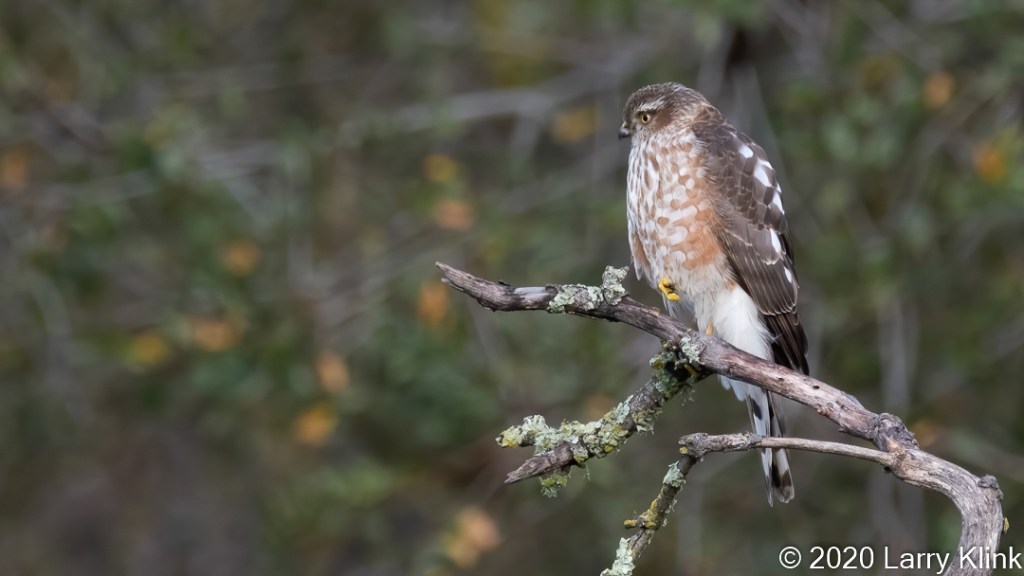
I am sharing images of 3 raptors, i.e., birds of prey. Take note of the image of the White-tailed Kite in the air. It was kiting, its characteristic behavior of hovering over potential prey before it drops down to catch it.
Please click on caption to see images at higher resolution.
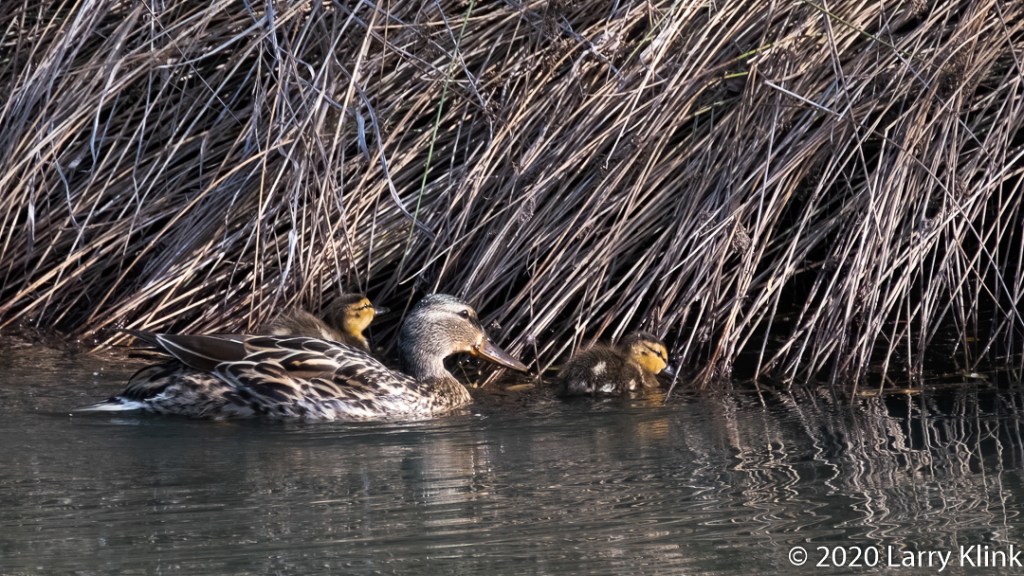
In a blog I follow and enjoy, Peace of Life Today, the author shared the post “Just A Duck” which contained some beautiful photos of a female Mallard. Until a few years ago, that is what they were to me. I could identify a white domestic duck and a male Mallard. I have heard people talk about a variety of ducks, but they were just some abstract concept. Then I met some new friends who were wildlife photographers. They taught me that we live in the Pacific Flyway, a migration route and wintering ground for many species of waterfowl. They, along with other birding friends, taught me about Mergansers, Golden Eye’s, Teals, and many more. The diversity and beauty of these creatures is astounding. For me, there is no such thing as just a duck anymore and I am better for it.
Please click on caption to see image at higher resolution.
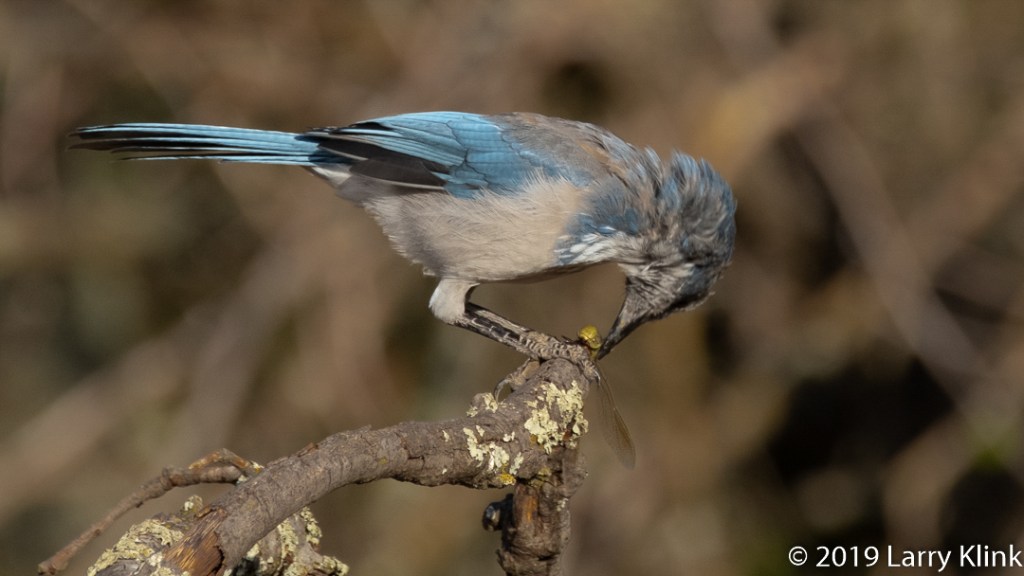
I was fortunate enough to observe a California Scrub Jay (Aphelocoma californica) in the process of eating a dragonfly. It used its beak and talons to position the insect, then picked it up with its beak and swallowed it.
Please click on caption to see image at higher resolution.
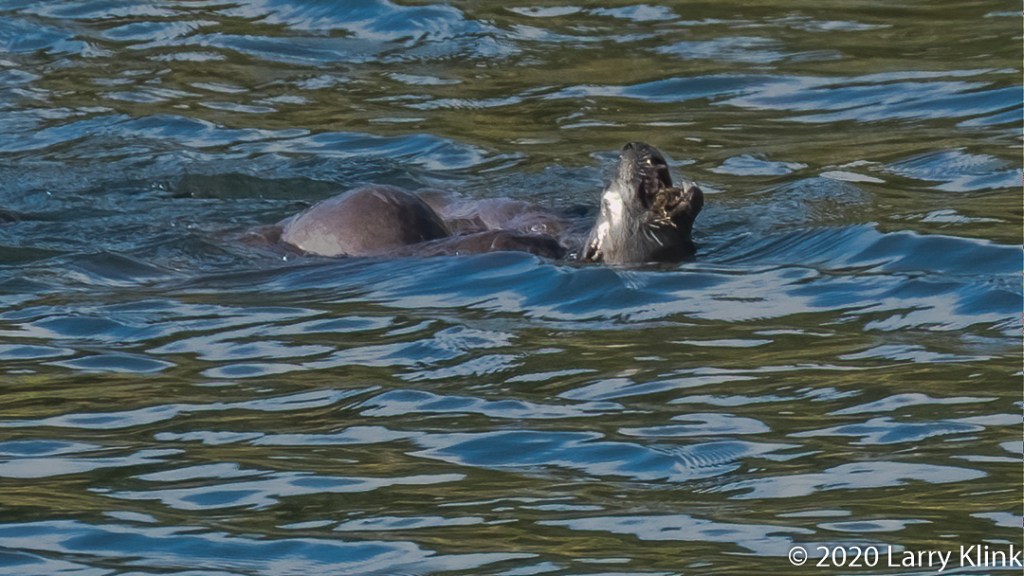
I am sharing images of birds and of an otter that are enjoying breakfast time. I watched as they worked hard to get their meal.
This year, I have had many opportunities to see animals hunt and eat. I am truly grateful to have had those opportunities and thankful that I only had to pull mine from a cupboard.
Please click on caption to see image at higher resolution.
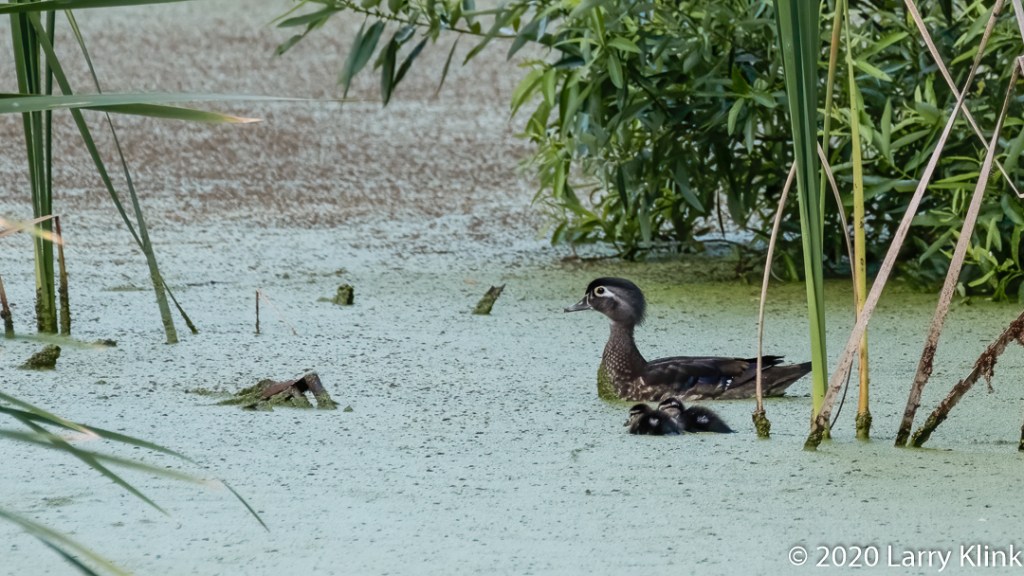
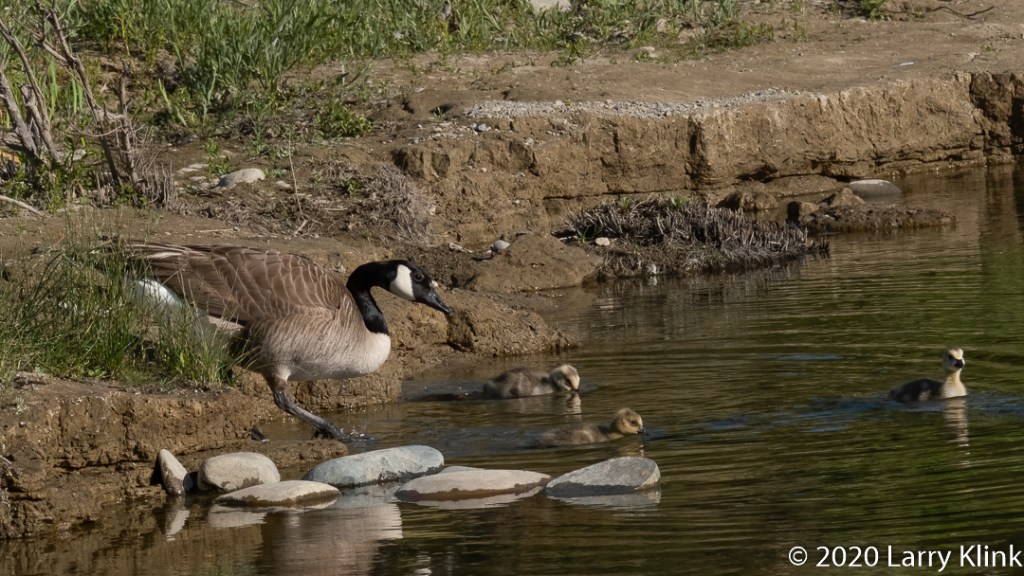
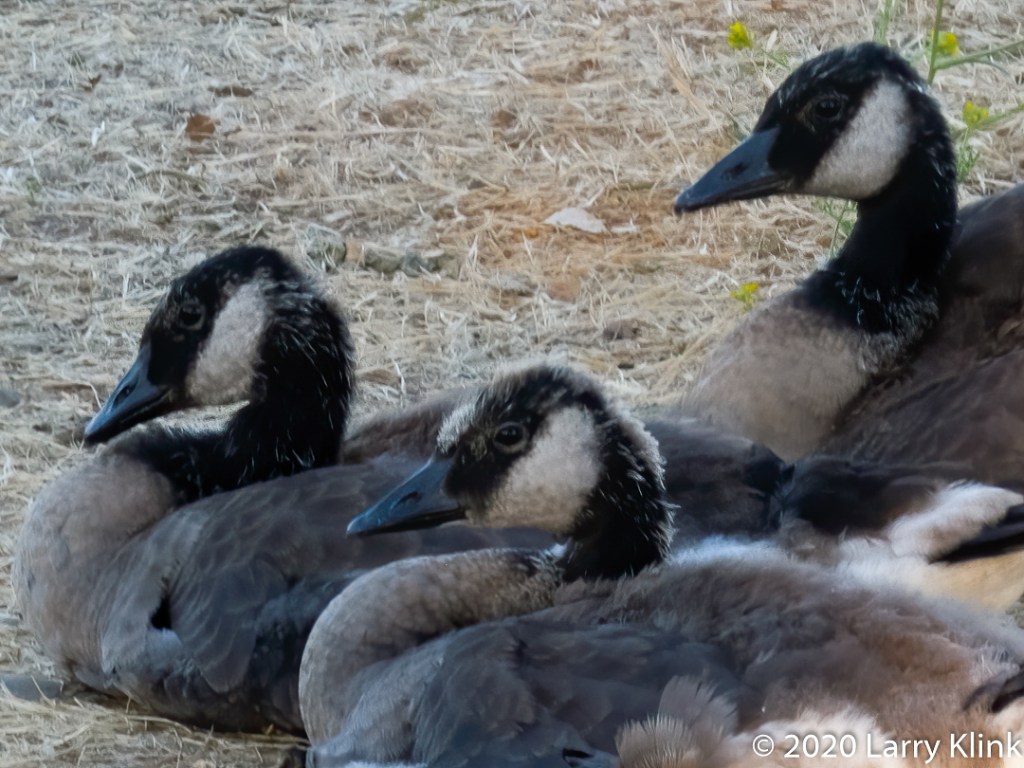
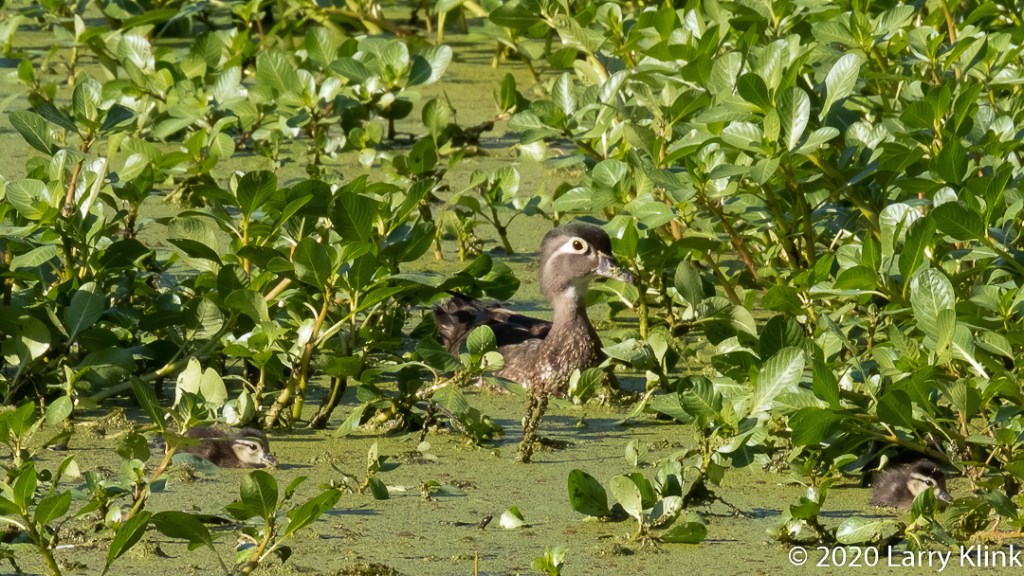
I am presenting the first of 2 parts entitled Cute Chicks. This part will present some local waterfowl.
One of the images is entitled Huddled Sord of Baby Mallards. I learned that a group of Mallards in flight is called a flock or sometimes a flight. Mallards on the ground are called a SORD. If the name sounds weird, it is because it appears to have no other uses.
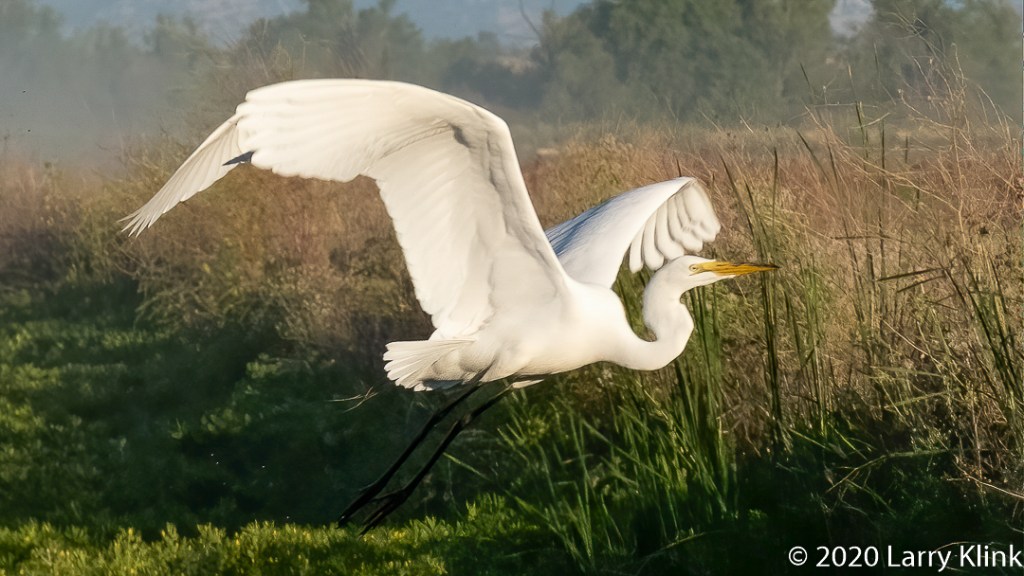
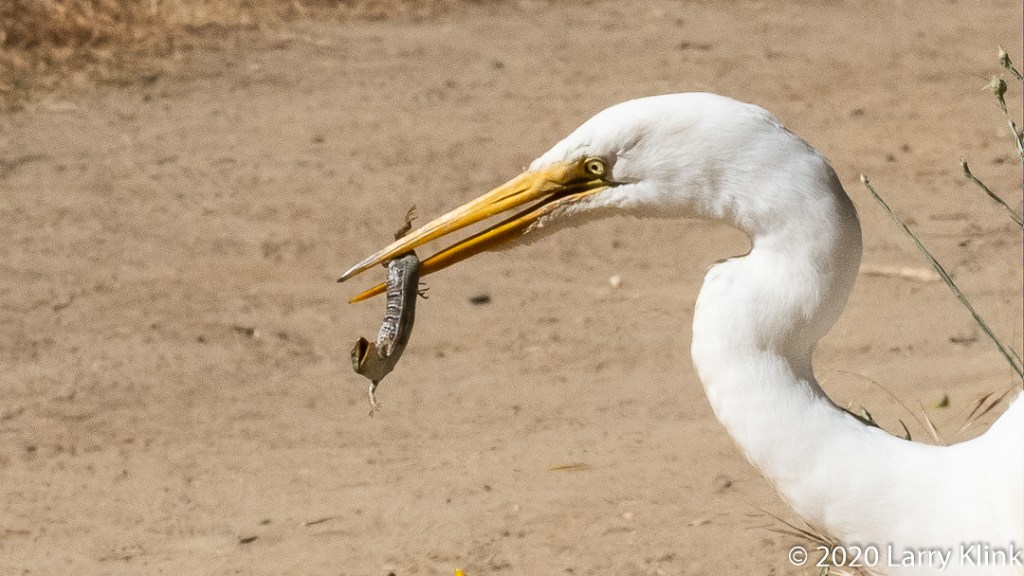
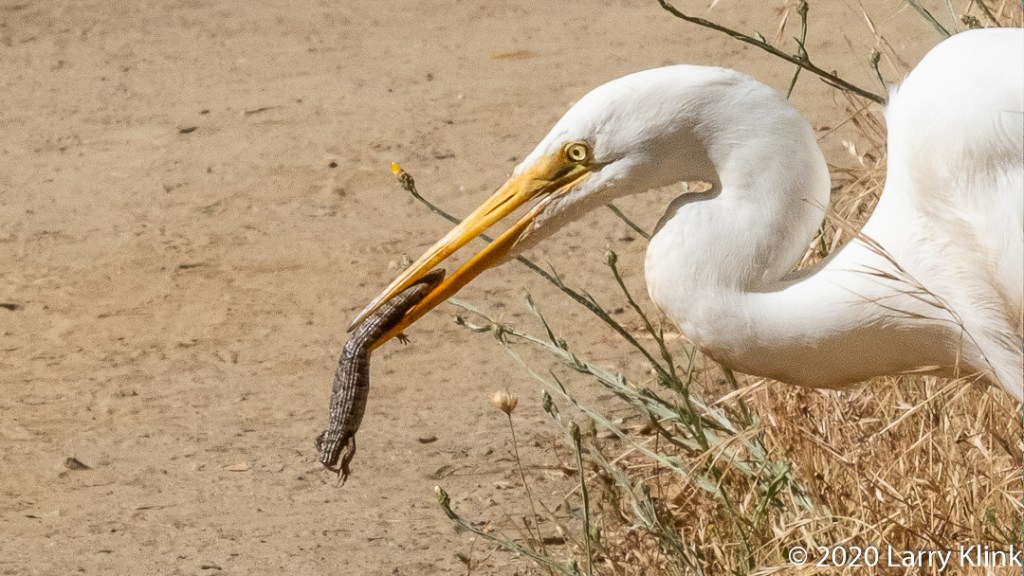
In this post, I am presenting 2 perspectives on the egret: the graceful, beautiful side and the visceral side.
A few weeks ago, we were at the Yolo Bypass Wildlife Refuge in Davis, CA. In one of the sloughs, there were perhaps a dozen Egrets, both Snowy Egrets and Great Egrets. It turned out to be a great day for capturing them in flight.
Please click on caption to see image at higher resolution.
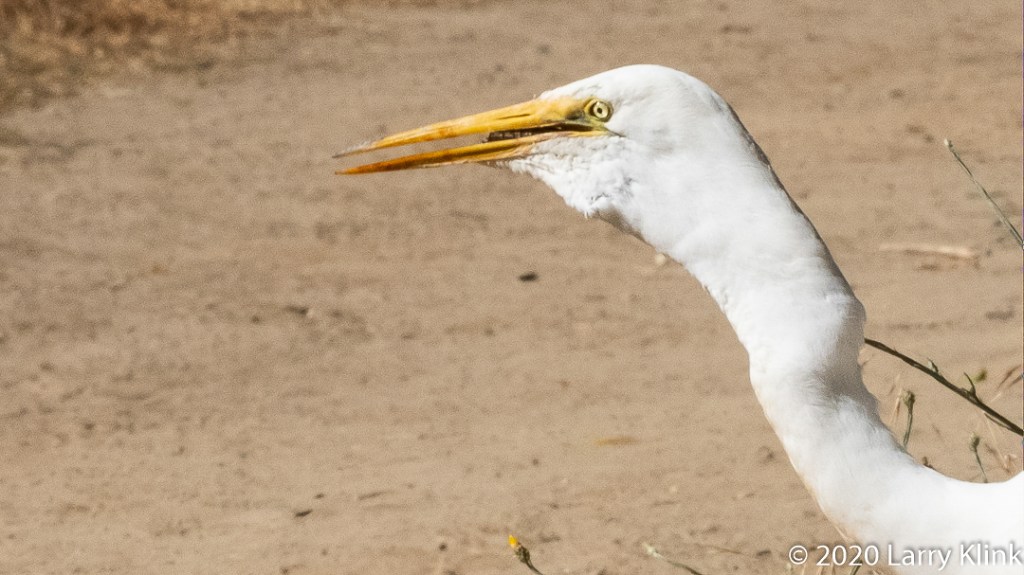
The lizardicide, killing of a western fence lizard for food, happened at Effie Yeaw Nature Center. It was fascinating to watch. The actual capture was done in tall grass under the shade of a tree. After capture, the Great Egret made a short hop/flight out to the trail then prepared to devour his prey. The intrepid little lizard put up a strong fight but, in the end, it succumbed.
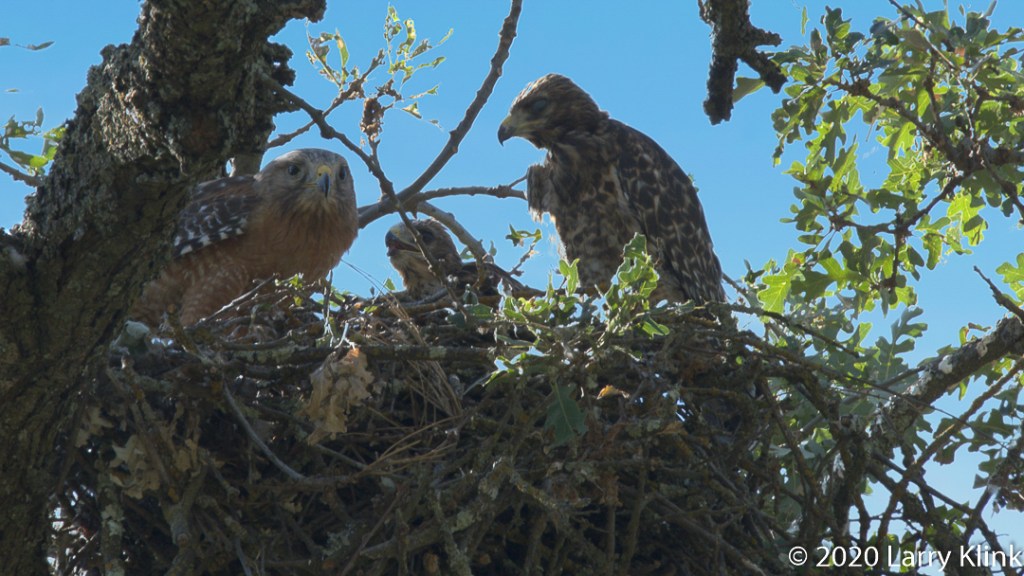
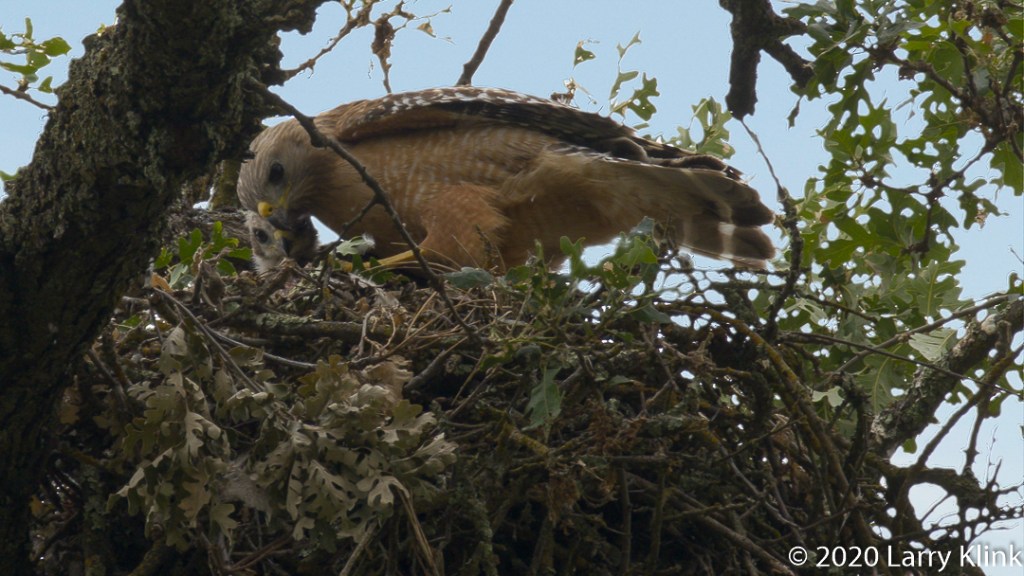
This spring, a pair of Red-shouldered Hawks gave birth to a pair of chicks at Effie Yeaw Nature Center in Sacramento. Hawk babies are often born at the center. What made this remarkable is they nested at a place where you could see them well enough to photograph them. Today, I am sharing some baby pictures.
The first image is one of the adults at the nest. I do not know if it is the male or female. I don’t know how to tell them apart, except that the female is usually larger. After that image we entered the period of stay-at-home, so I missed a few weeks of photographing the nest. When I returned the nest appeared empty. But, as I watched, I could see a small crest of white down peeking above the rim of the nest. On my next weekly visit, there was no activity at the nest. But, the next week, I saw an adult and 2 babies; one beginning to have feathers, the other still in down. The following week, the older of the 2 had more well-developed feathers and was branching, i.e. climbing out on nearby branches. The smaller had its first feathers also. An adult was perched on a nearby snag calling out and the older baby was returning the call.
In the past 2 weeks, there has been no activity in the nest. Both babies should have been large enough to see even if sleeping. In fact, they should have both been branching. I am hoping that at least the older one has fledged but I don’t know. I will probably never know the outcome.
Please click on caption to see image at higher resolution.
In the past 2 weeks, I have been able to get back to some of my familiar trails along the American River. It was a great time to get out because there are baby birds and there are males in their breeding plumage, all of which make this time of year special.
Please click on caption to see image at higher resolution.
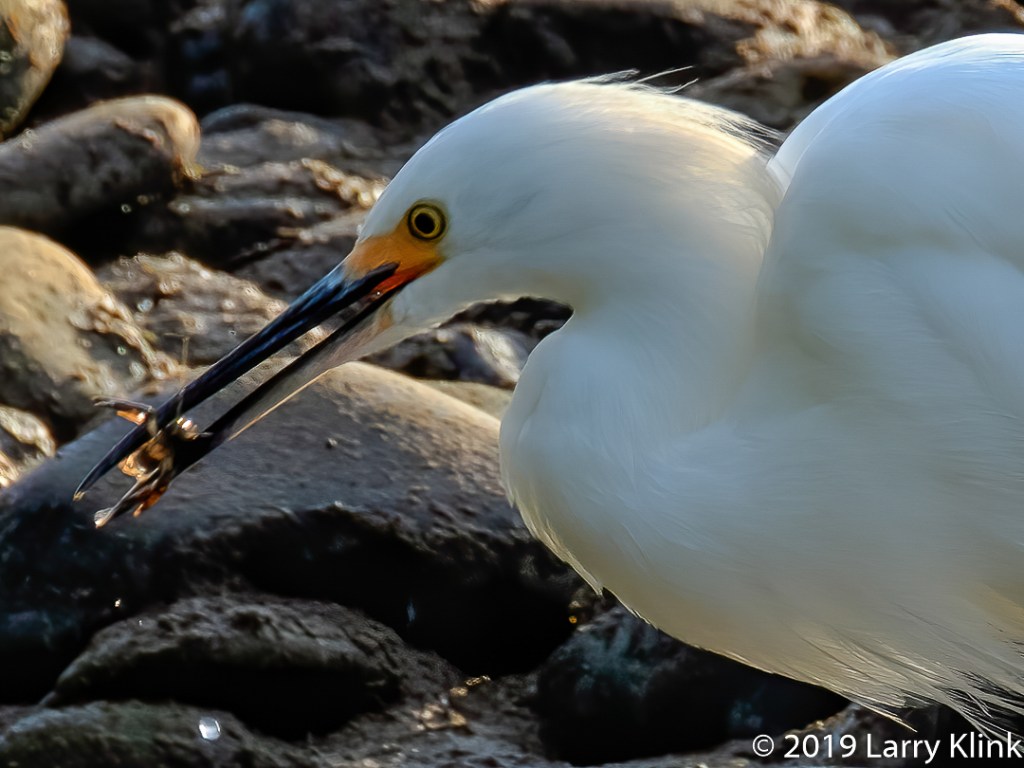
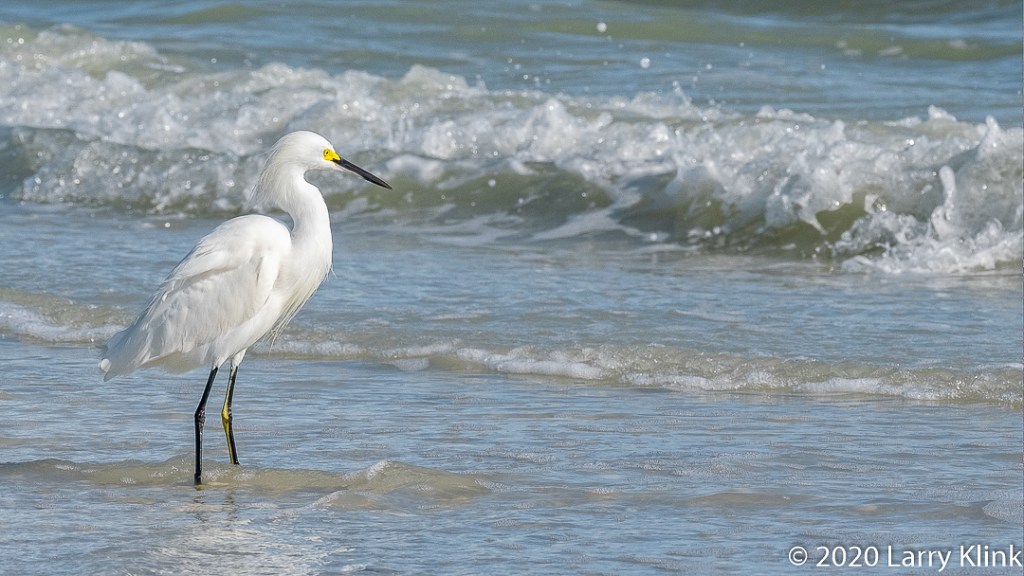
The Snowy Egret is an elegant bird with bright white plumage, black beak and legs and bright yellow feet. When it displays its long, curved plumage, it is gorgeous. They can be found, year around, along the coastal waters of the US, Mexico, and the Caribbean. But its migration and breeding periods takes it into much of the interior of the US.
Like other egrets and herons, they nest high in trees, in colonies, with other similar birds. They forage on frogs, worms, crustaceans, and insects. I find watching Egrets and Herons stalk fascinating.
The Snowy Egret is noticeably smaller than its cousin the great egret; the one that is tall and has a yellow beak. When you see an egret, look closely; it might be a Snowy or, it might be a Great.
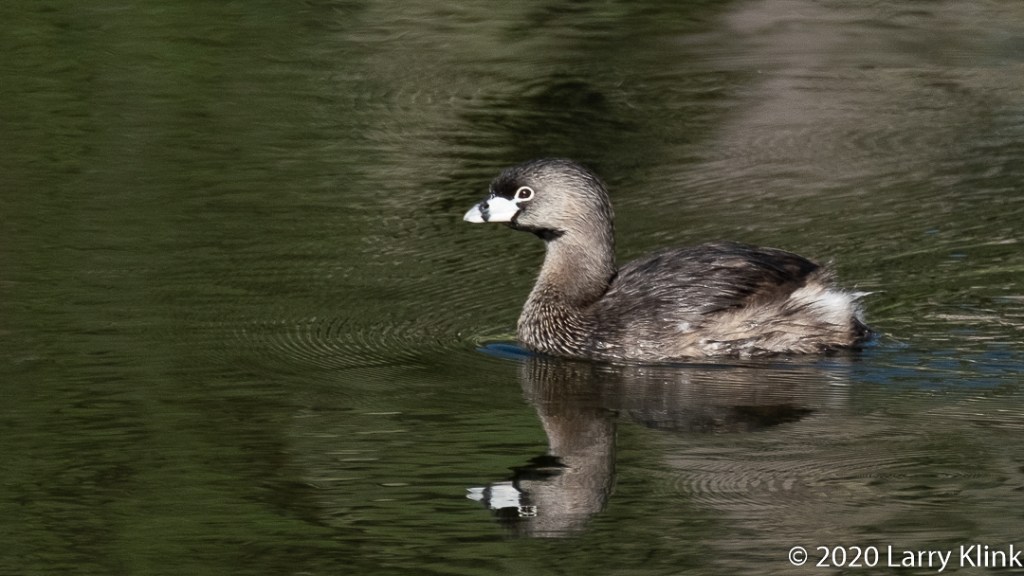
In this set, I mixed a few pictures from our recent trip to Florida as well as some I have taken locally.
Note: Please click on caption to see image at higher resolution.
























 Earthwatcher