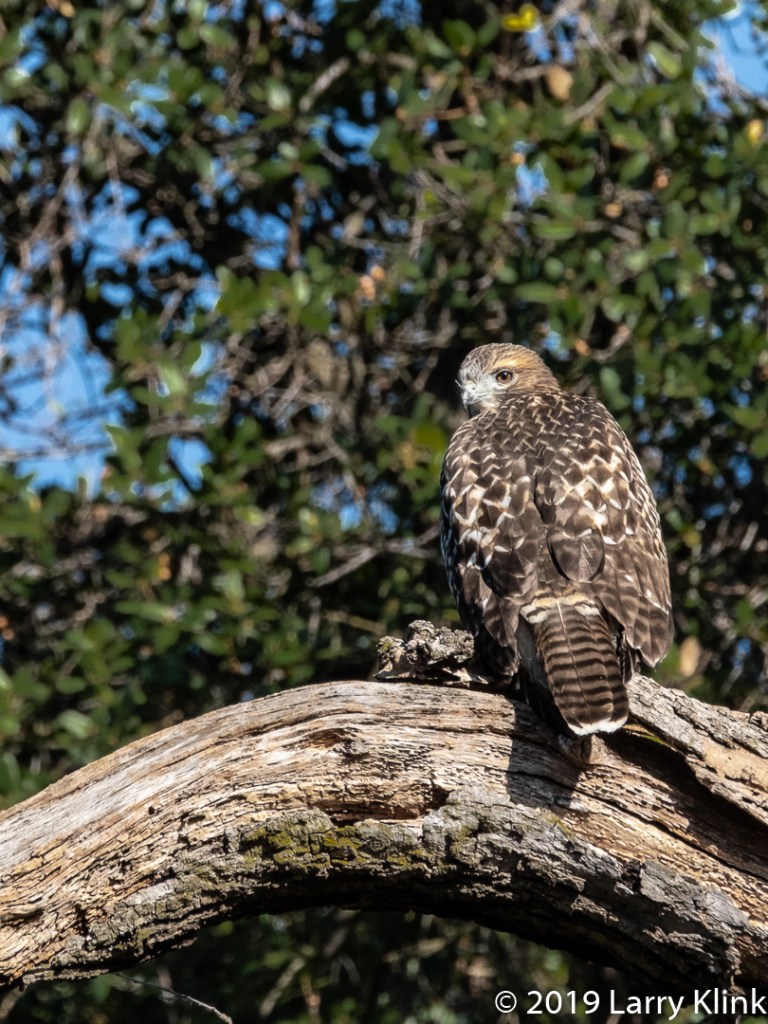
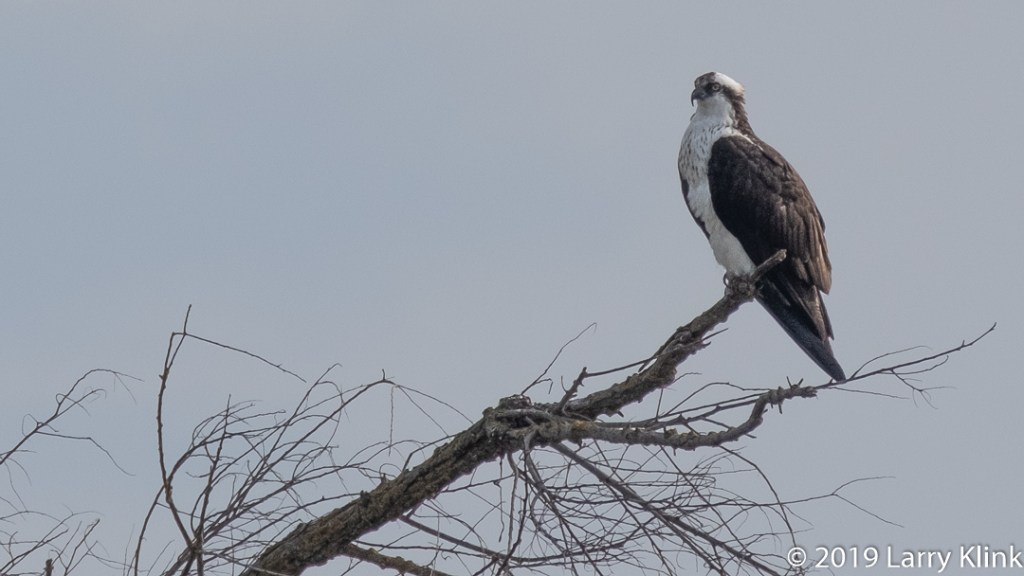
Here are a few raptors, birds of prey, I’ve photographed over the past year.
The Red-shouldered and Red-tailed Hawks are members of the Buteo family. They forage in more open areas and prefer small rodents. The Goshawk and Sharp-shinned Hawks are members of the Acipiter family. They are built to forage in in forested areas and prefer birds. The Merlin is a small falcon. Though they have there preferences, they’ll eat whatever they can catch.
Note: Please click on caption to see these images at higher resolution.
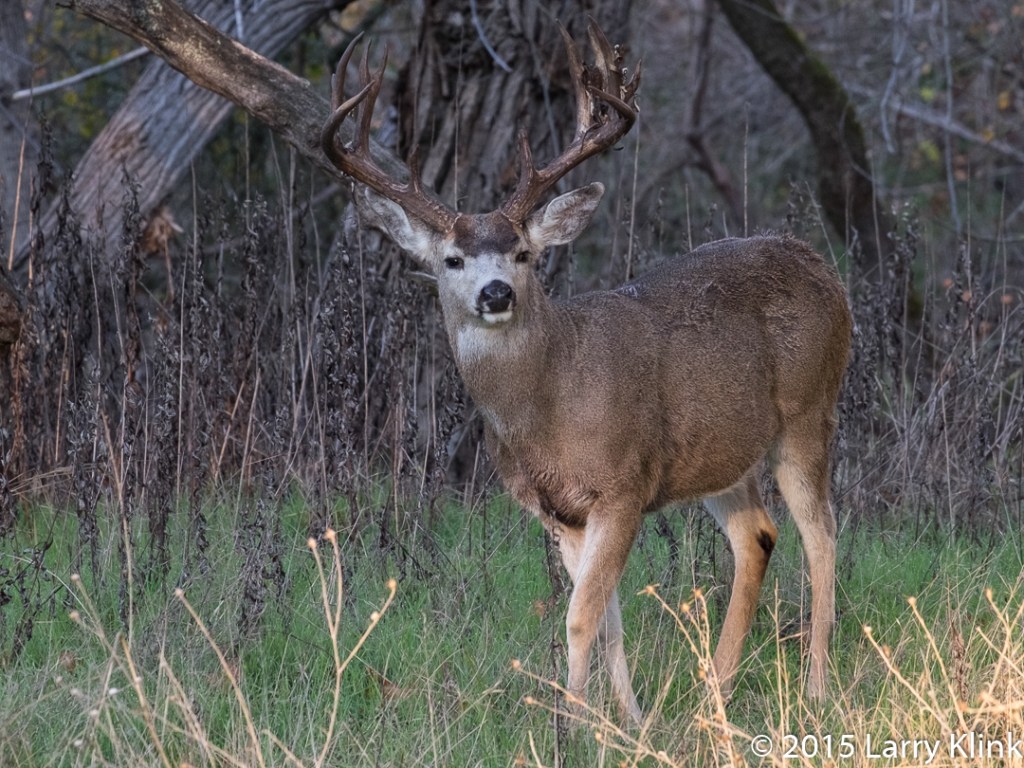
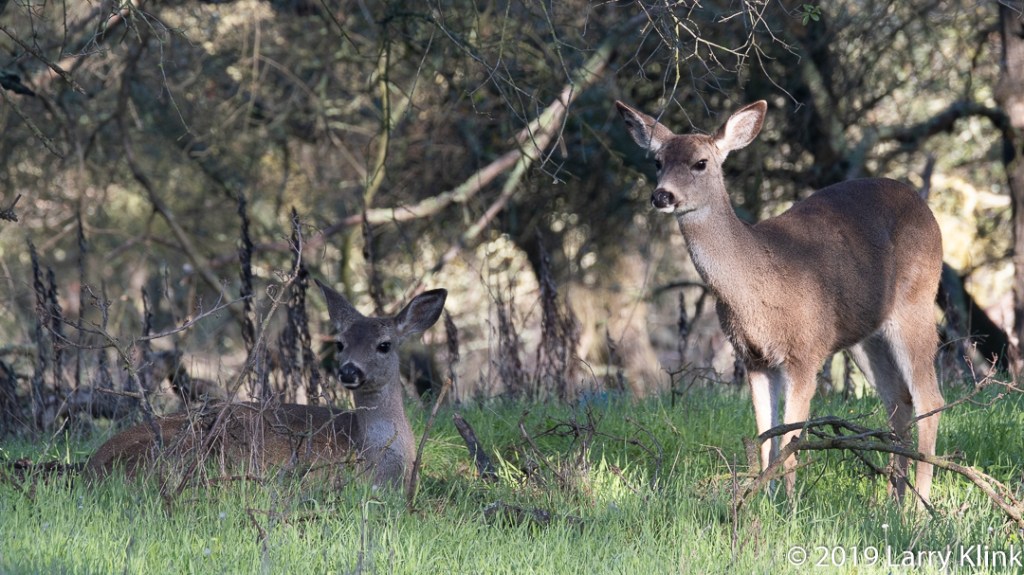
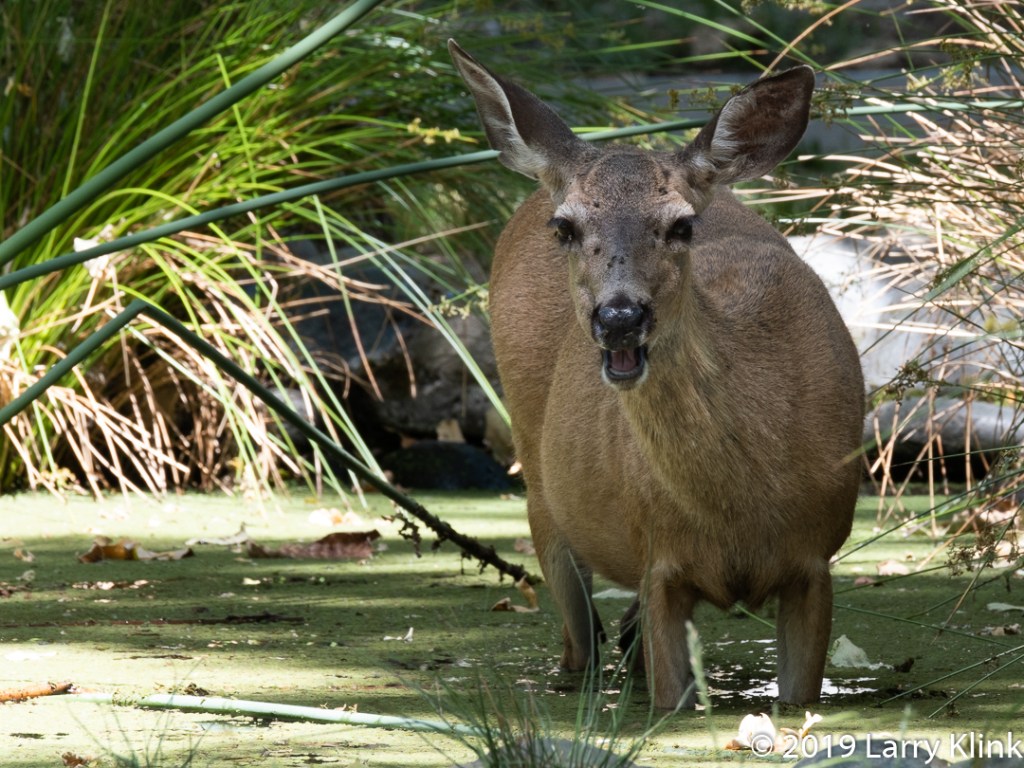
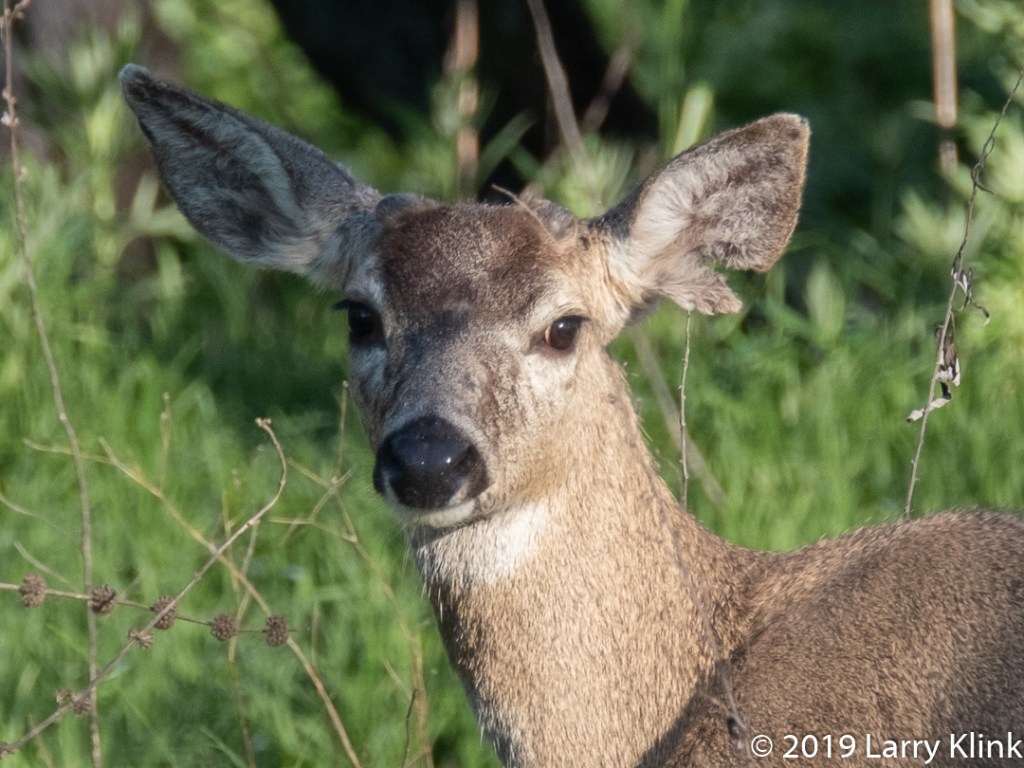
The Black-tailed Mule Deer (Odocoileus hemionus) are found on the western Great Plains, the Rocky Mountains, Southwestern United States and the West Coast of North America.
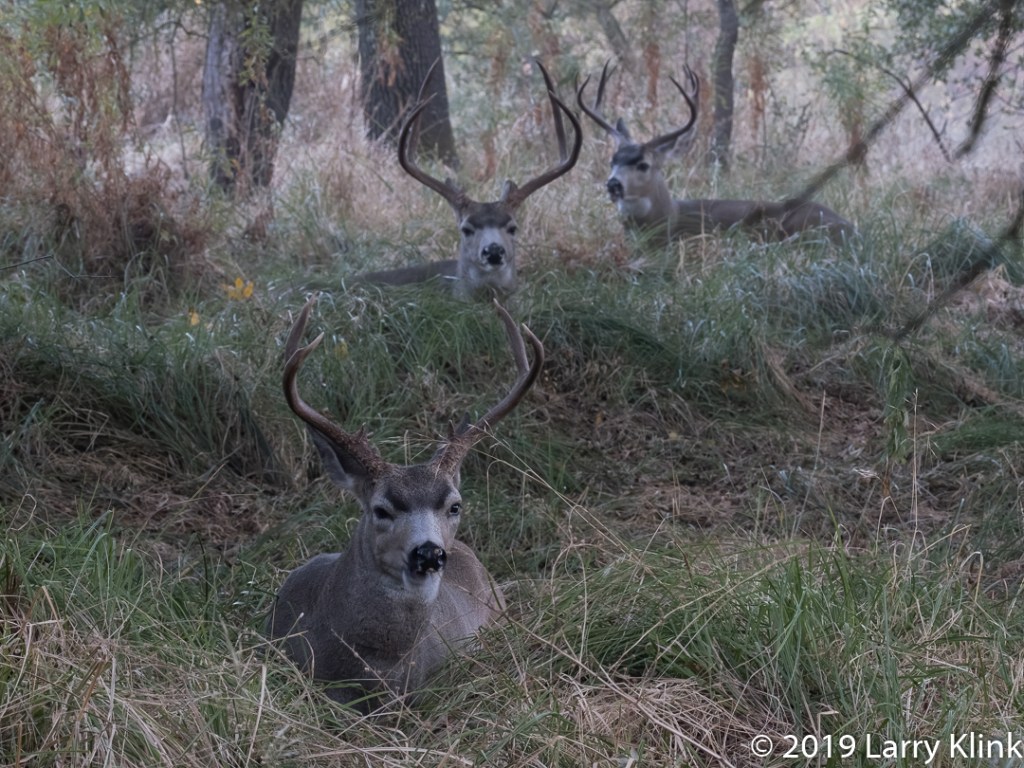
Deer are ungulates, meaning they are hooved. They are also ruminants which means they eat and send their food to the rumen; one of its stomachs. Later, it regurgitates the cud (food) from its rumen, chews it and sends it to its other stomach to digest. Male deer, like moose and elk, have antlers. Antlers are made of bone which are shed and regrown each year. (Animals like sheep, goats, cattle, and antelope have horns. Horns are made of bone covered with keratin which are permanent; not shed and regrown.) The prongs on an antler are referred to as points; a 6 point buck has 3 prongs on each antler.
Male deer are called bucks, female deer are called doe and the
babies are called fawns. During most of the year, deer segregate themselves by
sex; bucks in groups and doe, along with their young, in separate groups.
Each year, deer go through a reproductive cycle that begins
with the “rut”[i].
The rut is the time when male deer fight for the right to breed with a harem of
females and concludes with impregnated doe. As the rut commences and bucks have
regrown their antlers, the bucks attempt to form a harem. One buck may challenge
another for the right to breed with a harem. Bucks will lock antlers and push
and fight until one is pushed backwards and loses the challenge. It is a
dangerous time for bucks; they can become permanently injured. The ultimate
winner breeds with the females as they enter estrus. Gestation is about 200
days.
In mid-to-late winter, the bucks drop their antlers. When
the antlers regrow, they are covered with a furry skin commonly called velvet. When
the antlers have completed their growth, the velvet dries and causes irritation
for the bucks. The bucks rub their antlers against a tree to remove the velvet.
About the time autumn begins, when the fawns have grown and the bucks’ antlers have regrown, the rut begins again.
Note: Please click on caption to see images at higher resolution.
Over the course of the current year, I have been busily photographing
many birds; so many that I have gotten behind in my posts. Over the next few
months I’ll do my best to catch up, interspersed with some other interesting
aspects of nature such as the golden leaves of the aspens along the eastern
sierra. In this post, I’ll start with sharing some birds that I find especially
beautiful.
The Bullock’s Oriole (Icterus bullockii) is found in the
western part of North America. They like open areas near trees where they can
find caterpillars, fruit and nectar.
The Hooded Oriole (Icterus cucullatus) is
found in the southwestern United States. However, in breeding season they
reside in western California also. They live in more open areas, and especially
like palm trees. They like fruit, nectar and the sugar water in hummingbird
feeders.
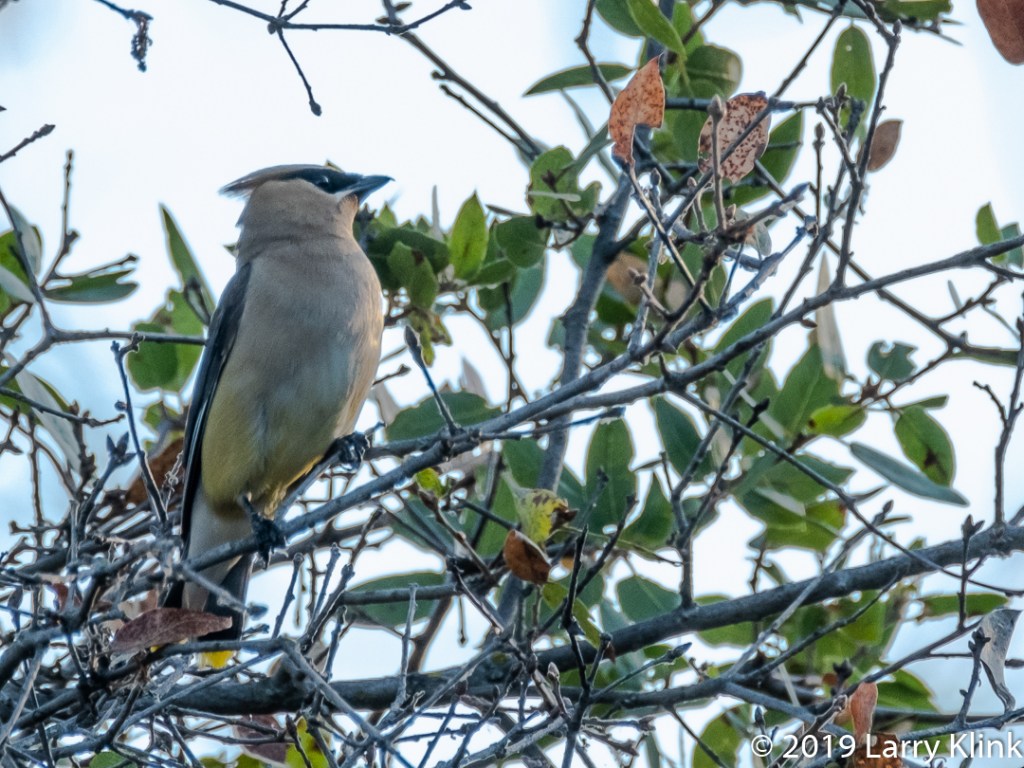
The Cedar Waxwing (Bombycilla cedrorumlives) can be
found across much of the United States. They are social birds that flock
together in trees. Their preferred diet is fruit and berries but sometimes practice
the aerobatics of flycatchers chasing insects. Waxwings get their name from a
waxy substance they secrete from their wingtips.
Here in the Sacramento area, we see the waxwings in the winter and the orioles in the summer.
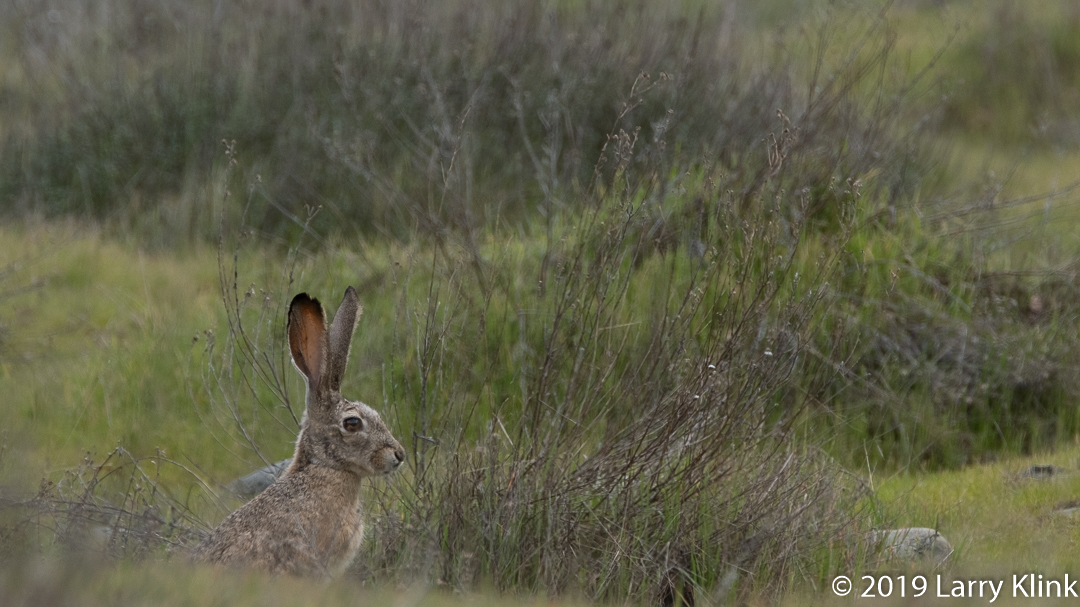
Here are images of a some animals that I’ve taken over the last few weeks; the Coyote, the Black-tailed Jackrabbit and the California Ground Squirrel.
Take notice of the coyote. His eyes face front. That is a trait of predators. The ground squirrel and the jackrabbit need to keep their eyes open for predators while they forage, so their eyes are on the side. Remember the adage: “Eyes in the front, the animal hunts. Eyes on the side, the animal hides.”
Please click on caption to see image at higher resolution.
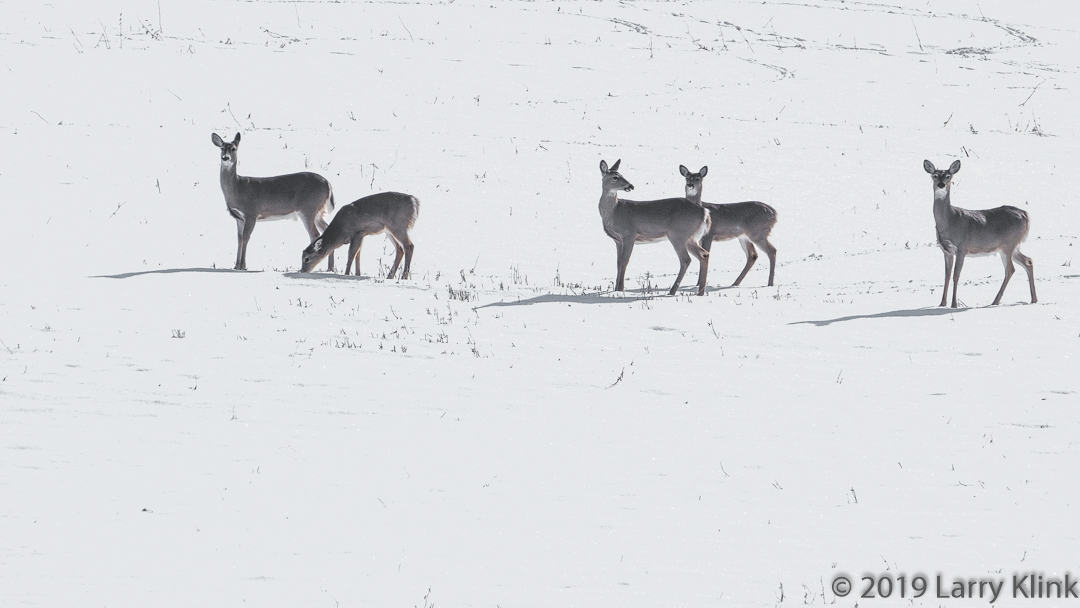
Here are some images of deer I recently photographed.
The White-tailed deer were spotted in rural southwestern Pennsylvania (US) grazing through some new fallen snow.
The Black-tailed Mule Deer was taken at the Effie Yeaw Nature Center here in Sacramento. I suppose he was taking a break after the rut. He’ll soon drop his antlers and begin growing them anew.
By the way, if you are ever in the Sacramento area, you should pay a visit to the Effie Yeaw Nature Center. You are almost guaranteed to see deer, wild turkeys and many birds. I occasionally see a jack rabbit and coyotes also.
Over the past couple of months, I have been doing some birding in the area around home. Late fall and winter bring some birds migrating to warmer climates to join those that stay year around. Here are a few that live in the area most or all of the year.
Please click on caption to see image at higher resolution.
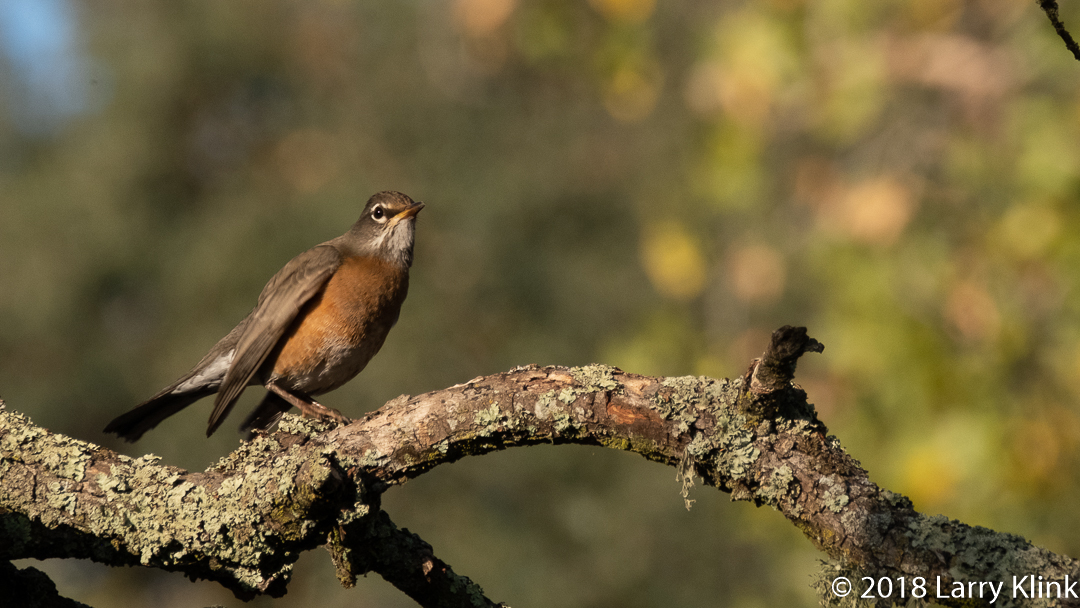
The American Robin stays around all year, but I never see them in large numbers like I have seen them in other areas. They are a beautiful bird with a pretty song. They are very easy to spot; they hunt for worms and other insects on the ground in open areas.
The black phoebe is a flycatcher. They like to live near the water, You can see them perched on trees, hunting for insects or arthropods. When they spot something take it while in the air or diving upon their prey while it is on the ground.
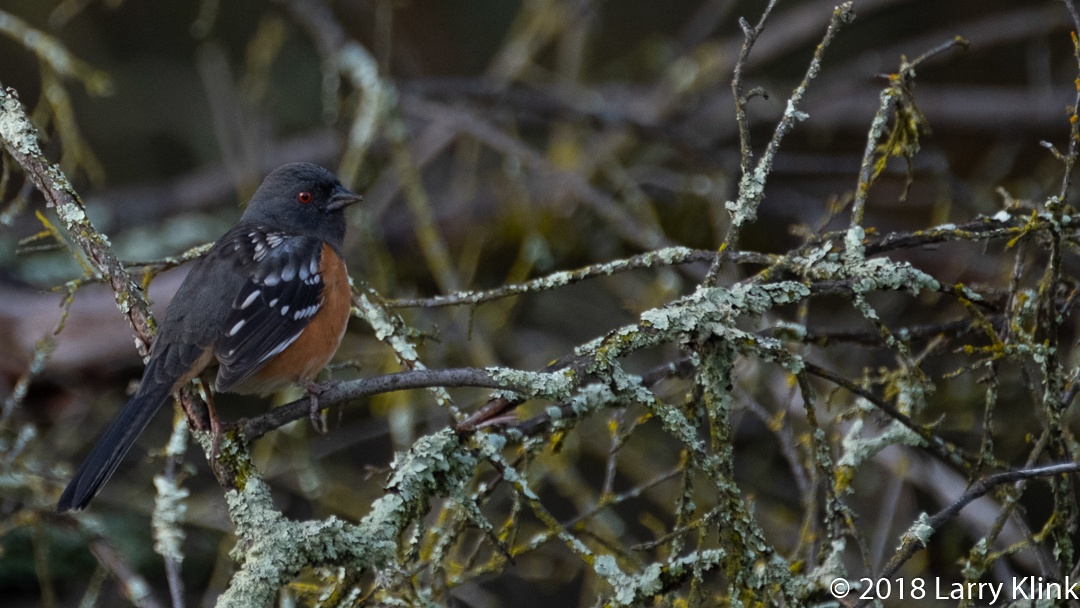
The spotted towhee likes to hide in the underbrush and eat insects. Look for fluttering in the brush pile and watch carefully you just might catch a glimpse of one.
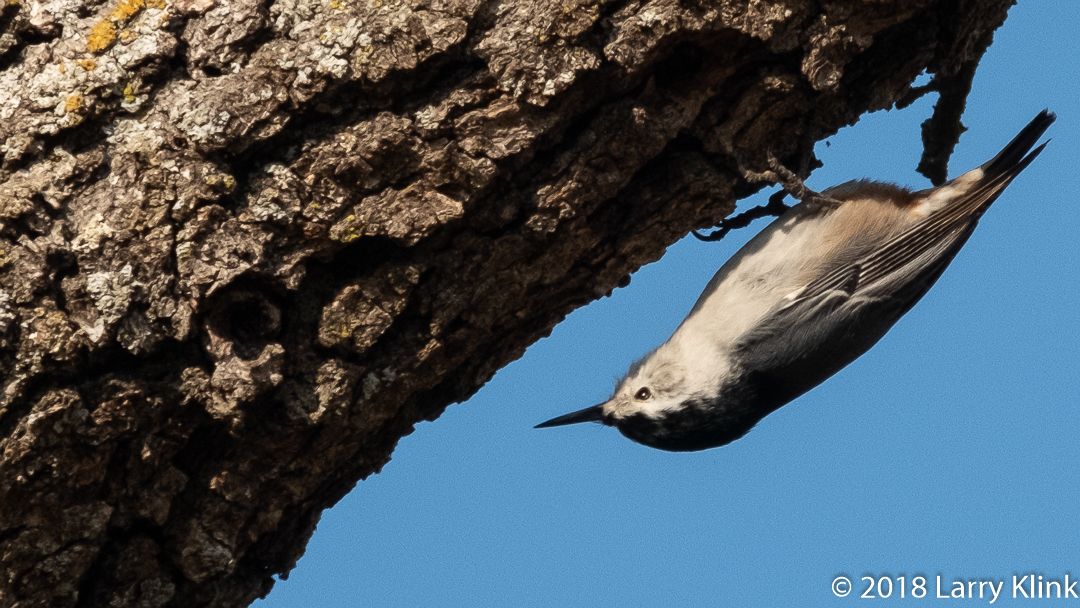
The white breasted nuthatch can be seen scampering up, down and around tree branches and trunks in search of food. They are fun to watch as they move quickly while searching and descend headfirst when going downward. They primarily eat insects but do also eat nuts.
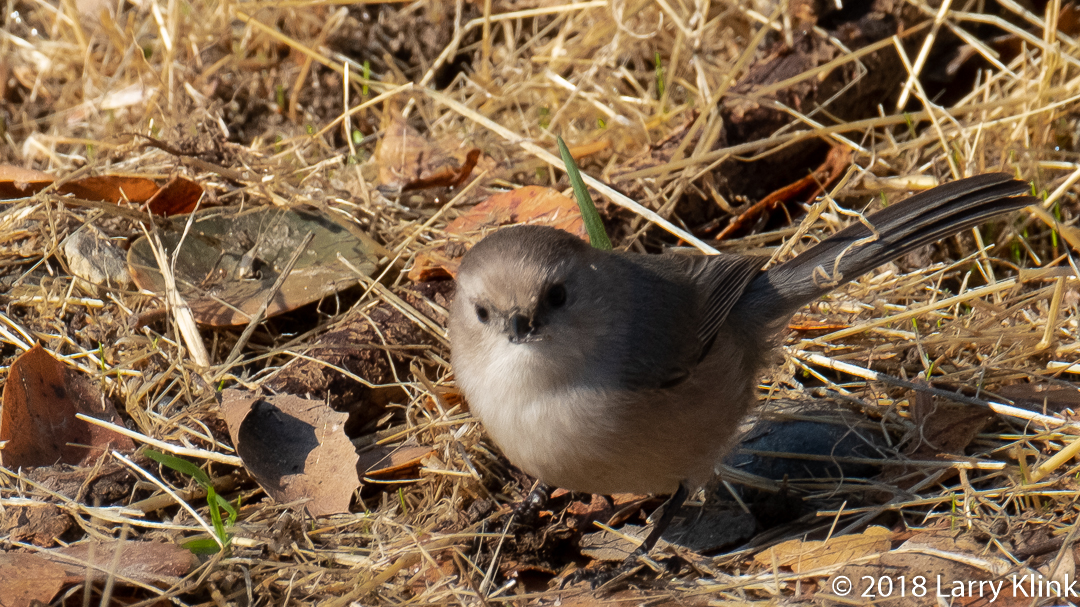
The bushtit is a tiny bird mostly found in small flocks. They fly from tree to tree staying only a very short time. They primarily dine on small insects and spiders.














 Earthwatcher