Some Birds from Merritt Island – Part 2

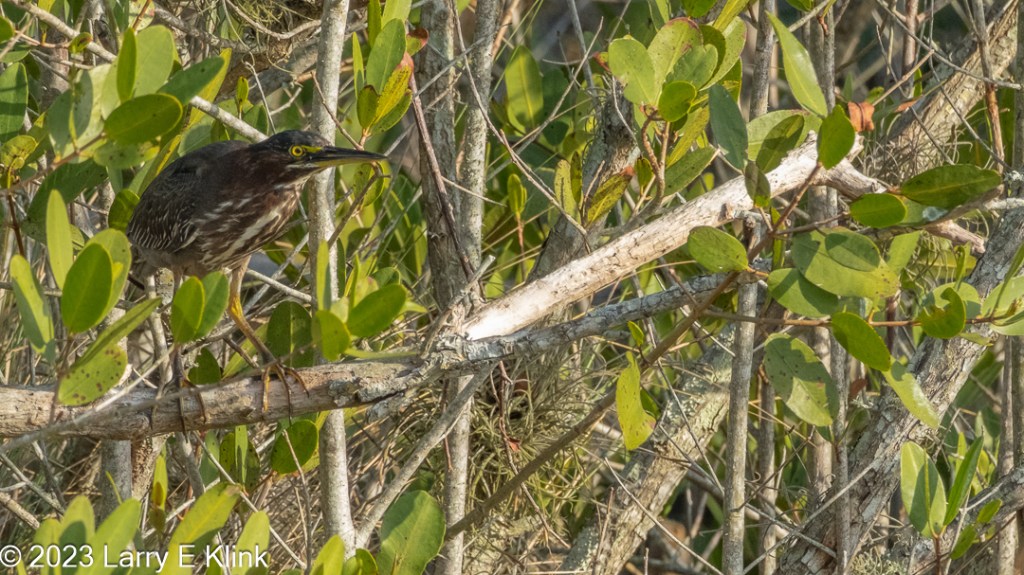
Image of a Green Heron perched on a light gray branch facing right. The background is primarily green leaves from a mangrove tree. The cap on the bird’s head is blue-gray. Its back is a darker blue-gray. Its neck, breast and belly is brown with several thick, white stripes. The top of its beak is gray. The bottom of its beak, its legs and its eye are yellow.
Green Heron in the Mangroves;
Merritt Island National Wildlife Refuge, Titusville, Florida, USA; FEB 2023

A few of the other birds we saw at Merritt Island National Wildlife Refuge in Florida, USA.

Please click on caption to see images at higher resolution.

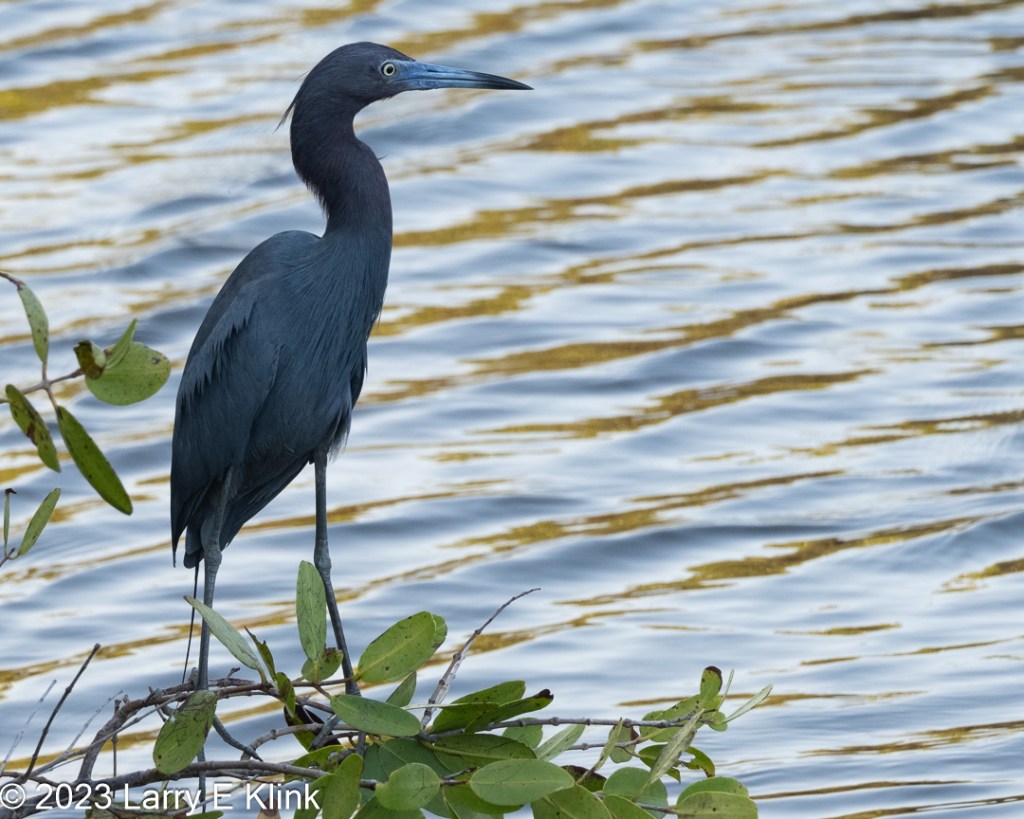
Image of a Little Blue Heron perched above the water on a mangrove tree branch, facing right. The branch is adorned with the green leaves of the mangrove tree. The water is alternately striped blue and gold. The bird’s body is a dark blue-gray Its beak and legs are a light blue-gray. Its beak has a black tip. Its eye is yellow.
Little Blue Heron;
Merritt Island National Wildlife Refuge, Titusville, Florida, USA; FEB 2023
Image of a Tri-colored heron wading in water, facing left. The background is rippled blue water. In the right upper quadrant of the image, the rippled water is reflecting brown from trees along the shore. The bird’s head, back of its neck and its wings are gray. The tips of its tail feathers are black. Its under feathers are white. Its neck is a reddish gray from the curve to the point where it joins the body. The front of its neck is spotted reddish brown and white. Its beak is long and yellow with a gray stripe on top. Its legs and eye are yellow.
Tri-colored Heron;
Merritt Island National Wildlife Refuge, Titusville, Florida, USA; FEB 2023
White Ibis;
Merritt Island National Wildlife Refuge, Titusville, Florida, USA; FEB 2023

Please visit my website, www.earthwatcher.us to see my collection of landscapes and wildlife.

These and other images are available to purchase by contacting larry.klink@earthwatcher.us.

If anyone would like a copy of almost any picture in my library, for educational or research use, please contact me and I will happily share a digital copy with you.


Birds of Merritt Island – Part 1

An image of a Blue Jay perched on a brown fence that is adorned by white bird droppings. The bird has a white face, breast, and belly with a black stripe above the beak, through the eye that continues diagonally down along the neck.  Its cap, back of neck and wings are light blue. The wing has a white wing bar. The beak and legs are dark gray. The eye is black.
Blue Jay;
Hobe Sound, Florida, USA; FEB 2023

A few weeks ago, we visited Merritt Island National Wildlife Refuge near Titusville, Florida, USA. We saw fewer species than we have seen during other visits. But we did see some of our favorites.

Please click on caption to see image at higher resolution.

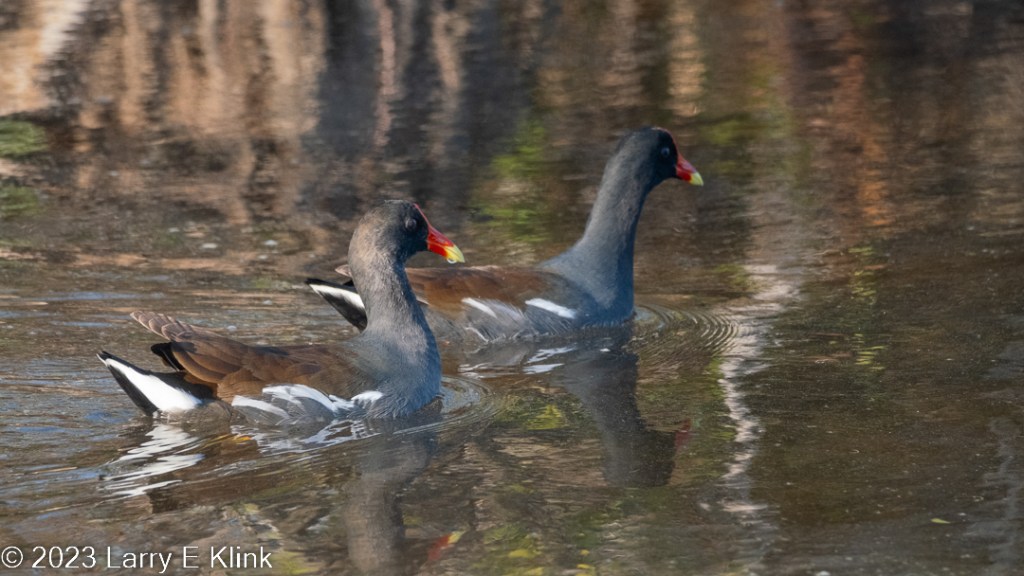
Image of a pair of Common Gallinules on a pond. The background is water colored mostly brownish green. At the top of the frame, the water has jagged stripes of white, gray and brown. The birds have a gray cap, neck, and breast. Its tail feathers form a triangle at the back of the bird. It is predominantly white with a black stripe at its top and bottom. Its wings are brown with a white stripe at its base. It has a black eye patch.  The beak is red orange with a yellow tip.
Common Gallinule, aka Common Moorhen;
Merritt Island National Wildlife Refuge, Titusville, Florida, USA; FEB 2023

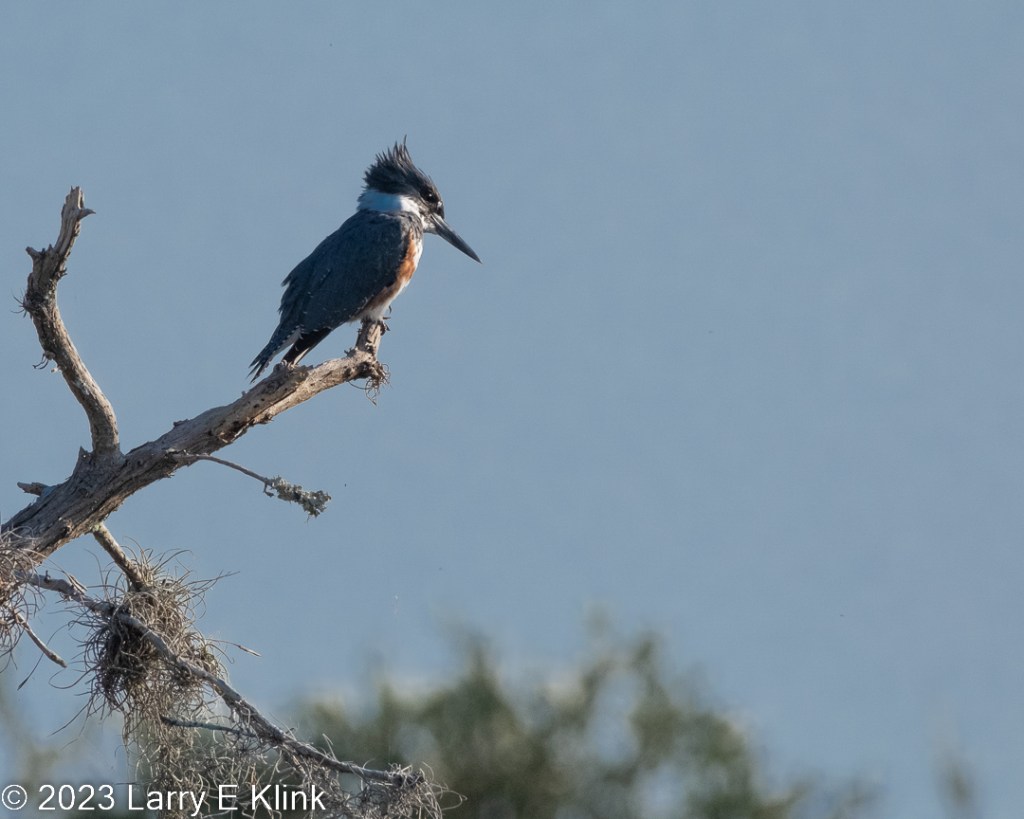
An image of a female belted kingfisher on a tree branch. The background is blue sky. At the bottom of the frame is the somewhat blurry green tree to. The tree branch is gray and is adorned with a gray, spaghetti like bindle of sticks. The bird has a dark gray head and black eye. At the base of the head, is a white neck ring. The beak is long and pointed; its color is dark gray. Its neck and belly are white and is bisected with a rusty orange stripe. Its wings are dark blue gray.
Female Belted Kingfisher;
Merritt Island National Wildlife Refuge, Titusville, Florida, USA; FEB 2023
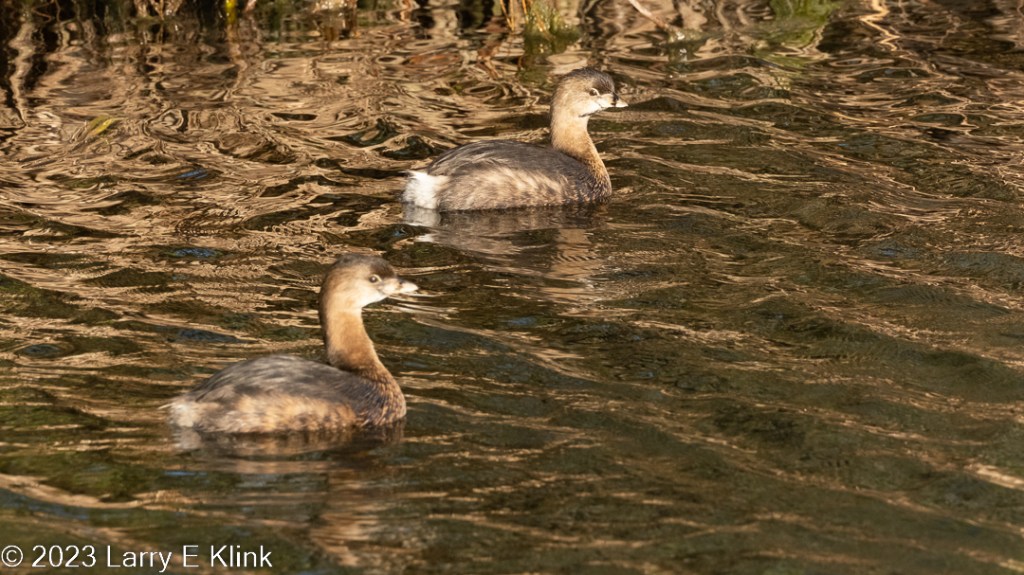
A pair of Pied-billed Grebes floating on the water. The golden-brown pond water is the background. The head, neck and area below the feathers is light brown. The cap on its head and its back is gray. Is tail is the white tuft on the back of the bird. There is a white patch behind the beak, The beak is brown on type, white on the bottom with a black stripe circling it. Its eye is brown.
Pied-billed Grebe;
Merritt Island National Wildlife Refuge, Titusville, Florida, USA; FEB 2023
An image of a Red-winged blackbird sitting atop a shrub with leaves. The background is green with a light gray stripe, caused by the water, at the bottom. The shrub’s leaves are green, highlighted with yellow. The bird is all black. It has a patch of red feathers at the top of its wings. The patch has a yellow border at the bottom. The beak is gray, and the eye is black.
Red-winged Blackbird;
Merritt Island National Wildlife Refuge, Titusville, Florida, USA; FEB 2023

Please visit my website, www.earthwatcher.us to see my collection of landscapes and wildlife.

These and other images are available to purchase by contacting larry.klink@earthwatcher.us.

If anyone would like a copy of almost any picture in my library, for educational or research use, please contact me and I will happily share a digital copy with you.


American Alligator

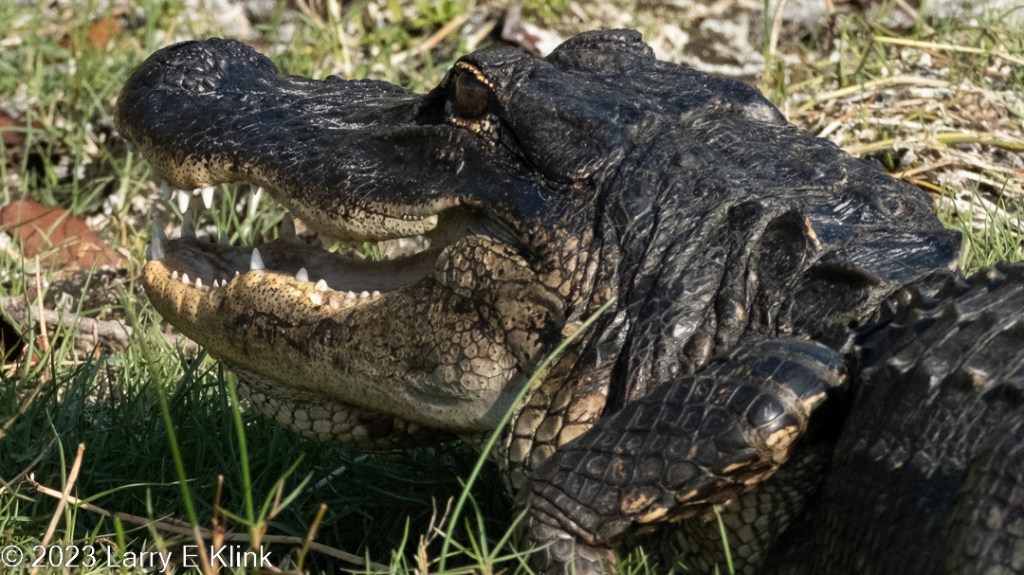
American Alligator;
Merritt Island National Wildlife Refuge, Titusville, Florida, USA; FEB 2023

We visited Merritt Island National Wildlife Refuge where I met a cooperative alligator. Here it is, in 2 views.

American Alligator;
Merritt Island National Wildlife Refuge, Titusville, Florida, USA; FEB 2023

Please visit my website, www.earthwatcher.us to see my collection of landscapes and wildlife.

These and other images are available to purchase by contacting larry.klink@earthwatcher.us.

If anyone would like a copy of almost any picture in my library, for educational or research use, please contact me and I will happily share a digital copy with you.


Two Sapsuckers

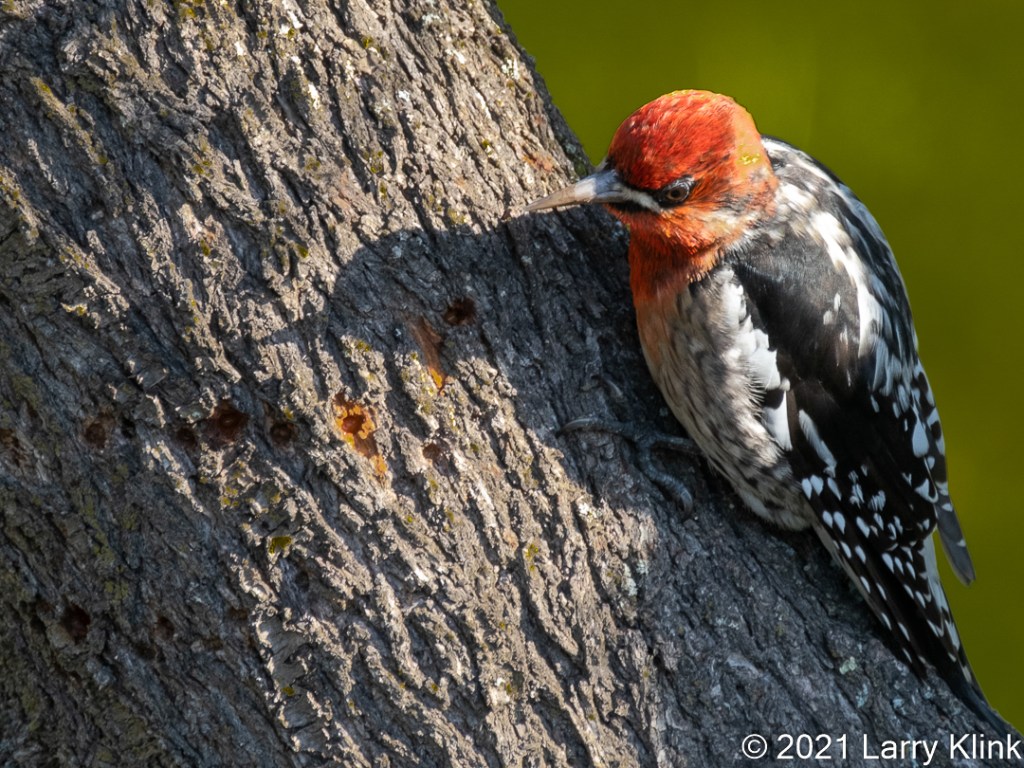
Red-breasted Sapsucker
Sailor Bar, American River Parkway, Fair Oaks, CA; JAN 2021

In recent weeks, a Red-breasted Sapsucker has allowed me to photograph it. I have wanted this opportunity for a couple of years. Two years ago, I saw one but had already packed up my camera gear and lost the opportunity. So, I was excited to finally see one.

A year ago, I was in Florida and was given the opportunity to photograph a Yellow-bellied Sapsucker. That was special also.

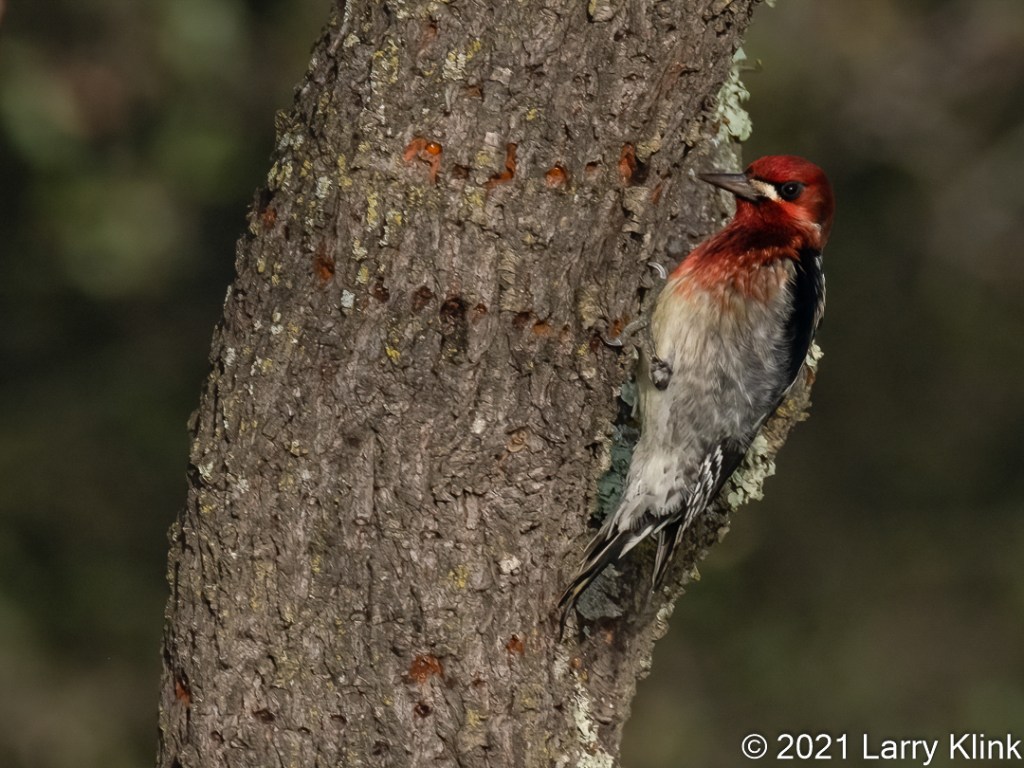
The images I captured shows a signature behavior of sapsuckers. They peck to create a round hole from which the suck the sap. They get the sap from one hole then create another. In doing so they create horizontal ring around the tree. They may create many of these rings. If you see a tree with rows of holes, in horizontal rings, you may have a favorite tree to watch for sapsuckers.

According to All About Birds from Cornell Labs, the Rufous Hummingbird may follow a sapsucker and finish any sap left in a fresh hole.

Please click on caption to see image at higher resolution.

Yellow-bellied Sapsucker
Six Mile Cypress Preserve, Fort Meyers, FL; FEB 2020
Red-breasted Sapsucker; Sailor Bar
American River Parkway, Fair Oaks, CA; JAN 2021

Please visit my website, www.earthwatcher.us to see my collection of landscapes and wildlife.

These and other images are available to purchase by contacting larry.klink@earthwatcher.us.

Some Birds from Florida

Sandhill Crane (Grus canadensis)
Harns Marsh, Fort Meyers, FL; FEB 2020

I am sharing a few bird pictures that I haven’t posted from our Florida trip in February.

Please click on caption to see images at higher resolution.

Laughing Gull (Leucophaeus atricilla)
Bowman’s Beach, Sanibel Island, FL; FEB 2020
Ring-billed Gull (Larus delawarensis)
Bowman’s Beach, Sanibel Island, FL; FEB 2020
Mottled Duck (Anas fulvigula)
Port Saint Lucie, FL; FEB 2020
Ring-billed Gull (Larus delawarensis)
Bowman’s Beach, Sanibel Island, FL; FEB 2020
Laughing Gull (Leucophaeus atricilla)
Fishing Pier, Sanibel Island, FL; FEB 2020

Please visit my website, www.earthwatcher.us to see my collection of landscapes and wildlife.

These and other images are available to purchase by contacting larry.klink@earthwatcher.us.

Woodpeckers and Cousins

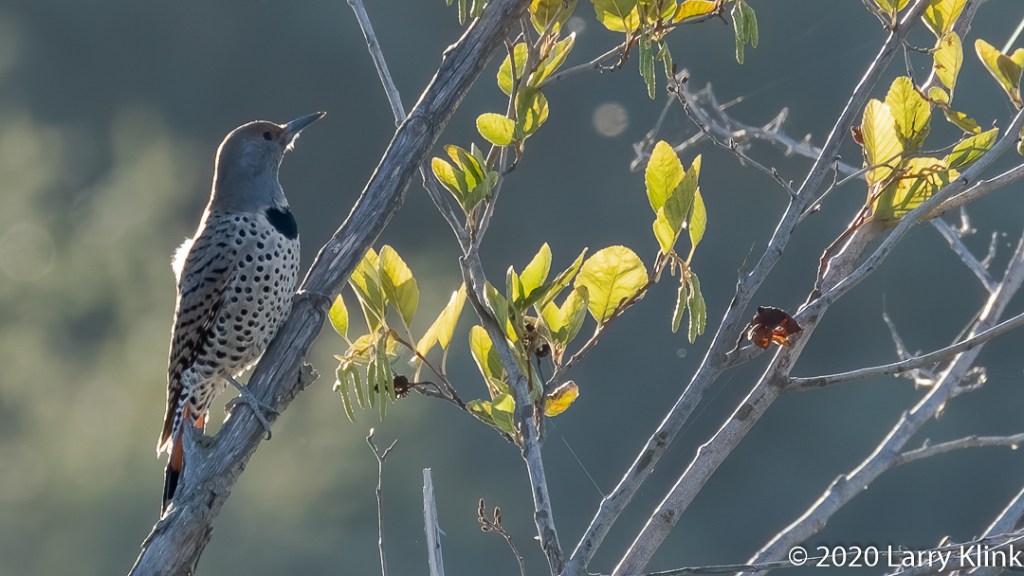
Male Red Shafted Northern Flicker (Colaptes auratus)
Effie Yeaw Nature Center, Sacramento, CA; JAN 2020

Today I am sharing images of some woodpeckers and some cousins. The Red-bellied Woodpecker and the Yellow-bellied Sapsucker are from Florida, the others were from the Sacramento Area.

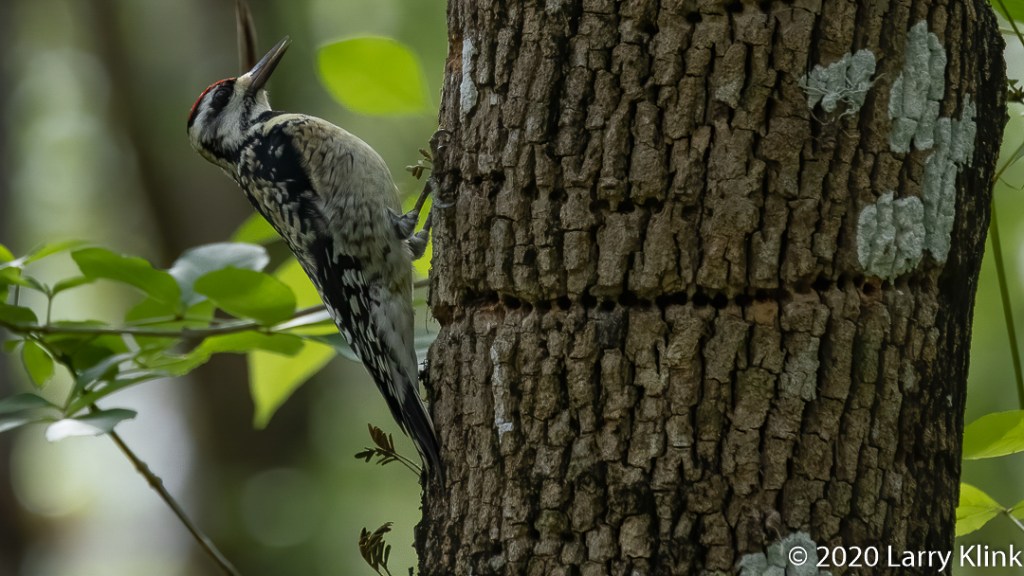
Look closely at the Yellow-bellied Sapsucker and notice the tree on which it is perched. Note the ring of holes around the tree. When a sapsucker feeds it moves around the trunk leaving a tell tale ring of holes around the tree.

Please click on caption to see image at higher resolution.

Female Red-shafted Northern Flicker (Colaptes auratus)
Effie Yeaw Nature Center, Sacramento, CA; OCT 2019
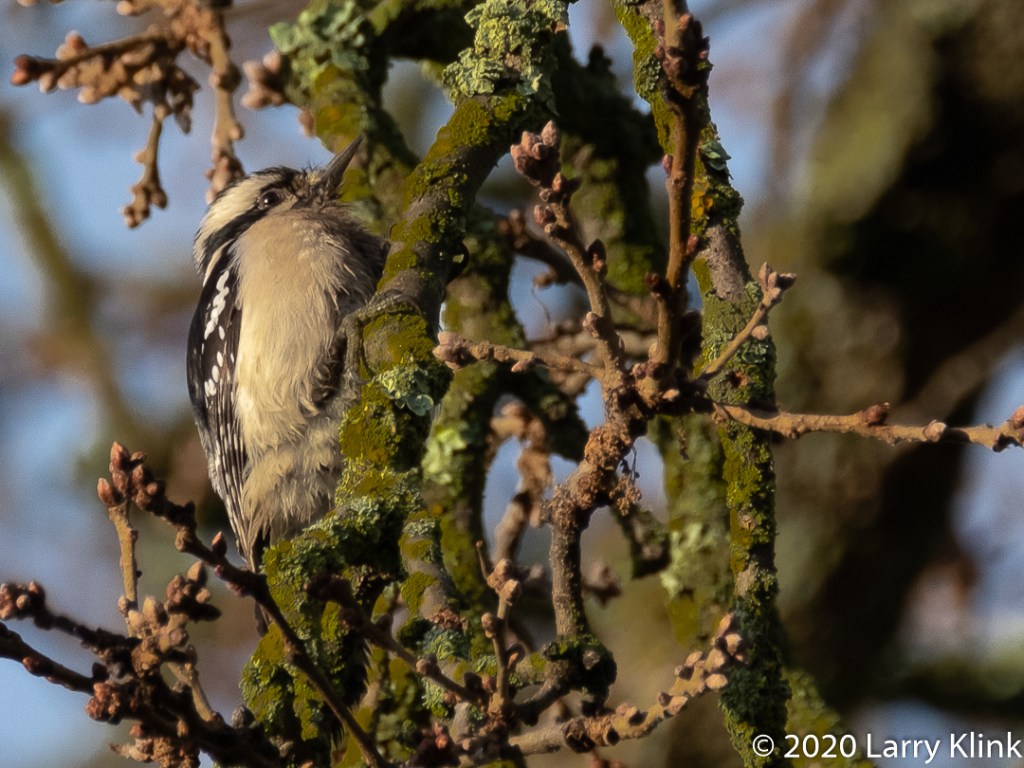
Female Downy Woodpecker (Picoides pubescens)
Effie Yeaw Nature Center, Sacramento, CA; JAN 2020


Male Downy Woodpecker (Picoides pubescens)
Effie Yeaw Nature Center, Sacramento, CA; JAN 2020
Female Red-bellied Woodpecker (Melanerpes carolinus)
Sanibel Island, FL; FEB 2020
Male Red-bellied Woodpecker (Melanerpes carolinus)
Sanibel Island, FL; FEB 2020
Female Yellow-bellied Sapsucker (Sphyrapicus varius)
Six Mile Cypress Preserve, Fort Meyers, FL; FEB 2020

Please visit my website, www.earthwatcher.us to see my collection of landscapes and wildlife.

These and other images are available to purchase by contacting larry.klink@earthwatcher.us.

A Few More Songbirds

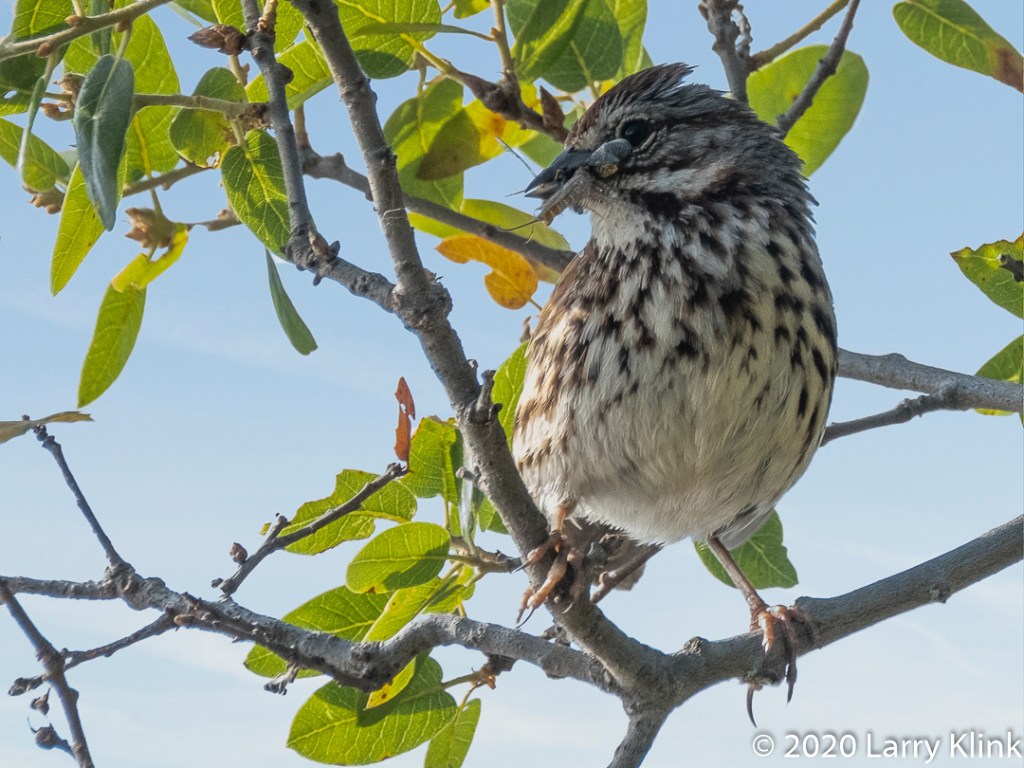
Song Sparrow (Melospiza melodia)
Mississippi Bar, American River Parkway, Orangevale, CA; MAY 2020

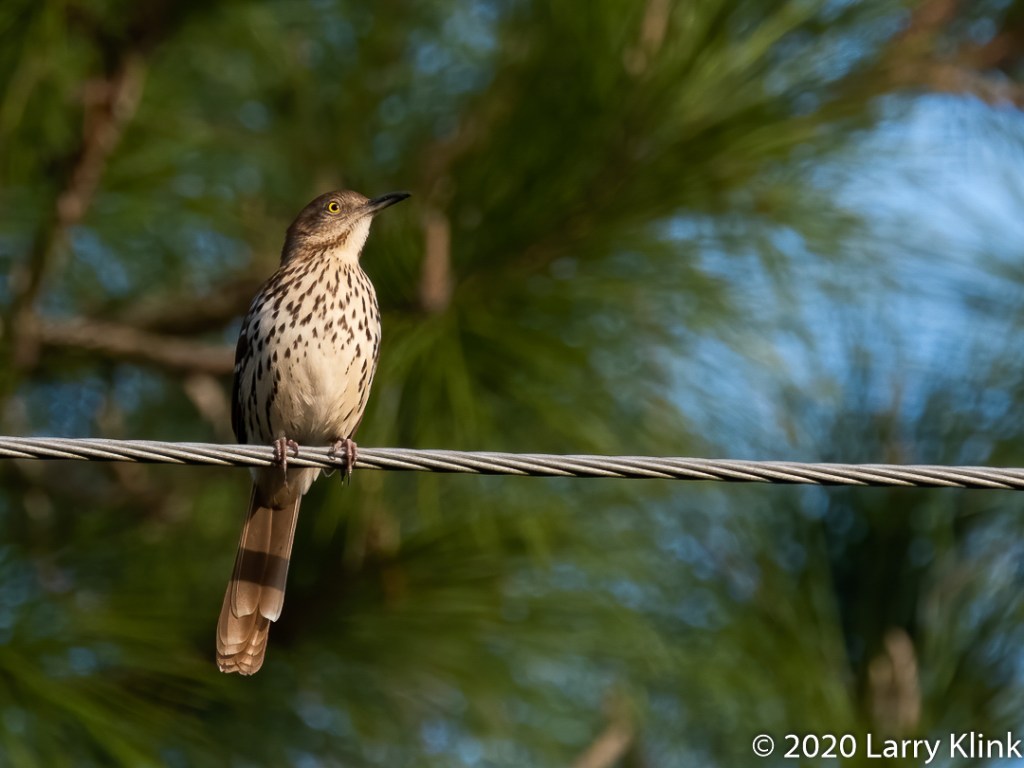
Today I am sharing a few more songbirds that I have photographed over the last several months. The Cardinals and the Brown Thrasher were taken in Florida, the remainder here in the Sacramento area.

Please click on caption to see images at higher resolution.

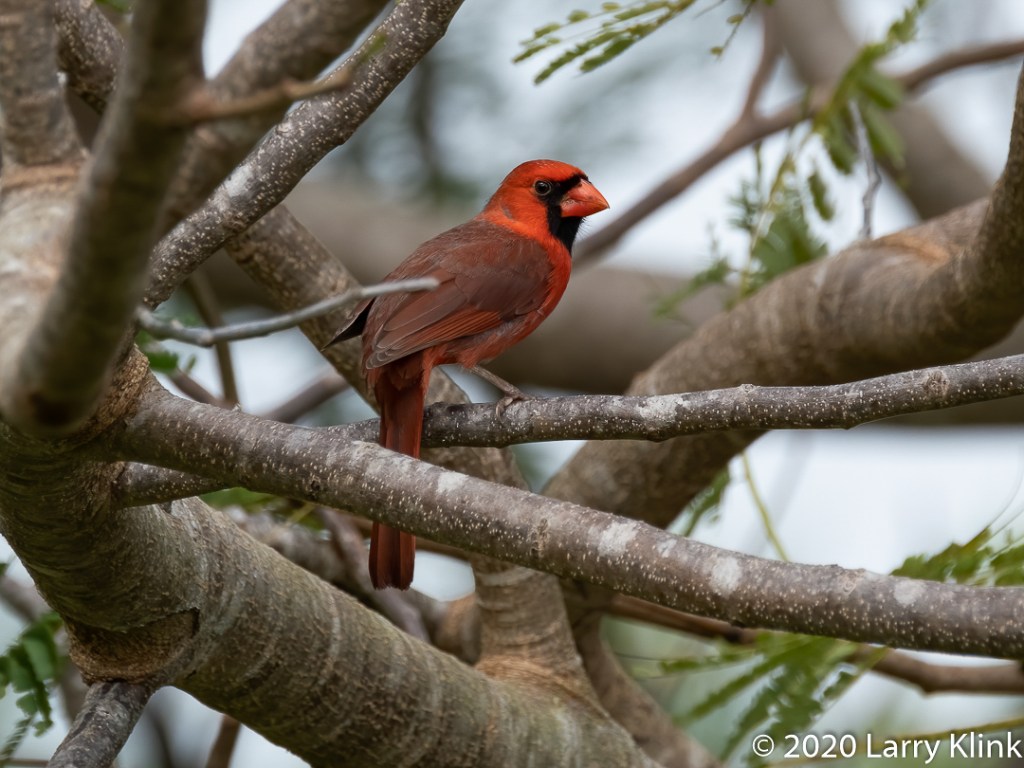
Northern Cardinal (Cardinalis cardinalis)
Port St Lucie, FL; FEB 2020 #Photography
Western Bluebird (Sialia mexicana)
Effie Yeaw Nature Center, Sacramento, CA; MAR 2020
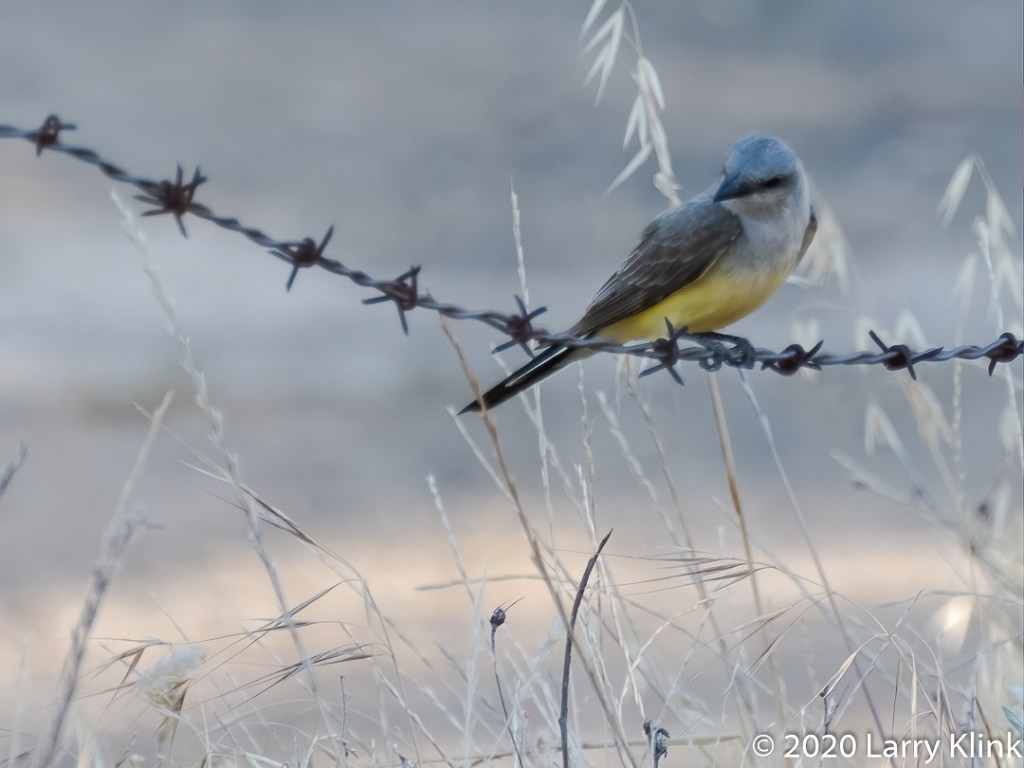
Western Kingbird (Tyrannus verticalis)
Sailor Bar, American River Parkway, Fair Oaks, CA; MAY 2020
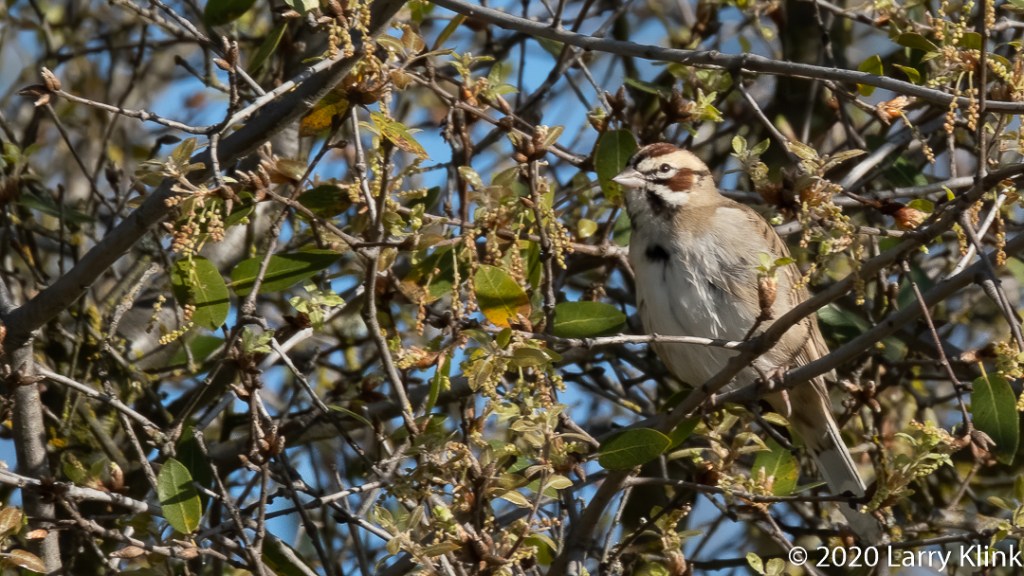
Lark Sparrow (Chondestes grammacus)
Effie Yeaw Nature Center, Sacramento, CA; FEB 2020
Northern Cardinal (Cardinalis cardinalis)
Port St Lucie, FL; FEB 2020 #Photography
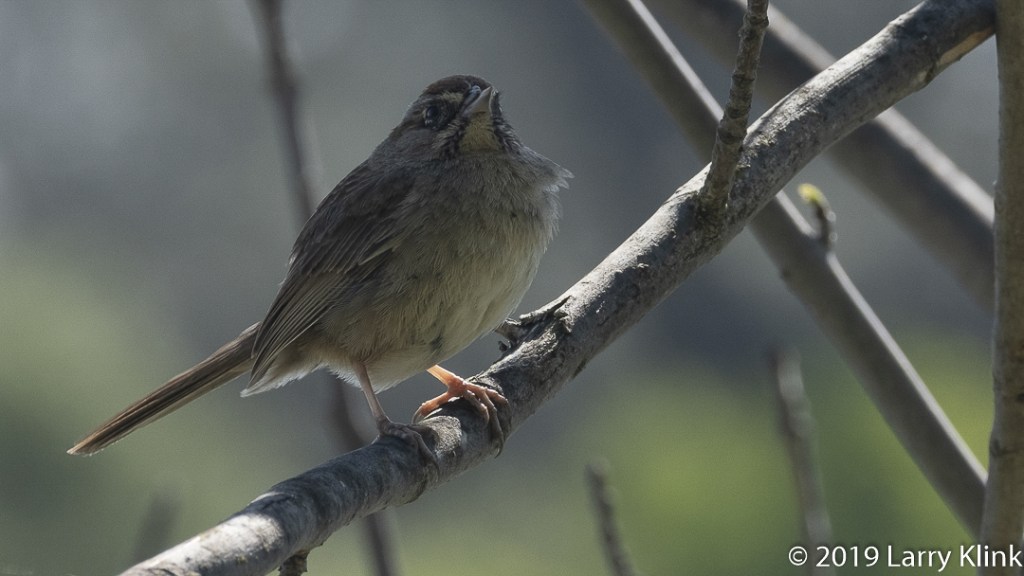
Chipping Sparrow (Spizella passerina)
Rollingwood Bluffs Park, Folsom – Orangvale, CA; APR 2019
Brown Thrasher (Toxostoma rufum)
Port St Lucie, FL; FEB 2020

Please visit my website, www.earthwatcher.us to see my collection of landscapes and wildlife.

These and other images are available to purchase by contacting larry.klink@earthwatcher.us.

Some Marsh Birds

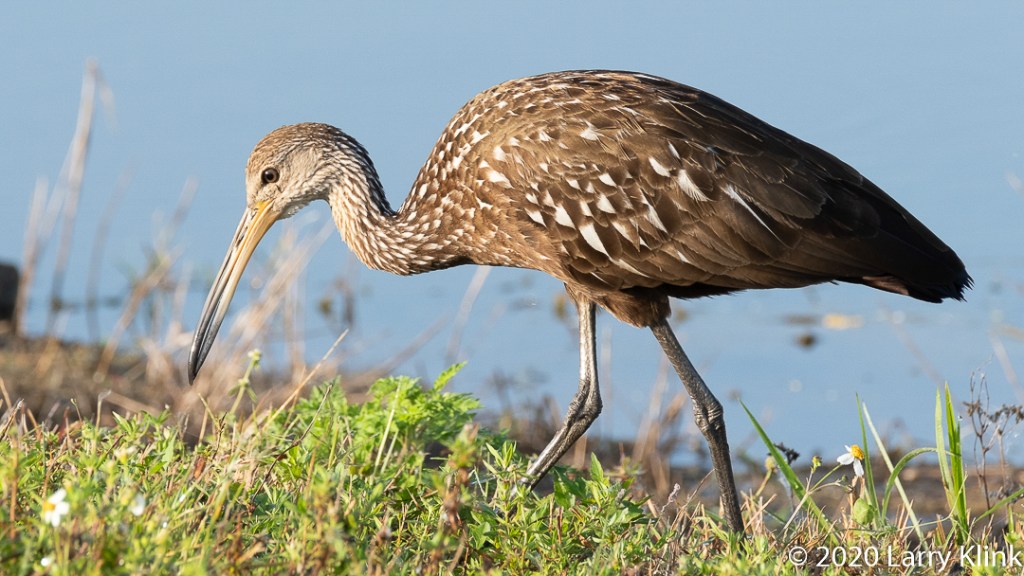
Limpkin (Aramus guarauna)
Harns Marsh, Fort Meyers, FL; FEB 2020

Today I am sharing images of birds that hang around marshy areas.

The American Avocet can be found in marshes in the Western United States, the Southeast Coast and Gulf Coast of the US as well as Mexico. It is generally seen in inland portions of the US only during breeding and when migrating to breeding grounds. It nests on the ground. It forages by walking in shallow water, swishing its head back and forth to capture aquatic invertebrates.

The Limpkin is found in Florida, the Yucatan Peninsula, and the Caribbean. They nest on the ground. They forage day and night specializing in eating apple snails. Their bill seems specifically adapted to eat them. I have never heard the call of a Limpkin, but I read that it is otherworldly.

The Common Moorhen, also known as the Common Gallinule, is found along coastal section of the United States as well as Mexico and the Caribbean. They sometimes nest in trees and shrubs but mostly nest on aquatic plants near the water’s edge. They swim when foraging and eat aquatic plants.

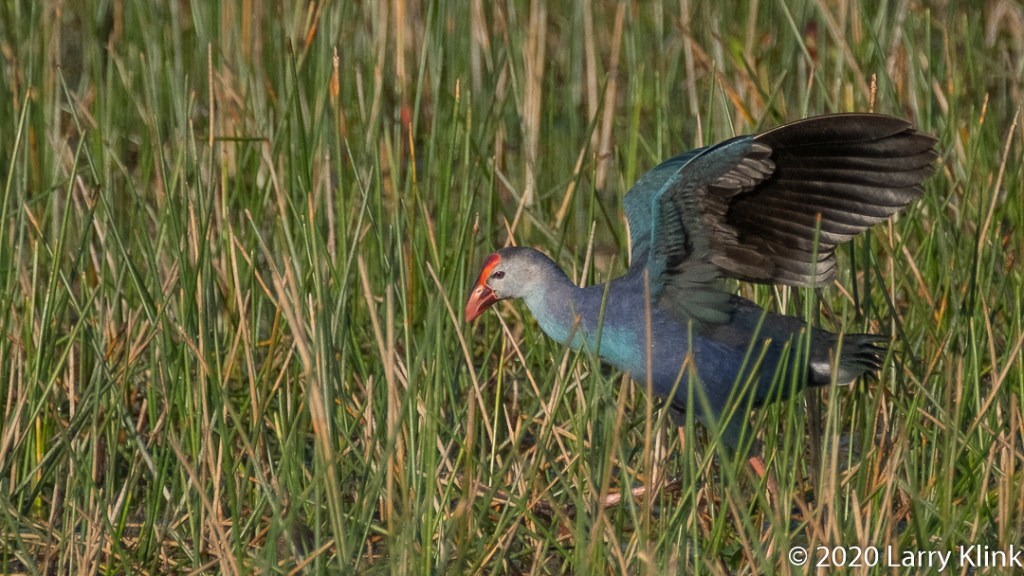
The Purple Swamp Hen, also known as the Purple Gallinule, lives in Florida, parts of Mexico, the Yucatan Peninsula, and the Caribbean. They attach their nests to standing or floating vegetation in the marshes. They eat aquatic plants, insects, spiders, small frogs and fish, and eggs and nestlings of other birds.

The Greater Yellowlegs is found across most of North America and the Caribbean. They nest on the ground. They forage by wading and stabbing at aquatic invertebrates.

Information presented is from All About Birds from Cornell Labs. https://www.allaboutbirds.org/news/

Please click on caption to see images at higher resolution.

American Avocet
Wastewater Treatment Plan, Lincoln, CA; FEB 2020
Common Moorhen (Gallinula chloropus)
Harns Marsh, Fort Meyers, FL; FEB 2020

Purple Swamphen
Harns Marsh, Fort Meyers, FL; FEB 2020
Greater Yellowlegs (Tringa melanoleuca)
Merritt Isaland National Wildlife Refuge, Florida; FEB 2020
Limpkin (Aramus guarauna)
Harns Marsh, Fort Meyers, FL; FEB 2020

Common Moorhen (Gallinula chloropus)
Merritt Isaland National Wolidlife Refuge, Florida; FEB 2020

Please visit my website, www.earthwatcher.us to see my collection of landscapes and wildlife.

These and other images are available to purchase by contacting larry.klink@earthwatcher.us.

Some Raptors from Florida

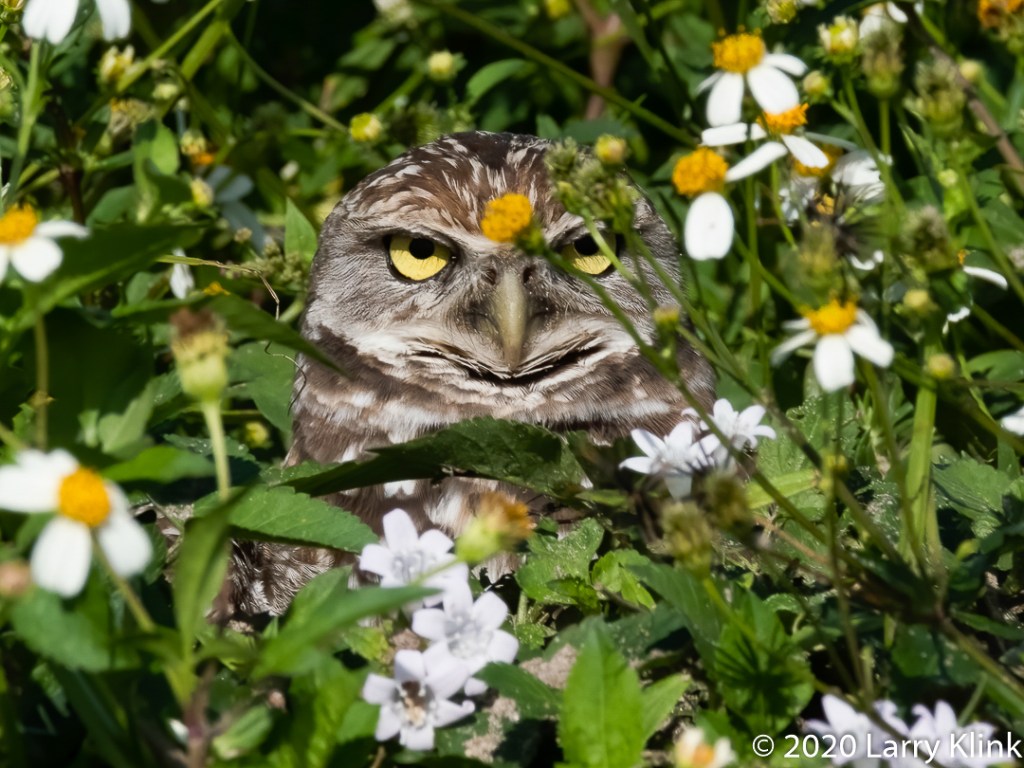
Burrowing Owl (Athene cunicularia)
Cape Coral, FL; FEB 2020

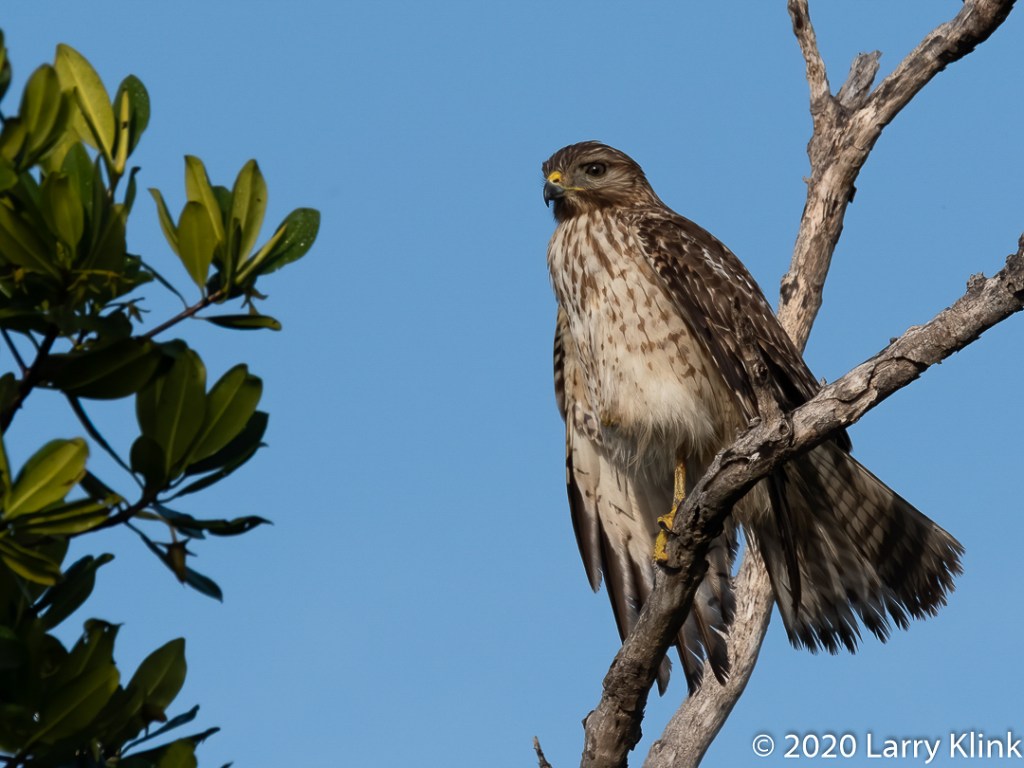
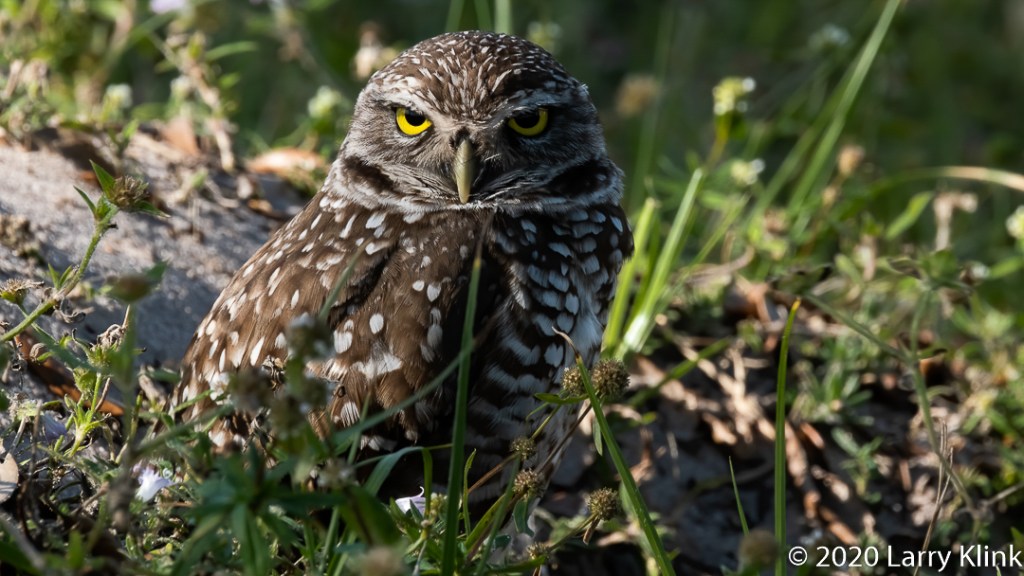
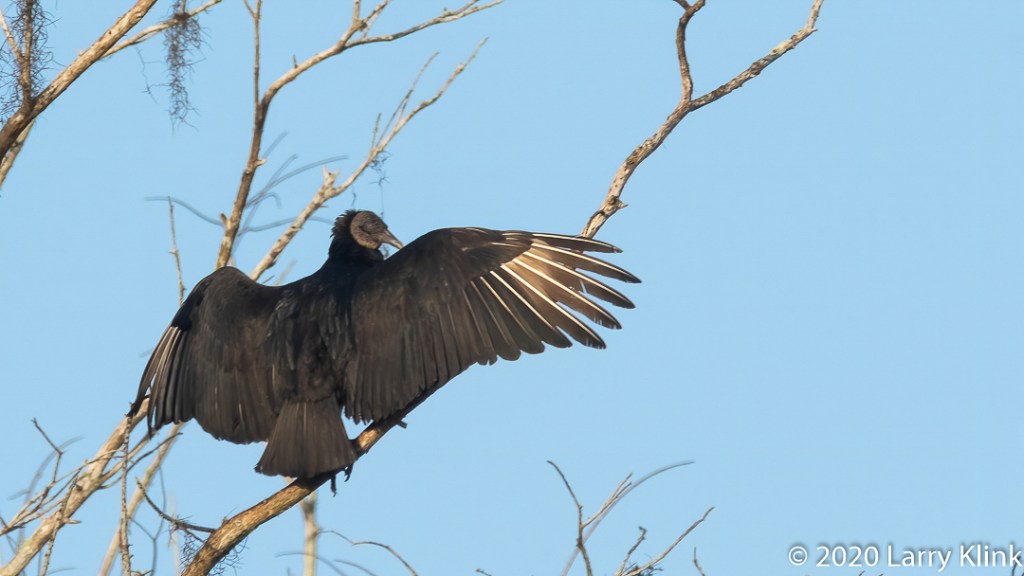
Today I am sharing some of the raptors we saw on a birding adventure in Florida. The collection includes the Burrowing Owl, the Florida subspecies of the Red-shouldered Hawk and the Black Vulture.

The Burrowing Owl is an interesting character that does not fit our stereotypes. Our literature is full of owls. They are the wise, stealthy, mysterious creatures that hunt at night, flying silently and swooping down to take its prey. The burrowing owl lives in burrows under the ground. They are comical to watch as they stand outside their burrow staring with eyes wide open, twisting their head back and forth like R2-D2 of Star Wars. They can fly to hunt but they also watch and attack or walk while hunting. They forage by day or night and eat invertebrates, insects and sometimes a mouse or shrew.

The Black Vulture is a smaller cousin to the Turkey Vulture found along the Mid-Atlantic and Southeastern states of the United States as well as Mexico, the Caribbean and extreme northern South America. The Black Vulture has a gray head and its wings are all black except for a very large section of white at the end of the wing. In contrast, the Turkey Vulture has a red head and its wings are white along the underside trailing edge.

The Florida subspecies, called extimus of the Red-shouldered Hawk is a paler colored bird than the western group, called the eleganz, we see here in Northern California.

Info from: Cornell Labs All-About-Birds and the Stokes Field Guide to Birds of North America.

Note: Please click on caption to see image at higher resolution.

Juvenile Red-shouldered Hawk (Buteo lineatus).Florida Subspecies (Extimus)
Bunche Beach, Fort Meyers, FL; FEB 2020
Black Vulture (Coragyps atratus)
Harns Marsh, Fort Meyers, FL; FEB 2020
Burrowing Owl (Athene cunicularia)
Cape Coral, FL; FEB 2020 #Photography
Black Vulture (Coragyps atratus)
Harns Marsh, Fort Meyers, FL; FEB 2020
Burrowing Owl (Athene cunicularia)
Cape Coral, FL; FEB 2020

Please visit my website, www.earthwatcher.us to see my collection of landscapes and wildlife.

These and other images are available to purchase by contacting larry.klink@earthwatcher.us.

A Jay and Some Songbirds

Male Painted Bunting (Passerina ciris)
Port St Lucie, FL; FEB 2020

Today, I am sharing some more images from my February birding adventure in Florida. Most of the birds are songbirds. However, I have a jay and a couple of grackles in the set also.

Note: Please click on caption to see images at higher resolution.

Female Painted Bunting (Passerina ciris)
Port St Lucie, FL; FEB 2020
Blue Jay (Cyanocitta cristata)
Port Saint Lucie, FL; FEB 2020
Palm Warbler (Setophaga palmarum)
Sanibel Island, FL; FEB 2020
Female Boat-tailed Grackle (Quiscalus major)
Lakes Park, Fort Meyers, FL; FEB 2020
Male Boat-tailed Grackle (Quiscalus major)
Lakes Park, Fort Meyers, FL; FEB 2020
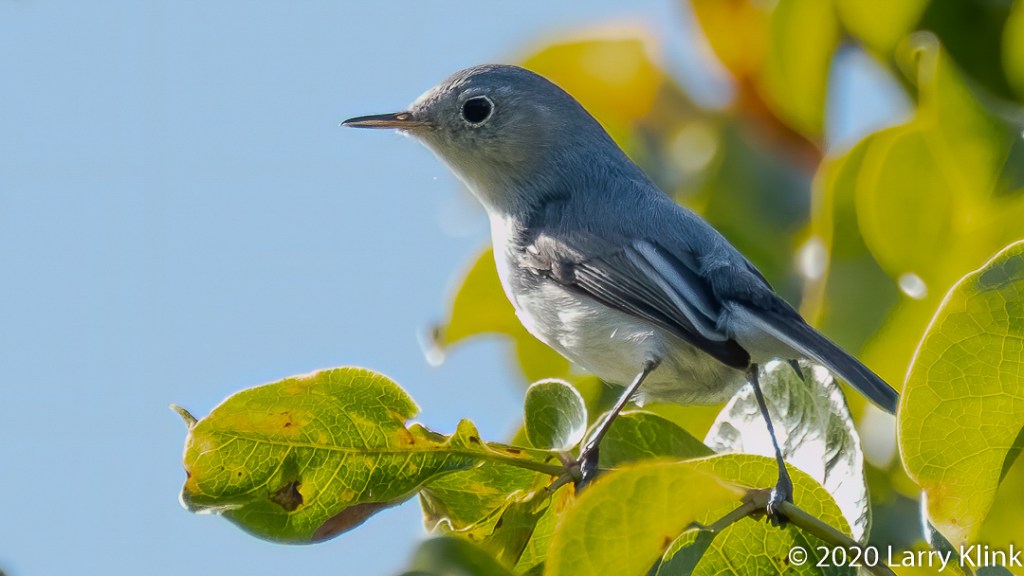
Blue-gray Gnatcatcher (Polioptila caerulea)
Sanibel Island, FL; FEB 2020
Eastern Phoebe (Sayornis phoebe)
Harns Marsh, Fort Meyers, FL; FEB 2020

Please visit my website, www.earthwatcher.us to see my collection of landscapes and wildlife.

These and other images are available to purchase by contacting larry.klink@earthwatcher.us.