A Peak into the Life of the Hippopotamus

Foraging Hippo (Hippopotamus amphibius)
Kruger National Park, South Africa; AUG 2016

A Peak into the Life of the Hippopotamus

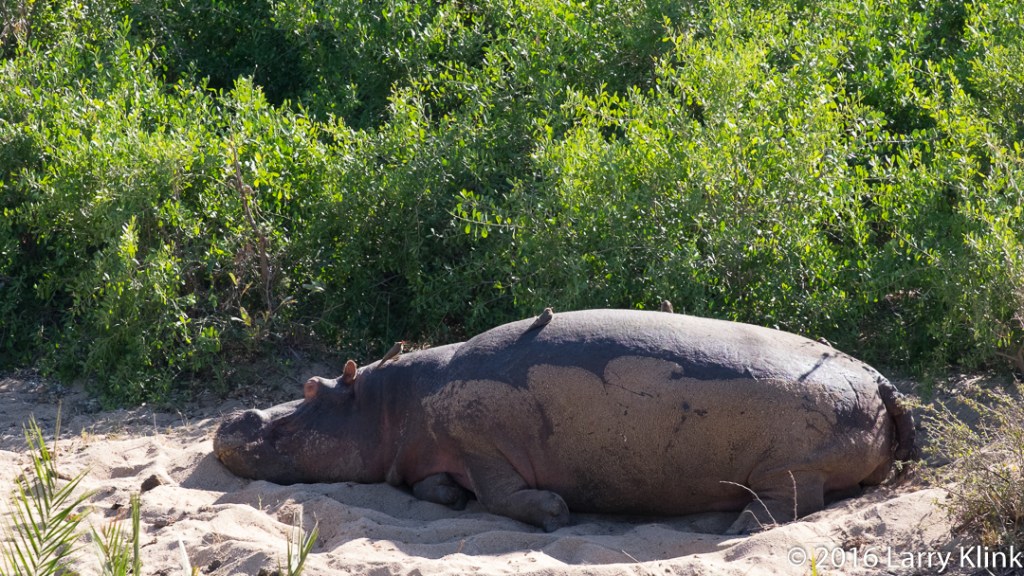
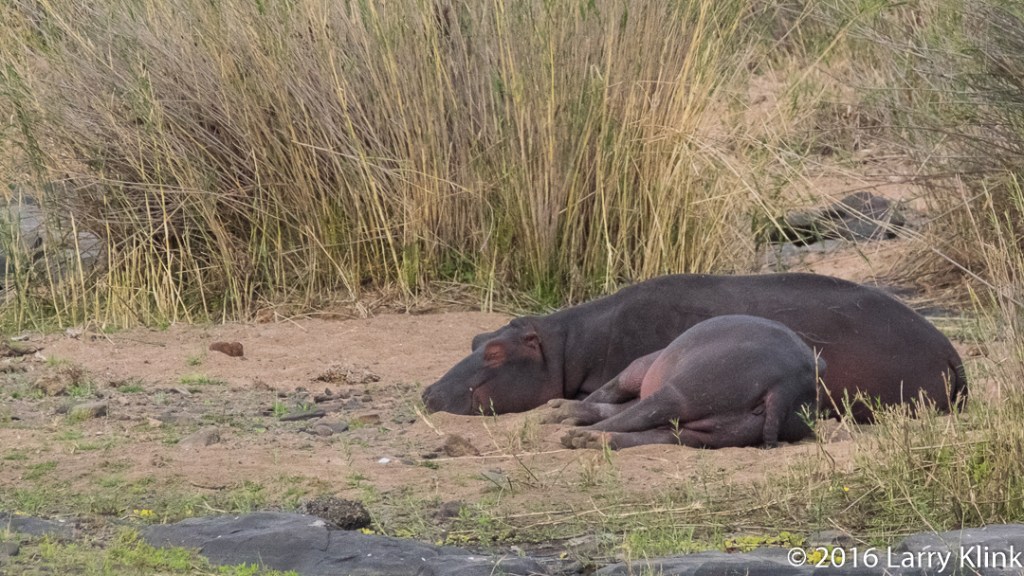
When I see pictures of the hippopotamus, it is usually the 2 iconic images: just the nose, eyes and maybe ears sticking out of the eater or just a little of the body above the waterline and with Oxpeckers on its back. I was recently going cleaning and organizing my photo library and took a new look at the images from our Africa trip 3 years ago. In it, was a good collection of hippos in the routine activities of their daily life. So, I thought I’d share them with you.

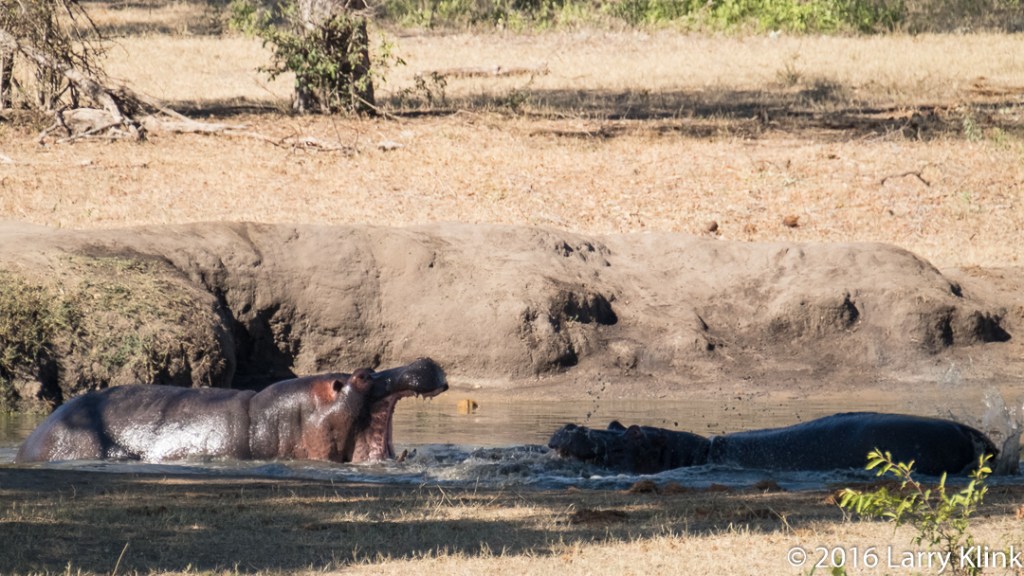
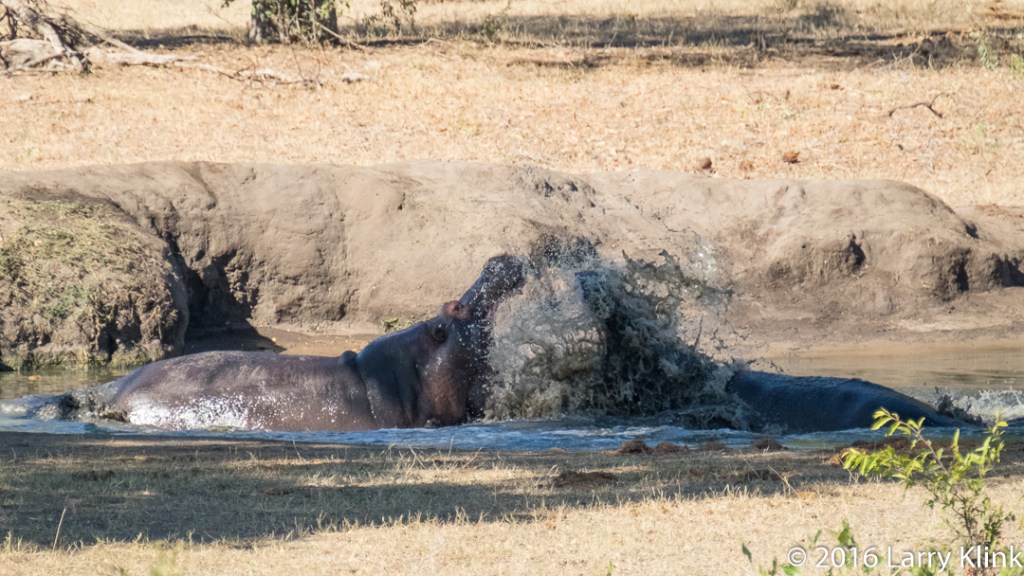
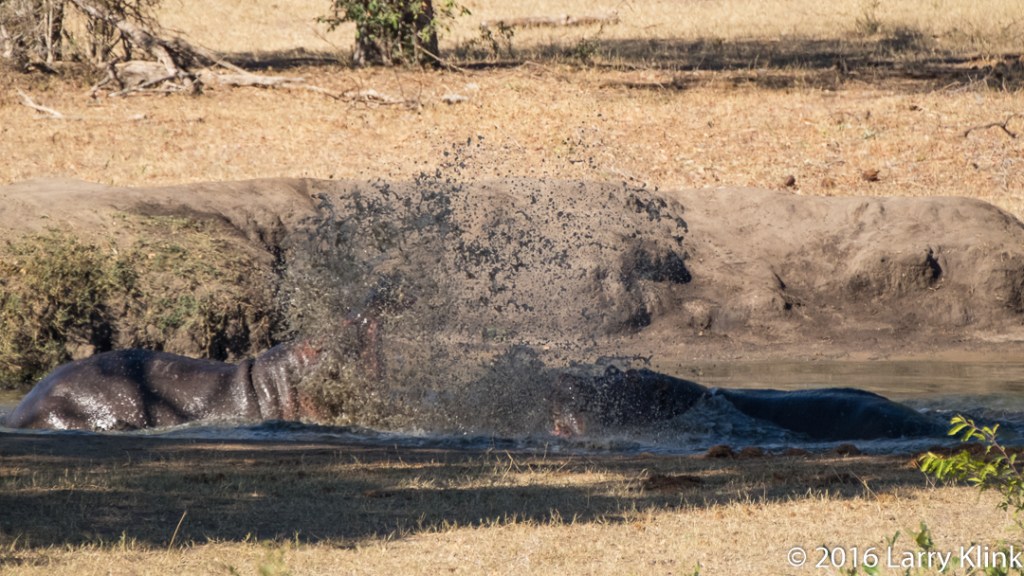
Some of the images involve a battle over a water hole. Watching that battle unfold was one of the most fascinating events I ever witnessed. I’ve observed that when deer, antelope, sheep and goats battle, it involves locking horns and pushing back and forth until one succumbs and backs off. The hippo battle was similar. They open their mouths wide and attack then push back and forth until one succumbs. But, it also has some similarities to the sumo wrestling I have seen. Two large, muscular, creatures embracing in battle for short periods, back off for a short while, then go at again.

The Red-billed Oxpeckers in the photos are feasting on the bugs in the hippo’s wounds.

Note: Please click on caption to see image at higher resolution.
Resting Hippopotamus (Hippopotamus amphibius)
Elephant Plains Game Lodge, Sabi Sands, South Africa; AUG 2016
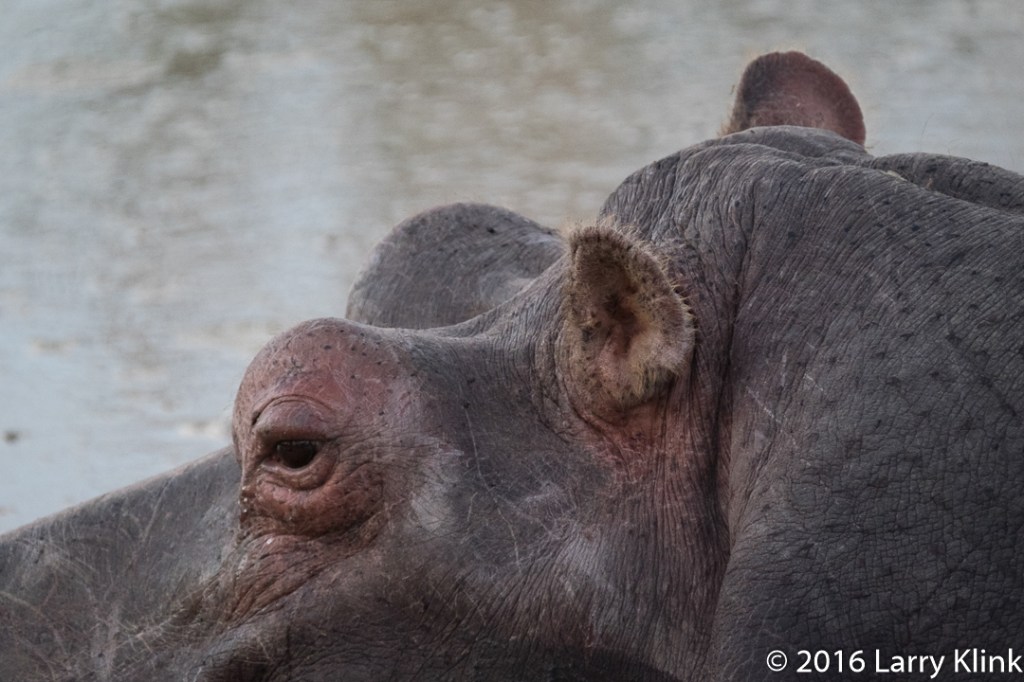
A Pensive Hippopotamus (Hippopotamus amphibius)
Elephant Plains Game Lodge, Sabi Sands, South Africa; AUG 2016
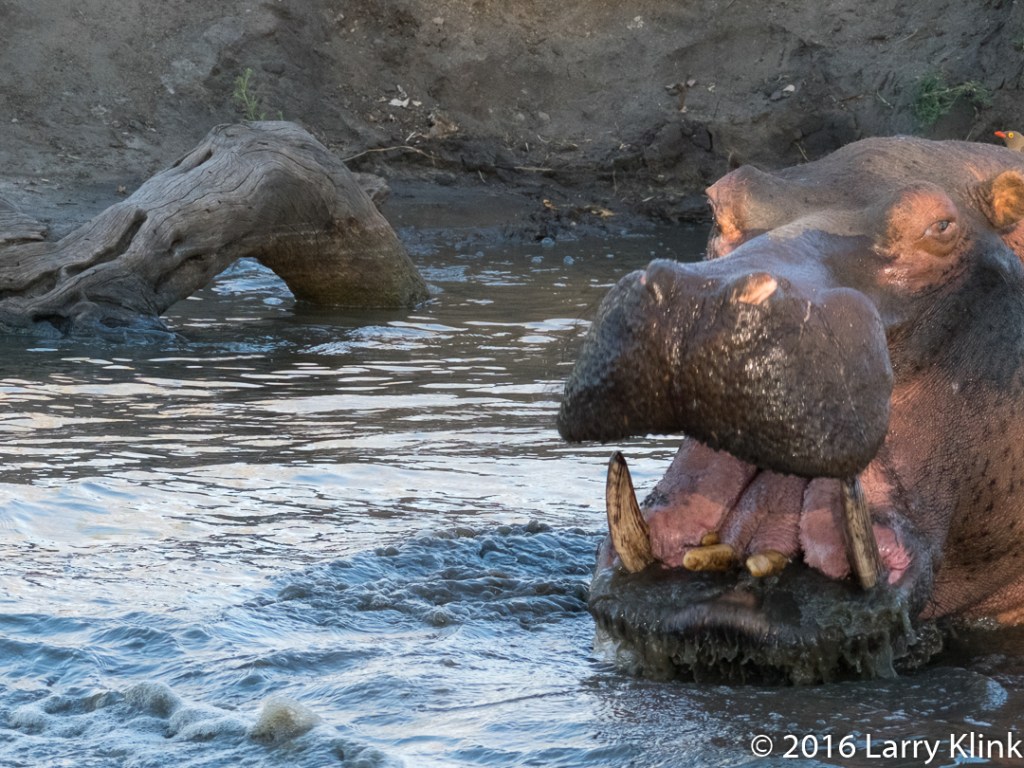
Don’t Mess WIth Me; Hippopotamus (Hippopotamus amphibius)
Elephant Plains Game Lodge, Sabi Sands, South Africa; AUG 2016
You’re in My watering hole; Hippopotamus (Hippopotamus amphibius)
Elephant Plains Game Lodge, Sabi Sands, South Africa; AUG 2016
The Face Off; Two Hippopotamuses Ready to Fight Over Water Hole
Elephant Plains Game Lodge, Sabi Sands, South Africa; AUG 2016
The Challenge; Two Hippopotamuses Ready to Spar
Elephant Plains Game Lodge, Sabi Sands, South Africa; AUG 2016
This Round is Underway; Two Hippopotamuses Fighting Over Water Hole
Elephant Plains Game Lodge, Sabi Sands, South Africa,; AUG 2016
The Round Continues; Two Hippopotamuses Continue to Spar Over Water Hole
Elephant Plains Game Lodge, Sabi Sands, South Africa; AUG 2016
Attack and Defense; Two Hippopotamuses Continue to Spar Over Water Hole
Elephant Plains Game Lodge, Sabi Sands, South Africa; AUG 2016
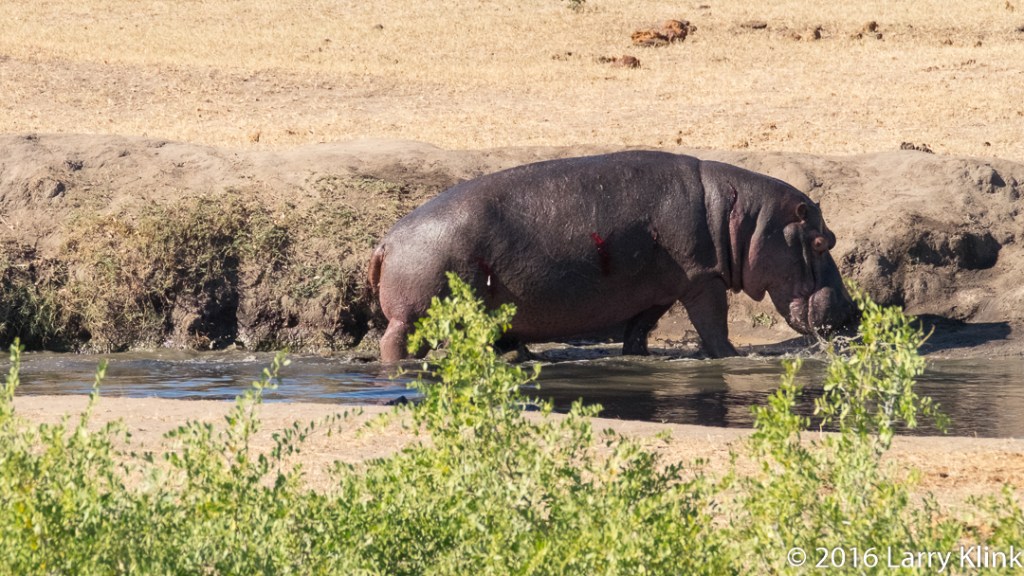
The Vanquished Hippopotamus Departs;
Two Hippopotamuses Continue to Spar Over Water Hole
Elephant Plains Game Lodge, Sabi Sands, South Africa; AUG 2016 #Photography
Battle Over;
Hippopotamus with Red-billed Oxpecker ;
After many rounds, the battle is over, the challenger is vanquished.
Elephant Plains Game Lodge, Sabi Sands, South Africa, AUG 2016
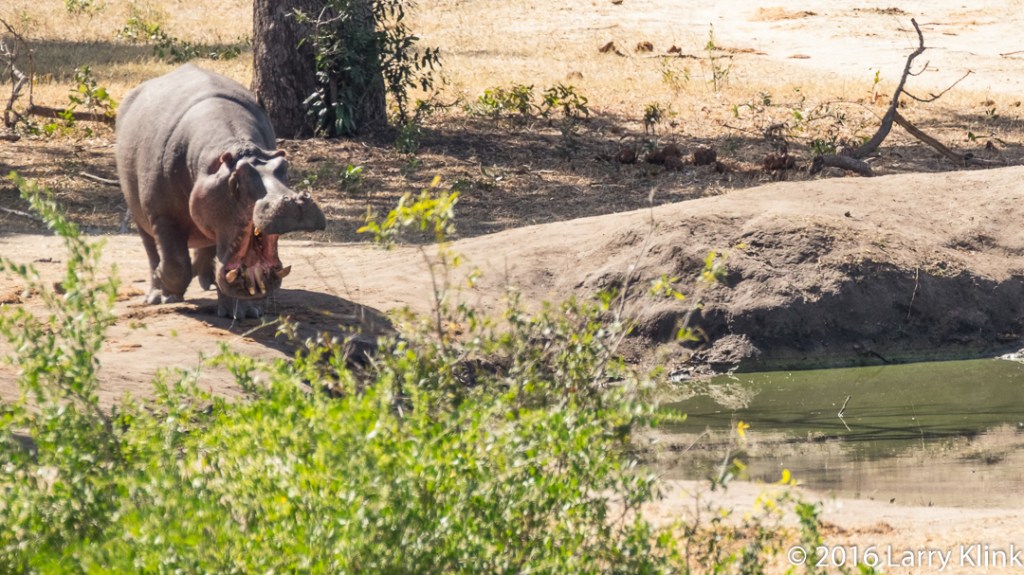
Hippopotamus Foraging on Land – P2
Kruger National Park, South Africa; AUG 2016
Sunbathing Hippopotamuses
Kruger National Park, South Africa; AUG 2016
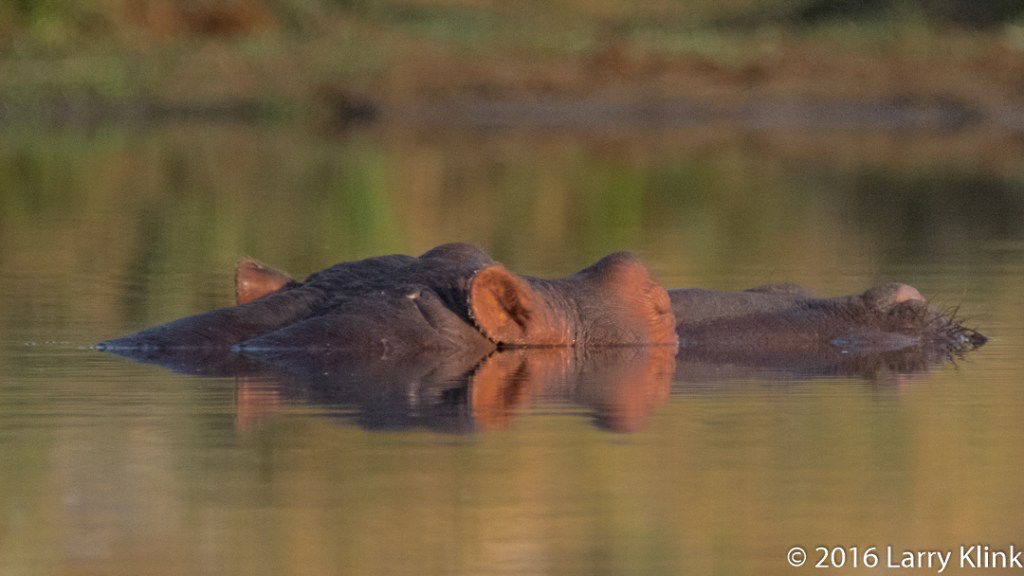
Hippo in Reflection
Kruger National Park, South Africa; AUG 2016

These and other images are available to purchase on my website: www.earthwatcher.us or by contacting larry.klink@earthwatcher.us.
Raptors

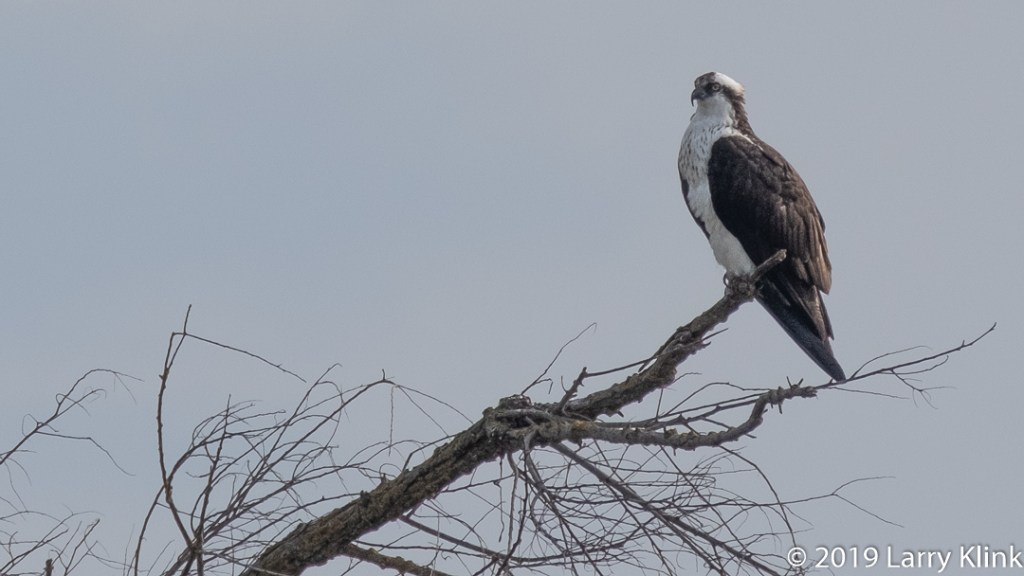
Osprey (Pandion haliaetus)
Wm Pond Park, Sacramento, CA; Mar 2019

Here are a few raptors, birds of prey, I’ve photographed over the past year.

The Red-shouldered and Red-tailed Hawks are members of the Buteo family. They forage in more open areas and prefer small rodents. The Goshawk and Sharp-shinned Hawks are members of the Acipiter family. They are built to forage in in forested areas and prefer birds. The Merlin is a small falcon. Though they have there preferences, they’ll eat whatever they can catch.

Note: Please click on caption to see these images at higher resolution.

Northern Goshawk (Acipiter Gentilis)
Owens River Road, Lee Vining, CA; OCT 2019
Merlin (Falco columbarius)
Effie Yeaw Nature Center, Sacramento, CA; OCT 2019
Sharp-shinned Hawk (Accipiter striatus)
Effie Yeaw Nature Center, Sacramneto, CA; OCT 2019
Red-tailed Hawk (Buteo jamaicensis) on Nest
Battle Mountain, NV; MAY 2019
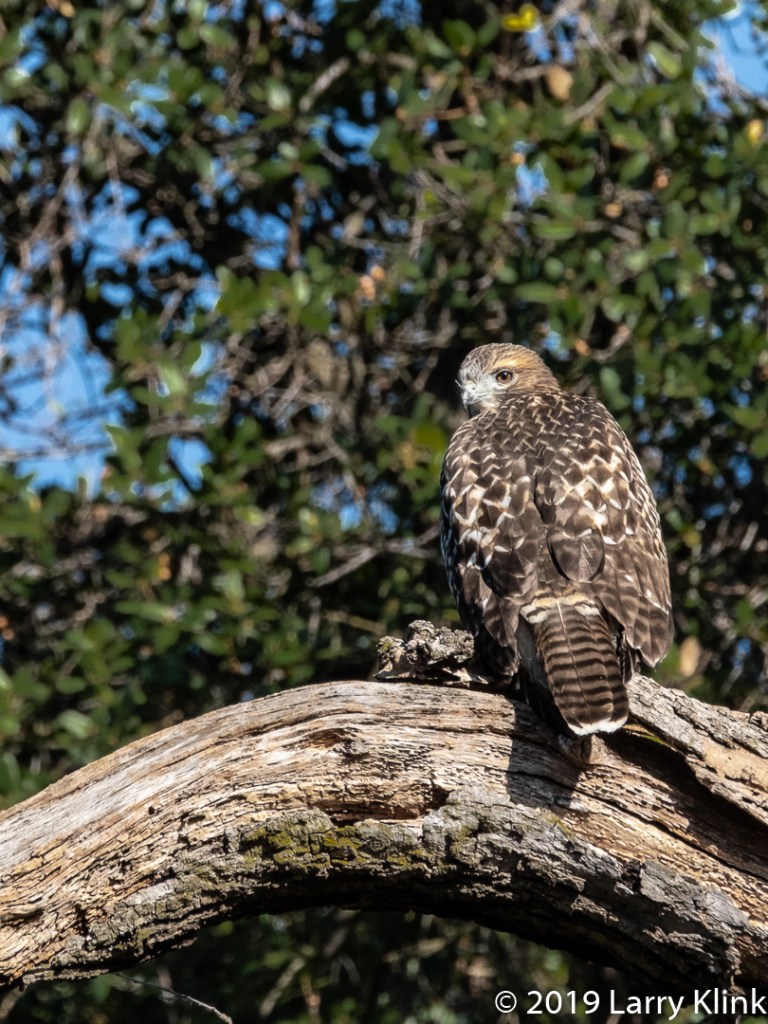
Juvenile Red-tailed Hawk (Buteo jamaicensis)
Effie Yeaw Nature Center, Sacramento, CA; JUL 2019
Red-shouldered Hawk (Buteo lineatus) – P2
Effie Yeaw Nature Center, Carmichael, CA; OCT 2019
Red-shouldered Hawk (Buteo lineatus)
Hawk swooped down over my shoulder, picked-up a rodent and carried it to this tree. Effie Yeaw Nature Center, Carmichael, CA; OCT 2019
Osprey (Pandion haliaetus)
Wm Pond Park, Sacramento, CA; Mar 2019

These and other images are available to purchase on my website: www.earthwatcher.us or by contacting larry.klink@earthwatcher.us.

Mountain Peaks Along US Route 395 in the Eastern Sierra Nevada

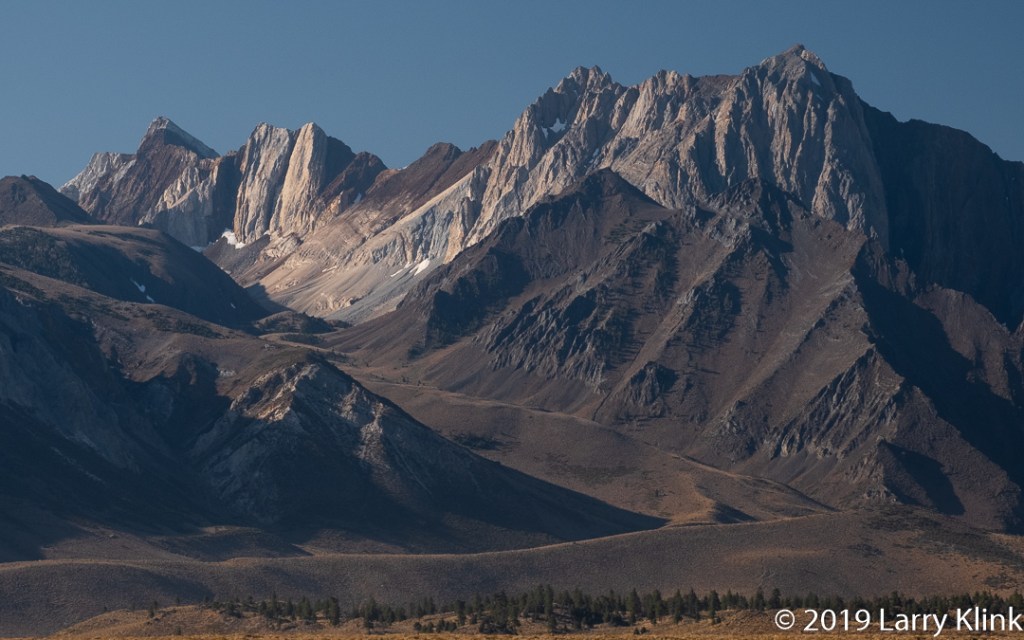
Mountain Peak Along Eastern Sierra – P3 Owens River Road
Lee Vining, CA; OCT 2019

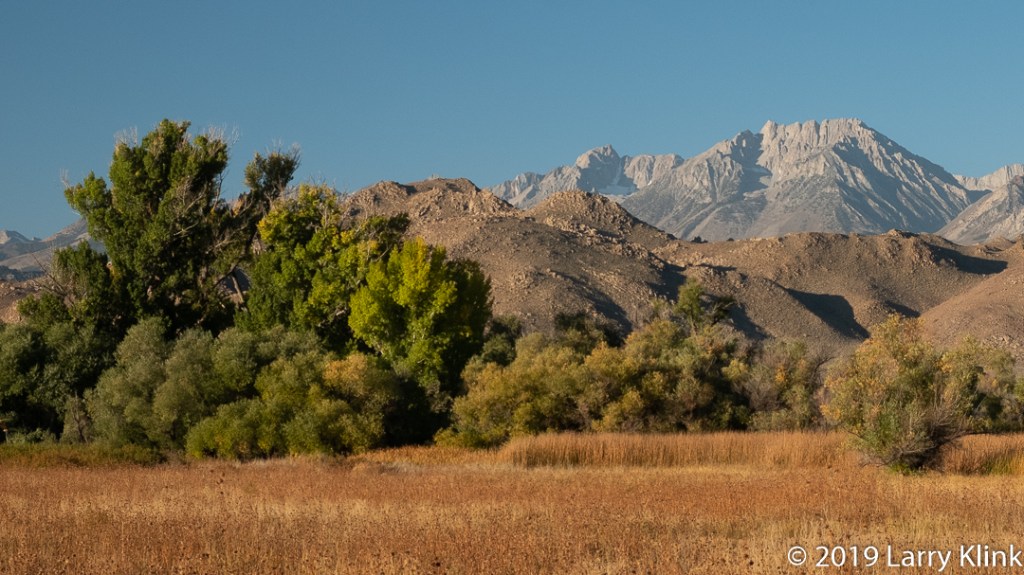
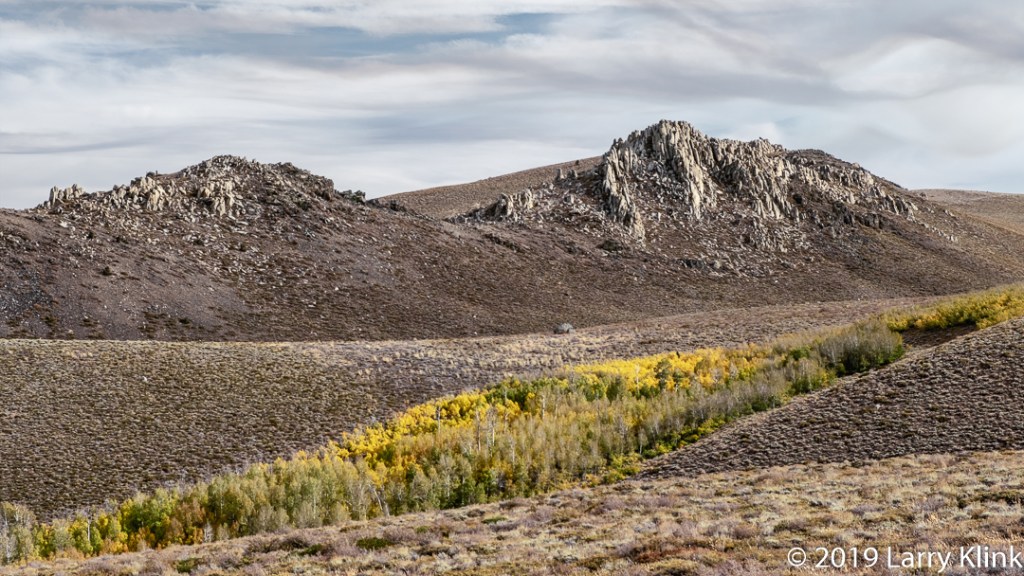
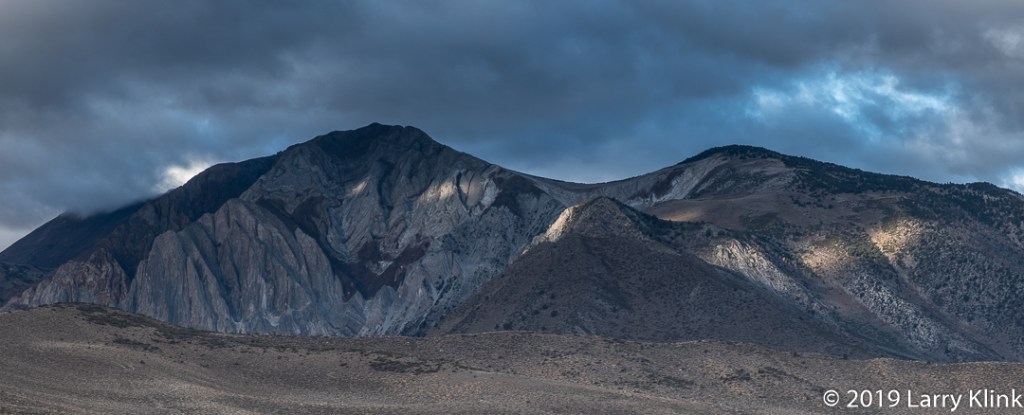
Today I am sharing images of various mountain peaks we see as we travel along US Route 395 in eastern California. Highway 395 extends from the US-Canada border to its southern terminus in the Mojave Desert at I-15 near Hiperia. Much of its way through California it traverses desert valleys sandwiched between the Sierra Nevada mountains and the White-Inyo mountains. It is absolutely stunning scenic drive. For the adventurous, there is mountain hiking and climbing and fishing. There are back road drives into the mountains to scenic lakes and great vistas. There are attractions like Mono Lake with its Tufa, the Ghost Town Bodie, The Ancient Bristle Cone Pine Forest, the museum and remains of the Manzanar Internment Center from World War 2 and the Movie Museum in Lone Pine. If you’ve never explored this area, I strongly recommend you check it out.

Note: Please click on caption to see image at higher resolution.

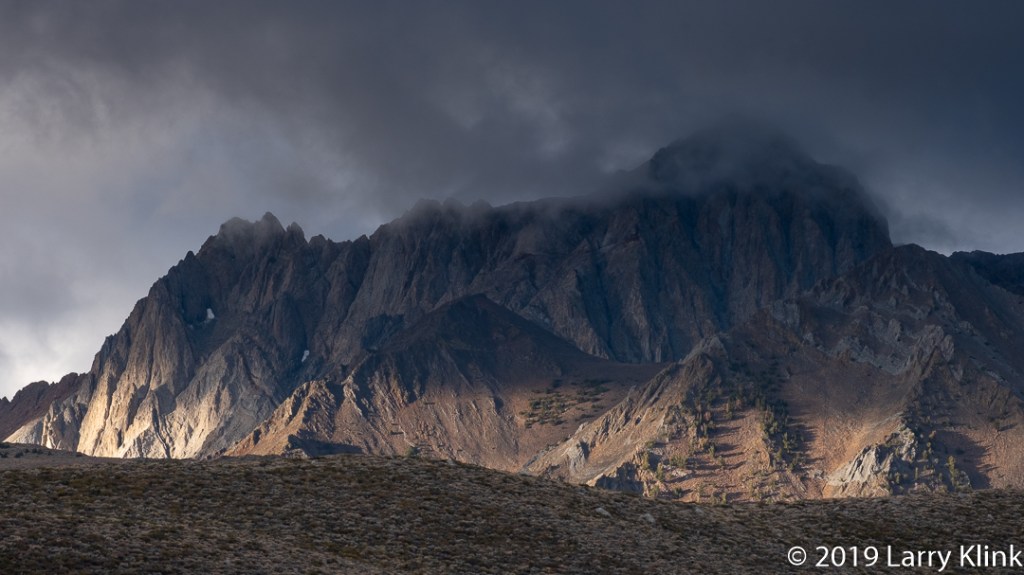
Stormy Sunrise from Mt Morrison Rd; Mt Morrison Rd
Mammoth Lakes, CA; OCT 2018
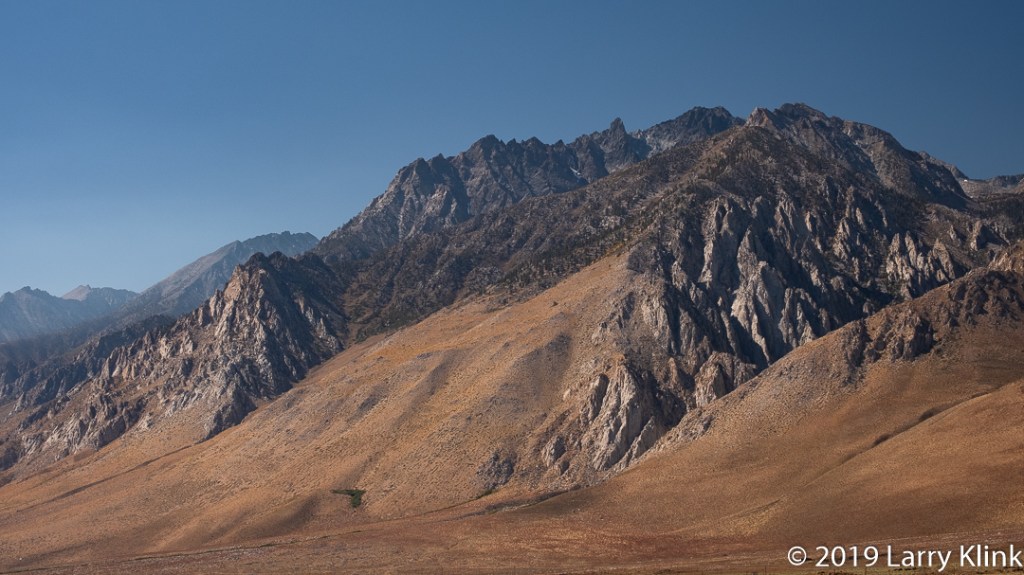
Mountain Peak Along Eastern Sierra – P2;
Rt 395 Between Bishop and Fort Independence; OCT 2019
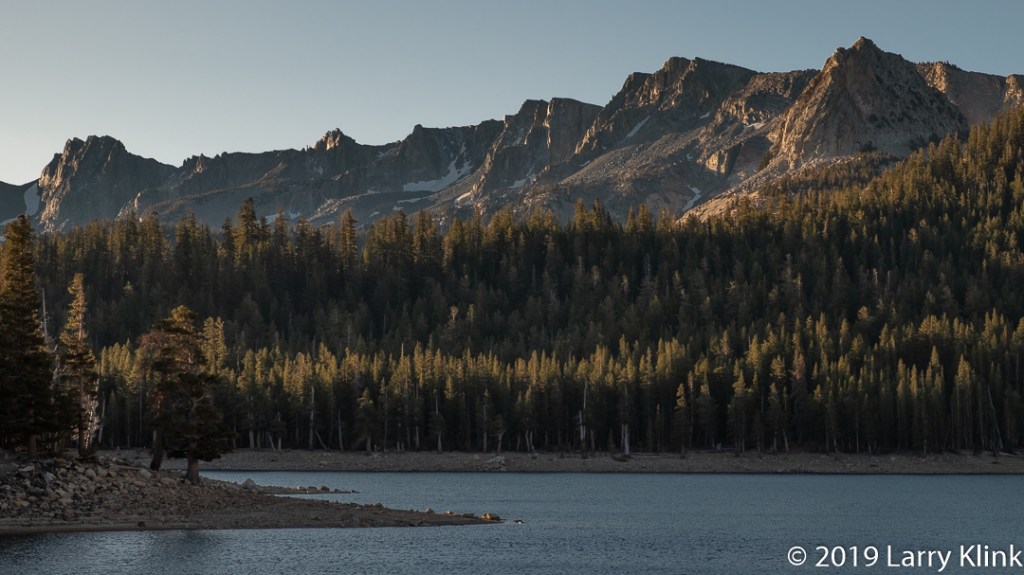
Sunrise at Horshoe Lake; Horseshoe Lake
Mammoth Lakes, CA; OCT 2019
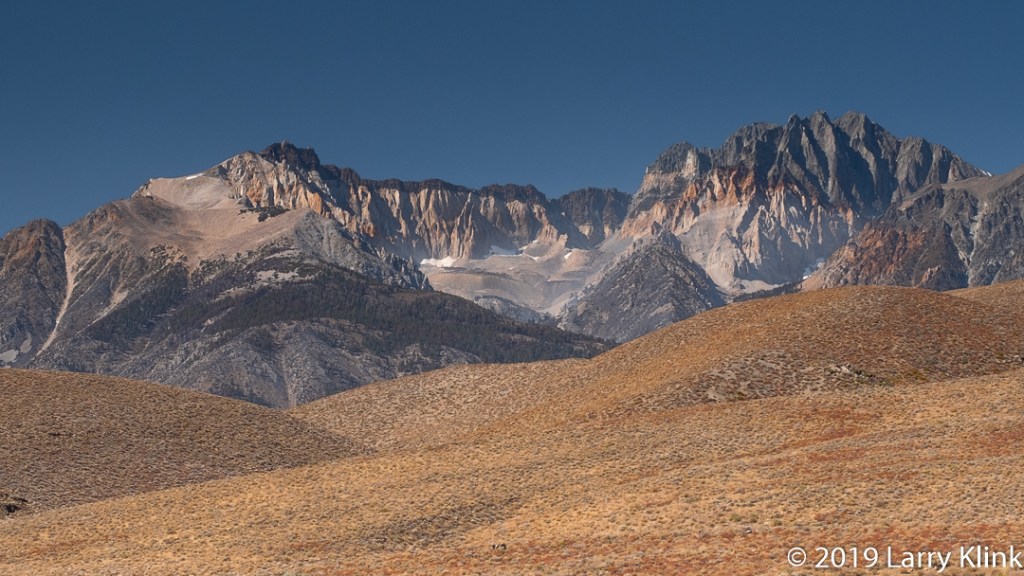
Mountain Peaks from Tule Elk Viewing Area on Highway 395
Rt 395 Between Bishop and Fort Independence; OCT 2019
View from Pleasant Valley Dam Road
Pleasant Valley Dam Road, Bishop, CA: Oct 2019
Autumn Color Along Dunderberg Meadow Road
Dunderberg Meadow Road, Virginia Lakes, CA; OCT 2019
Mountain Peak Along Eastern Sierra – P1
Mt Morrison Rd, Mammoth Lakes, CA; OCT 2018

These and other images are available to purchase on my website: www.earthwatcher.us or by contacting larry.klink@earthwatcher.us.

A Year in the Life of Deer

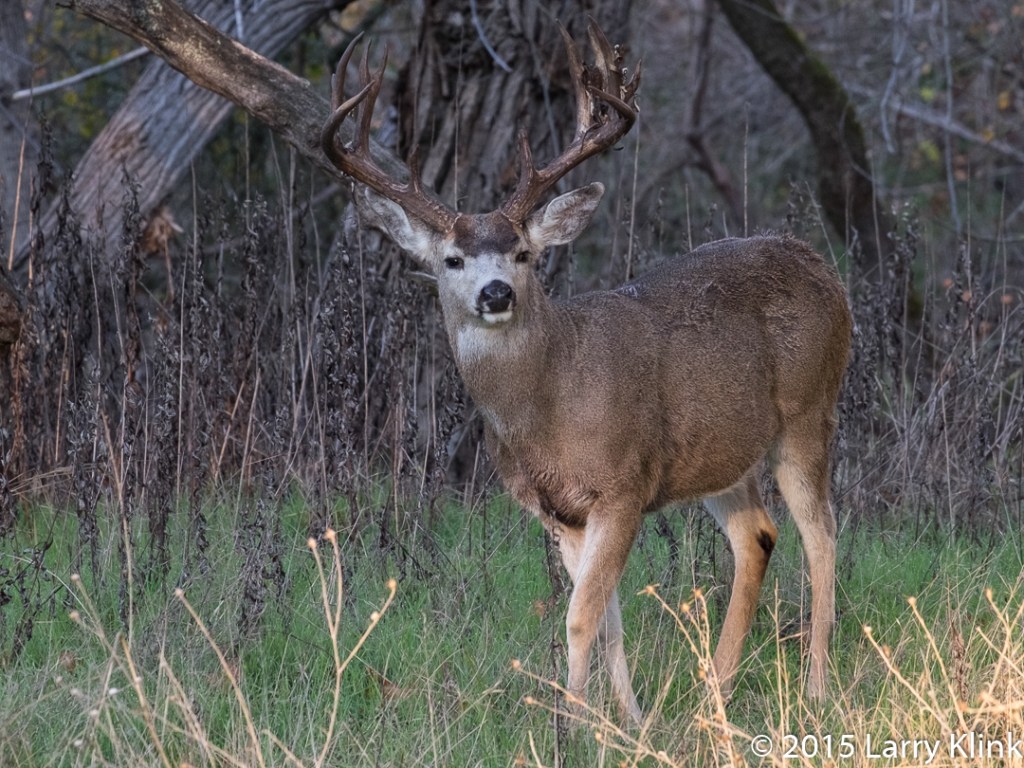
Black-Tailed Mule Deer (Odocoileus hemionus) Buck;
Effie Yeaw Nature Center, Sacramento, CA; DEC 2015

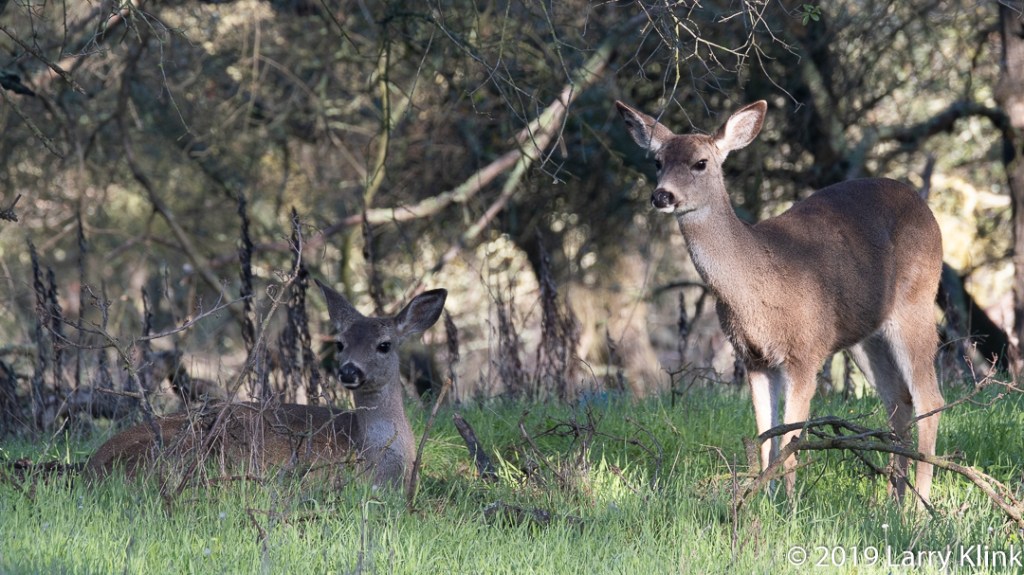
The Black-tailed Mule Deer (Odocoileus hemionus) are found on the western Great Plains, the Rocky Mountains, Southwestern United States and the West Coast of North America.

Deer are ungulates, meaning they are hooved. They are also ruminants which means they eat and send their food to the rumen; one of its stomachs. Later, it regurgitates the cud (food) from its rumen, chews it and sends it to its other stomach to digest. Male deer, like moose and elk, have antlers. Antlers are made of bone which are shed and regrown each year. (Animals like sheep, goats, cattle, and antelope have horns. Horns are made of bone covered with keratin which are permanent; not shed and regrown.) The prongs on an antler are referred to as points; a 6 point buck has 3 prongs on each antler.

Male deer are called bucks, female deer are called doe and the babies are called fawns. During most of the year, deer segregate themselves by sex; bucks in groups and doe, along with their young, in separate groups.

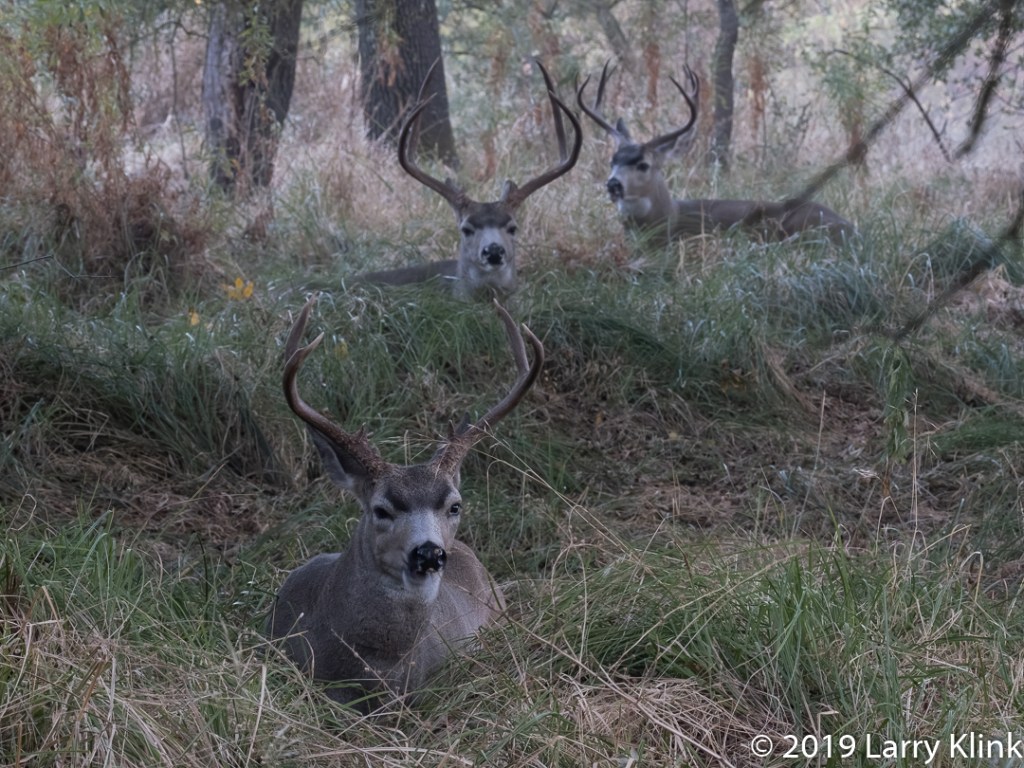
Each year, deer go through a reproductive cycle that begins with the “rut”[i]. The rut is the time when male deer fight for the right to breed with a harem of females and concludes with impregnated doe. As the rut commences and bucks have regrown their antlers, the bucks attempt to form a harem. One buck may challenge another for the right to breed with a harem. Bucks will lock antlers and push and fight until one is pushed backwards and loses the challenge. It is a dangerous time for bucks; they can become permanently injured. The ultimate winner breeds with the females as they enter estrus. Gestation is about 200 days.

In mid-to-late winter, the bucks drop their antlers. When the antlers regrow, they are covered with a furry skin commonly called velvet. When the antlers have completed their growth, the velvet dries and causes irritation for the bucks. The bucks rub their antlers against a tree to remove the velvet.

About the time autumn begins, when the fawns have grown and the bucks’ antlers have regrown, the rut begins again.

Note: Please click on caption to see images at higher resolution.

Black-Tailed Mule Deer Doe;
Effie Yeaw Nature Center, Sacramento, CA; FEB 2019
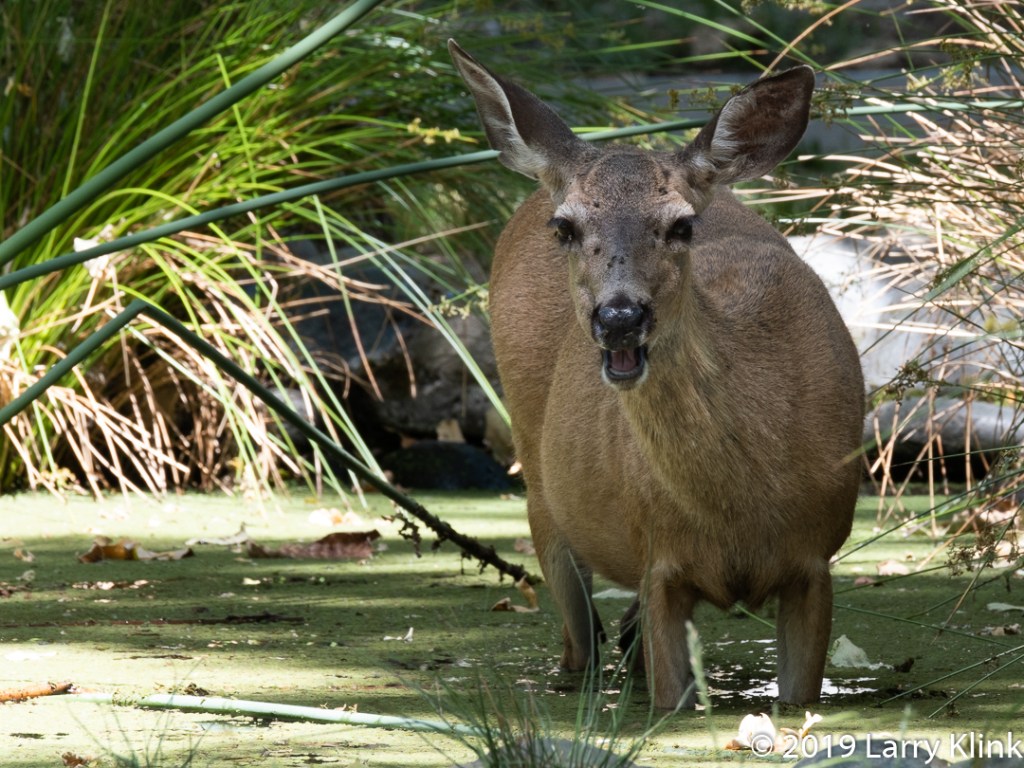
Pregnant Black-tailed Mule Deer;
Effie Yeaw Nature Center, Sacramento, CA; JUN 2019
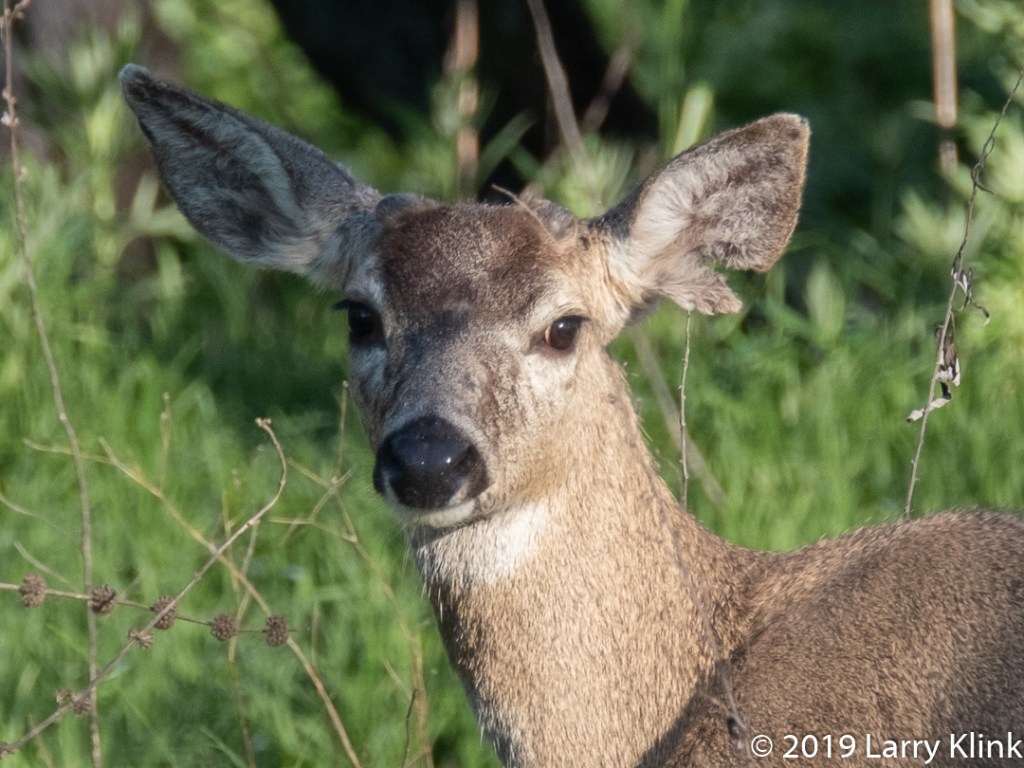
Black-tailed Mule Deer Fawn;
Effie Yeaw Nature Center, Sacramento, CA; JUL 2019
Black-tailed Mule Deer Nursing Her Fawn;
Effie Yeaw Nature Center, Sacramento, CA; JUN 2019
Black-tailed Mule Deer Buck After Losing Antlers;
Buck was limping. Other bucks still had antlers. It is possible antlers were lost in combat.
Effie Yeaw Nature Center, Sacramento, CA; MAR 2019


Black-tailed Mule Deer Buck with Antlers in Velvet;
Effie Yeaw Nature Center, Sacramento, CA; JUN 2019
Black-tailed Mule Deer Buck; Antlers with Velvet Partially Rubbed-off;
Effie Yeaw Nature Center, Sacramento, CA; SEP 2019
Bucks With Antlers Grown and Polished; the Year Begins Anew ;
Effie Yeaw Nature Center, Sacramento, CA; OCT 2019

These and other images are available to purchase on my website: www.earthwatcher.us or by contacting larry.klink@earthwatcher.us.

[1] Information obtained from: https://www.wildlife.ca.gov/Regions/6/Deer/Natural-History

Some Landscapes From A Past Trip

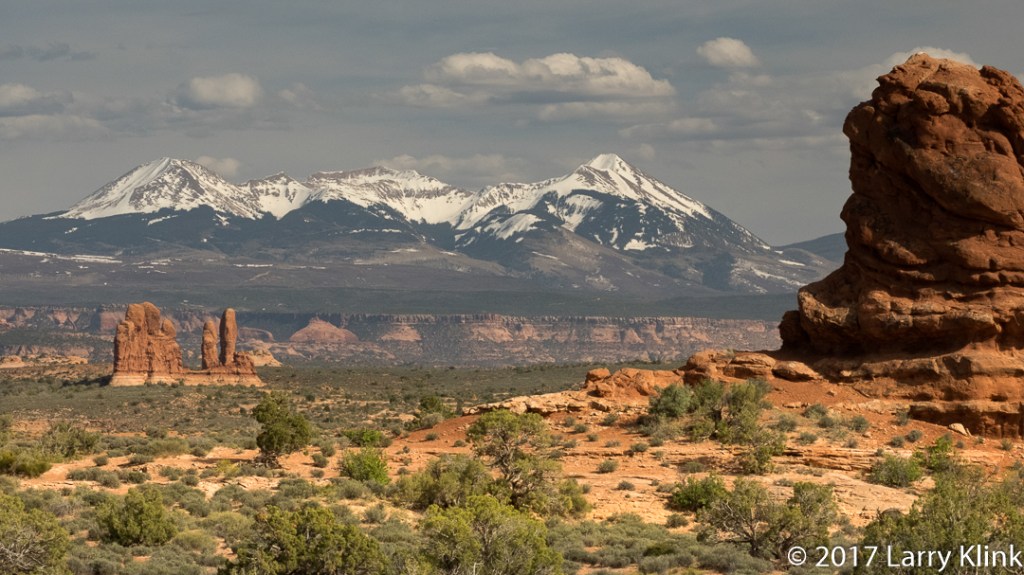
Utah Desert – P1;
Arches National Park, UT; APR 2017

I’m cleaning up and organizing my photo library. In that process, I uncovered a lot of photos that I have never posted. Today, I am sharing a few from a cross country road trip we took in 2017.

I hope you enjoy them.

Note: Please click on caption to see image at higher resolution.

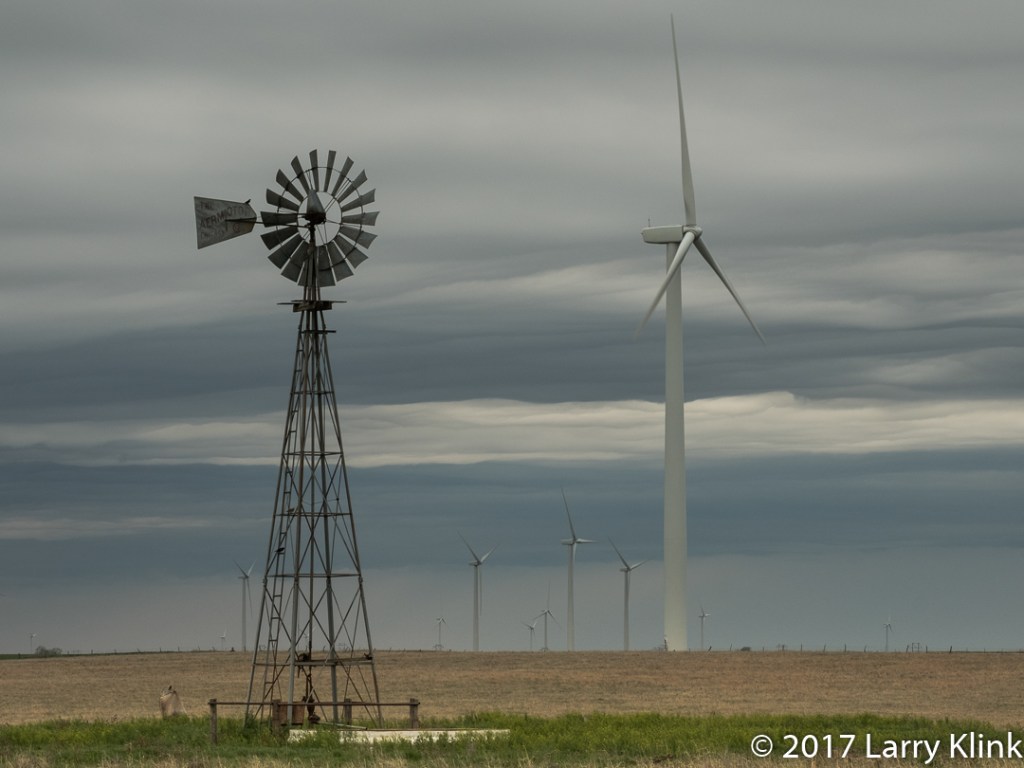
Harnessing the Wind;
West of Hayes, KS off I-70; APR 2017
Mono Lake and Volcanoes from Mono Lake Vista Point;
Mono Lake, Lee Vining, CA; MAR 2017
Utah Desert – P2;
Arches National Park, UT; APR 2017
Utah Desert – P3;
Arches National Park, UT; APR 2017
Storm Clearing Over Nevada Desert;
Somewhere Along Route 95 in Nevada; MAR 2017

These and other images are available to purchase on my website: www.earthwatcher.us or by contacting larry.klink@earthwatcher.us.

Some More Birds from This Year

American Robin (Turdus Migratorius)
Effie Yeaw Nature Center, Sacramento, CA; NOV 2018

Here are some more bird photos that I have taken in the past year. Take a close look at Hutton’s Vireo with Chick. Though it is well camouflaged, there is a baby in the nest with mom. The Bewick’s Wren is also attending a nest deep in the cavity of the tree.

Please click on caption to see image at higher resolution!

Hutton’s Vireo (Vireo huttonii) with Chick;
Effie Yeaw Nature Center, Sacramento, CA; APR 2019
Bewick’s Wren (Thryomanes bewickii);
Effie Yeaw Nature Center, Sacramento, CA; JUN 2019
Hermit Warbler (Setophaga occidentalis);
William Pond Park, Sacramento, CA; SEP 2019
Hutton’s Vireo (Vireo huttonii);
Effie Yeaw Nature Center, Sacramento, CA; SEP 2019
Mourning Dove (Zenaida macroura);
Willow Creek Recreation Area, American RIver Parkway, Folsom, CA; APR 2019
Oak Titmouse (Baeolophus inornatus);
Effie Yeaw Nature Center, Sacramento, CA; APR 2019

These and other images are available to purchase on my website: www.earthwatcher.us or by contacting larry.klink@earthwatcher.us.
South African Landscapes and Seascapes

Cape Cormorants on the Western Cape
Cape of Good Hope, South Africa; SEP 2018

Three years ago, we visited South Africa. Afterward, I shared many images, mostly of the abundant and beautiful wildlife. Though I published some landscapes and seascapes, I have many that I didn’t publish. I thought I’d go back and share some of them now. There will be more in the future.

Note: Please click on caption to see image at higher resolution.

Tree Overlooking Sugarcane Field;
Near Eshowe, South Africa; AUG 2016
Zulu Homesteads;
Near Eshowe, South Africa; AUG 2016
Waves Breaking at Tsitsikamma Beach;
Tsitsikamma National Park, South Africa AUG 2016

View of the Bush;
Elephant Plains, Sabi Sands, South Africa
Homestead Dotted Hillside;
Near Eshowe, South Africa, AUG 2016

These and other images are available to purchase on my website: www.earthwatcher.us or by contacting larry.klink@earthwatcher.us

Waterfowl and Shorebirds

Canada Geeese (Branta canadensis) on a Beaver Lodge
Landing, Grand Teton National Park, WY; MAY 2019

Here are a few more birds, mostly from this year’s collection, for you to enjoy.

Note: Please click on caption to see image at higher resolution.

Black-crowned Night Heron (Nycticorax nycticorax)
Point Lobos State Park, Monteray, CA; May 2016
Great White Pelican (Pelecanus onocrotalus)
Missouri River Headwaters State Park, Three Forks, MT; MAY 2019
American Coot (Fulica americana)
Wm Pond Park, Sacramento, CA; Mar 2019
Juvenile Canada Goose (Branta canadensis);
Mather Park, Sacramento, CA; JUN 2019
Wood Duck (Aix sponsa) and Mallards (Anas platyrhynchos)
Effie Yeaw Nature Center, Sacramento, CA; JUN 2019

These and other images are available to purchase on my website: www.earthwatcher.us or by contacting larry.klink@earthwatcher.us.
A Few More Scenes from Banff and Jasper

Mt Athabasca
Jasper National Park, Alberta, Canada; MAY 2019

I shared some scenes from our trip to Canada last July. Today, I am going to share a few more. These are mountain peaks along the Icefields Parkway.

I included two images of something out of the ordinary for me. I am a closet lover of railroads and trains. Kicking Horse Pass crosses the Big Hill west of Banff, AB in Canada. It sets on the Continental Divide and on the Alberta/British Columbia border. When British Columbia joined Canada, a railroad was built across British Columbia. Crossing the Rocky Mountains presented a significant obstacle. The best solution at that time was to send the railway up Big Hill and over Kicking Horse pass. But that meant ascending and descending 1,070 feet on 4 ½% grade; i.e. for every 100 feet of horizontal distance the hill rose/fell 4 ½ feet. The doesn’t sound like a lot, but it is. Pay attention to the grade signs on highways when you drive. When in use, there were many accidents on this hill. The Canadian government eventually contracted to build the “Spiraling Tunnels”. The Spiraling Tunnels is a set of 2 tunnels and connecting roadbeds under the mountains to make the ascent and descent more gradual[i]. The images I have included shows a train entering one of the tunnels and later as the locomotive exits the tunnel while part of its train is still entering.


[i] Info from Kicking Horse National Historic Site, https://www.pc.gc.ca/en/pn-np/bc/yoho/culture/kickinghorse/visit/spirale-spiral

Note: Please click on caption to see images at higher resolution.

Mount Thompson and Bow Peak
Banff National Park, Alberta, Canada; MAY 2019
Mistaya Mountain
Banff National Park, Alberta, Canada; MAY 2019
View from Icefields Parkway
Banff National Park, Alberta, Canada; MAY 2019
View from Icefields Parkway – P2
Banff National Park, Alberta, Canada; MAY 2019
Train Entering “Spiraling Tunnels”
Spiraling Tunnels, Kicking Horse Pass, British Columbia, Canada; MAY 2019 Train Entering “Spiraling Tunnels”


Nose of Locomotive Emerging from “Spiriling Tunnels” While Remainder of Train is Entering.; Spiraling Tunnels, Kicking Horse Pass, British Columbia, Canada; MAY 2019

These and other images are available to purchase on my website: www.earthwatcher.us or by contacting larry.klink@earthwatcher.us

Orioles and Waxwings

Cedar Waxwing (Bombycilla cedrorum) -P1
Willow Creek Recreation Area, American River Parkway, Folsom, CA; SEP 2019

Over the course of the current year, I have been busily photographing many birds; so many that I have gotten behind in my posts. Over the next few months I’ll do my best to catch up, interspersed with some other interesting aspects of nature such as the golden leaves of the aspens along the eastern sierra. In this post, I’ll start with sharing some birds that I find especially beautiful.

The Bullock’s Oriole (Icterus bullockii) is found in the western part of North America. They like open areas near trees where they can find caterpillars, fruit and nectar.

The Hooded Oriole (Icterus cucullatus) is found in the southwestern United States. However, in breeding season they reside in western California also. They live in more open areas, and especially like palm trees. They like fruit, nectar and the sugar water in hummingbird feeders.

The Cedar Waxwing (Bombycilla cedrorumlives) can be found across much of the United States. They are social birds that flock together in trees. Their preferred diet is fruit and berries but sometimes practice the aerobatics of flycatchers chasing insects. Waxwings get their name from a waxy substance they secrete from their wingtips.

Here in the Sacramento area, we see the waxwings in the winter and the orioles in the summer.


Hooded Oriole (Icterus cucullatus)
Lake Natomas, American River Parkway, Orangevale, CA; MAY 2019
Female Bullock’s Oriole (Icterus bullockii)
Effie Yeaw Nature Center, Sacramento, CA; JUN 2019
Bullock’s Oriole (Icterus bullockii)
Effie Yeaw Nature Center, Sacramento, CA; JUN 2019
Cedar Waxwing (Bombycilla cedrorum) -P2
Willow Creek Area, American River Parkway, Folsom, CA; SEP 2019

These and other images are available to purchase on my website: www.earthwatcher.us or by contacting larry.klink@earthwatcher.us.