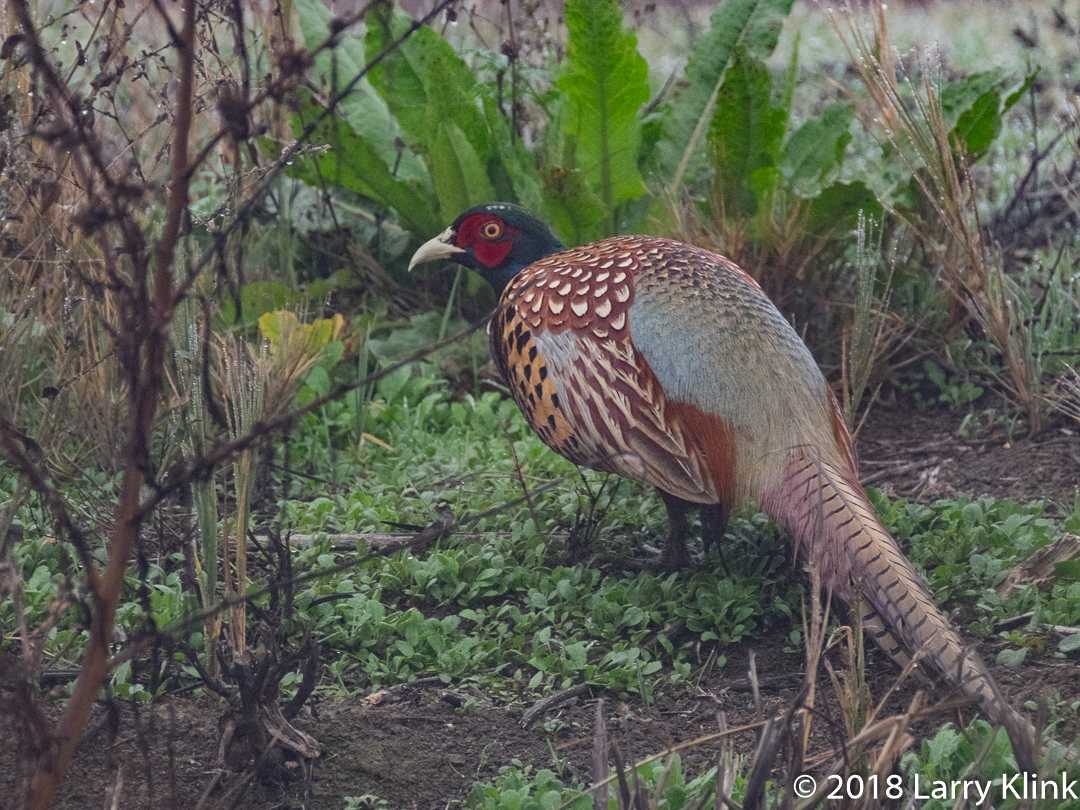
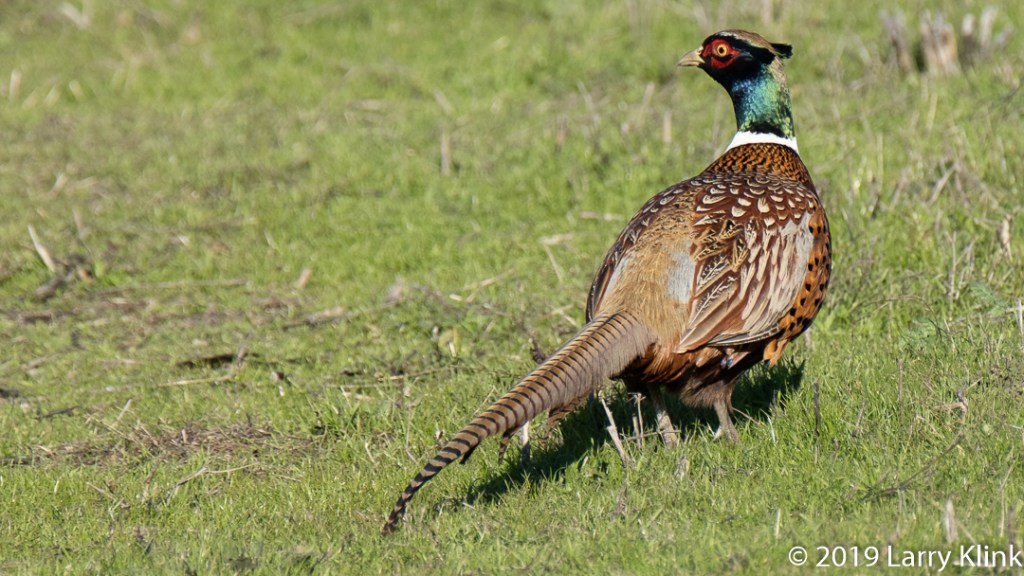
Growing up in western Pennsylvania, I would see the Ring-necked Pheasant occasionally. I always considered it a special treat because they are so beautiful. But, for several decades I never saw any; though I thought about them from time to time. I’ve been fortunate, however, to have had 3 sightings in the past 2 years. I am very happy to be able to share them with you.
These birds like to live and forage in tall vegetation, so they aren’t easy to see. But, sometimes, you can see them as they cross over open spaces. They are omnivorous.
Please click on caption to see these images at higher resolution
Returning from a recent trip to the Seattle area, we stopped
at the Sacramento National Wildlife Refuge. The visitor center and restrooms
were closed but the government shutdown didn’t affect the birds. This stop
turned out to be very productive. It was a great day for raptors. The star was
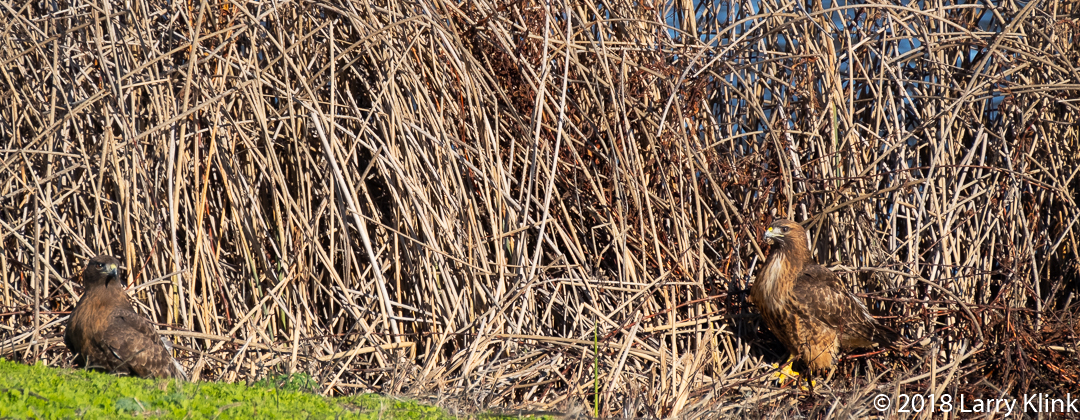
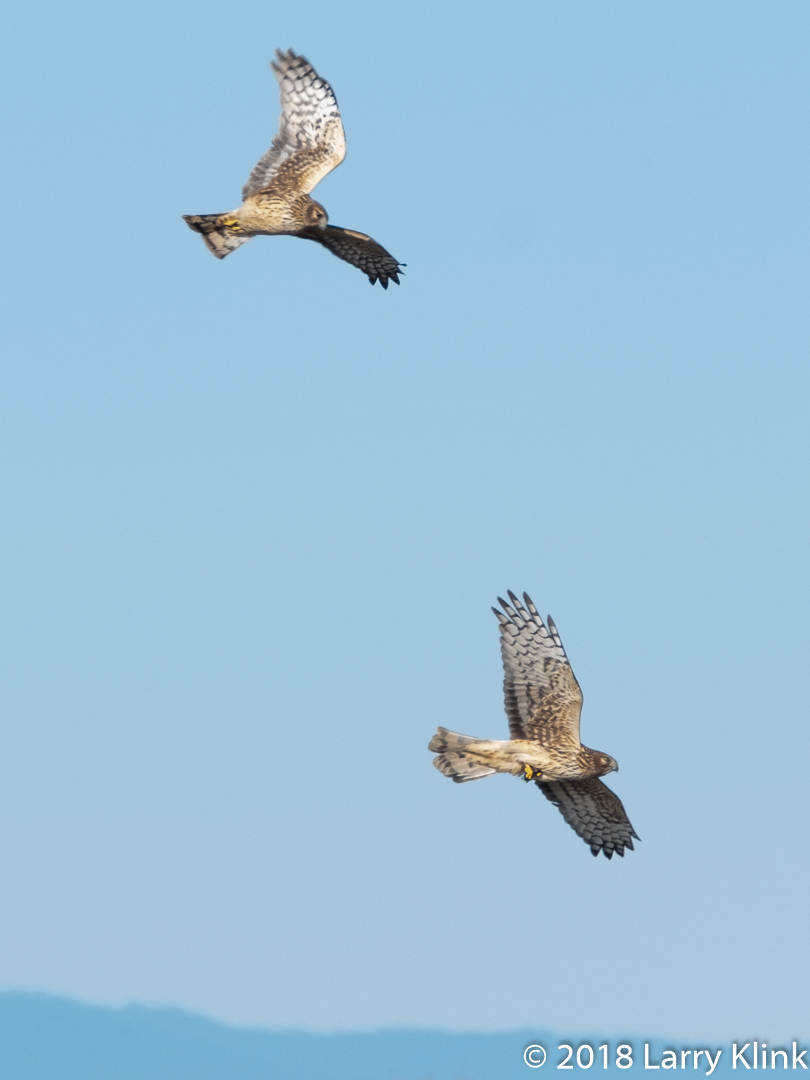
a juvenile Bald Eagle on a kill. But we saw Ferruginous Hawks, Northern
Harriers, Rough Legged Hawks, a Cooper’s Hawk and a Red-shouldered hawk also.
This is feast time for the raptors at Sacramento NWR because of the large
numbers of waterfowl that spend the winter months there.
I didn’t share images of the Rough-legged haws because I only got a rear quarter shot and it didn’t show enough to make the shot interesting. I’ve shared other Cooper’s Hawks and Red-shouldered Hawks in the recent past, so I didn’t include them. But, I hope you enjoy what I shared.
Note: Please click on caption to see image in higher resolution.
The drive between Redding, CA and Roseburg, OR. on Interstate
5, takes you through some beautiful mountain scenery. Between Redding and the
Oregon border, Mt Lassen and Mt Shasta, 2 Cascade volcanoes can be seen. The
mountains of California and Oregon’s coastal range line both sides of the
highway. Because the area is so close to the Pacific ocean, the area is often
blanketed in a layer of stratus clouds and fog. But, don’t think of it as
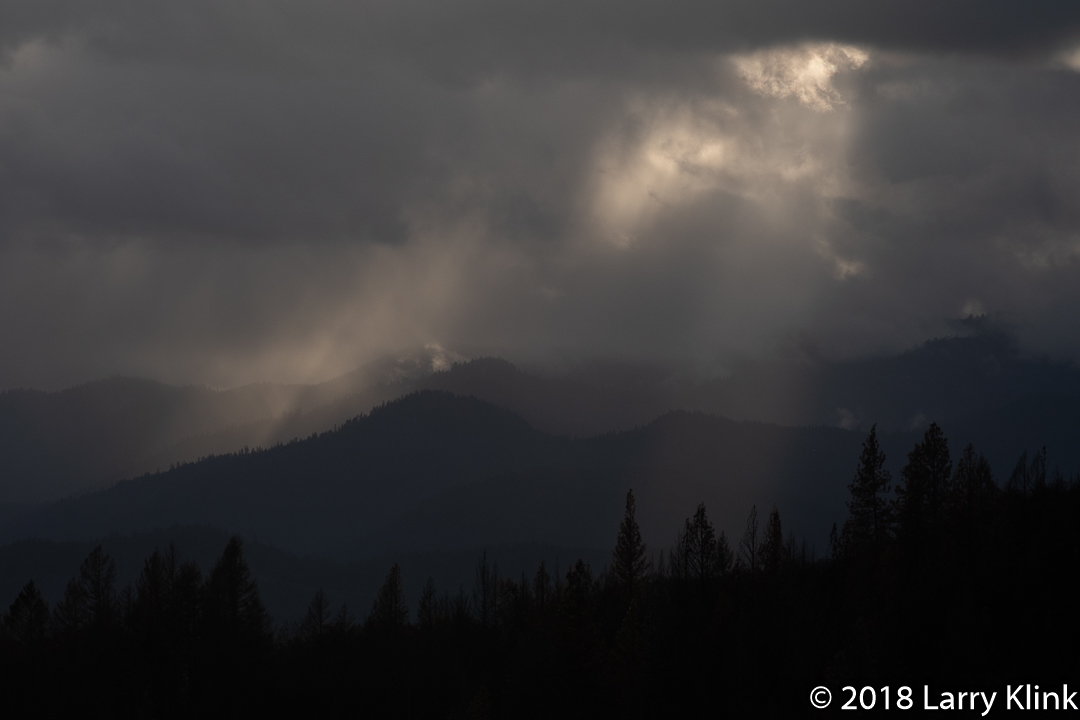
dismal. In the morning and evening, the sun often pushes through the clouds casting
spotlights, replete with crepuscular rays, that play on the ridge tops and valleys
creating magical landscapes.
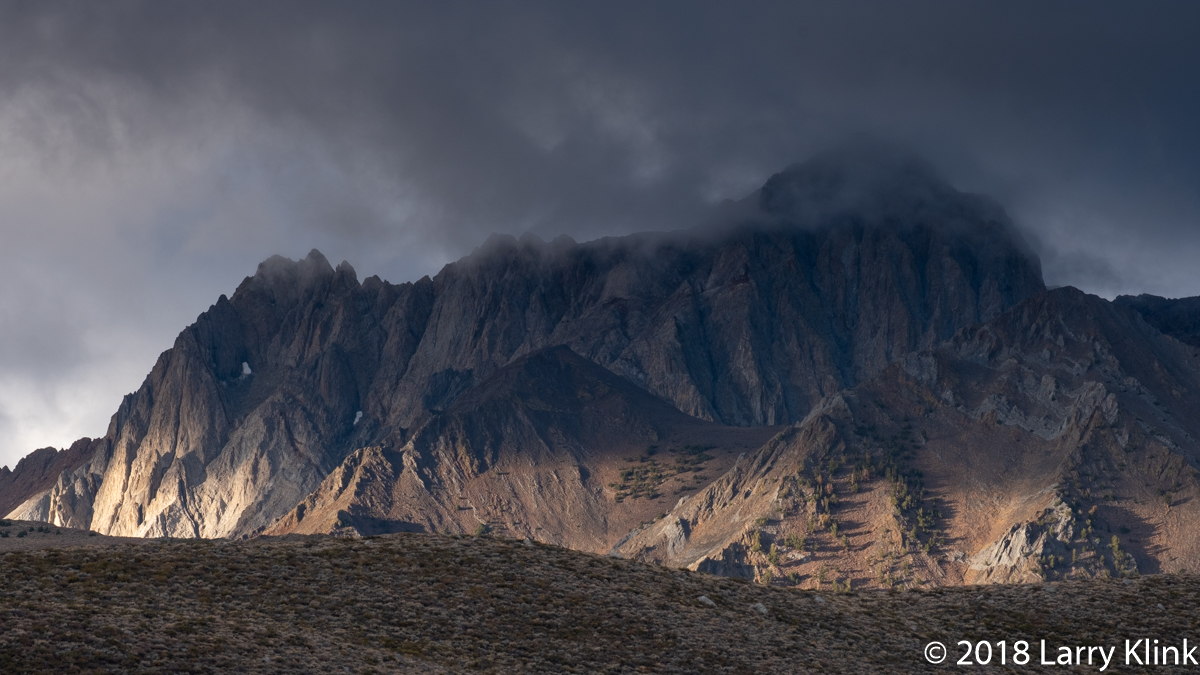
Returning from Seattle, we saw many such vignettes. One spot made me break the rules and pull off to photograph it. Fortunately, this spot gave us room to get off safely. I hope you’ll agree this image was worth it.
Regards,
Larry
Note: To see image at higher resolution, please click on caption.
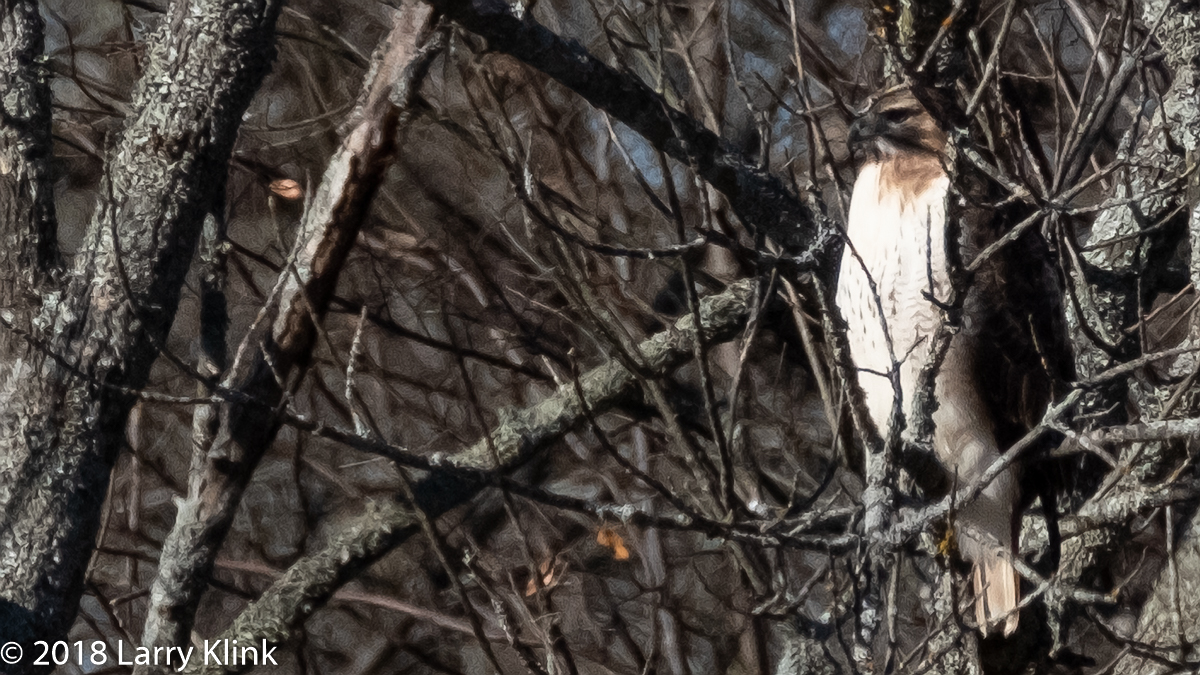
We made a visit to rural southeastern Oklahoma recently. While there, I was amazed at the number of red tailed hawks I saw. Much of the countryside was pastureland and I imagine it provided a lot of good food for the rodents and, in turn, the hawks. One day, I also saw a bald eagle in the grass, alongside the road.
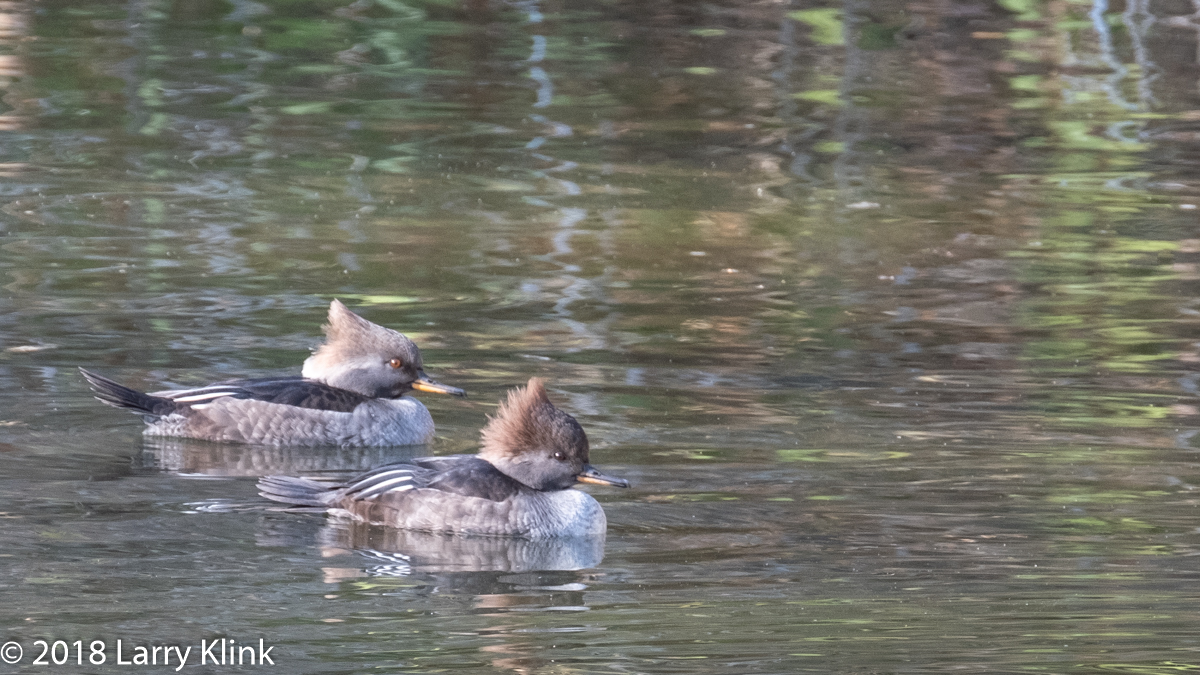
I regularly take long walks at different sections of the American River Parkway between Folsom and Fair Oaks. At one spot, along Lake Notomas, there is a small pond tucked back but alongside the bike trail. I never know what I am going to find. Last week, I was treated to what is a rare site to me – some hooded mergansers. Their cousins, the common mergansers, stick around all year. I often see belted kingfishers and acorn woodpeckers in that area also.
Acorn Woodpeckers are ubiquitous in this area. For those of you who aren’t familiar with them, their behavior is different from most other woodpeckers. They find acorns and pound them into holes in dead trees. When they can’t find a hole, they make one. Later, they come back and eat them – if the squirrels and other wildlife don’t get them first.
Regards,
Larry
Please click on caption to see image at higher resolution
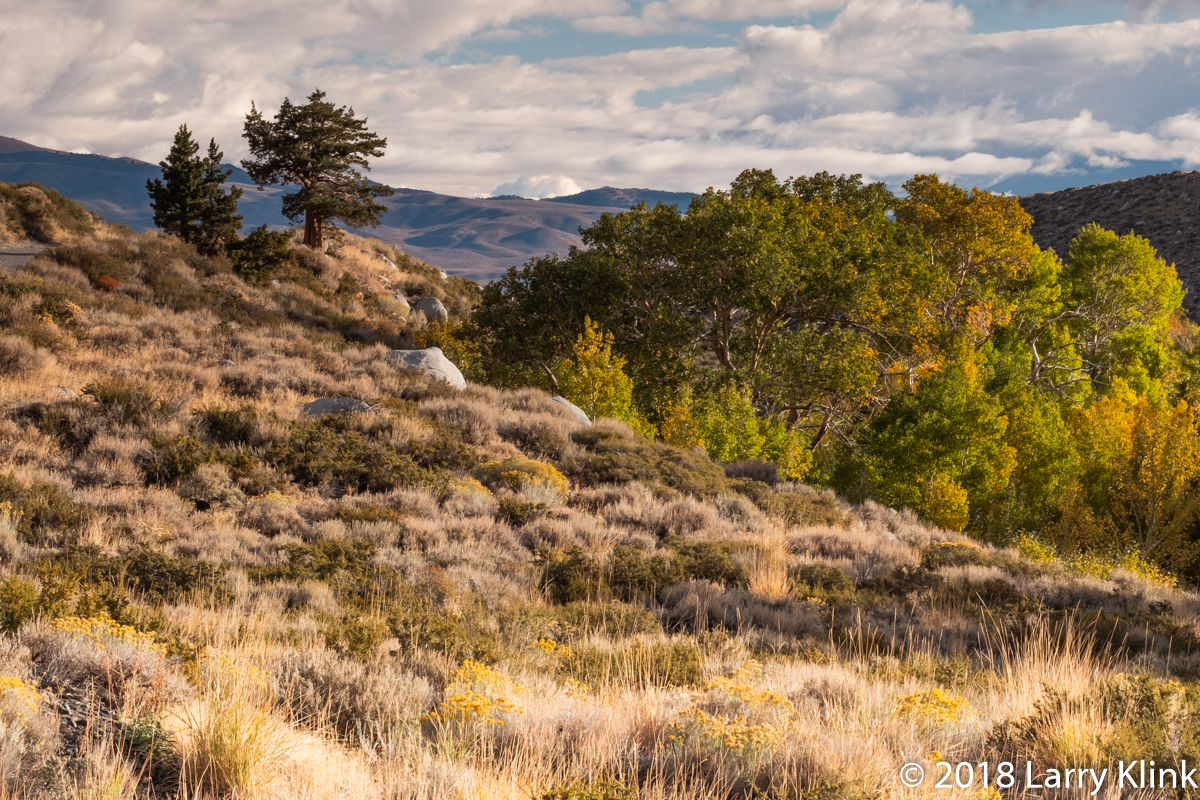
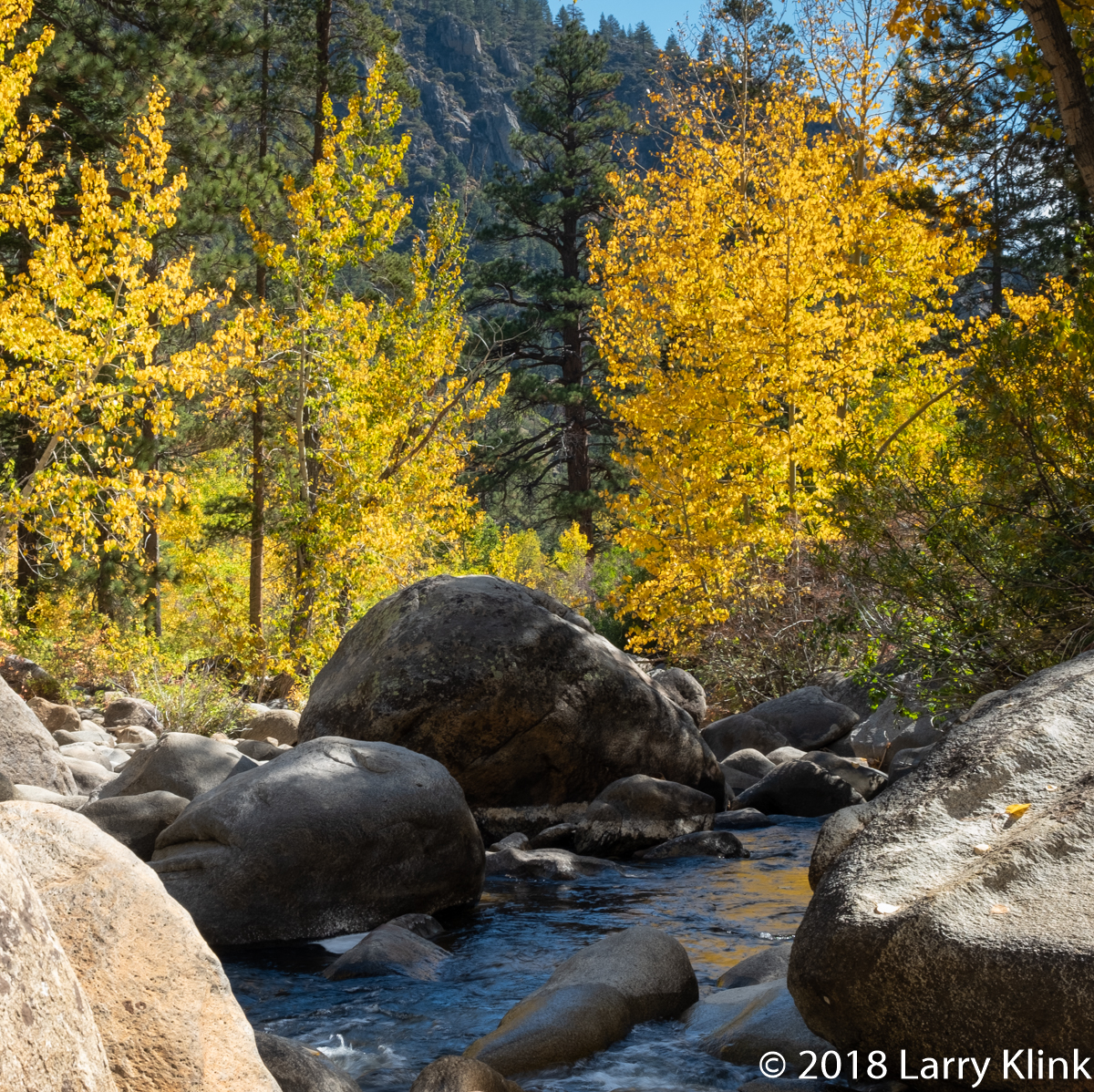
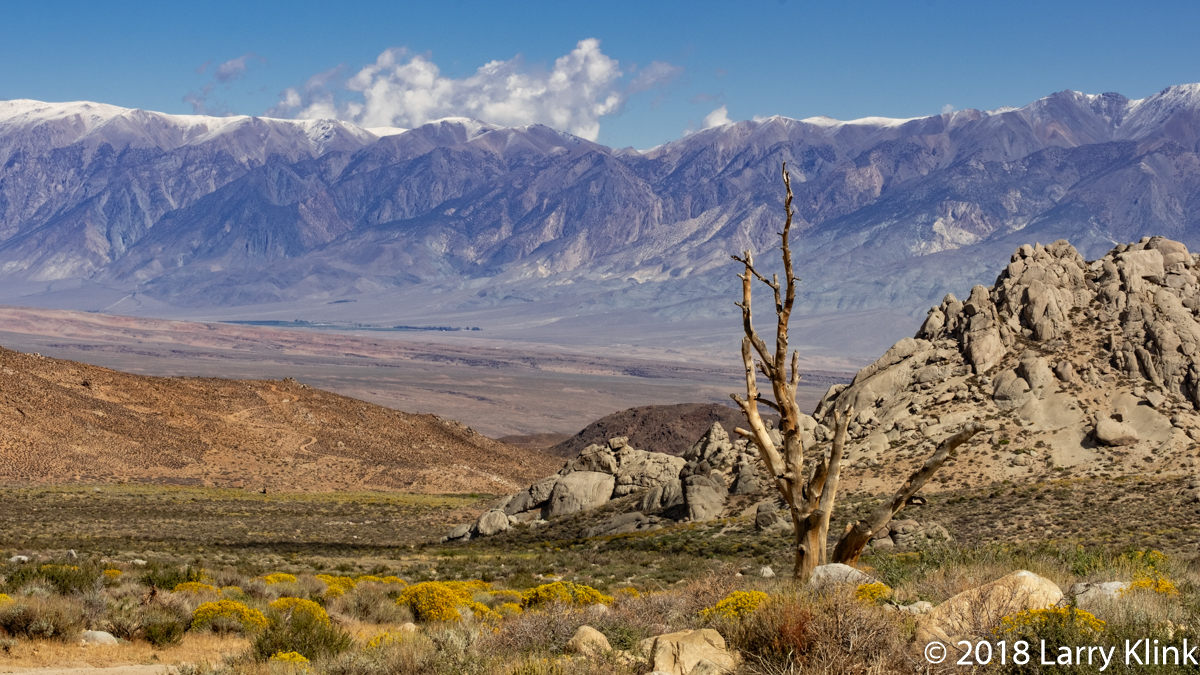
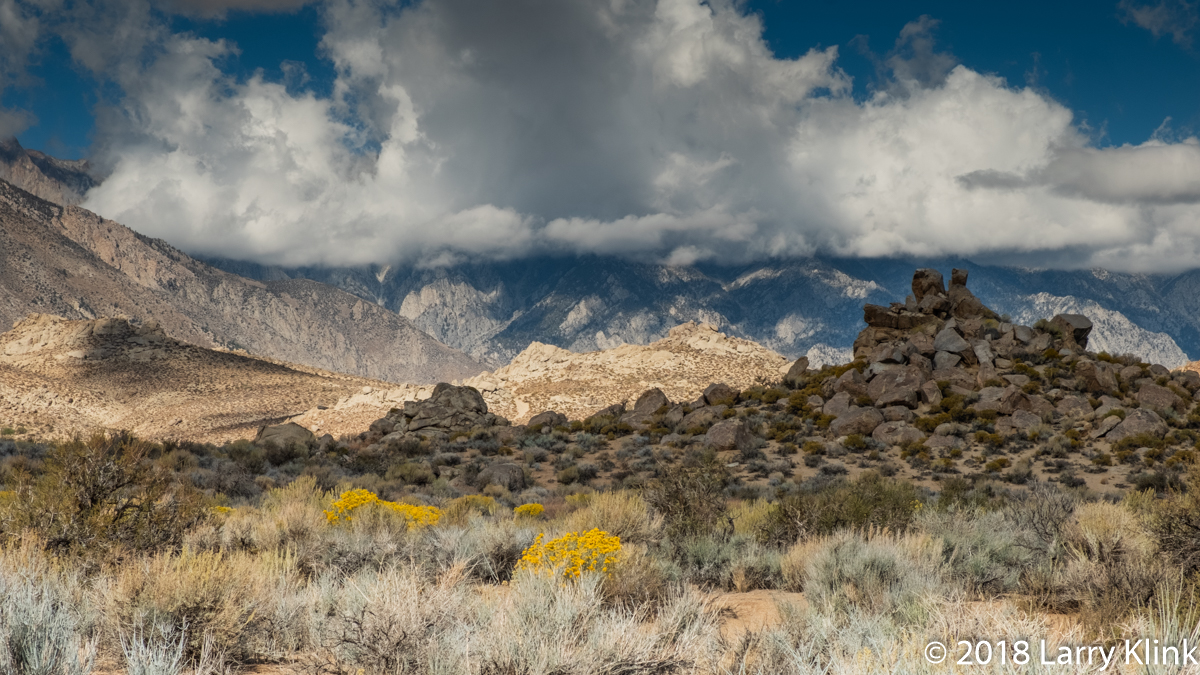
A few weeks ago, we took a trip to the eastern side of the Sierra Nevada, along route 395 from the junction of Rt 89 to Bishop, CA. Generally, we wanted to enjoy the autumn foliage. But we also wanted to explore Buttermilk County, the area along Buttermilk Road near Bishop. We did all of that and managed to include a drive into McGee Creek Canyon. The rabbitbrush was in bloom. Aspens and other trees were displaying the finest golds and oranges. It was a wonderful trip into the mountains.
Note: Please click on see images at higher resolution.
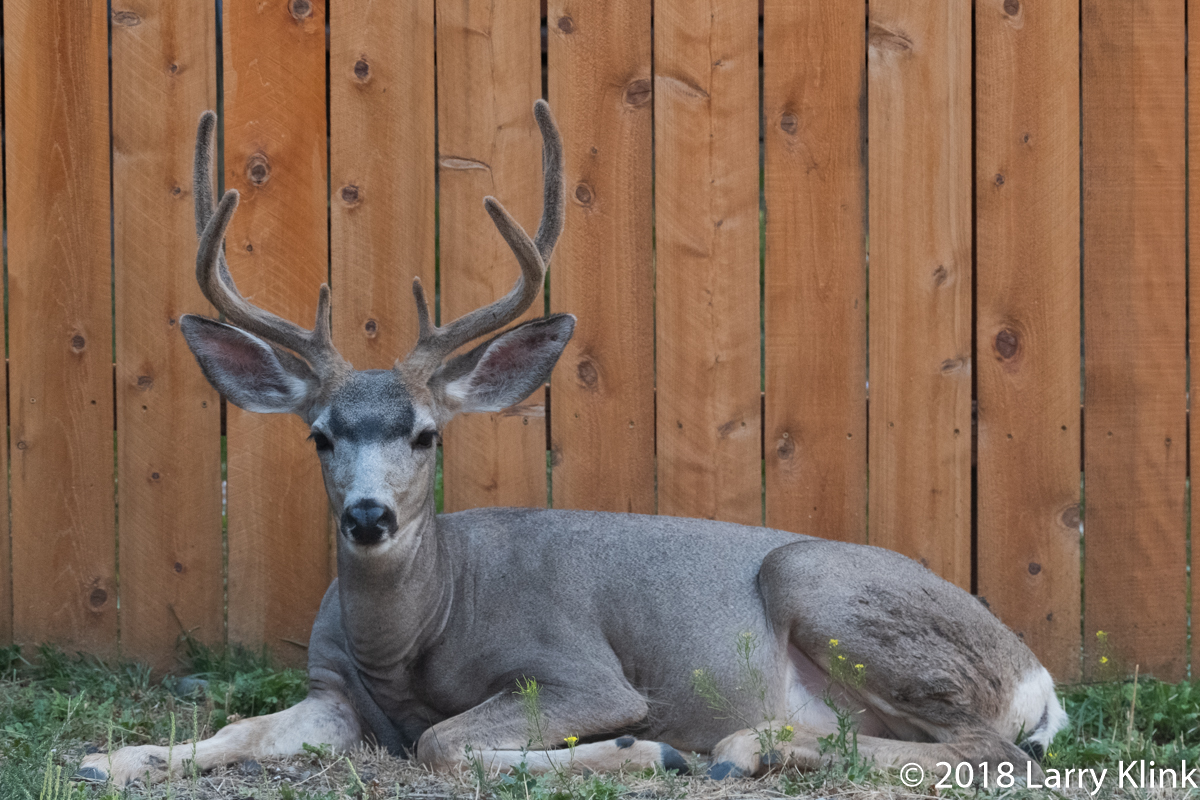
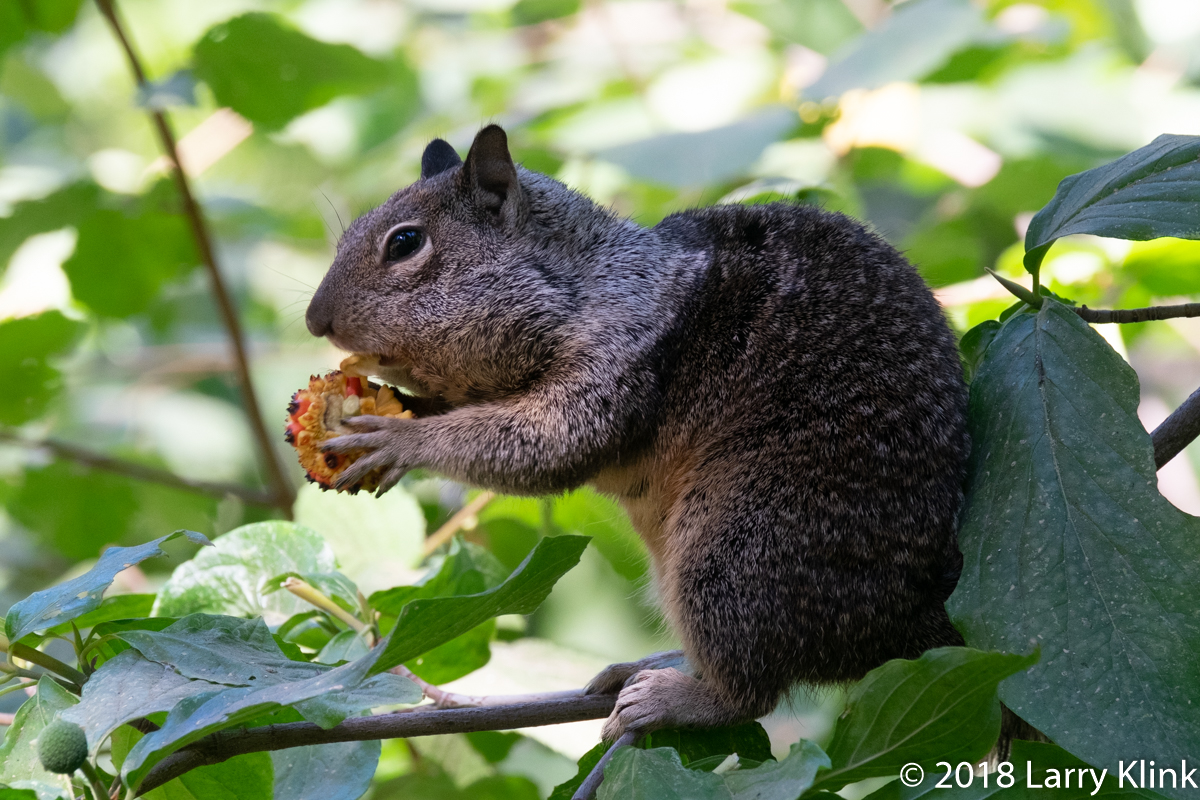
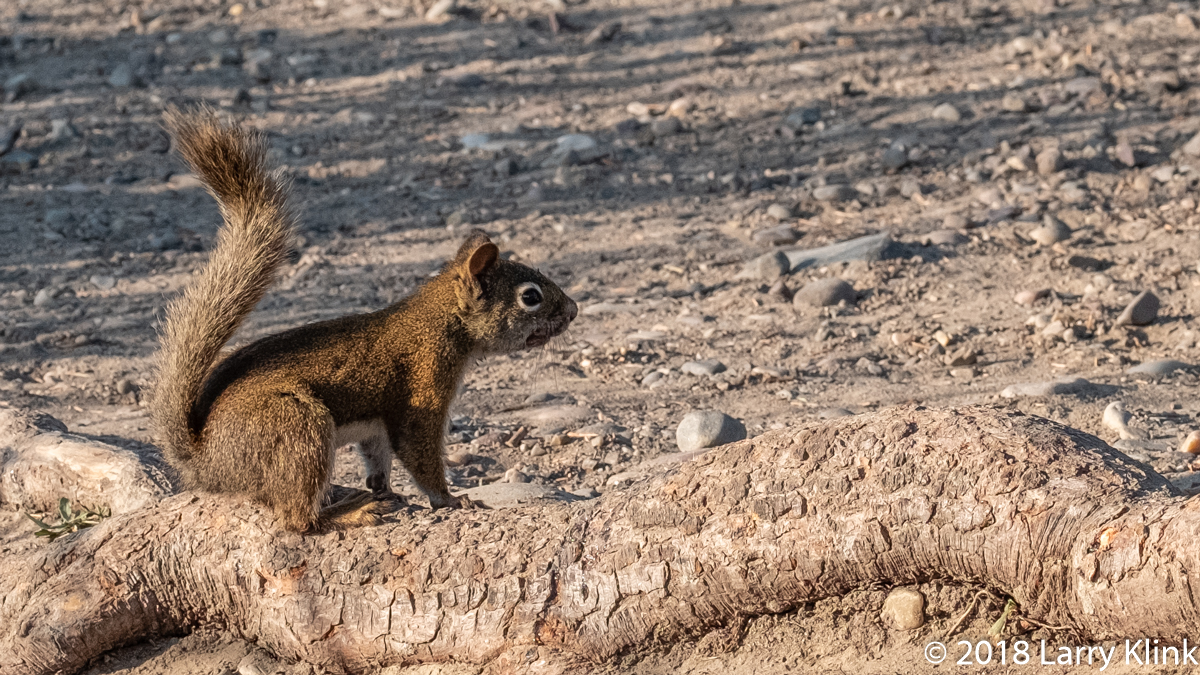
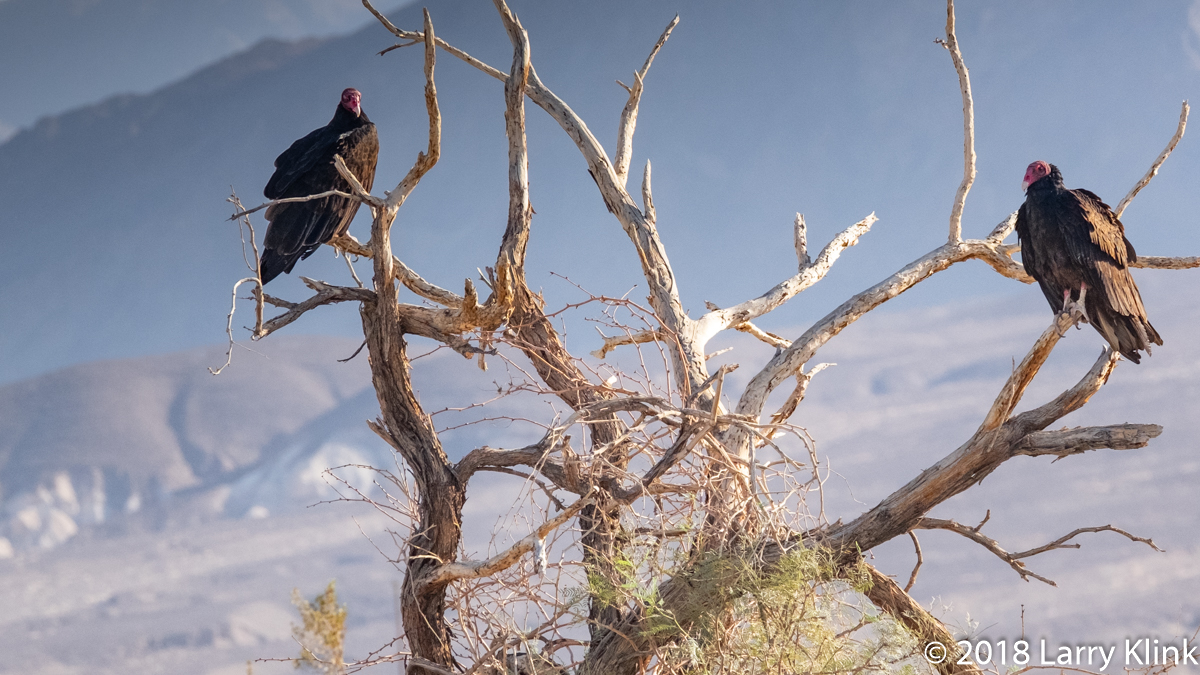
Here is a few shots of some wildlife we saw travelling through various places. The locations are listed with each image.
We hadn’t seen any bears in the wild for several years. Then, on one trip, we saw 2. Unfortunately, the one that got away, was a cinnamon colored one. Maybe someday I’ll be able to photograph one of those.
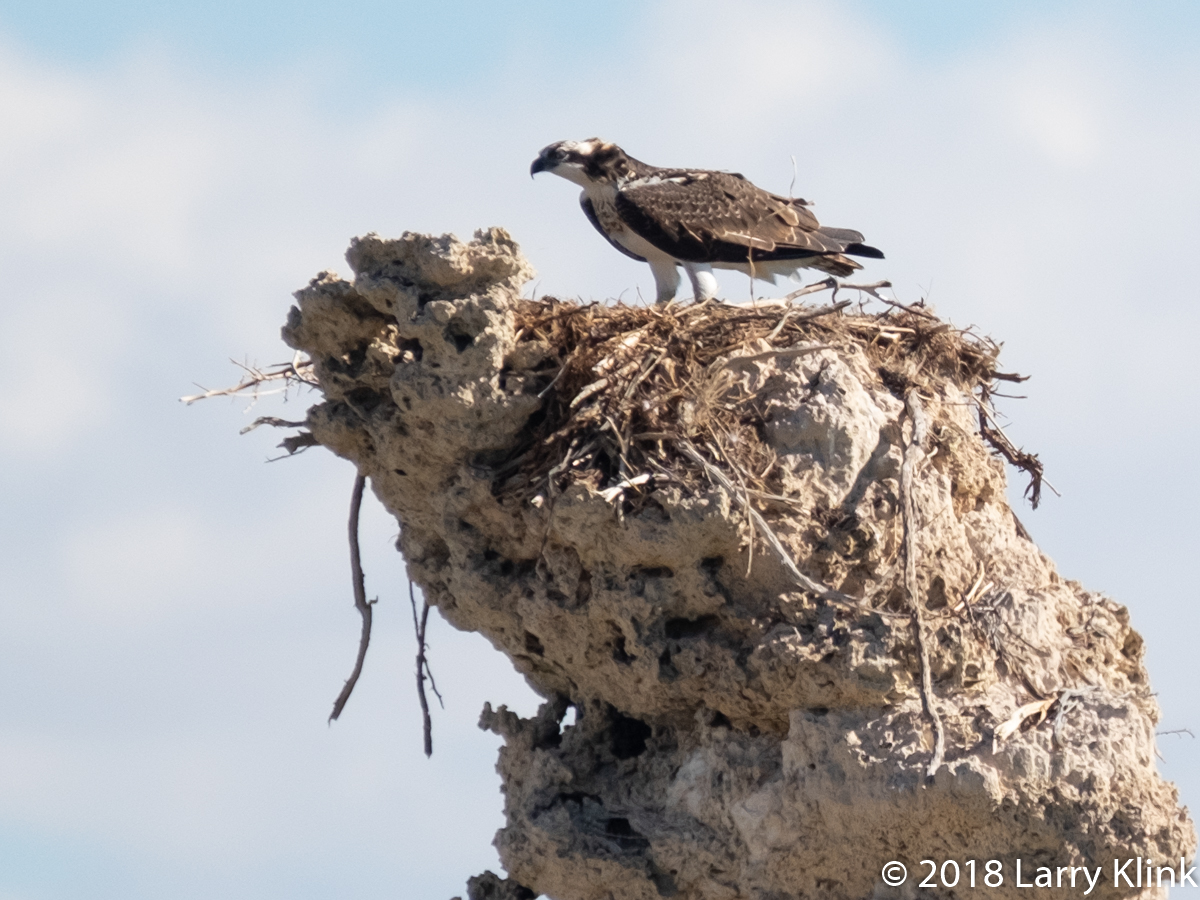
The tufa in Mono Lake are beautiful themselves but we got a rare treat – an osprey on its nest on top of a tufa.
Note: Click on caption to see image at higher resolution.
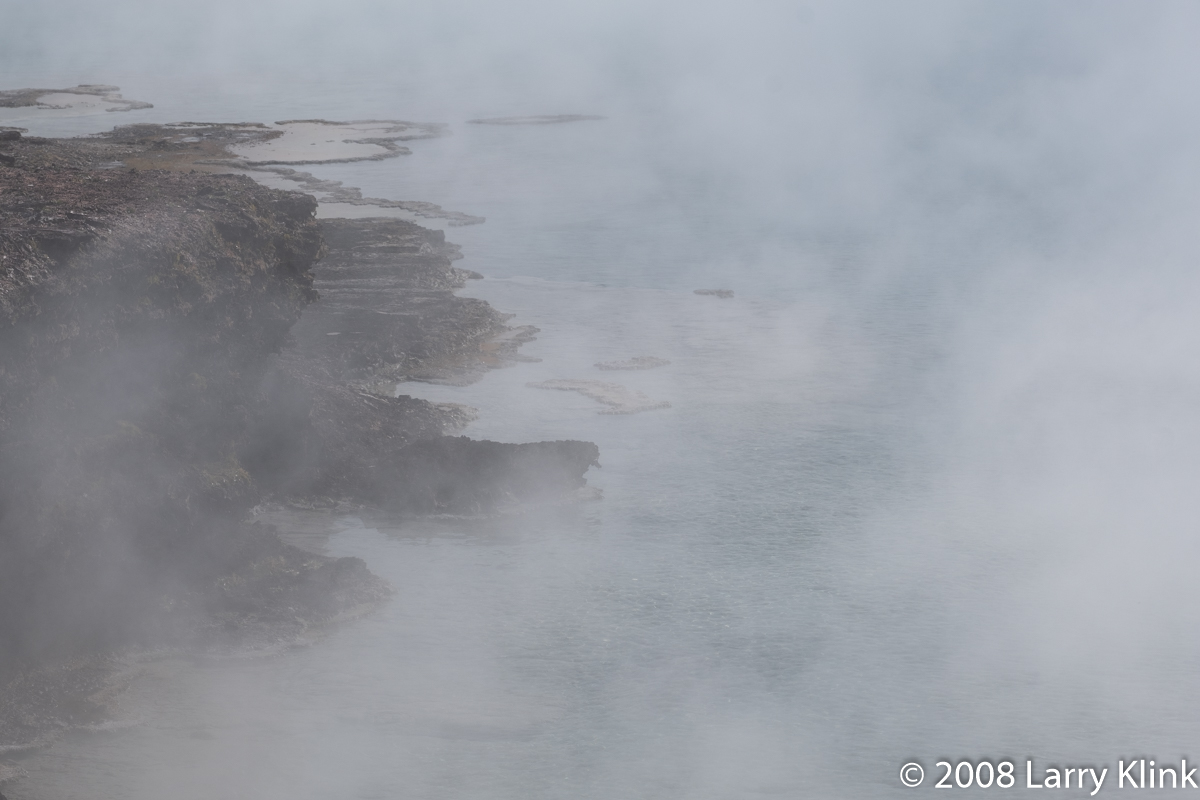
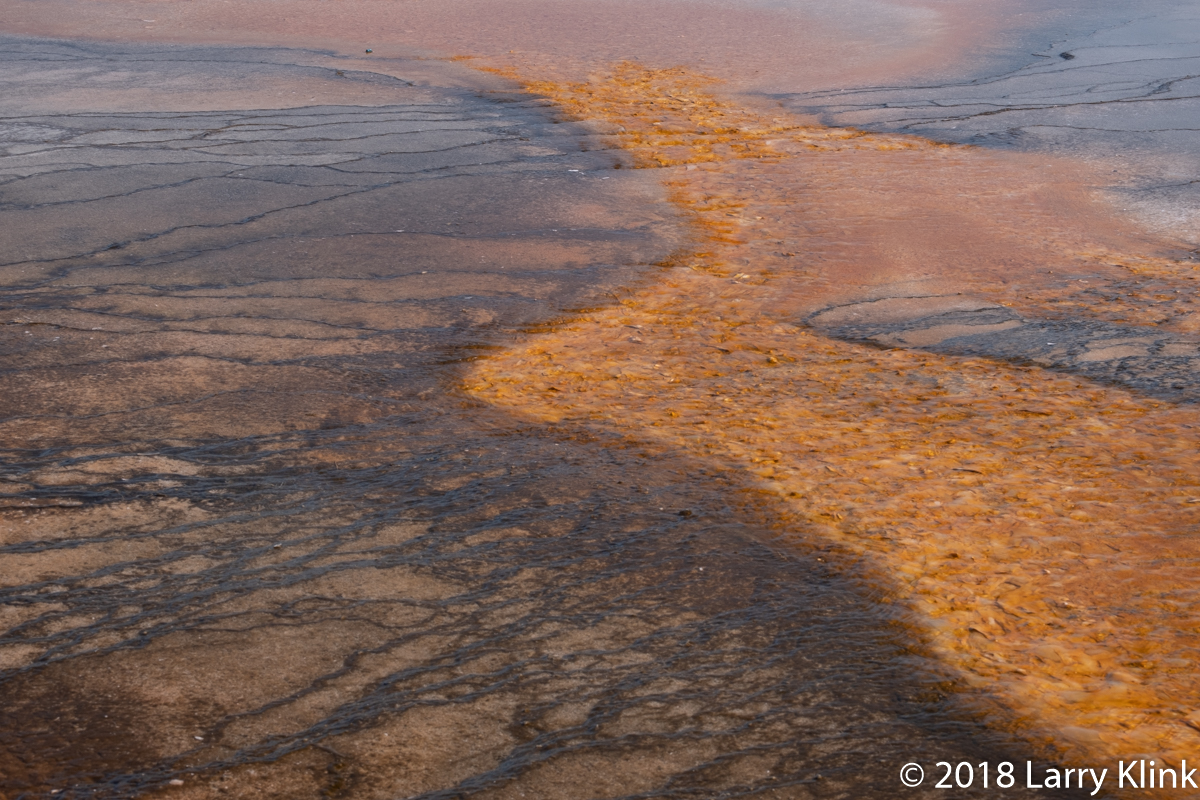
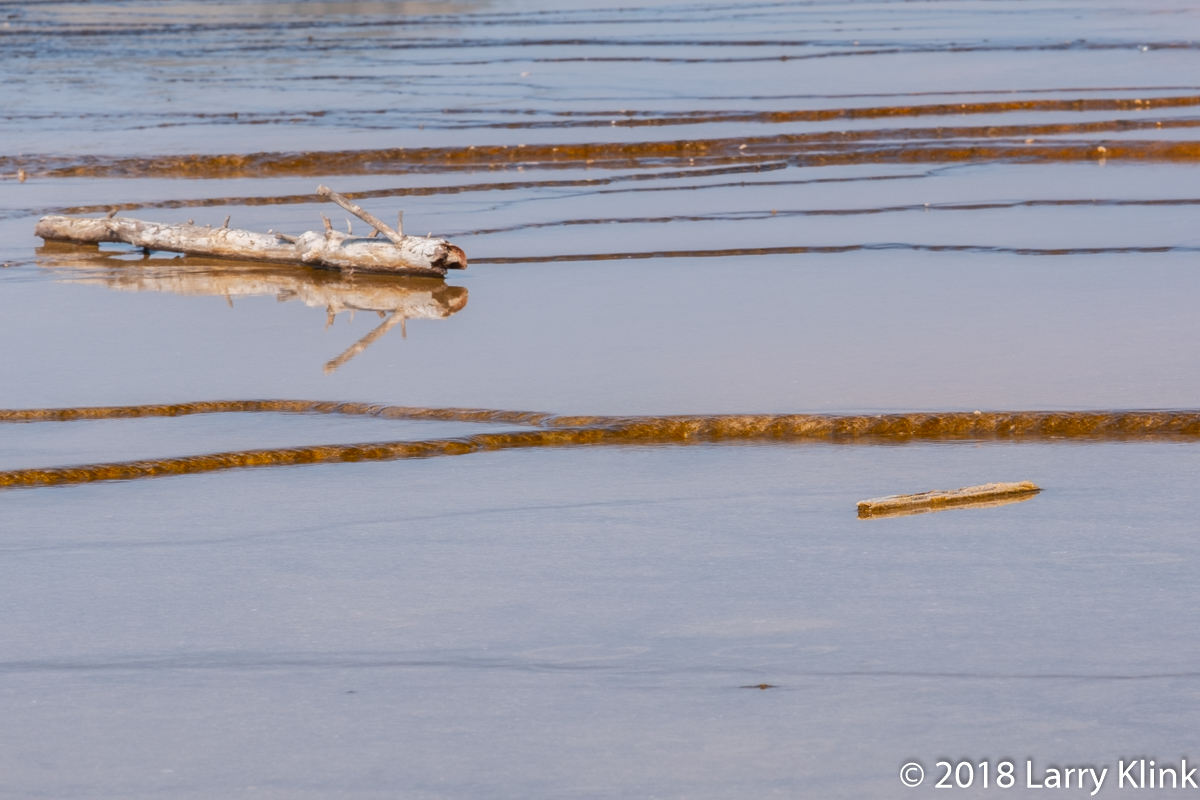
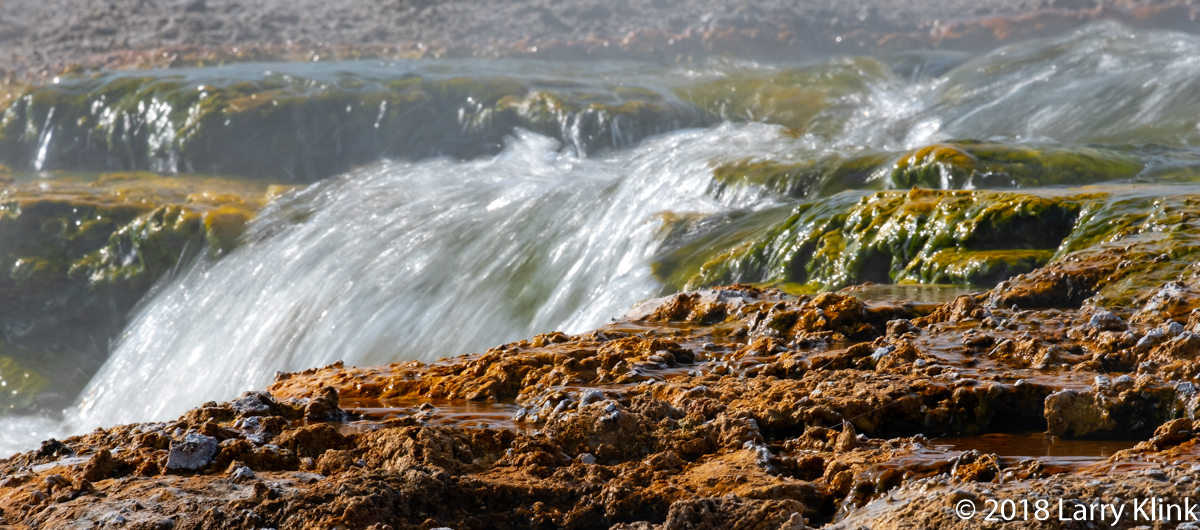
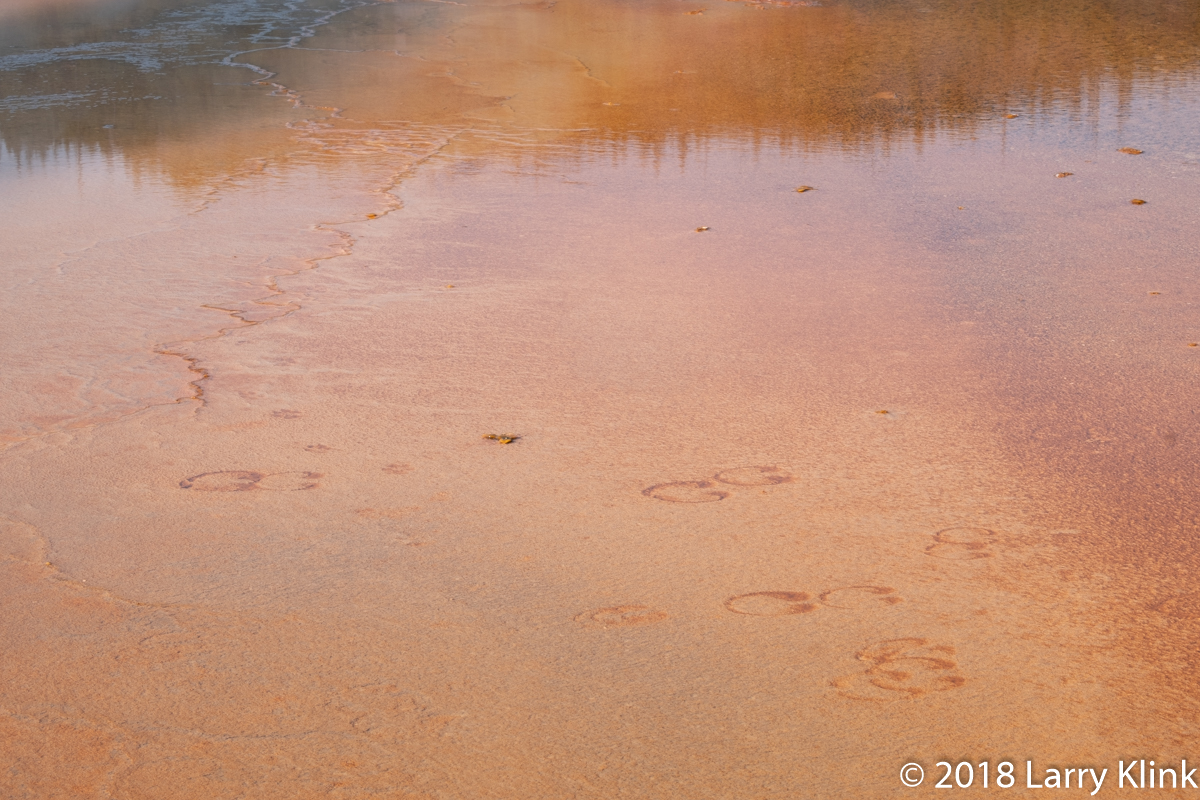
The Grand Prismatic Spring is another of Yellowstone’s iconic hydrothermal features. It is the one that looks like a big orange and blue eye. The spring sits along the Firehole River in the general area of the Upper Geyser Basin where Old Faithful resides. It produces a constant flow of water that flows into and heats the Firehole River. To me, the Firehole River is the most fascinating of Yellowstone’s rivers. It flows from Madison Lake, on the continental divide, 21 miles to the Gibbon River at Madison Junction. What fascinates me, is that it travels through the Upper Geyser Basin, where Old Faithful is located, and past the Grand Prismatic Spring. Those and other hydrothermal features dump their water into the Firehole. This raises the temperature 9-18 degrees Fahrenheit.
The pool filled by the Grand Prismatic Spring is very shallow. It is colored by the brown. orange and yellow bacteria and algae that grow in its pool. The sun highlights its colored features and the water reflects the blue of the sky. Steam rising from the spring adds mystery to the landscape. Though you can appreciate the spring by just giving it a cursory walk-by, paying attention to the details and seeing how the light seems to make them change provides a breathtaking experience.
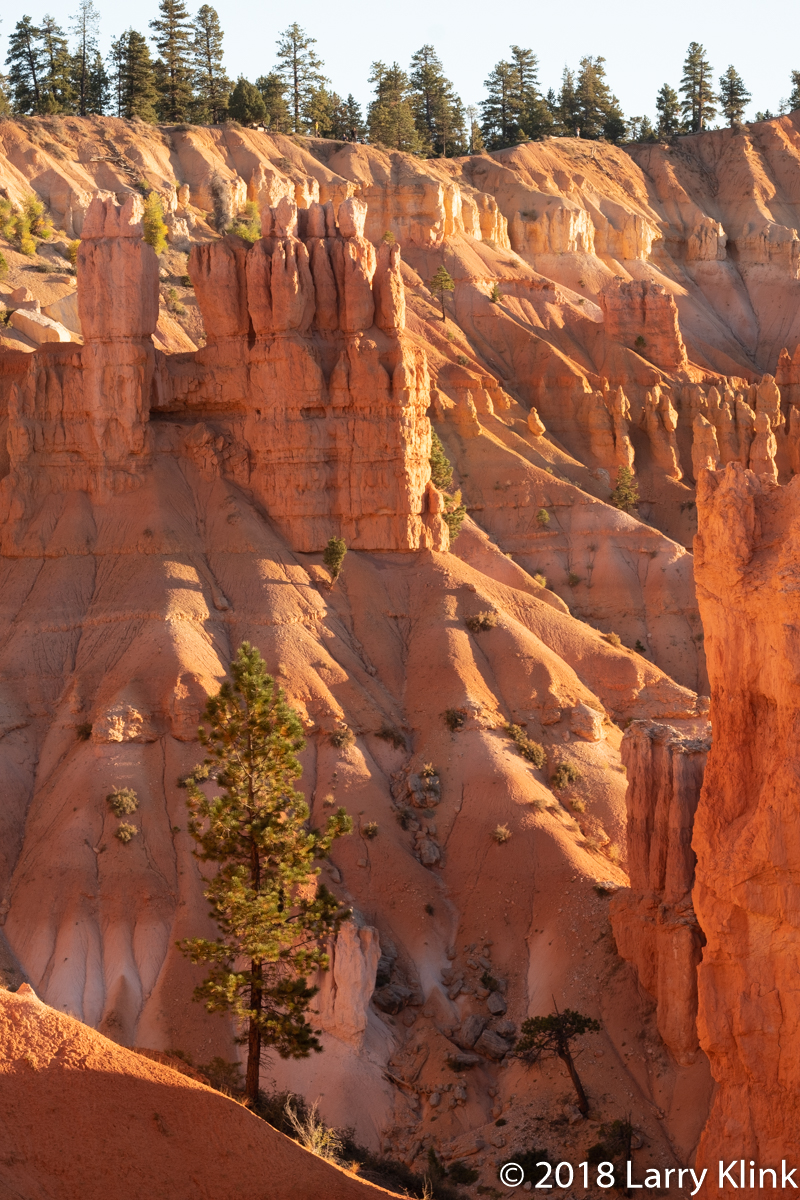
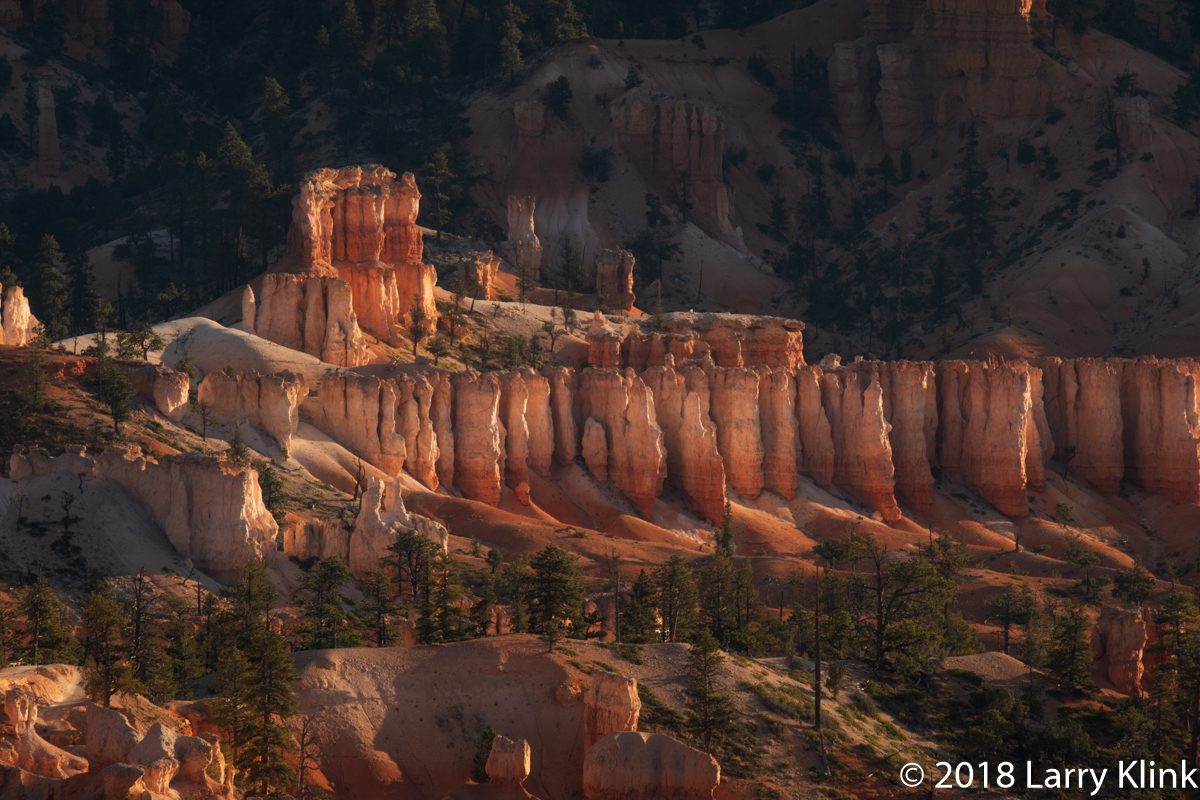
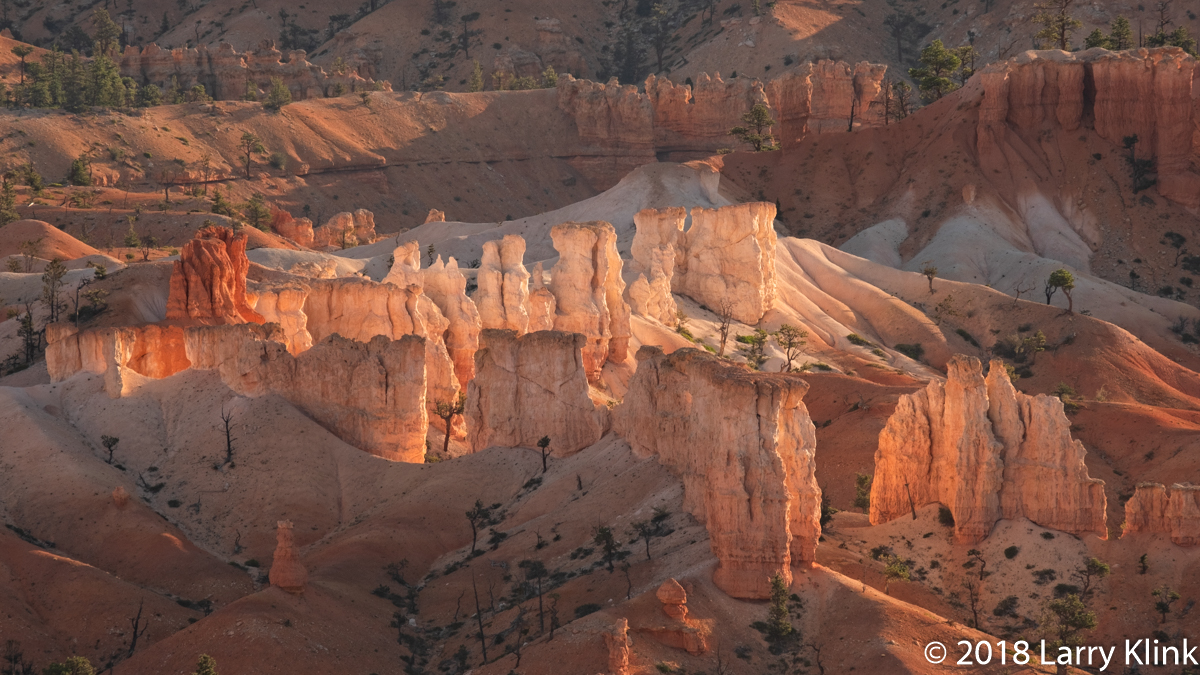
Bryce Canyon, in Utah, is stunningly beautiful; especially at sunrise and sunset. It should be on your bucket list. You can enjoy it any time of day but, I recommend being there in the morning, before the sun creeps over the distant mountains and as the sun sets in the evening. The colors saturate, the whites appear almost translucent at hose times and it will take your breath away. If you can, walk the trails that take you below the base and look at the hoodoos face on.
As I looked over the landscape, my thoughts turned to the ancient cities from fantasy and action adventures. Perhaps drawing from Petra in southern Jordan. I can imagine temples and palaces constructed from the hoodoos. I see “impregnable” walls being breached by the barbarians outside. It’s a fun connection.
For me, the process of how the land became to look as it does, enhances its beauty. In this case, water channels away the softer soil, forming the hoodoos. The freeze-thaw cycle sculpts the hoodoos by breaking off chunks. The wind helps sculpt too, but, to a lesser degree. What is left are acres of an orange and cream landscape filled with spectacular hoodoos and the erosional hills and valleys at their base.
I can’t wait to go back. Only this time, I am going to allow a day to hike and see what other treasures I uncover. I wonder what it would like in snow.
Note: Please click on caption to see higher resolution images.






















 Earthwatcher