Please click on caption to see picture at higher resolution.
Today I am sharing a picture of a beautiful waterfall that is very near where I live. Its in a tiny, picturesque park and sets under a covered bridge. My understanding is that the waterfall is man-made, and the bridge is recent. It is very well done. It is on Big Creek, once known as Vickery Creek.
Please visit my website, www.earthwatcher.us to see my collection of landscapes and wildlife.
If anyone would like a copy of almost any picture in my library, for educational or research use, please contact me and I will happily share a digital copy with you.
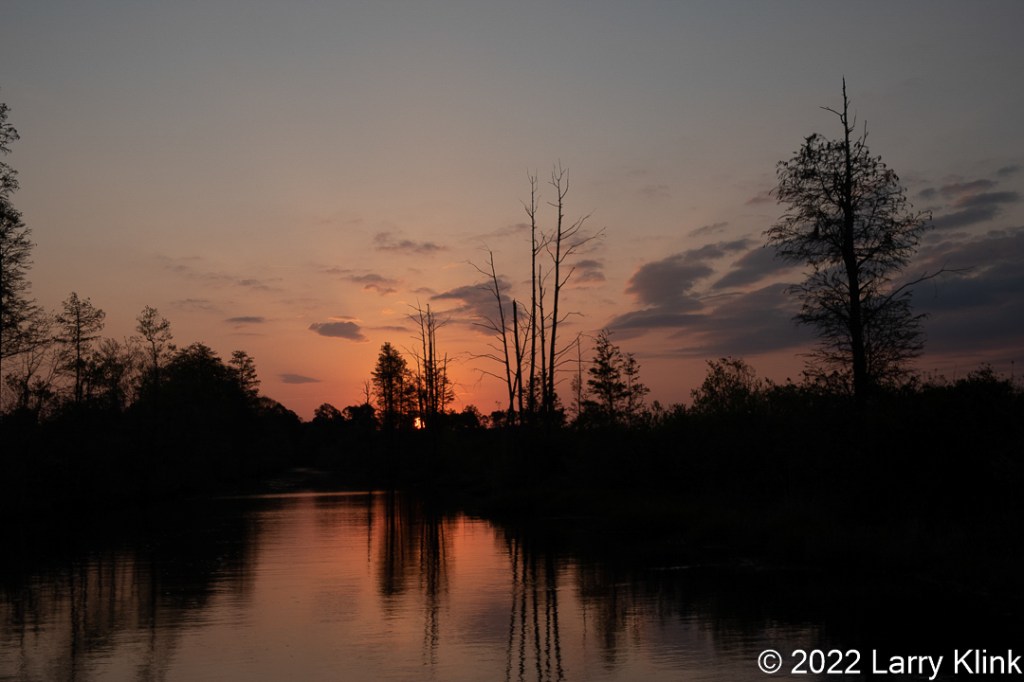
The Okefenokee National Wildlife Refuge is one of my favorite places to visit. I love being there in the early morning or late evening when the swamp is quiet. If you prefer, you can take your canoe or kayak, but I prefer to hire a guide and a boat. We can explore parts of the swamp that the tourist cruises don’t see. There are trails to hike also. I’ve hiked one a few years ago but I want to do more.
Pleas click on caption to see image at higher resolution.
If anyone would like a copy of almost any picture in my library, for educational or research use, please contact me and I will happily share a digital copy with you.
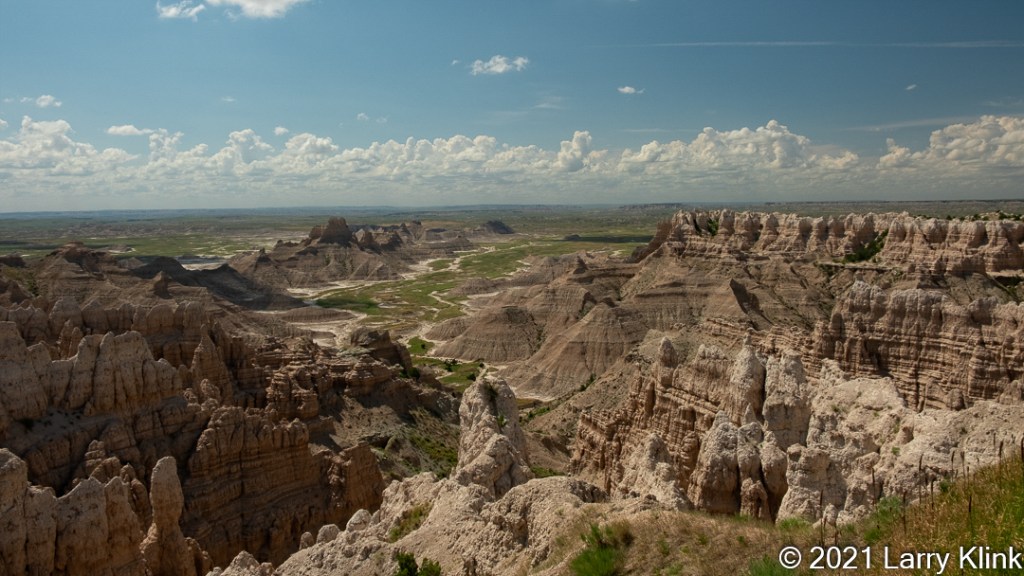
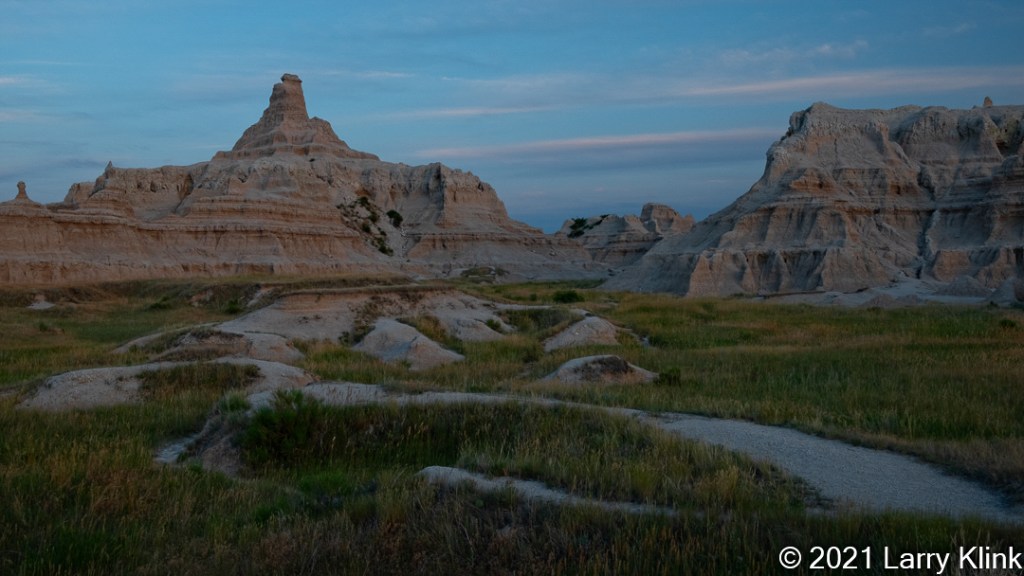
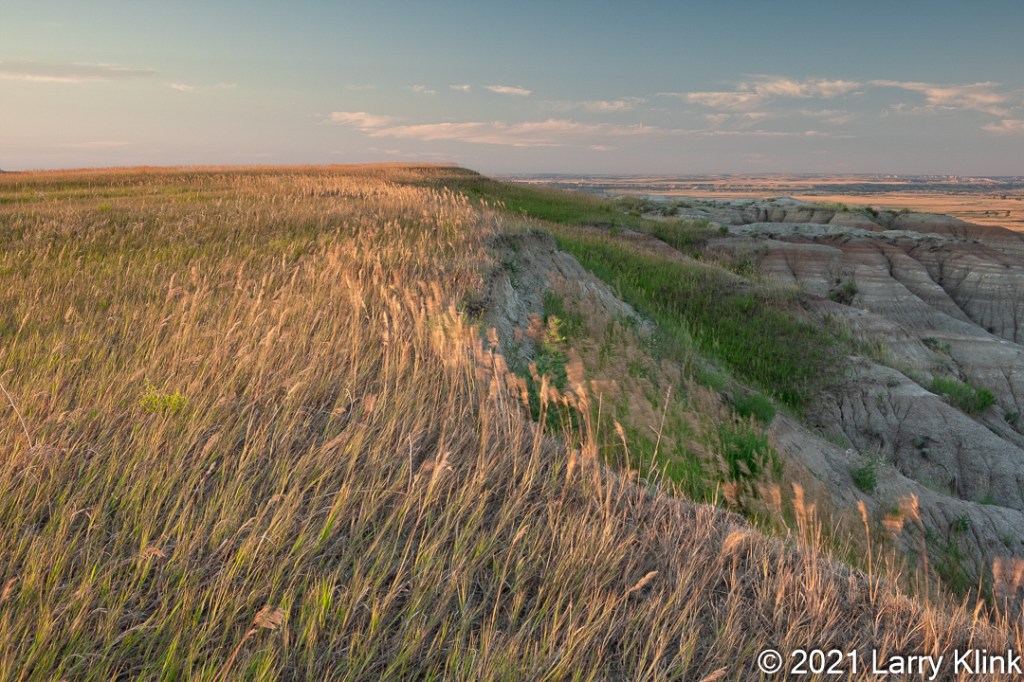
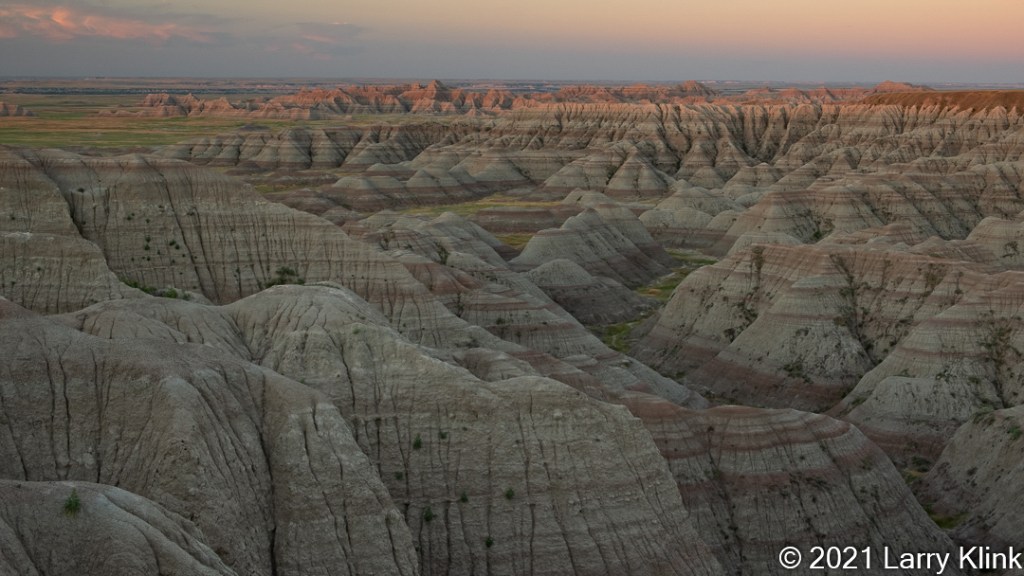
When you drive through Badlands National Park, on one side of the road is prairie grassland. The other side is a wide, highly eroded valley. You are riding on the edge, the dividing line. Both sides were intriguing. The prairie was green but transitioning to golden brown, flat to the horizon. The valley is flat and desolate occupied only by scrub except where water flows through. Where the prairie meets the valley, the transition zone consists of beautifully eroded sediment layered in gray and rose-colored bands. The rock is crumbly, almost like dried mud. It is the results of how nature sculpted these erosional features that make the park interesting and beautiful.
Please click on caption to see images at higher resolution!
If anyone would like a copy of almost any picture in my library, for educational or research use, please contact me and I will happily share a digital copy with you.
Please visit my website, www.earthwatcher.us to see my collection of landscapes and wildlife.
We just returned home from a very long road trip; a trip that took us from California to Maine and back. One of the places we visited was Devils Tower National Monument. I wanted to visit because it is an iconic feature and I hoped to capture a sunrise and night sky shots. Like most of our trip we were in big sky country where the skies are not cloudy all day. That was unfortunate because high clouds would have set the sky ablaze with color at sunrise and sunset. So, I did my best with that I had.
Devils Tower is a small park. The visitors center sits at the end of the only road, and it is a short ride. There is a trail around the monument from the visitor’s center, but it was closed for construction.
Devils Tower is not a solid wall cliff face. It is a beautiful example of columnar joining; something that is typical of volcanic magma that has cooled slowly. In the case of Devils Tower, geologists believe it is an intrusion; i.e. magma pushed up and intruded between other rock. It cooled underground and formed the beautiful columns that make up its rock face. At the bottom of the tower is a boulder field made up of broken pieces from the columns above.
As we explored, we found the dirt road to the Joyner Ridge Trailhead and followed it. There we took a short hike up a knoll and sat on a bench to watch the sun set. I can’t begin to describe the feeling of calm and spirituality I felt up there. I am always awed by the beauty of nature but this was different and more. I often find peace hiking on trails but, again, this was more. Many Native American tribal groups hold Devils Tower as a sacred place for prayer and communing with the spirits. It was a blessing to be there.
Please click on caption to see image at higher resolution.
If anyone would like a copy of almost any picture in my library, for educational or research use, please contact me and I will happily share a digital copy with you.
Please visit my website, www.earthwatcher.us to see my collection of landscapes and wildlife.
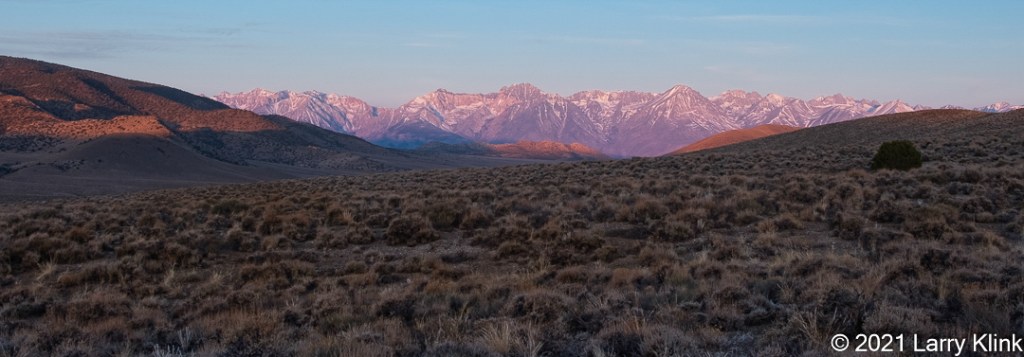
Sierra Nevada Mountains at Daybreak; Big Pine, Death Valley Road, Big Pine, CA; APR 2021
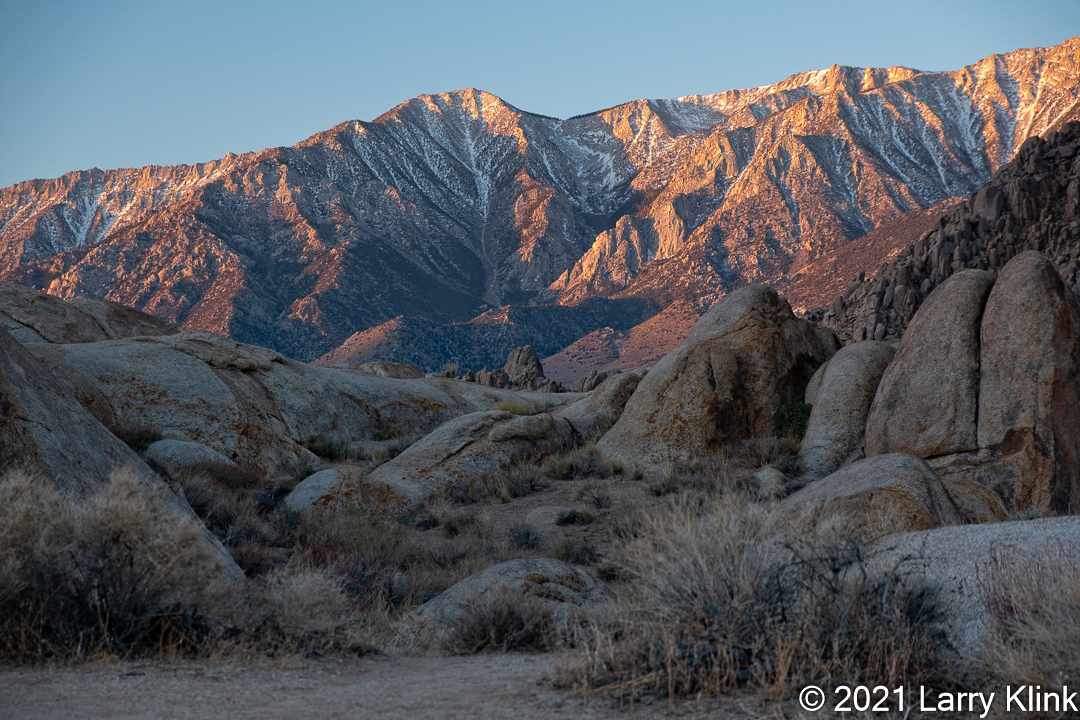
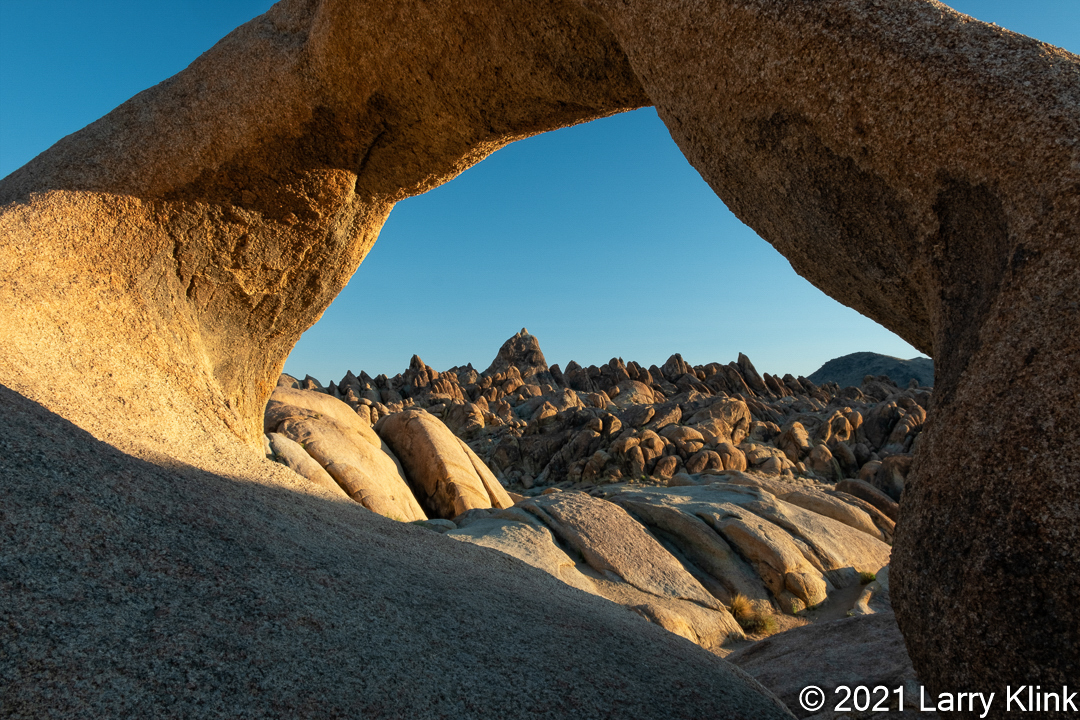
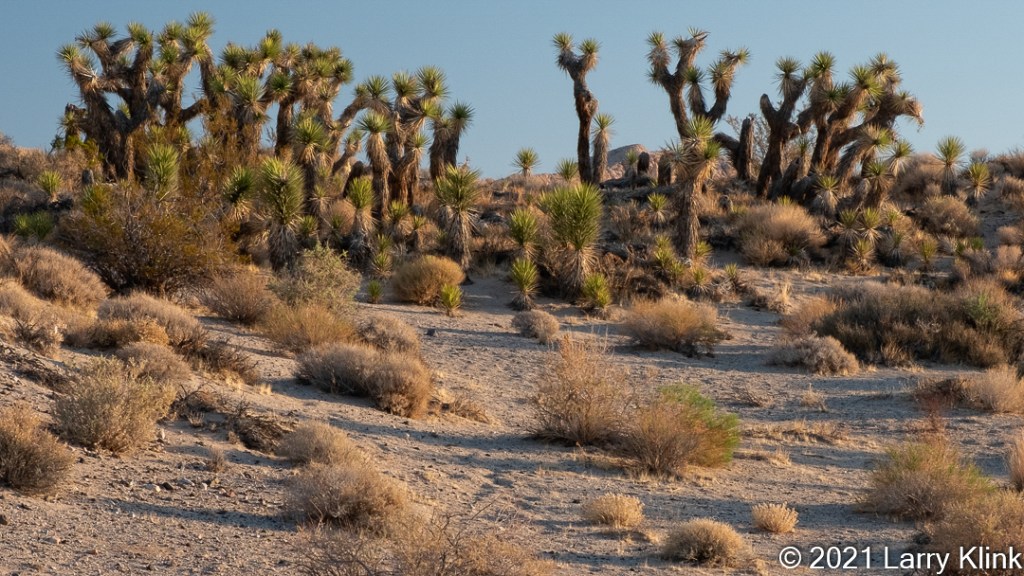
I’m sharing a few more pictures from our trip to the Eastern Sierra last April. Four of the images were taken at the Alabama Hills near Lone Pine, CA. (Alabama Hills National Scenic Area | Bureau of Land Management (blm.gov), @TheAlabamaHillsNationalScenicArea). The other is from Big Pine Death Valley Road.
I hope to go back to the Alabama Hills this fall because there are so many wonderful small vignettes to capture, and I am curious to see it at sunset as well as when some monsoons rains are falling over the Sierra as the backdrop.
Please click on image to see image at higher resolution.
First Light on the Sierra; Alabama Hills, Lone Pine, CA; APR 2021Mobius Arch from the Backside; Alabama Hills, Lone Pine, CA; APR 2021Sunrise on Mt Whitney; Alabama Hills, Lone Pine, CA; APR 2021Lone Tree along a Desert Path; Alabama Hills, Lone Pine, CA; APR 2021
If anyone would like a copy of almost any picture in my library, for educational or research use, please contact me and I will happily share a digital copy with you.
Please visit my website, www.earthwatcher.us to see my collection of landscapes and wildlife.
On our trip a few weeks ago, we made our first visit to Red Rock Canyon State Park on Rt 14 near Cantil, CA. We only spent one morning there so we limited ourselves to the Red Cliffs section of the park. We hiked out to the park boundary along the Red Cliffs trail during a cloudless sunrise. The temps were cool, the walk was easy and the red in the cliffs were true to their name.
Please click on caption to see image at higher resolution.
If anyone would like a copy of almost any picture in my library, for educational or research use, please contact me and I will happily share a digital copy with you.
Please visit my website, www.earthwatcher.us to see my collection of landscapes and wildlife.
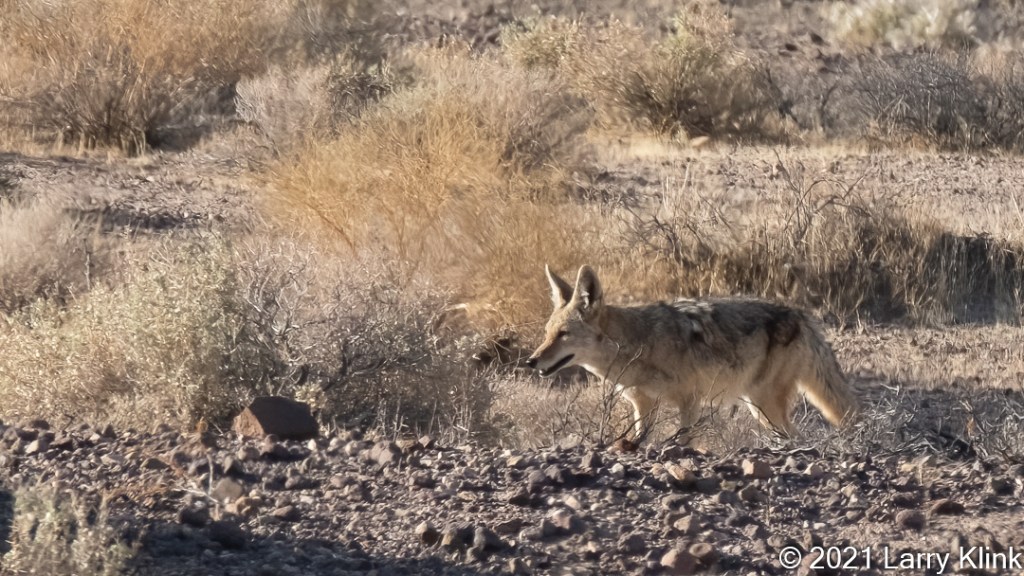
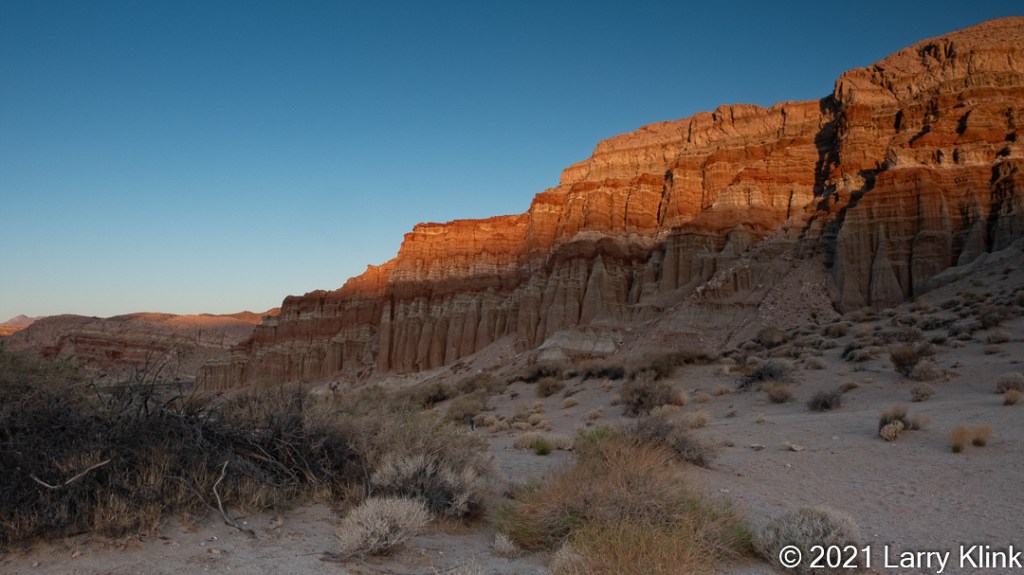
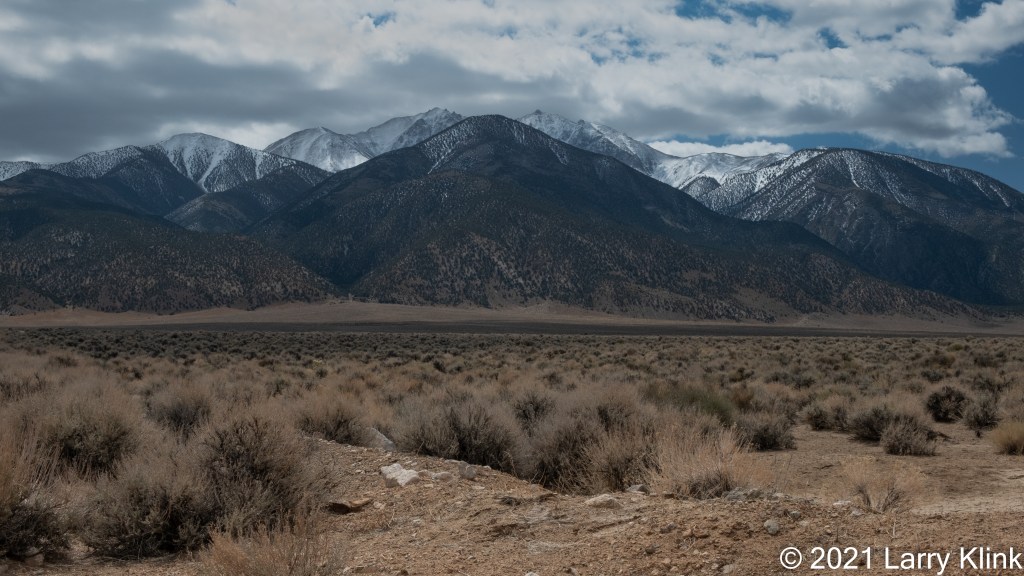
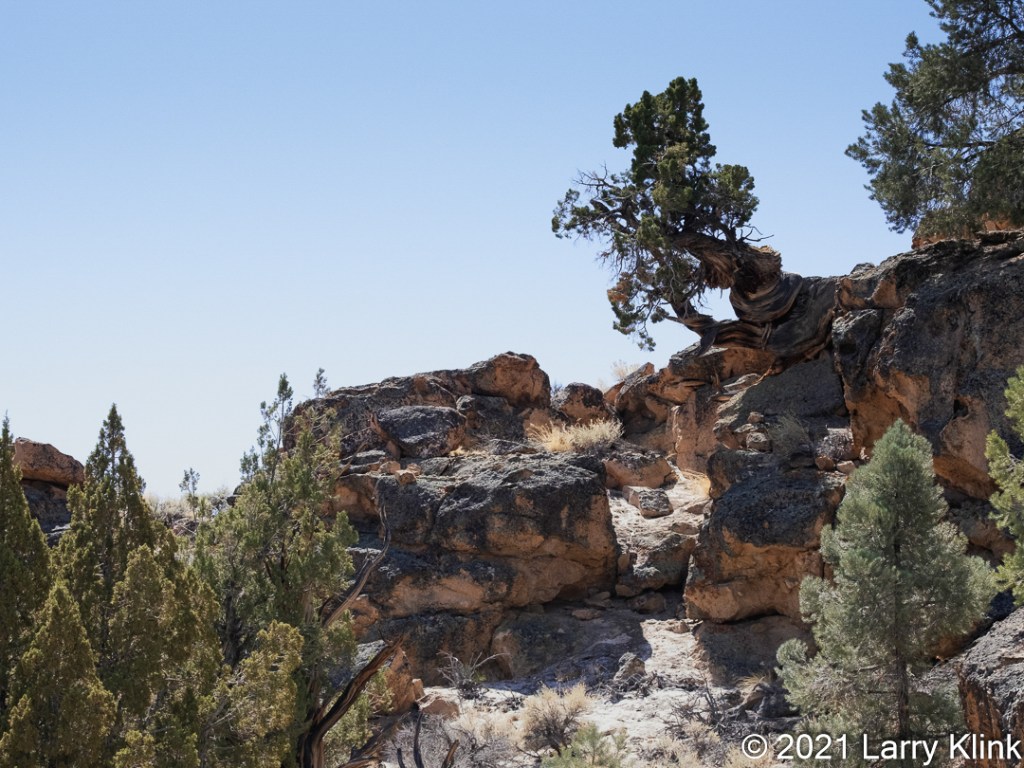
One of my favorite challenges is photographing the desert. We recently spent a few days enjoying the desert east of the Sierra Nevada mountains in California and Nevada. So, I got another opportunity to develop my approach. Most of these images were taken along Route 6, Route 266 and Route 120 in California and Route 264 in Nevada.
Please click on caption to see image at higher resolution.
If anyone would like a copy of almost any picture in my library, for educational or research use, please contact me and I will happily share a digital copy with you.
Please visit my website, www.earthwatcher.us to see my collection of landscapes and wildlife.
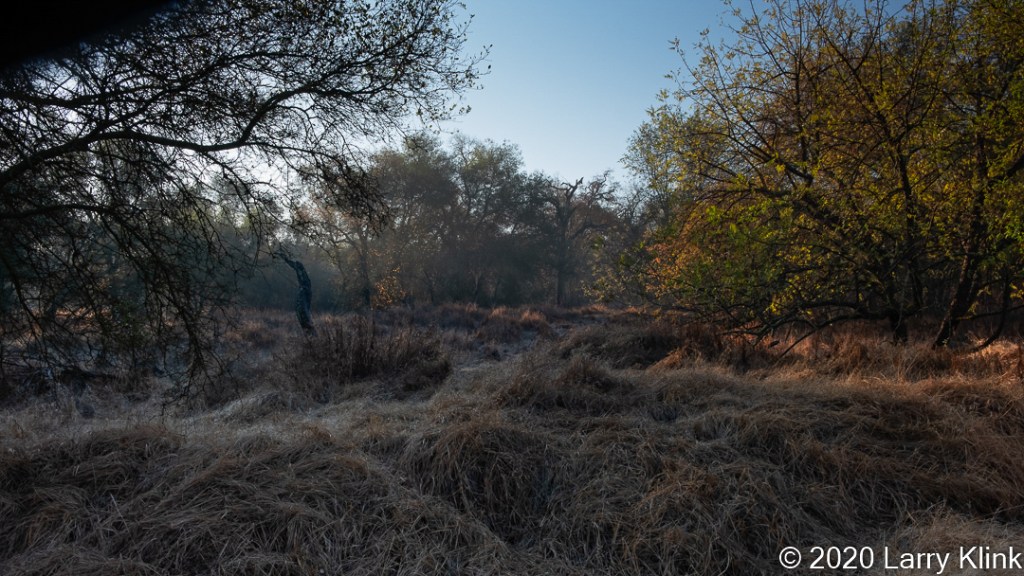
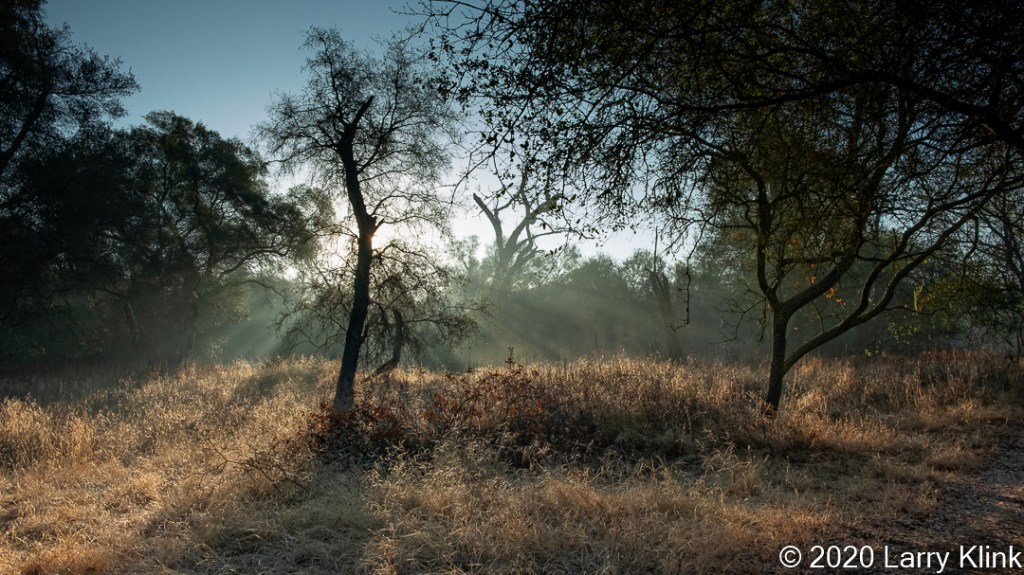
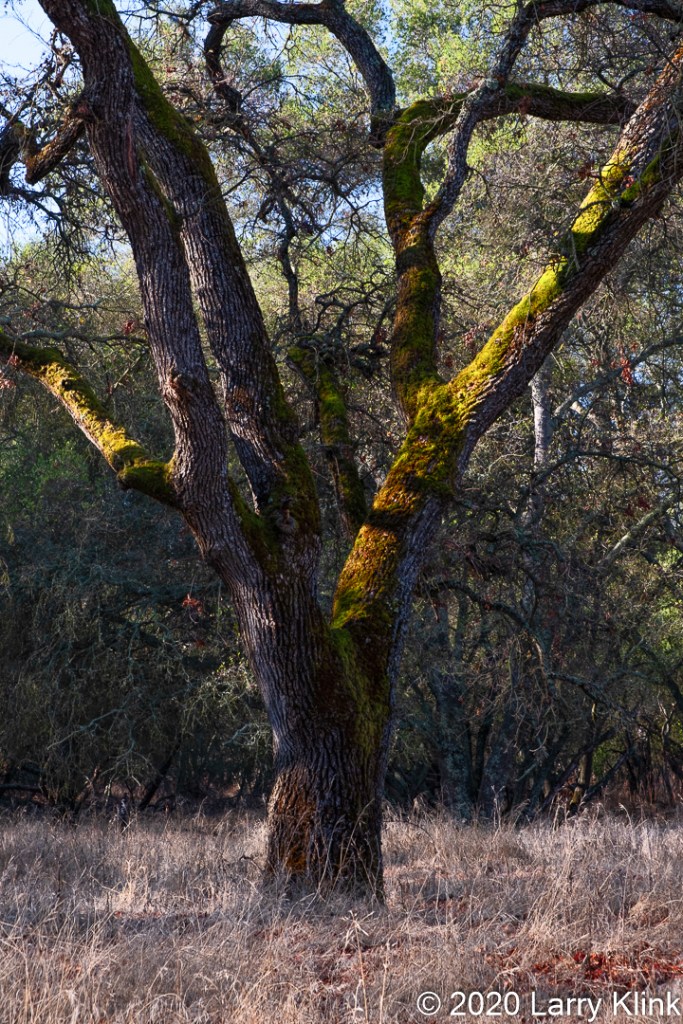
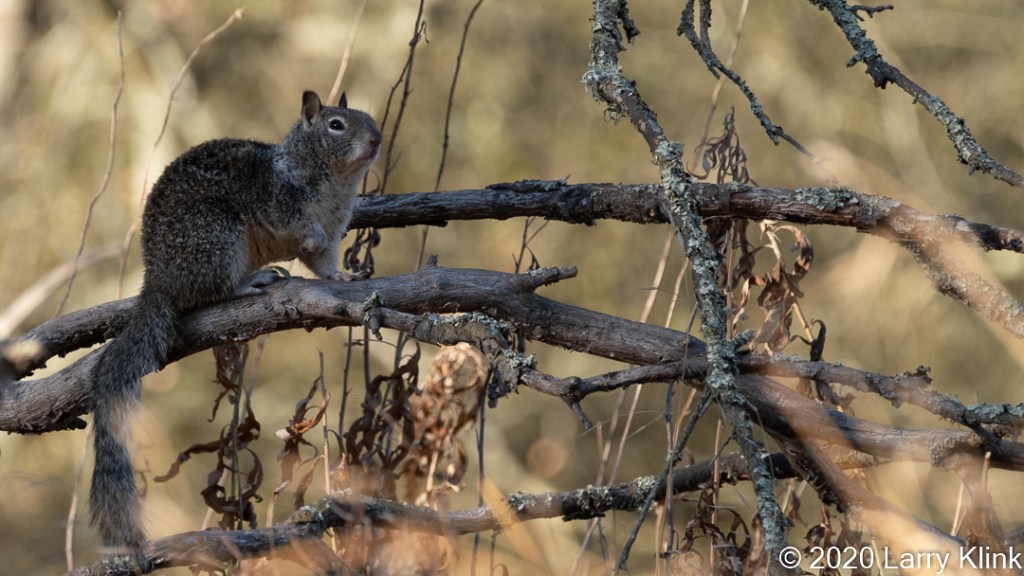
I am a volunteer at the Effie Yeaw Nature Center (sacnaturecenter.net) in the Carmichael section of Sacramento, CA. The center is a nature study area along the American River Parkway that provides nature classes for children and adults alike. It was named for Effie Yeaw, a teacher, conservationist and environmental educator who led natural and cultural history walks in an area known as Deterding Woods, located along the American River in Carmichael. It spans 100 acres replete with trails through a riparian woodland and along the American River. Black-tailed Mule Deer, Wild Turkeys, Acorn Woodpeckers, Fox Squirrels and California Ground Squirrels are often an attraction when wandering through the center. But watching closely, you’ll see many species of birds and sometimes a coyote.
I am a Trail Steward. My job is to walk the trails, report any issues, pick up litter and answer questions from visitors. But, most of all, I get to hike and to photograph what I see, while providing this labor of love. I even get to write a blog and share my photography. It is a dream job.
This blog is based on one I wrote for the Nature center. I am sharing it so all my friends and followers can see one of my favorite places. This will be the first. I will share more over the next few months. Meanwhile, you can see many more photos of Effie Yeaw Nature Center at https://larryklink.smugmug.com/EYNC/. Better yet, if you live in the Sacramento Region, make a visit, bring the kids and grandkids.
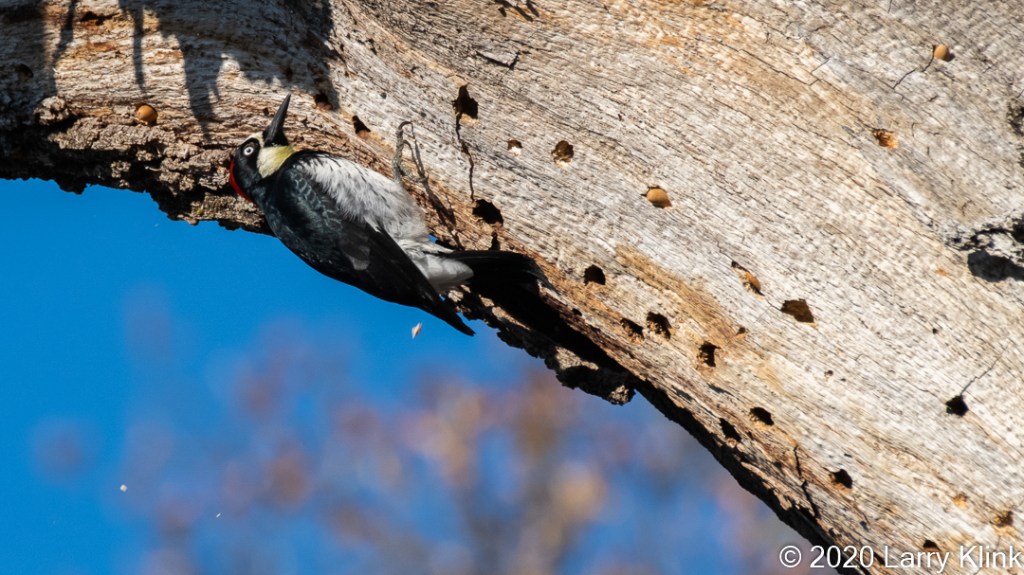
This is an Acorn Woodpecker. The Acorn Woodpecker uses its beak to drill holes where it stores acorns. Once the hole is ready, it will pound in an acorn for later use. Â In this picture, the woodpecker was drilling a hole. If you look closely, you can see wood chips in the air. Also note that some of the existing holes are empty and others have acorns.
On our last trip to the Eastern Sierra, we explored Big Pine – Death Valley Road. Twenty-five miles from Big Pine, CA, the pavement ends, and you enter Death Valley National Park.  The route took us through Eureaka Valley, over the Last Chance Mountains to Crankshaft Crossing where we made a right to continue on Death Valley Road. That led us to Ubehebe Road then to Scotty’s Castle Road and further to Stovepipe Wells. It was a fun trip through beautiful desert despite the tire shredding rocks and washboard grating on the road. If you ever take this route be careful. Have really good tires and plan your timing; there are many washes that cross the road. They were all in good repair when we took the trip in early autumn. But, they could be bad in other times of the year.
Please click on caption to see image at higher resolution.