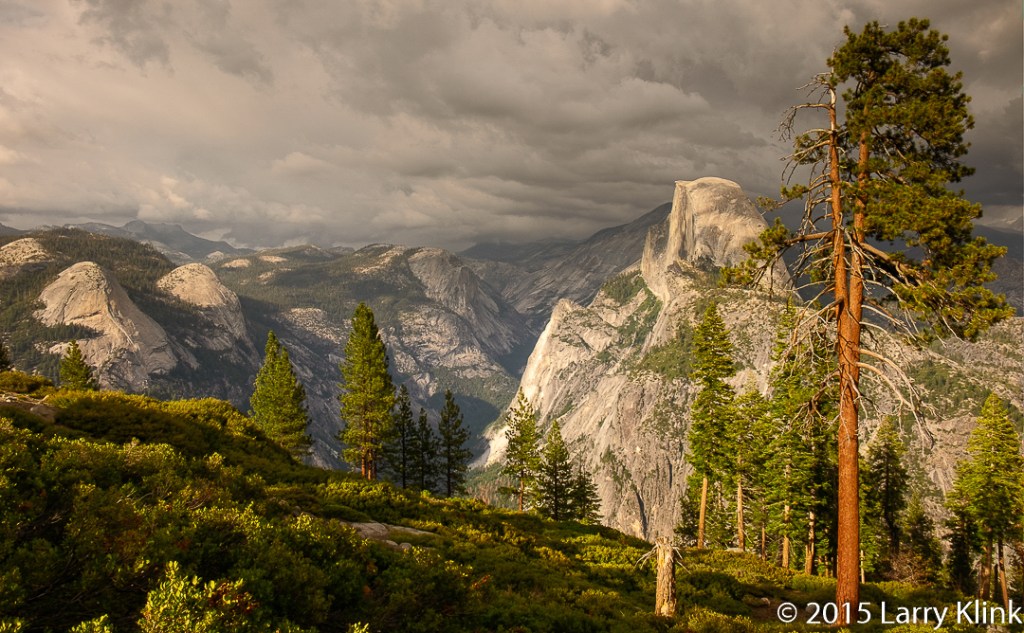
There is a request floating around Facebook asking people to share landscapes. So, I decided to gather my favorite images from places we visited and share them.
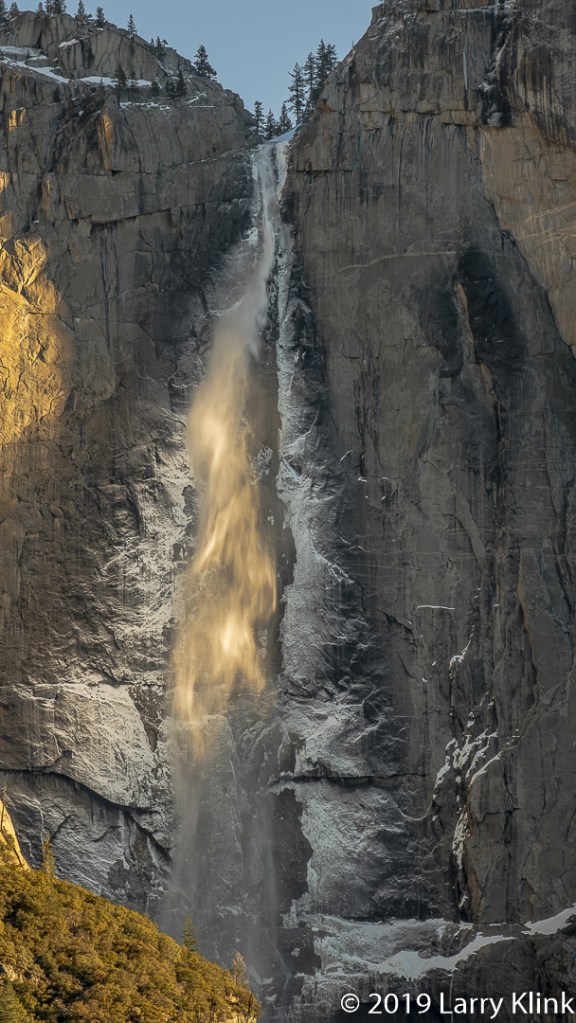
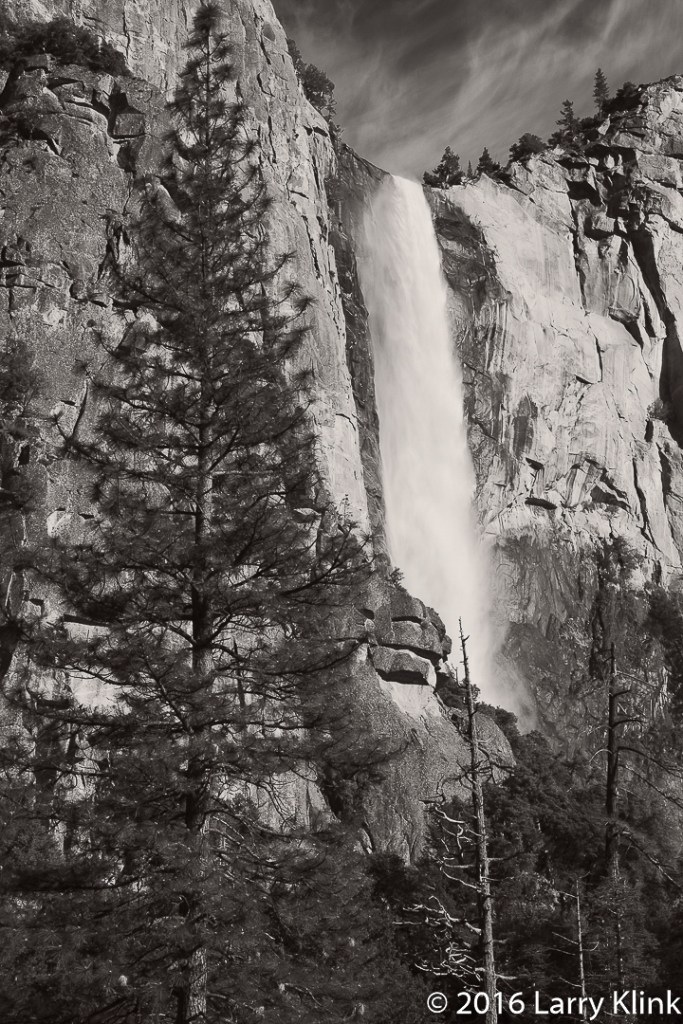
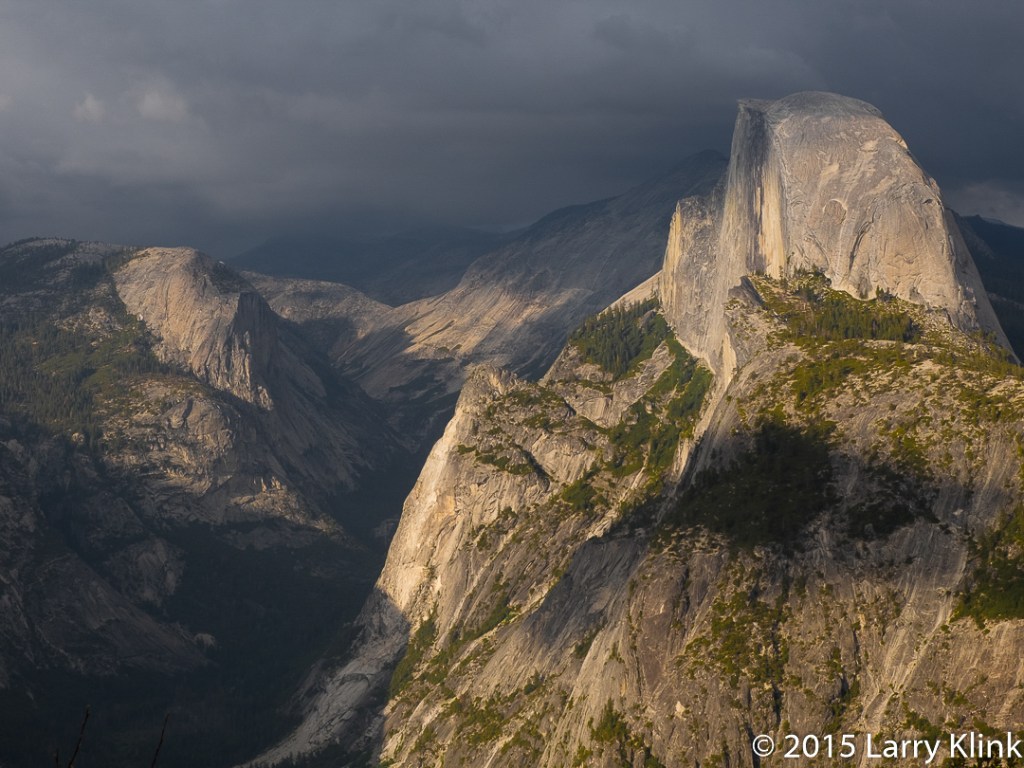
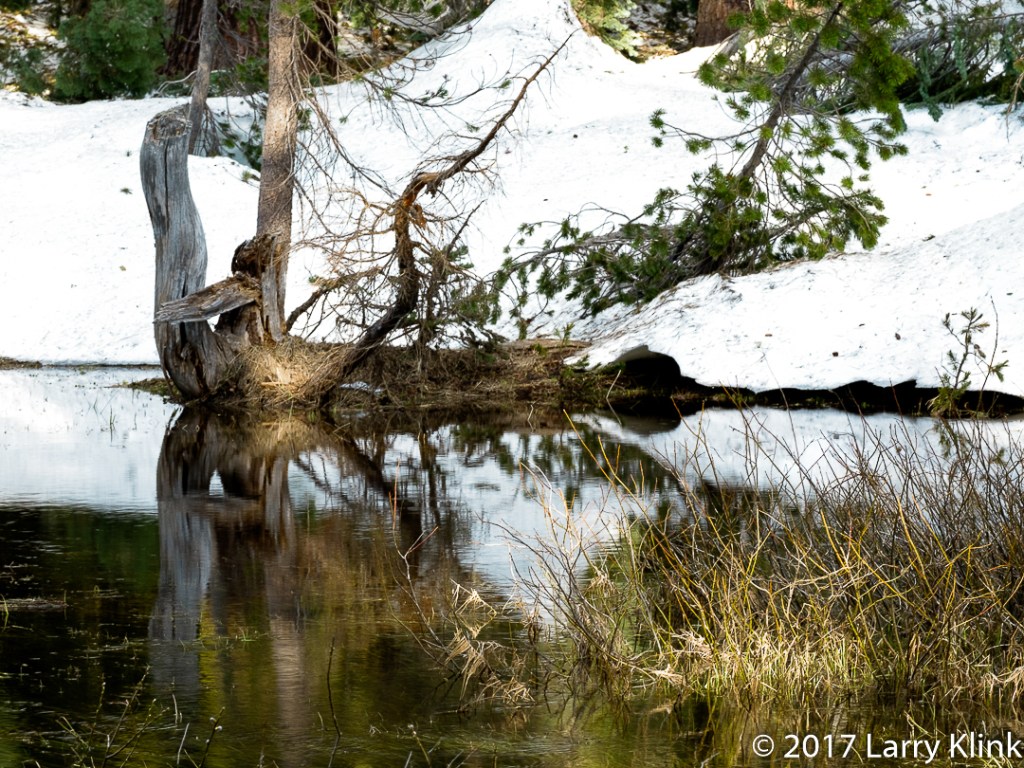
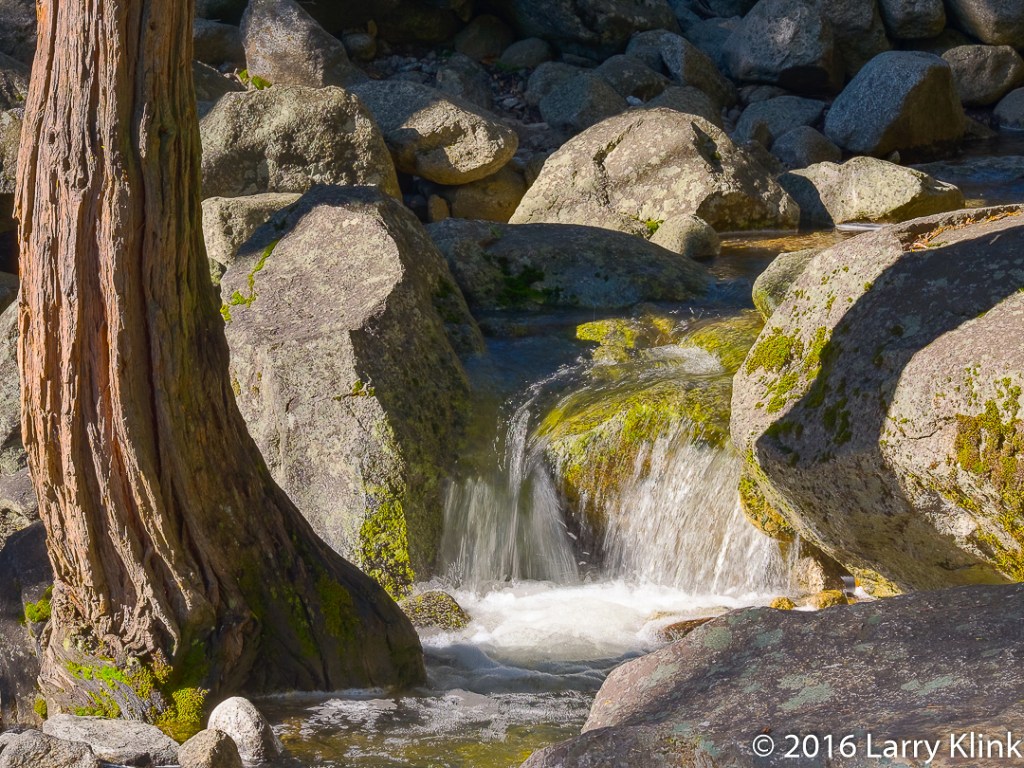
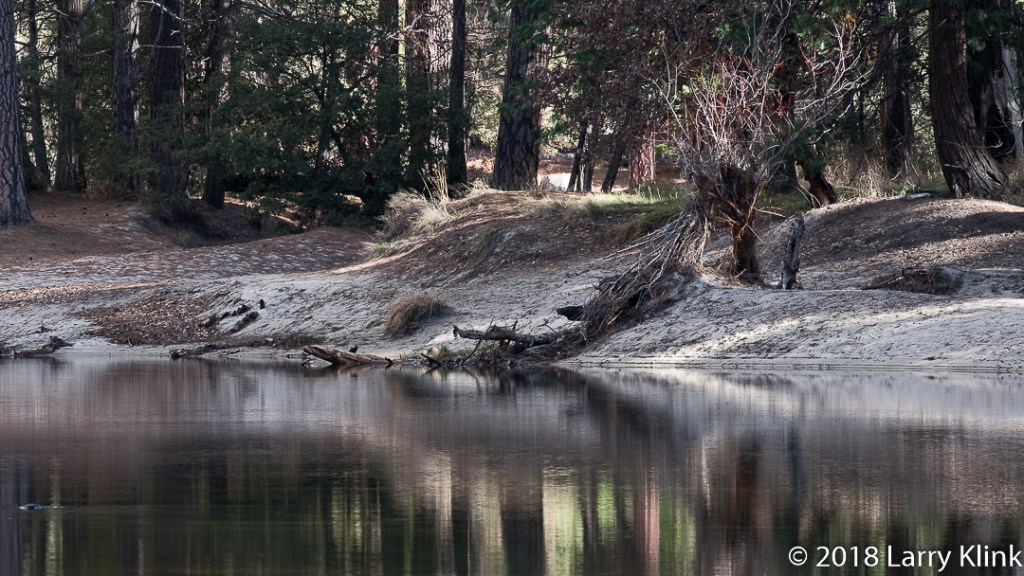
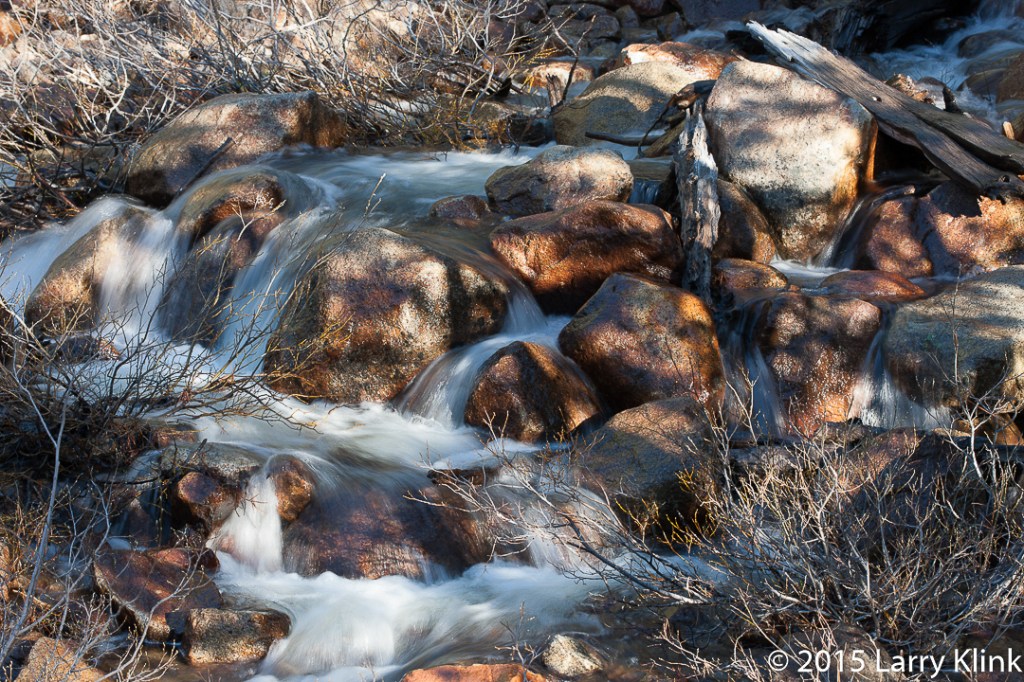
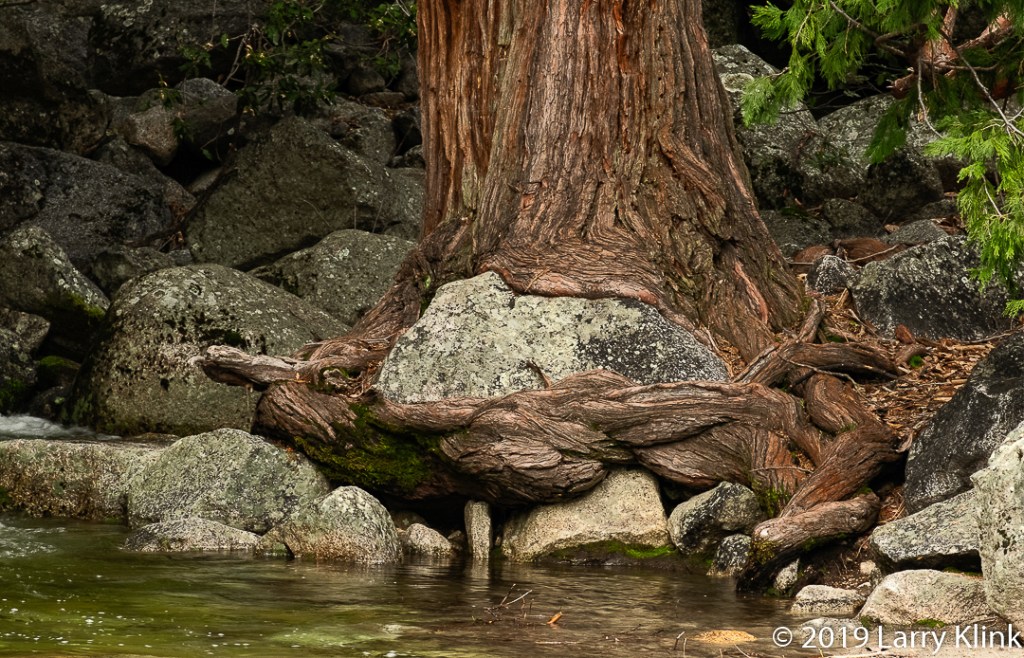
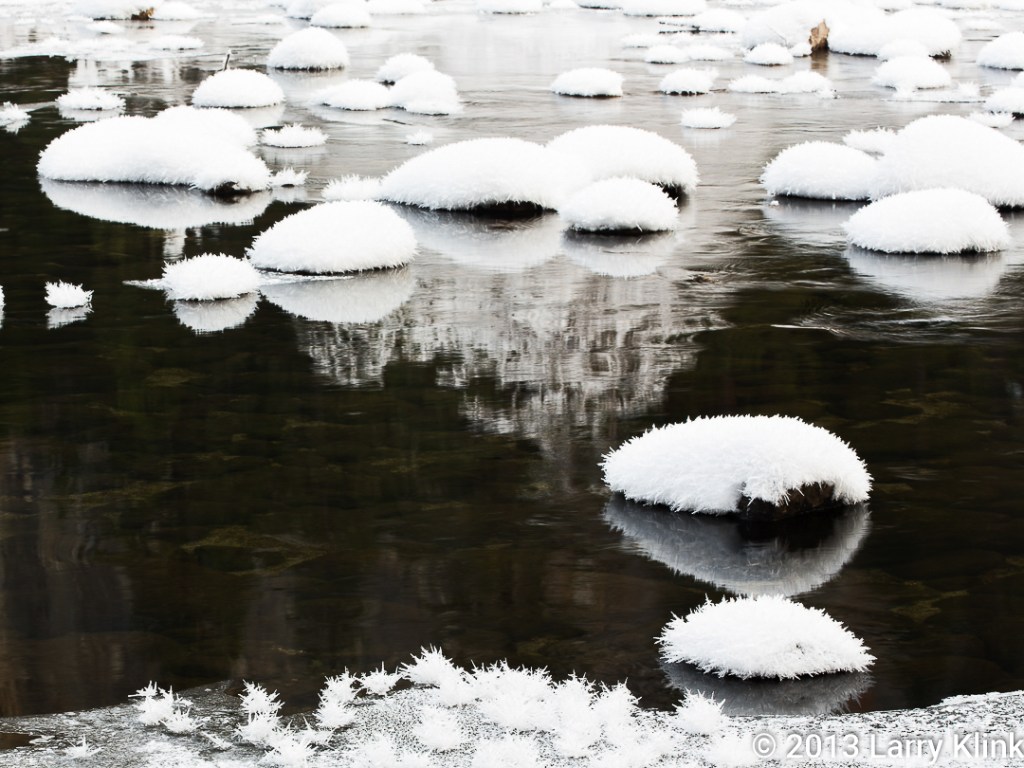
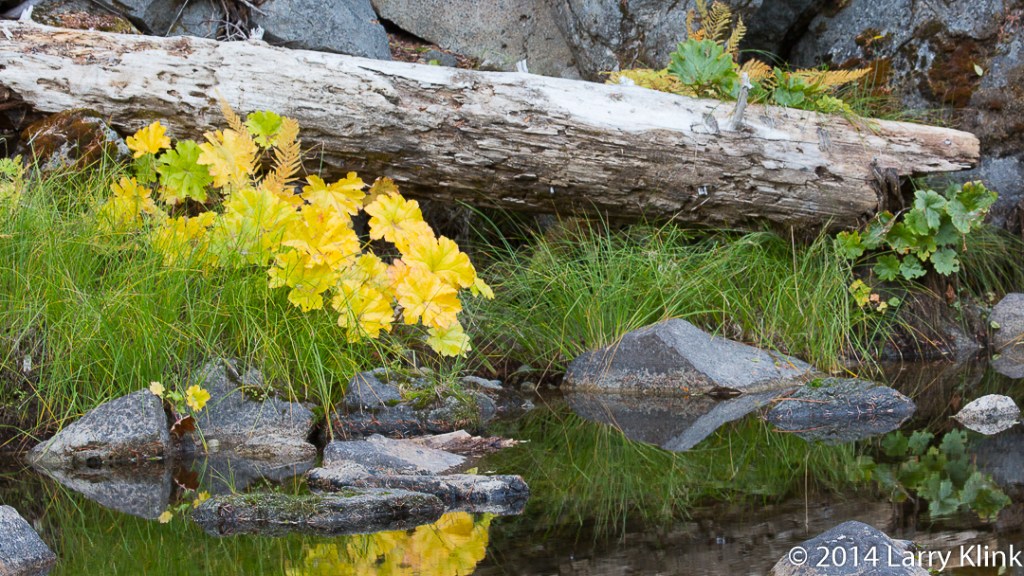
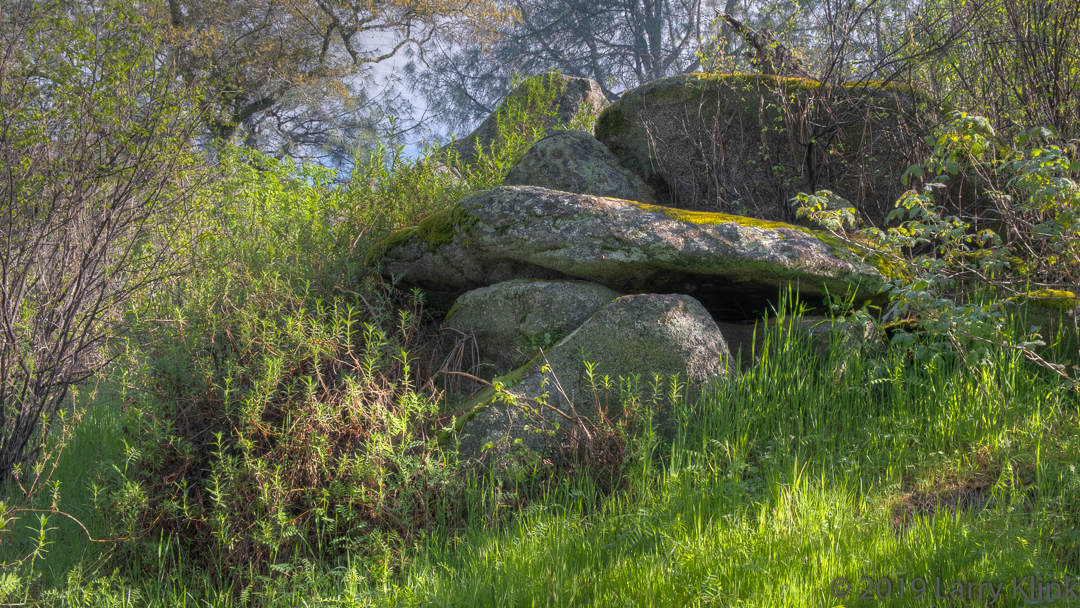
Yosemite is full of amazing vistas. I am in awe struck every time I see them. But for this post, I thought Iโd share some of the small vignettes that are easily missed on the way to see and enjoy those amazing icons of nature.
Note: Please click on caption to see image at higher resolution.
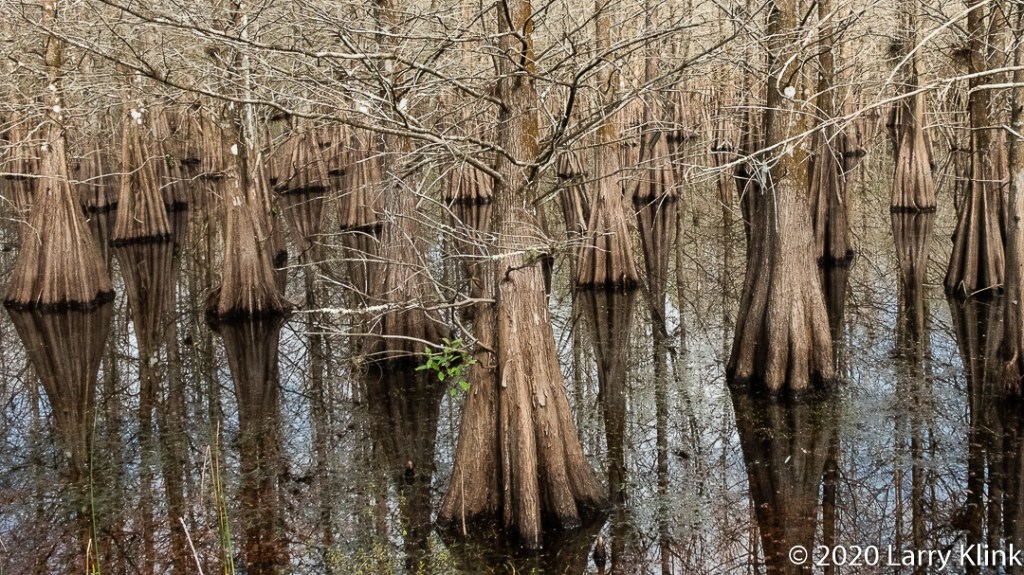
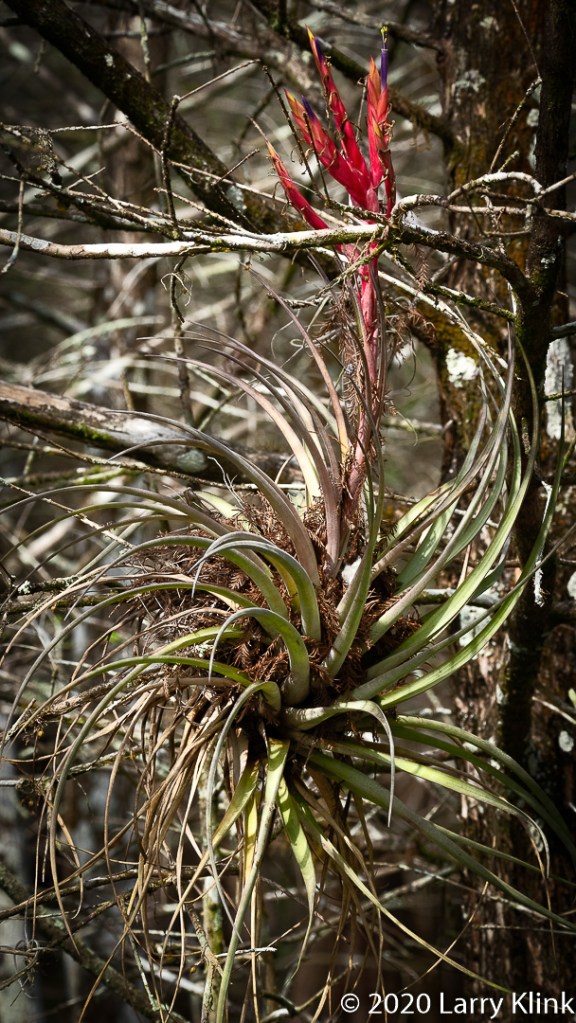
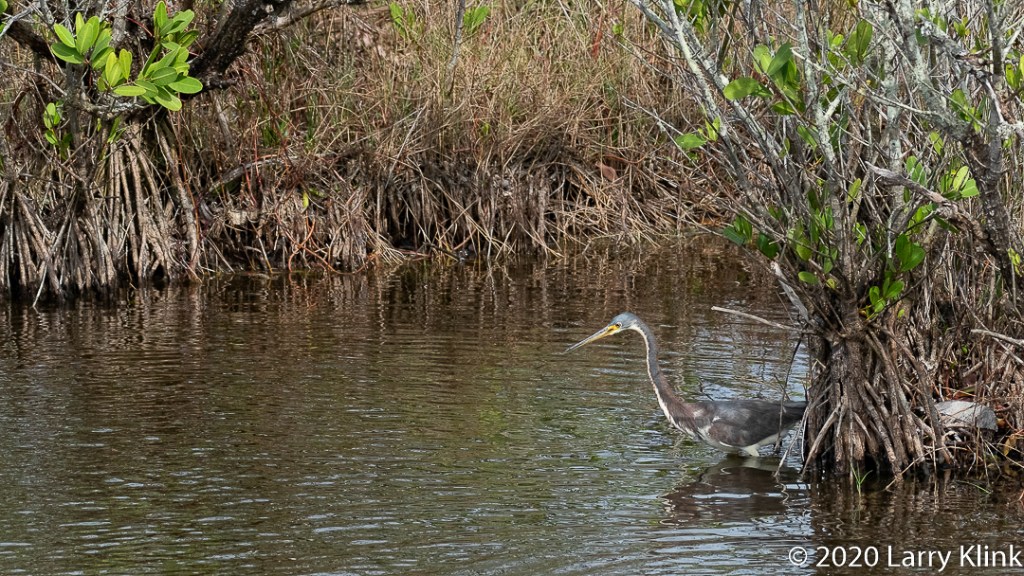
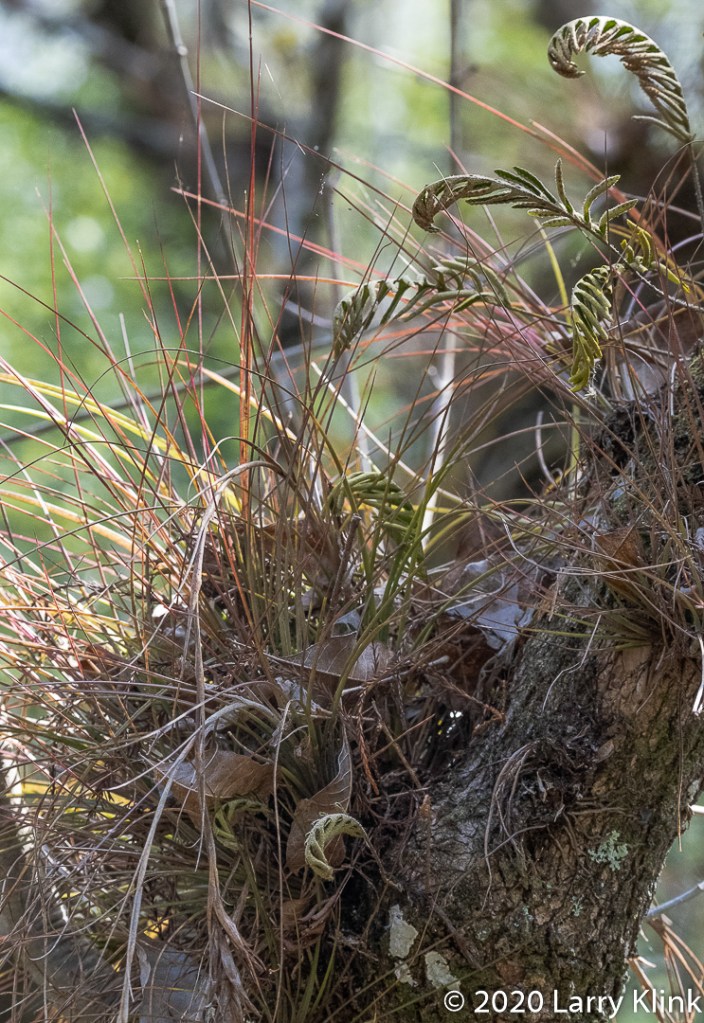
My recent trip to Florida was mainly to photograph birds. Along the way, I found some nice landscapes and seascapes to photograph. My mindโs image of Florida is mostly brightly lit cities and beaches โ the usual images that we see. I was lucky enough to be in areas that are more wild โ swamps and marshes. That is what I am presenting here. We drove through some interesting areas โ pine forests, palmetto groves and other places that I didnโt get to shoot. Maybe Iโll get the chance at a later date.
Note: Please click on caption to see image at higher resolution.
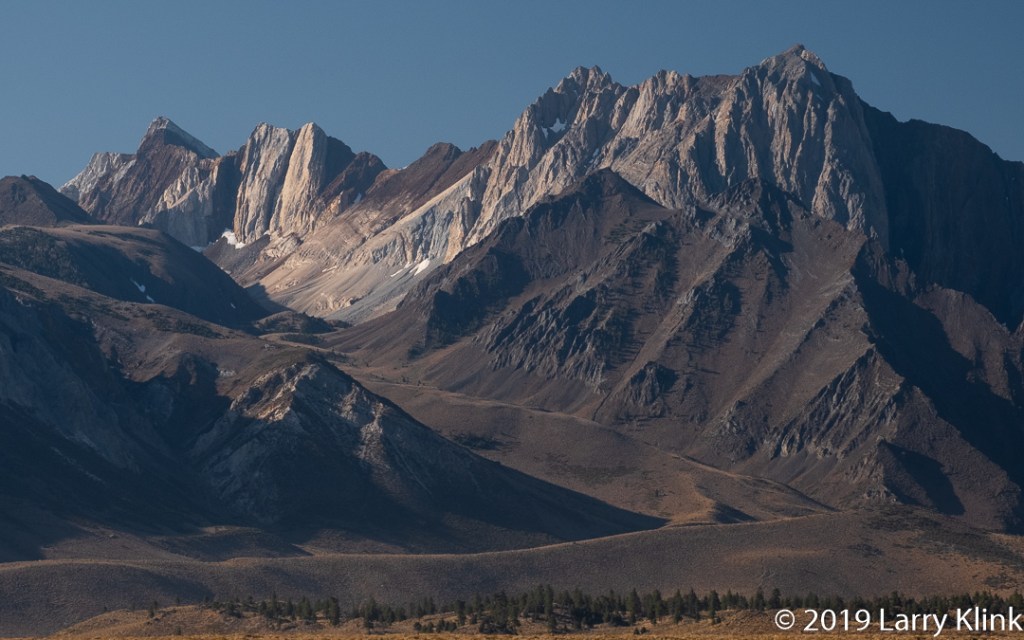
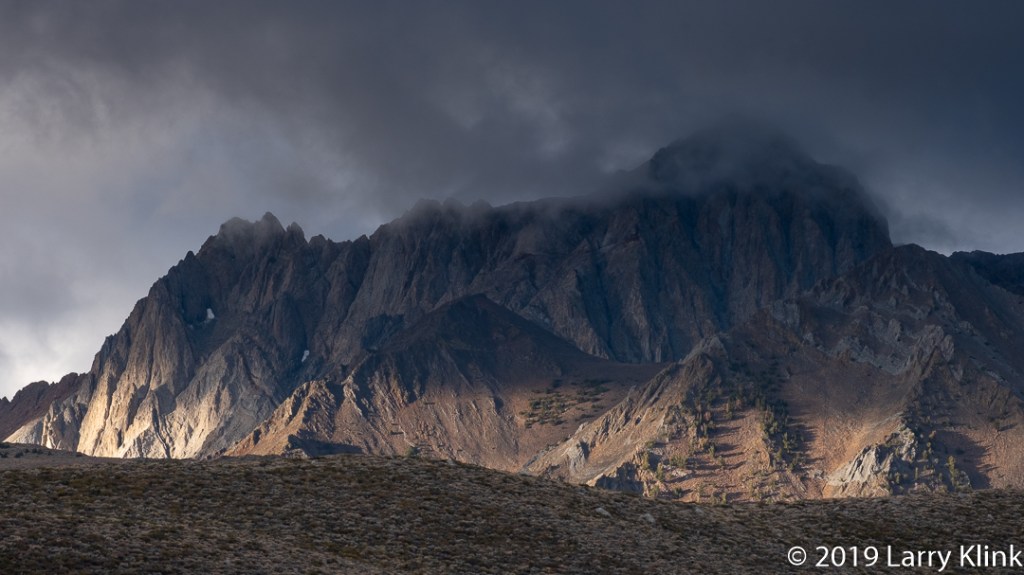
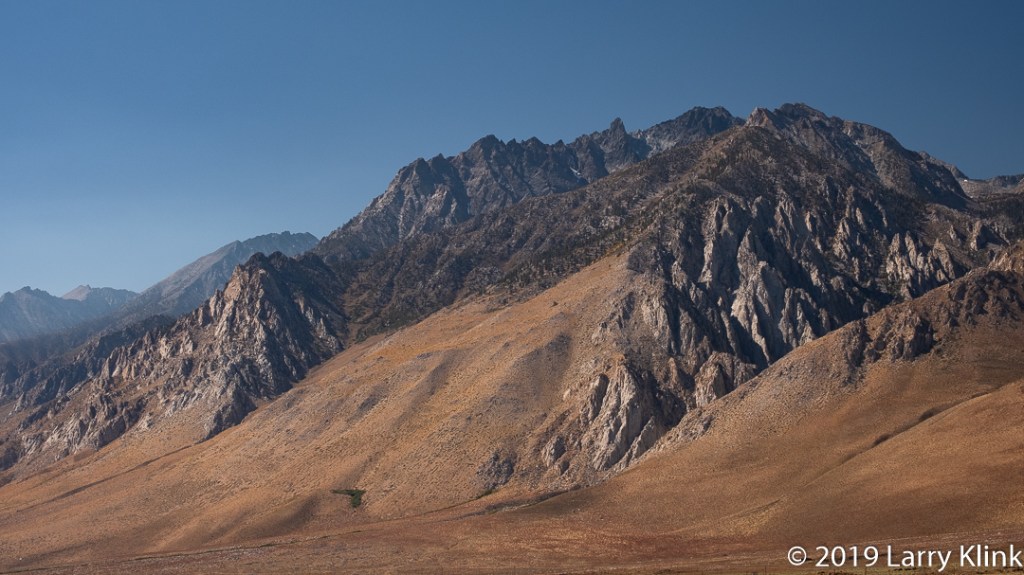
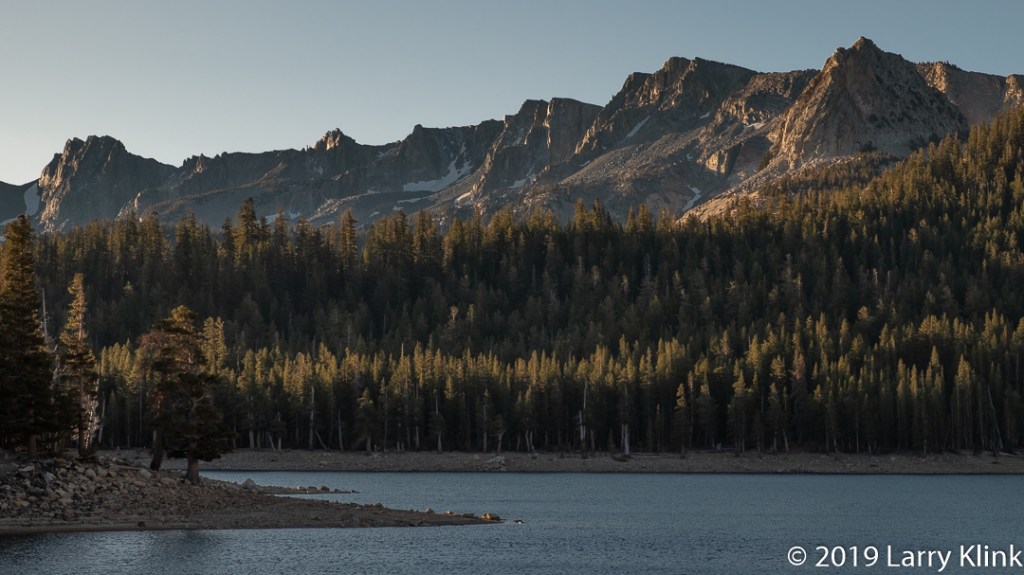
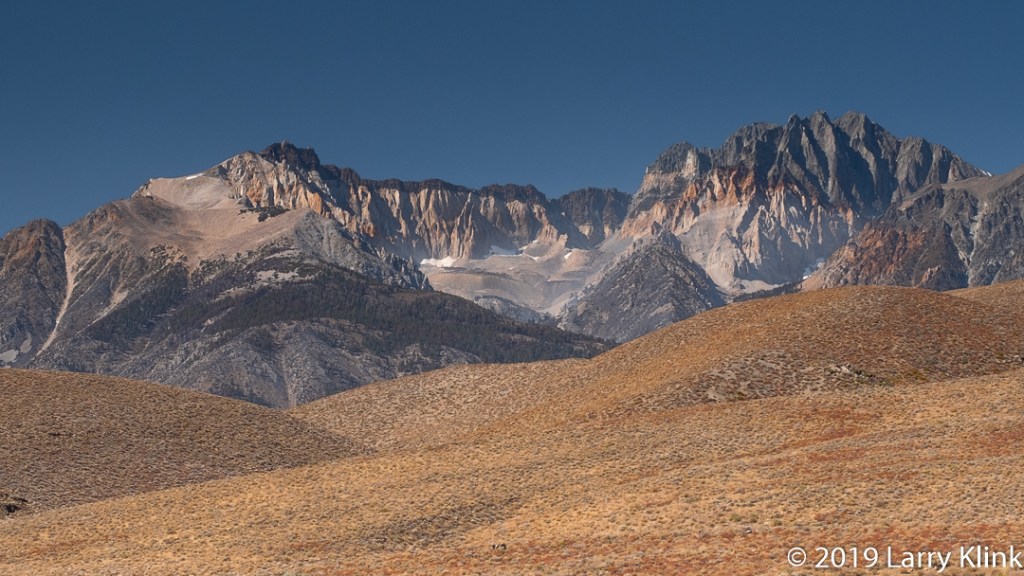
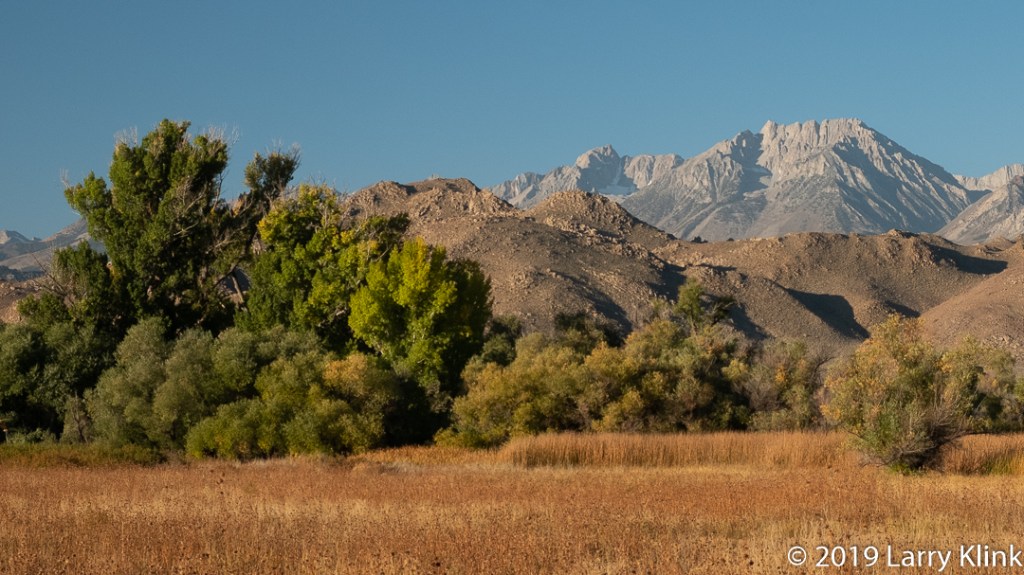
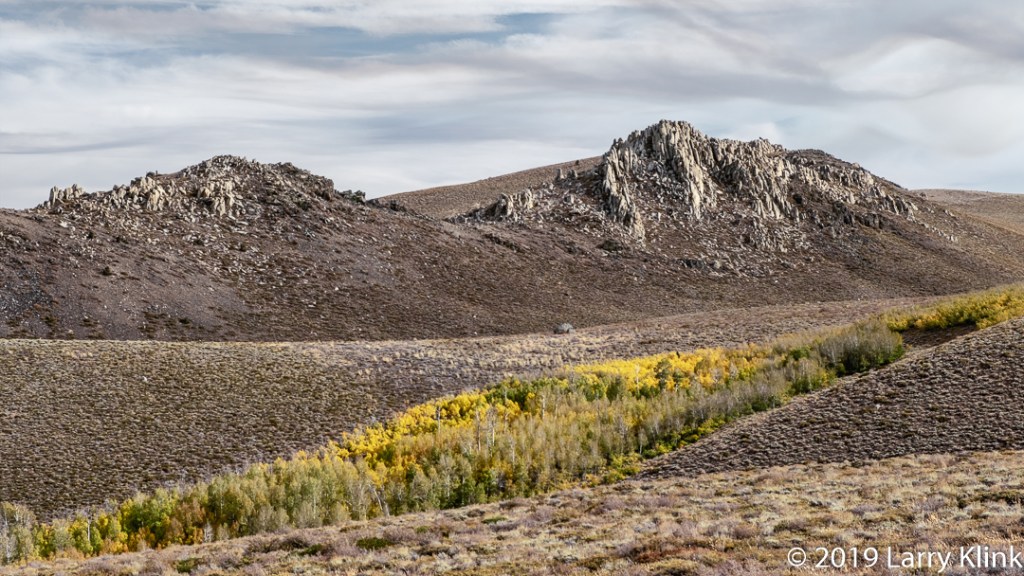
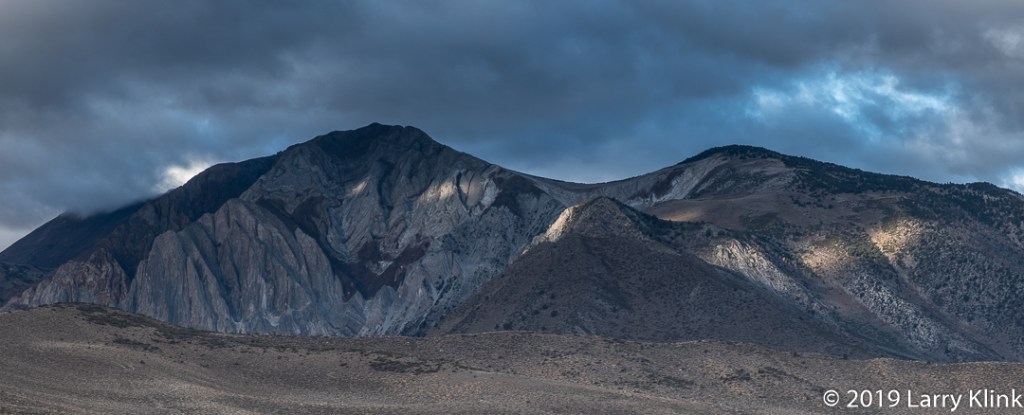
Today I am sharing images of various mountain peaks we see as we travel along US Route 395 in eastern California. Highway 395 extends from the US-Canada border to its southern terminus in the Mojave Desert at I-15 near Hiperia. Much of its way through California it traverses desert valleys sandwiched between the Sierra Nevada mountains and the White-Inyo mountains. It is absolutely stunning scenic drive. For the adventurous, there is mountain hiking and climbing and fishing. There are back road drives into the mountains to scenic lakes and great vistas. There are attractions like Mono Lake with its Tufa, the Ghost Town Bodie, The Ancient Bristle Cone Pine Forest, the museum and remains of the Manzanar Internment Center from World War 2 and the Movie Museum in Lone Pine. If youโve never explored this area, I strongly recommend you check it out.
Note: Please click on caption to see image at higher resolution.
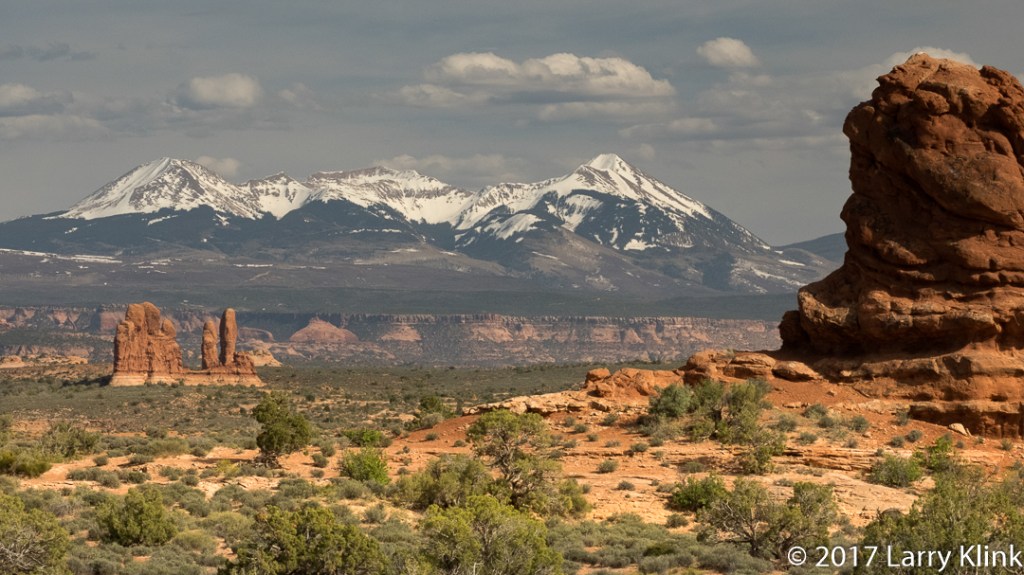
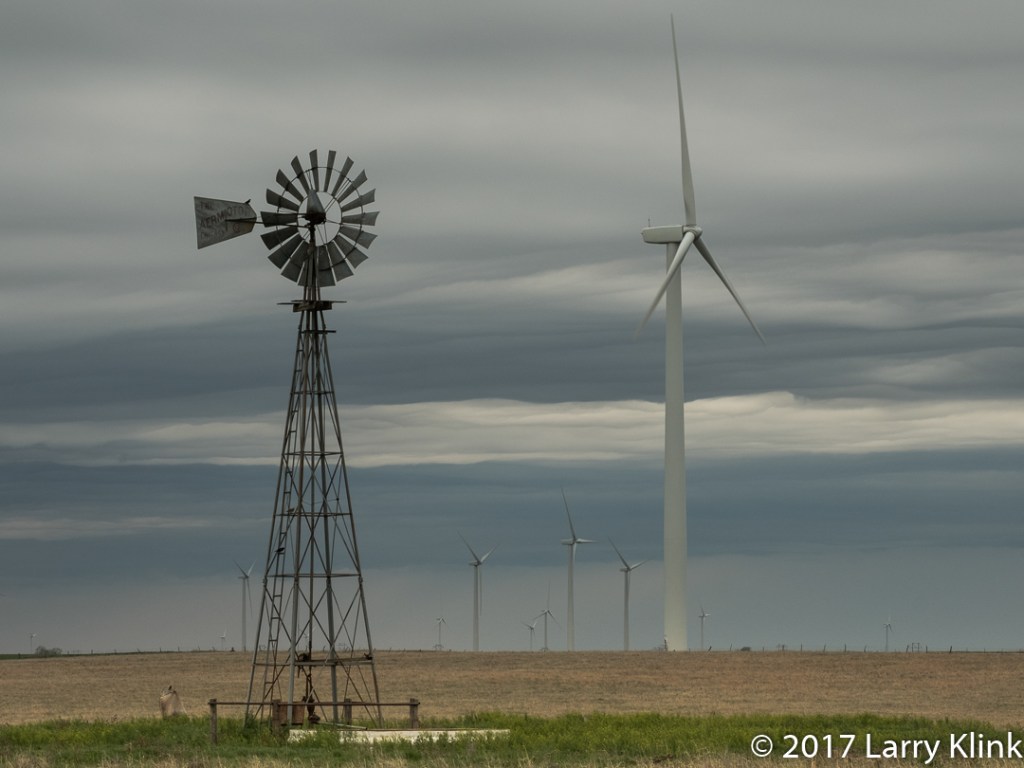
Iโm cleaning up and
organizing my photo library. In that process, I uncovered a lot of photos that
I have never posted. Today, I am sharing a few from a cross country road trip
we took in 2017.
I hope you enjoy them.
Note: Please click on caption to see image at higher resolution.
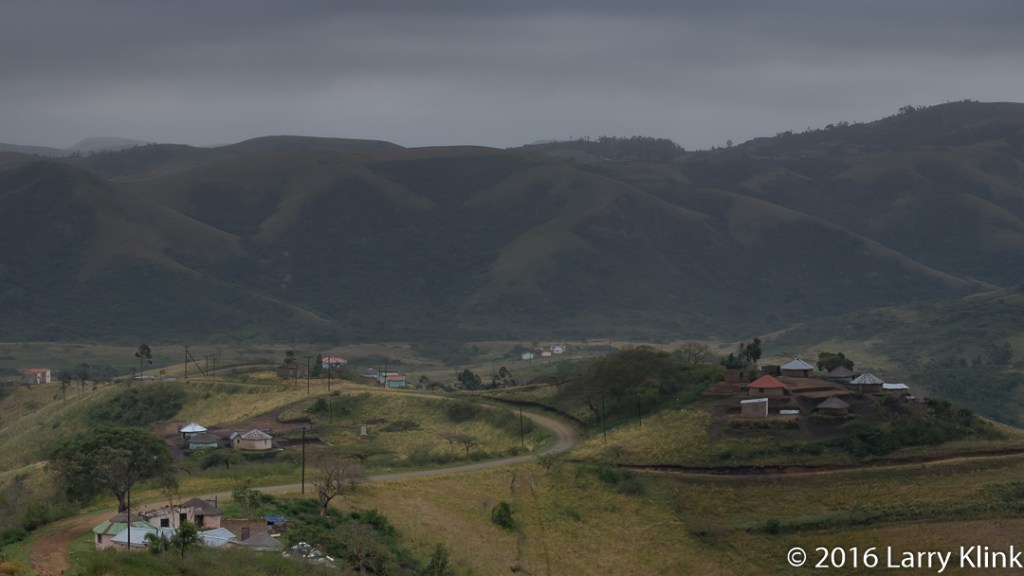
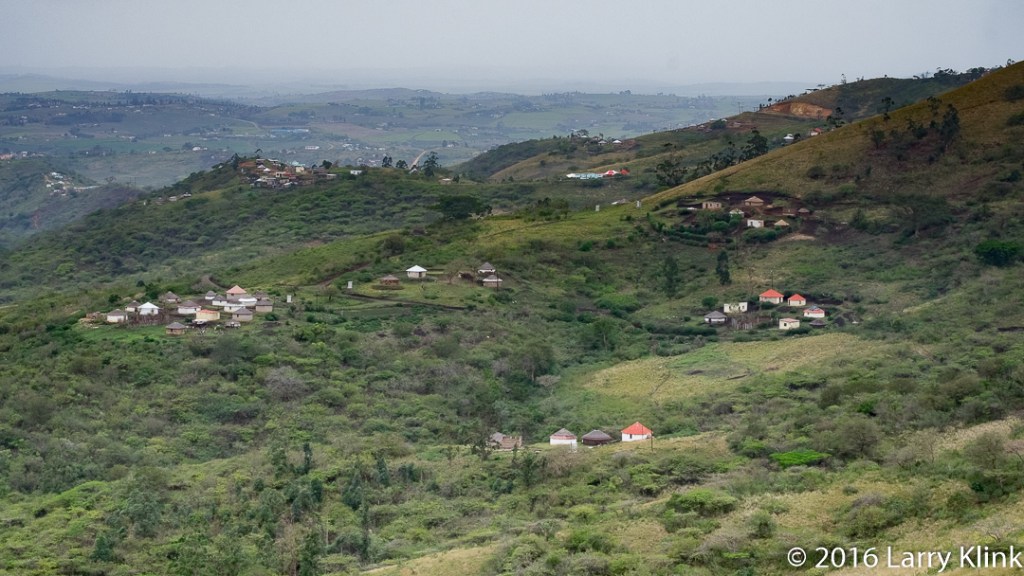
Three years ago, we visited South Africa. Afterward, I shared many images, mostly of the abundant and beautiful wildlife. Though I published some landscapes and seascapes, I have many that I didnโt publish. I thought Iโd go back and share some of them now. There will be more in the future.
Note: Please click on caption to see image at higher resolution.
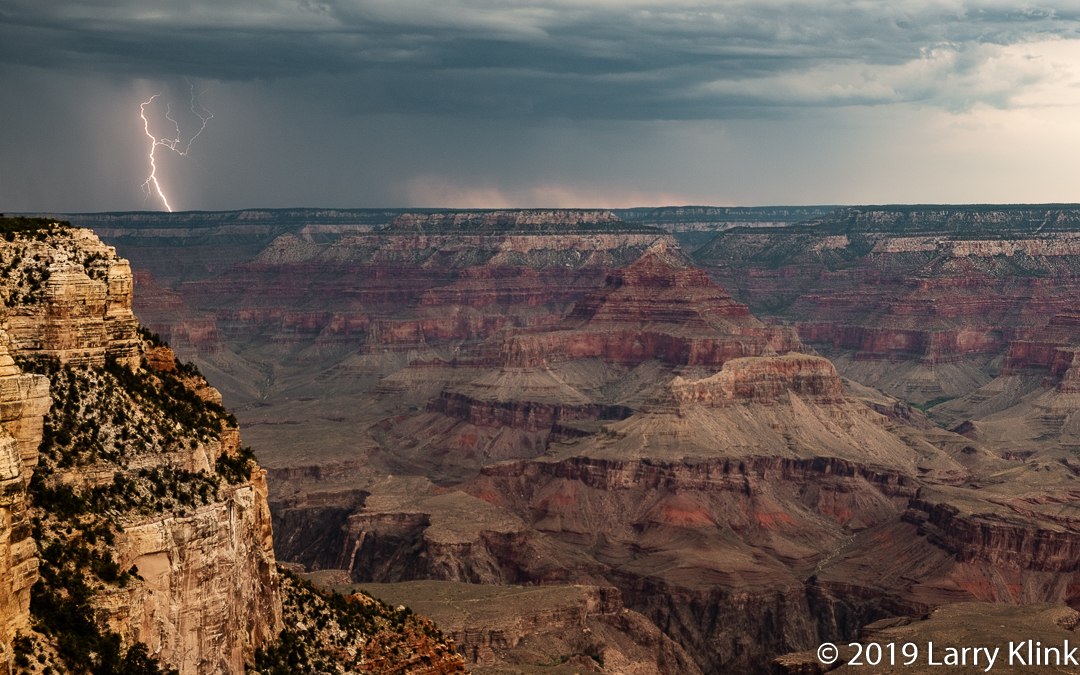
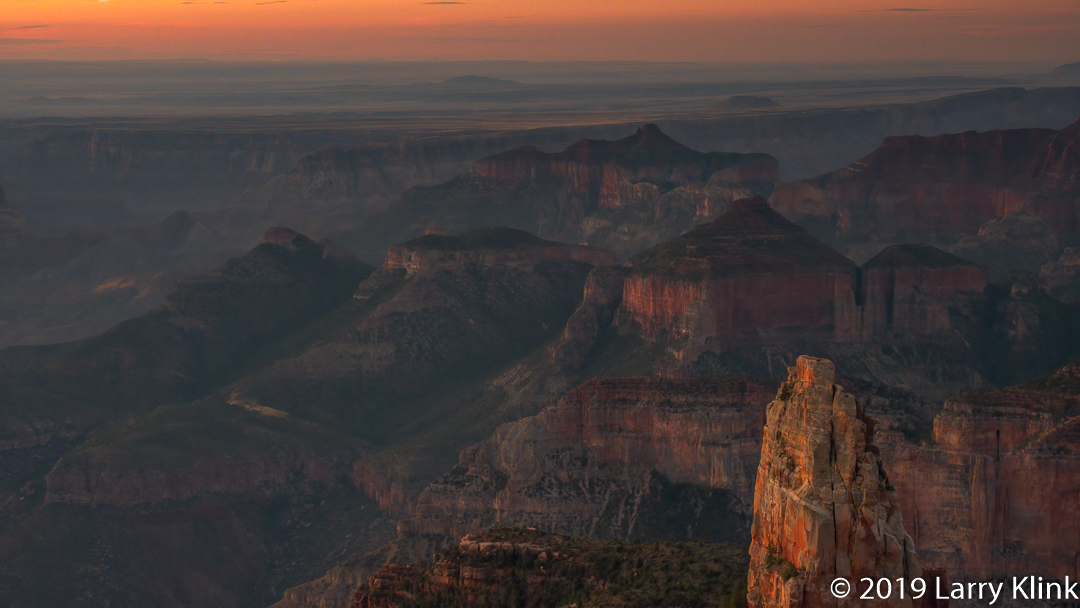
I recently had the privilege to photograph the Grand Canyon
during the monsoon season of Southwestern North America. It was a marvelous
time to visit this national wonder. We were treated to dark and stormy skies, lightning,
rainbows and vivid sunrises and sunsets.
I generally donโt think of the southwestern US as having a
monsoon season, after all, it is largely desert. I think of torrential rains in
places like India and the eastern coast of Africa. But, the monsoon season in southwestern
North America is very real. The term monsoon refers to the seasonal wind shift
that brings in warm, humid air. Those winds cause most of the rainfall received
by the desert southwest each year โ all 1โ to 8โ of it; sometimes more and
sometimes less. It can be responsible for torrential downbursts that cause
flash flooding and lightning induced wildfires.
The southwestern North American monsoon season generally
starts in early July and runs through September.
In this post, I am sharing a few of the images I took while at the Grand Canyon. Iโll share a few more later this week.
Note: Please click on caption to see image at higher resolution.
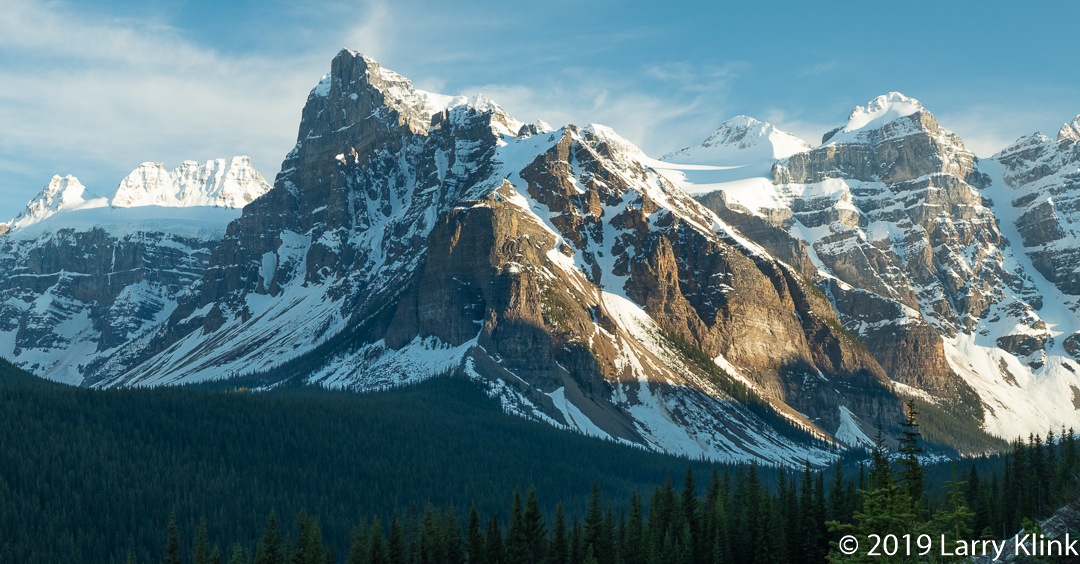
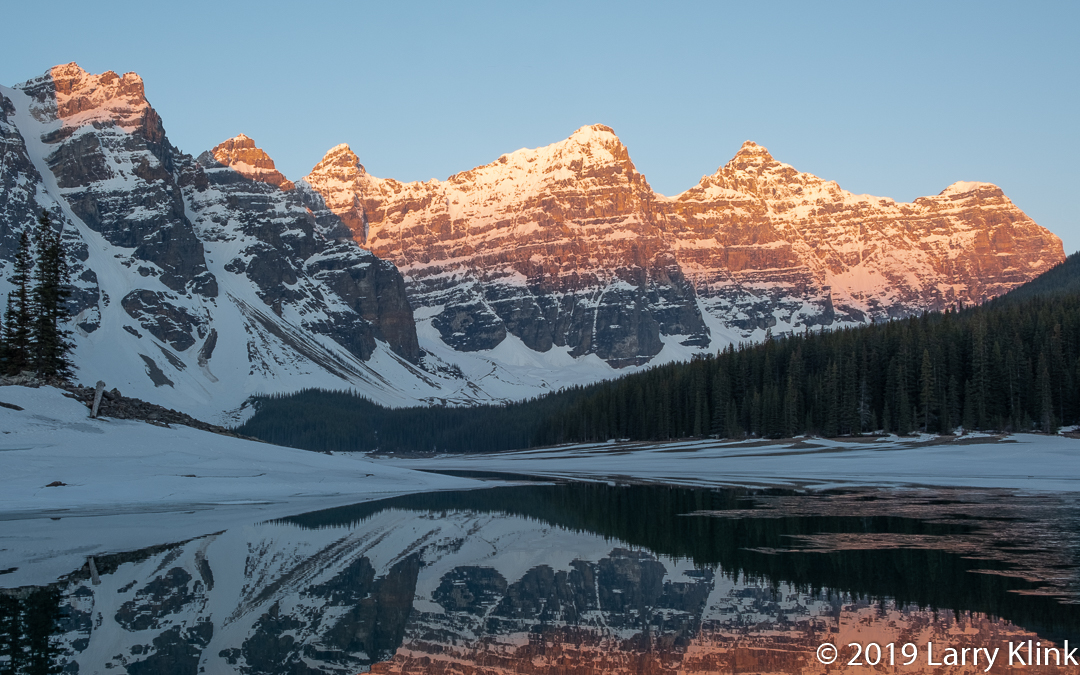
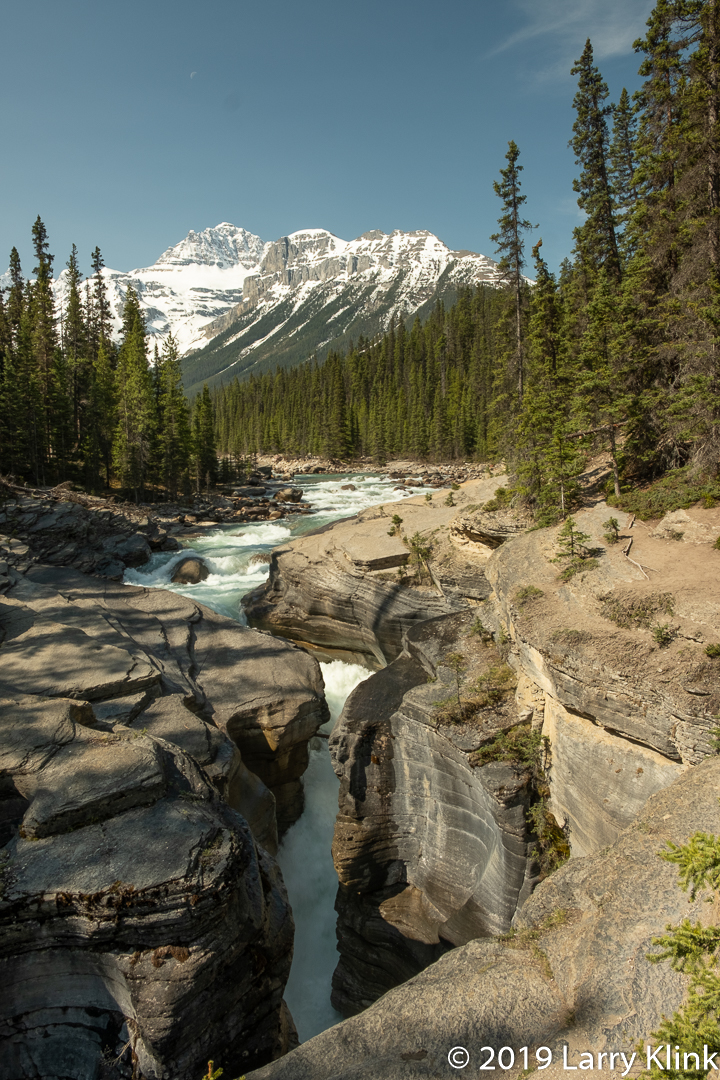
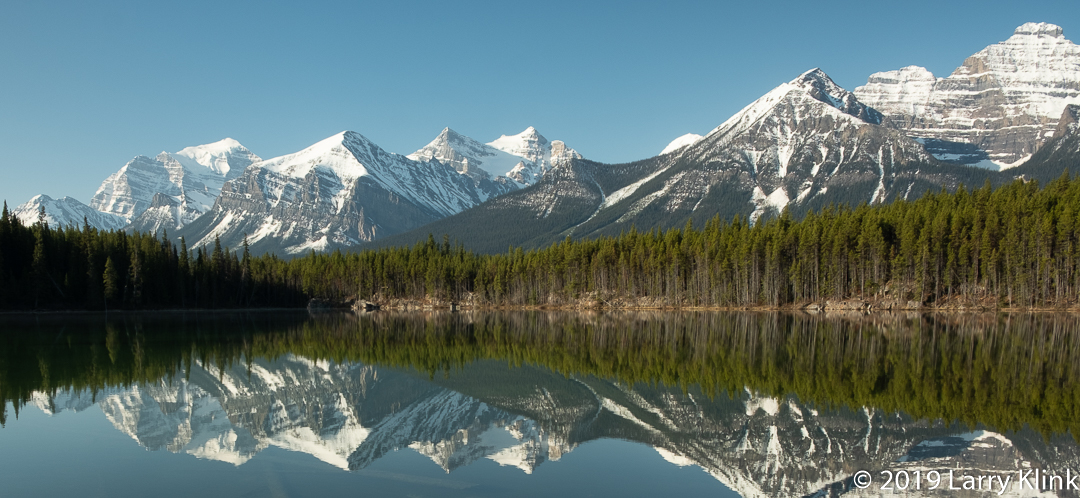
Canadaโs Banff National Park is filled with stunning
mountain peaks capped with glaciers and snow. The steep, rugged mountains are
the source of beautiful, turquoise streams that feed alpine lakes.
The
turquoise water is interesting. As glaciers move, they polish the underlying
rock, producing very fine particles of dust called rock flour. The rock flour
mixes with the water traveling downstream. The color is a result of light reflecting
around the densely packed dust in the water. On bright days, with the sun
in the right position, the river displays the brilliant turquoise. If the sky
is more cloudy, the water will be a milky off-white. When it reaches the lakes,
the rock flour eventually settles out. But, if the river is filling the lake
quickly, the lakes can be turquoise also.
The
mountainside on this image from Kootenay National Park is beautifully colored.
But the coloring is deceptive. The rust color is dead conifers. The black is
foliage that was consumed by fire. Many of the conifers died due to pine beetle
infestation.
Please click on caption to see image at higher resolution!
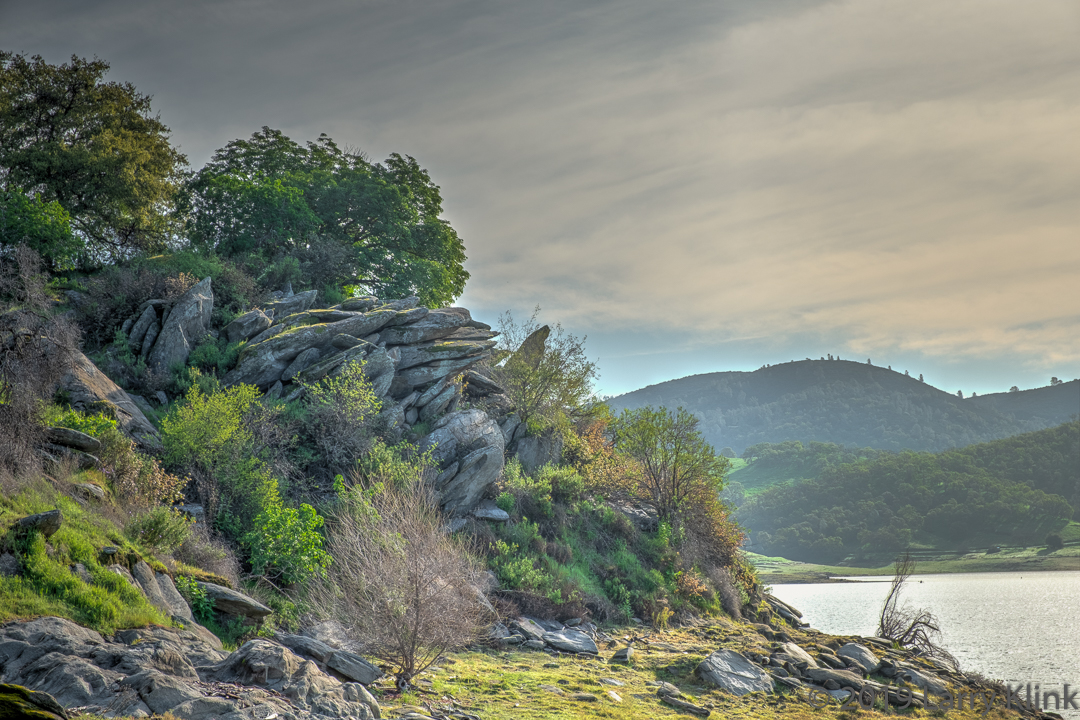
This past week, we had a morning where the rain clouds were
breaking up in the early morning. I chose that day to explore Dotonโs Point trail
at Folsom Lake Recreation Area; a trail that was new to me. The grasses and
other plants were displaying their spring green. The early morning sun helped
saturate the colors. Spring was at its finest. I went with the expectation that
I might see some different birds. Instead, I discovered that it was time for some
landscapes.
The beautiful rocks in this image are granite. The area around this portion of Folsom Lake is called Granite Bay because of the abundance of granite in the area. Like the Sierra Nevada mountains, this area sets on a pluton, a large blob of magma that cooled slowly underground to form granite then was uplifted and exposed.
Please click on caption to see image at higher resolution.
Bryce Canyon, in Utah, is stunningly beautiful; especially at sunrise and sunset. It should be on your bucket list. You can enjoy it any time of day but, I recommend being there in the morning, before the sun creeps over the distant mountains and as the sun sets in the evening. The colors saturate, the whites appear almost translucent at hose times and it will take your breath away. If you can, walk the trails that take you below the base and look at the hoodoos face on.
As I looked over the landscape, my thoughts turned to the ancient cities from fantasy and action adventures. Perhaps drawing from Petra in southern Jordan. I can imagine temples and palaces constructed from the hoodoos. I see โimpregnableโ walls being breached by the barbarians outside. It’s a fun connection.
For me, the process of how the land became to look as it does, enhances its beauty. In this case, water channels away the softer soil, forming the hoodoos. The freeze-thaw cycle sculpts the hoodoos by breaking off chunks. The wind helps sculpt too, but, to a lesser degree. What is left are acres of an orange and cream landscape filled with spectacular hoodoos and the erosional hills and valleys at their base.
I canโt wait to go back. Only this time, I am going to allow a day to hike and see what other treasures I uncover. I wonder what it would like in snow.
Note: Please click on caption to see higher resolution images.