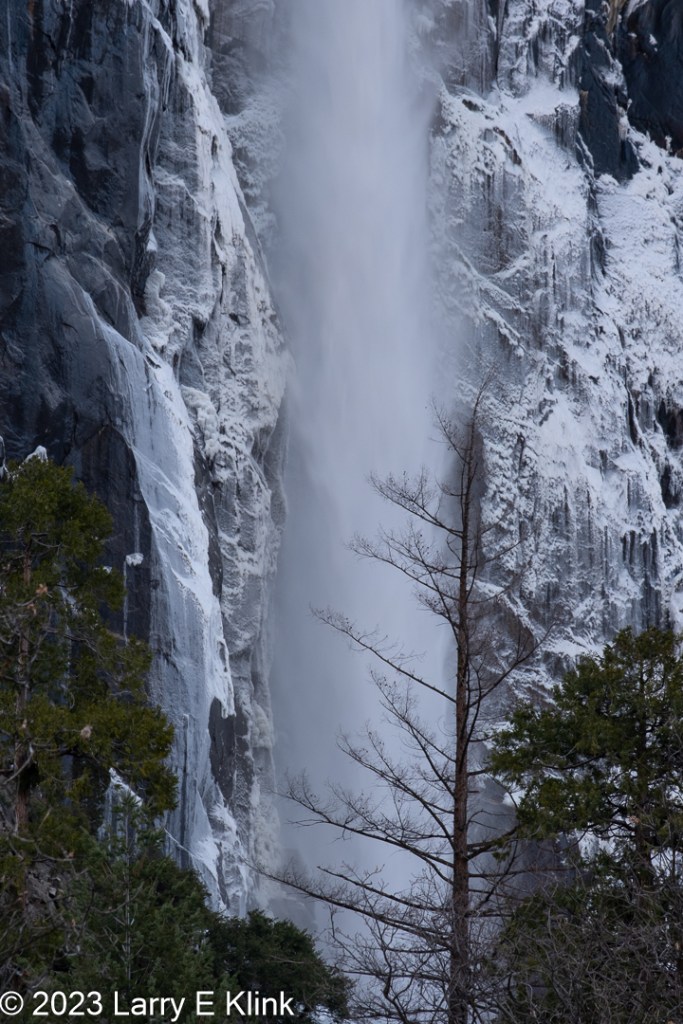
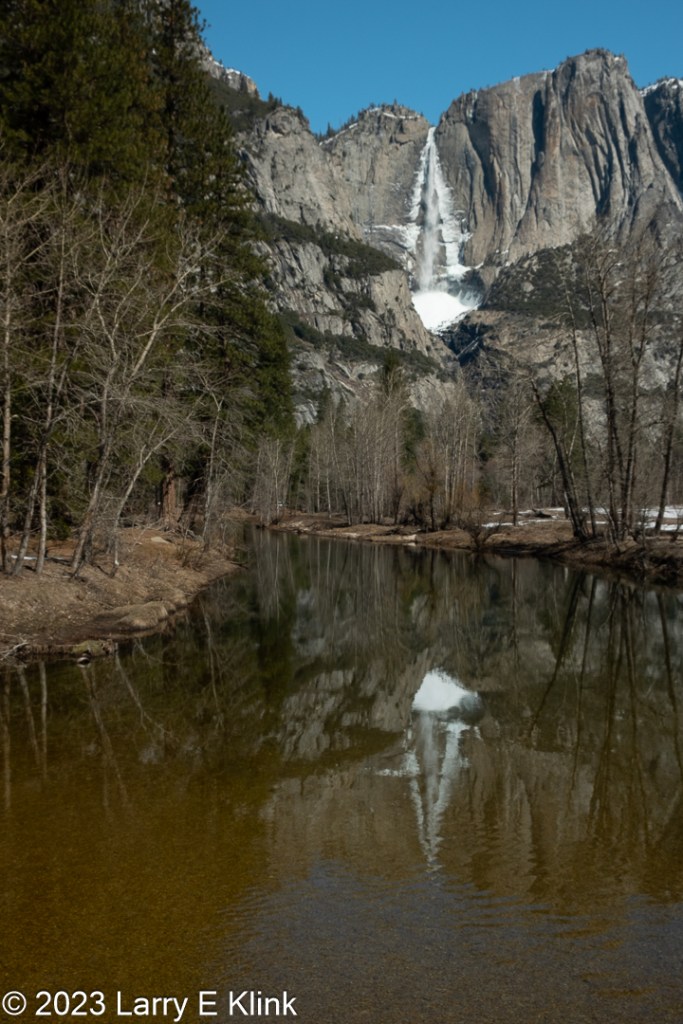
A few images from our trip to Yosemite in early April 2023. I was surprised by the lack of snow on the valley floor. At least there was enough for my son and granddaughter to play and have a snowball fight.
Please click on caption to see images at higher resolution!
If anyone would like a copy of almost any picture in my library, for educational or research use, please contact me and I will happily share a digital copy with you.
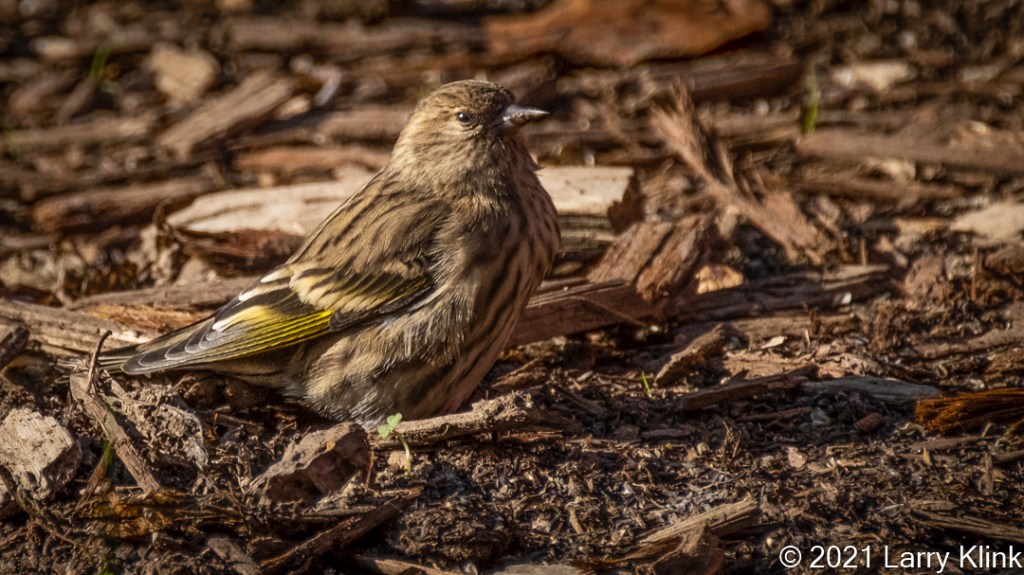
I spoke with a friend who is a birding expert, about seeing Pine Siskins (Carduelis pinus) at our feeder. In that context, he introduced me to term “irruption”. In general terms, an irruption is a sudden, violent invasion. In ecological terms, an irruption is “a sudden sharp increase in the relative numbers of a natural population usually associated with favorable alteration of the environment”[1]. I.e.: there isn’t enough food at home, so they go somewhere else to find some.
Pine Siskins spend most of their time in Canada and in the mountains of the Western US. But every other year, they irrupt, erratically, in places throughout the rest of the US., apparently driven by the availability of conifer seeds in their normal range.[2] So, I feel lucky that our feeder has been chosen as one of their alternate food sources this year.
Red-breasted Nuthatches, Red Crossbills, Evening Grosbeak, and Bohemian Waxwings also exhibit irruptive behavior.
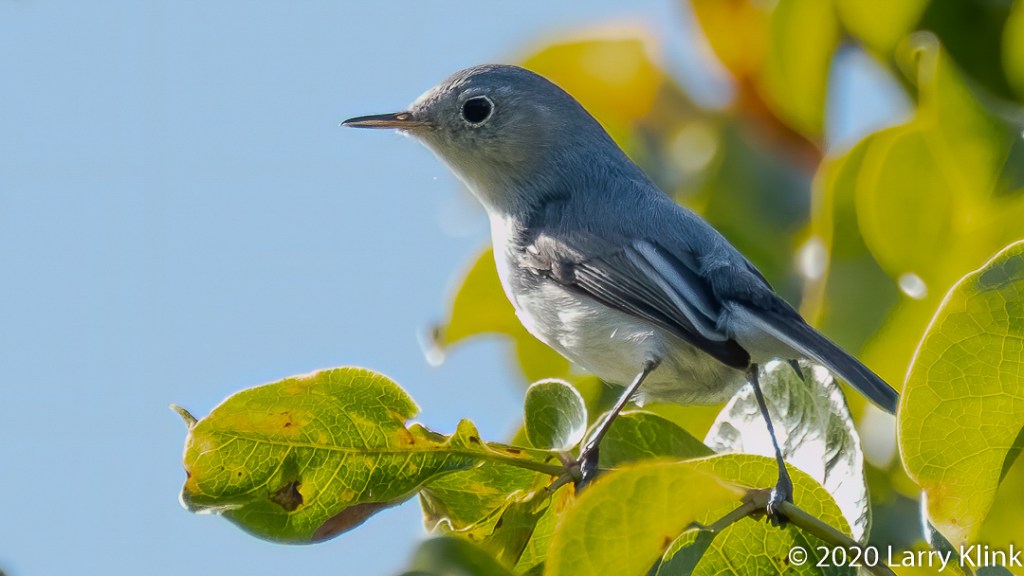
Today, I am sharing some more images from my February birding adventure in Florida. Most of the birds are songbirds. However, I have a jay and a couple of grackles in the set also.
Note: Please click on caption to see images at higher resolution.
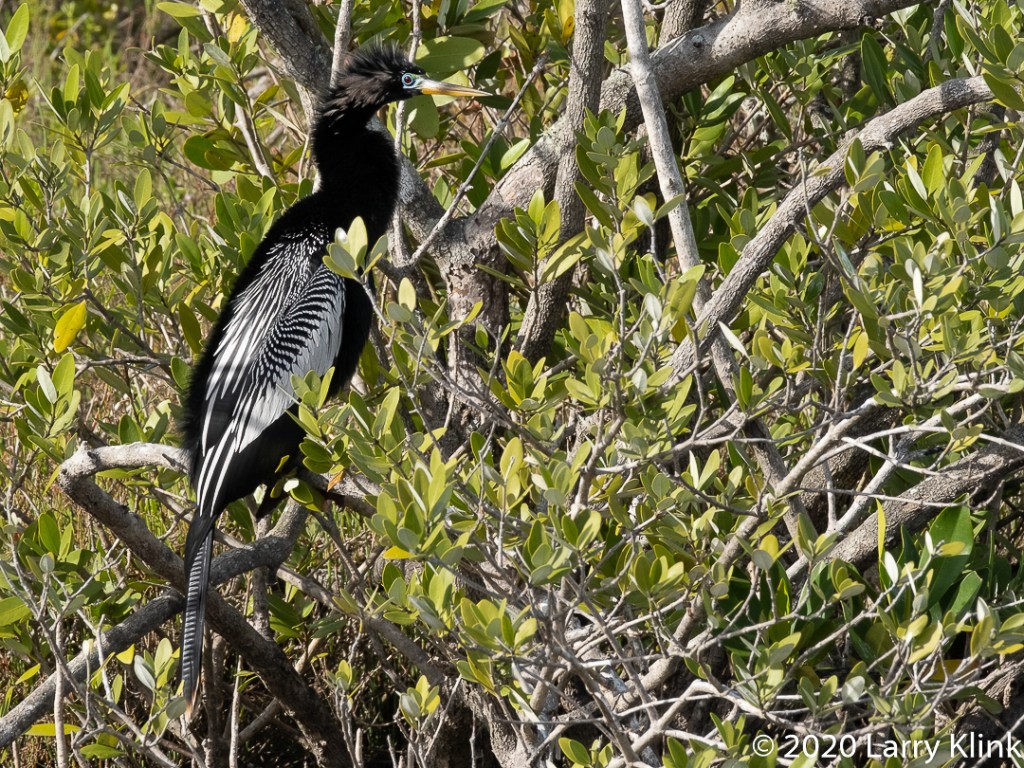
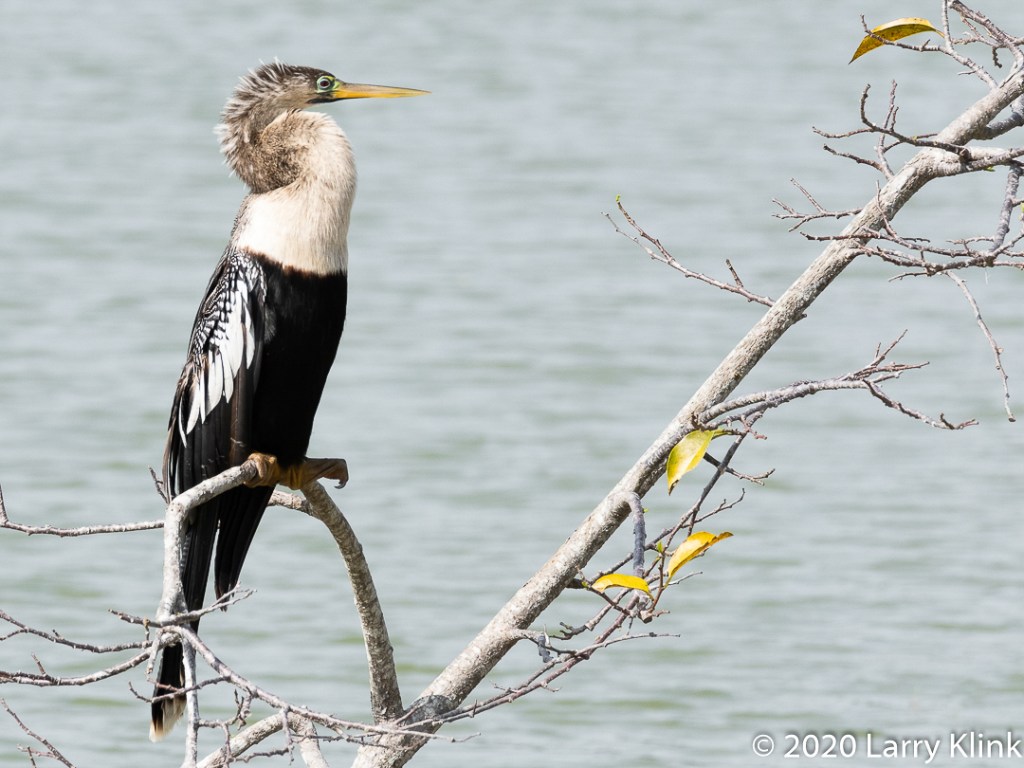
The Anhinga is water bird that looks like a Cormorant but are not Cormorants. Anhinga’s have a more dagger-like beak and longer tails. Like a Cormorant, they swim partially submerged when foraging for food. Typically, we see only their head and snake-like neck above the water line. When I see them, it reminds me of one of the iconic “Nessie” pictures. The name Anhinga comes from the Brazilian Tupi language, meaning snake bird or devil bird. They mostly eat fish which they spear with their dagger-like beak.
Anhingas are found along the coasts of Southeastern US, Mexico, Central America and the Caribbean. They nest in colonies with Herons, Egrets and Cormorants.
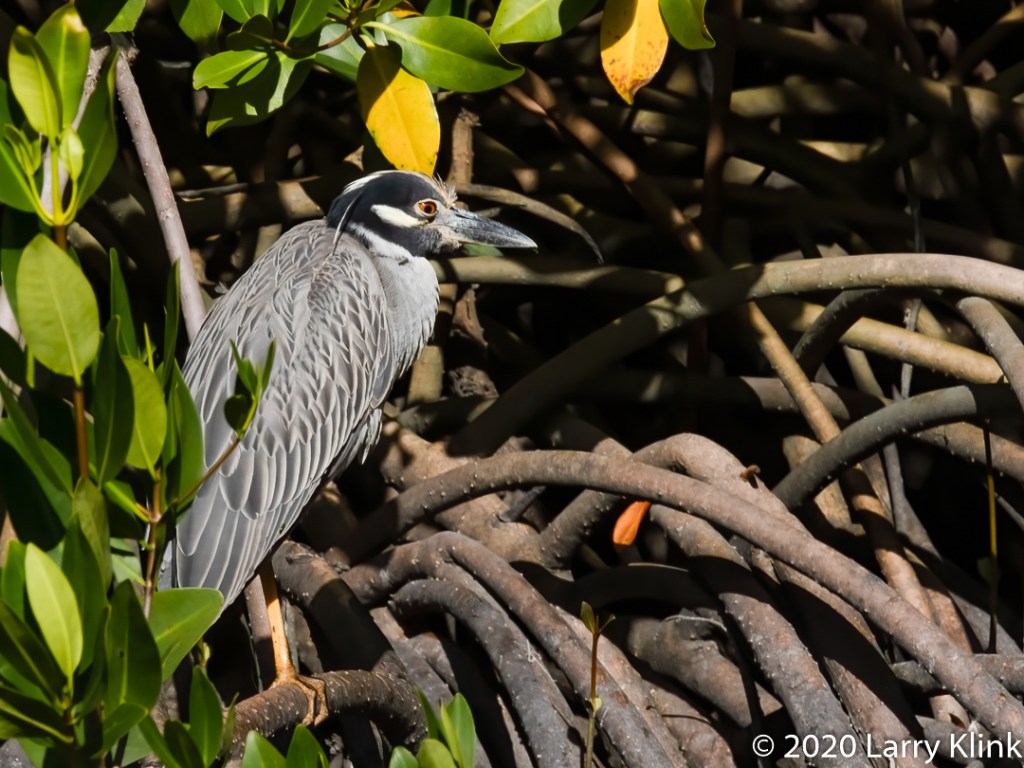
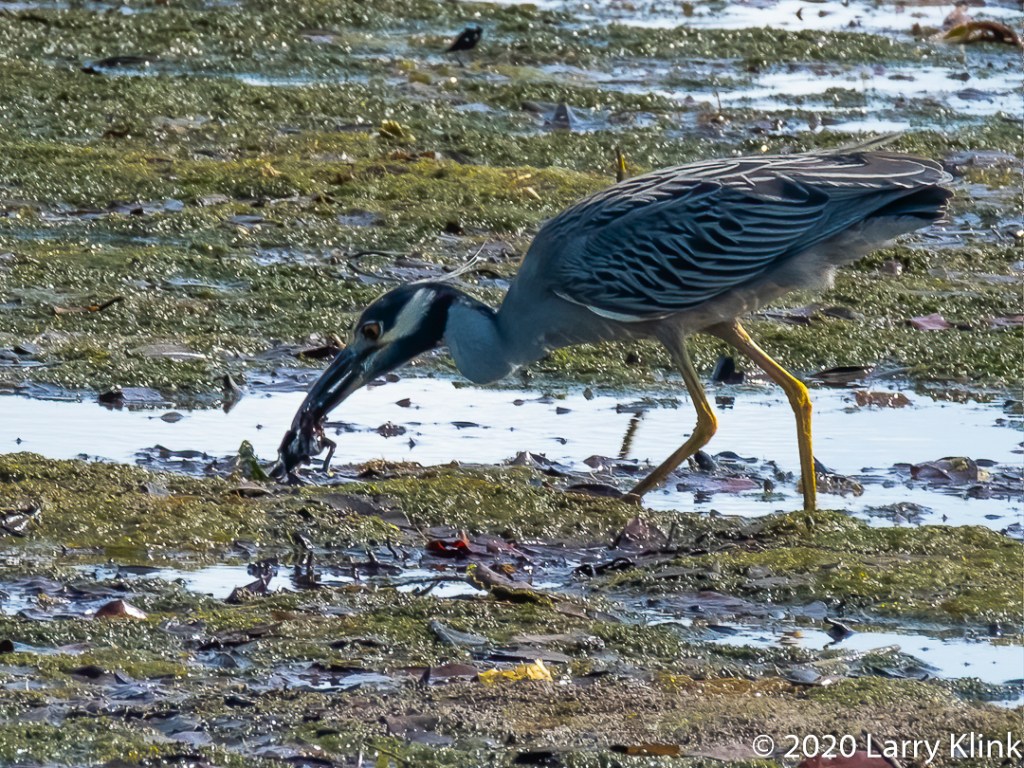
Night Herons are medium sized herons that forage mostly at night. In this post, I have images of both the Black-crowned Night Heron and the Yellow-crowned Night Heron.
The Black-crowned Night Heron is found in wetlands across most of the North America, though some winter over in Mexico and Central America. They forage in early morning and evening where they feed on a wide variety of fresh water and marine animals. They nest in colonies with other Black-crowned Night Herons.
The Yellow-crowned Night Heron is found mostly along the Atlantic coast of Florida and along North America’s Gulf coast, though some do move much further inland to breed. They are also found along the coasts of Mexico, Central America and the Caribbean.
The Yellow-crowned Night Heron feeds mostly on crustaceans. They nest alone or in colonies with others of their kind.
Info from: All About Birds by Cornell Labs
Note: Please click on caption to see image at higher resolution.
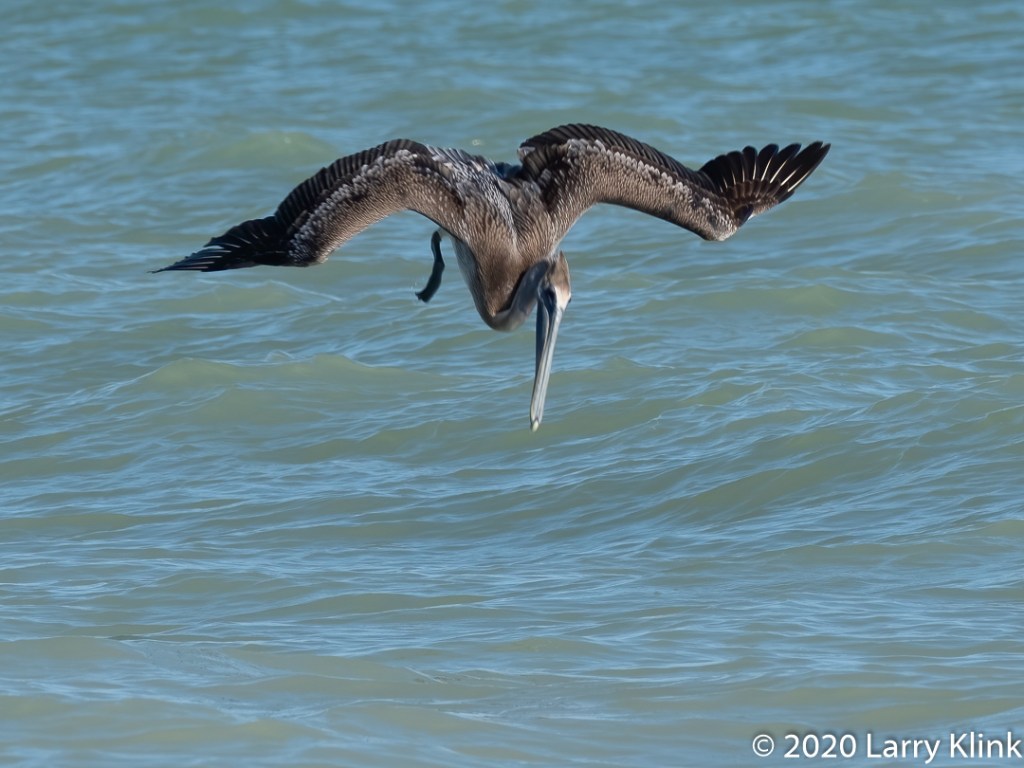
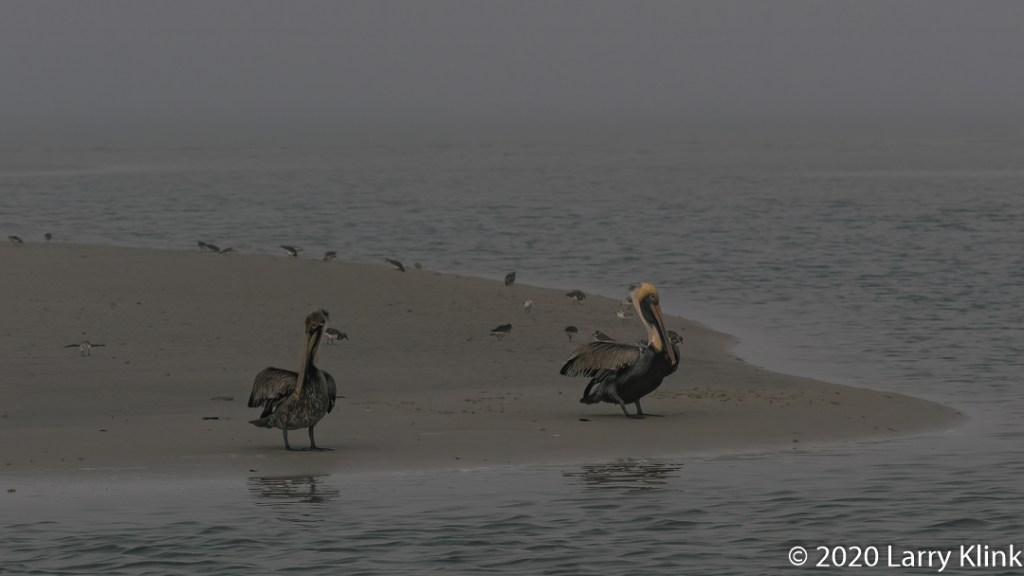
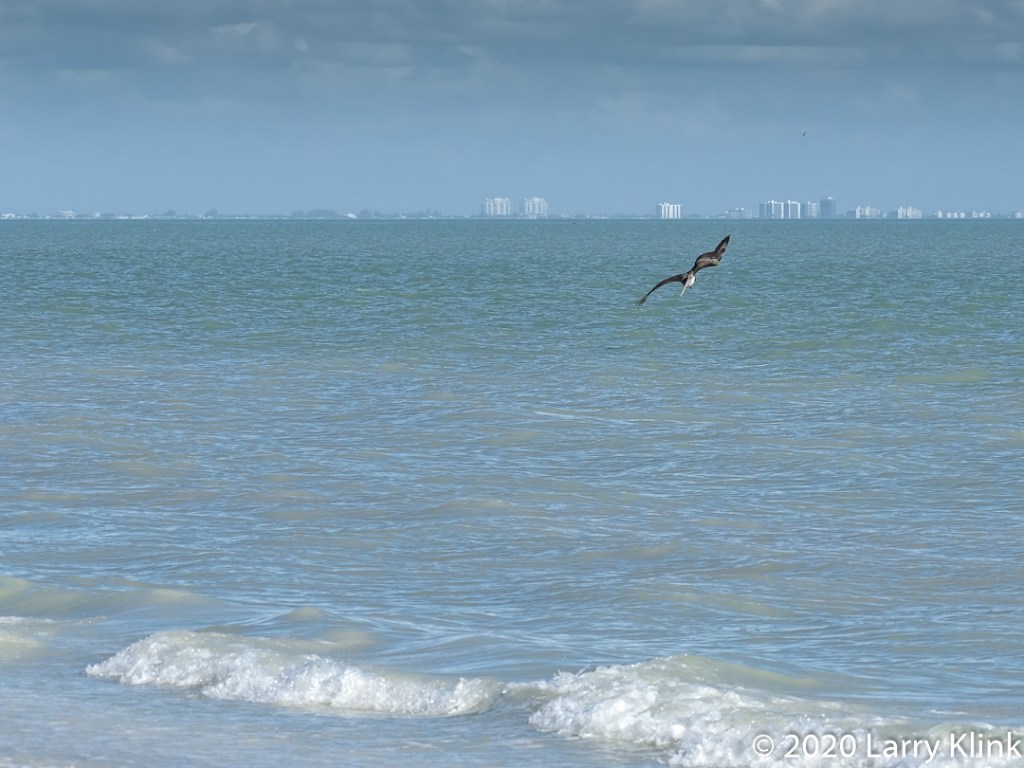
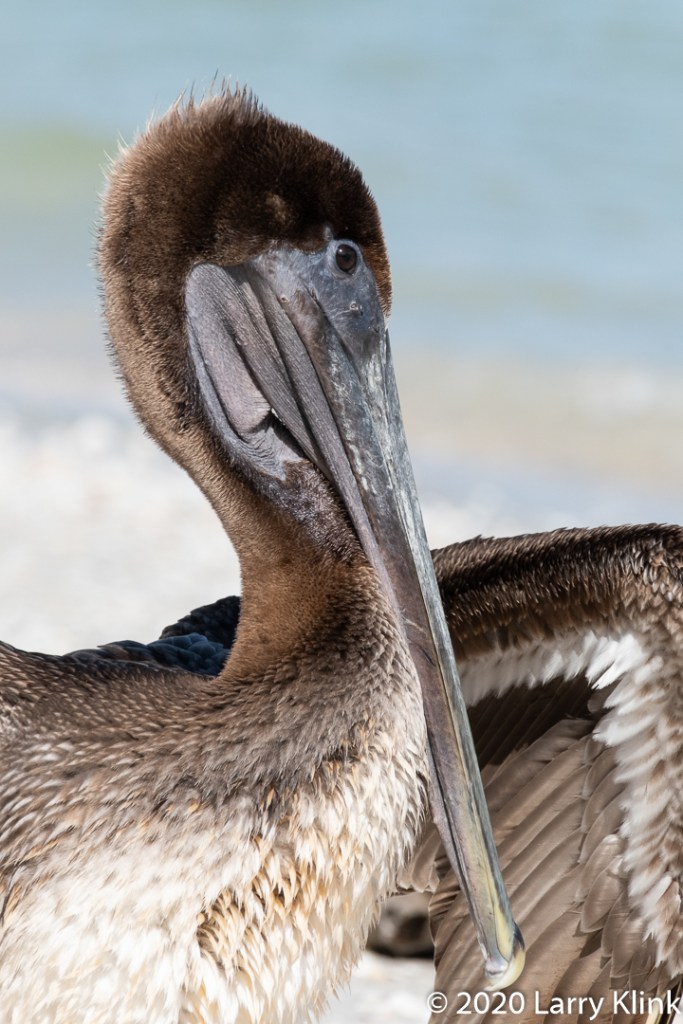
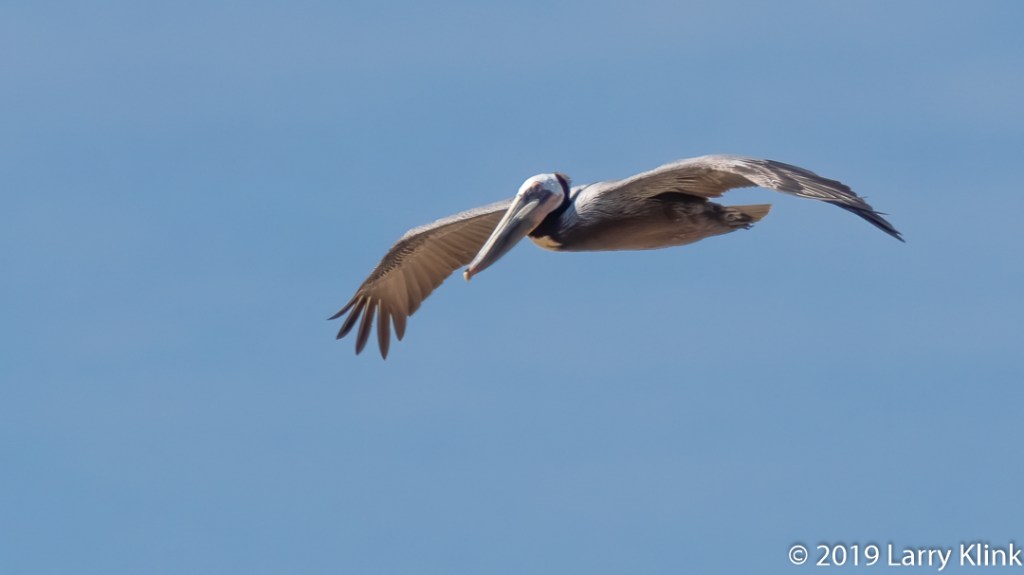
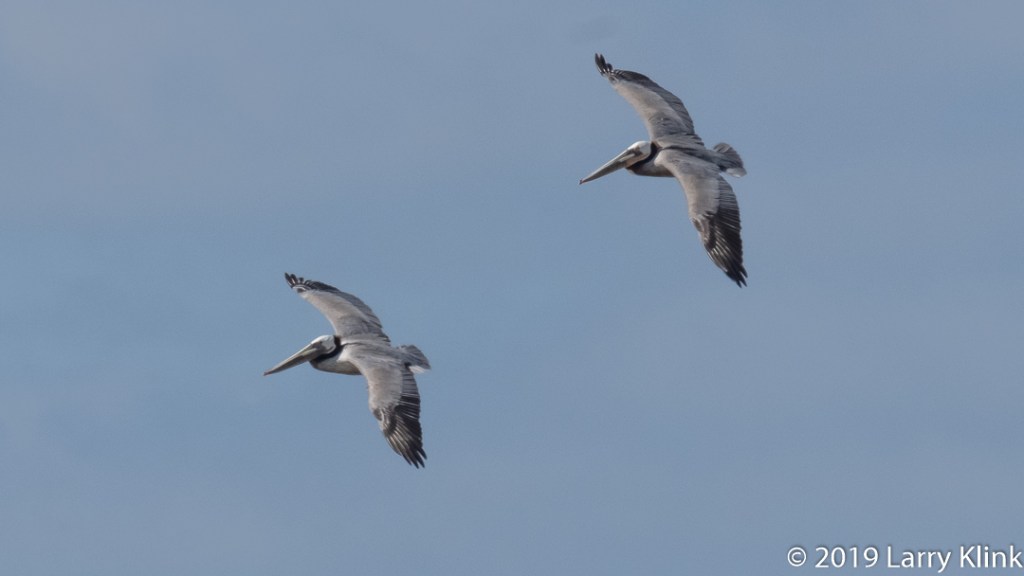
The Brown Pelican is the common pelican species we see along the east and west coast of the United States. There are 2 subspecies of the Brown Pelican – the Atlantic (Pelecanus occidentalis carolinensis) and the Pacific (Pelecanus occidentalis californicus). There are 3 other subspecies found in other parts of the Western Hemisphere. Today’s post pertains to the Atlantic subspecies birds I saw on a recent rip to Florida.
The Brown Pelican lives in flocks and are primarily year around residents of the areas where the forage. They do migrate to breeding grounds, but they are generally in close proximity to their foraging area. They prefer small fish but will eat marine invertebrates like prawns and scavange dead animals too. Thy sometimes swim in shallow water and scoop up food but they are renowned for their steep, head first, dives into the water to scoop up their prey. It’s pretty cool to watch. They can pick-up as much as 2 ½ gallons of water with their prey.
Here are a few images to enjoy.
Note: Please click on caption to see image at higher resolution.
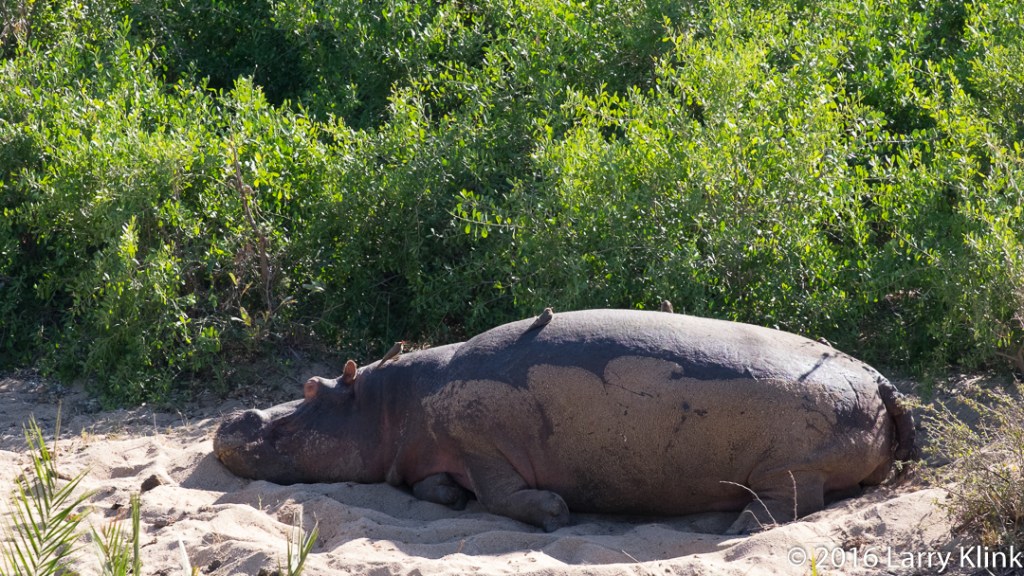
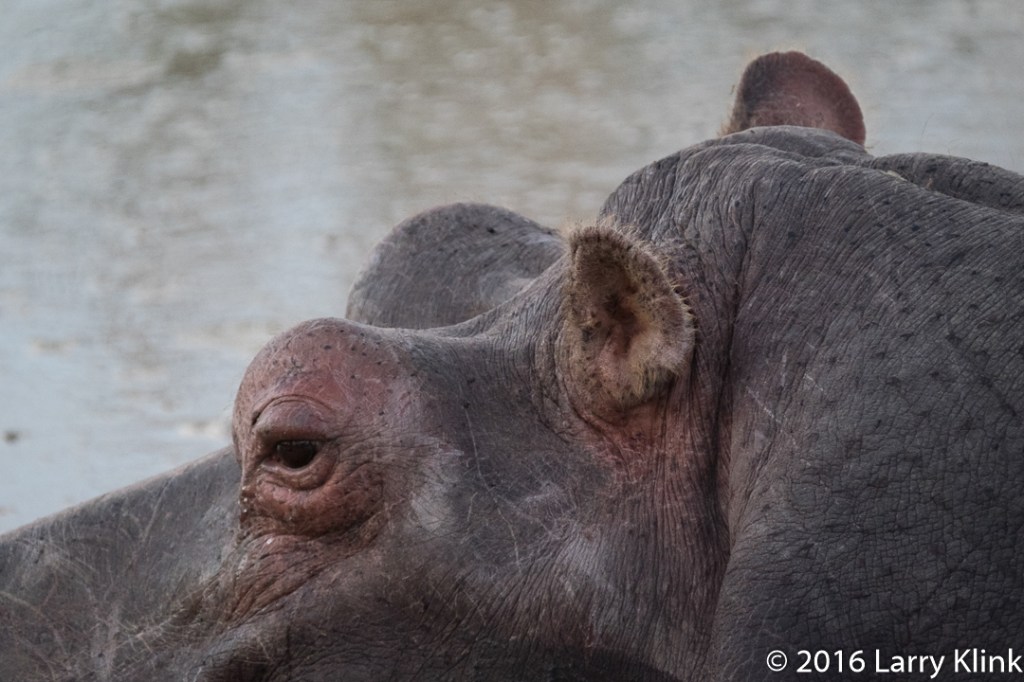
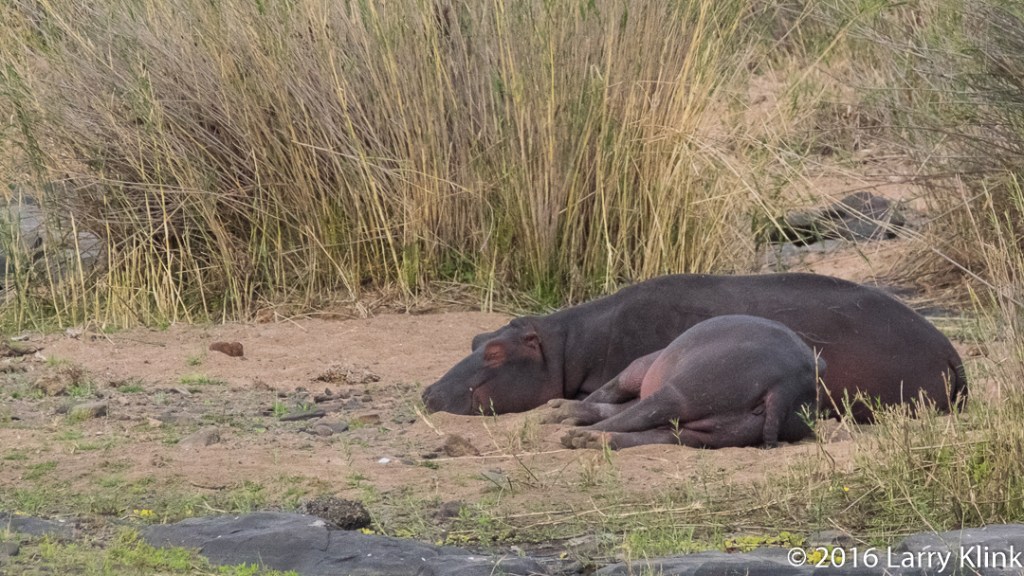
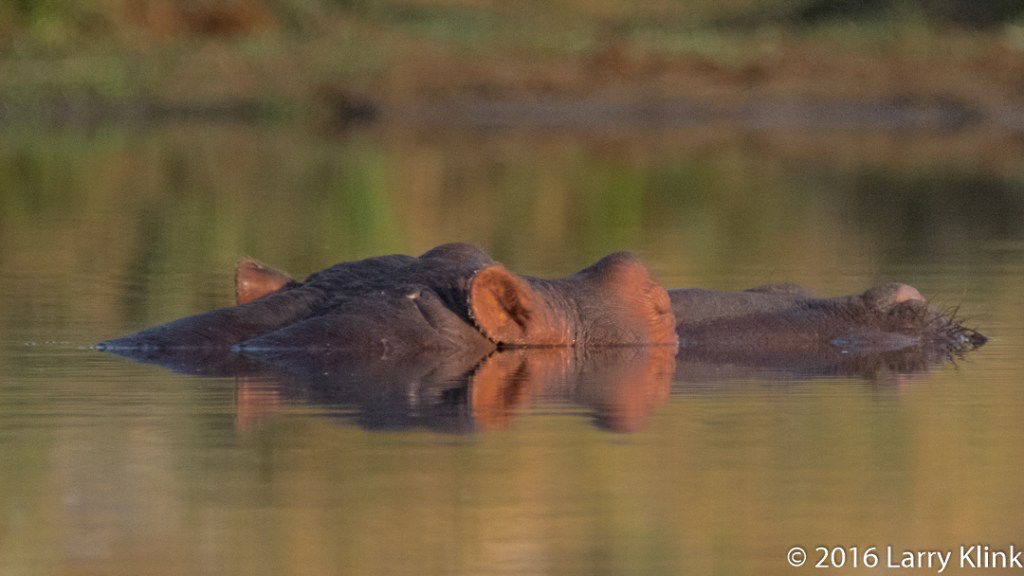
When I see pictures of the hippopotamus, it is usually the 2 iconic
images: just the nose, eyes and maybe ears sticking out of the eater or just a
little of the body above the waterline and with Oxpeckers on its back. I was
recently going cleaning and organizing my photo library and took a new look at
the images from our Africa trip 3 years ago. In it, was a good collection of
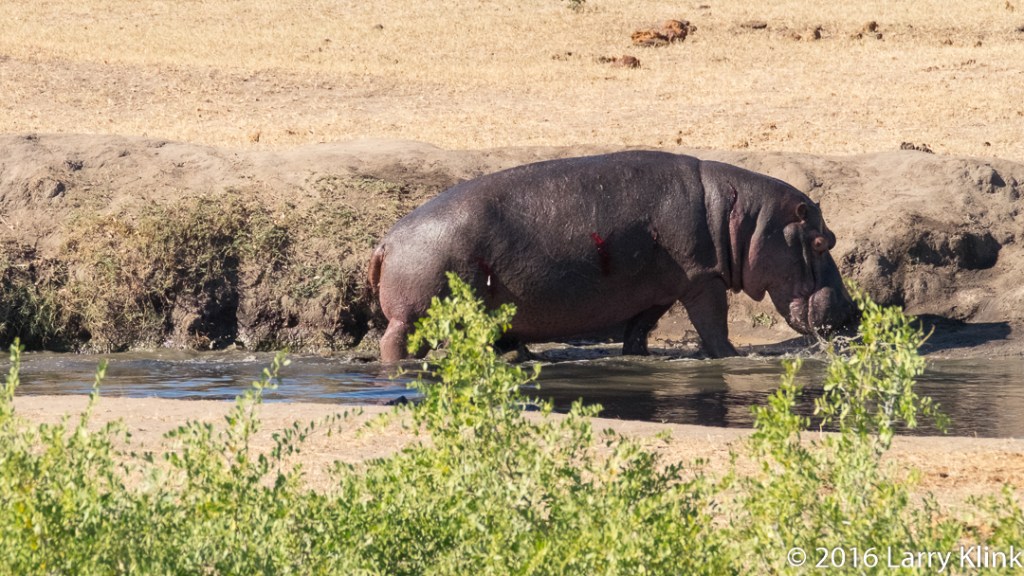
hippos in the routine activities of their daily life. So, I thought I’d share
them with you.
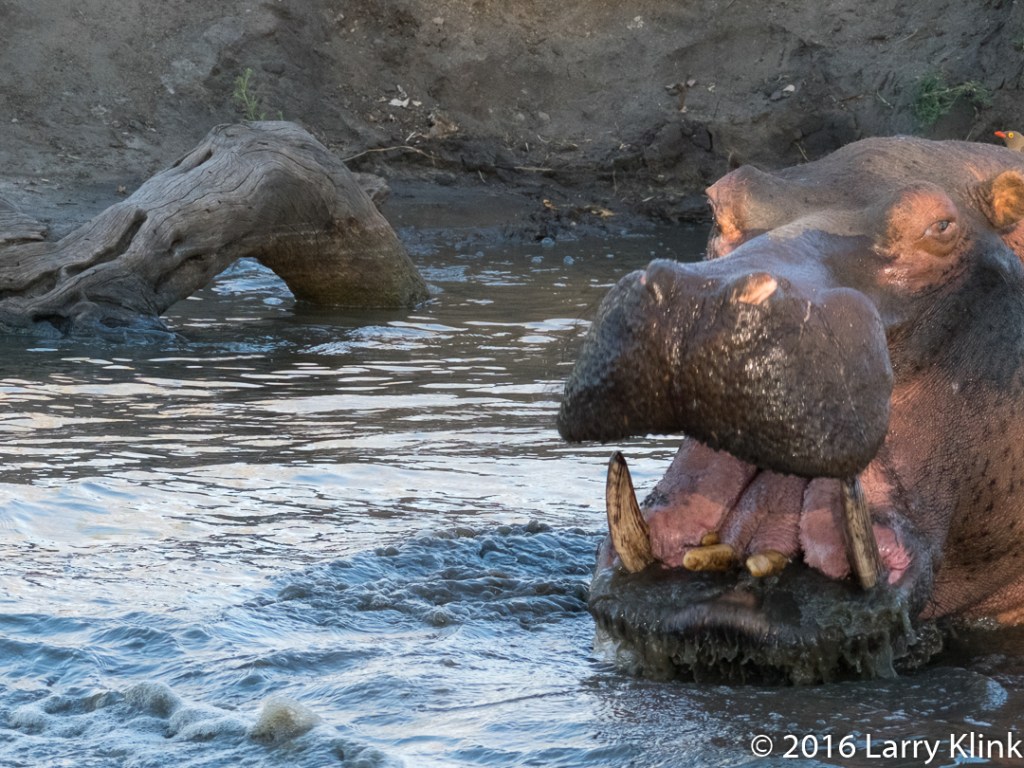
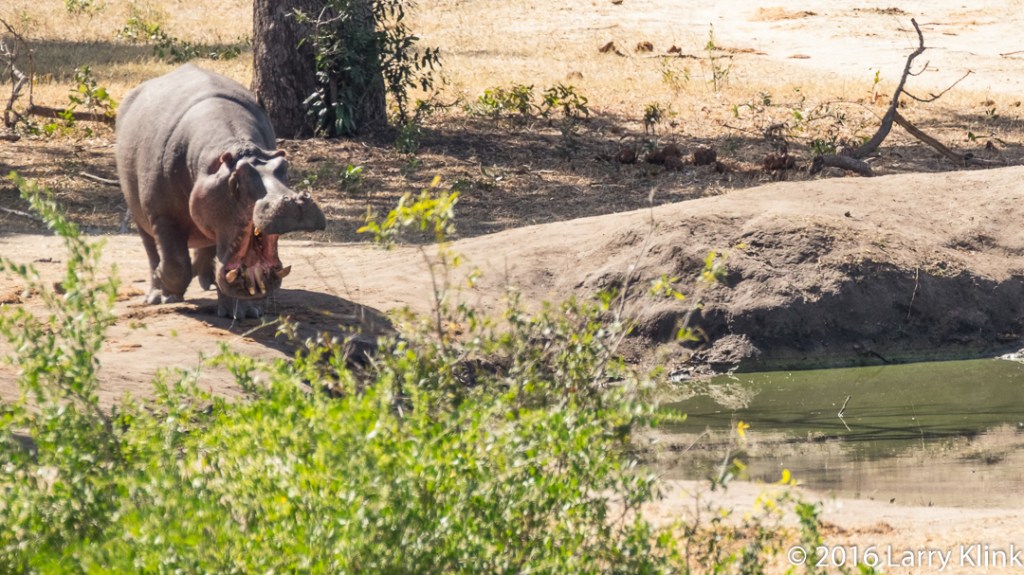
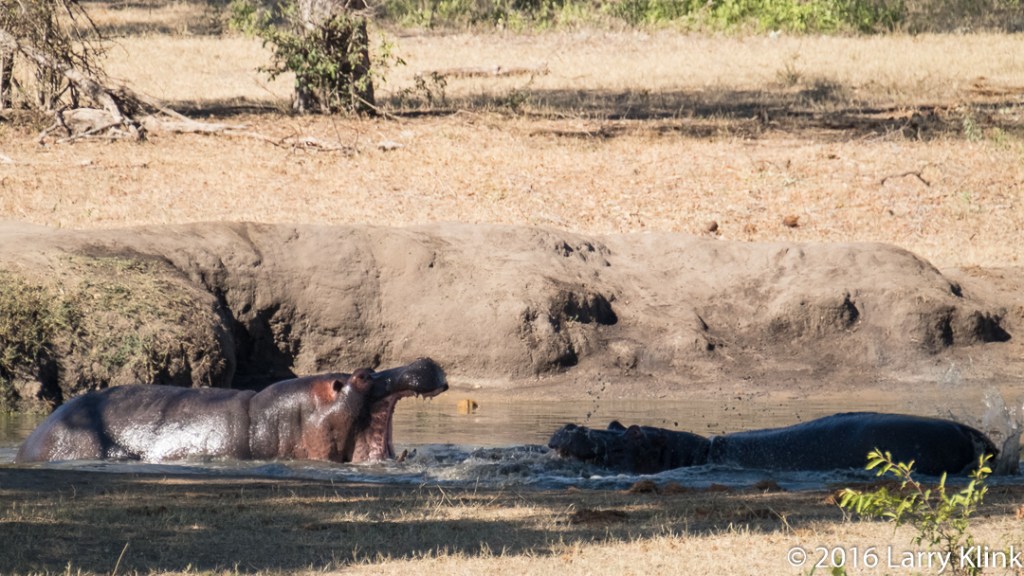
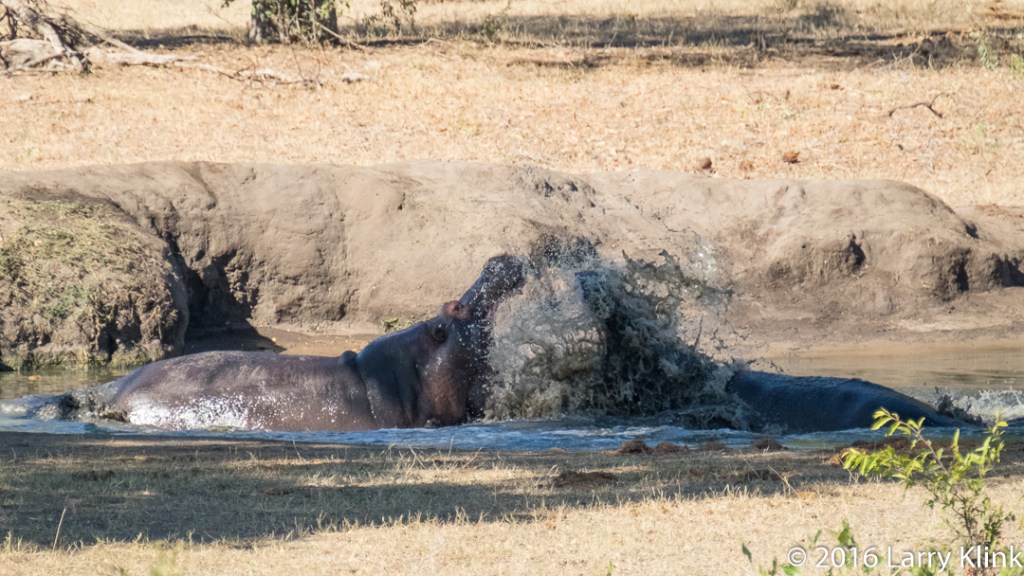
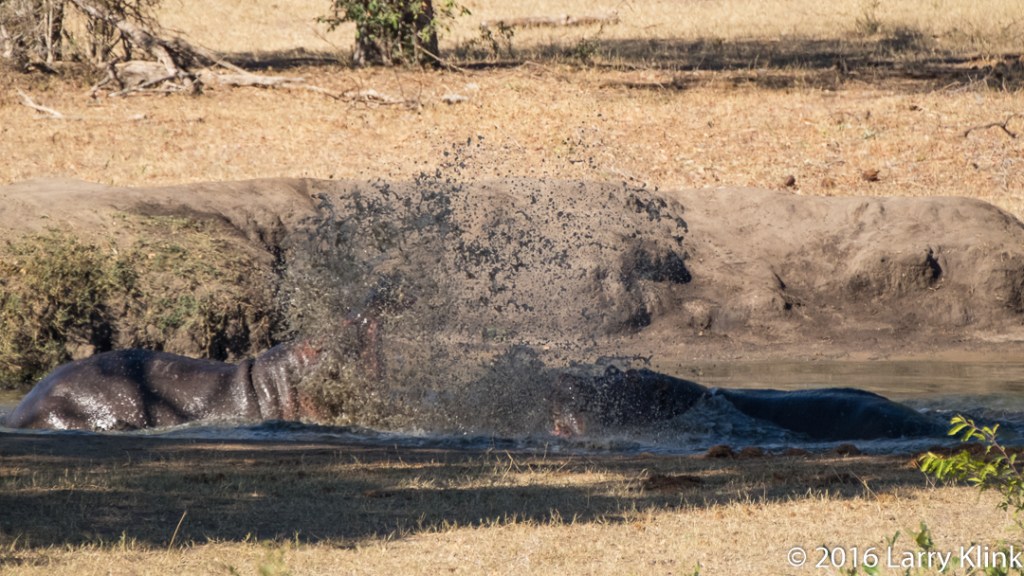
Some of the images involve a battle over a water hole. Watching that
battle unfold was one of the most fascinating events I ever witnessed. I’ve
observed that when deer, antelope, sheep and goats battle, it involves locking
horns and pushing back and forth until one succumbs and backs off. The hippo
battle was similar. They open their mouths wide and attack then push back and
forth until one succumbs. But, it also has some similarities to the sumo
wrestling I have seen. Two large, muscular, creatures embracing in battle for
short periods, back off for a short while, then go at again.
The Red-billed Oxpeckers in the photos are feasting on the bugs in the hippo’s wounds.
Note: Please click on caption to see image at higher resolution.
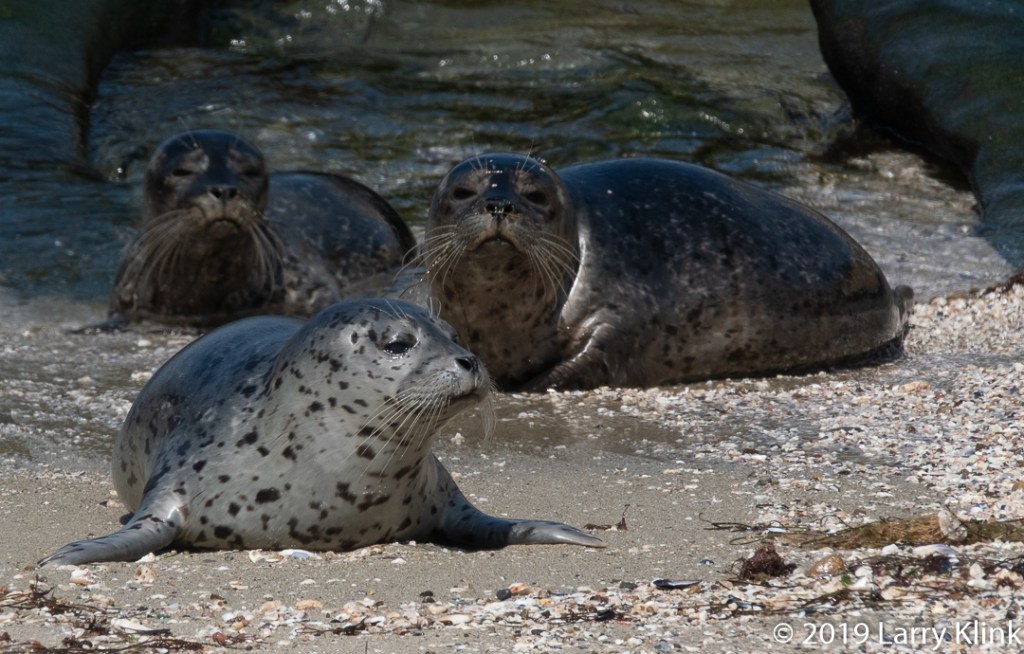
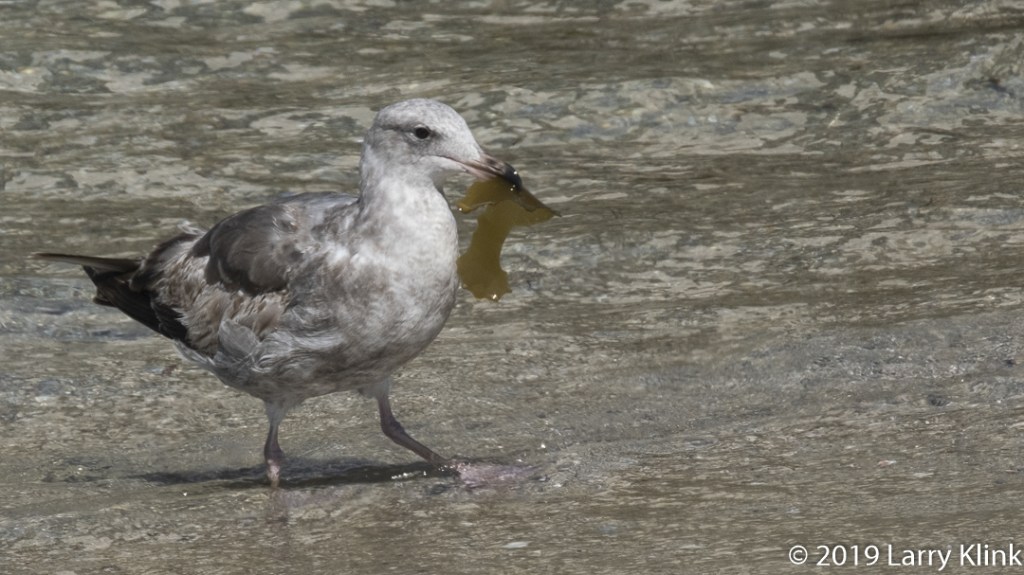
Last May, we visited some family in the San Diego area. On
one of those days, we visited some spots along the shore that teemed with
wildlife. It was a great time.
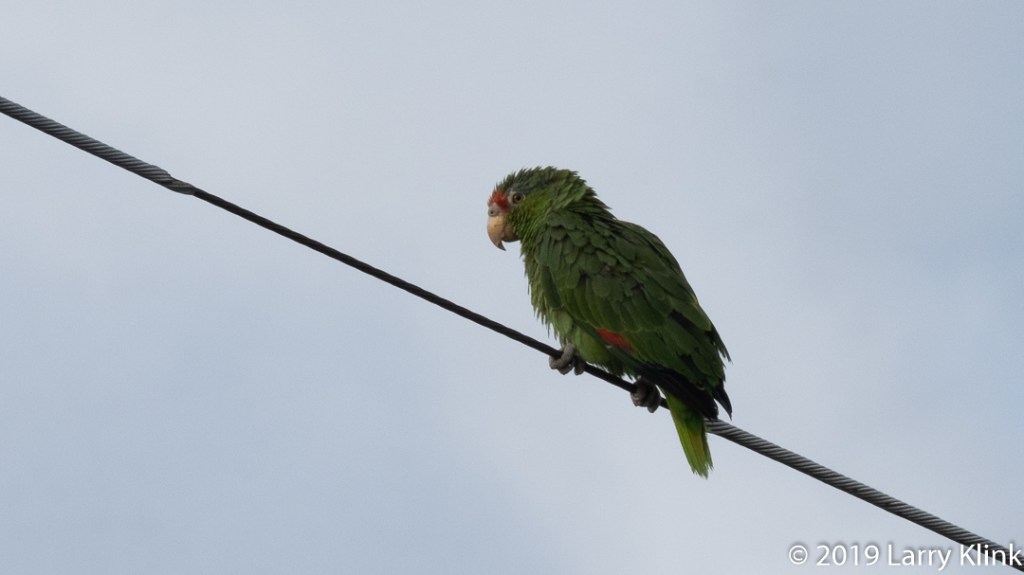
Please note that the wild Red-crowned Parrot is a wild bird. Pet releases and other incidents have allowed a colony of these birds to establish themselves in the San Diego area.
Note: Please click on caption to see image at higher resolution.
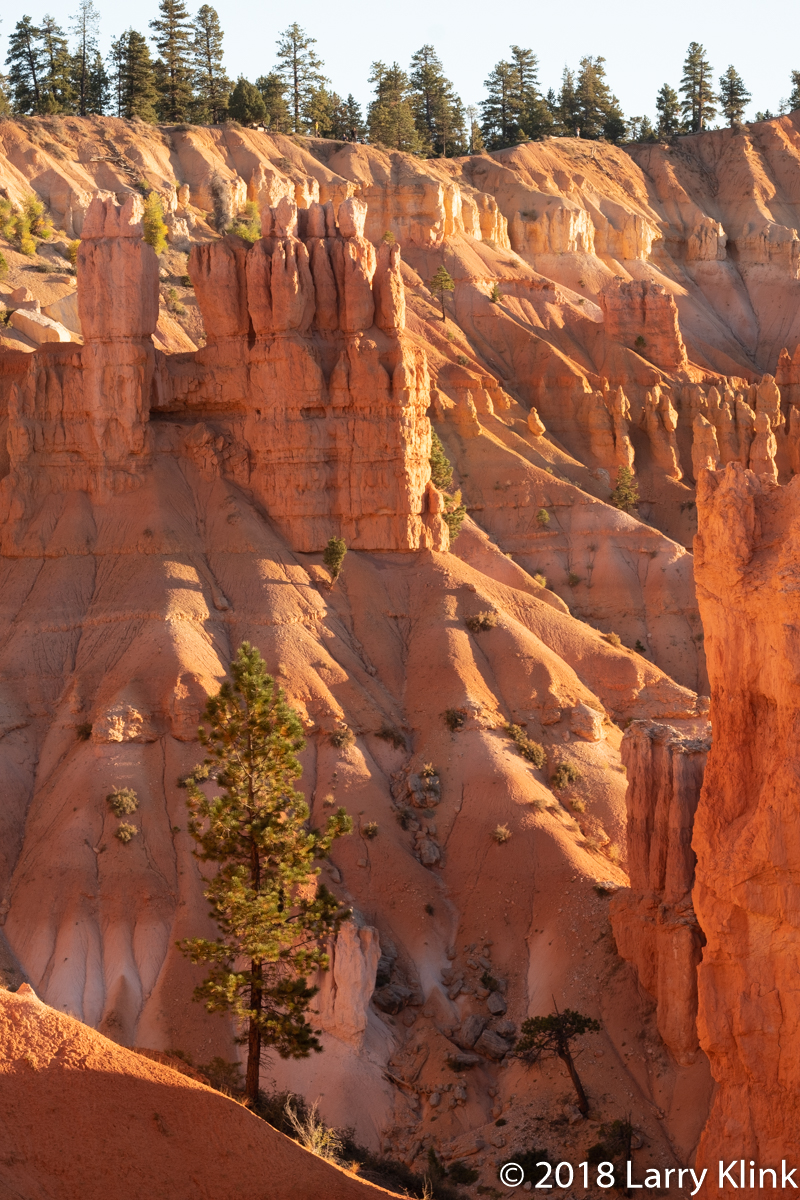
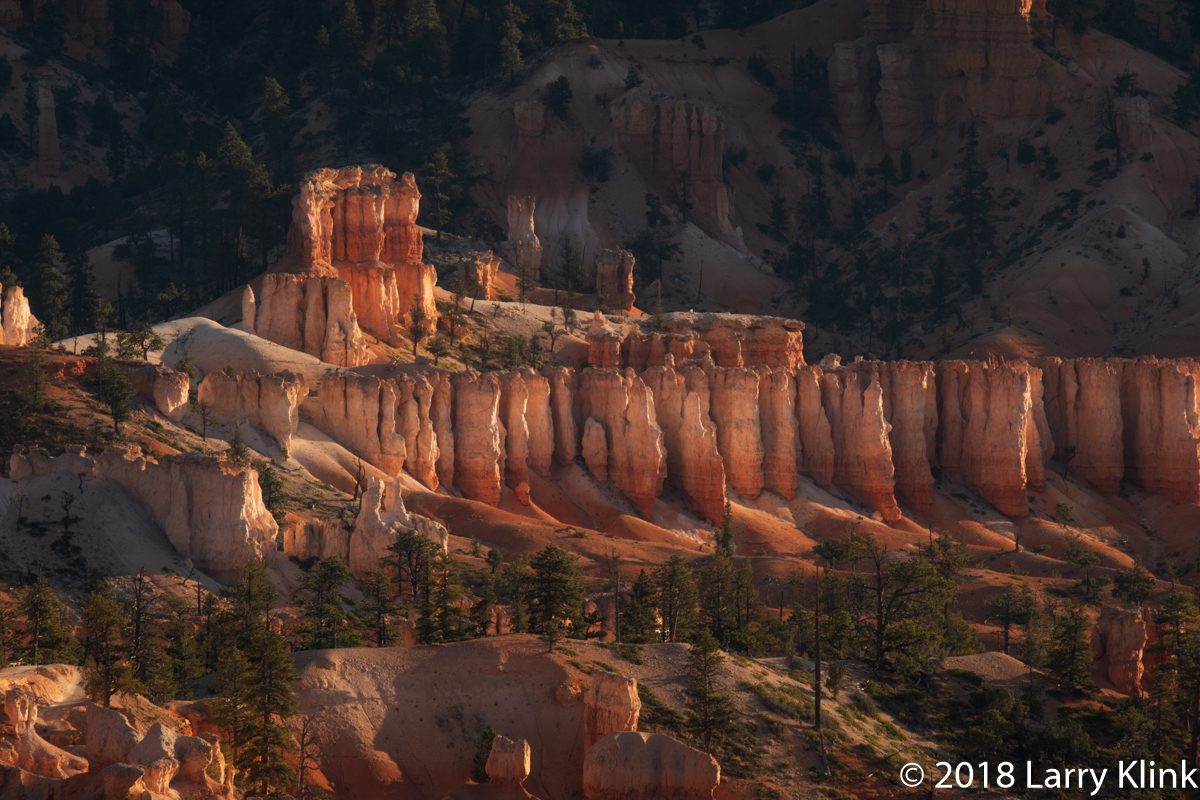
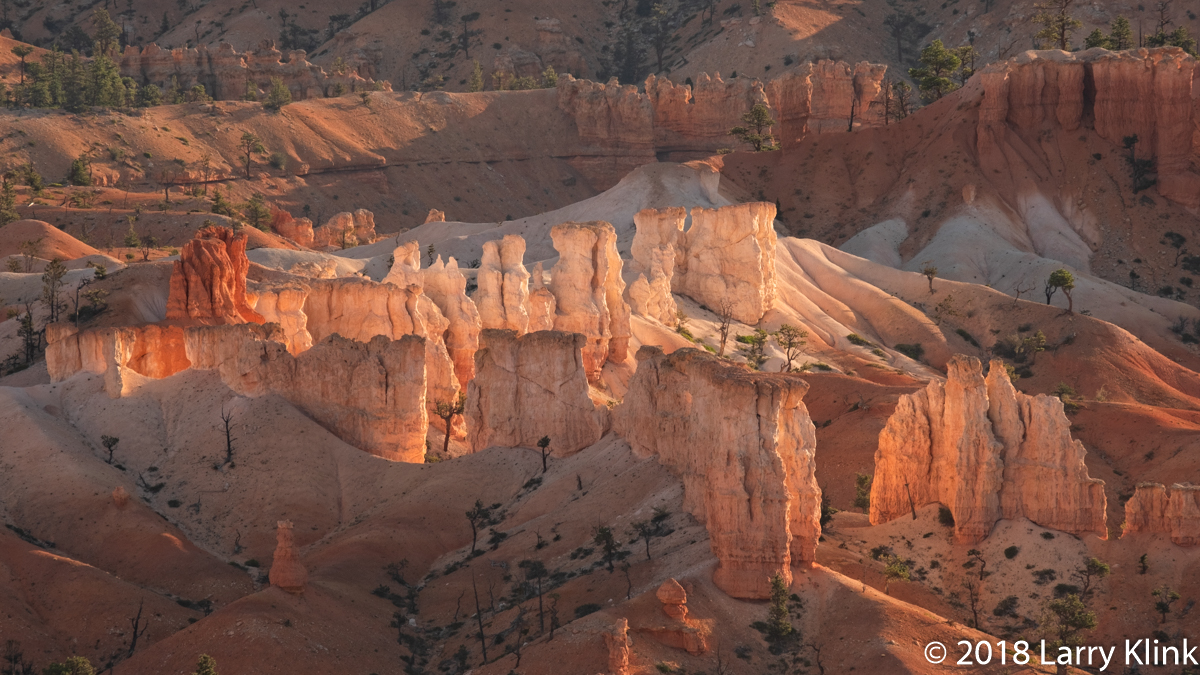
Bryce Canyon, in Utah, is stunningly beautiful; especially at sunrise and sunset. It should be on your bucket list. You can enjoy it any time of day but, I recommend being there in the morning, before the sun creeps over the distant mountains and as the sun sets in the evening. The colors saturate, the whites appear almost translucent at hose times and it will take your breath away. If you can, walk the trails that take you below the base and look at the hoodoos face on.
As I looked over the landscape, my thoughts turned to the ancient cities from fantasy and action adventures. Perhaps drawing from Petra in southern Jordan. I can imagine temples and palaces constructed from the hoodoos. I see “impregnable” walls being breached by the barbarians outside. It’s a fun connection.
For me, the process of how the land became to look as it does, enhances its beauty. In this case, water channels away the softer soil, forming the hoodoos. The freeze-thaw cycle sculpts the hoodoos by breaking off chunks. The wind helps sculpt too, but, to a lesser degree. What is left are acres of an orange and cream landscape filled with spectacular hoodoos and the erosional hills and valleys at their base.
I can’t wait to go back. Only this time, I am going to allow a day to hike and see what other treasures I uncover. I wonder what it would like in snow.
Note: Please click on caption to see higher resolution images.
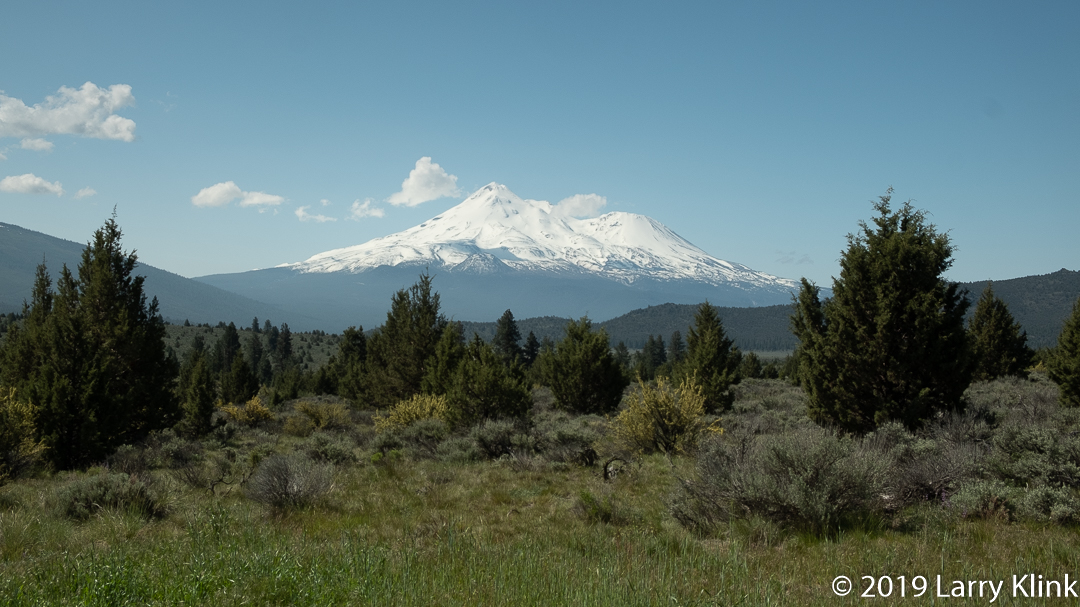
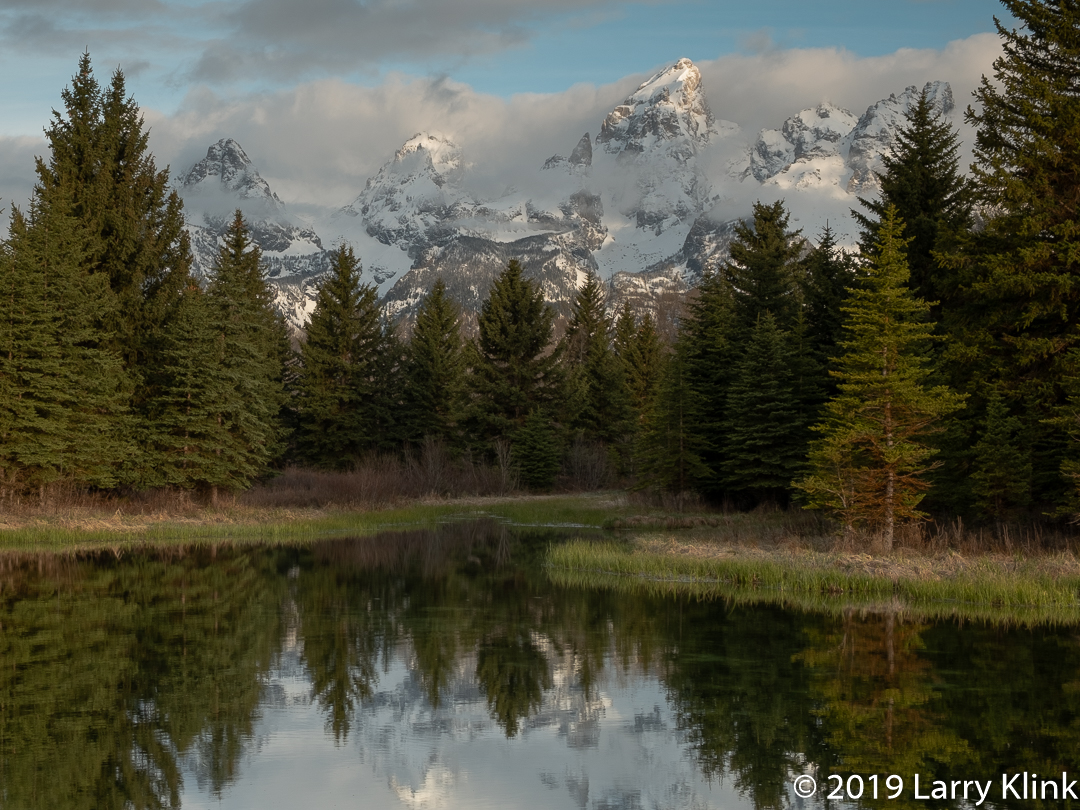
I am hopelessly left-brained; analytic to the core. I understand that to truly appreciate a piece of art, one must make an emotional connection to it. I understand that art is often collected for its historical value or as an investment, but that doesn’t seem to be enough to allow love for it to grow. I’ve sought to understand how I, personally, create an emotional connection to a scene, how I identify the story I want to tell. I rarely feel the tug on my heart that I feel when I think of my wife, my children or my grandchildren. A mountain sunrise doesn’t bring tears to my eyes. Yet, I love the mountains, the desert, the clouds, how light plays with the texture of a scene. But my reaction is a different reaction; it’s that of an analytic. I look at a scene and marvel at the geologic and/or human forces that formed it. I see clouds and think about the uplift, downdrafts and other meteorological forces that shape them. Some may ask how that can evoke awe; doesn’t analysis ruin the mystery and sense of wonder. Piecing the puzzle together helps me see the processes that shaped the scene and are influencing it now. Understanding the complexity, how processes interact to create systems, how interacting systems create a scene, creates the sense of wonder in me. It provides my emotional link and evokes awe in me. It may not tug at my heart but it tugs at my intellect and helps to create the story I want to tell.























 Earthwatcher