As photographers, we are admonished to wait for the perfect light or, as a studio photographer, to set up the perfect light. It’s good advice, but not always practical. Sometimes you find yourself at a location you’d like to shoot and walk away disappointed because there are interesting subjects but bad lighting. I have been working on turning that admonishment around and searching where the light leads me; finding subjects where the light presents them. Those opportunities even avail themselves in very diffuse light. We just have to open our mind to creativity when thinking about light.
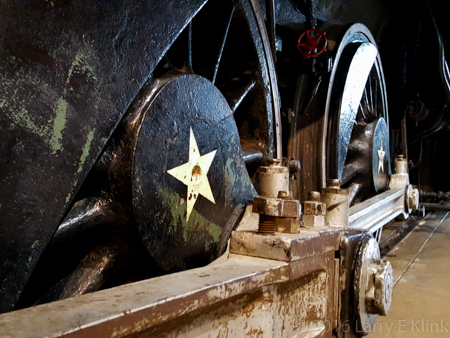
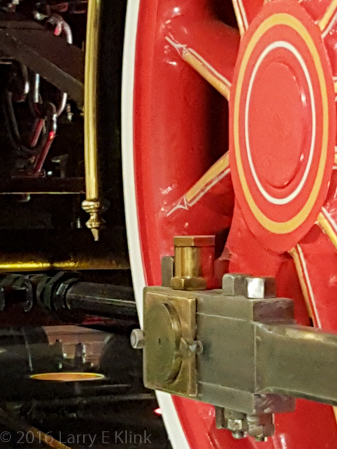
Untitled, California State Rail Museum, Sacramento, CA, JAN 2016Untitled, California State Rail Museum, Sacramento, CA, JAN 2016
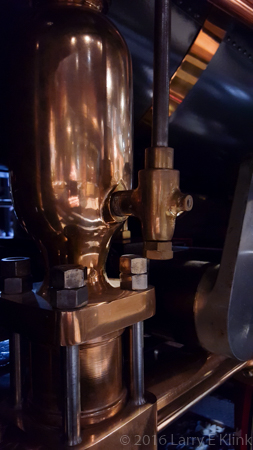
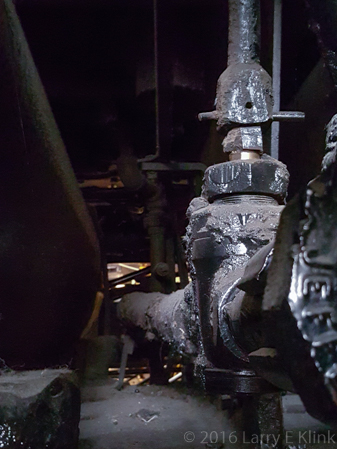
Last weekend, I visited the California State Rail Museum. If you are a railroad buff, there are a lot of great things to see. While there, I set 2 objectives: learn to use my cell phone camera more effectively and to look for subjects made interesting by the museum lighting. I did OK with the first objective but didn’t advance my skill as much as I’d have liked. I did learn that I have a little control over depth of field though not a lot. I did find interesting subjects to shoot. The museum lighting was very good and the light painted details in interesting ways. I’ve included a few examples for you to enjoy.
A Brass Valve, California State Rail Museum, Sacramento, CA, JAN 2016A View of the Underbelly, California State Rail Museum, Sacramento, CA, JAN 2016
Landscape photographers are taught that you should always try to shoot during the golden hours; roughly the 3 hours after sunrise and the three hours before sunset. Indeed, the warm saturated colors make very dramatic and beautiful vistas. But does that mean you pack away your camera the rest of the day? Not really. You can get great shots any time of day if you work with the compositional elements and lighting you have to craft a great composition. It is the composition that makes the image.
I took the image in Figure 2 on a clear day, at mid-day, when the sun was high. The composition is decent and interesting. You can see some texture in the canyon and the canyon itself leads your eye
Figure 2: Image Taken Under Uninteresting Light
through the image. So, it is a good image to show friends that have never been to Yosemite, what they would see; a travel photograph. But it’s not a great image. Contrast that with the image in Figure 3, taken from a similar perspective but with strong, dramatic lighting. The difference is obvious. Besides making the picture pop with color, the light leads your eye through the image to interesting features. It provides shadows that add texture. It makes the image much more interesting.
Figure 3: Image With Strong , Dramatic Light
So, its obvious: If you have great light, you can make better image. But, what if you can’t just run off and chase the light? You have to work with what you have when you are there.
Look again at figure 3 to see the enhancements the light is providing. It provides color, texture and controls the movement of the eye through the image. When you have light that is diffuse, you need to find other compositional elements to compensate for the missing light.
Figure 4: Image Taken Under Diffuse Light
Look at Figure 4. It was taken under cloudy skies, in the evening. It is, to me, a very interesting image. I like the composition. While the light is not available to provide the interest, look at how the grass and leaves provide texture that contrasts with the granite and the stream. The colors in the leaves add color that subtly pops the image. Even without strong light, there are shadows and highlights. The stream and the line of rocks lead the eye.
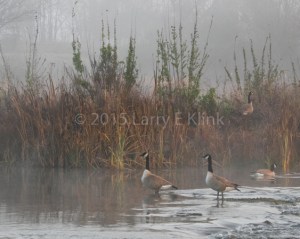
Figure 5 is an image taken under foggy conditions that also diffuse the light. In this case there is some subtle early morning rim light highlighting the edges. The color and texture in the reeds and bushes provide texture to offset the fog shrouded background and the stream.
Figure 5: Image Taken Under Low, Diffuse Light
The key is to look around; to see what is happening; to see what you can use; then craft your image from what you have.




 Earthwatcher