Swans

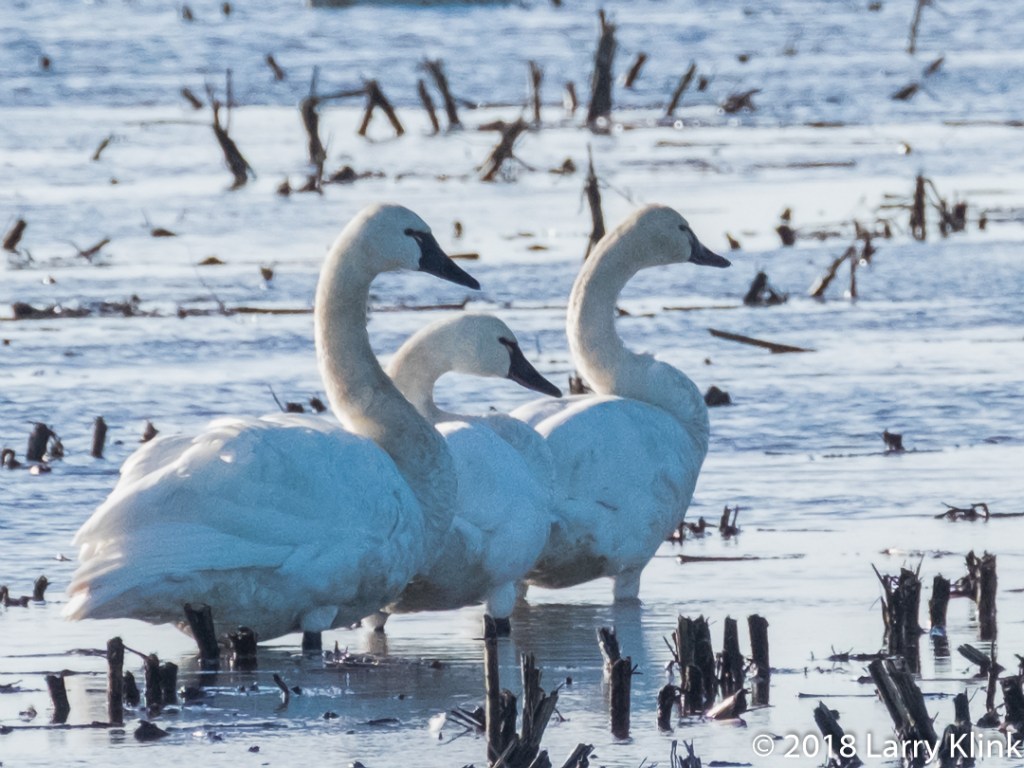
Trumpeter Swan (Cygnus Buccinator)
Swan Lake Flat, Yellowstone National Park; SEP 2018

Today I am sharing images of swans I’ve photographed over the past several years.

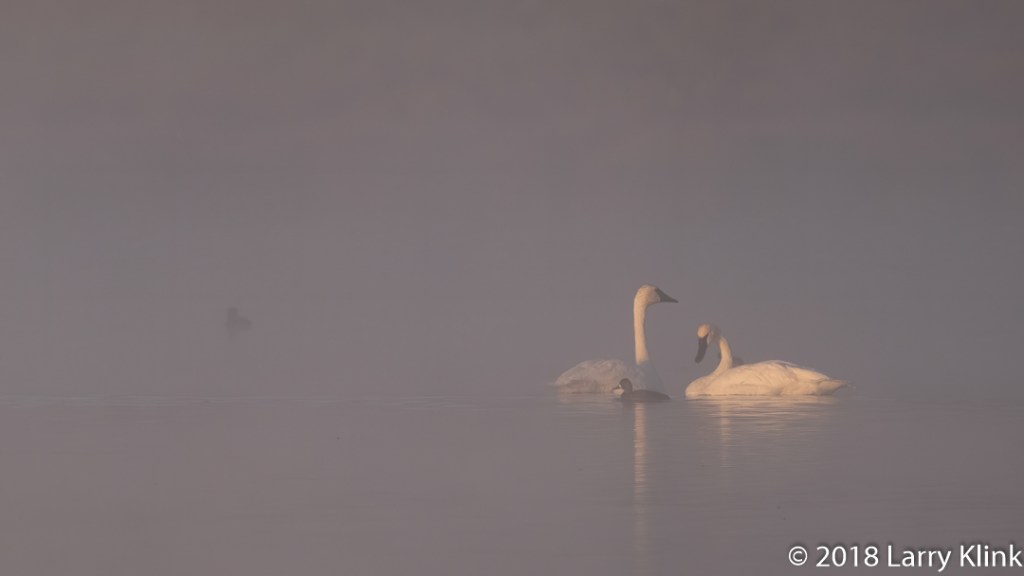
Trumpeter Swans (Cygnus Buccinator) are North America’s largest waterfowl. Thy can have a 6 foot wingspan and weigh as much as 26 pounds. According to All About Birds, a Website from Cornell Labs: “They breed on wetlands in remote Alaska, Canada, and the northwestern U.S., and winter on ice-free coastal and inland waters.” The odd thing here is that I found some on the icy Yellowstone River in February.

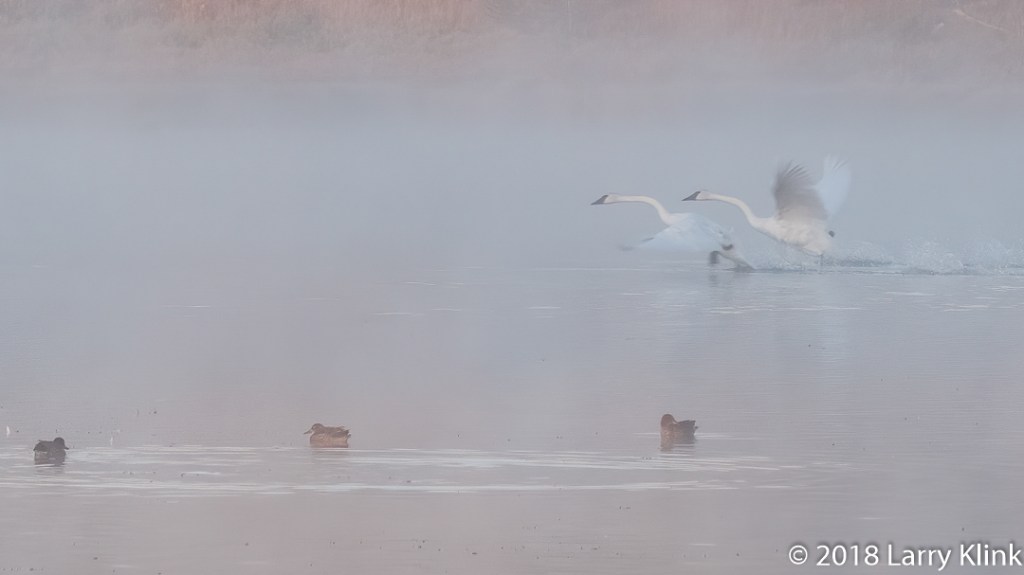
The Tundra Swan (Cygnus Columbianus) is a winter migrant to the US. We see them winter over on the Pacific Flyway from late October through about the end of February. They nest on arctic tundra. The Tundra Swan is sometimes called a Whistling Swan.

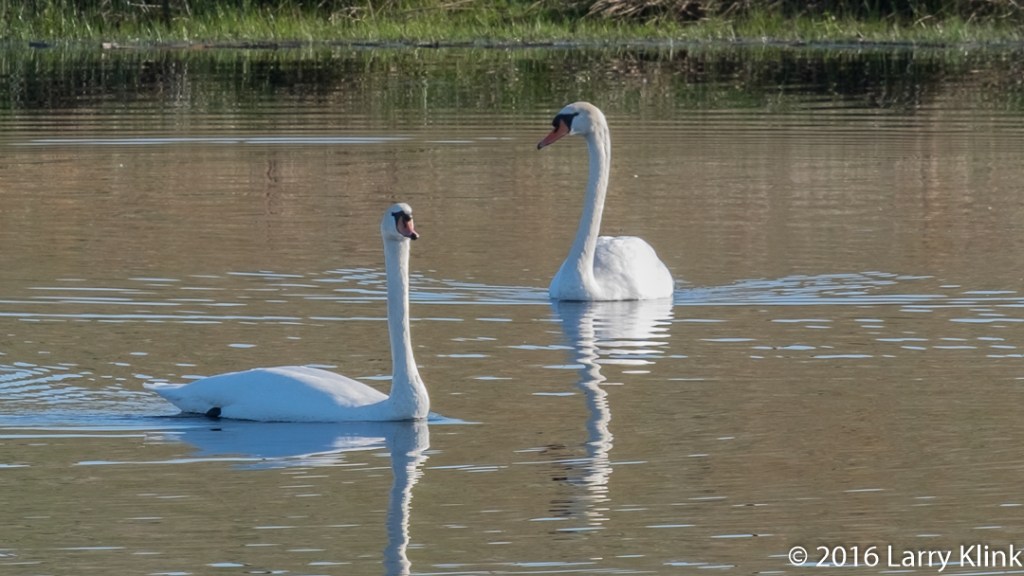
The Mute Swan (Cygnus Olor) is not native to North America; it’s a European immigrant. It is the swan we see in ponds and lakes at parks, farms and estates. According to All About Birds: “ All of the Mute Swans in North America descended from swans imported from Europe from the mid 1800s through early 1900s to adorn large estates, city parks, and zoos. Escapees established breeding populations and are now established in the Northeast, Mid-Atlantic, Great Lakes, and Pacific Northwest of the U.S.” The ones I am presenting may be from a wild colony or may be feral.

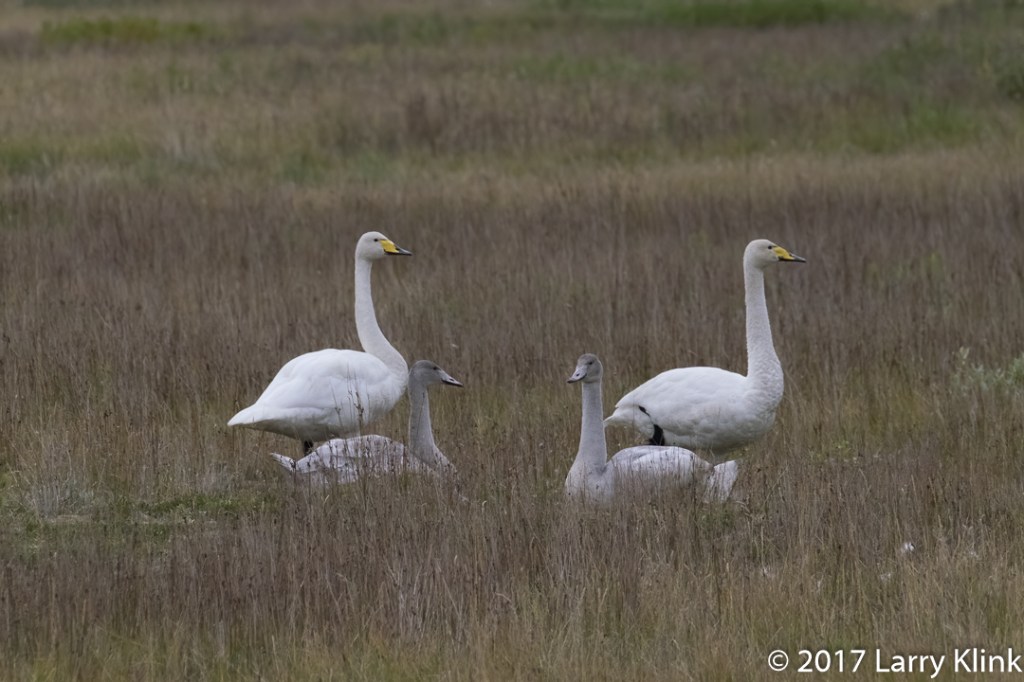
I found the Whooper Swans (Cygnus cygnus) in Iceland. According to Wikipedia, Whooper swans can migrate hundreds or even thousands of miles to their wintering sites in southern Europe and eastern Asia. They breed in subarctic Eurasia. Icelandic Whooper Swans breed and winter over in the United Kingdom and Ireland. They can have a wingspan of 9 feet and weigh over 30 pounds. Whooper Swans pair for life.

Please click on caption to see image at higher resolution.
Tundra Swans (Cygnus Columbianus)
Staten Island Road, Galt, CA; JAN 2018
Whooper Swans (Cygnus cygnus)
South Coast of Iceland; SEP 2017
Mute Swan (Cygnus Olor)
Scott Road, Folsom, CA; FEB 2016
Trumpeter Swans (Cygnus Buccinator) – P1
Yellowstone River, Yellowstone National Park, WY, FEB 2013
Trumpeter Swans (Cygnus Buccinator)
Swan Lake Flat, Yellowstone National Park; SEP 2018
Mute Swan (Cygnus Olor) – P2
Willow Creek Recreation Area, Folsom, CA; OCT 2019
Trumpeter Swans at Sunrise (Cygnus Buccinator) -P1
Swan Lake Flat, Yellowstone National Park; SEP 2018
Trumpeter Swans (Cygnus Buccinator) at Sunrise – P2
Swan Lake Flat, Yellowstone National Park; SEP 201
Trumpeter Swan (Cygnus Buccinator) – P2
Yellowstone River, Yellowstone National Park; FEB 2013

These and other images are available to purchase on my website: www.earthwatcher.us or by contacting larry.klink@earthwatcher.us.

A Peak into the Life of the Hippopotamus

Foraging Hippo (Hippopotamus amphibius)
Kruger National Park, South Africa; AUG 2016

A Peak into the Life of the Hippopotamus

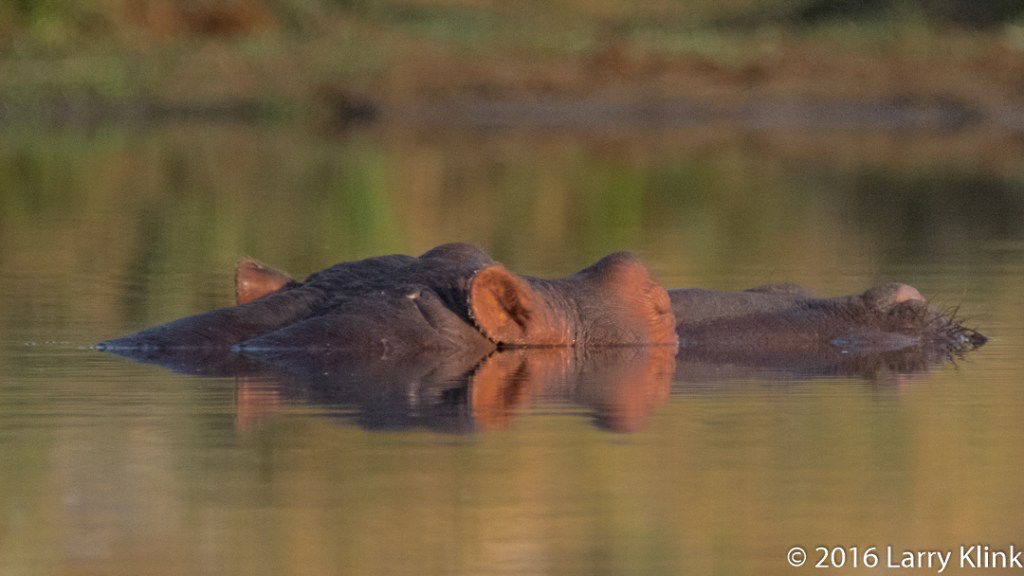
When I see pictures of the hippopotamus, it is usually the 2 iconic images: just the nose, eyes and maybe ears sticking out of the eater or just a little of the body above the waterline and with Oxpeckers on its back. I was recently going cleaning and organizing my photo library and took a new look at the images from our Africa trip 3 years ago. In it, was a good collection of hippos in the routine activities of their daily life. So, I thought I’d share them with you.

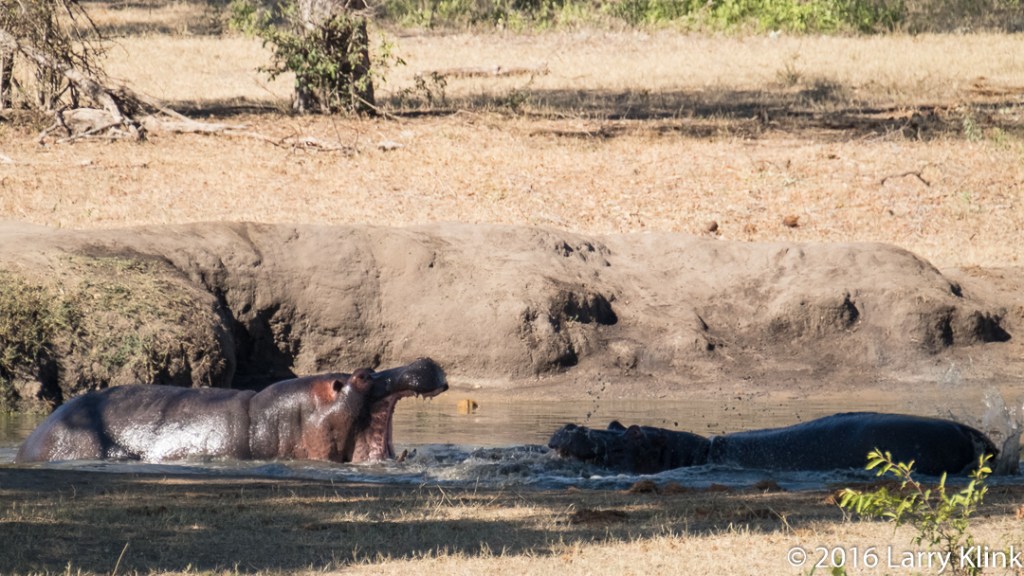
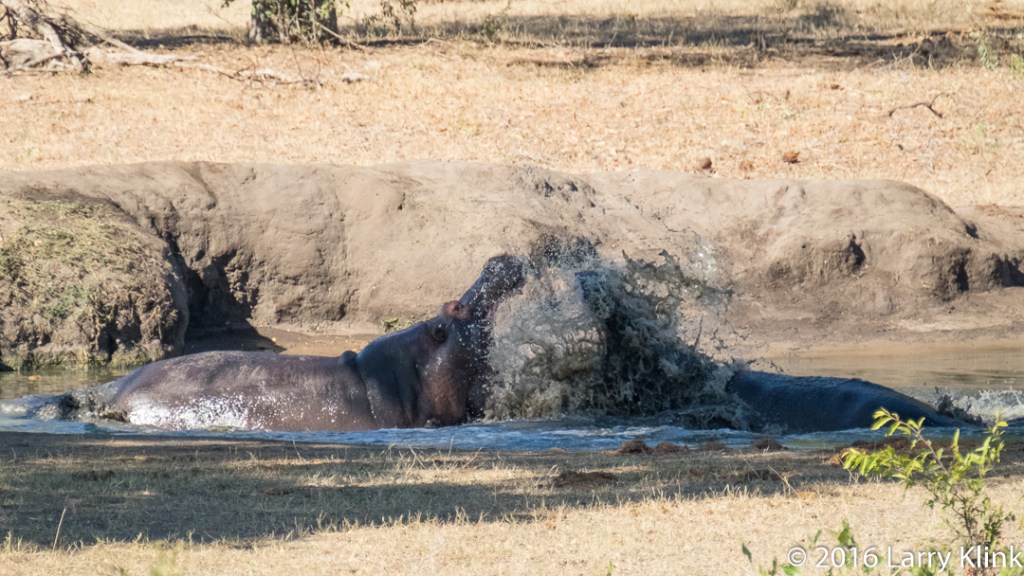
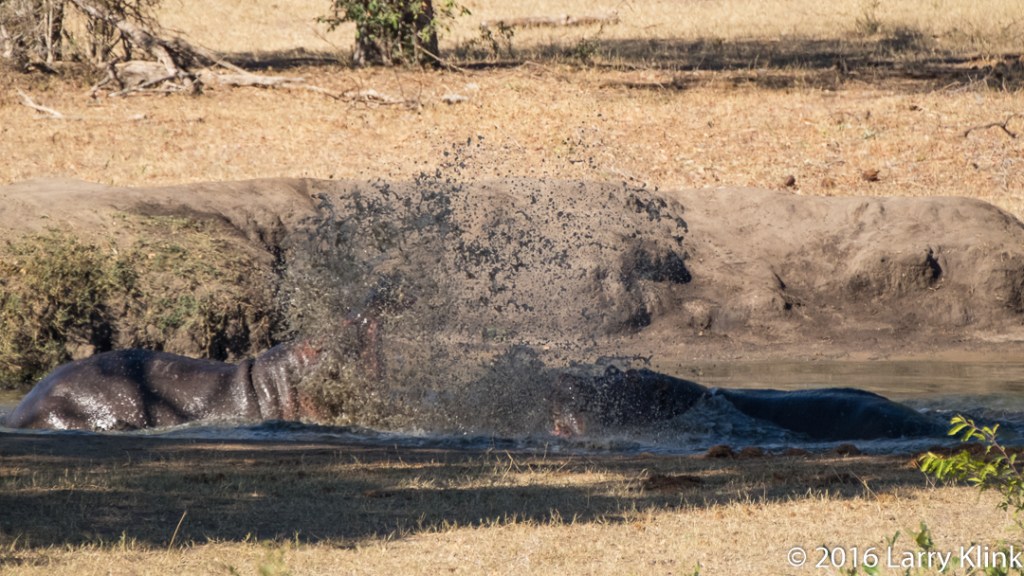
Some of the images involve a battle over a water hole. Watching that battle unfold was one of the most fascinating events I ever witnessed. I’ve observed that when deer, antelope, sheep and goats battle, it involves locking horns and pushing back and forth until one succumbs and backs off. The hippo battle was similar. They open their mouths wide and attack then push back and forth until one succumbs. But, it also has some similarities to the sumo wrestling I have seen. Two large, muscular, creatures embracing in battle for short periods, back off for a short while, then go at again.

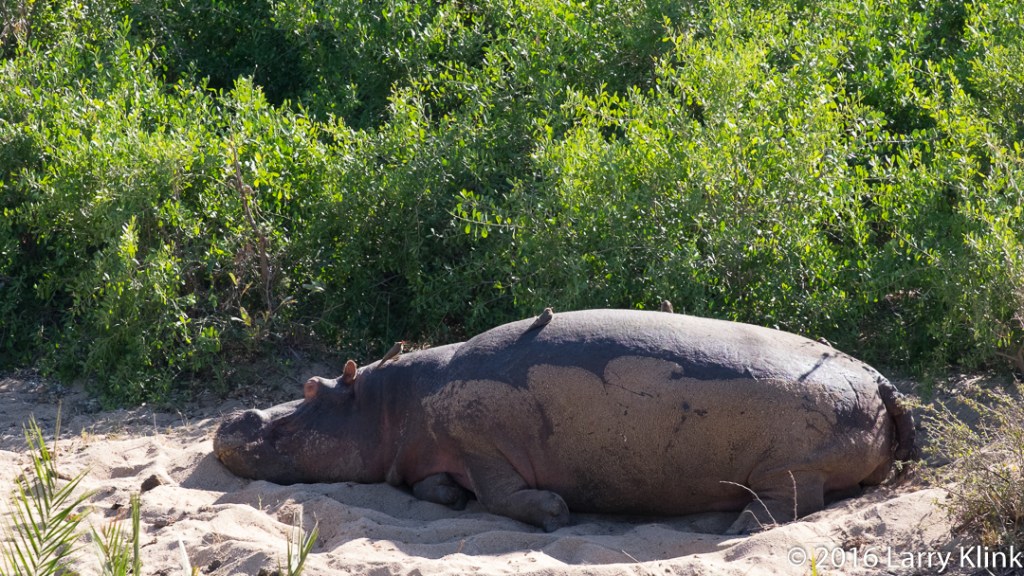
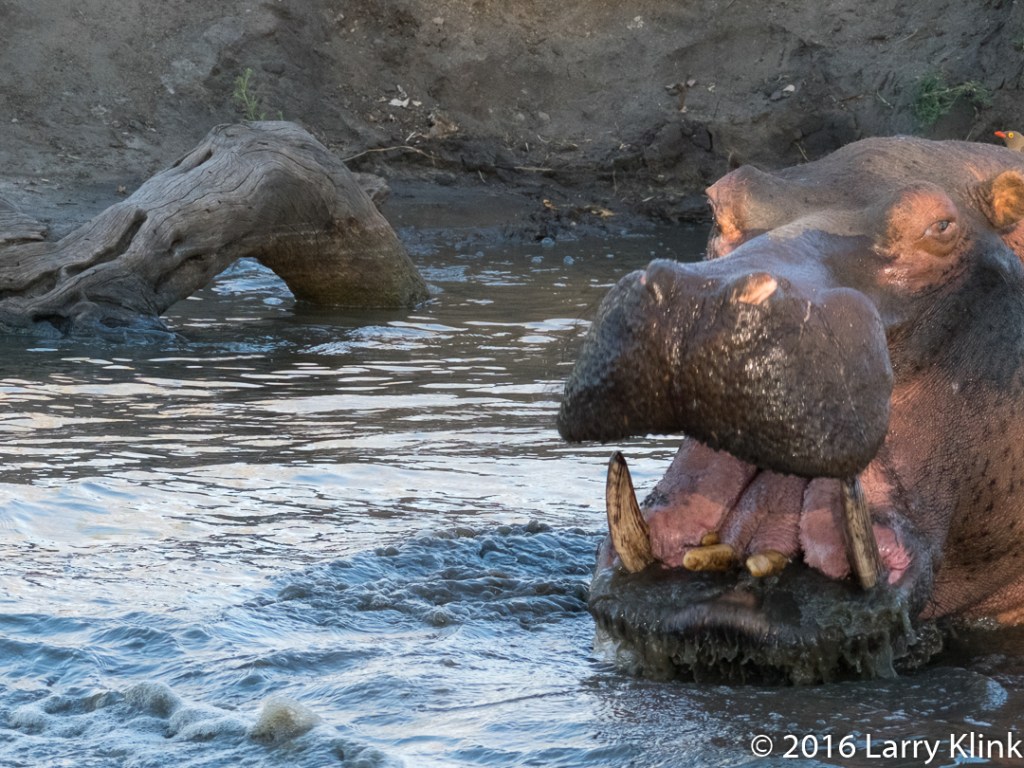
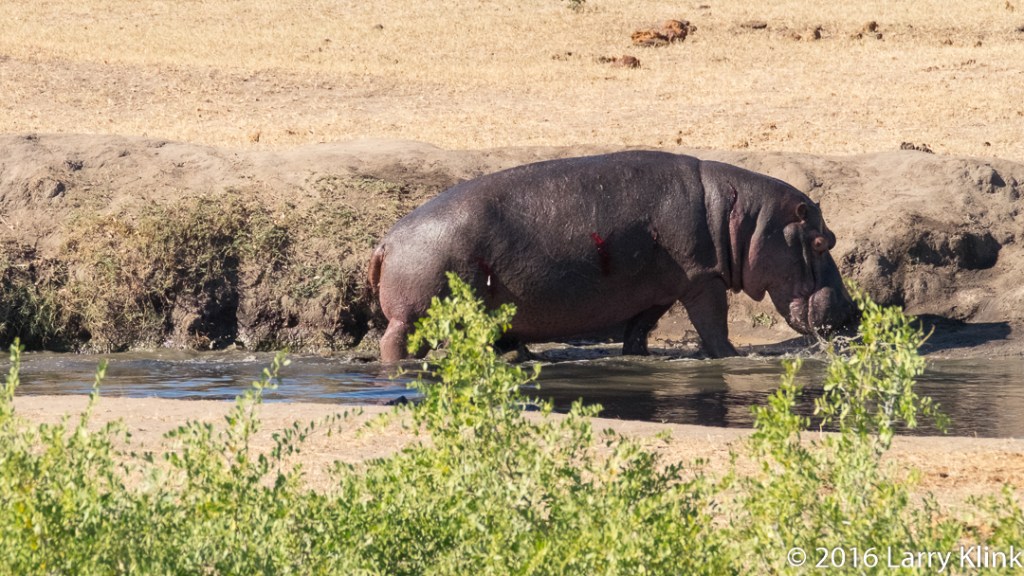
The Red-billed Oxpeckers in the photos are feasting on the bugs in the hippo’s wounds.

Note: Please click on caption to see image at higher resolution.

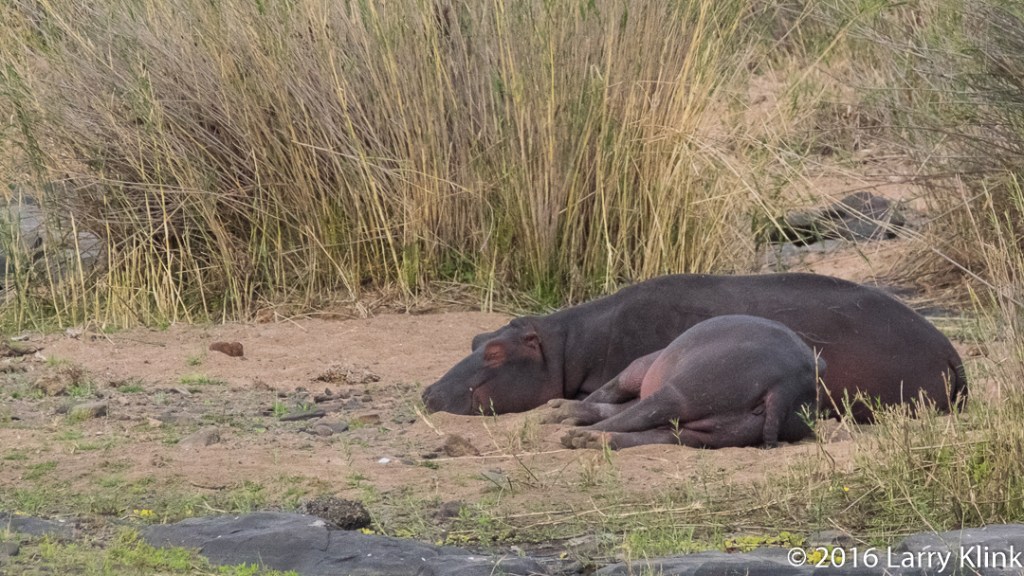
Resting Hippopotamus (Hippopotamus amphibius)
Elephant Plains Game Lodge, Sabi Sands, South Africa; AUG 2016
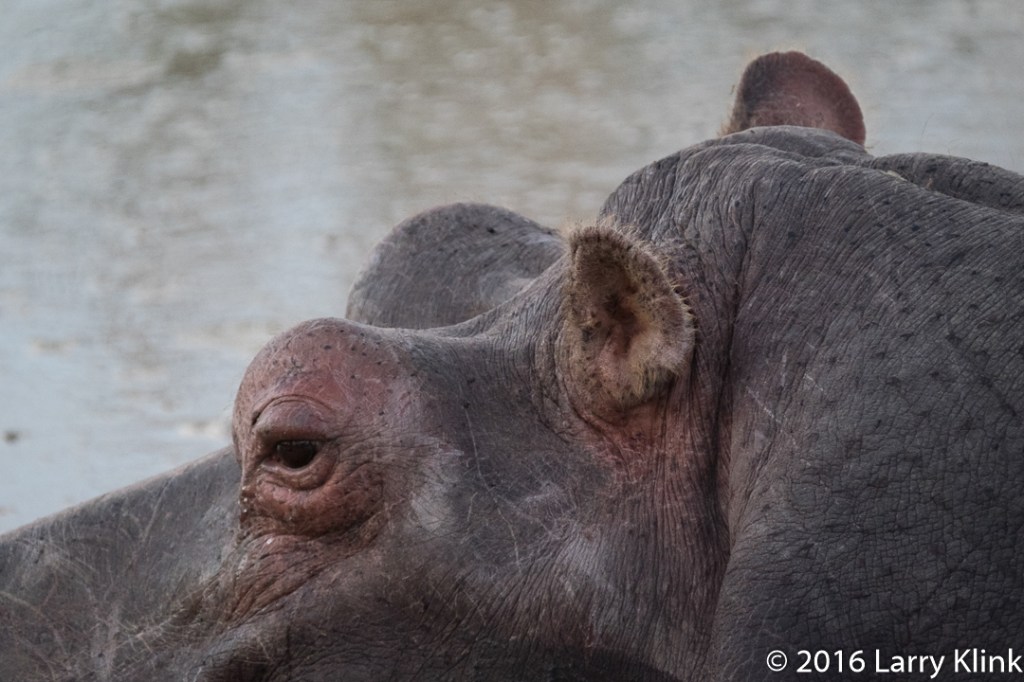
A Pensive Hippopotamus (Hippopotamus amphibius)
Elephant Plains Game Lodge, Sabi Sands, South Africa; AUG 2016
Don’t Mess WIth Me; Hippopotamus (Hippopotamus amphibius)
Elephant Plains Game Lodge, Sabi Sands, South Africa; AUG 2016
You’re in My watering hole; Hippopotamus (Hippopotamus amphibius)
Elephant Plains Game Lodge, Sabi Sands, South Africa; AUG 2016
The Face Off; Two Hippopotamuses Ready to Fight Over Water Hole
Elephant Plains Game Lodge, Sabi Sands, South Africa; AUG 2016
The Challenge; Two Hippopotamuses Ready to Spar
Elephant Plains Game Lodge, Sabi Sands, South Africa; AUG 2016
This Round is Underway; Two Hippopotamuses Fighting Over Water Hole
Elephant Plains Game Lodge, Sabi Sands, South Africa,; AUG 2016
The Round Continues; Two Hippopotamuses Continue to Spar Over Water Hole
Elephant Plains Game Lodge, Sabi Sands, South Africa; AUG 2016
Attack and Defense; Two Hippopotamuses Continue to Spar Over Water Hole
Elephant Plains Game Lodge, Sabi Sands, South Africa; AUG 2016
The Vanquished Hippopotamus Departs;
Two Hippopotamuses Continue to Spar Over Water Hole
Elephant Plains Game Lodge, Sabi Sands, South Africa; AUG 2016 #Photography
Battle Over;
Hippopotamus with Red-billed Oxpecker ;
After many rounds, the battle is over, the challenger is vanquished.
Elephant Plains Game Lodge, Sabi Sands, South Africa, AUG 2016
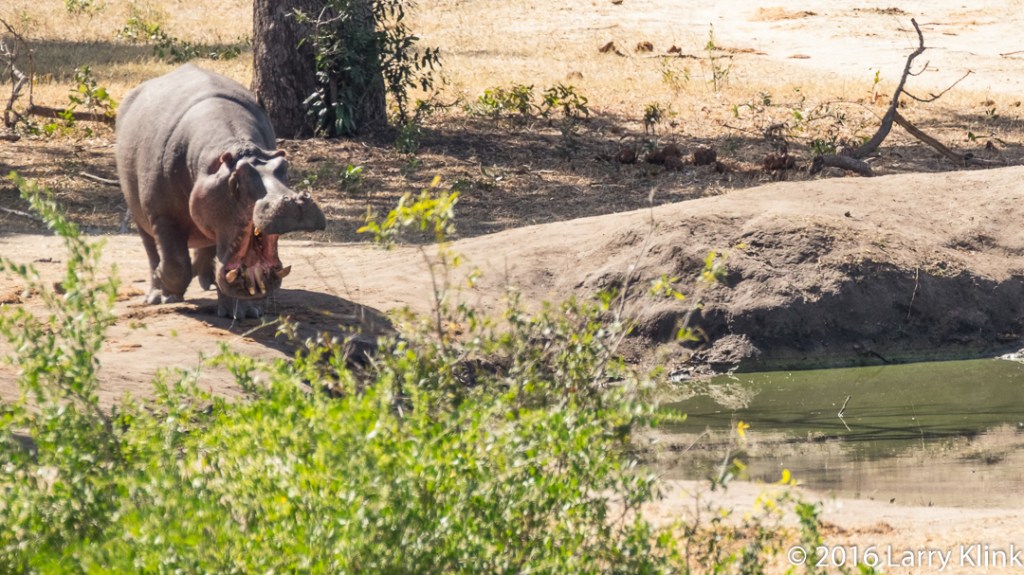
Hippopotamus Foraging on Land – P2
Kruger National Park, South Africa; AUG 2016
Sunbathing Hippopotamuses
Kruger National Park, South Africa; AUG 2016
Hippo in Reflection
Kruger National Park, South Africa; AUG 2016

These and other images are available to purchase on my website: www.earthwatcher.us or by contacting larry.klink@earthwatcher.us.