I am sharing 4 images from one of my favorite local spots to photograph. I am drawn to the spot, just outside Folsom, CA, because it is an oak dotted rangeland typical of this area of California.
One of the images is a black and white version of another in the set. I thought it looked very dramatic in black and white.
Please click on caption to se image at higher resolution.
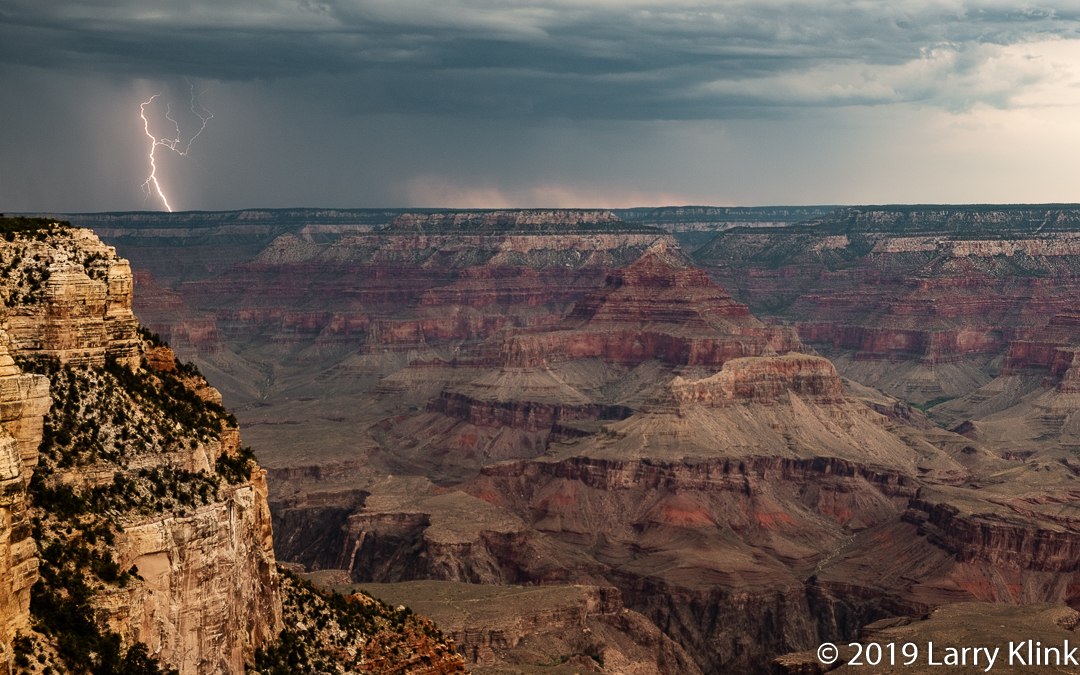
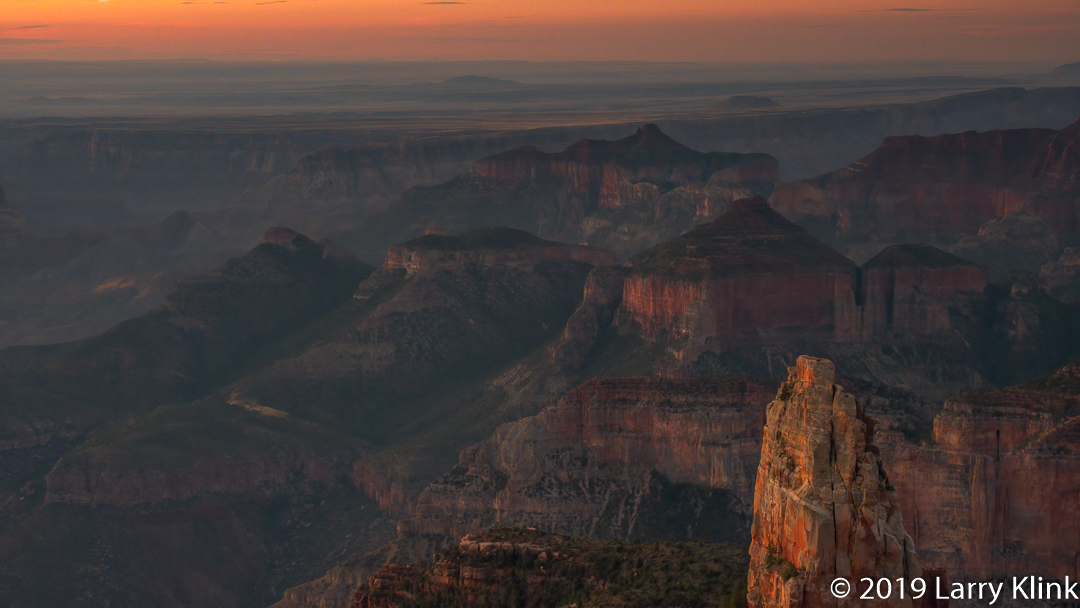
I recently had the privilege to photograph the Grand Canyon
during the monsoon season of Southwestern North America. It was a marvelous
time to visit this national wonder. We were treated to dark and stormy skies, lightning,
rainbows and vivid sunrises and sunsets.
I generally don’t think of the southwestern US as having a
monsoon season, after all, it is largely desert. I think of torrential rains in
places like India and the eastern coast of Africa. But, the monsoon season in southwestern
North America is very real. The term monsoon refers to the seasonal wind shift
that brings in warm, humid air. Those winds cause most of the rainfall received
by the desert southwest each year – all 1” to 8” of it; sometimes more and
sometimes less. It can be responsible for torrential downbursts that cause
flash flooding and lightning induced wildfires.
The southwestern North American monsoon season generally
starts in early July and runs through September.
In this post, I am sharing a few of the images I took while at the Grand Canyon. I’ll share a few more later this week.
Note: Please click on caption to see image at higher resolution.
On a recent road trip, we spent a day at Joshua Tree National Park near
Twentynine Palms, CA. The trip was, in part, motivated by a chance to
photograph the Milky Way over the park. It was our first trip to Joshua Tree NP
and we really did not know what to expect other than it was a desert landscape
with Joshua Trees. It was indeed a desert landscape typical of the American
Southwest. It has beautiful eroding, rolling hills covered by talus – piles of
rocks eroded from the hillside. There were large, weathered boulders throughout
the park that people used for climbing. We learned that it is a very popular rock-climbing
location.
The desert was in bloom with ocotillo, cholla, desert senna,
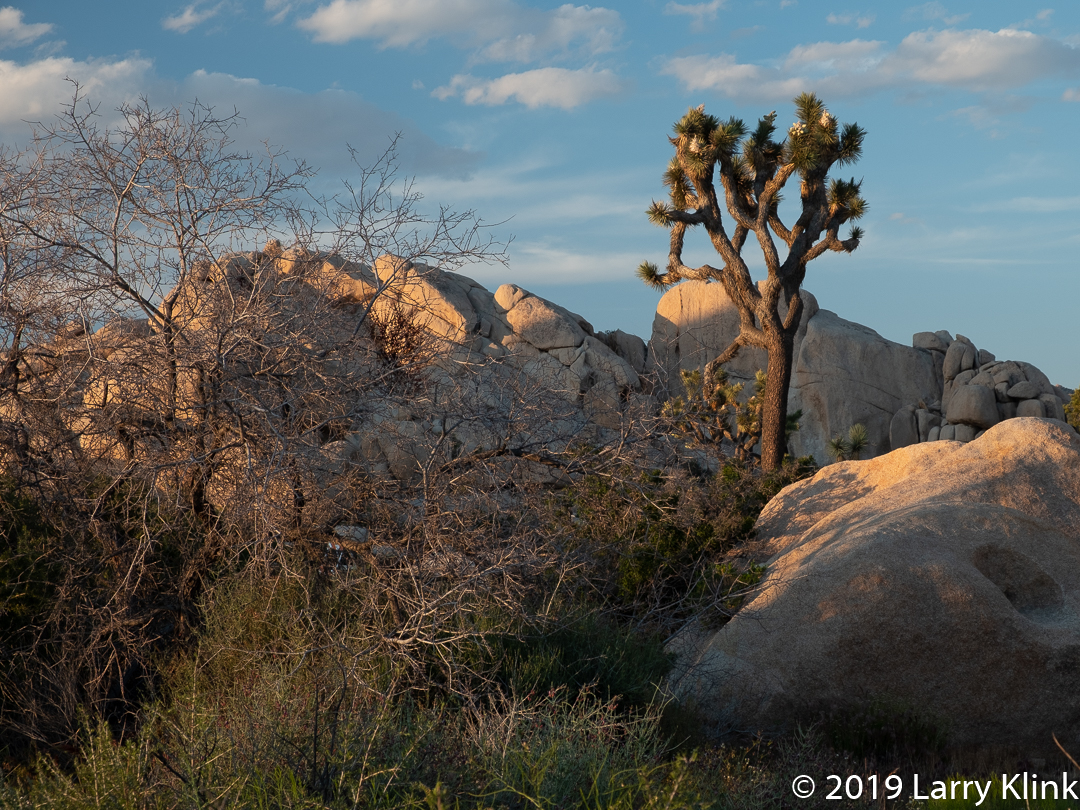
Mojave mound cactus and many other plants. But, the signature plant of the park
is the Joshua Tree. The Joshua tree is a large tree like plant with hard spiky
leaves. Despite looking like both a tree and a cactus, it is neither. It is a
plant in the Yucca family (Yucca brevifolia). The oldest one in the park is
about 350 years old. Because it is not a tree, it doesn’t have the woody structure
to bear all of its weight, so, when branches get to big, they bend and fall to
the ground. We missed seeing them in bloom on this trip, but they were
developing their seed pods. I like them so much; I’d like to have one in my
backyard but they only grow in the Mojave Desert between 4,000 and 5,000 feet
in altitude.
Our night sky photo shoot was spectacular. The Milky Way
didn’t rise until after midnight. It was a pleasantly warm evening and we had
to scramble over some boulders, in the dark, to get to a ledge on another large
boulder. That location was picked because The Arch was directly in front of us
and our goal was to shoot the Milky Way over The Arch. I hadn’t done a night
sky shoot in a very long time, so it was great to knock the rust off my skills.
The only disappointment in the shoot was light pollution. When you look at the
Milky Way image, you’ll see the sky has a greenish cast along the horizon. That
cast is the light rom the Palm Springs and Indio areas of Southern California.
Indio is 25 miles from the park.
I want to give a shout out to Casey Kiernan of Joshua Tree Workshops for guiding us in a great night sky workshop and fun time.
Please click on caption to see image at higher resolution.








 Earthwatcher