At the Elderberry Bush

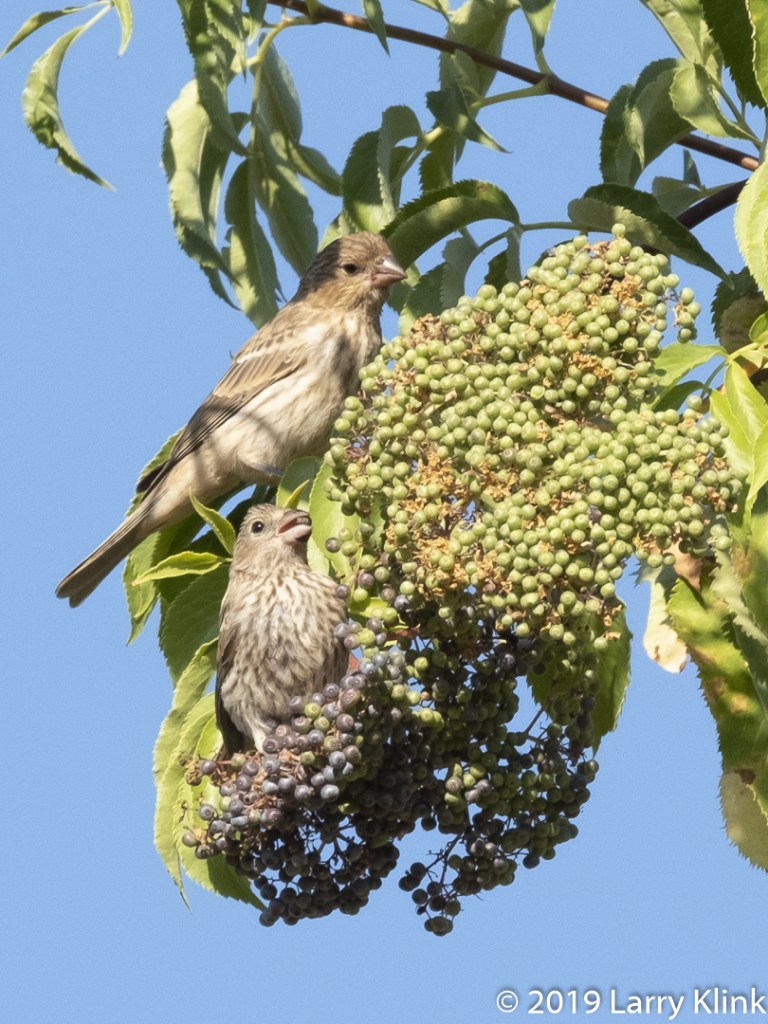
Female House Finch (Haemorhous mexicanus) on Blue Elderberry Bush;
Effie Yeaw Nature Center, Sacramento, CA; JUL 2019

The Blue Elderberry (Sambucus nigra ssp. caerulea), also known as the  Mexican Elderberry, or Tapiro is a deciduous shrub or small tree, growing to as tall as 30 feet. It is native from Oregon to Baja and into western Texas. It has cream or yellow flowers in the spring and purple berries in the fall. Its berries are one of the most important sources of food for birds in California. [i]  It was also an important source of food and medicine for the Native Americans and early European settlers who inhabited this region.

In the book “Seaweed, Salmon and Manzanita Cider”, Rhonda Robles of the Ajachmem, explains that the elderberry was well known to her ancestors. The elderberries are said to be helpful for bronchitis, sore throats, coughs, asthma, colds, and constipation. They also induce perspiration to break a fever. She also states that recent research has found that elderberries stimulate and build up the resistance of the immune system, and they also directly inhibit the influenza virus. In addition, elderberries are loaded with minerals, antioxidants, and vitamin C. Indeed, elderberry products can be found in the cold and flu section of pharmacies and other stores.

The book “Living Wild” has recipes for champagne and wine made from the elderberry flower and syrup and pancakes made from the berries.

We must be careful however in using elderberries. They must be dried or cooked before eaten. Never eat elderberries raw. They contain a cyanide-inducing glycoside. Eating a sufficient quantity of these cyanide-inducing glycosides can cause a toxic buildup of cyanide in the body and make you ill.

Birds, however, like elderberries a lot and don’t appear to get sick when they eat them raw. Over the course of the season, I was able to photograph several birds enjoying elderberry fruit.


[i] California Native Plant Society, https://calscape.org/Sambucus-nigra-ssp.-caerulea-(Blue-Elderberry)

Note: Please click on caption to see images at higher resolution.

Phainopepla (Phainopepla nitens) on Blue Elderberry Bush
Lake Natomas, American River Parkway, Orangevale, CA
European Starling (Sturnus vulgaris) on Blue Elderberry Bush;
Effie Yeaw Nature Center, Sacramento, CA; JUL 2019
Male House Finch on Blue Elderberry Bush
Effie Yeaw Nature Center, Sacramento, CA; JUL 2019
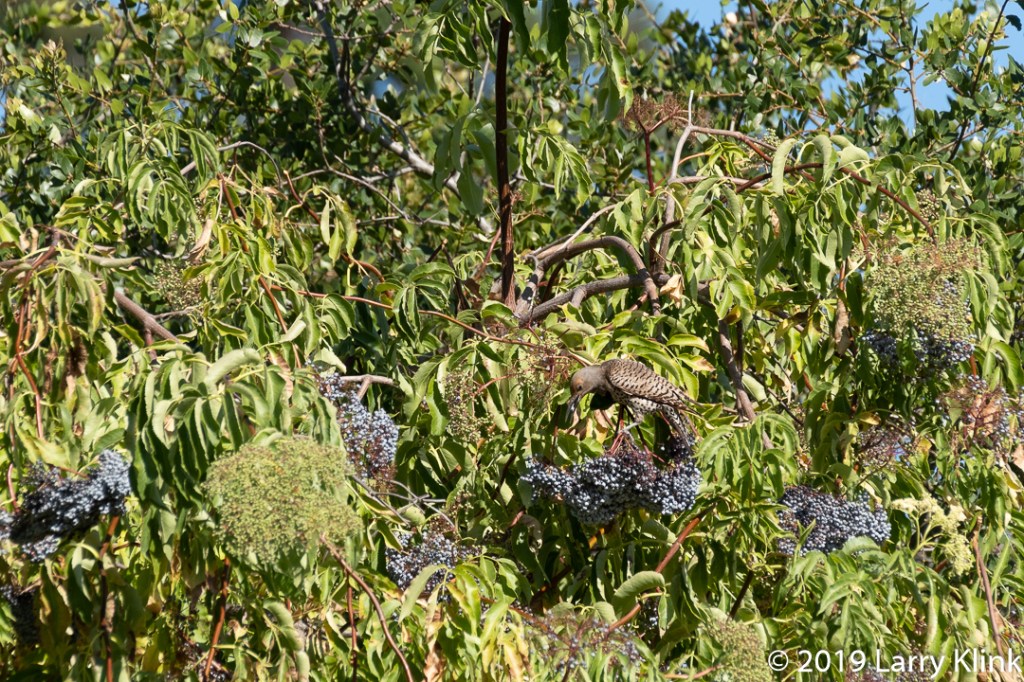
Northern Flicker (Colaptes auratus) on Blue Elderberry Bush
Effie Yeaw Nature Center, Sacramento, CA; JUN 2019

These and other images are available to purchase on my website: www.earthwatcher.us or by contacting larry.klink@earthwatcher.us.

Errata: In my original post, I misidentified the Phainopepla as an Oak Titmouse
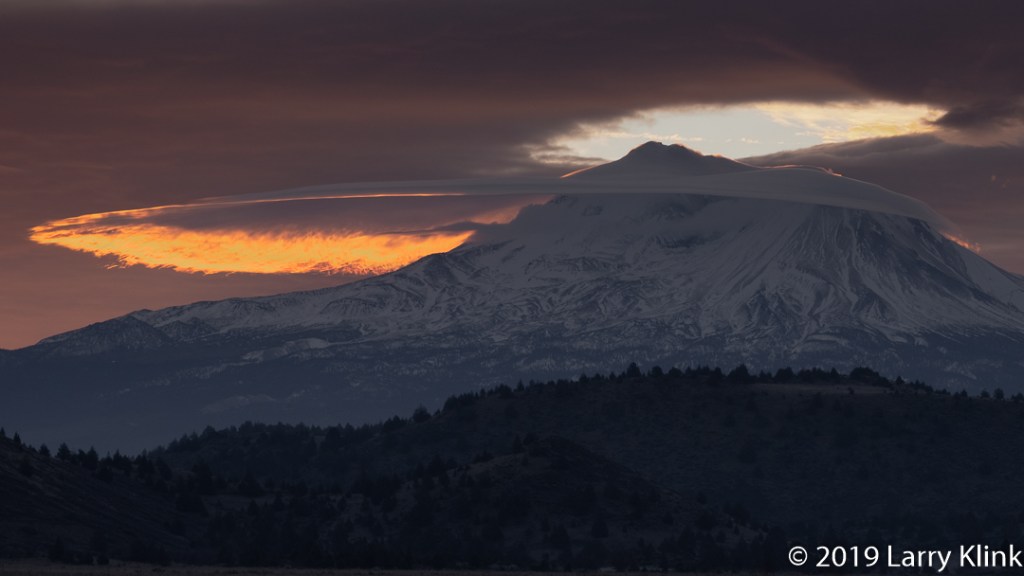
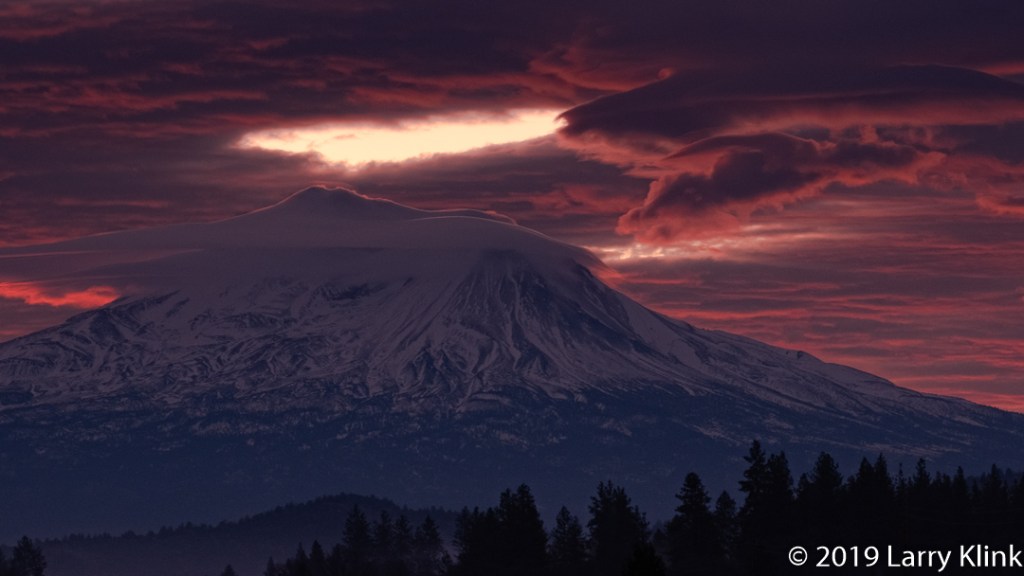
Mt Shasta – Ring of Fire

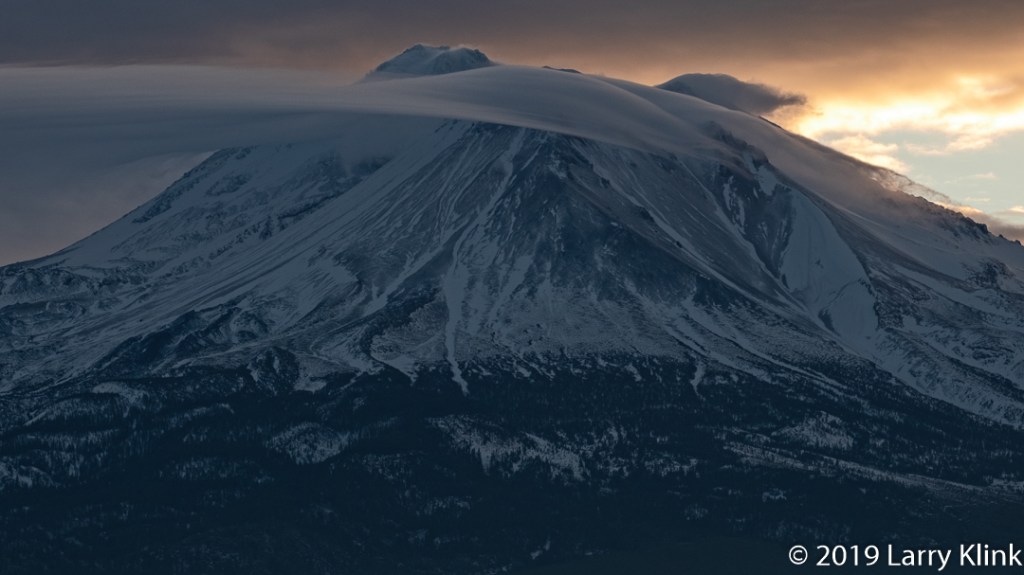
Mt Shasta at Sunrise – Ring of Fire
Weed Airport Road, Weed, CA; DEC 2019

On the way home from a Christmas trip, we got off to an early start, Much to our good fortune, we hit the Oregon-California border just as the sunlight was breaking to the east and was treated to a magnificent site – the skies above Mt Shasta appeared to be on fire. The peak was covered with a thin lenticular cloud that looked life a flowing gossamer fabric. Sometimes nature rewards you with some awesome treats.

Please click on caption to see images at higher resolution.

Mt Shasta at Sunrise – P2
Weed Airport Road, Weed, CA; DEC 2019
Mt Shasta at Sunrise – P1
Interstate 5 North of Weed, CA; DEC 2019
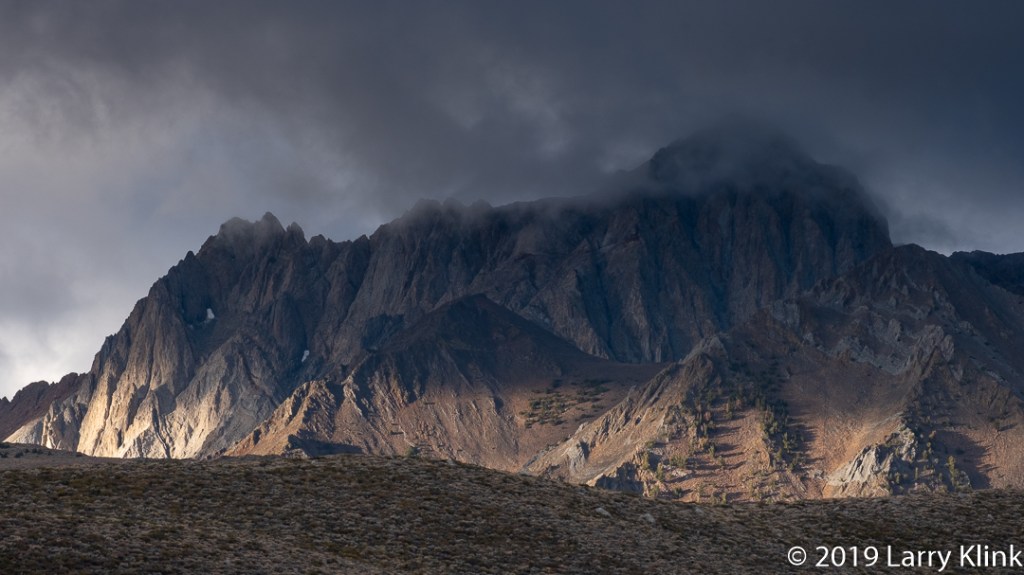
Mt Shasta on a Gloomy Afternoon
Slough Road, Weed, CA; DEC 2019

These and other images are available to purchase on my website: www.earthwatcher.us or by contacting larry.klink@earthwatcher.us.

A Few More Birds

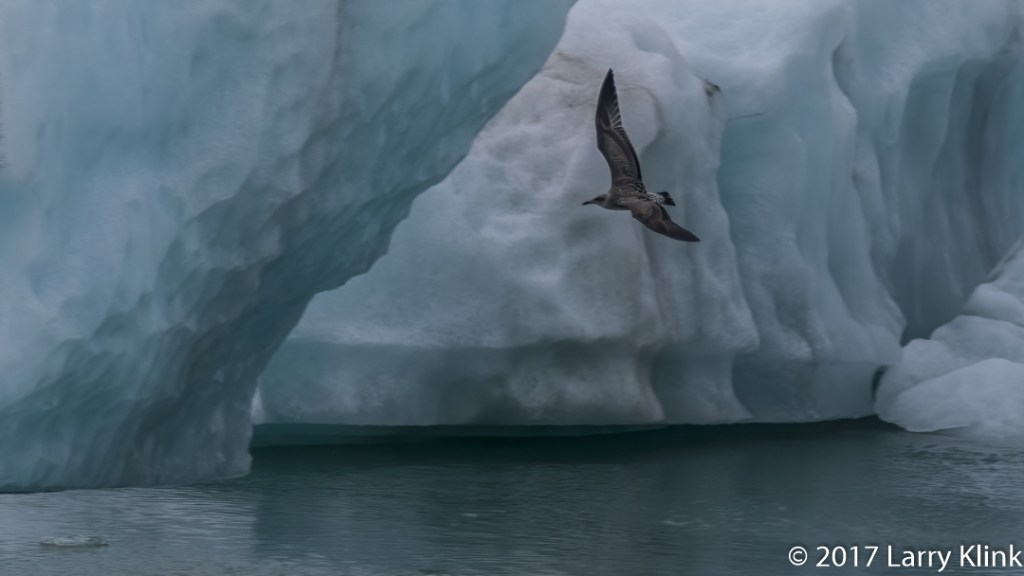
Herring Gull (Larus argentatus) Navigating Icebergs
Jokulsarlon (Glacier) Lagoon, Iceland; SEP 2017

A few more birds, mostly from 2019; the Herring Gull is from Iceland in 2017.

The icebergs at Jokulsarlon are a magnificent site to behold. But I became fascinated by the life around them. Birds soared through them, presumably hunting. I am sure there were bird noises as well as people noises, but I don’t remember any. I was in a zone of quiet concentration.

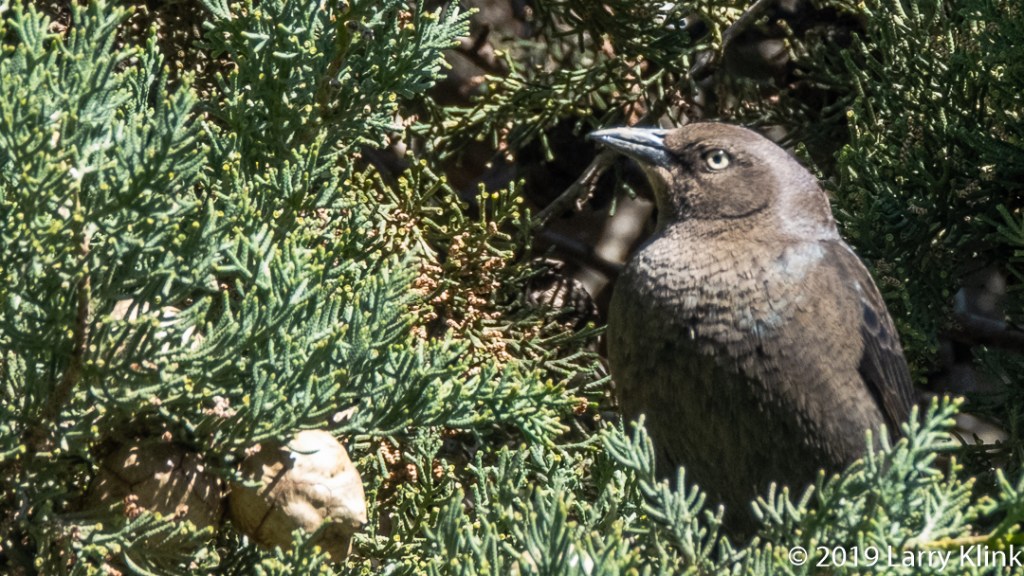
My normal encounter with Brewer’s Blackbirds is in the parking lot of fast food restaurants and supermarkets. They are opportunistic hunters. It was nice to observe them in more natural environments.

Please click on caption to see image at higher resolution.

Brewer’s Blackbird (Euphagus cyanocephalus)
Davis, CA; APR 2019
Female Brewer’s Blackbird (Euphagus cyanocephalus)
Davis, CA; APR 2019
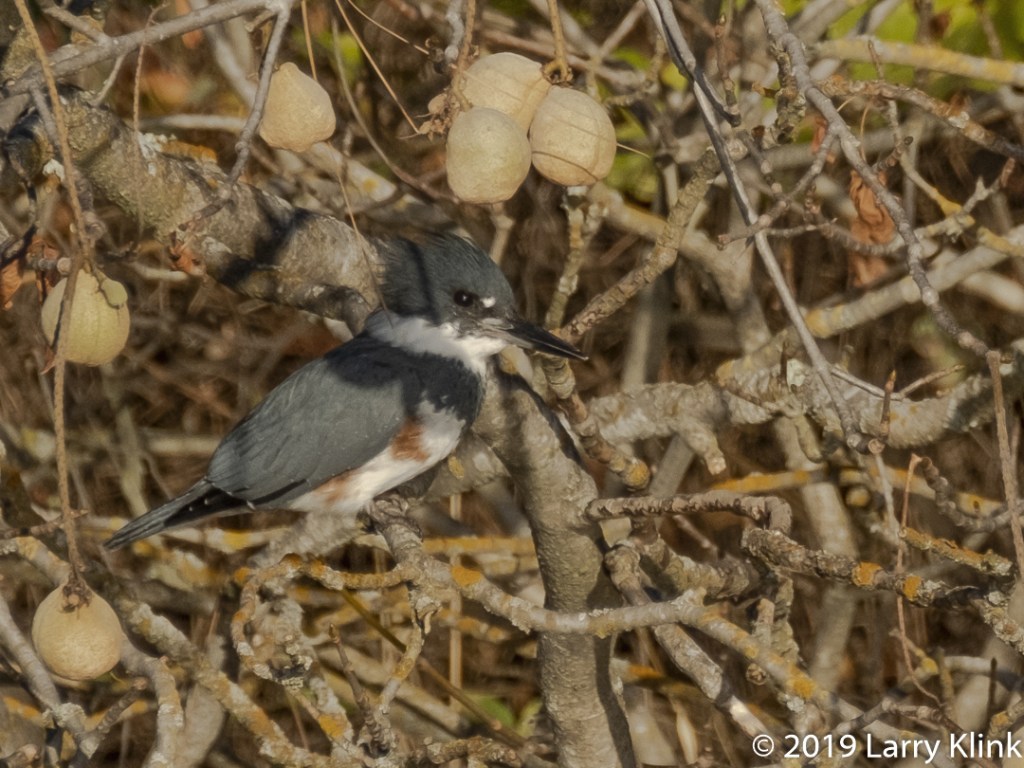
Female Belted Kingfisher (Megaceryle alcyon)
Lake Natomas, American River Parkway, Orangevale, CA
Cedar Waxwings (Bombycilla cedrorum)
Flocking together in large groups is a common behavior for cedar waxwings.
Effie Yeaw Nature Center, Sacramento, CA; OCT 2019
Female Brewer’s Blackbird (Euphagus cyanocephalus)
Owens River Road, Lee Vining, CA; OCT 2019
Brewer’s Blackbird (Euphagus cyanocephalus)
Owens River Road, Lee Vining, CA; OCT 2019

These and other images are available to purchase on my website: www.earthwatcher.us or by contacting larry.klink@earthwatcher.us

A Few More 2019 Landscapes

Fall Wildflowers
Near RT 88 @ Rt 89, CA; OCT 2019

Here are some landscapes that I photographed in the past year. These concentrate on how the landscape is enhanced by flowers and trees.

Note: Please click on caption to see images at higher resolution.

Serviceberry Bush against a Rock
Glacier National Park; May 2019
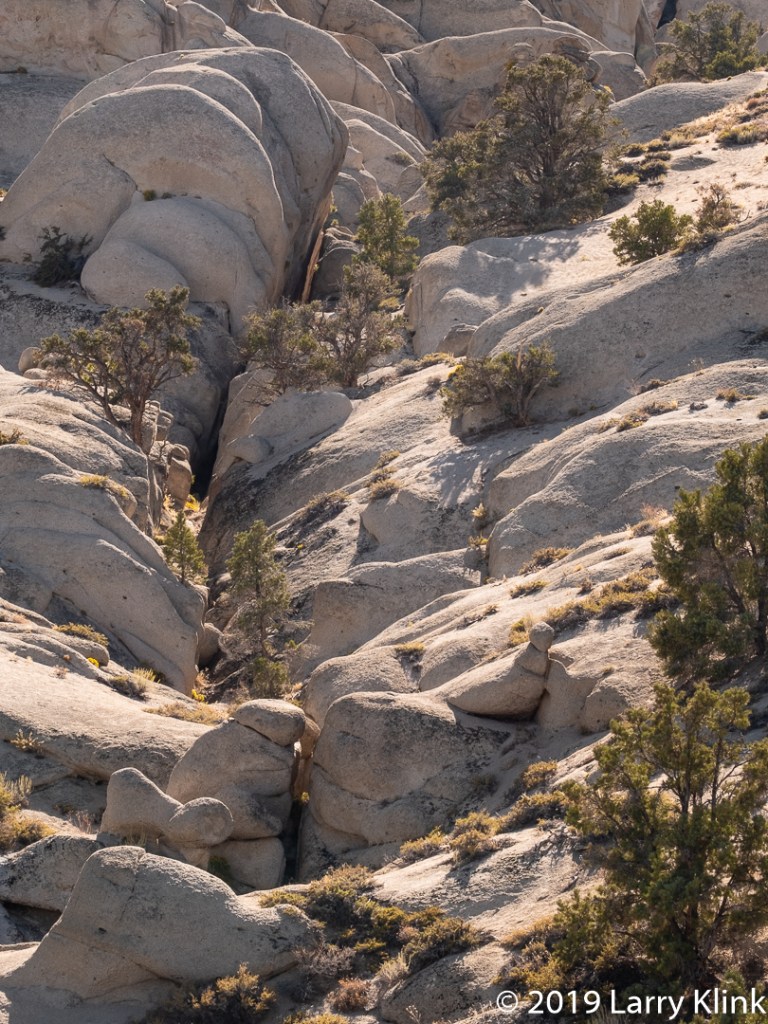
Life Where the Water Flows
Buttermilk Road, Bishop, CA; OCT 2019
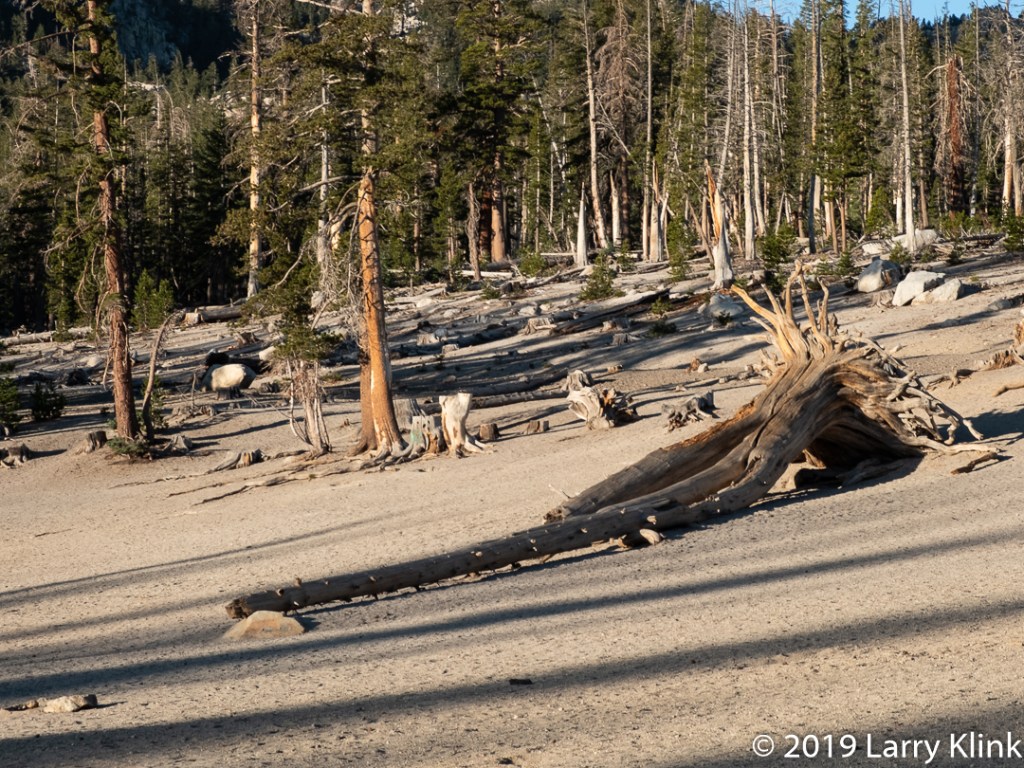
Fallen Tree
Horseshoe Lake, Mammoth Lakes, CA; OCT 2019
Autumn in the Buttermilks
Buttermilk Road, Bishop, CA; OCT 2019

These and other images are available to purchase on my website: www.earthwatcher.us or by contacting larry.klink@earthwatcher.us.

A Few Birds From 2019

Purple Finch (Haemorhous purpureus)
Effie Yeaw Nature Center, Sacramento, CA; OCT 2019

Here are a few more songbirds that I photographed in the past year.

Note: Please click on caption to see images in higher resolution.

Lesser Goldfinch (Spinus psaltria)
Willow Creek Area, American River Parkway, Folsom, CA; JUN 2019
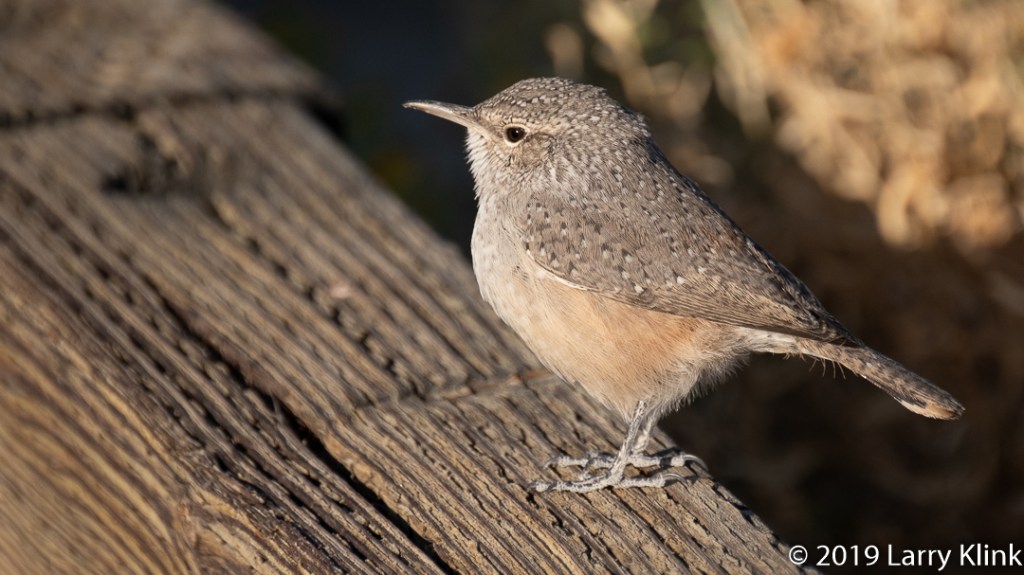
Rock Wren (Salpinctes Obsoletus)
Ash Meadows National Wildlife Refuge; OCT 2019
Purple Finch (Haemorhous purpureus)
Effie Yeaw Nature Center, Sacramento, CA; OCT 2019
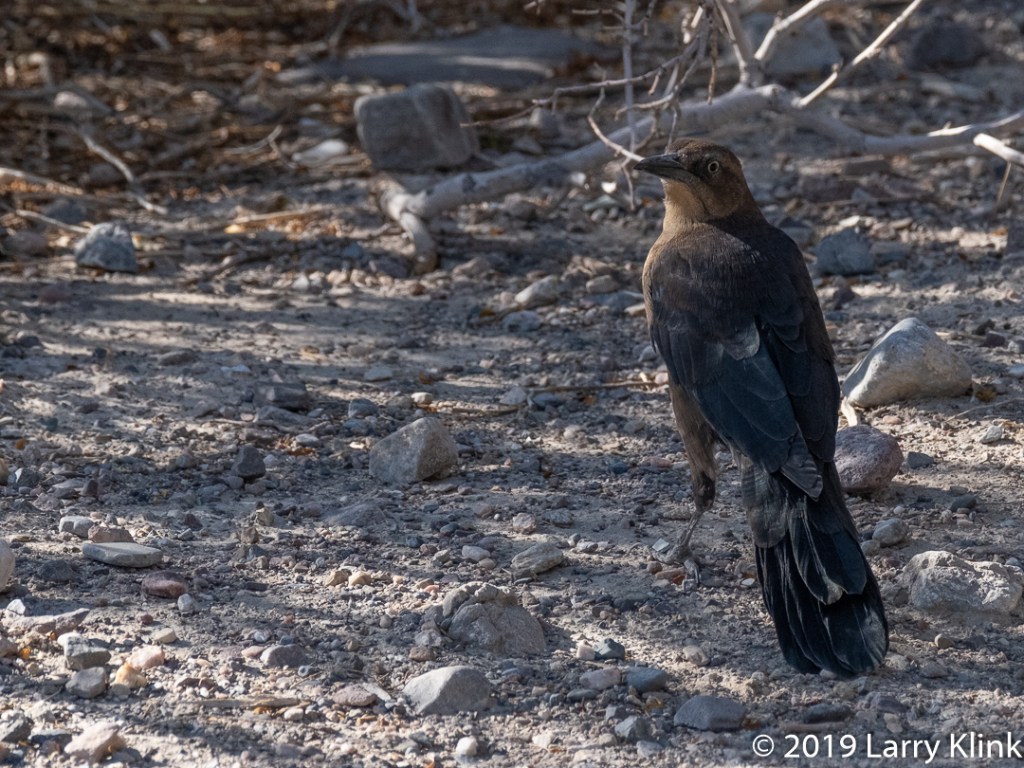
Female Great-tailed Grackle (Quiscalus mexicanus)
Furnace Creek, Death Valley National Park; OCT 2019
House Sparrow (Passer domesticus)
Stovepipe Wells,Death Valley National Park, CA; OCT 2019

These and other images are available to purchase on my website: www.earthwatcher.us or by contacting larry.klink@earthwatcher.us.
Swans

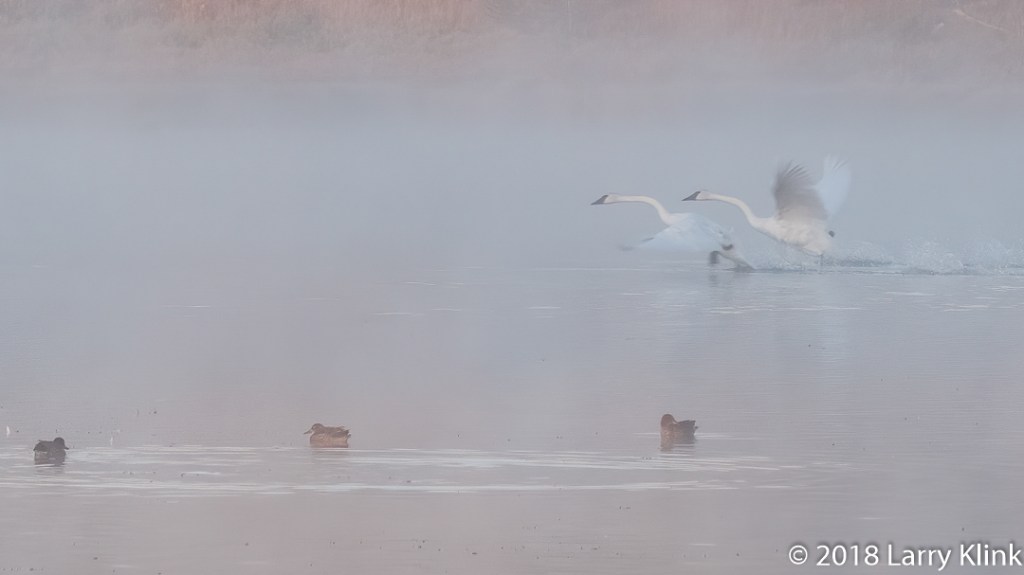
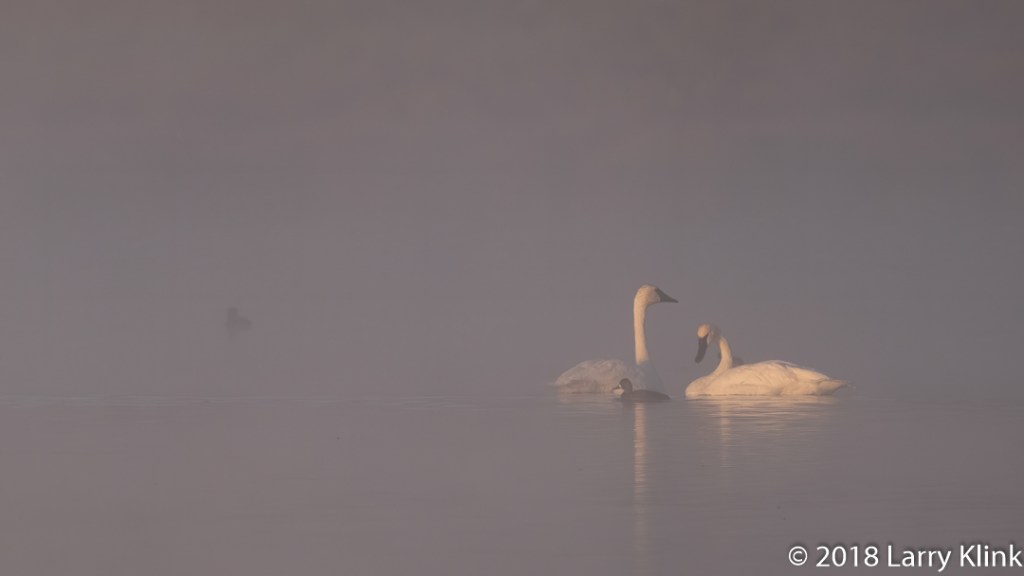
Trumpeter Swan (Cygnus Buccinator)
Swan Lake Flat, Yellowstone National Park; SEP 2018

Today I am sharing images of swans I’ve photographed over the past several years.

Trumpeter Swans (Cygnus Buccinator) are North America’s largest waterfowl. Thy can have a 6 foot wingspan and weigh as much as 26 pounds. According to All About Birds, a Website from Cornell Labs: “They breed on wetlands in remote Alaska, Canada, and the northwestern U.S., and winter on ice-free coastal and inland waters.” The odd thing here is that I found some on the icy Yellowstone River in February.

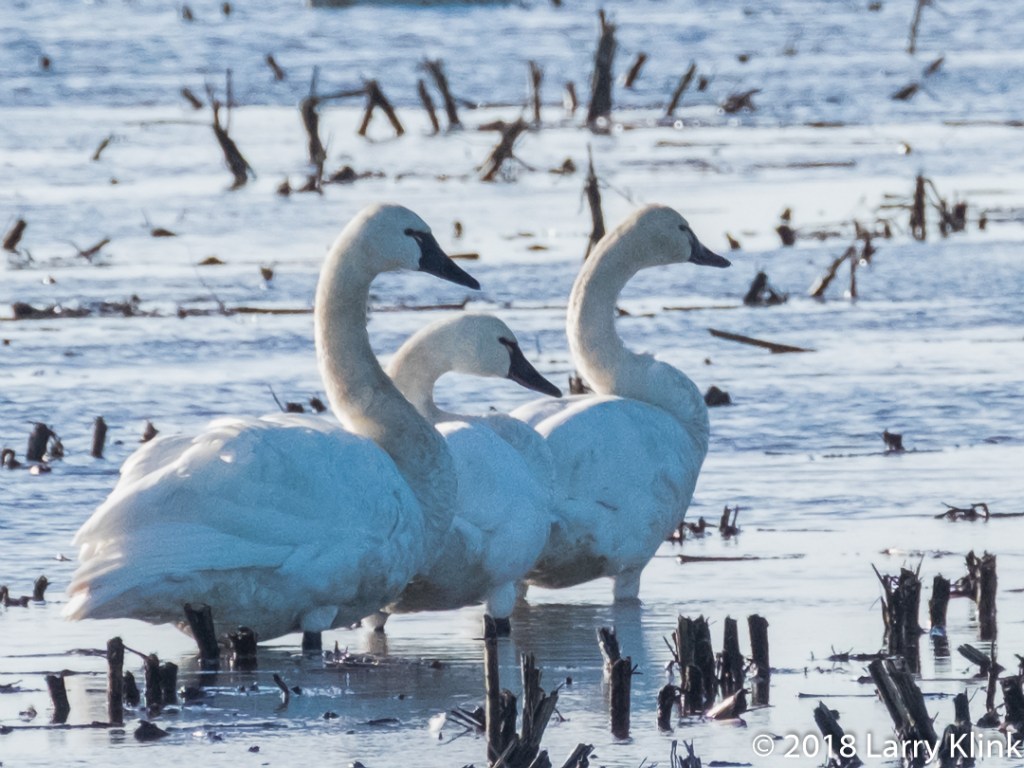
The Tundra Swan (Cygnus Columbianus) is a winter migrant to the US. We see them winter over on the Pacific Flyway from late October through about the end of February. They nest on arctic tundra. The Tundra Swan is sometimes called a Whistling Swan.

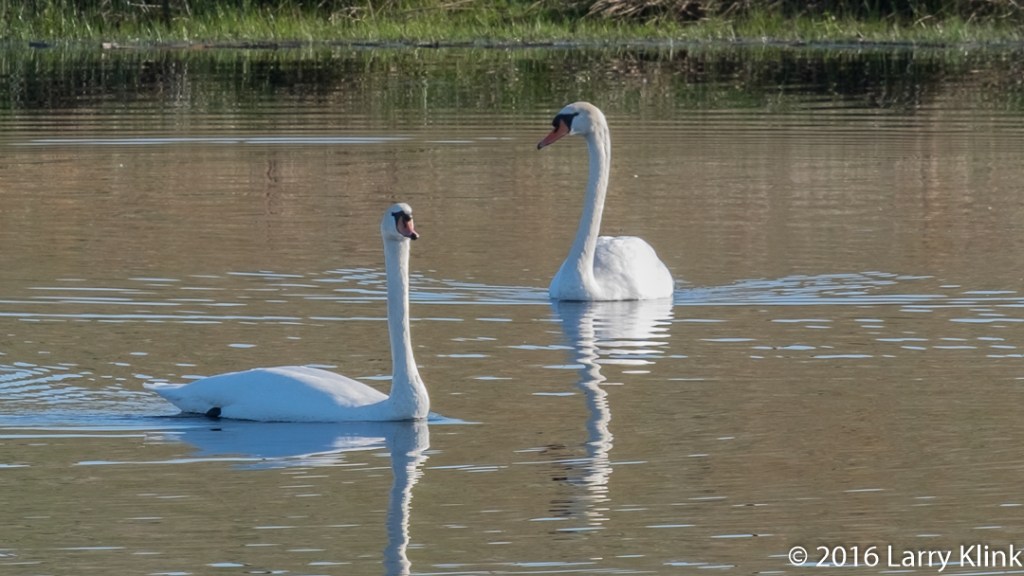
The Mute Swan (Cygnus Olor) is not native to North America; it’s a European immigrant. It is the swan we see in ponds and lakes at parks, farms and estates. According to All About Birds: “ All of the Mute Swans in North America descended from swans imported from Europe from the mid 1800s through early 1900s to adorn large estates, city parks, and zoos. Escapees established breeding populations and are now established in the Northeast, Mid-Atlantic, Great Lakes, and Pacific Northwest of the U.S.” The ones I am presenting may be from a wild colony or may be feral.

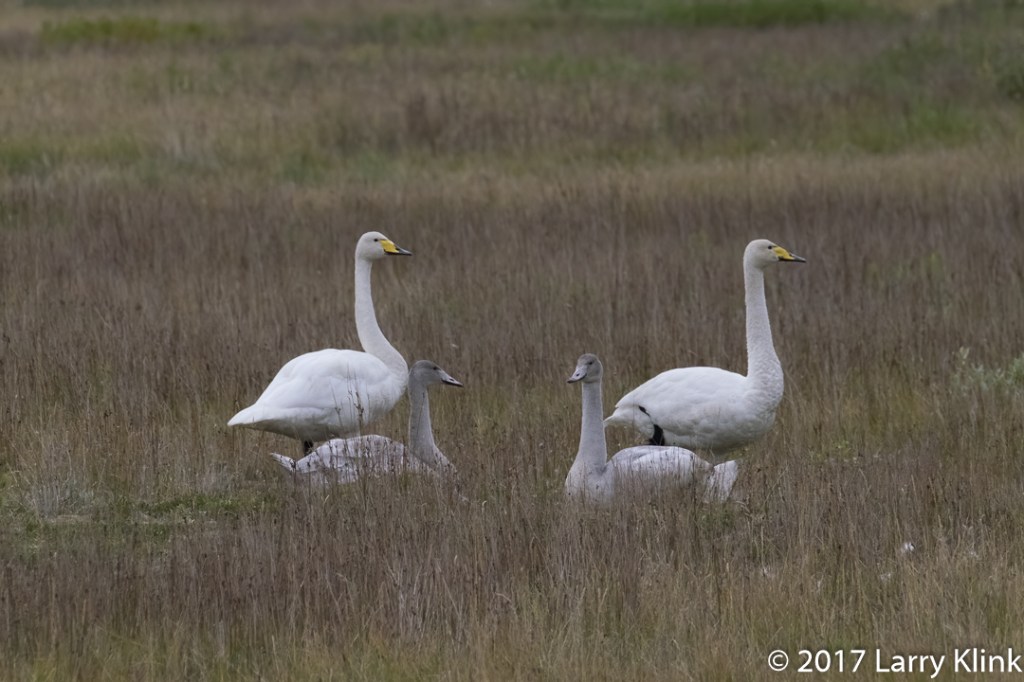
I found the Whooper Swans (Cygnus cygnus) in Iceland. According to Wikipedia, Whooper swans can migrate hundreds or even thousands of miles to their wintering sites in southern Europe and eastern Asia. They breed in subarctic Eurasia. Icelandic Whooper Swans breed and winter over in the United Kingdom and Ireland. They can have a wingspan of 9 feet and weigh over 30 pounds. Whooper Swans pair for life.

Please click on caption to see image at higher resolution.

Tundra Swans (Cygnus Columbianus)
Staten Island Road, Galt, CA; JAN 2018
Whooper Swans (Cygnus cygnus)
South Coast of Iceland; SEP 2017
Mute Swan (Cygnus Olor)
Scott Road, Folsom, CA; FEB 2016
Trumpeter Swans (Cygnus Buccinator) – P1
Yellowstone River, Yellowstone National Park, WY, FEB 2013
Trumpeter Swans (Cygnus Buccinator)
Swan Lake Flat, Yellowstone National Park; SEP 2018
Mute Swan (Cygnus Olor) – P2
Willow Creek Recreation Area, Folsom, CA; OCT 2019
Trumpeter Swans at Sunrise (Cygnus Buccinator) -P1
Swan Lake Flat, Yellowstone National Park; SEP 2018
Trumpeter Swans (Cygnus Buccinator) at Sunrise – P2
Swan Lake Flat, Yellowstone National Park; SEP 201
Trumpeter Swan (Cygnus Buccinator) – P2
Yellowstone River, Yellowstone National Park; FEB 2013

These and other images are available to purchase on my website: www.earthwatcher.us or by contacting larry.klink@earthwatcher.us.

Vultures and Other Scavengers

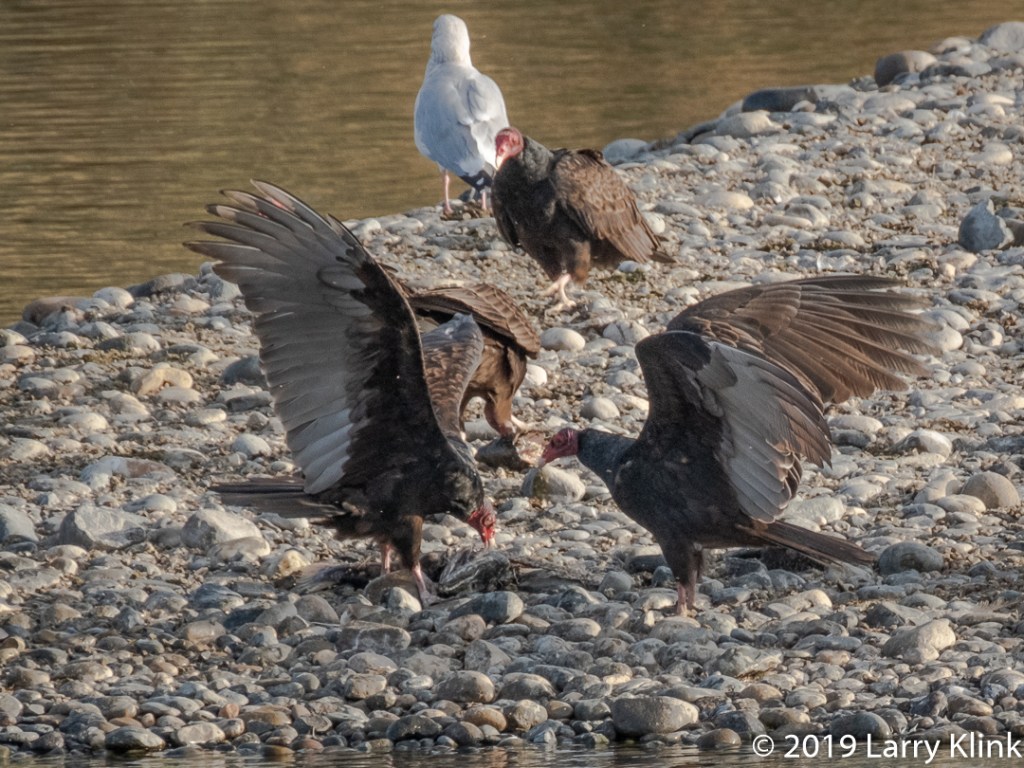
Turkey Vultures (Cathartes aura) Feeding On Salmon;
Lake Natomas, American River Parkway, Gold River, CA; NOV 2019

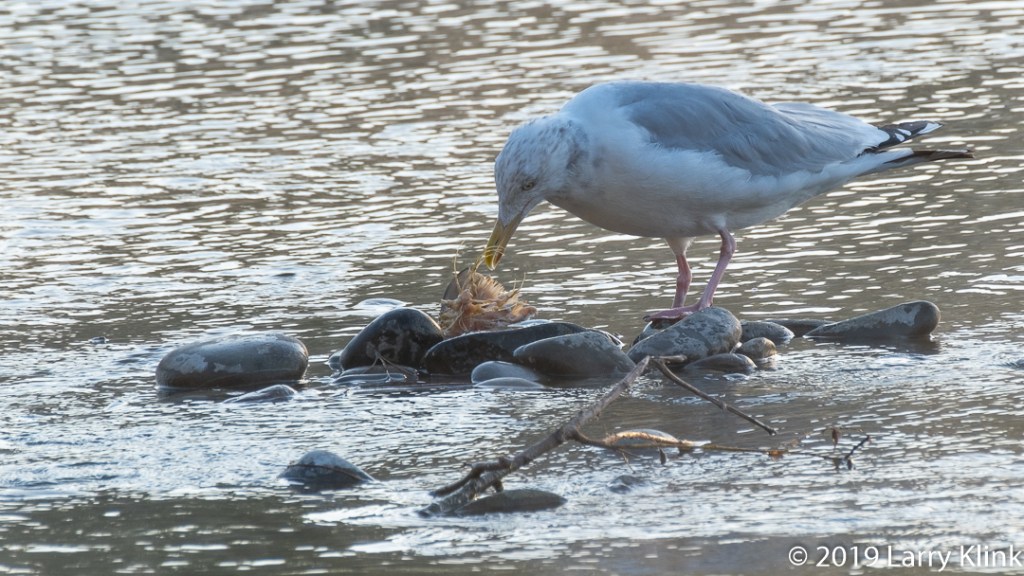
In Sacramento, we are privileged to live along the American River. This mighty river is one of many that provide spawning territory for salmon. Spawning is the last great act of these creatures; after they spawn, they die. Though it is the end for them, their death provides nutrients for plants and other animals. When the Salmon run gets underway, migrating Turkey Vultures and Gulls arrive and supplement the year-around population and clean up the carcasses.

Scavenging is not limited to the Salmon carcasses. I’ve also found a Raven with the carcass of a dead bird. Hunting and killing is not normal behavior for the Raven so most likely it found the carcass.

Look closely at the rocks among the vultures. Some of what looks like rocks are part of the carcasses.

Note: Please click on caption to see images at higher resolution.

Turkey Vultures (Cathartes aura) Feeding On Salmon;
Lake Natomas, American River Parkway, Gold River, CA; NOV 2019
Western Gull (Larus occidentalis) Picking on Salmon
Effie Yeaw Nature Center, Sacramento, CA; OCT 2019
Common Raven (Corvus corax) with Scavenged Meal;
Willow Creek Recreation Area, Folsom, CA; OCT 2019

These and other images are available to purchase on my website: www.earthwatcher.us or by contacting larry.klink@earthwatcher.us.

A Peak into the Life of the Hippopotamus

Foraging Hippo (Hippopotamus amphibius)
Kruger National Park, South Africa; AUG 2016

A Peak into the Life of the Hippopotamus

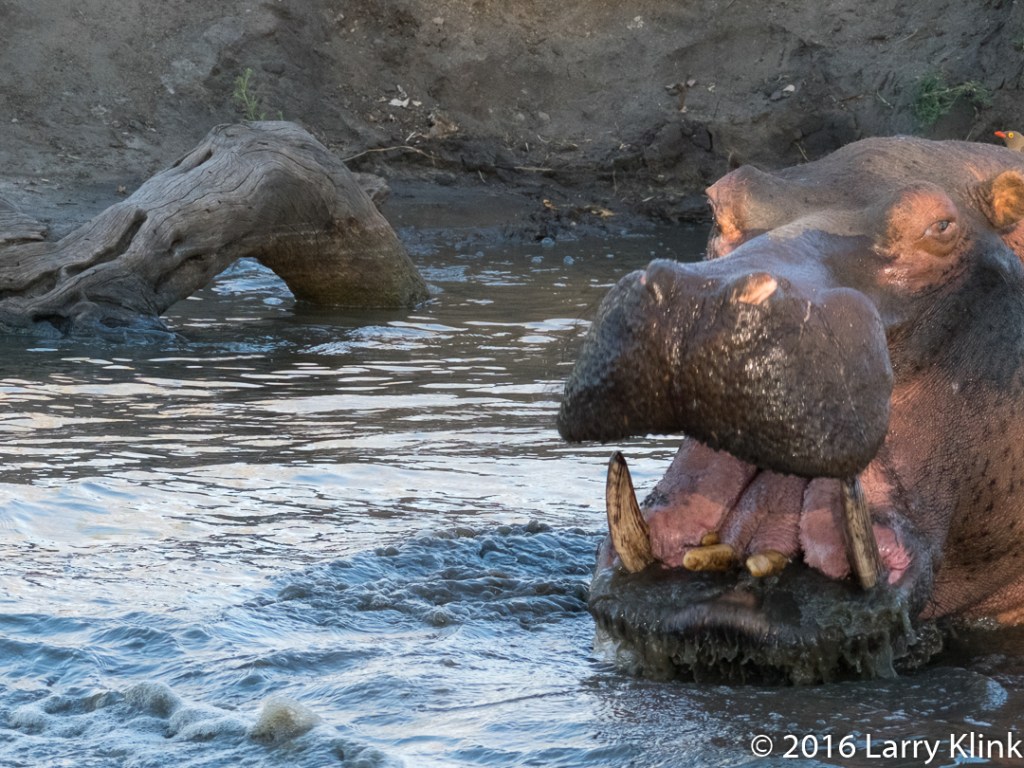
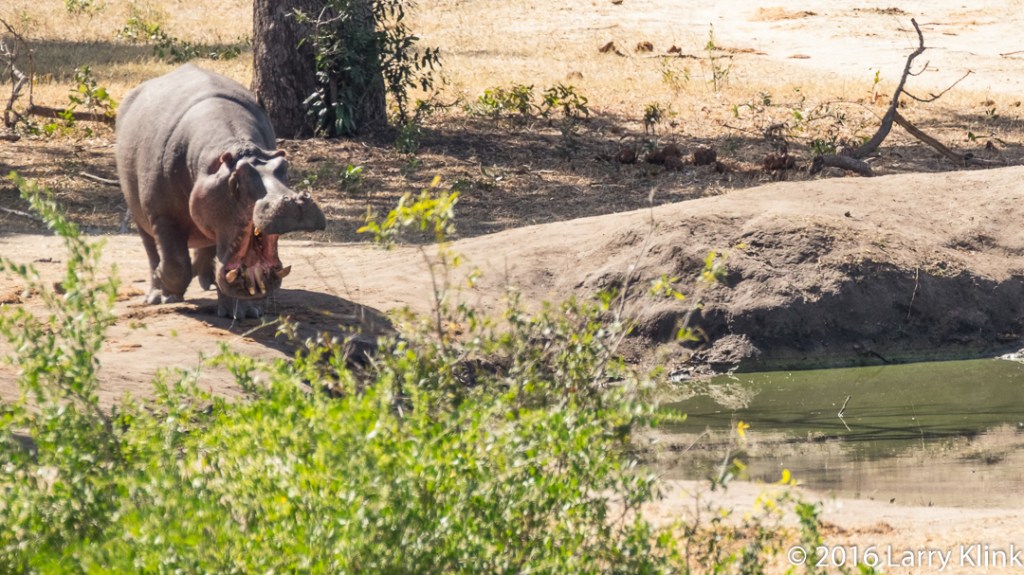
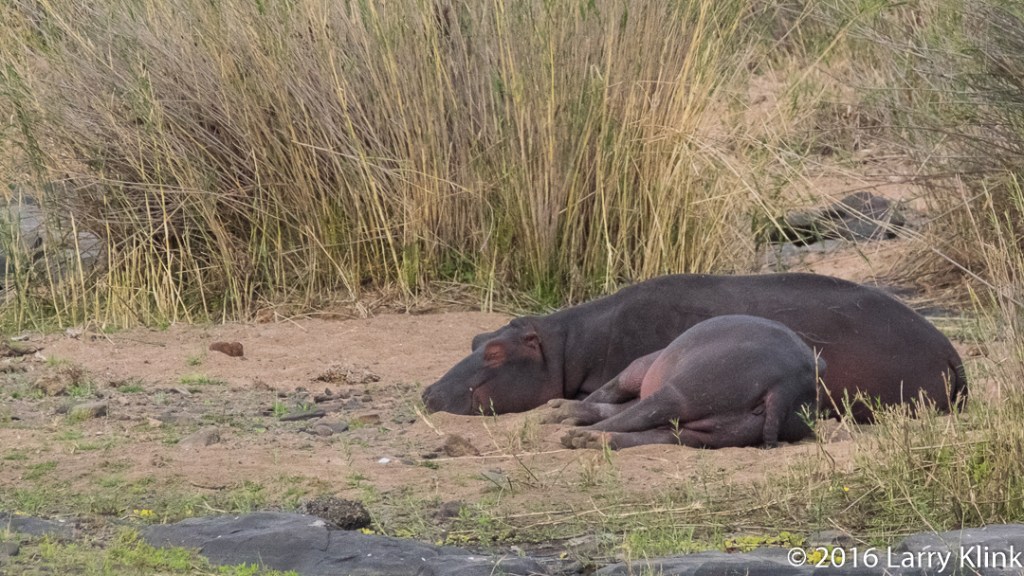
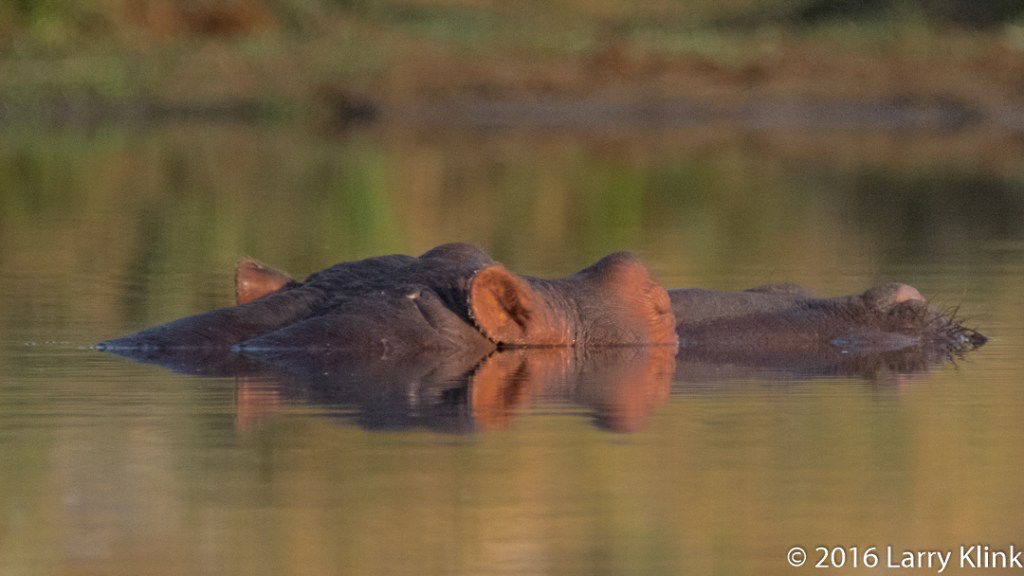
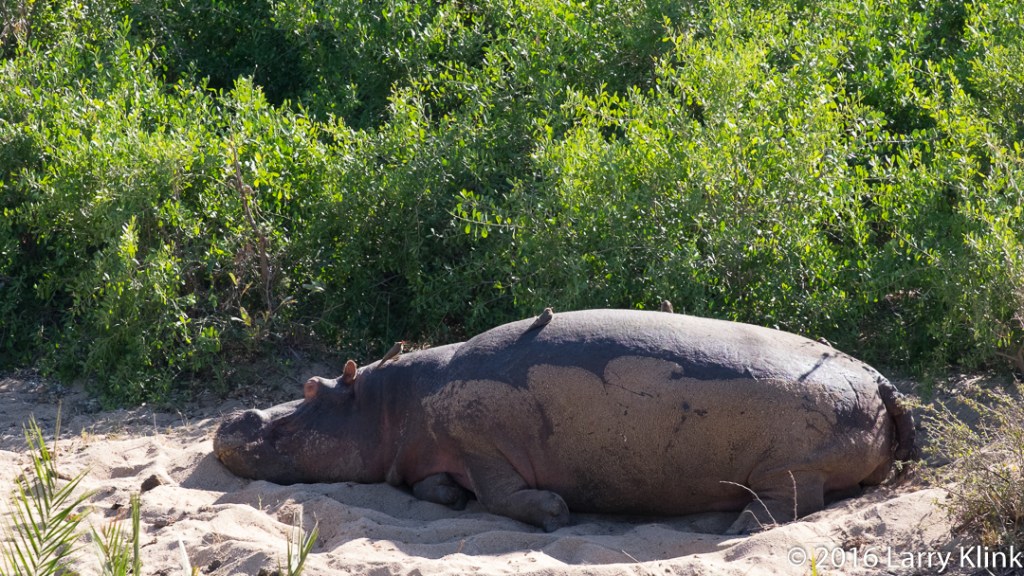
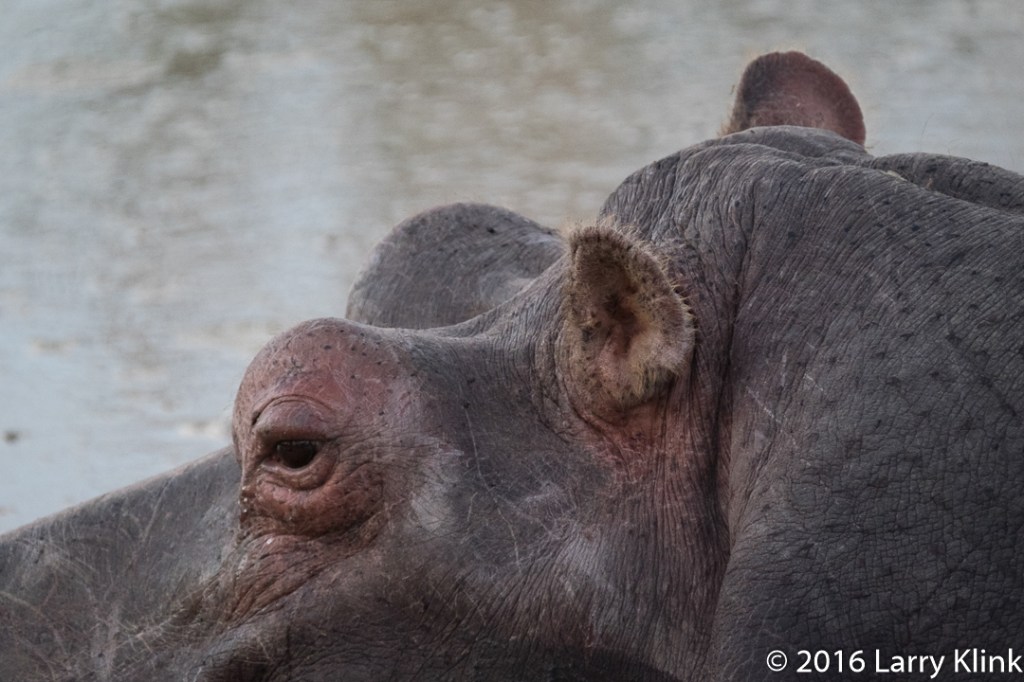
When I see pictures of the hippopotamus, it is usually the 2 iconic images: just the nose, eyes and maybe ears sticking out of the eater or just a little of the body above the waterline and with Oxpeckers on its back. I was recently going cleaning and organizing my photo library and took a new look at the images from our Africa trip 3 years ago. In it, was a good collection of hippos in the routine activities of their daily life. So, I thought I’d share them with you.

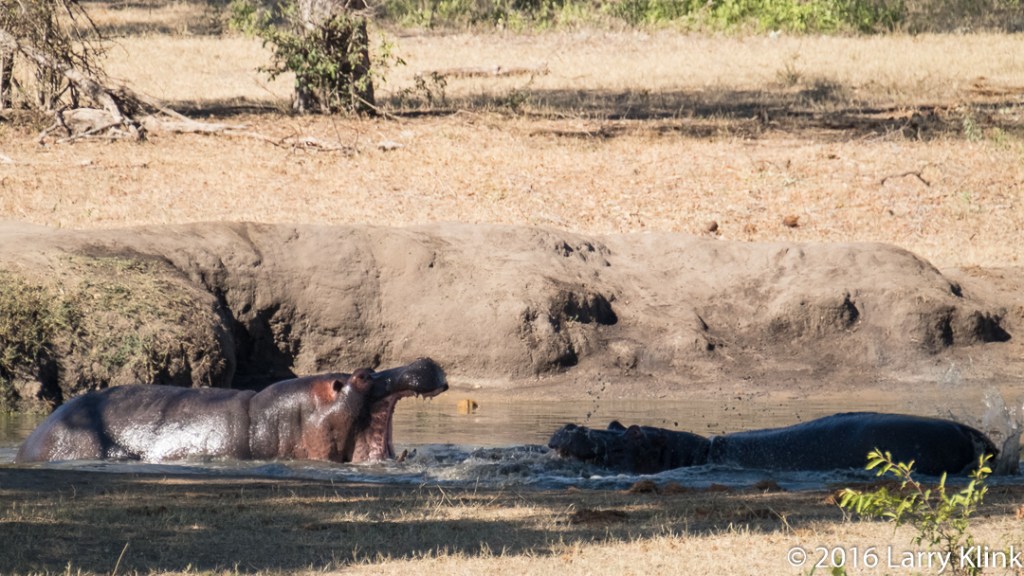
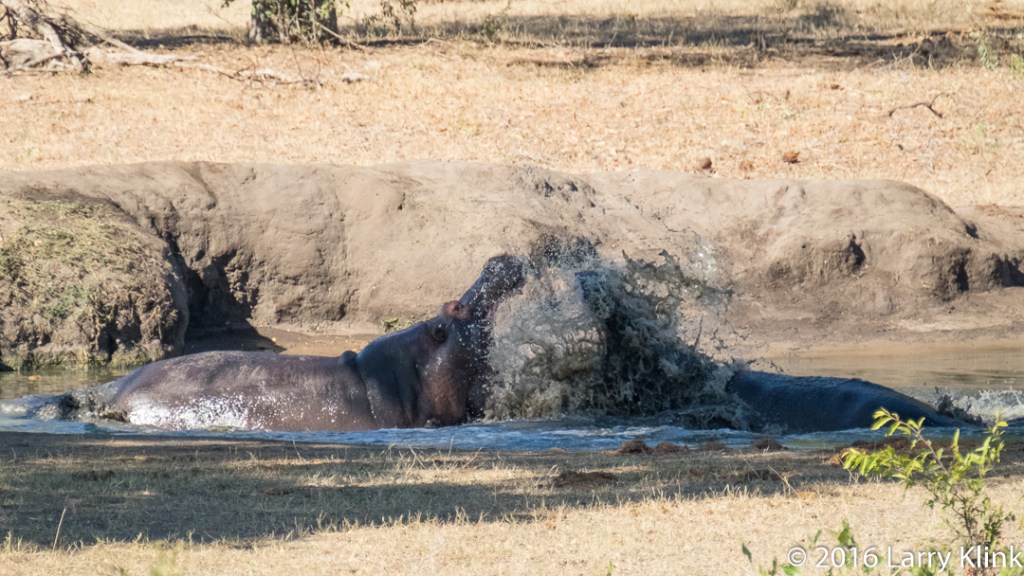
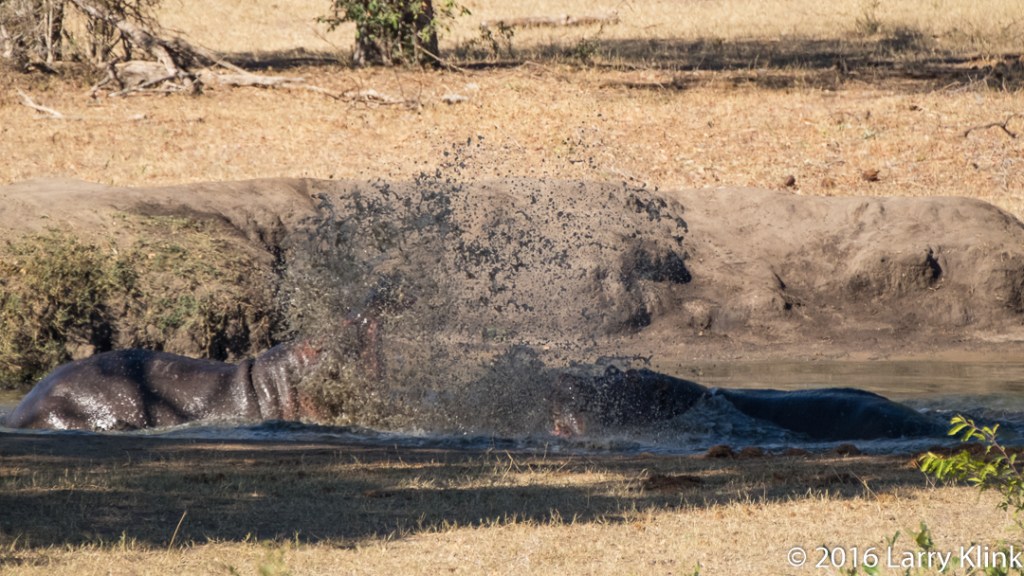
Some of the images involve a battle over a water hole. Watching that battle unfold was one of the most fascinating events I ever witnessed. I’ve observed that when deer, antelope, sheep and goats battle, it involves locking horns and pushing back and forth until one succumbs and backs off. The hippo battle was similar. They open their mouths wide and attack then push back and forth until one succumbs. But, it also has some similarities to the sumo wrestling I have seen. Two large, muscular, creatures embracing in battle for short periods, back off for a short while, then go at again.

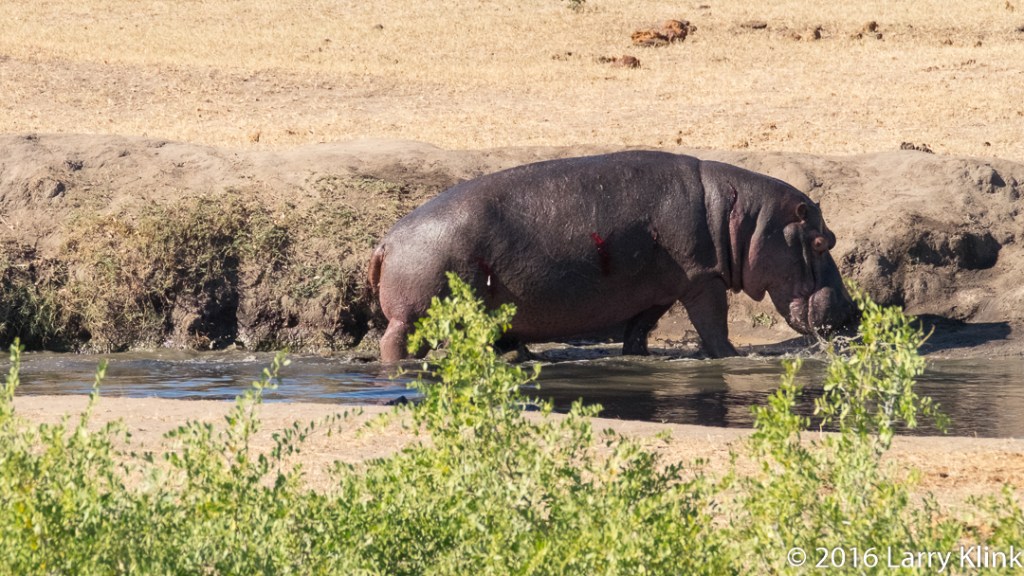
The Red-billed Oxpeckers in the photos are feasting on the bugs in the hippo’s wounds.

Note: Please click on caption to see image at higher resolution.

Resting Hippopotamus (Hippopotamus amphibius)
Elephant Plains Game Lodge, Sabi Sands, South Africa; AUG 2016
A Pensive Hippopotamus (Hippopotamus amphibius)
Elephant Plains Game Lodge, Sabi Sands, South Africa; AUG 2016
Don’t Mess WIth Me; Hippopotamus (Hippopotamus amphibius)
Elephant Plains Game Lodge, Sabi Sands, South Africa; AUG 2016
You’re in My watering hole; Hippopotamus (Hippopotamus amphibius)
Elephant Plains Game Lodge, Sabi Sands, South Africa; AUG 2016
The Face Off; Two Hippopotamuses Ready to Fight Over Water Hole
Elephant Plains Game Lodge, Sabi Sands, South Africa; AUG 2016
The Challenge; Two Hippopotamuses Ready to Spar
Elephant Plains Game Lodge, Sabi Sands, South Africa; AUG 2016
This Round is Underway; Two Hippopotamuses Fighting Over Water Hole
Elephant Plains Game Lodge, Sabi Sands, South Africa,; AUG 2016
The Round Continues; Two Hippopotamuses Continue to Spar Over Water Hole
Elephant Plains Game Lodge, Sabi Sands, South Africa; AUG 2016
Attack and Defense; Two Hippopotamuses Continue to Spar Over Water Hole
Elephant Plains Game Lodge, Sabi Sands, South Africa; AUG 2016
The Vanquished Hippopotamus Departs;
Two Hippopotamuses Continue to Spar Over Water Hole
Elephant Plains Game Lodge, Sabi Sands, South Africa; AUG 2016 #Photography
Battle Over;
Hippopotamus with Red-billed Oxpecker ;
After many rounds, the battle is over, the challenger is vanquished.
Elephant Plains Game Lodge, Sabi Sands, South Africa, AUG 2016
Hippopotamus Foraging on Land – P2
Kruger National Park, South Africa; AUG 2016
Sunbathing Hippopotamuses
Kruger National Park, South Africa; AUG 2016
Hippo in Reflection
Kruger National Park, South Africa; AUG 2016

These and other images are available to purchase on my website: www.earthwatcher.us or by contacting larry.klink@earthwatcher.us.

Raptors

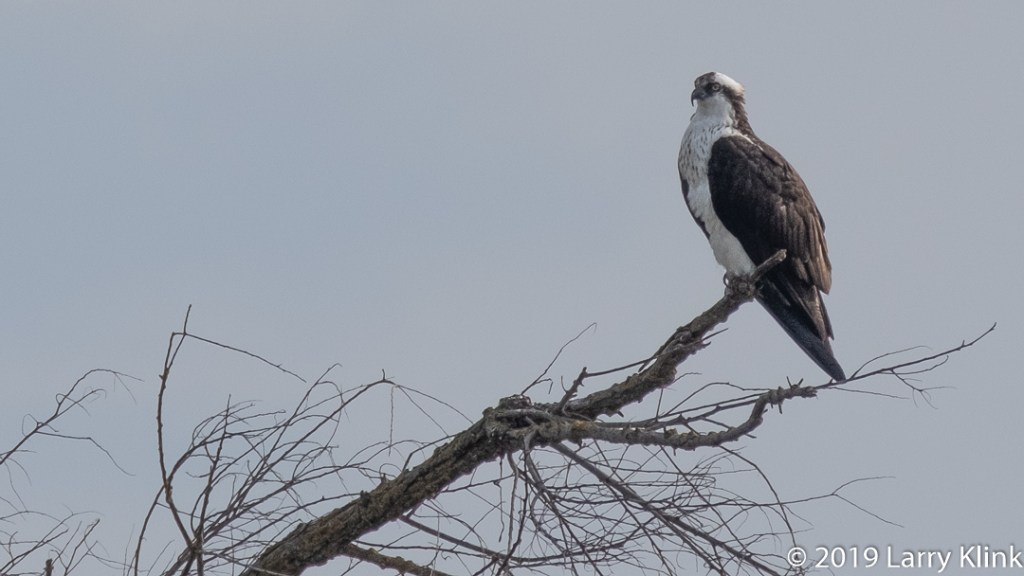
Osprey (Pandion haliaetus)
Wm Pond Park, Sacramento, CA; Mar 2019

Here are a few raptors, birds of prey, I’ve photographed over the past year.

The Red-shouldered and Red-tailed Hawks are members of the Buteo family. They forage in more open areas and prefer small rodents. The Goshawk and Sharp-shinned Hawks are members of the Acipiter family. They are built to forage in in forested areas and prefer birds. The Merlin is a small falcon. Though they have there preferences, they’ll eat whatever they can catch.

Note: Please click on caption to see these images at higher resolution.

Northern Goshawk (Acipiter Gentilis)
Owens River Road, Lee Vining, CA; OCT 2019
Merlin (Falco columbarius)
Effie Yeaw Nature Center, Sacramento, CA; OCT 2019
Sharp-shinned Hawk (Accipiter striatus)
Effie Yeaw Nature Center, Sacramneto, CA; OCT 2019
Red-tailed Hawk (Buteo jamaicensis) on Nest
Battle Mountain, NV; MAY 2019
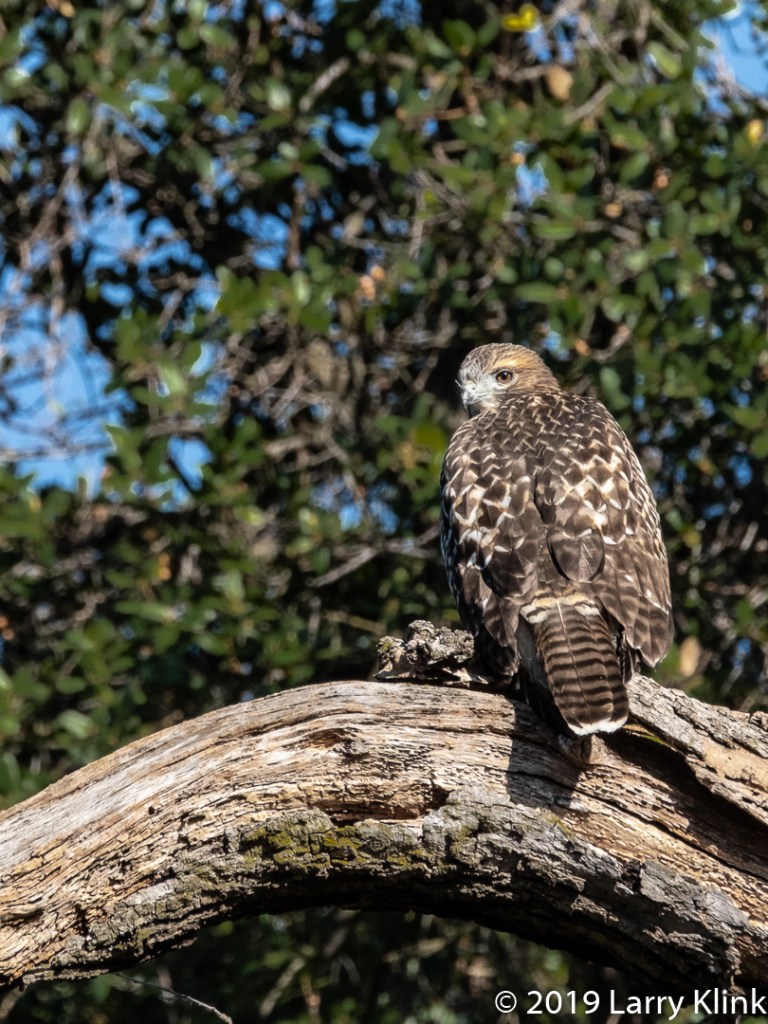
Juvenile Red-tailed Hawk (Buteo jamaicensis)
Effie Yeaw Nature Center, Sacramento, CA; JUL 2019
Red-shouldered Hawk (Buteo lineatus) – P2
Effie Yeaw Nature Center, Carmichael, CA; OCT 2019
Red-shouldered Hawk (Buteo lineatus)
Hawk swooped down over my shoulder, picked-up a rodent and carried it to this tree. Effie Yeaw Nature Center, Carmichael, CA; OCT 2019
Osprey (Pandion haliaetus)
Wm Pond Park, Sacramento, CA; Mar 2019

These and other images are available to purchase on my website: www.earthwatcher.us or by contacting larry.klink@earthwatcher.us.

Mountain Peaks Along US Route 395 in the Eastern Sierra Nevada

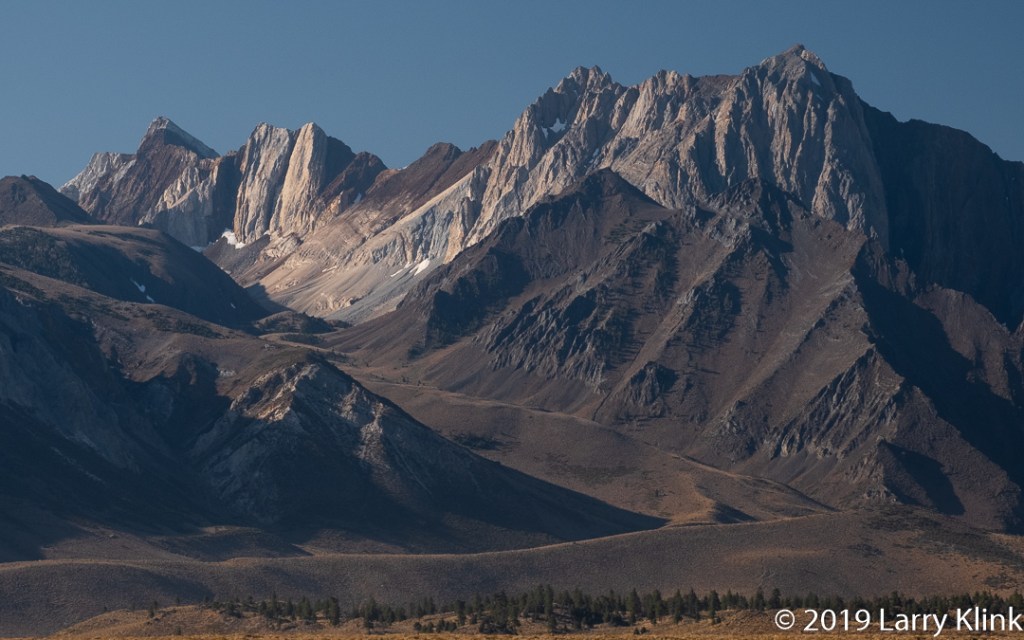
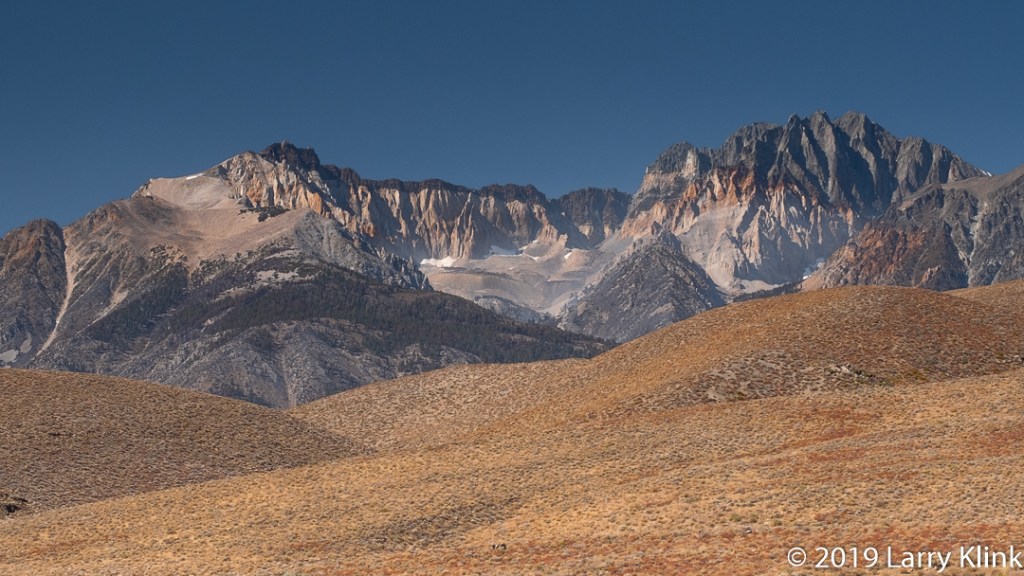
Mountain Peak Along Eastern Sierra – P3 Owens River Road
Lee Vining, CA; OCT 2019

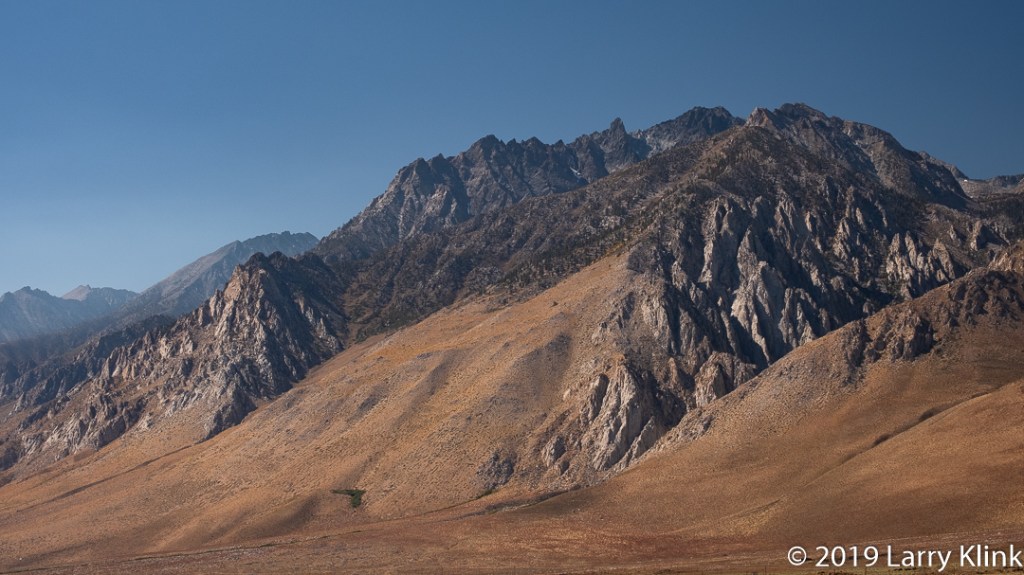
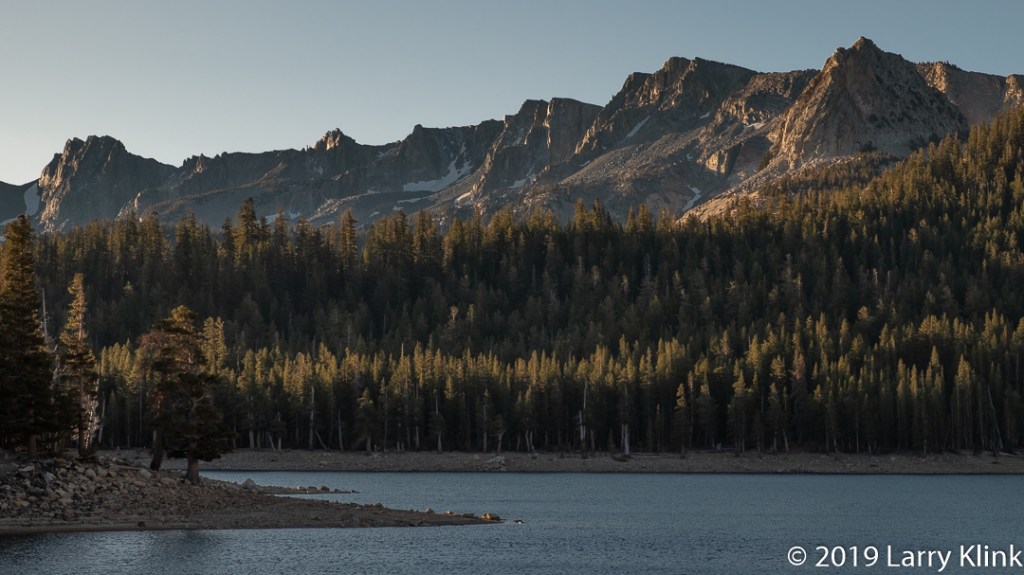
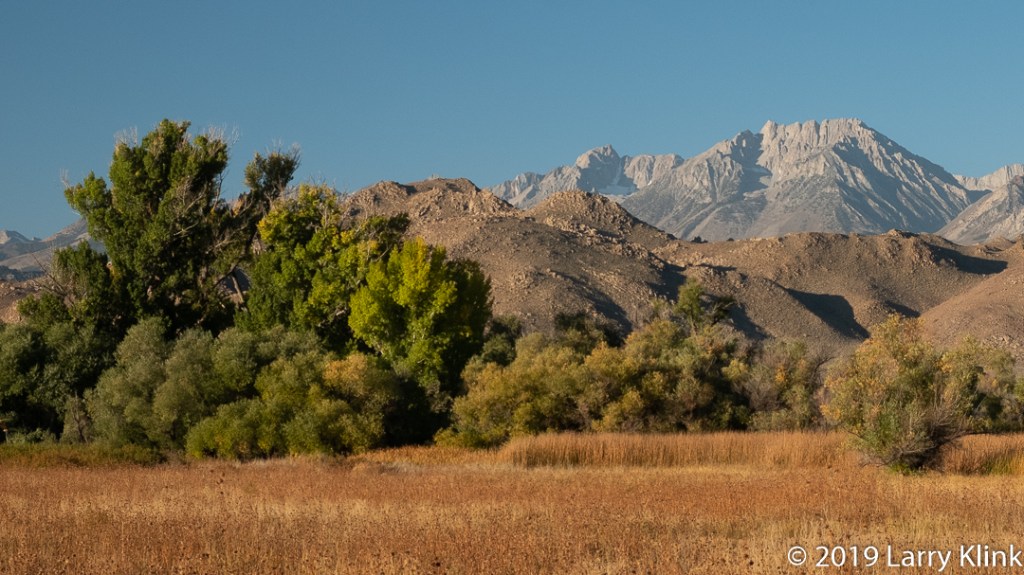
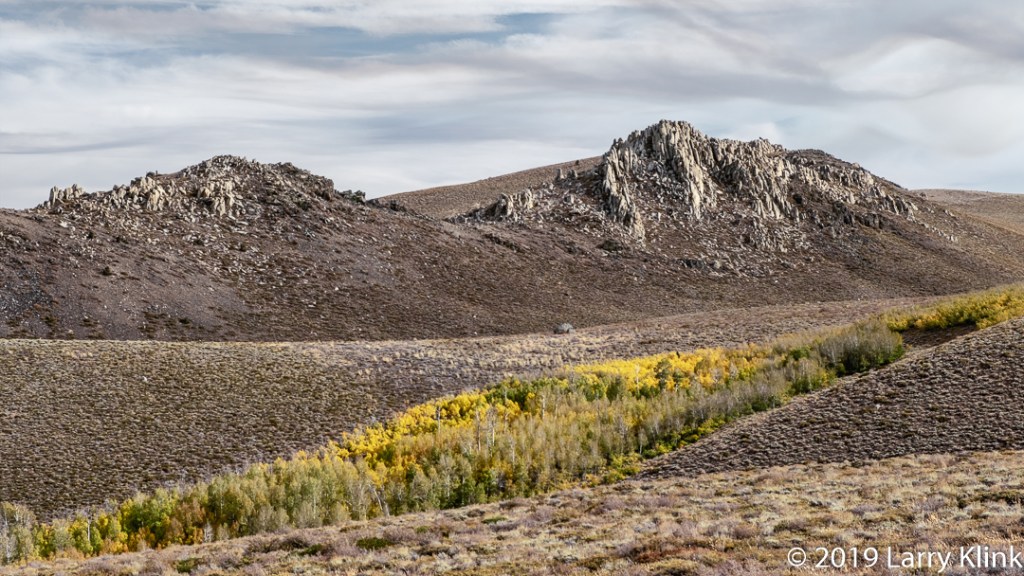
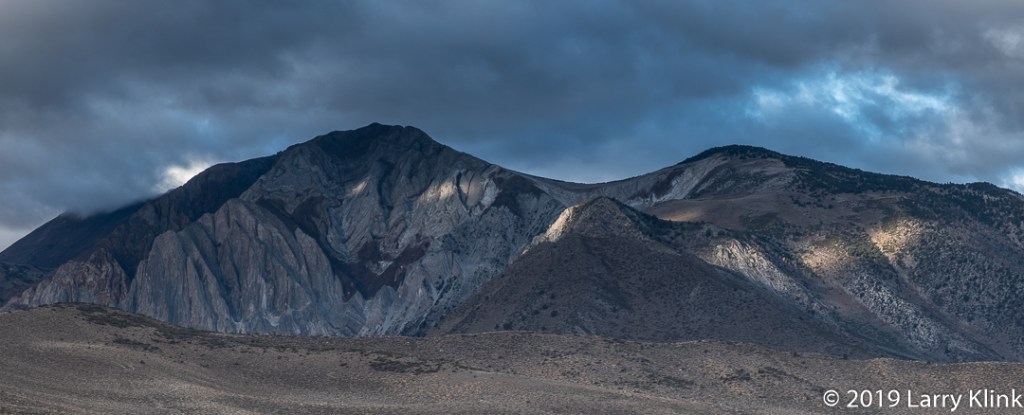
Today I am sharing images of various mountain peaks we see as we travel along US Route 395 in eastern California. Highway 395 extends from the US-Canada border to its southern terminus in the Mojave Desert at I-15 near Hiperia. Much of its way through California it traverses desert valleys sandwiched between the Sierra Nevada mountains and the White-Inyo mountains. It is absolutely stunning scenic drive. For the adventurous, there is mountain hiking and climbing and fishing. There are back road drives into the mountains to scenic lakes and great vistas. There are attractions like Mono Lake with its Tufa, the Ghost Town Bodie, The Ancient Bristle Cone Pine Forest, the museum and remains of the Manzanar Internment Center from World War 2 and the Movie Museum in Lone Pine. If you’ve never explored this area, I strongly recommend you check it out.

Note: Please click on caption to see image at higher resolution.

Stormy Sunrise from Mt Morrison Rd; Mt Morrison Rd
Mammoth Lakes, CA; OCT 2018
Mountain Peak Along Eastern Sierra – P2;
Rt 395 Between Bishop and Fort Independence; OCT 2019
Sunrise at Horshoe Lake; Horseshoe Lake
Mammoth Lakes, CA; OCT 2019
Mountain Peaks from Tule Elk Viewing Area on Highway 395
Rt 395 Between Bishop and Fort Independence; OCT 2019
View from Pleasant Valley Dam Road
Pleasant Valley Dam Road, Bishop, CA: Oct 2019
Autumn Color Along Dunderberg Meadow Road
Dunderberg Meadow Road, Virginia Lakes, CA; OCT 2019
Mountain Peak Along Eastern Sierra – P1
Mt Morrison Rd, Mammoth Lakes, CA; OCT 2018

These and other images are available to purchase on my website: www.earthwatcher.us or by contacting larry.klink@earthwatcher.us.