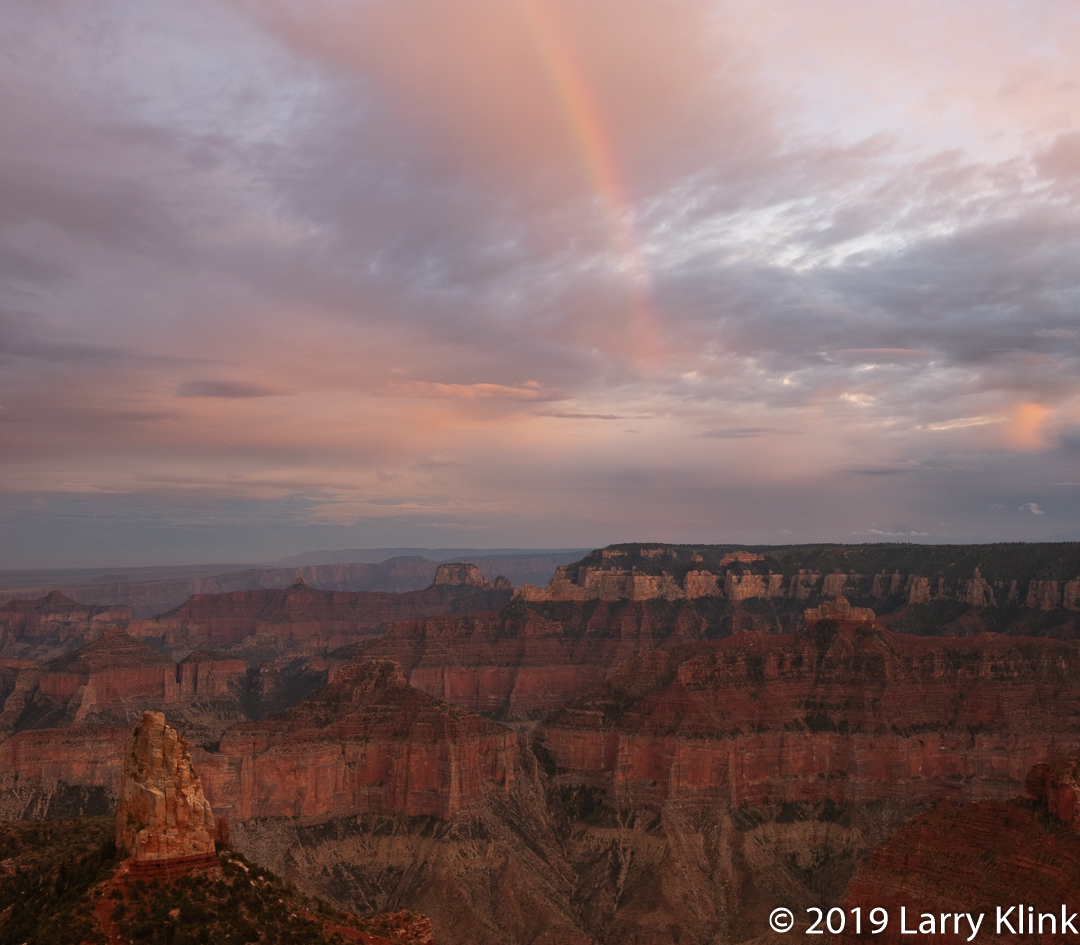
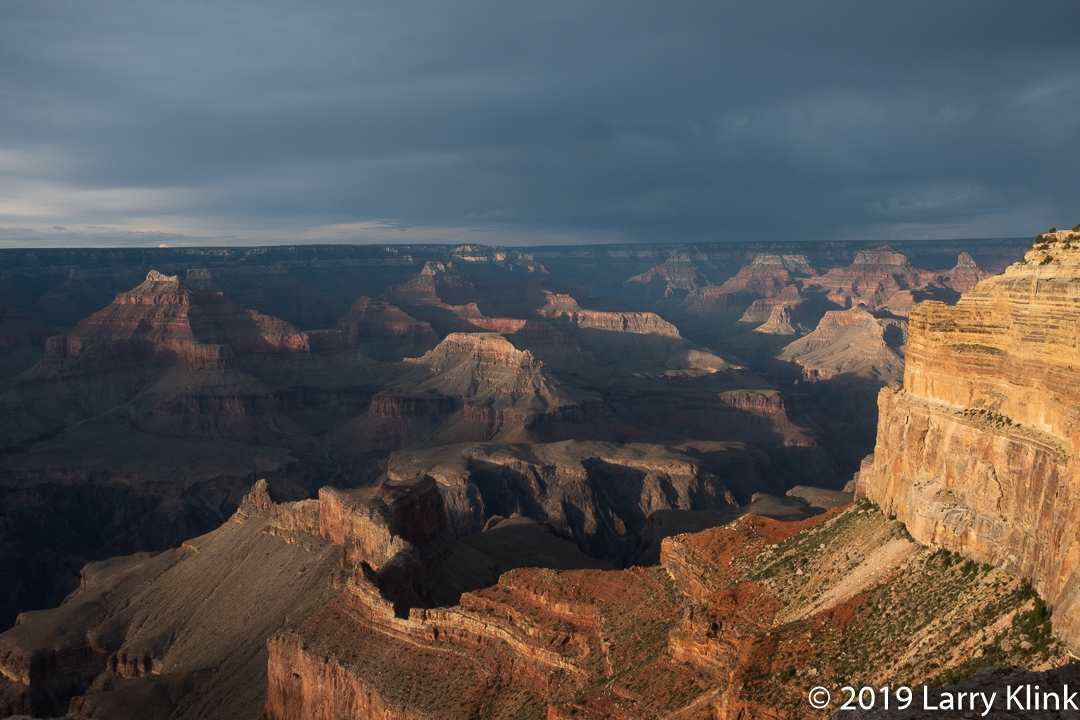
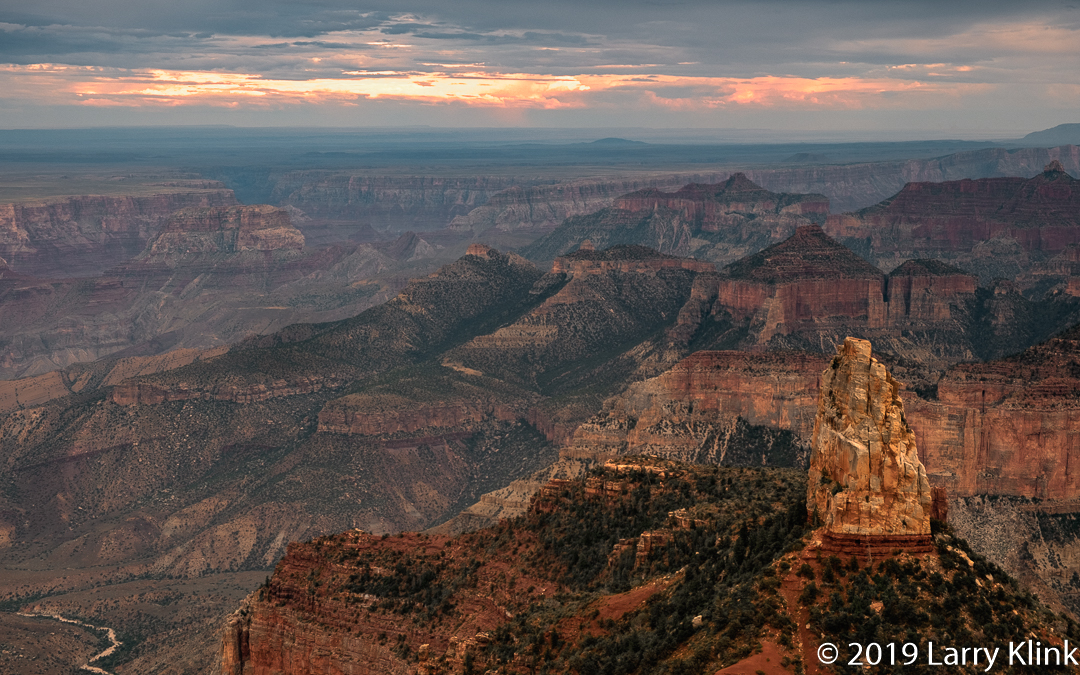
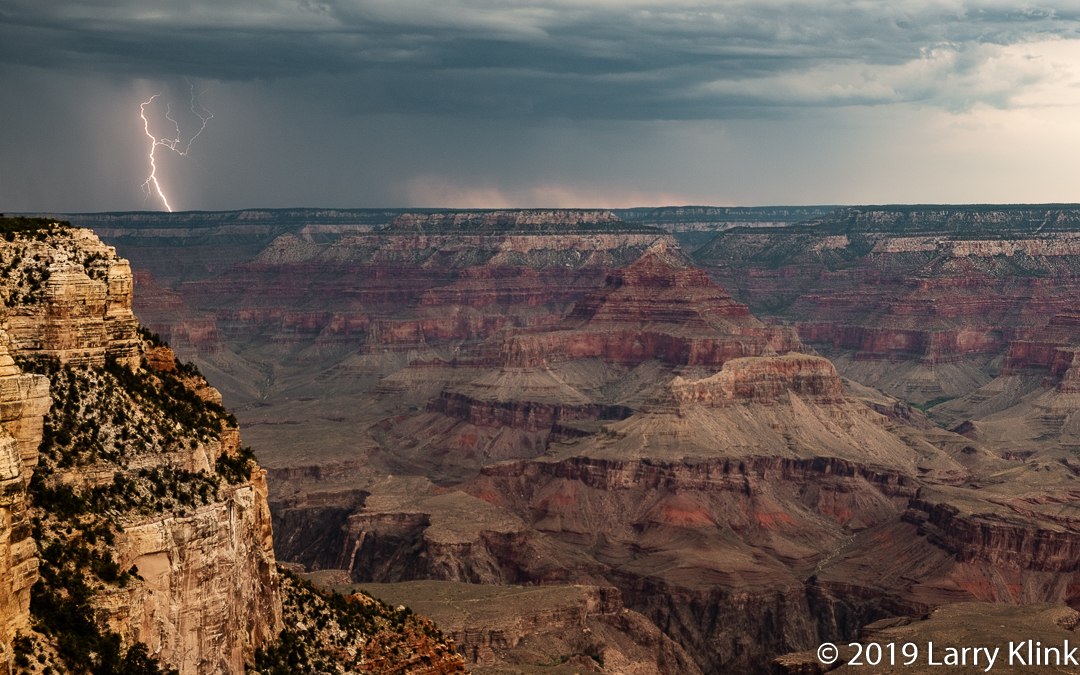
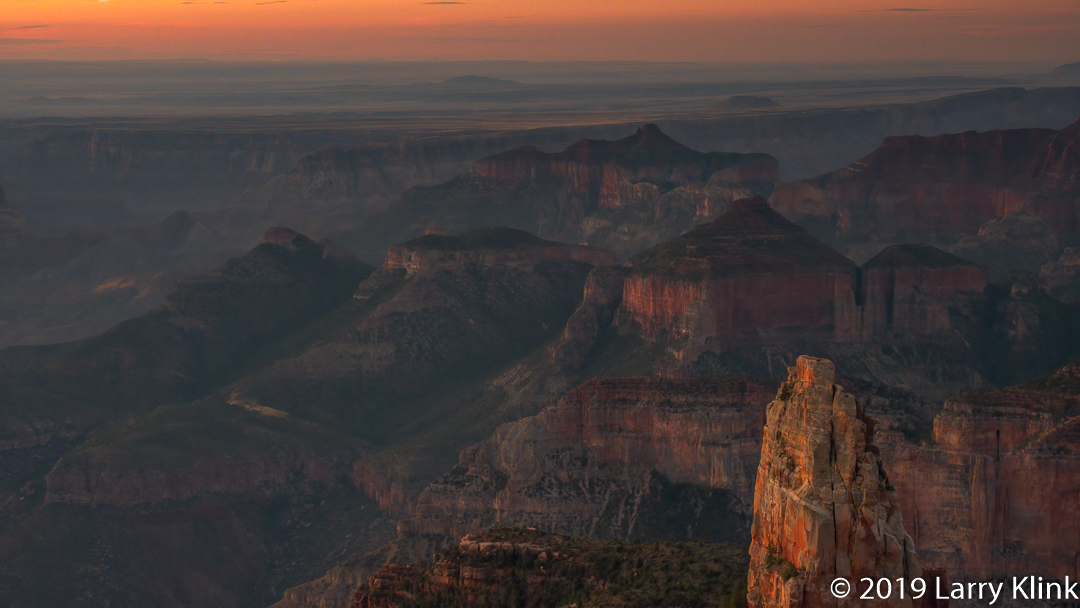
I recently had the privilege to photograph the Grand Canyon
during the monsoon season of Southwestern North America. It was a marvelous
time to visit this national wonder. We were treated to dark and stormy skies, lightning,
rainbows and vivid sunrises and sunsets.
I generally don’t think of the southwestern US as having a
monsoon season, after all, it is largely desert. I think of torrential rains in
places like India and the eastern coast of Africa. But, the monsoon season in southwestern
North America is very real. The term monsoon refers to the seasonal wind shift
that brings in warm, humid air. Those winds cause most of the rainfall received
by the desert southwest each year – all 1” to 8” of it; sometimes more and
sometimes less. It can be responsible for torrential downbursts that cause
flash flooding and lightning induced wildfires.
The southwestern North American monsoon season generally
starts in early July and runs through September.
In this post, I am sharing a few of the images I took while at the Grand Canyon. I’ll share a few more later this week.
Note: Please click on caption to see image at higher resolution.
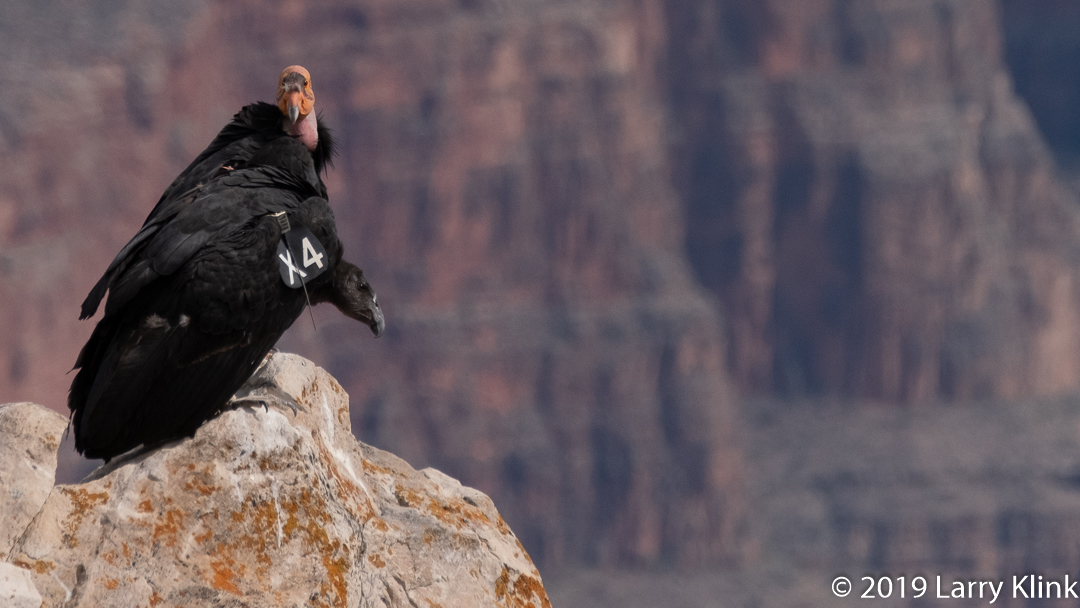
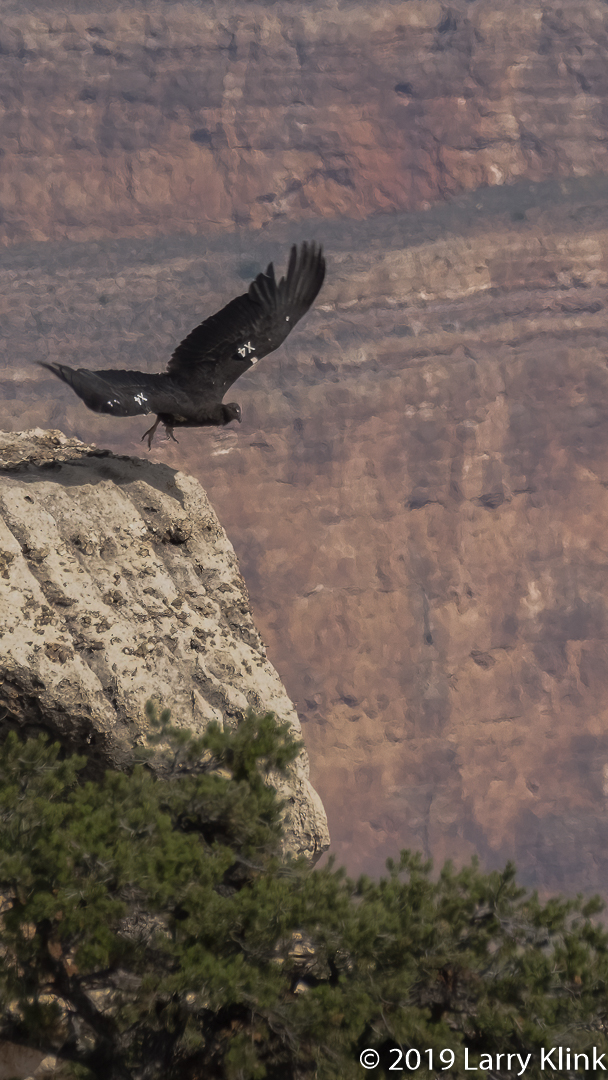
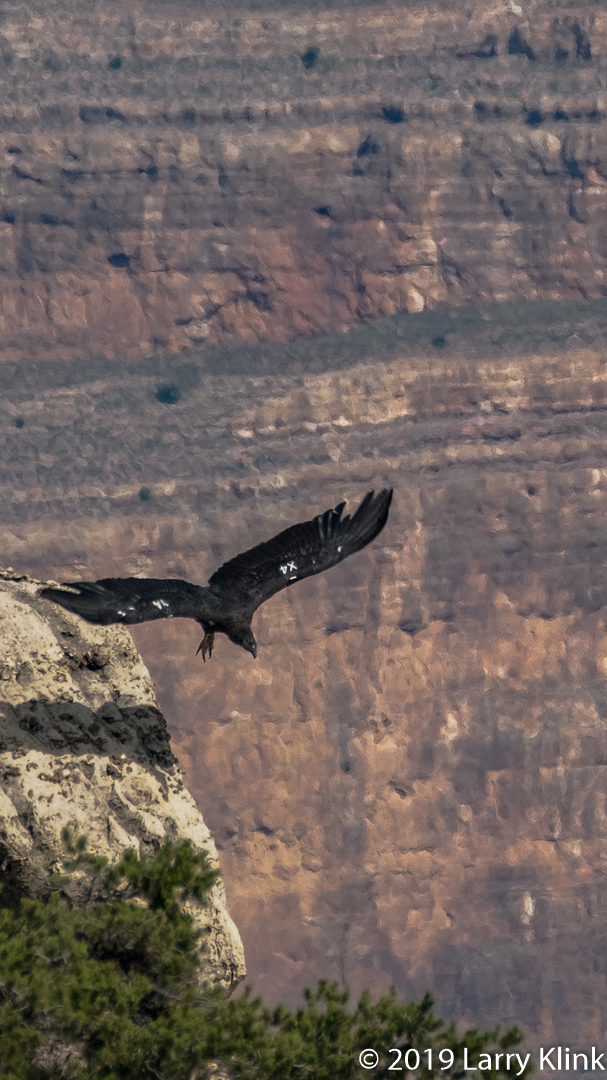
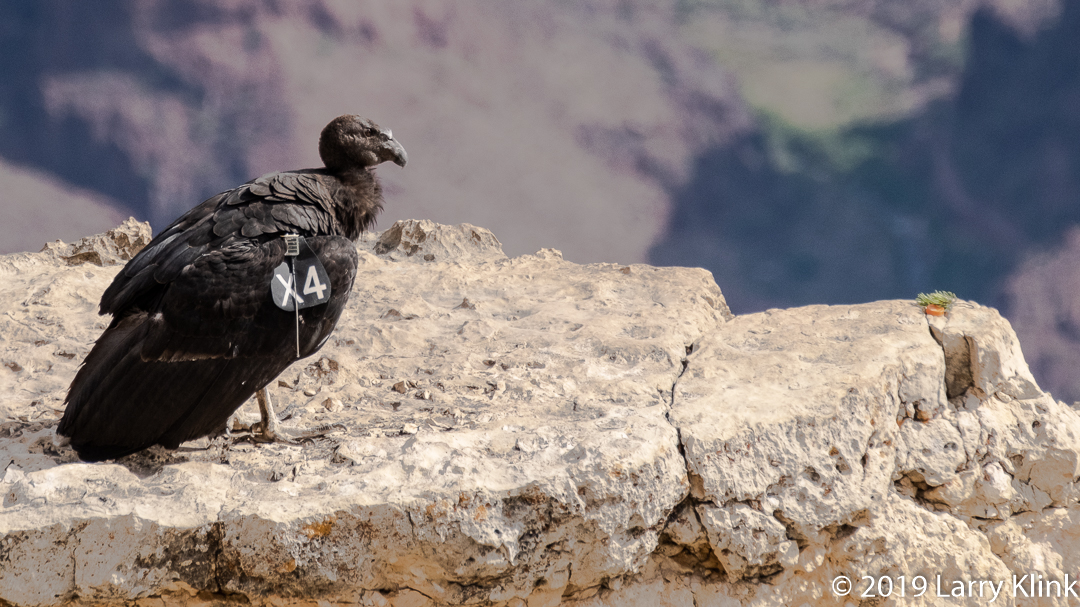
This past week, I had the opportunity to visit the Grand
Canyon National Park. While there, I saw a rare site: a juvenile and adult
California Condor (Gymnogyps californianus). This vulture can reach 4 ½ feet
long with a wingspan of nearly 10 feet; 25% larger than the more commonly seen Turkey
Vulture.
What makes this bird remarkable, beside its size, is that it was nearly driven to extinction. Many millennia ago, it ranged across the entire North American continent. By the time European settlers arrived, it was found mostly in the western part of North America.
During the 20thcentury, California Condor populations declined until extinction became extremely likely. In 1987 all remaining 22 wild birds were captured. These birds formed the breeding stock for a federally sponsored program aimed at reestablishing them in the wild. These condors were bred and their offspring released into the wild. The birds have begun breeding in the wild. Captive birds continue to be released. The population is now expanding.
The birds can sometimes be seen in places like the Grand Canyon but seeing them is still the exception rather than the rule. So, I feel blessed to have been able to see and photograph these magnificent birds.
Note: Please click on caption to see images at higher resolution.
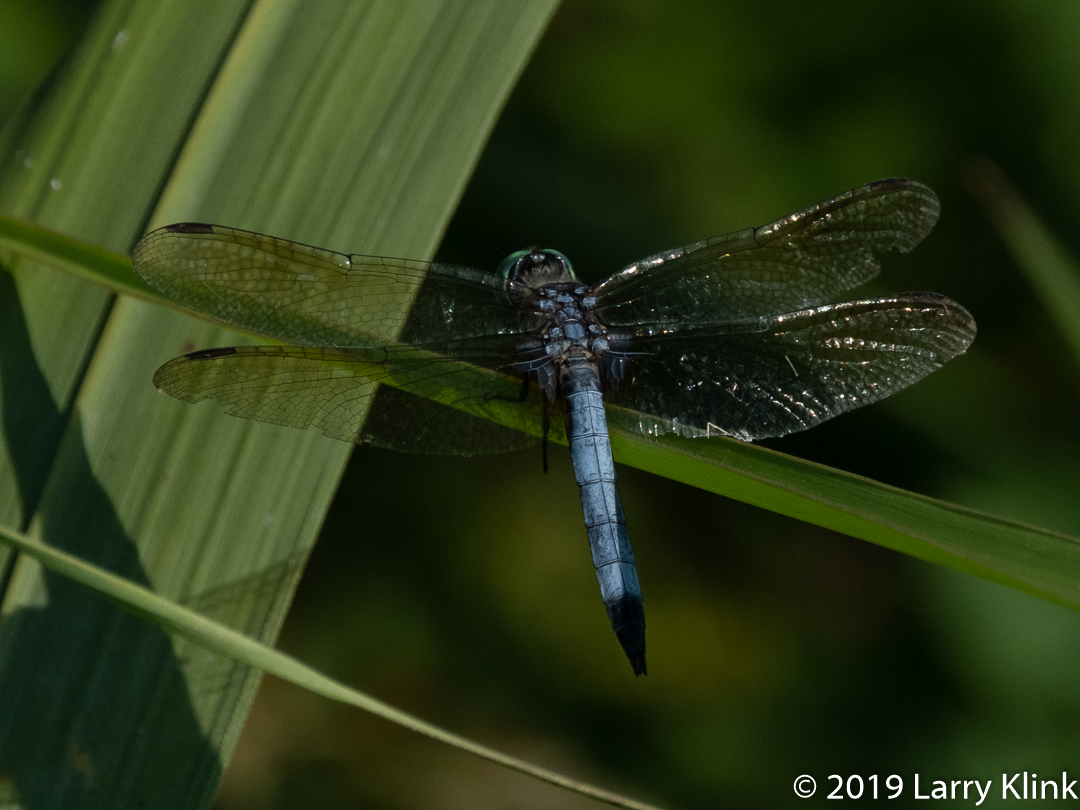
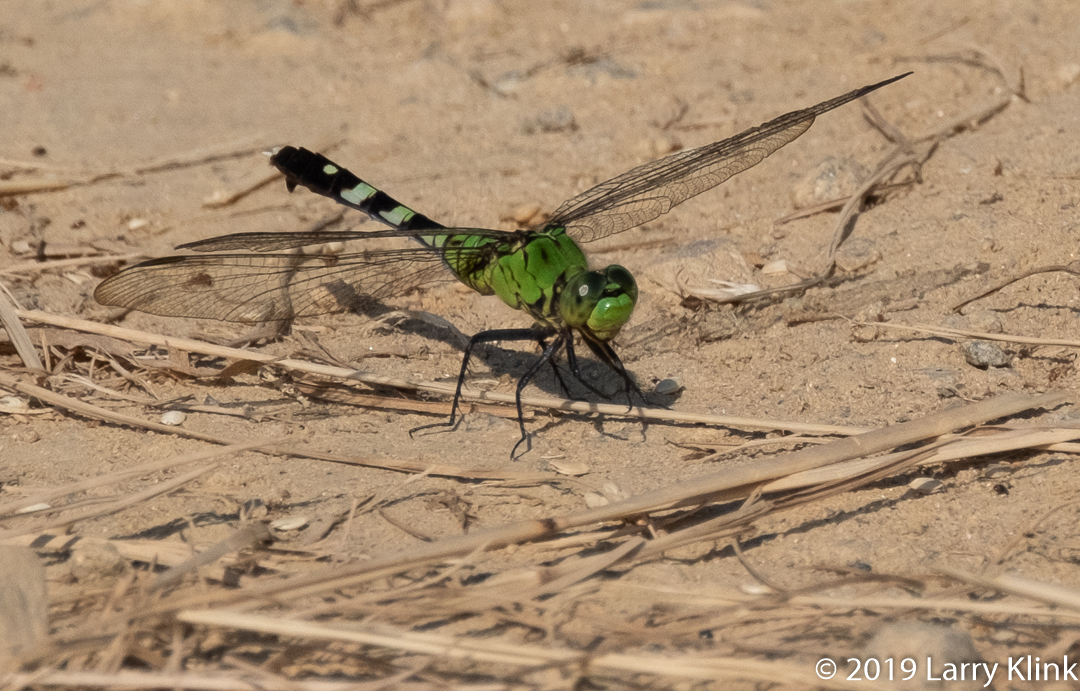
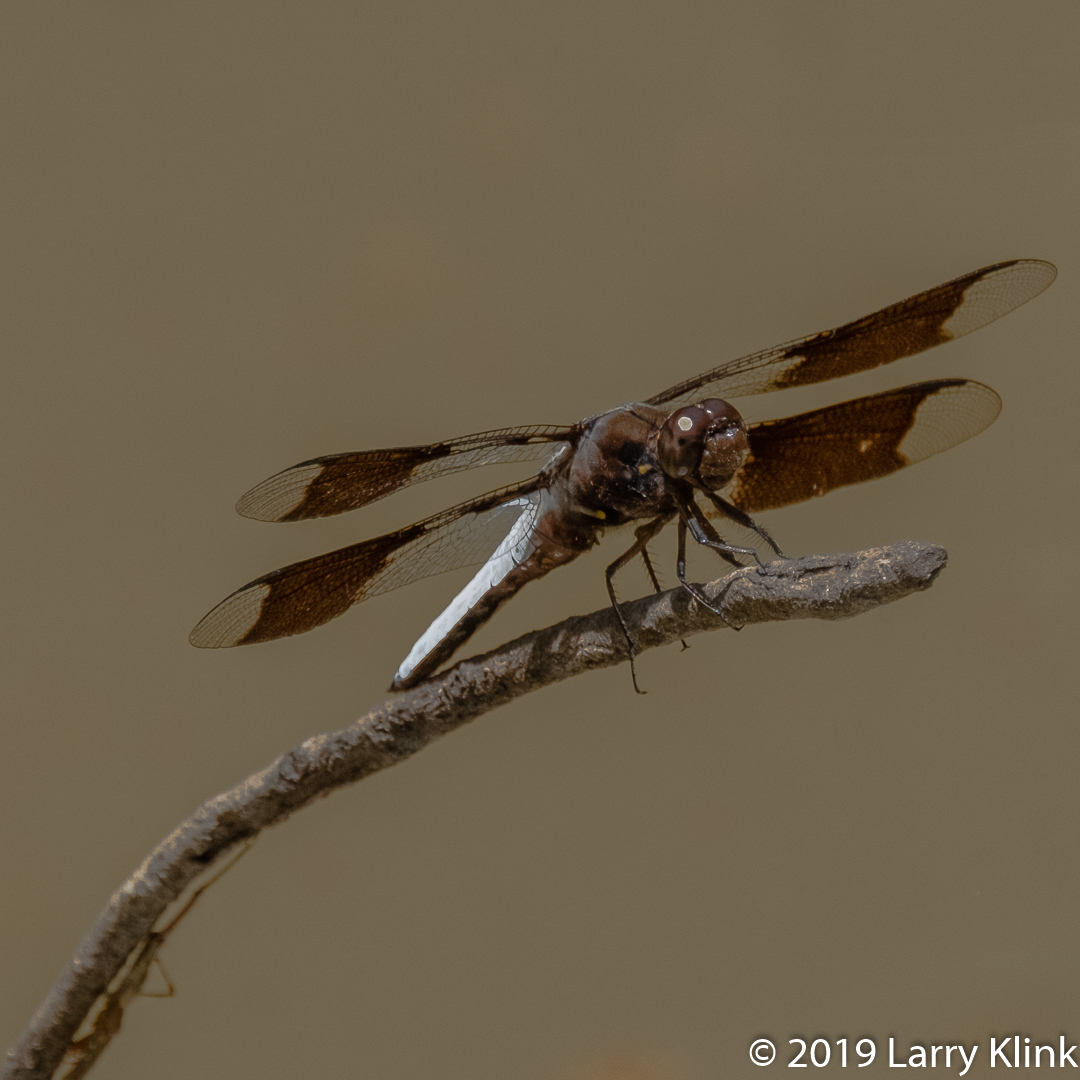
Over the past year, I’ve had the opportunity to shoot some
beautiful insects. Here is a sample for you to enjoy.
By the way, look closely at the picture that appears to be a bee on a yellow flower. It is actually a drone fly whose coloration mimics that of a bee. Bees have 4 wings; flies have 2.
Note: Please click on caption to see image at higher resolution
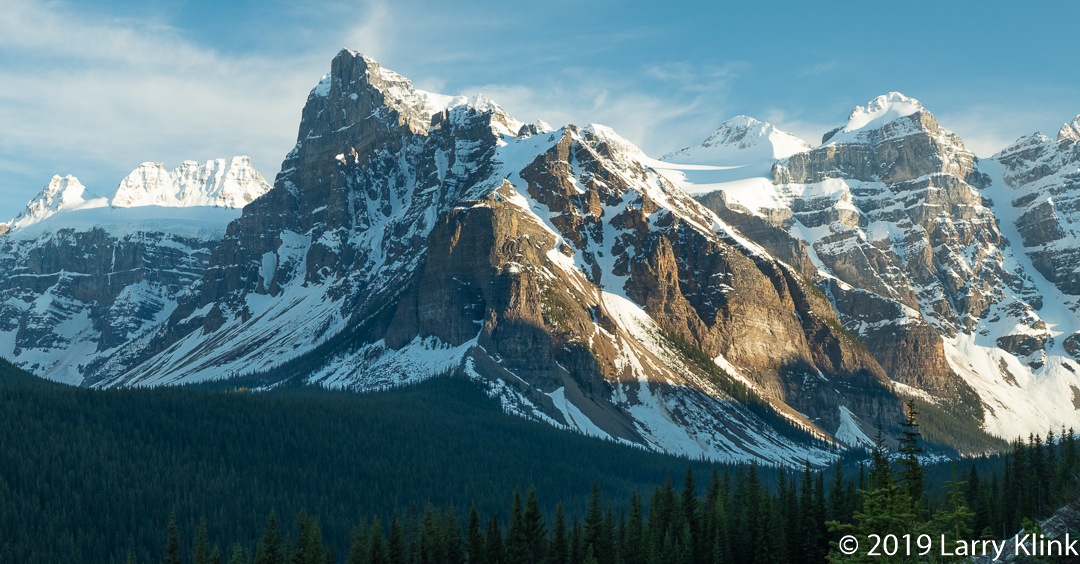
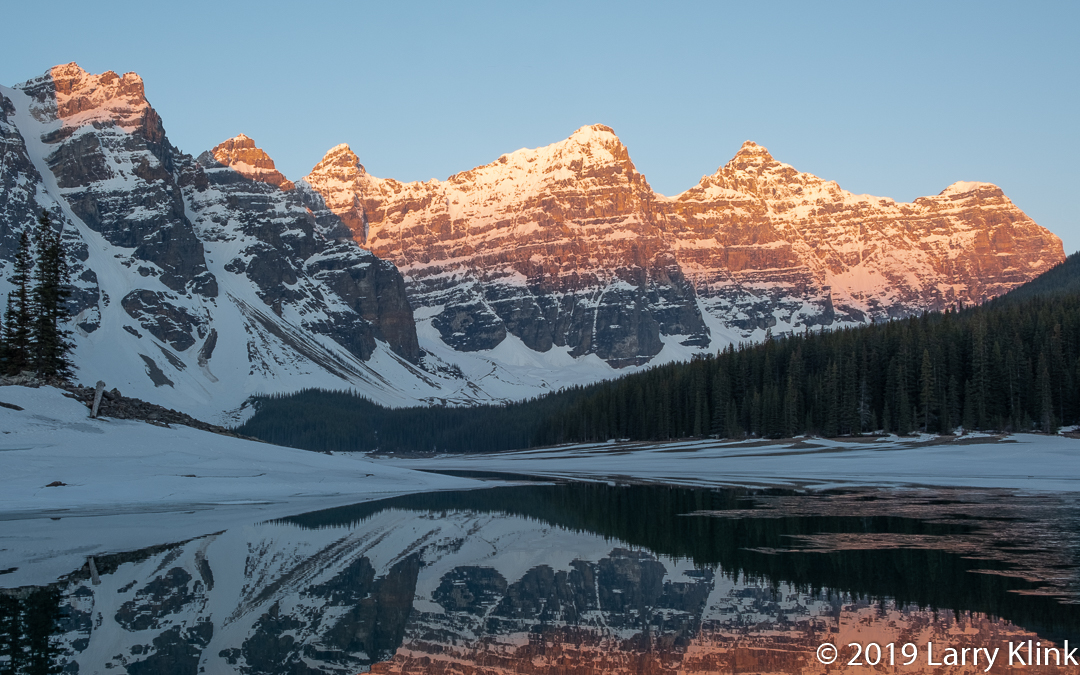
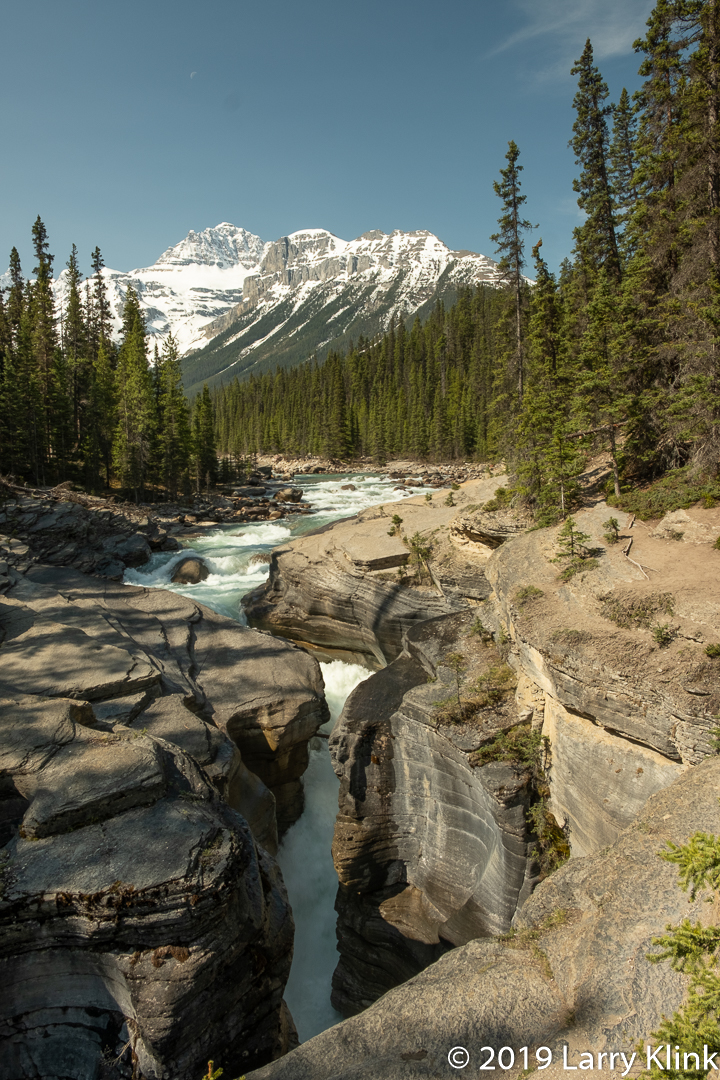
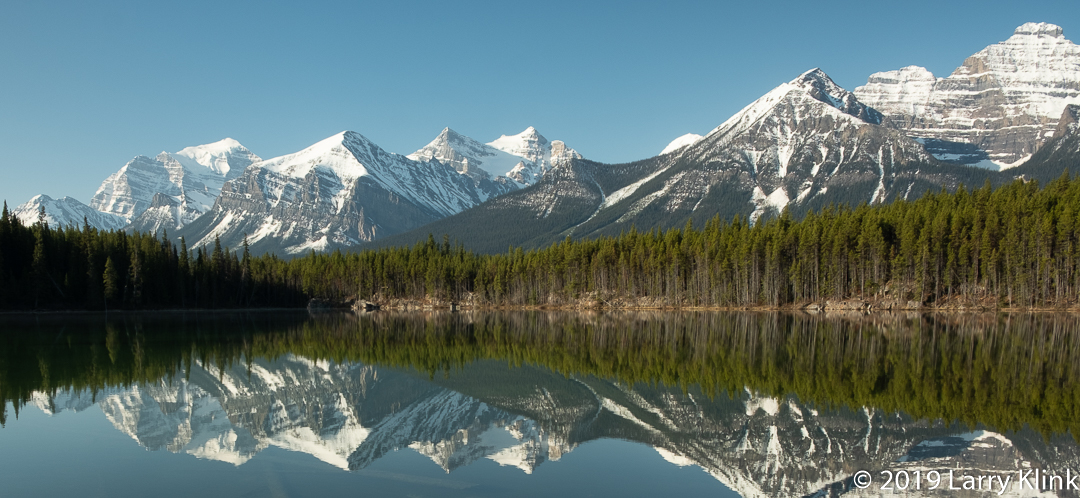
Canada’s Banff National Park is filled with stunning
mountain peaks capped with glaciers and snow. The steep, rugged mountains are
the source of beautiful, turquoise streams that feed alpine lakes.
The
turquoise water is interesting. As glaciers move, they polish the underlying
rock, producing very fine particles of dust called rock flour. The rock flour
mixes with the water traveling downstream. The color is a result of light reflecting
around the densely packed dust in the water. On bright days, with the sun
in the right position, the river displays the brilliant turquoise. If the sky
is more cloudy, the water will be a milky off-white. When it reaches the lakes,
the rock flour eventually settles out. But, if the river is filling the lake
quickly, the lakes can be turquoise also.
The
mountainside on this image from Kootenay National Park is beautifully colored.
But the coloring is deceptive. The rust color is dead conifers. The black is
foliage that was consumed by fire. Many of the conifers died due to pine beetle
infestation.
Please click on caption to see image at higher resolution!
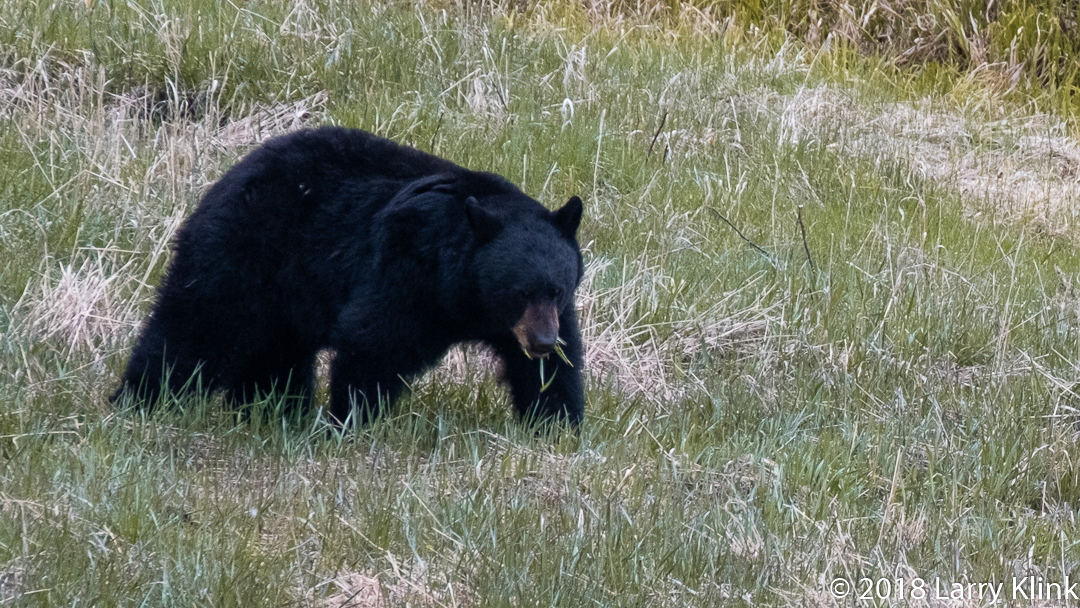
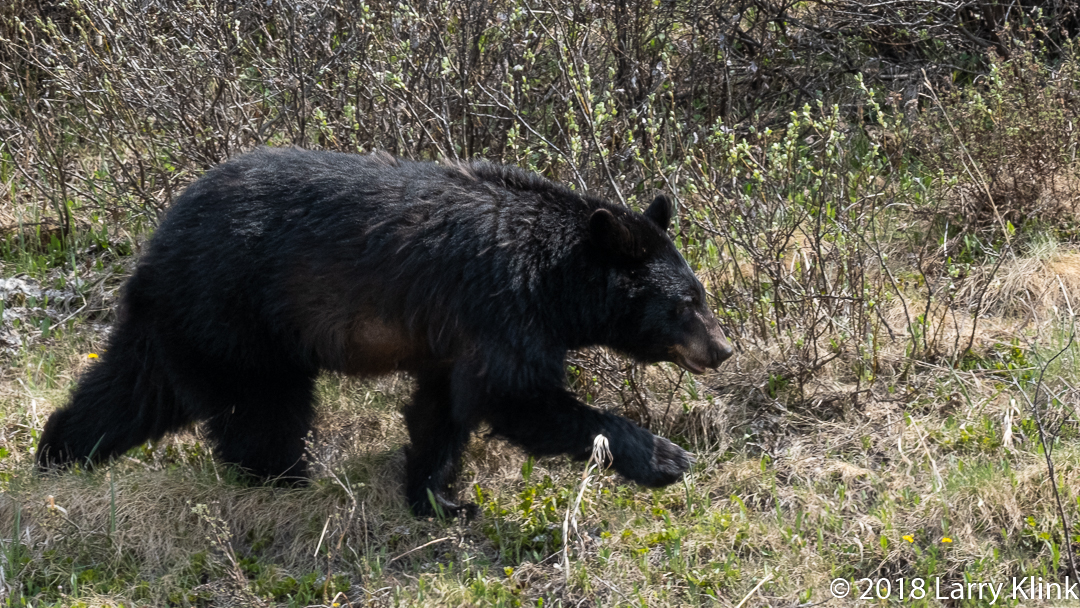
On our recent trip through the Rocky Mountains, we were very lucky and saw a few of the North American Bears. You may see that they are identified as black bears and brown bears. I don’t know why they were named that way. Both black and brown bears can be black, brown, cinnamon and blonde. I’ve even seen black bears with white “collars”. The major differences is that the brown, or grizzly, bear has a distinctive hump and ears that are more rounded and more closely spaced. Brown bears usually grow to a larger size than black bears.
Note: Please click on caption to see image at higher resolution.
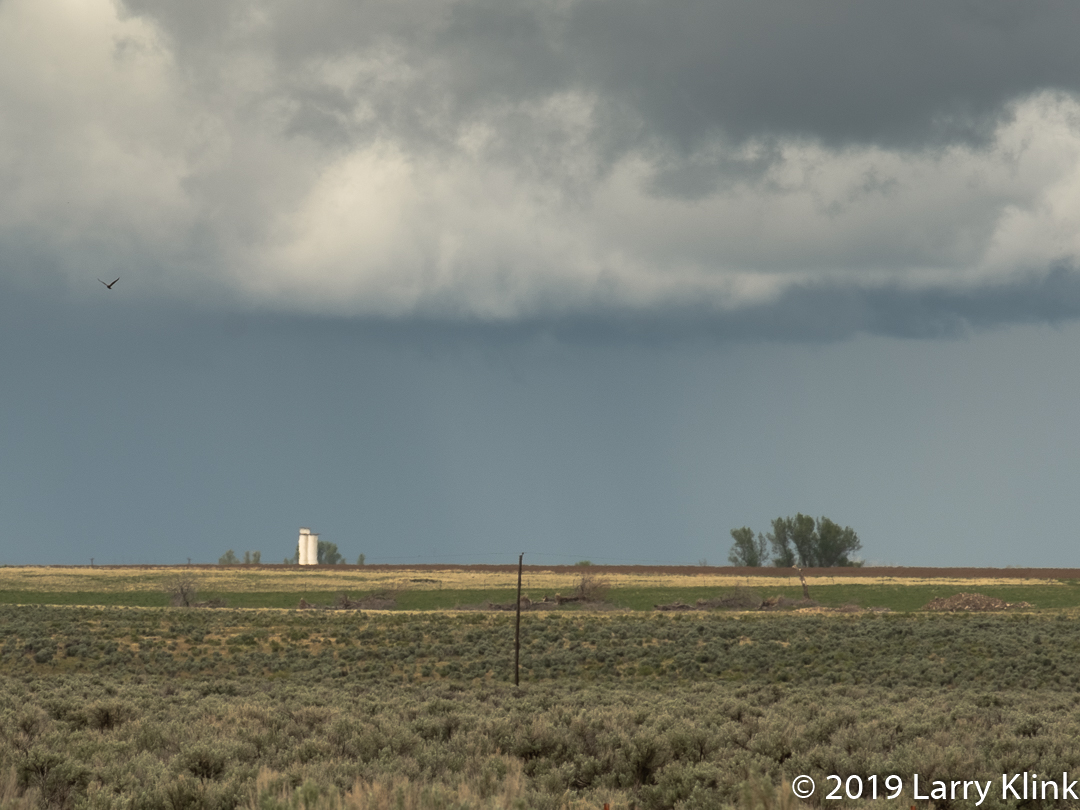
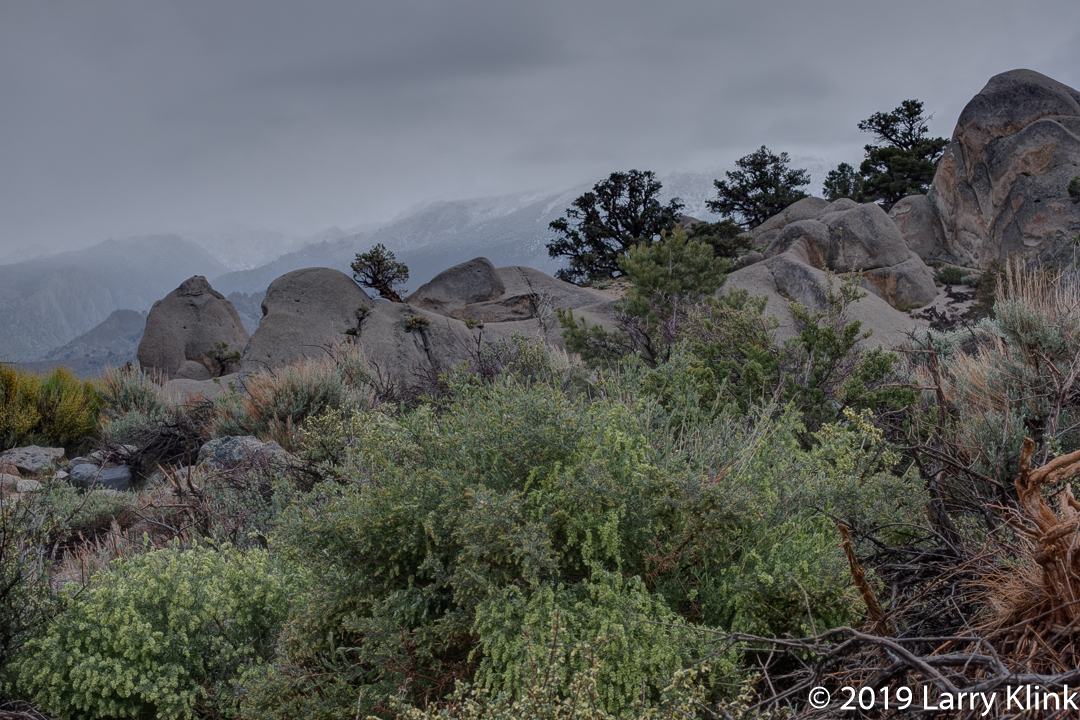
On some recent trips, we were treated to many dark, overcast days. Photographers prefer the golden light of sunrise and sunset because of the atmosphere it sets. But nature provides us with treats even under flat light and dark skies. Fog, rain, stormy skies and crepuscular rays can all make beautiful images.
Note: Please click on caption to see image at higher resolution.
Common Merganser (Mergus merganser) with Babies; Effie Yeaw Nature Center, Sacramento, CA; JUN 2019
For the past 2 weeks, I’ve been following this female Common Merganser with a large group of babies. I’ve enjoyed watching the babies lift themselves above the water and scamper , at high speed, against a strong current, from one place to another.
I was curious because this seemed like a lot of babies for one female, so I did some research. I discovered that Common Mergansers, Red-breasted Mergansers, Hooded Mergansers, Canada Geese and Common Eiders all use this form of child rearing. As what one article described as duck daycare.
I’ve seen this behavior in Canada Geese and I’ve seen a single female lion watching all of the cubs in a pride. So, this is not unusual behavior. Its just something I don’t get to see very often.
My passion is nature. I have stood in wonder and in awe,
watching the beauty of the world!
Communing
with nature brings peace and tranquility to my soul. Photography provides me the artistic platform
to share that peace and tranquility with my audience.
When I photograph landscapes, I prefer to capture
smaller, more intimate landscapes. When I
discover a scene, I study it to understand the natural and/or human forces that
act upon it. I observe the sky and think
about the forces of climate and weather and how they are impacting it. I find and
focus on an actor, animate or inanimate, so that I can depict its interaction
with that landscape. I look
for the small details like wet stones along a river, glistening vegetation, the
habitat supporting wildlife and the mix of textures and colors that that create
the patterns of nature. I try to craft a composition that will entice the
audience to linger and to find their story. I want them to imagine themselves experiencing the sights, the sounds
and the feeling as if they were there. To
give them a few moments respite from their everyday world.
When I photograph wildlife, I prefer to capture them
interacting with their natural habitat. I watch and wait, attempting to make a
composition that gives the context of their environment, while performing some
action that shows how they live. I want my audience to linger and see things
they never saw before. I want them to appreciate the subjects role in its environment.
I am inviting all of you who have followed me on earthwatcherphoto.wordpress.com, as well as all others, to begin following me at earthwatcher.photo.blog.
Water-colored Aspen Great Basin National Park, NV, OCT 2015 .
While at Great Basin National Park, in early October, we were treated to a cold, windy day accompanied by sleet and thunder. The drive up to Wheeler Peak affords spectacular views of the surrounding valleys and mountain ranges. As we drove higher up the mountain, we hit the cloud layer. Aspens, in their gold fall foliage, stood as beacons in the misty fog.
Brightening the Gloom Great Basin National Park, NV, OCT 2015
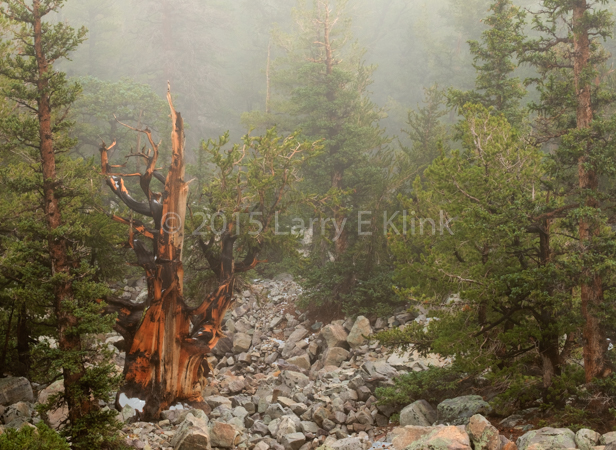
Our destination was the trailhead where we could hike to the bristlecone pine grove. We arrived at the trailhead, bundled up, and began our trek. The grove was about 1 ¾ miles away with a 1,200 foot elevation gain. The trail was rocky, interspersed with mud, snow and water puddles. We hiked past aspens and conifers. When there was a break in the clouds, we could see distant mountain slopes and sometimes Wheeler Peak itself. We made it to the bristlecone grove; it was absolutely worth the effort. I am in awe when I am in the presence of these trees that are thousands of years old.
Steadfast Bristlecone Pine Great Basin National Park, NV, OCT 2015























 Earthwatcher