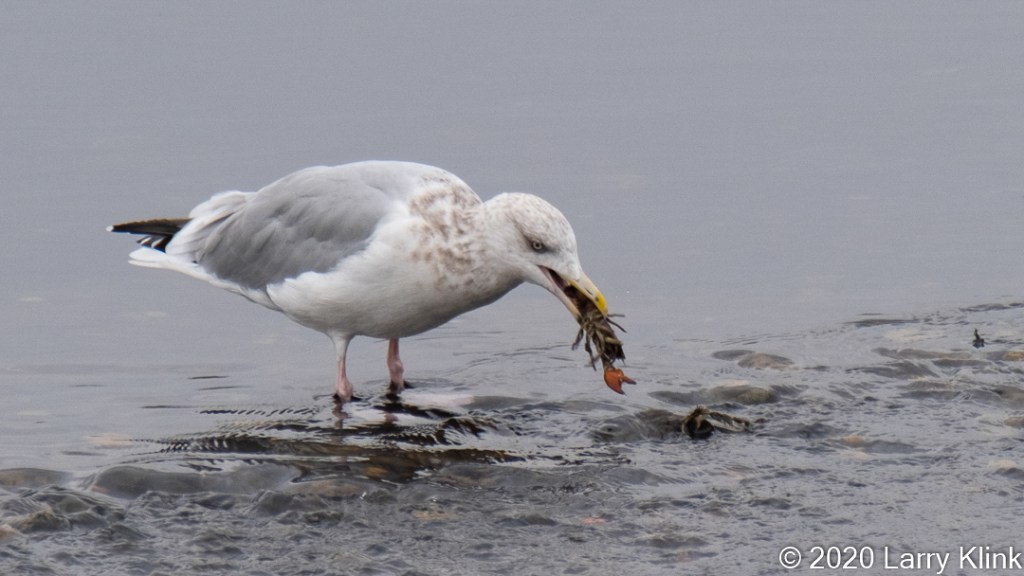
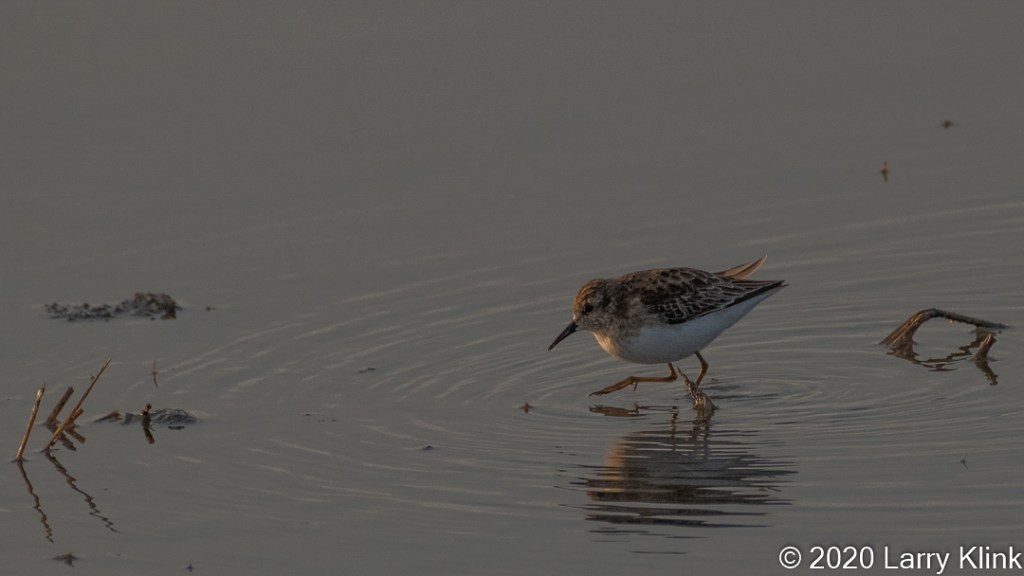
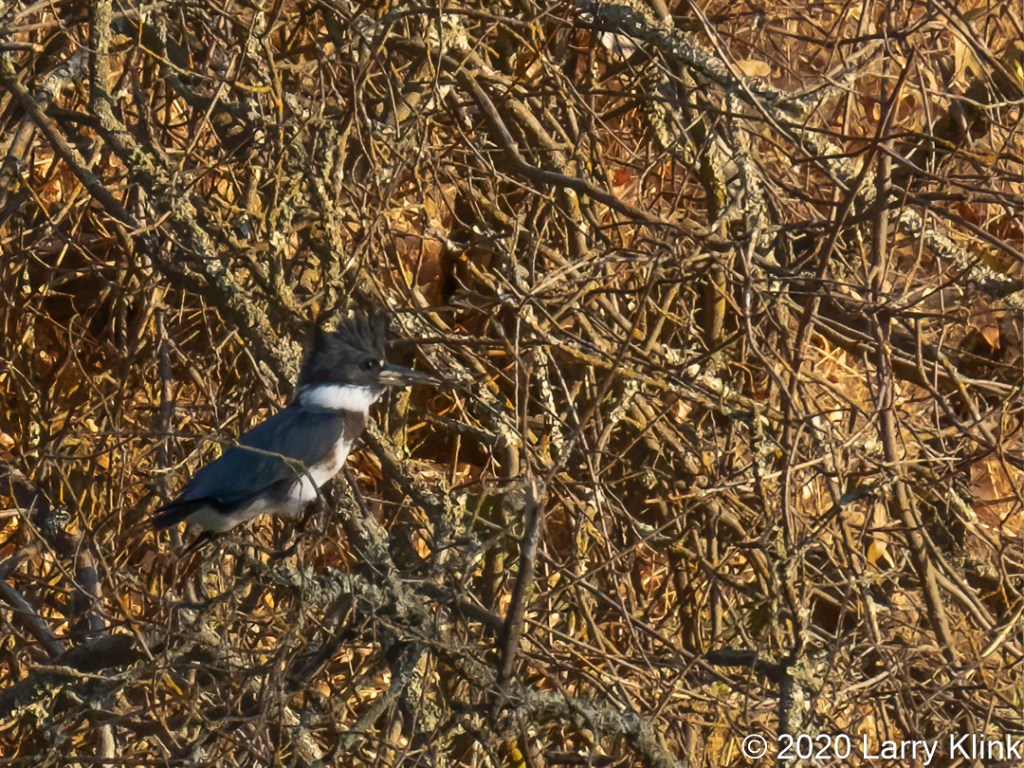
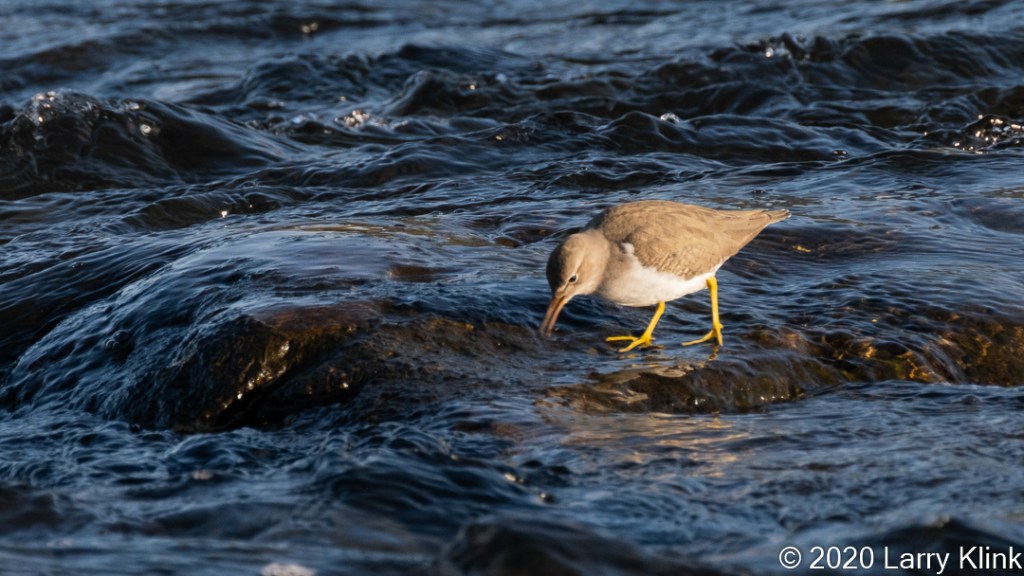
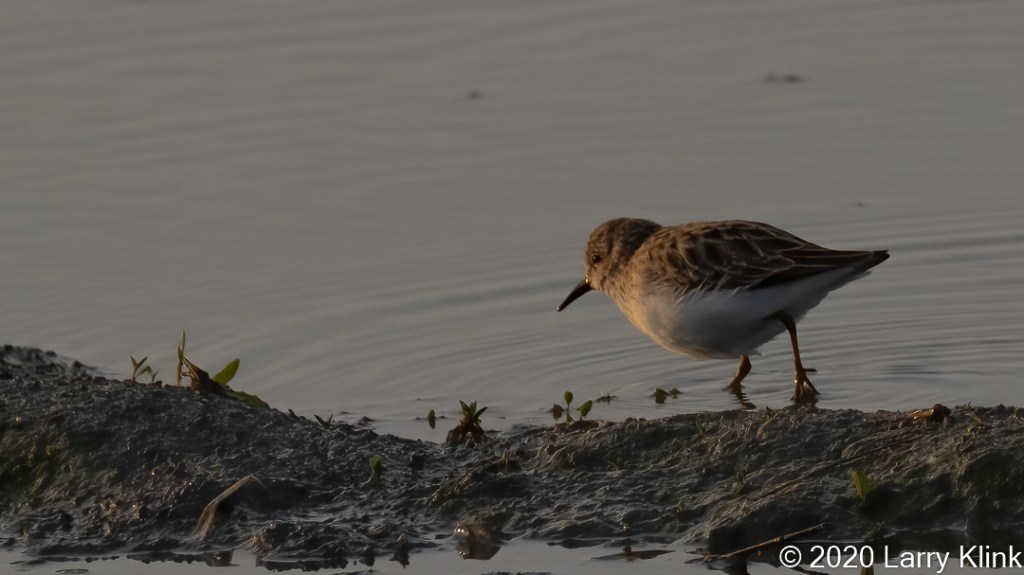
Today’s post features some birds that I found along the edge of the American River. The Kingfisher and Sandpipers are here, in the Sacramento area, much of the year but not always easy to find. The Herring Gull is a migrater found in large numbers during the Salmon Run.
The Herring Gull was fun to watch. I picked him up right after he caught the crayfish and got to watch as it positioned and swallowed the crayfish. It swallowed the crayfish whole, claw, and all. I think that is amazing.
Please click on caption to see image at higher resolution.
I am a volunteer at the Effie Yeaw Nature Center (sacnaturecenter.net) in the Carmichael section of Sacramento, CA. The center is a nature study area along the American River Parkway that provides nature classes for children and adults alike. It was named for Effie Yeaw, a teacher, conservationist and environmental educator who led natural and cultural history walks in an area known as Deterding Woods, located along the American River in Carmichael. It spans 100 acres replete with trails through a riparian woodland and along the American River. Black-tailed Mule Deer, Wild Turkeys, Acorn Woodpeckers, Fox Squirrels and California Ground Squirrels are often an attraction when wandering through the center. But watching closely, you’ll see many species of birds and sometimes a coyote.
I am a Trail Steward. My job is to walk the trails, report any issues, pick up litter and answer questions from visitors. But, most of all, I get to hike and to photograph what I see, while providing this labor of love. I even get to write a blog and share my photography. It is a dream job.
This blog is based on one I wrote for the Nature center. I am sharing it so all my friends and followers can see one of my favorite places. This will be the first. I will share more over the next few months. Meanwhile, you can see many more photos of Effie Yeaw Nature Center at https://larryklink.smugmug.com/EYNC/. Better yet, if you live in the Sacramento Region, make a visit, bring the kids and grandkids.
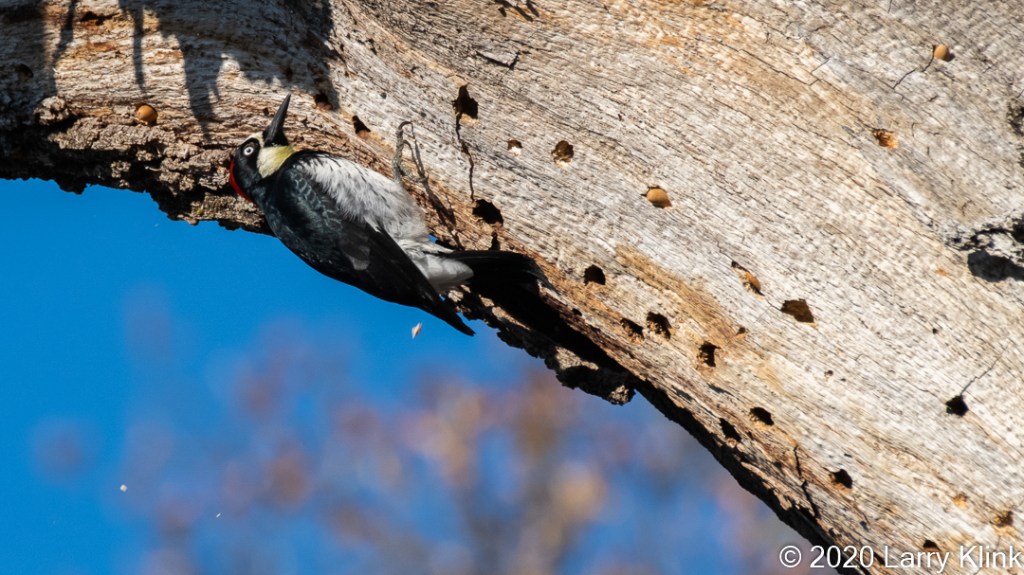
This is an Acorn Woodpecker. The Acorn Woodpecker uses its beak to drill holes where it stores acorns. Once the hole is ready, it will pound in an acorn for later use. In this picture, the woodpecker was drilling a hole. If you look closely, you can see wood chips in the air. Also note that some of the existing holes are empty and others have acorns.
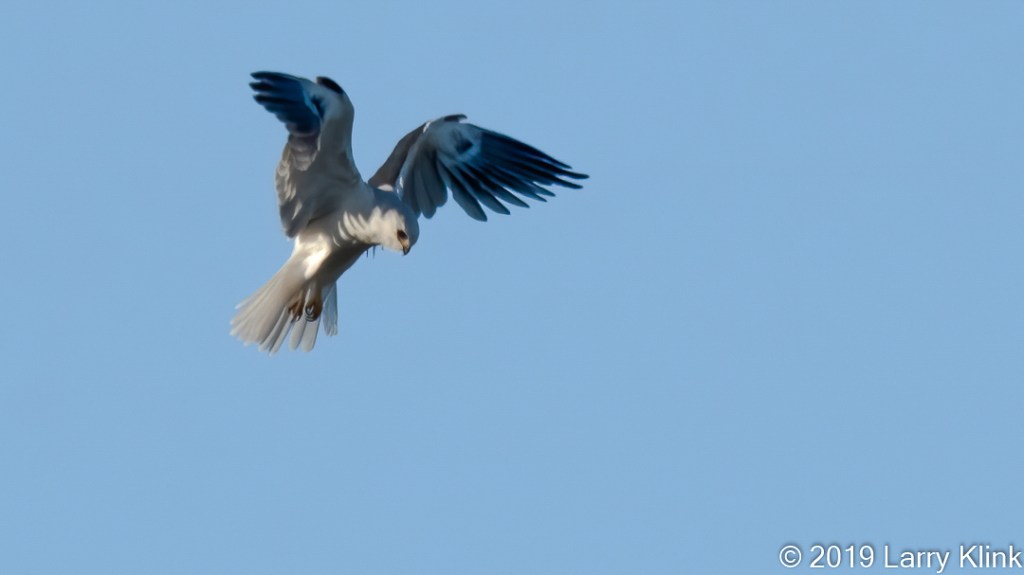
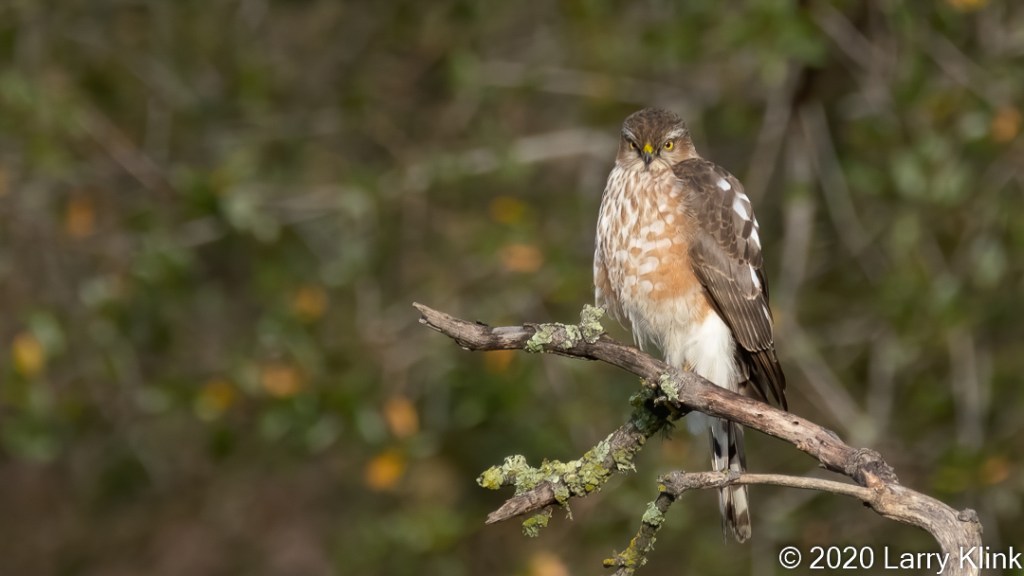
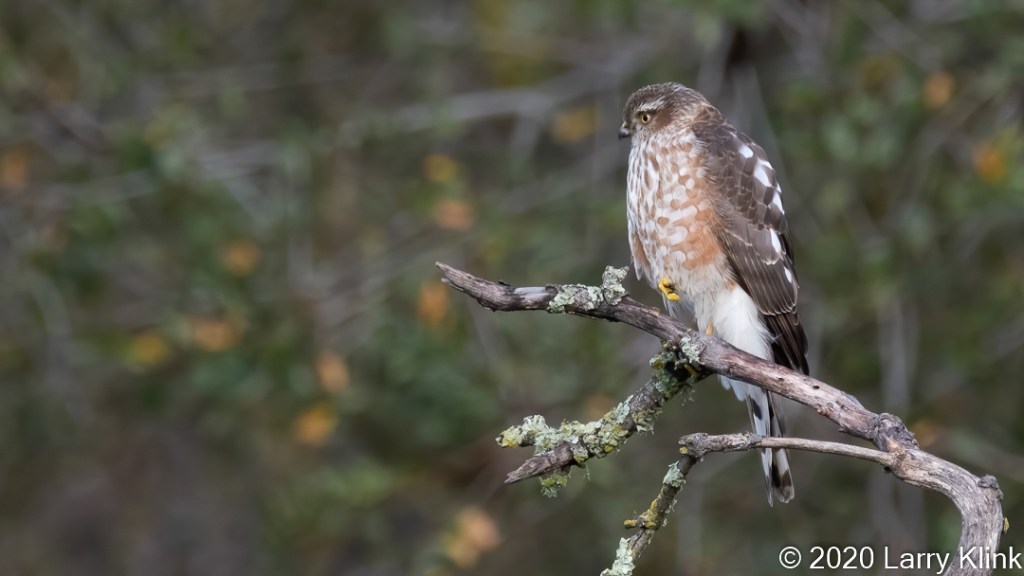
I am sharing images of 3 raptors, i.e., birds of prey. Take note of the image of the White-tailed Kite in the air. It was kiting, its characteristic behavior of hovering over potential prey before it drops down to catch it.
Please click on caption to see images at higher resolution.
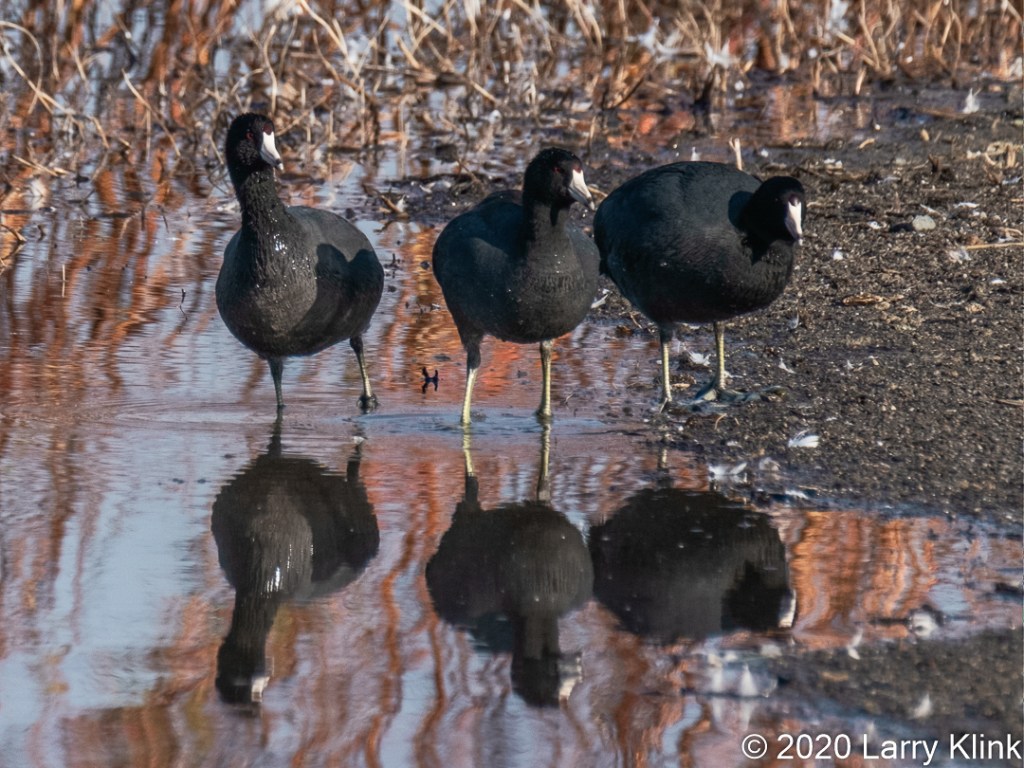
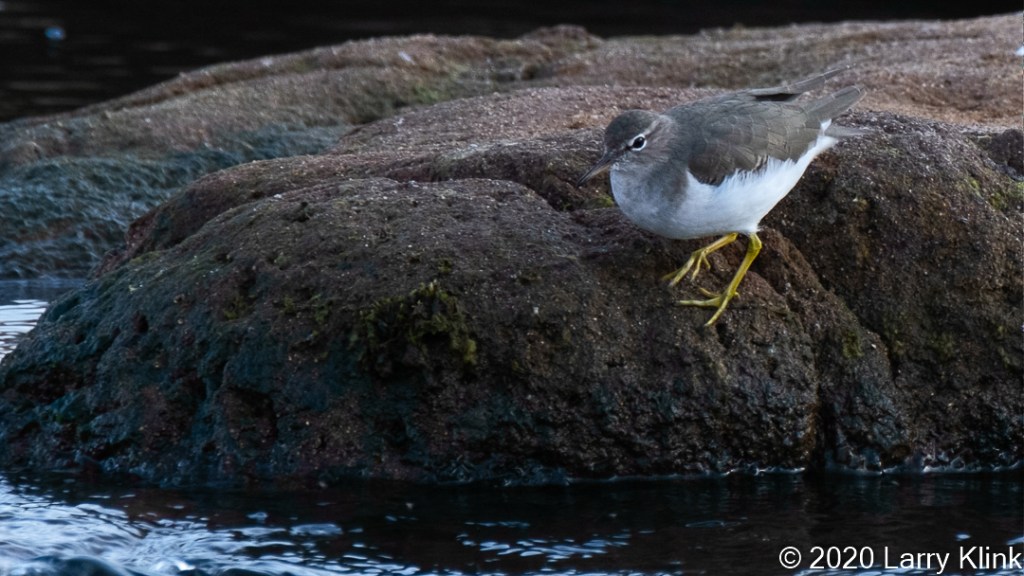
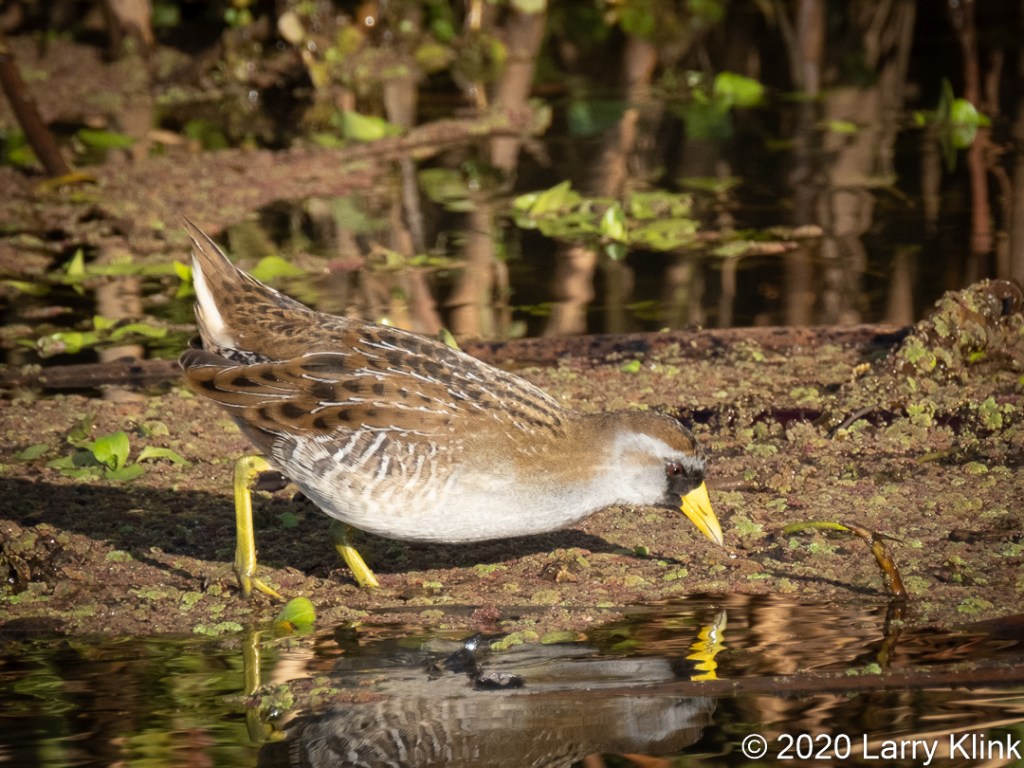
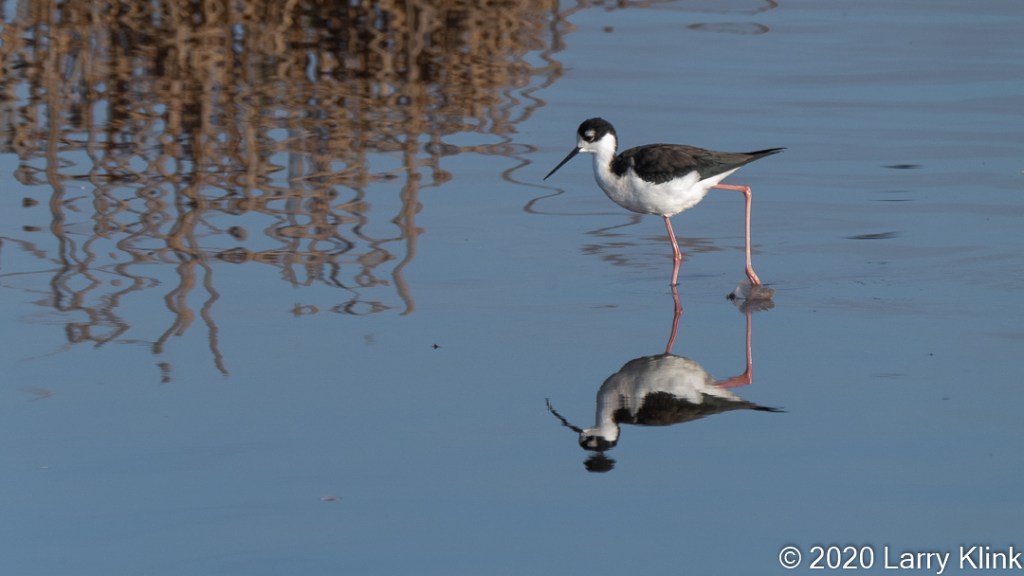
Today I am sharing some birds we find foraging around the shore of our lakes, ponds, rivers, and sloughs. Some of these birds can be found here in the Sacramento region year-round but most are much more prevalent from late autumn to early spring.
Please click on caption to see image at higher resolution.
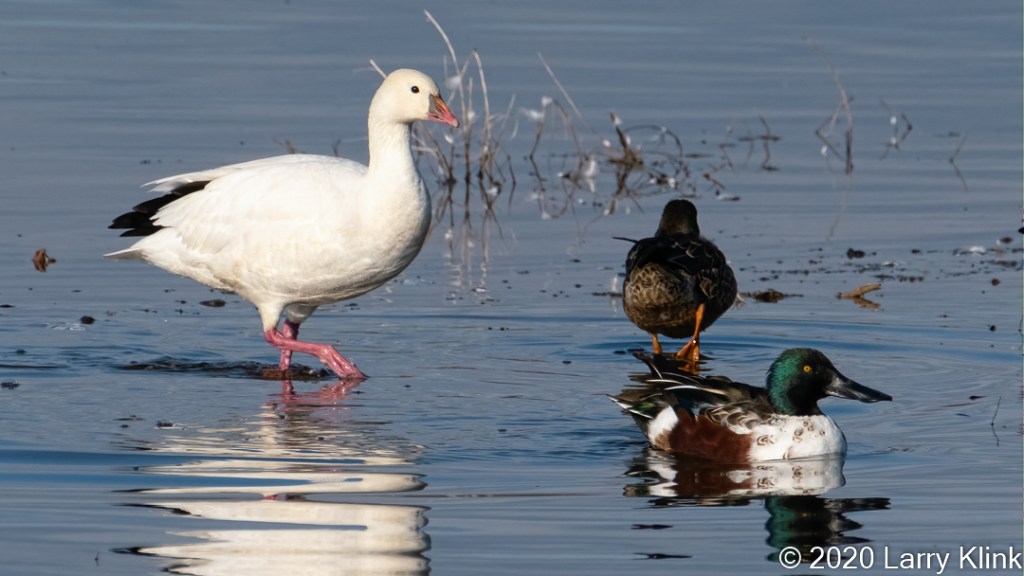
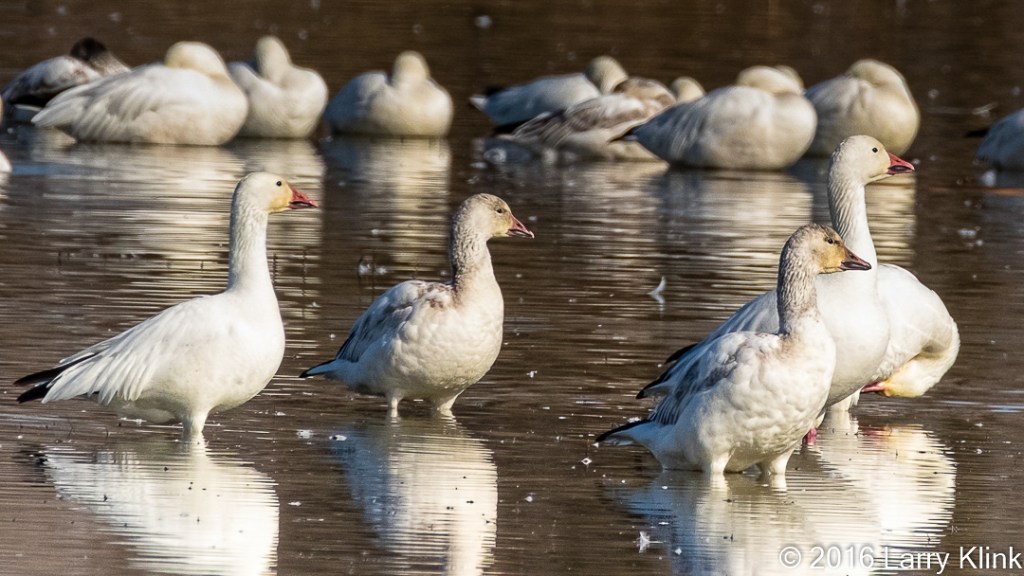
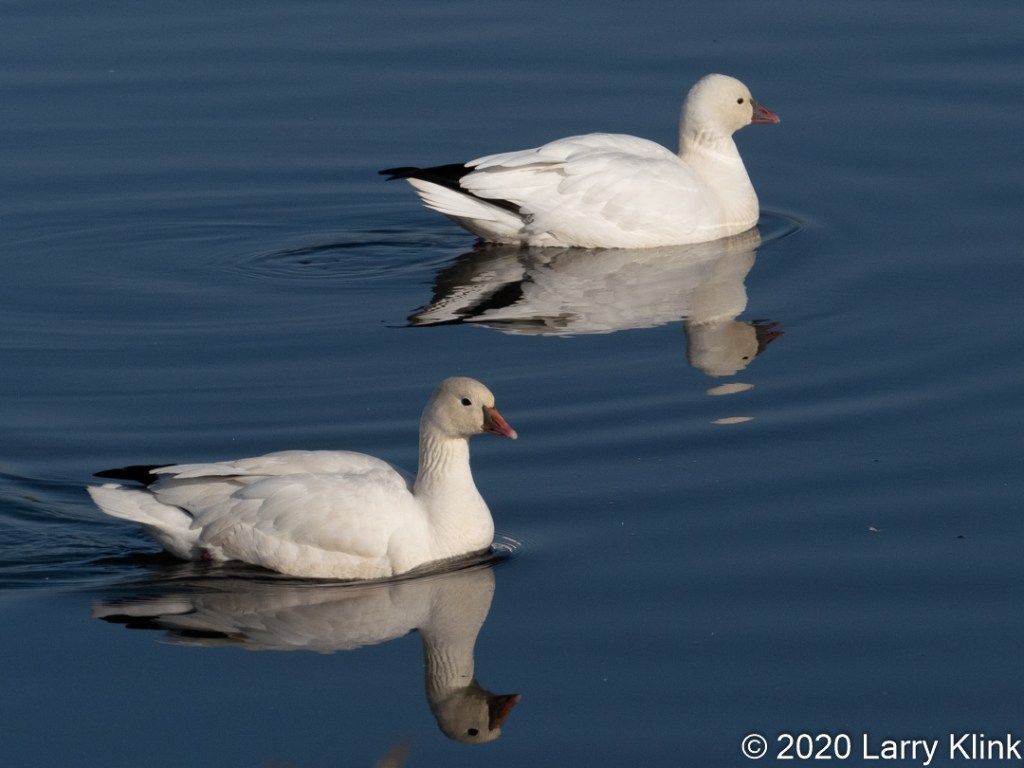
The wildlife refuges in Northern California are one of the wintering over spots for our two varieties of wild white geese: The Snow Goose (Chen caerulescens) and the Ross’s Goose (Chen rossii). They are 2 species that look almost alike and hang around together. In fact they do inter-breed so hybridized geese can be found. There is also a darker morph of both species which can sometimes be found in the flock. The darker or “blue morph” of the Snow Goose is sometimes called a Blue Goose. The head of the Ross’s Goose is smaller and more rounded than the that of the Snow Goose. The Ross’s Goose has a gray patch at the base of its bill. The Snow Goose has dark smile lines on the side of its bill that, I think, look like teeth.
It is amazing site to see these birds lift into the air. Entire fields full of geese will take off at one time making it look like a blizzard of white. On the day we observed them we were treated to an air show by many flocks. Thousands of birds were flying in large “V” formations as far as you could see in all directions. It was amazing!
Please click on caption to se images at higher resolution!
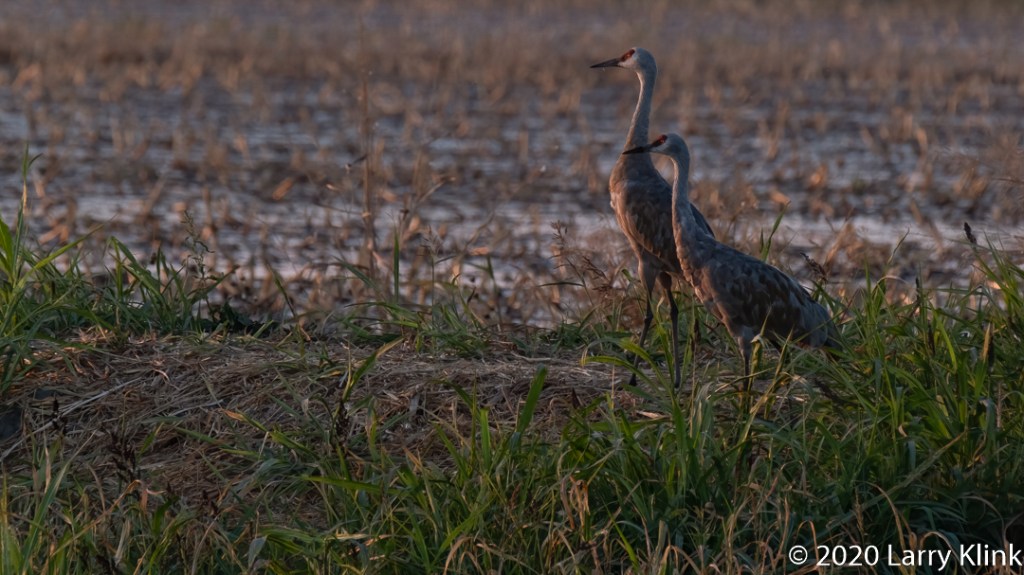
Last week we made the first of our pilgrimages to a spot where Sandhill Cranes winter over. It is still early in the migration and there seemed to be fewer there this year. I caught these images just as the last rays of the sun were setting over Mt Diablo.
Please click on the caption to see image at higher resolution.
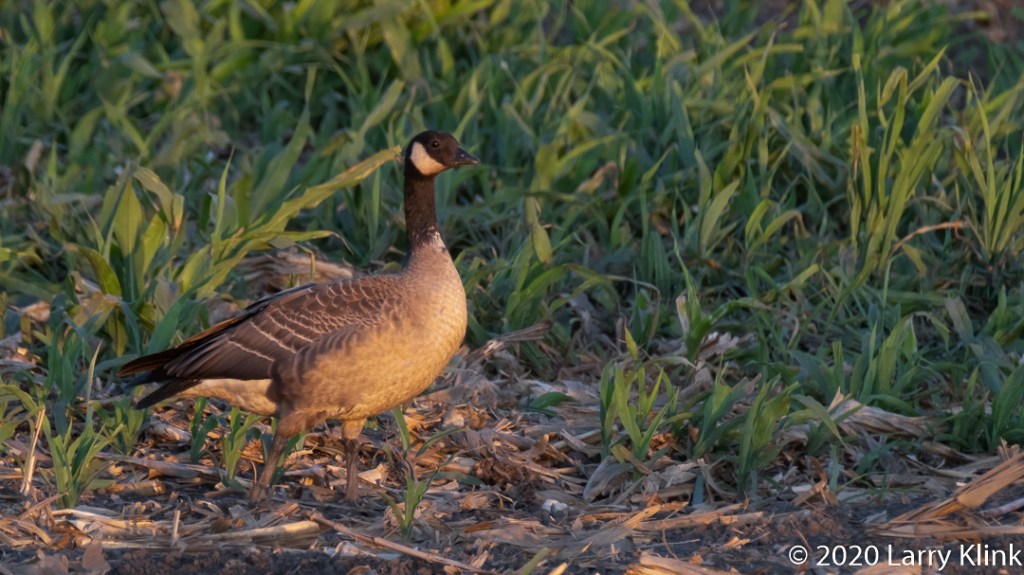
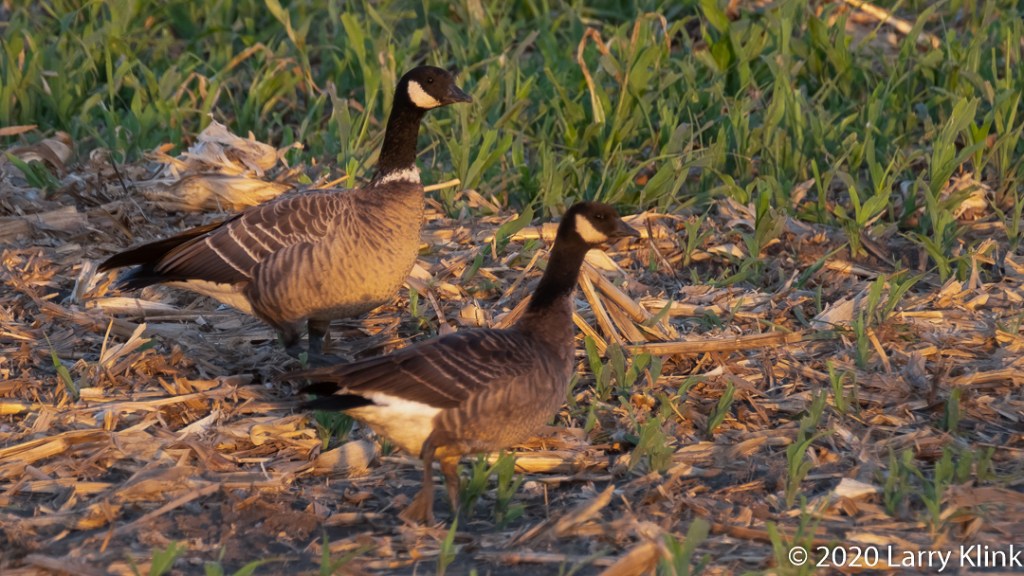
Living along the Pacific Flyway provides a treat; many birds pass through or winter over around here. Our most well known and popular of the winter visitors is the Sandhill Crane. But, in this post, I am going to present another visitor, one less known, the Cackling Goose (Branta hutchinsii).
The Cackling Goose and the Canada Goose look nearly identical and they are related. Until recently they were considered 2 subspecies of a single species. The Cackling Goose is smaller and makes a distinctive cackle instead of the Canada Goose’s honk. One of the field marks I use to identify them is a white band at the base of the black neck; its not a perfect identifier but it is very good.
While the Canada Goose is ubiquitous year around, I have only seen the Cackling Geese, reliably, in a limited area and only in Late October and November. One birder told me that we get the Aleutian Subspecies; there are several other subspecies.
Please click on caption to see imaes at higher resolution.
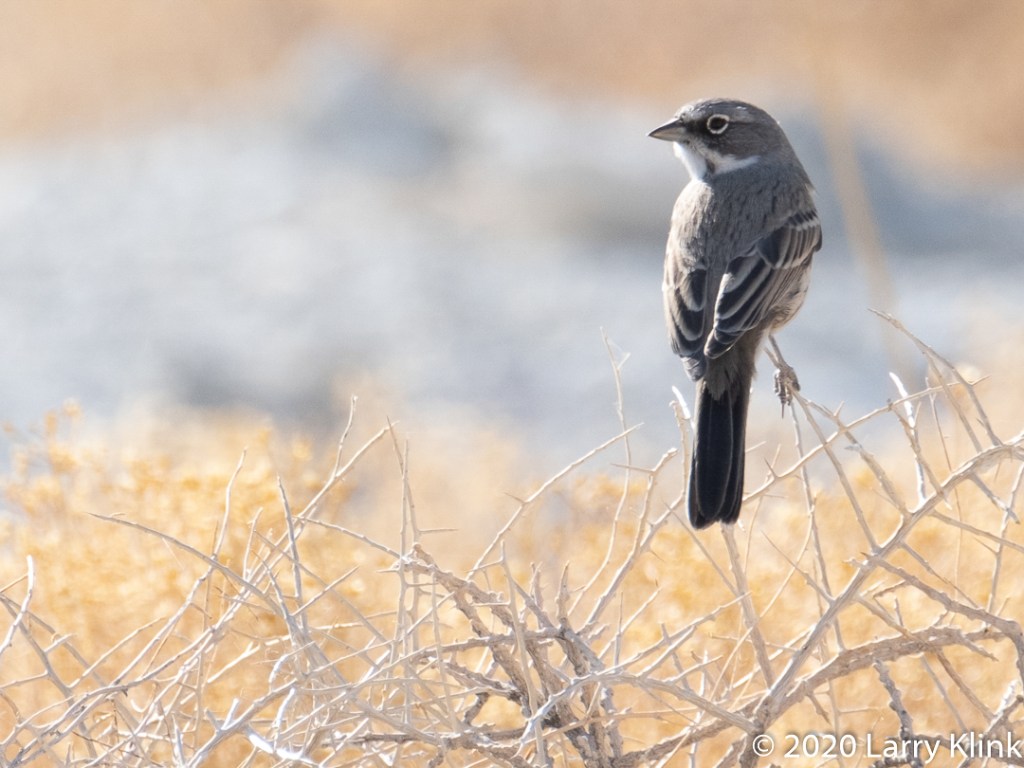
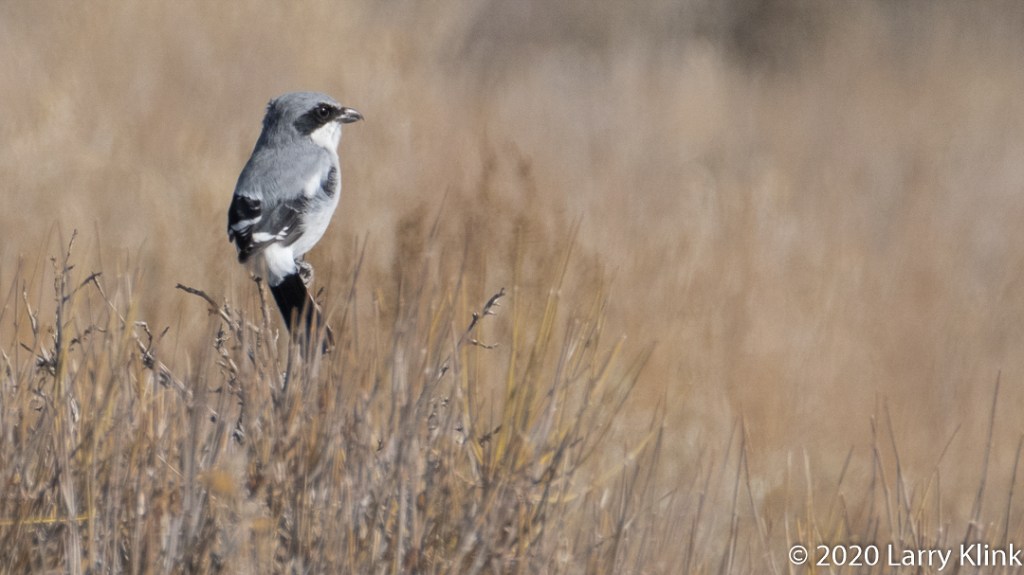
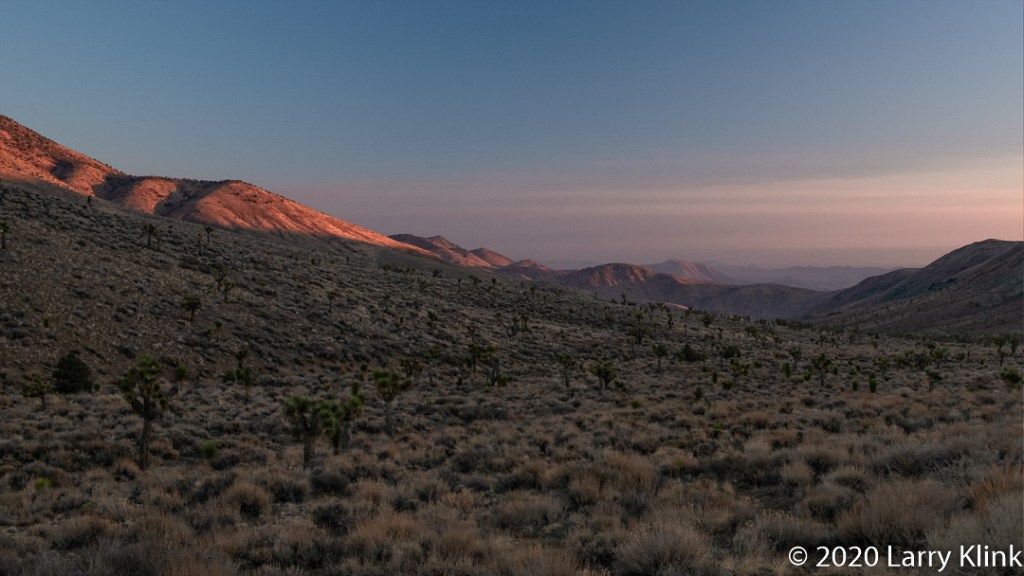
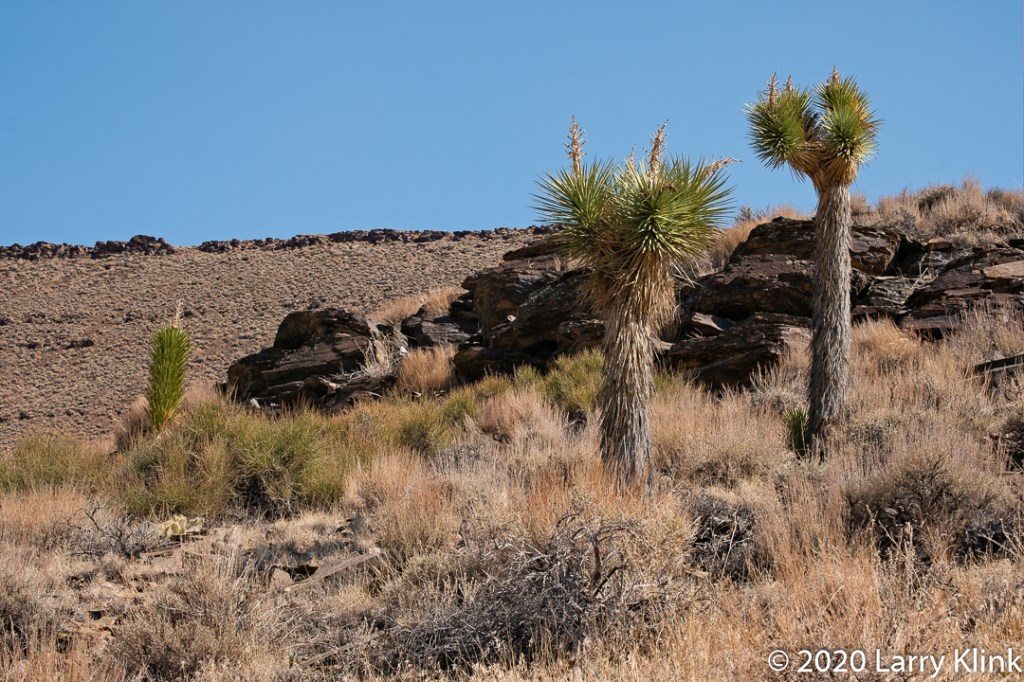
We spent some time exploring Big Pine – Death Valley Road. Along the way, we found some interesting things: A beautiful forest of Joshua Trees, and a wonderful White-tailed Antelope Squirrel. All of this set against the scenery of desert mountains. It was beautiful trip.
Be aware though, if you decide to explore this road, we have read that is one of the most dangerous roads in the country. We found the route to be in good shape but there are some things to consider. We found a lot of tire shredding rocks. There are numerous washes that cross the route so it could be flooded, or the road surface washed out. With photography stops, it took us 7 hours to get from Big Pine to Stovepipe Wells.
This post shares some images from the section between Big Pine, CA and the entrance to Death Valley National Park. I’ll share images from Eureka Valley and Death Valley in a future post.
Please click on caption to see image at higher resolution.














 Earthwatcher