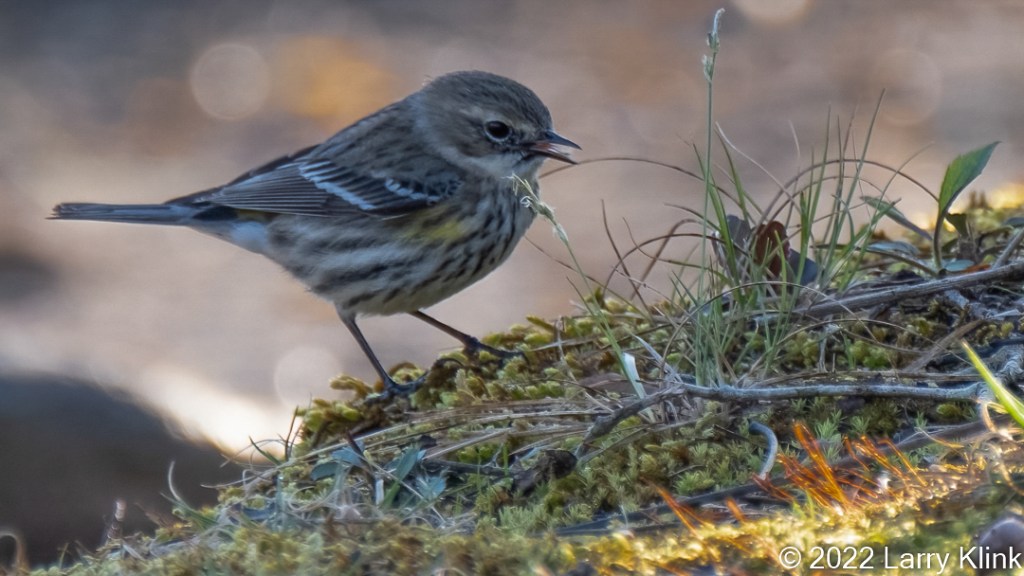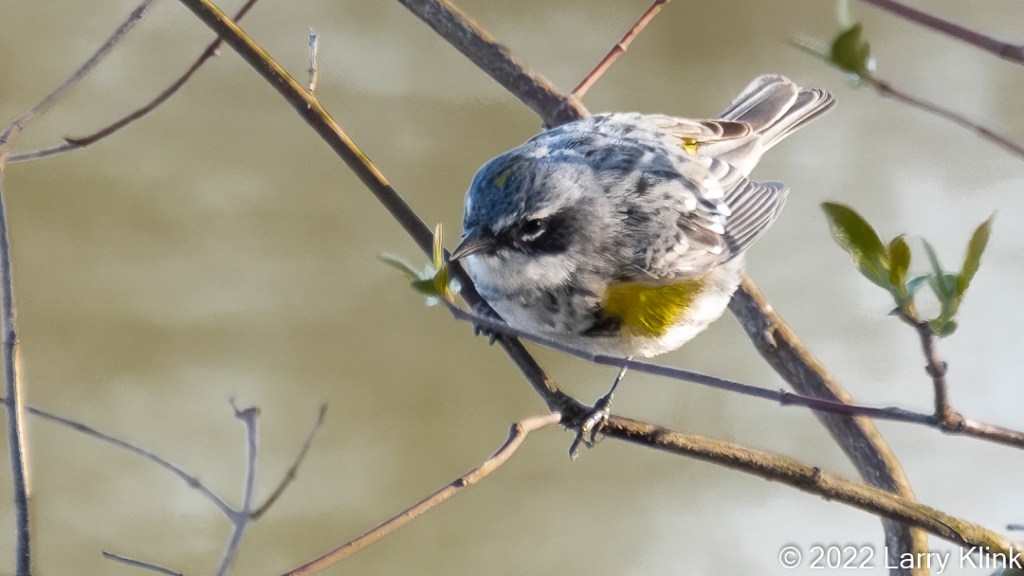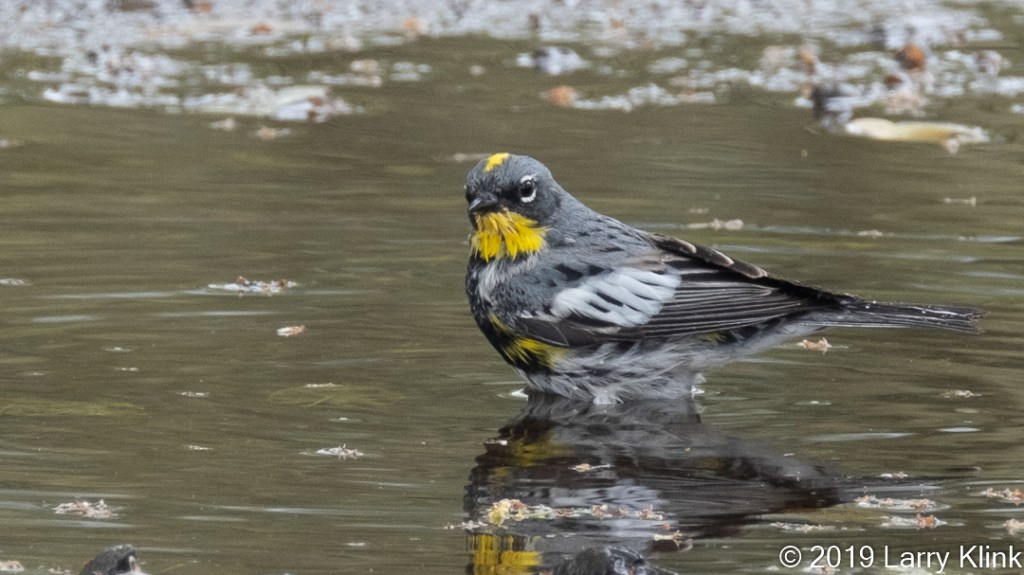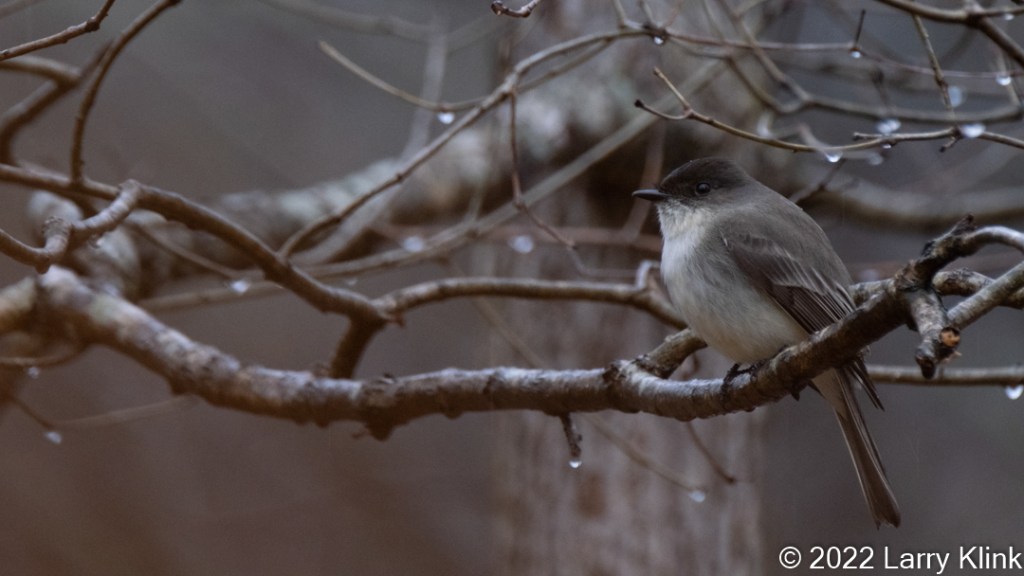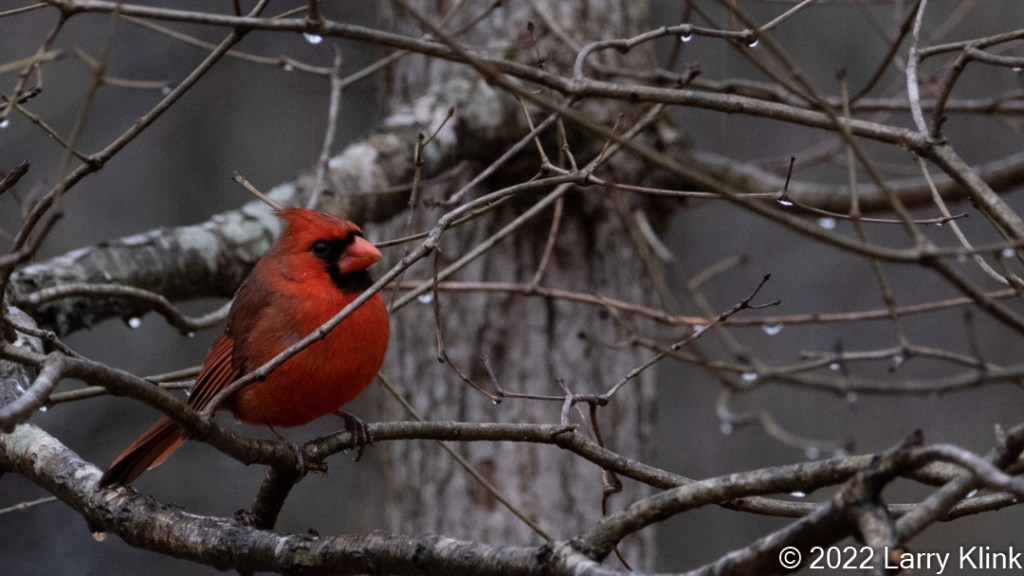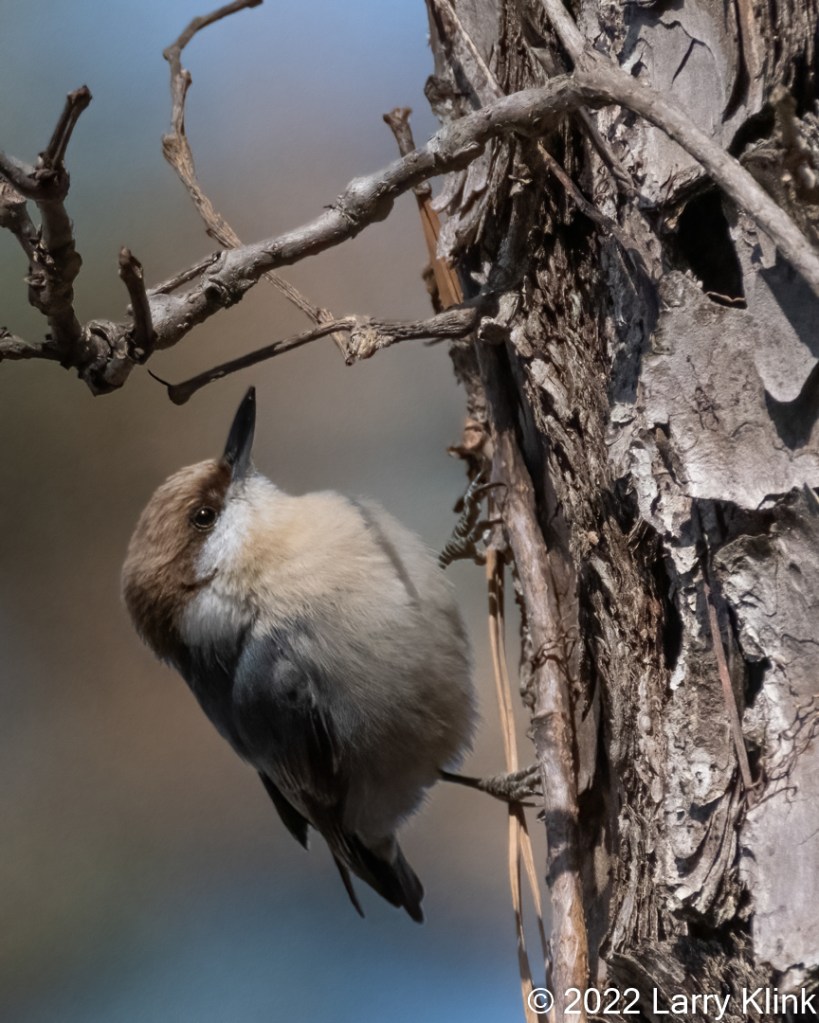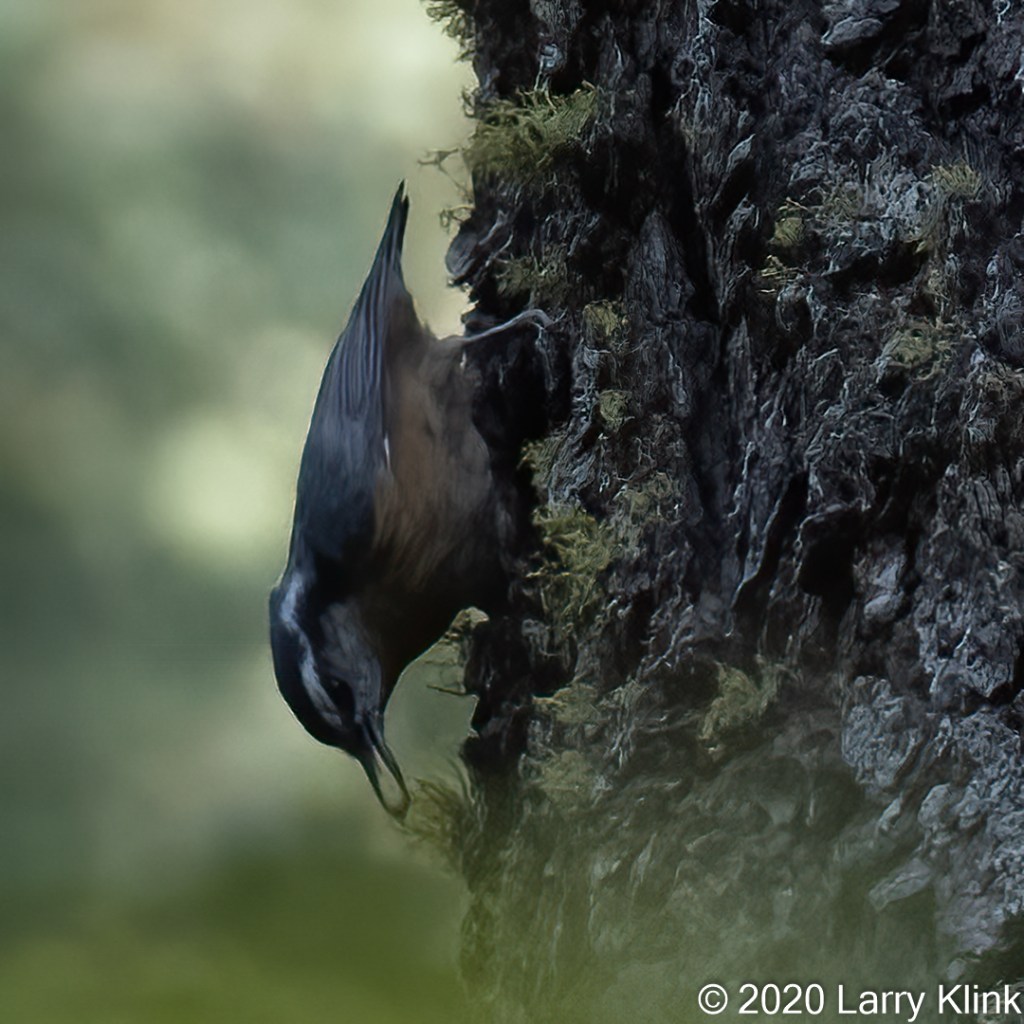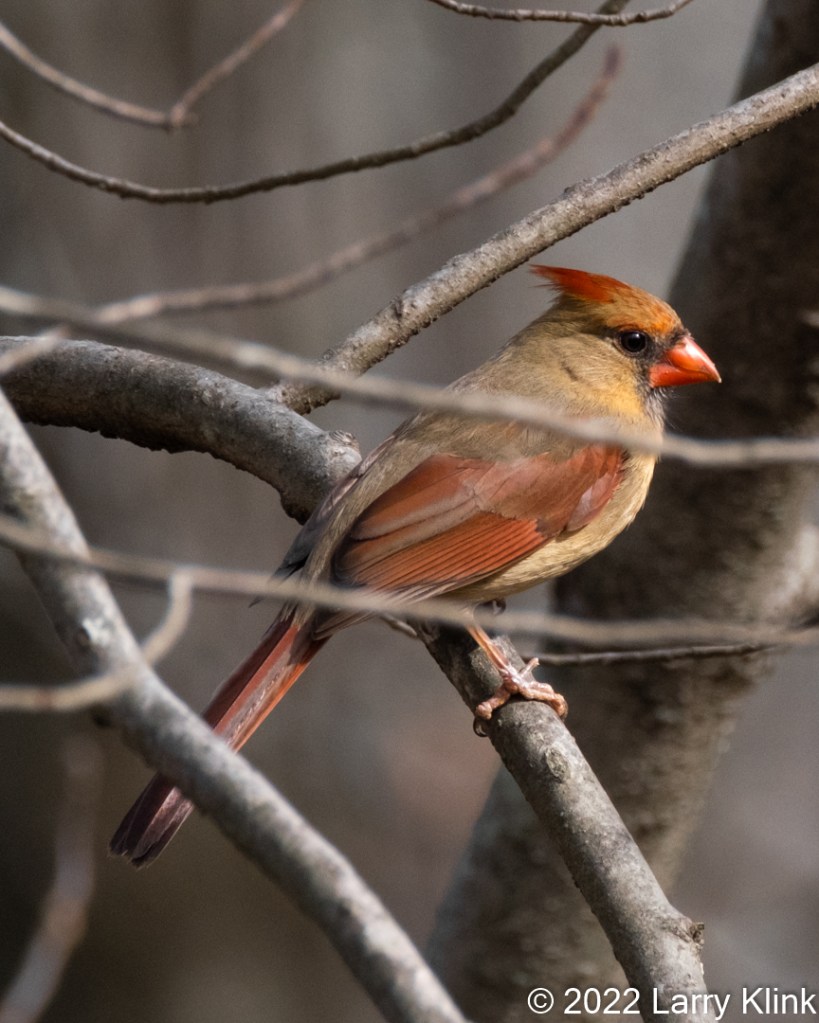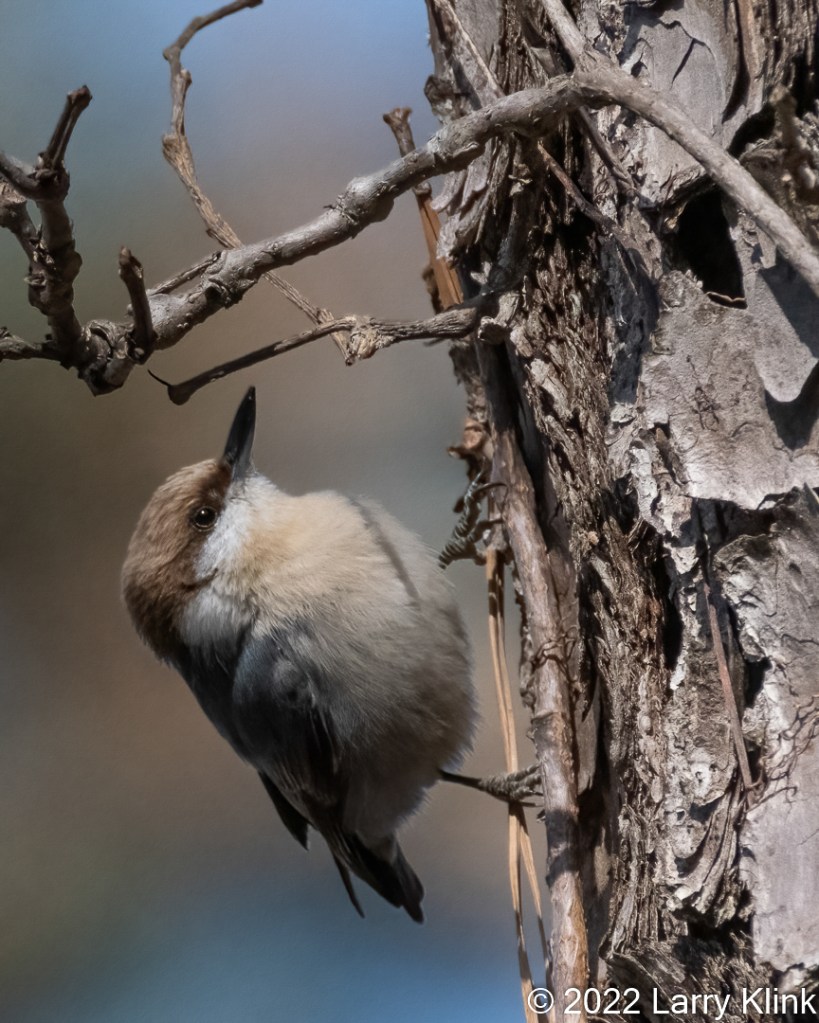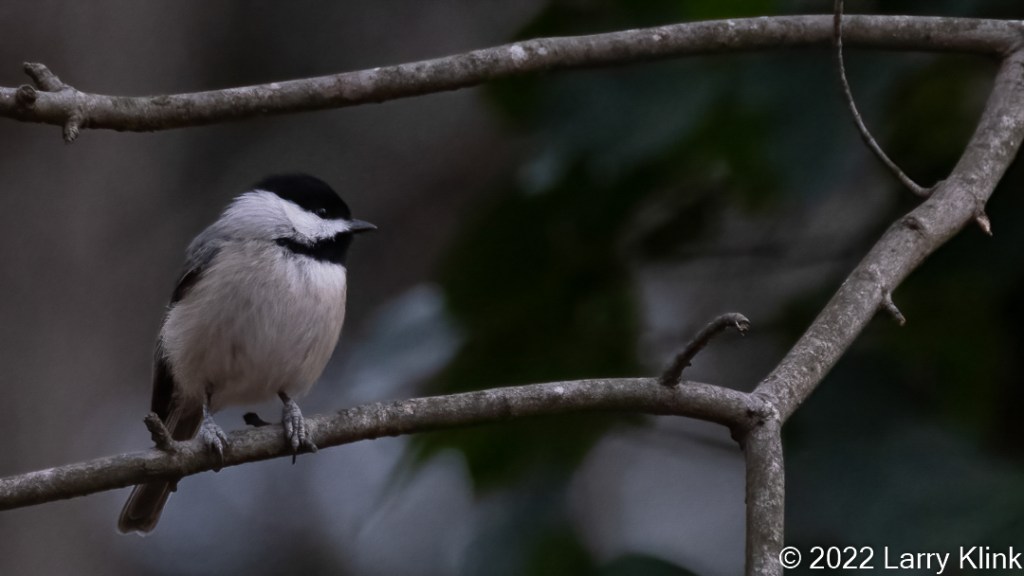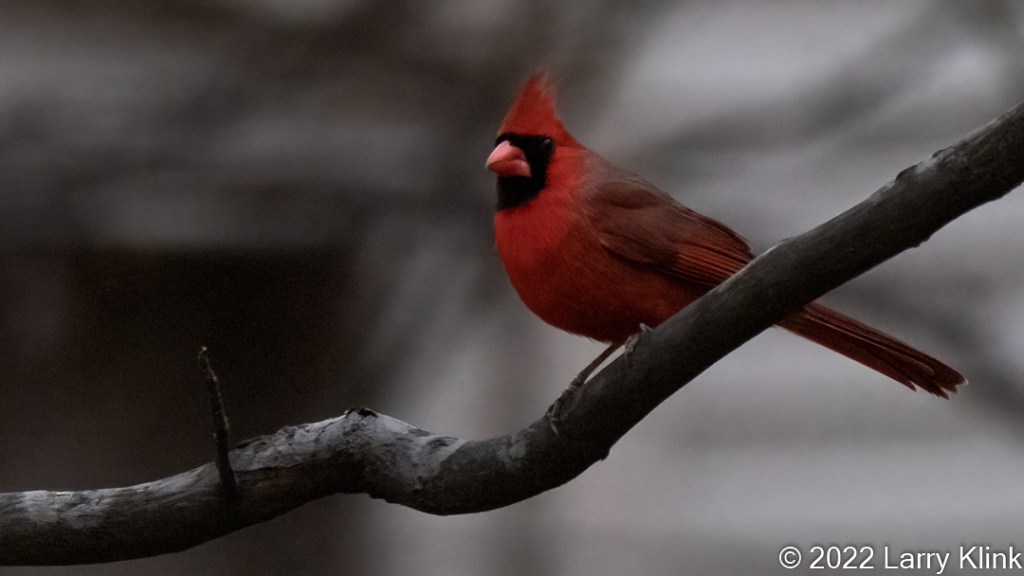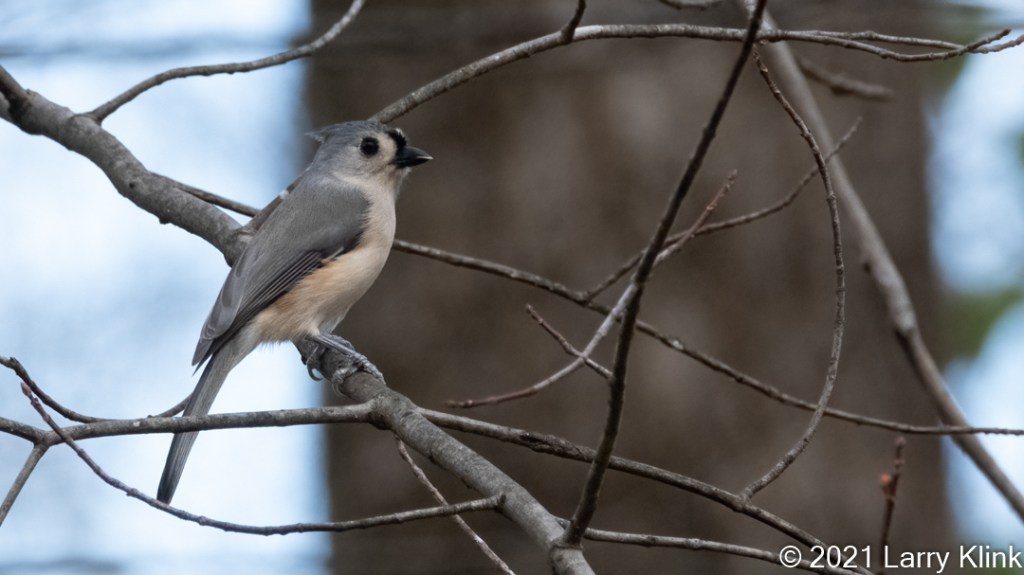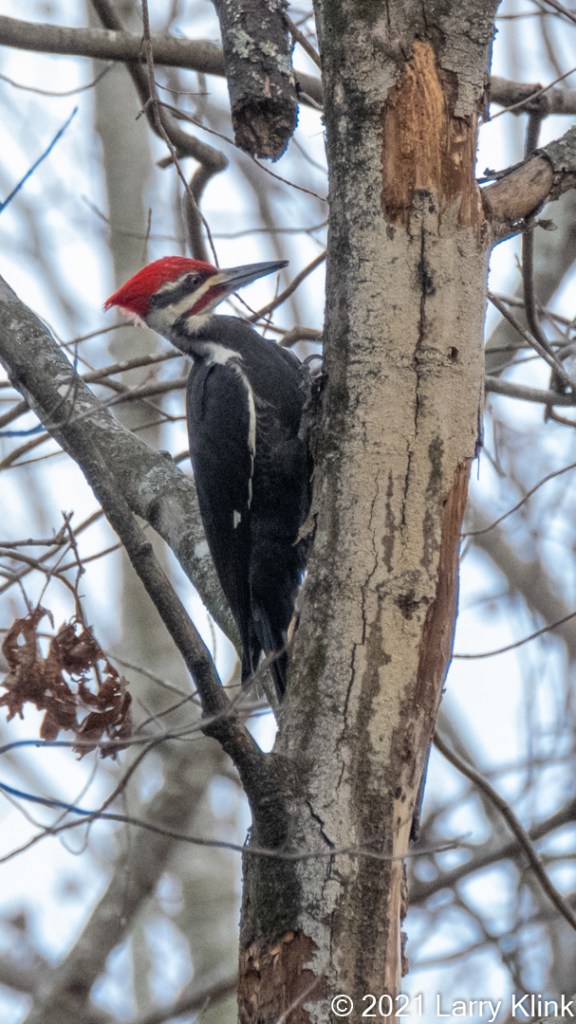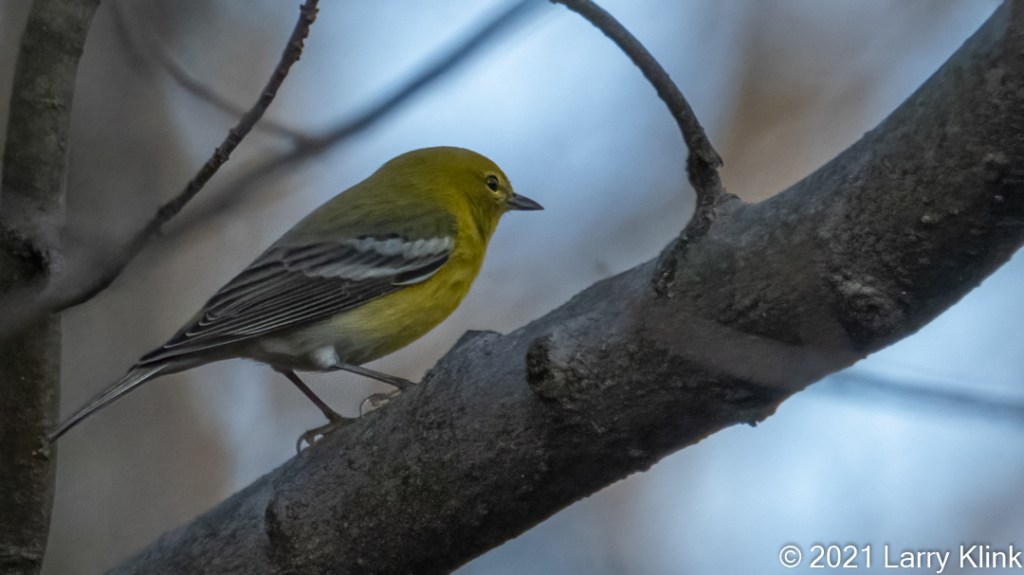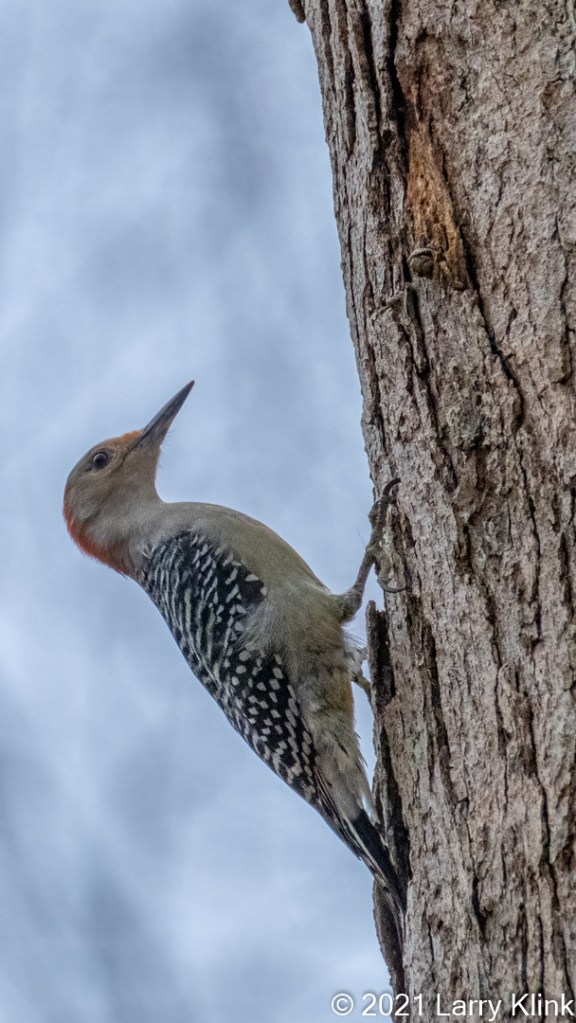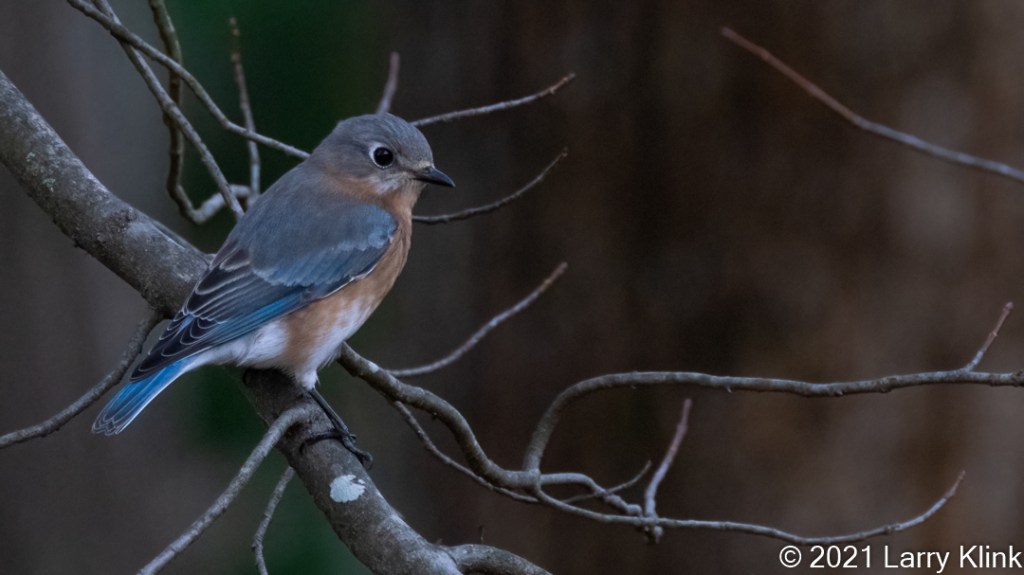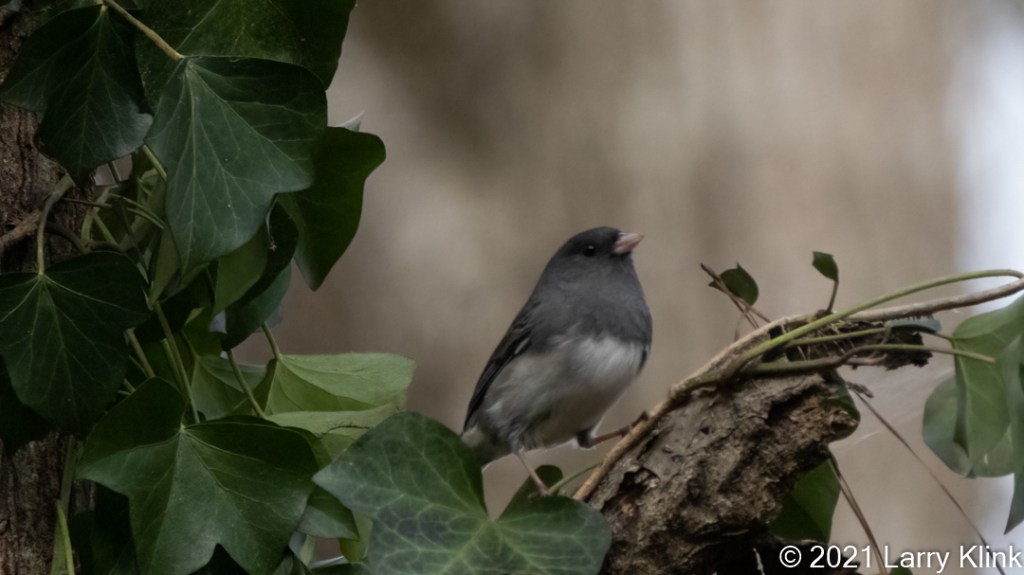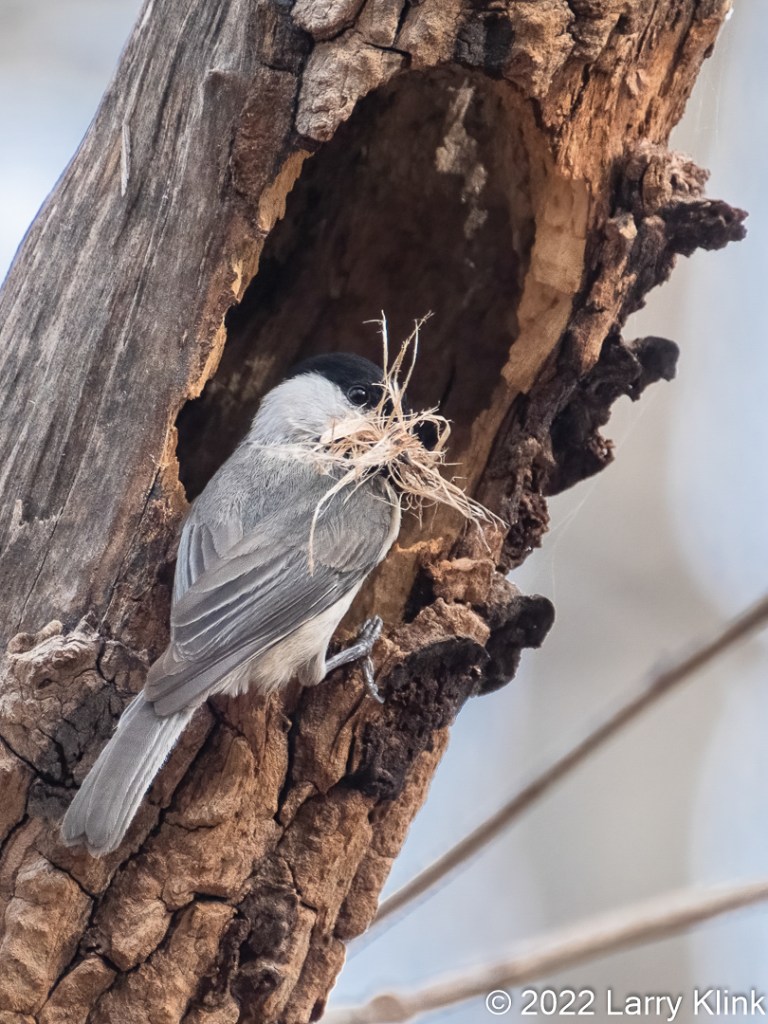
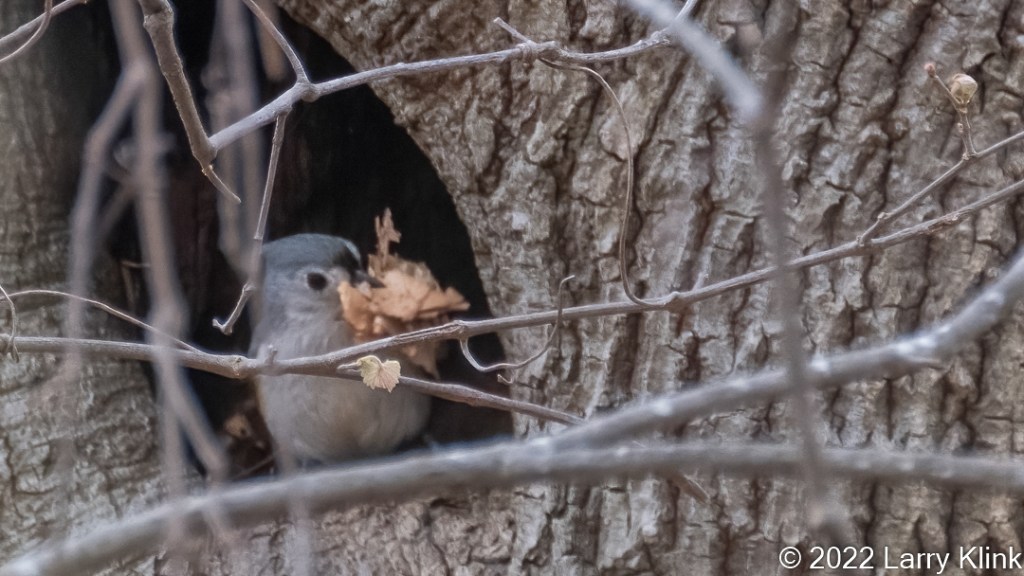
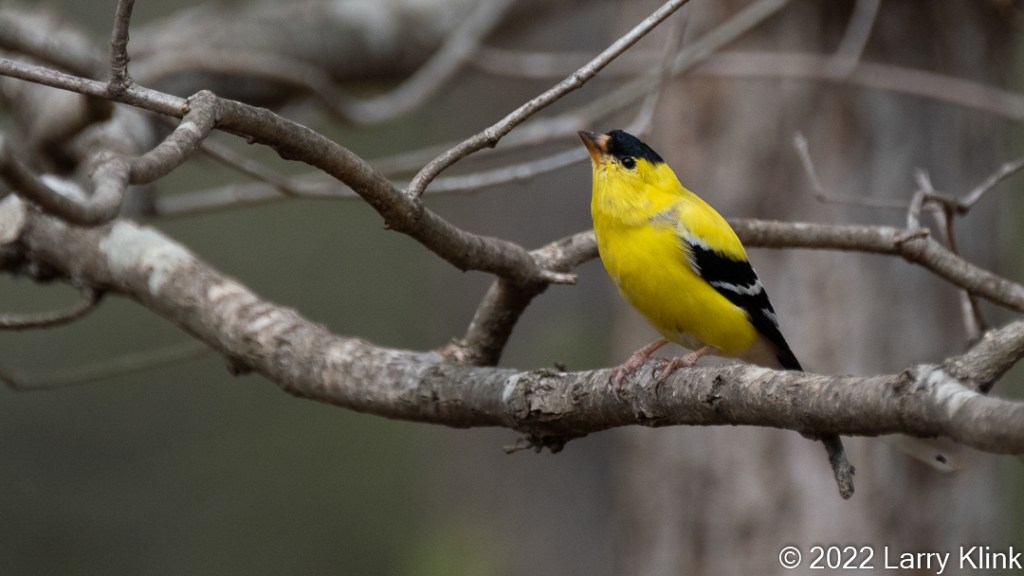
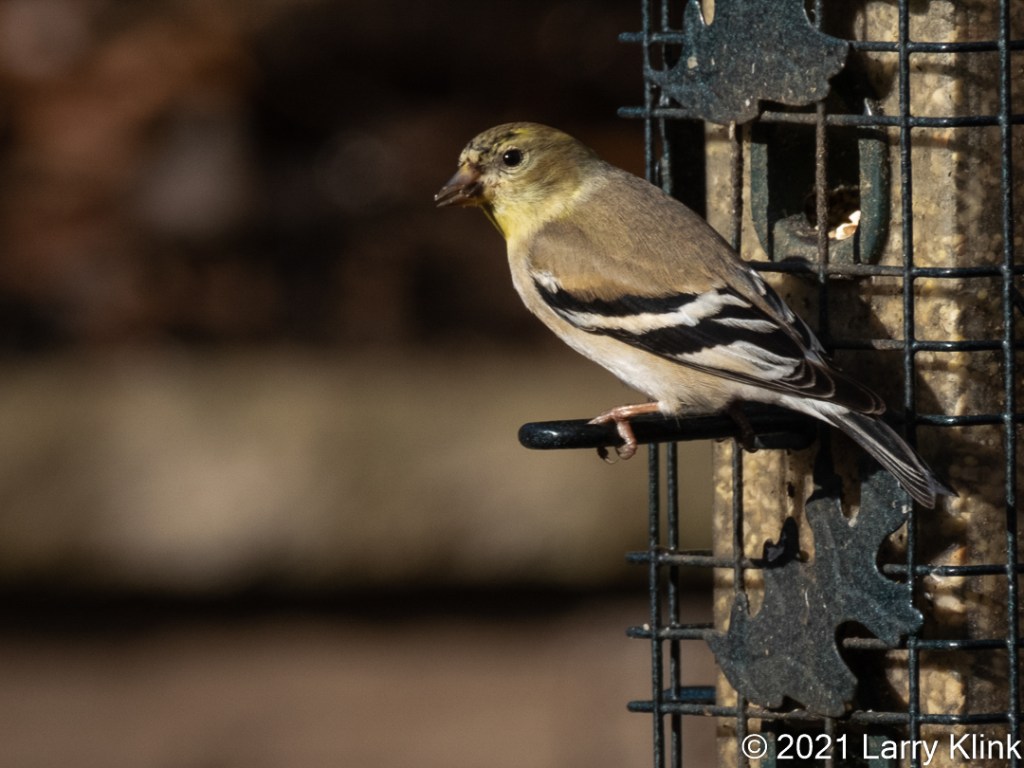
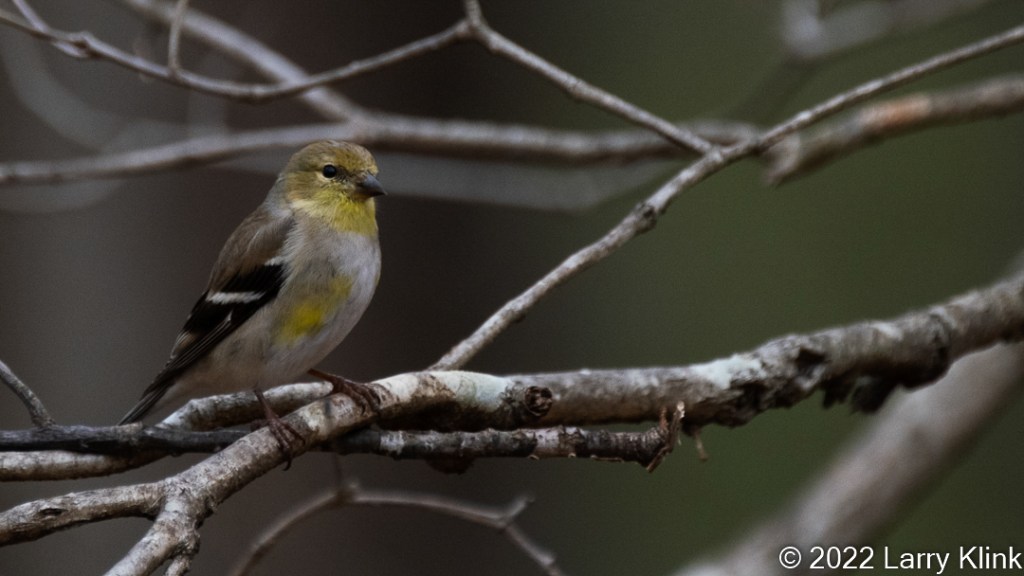
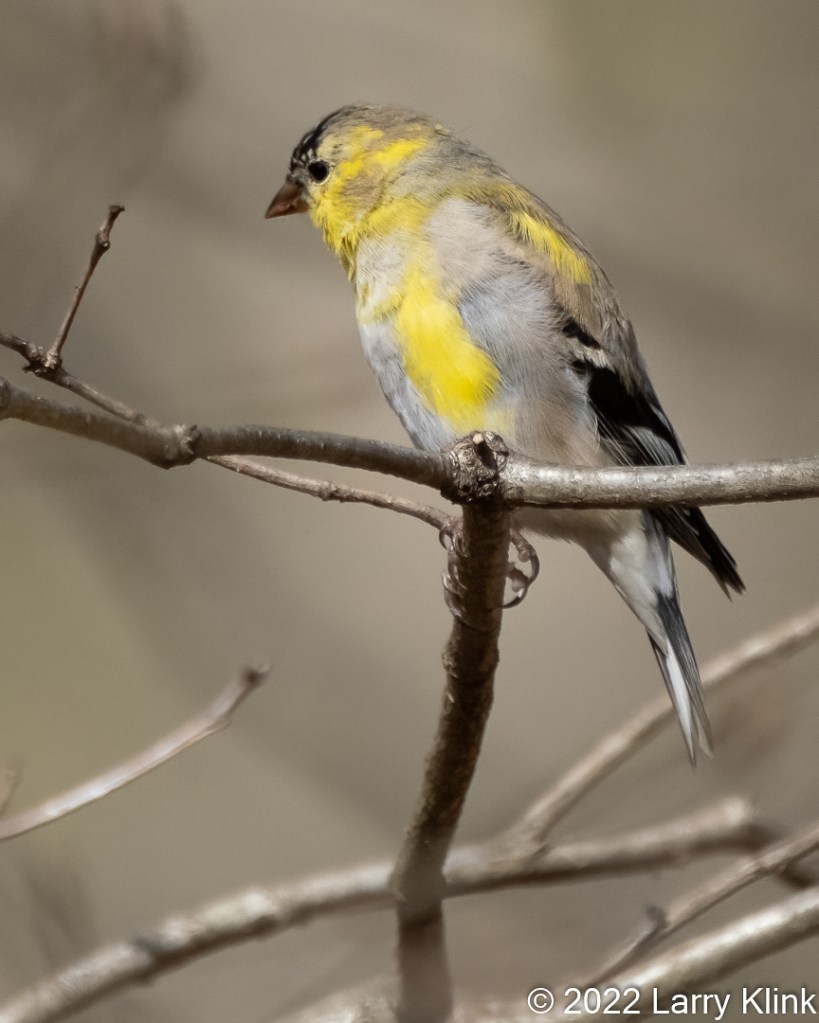
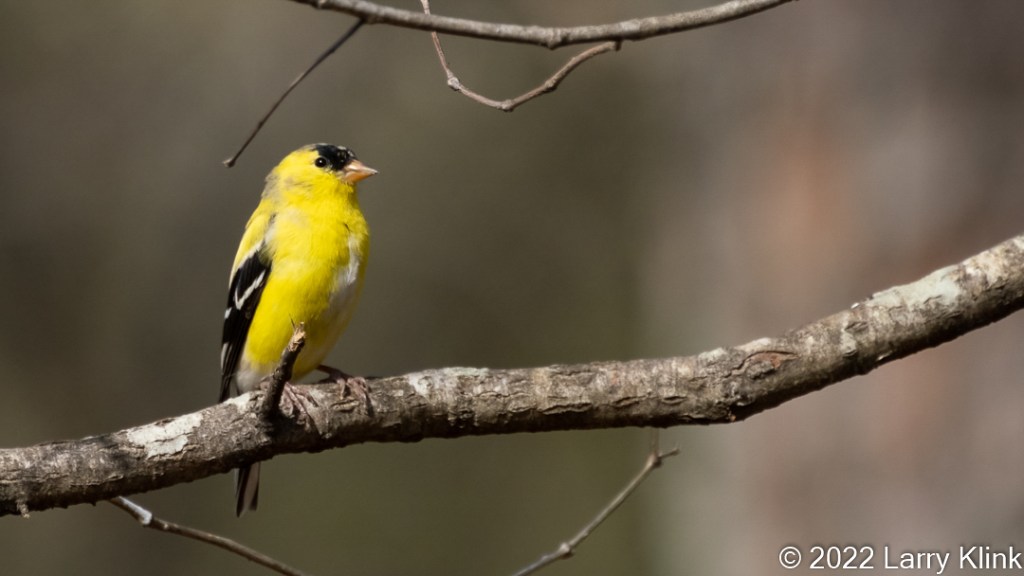
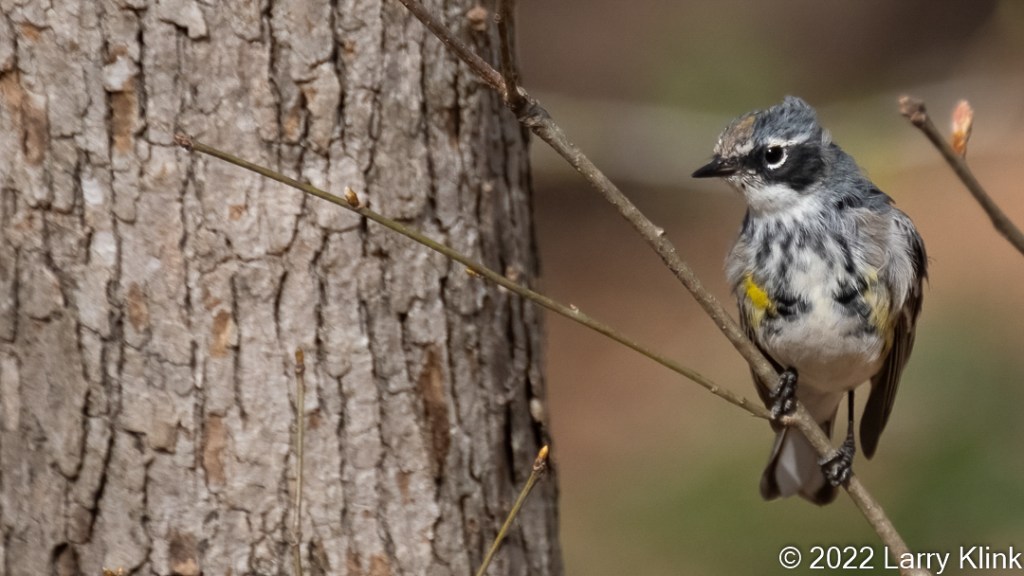
This week, I’m sharing a few more backyard birds from our new home. I’ve learned few some things. The tufted Titmouse behaves like the Oak Titmouse we had in California. It comes to the feeder takes one seed then flies away. The Carolina chickadee’s pig out; those tiny birds are always at the feeder.
If anyone would like a copy of almost any picture in my library, for educational or research use, please contact me and I will happily share a digital copy with you.
I’ve taken a nearly 3-month hiatus from posting. Not because I needed a break, but, because we have relocated. We left Sacramento and moved to the northeast corner of the Atlanta area. We have a nice ½ acre property that is heavily forested, with lots of birds. I hope to get back on track over the next few weeks and post regularly. For those I follow, I’ll be back enjoying your blogs also.
Here are a few of the birds I’ve been able to photograph in our backyard.
If anyone would like a copy of almost any picture from my library, for educational or research use, please contact me and I will happily share a digital copy with you.
Please visit my website, www.earthwatcher.us to see my collection of landscapes and wildlife.
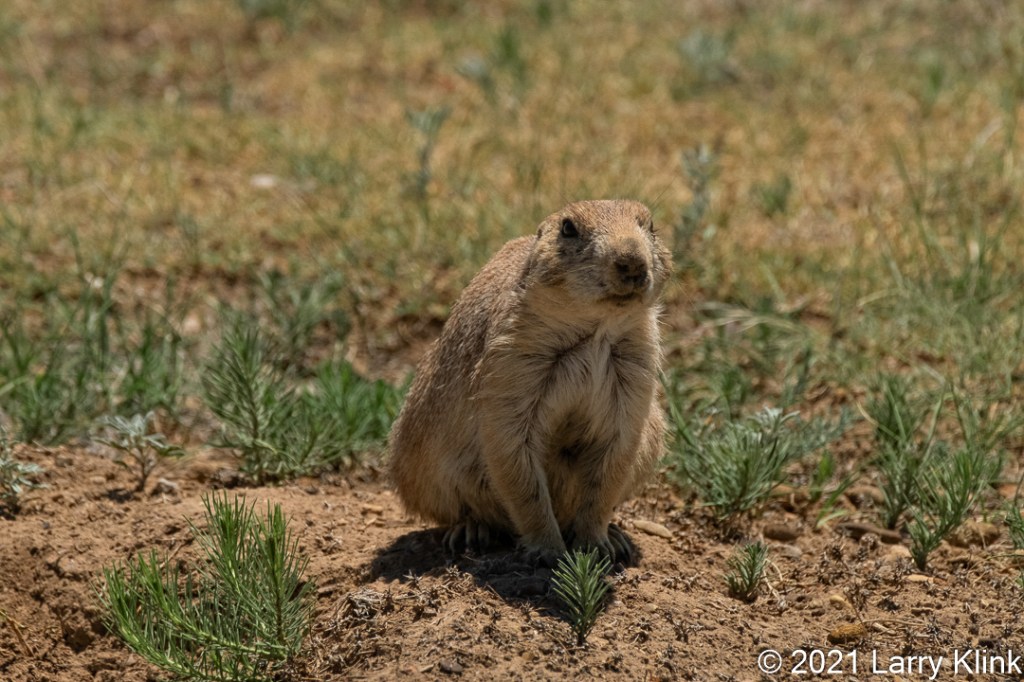
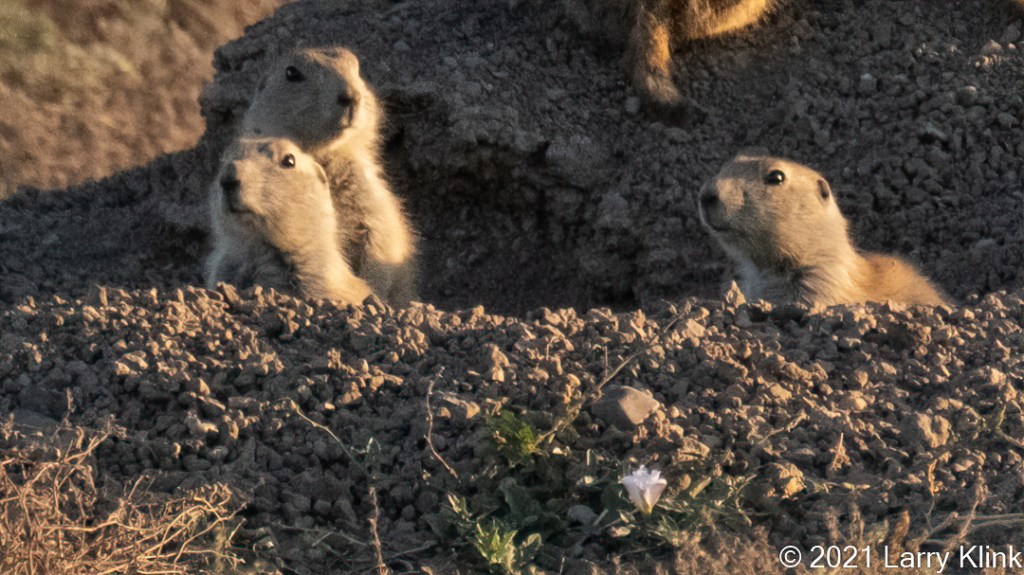
On our trip last July, we spent some time observing Prairie Dogs. I was fascinated by them, just as I am with many rodents. They are very observant and industrious creatures.
Please click on caption to see images in higher resolution!
If anyone would like a copy of almost any picture in my library, for educational or research use, please contact me and I will happily share a digital copy with you.
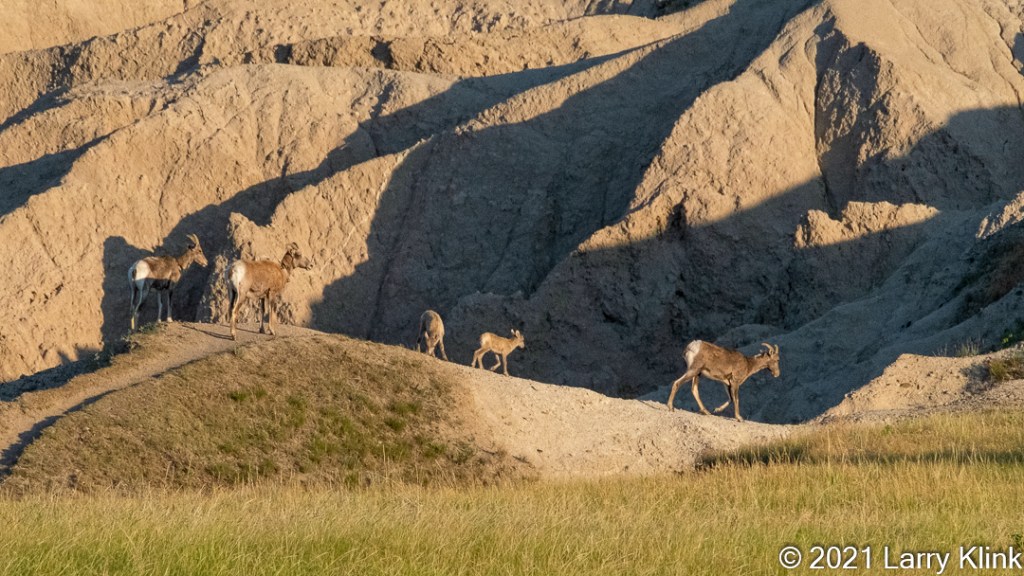
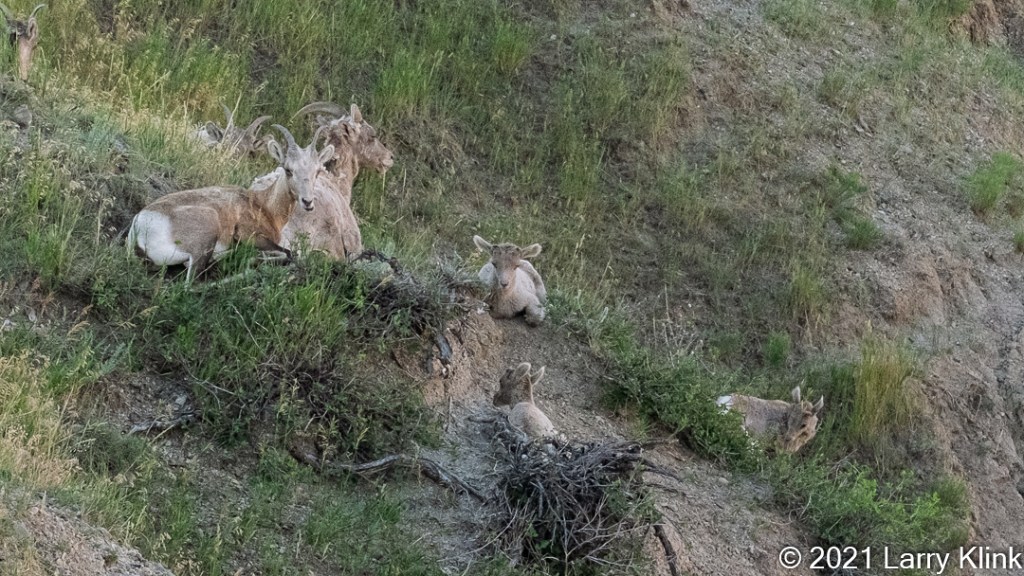
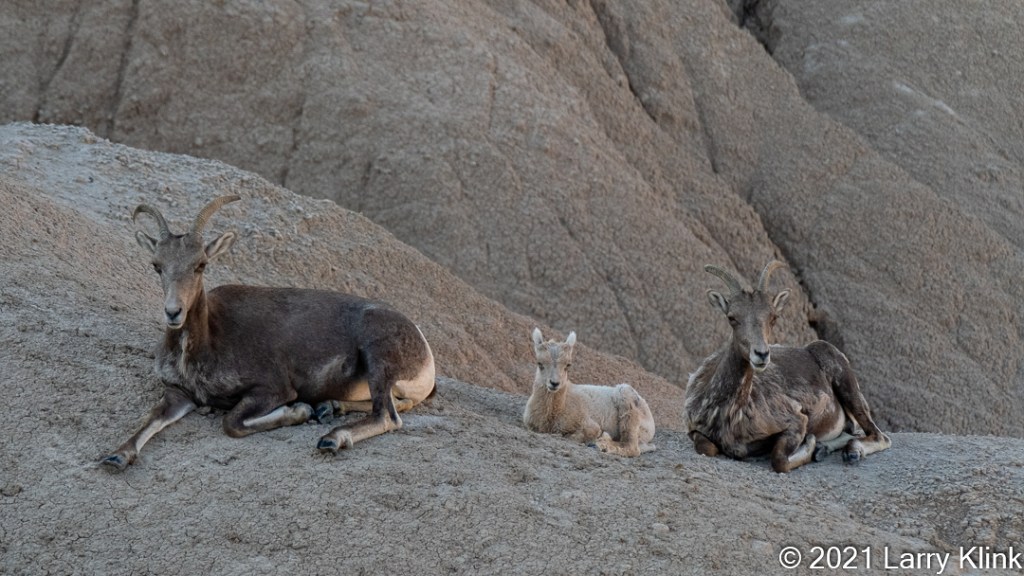
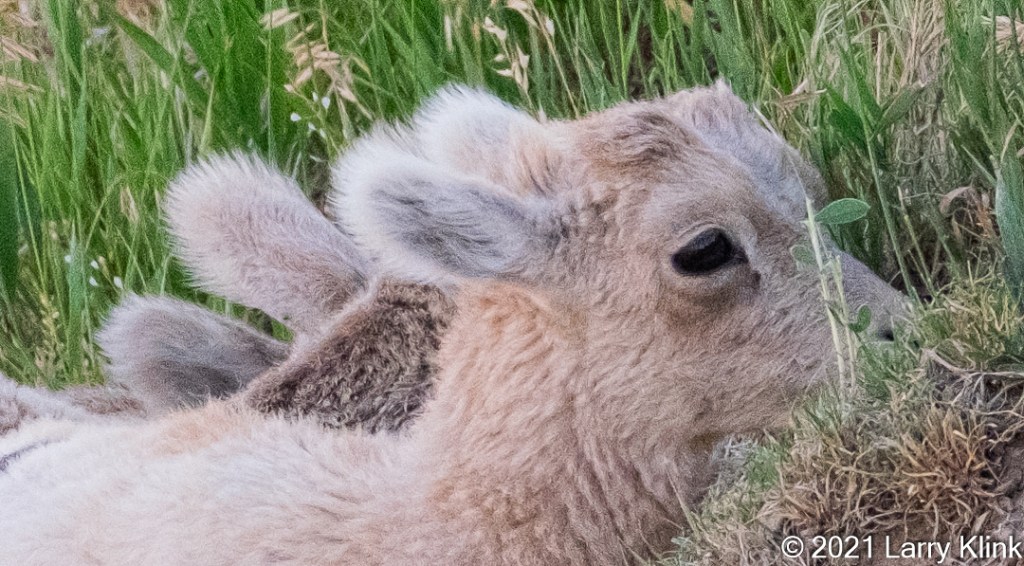
One of the interesting sites at Badlands National Park were the Bighorn sheep. It was especially fun to watch because they had babies.
Bighorn sheep are not native to Badlands National Park. Twenty-two were introduced in 1964 from the Pike’s Peak area in Colorado. The population is now estimated to be over 250. There are no natural predators to the Bighorn at Badlands National Park.
Please click on caption to see images at higher resolution!
If anyone would like a copy of almost any picture in my library, for educational or research use, please contact me and I will happily share a digital copy with you.
Please visit my website, www.earthwatcher.us to see my collection of landscapes and wildlife.
We just returned home from a very long road trip; a trip that took us from California to Maine and back. One of the places we visited was Devils Tower National Monument. I wanted to visit because it is an iconic feature and I hoped to capture a sunrise and night sky shots. Like most of our trip we were in big sky country where the skies are not cloudy all day. That was unfortunate because high clouds would have set the sky ablaze with color at sunrise and sunset. So, I did my best with that I had.
Devils Tower is a small park. The visitors center sits at the end of the only road, and it is a short ride. There is a trail around the monument from the visitor’s center, but it was closed for construction.
Devils Tower is not a solid wall cliff face. It is a beautiful example of columnar joining; something that is typical of volcanic magma that has cooled slowly. In the case of Devils Tower, geologists believe it is an intrusion; i.e. magma pushed up and intruded between other rock. It cooled underground and formed the beautiful columns that make up its rock face. At the bottom of the tower is a boulder field made up of broken pieces from the columns above.
As we explored, we found the dirt road to the Joyner Ridge Trailhead and followed it. There we took a short hike up a knoll and sat on a bench to watch the sun set. I can’t begin to describe the feeling of calm and spirituality I felt up there. I am always awed by the beauty of nature but this was different and more. I often find peace hiking on trails but, again, this was more. Many Native American tribal groups hold Devils Tower as a sacred place for prayer and communing with the spirits. It was a blessing to be there.
Please click on caption to see image at higher resolution.
If anyone would like a copy of almost any picture in my library, for educational or research use, please contact me and I will happily share a digital copy with you.
Please visit my website, www.earthwatcher.us to see my collection of landscapes and wildlife.
Acorn Woodpeckers are the most common woodpecker species that we see in the Sacramento, CA area. They are very active, industrious, and highly social birds. They live in family groups in a single nesting cavity, they manage a large acorn granary stored in holes they drill in dead trees, and they are very territorial.
One of the California Naturalists at Effie Yeaw Nature Center, wrote a short, interesting article about them. The article was published in “The Acorn” summer newsletter from Effie Yeaw Nature Center. (2021acornsummer.pdf (capitoltechsolutions.com)). It is a fascinating read sure to increase your appreciation of the interesting birds.
Please click on caption to see image at higher resolution.
If anyone would like a copy of almost any picture in my library, for educational or research use, please contact me and I will happily share a digital copy with you.
Please visit my website, www.earthwatcher.us to see my collection of landscapes and wildlife.
I am sharing pictures of some of this year’s crop of baby birds.
Please note that the young Mallards from several weeks apart may be the same family. The images were all taken in the vicinity of the nest site where I first found them.
Also, concerning the image of the Female Mallard Duck with Ducklings: Common Mergansers are diving ducks; they swim fully submerged when foraging for food. This mother was watching 2 ducklings. One was swimming with its head submerged. I watched the mother push this duckling’s head under the water. I wonder if I observed a foraging lesson.
Please click on caption to see images at higher resolution.
If anyone would like a copy of almost any picture in my library, for educational or research use, please contact me and I will happily share a digital copy with you.
Please visit my website, www.earthwatcher.us to see my collection of landscapes and wildlife.
I am fortunate that a pair of Great Blue Herons chose to nest near one of my favorite walking/photography trails. I was only able to visit them 3 times this spring. So, this series of images consists of 3 sets taken approximately a month apart. In the second set, one of the adults is on the nest and the other is behind the tree branches. In the third set, the chicks are too big and the adult can’t get on the nest with them so it is behind the tree branches.
There are 2 chicks. In the second set of images, the second chick was apparently napping and never lifted its head despite my waiting for nearly an hour.
Please click on caption to see images at higher resolution!
If anyone would like a copy of almost any picture in my library, for educational or research use, please contact me and I will happily share a digital copy with you.
Please visit my website, www.earthwatcher.us to see my collection of landscapes and wildlife.
When I saw this Red-tailed Hawk I immediately thought of a stodgy, nerdy, middle-aged human male just hanging around. It made me chuckle. But, very quickly, it showed me its true nature as it jumped into action.
Please click on caption to see image at higher resolution.
If anyone would like a copy of almost any picture in my library, for educational or research use, please contact me and I will happily share a digital copy with you.
Please visit my website, www.earthwatcher.us to see my collection of landscapes and wildlife.
Last week I shared some scenes from Red Rock Canon State Park near Cantil, CA. Today, I am sharing images of birds that I saw while hiking along the Red Cliffs Trail.
Please click on caption to see image at higher resolution!
If anyone would like a copy of almost any picture in my library, for educational or research use, please contact me and I will happily share a digital copy with you.
Please visit my website, www.earthwatcher.us to see my collection of landscapes and wildlife.