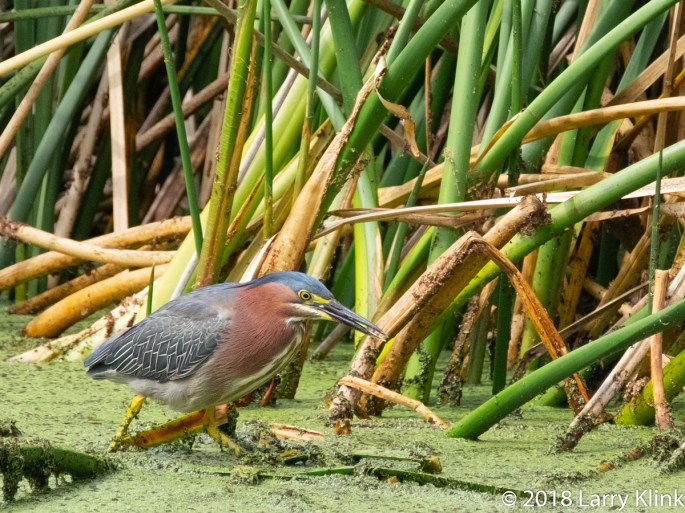
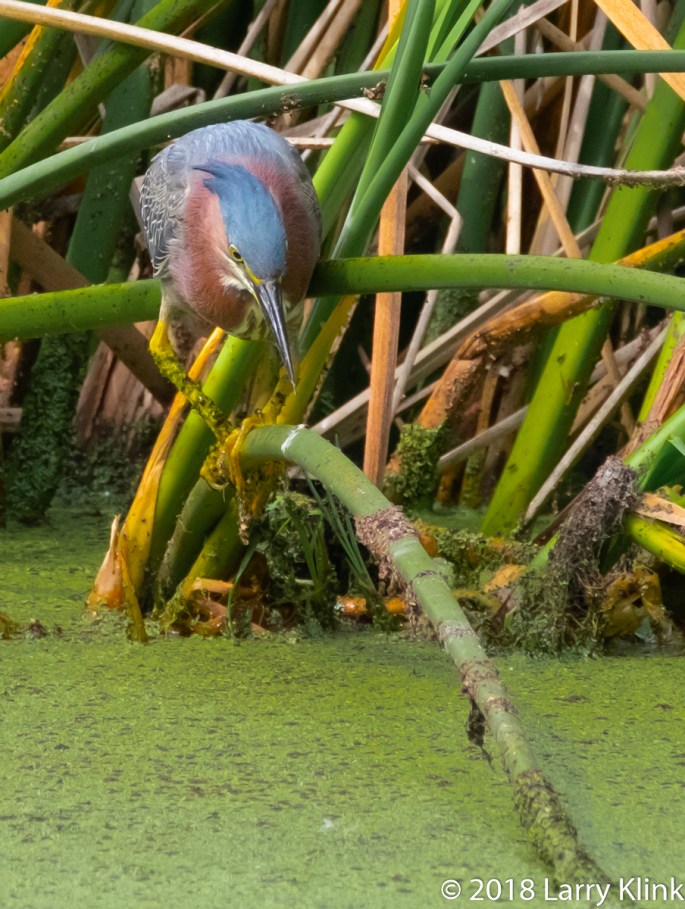
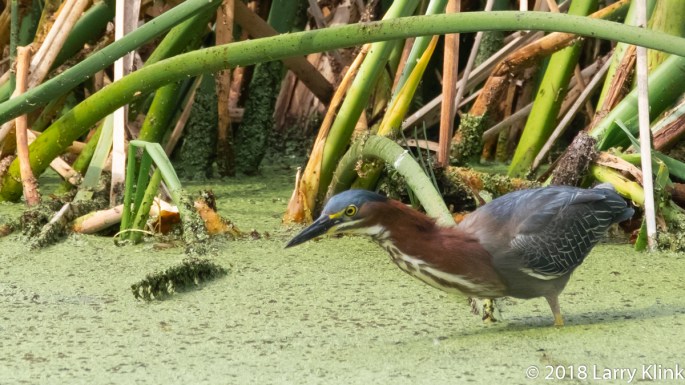
This week, I was blessed to be able to observe and photograph a green heron for 10 minutes. I see green herons from time to time but only one other time did I see one long enough to take a photo and one shot was all he gave me. This colorful bird is much smaller than its more familiar cousin, the Great Blue Heron. Why it is called the green heron, I do not know. I only see gray, blue, chestnut red and yellow. Regardless, they are beautiful. I hope you enjoy these images.
Regards,
Larry.
Note: Click on caption to see image at larger size and greater resolution
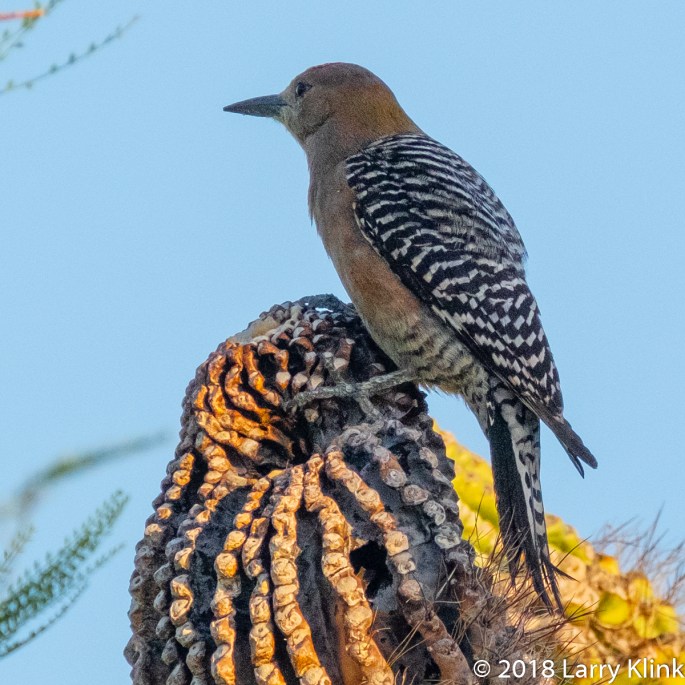
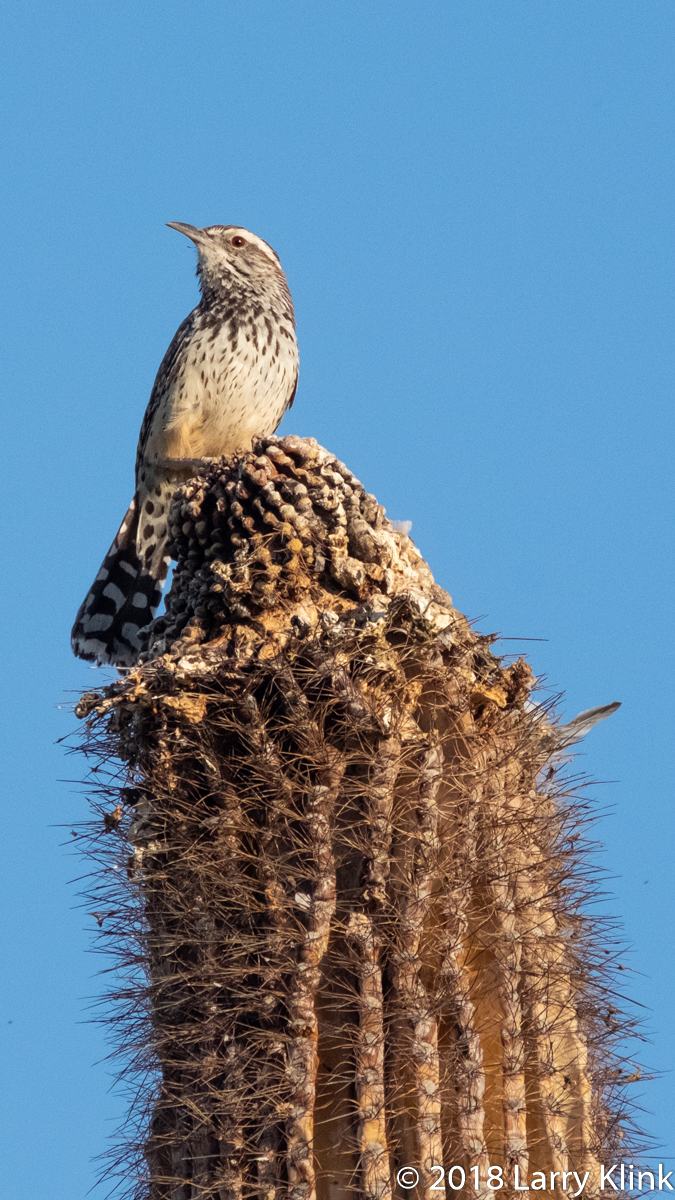
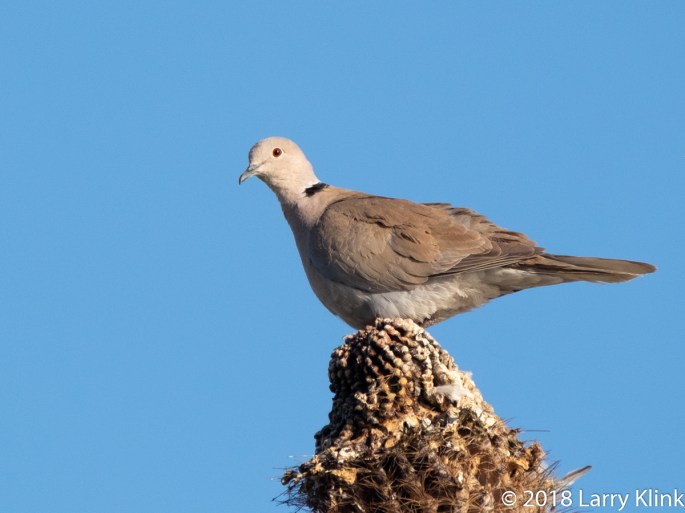
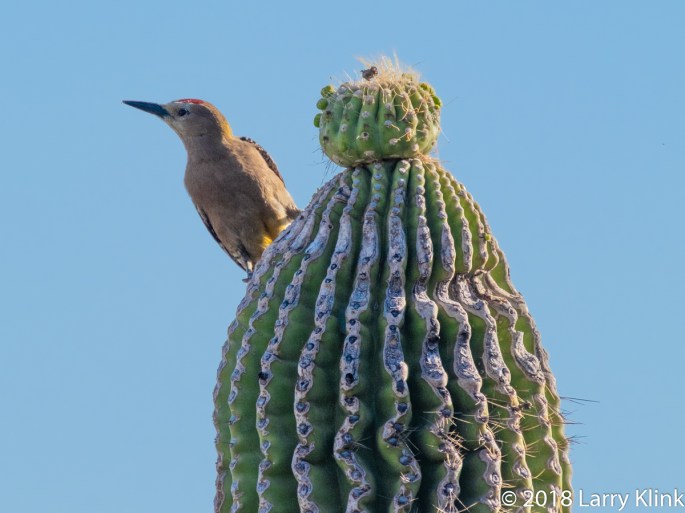
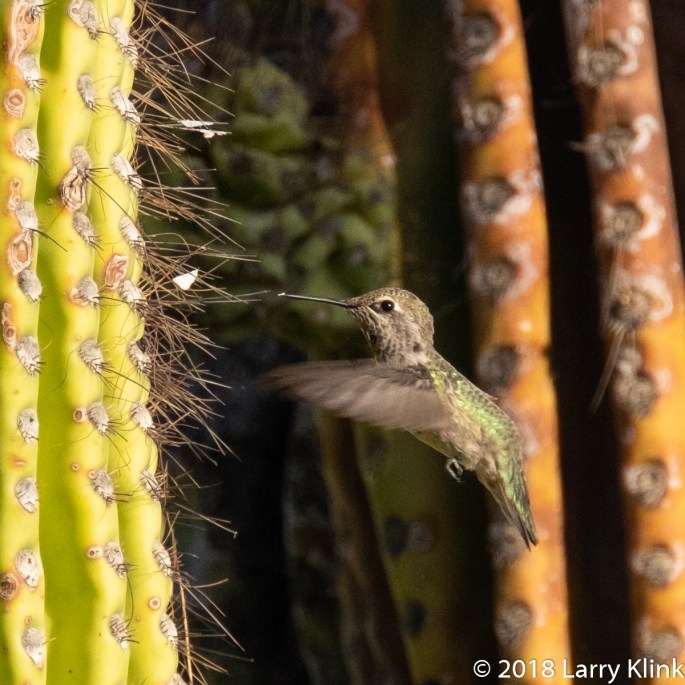
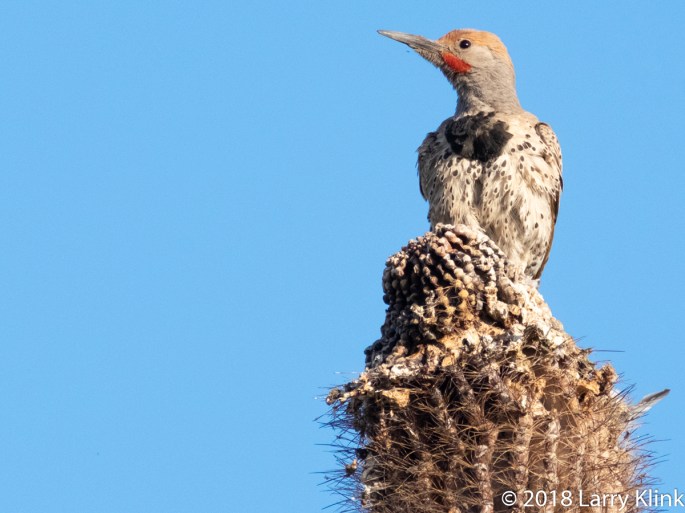
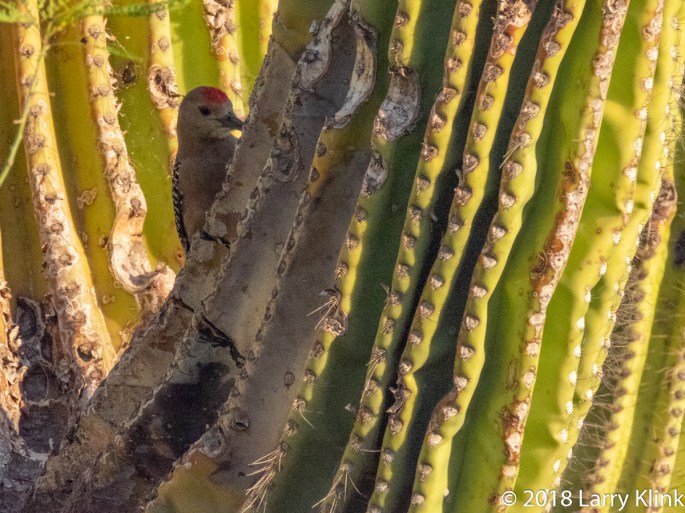
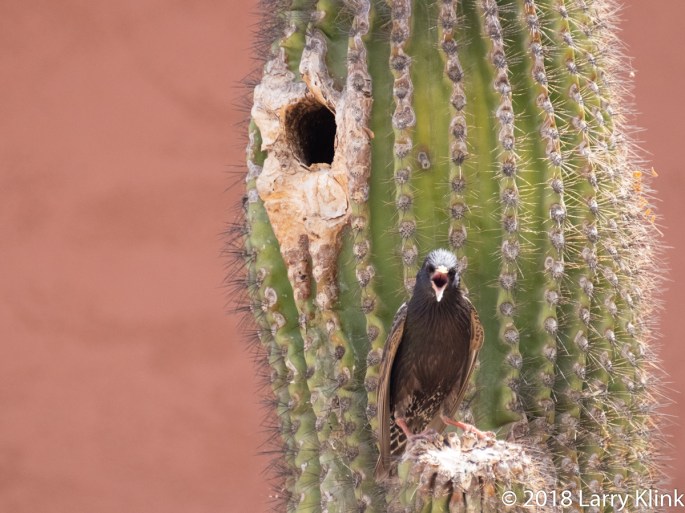
I visited Phoenix, AZ recently. I stayed at a beautiful place at the foot of South Mountain. The place had a patio that overlooked the city and at the corner of that patio was a large saguaro cactus. The mornings were beautiful, so I sat on the deck and watched the birds as they visited the cactus. Here is some of what I saw.
The starling was not taken on the same cactus. It was sitting outside its nesting hole on a cactus at another location.
Note: Click on caption to see image at a larger size.
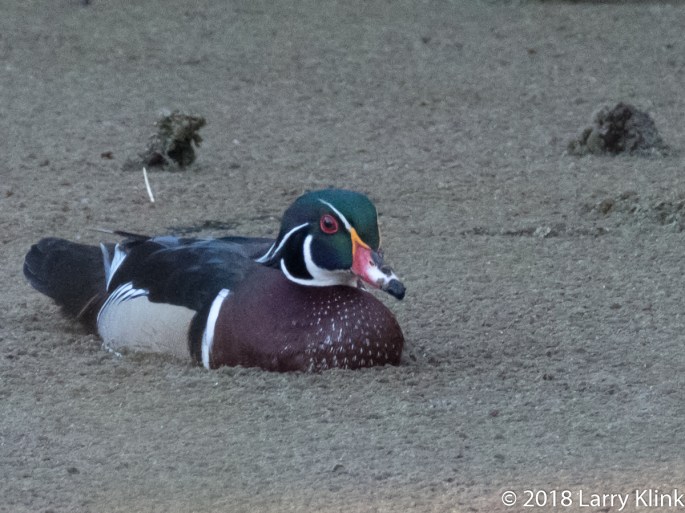
Ducks swim in lakes, ponds, rivers and oceans. They waddle around on the ground. Many display beautiful coloring. One of my favorites is the strikingly colored wood duck. They are a bit of an oddity among ducks; they perch and nest in trees. When the young have developed enough, the parents make them jump to the ground, without help, and waddle to the water to begin their life as a duck.
Note: Click on caption to see image in larger size.
A few days ago, I shared some images of the less common sightings at these 2 major refuges on the Pacific Flyway. But, the usual suspects were there also. Today, I will share a few images from this set.
Regards,
Larry
Note: Please click on caption to see image in larger size.
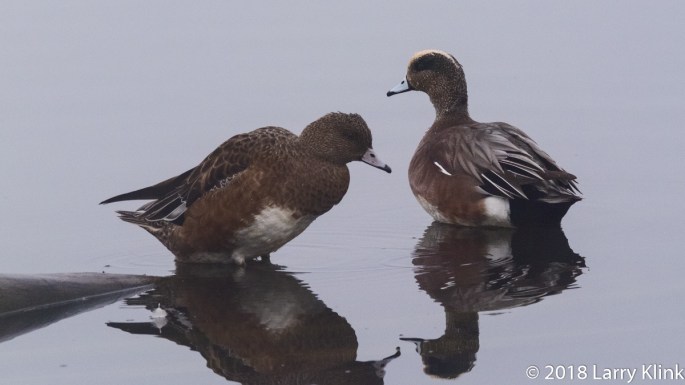
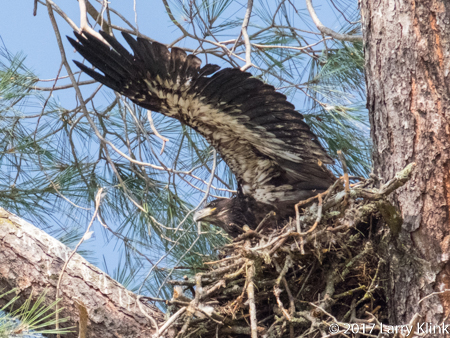
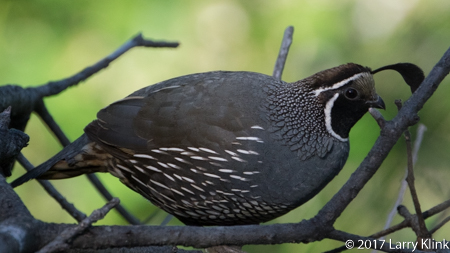
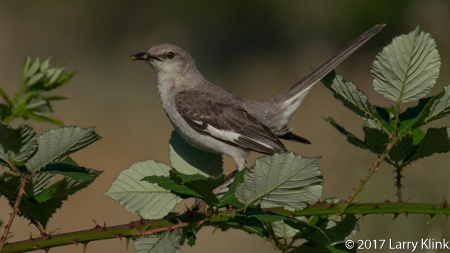
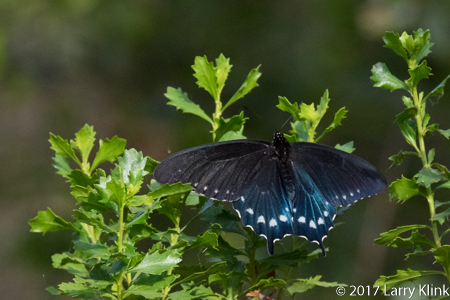
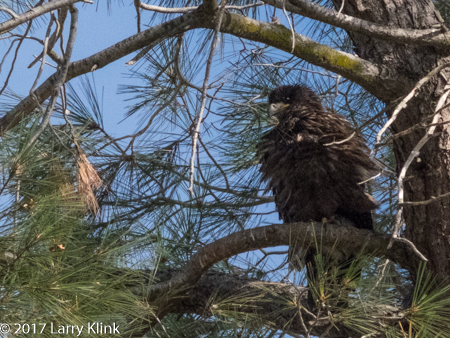
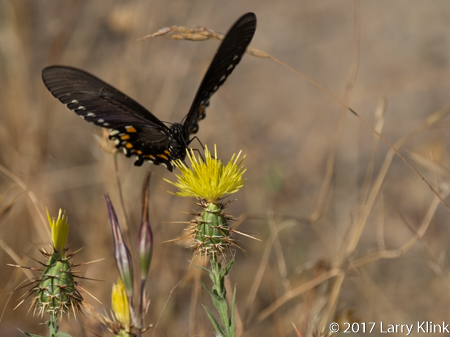
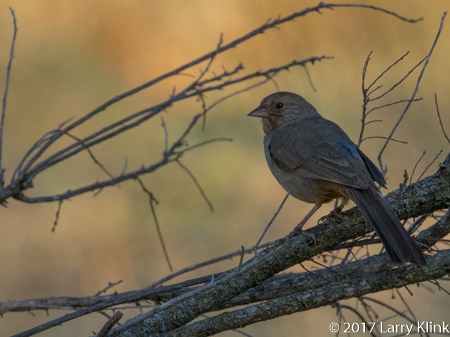
I want to share a few images from some recent walks around the American River Parkway near Folsom, CA. I’ve also included one from Oak Alley Plantation near New Orleans. Nature provides some beautiful creatures for us to appreciate. I hope you enjoy these few.
Regards,
Larry
Note: Click on caption to see image at larger size.
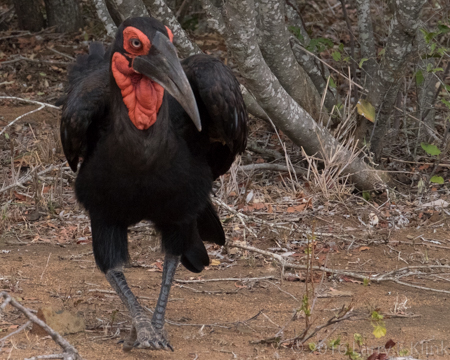
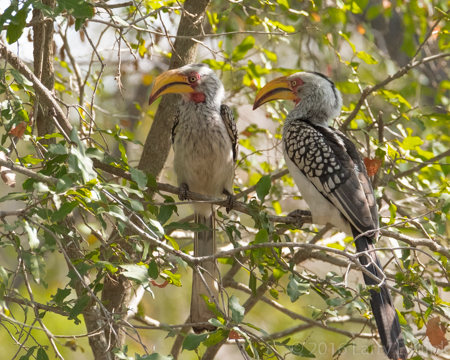
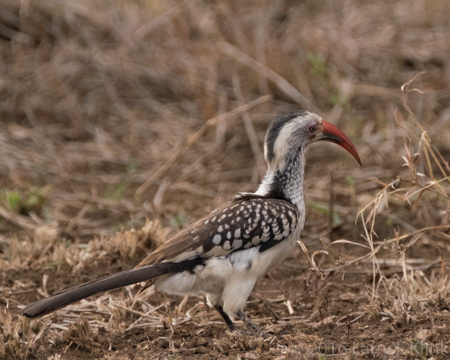
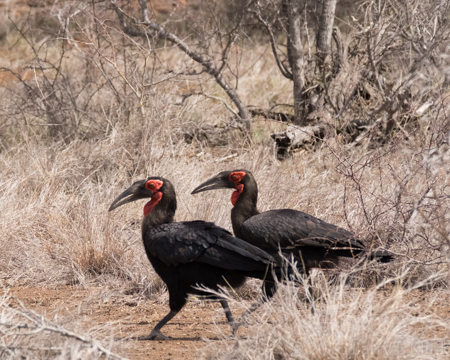
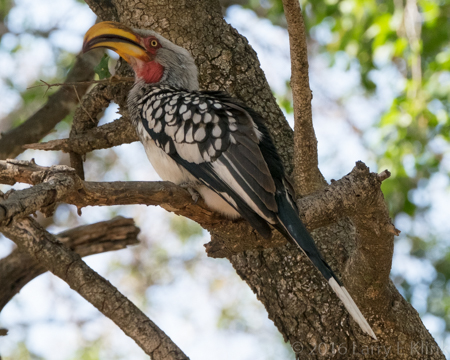
One of the many species of birds we saw while in South Africa were hornbills. They are beautiful birds that cast a striking pose even when flying. I hope you enjoy these images I am sharing.
Regards,
Larry
Click on image to view in larger size.
Pair of Yellow Billed HornbillsRed Billed HornbillPair of Southern Ground Hornbills
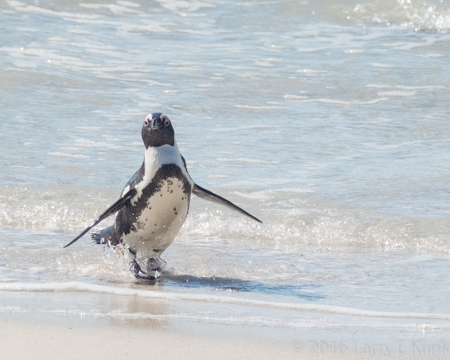
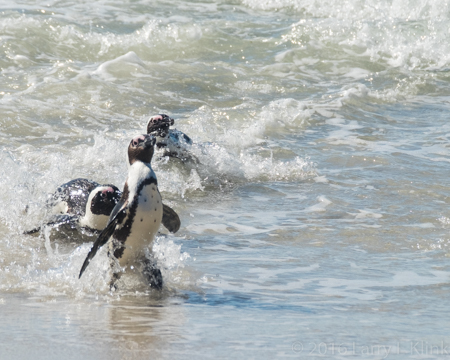
African Penguin – Perspective 2, Boulder Beach Penguin Sanctuary, Table Mountain National Park, Simon’s Town, South Africa, August 2016
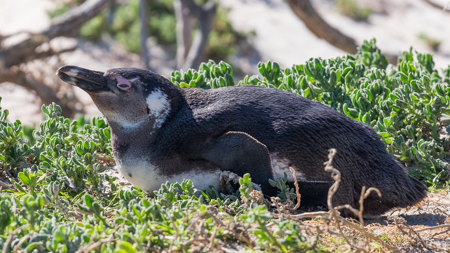
The African Penguin is a species of penguin found in the waters surrounding southern Africa. It is also known as the jackass penguin because of its donkey like bray. Its numbers are declining and it is considered endangered.
South Africa has created a reserve for these penguins on Boulder Beach near Simon’s Town. There is a nice boardwalk down to the beach and an observation platform for viewing. The penguins meander around and come very close to you. They were a lot of fun to watch.
I hope you enjoy these images.
Regards,
Larry
Note: Click on individual images to see in larger size.
Waterbuck – Perspective 2, Elephant Plains Game Lodge, Sabi Sands, South Africa
I learned on my trip that South Africa has no deer, only antelope. I had never been curious enough to find out what the really is the difference between deer and antelope; they look mostly the same. I learned that deer, as well as elk and moose, have antlers made of bone and are shed and regrown every year. Antelope have horns which have a bony core covered by keratin. Horns are not shed and regrown. I did know that there were different varieties of antelope but, though I only saw a sample, I was really surprised at how many varieties there are.
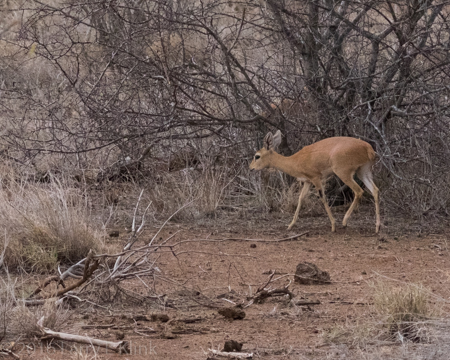
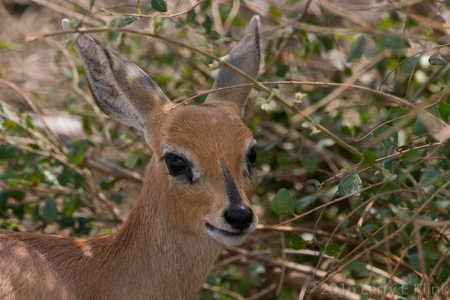
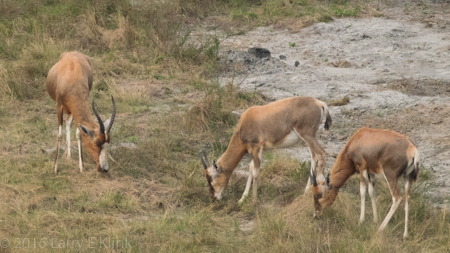
A few weeks ago I published pictures of the beautiful kudu. Today I am rounding out my collection with the tiny duiker and steenbok, the klipspringer (rock jumper), the ubiquitous impala, the bontebok, the hartebeest and the big, beautiful waterbuck.
Duiker, Elephant Plains Game Lodge, Sabi Sands, South AfricaImpala Herd, Kruger National Park, South Africa, AUG 2016Waterbuck – Perspective 3, Kruger National Park, South Africa, AUG 2016Steenbok- Perspective 1, Kruger National Park, South Africa, AUG 2016Steenbok, Perspective 2, Kruger National Park, South Africa, AUG 2016Klipspringer (Rock Jumper), Kruger National Park, South Africa, AUG 2016Bontebuk, South Africa, August 2016Hartebeest, Addo Elephant Park, South Africa, AUG 2016
These and other images are available for purchase at my website: www.earthwatcher.us or by contacting me.
African Fish Eagle In Flight – Kruger National Park, South Africa, AUG 2016
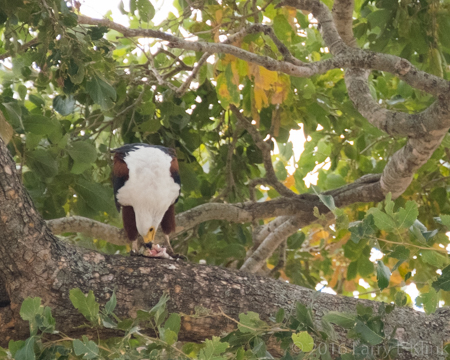
The African Fish Eagle was the most common large raptor we saw on our trip to South Africa. It is a beautiful bird that is a cousin to our American Bald Eagle. I learned from my friend Kevin that both the African Fish Eagle and the Bald Eagle belong to the family of fish eagles. They are distinguished from the family of booted or true eagles by their legs. True eagles have feathers on their lower legs. I am a novice birder and never realized there were different types of eagles. By the way, our Golden Eagle is a snake eagle; yet another type.
Our most interesting encounter was watching a fish eagle being chased by a Blacksmith Lapwing. I guess the eagle was too close to a nest. It was fun watching it fend off numerous attacks.
I hope you enjoy these images of these magnificent birds,
Regards,
Larry
African Fish Eagle Feeding – Perspective 1, Kruger National Park, South Africa, AUG 2016African Fish Eagle Feeding – Perspective 2, Kruger National Park, South Africa, AUG 2016African Fish Eagle Fending Lapwing Attack – Perspective 1, Kruger National Park, South Africa, AUG 2016African Fish Eagle Fending Lapwing Attack – Perspective 2, Kruger National Park, South Africa, AUG 2016African Fish Eagle and Great Egret, Kruger National Park, South Africa, AUG 2016
Note: These and other images are available for sale on my website: www.earthwatcher.us or by contacting me.




















 Earthwatcher