Yosemite – The Vistas

Primera Lúz
First light over Yosemite, July 2014

Today I am wrapping up my Yosemite posts by presenting some of the big, expansive vistas of the park.

There are some interesting stories behind some of these images.

Primera Lúz or First Light, was for me, a difficult shot. I wanted the image of the sun rising over El Capitan. I did my research to figure out when I might get that shot. That date was fortuitous because it coincided with the visit of my niece and nephew who had never visited Yosemite. I set up early and was treated to this magnificent view.

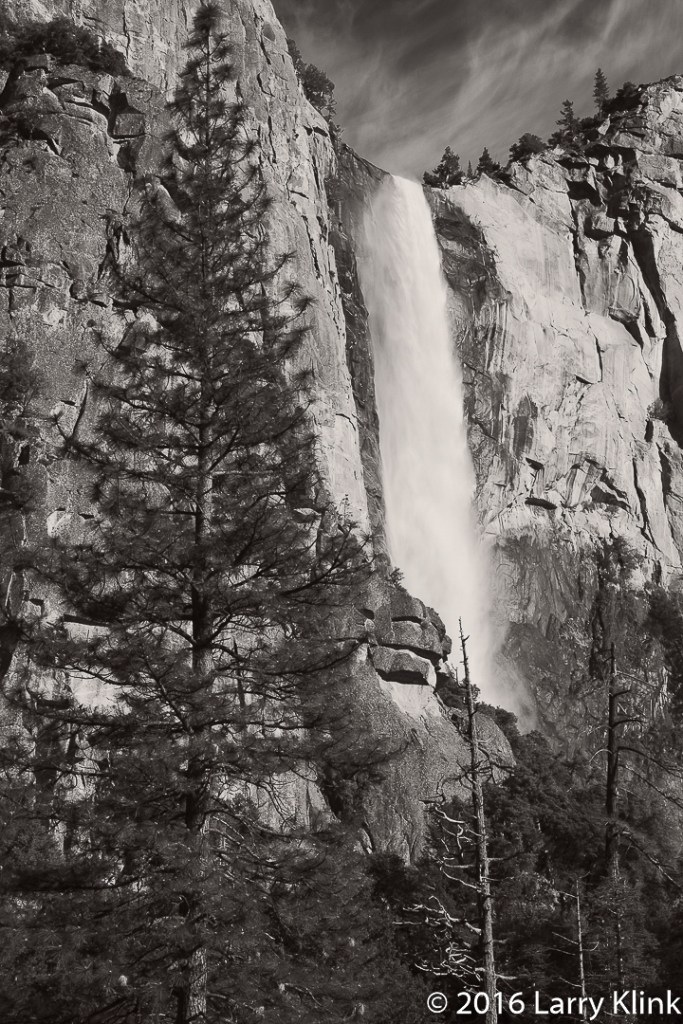
I was wandering Yosemite Valley in mid-morning when I caught the view of Bridal Veil Falls in the black and white image. There was a sense of familiarity in the scene, but I couldn’t place it. When I got home and looked at it, I realized I saw a scene that was reminiscent of images I saw in Look and Life magazines when I was a child. As an homage to what I remembered, I decided black and white would give me the retro presentation my memory asked for.

Upper Yosemite Falls at sunrise was taken on a trip to see the snow, but for which we were too late. As I researched for the trip, I realized that there should be some nice sunrise light on Yosemite Falls. But, I didn’t expect what I found.  There had been some rain the night before and it was cold. As the sun rose. some holes opened in the clouds and bathed the chasm of Yosemite falls with beautiful golden light.

I love Yosemite very much. Its been a great blessing to be able to photograph it. Hopefully, I will be able to do more and do them better.

Note: Please click on caption to see image at higher resolution.
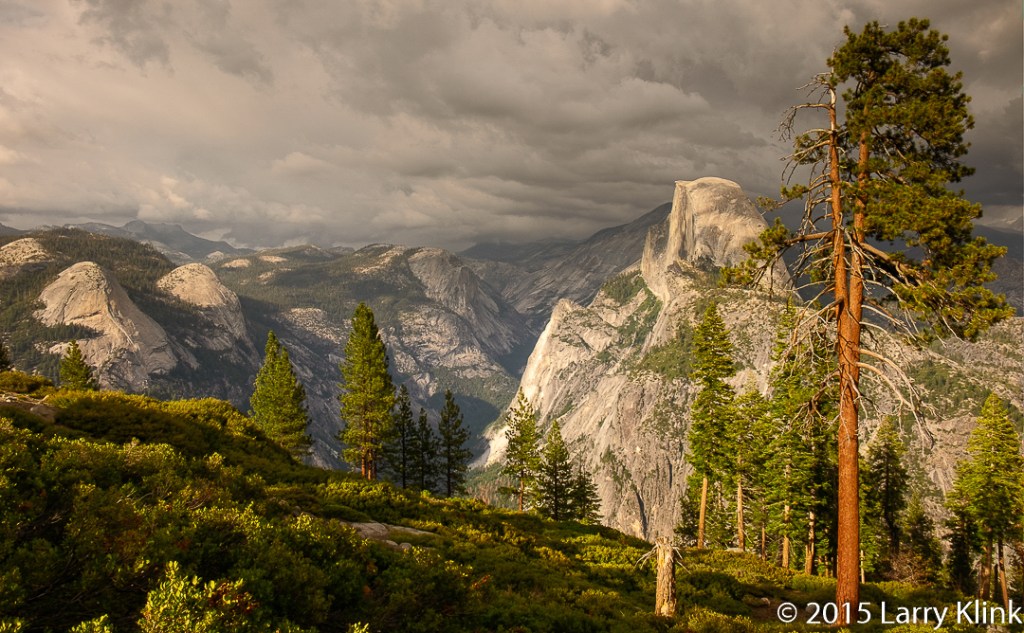
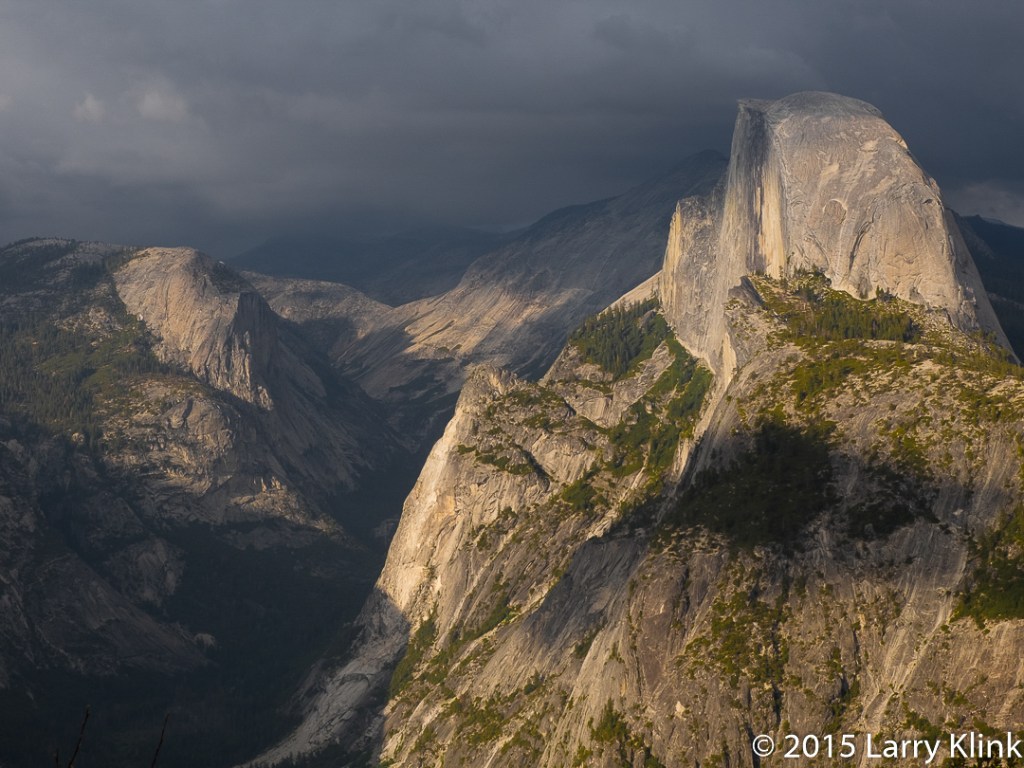
Dappling Gold
Early Evening Light Breaking Through Rain Clouds Over Yosemite Valley
Glacier Point, Yosemite National Park, MAY 2015
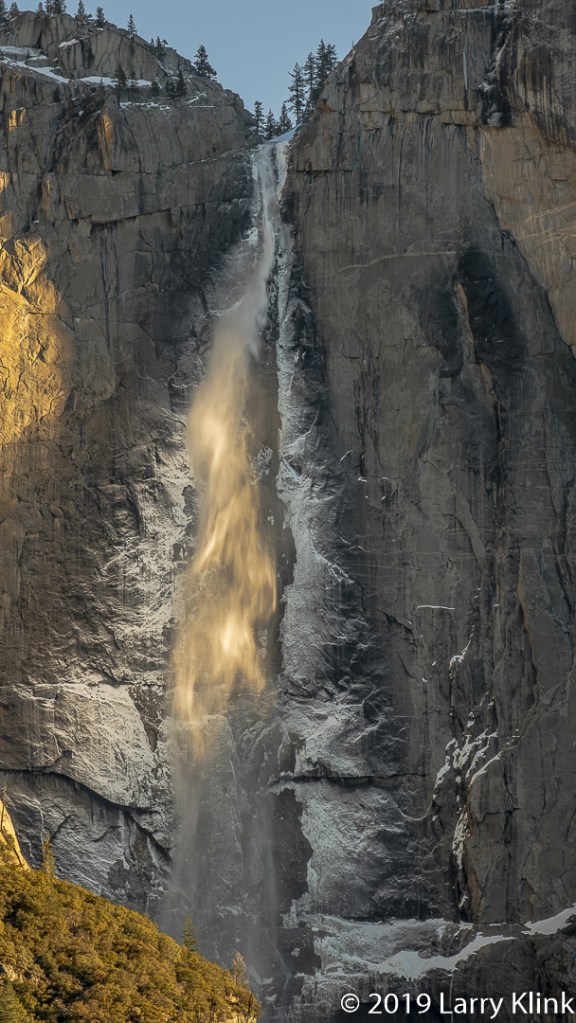
Upper Yosemite Falls at Sunrise
Yosemite National Park; MAR 2019
Bridal Viel Falls
Yosemite National Park, May 2016
Focusing Attention
Sunlight Streaming Through Breaks in the Clouds Play Across the Cliffs and Through the Valleys
Glacier Point, Yosemite National Park, MAY 2015
North Dome at Sunrise
The early morning sun highlights the face of North Dome as it rises over Yosemite Valley
Yosemite National Park, CA; MAY 2017

Please visit my website, www.earthwatcher.us to see my collection of landscapes and wildlife.

These and other images are available to purchase by contacting larry.klink@earthwatcher.us.
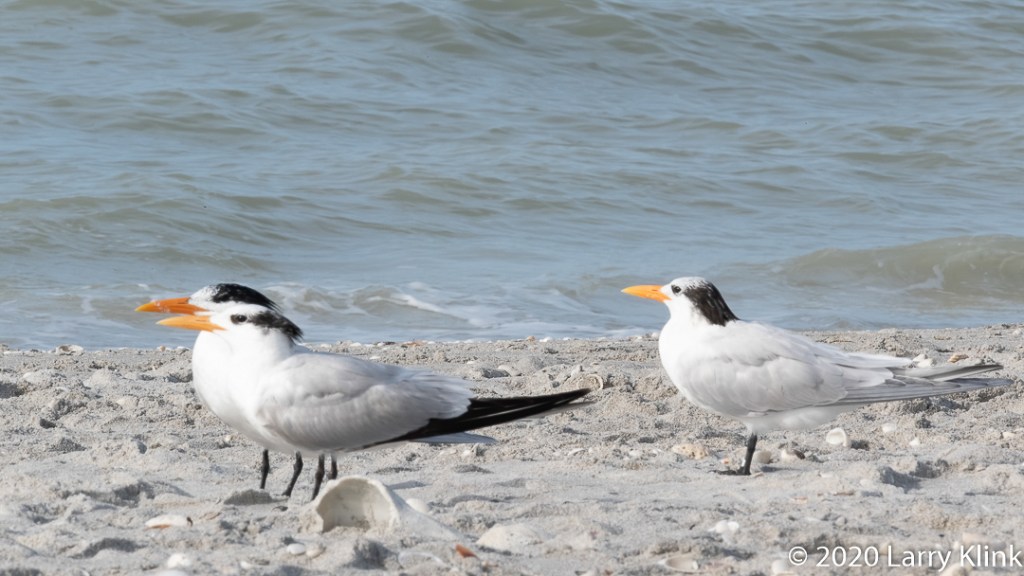
Royal Terns and Friends

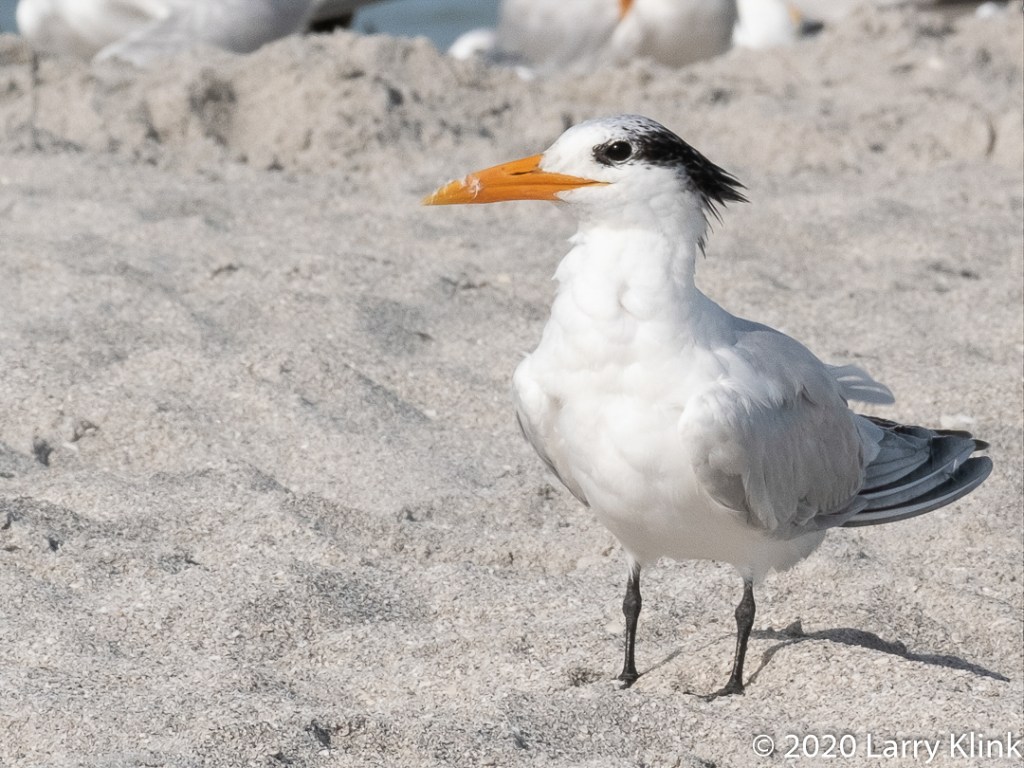
Royal Tern (Thalasseus maximus)
Bowman’s Beach, Sanibel Island, FL; FEB 2020

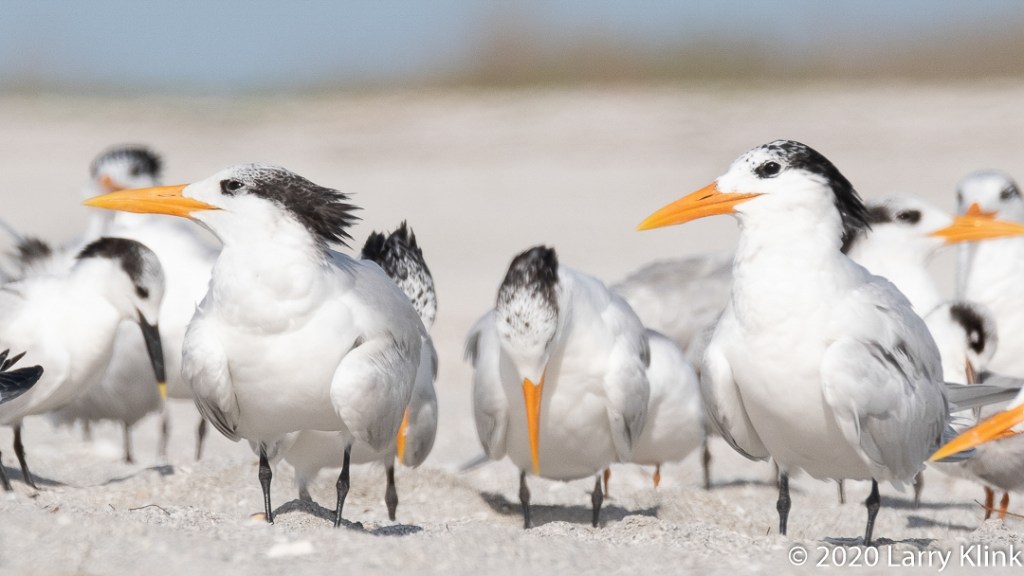
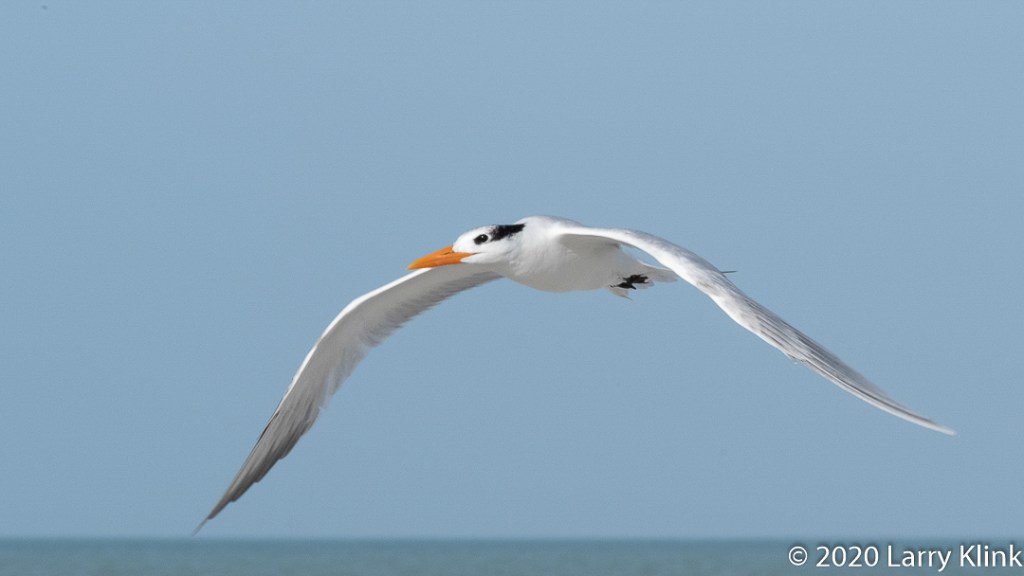
Terns are seabirds, i.e. birds that feed in the oceans outside the surf/tidal zones. On our recent trip to Florida, we visited a beach on Sanibel Island that had a small flock of Royal Terns along with a few Forster’s Terns and Sandwich Terns. I really enjoyed seeing them, but I did chuckle a bit when I saw the Royal Tern. They reminded me of a long nosed, old. bald guy. Mostly, they were just hanging out on the beach until something disturbed them. Then, they all took off, circled around and came back down to hang out.

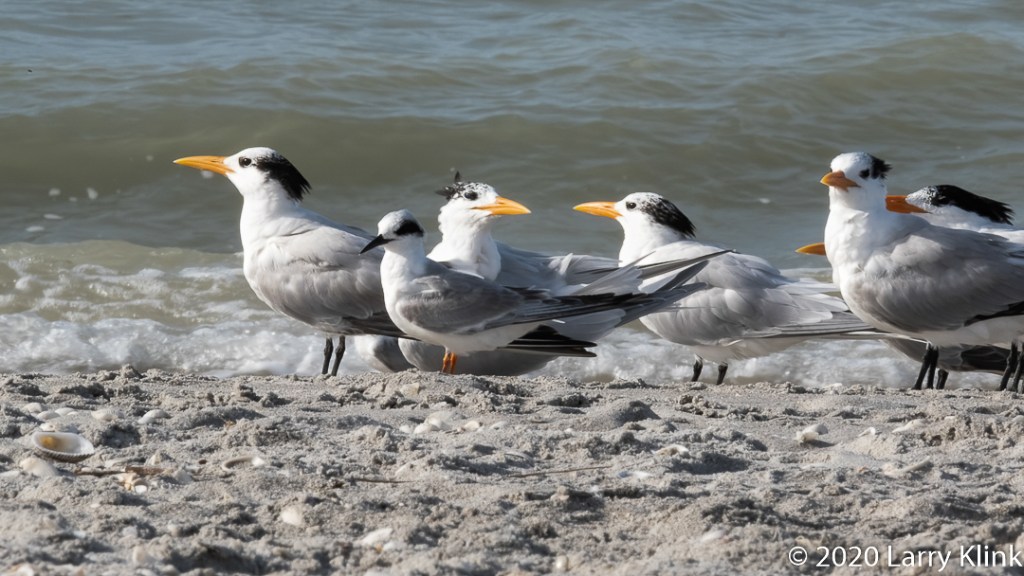
Most of the Terns in these images are the Royal Tern. One of the images includes a Forster’s Tern and another shows a Sandwich Tern softly blurred in the background. They are noted in the individual image.

Note: Please click on caption to see image at higher resolution.

Royal Terns
Note: The tern in the background on the left is a Sandwich Tern.
Bowman’s Beach, Sanibel Island, FL; FEB 2020

Royal Tern
Bowman’s Beach, Sanibel Island, FL; FEB 2020
Forster’s Tern (Sterna forsteri), Royal Tern (Thalasseus maximus)
The smaller tern with black beak and orange legs is the Forster’s Tern.
Bowman’s Beach, Sanibel Island, FL; FEB 2020
Royal Tern
Bowman’s Beach, Sanibel Island, FL; FEB 2020

Please visit my website, www.earthwatcher.us to see my collection of landscapes and wildlife.

These and other images are available to purchase by contacting larry.klink@earthwatcher.us.
Yosemite – Small Vignettes of Spring and Summer

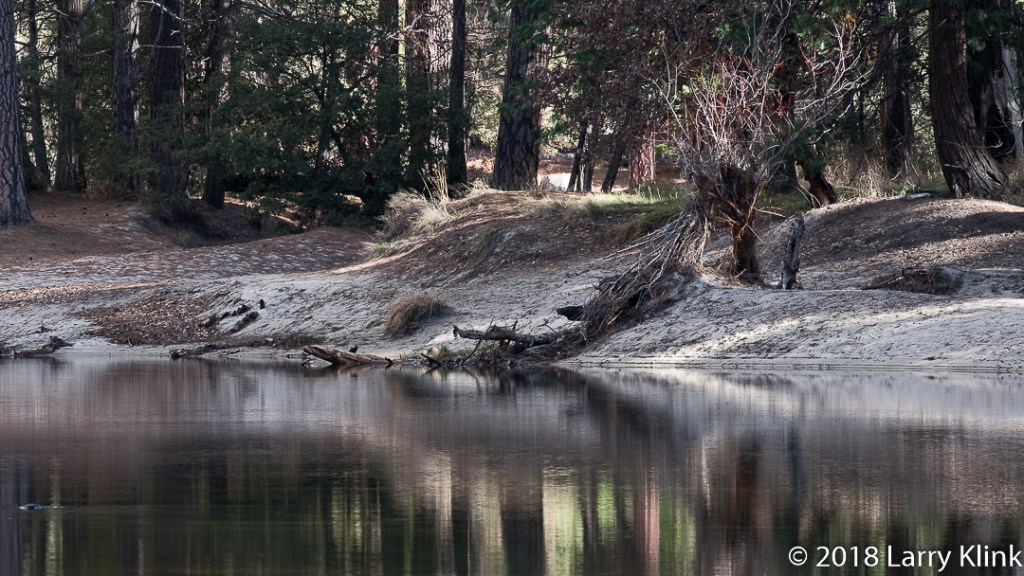
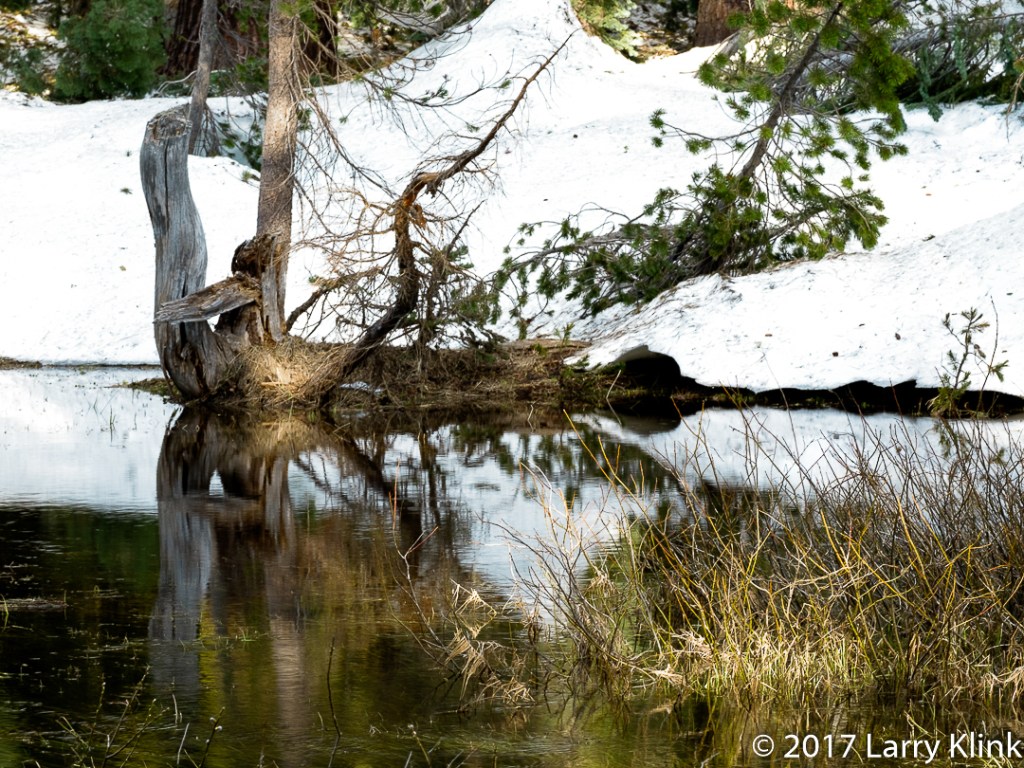
Reflections in a Pond
Glacier Point Road, Yosemite National Park, CA; MAY 2017

Following with my small vignettes of Yosemite, here are a few from the spring and summer seasons.

Note: Please click on caption to see images at higher resolution.

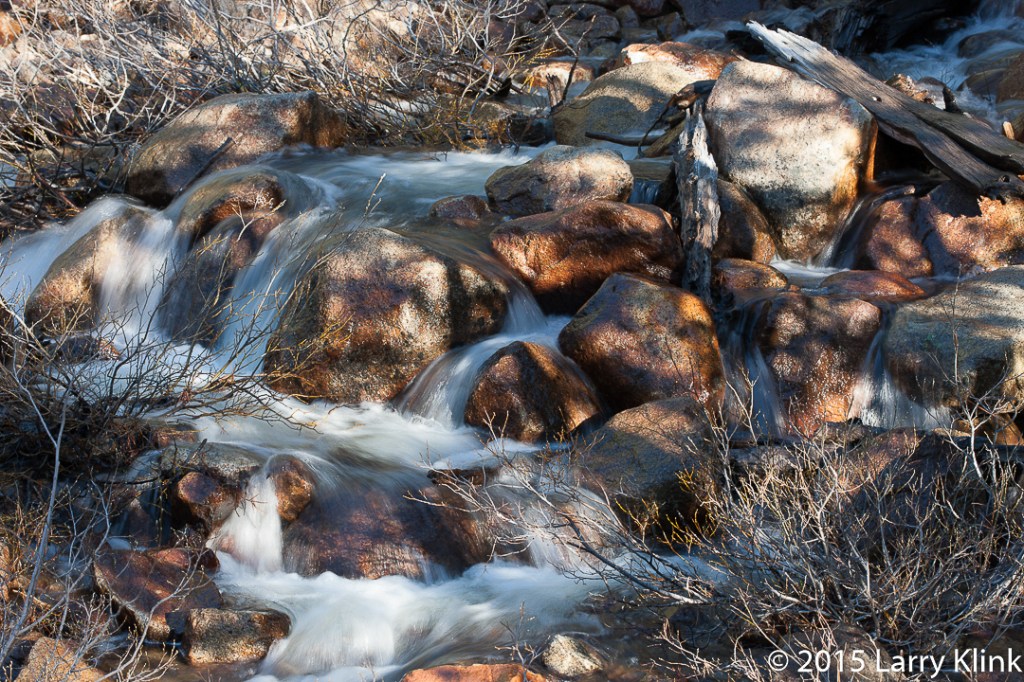
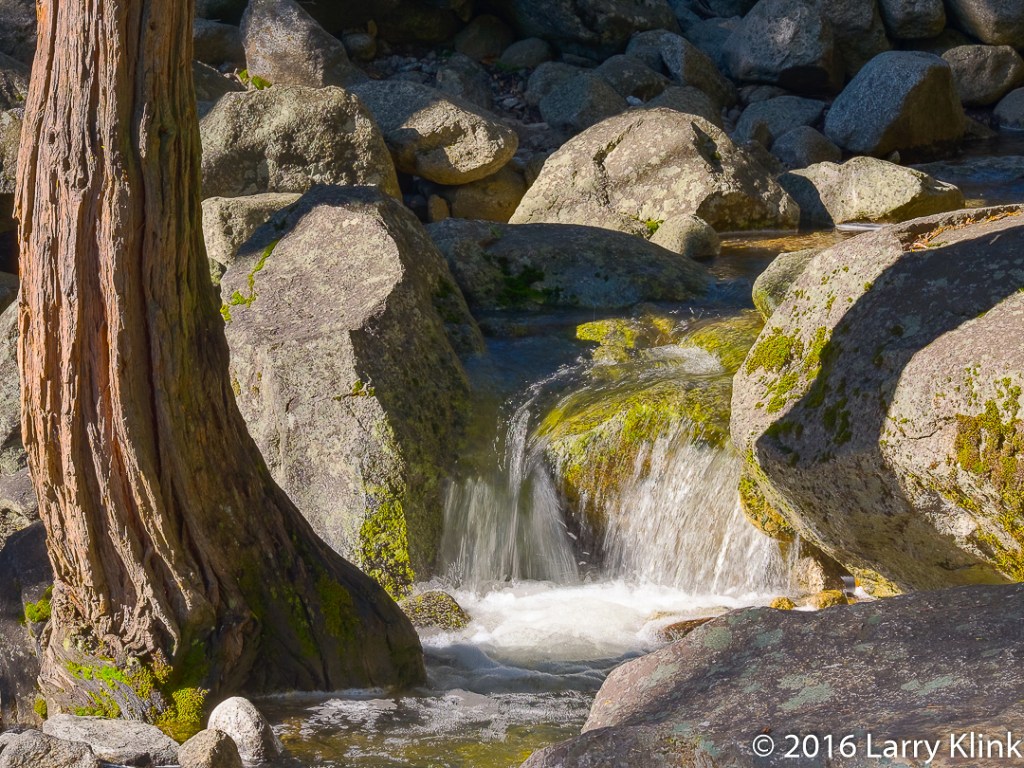
Cascade on Yosemite Creek
Yosemite National Park; APR 2016
A Spirit Within the Mountain
El Capitan, El Capitan Meadow, Yosemite National Park, JAN 2018
A Deceiving Role
Yosemite Falls, Yosemite National Park; APR 2016
View from the Merced River Near El Capitan Bridge
Yosemite National Park, CA; FEB 2018
Tioga Pass Road
Yosemite National Park; May 2013
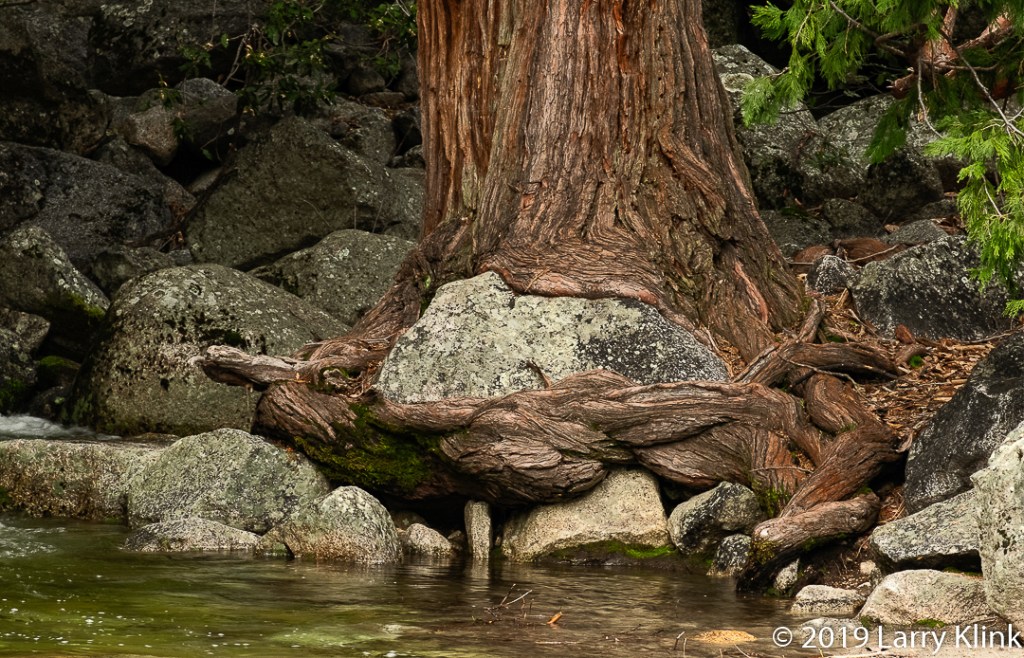
Tree at Base of Cascade Falls
Yosemite National Park; MAR 2019
Roiling and Thundering
Tioga Pass Road, Yosemite National Park, APR 2016

Please visit my website, www.earthwatcher.us to see my collection of landscapes and wildlife.

These and other images are available to purchase by contacting larry.klink@earthwatcher.us.
My Blog

I produce my blog with the hope that it will let my audience get lost in nature for a few moments. To give them respite from daily life. Please feel free to copy the link and share it with anyone you believe may enjoy it or who needs a few minutes of respite.

Regards

Larry (Earthwatcher)

Yosemite – Small Vignettes of Autumn and Winter

Gentle Flume
Yosemite National Park, OCT 2014

There is a request floating around Facebook asking people to share landscapes. So, I decided to gather my favorite images from places we visited and share them.

Yosemite is full of amazing vistas. I am in awe struck every time I see them. But for this post, I thought I’d share some of the small vignettes that are easily missed on the way to see and enjoy those amazing icons of nature.

Note: Please click on caption to see image at higher resolution.

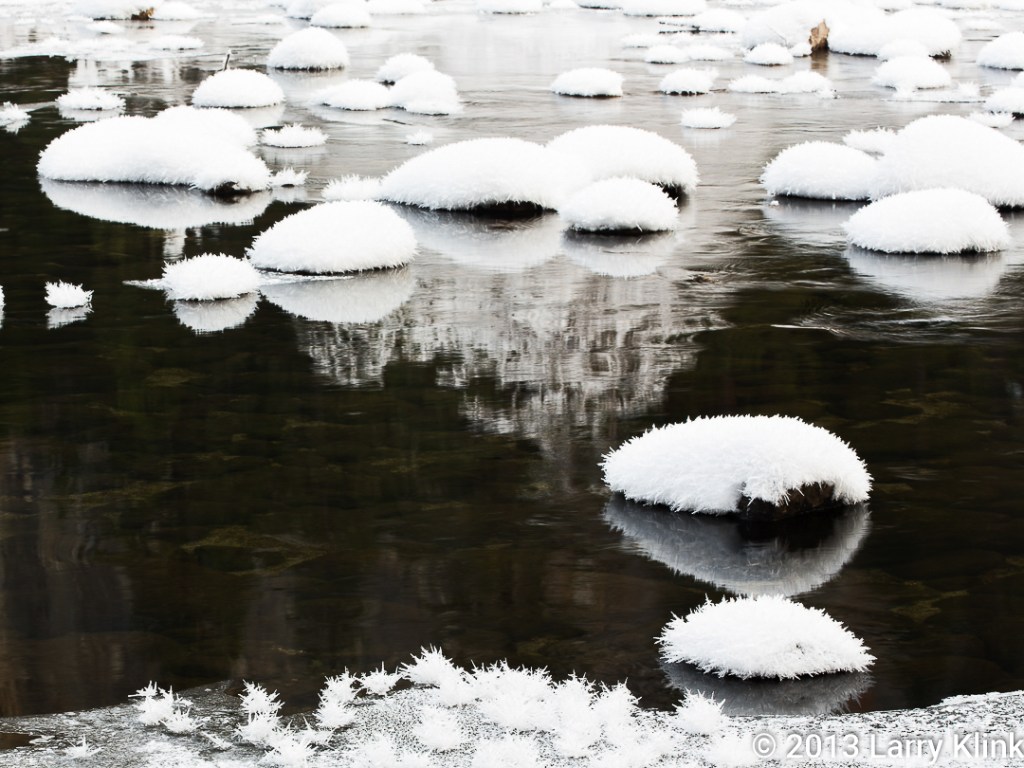
Ice Crystals on the Merced River
Yosemite National Park, Dec 2013
It’s Reflection Disturbed
Yosemite National Park, Merced River. OCT 2014
A Quiet Pool
Yosemite National Park, Merced River. OCT 2014
Ice Crystals on the Merced River
Yosemite National Park, Dec 2013
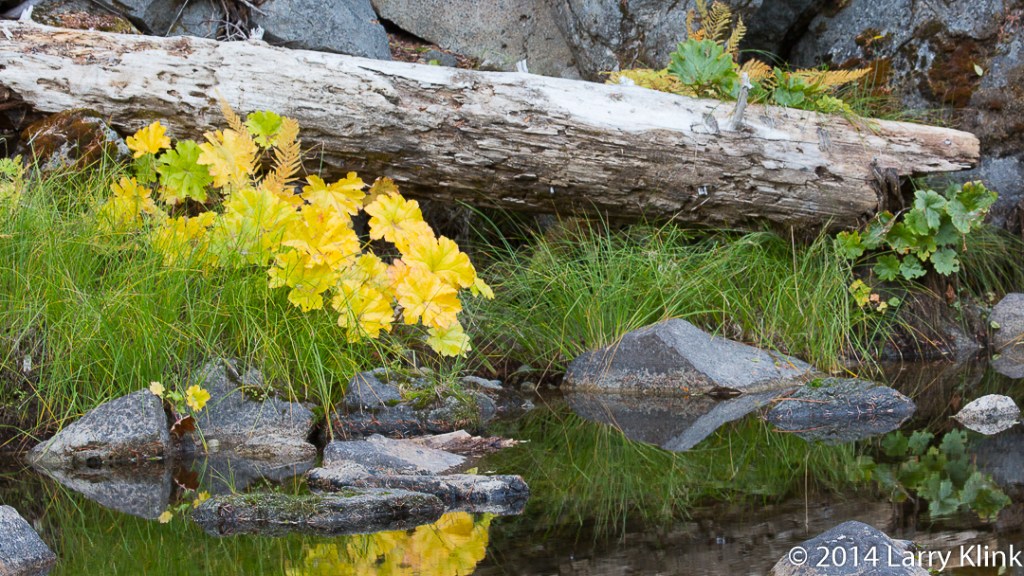
An Autumn Vignette
Yosemite National Park, CA; OCT 2014

Please visit my website, www.earthwatcher.us to see my collection of landscapes and wildlife.

These and other images are available to purchase by contacting larry.klink@earthwatcher.us.
Sanderlings and a Ruddy Turnstone

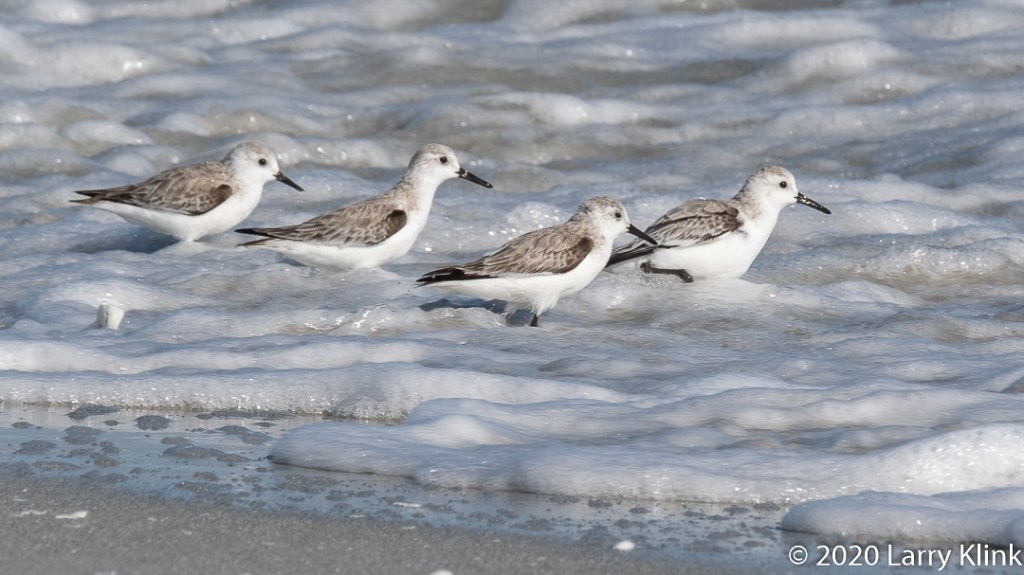
Sanderling (Calidris alba)
Sanibel Island, FL; FEB 2020

The Sanderling is the little white bird we see along the coast. It scurries after the receding surf collecting small invertebrates or probing the sand for small crabs, worms and mollusks. As the surf returns, they scurry back to dry shores. I think they are both interesting and amusing to watch.

In the US, we get to see Sanderlings along the Atlantic, Pacific and Gulf coasts outside the breeding season. They breed in far, northern Canadian islands and peninsulas. Interestingly, the use the “broken wing” behavior to lure predators from the nest similar to Kildeer.

I’ve included a Ruddy Turnstone in this post. It too is a bird that we can see along coastal waters but breeds in the far north. They hunt by flipping over rocks, shells and seaweed; they eat insects, small crustaceans and bird eggs.

This Ruddy Turnstone is perched atop an interesting feature; a large, naturally formed pile of sea shells that continually replenishes itself. Homo sapiens can often be found foraging in this pile for decorative objects.

Info from Cornell Labs All About Birds: https://www.allaboutbirds.org/guide/Sanderling/overview and https://www.allaboutbirds.org/guide/ruddy_turnstone.

Note: Please click on caption to see image at higher resolution.

Sanderling
Sanibel Island, FL; FEB 2020

Ruddy Turnstone (Arenaria interpres)
Blind Pass Beach, Sanibel Island, FL; FEB 2020
Sanderling
Sanibel Island, FL; FEB 2020

Please visit my website, www.earthwatcher.us to see my collection of landscapes and wildlife.

These and other images are available to purchase by contacting larry.klink@earthwatcher.us.
Two Raptors

Bald Eagle (Haliaeetus leucocephalus) on Nest
It is possible there are chicks in the nest. I watched the adult and saw it bent over with food in its mouth. I can’t be certain. I didn’t see tiny heads.
Rollingwood Bluffs, American River Parkway, Orangevale, CA; MAR 2020

Today, I am going to take a short break from sharing the amazing birds I saw in Florida so that I can share 2 images I took this past week. I am sharing these 2 beautiful raptors.

The eagle is on a nest. I suspect that at least one of its chicks has hatched. I did not see any tiny heads. But I did see the adult, bent over, with food in its mouth. I did not see it eat that food.  So, I think it is possible there is a chick in the nest.

The Red-shouldered hawk had just leapt from its perch to fly away.

Note: Please click on caption to see image at higher resolution.

Red-shouldered Hawk (Buteo virginianus)
Image captured as hawk left its perch in the tree.
Mississippi Bar, American River Parkway, Orangevale, CA; MAR 2020

Please visit my website, www.earthwatcher.us to see my collection of landscapes and wildlife.

These and other images are available to purchase by contacting larry.klink@earthwatcher.us.
Some Scenes of Florida

Marching Sprites
Six Mile Cypress Preserve, Fort Meyers, FL; FEB 2020

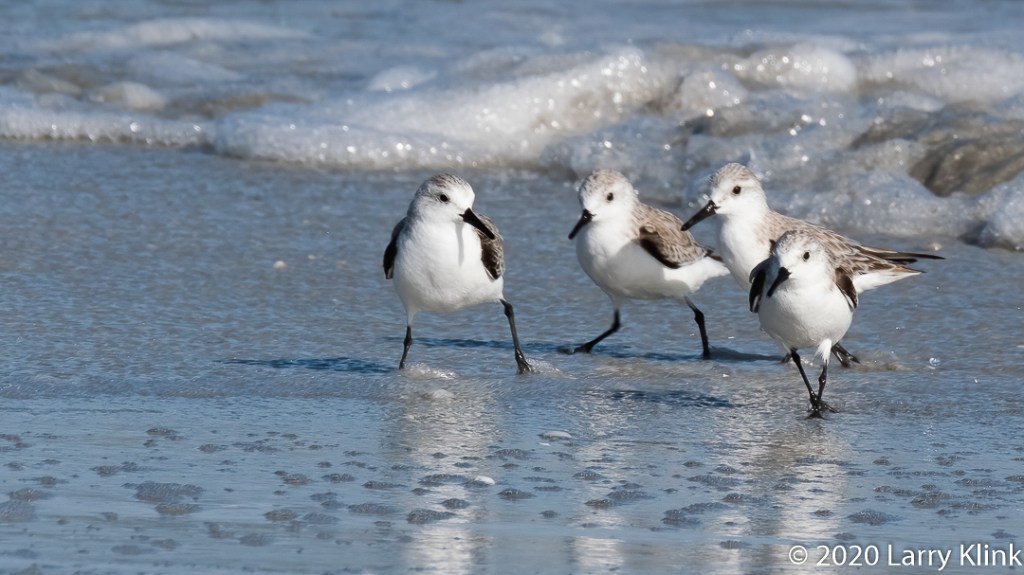
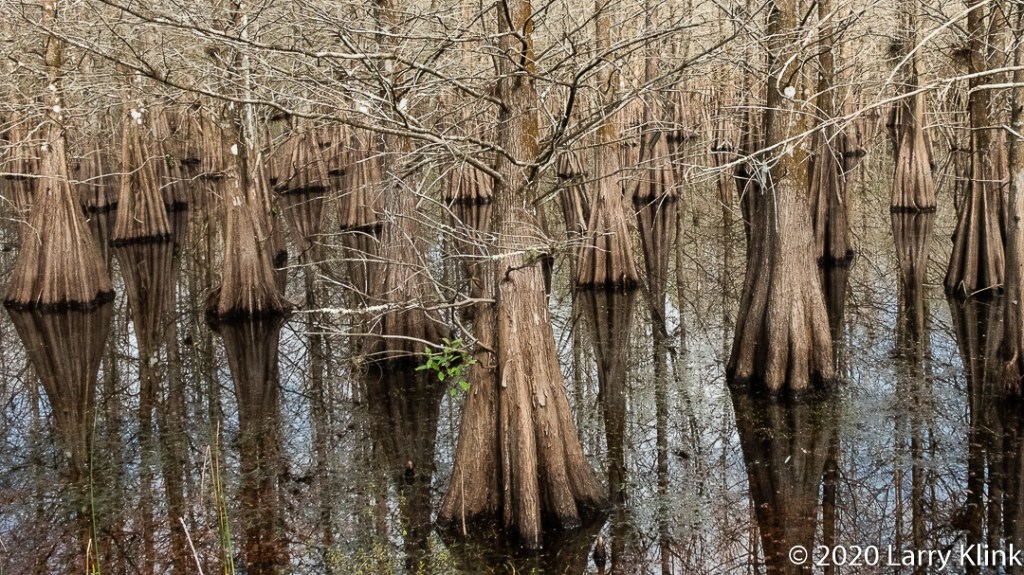
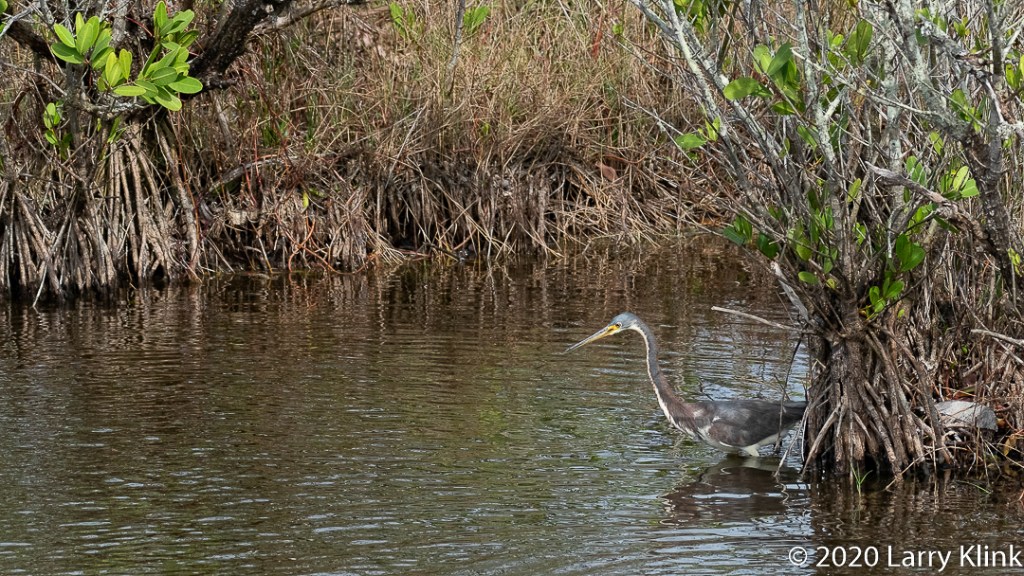
My recent trip to Florida was mainly to photograph birds. Along the way, I found some nice landscapes and seascapes to photograph. My mind’s image of Florida is mostly brightly lit cities and beaches – the usual images that we see. I was lucky enough to be in areas that are more wild – swamps and marshes. That is what I am presenting here. We drove through some interesting areas – pine forests, palmetto groves and other places that I didn’t get to shoot. Maybe I’ll get the chance at a later date.

Note: Please click on caption to see image at higher resolution.

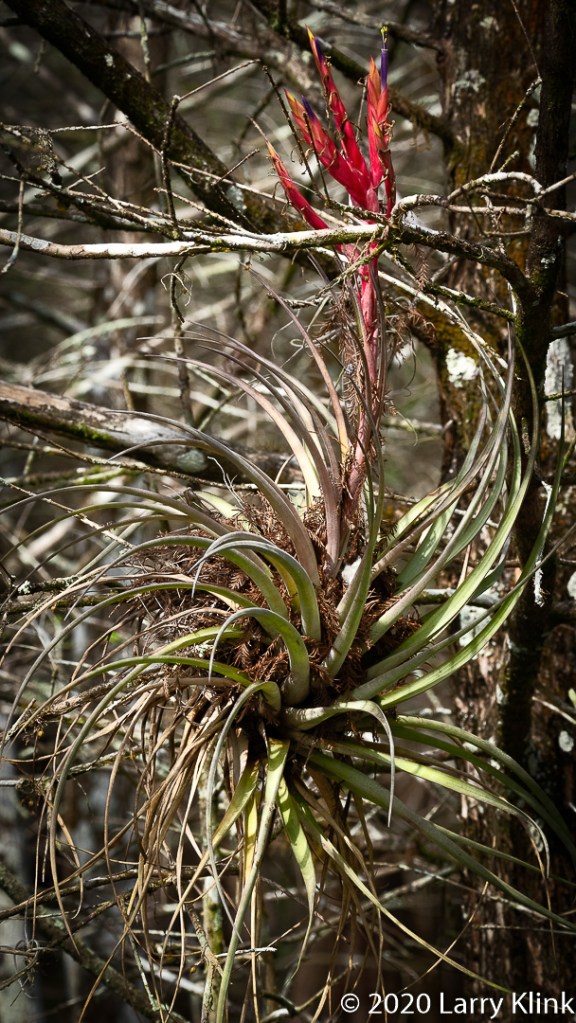
Bromeliad on Cypress
Six Mile Cypress Preserve, Fort Meyers, FL; FEB 2020
Florida Seascape
Sanibel Island, FL; FEB 2020

Mangrove Marshland with Tricolored Heron
Merritt Island National Wildlife Refuge, Titusville, FL; FEB 2020

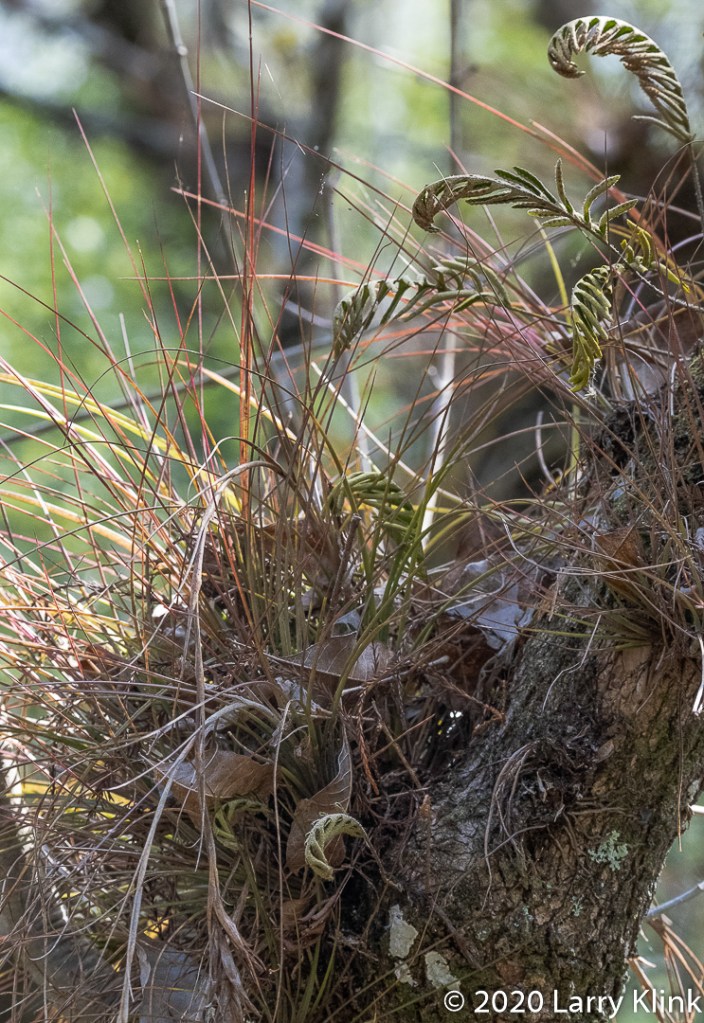
Garden In A Tree
Six Mile Cypress Preserve, Fort Meyers, FL; FEB 2020
A Pond in the Swamp
Six Mile Cypress Preserve, Fort Meyers, FL; FEB 2020s

Please visit my website, www.earthwatcher.us to see my collection of landscapes and wildlife.

These and other images are available to purchase by contacting larry.klink@earthwatcher.us.
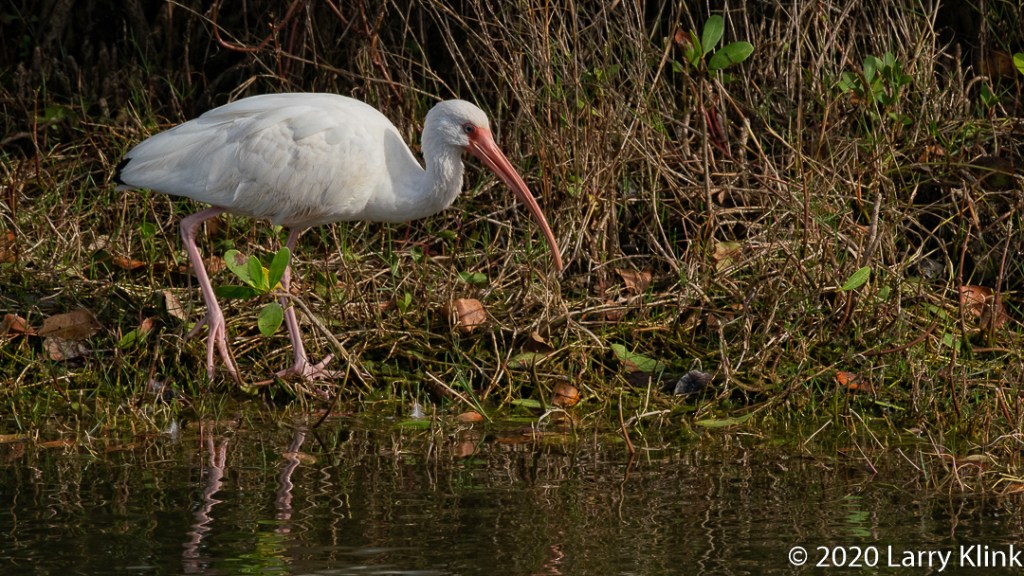
White Ibis

Photographic images of the White Ibis (Eudocimus albus)
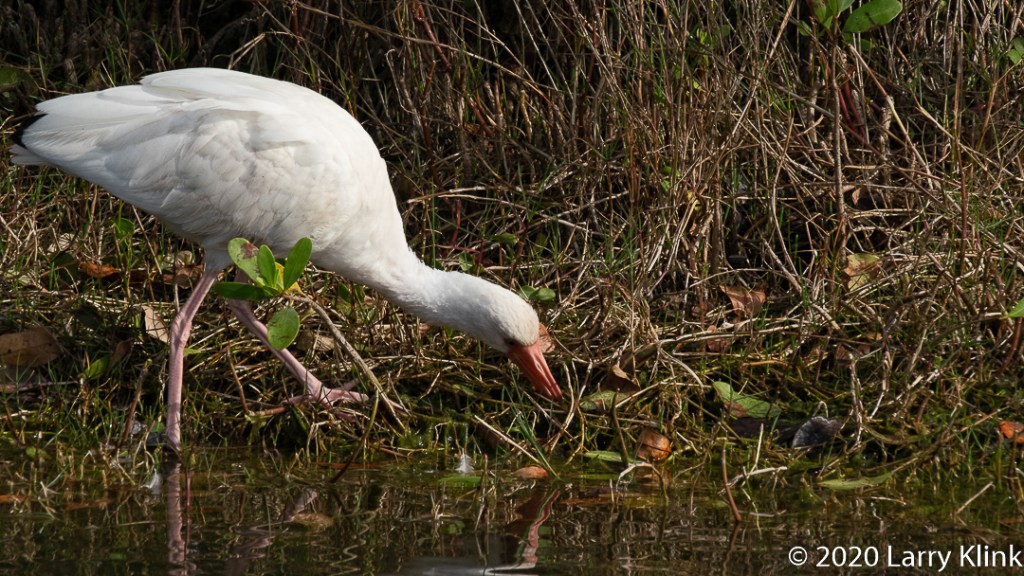
White Ibis (Eudocimus albus)
The Ibis with the gray neck and black feathers is a juvenile.
Harns Marsh, Fort Meyers, FL; FEB 2020

The bright pink and white colors of the White Ibis, remind me of the bright, flamboyant Cadillacs and Packards of the mid to late 1950’s.  The gray, pink and white Packard Caribbean convertible comes to mind.

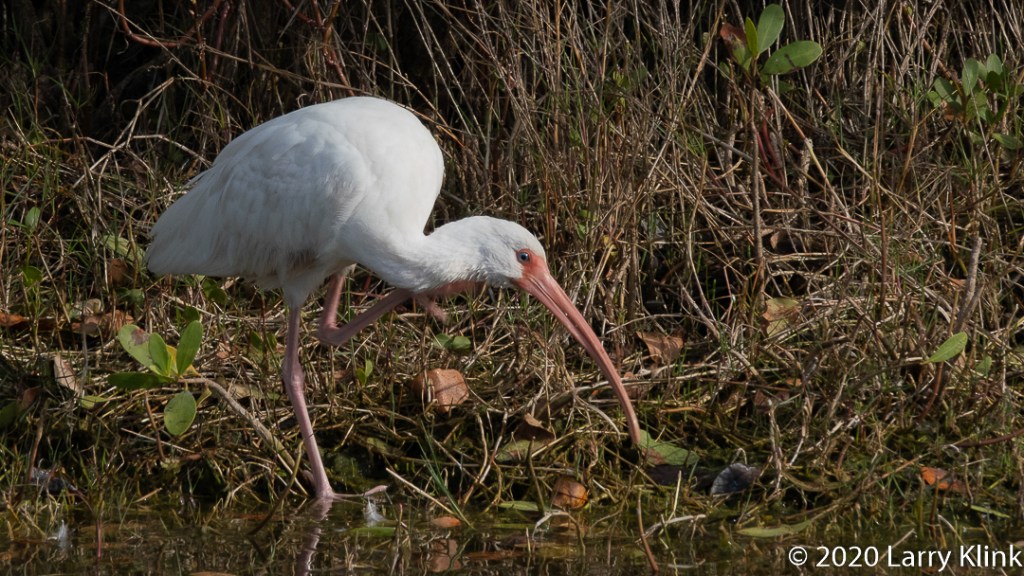
The White Ibis is found, year around, along the Atlantic and Gulf Coasts of the Southeastern US as well as the Bahamas, the Caribbean and parts of Central America. They nest in trees, in colonies with herons and egrets.

These birds forage by walking along the shore line, sticking their beaks in the mud and feeling around for invertebrates, worms and insects. They will also stab fish, frogs  and crustaceans with their beaks. Interestingly, they remove the claws and pinchers from frogs and crabs before they eat them.

Info from CornellLab All About Birds: https://www.allaboutbirds.org/guide/White_Ibis/lifehistory

Note: Please click on caption to see image at higher resolution.

White Ibis
Merritt Island National Wildlife Refuge, Titusville, FL; FEB 2020
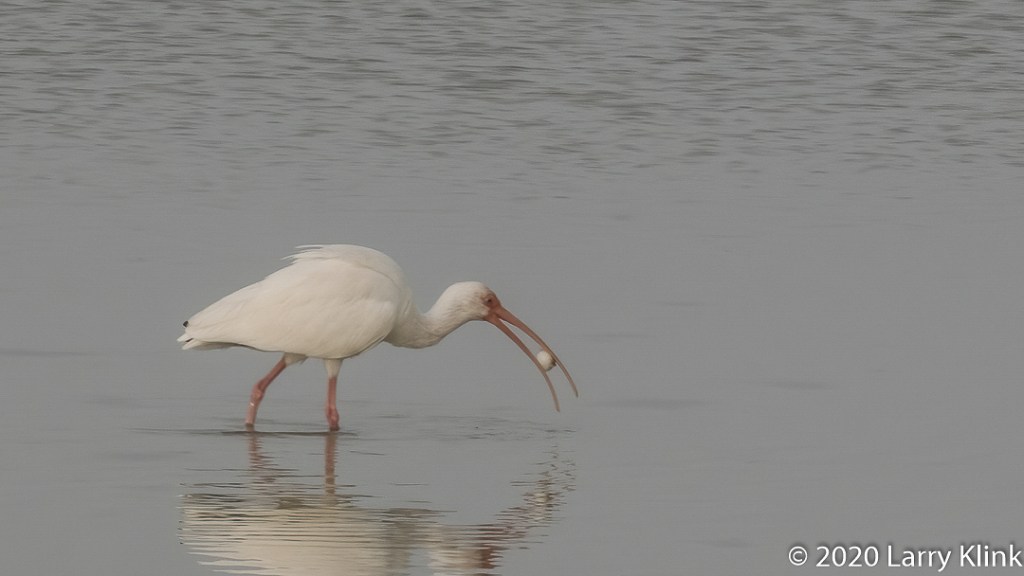
White Ibis with Inflated Pufferfish
Bunche Beach, Fort Meyers, FL; FEB 2020
White Ibis
Merritt Island National Wildlife Refuge, Titusville, FL; FEB 2020
White Ibis
Merritt Island National Wildlife Refuge, Titusville, FL; FEB 2020

Please visit my website, www.earthwatcher.us to see my collection of landscapes and wildlife.

These and other images are available to purchase by contacting larry.klink@earthwatcher.us.

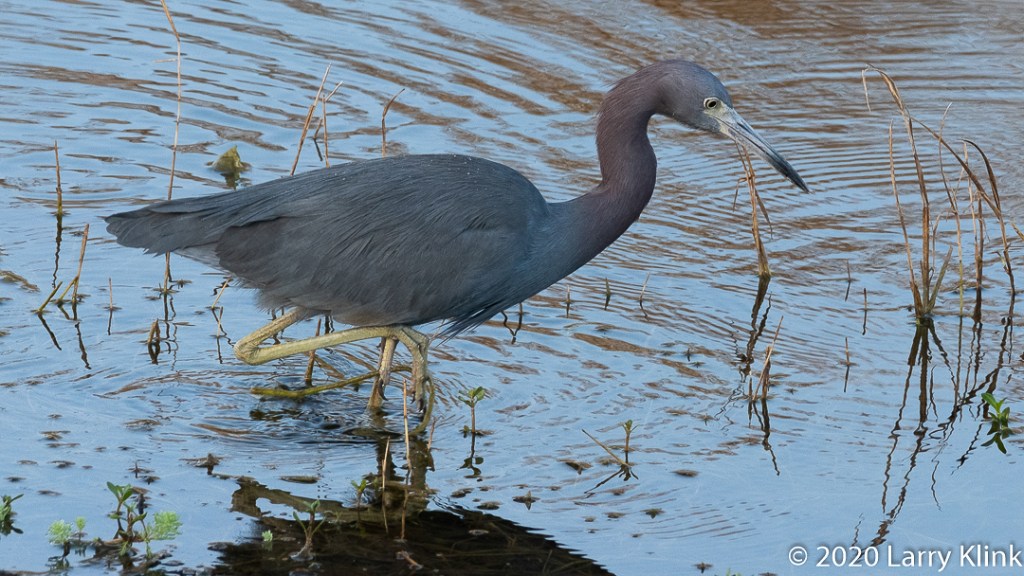
Little Blue Heron

Little Blue Heron (Egretta caerulea)
Harns Marsh, Fort Meyers, FL; FEB 2020

The Little Blue Heron is another small heron that, in North America, is found year-round along the Atlantic and Gulf Coasts of the Southeastern US as well as the Bahamas, the Caribbean, and parts of Mexico and Central America.  There is a group of Little Blue Herons that migrate from Mexico and Central America into more interior areas of the Southeastern US when breeding.

The Little Blue Heron forages in swamps, marshes, ponds, stream and other wetlands. They like small fish, small amphibians, crustaceans, insects and invertebrates. My observation is that they stalk and attack prey much like an egret – slow movements with the neck extended then attacking in rapid jut of the neck.
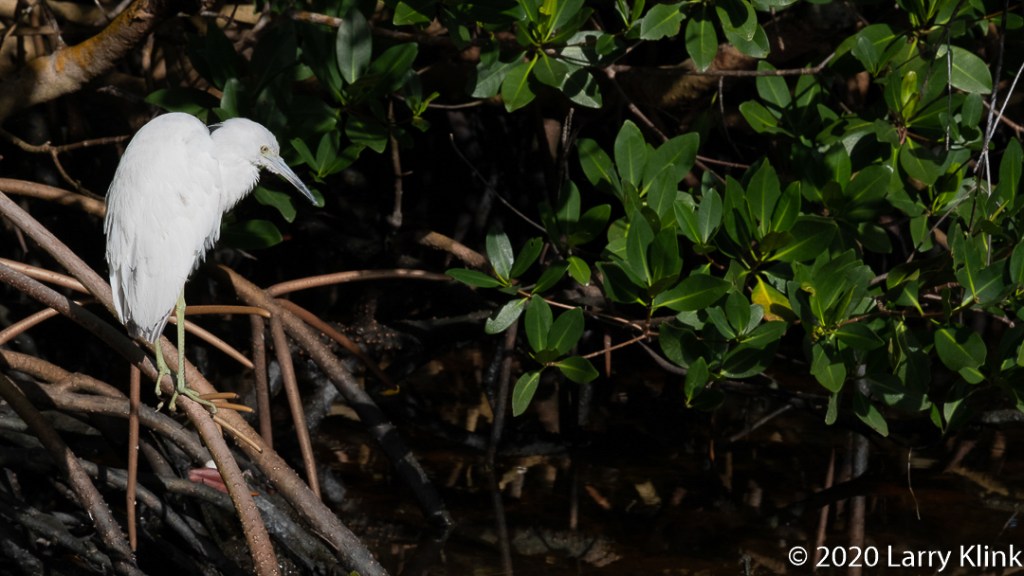
The juvenile Little Blue Heron is all white. Their legs are a gray-green color and the beak is gray. If you are in Little Blue Heron country and you see a bird that looks like an egret, take a closer look; it may be a juvenile Little Blue Heron.

Infor from CornellLabs All About Birds: https://www.allaboutbirds.org/guide/Little_Blue_Heron/lifehistory

Note: Please click on caption to image at higher resolution.

Juvenile Little Blue Heron on Mangrove
J N “Ding” Darling National Wildlife Refuge, Sanibel Island, FL; FEB 2020
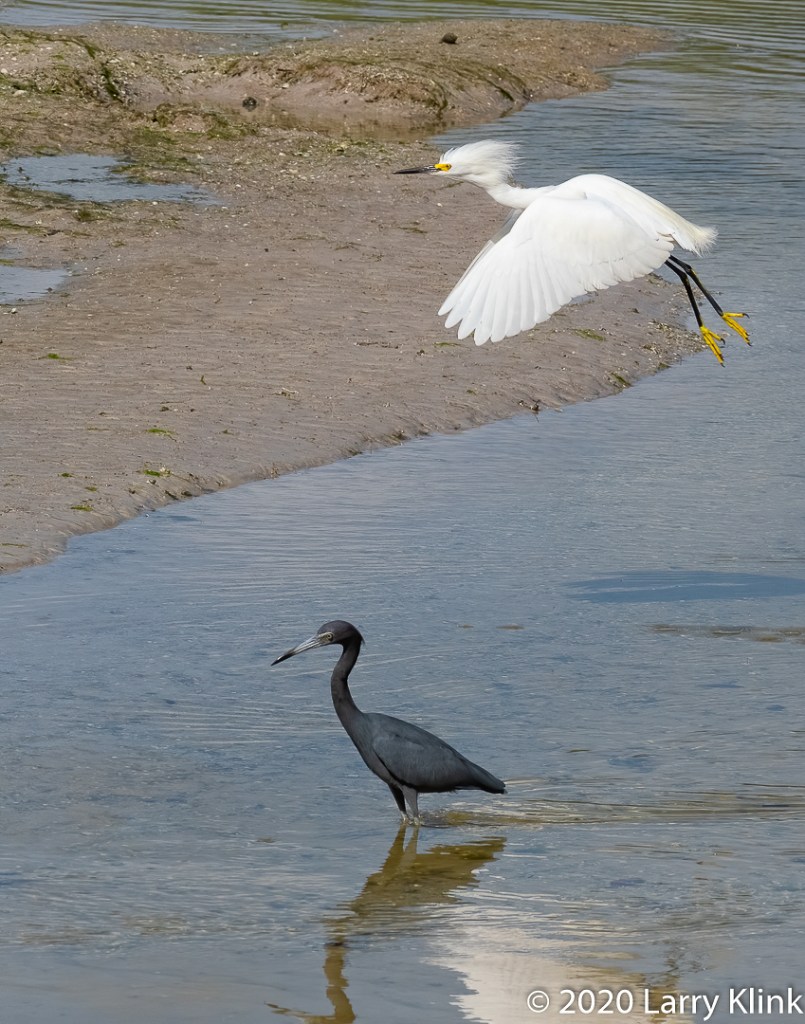
Snowy Egret (Egretta Thula) and Little Blue Heron (Egretta caerulea)
J N “Ding” Darling National Wildlife Refuge, Sanibel Island, FL; FEB 2020
Little Blue Heron
Harns Marsh, Fort Meyers, FL; FEB 2020
Little Blue Heron
Harns Marsh, Fort Meyers, FL; FEB 2020

Please visit my website, www.earthwatcher.us to see my collection of landscapes and wildlife.

These and other images are available to purchase by contacting larry.klink@earthwatcher.us.