A week ago, we visited Staten Island, CA. It is an island in
the Sacramento-San Jouquin River Delta. More importantly, Staten Island is
owned by The Nature Conservancy and is managed to allow conservation friendly
agriculture and as a place for birds to stop on winter migrations as well as to
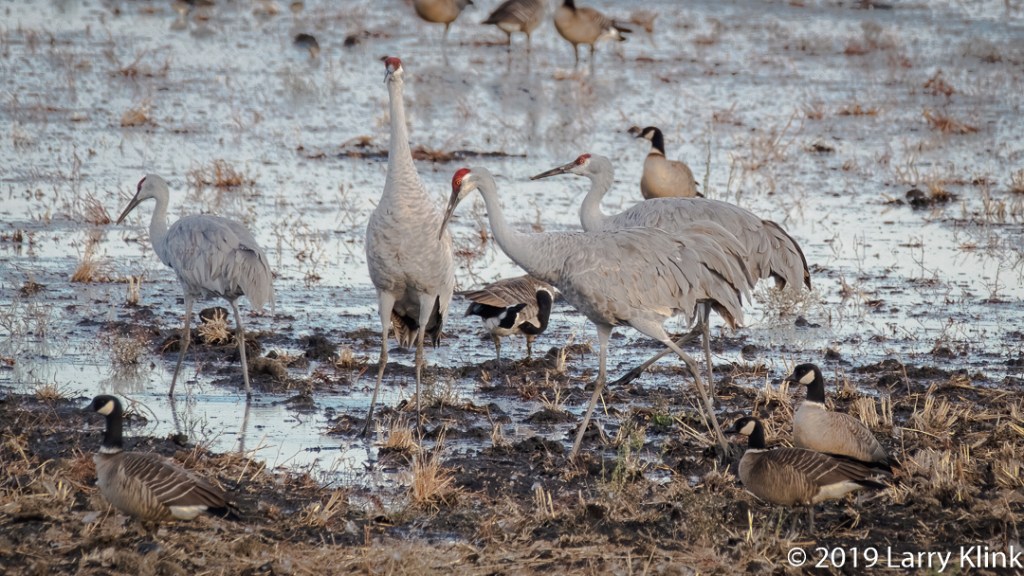
winter over. For this area, it means we have an opportunity to see Sandhill
Cranes, Tundra Swans, White-fronted Geese and many other birds. On this visit,
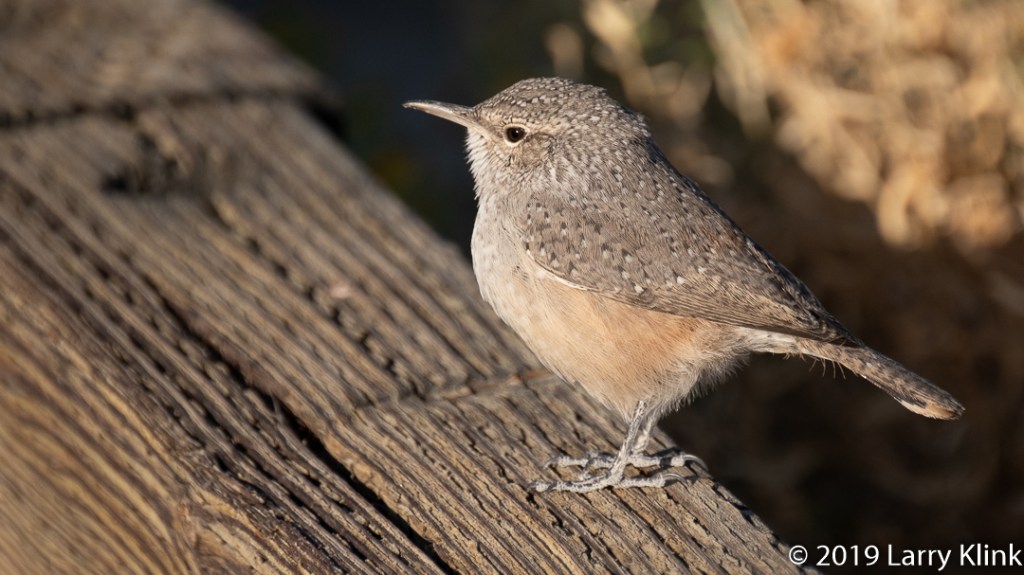
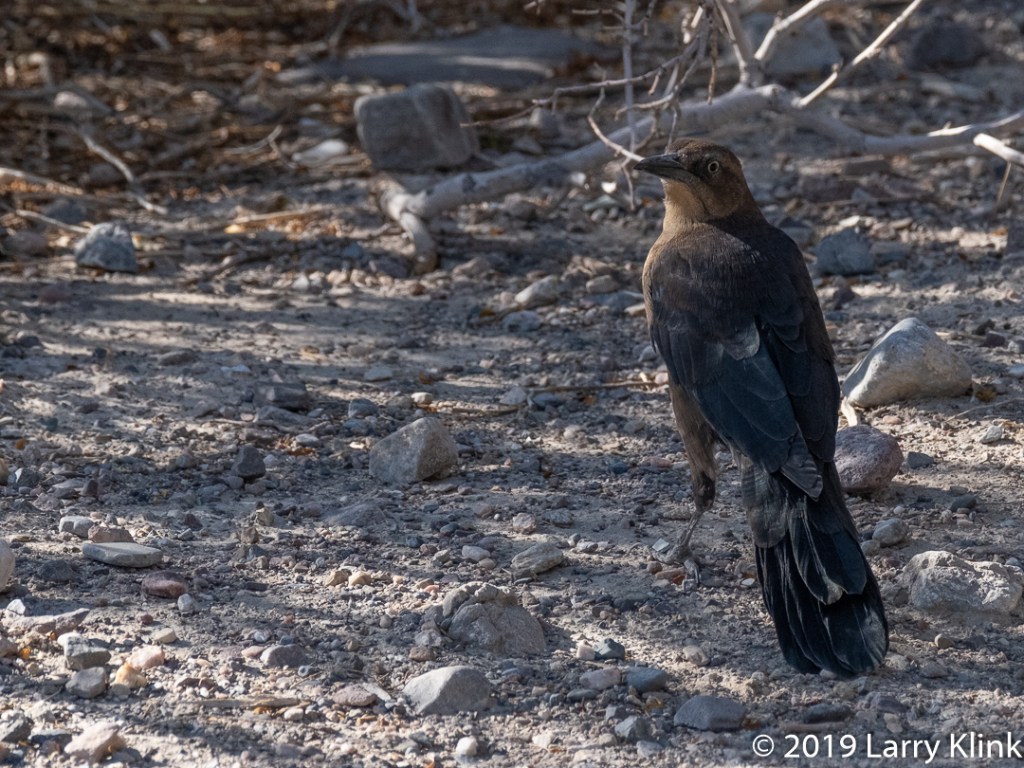
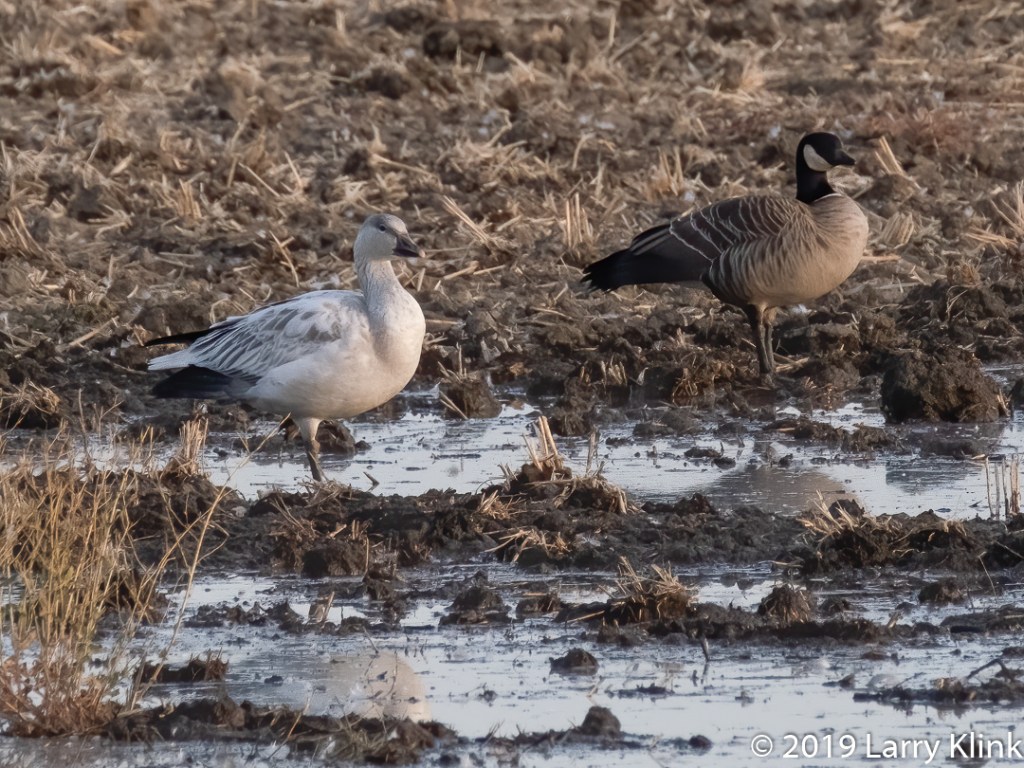
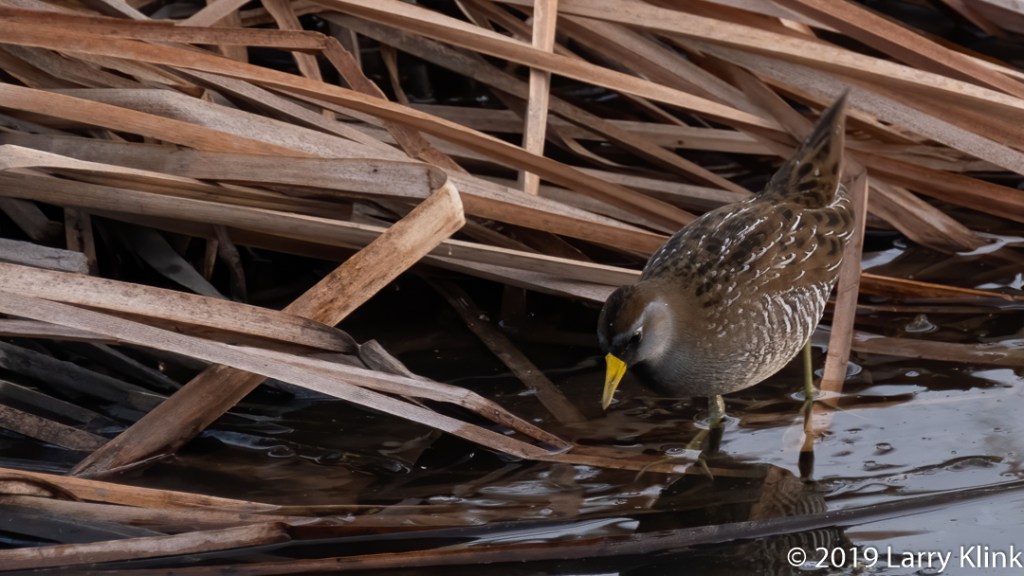
we got to see the Sandhill Cranes, Cackling Geese, Snow Geese and Sora.
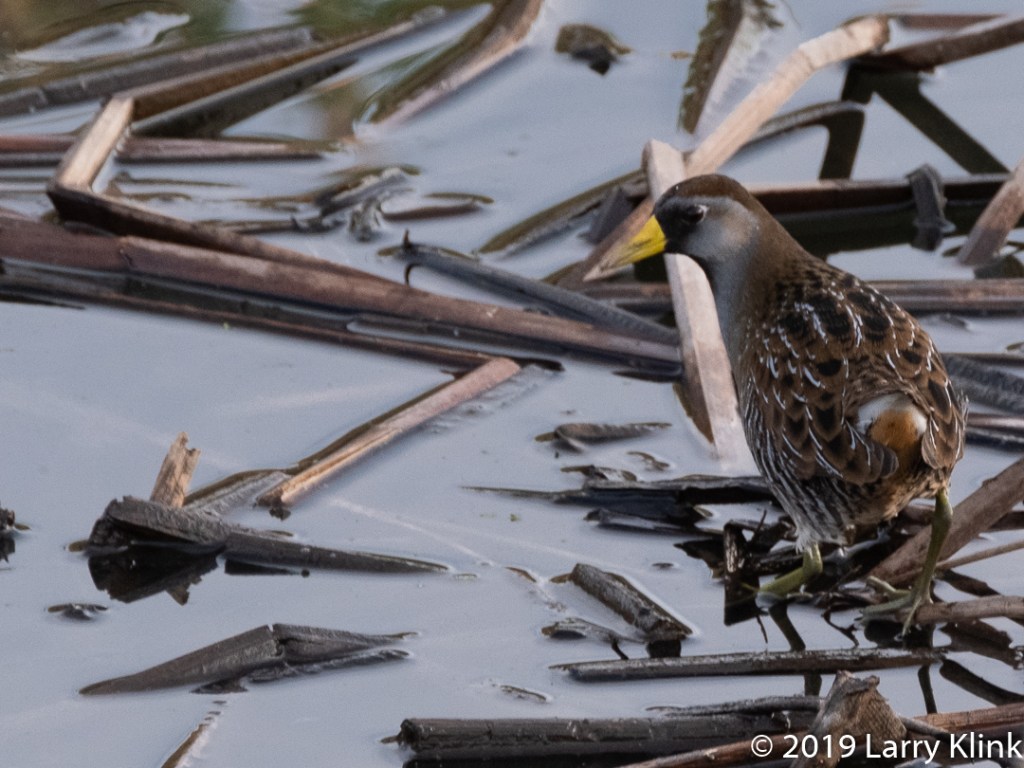
The Sora (Porzana Carolina) was my surprise bird. I didn’t even know they existed. It is one of those drab, gray birds that hide in the brush, along streams and irrigation ditches. But drab and gray is not a fitting description. They are quite beautifully marked and have a bright yellow bill. Three Sora gave me the rare opportunity to see them in the open and photograph them.
Please click on caption to see images in higher resolution.
Today I am sharing images of swans I’ve photographed over
the past several years.
Trumpeter Swans (Cygnus Buccinator) are North America’s
largest waterfowl. Thy can have a 6 foot wingspan and weigh as much as 26
pounds. According to All About Birds, a Website from Cornell Labs: “They breed
on wetlands in remote Alaska, Canada, and the northwestern U.S., and winter on
ice-free coastal and inland waters.” The odd thing here is that I found some on
the icy Yellowstone River in February.
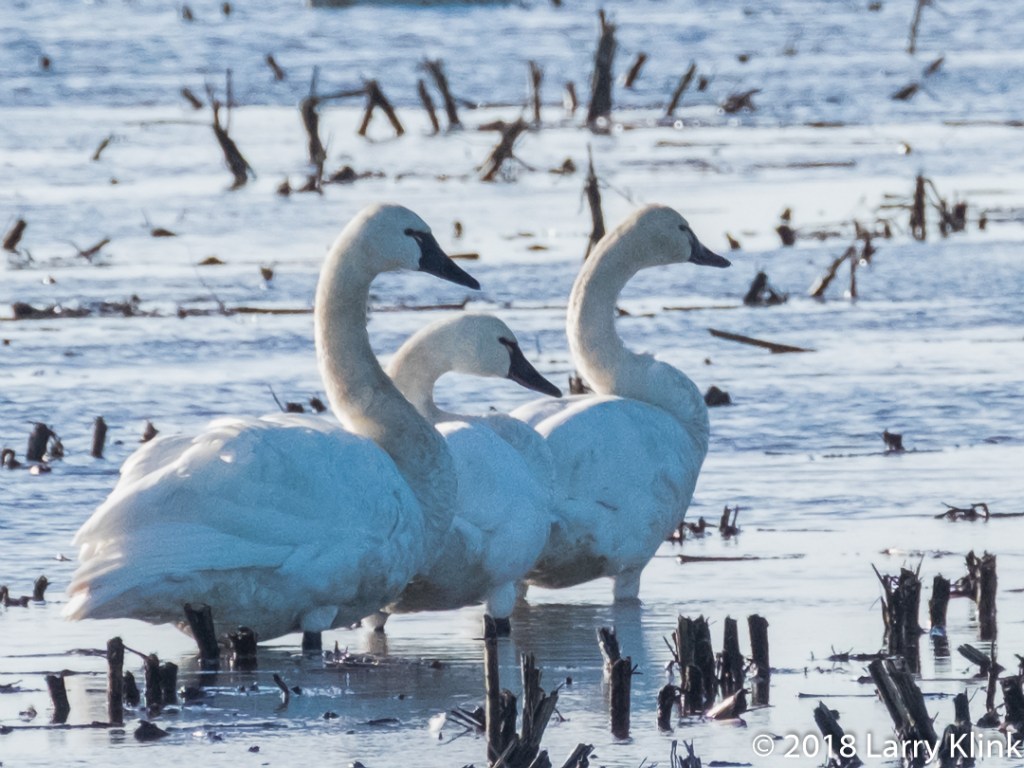
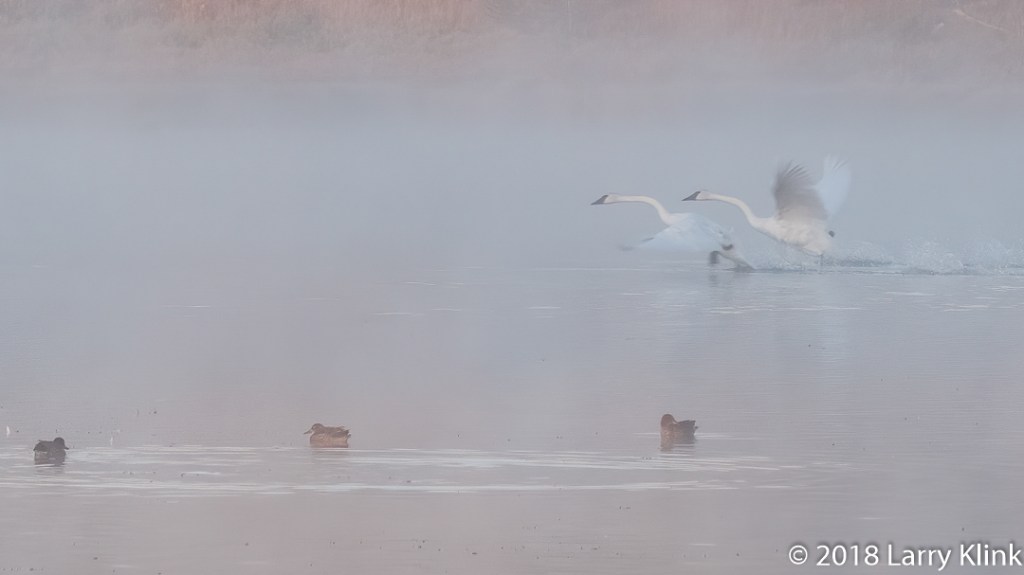
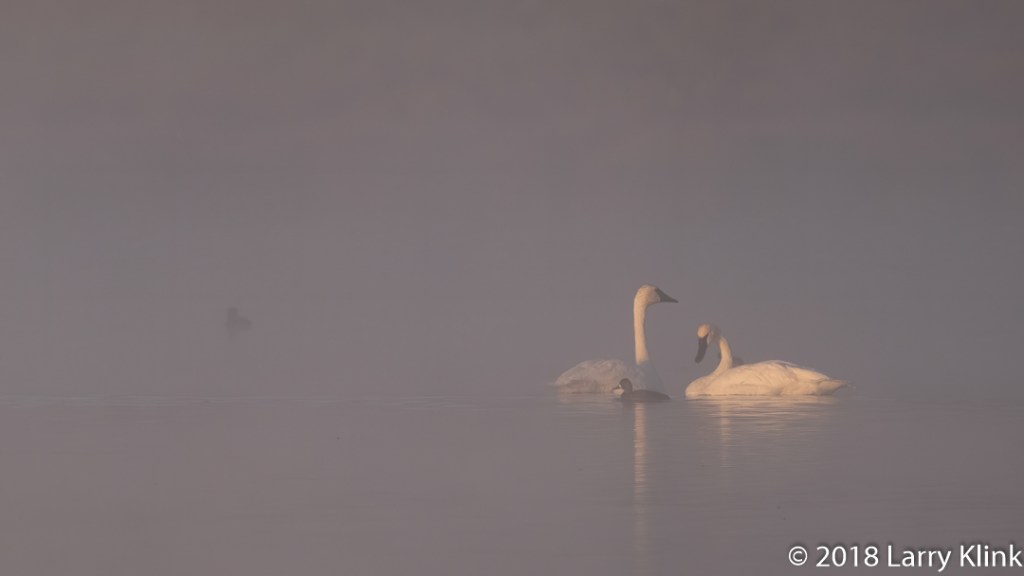
The Tundra Swan (Cygnus Columbianus) is a winter migrant to
the US. We see them winter over on the Pacific Flyway from late October through
about the end of February. They nest on arctic tundra. The Tundra Swan is
sometimes called a Whistling Swan.
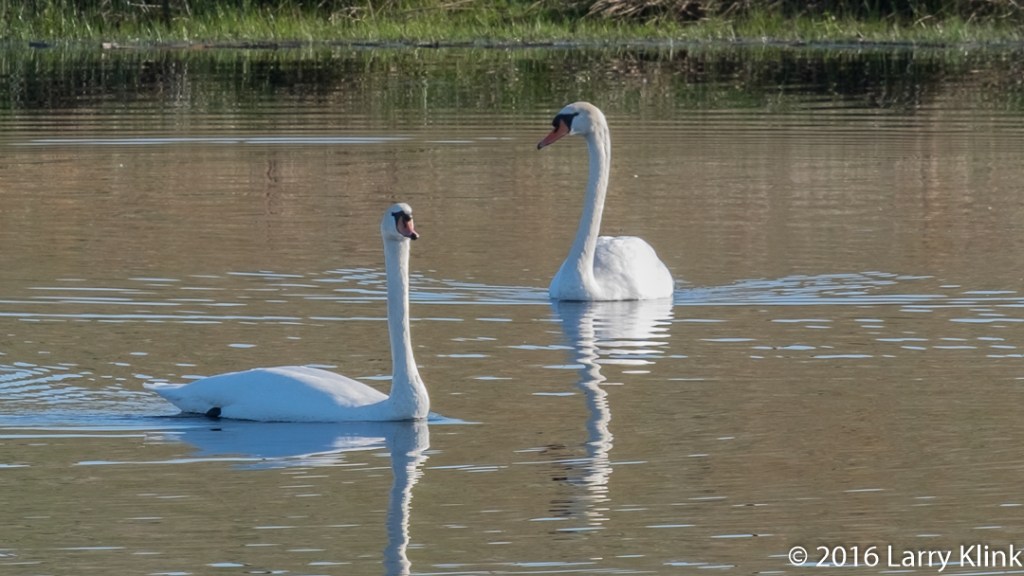
The Mute Swan (Cygnus Olor) is not native to North America; it’s
a European immigrant. It is the swan we see in ponds and lakes at parks, farms
and estates. According to All About Birds: “ All of the Mute Swans in North
America descended from swans imported from Europe from the mid 1800s through
early 1900s to adorn large estates, city parks, and zoos. Escapees established
breeding populations and are now established in the Northeast, Mid-Atlantic,
Great Lakes, and Pacific Northwest of the U.S.” The ones I am presenting may be
from a wild colony or may be feral.
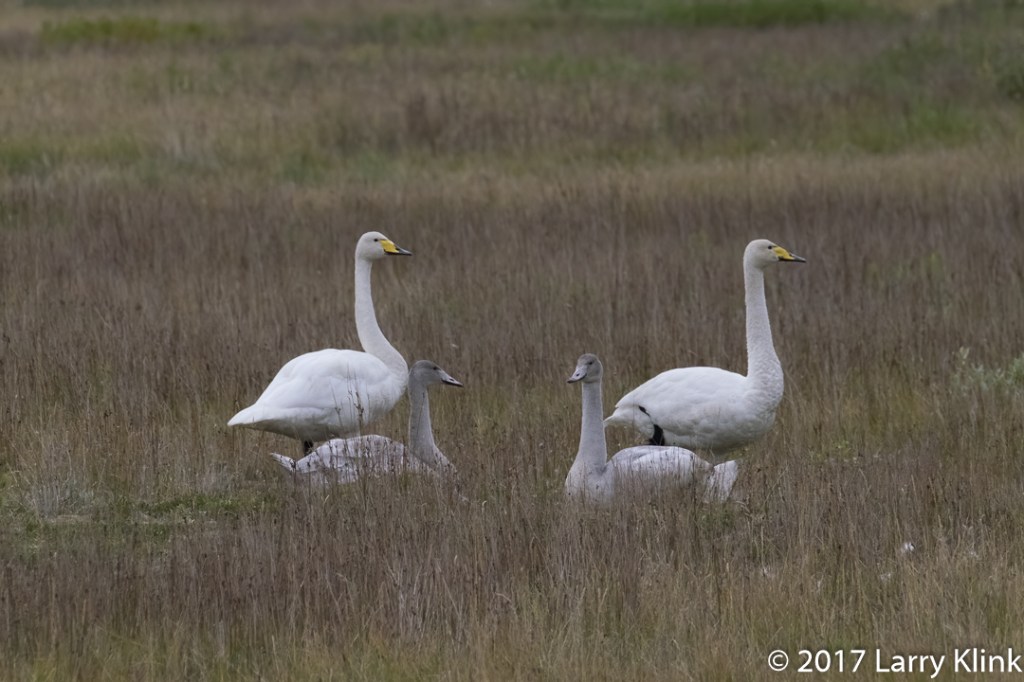
I found the Whooper Swans (Cygnus cygnus) in Iceland. According to Wikipedia, Whooper swans can migrate hundreds or even thousands of miles to their wintering sites in southern Europe and eastern Asia. They breed in subarctic Eurasia. Icelandic Whooper Swans breed and winter over in the United Kingdom and Ireland. They can have a wingspan of 9 feet and weigh over 30 pounds. Whooper Swans pair for life.
Please click on caption to see image at higher resolution.
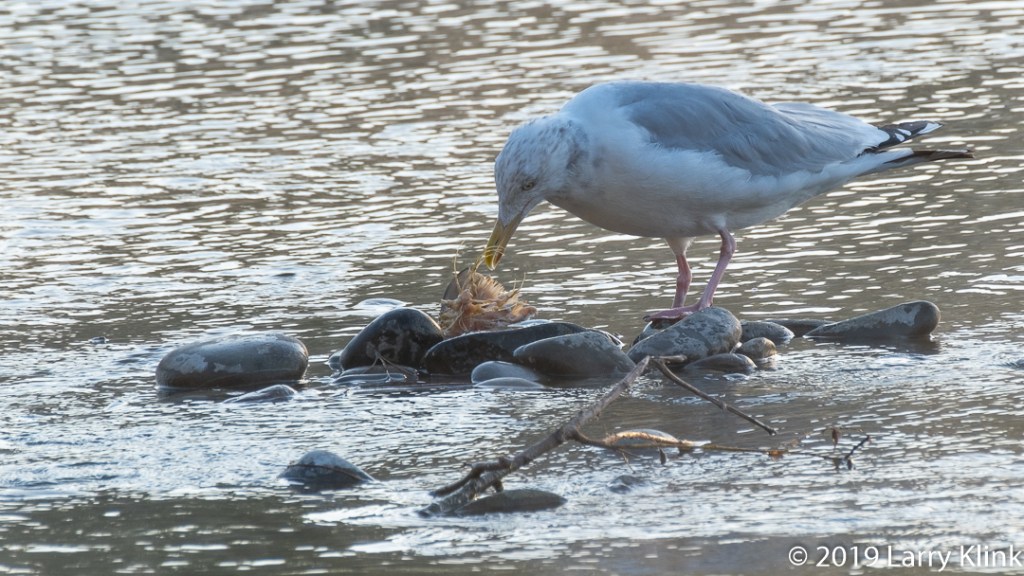
In Sacramento, we are privileged to live along the American
River. This mighty river is one of many that provide spawning territory for
salmon. Spawning is the last great act of these creatures; after they spawn,
they die. Though it is the end for them, their death provides nutrients for
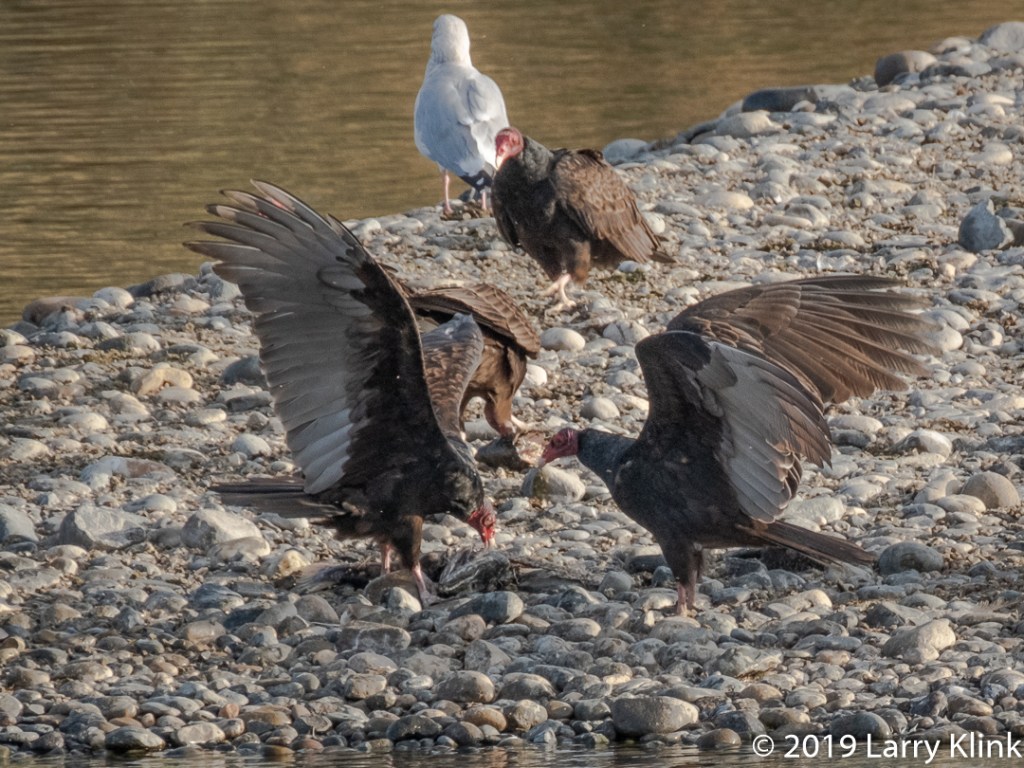
plants and other animals. When the Salmon run gets underway, migrating Turkey
Vultures and Gulls arrive and supplement the year-around population and clean
up the carcasses.
Scavenging is not limited to the Salmon carcasses. I’ve also
found a Raven with the carcass of a dead bird. Hunting and killing is not
normal behavior for the Raven so most likely it found the carcass.
Look closely at the rocks among the vultures. Some of what looks like rocks are part of the carcasses.
Note: Please click on caption to see images at higher resolution.
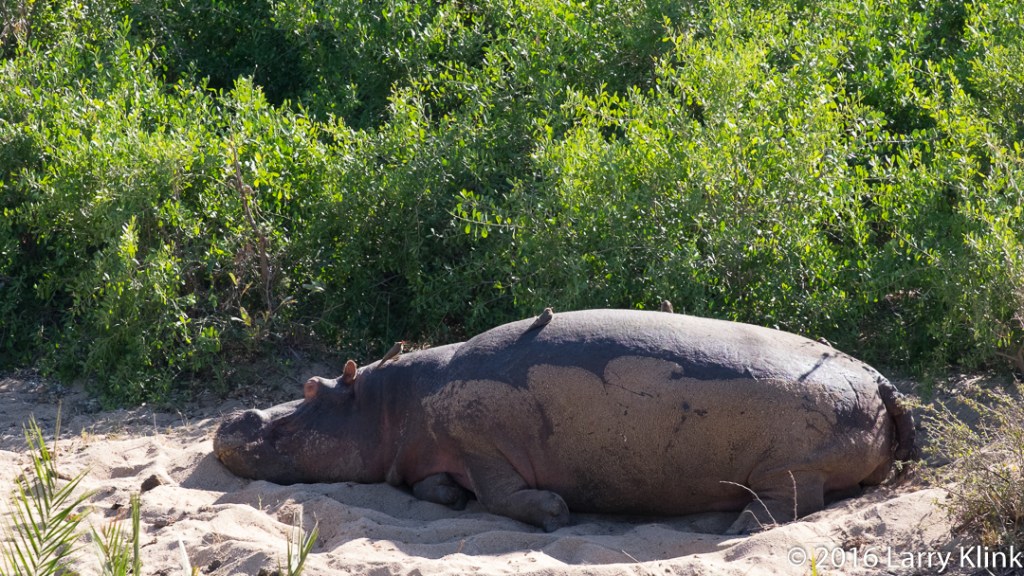
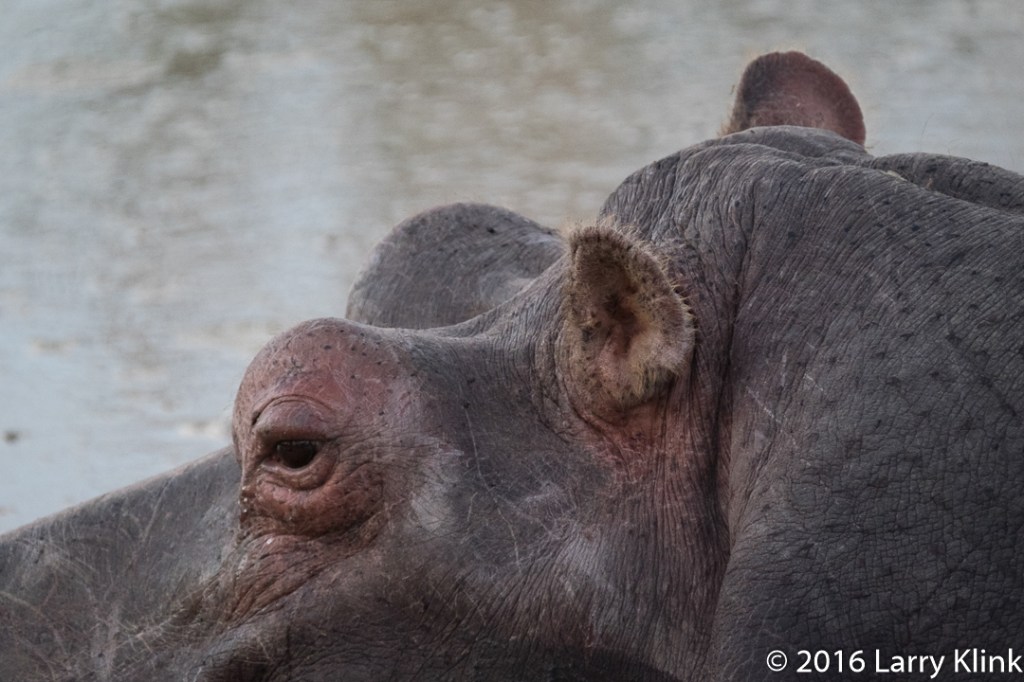
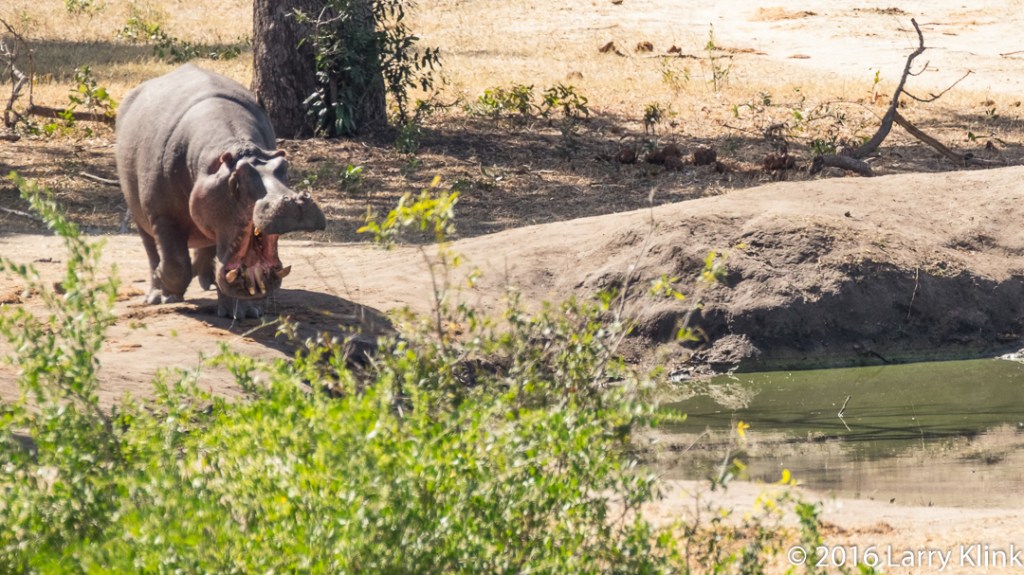
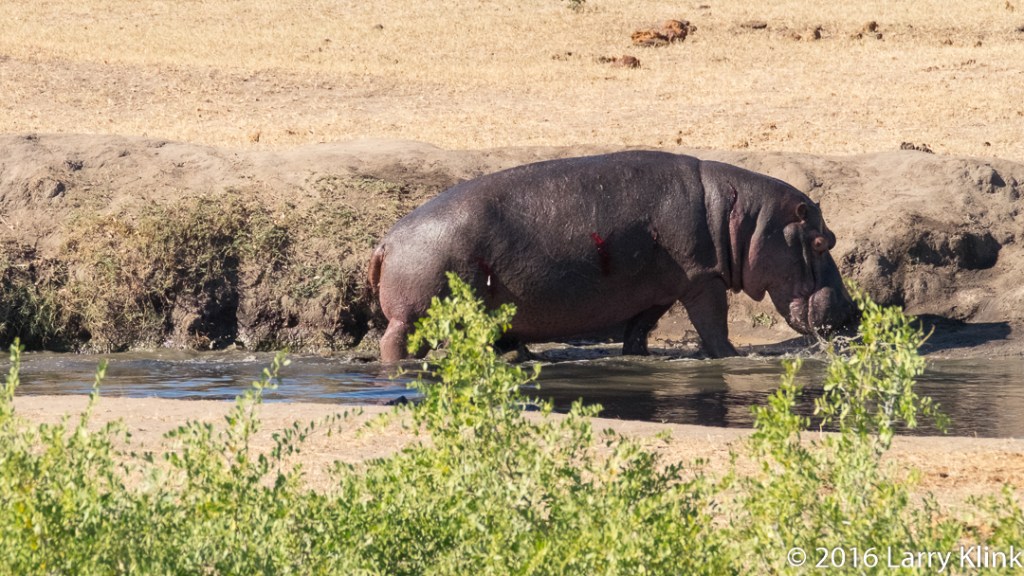
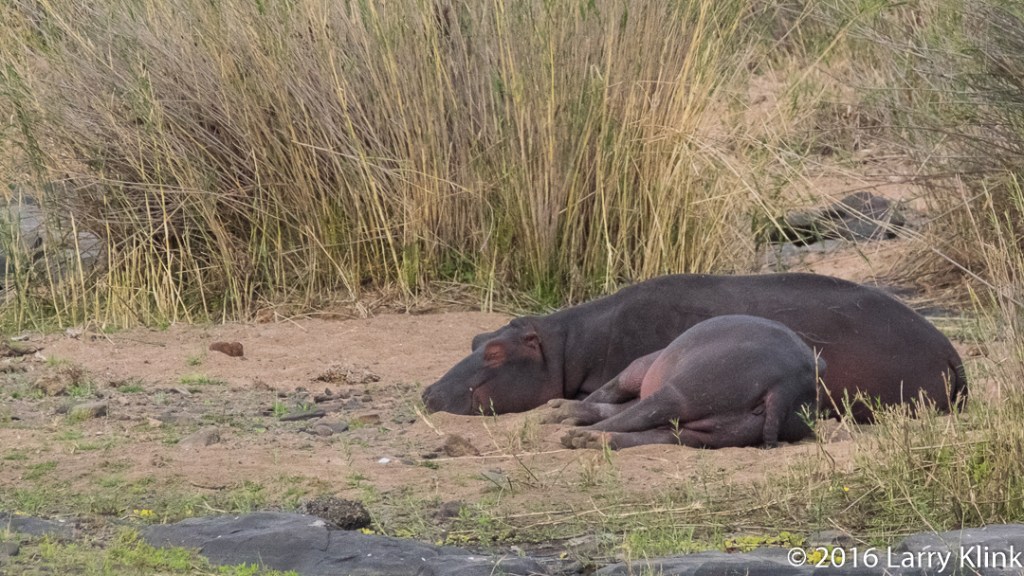
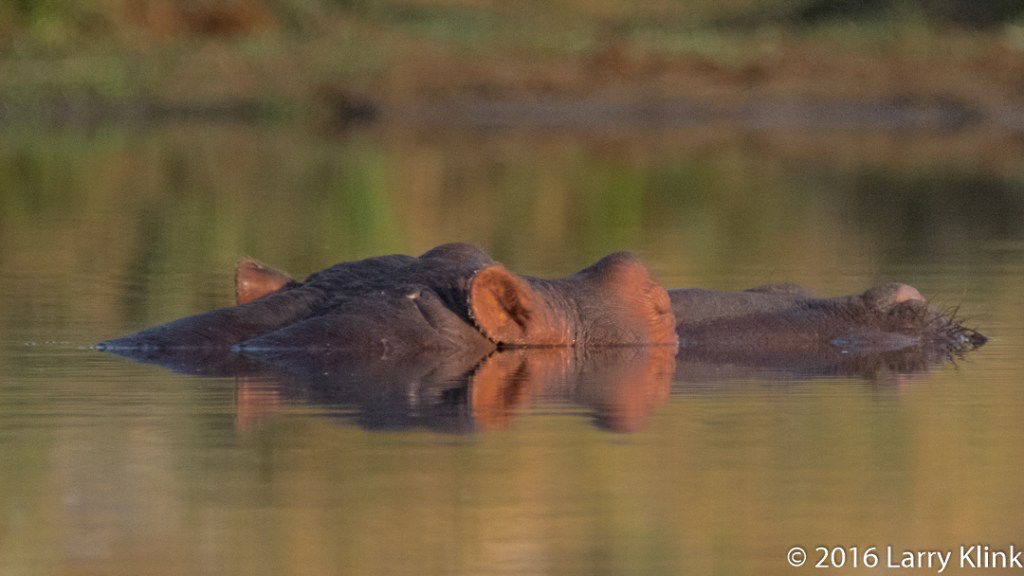
When I see pictures of the hippopotamus, it is usually the 2 iconic
images: just the nose, eyes and maybe ears sticking out of the eater or just a
little of the body above the waterline and with Oxpeckers on its back. I was
recently going cleaning and organizing my photo library and took a new look at
the images from our Africa trip 3 years ago. In it, was a good collection of
hippos in the routine activities of their daily life. So, I thought I’d share
them with you.
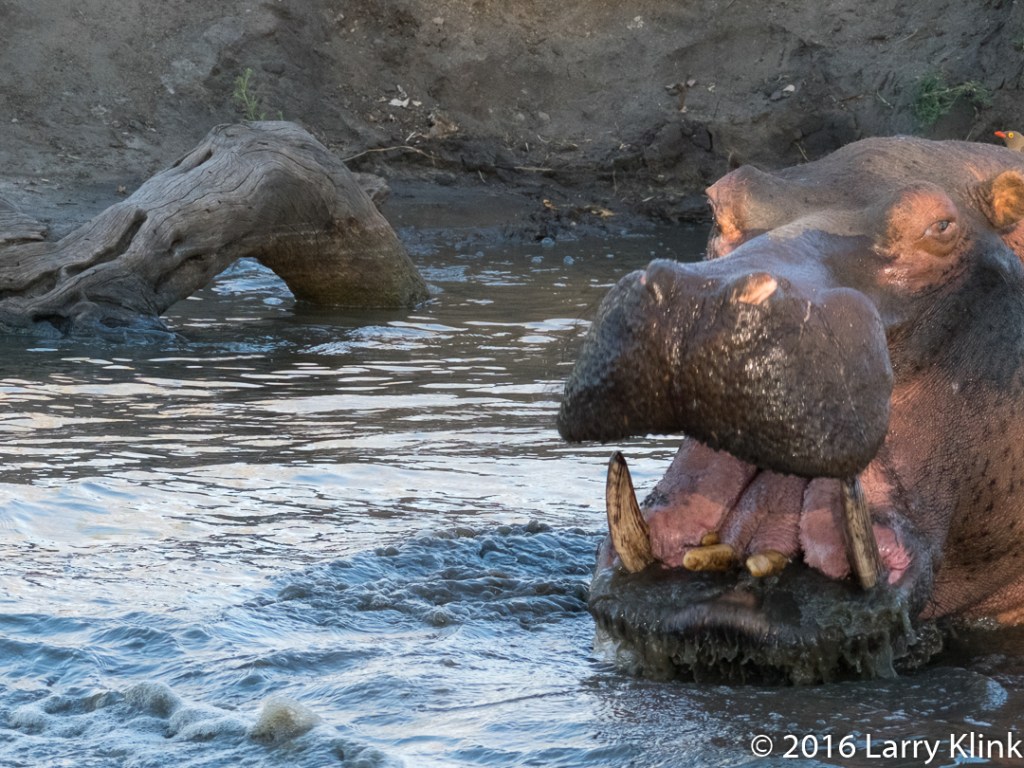
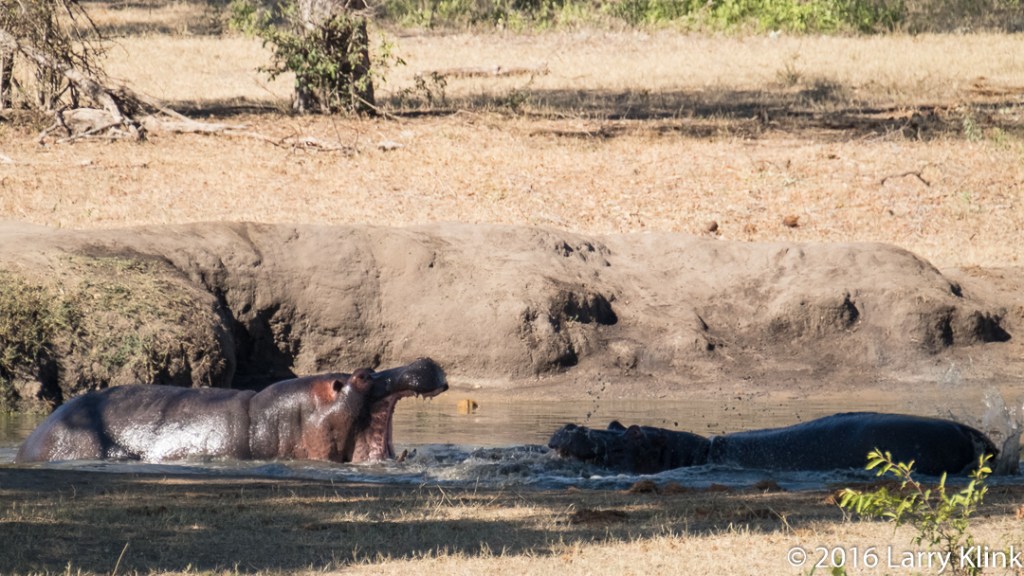
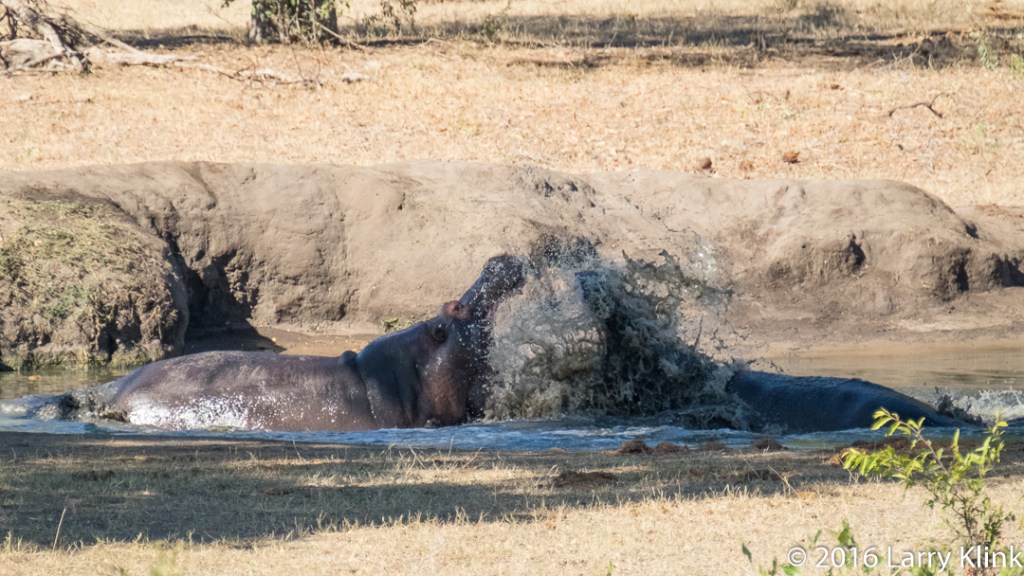
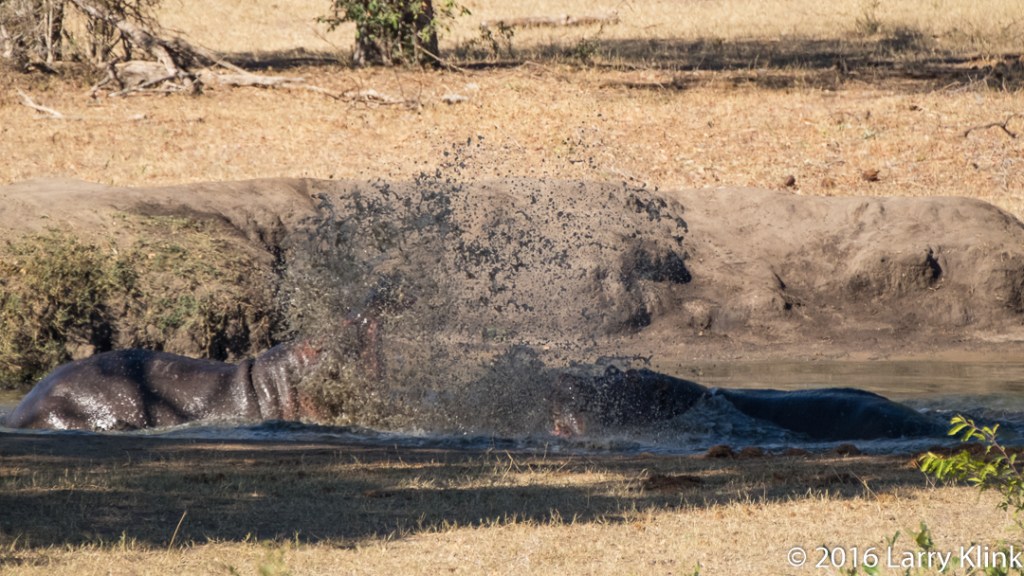
Some of the images involve a battle over a water hole. Watching that
battle unfold was one of the most fascinating events I ever witnessed. I’ve
observed that when deer, antelope, sheep and goats battle, it involves locking
horns and pushing back and forth until one succumbs and backs off. The hippo
battle was similar. They open their mouths wide and attack then push back and
forth until one succumbs. But, it also has some similarities to the sumo
wrestling I have seen. Two large, muscular, creatures embracing in battle for
short periods, back off for a short while, then go at again.
The Red-billed Oxpeckers in the photos are feasting on the bugs in the hippo’s wounds.
Note: Please click on caption to see image at higher resolution.
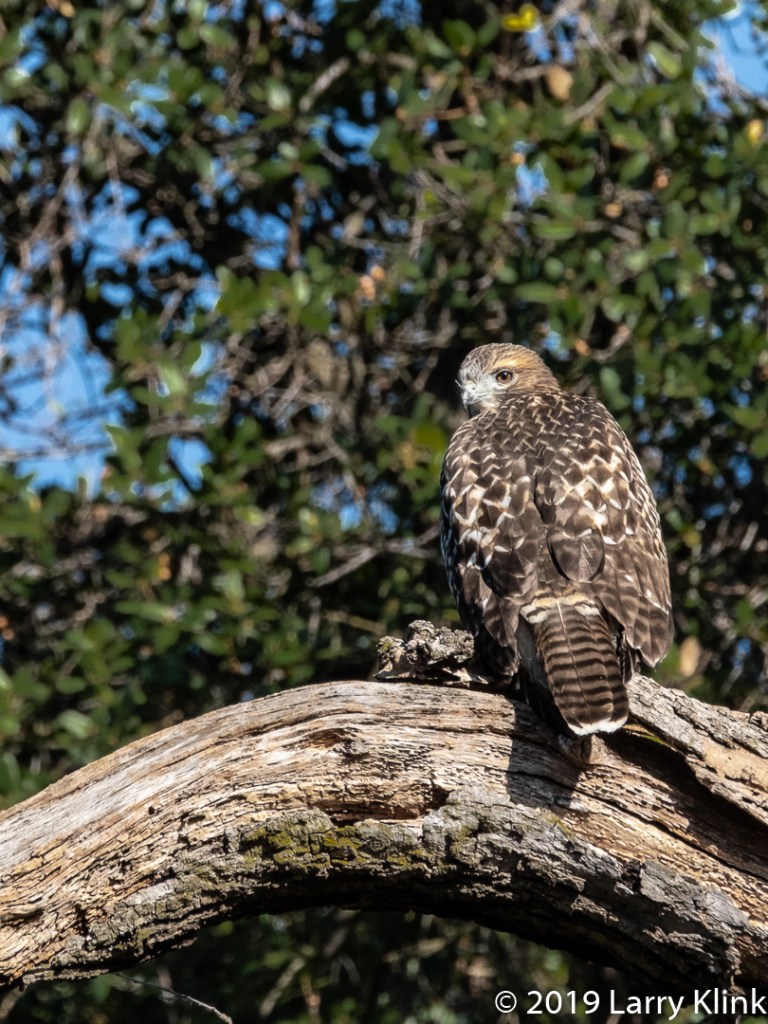
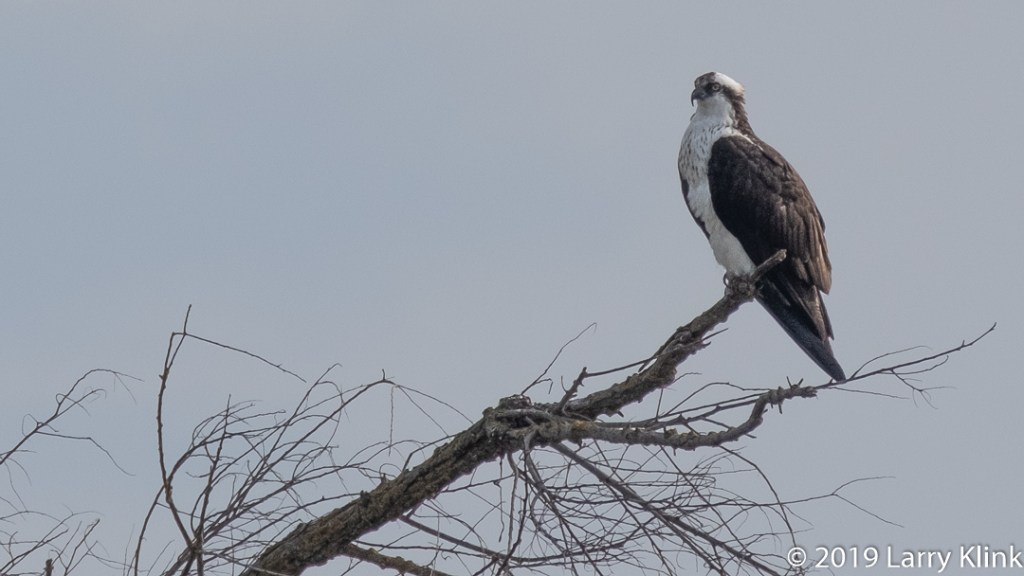
Here are a few raptors, birds of prey, I’ve photographed over the past year.
The Red-shouldered and Red-tailed Hawks are members of the Buteo family. They forage in more open areas and prefer small rodents. The Goshawk and Sharp-shinned Hawks are members of the Acipiter family. They are built to forage in in forested areas and prefer birds. The Merlin is a small falcon. Though they have there preferences, they’ll eat whatever they can catch.
Note: Please click on caption to see these images at higher resolution.
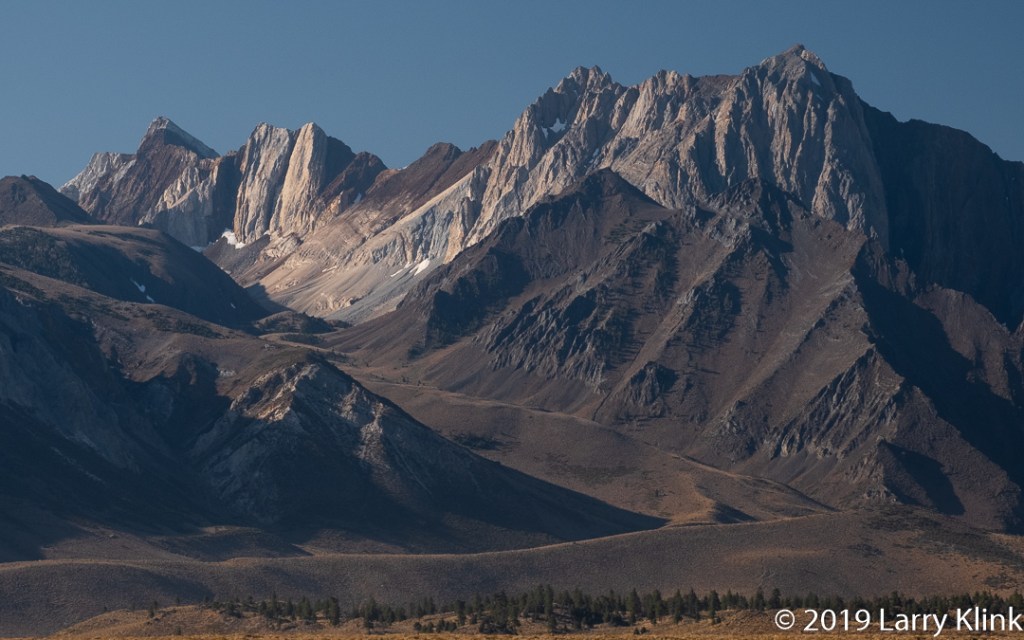
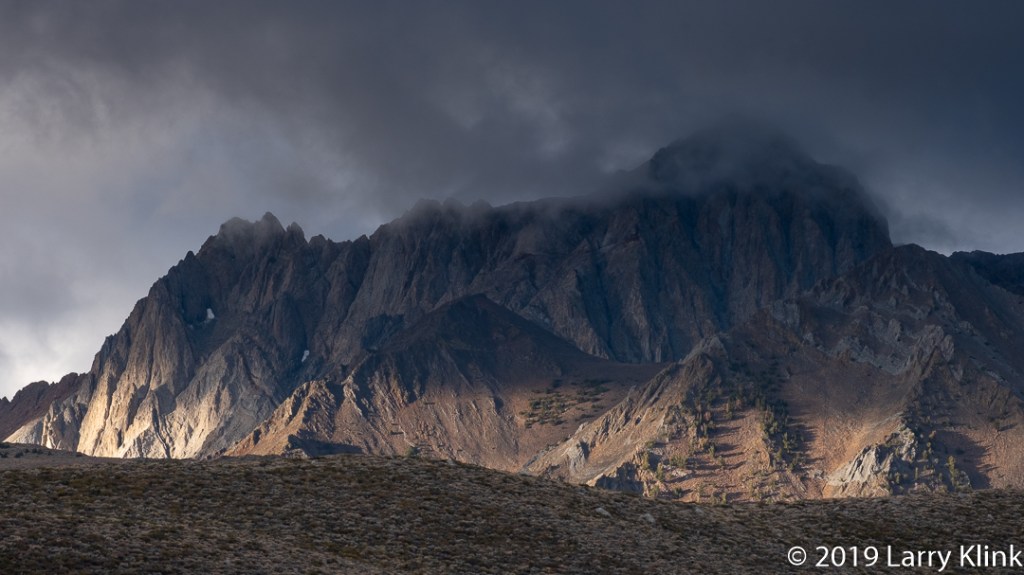
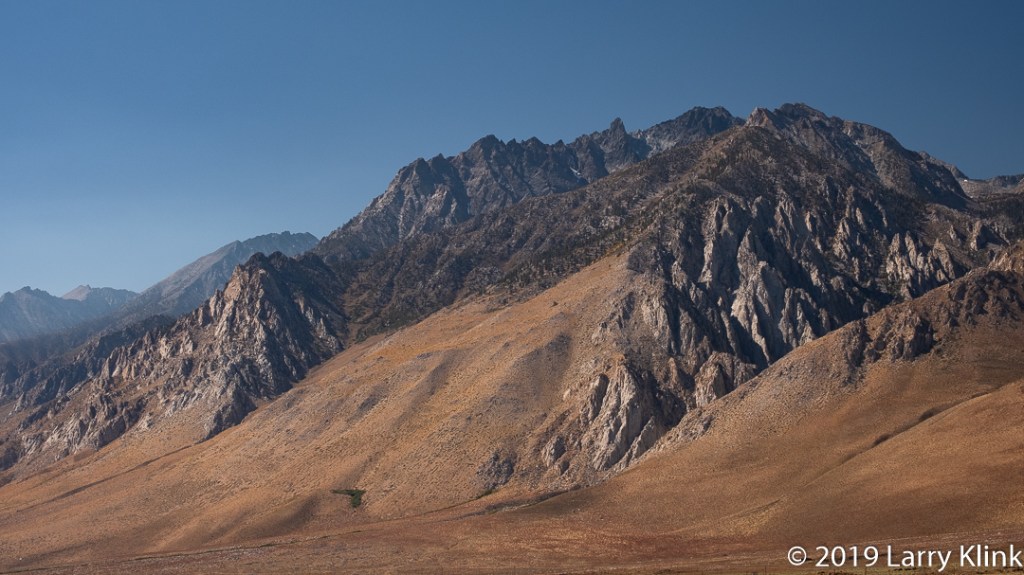
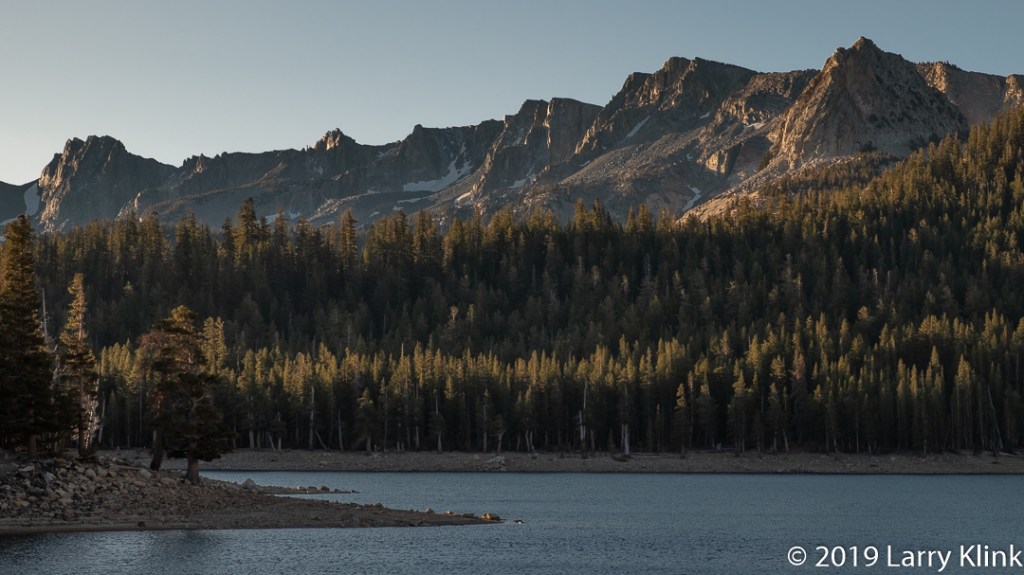
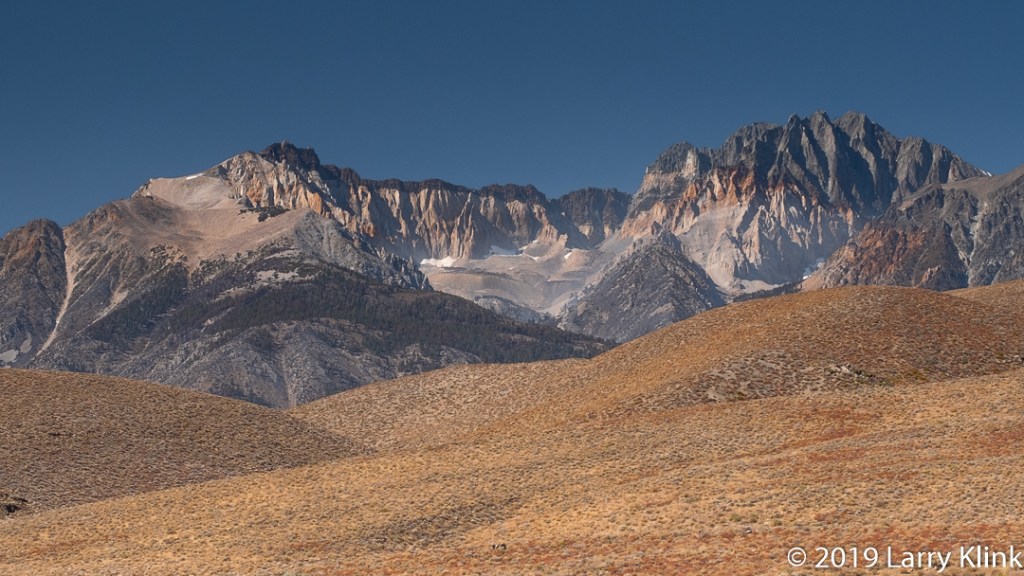
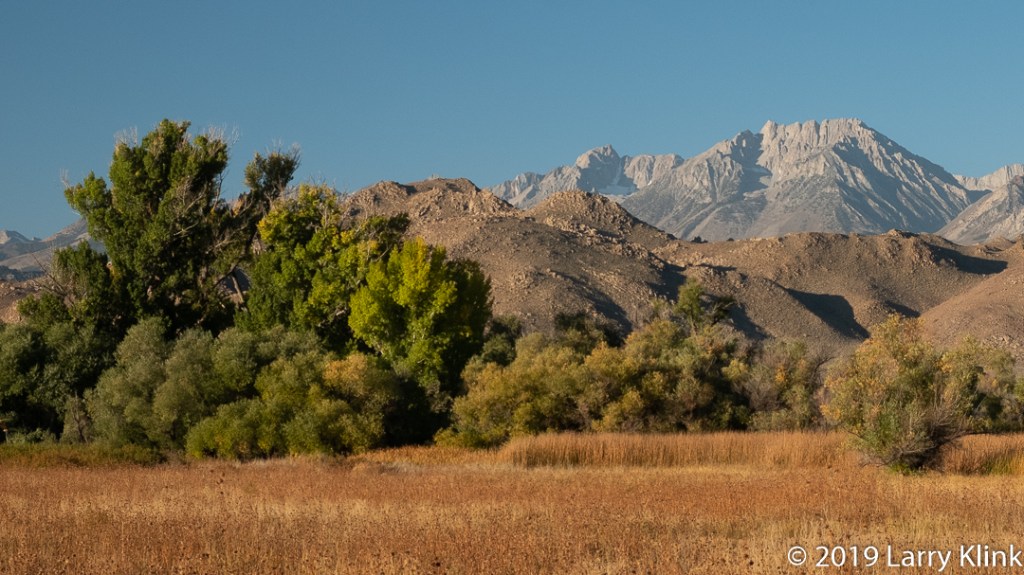
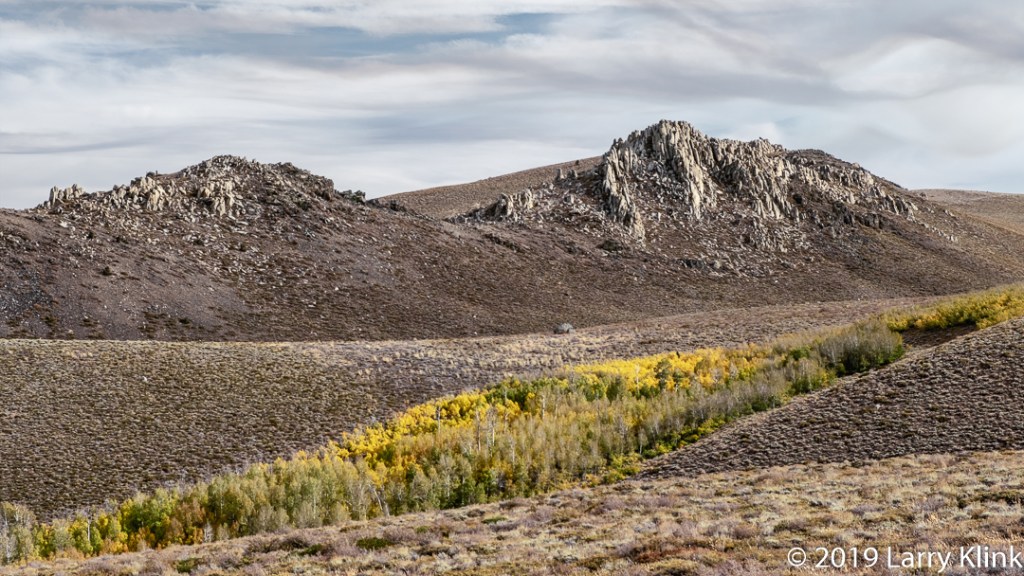
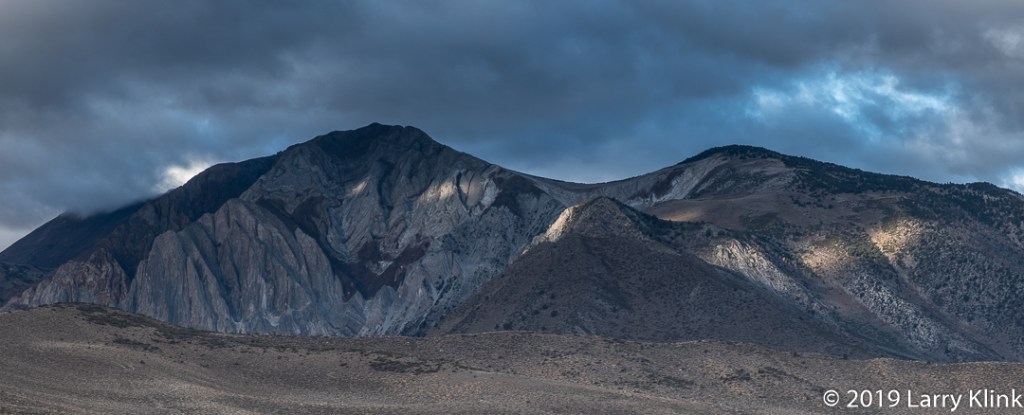
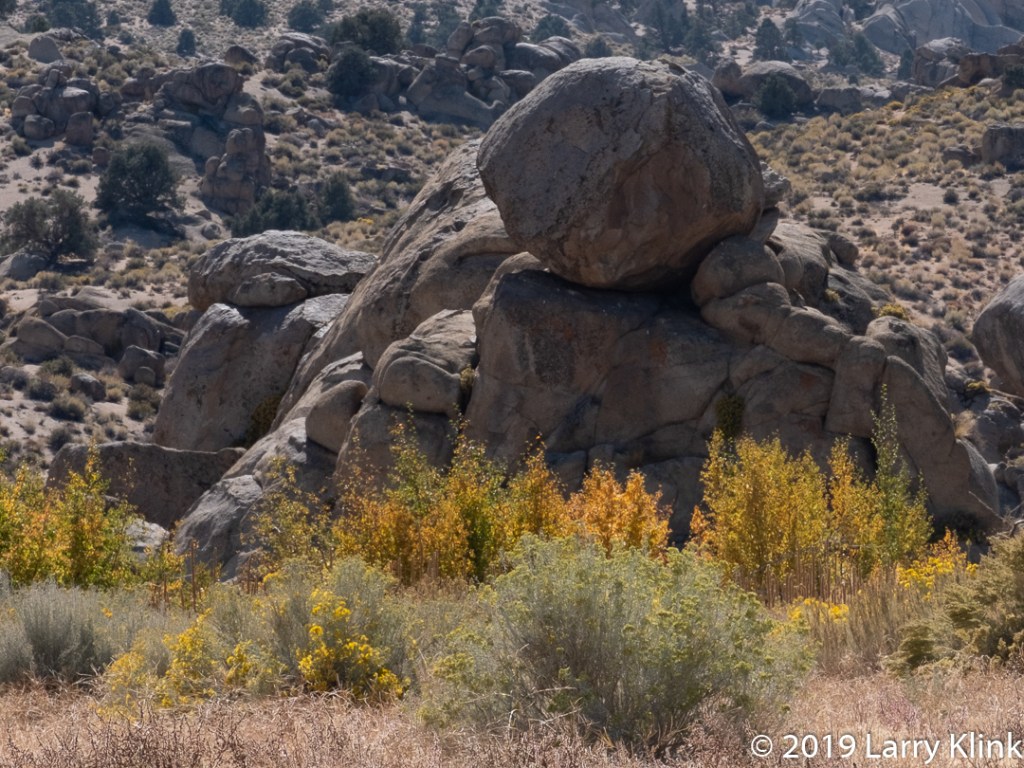
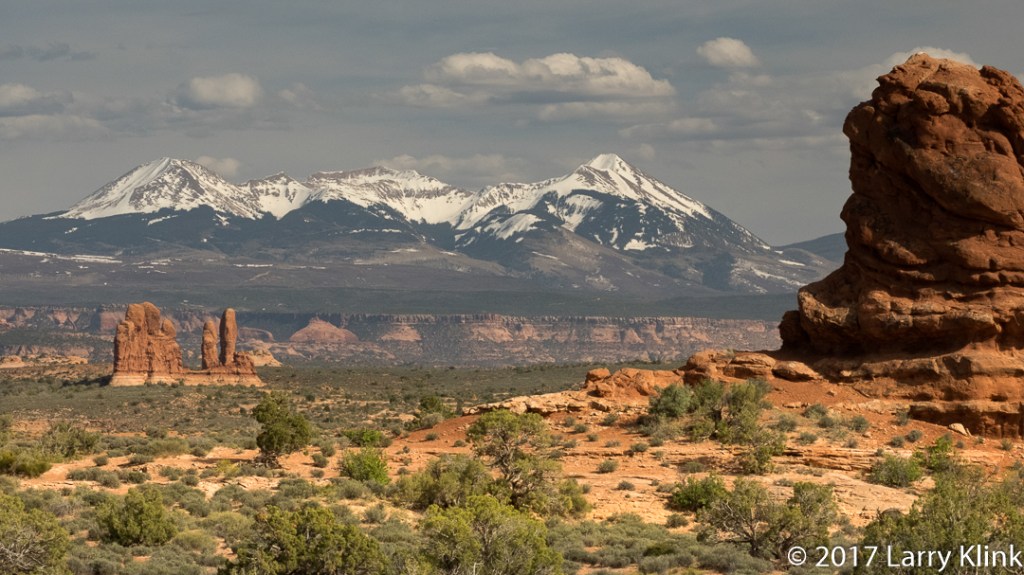
Today I am sharing images of various mountain peaks we see as we travel along US Route 395 in eastern California. Highway 395 extends from the US-Canada border to its southern terminus in the Mojave Desert at I-15 near Hiperia. Much of its way through California it traverses desert valleys sandwiched between the Sierra Nevada mountains and the White-Inyo mountains. It is absolutely stunning scenic drive. For the adventurous, there is mountain hiking and climbing and fishing. There are back road drives into the mountains to scenic lakes and great vistas. There are attractions like Mono Lake with its Tufa, the Ghost Town Bodie, The Ancient Bristle Cone Pine Forest, the museum and remains of the Manzanar Internment Center from World War 2 and the Movie Museum in Lone Pine. If you’ve never explored this area, I strongly recommend you check it out.
Note: Please click on caption to see image at higher resolution.
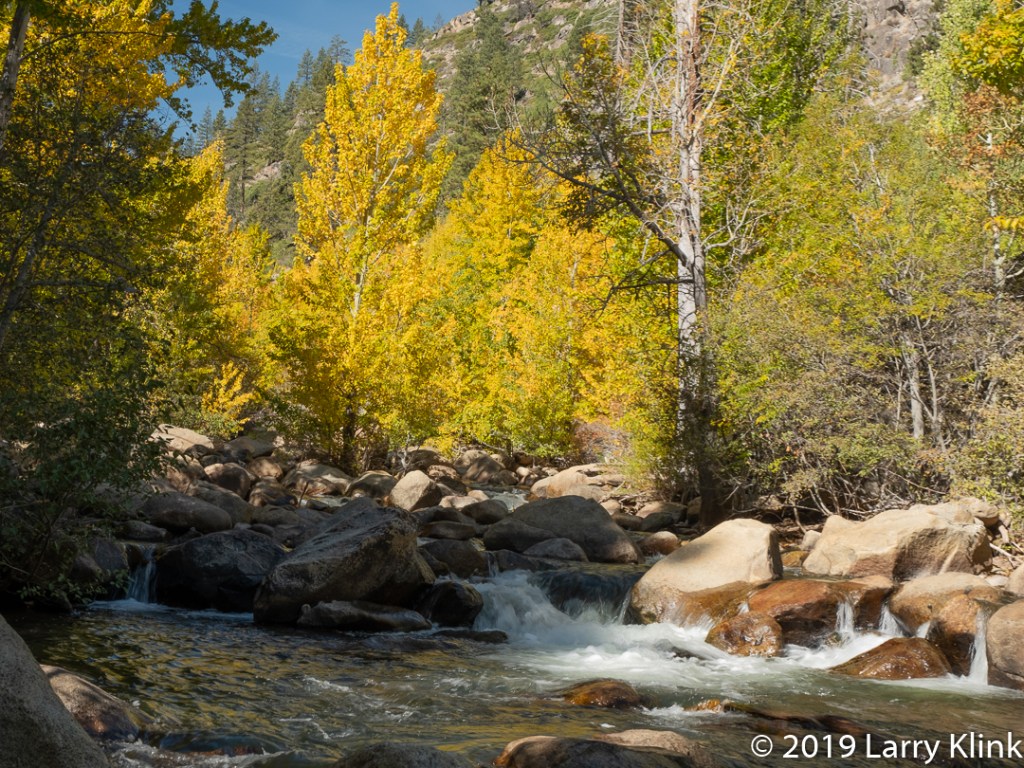
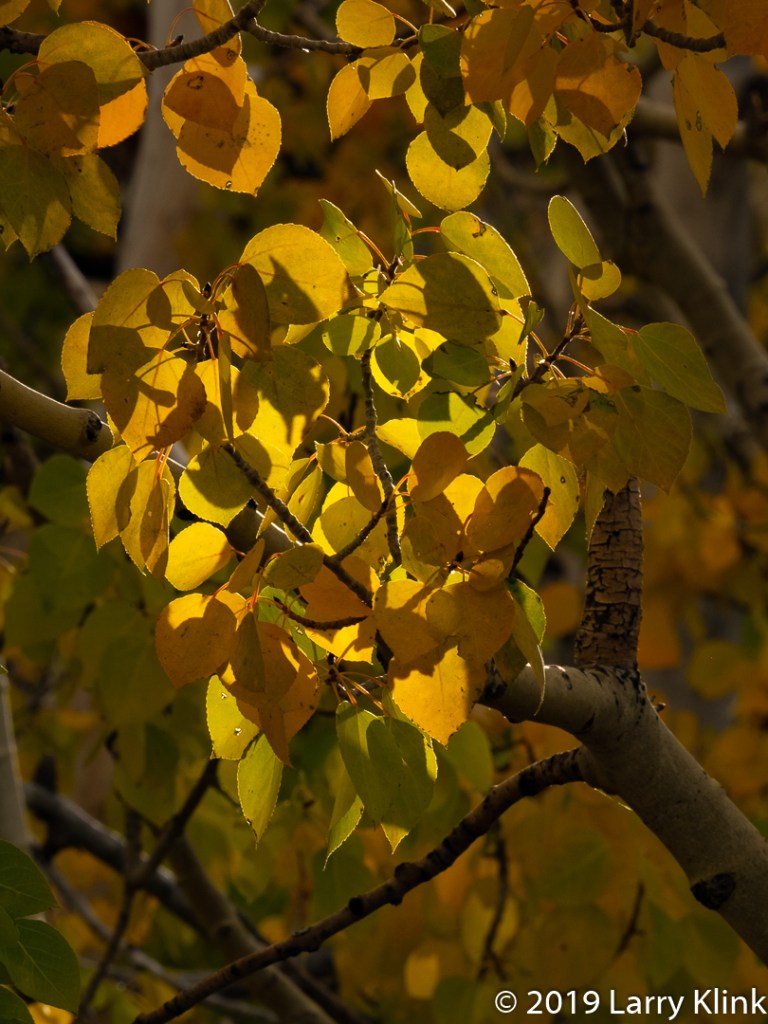
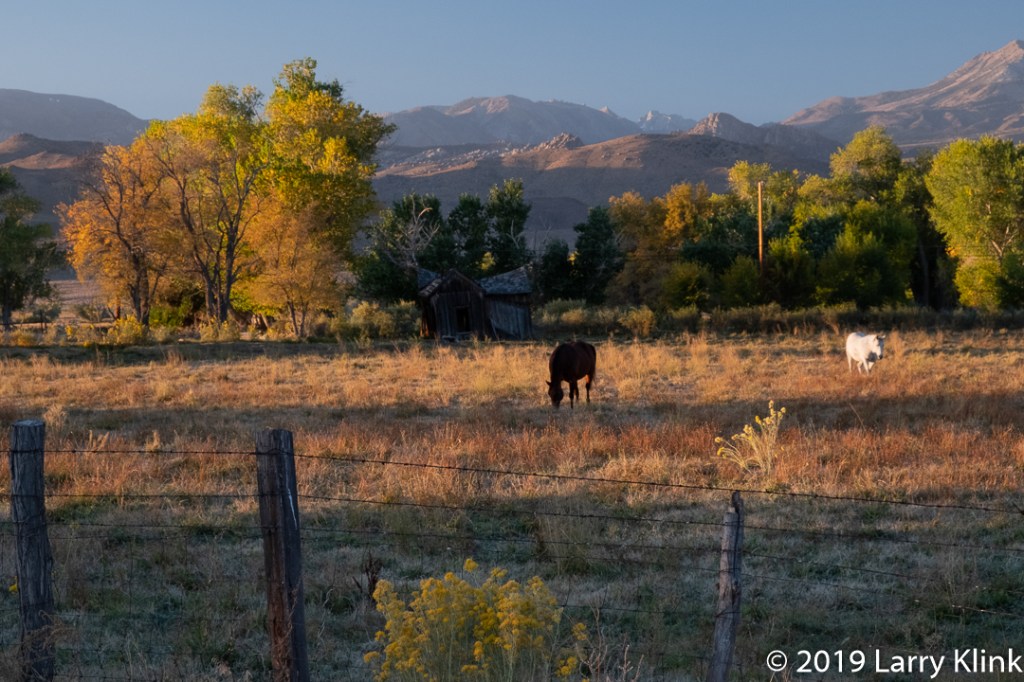
Two weeks ago, we made a trip to the eastern Sierra to
enjoy fall colors. In many places, the aspen were beautifully adorned in bright
yellow and orange. It was a wonderful trip. We wandered around on dirt roads in
the mountains and deserts. We saw many of the features of the Sierra and White-Inyo
mountains from new perspectives. It was a wonderful trip.
I’ll share a few more soon.
Note: Please click on caption to see image at higher resolution.
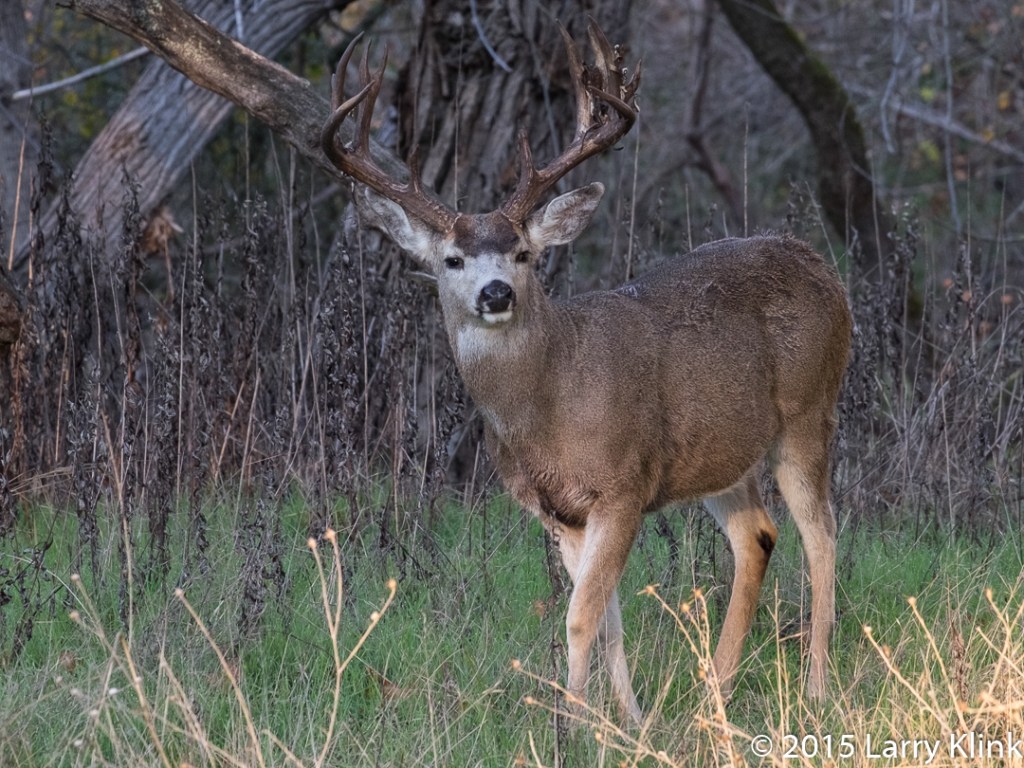
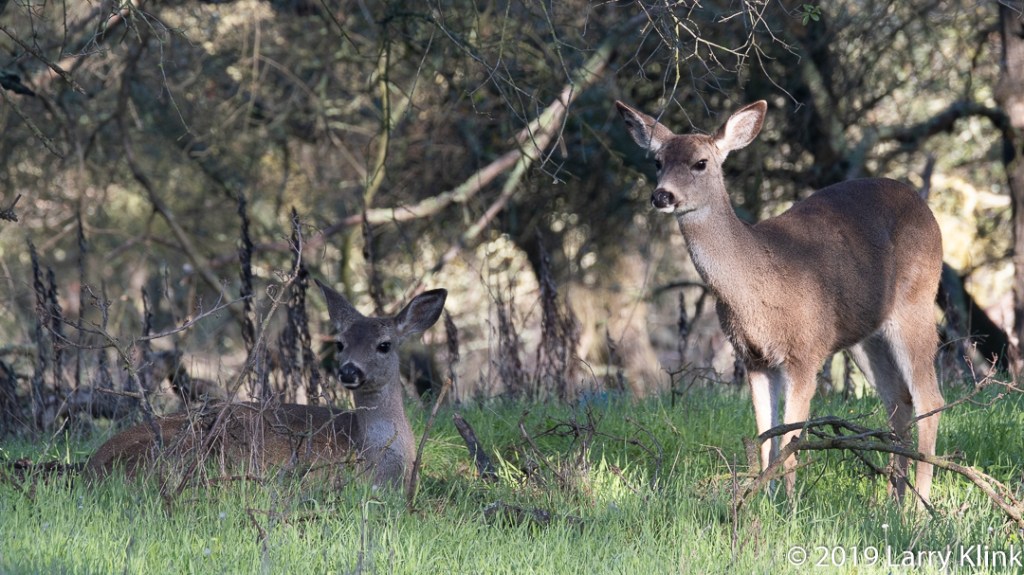
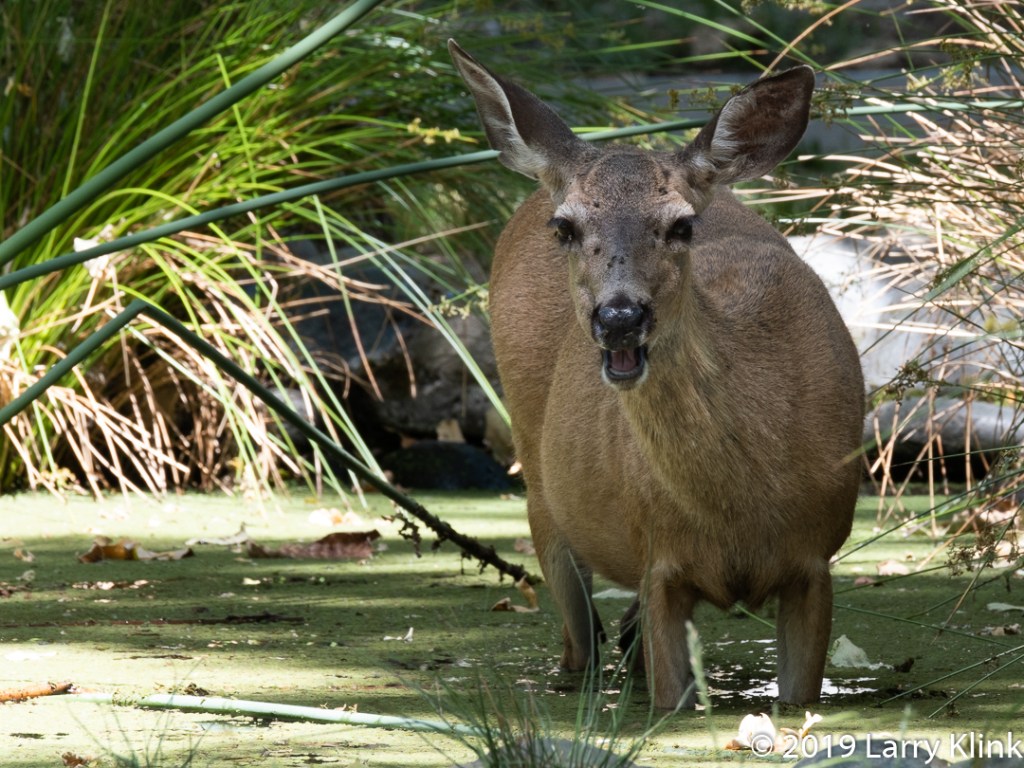
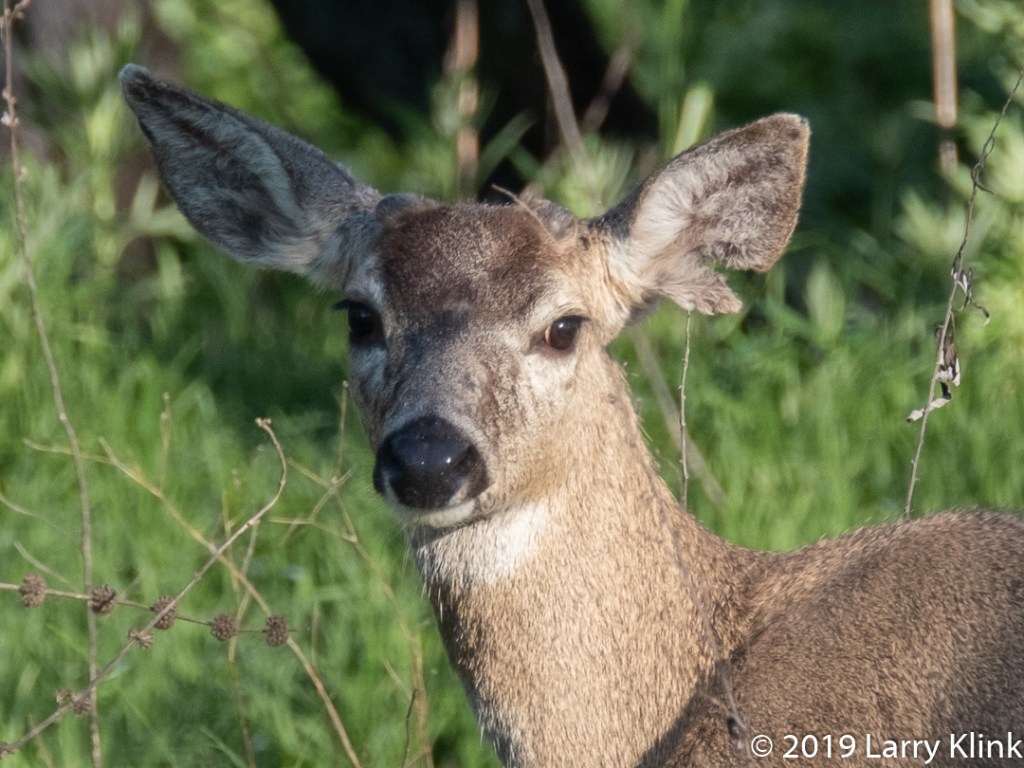
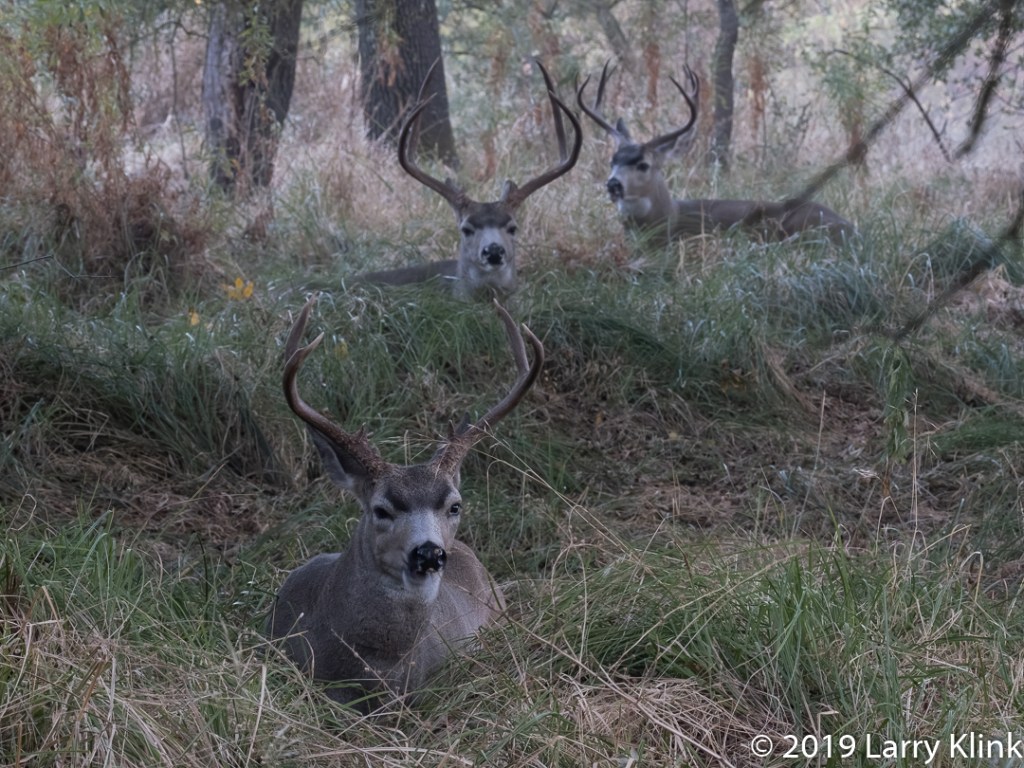
The Black-tailed Mule Deer (Odocoileus hemionus) are found on the western Great Plains, the Rocky Mountains, Southwestern United States and the West Coast of North America.
Deer are ungulates, meaning they are hooved. They are also ruminants which means they eat and send their food to the rumen; one of its stomachs. Later, it regurgitates the cud (food) from its rumen, chews it and sends it to its other stomach to digest. Male deer, like moose and elk, have antlers. Antlers are made of bone which are shed and regrown each year. (Animals like sheep, goats, cattle, and antelope have horns. Horns are made of bone covered with keratin which are permanent; not shed and regrown.) The prongs on an antler are referred to as points; a 6 point buck has 3 prongs on each antler.
Male deer are called bucks, female deer are called doe and the
babies are called fawns. During most of the year, deer segregate themselves by
sex; bucks in groups and doe, along with their young, in separate groups.
Each year, deer go through a reproductive cycle that begins
with the “rut”[i].
The rut is the time when male deer fight for the right to breed with a harem of
females and concludes with impregnated doe. As the rut commences and bucks have
regrown their antlers, the bucks attempt to form a harem. One buck may challenge
another for the right to breed with a harem. Bucks will lock antlers and push
and fight until one is pushed backwards and loses the challenge. It is a
dangerous time for bucks; they can become permanently injured. The ultimate
winner breeds with the females as they enter estrus. Gestation is about 200
days.
In mid-to-late winter, the bucks drop their antlers. When
the antlers regrow, they are covered with a furry skin commonly called velvet. When
the antlers have completed their growth, the velvet dries and causes irritation
for the bucks. The bucks rub their antlers against a tree to remove the velvet.
About the time autumn begins, when the fawns have grown and the bucks’ antlers have regrown, the rut begins again.
Note: Please click on caption to see images at higher resolution.
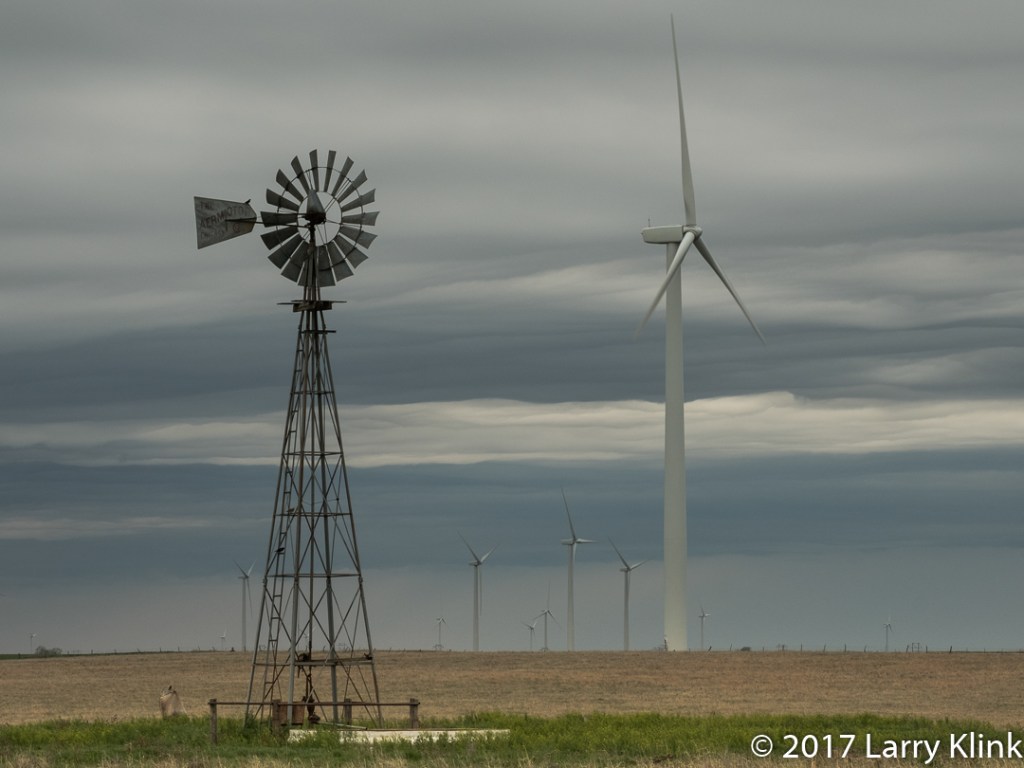
I’m cleaning up and
organizing my photo library. In that process, I uncovered a lot of photos that
I have never posted. Today, I am sharing a few from a cross country road trip
we took in 2017.
I hope you enjoy them.
Note: Please click on caption to see image at higher resolution.





























 Earthwatcher