Elk, Moose and Pronghorn from A Trip Through the Rocky Mountains

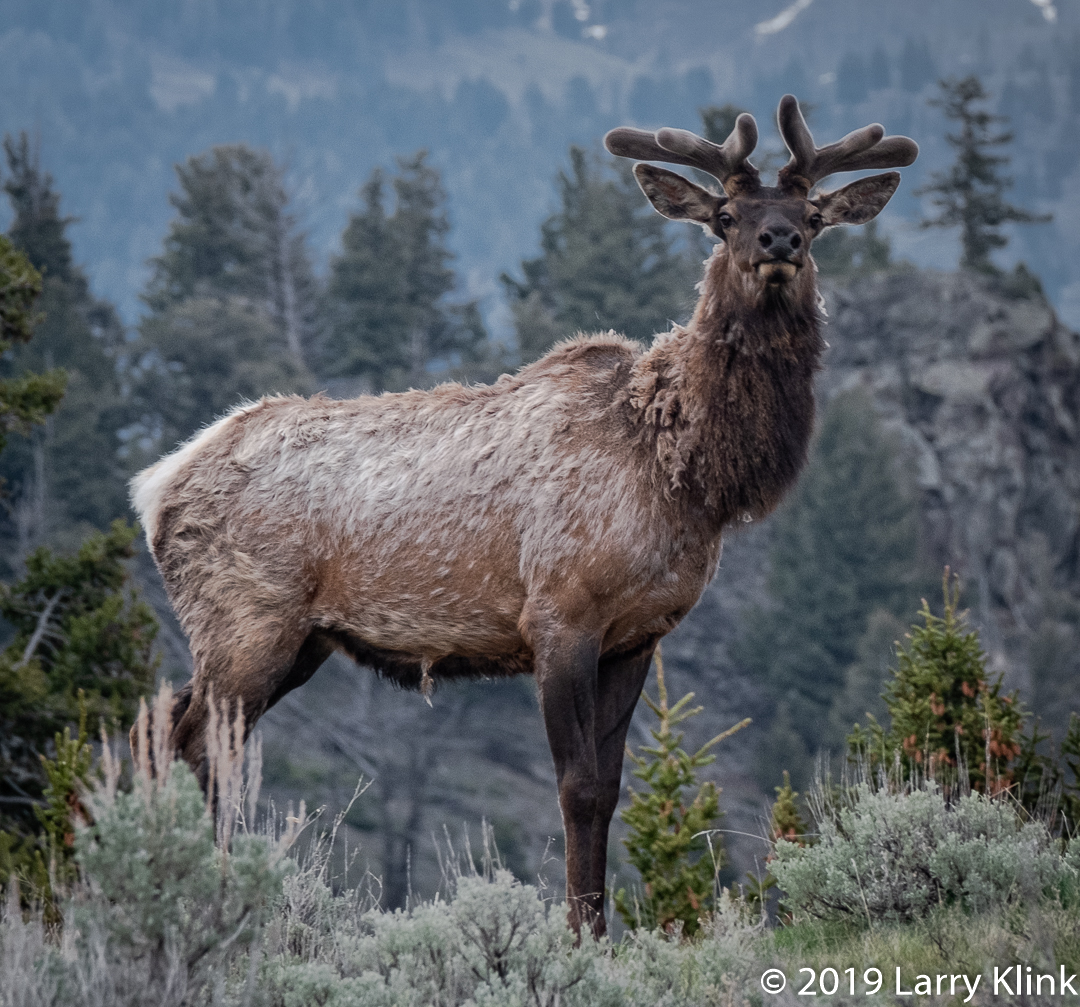
Male or Bull Elk (Cervus canadensis) with Antlers in Velvet;
Lamar Valley, Yellowstone National Park, WY; MAY 2019

In sharing these images today, I am using the common North American names for these animals. It was interesting learning about these animals though because, the names are not consistent. Even in North America, the Elk is referred to a Wapiti, from the Shawnee term Wa Piti meaning White-rumped. Also, Elk are sometimes claimed to be the same as the European Red Deer. However, mitochondrial testing in 2004 found that the much smaller Red Deer is a different species.[i] To confuse matters further, in Eurasia, the Moose is called an Elk.[ii]

The Pronghorn is sometimes referred to as an antelope but it is not a true antelope. Unlike true antelopes, the keratin sheathing on its horns is shed and regrown annually. The pronghorn is also the only animal that has branched horns.

The Elk and the Moose are members of the deer family, which means they have antlers made of bone. The pronghorn and true antelope, as well as cows, sheep and goats have horns which have a bony center covered by a keratinous sheath.

Anyway, forget the confusion unless it helps in social conversation and enjoy these magnificent animals.


[i] Elk Network. https://elknetwork.com/whats-the-difference-between-red-deer-and-elk/

[ii] Wikipedia: https://en.wikipedia.org/wiki/Moose

Note: Please click on caption to see image at higher resolution.

Female Moose (Alces alces);
Moose Wilson RD, Grand Tetons National Park, WY
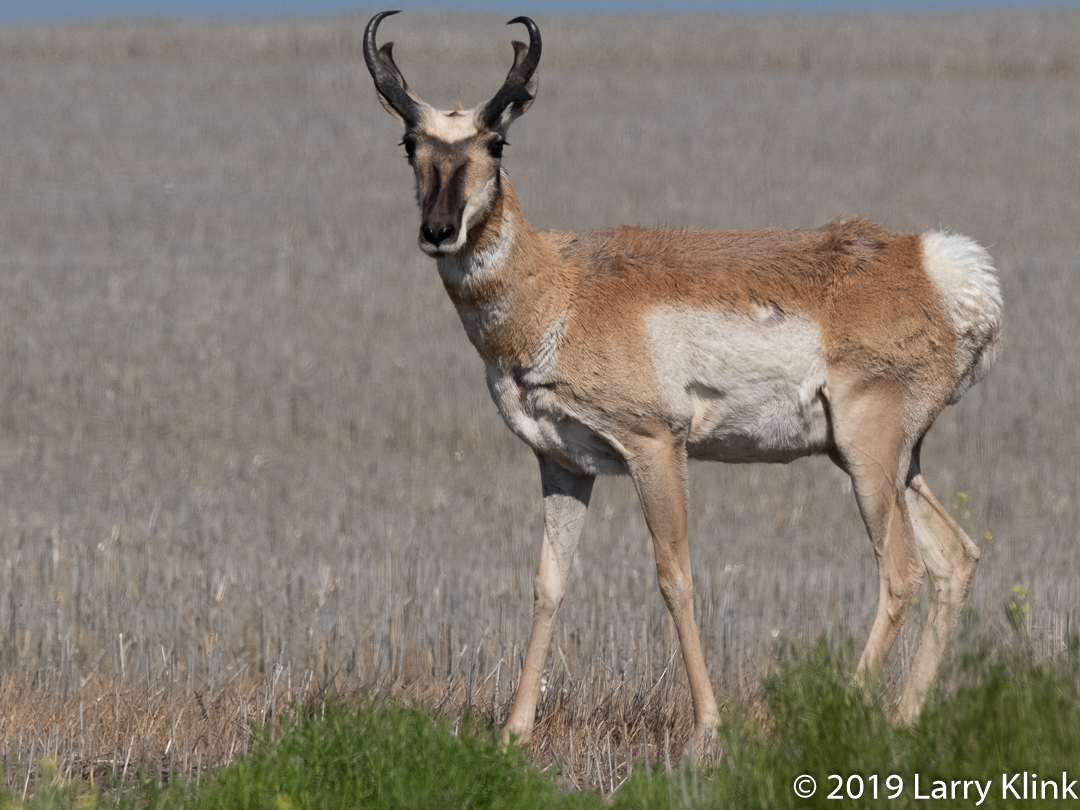
Pronghorn (Antilocapra americana)
Female Elk (Cervus canadensis);
Grand Tetons National Park, Near Moran, WY; MAY 2019
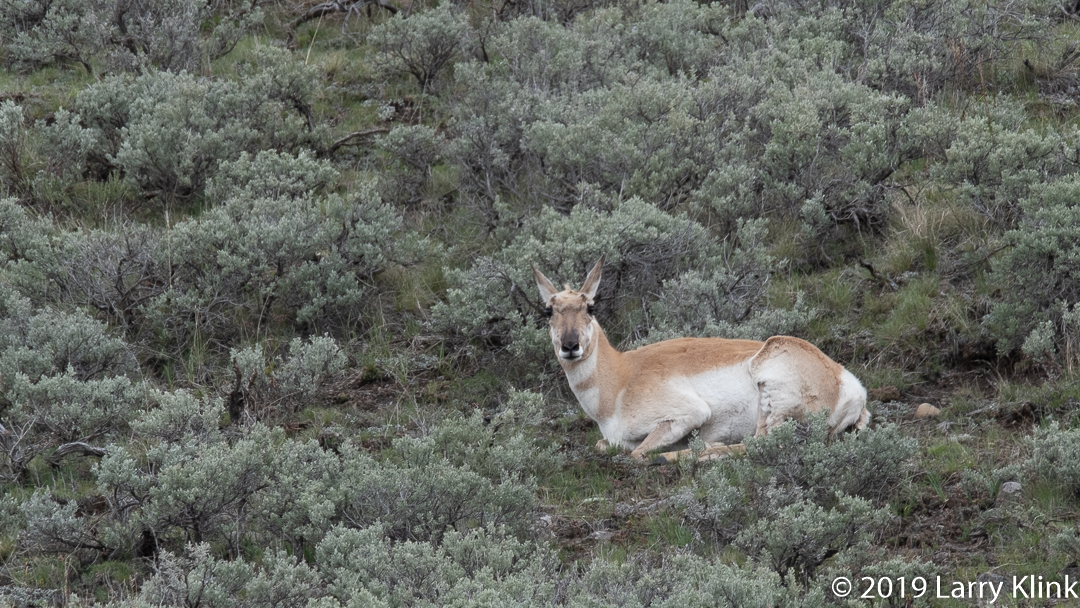
Female Pronghorn (Antilocapra americana);
Lamar Valley, Yellowstone National Park, WY; MAY 2019
Male or Bull Elk (Cervus canadensis) with Antlers in Velvet;
Lamar Valley, Yellowstone National Park, WY; MAY 2019

These and other images are available to purchase on my website: www.earthwatcher.us or by contacting larry.klink@earthwatcher.us.
Phinizy Swamp Nature Park – Herons, Egrets and Alligators

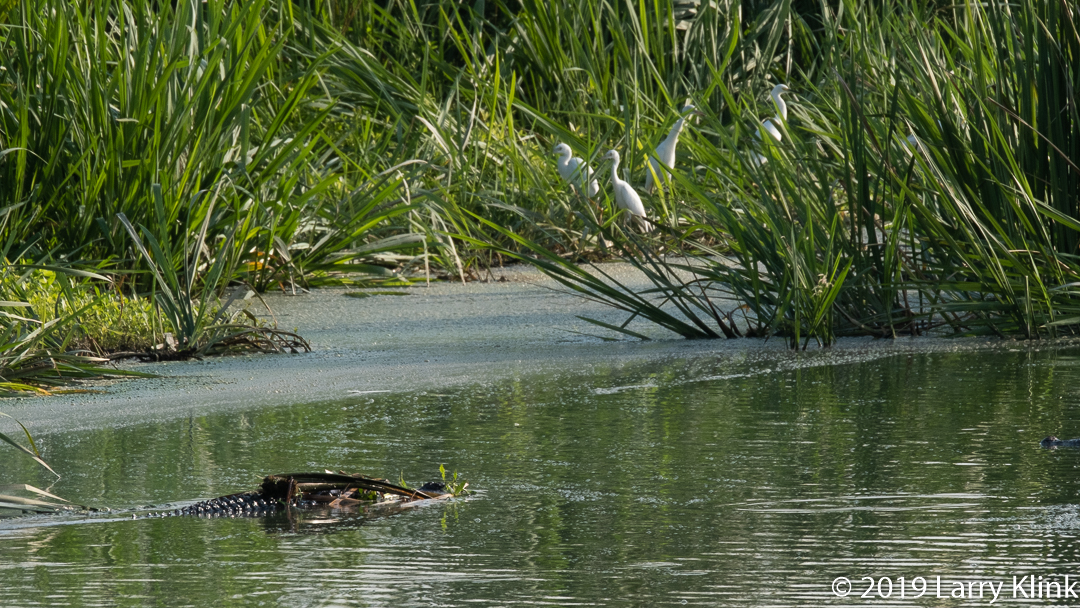
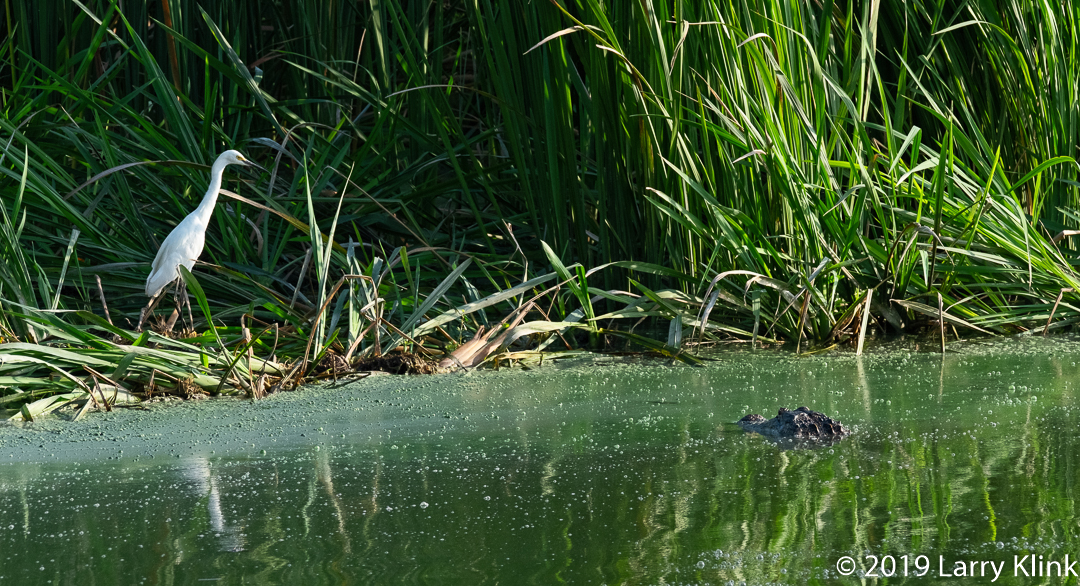
The Staredown; American Alligator and Snowy Egret;
Phinizy Swamp Nature Park, Augusta, GA; JUL 2019

We had the opportunity to visit the Phinizy Swamp Nature Park near Augusta, GA a few weeks ago. While there, we were treated to some bird and alligator sightings including some interesting egret – Alligator interactions.

The Phinizy Swamp Nature Park is part of a complex shared with the Phinizy Center for Water Sciences. According to their website, the Phinizy Center for Water Sciences studies rivers and watersheds to understand impacts on water quality and quantity. The history of the park is fascinating. It tells the story of a stream that was once the recipient of waste from sanitary and storm sewers of Augusta and how it was cleaned up. Today, it serves as the third stage of water treatment – further filtering water cleaned by the water treatment plant.

On our visit, we were treated to adult and juvenile Little Blue Herons, Snowy Egrets and Alligators. At one point we watched a Snowy Egret having a stare down with an alligator. After about 5 minutes, the alligator turned and left. In another incident we saw an alligator with sticks and green vegetation covering its head and snout. I was curious if alligators used camouflage when hunting. There was little information. But one article referenced an article published in the journal Ethology Ecology & Evolution by Vladimir Dinets, a behavioral ecologist at the University of Tennessee Knoxville. He stated that, during the nesting season for birds like egrets, alligators will cover themselves with nesting material to attract prey.  

Another interesting discovery was the juvenile Little Blue Heron. Mate Rouse, a guide at the Okefenokee National Wildlife Refuge mentioned to us that the juveniles were all white. I had buried that fact somewhere in my brain. So, on this trip, I saw some white birds that looked like egrets but didn’t look quite right. The legs were a gray-green color and the beak was more gray. So, I took photos and did some research only to discover that I wasn’t looking at egrets, I was looking at a juvenile Little Blue Heron. That moment connected the dot back to what I had been told.

I hope you enjoy the images. I hope someday you can stop at Phinizy Swamp Nature Center. There are lots of other birds there to see also.

Note: Please click on caption to see images at higher resolution.


Little Blue Heron (Egretta caerulea);
Phinizy Swamp Nature Park, Augusta, GA; JUL 2019

Juvenile Little Blue Heron (Egretta caerulea) – P3;
Phinizy Swamp Nature Park, Augusta, GA; JUL 2019
Camoflauged American Alligator (Alligator mississippiensis)
Phinizy Swamp Nature Park, Augusta, GA; JUL 2019
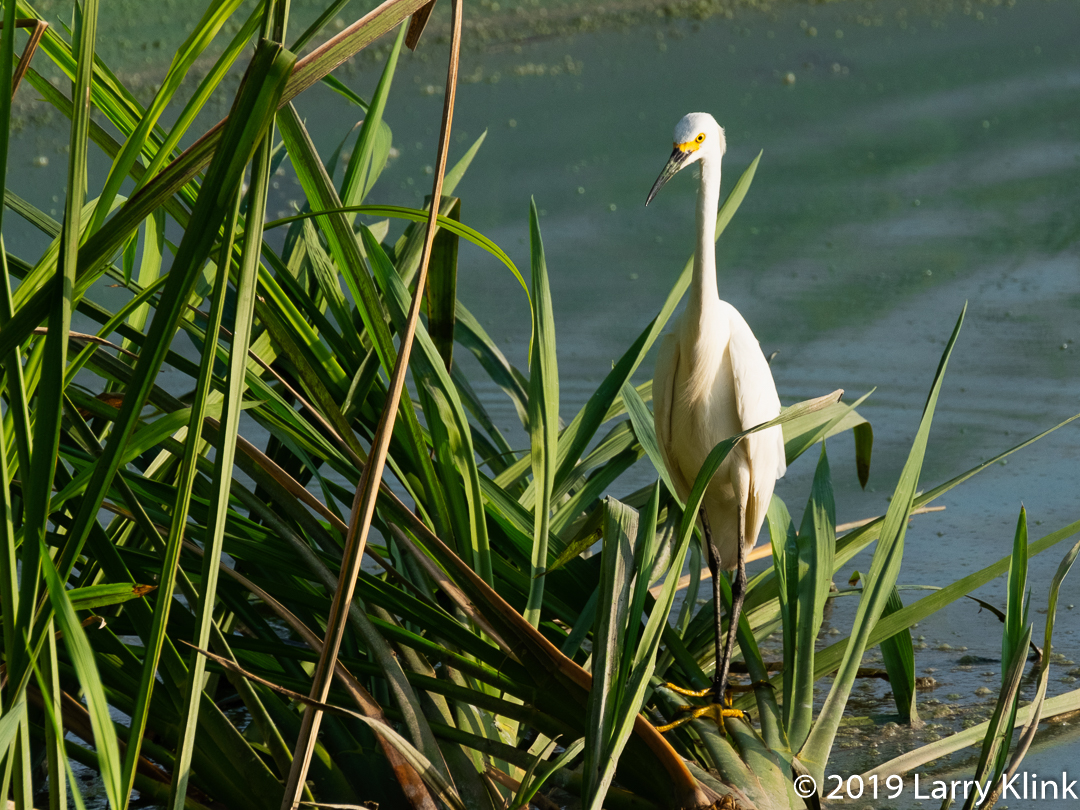
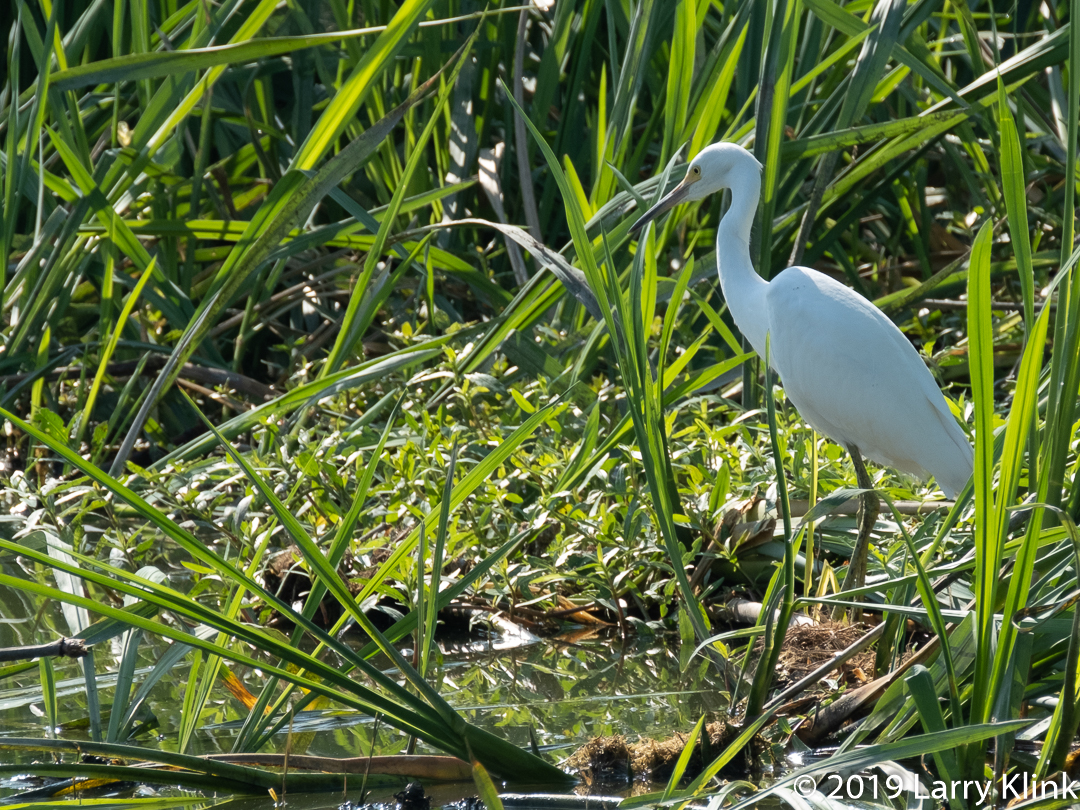
Snowy Egret (Egretta thula);
Phinizy Swamp Nature Park, Augusta, GA; JUL 2019
Juvenile Little Blue Heron (Egretta caerulea);
Phinizy Swamp Nature Park, Augusta, GA; JUL 2019

These and other images are available to purchase on my website: www.earthwatcher.us or by contacting larry.klink@earthwatcher.us

Butterflies, Dragonflies and Bees

Bee on a Cactus;
San Diego Bay National Wildlife, Refuge, CA; MAY 2019

Over the past year, I’ve had the opportunity to shoot some beautiful insects. Here is a sample for you to enjoy.

By the way, look closely at the picture that appears to be a bee on a yellow flower. It is actually a drone fly whose coloration mimics that of a bee. Bees have 4 wings; flies have 2.

Note: Please click on caption to see image at higher resolution

Yellow-shouldered Drone Fly (Eristalis stipator);
Effie Yeaw Nature Center, Sacramento, CA; SEP 2018
Painted Lady Butterfly (Vanessa cardui);
Orangevale, CA; MAR 2019
Eastern Pondhawk Dragonfly (Erythemis simplicicollis)
Swamp Nature Center, Augusta, GA; JUL: 2019
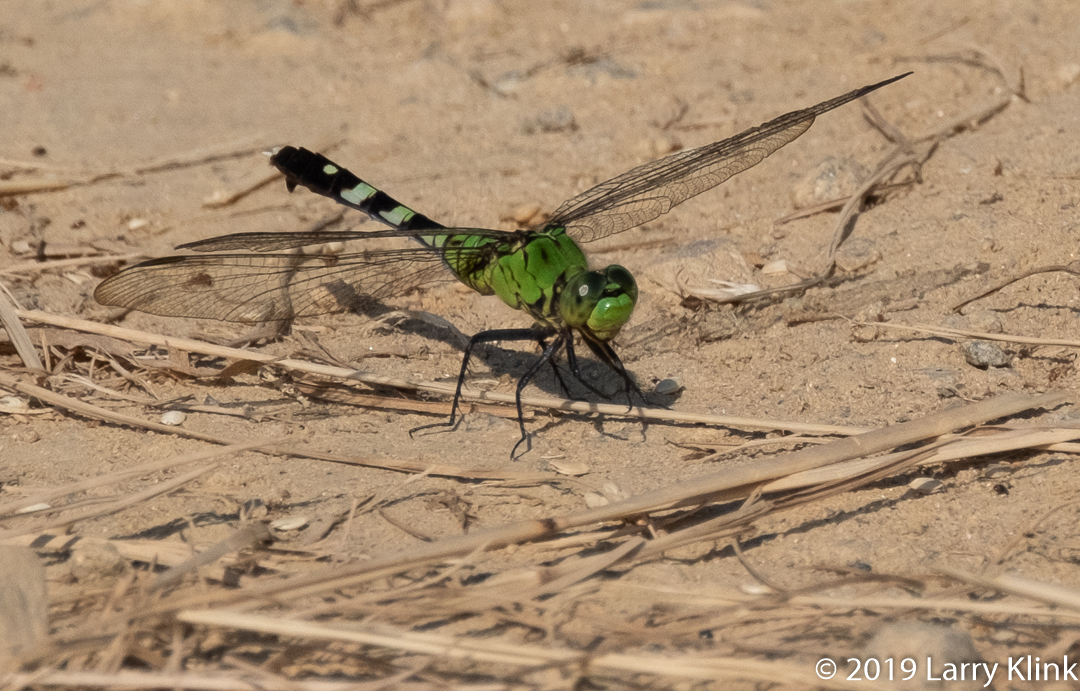
Female Eastern Pondhawk Dragonfly (Erythemis simplicicollis);
Phinizy Swamp Nature Center, Augusta, GA; JUL: 2019
Pipevine Swallowtail Butterfly (Battus philenor);
American River Parkway, Lake Natoma, Folsom, CA; APR 2019
Painted Lady Butterfly (Vanessa cardui) on California Buckeye;
Effie Yeaw Nature Center, Sacramento, CA; JUN 2019
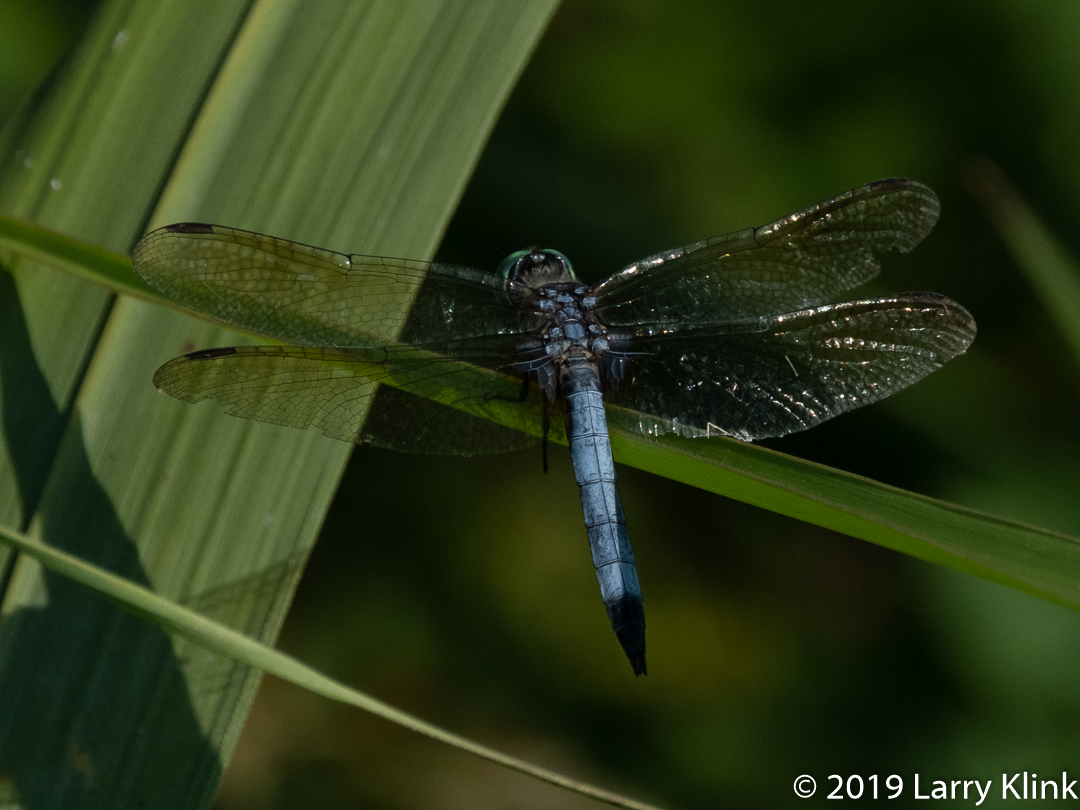
Variegated Meadowhawk Dragonfly (Sympetrum corruptum);
Effie Yeaw Nature Center, Sacramento, CA; SEP 2018
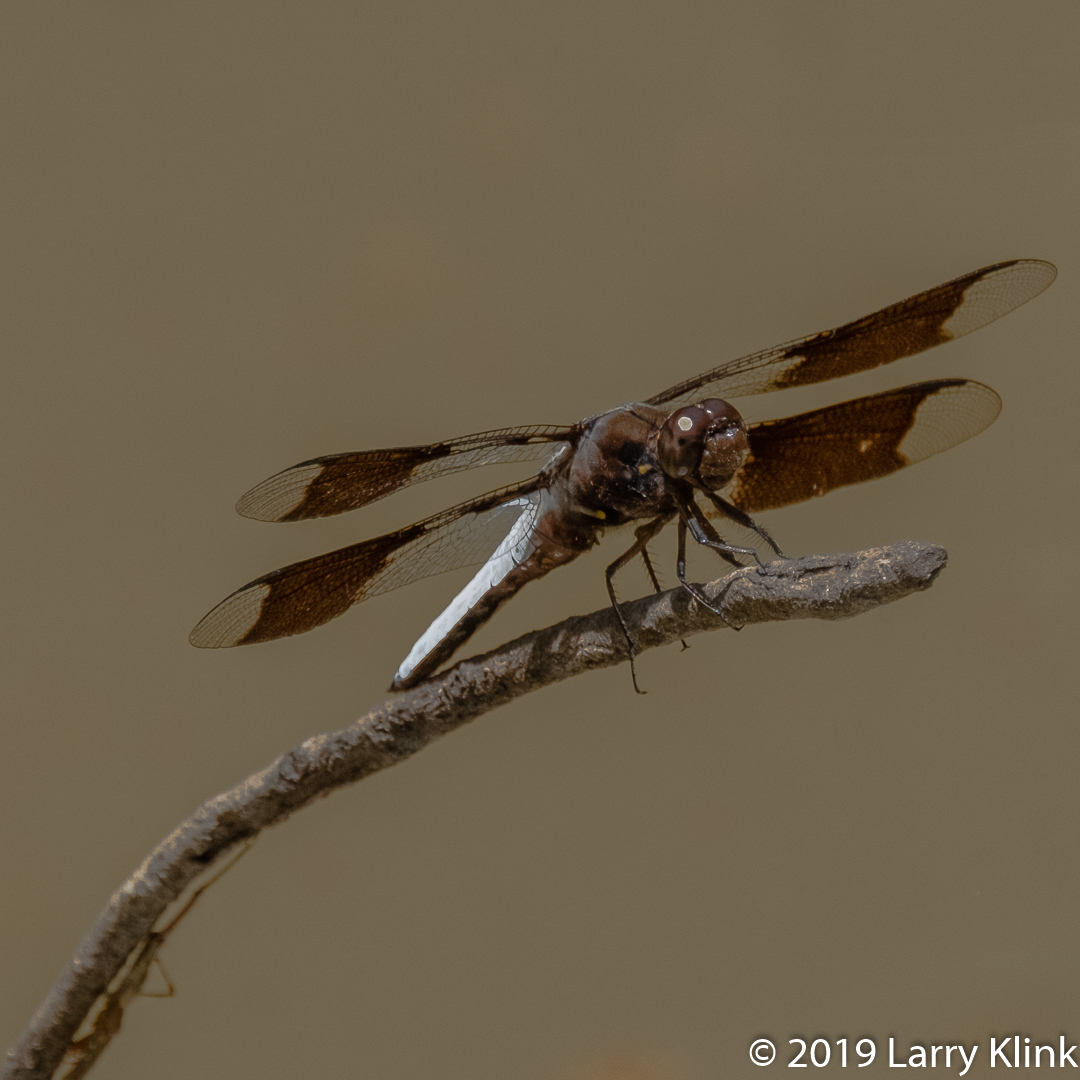
Common Whitetail or Long-tailed Skimmer Dragonfly (Plathemis lydia);
Chatahoochie Nature Center, Atlanta, GA; JUL 2019

These and other images are available to purchase on my website: www.earthwatcher.us or by contacting larry.klink@earthwatcher.us

Banff: Glaciers, Lakes and Glacial Streams

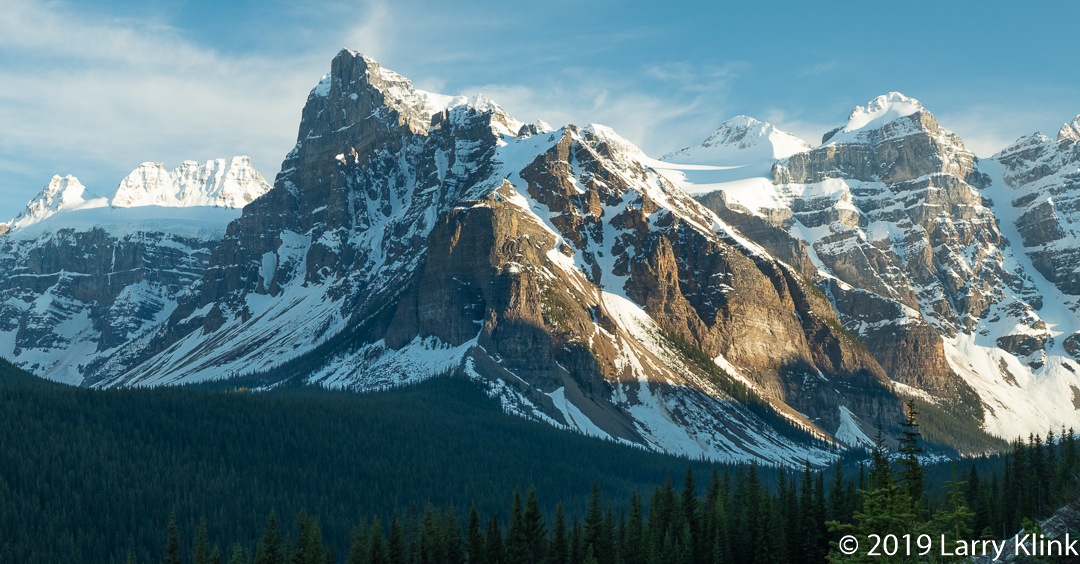
Ten Peaks from the Road to Moraine Lake;
Moraine Lake; Banff National Park, Alberta, Canada; MAY 2019

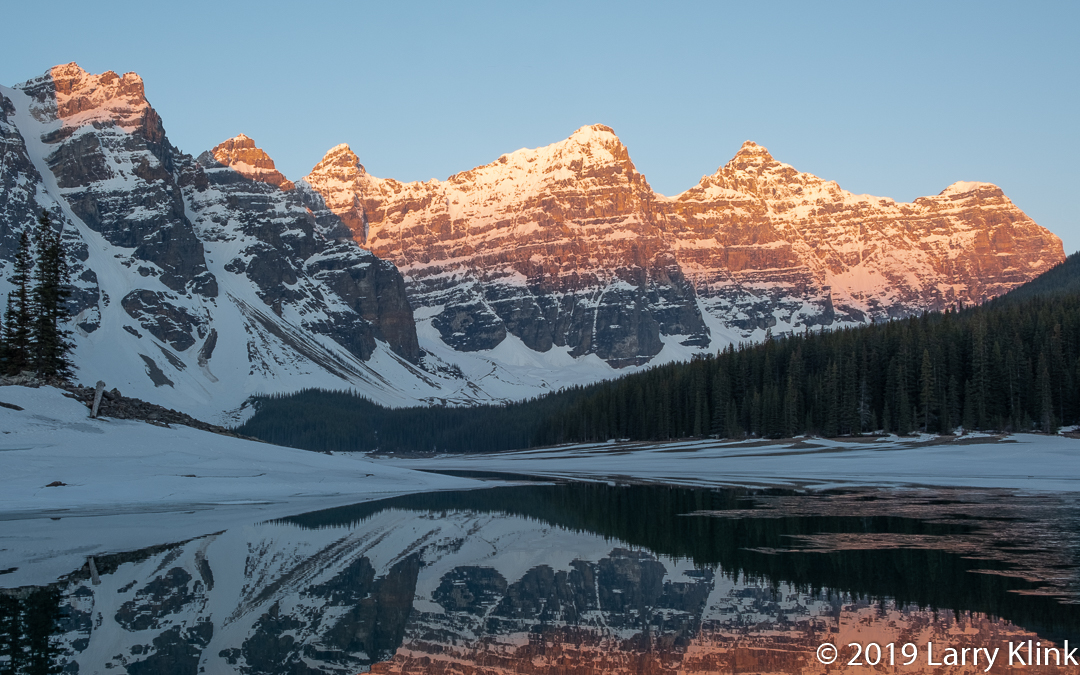
Canada’s Banff National Park is filled with stunning mountain peaks capped with glaciers and snow. The steep, rugged mountains are the source of beautiful, turquoise streams that feed alpine lakes.

The turquoise water is interesting. As glaciers move, they polish the underlying rock, producing very fine particles of dust called rock flour. The rock flour mixes with the water traveling downstream. The color is a result of light reflecting around the densely packed dust in the water.  On bright days, with the sun in the right position, the river displays the brilliant turquoise. If the sky is more cloudy, the water will be a milky off-white. When it reaches the lakes, the rock flour eventually settles out. But, if the river is filling the lake quickly, the lakes can be turquoise also.

The mountainside on this image from Kootenay National Park is beautifully colored. But the coloring is deceptive. The rust color is dead conifers. The black is foliage that was consumed by fire. Many of the conifers died due to pine beetle infestation.

Please click on caption to see image at higher resolution!

Kootenay RIver and Mount Harkin;
Kootneay National Park, British Columbia, Canada,; MAY 2019

Color born of tragedy: The rusty red color are evergreens damaged by the mountain pine beetle; the black is fire damage.
Bow Lake and Crowfoot, Bow Crow and Bow Peaks;
Banff National Park, Alberta, Canada; MAY 2019
Moraine Lake;
Banff National Park, Alberta, Canada; MAY 2019
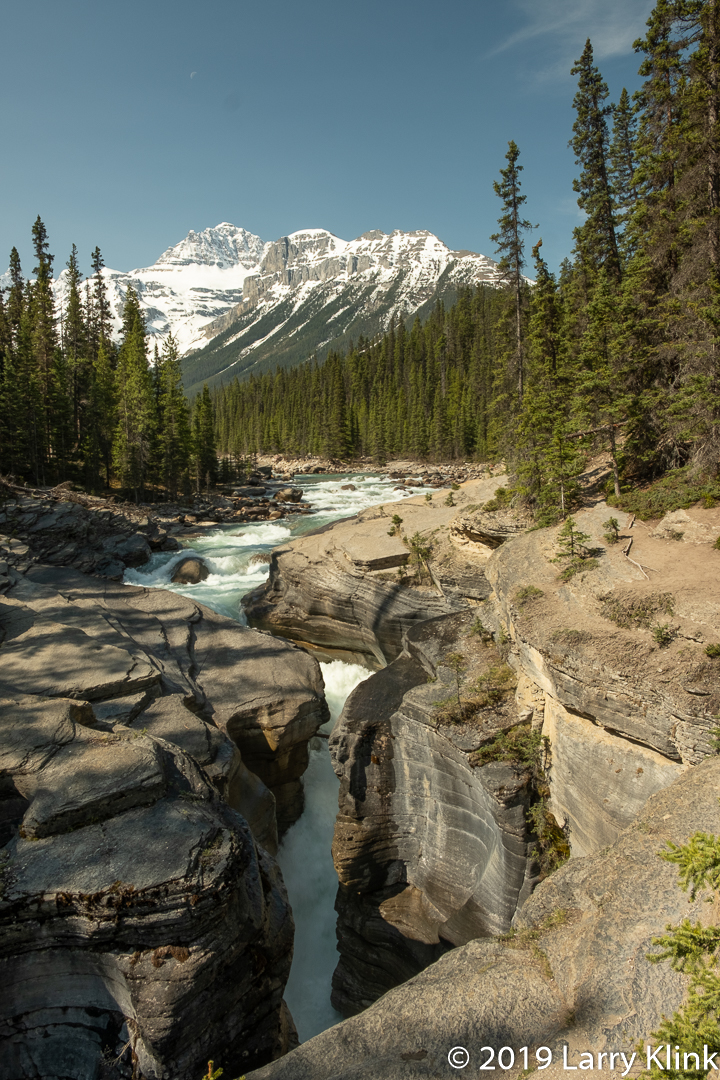
Mistaya Canyon;
Banff National Park, Alberta, Canada; MAY 2019
Bow Lake and Crowfoot Peak;
Banff National Park, Alberta, Canada; MAY 2019
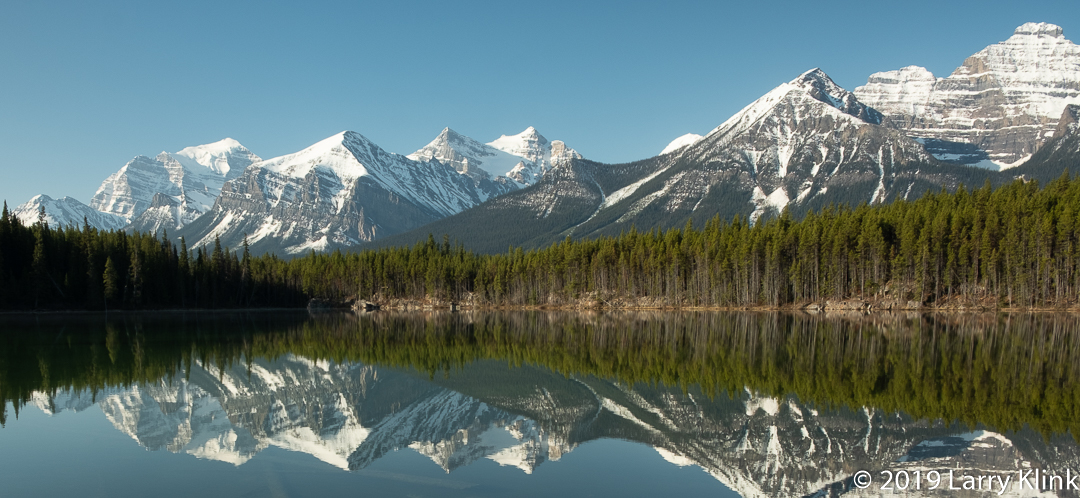
Herbert Lake; Banff National Park,
Alberta, Canada; MAY 2019

These and other images are available to purchase on my website: www.earthwatcher.us or by contacting larry.klink@earthwatcher.us

Some North American Bear Sightings

Brown Bear (Ursus arctos horribilis). Also known as Grizzly Bear;
Banff National Park, Alberta, Canada; MAY 2019

On our recent trip through the Rocky Mountains, we were very lucky and saw a few of the North American Bears. You may see that they are identified as black bears and brown bears. I don’t know why they were named that way. Both black and brown bears can be black, brown, cinnamon and blonde. I’ve even seen black bears with white “collars”. The major differences is that the brown, or grizzly, bear has a distinctive hump and ears that are more rounded and more closely spaced. Brown bears usually grow to a larger size than black bears.

Note: Please click on caption to see image at higher resolution.

American Black Bear (Ursus americanus) with Cub
Banff National Park, Alberta, Canada; MAY 2019

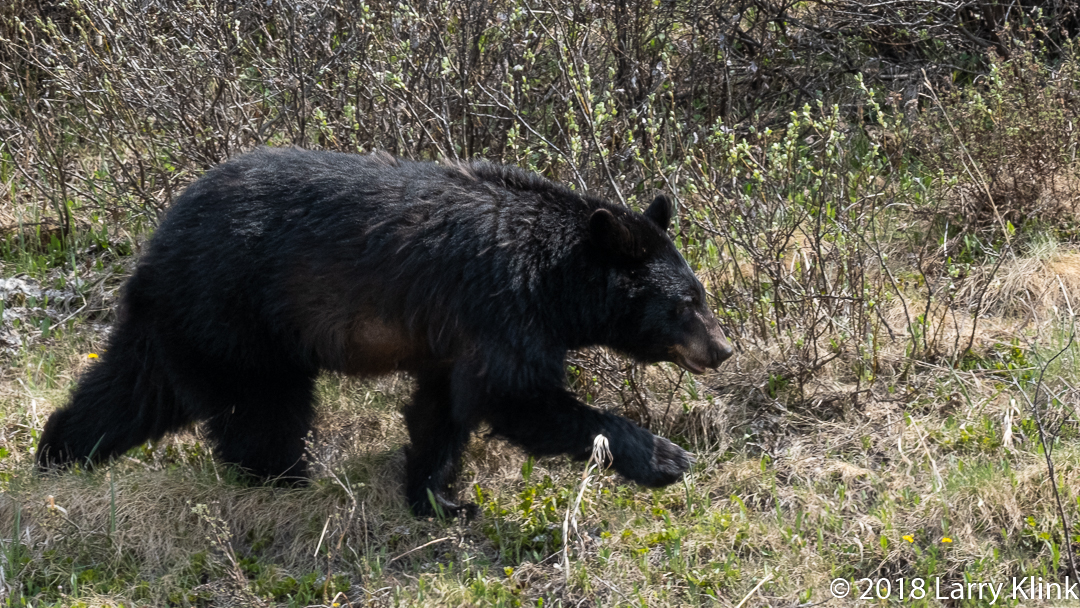
American Black Bear (Ursus americanus) – P2;
Kootenay National Park, Alberta, Canada; May 2019

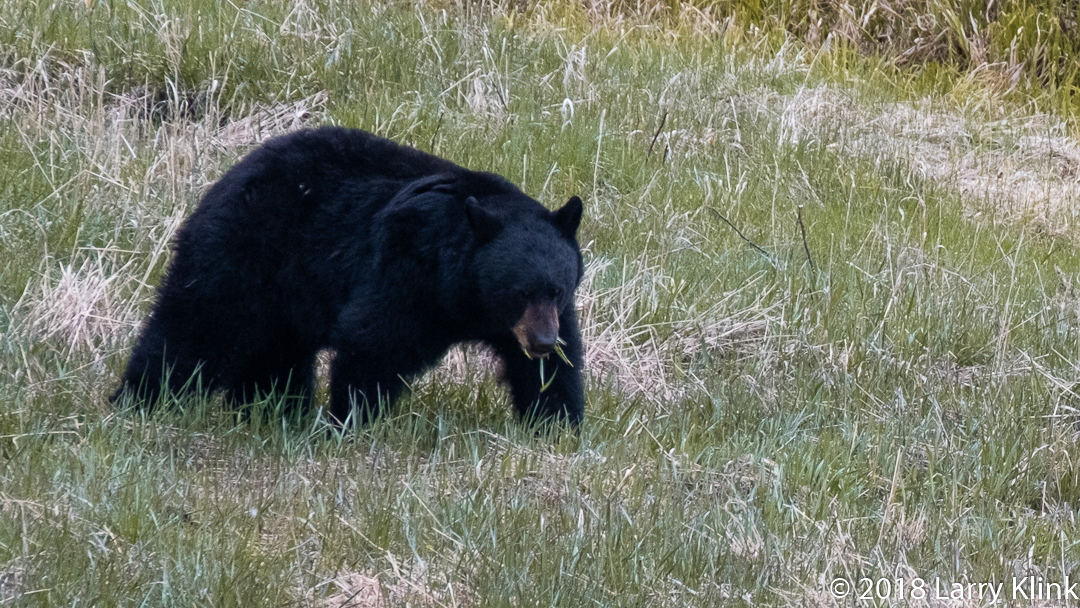
American Black Bear (Ursus americanus) – P1;
Lamar Valley, Yellowstone National Park, WY; MAY 2019
American Black Bear (Ursus americanus) Cub;
Banff National Park, Alberta, Canada; MAY 2019

These and other images are available to purchase on my website: www.earthwatcher.us or by contacting larry.klink@earthwatcher.us.

Some Recent Shorebird Sightings

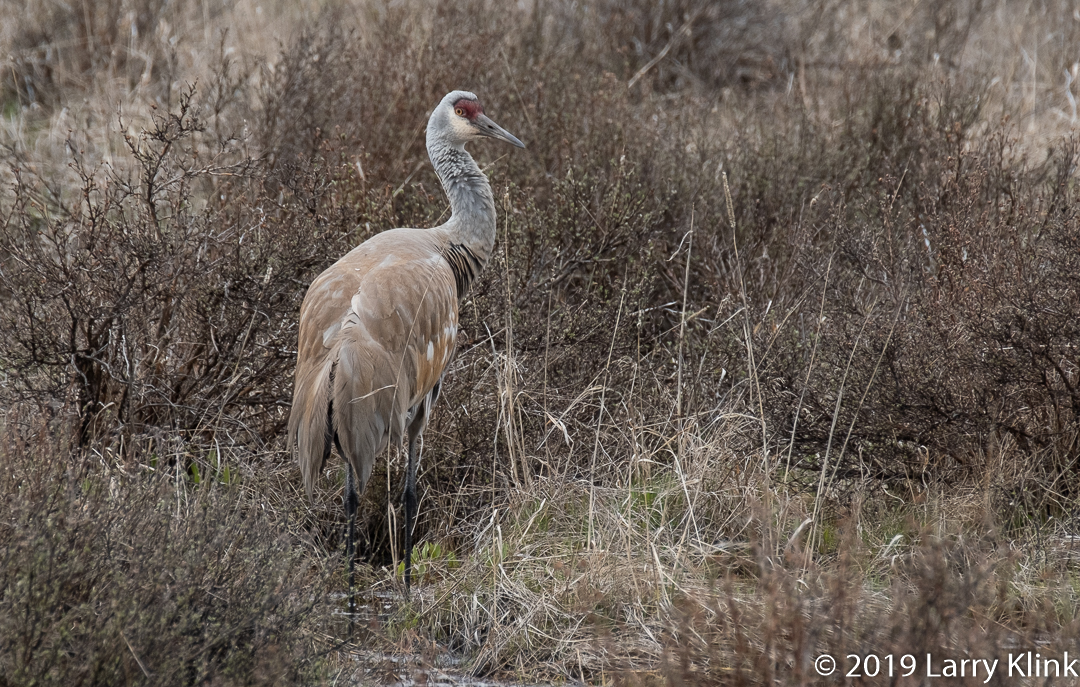
Sandhill Crane (Grus canadensis);
Hayden Valley, Yellowstone National Park, WY; MAY 2019

I’ve been busy and have gotten behind in posting some bird images I took this past spring. So, here are a few. I hope you enjoy them.

Note: Please click on caption to see image at higher resolution.

Green Heron (Butorides virescens);
Sailor Bar, American River Parkway, Fair Oaks, CA; APR 2019
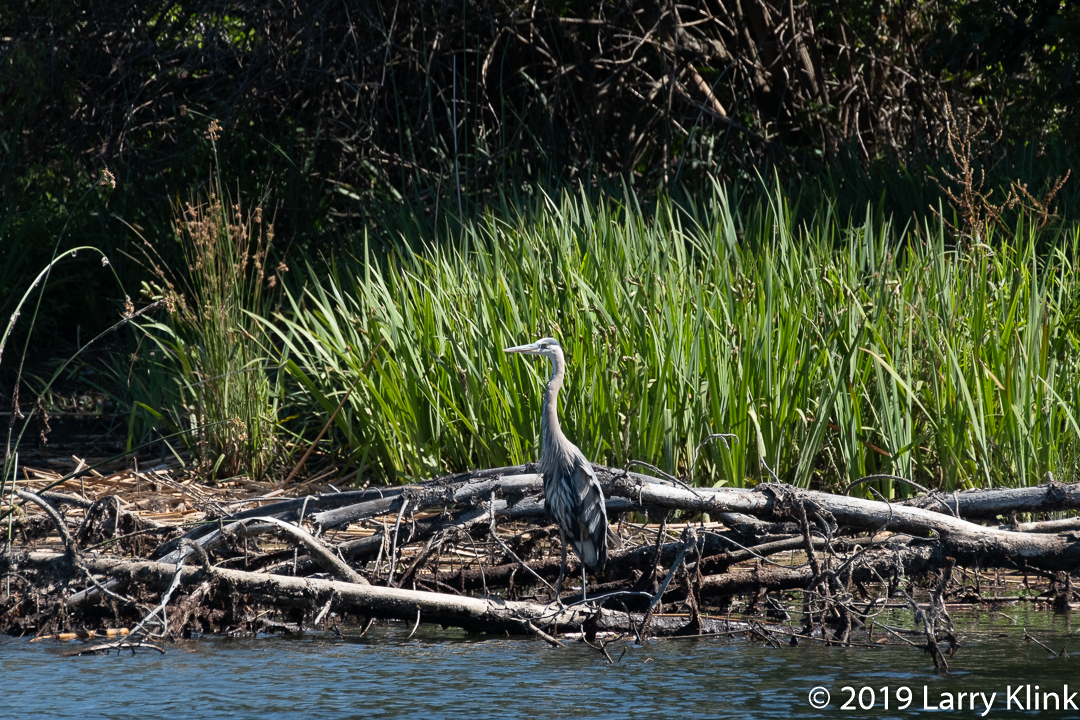
Great Blue Heron (Ardea Herodias);
Willow Creek Recreation Area, American River Parkway, Folsom, CA
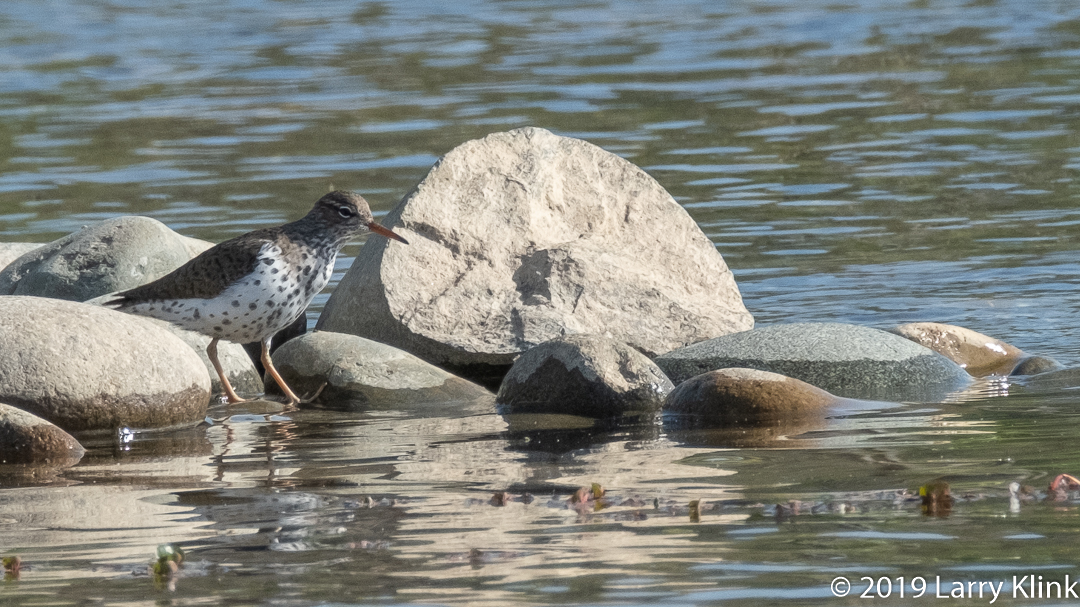
Spotted Sandpiper (Actitis macularius);
Effie Yeaw Nature Center, Sacramento, CA; APR 2019
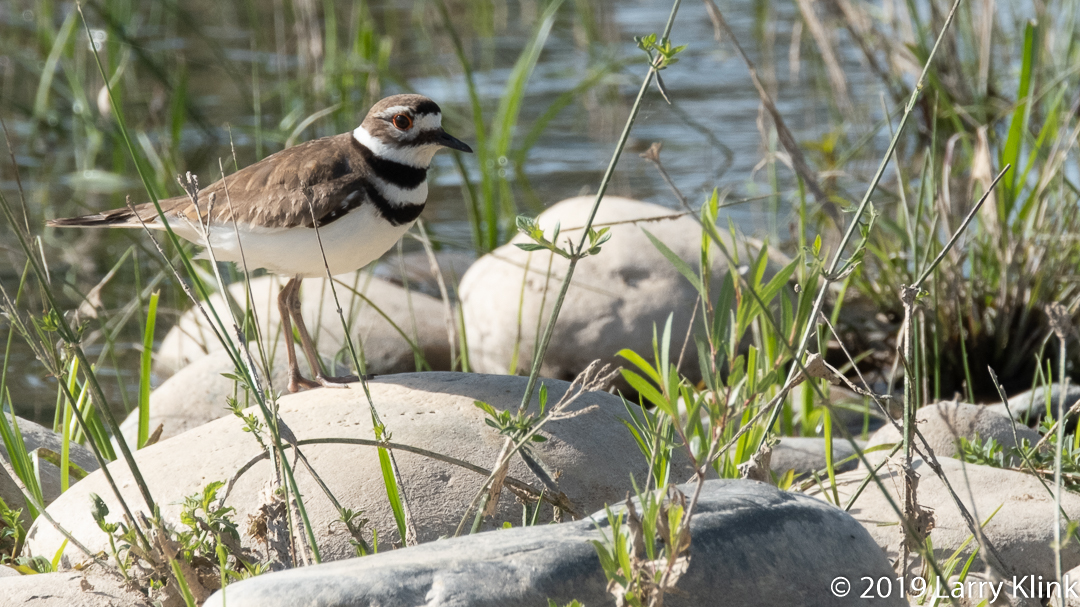
Killdeer (Charadrius vociferus);
Effie Yeaw Nature Center, Sacramento, CA; APR 2019
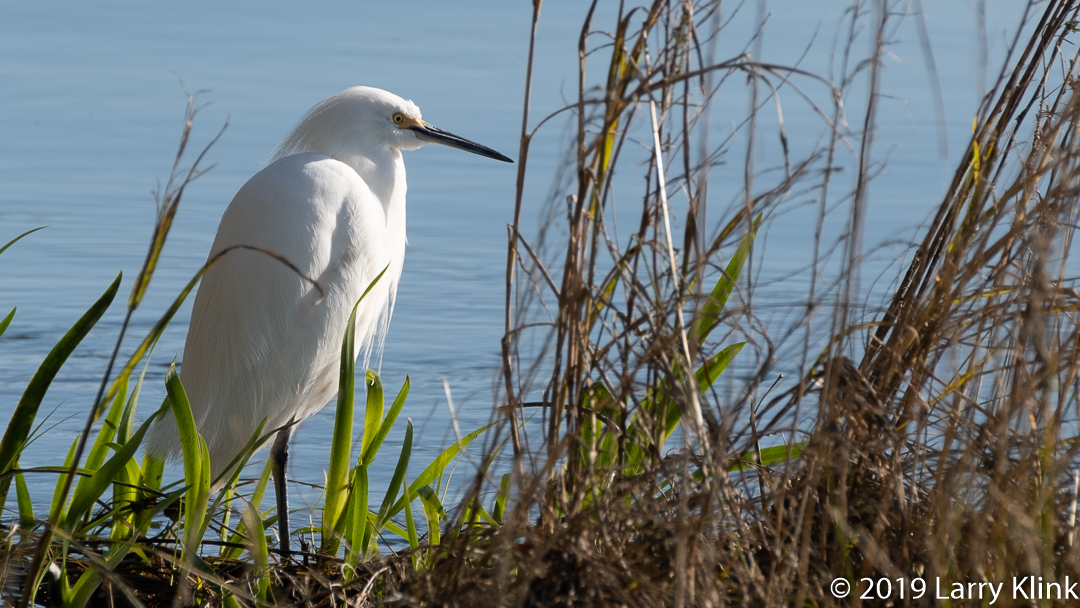
Snowy Egret (Egretta thula);
Effie Yeaw Nature Center, Carmichael, CA; MAR 2019

These and other images are available to purchase on my website: www.earthwatcher.us or by contacting larry.klink@earthwatcher.us

It Was a Dark and Stormy Day

Hot Spring and Frozen Yellowstone Lake;
Yellowstone National Park, WY; MAY 2019

On some recent trips, we were treated to many dark, overcast days. Photographers prefer the golden light of sunrise and sunset because of the atmosphere it sets. But nature provides us with treats even under flat light and dark skies. Fog, rain, stormy skies and crepuscular rays can all make beautiful images.

Note: Please click on caption to see image at higher resolution.

Images of landscapes under dark, flat skies.
Lifting Fog;
Lake Cuyamuca, CA; MAY 2019
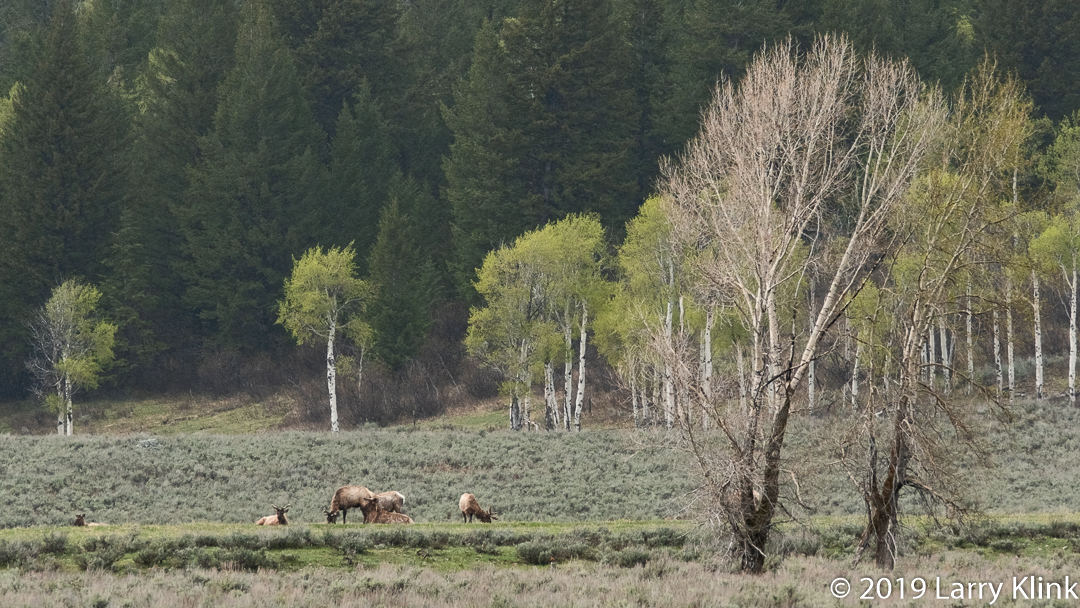
Small Elk Herd; Moose Wilson Road,
Grand Tetons National Park, WY; MAY 2019
Path to a Distant Storm;
Craters of the Moon National Park, ID; MAY 2019
Yellowstone Lake near Occasional Geyser;
Yellowstone National Park, WY; MAY 2019
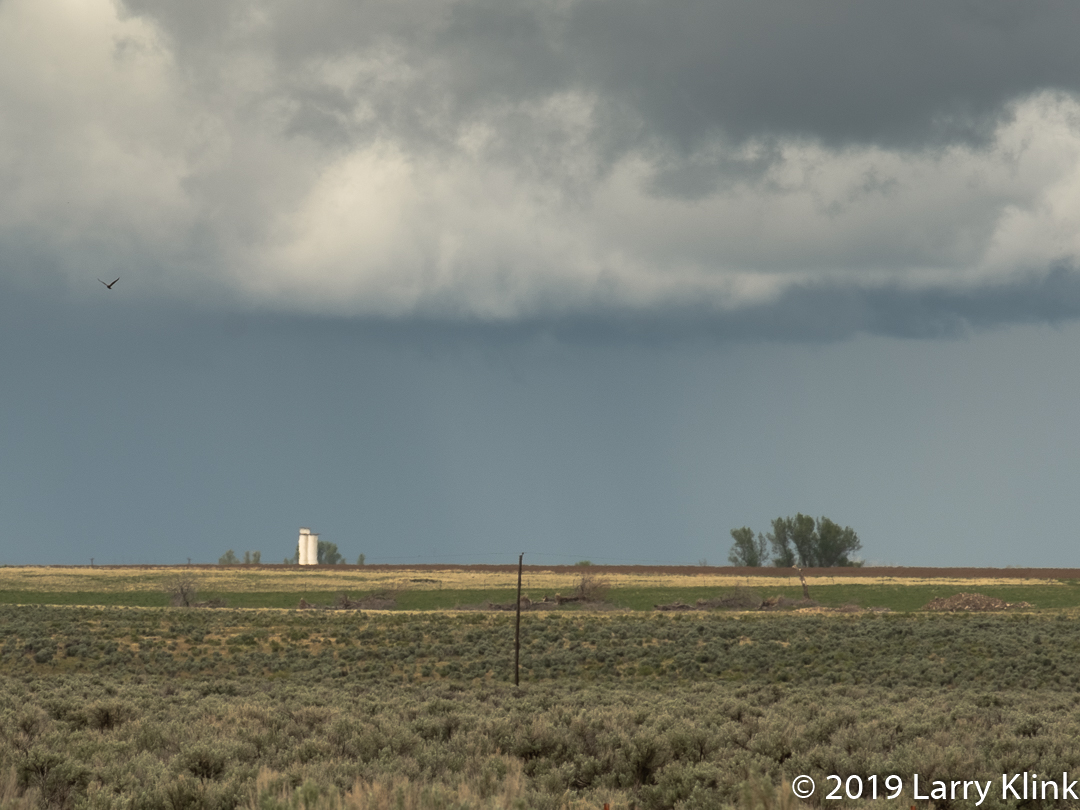
Storm Over Nevada Farm;
Nevada; MAY 2019
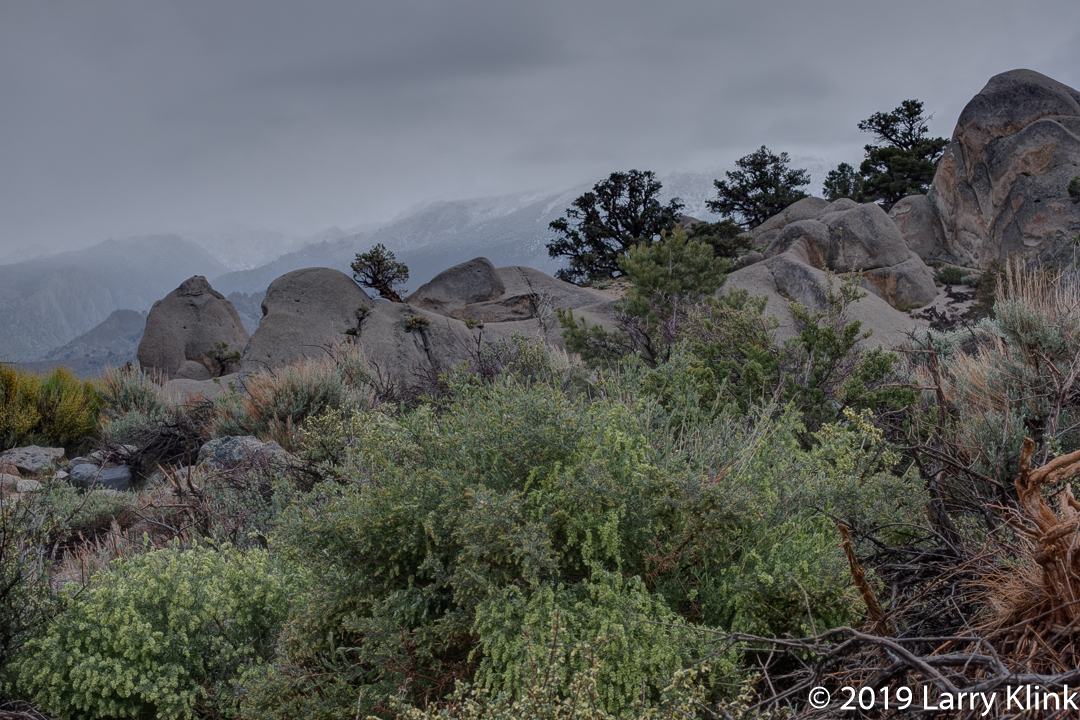
Rock Garden under Dark Clouds;
Buttermilk Rd, Bishop, CA; MAY 2019
Lamar Valley,
Yellowstone National Park, WY; MAY 2019

These and other images are available to purchase on my web site: www.earthwatcher.us or by contacting larry.klink@earthwatcher.us.
It Was a Dark and Stormy Day

To all of my followers, I just made a new post, It Was a Dark and Stormy Day, on my new page. Please follow the link to my new page and begin following me there.

New page link: www.earthwatcher.photo.blog

I will discontinue this page at the end of July.

Regards,

Earthwatcher (Larry)

New Images Posted

To all of my followers, I just made a new post, Bison at Yellowstone, on my new page: www.earthwatcher.photo.blog. Please follow the link to my new page and begin following me there.

I will discontinue this page at the end of July.

Regards,

Earthwatcher (Larry)

Bison At Yellowstone

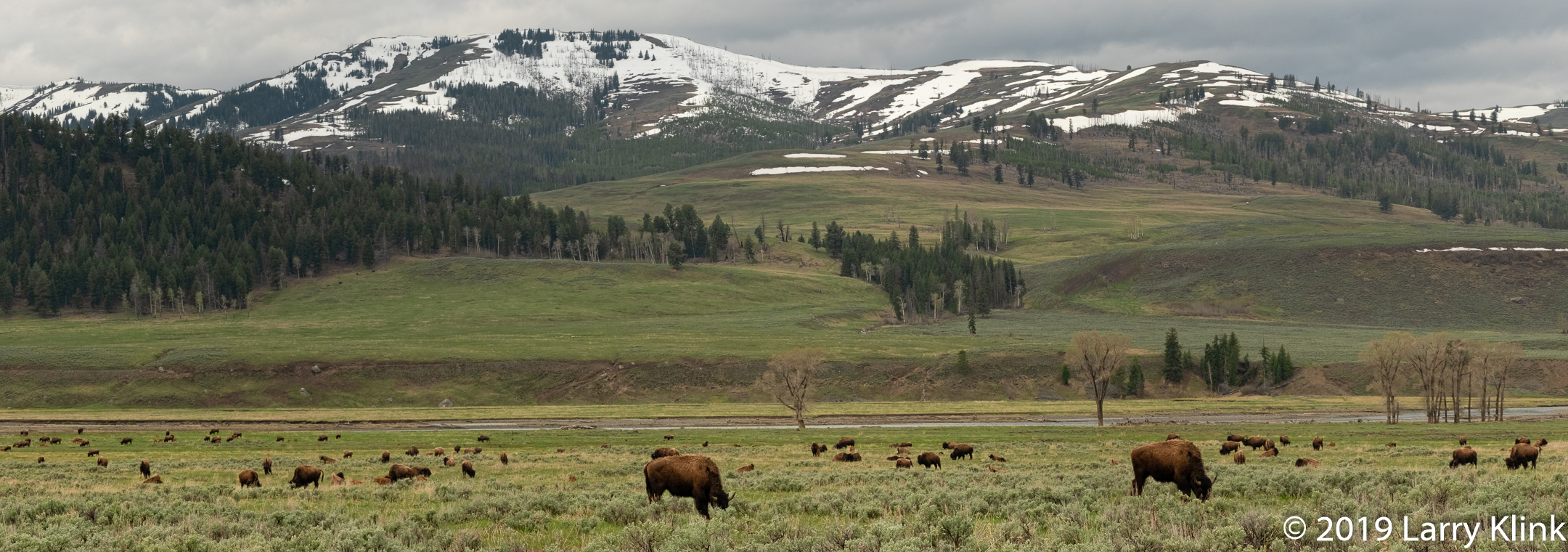
Herd of Bison along the Lamar River;
Lamar Valley, Yellowstone National Park, WY; MAY 2019

Bison (Bison bison) are an iconic species at Yellowstone National Park. As many as there are and as often as I see them, I am still in awe of them. This trip was especially fun because of the large number of babies. They were standing, sleeping, scampering about; all the things babies do.
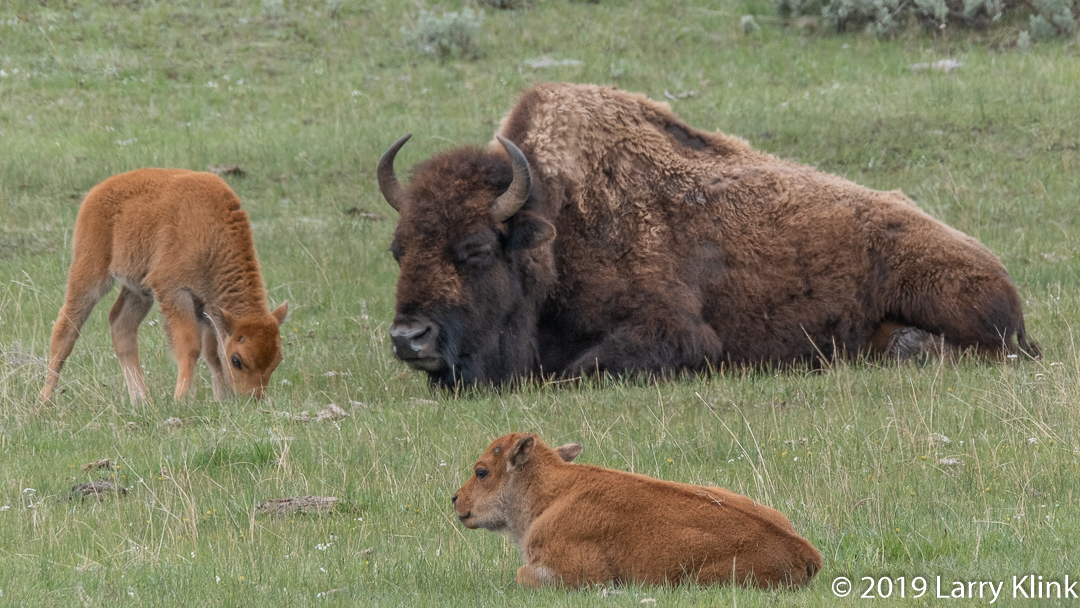
For the first few months of their life, the baby bison have a reddish colored coat; many people refer to them as red dogs. The adults were losing their winter coat, so patches of fur were missing or dangling on many of them. Others had a beautiful coat that appeared gold in the sun.

Please click on caption to see images at higher resolution.

Momma and Baby Bison (Bison bison);
Hayden Valley, Yellowstone National Park, WY; MAY 2019
Bison and Babies;
Lamar Valley, Yellowstone National Park, WY; MAY 2019 #Photography
Morning Discussion;
Lamar Valley, Yellowstone National Park, WY; MAY 2019
Momma and Baby Bison (Bison bison);
Hayden Valley, Yellowstone National Park, WY; MAY 2019

These and other images are available to purchase on my website: www.earthwatcher.us or by contacting larry.klink@earthwatcher.us.