I am a very analytical person. My creativity flows from my need to understand and explain. I made a career of distilling processes to their essence and reconstructing them to be more efficient and productive. My approach to photography is an extension of my life’s work. I distill a scene to identify its processes and actors. I try to understand how the processes, generally the forces of nature and the forces of humans, have and are interacting with the actors to create the scene. I focus on one or more of the actors and compose a scene that shares a moment with them in an aesthetically pleasing way.
Actors may be humans or wildlife. They also may be the sun, the moon, a tree, a river, mountain or other object. Each image shares a unique moment showing how its actors and processes have, are, and sometimes even will impact each other. But I also want to entice the audience to linger and to find their own story. I want them to imagine themselves experiencing the sights, the sounds and the feeling as if they were there.
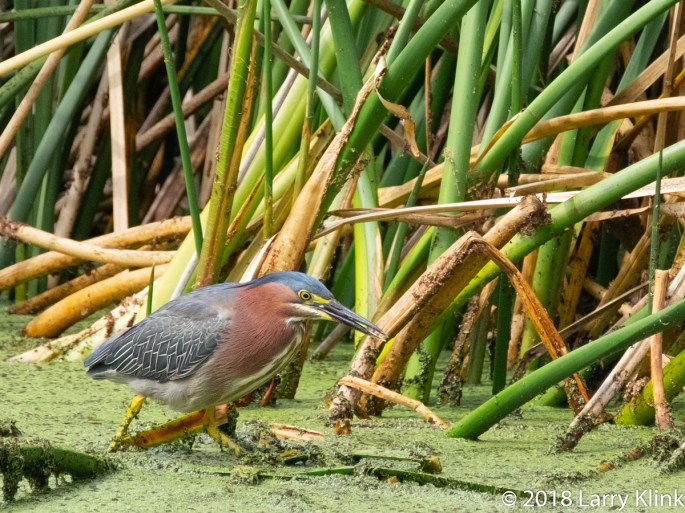
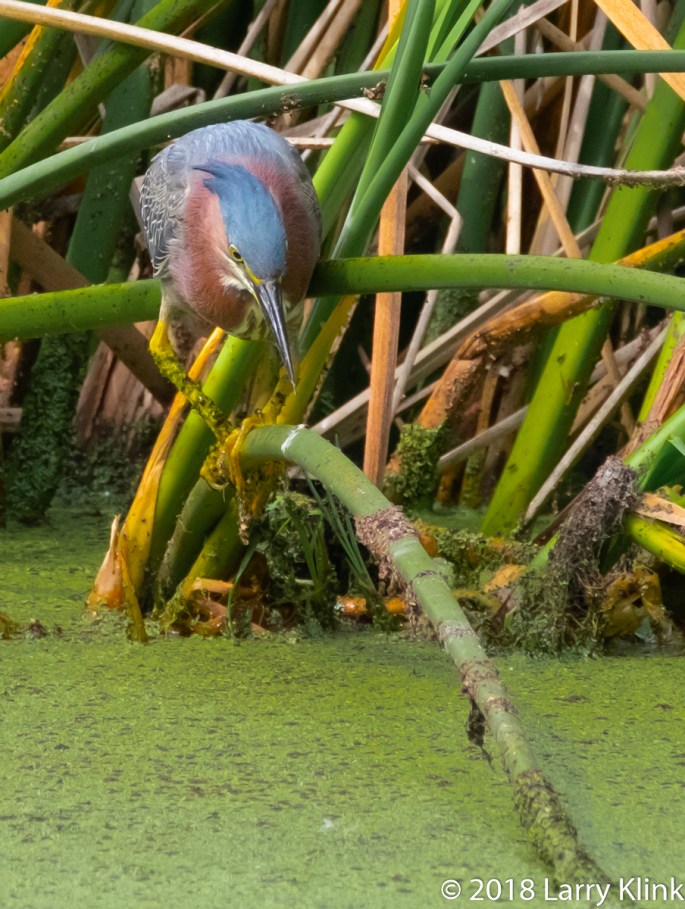
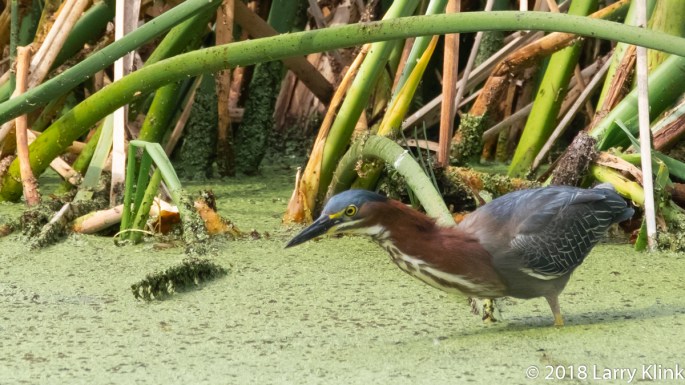
This week, I was blessed to be able to observe and photograph a green heron for 10 minutes. I see green herons from time to time but only one other time did I see one long enough to take a photo and one shot was all he gave me. This colorful bird is much smaller than its more familiar cousin, the Great Blue Heron. Why it is called the green heron, I do not know. I only see gray, blue, chestnut red and yellow. Regardless, they are beautiful. I hope you enjoy these images.
Regards,
Larry.
Note: Click on caption to see image at larger size and greater resolution
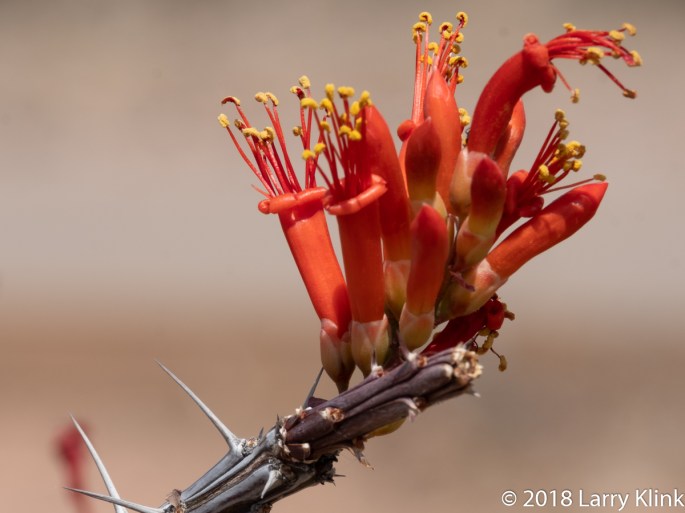
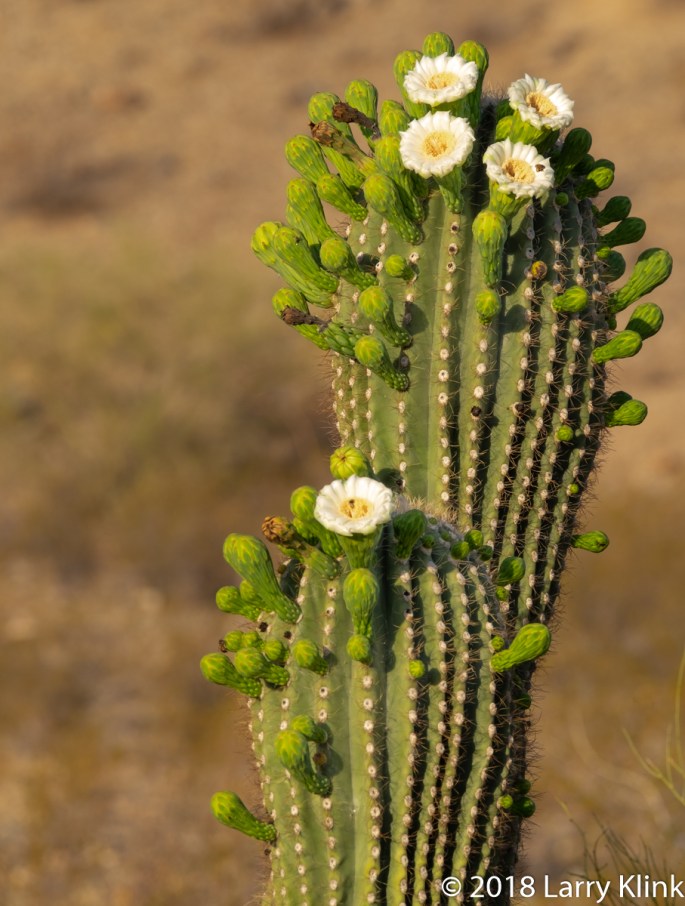
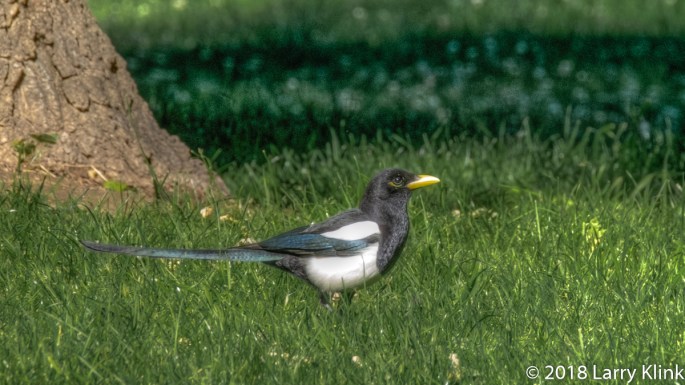
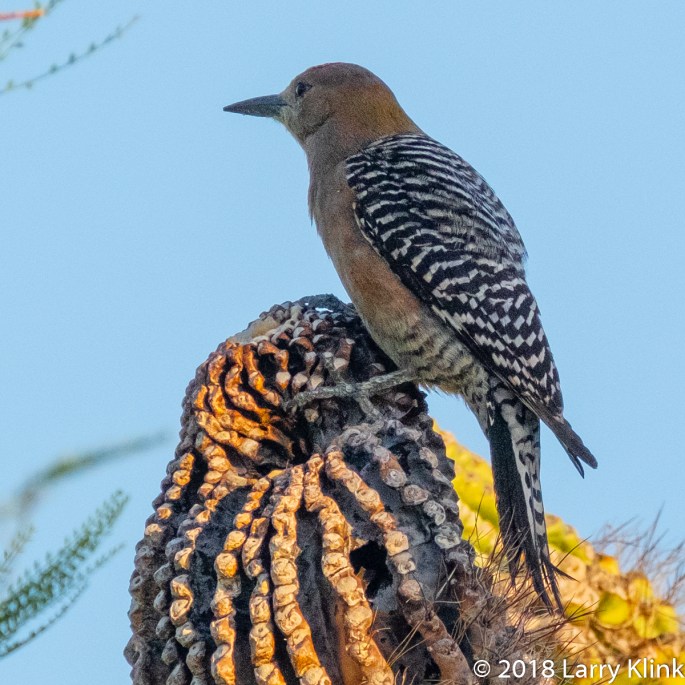
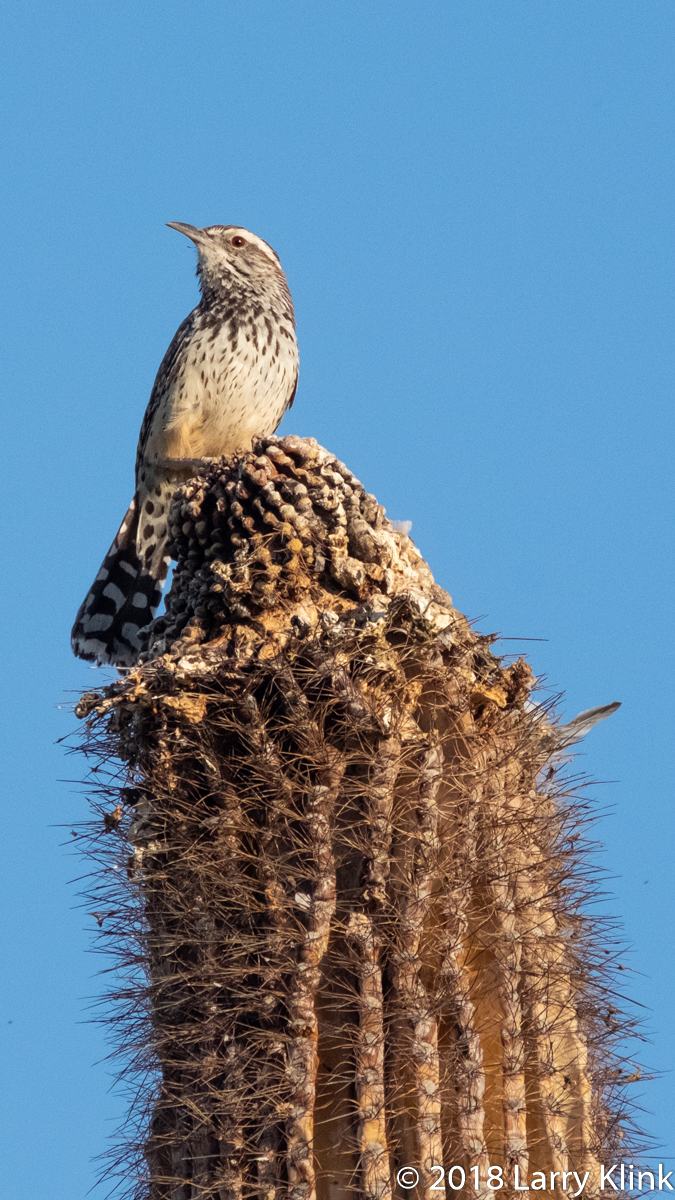
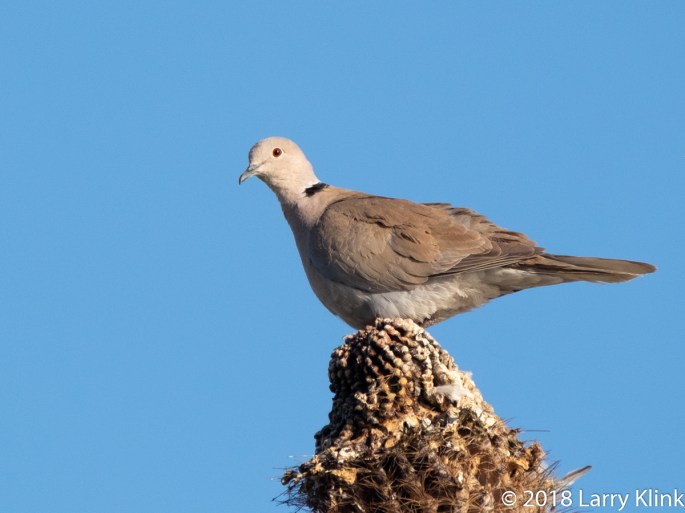
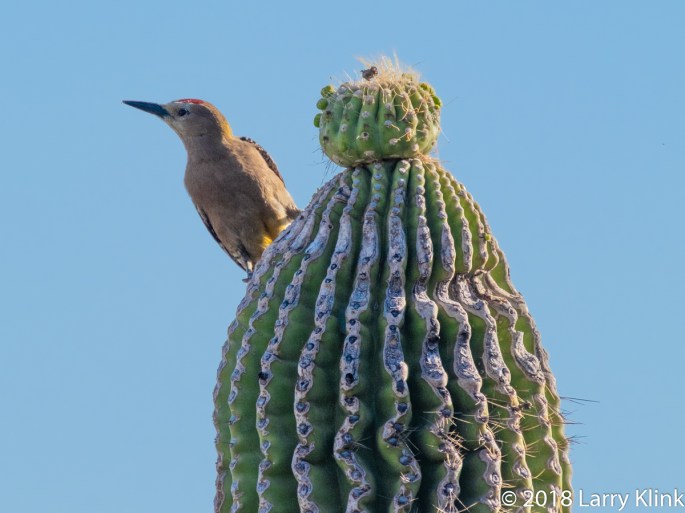
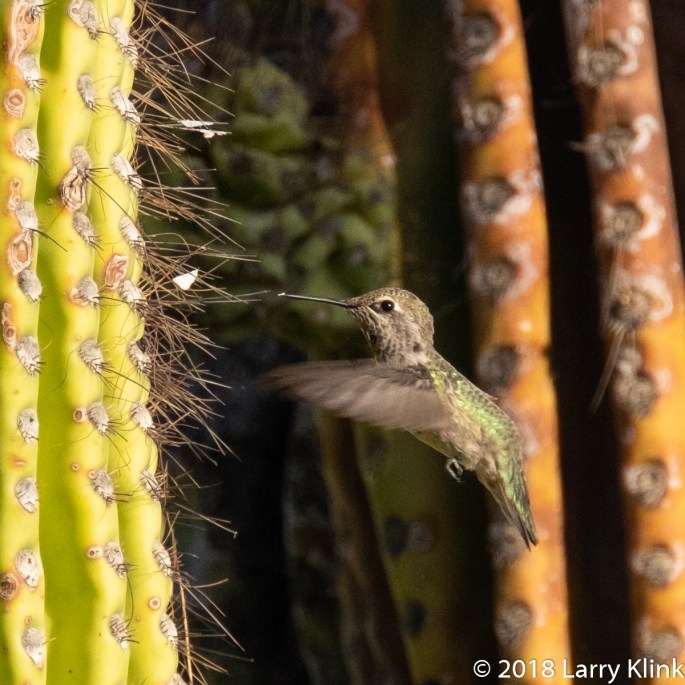
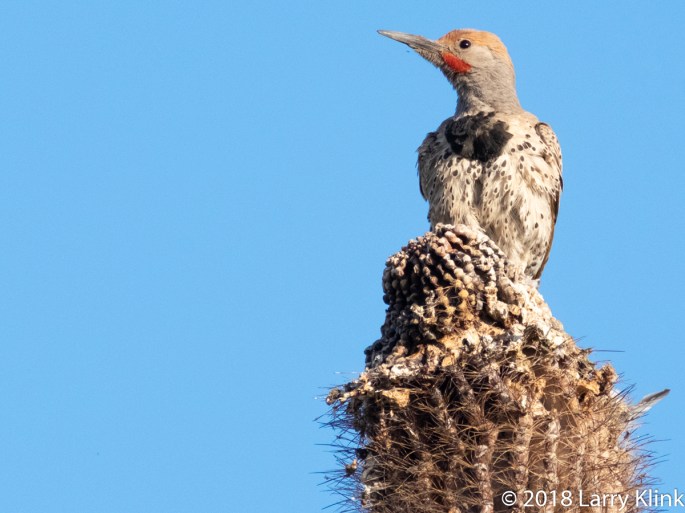
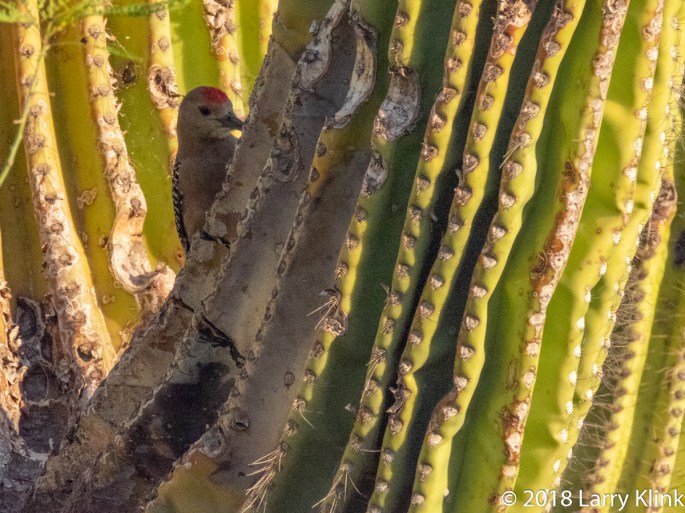
I visited Phoenix, AZ recently. I stayed at a beautiful place at the foot of South Mountain. The place had a patio that overlooked the city and at the corner of that patio was a large saguaro cactus. The mornings were beautiful, so I sat on the deck and watched the birds as they visited the cactus. Here is some of what I saw.
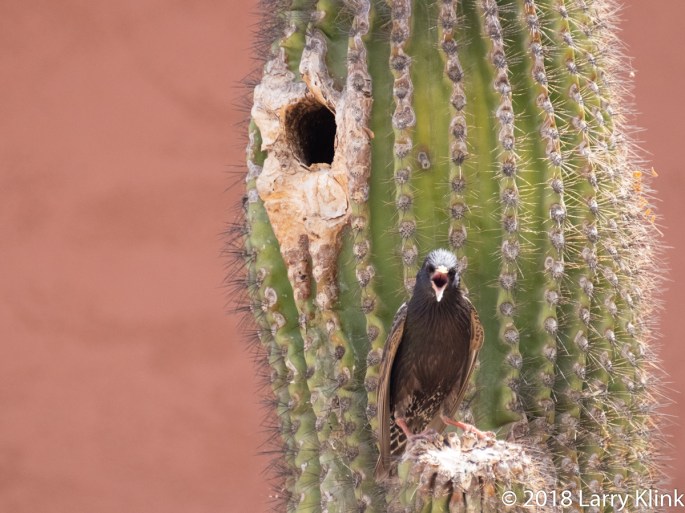
The starling was not taken on the same cactus. It was sitting outside its nesting hole on a cactus at another location.
Note: Click on caption to see image at a larger size.
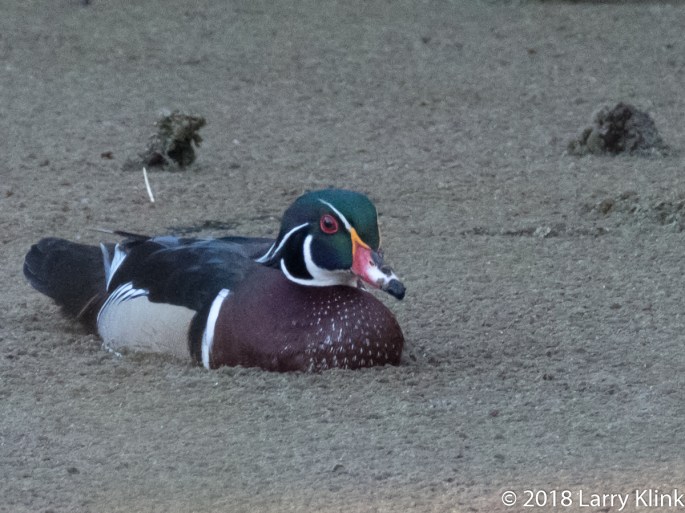
Ducks swim in lakes, ponds, rivers and oceans. They waddle around on the ground. Many display beautiful coloring. One of my favorites is the strikingly colored wood duck. They are a bit of an oddity among ducks; they perch and nest in trees. When the young have developed enough, the parents make them jump to the ground, without help, and waddle to the water to begin their life as a duck.
Note: Click on caption to see image in larger size.
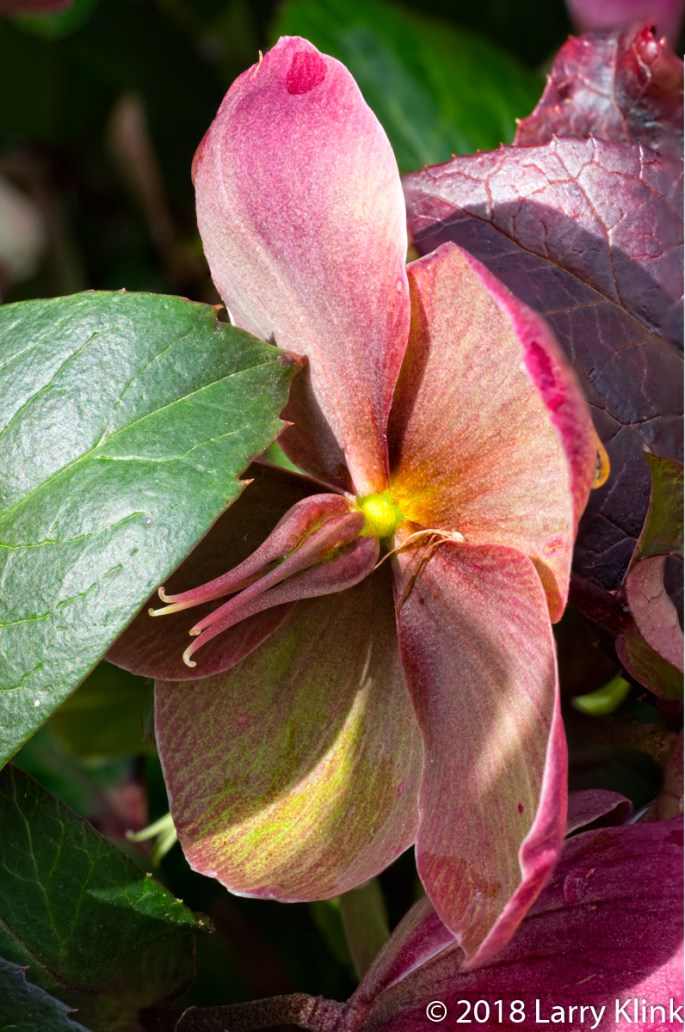
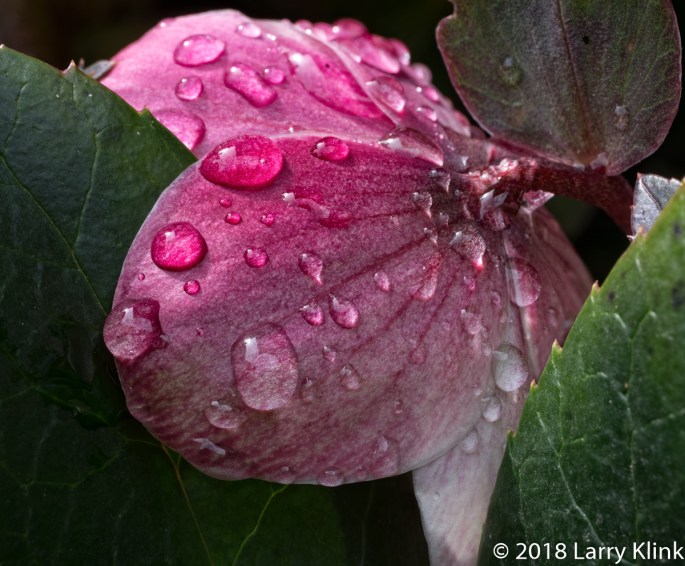
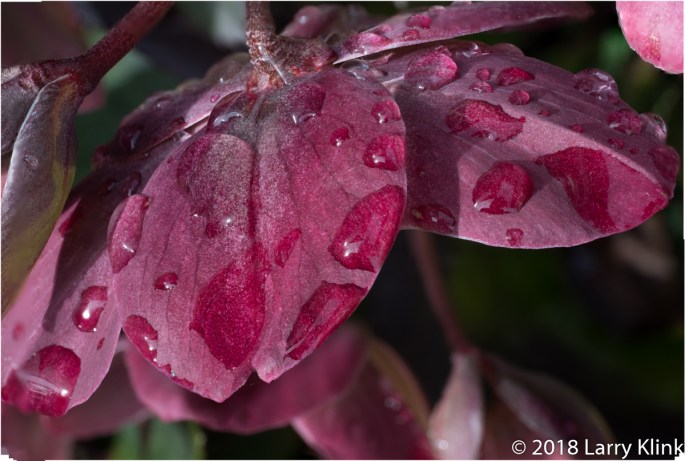
The Lenten Rose, or Helleborus, is a beautiful flower that blooms much of the year for us in the Sacramento area. But, the blooms are at their most spectacular in the spring. Most of the flowers are a dusty rose color but they are sometimes yellow, green or a creamy white. For me, I love looking out the front door at our 2 plants. I took these images in the early morning, after a rain. I hope you enjoy them too.
Regards,
Larry
Note: Click on Caption to see image in larger size and higher resolution
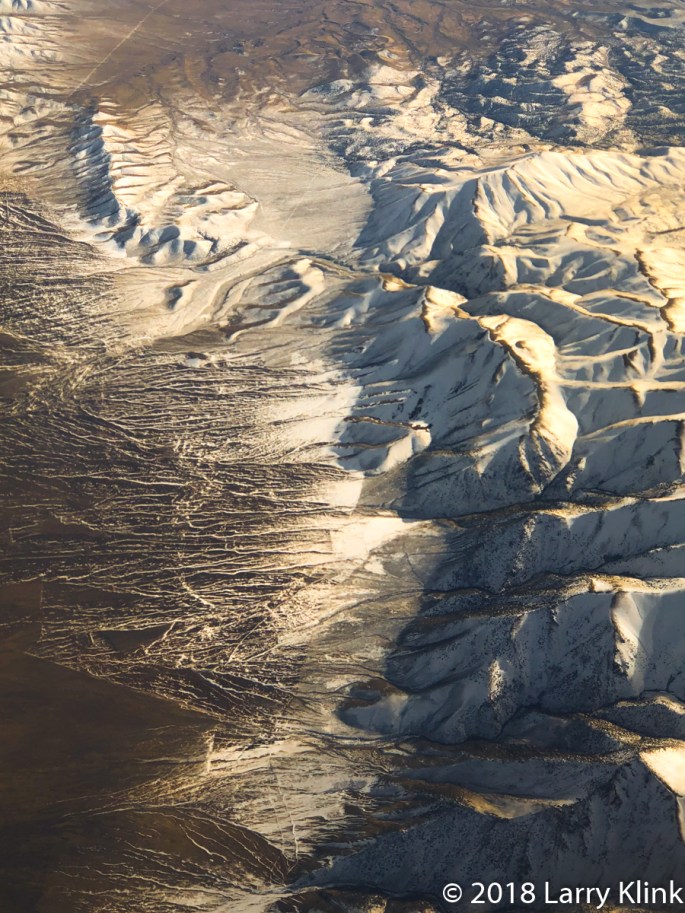
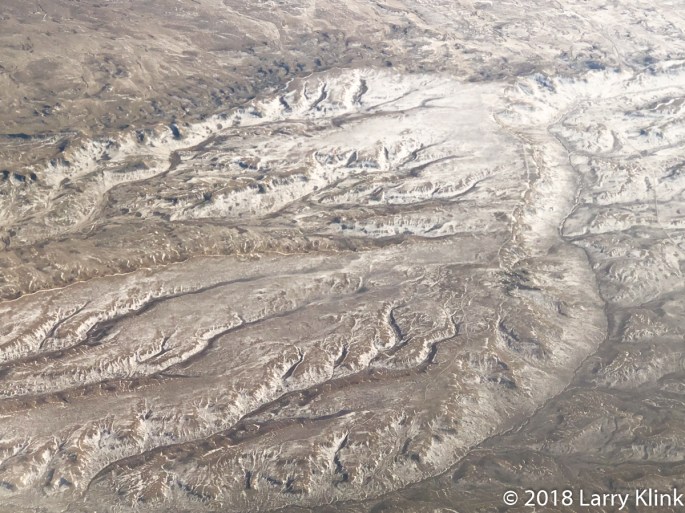
Abstract art uses color, shape and line to create a pleasing image. That image may or may not represent something real. In photography, you arrive at the result through a different route. You find a candidate and create a composition that emphasizes the pattern created by the color, shape and/or line over the subject itself.
I am a primarily a landscape photographer. As I progressed and learned more about that art, I became fascinated with the questions about how a scene evolved; what processes shaped it in the past and what processes are shaping it today. As I observed, I began to see the patterns and to understand how to recognize the effects of the wind, water and tectonic events that influenced it. I also began to see how the patterns repeated themselves in different ways in different objects. It is those patterns that often make a wonderful abstract image.
On a recent cross-country trip, we flew over the high plains of Kansas and the foothills and peaks of the Rocky Mountains. In many places the snowpack was broken; ice and snow lay in the crevices where snowmelt flows, while the remaining surfaces were clear. I was struck by the patterns that I saw. Erosion created patterns like those of a bush branching or leaves branching on a stem. In one spot, I saw a fish backbone with its tiny ribs extended. Using my trusty phone camera, through an airplane window, I created some abstracts from the landscapes I love.
I hope you enjoy these images. Reflect on the patterns – what do you see?
Regards
Larry
Note: Click on Caption to see larger, higher resolution image
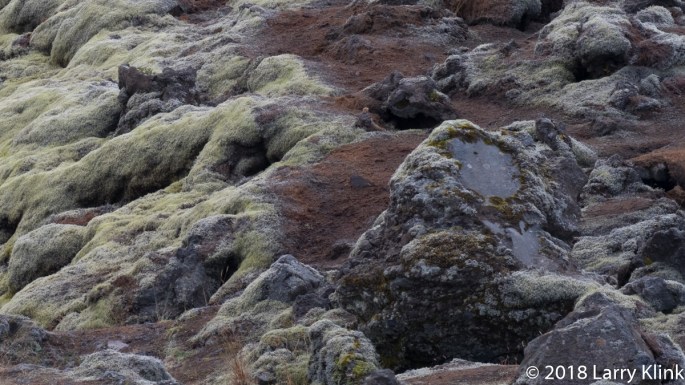
I was intrigued by the Lava Fields that I saw in Iceland last summer. A lava field, or lava bed, is a flat plain over which lava flowed and cooled. The ones that intrigued me the most were those that looked like rocks strewn at random. But what really caught my eye was how nature found a way to turn this area of desolation into a soft blanket of green. Lichens took over and attached themselves to the rock. Low shrubs invaded and even a clump of trees found a way to survive. The images I am sharing attempt to convey the beauty of these features. I hope you enjoy them.
Regards,
Larry
Note: Click on caption to see larger, high resolution copy of image.
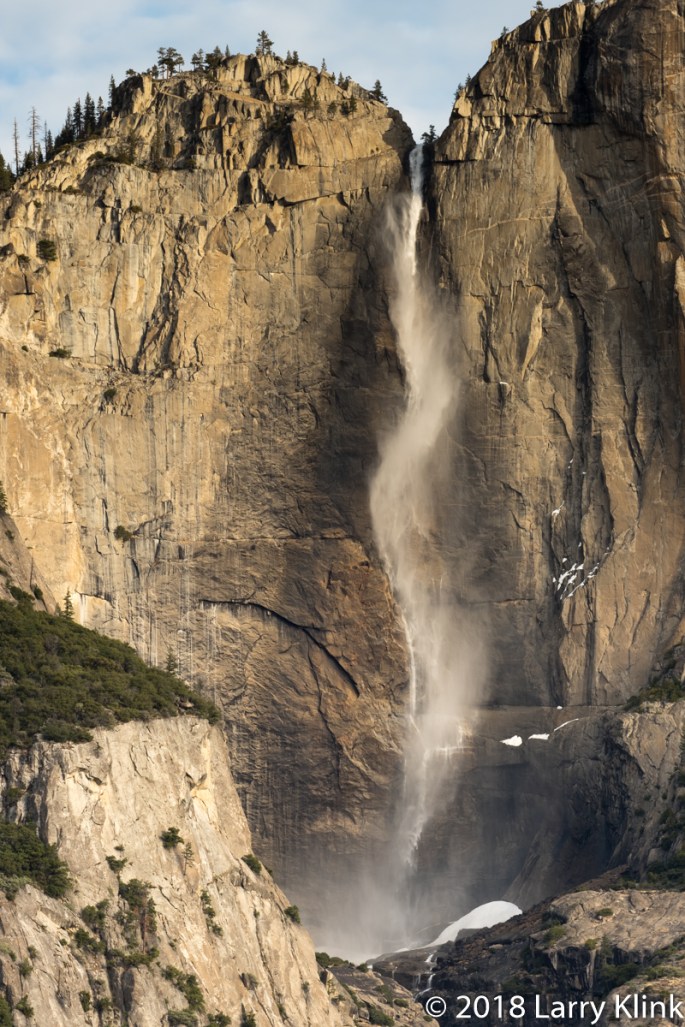
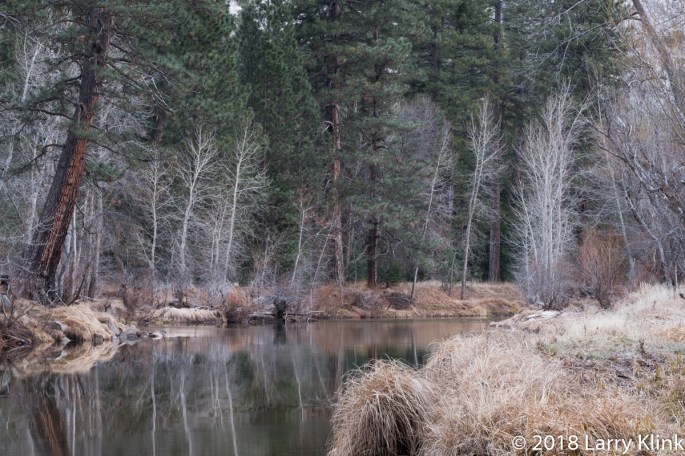
We recently visited Yosemite National Park. On the day we visited, I decided to look for perspectives that aren’t commonly photographed. I love the iconic images but there are lots of nooks and crannies that provide wonderful landscapes. I hope you enjoy these images.
Regards,
Larry
Note: Click on caption to see image at larger size.
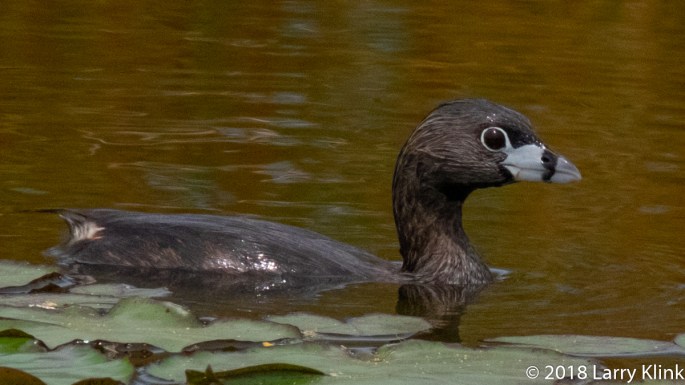
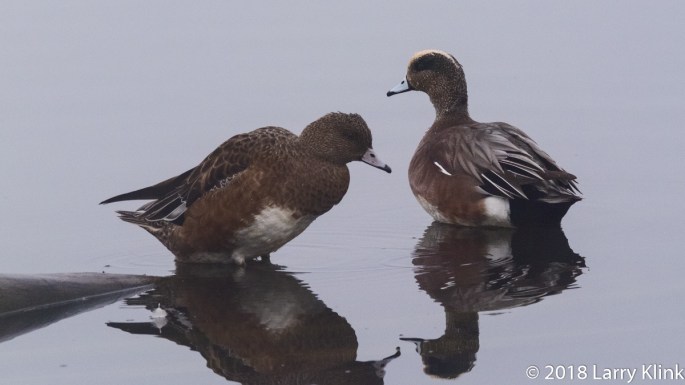
A few days ago, I shared some images of the less common sightings at these 2 major refuges on the Pacific Flyway. But, the usual suspects were there also. Today, I will share a few images from this set.
Regards,
Larry
Note: Please click on caption to see image in larger size.





















 Earthwatcher