I am a very analytical person. My creativity flows from my need to understand and explain. I made a career of distilling processes to their essence and reconstructing them to be more efficient and productive. My approach to photography is an extension of my life’s work. I distill a scene to identify its processes and actors. I try to understand how the processes, generally the forces of nature and the forces of humans, have and are interacting with the actors to create the scene. I focus on one or more of the actors and compose a scene that shares a moment with them in an aesthetically pleasing way.
Actors may be humans or wildlife. They also may be the sun, the moon, a tree, a river, mountain or other object. Each image shares a unique moment showing how its actors and processes have, are, and sometimes even will impact each other. But I also want to entice the audience to linger and to find their own story. I want them to imagine themselves experiencing the sights, the sounds and the feeling as if they were there.
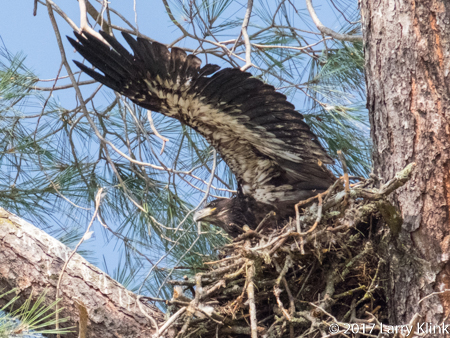
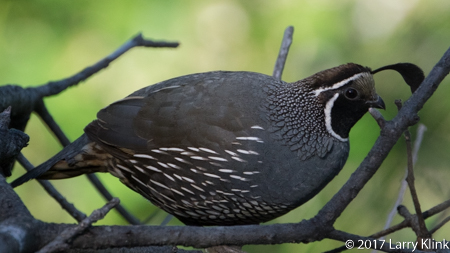
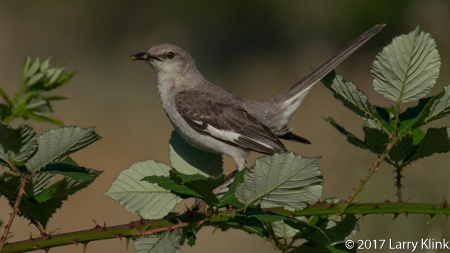
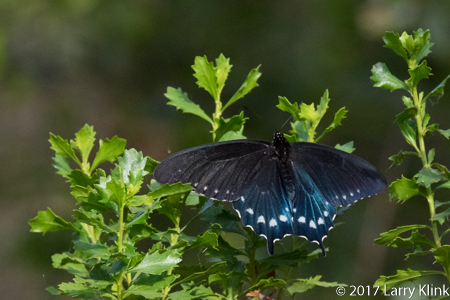
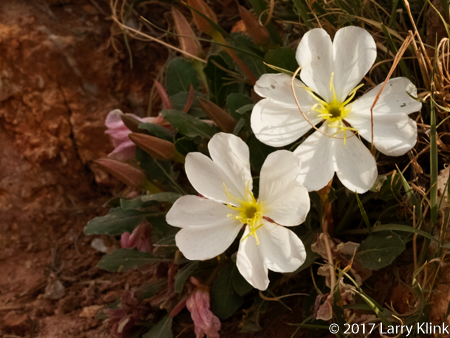
I want to share a few images from some recent walks around the American River Parkway near Folsom, CA. I’ve also included one from Oak Alley Plantation near New Orleans. Nature provides some beautiful creatures for us to appreciate. I hope you enjoy these few.
Regards,
Larry
Note: Click on caption to see image at larger size.
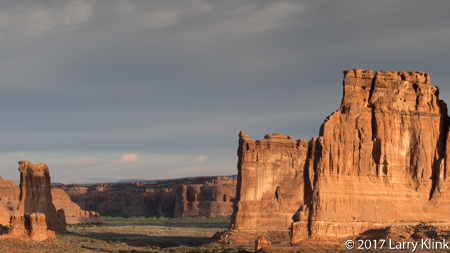
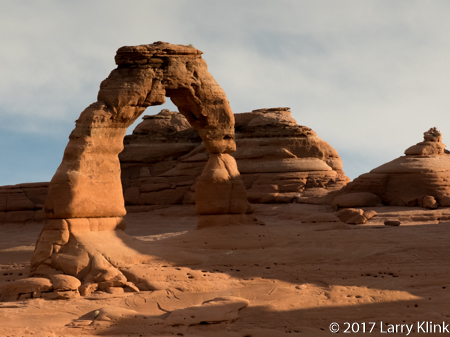
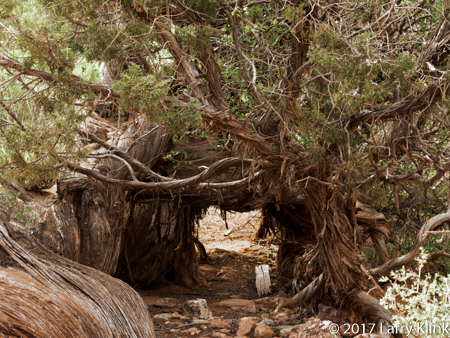
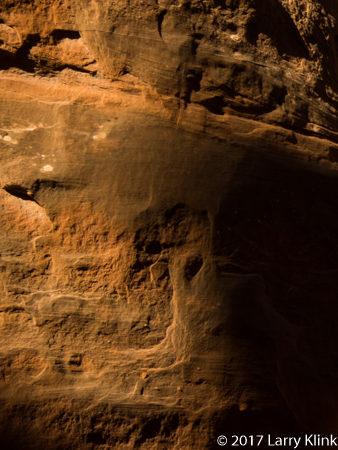
We took a day on our road trip and spent it at Arches National Park. During an evening and a morning, you can see many of the main attractions but there is a lot to see that require short to moderate hikes. I hope to go back and spend a few days hiking.
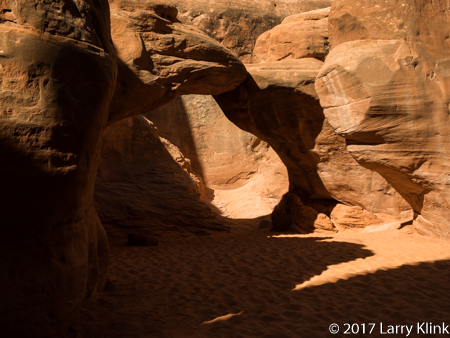
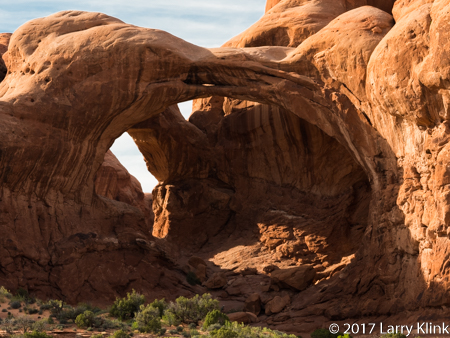
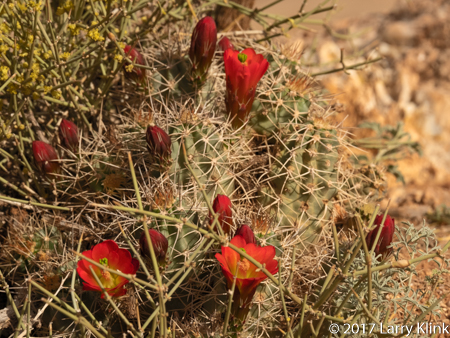
The park is located over a geologically unstable salt bed. The movement of the salt bed and the earth’s tectonic forces caused large blocks of sandstone to uplift. Over millions of years, the sandstone eroded forming the arches and rock monoliths we see today. The park service claims more than 2,000 arches; some just a 3 foot opening through a mountain to the largest: 306 feet base to base. There are massive stone walls whose size, shapes and eroded faces bring pagan temples to mind. There were lots of wildflowers and some wildlife.
I left thinking that I’d like to spend time watching the sun, moon and stars rise and set over these geologic wonders. To me, it is a spiritual place. Our mistake was not giving ourselves the time to take in the spirit.
Please click on caption to see image at a larger size.
Regards,
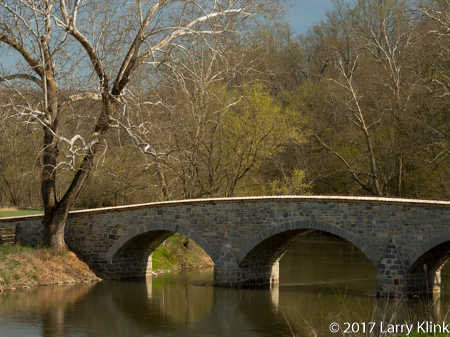
We were treated to a tour of both the Gettysburg National Military Park and the Antietam National Battlefield while in Pennsylvania last April. These are not parks to celebrate and have fun, for how can we celebrate when our principles could only be imposed by slaughtering one another. Instead, they are parks for reflection and to gain insight into the lessons of history. There are plenty of memorials to those who fought; both the dead and the survivors. I chose not to photograph them. They can be seen online. Instead, I chose to show how nature and humanity has restored the beauty of the countryside – a lesson that time and effort can help us heal. I hope you enjoy these images.
Please click on caption to see images at larger size.
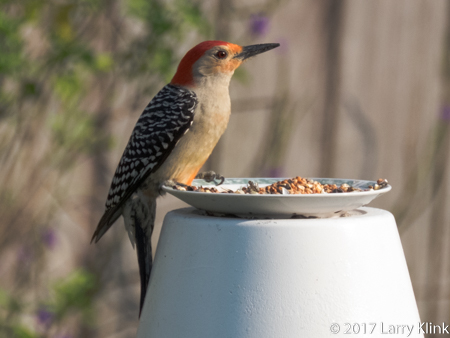
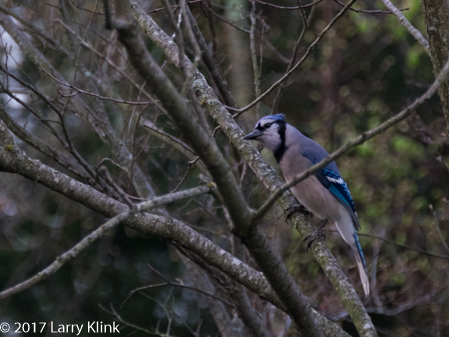
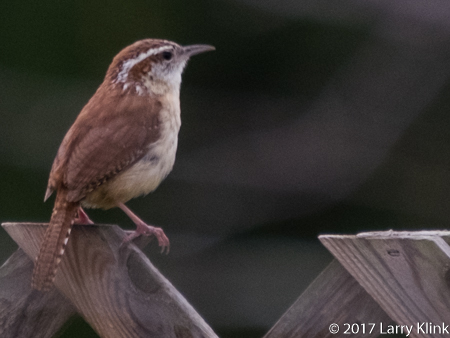
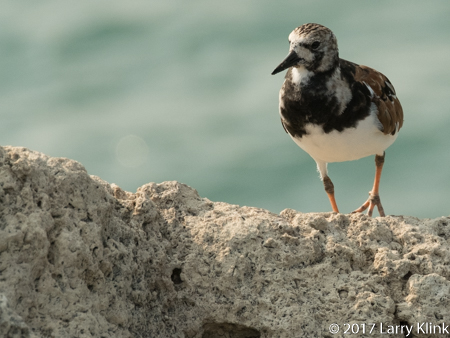
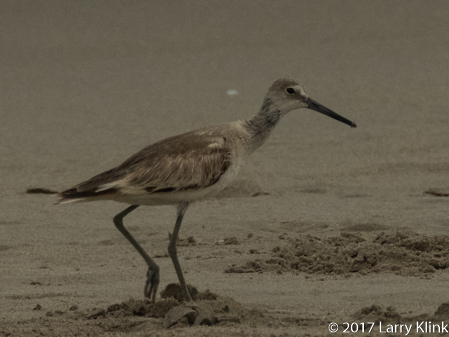
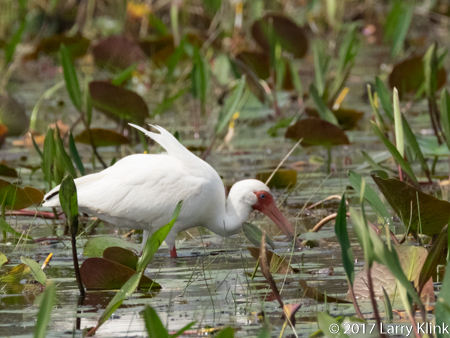
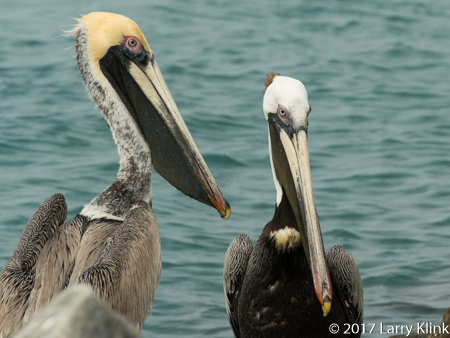
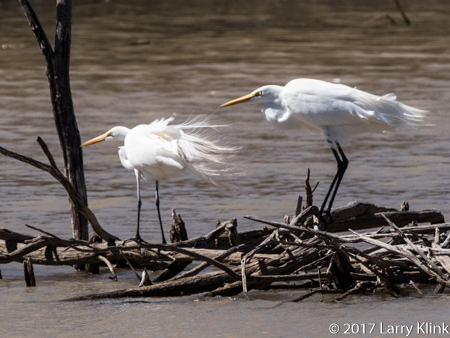
On a recent road trip, we got to see a number of interesting birds that we don’t get to see here in California. We also got to see some of the usual suspects.
Here are some interesting tidbits:
The typical vulture we see in the US is the Turkey Vulture. While the black vulture has a gray head, the turkey vulture has a red head. The black vulture is found in southeastern US.
The blue jay is found in the eastern half of the US. In the west, we have the scrub jay. The stellar jay and the gray jay are found in areas of the west with cooler temperatures.
Here are images of some of those birds. I hope you enjoy them.
Regards,
Larry
Note: To see the images at a larger size, please click on bird name.
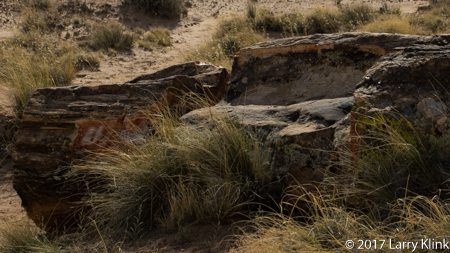
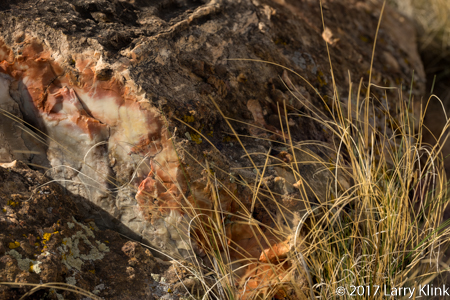
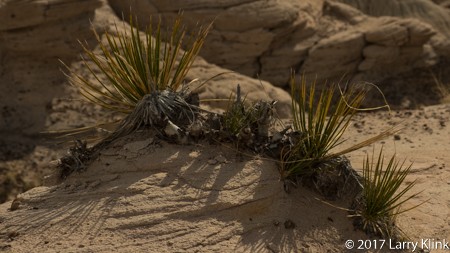
On a recent road trip, we stopped by the Petrified Forest National Park. It was another of the amazing wonders that are our National Parks. Sitting among the beautiful desert landscape are remnants of trees that thrived 200 to 225 million years ago. What we see today is not the tree itself, it is a fossil. The living cells have long since decayed and been replaced by silica, calcite, pyrite, or another inorganic material such as opal. What is fascinating is that the remains look like sections from a tree; including the bark. The result is a stunning fossil rich in color. The park is near Holbrook, AZ, not far off I-40. A casual tourist can get a good view of the park in a few hours. I am looking forward to returning for a few days to enjoy the trails and do some more photography.
I hope you enjoy these images. Please click on caption to see image in larger size.
It’s a gray day here in Sacramento but spring is just around the corner. With spring comes flowers. I can’t wait for the poppies and the lupin to bloom. But, that is for a future time. Today, I’ll share a summer flower; the agapantha. I hope it brightens you day.
Please click on caption to see a larger, higher resolution copy of this image.
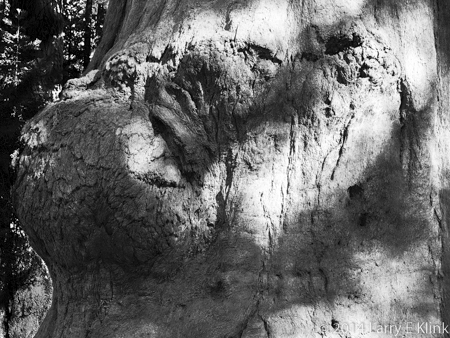
Untitled, Calaveras Big Trees State Park, JUL 2011
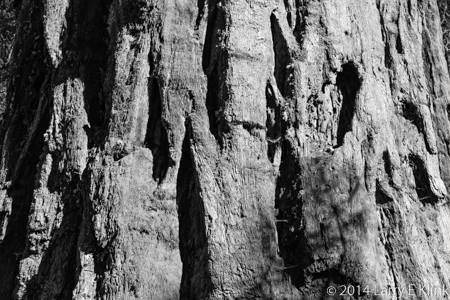
Five years ago, I saw the giant sequoia for the first time. Like most people, I was in awe of these giant trees. Their imposing size and their presence in the forest really impressed me. My images Among the Elders and Sequoia Giganteum attempt to capture the scale of these trees. However, I also found that the furrows and ridges of their bark create a sculptural beauty that is striking. Over the ensuing years, I’ve taken images of a few trees whose patterns really struck me. Here is a sample of what I found.
I hope you enjoy them as much as I do.
Regards,
Larry
Note: Click on image caption to see image in larger size.
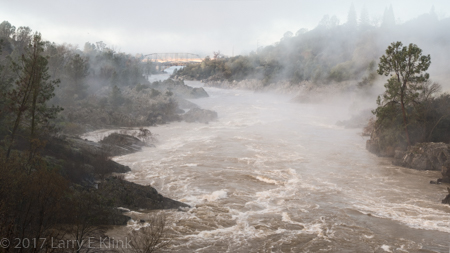
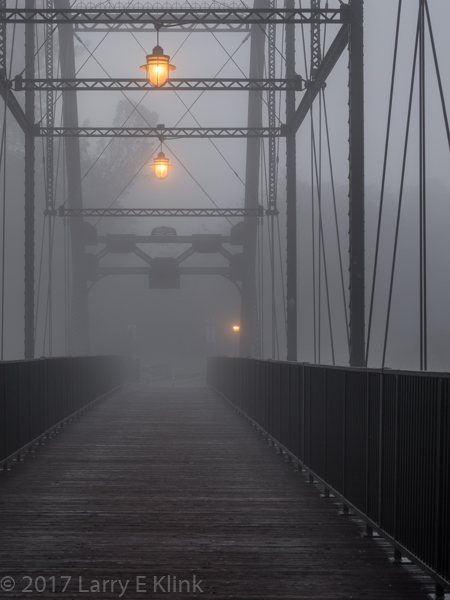
Last Friday was a cold, foggy morning and we had just come out of a long bout of heavy rain. A lot of water was being released from Folsom Lake and the American River, near Folsom was running strong. I decided to spend some time photographing the area of Folsom that surrounds the historic Walker Bridge / Donald W. Alden Memorial Bridge. It was a great time to be out. The river roared as it created whitewater through the gorge. Quite a treat. In the 5 years that I have lived in the area, I never saw significant whitewater or heard the river roar.
The Walker Bridge / Donald W. Alden Memorial Bridge was built in 1893. It was sold 3 times: once to a man in Japan who wanted it for the steel but was never able to get it, once to the State of California who dismantled it and moved it near Walker, CA to span the Klamath River, and finally back to the City of Folsom who reinstalled it on its original abutments. It now serves as a pedestrian footbridge and an access point to the American River Parkway from the City of Folsom.
I hope you enjoy these images.
Note: Click on image to see in larger size. I particularly recommend this for the image of the American Rive Gorge.
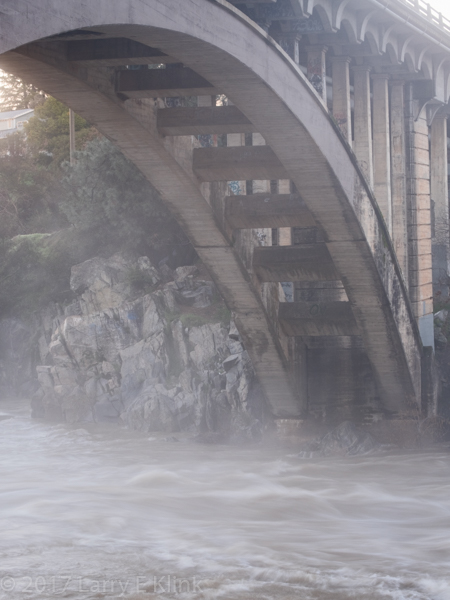
Walker Bridge / Donald W Alden Memorial Bridge, Folsom, CARainbow Bridge Arch, Folsom, CA
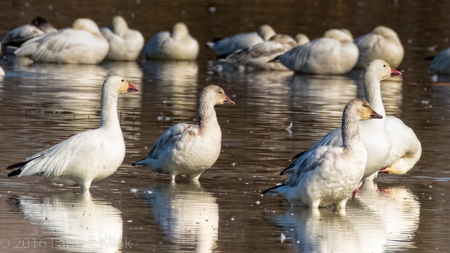
It’s fun to be in Northern California in the winter. We are part of the Pacific Flyway, so we get many birds, primarily waterfowl, who winter over. But even in my backyard I see Oregon Juncos and a species of Goldfinch that spends its summers in the Sierra foothills. Though my passion is landscapes, photographing this wildlife is fun because watching them go about their business of living is fun.
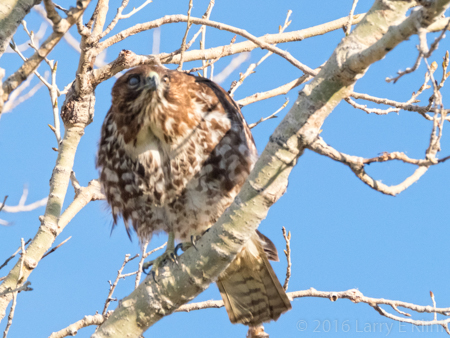
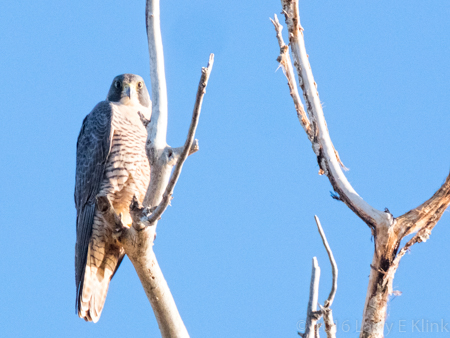
I’ve been out twice in the last two weeks photographing and enjoying the wildlife. On one trip, I went to 2 of the wildlife refuges that have been built along the flyway. Some years ago, land was set aside as a safe haven for migrating waterfowl. Levees were built and fields flooded so they could live and eat. This helped farmers by keeping the birds off their cropland. A win-win situation, enjoyed by birders, photographers and duck hunters. On the day I visited the refuges, raptors became my focus. They benefit from the migrating waterfowl as well.
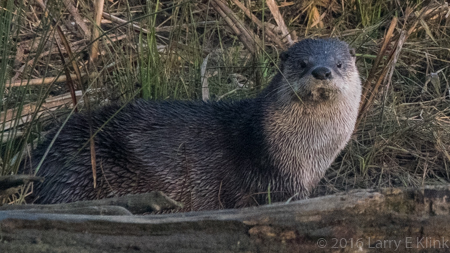
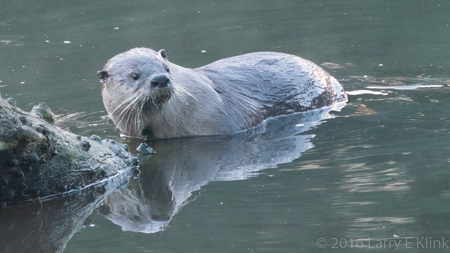
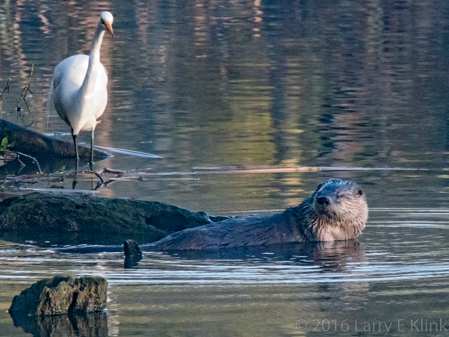
This past week, I got to spend an hour watching a River Otter and an Egret. They appeared to be helping each other feed. Otters always seem to be playing even as they feed.
I hope you enjoy these images.
Regards
Larry
Note: Click on image to view at larger size
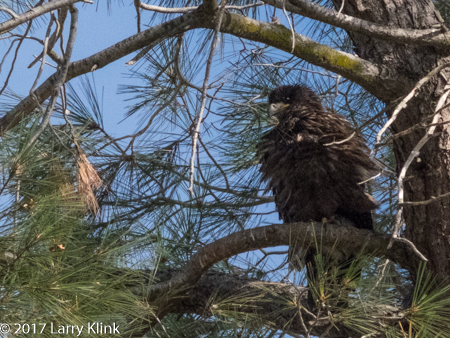
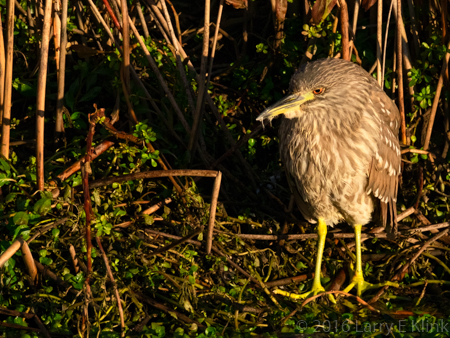
Juvenile Black Crowned Night HeronRed Shouldered HawkRiver Otter – Perspective 1Snow GeeseRiver Otter and EgretPeregrine Falcon

















 Earthwatcher