I am sharing a few early morning scenes from the banks of the American River. I walk the trails along the river several times each week for several hours at a time. I am grateful that the people of the Sacramento area cared enough to build a buffer area against flooding and to turn that almost 40 miles of buffer into urban green space available to all.
Please click on caption to see image at higher resolution.
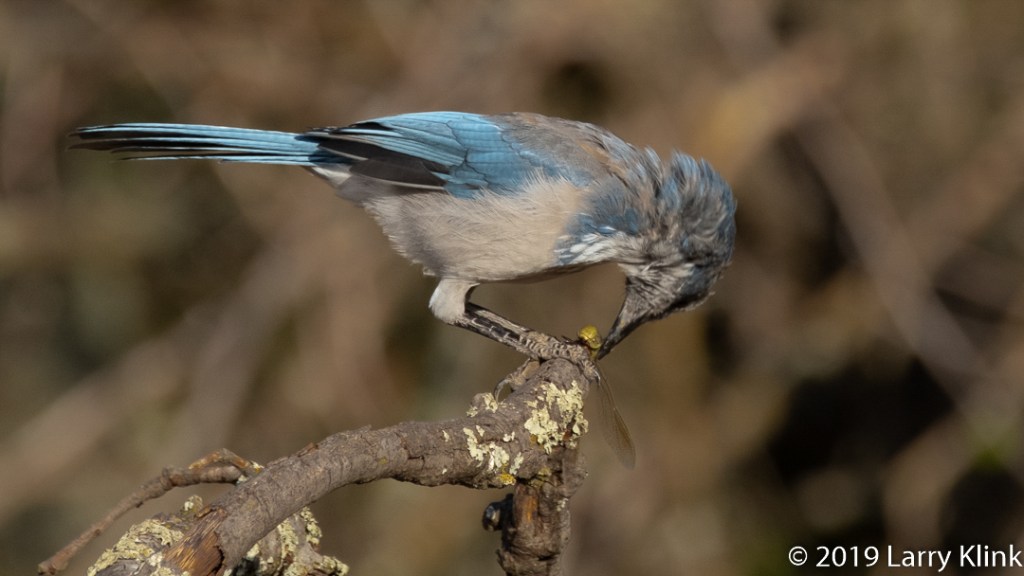
I was fortunate enough to observe a California Scrub Jay (Aphelocoma californica) in the process of eating a dragonfly. It used its beak and talons to position the insect, then picked it up with its beak and swallowed it.
Please click on caption to see image at higher resolution.
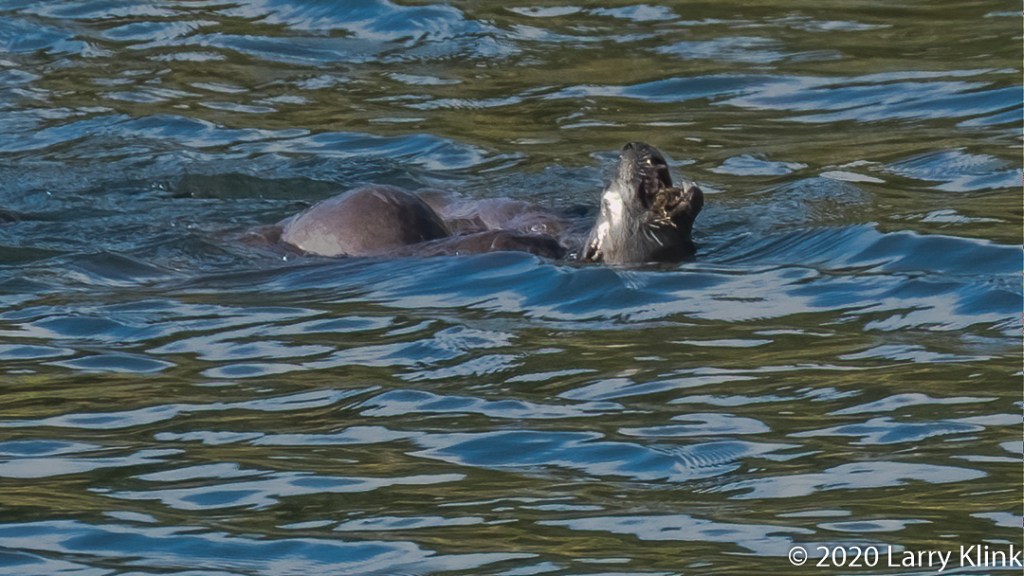
Today I am sharing 2 images I took last week. A group of 5 River Otters were foraging in the American River at Sailor Bar. I watched their bodies slither as they dove into the water then came up with their head held high, swallowing their prey. It was great fun.
Please click on caption to see image at higher resolution.
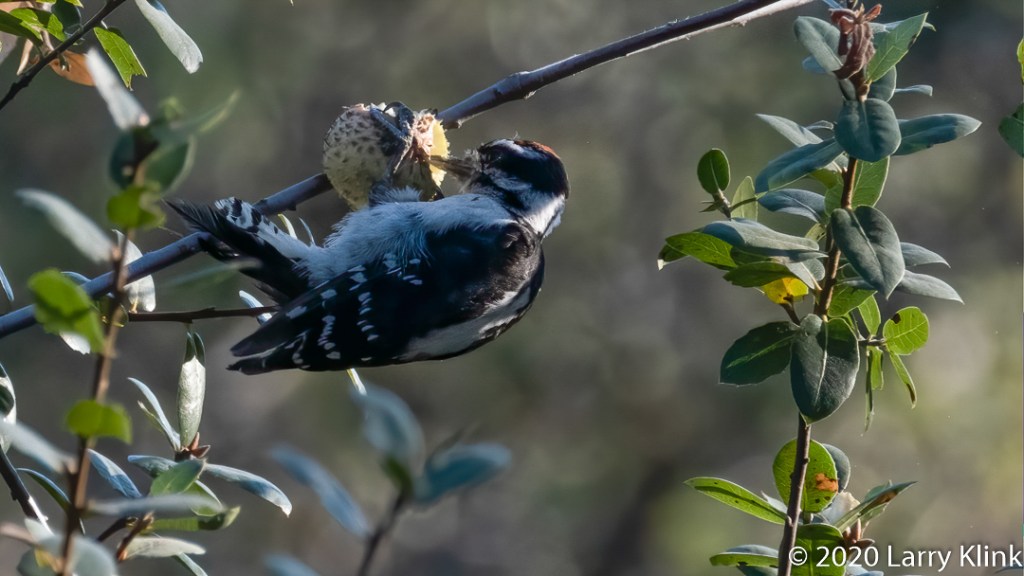
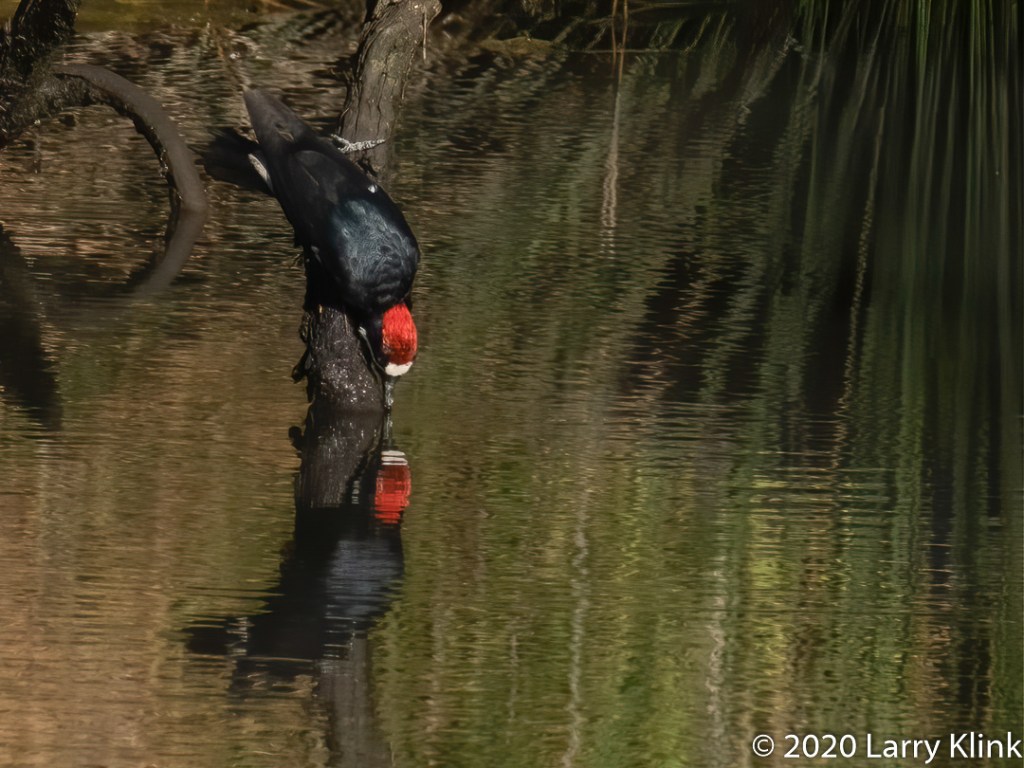
I am sharing images of birds and of an otter that are enjoying breakfast time. I watched as they worked hard to get their meal.
This year, I have had many opportunities to see animals hunt and eat. I am truly grateful to have had those opportunities and thankful that I only had to pull mine from a cupboard.
Please click on caption to see image at higher resolution.
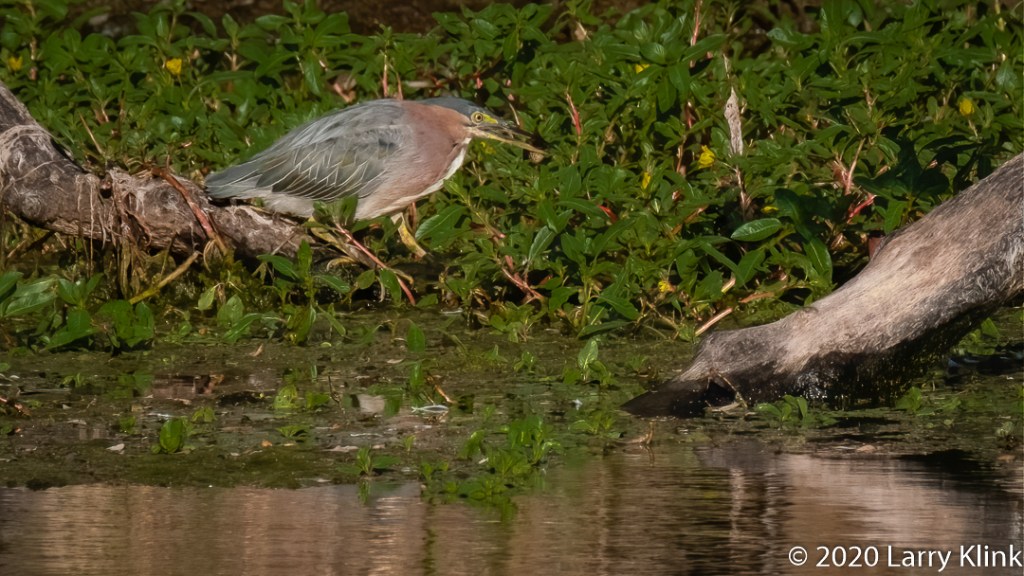
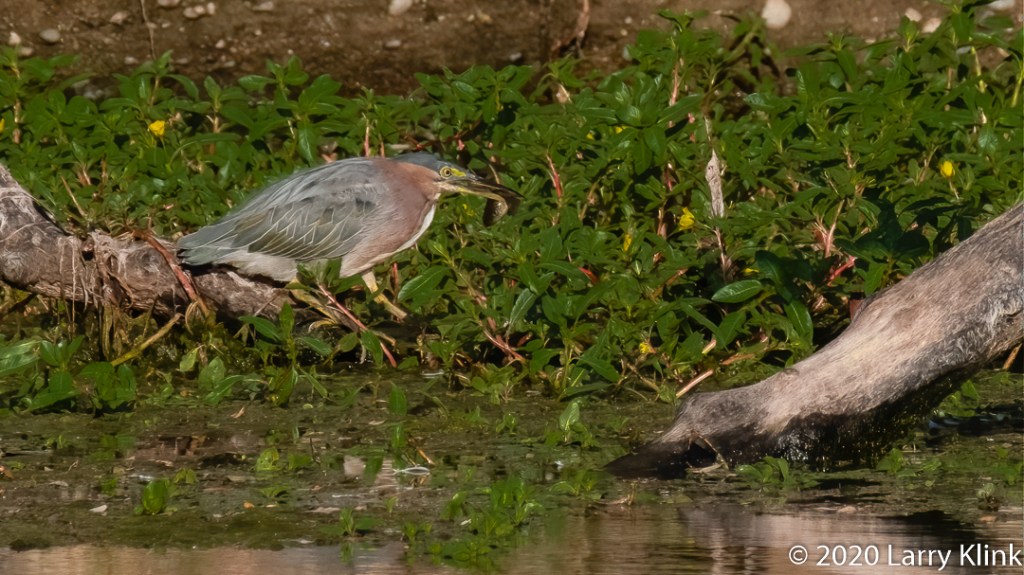
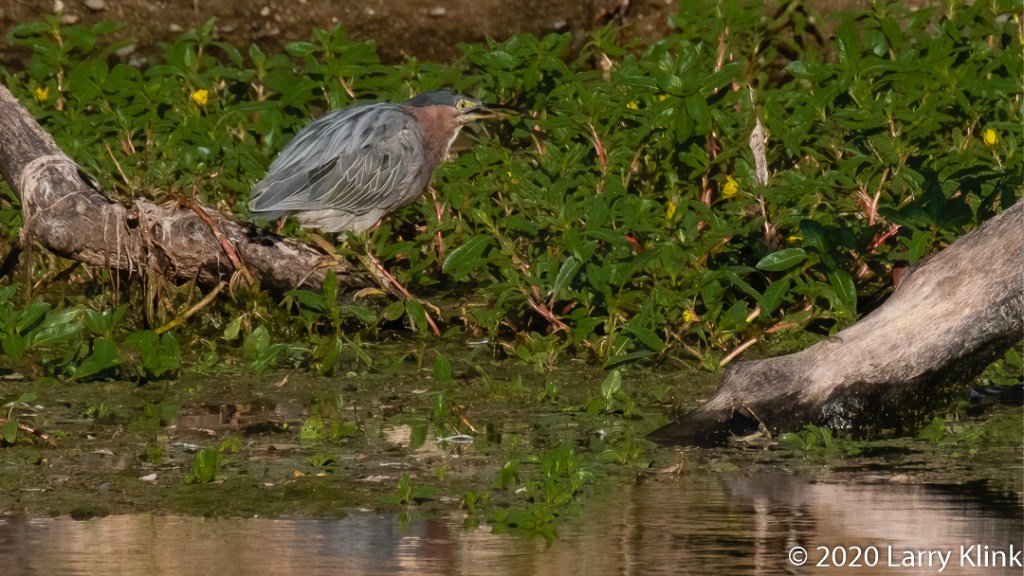
There are a lot of pictures in this post that, at first glance, appear nearly the same but, they are not the same; they are a sequence of a Green Heron stalking, capturing, and devouring it prey. I see Green Herons from time to time but mostly they are perched. On this day one gave me the opportunity to watch it hunt and eat. Though I see Egrets and other Herons stalk frequently, this is only the second time I saw one stalk and the first I saw one catch and eat. So, please step through these images, in order, one at time and enjoy this opportunity with me.
Please click on caption to see images in higher resolution.
I am sharing 4 images from one of my favorite local spots to photograph. I am drawn to the spot, just outside Folsom, CA, because it is an oak dotted rangeland typical of this area of California.
One of the images is a black and white version of another in the set. I thought it looked very dramatic in black and white.
Please click on caption to se image at higher resolution.
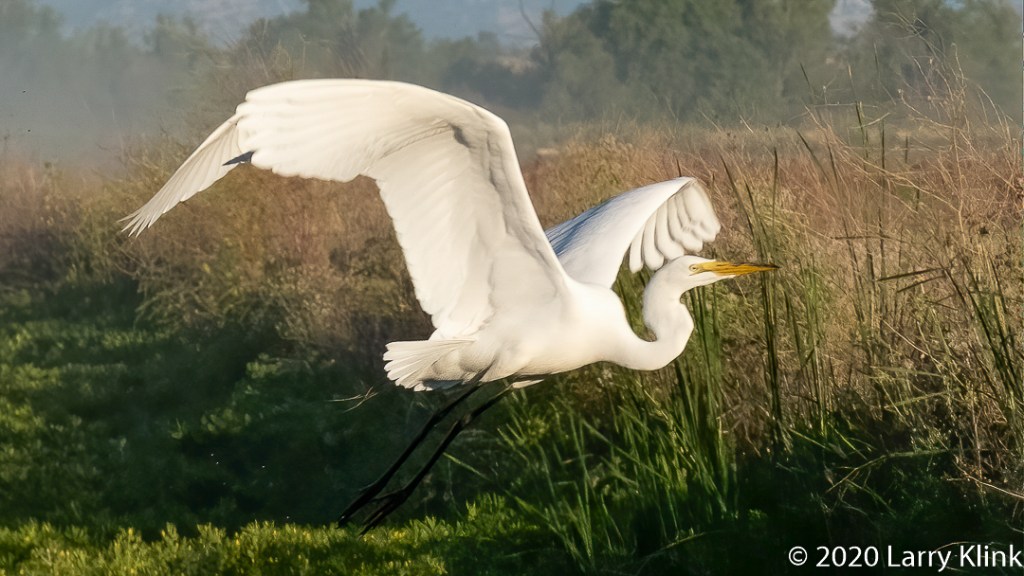
In this post, I am presenting 2 perspectives on the egret: the graceful, beautiful side and the visceral side.
A few weeks ago, we were at the Yolo Bypass Wildlife Refuge in Davis, CA. In one of the sloughs, there were perhaps a dozen Egrets, both Snowy Egrets and Great Egrets. It turned out to be a great day for capturing them in flight.
Please click on caption to see image at higher resolution.
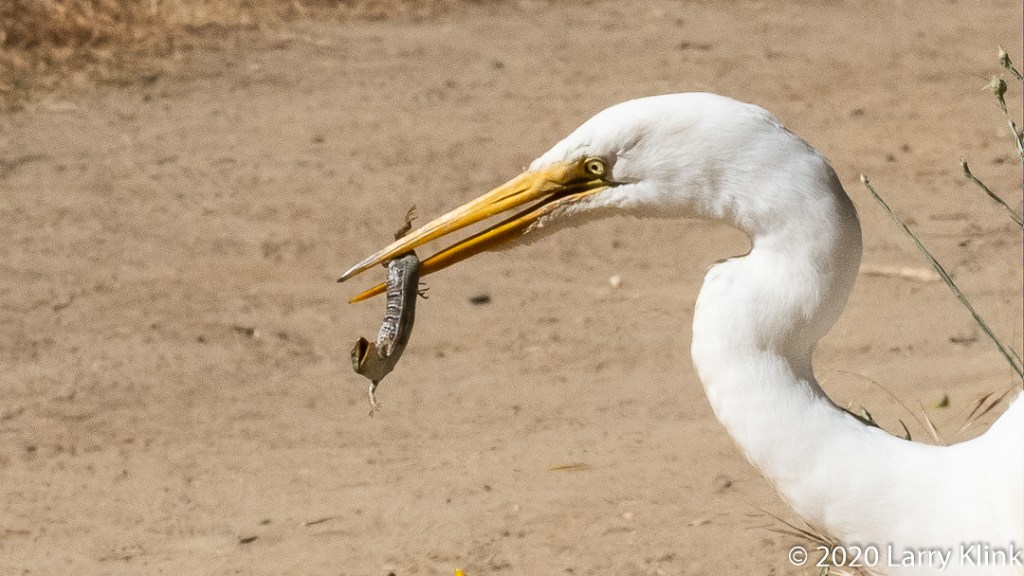
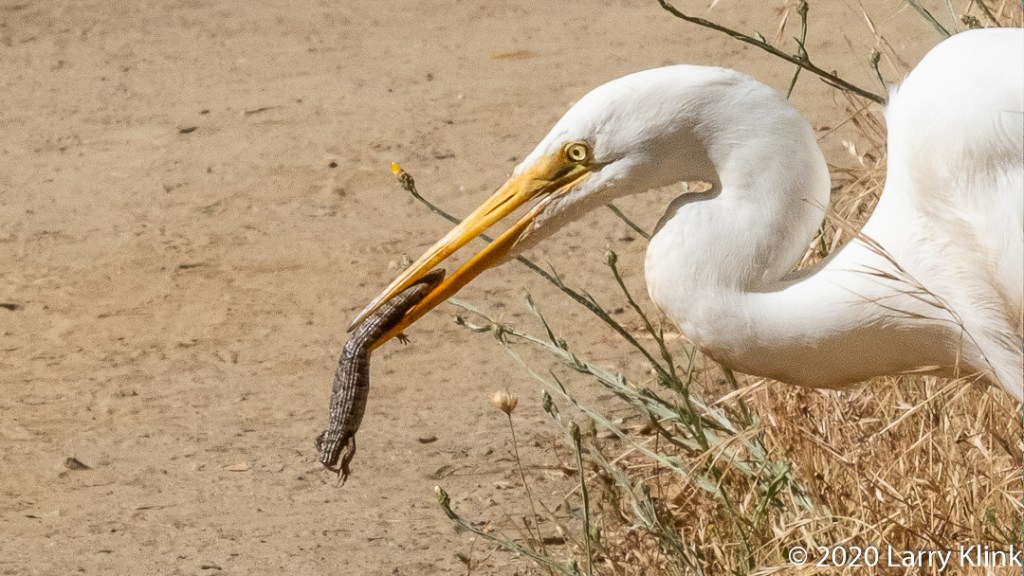
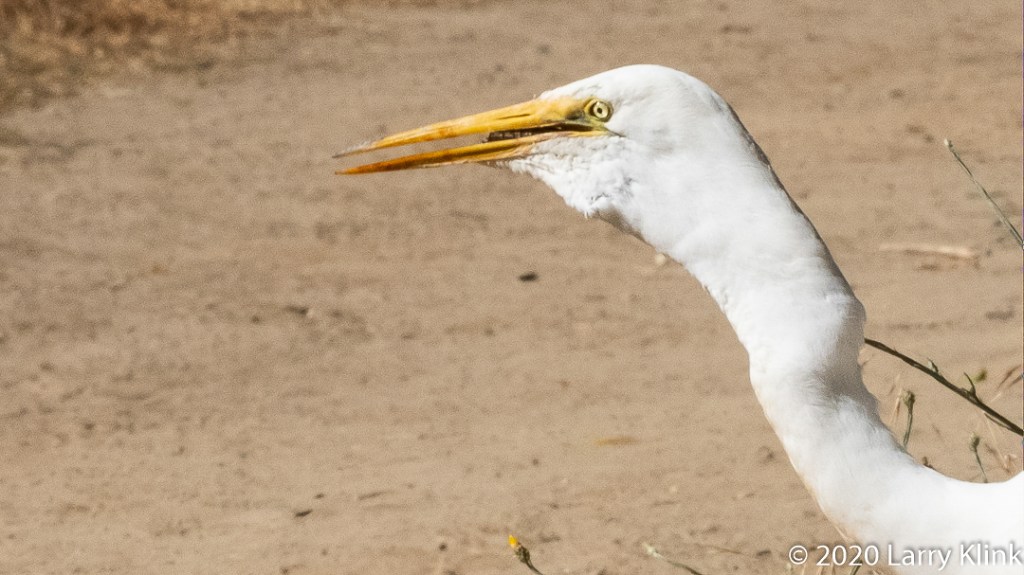
The lizardicide, killing of a western fence lizard for food, happened at Effie Yeaw Nature Center. It was fascinating to watch. The actual capture was done in tall grass under the shade of a tree. After capture, the Great Egret made a short hop/flight out to the trail then prepared to devour his prey. The intrepid little lizard put up a strong fight but, in the end, it succumbed.
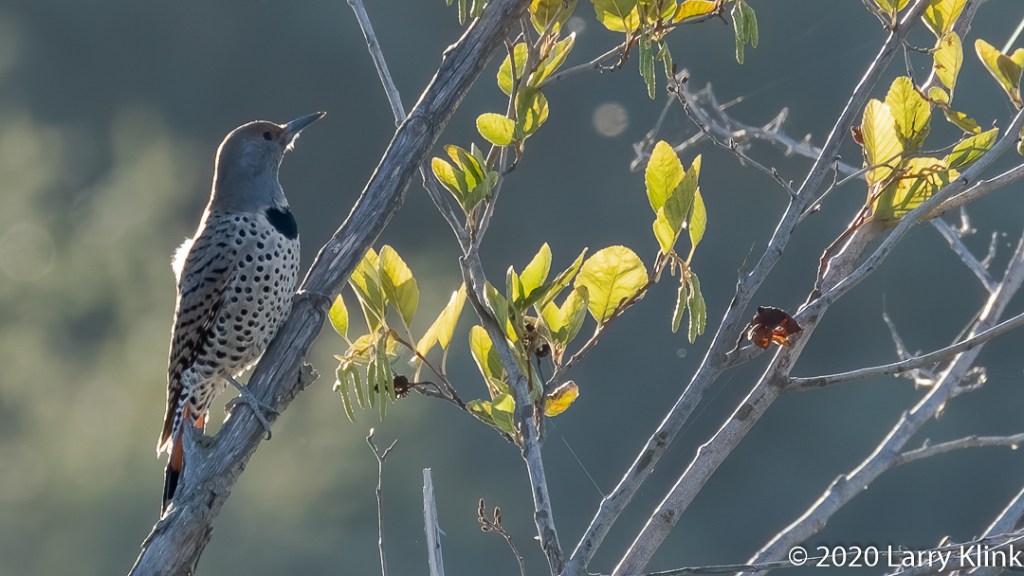
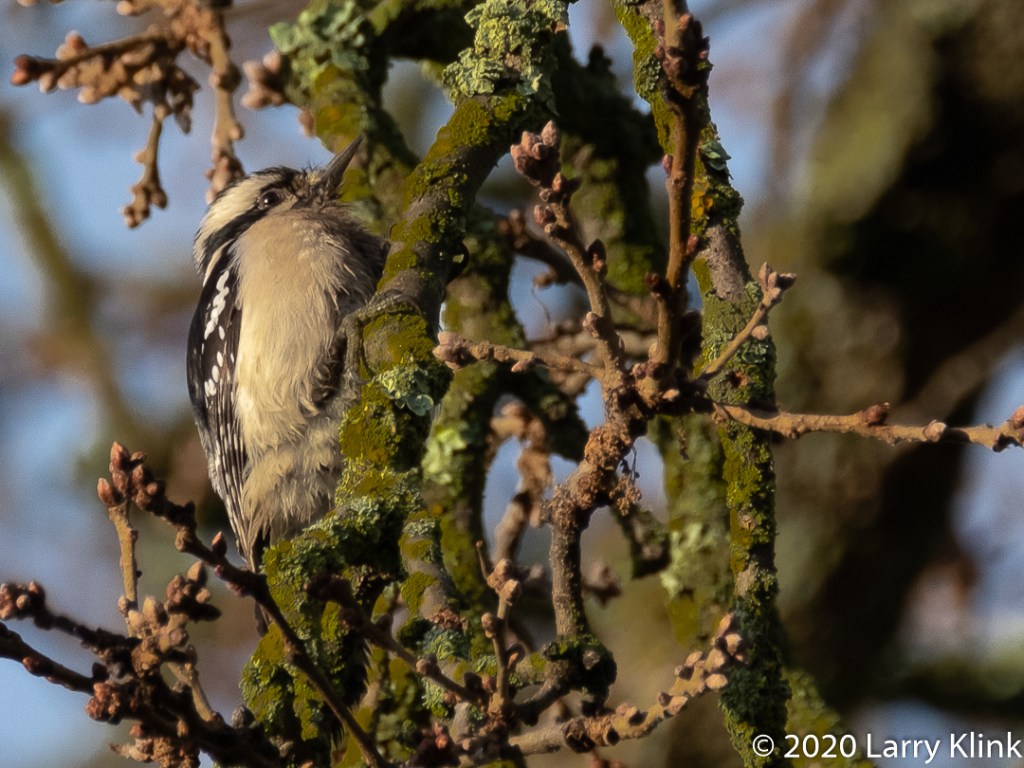
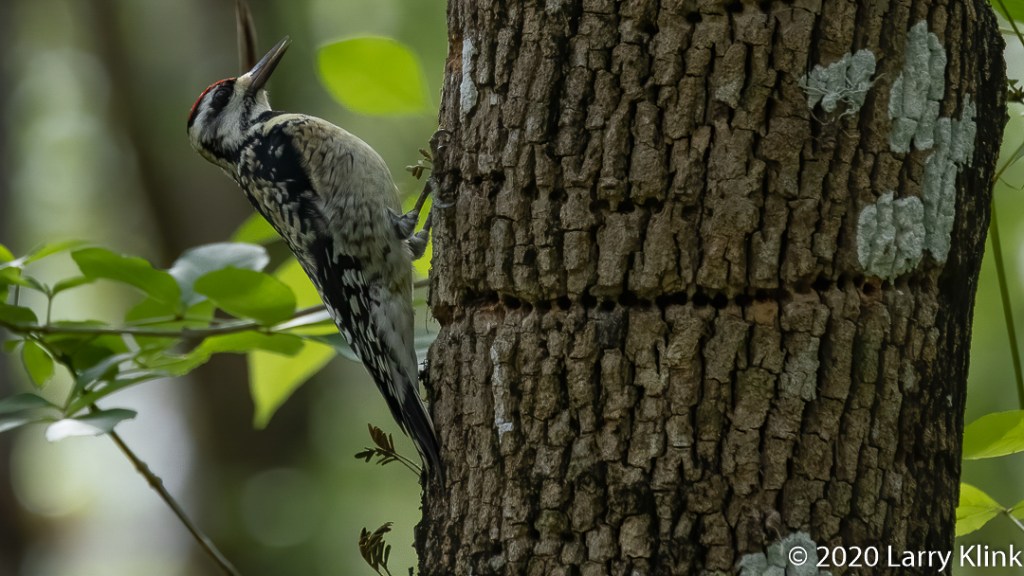
Today I am sharing images of some woodpeckers and some cousins. The Red-bellied Woodpecker and the Yellow-bellied Sapsucker are from Florida, the others were from the Sacramento Area.
Look closely at the Yellow-bellied Sapsucker and notice the tree on which it is perched. Note the ring of holes around the tree. When a sapsucker feeds it moves around the trunk leaving a tell tale ring of holes around the tree.
Please click on caption to see image at higher resolution.
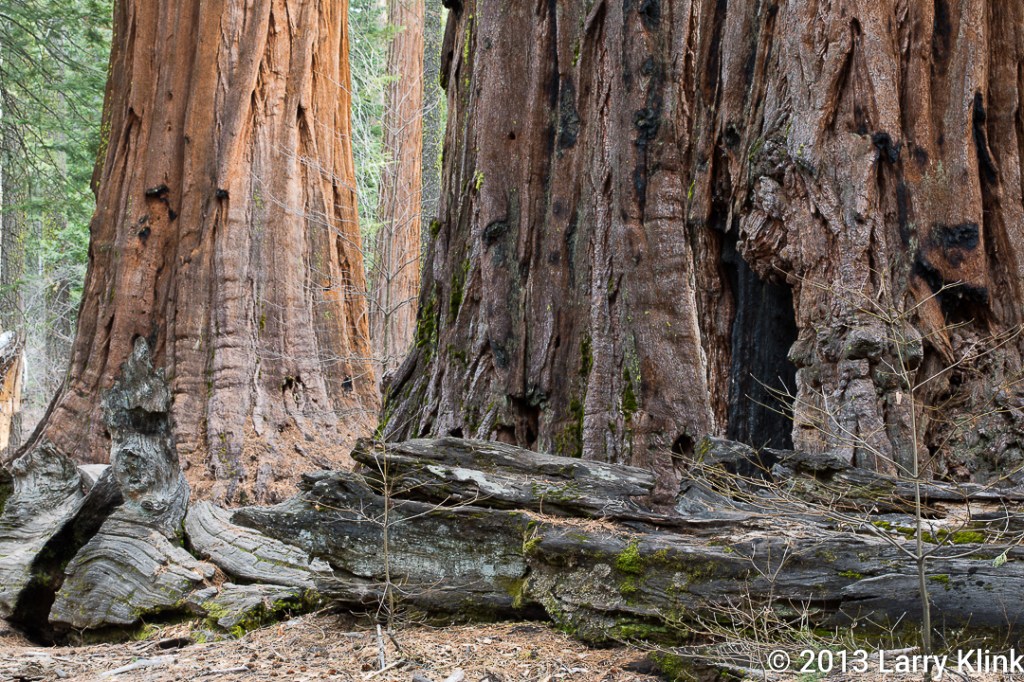
Today I am featuring some special trees: The The Great Basin Brisltecone Pine (Pinus longevea), the Coastal Redwood (Sequoia sempervirens) and the Giant Sequoia (Sequoiadendron giganteum). Most of the images are from California but one comes from Great Basin National Park in Nevada.
There are only 8 groves of the Giant Sequoia in the world. They are all located in the Sierra Nevada mountains of California. These wonders grow more than 300 feet tall with diameters that exceed 50 feet. The branches on these trees are often bigger than the trunks of trees I see every day.
The Coastal Redwood is found only along the coasts of Northern California with just a slight incursion into Oregon. These trees are the tallest in the world, reaching heights in excess of 375 feet and diameters in excess of 30 feet. Many of these trees are over 600 years old with the oldest known tree 2,200 years old.
The Bristlecone pines are small, gnarled, ancient trees some of which have lived more than 5,000 years. They grow at high altitudes and like poor soil conditions. They are tough old buggers.
Note: Please click on caption to see image at higher resolution






















 Earthwatcher