If anyone would like a copy of almost any picture in my library, for educational or research use, please contact me and I will happily share a digital copy with you.
If anyone would like a copy of almost any picture in my library, for educational or research use, please contact me and I will happily share a digital copy with you.
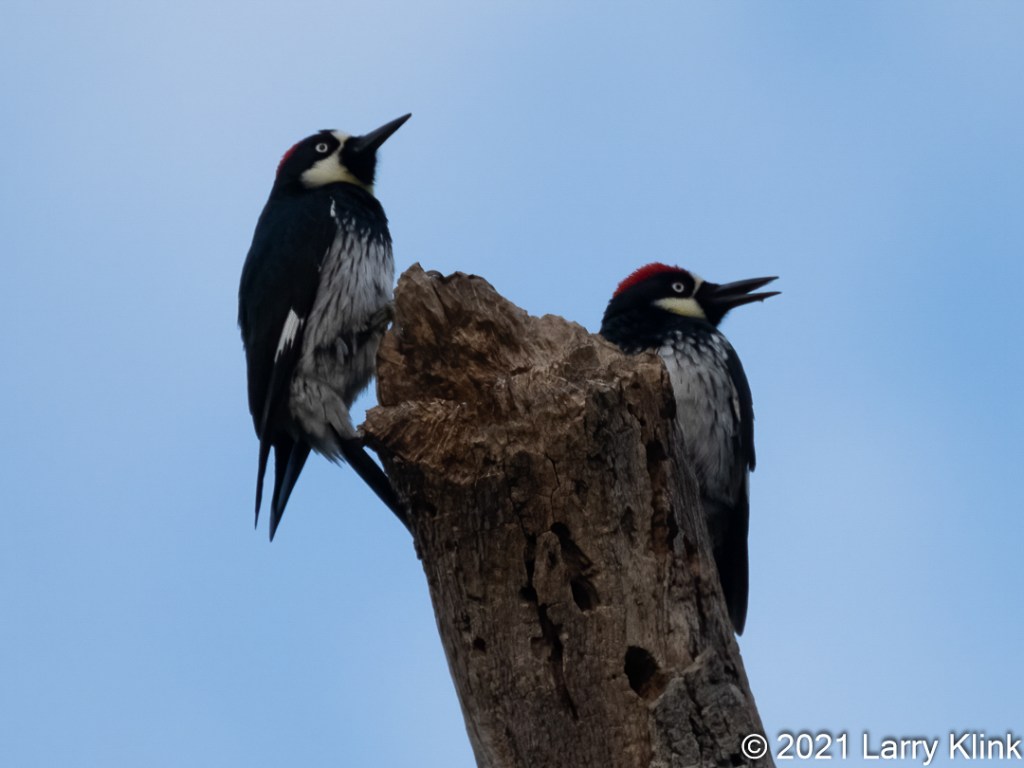
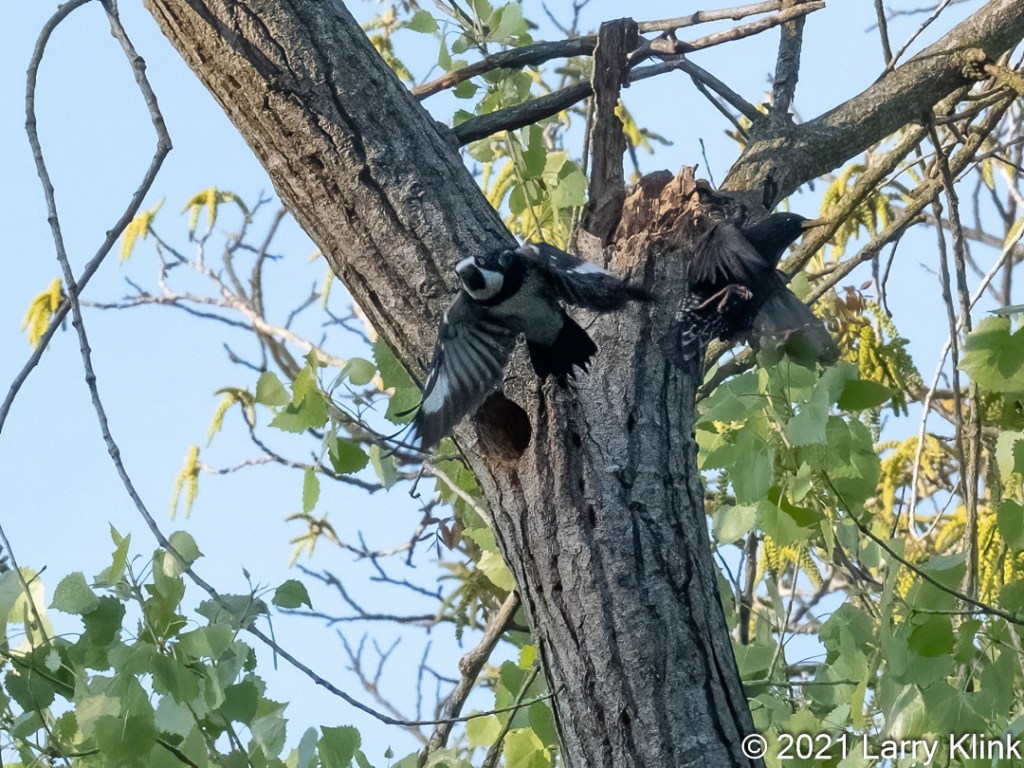
Acorn Woodpeckers are the most common woodpecker species that we see in the Sacramento, CA area. They are very active, industrious, and highly social birds. They live in family groups in a single nesting cavity, they manage a large acorn granary stored in holes they drill in dead trees, and they are very territorial.
One of the California Naturalists at Effie Yeaw Nature Center, wrote a short, interesting article about them. The article was published in “The Acorn” summer newsletter from Effie Yeaw Nature Center. (2021acornsummer.pdf (capitoltechsolutions.com)). It is a fascinating read sure to increase your appreciation of the interesting birds.
Please click on caption to see image at higher resolution.
If anyone would like a copy of almost any picture in my library, for educational or research use, please contact me and I will happily share a digital copy with you.
Please visit my website, www.earthwatcher.us to see my collection of landscapes and wildlife.
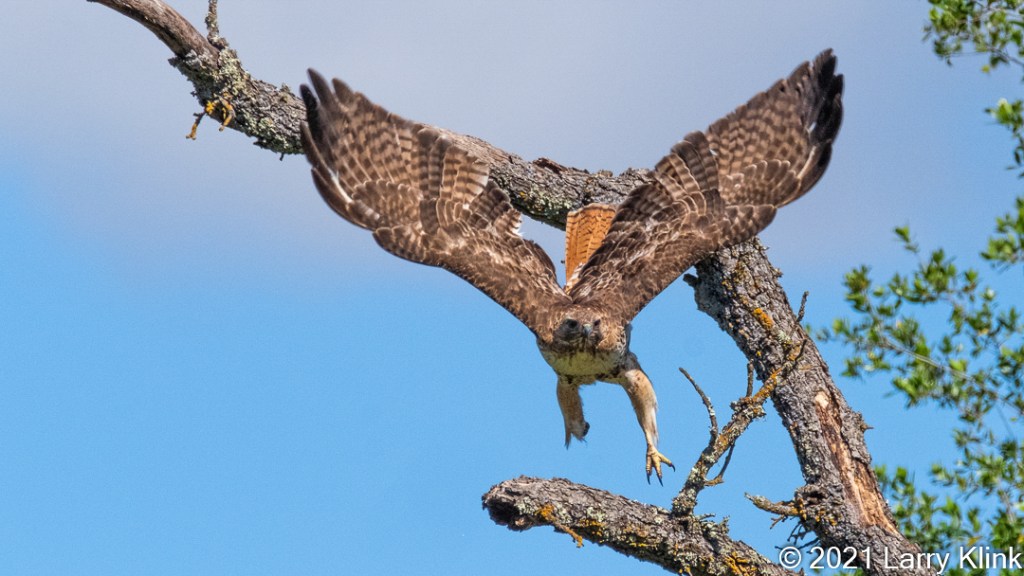
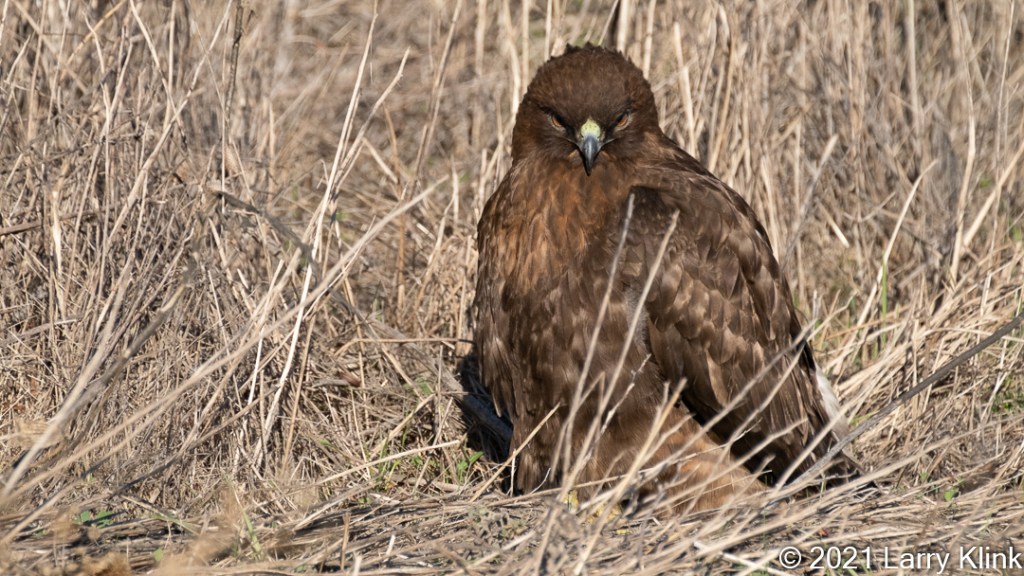
When I saw this Red-tailed Hawk I immediately thought of a stodgy, nerdy, middle-aged human male just hanging around. It made me chuckle. But, very quickly, it showed me its true nature as it jumped into action.
Please click on caption to see image at higher resolution.
If anyone would like a copy of almost any picture in my library, for educational or research use, please contact me and I will happily share a digital copy with you.
Please visit my website, www.earthwatcher.us to see my collection of landscapes and wildlife.
If anyone would like a copy of almost any picture in my library, for educational or research use, please contact me and I will happily share a digital copy with you.
Please visit my website, www.earthwatcher.us to see my collection of landscapes and wildlife.
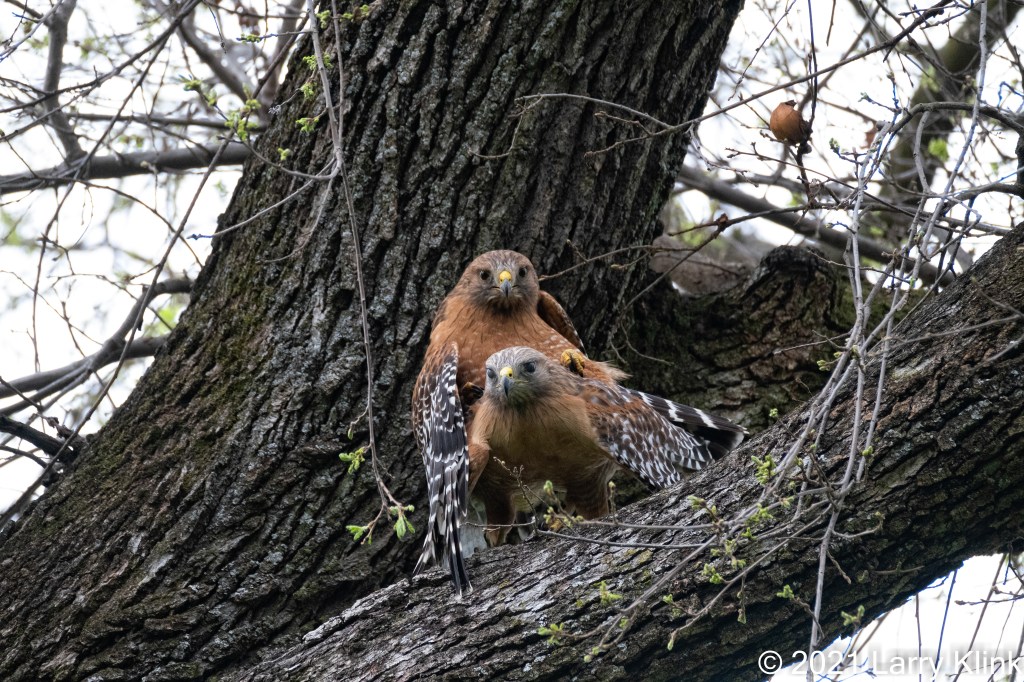
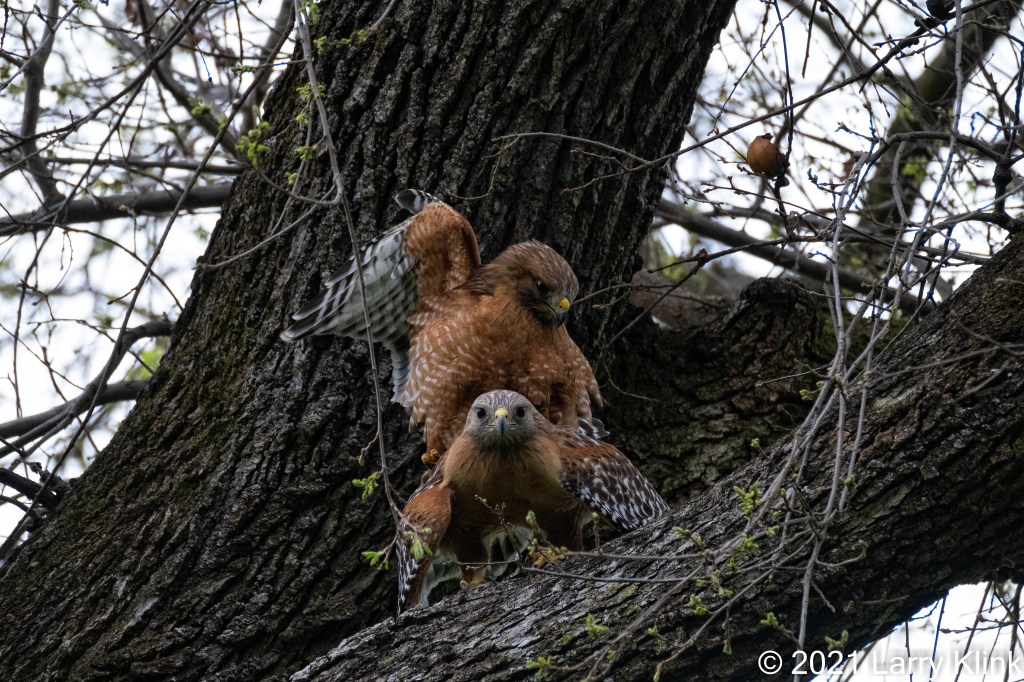
I had an interesting encounter with a pair of Red-shouldered Hawks. As I was walking a trail, I heard a Red-shouldered hawk call. I found it on a low branch about 50 yards away. I set up to photograph the bird when I heard another call and a second one arrived. I got their picture and then continued as they mated right in front of me. This was truly a wonderful experience. I thanked them before I left.
Please click on caption to see image at higher resolution!
If anyone would like a copy of almost any picture in my library, for educational or research use, please contact me and I will happily share a digital copy with you.
Please visit my website, www.earthwatcher.us to see my collection of landscapes and wildlife.
If anyone would like a copy of any picture in my library, for educational or research use, please contact me and I will happily share a digital copy with you.
Please visit my website, www.earthwatcher.us to see my collection of landscapes and wildlife.
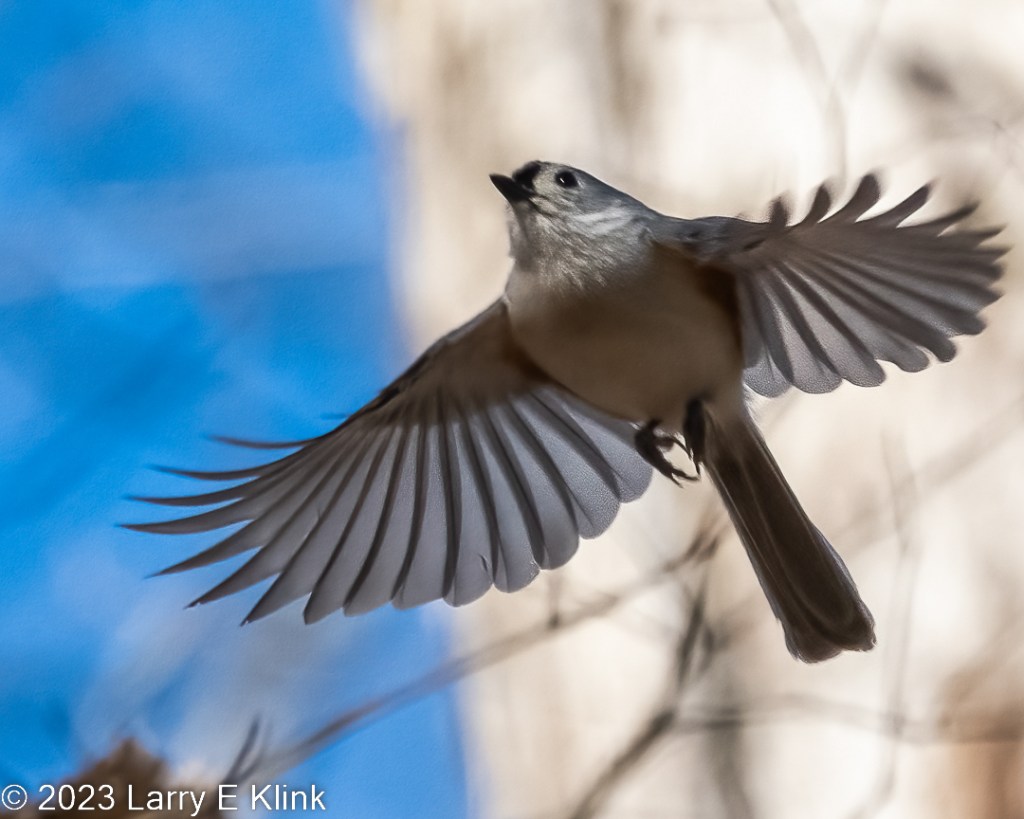
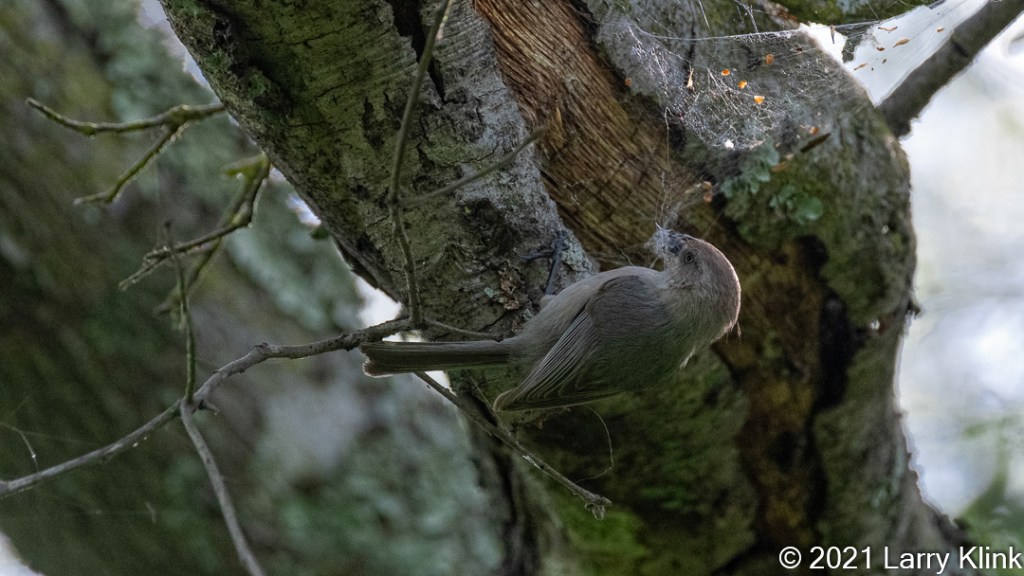
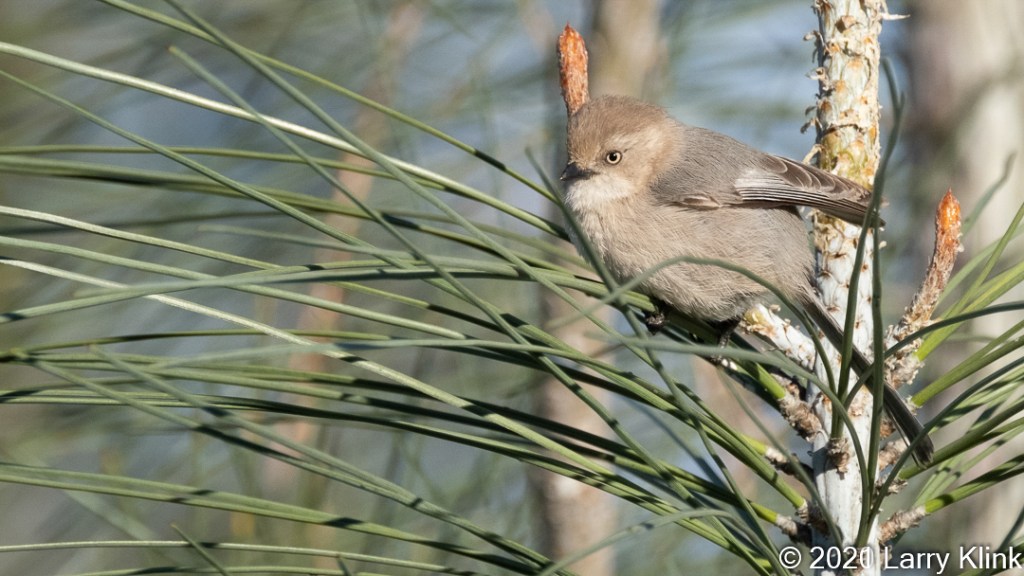
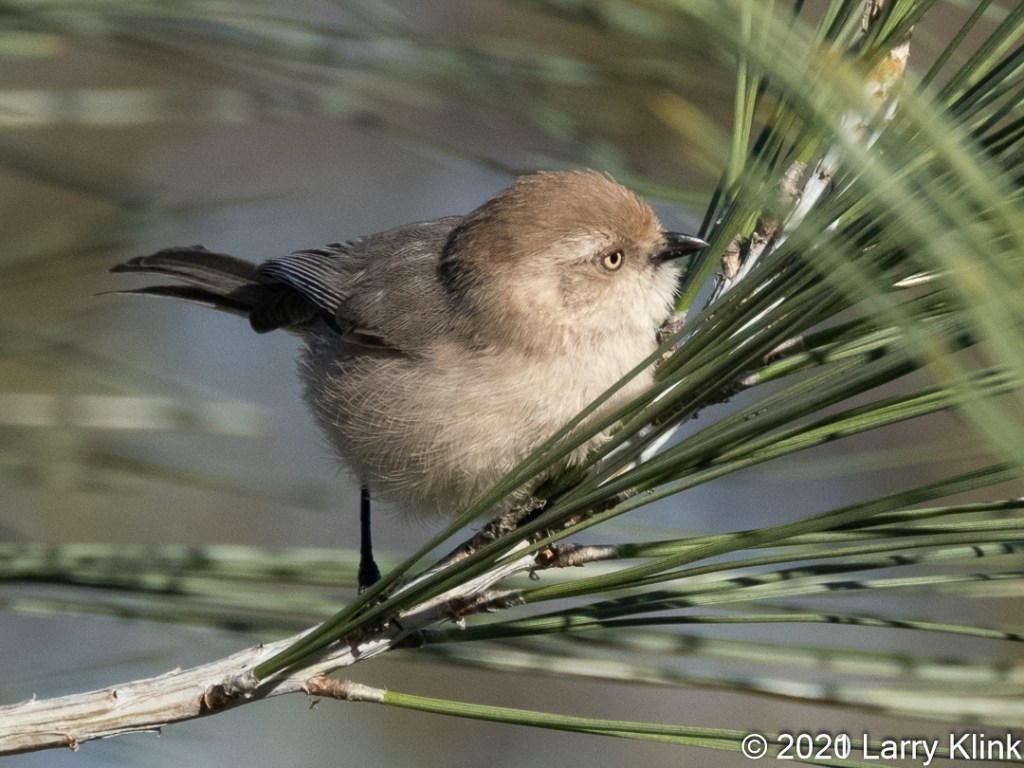
I am featuring one of my favorite little birds, the American Bushtit (Psaltriparus Minimus). At about 4 ½ inches long and weighing in at about 0.2 Ounces, these energetic little birds are fun to watch. They are, however, a challenge to photograph; they never sit still. They perch for a few seconds looking for insects or spiders then are off to the next branch. I guess if I were snack size, I probably would not stay in one place very long either.
These birds are found in the mountainous areas of the western US and Mexico. But we also see them year-round in the Sacramento area. We have the Pacific sub-group in our area. There is also an Interior or Black-eared variety in other areas; according to Sibley[1], they are more common in Texas and Mexico. I’ve never seen one.
As you are walking, look for them. Small flocks will move from tree to tree while foraging. While on the tree, they flit from branch to branch at a frenetic pace making them fun to watch. The male has a black eye while the female has a yellow eye.
Information gleaned from Cornell Labs, All About Birds[2] and Wikipedia[3].
[1] The Sibley Guide to Birds, Second Edition. Copyright 2014 by David Allen Sibley.
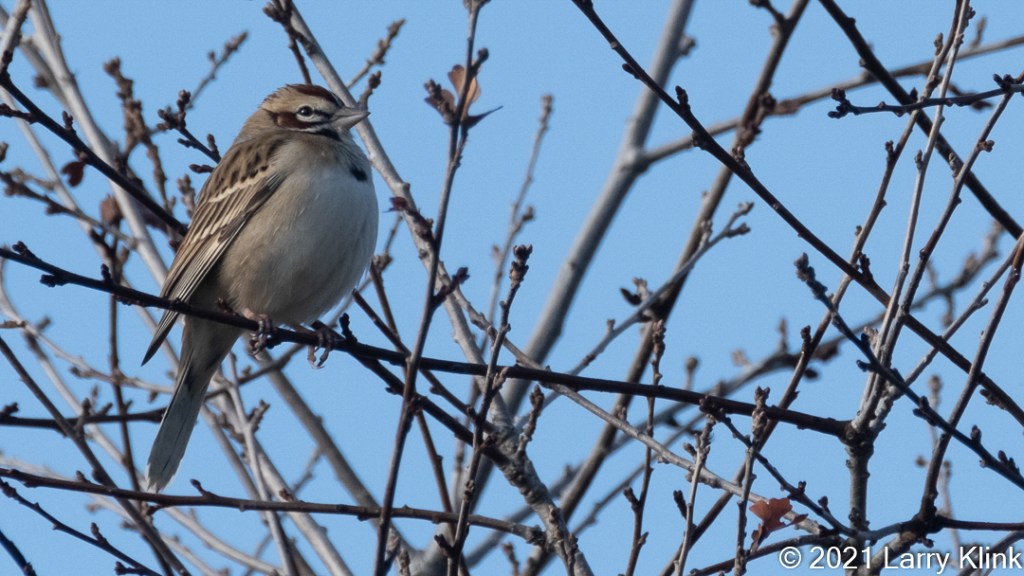
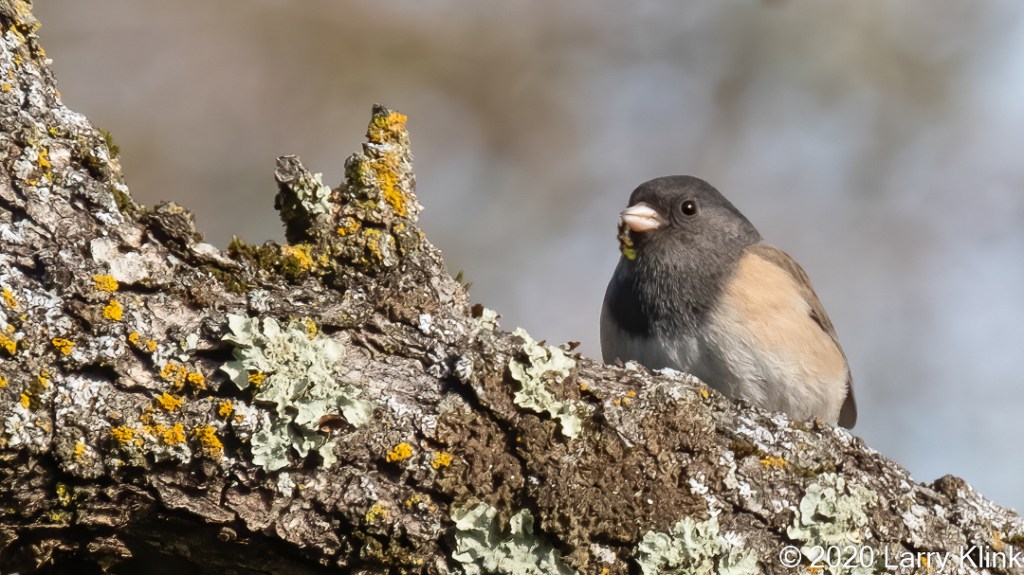
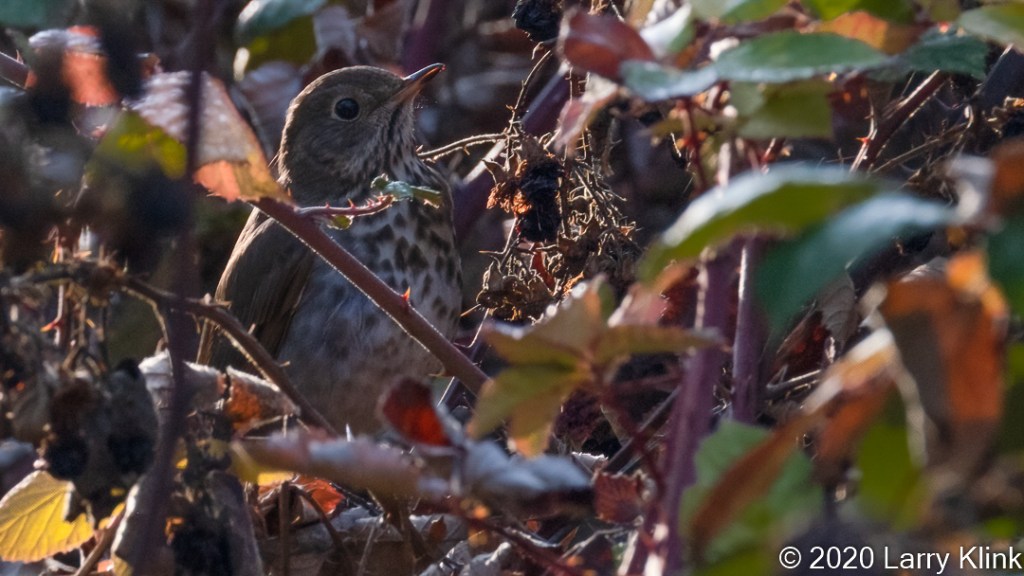
I am sharing a few songbirds that we see here in the Sacramento area. I’m especially excited about the Pine Siskin. This winter is the first we’ve had them visit our feeder, or at least the first time I’ve recognized one.
Please click on caption to see image at higher resolution.
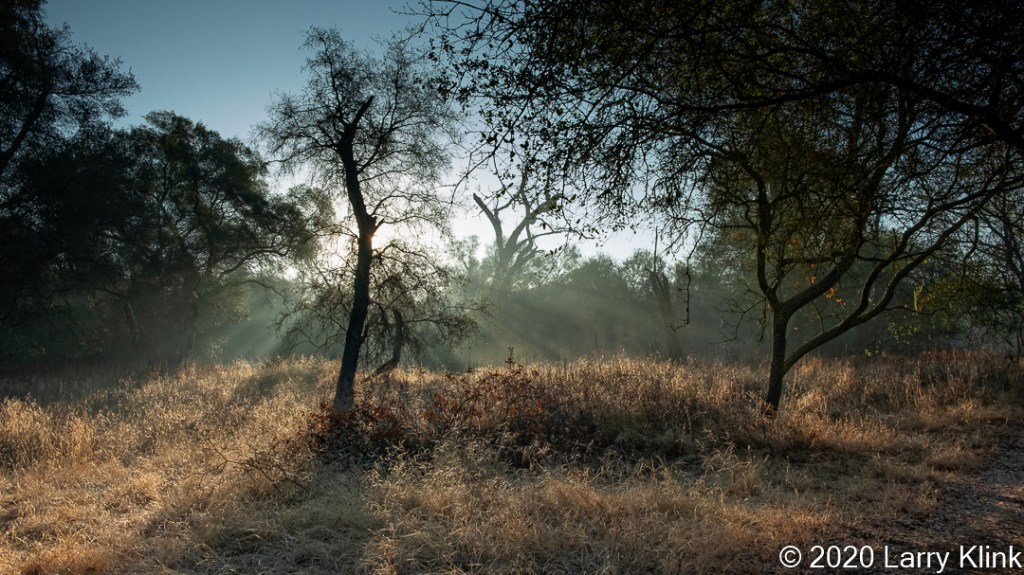
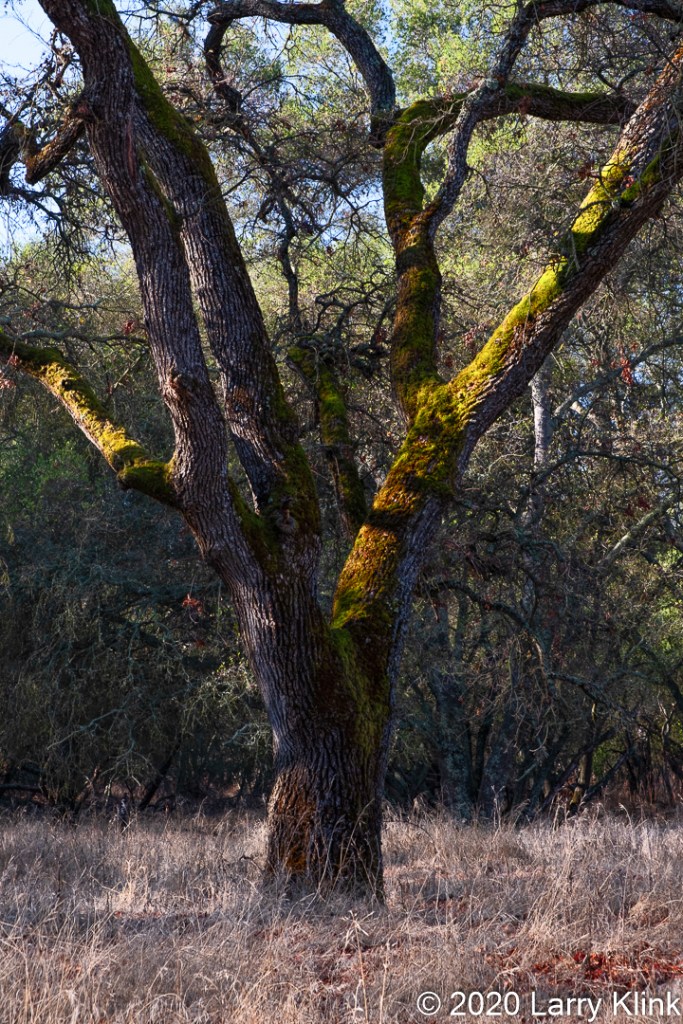
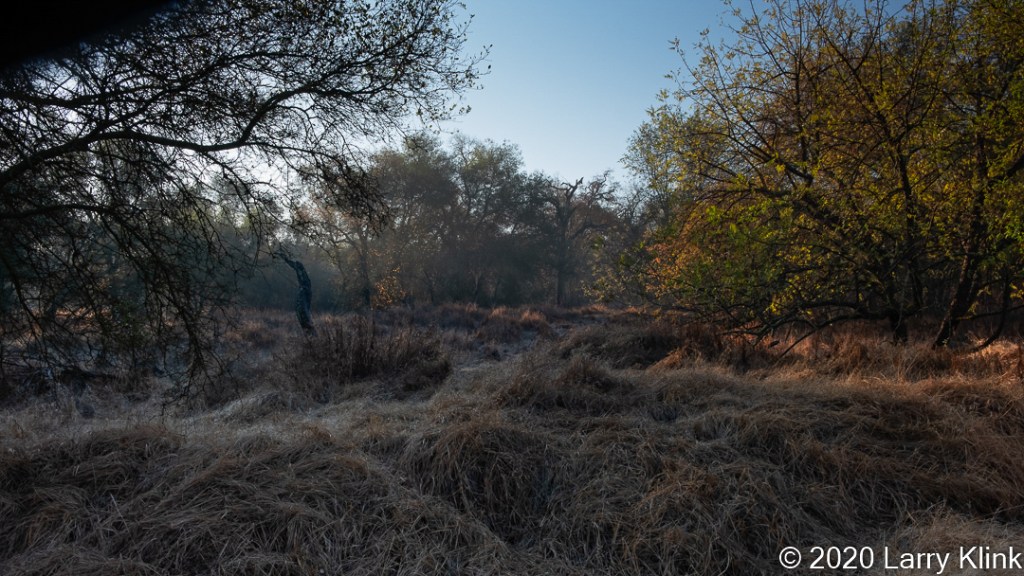
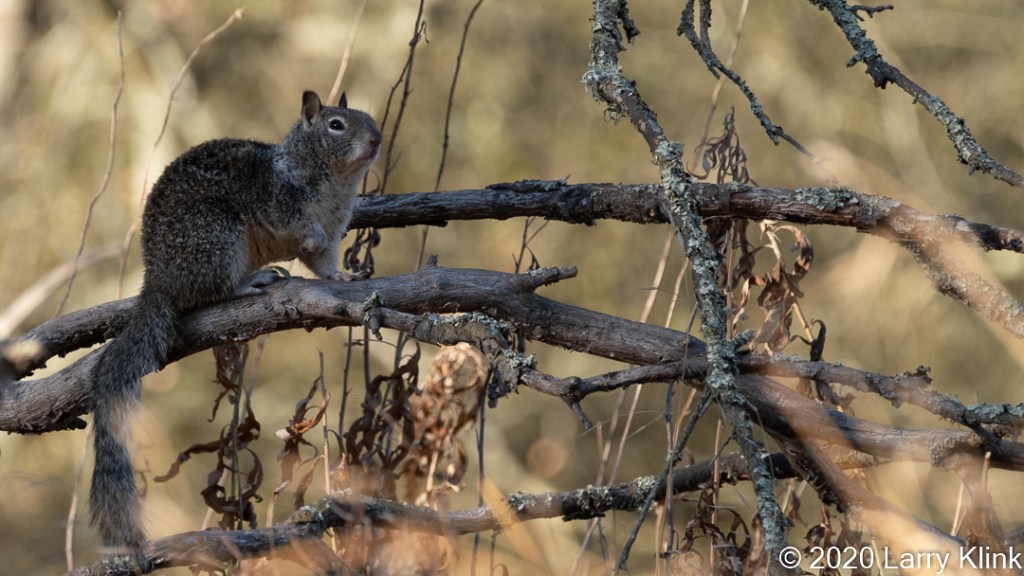
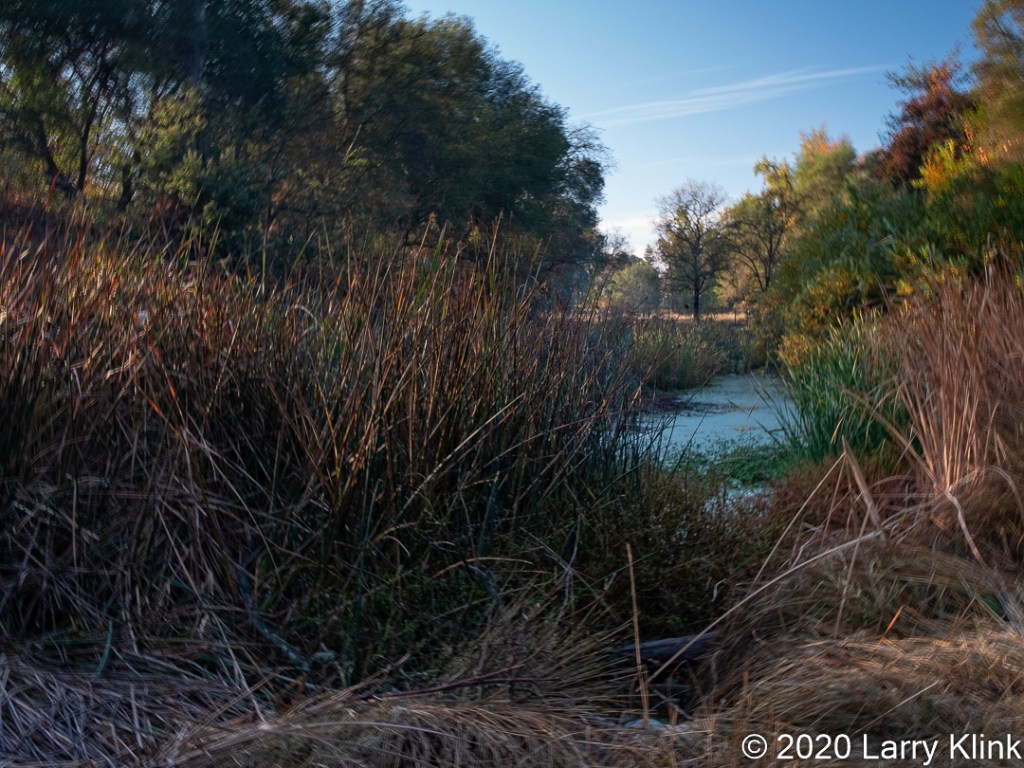
I am a volunteer at the Effie Yeaw Nature Center (sacnaturecenter.net) in the Carmichael section of Sacramento, CA. The center is a nature study area along the American River Parkway that provides nature classes for children and adults alike. It was named for Effie Yeaw, a teacher, conservationist and environmental educator who led natural and cultural history walks in an area known as Deterding Woods, located along the American River in Carmichael. It spans 100 acres replete with trails through a riparian woodland and along the American River. Black-tailed Mule Deer, Wild Turkeys, Acorn Woodpeckers, Fox Squirrels and California Ground Squirrels are often an attraction when wandering through the center. But watching closely, you’ll see many species of birds and sometimes a coyote.
I am a Trail Steward. My job is to walk the trails, report any issues, pick up litter and answer questions from visitors. But, most of all, I get to hike and to photograph what I see, while providing this labor of love. I even get to write a blog and share my photography. It is a dream job.
This blog is based on one I wrote for the Nature center. I am sharing it so all my friends and followers can see one of my favorite places. This will be the first. I will share more over the next few months. Meanwhile, you can see many more photos of Effie Yeaw Nature Center at https://larryklink.smugmug.com/EYNC/. Better yet, if you live in the Sacramento Region, make a visit, bring the kids and grandkids.
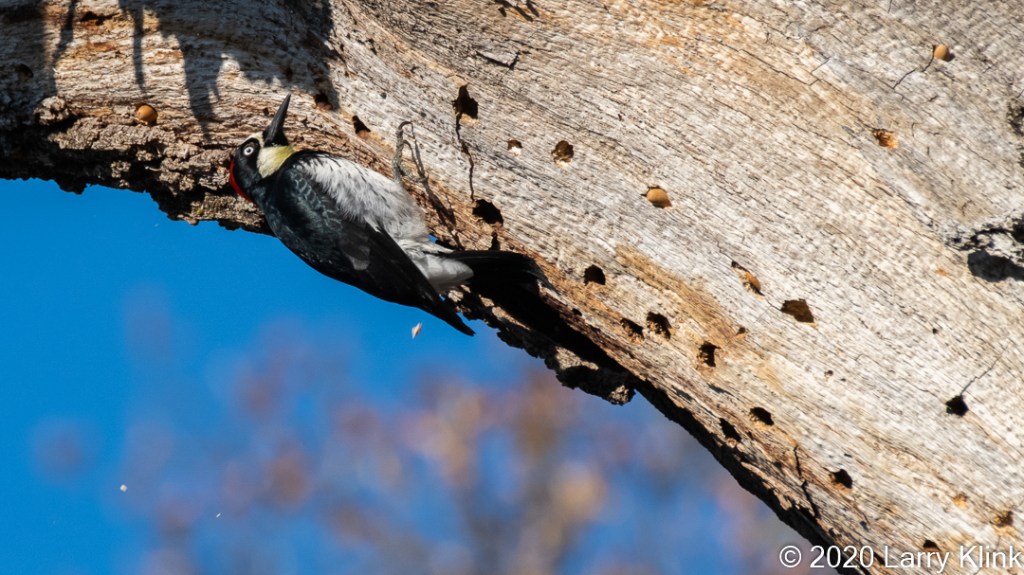
This is an Acorn Woodpecker. The Acorn Woodpecker uses its beak to drill holes where it stores acorns. Once the hole is ready, it will pound in an acorn for later use. In this picture, the woodpecker was drilling a hole. If you look closely, you can see wood chips in the air. Also note that some of the existing holes are empty and others have acorns.






















 Earthwatcher