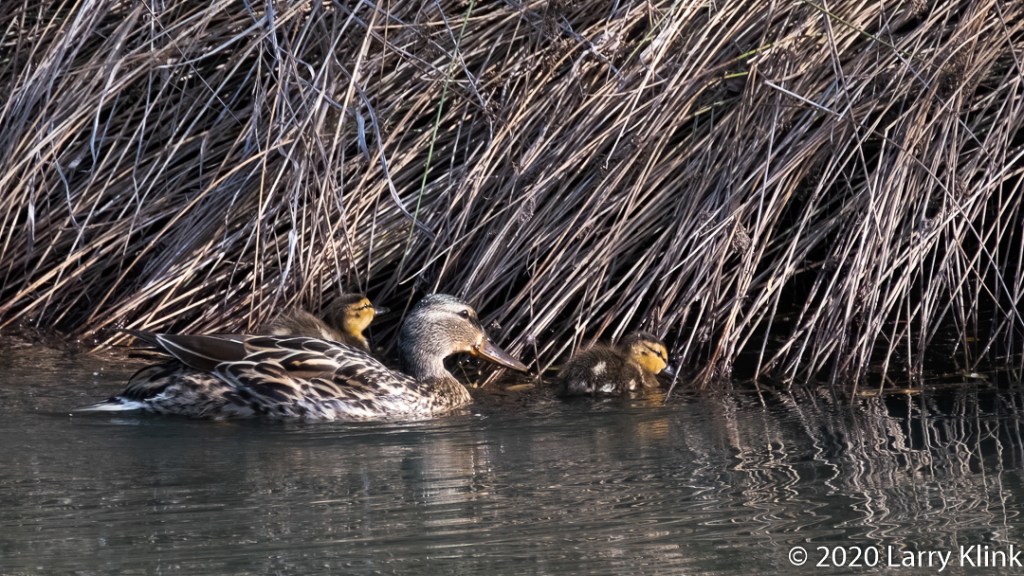
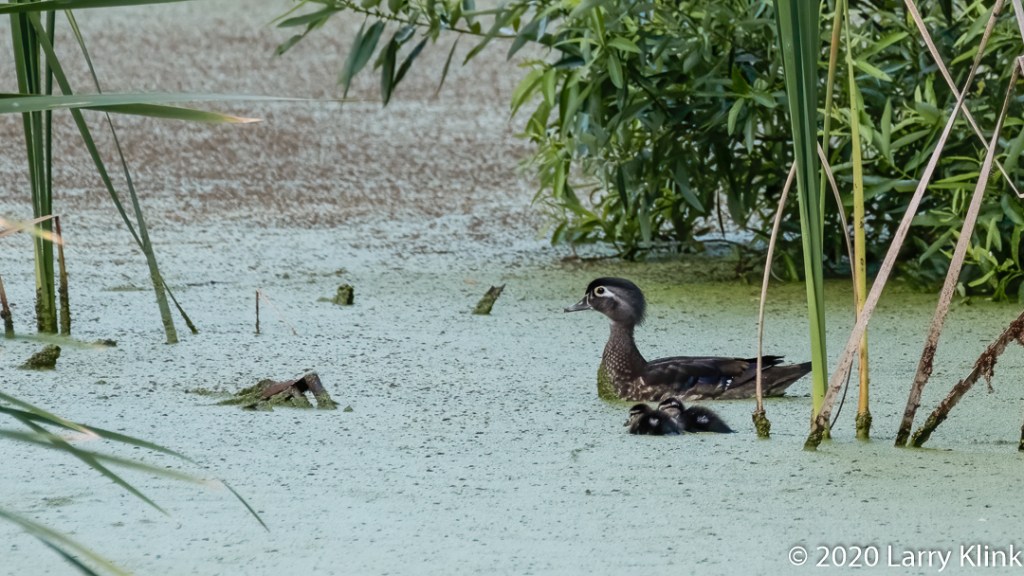
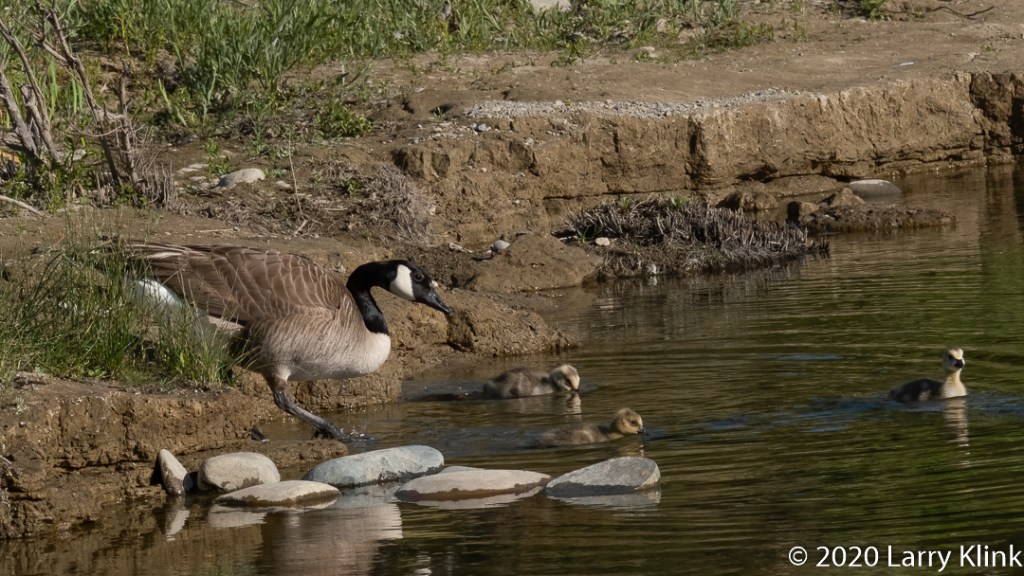
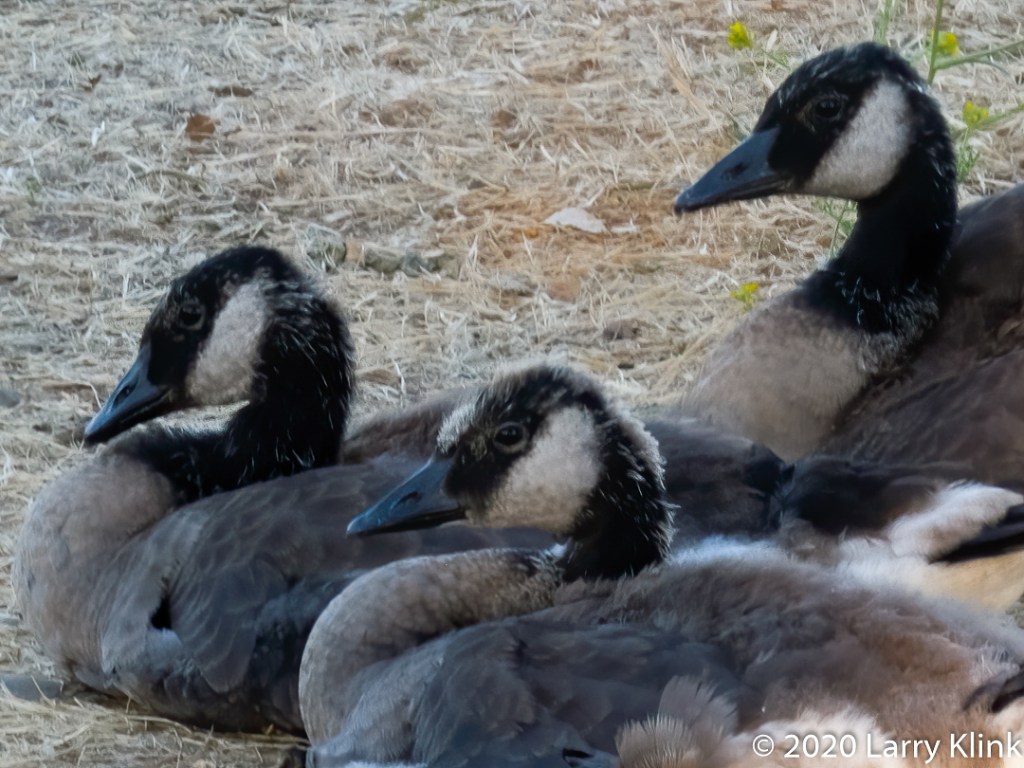
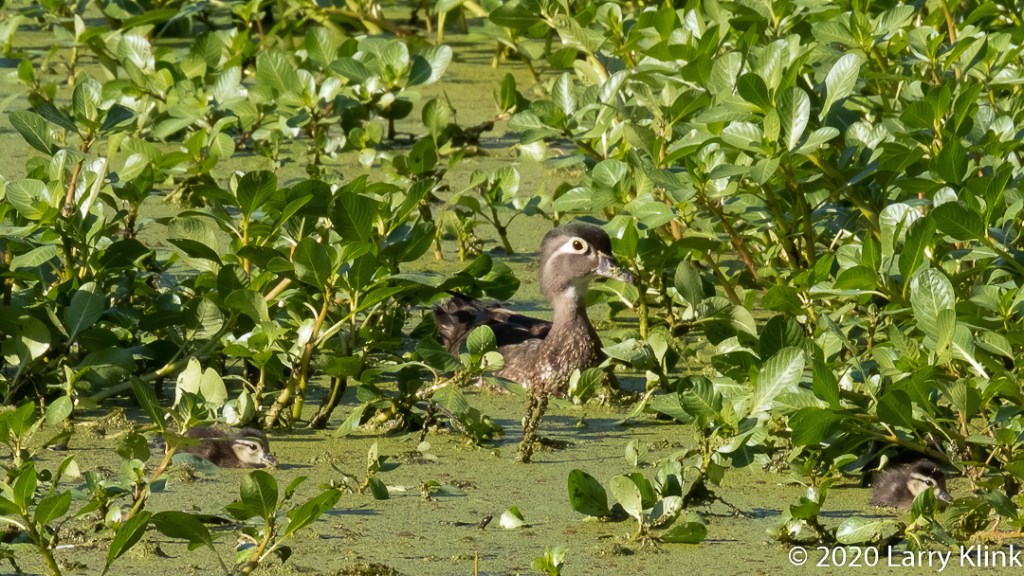
I am presenting the first of 2 parts entitled Cute Chicks. This part will present some local waterfowl.
One of the images is entitled Huddled Sord of Baby Mallards. I learned that a group of Mallards in flight is called a flock or sometimes a flight. Mallards on the ground are called a SORD. If the name sounds weird, it is because it appears to have no other uses.
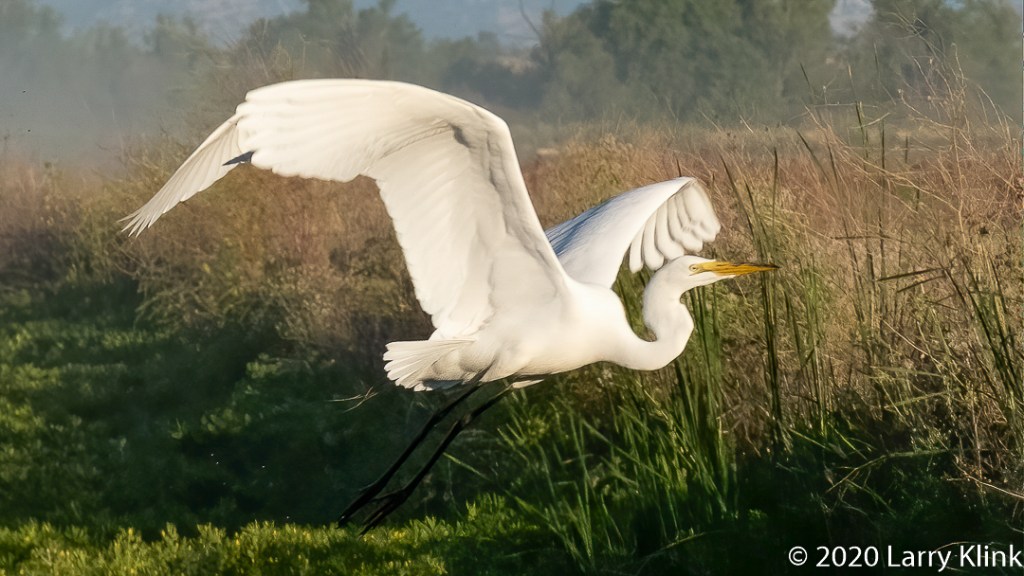
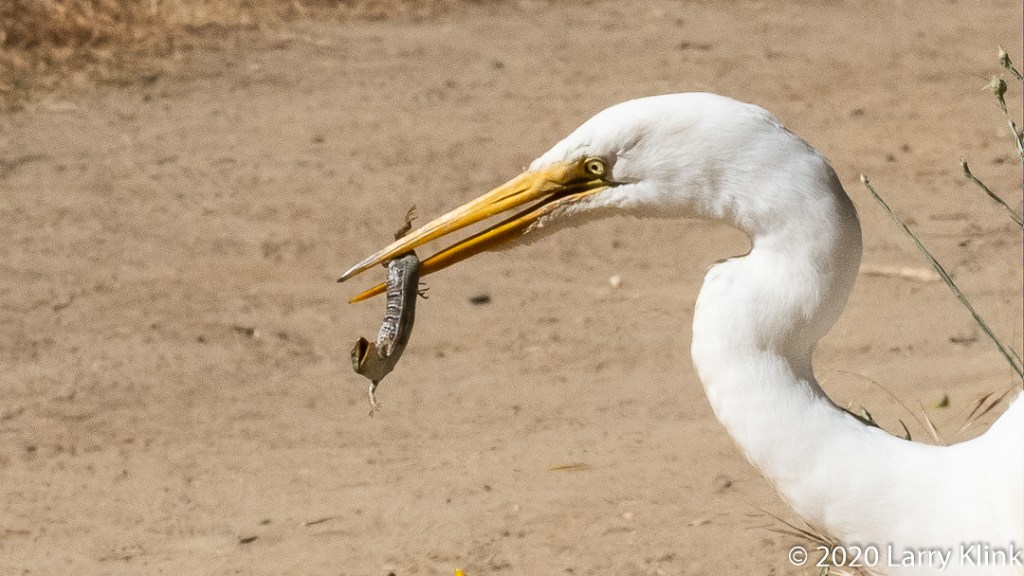
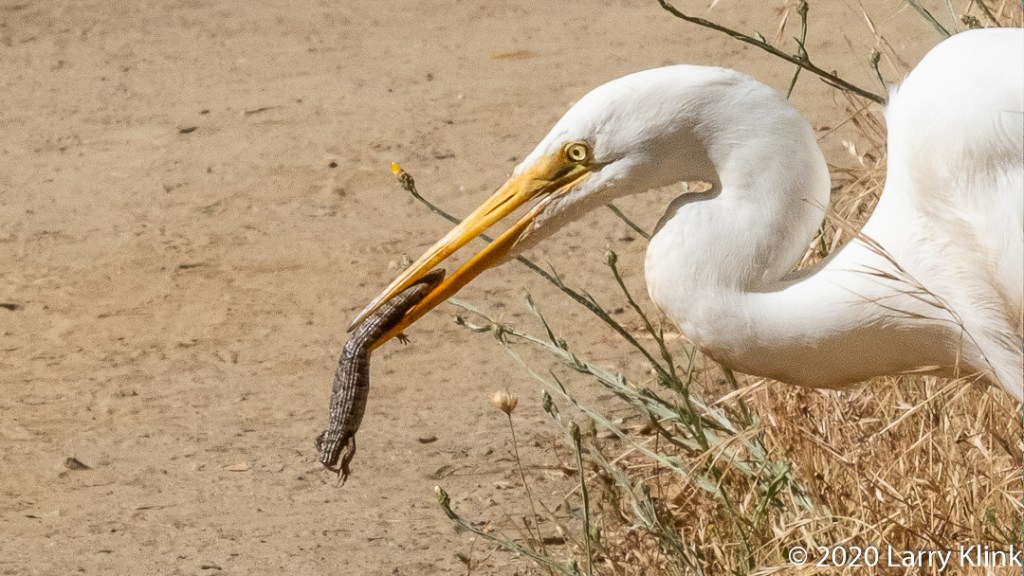
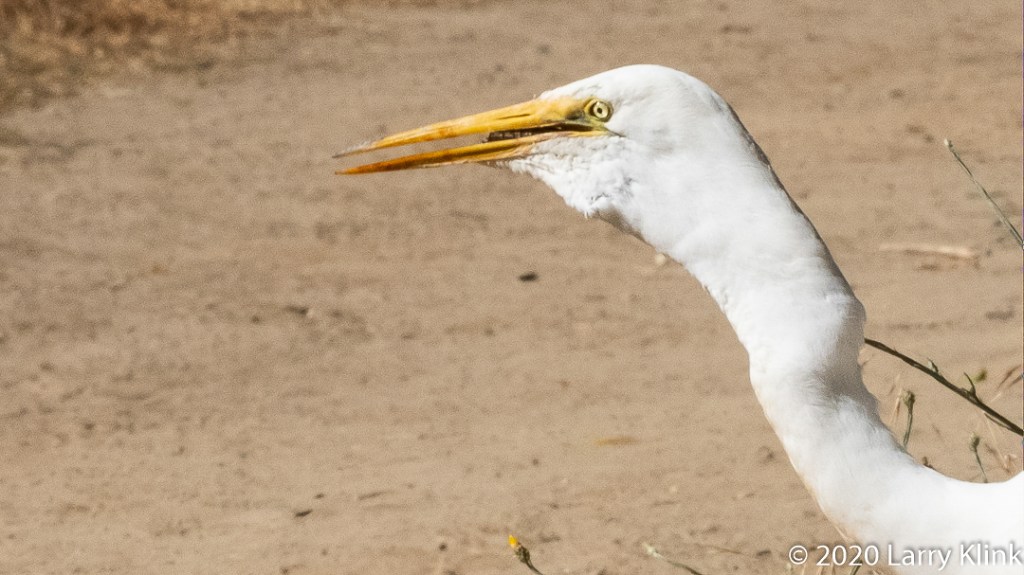
In this post, I am presenting 2 perspectives on the egret: the graceful, beautiful side and the visceral side.
A few weeks ago, we were at the Yolo Bypass Wildlife Refuge in Davis, CA. In one of the sloughs, there were perhaps a dozen Egrets, both Snowy Egrets and Great Egrets. It turned out to be a great day for capturing them in flight.
Please click on caption to see image at higher resolution.
The lizardicide, killing of a western fence lizard for food, happened at Effie Yeaw Nature Center. It was fascinating to watch. The actual capture was done in tall grass under the shade of a tree. After capture, the Great Egret made a short hop/flight out to the trail then prepared to devour his prey. The intrepid little lizard put up a strong fight but, in the end, it succumbed.
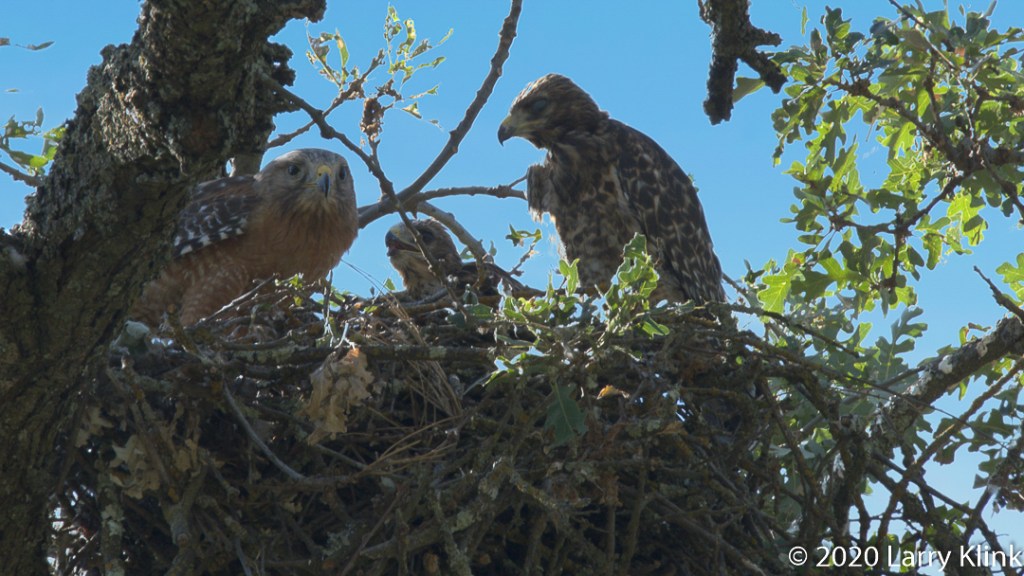
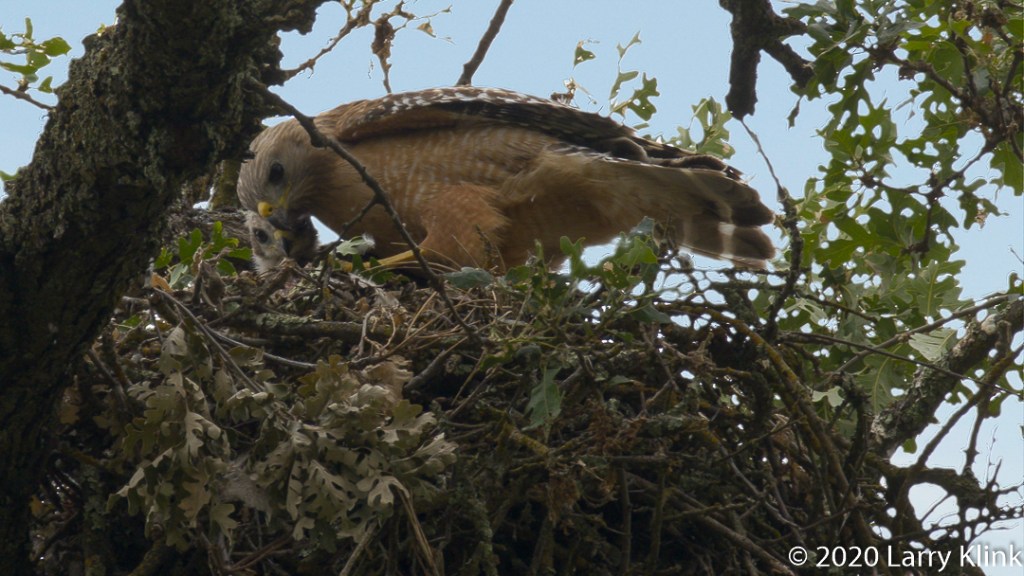
This spring, a pair of Red-shouldered Hawks gave birth to a pair of chicks at Effie Yeaw Nature Center in Sacramento. Hawk babies are often born at the center. What made this remarkable is they nested at a place where you could see them well enough to photograph them. Today, I am sharing some baby pictures.
The first image is one of the adults at the nest. I do not know if it is the male or female. I don’t know how to tell them apart, except that the female is usually larger. After that image we entered the period of stay-at-home, so I missed a few weeks of photographing the nest. When I returned the nest appeared empty. But, as I watched, I could see a small crest of white down peeking above the rim of the nest. On my next weekly visit, there was no activity at the nest. But, the next week, I saw an adult and 2 babies; one beginning to have feathers, the other still in down. The following week, the older of the 2 had more well-developed feathers and was branching, i.e. climbing out on nearby branches. The smaller had its first feathers also. An adult was perched on a nearby snag calling out and the older baby was returning the call.
In the past 2 weeks, there has been no activity in the nest. Both babies should have been large enough to see even if sleeping. In fact, they should have both been branching. I am hoping that at least the older one has fledged but I don’t know. I will probably never know the outcome.
Please click on caption to see image at higher resolution.
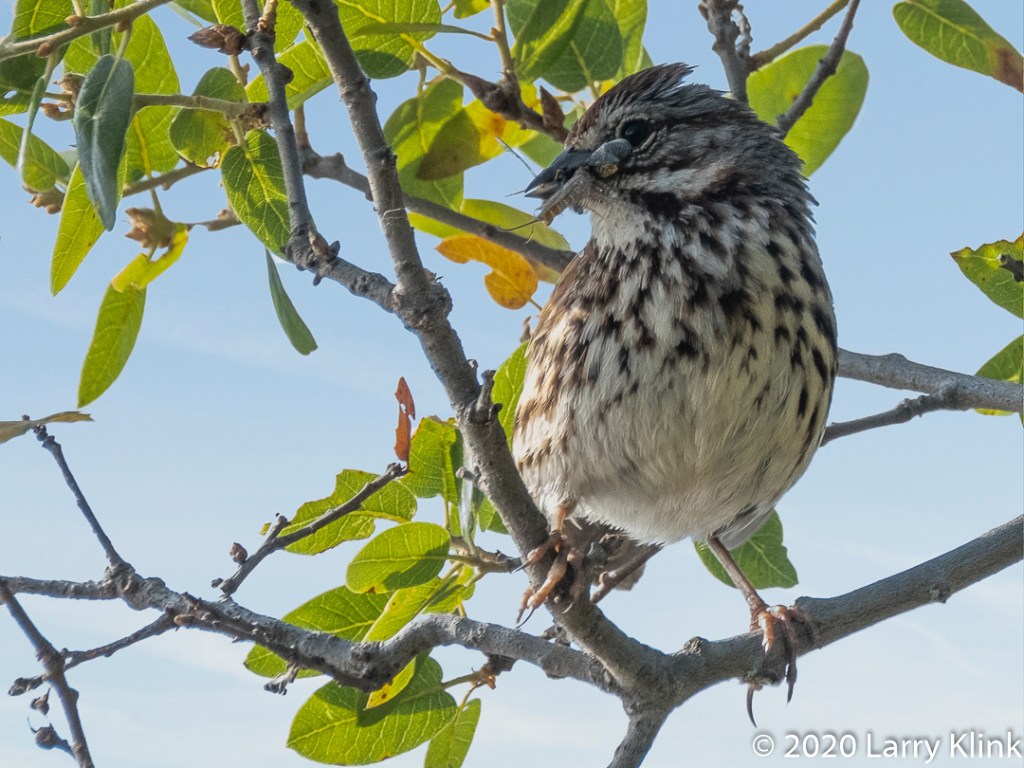
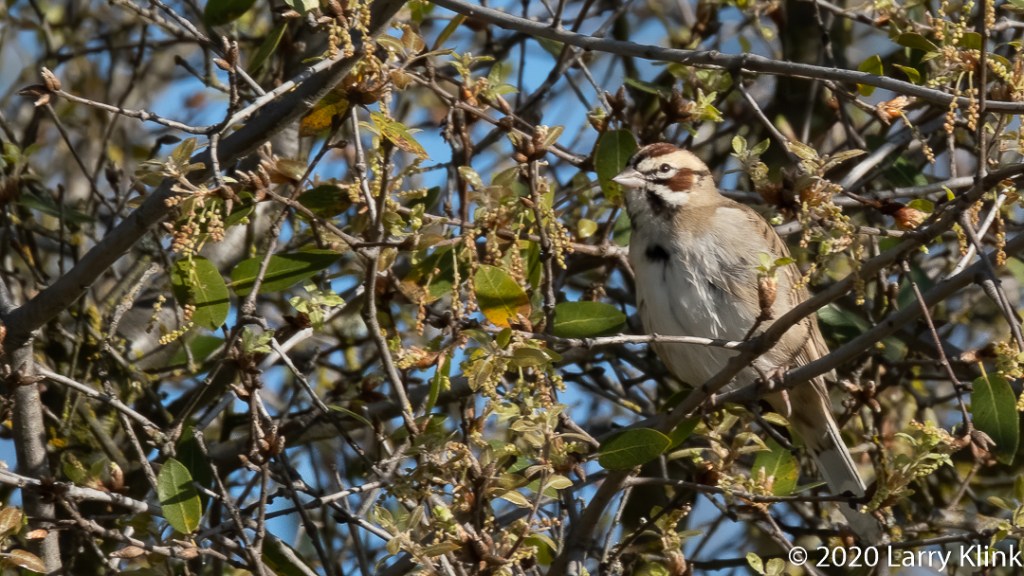
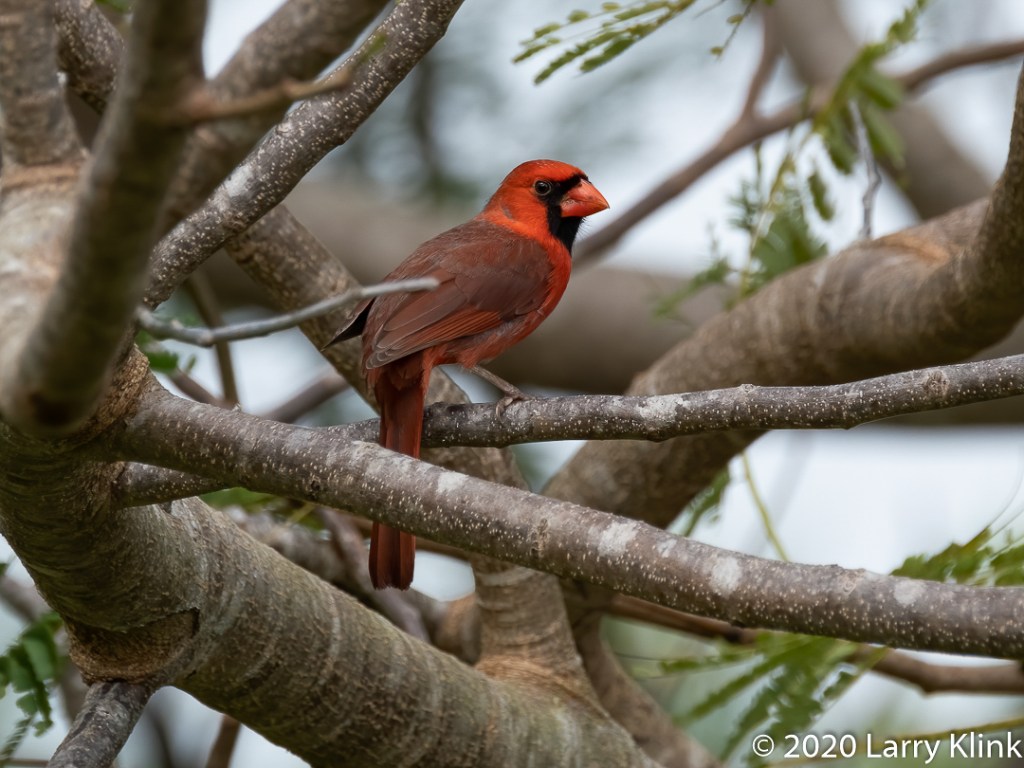
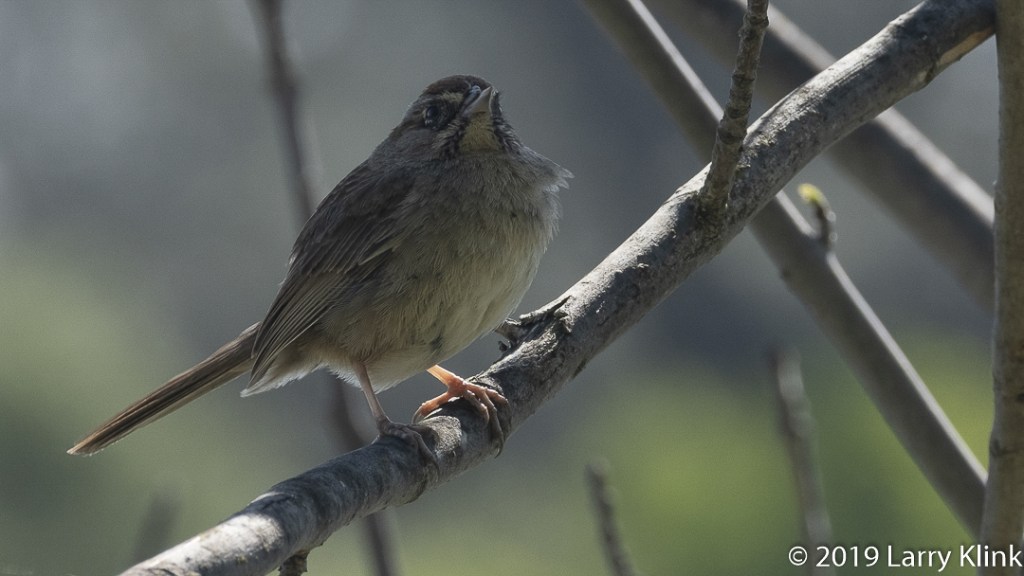
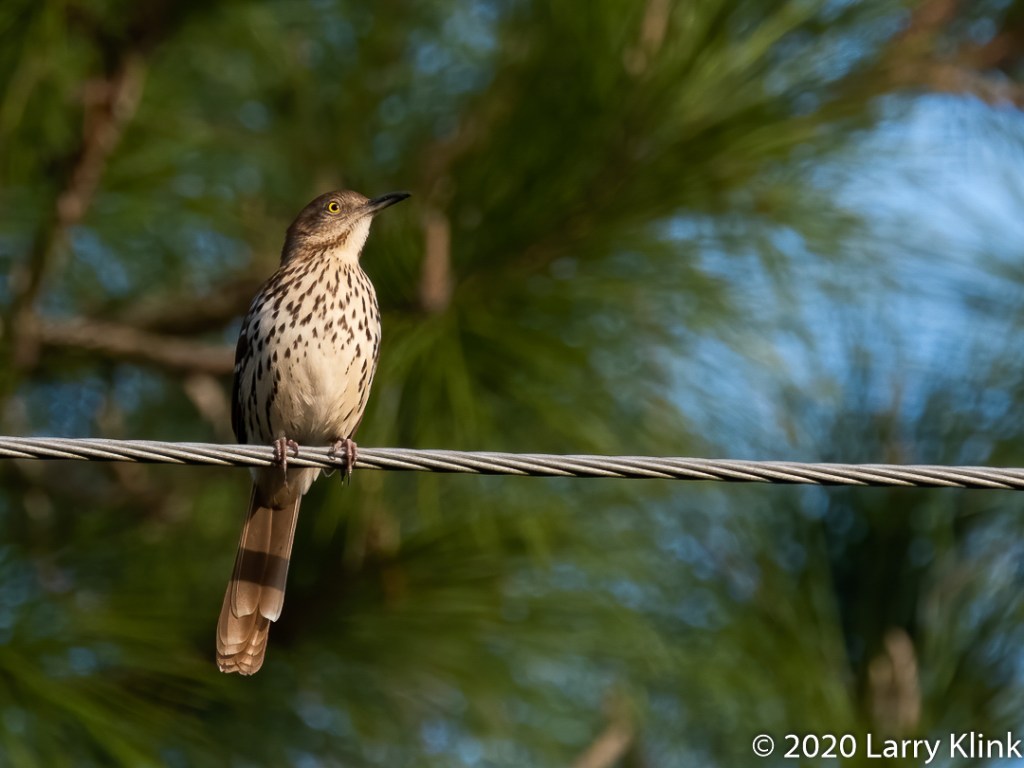
Today I am sharing a few more songbirds that I have photographed over the last several months. The Cardinals and the Brown Thrasher were taken in Florida, the remainder here in the Sacramento area.
Please click on caption to see images at higher resolution.
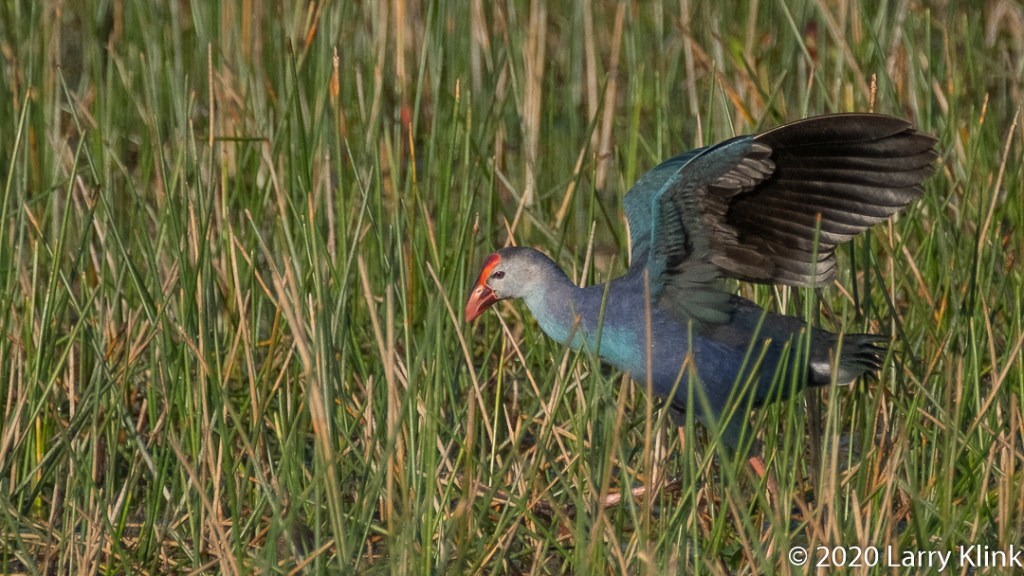
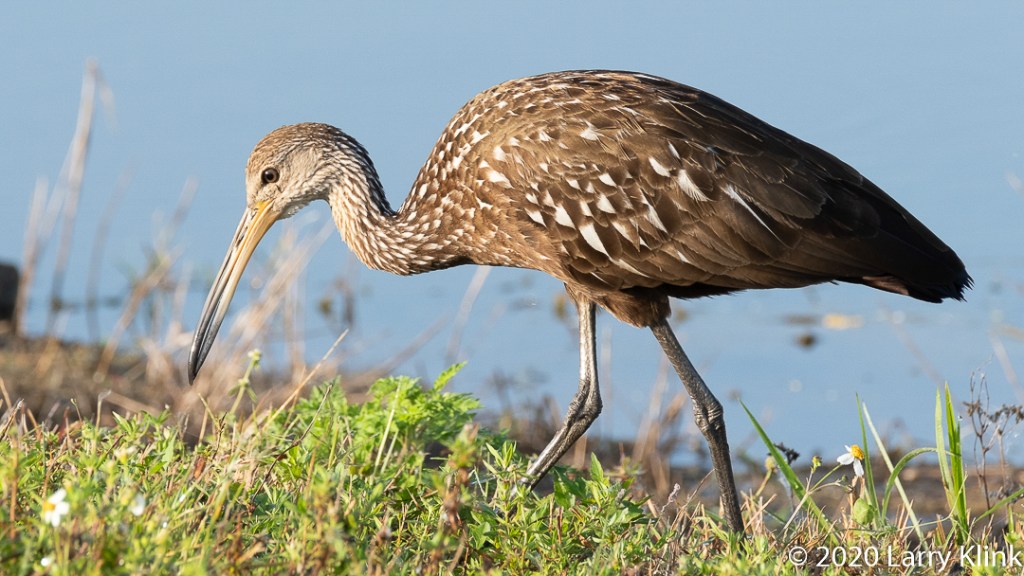
Today I am sharing images of birds that hang around marshy areas.
The American Avocet can be found in marshes in the Western United States, the Southeast Coast and Gulf Coast of the US as well as Mexico. It is generally seen in inland portions of the US only during breeding and when migrating to breeding grounds. It nests on the ground. It forages by walking in shallow water, swishing its head back and forth to capture aquatic invertebrates.
The Limpkin is found in Florida, the Yucatan Peninsula, and the Caribbean. They nest on the ground. They forage day and night specializing in eating apple snails. Their bill seems specifically adapted to eat them. I have never heard the call of a Limpkin, but I read that it is otherworldly.
The Common Moorhen, also known as the Common Gallinule, is found along coastal section of the United States as well as Mexico and the Caribbean. They sometimes nest in trees and shrubs but mostly nest on aquatic plants near the water’s edge. They swim when foraging and eat aquatic plants.
The Purple Swamp Hen, also known as the Purple Gallinule, lives in Florida, parts of Mexico, the Yucatan Peninsula, and the Caribbean. They attach their nests to standing or floating vegetation in the marshes. They eat aquatic plants, insects, spiders, small frogs and fish, and eggs and nestlings of other birds.
The Greater Yellowlegs is found across most of North America and the Caribbean. They nest on the ground. They forage by wading and stabbing at aquatic invertebrates.
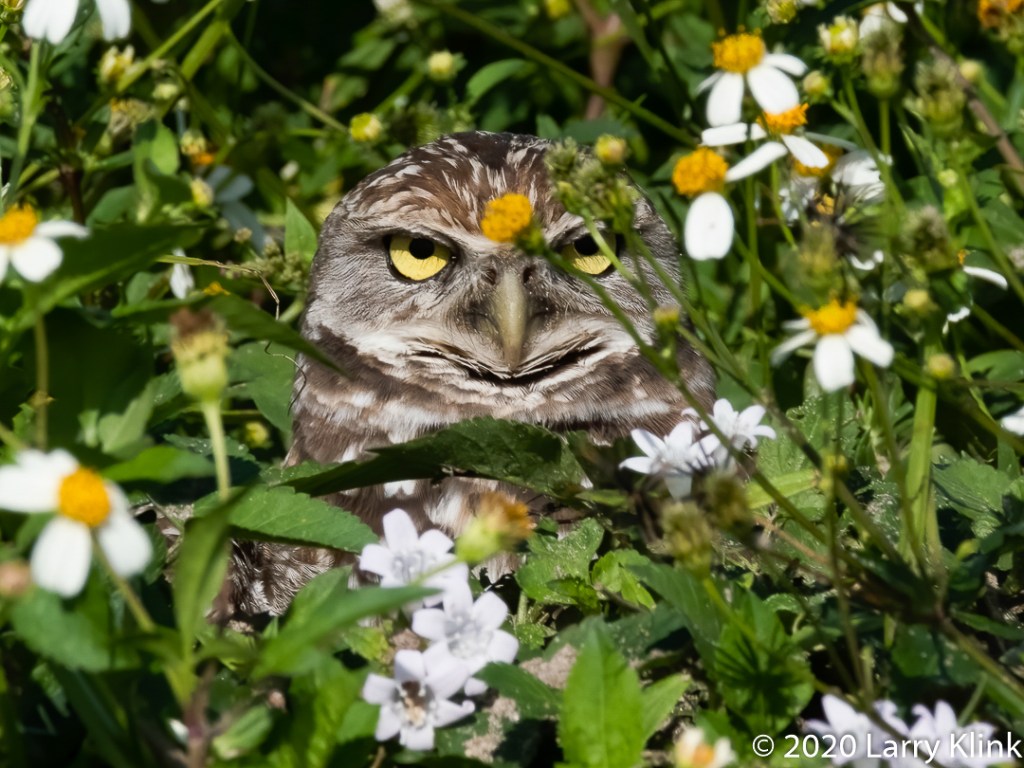
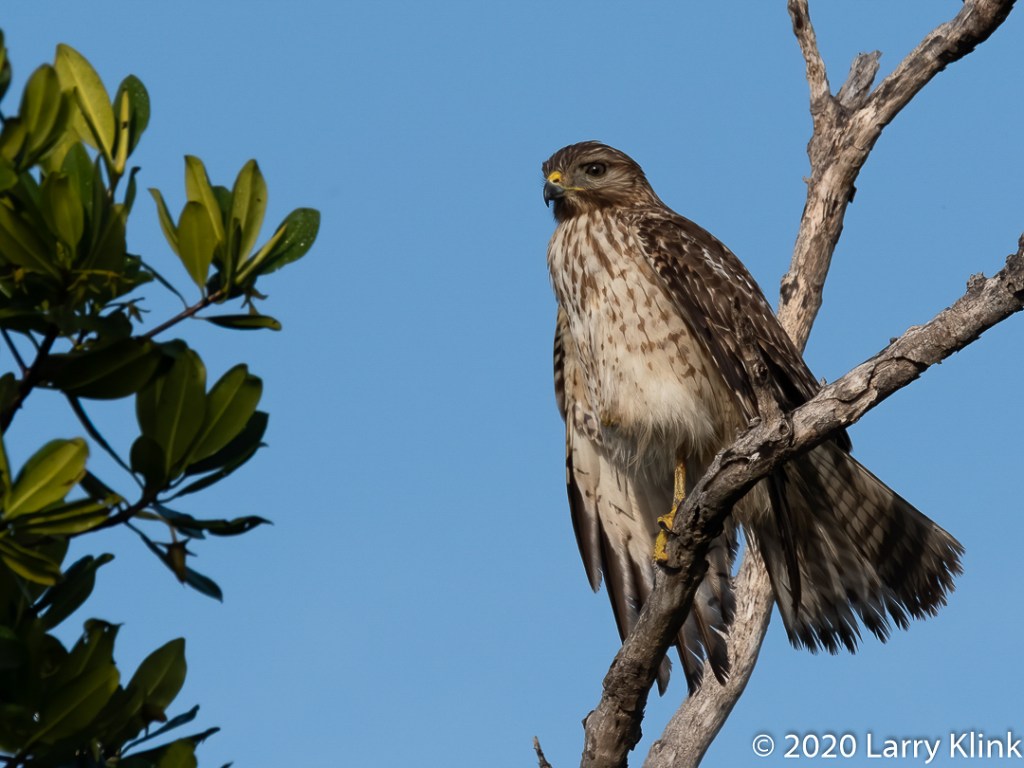
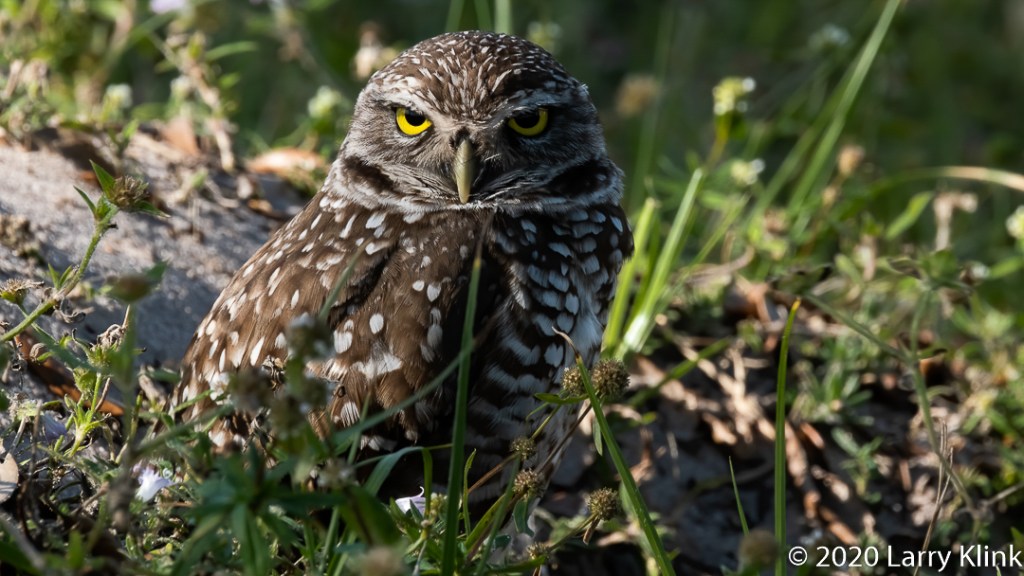
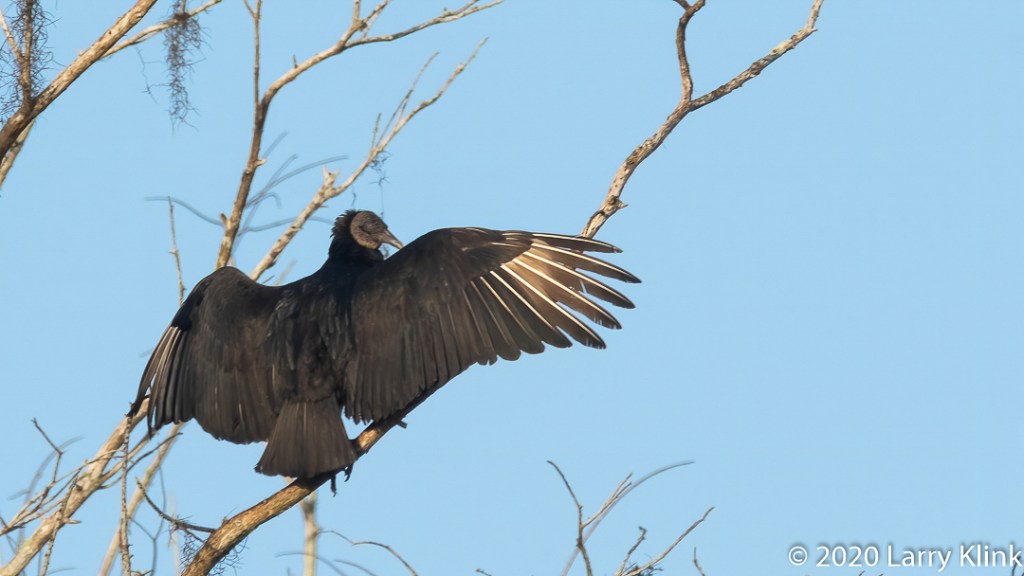
Today I am sharing some of the raptors we saw on a birding adventure in Florida. The collection includes the Burrowing Owl, the Florida subspecies of the Red-shouldered Hawk and the Black Vulture.
The Burrowing Owl is an interesting character that does not fit our stereotypes. Our literature is full of owls. They are the wise, stealthy, mysterious creatures that hunt at night, flying silently and swooping down to take its prey. The burrowing owl lives in burrows under the ground. They are comical to watch as they stand outside their burrow staring with eyes wide open, twisting their head back and forth like R2-D2 of Star Wars. They can fly to hunt but they also watch and attack or walk while hunting. They forage by day or night and eat invertebrates, insects and sometimes a mouse or shrew.
The Black Vulture is a smaller cousin to the Turkey Vulture found along the Mid-Atlantic and Southeastern states of the United States as well as Mexico, the Caribbean and extreme northern South America. The Black Vulture has a gray head and its wings are all black except for a very large section of white at the end of the wing. In contrast, the Turkey Vulture has a red head and its wings are white along the underside trailing edge.
The Florida subspecies, called extimus of the Red-shouldered Hawk is a paler colored bird than the western group, called the eleganz, we see here in Northern California.
Info from: Cornell Labs All-About-Birds and the Stokes Field Guide to Birds of North America.
Note: Please click on caption to see image at higher resolution.
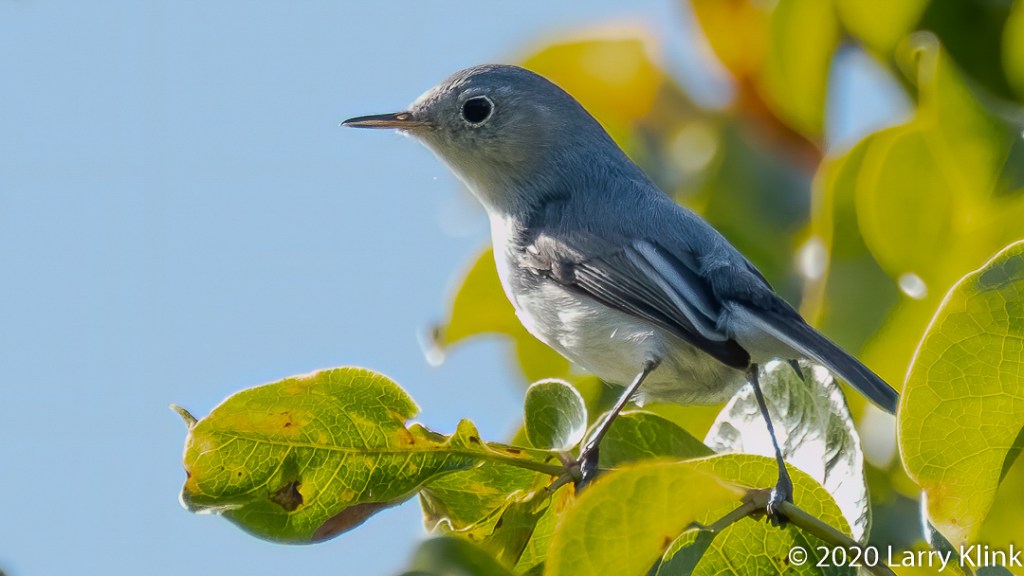
Today, I am sharing some more images from my February birding adventure in Florida. Most of the birds are songbirds. However, I have a jay and a couple of grackles in the set also.
Note: Please click on caption to see images at higher resolution.
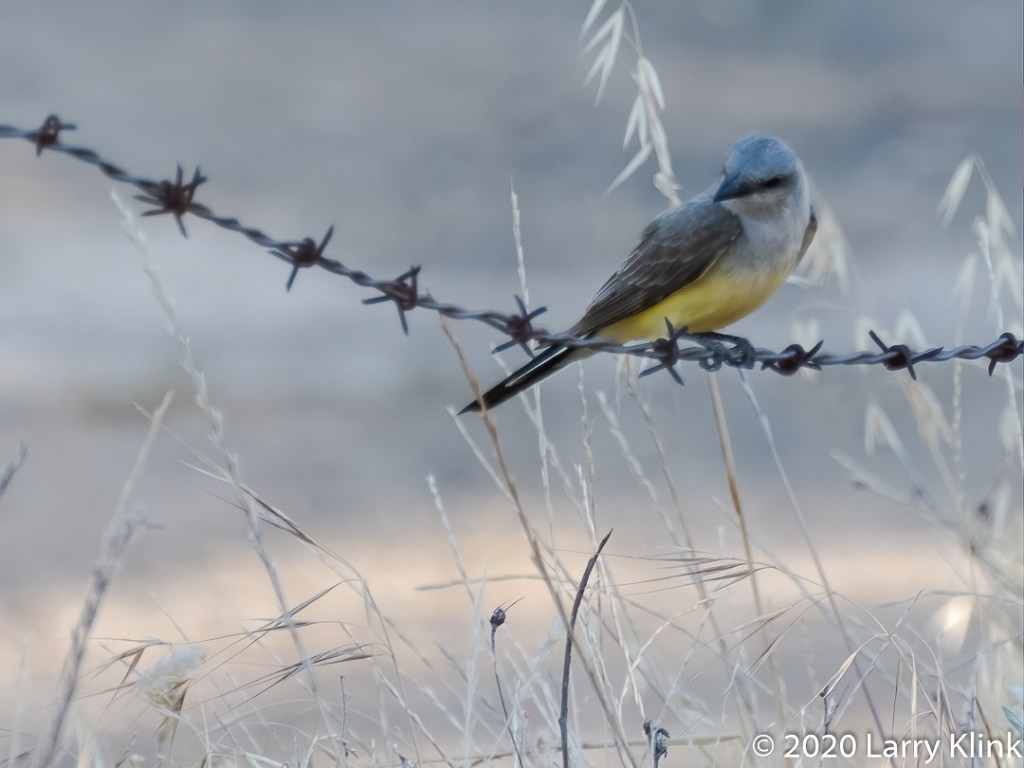
In the past 2 weeks, I have been able to get back to some of my familiar trails along the American River. It was a great time to get out because there are baby birds and there are males in their breeding plumage, all of which make this time of year special.
Please click on caption to see image at higher resolution.


























 Earthwatcher