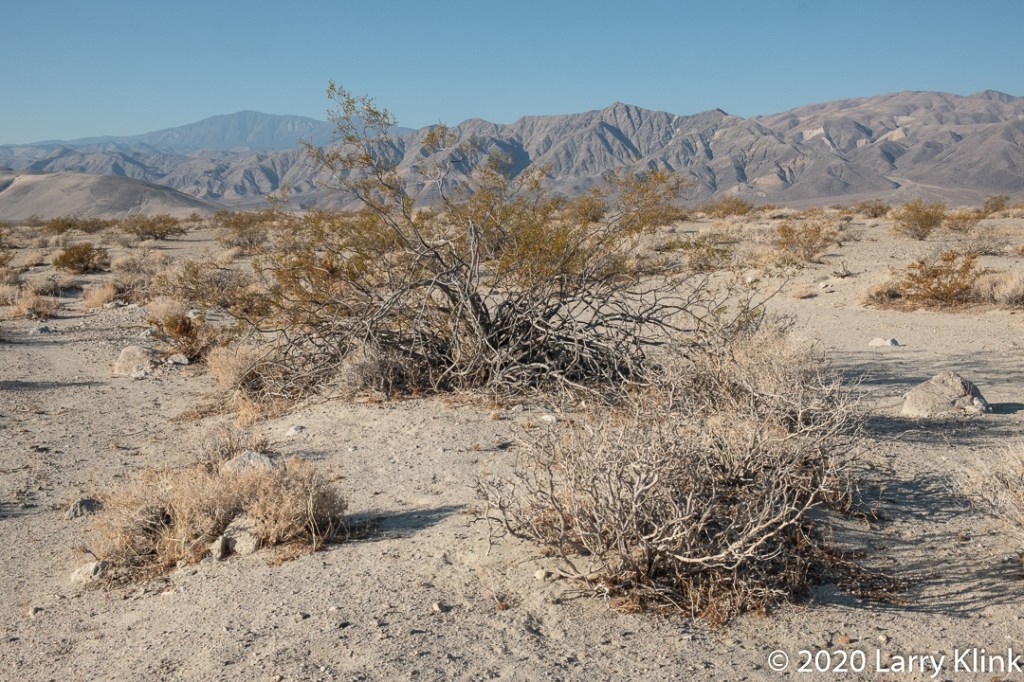
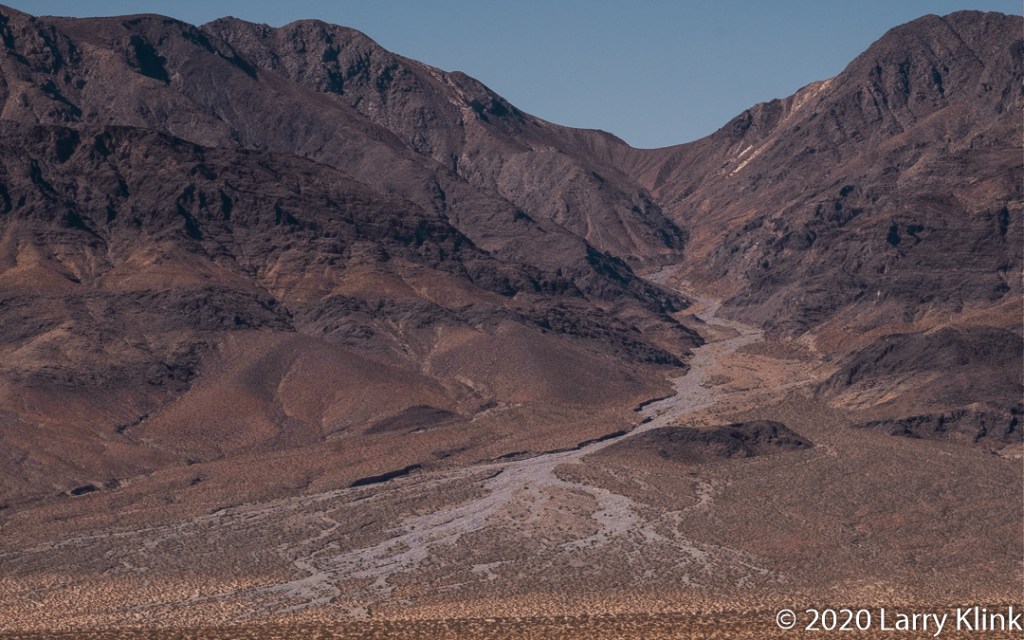
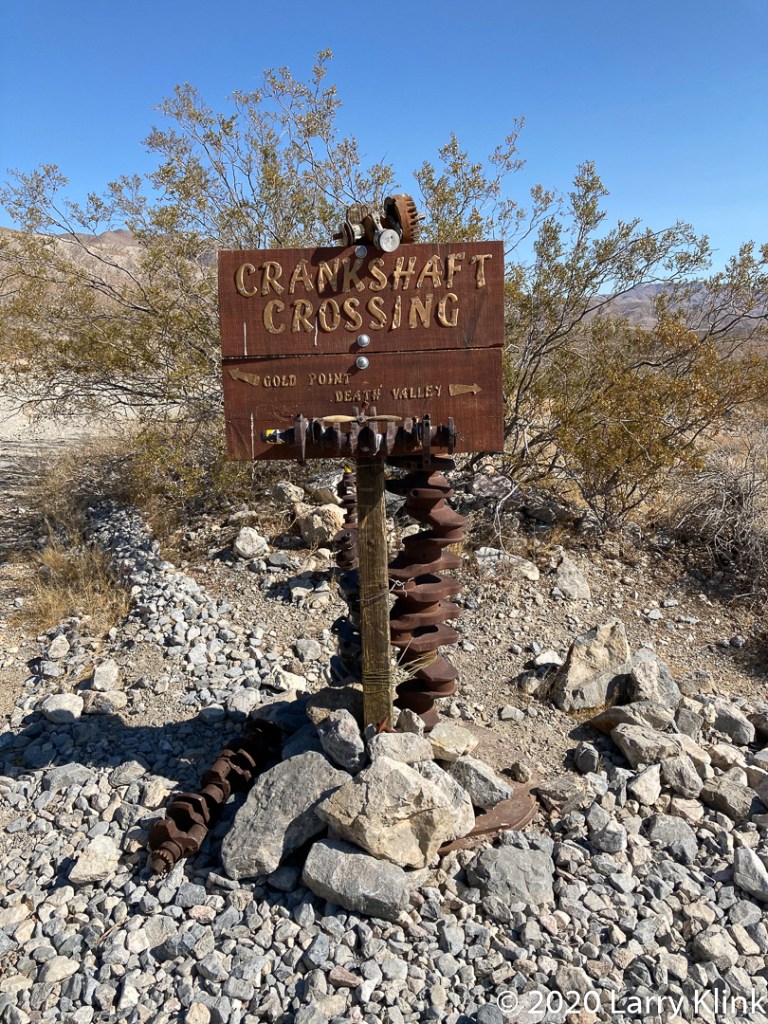
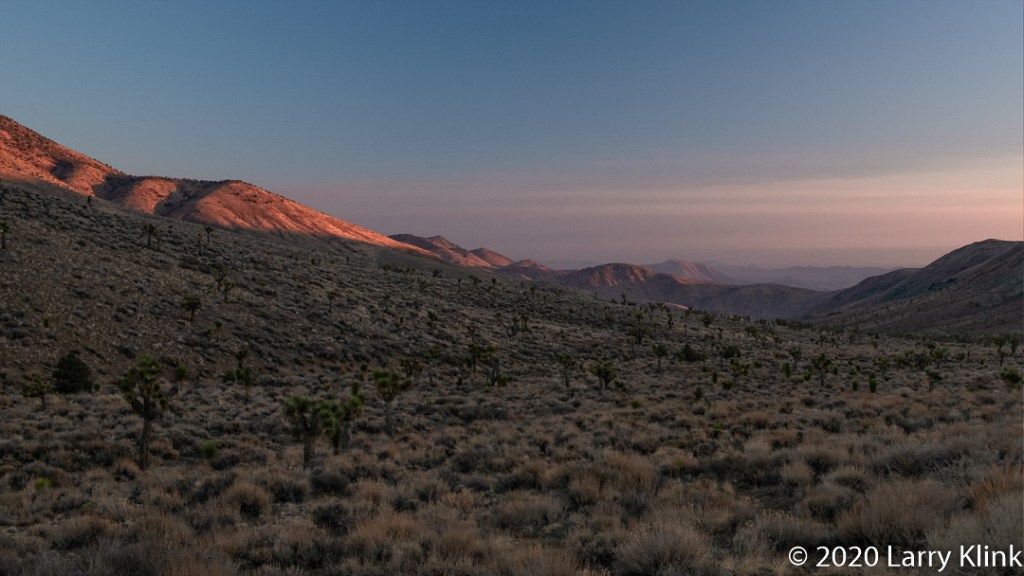
On our last trip to the Eastern Sierra, we explored Big Pine – Death Valley Road. Twenty-five miles from Big Pine, CA, the pavement ends, and you enter Death Valley National Park. The route took us through Eureaka Valley, over the Last Chance Mountains to Crankshaft Crossing where we made a right to continue on Death Valley Road. That led us to Ubehebe Road then to Scotty’s Castle Road and further to Stovepipe Wells. It was a fun trip through beautiful desert despite the tire shredding rocks and washboard grating on the road. If you ever take this route be careful. Have really good tires and plan your timing; there are many washes that cross the road. They were all in good repair when we took the trip in early autumn. But, they could be bad in other times of the year.
Please click on caption to see image at higher resolution.
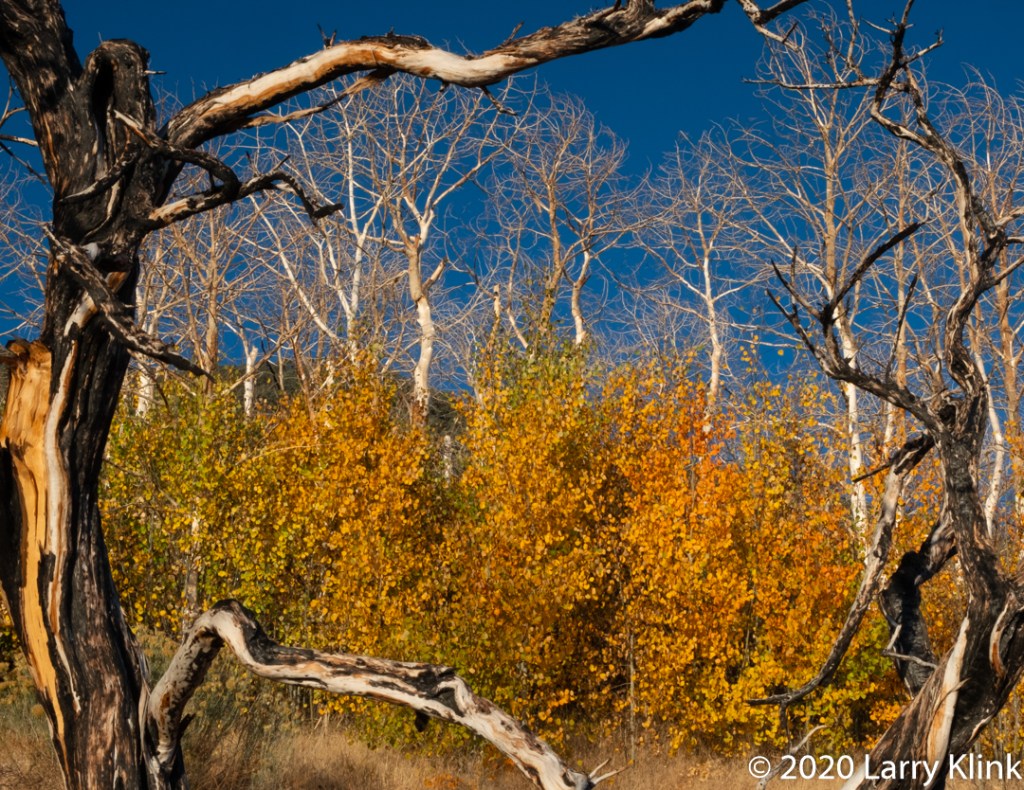
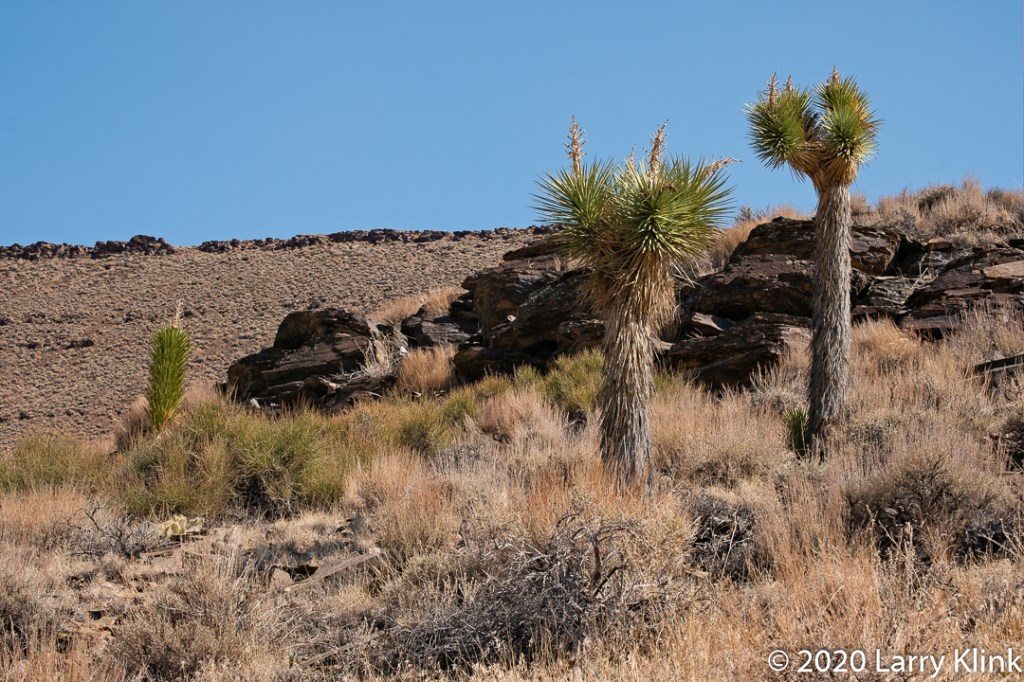
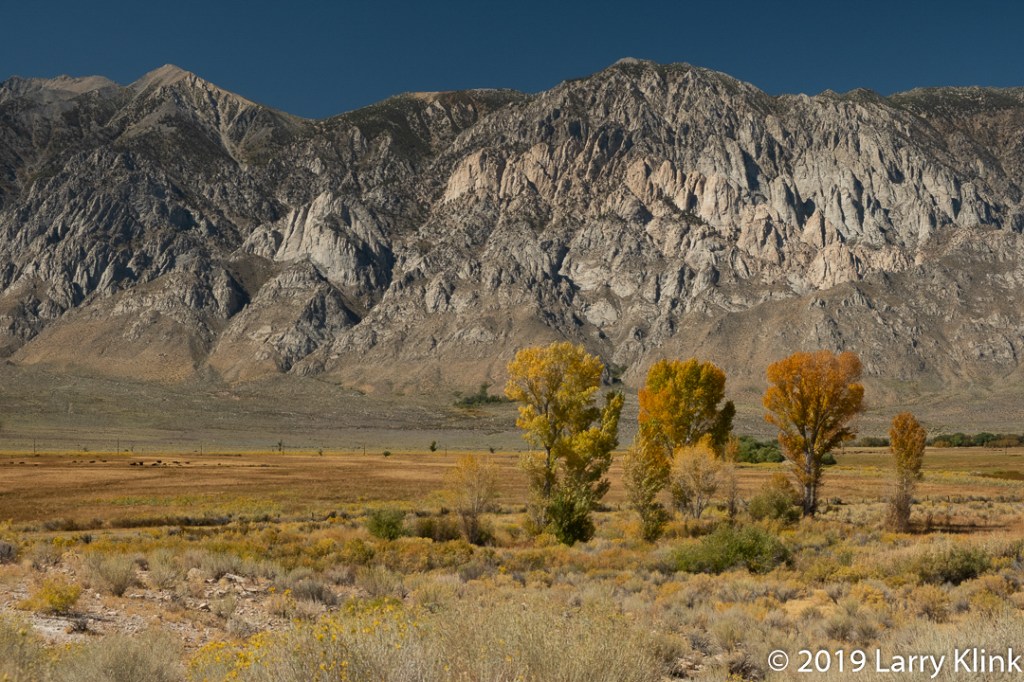
We spent some time exploring Big Pine – Death Valley Road. Along the way, we found some interesting things: A beautiful forest of Joshua Trees, and a wonderful White-tailed Antelope Squirrel. All of this set against the scenery of desert mountains. It was beautiful trip.
Be aware though, if you decide to explore this road, we have read that is one of the most dangerous roads in the country. We found the route to be in good shape but there are some things to consider. We found a lot of tire shredding rocks. There are numerous washes that cross the route so it could be flooded, or the road surface washed out. With photography stops, it took us 7 hours to get from Big Pine to Stovepipe Wells.
This post shares some images from the section between Big Pine, CA and the entrance to Death Valley National Park. I’ll share images from Eureka Valley and Death Valley in a future post.
Please click on caption to see image at higher resolution.
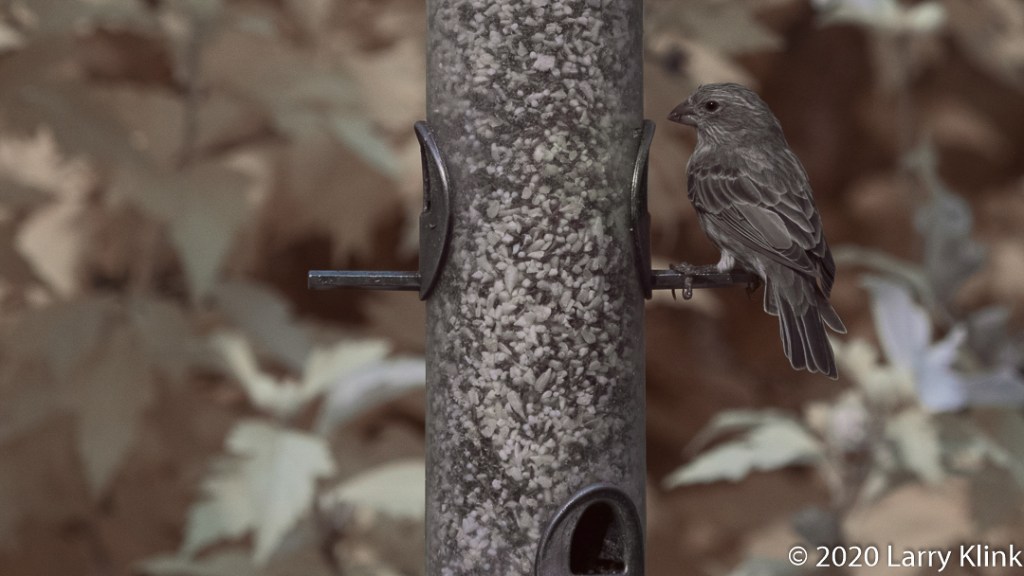
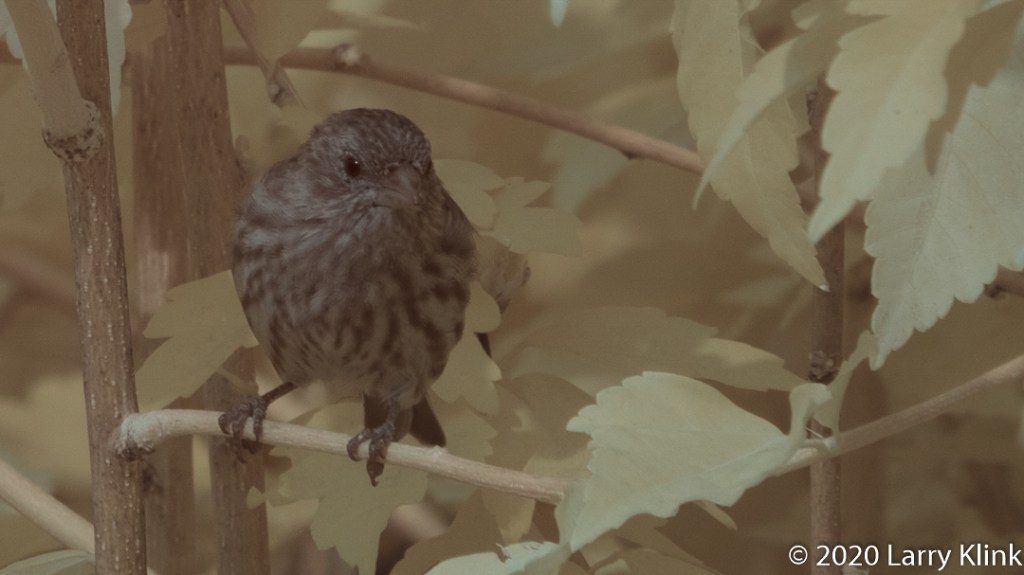
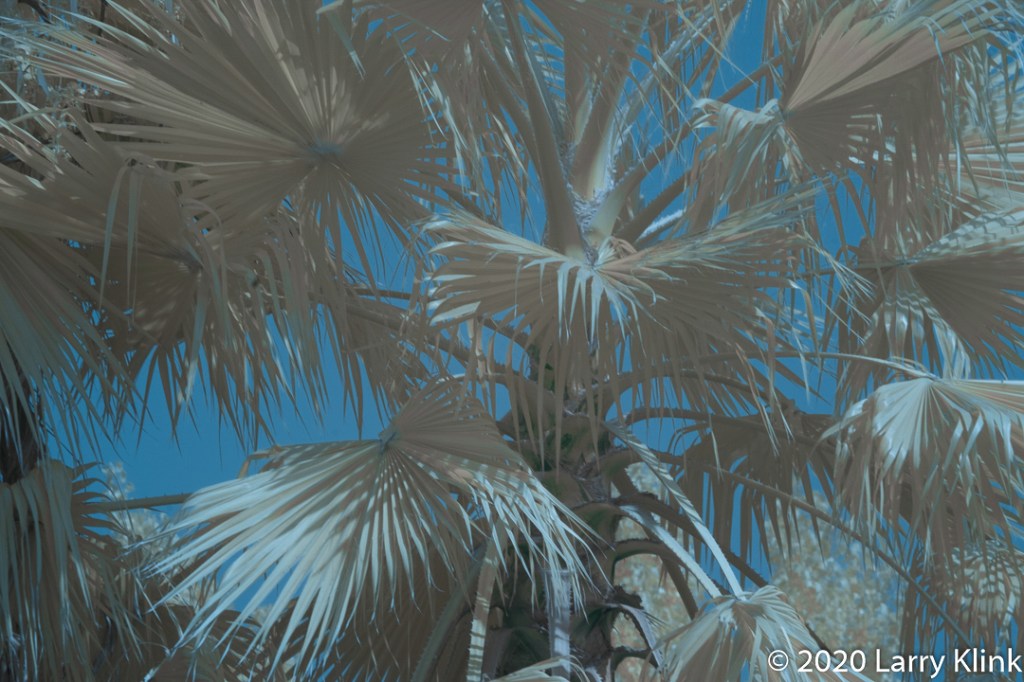
I’ve produced my first set of images in false color infrared. Most infrared pictures I see are in black and white. But my camera can also capture some visible light; not all, just some. So, I can get some interesting effects. I still haven’t fully grasped what it means to shoot heat as well as light. A goldfinch facing the sun will give me some yellow in its breast but facing away from the sun, I lose the yellow. A red car became bright orange. A blue car became darker. So, still much to learn.
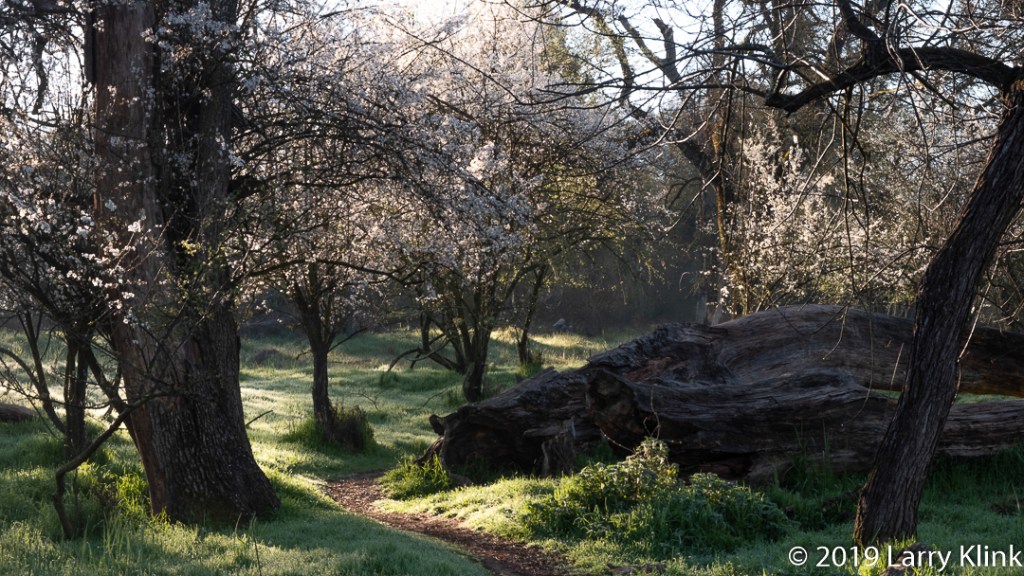
I am sharing a few early morning scenes from the banks of the American River. I walk the trails along the river several times each week for several hours at a time. I am grateful that the people of the Sacramento area cared enough to build a buffer area against flooding and to turn that almost 40 miles of buffer into urban green space available to all.
Please click on caption to see image at higher resolution.
I am sharing 4 images from one of my favorite local spots to photograph. I am drawn to the spot, just outside Folsom, CA, because it is an oak dotted rangeland typical of this area of California.
One of the images is a black and white version of another in the set. I thought it looked very dramatic in black and white.
Please click on caption to se image at higher resolution.
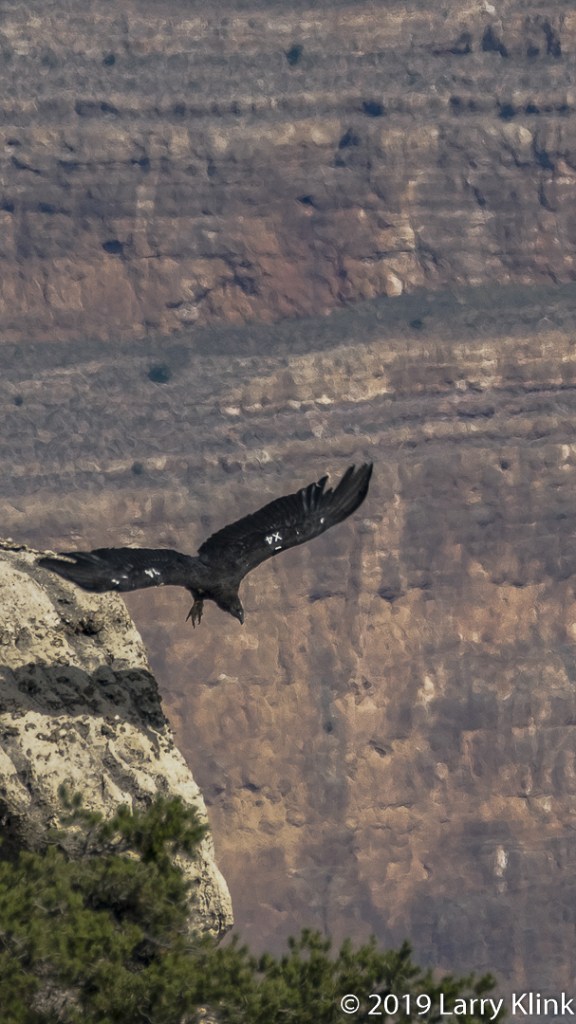
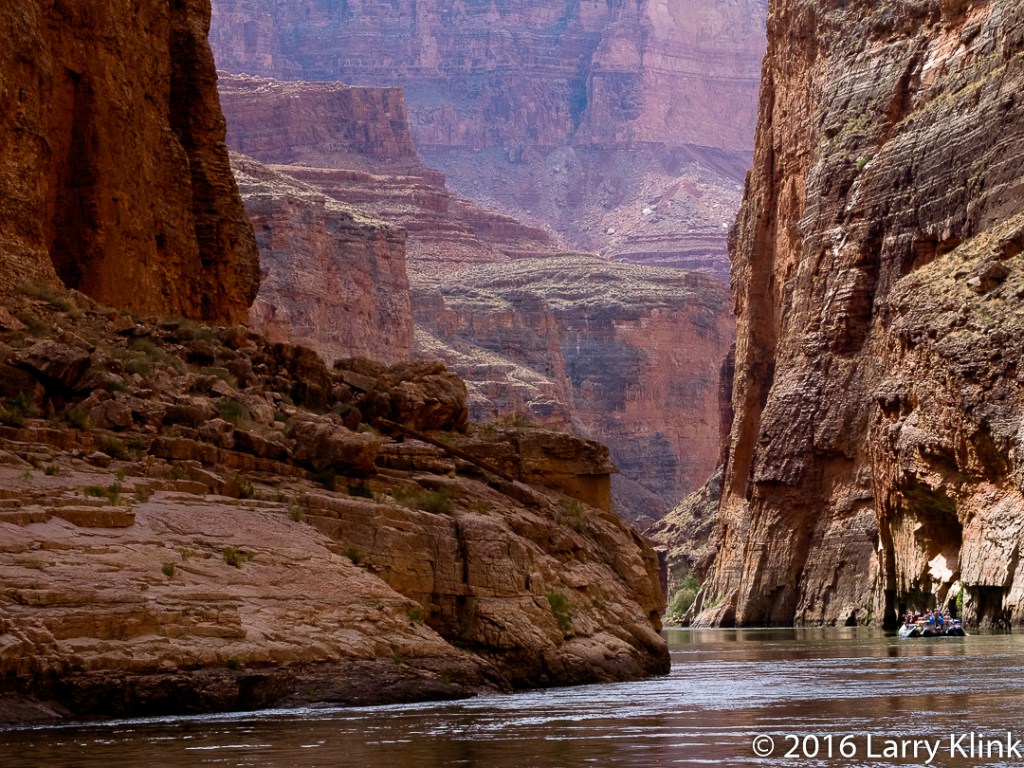
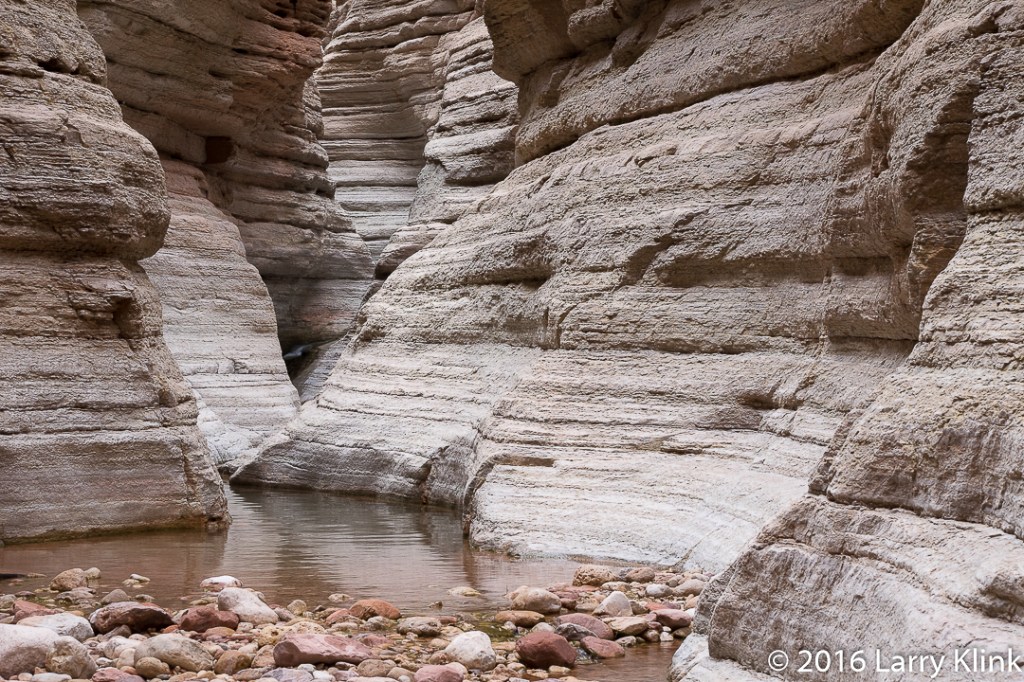
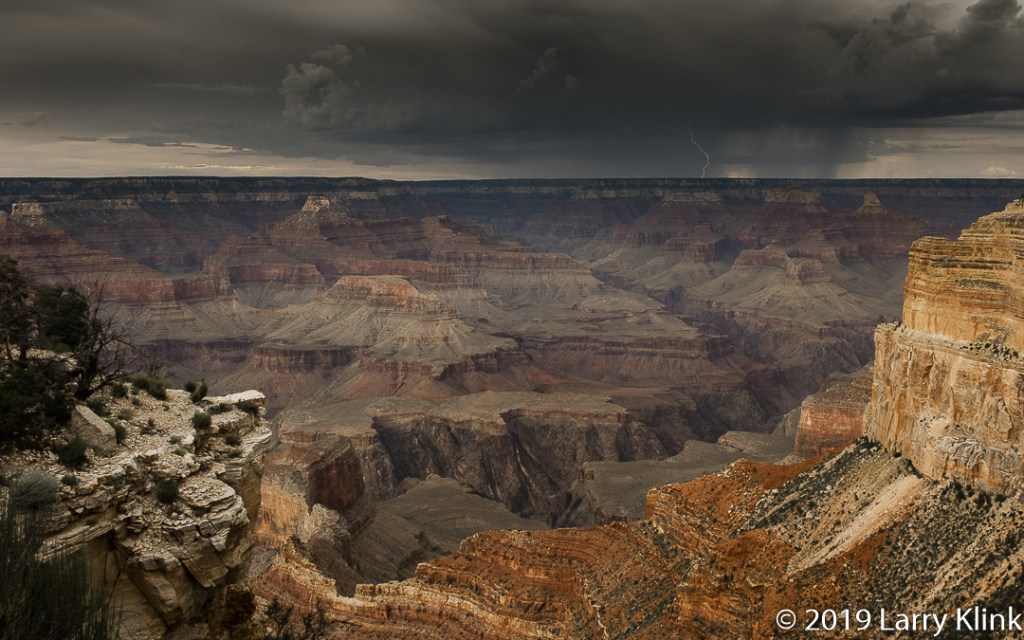
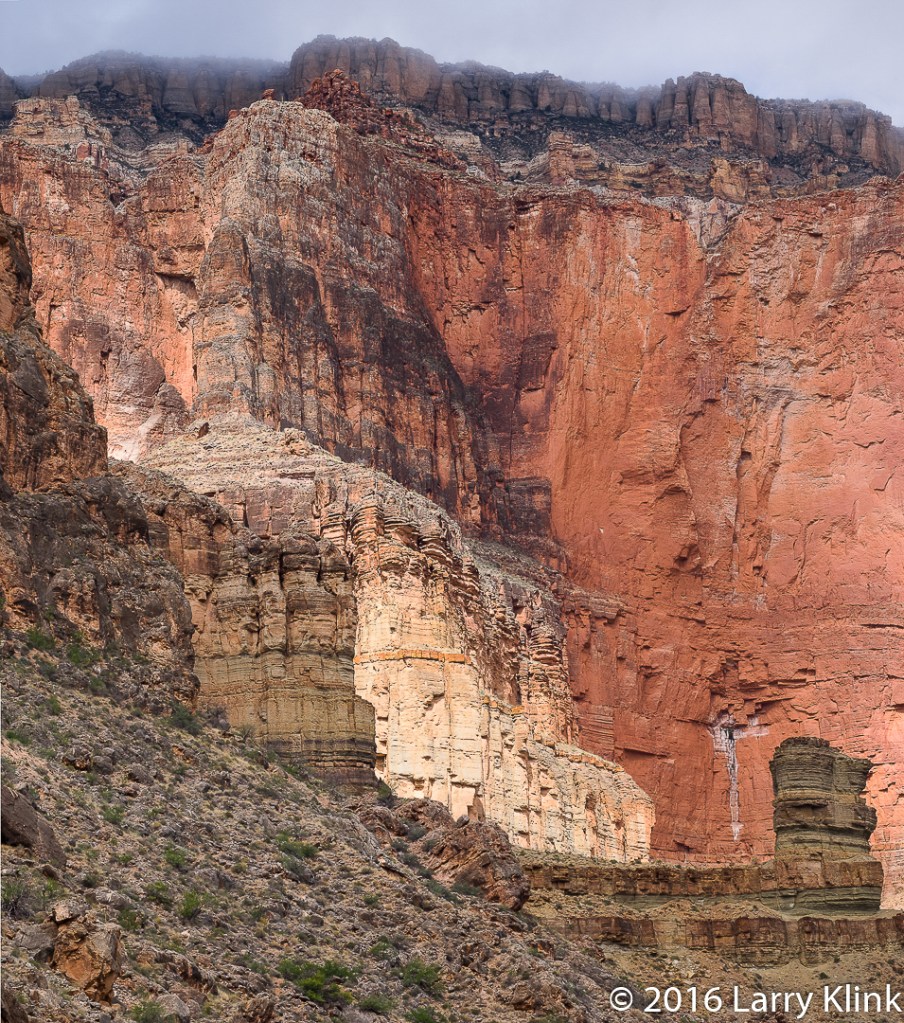
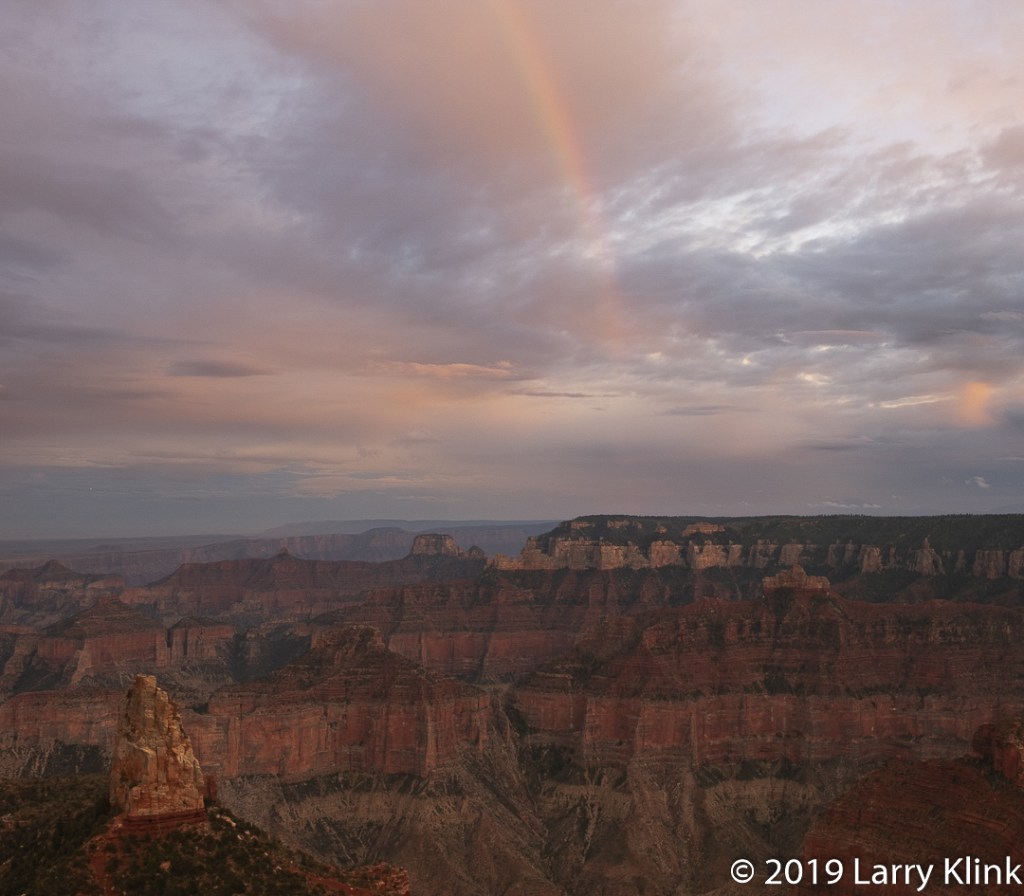
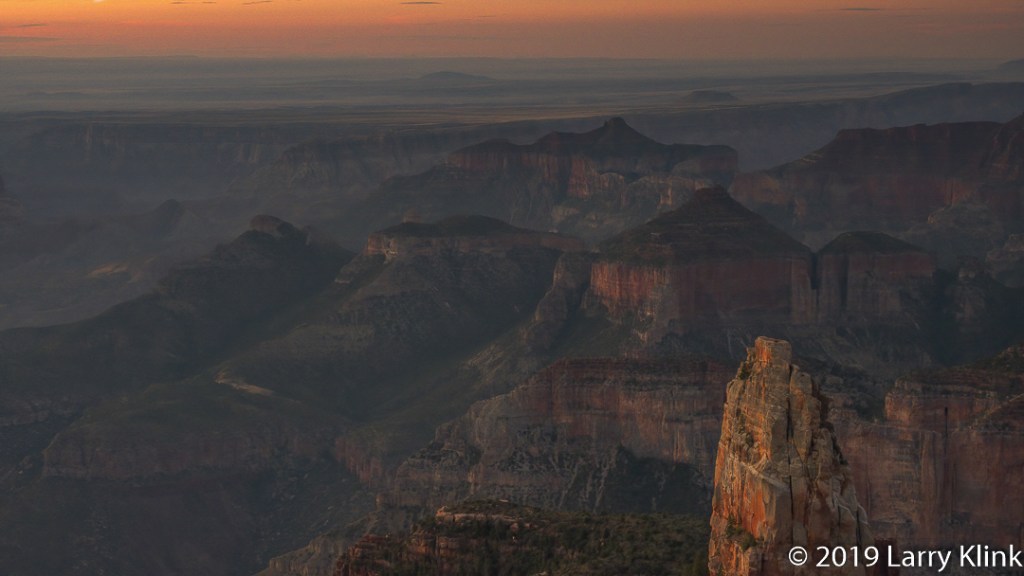
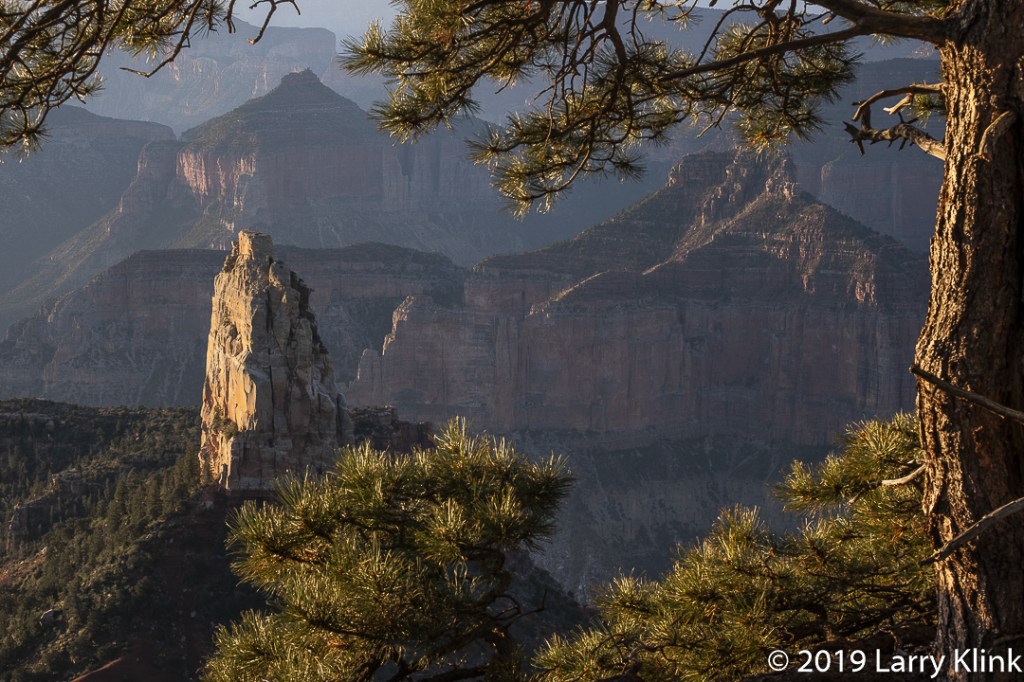
I have a friend, Gary Hart, who leads some of the best photography workshops you will ever find. Two of m favorites were to the Grand Canyon. One was to raft the Colorado River and the other to photograph lightening from the rim. Here are some images from those trips.
Note: Please click on caption to see images at higher resolution.
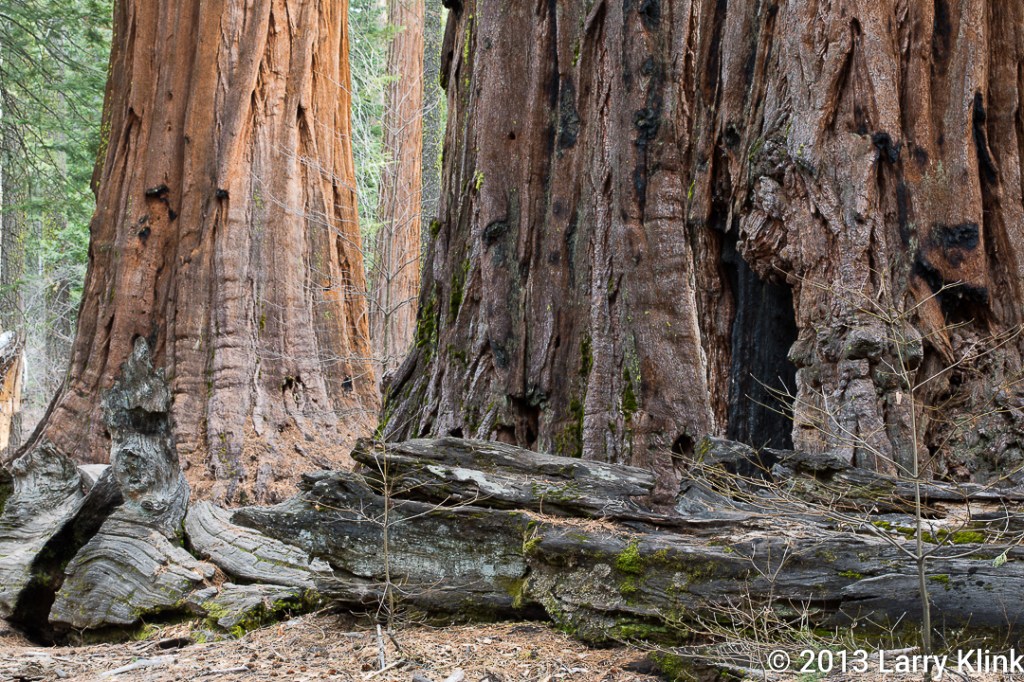
Today I am featuring some special trees: The The Great Basin Brisltecone Pine (Pinus longevea), the Coastal Redwood (Sequoia sempervirens) and the Giant Sequoia (Sequoiadendron giganteum). Most of the images are from California but one comes from Great Basin National Park in Nevada.
There are only 8 groves of the Giant Sequoia in the world. They are all located in the Sierra Nevada mountains of California. These wonders grow more than 300 feet tall with diameters that exceed 50 feet. The branches on these trees are often bigger than the trunks of trees I see every day.
The Coastal Redwood is found only along the coasts of Northern California with just a slight incursion into Oregon. These trees are the tallest in the world, reaching heights in excess of 375 feet and diameters in excess of 30 feet. Many of these trees are over 600 years old with the oldest known tree 2,200 years old.
The Bristlecone pines are small, gnarled, ancient trees some of which have lived more than 5,000 years. They grow at high altitudes and like poor soil conditions. They are tough old buggers.
Note: Please click on caption to see image at higher resolution






















 Earthwatcher