A Winter Morning in the Gettysburg National Military Park

Confederate Rifles in Winter;
Gettysburg National Military Park, Gettysburg, PA; FEB 2019

A few weeks ago, we visited family in the Gettysburg, PA area.  While there, we were treated to some snow and very cold weather. On one early, sunny, morning we drove along Confederate Ave. The street. On Seminary Ridge, overlooks open meadows ringed with farms. The ridge top is where Confederate troops set up their artillery and was the starting point for many Confederate troop assaults. On July 3rd, 1863, it was the site of Pickett’s charge against the troops of Union General George C. Meade.

On this early morning, the guns laid quiet. Sunlight glistened on the icy snow while frost gave trees, weeds and other objects a silvery glow. Though snow adds a burden to our efforts to maintain a normal life and we grow tired of it after a time, a morning like this makes you slow down and appreciate the beauty that nature bestows in winter.

Please click on caption to see images at higher resolution.

Frosty Winter Morning;
Gettysburg National Military Park, Gettysburg, PA; FEB 2019
Parot Rifle in Winter;
Gettysburg National Military Park, Gettysburg, PA; FEB 2019

Note: These and other images are available for purchase on my website: www.earthwatcher.us or by contacting larry.klink@earthwatcher.us.

#Photography #Photographie #PhotosOfTheDay #Fujifilm #fujifilmusa #fujifeed #gnmp #gettysburg # civilwar #nationalpark #artillary #fieldartillary #parotrifle #rifle #winter #snow #landscape #ig_landscape #landscapelover #landscapehunter

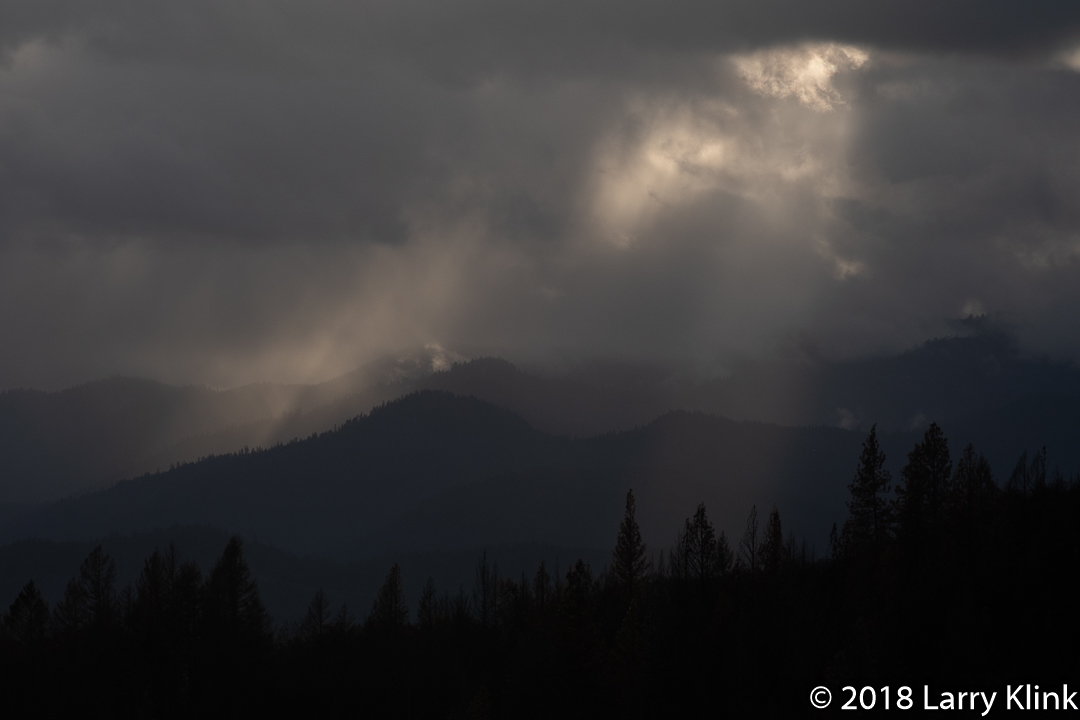
Sunset through Storm Clouds

Sunset Through Storm Clouds
Between Sexton Mountain Pass and Grants Pass on I-5 in Oregon; DEC 2018

The drive between Redding, CA and Roseburg, OR. on Interstate 5, takes you through some beautiful mountain scenery. Between Redding and the Oregon border, Mt Lassen and Mt Shasta, 2 Cascade volcanoes can be seen. The mountains of California and Oregon’s coastal range line both sides of the highway. Because the area is so close to the Pacific ocean, the area is often blanketed in a layer of stratus clouds and fog. But, don’t think of it as dismal. In the morning and evening, the sun often pushes through the clouds casting spotlights, replete with crepuscular rays, that play on the ridge tops and valleys creating magical landscapes.  

Returning from Seattle, we saw many such vignettes.  One spot made me break the rules and pull off to photograph it. Fortunately, this spot gave us room to get off safely. I hope you’ll agree this image was worth it.

Regards,

Larry

Note: To see image at higher resolution, please click on caption.

Note: This and other images are available to purchase on my website: www.earthwatcher.us or by contacting larry@earthwatcher.us.
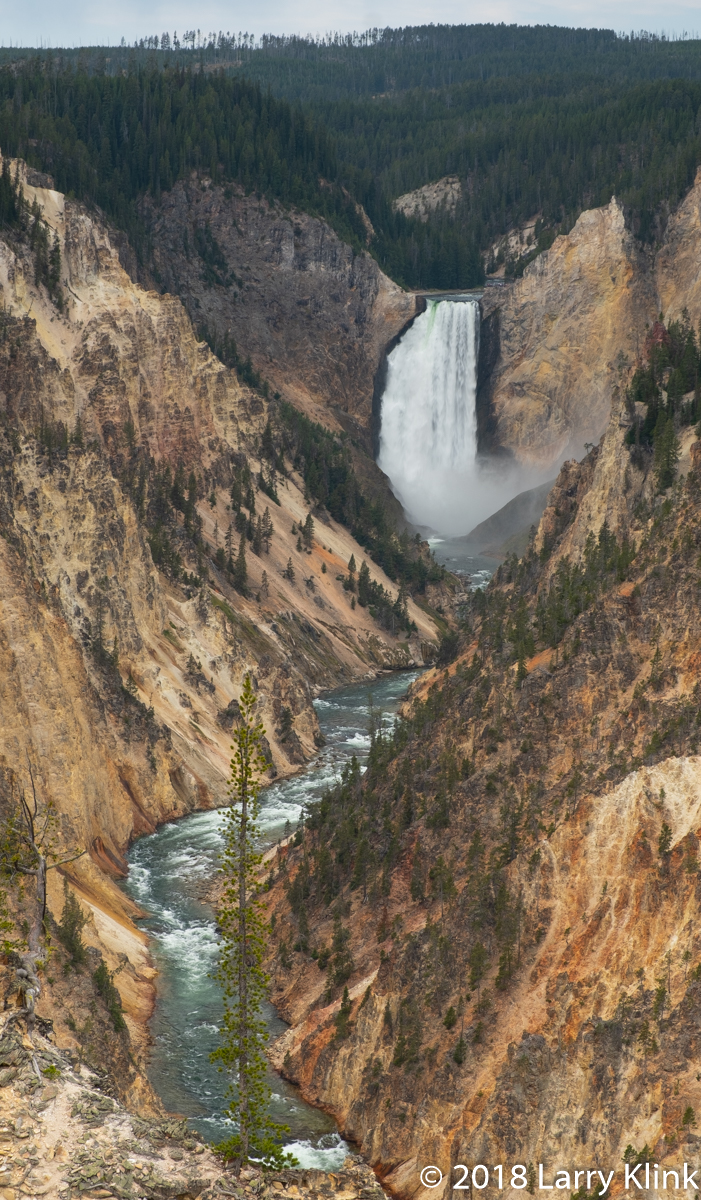
Grand Canyon of the Yellowstone

Grand Canyon of the Yellowstone - P3
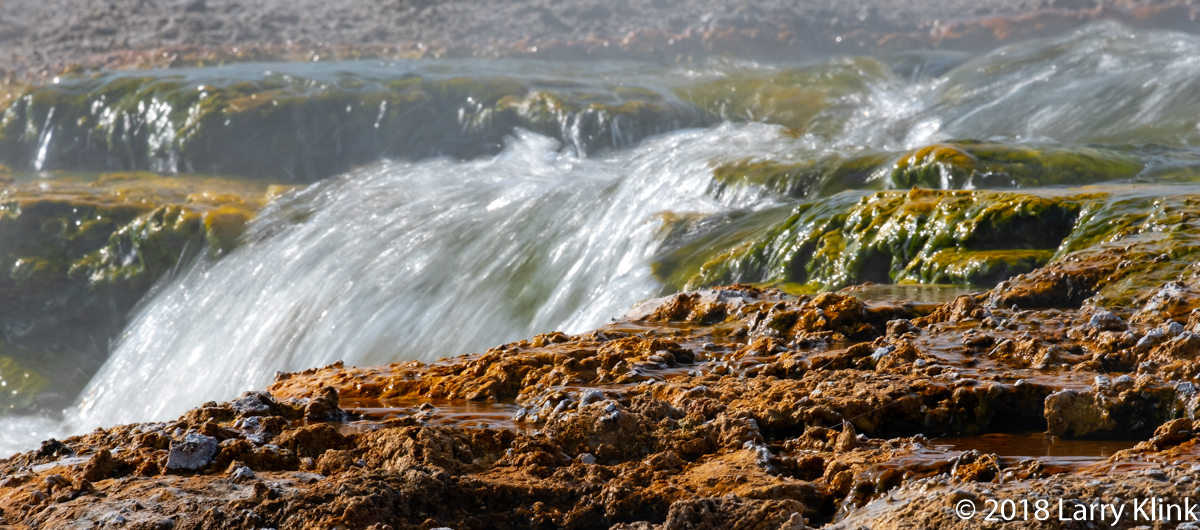
Grand Canyon of the Yellowstone, Yellowstone National Park; SEP 2018


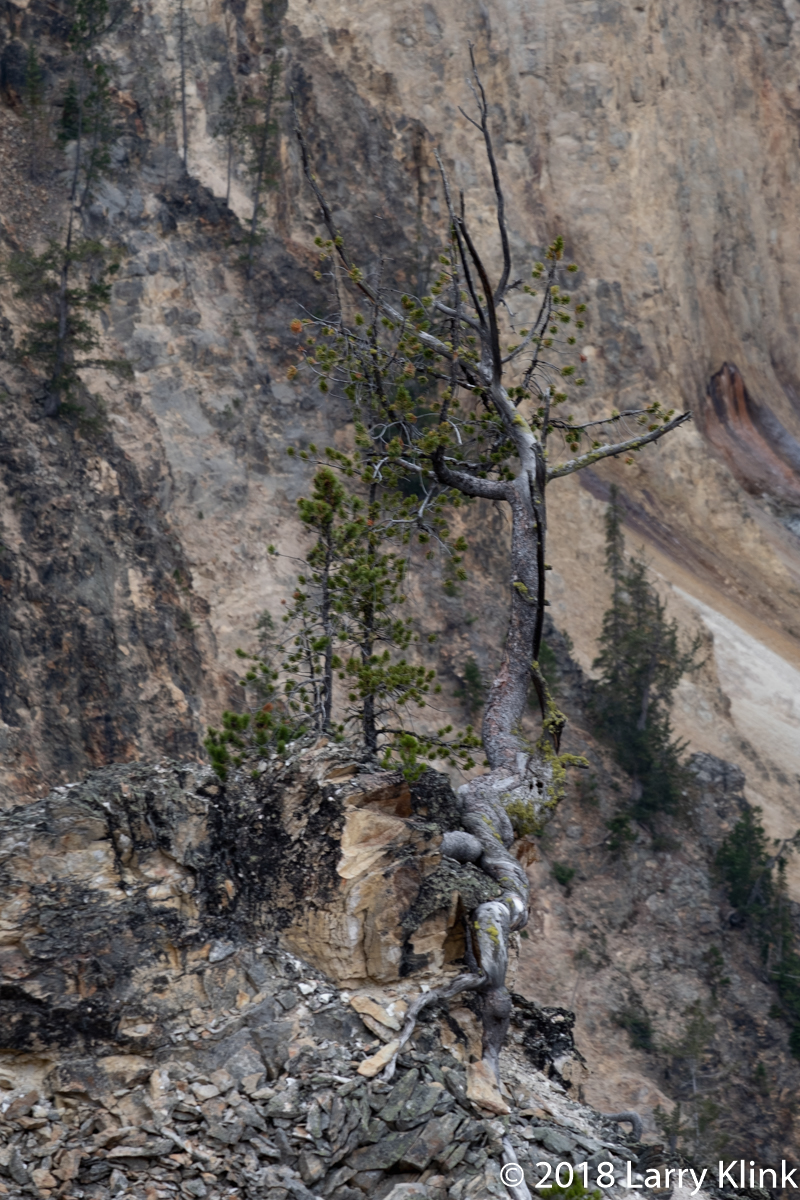
The Grand Canyon of the Yellowstone is another one of Yellowstone National Park’s iconic features. The steep, rugged canyon is cut through volcanic rocks that are colored by deposits of iron. It is being cut by the Yellowstone river which, in other parts of the park, seem calm and serene. But, in the canyon, it is a raging torrent. It tumbles down over Upper Yellowstone Falls (109’) then, after a short distance, tumbles over Lower Yellowstone Falls (308’). After the falls, the river flows its way alongside fumaroles and over cascades as it winds its way through the canyon.

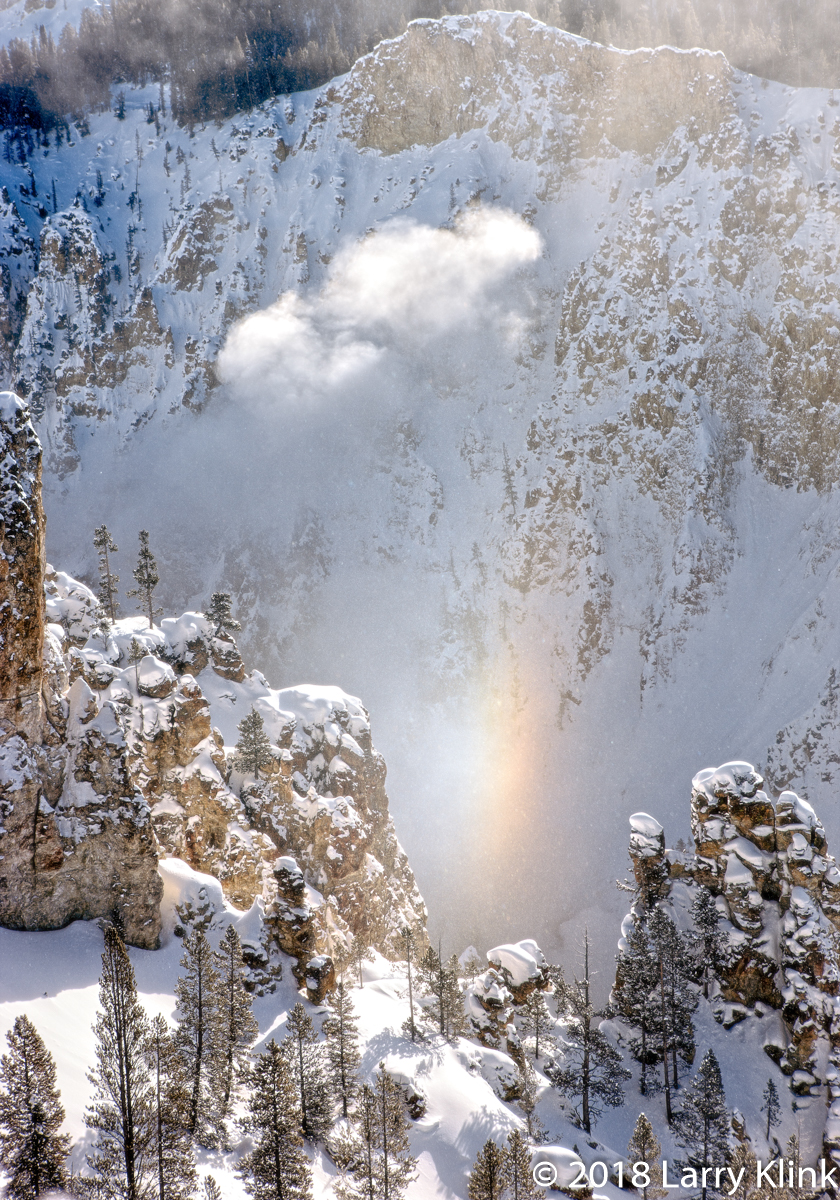
Most of these images are from a recent trip. But I decided to include 3 from previous trips to give you some other perspectives of the canyon. They are Bottom of Lower Yellowstone Falls with rainbow like color, The Beam, a unique winter phenomenon and Lower Yellowstone Falls in Winter by the Light of the Full Moon.


Regards,


Larry

Note: Click on caption to see image at higher resolution

Bottom of Lower Yellowstone Falls

Lower Yellowstone Falls in WInter by Light of the Full Moon
Lower Yellowstone Falls in Winter by Full Moon Light

Grand Canyon of the Yellowstone - P5
Grand Canyon of the Yellowstone – P6

Grand Canyon of the Yellowstone - P4
Grand Canyon of the Yellowstone – P4

Grand Canyon of the Yellowstone, Yellowstone National Park; SEP 2018
Grand Canyon of the Yellowstone – P8

Grand Canyon of the Yellowstone - P2
Grand Canyon of the Yellowstone – P2

Grand Canyon of the Yellowstone - P1
Grand Canyon of the Yellowstone – P1

Canyon Bright
Canyon Bright – “The Beam” at Yellowstone Canyon

20180907-Yellowstone-066-On1Efx-Web
Grand Canyon of the Yellowstone – P7

Notr: These and other images are available to purchase at my website: www.earthwatcher.us or by contacting larry@earthwatcher.us

Grand Prismatic Spring

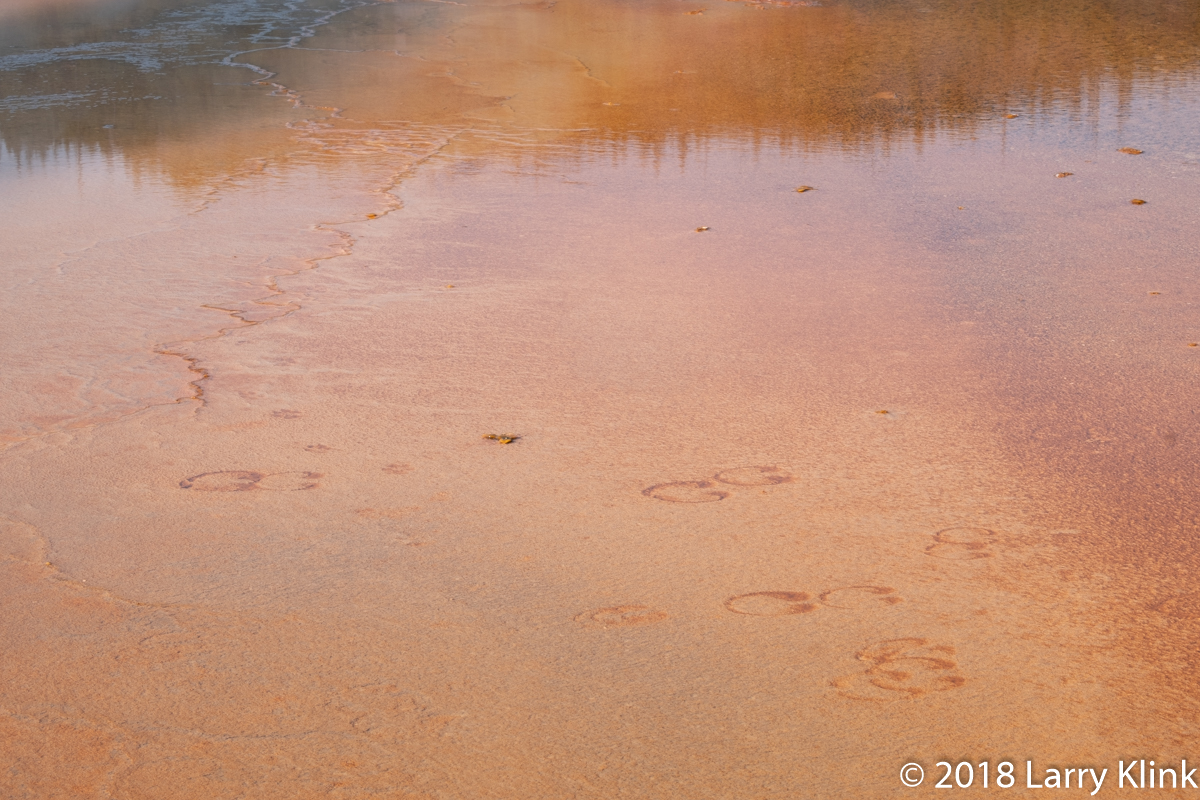
Grand Prismatic Spring, Yellowstone National Park; SEP 2018
Grand Prismatic Spring – P4

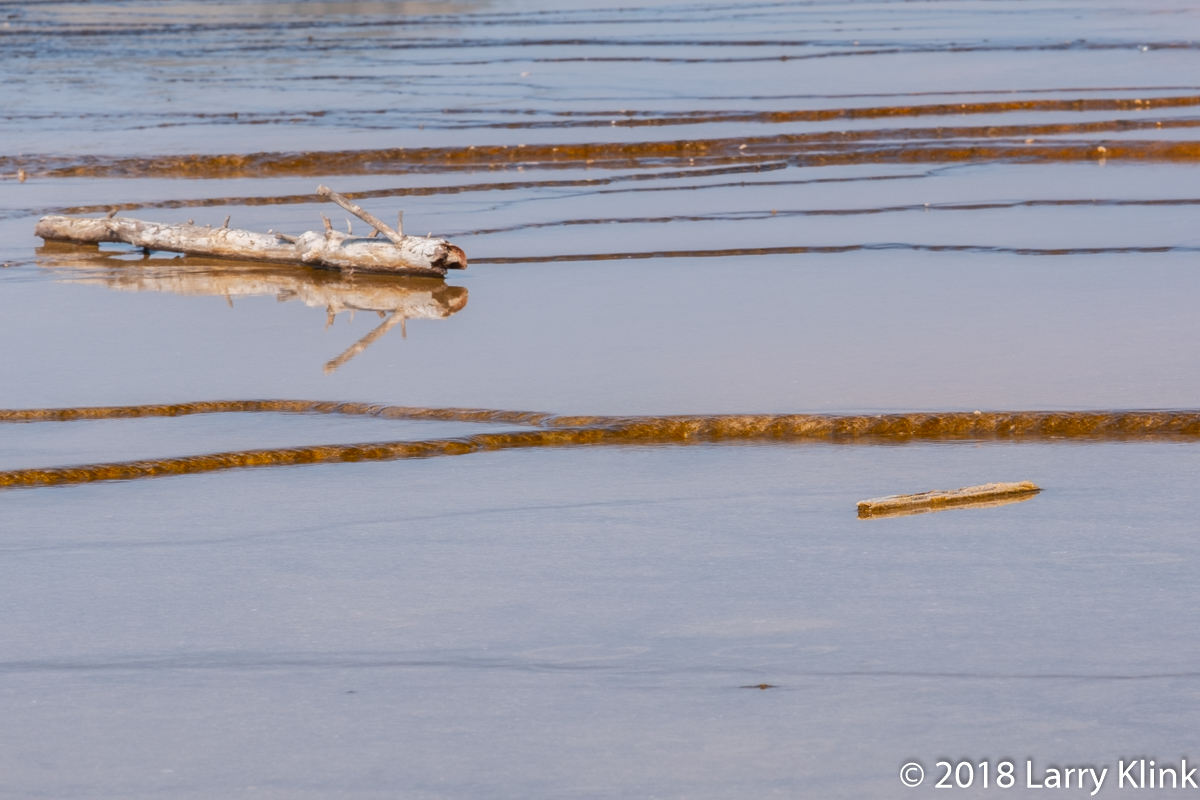
The Grand Prismatic Spring is another of Yellowstone’s iconic hydrothermal features. It is the one that looks like a big orange and blue eye. The spring sits along the Firehole River in the general area of the Upper Geyser Basin where Old Faithful resides. It produces a constant flow of water that flows into and heats the Firehole River. To me, the Firehole River is the most fascinating of Yellowstone’s rivers. It flows from Madison Lake, on the continental divide, 21 miles to the Gibbon River at Madison Junction. What fascinates me, is that it travels through the Upper Geyser Basin, where Old Faithful is located, and past the Grand Prismatic Spring. Those and other hydrothermal features dump their water into the Firehole. This raises the temperature 9-18 degrees Fahrenheit.

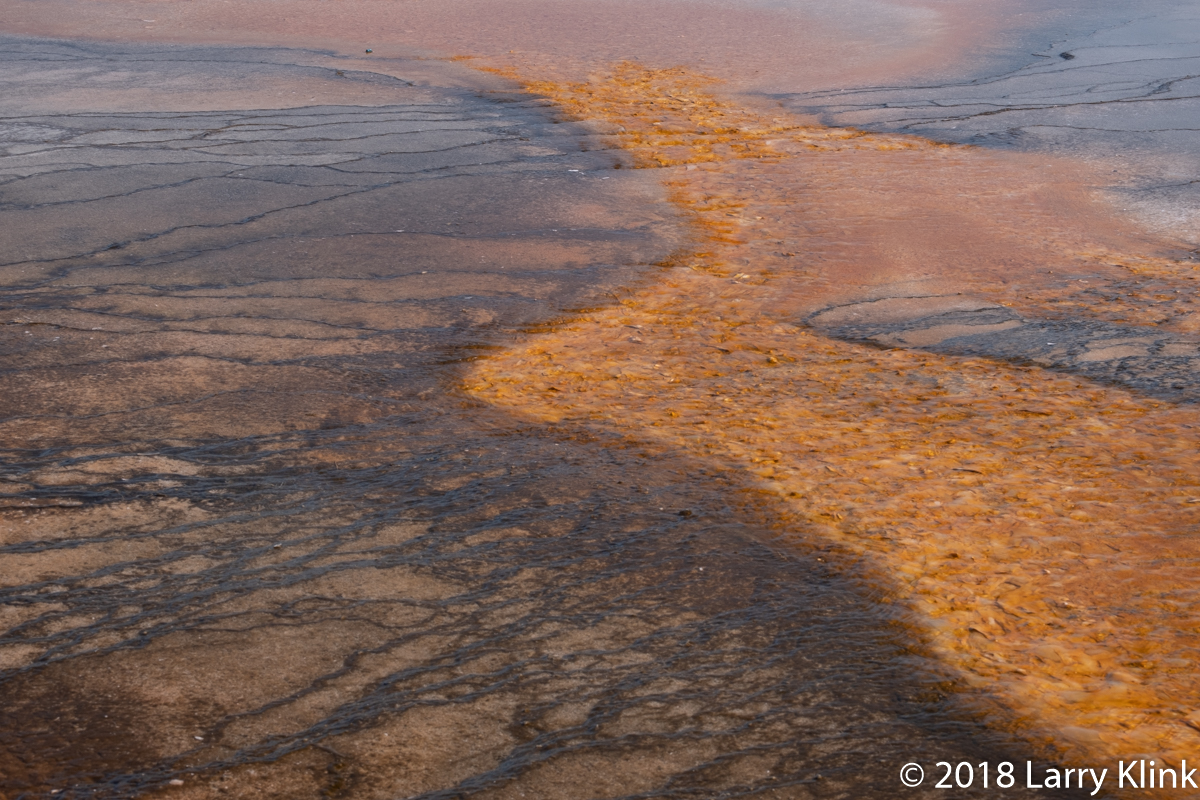
The pool filled by the Grand Prismatic Spring is very shallow. It is colored by the brown. orange and yellow bacteria and algae that grow in its pool. The sun highlights its colored features and the water reflects the blue of the sky. Steam rising from the spring adds mystery to the landscape. Though you can appreciate the spring by just giving it a cursory walk-by, paying attention to the details and seeing how the light seems to make them change provides a breathtaking experience.

Here is a link to an image that shows the spring in totality: https://www.gettyimages.com/detail/photo/grand-prismatic-spring-close-up-royalty-free-image/136952950; I don’t have one of my own to share.

Note: Click on caption to see higher resolution image.

Grand Prismatic Spring, Yellowstone National Park; SEP 2018
Grand Prismatic Spring – P8

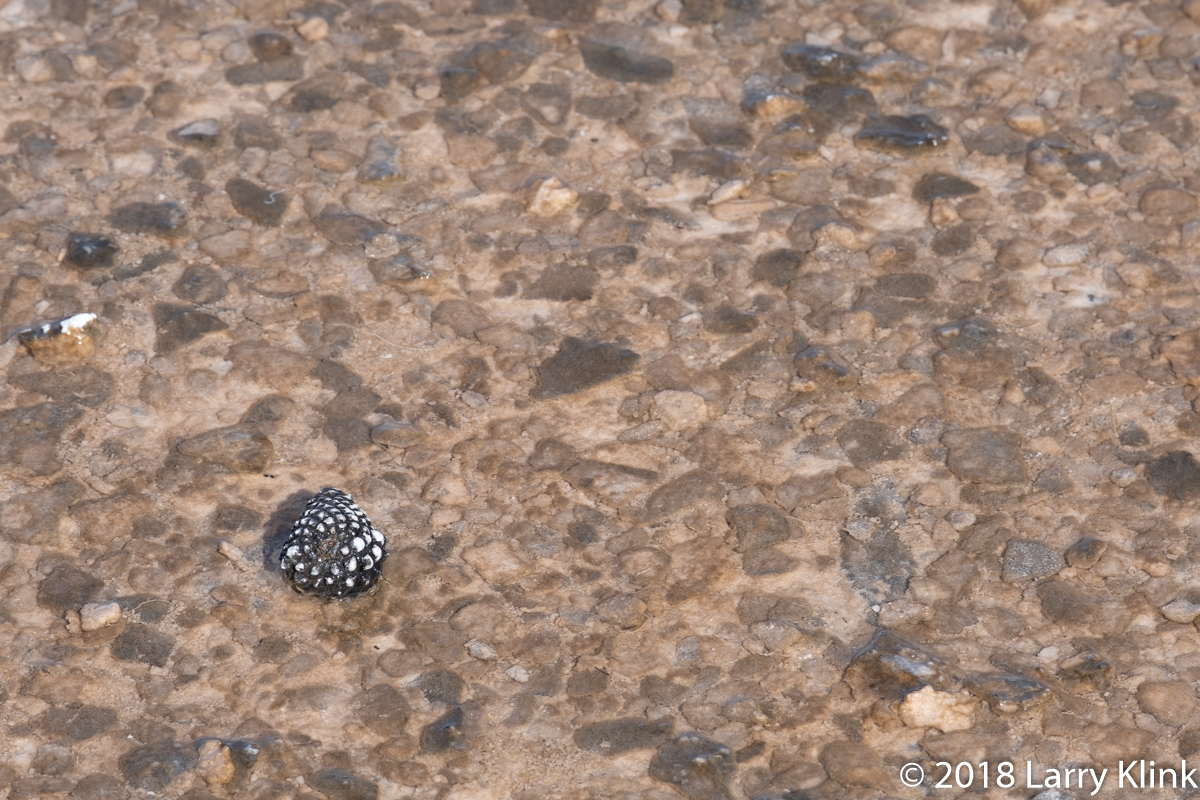
Pine Cone in a Hot Spring

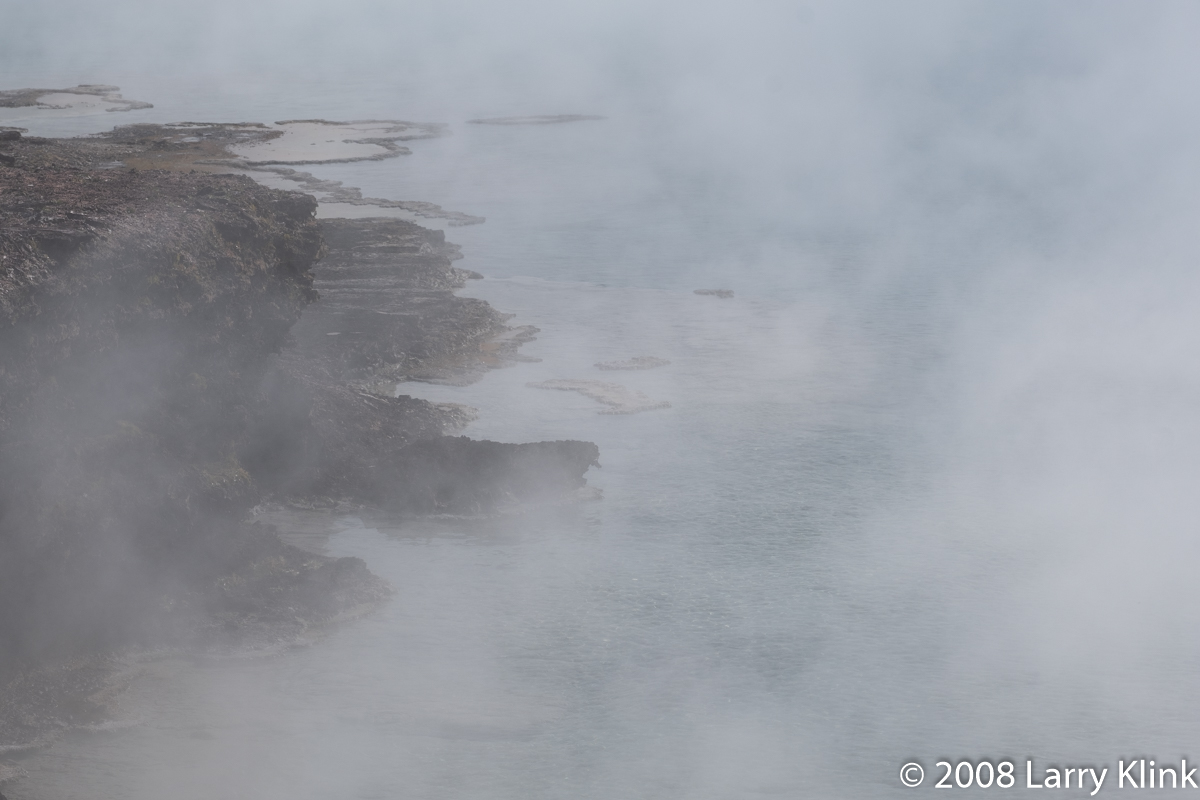
Edge of Excelsior Geyser

Grand Prismatic Spring, Yellowstone National Park; SEP 2018
Grand Prismatic Spring – P10

Grand Prismatic Spring, Yellowstone National Park; SEP 2018
Grand Prismatic Spring – P6

Edge of Excelsior Geyser -P2
Edge of Excelsior Geyser – P2

Grand Prismatic Spring, Yellowstone National Park; SEP 2018
Grand Prismatic Geyser – P1

Overflow Into the Firehole River - P2
Overflow Into The Firehole River – P2

Grand Prismatic Spring, Yellowstone National Park; SEP 2018
Grand Prismatic Spring – P7

Overflow Into the Firehole River

Note: These and other images are available to purchase on my website: www.earthwatcher.us or by contacting larry@earthwatcher.us.
Bryce Canyon

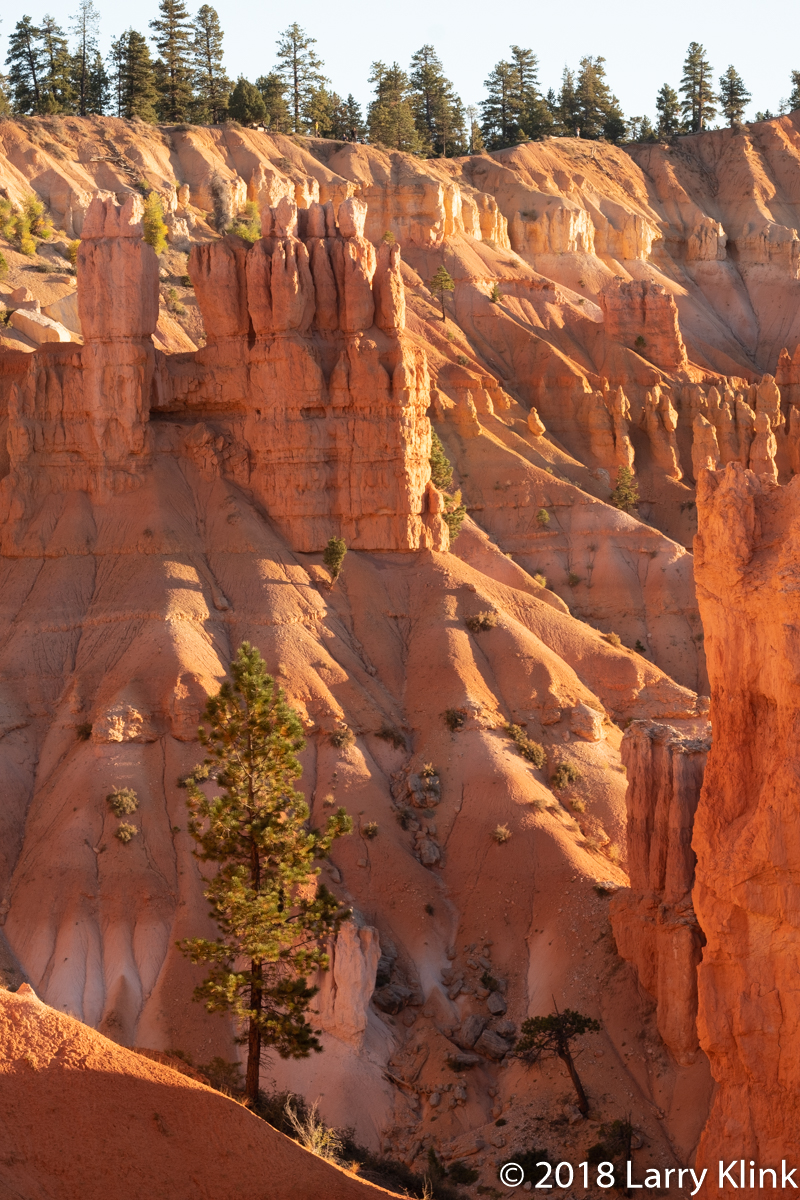
The Ancient City
The Ancient City

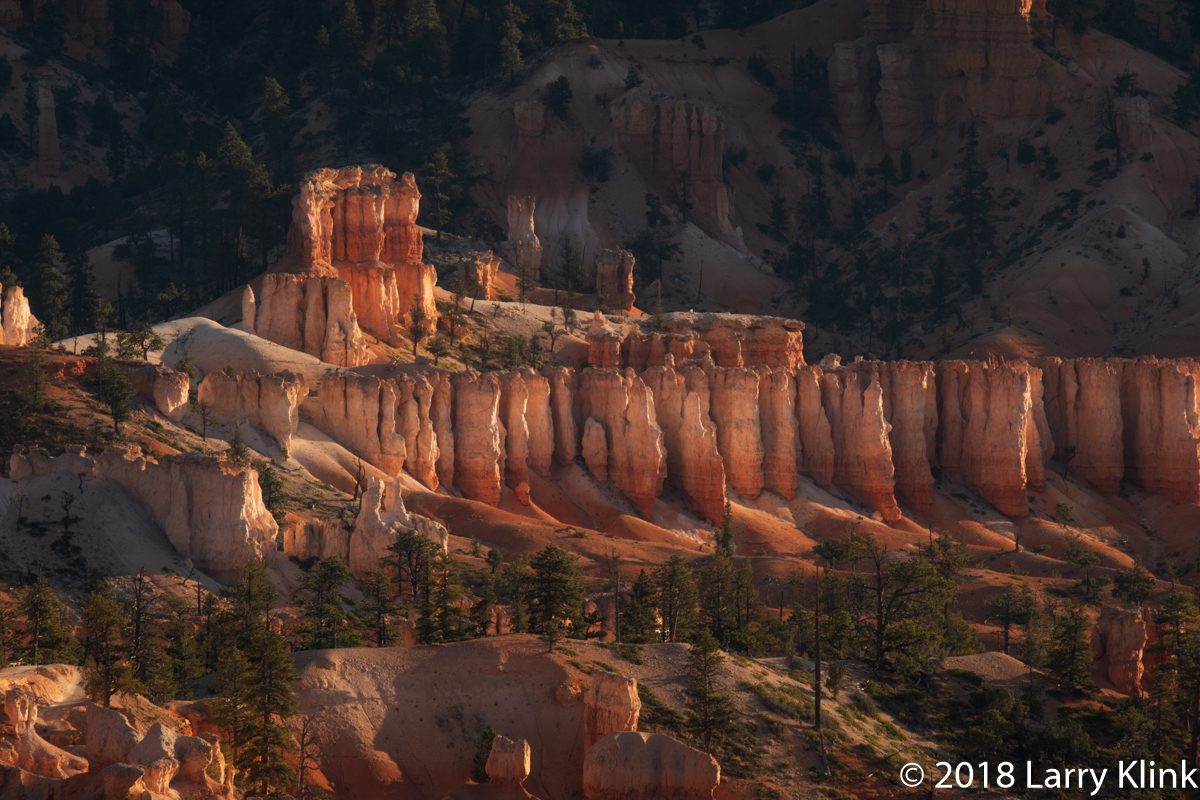
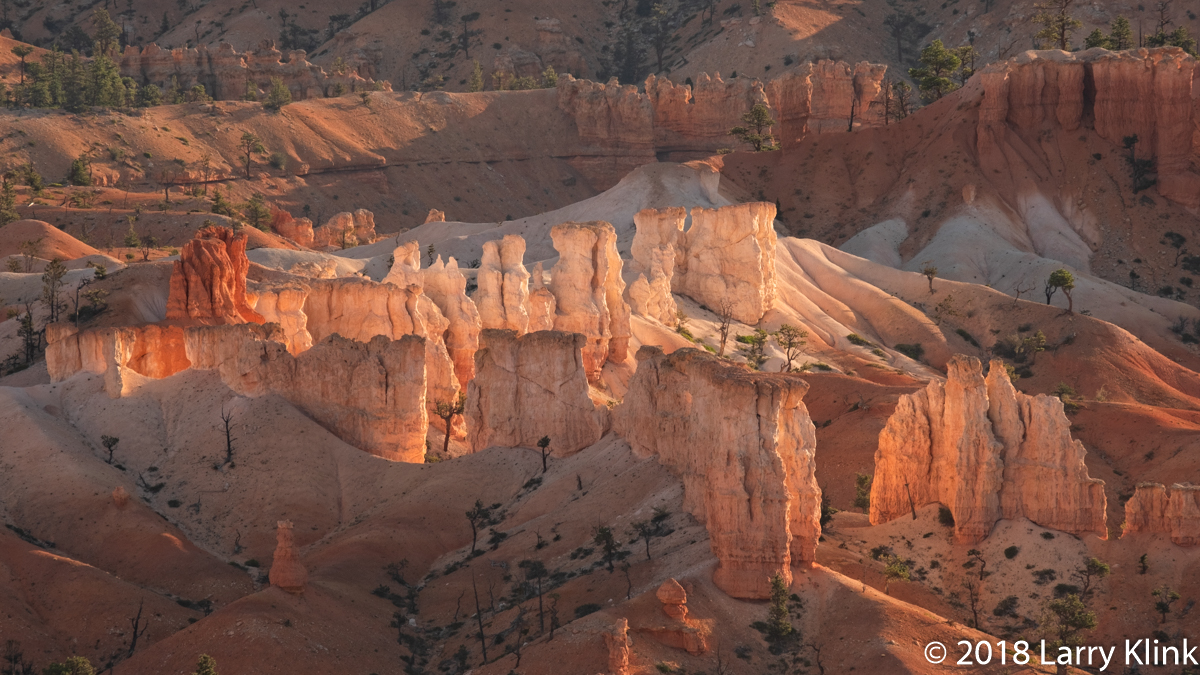
Bryce Canyon, in Utah, is stunningly beautiful; especially at sunrise and sunset. It should be on your bucket list. You can enjoy it any time of day but, I recommend being there in the morning, before the sun creeps over the distant mountains and as the sun sets in the evening. The colors saturate, the whites appear almost translucent at hose times and it will take your breath away. If you can, walk the trails that take you below the base and look at the hoodoos face on.

As I looked over the landscape, my thoughts turned to the ancient cities from fantasy and action adventures. Perhaps drawing from Petra in southern Jordan. I can imagine temples and palaces constructed from the hoodoos. I see “impregnable” walls being breached by the barbarians outside. It’s a fun connection.

For me, the process of how the land became to look as it does, enhances its beauty. In this case, water channels away the softer soil, forming the hoodoos. The freeze-thaw cycle sculpts the hoodoos by breaking off chunks. The wind helps sculpt too, but, to a lesser degree. What is left are acres of an orange and cream landscape filled with spectacular hoodoos and the erosional hills and valleys at their base.

I can’t wait to go back. Only this time, I am going to allow a day to hike and see what other treasures I uncover. I wonder what it would like in snow.

Note: Please click on caption to see higher resolution images.

Sunrise at Inspiration Point

Bryce Canyon - P4
Bryce Canyon – P4

Castle on a Hill
Castle on a Hill

Bryce Canyon - P3
Bryce Canyon – P3

Bryce Canyon - P2
Bryce Canyon – P2

Bryce Canyon - P5
Bryce Canyon – P5

Bryce Canyon - P7
Bryce Canyon – P7

Bryce Canyon - P10
Bryce Canyon – P10

These and other images are available to purchase at my website www.earthwatcher.us or by contacting larry@earthwatcher.us

More Images From Phoenix

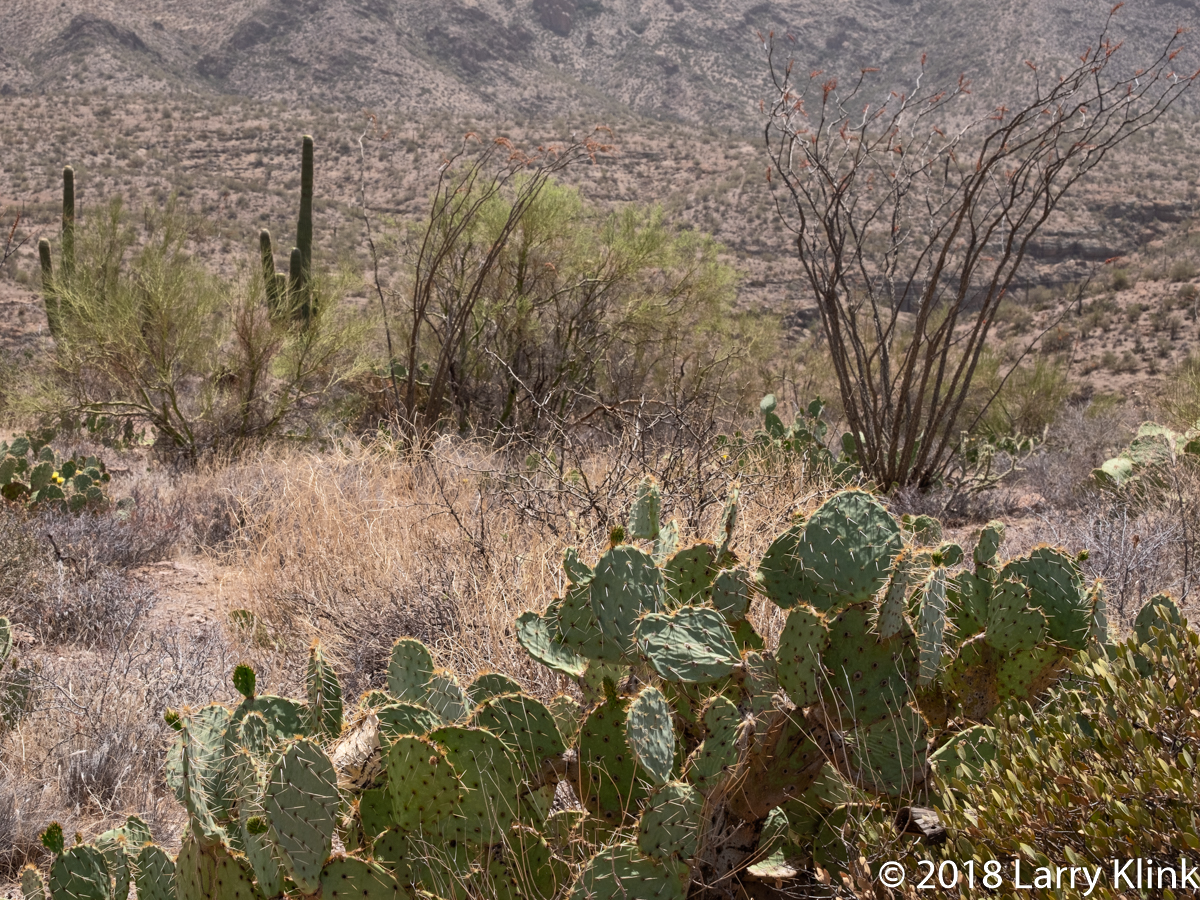
Desert Landscape with Cactus

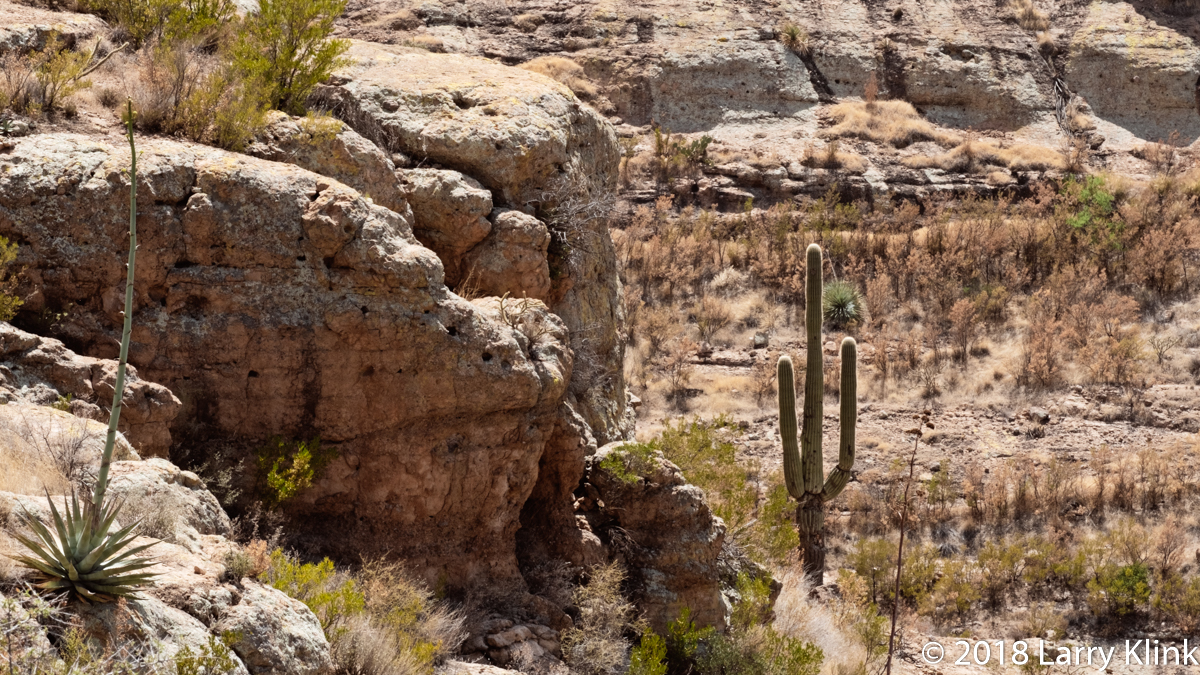
Here are some more images from my recent visit to the Phoenix area.

Note: Click on caption to see  images in larger size.

Image of a Prickly Pear Cactus Bloom
Prickly Pear Cactus Bloom

Image of an Ocotillo Cactus Bloom
Ocotillo Bloom

Landscape image of the Sonoran Desert featuring its Vegetation
Sonoran Desert Vegetation – Saguaro, Ocotillo, Prickly Pear and Others

Desert landscape image featuring Saguaro Cacti
Saguaro Cacti

Image of a Saguaro Cactus Bloom
Saguaro Bloom

Note: These and other images are available for purchase on my website: www.earthwatcher.us or by contacting larry@earthwatcher.us.

Aerial Abstracts

Fans and Flows, Aerial Abstracts - P10
Aerial Abstracts – P10

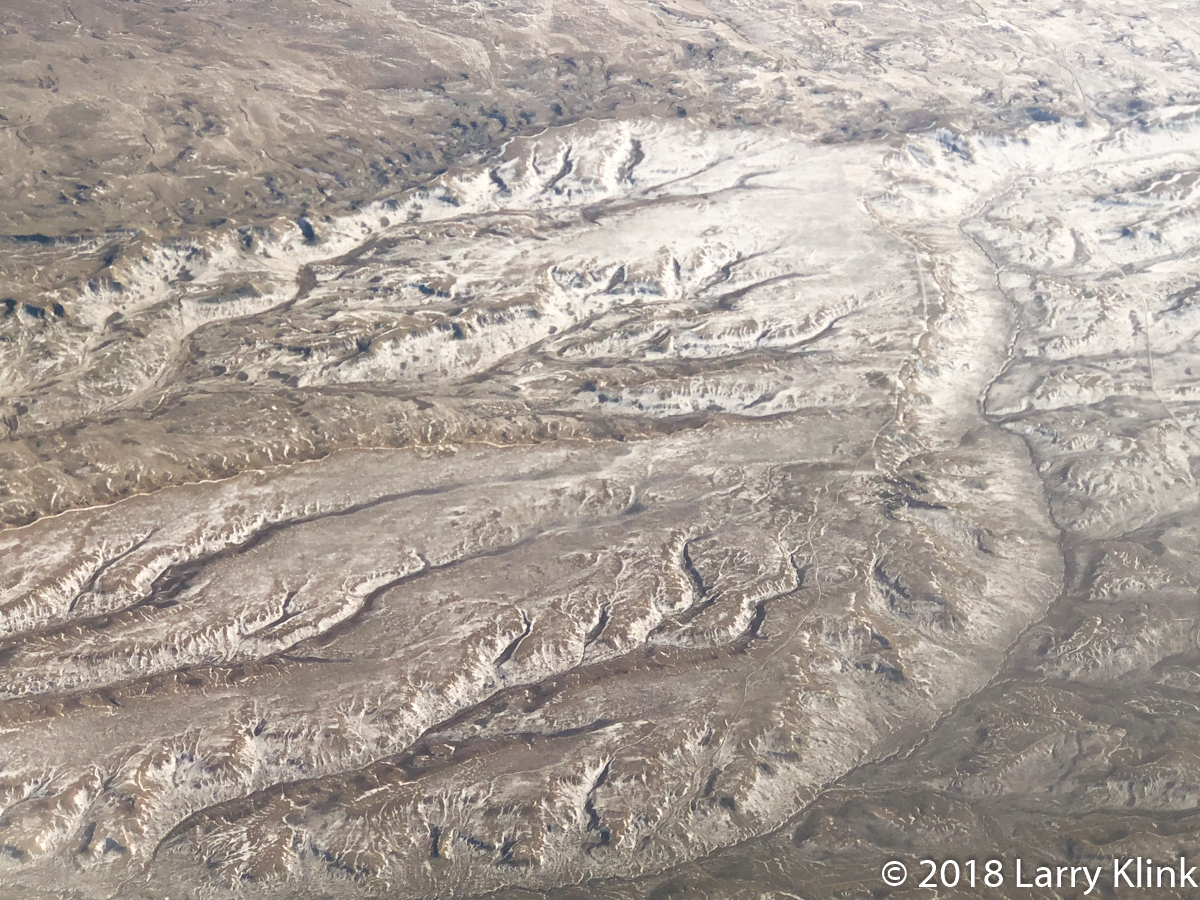
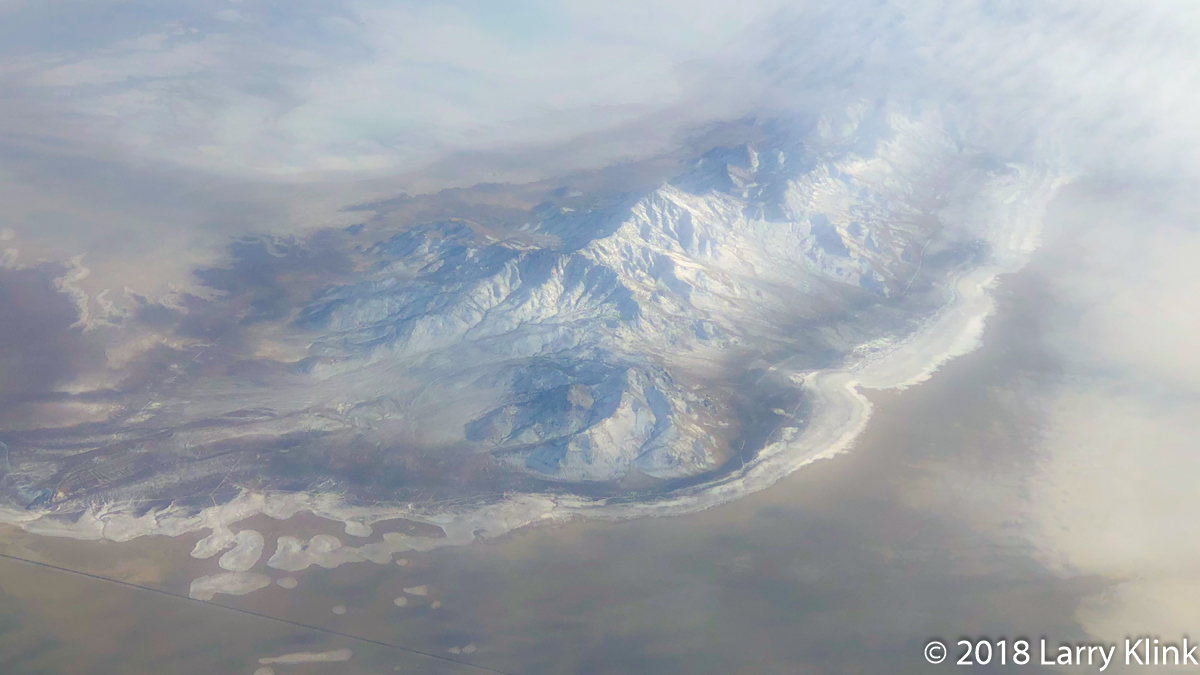
Abstract art uses color, shape and line to create a pleasing image. That image may or may not represent something real. In photography, you arrive at the result through a different route. You find a candidate and create a composition that emphasizes the pattern created by the color, shape and/or line over the subject itself.

I am a primarily a landscape photographer. As I progressed and learned more about that art, I became fascinated with the questions about how a scene evolved; what processes shaped it in the past and what processes are shaping it today. As I observed, I began to see the patterns and to understand how to recognize the effects of the wind, water and tectonic events that influenced it.  I also began to see how the patterns repeated themselves in different ways in different objects. It is those patterns that often make a wonderful abstract image.

On a recent cross-country trip, we flew over the high plains of Kansas and the foothills and peaks of the Rocky Mountains. In many places the snowpack was broken; ice and snow lay in the crevices where snowmelt flows, while the remaining surfaces were clear. I was struck by the patterns that I saw. Erosion created patterns like those of a bush branching or leaves branching on a stem. In one spot, I saw a fish backbone with its tiny ribs extended. Using my trusty phone camera, through an airplane window, I created some abstracts from the landscapes I love.

I hope you enjoy these images. Reflect on the patterns – what do you see?

Regards

Larry

Note: Click on Caption to see larger, higher resolution image

These and other images are available for purchase at http://www.earthwatcher.us or by contacting me at larry@earthwatcher.us.

Aerial Abstracts - P4
Aerial Abstracts – P4

Aerial Abstracts - P11
Aerial Abstracts – P11

Aerial Abstracts - P9
Aerial Abstracts – P9

Aerial Abstracts - P5
Aerial Abstracts – P5

These and other images are available for purchase at www.earthwatcher.us or by contacting me at larry@earthwatcher.us.

Lava Fields in Iceland

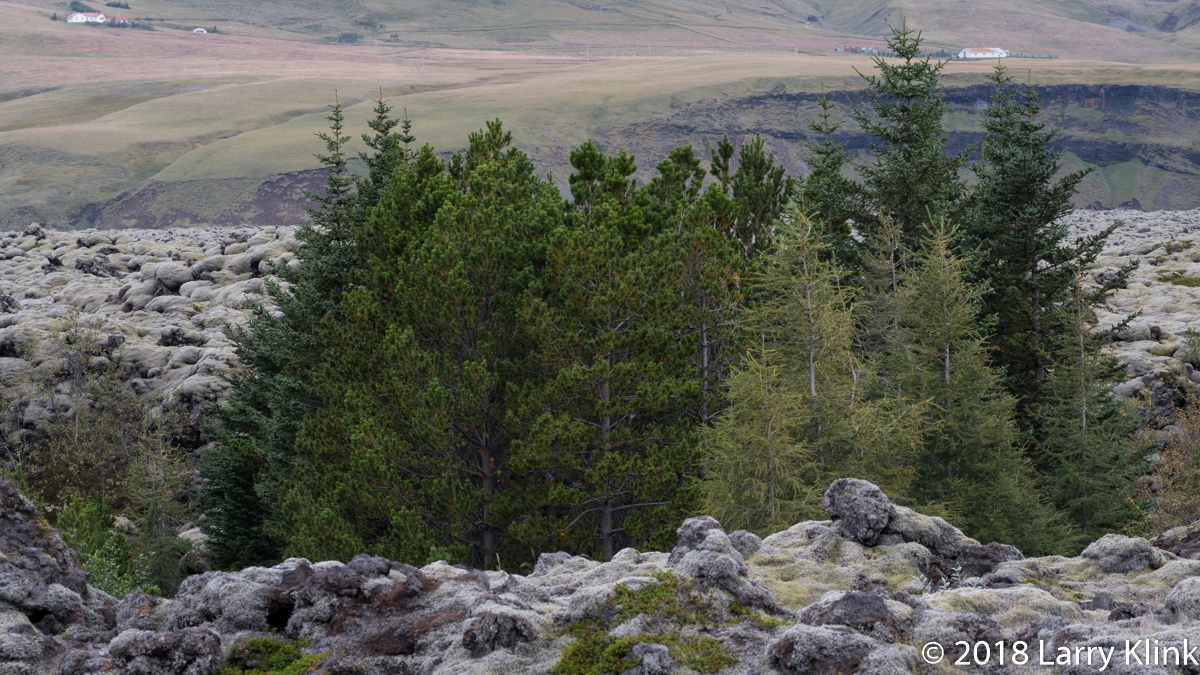
Trees in a Lava Field
Trees in a Lava Field, Iceland, 2017

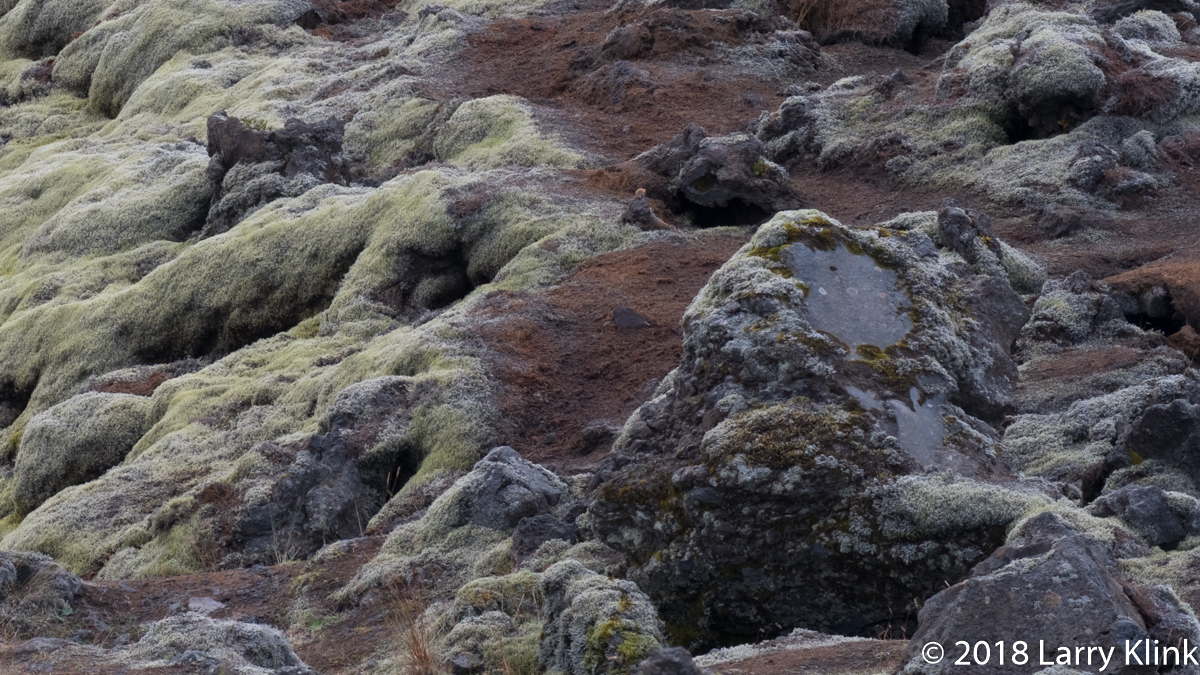
I was intrigued by the Lava Fields that I saw in Iceland last summer. A lava field, or lava bed, is a flat plain over which lava flowed and cooled. The ones that intrigued me the most were those that looked like rocks strewn at random. But what really caught my eye was how nature found a way to turn this area of desolation into a soft blanket of green. Lichens took over and attached themselves to the rock. Low shrubs invaded and even a clump of trees found a way to survive. The images I am sharing attempt to convey the beauty of these features. I hope you enjoy them.

Regards,

Larry

Note: Click on caption to see larger, high resolution copy of image.

Lichen Blanketing a Lava Field
Lichen Blanketing a Lava Field, Iceland 2017

Green Shrub in a Lichen Covered Lava Field
Green Shrub in a Lichen Covered Lava Field, Iceland 2017

Note: These and other images are available for purchase at my website: www.earthwatcher.us or by contacting larry@earthwatcher.us.

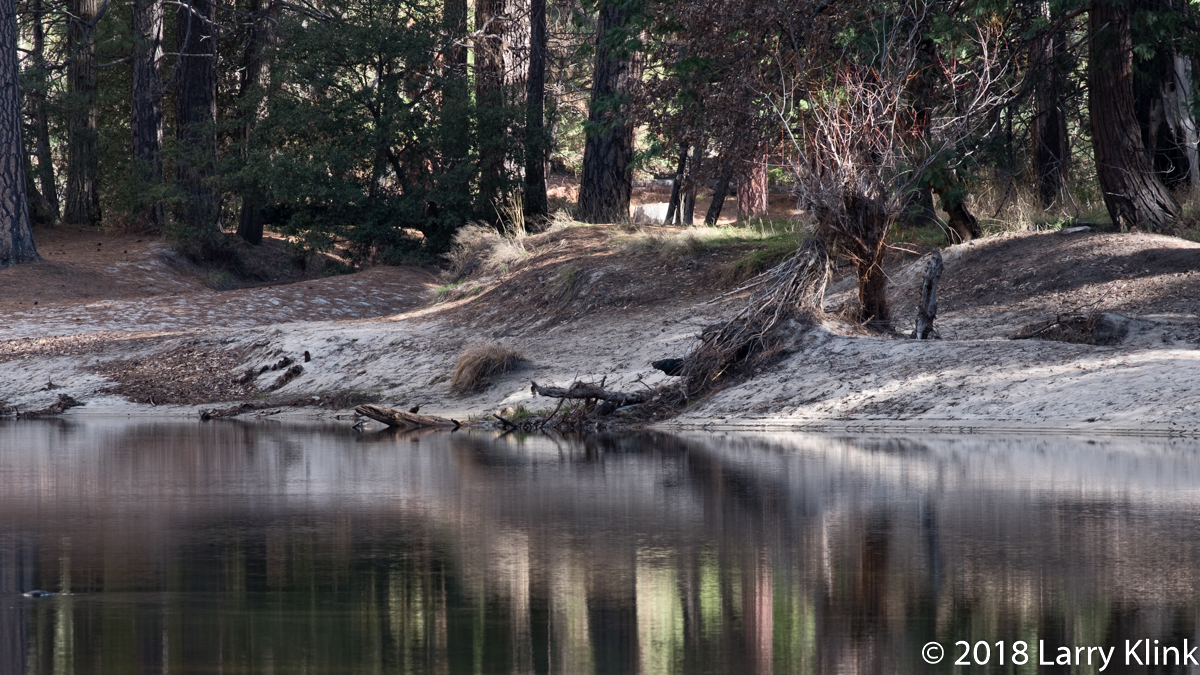
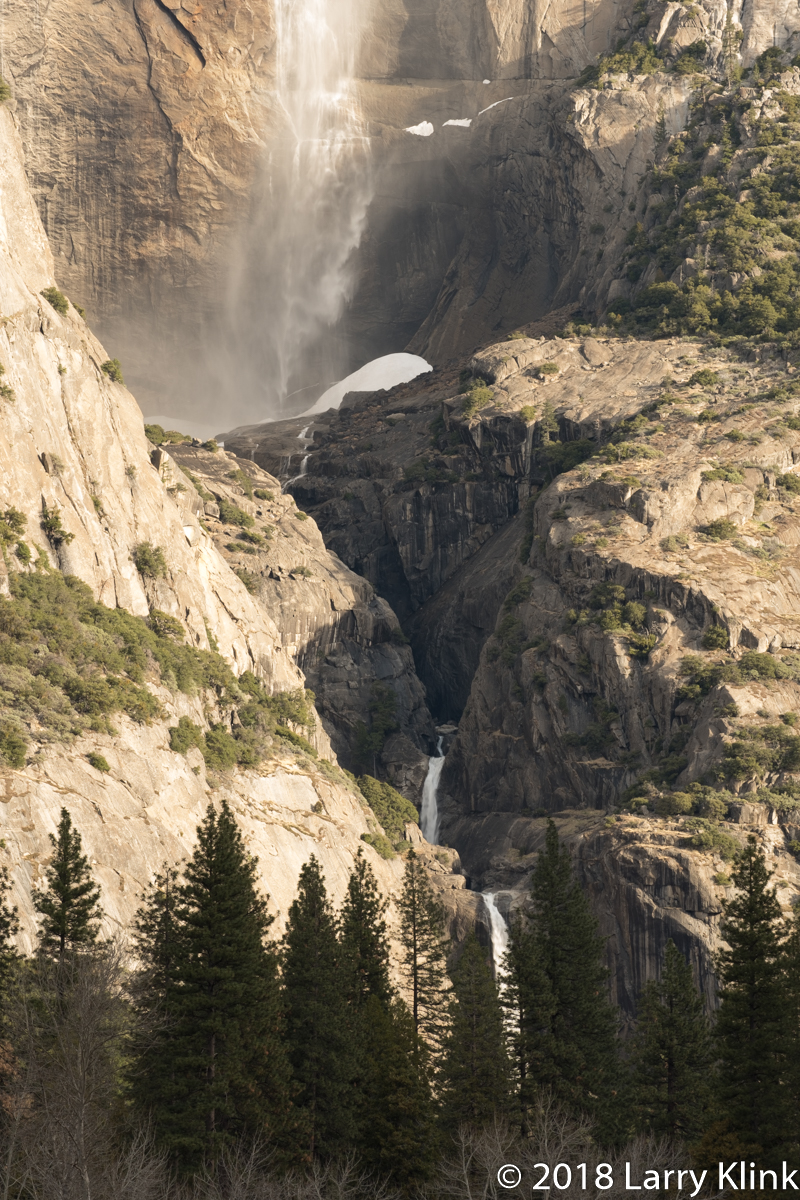
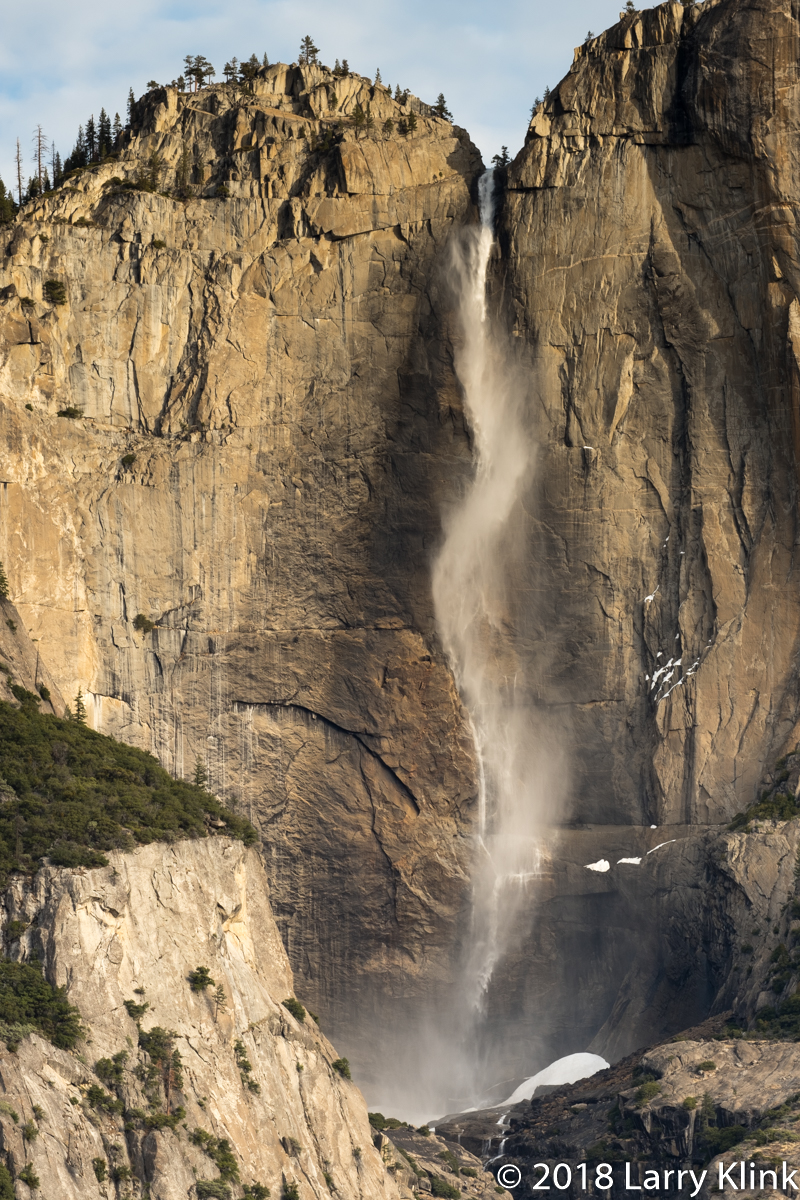
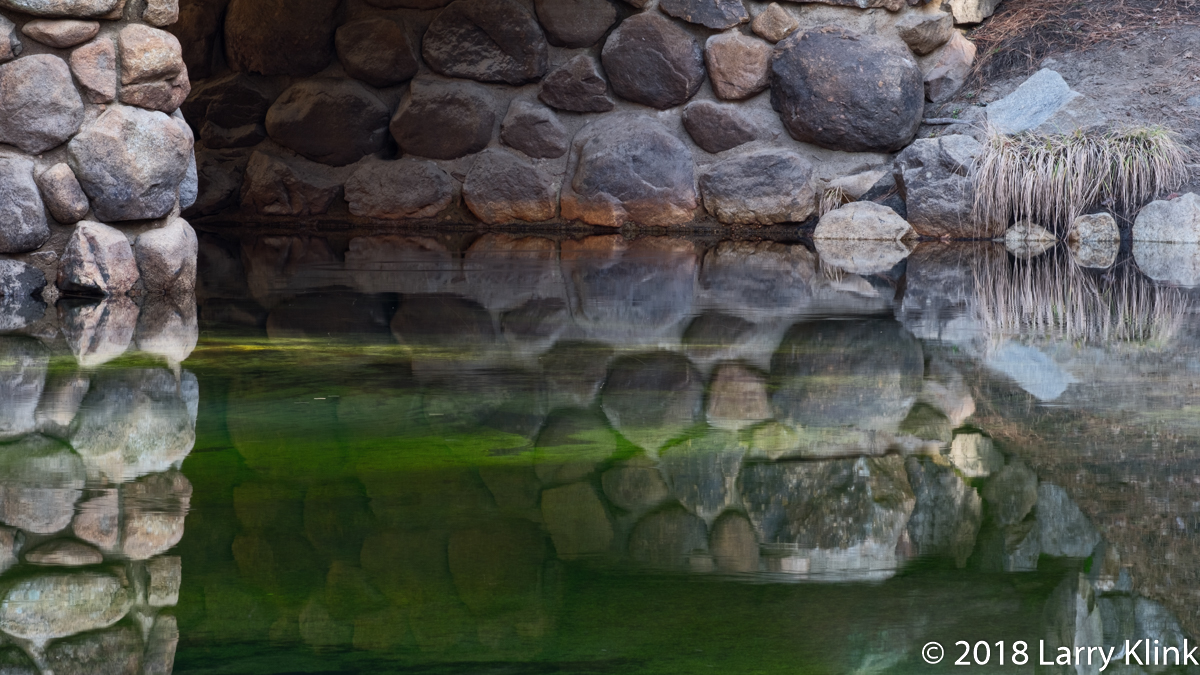
Some Less Photographed Perspectives of Yosemite

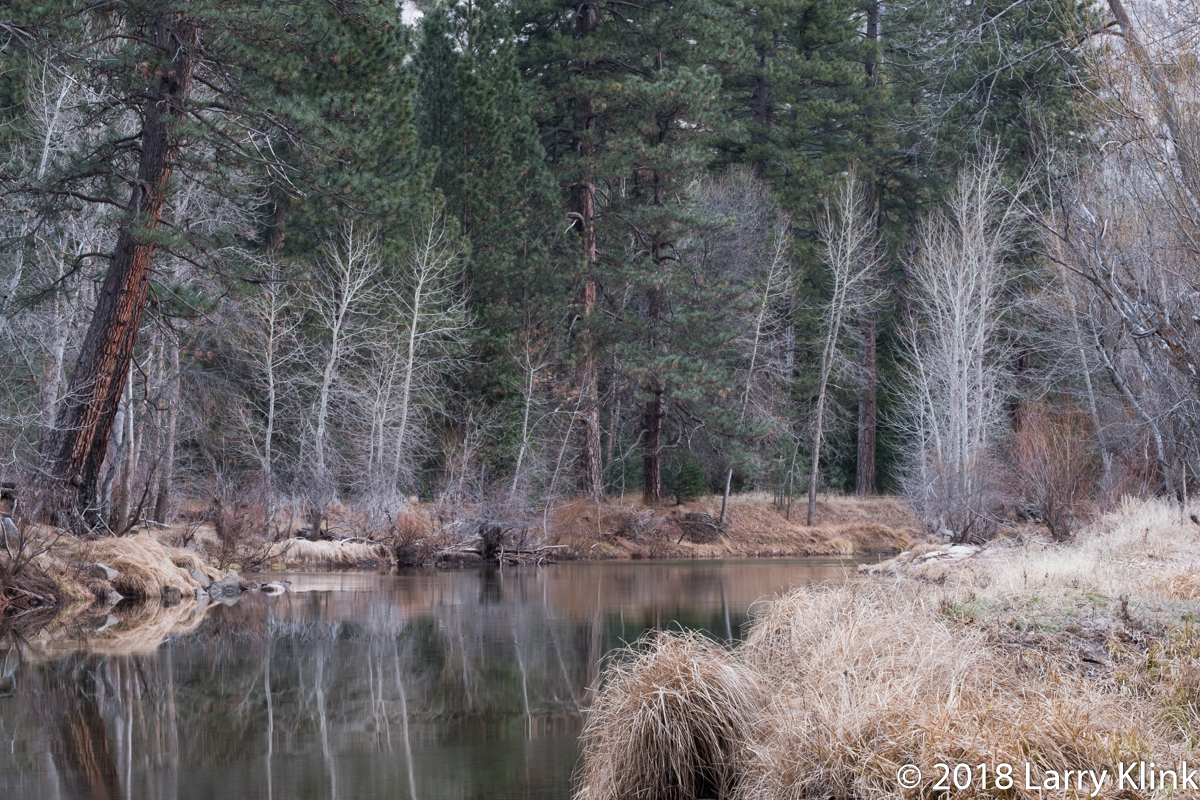
Along the Merced River Near El Capitan Bridge
Along the Merced River Near El Capitan Bridge – Yosemite National Park, CA; FEB 2018

We recently visited Yosemite National Park. On the day we visited, I decided to look for perspectives that aren’t commonly photographed. I love the iconic images but there are lots of nooks and crannies that provide wonderful landscapes. I hope you enjoy these images.

Regards,

Larry

Note: Click on caption to see image at larger size.

Middle Section of Yosemite Falls from Swinging Bridge meadow
Middle Section of Yosemite Falls from Swinging Bridge Meadow – Yosemite National Park, CA; JAN 2018

Sections of El Capitan, El Capitan Meadow, Yosemite National Park, JAN 2018
Demon Like Feature on El Capitan – from El Capitan Meadow, Yosemite National Park, JAN 2018

20180131-Yosemite-054-Web
Swirling Waterfall – Upper Yosemite Falls from Swinging Bridge Meadow, Yosemite National Park, CA; JAN 2018

Reflections Under a Bridge
Reflections Under a Bridge – Merced River Under El Capitan Bridge, Yosemite National Park, CA; FEB 2018 

Merced River from Swinging Bridge Meadow, Yosemite National Park, CA; FEB 2018

Note: These and other images are available for purchase at my website: www.earthwatcher.us or by contacting larry@earthwatcher.us.
Less Common views from Sacramento and Colusa National Wildlife Reserve

Ring Necked Pheasant
Ring Necked Pheasant, Colusa National Wildlife Refuge, JAN 2018

Our visit to the Sacramento and Colusa National Wildlife Refuges found us in fog an low light. These conditions make photography more difficult but also present some interesting opportunities for unique and special images. Additionally, on this visit, we were treated to some birds that we don’t normally see. I hope you enjoy these images.
Regards,

Larry

Note: Please click on caption to see image in larger size.

American Bittern
American Bittern, Colusa National Wildlife Refuge, JAN 2018

Birding on a Peaceful, Foggy Morn
Birding on a Foggy Morn, Colusa National Wildlife Refuge, JAN 2018

Double Crested Cormourant
Double Crested Cormorant, Colusa National Wildlife Refuge, JAN 2018

Fading Into the Fog
Fading Into the Fog, Colusa National Wildlife Refuge, JAN 2018

Female Northern Harrier (aka Marsh Hawk)
Female Northern Harrier, Sacramento National Wildlife Refuge, JAN 2018

Wilson's Snipe
Wilson’s Snipe, Colusa National Wildlife Refuge, JAN 2018

American Whimbrel
American Whimbrel, Colusa National Wildlife Refuge, JAN 2018

Pied-billed Grebe
Pied-billed Grebe, Colusa National Wildlife Refuge, JAN 2018

Common Moorhen (Waterhen, Swamp Chicken, Rail, closely related f
Common Moorhen, Colusa National Wildlife Reserve, JAN 2018

Note: These and other images are available for purchase on my website www.earthwatcher.us or by contacting larry@earthwatcher.us.