I’m cleaning up and
organizing my photo library. In that process, I uncovered a lot of photos that
I have never posted. Today, I am sharing a few from a cross country road trip
we took in 2017.
I hope you enjoy them.
Note: Please click on caption to see image at higher resolution.
I shared some scenes from our trip to Canada last July.
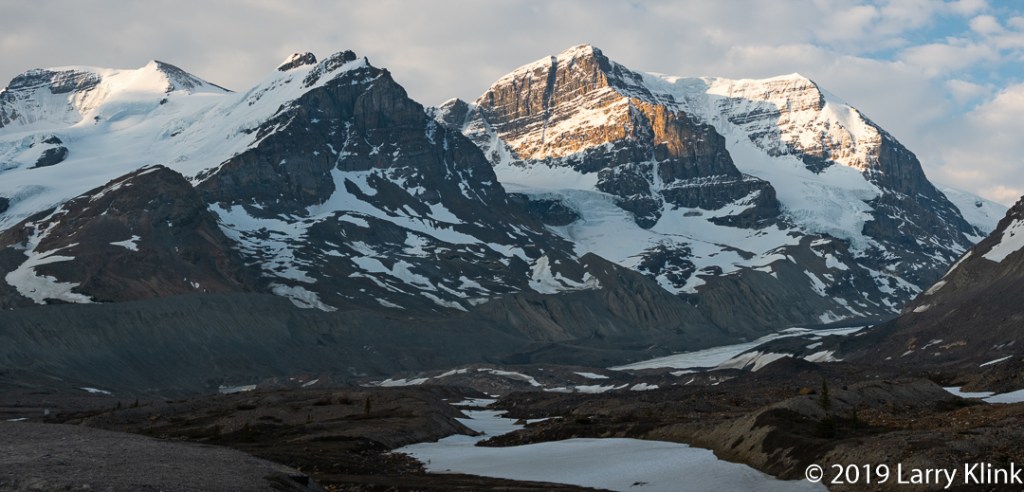
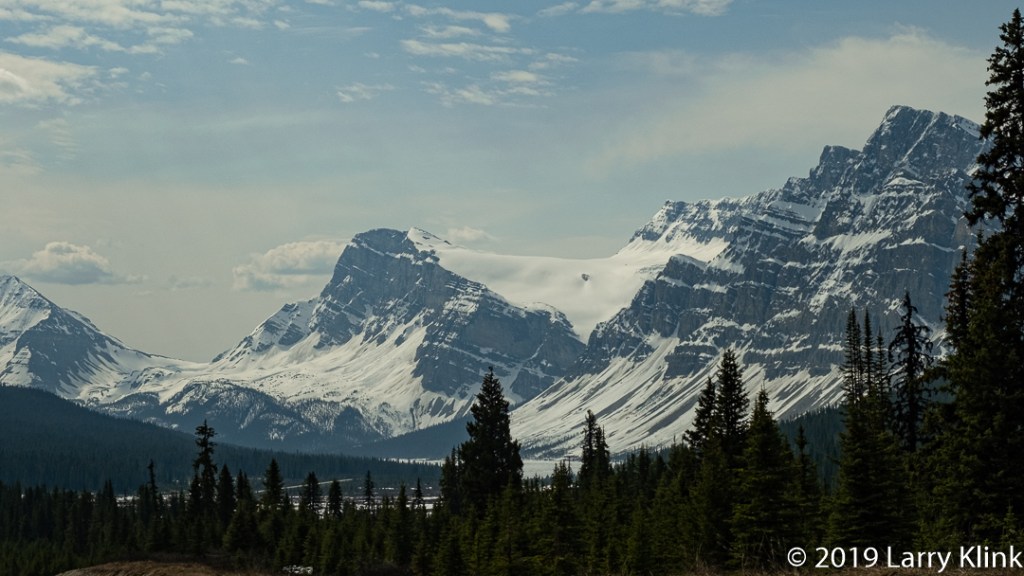
Today, I am going to share a few more. These are mountain peaks along the
Icefields Parkway.
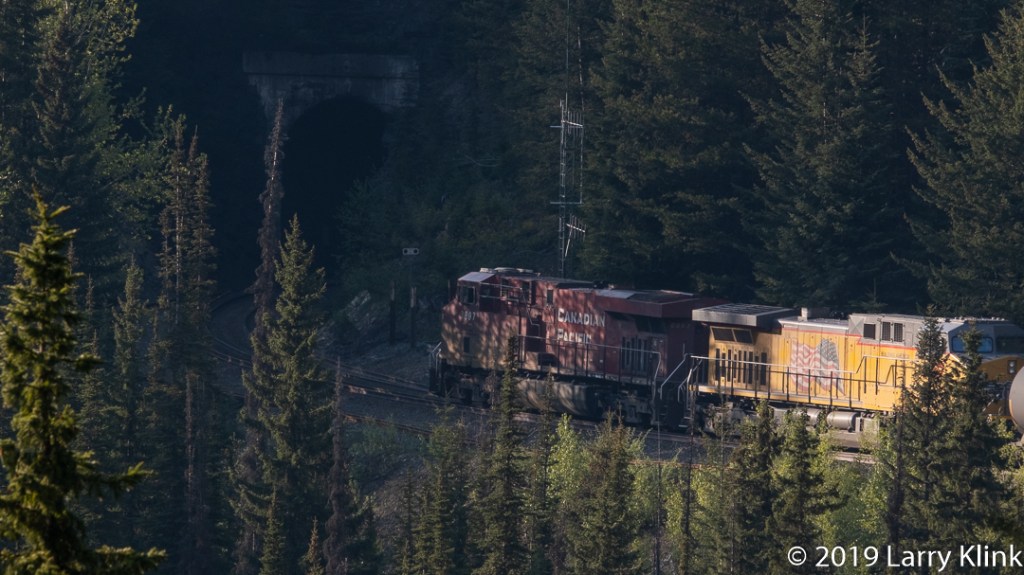
I included two images of something out of the ordinary for
me. I am a closet lover of railroads and trains. Kicking Horse Pass crosses the
Big Hill west of Banff, AB in Canada. It sets on the Continental Divide and on
the Alberta/British Columbia border. When British Columbia joined Canada, a
railroad was built across British Columbia. Crossing the Rocky Mountains presented
a significant obstacle. The best solution at that time was to send the railway
up Big Hill and over Kicking Horse pass. But that meant ascending and
descending 1,070 feet on 4 ½% grade; i.e. for every 100 feet of horizontal distance
the hill rose/fell 4 ½ feet. The doesn’t sound like a lot, but it is. Pay
attention to the grade signs on highways when you drive. When in use, there
were many accidents on this hill. The Canadian government eventually contracted
to build the “Spiraling Tunnels”. The Spiraling Tunnels is a set of 2 tunnels
and connecting roadbeds under the mountains to make the ascent and descent more
gradual[i].
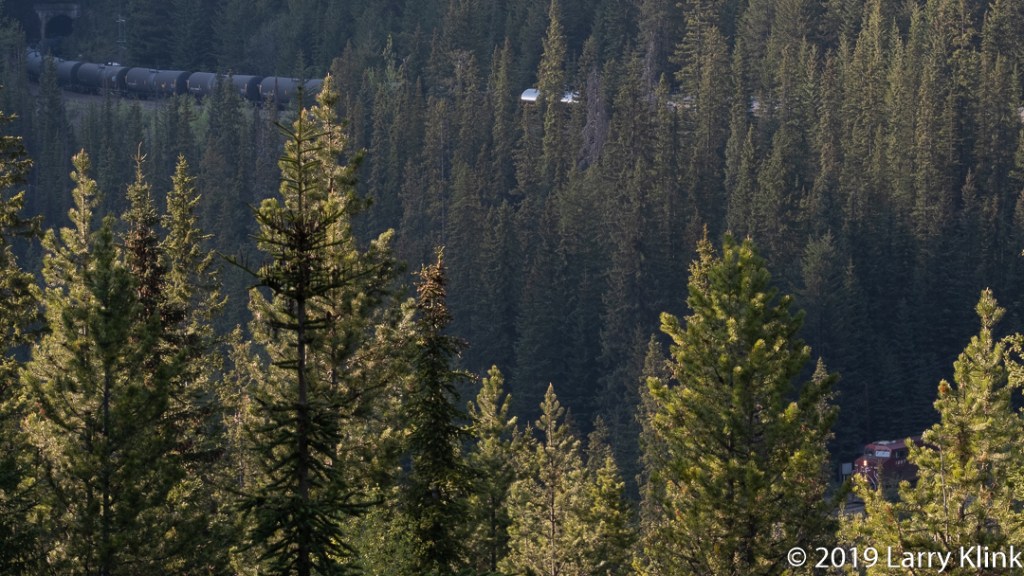
The images I have included shows a train entering one of the tunnels and later
as the locomotive exits the tunnel while part of its train is still entering.
Over the course of the current year, I have been busily photographing
many birds; so many that I have gotten behind in my posts. Over the next few
months I’ll do my best to catch up, interspersed with some other interesting
aspects of nature such as the golden leaves of the aspens along the eastern
sierra. In this post, I’ll start with sharing some birds that I find especially
beautiful.
The Bullock’s Oriole (Icterus bullockii) is found in the
western part of North America. They like open areas near trees where they can
find caterpillars, fruit and nectar.
The Hooded Oriole (Icterus cucullatus) is
found in the southwestern United States. However, in breeding season they
reside in western California also. They live in more open areas, and especially
like palm trees. They like fruit, nectar and the sugar water in hummingbird
feeders.
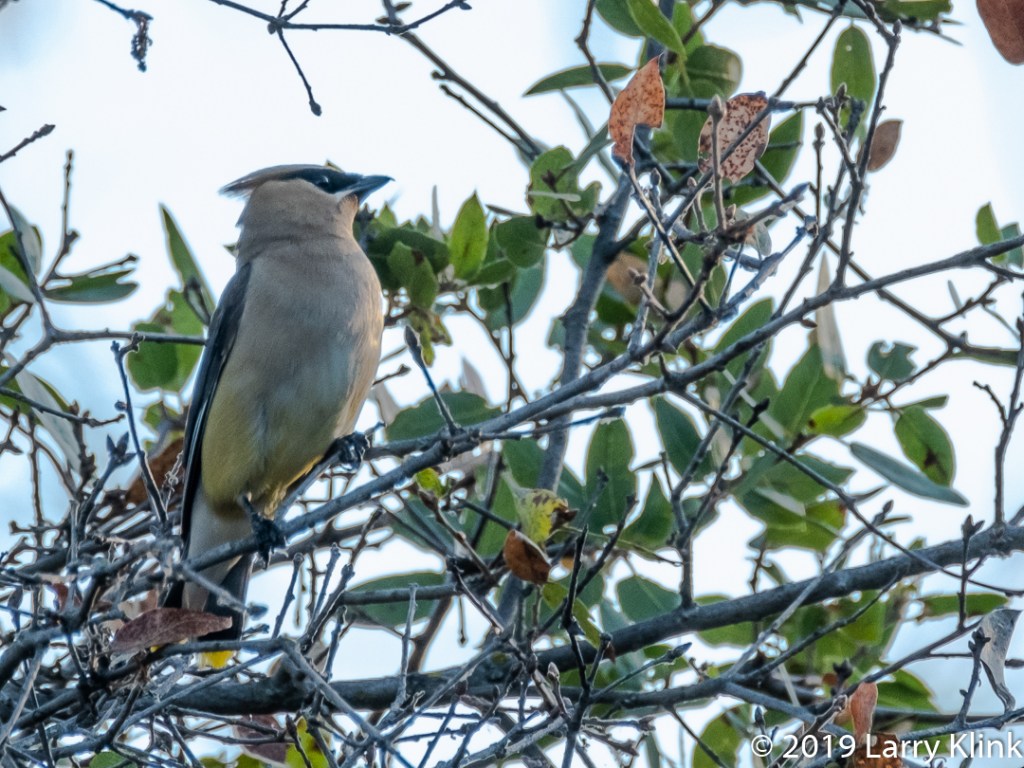
The Cedar Waxwing (Bombycilla cedrorumlives) can be
found across much of the United States. They are social birds that flock
together in trees. Their preferred diet is fruit and berries but sometimes practice
the aerobatics of flycatchers chasing insects. Waxwings get their name from a
waxy substance they secrete from their wingtips.
Here in the Sacramento area, we see the waxwings in the winter and the orioles in the summer.
I’ve been traveling a lot this year. In my travels, I have seen and photographed many interesting birds. I just haven’t made the time to share them. Here are a few of them. Others will follow.
First up is the Gray Jay. It is a corvid like other jays but
is smaller and has a much less raucous voice. In November 2016 the BBC reported
that Canada adopted this bird, also known as the Whiskey Jack, as its national
bird.
The other Jay in this collection is Woodhouse’s Jay. Those of us in the west don’t see Blue Jays; they are eastern birds. Mostly, we see the scrub jay. At one time, the Scrub Jay was just called the Western Scrub Jay. But recently, it was split into 3 separate species: the California Scrub Jay which we see here west of the Sierra Nevada mountains; the Island Scrub Jay which is only found in the Santa Cruz Islands, and Woodhouse’s Jay which is seen between the Sierra Nevada mountains and the Rocky mountains and from Southeastern Oregon into Mexico.
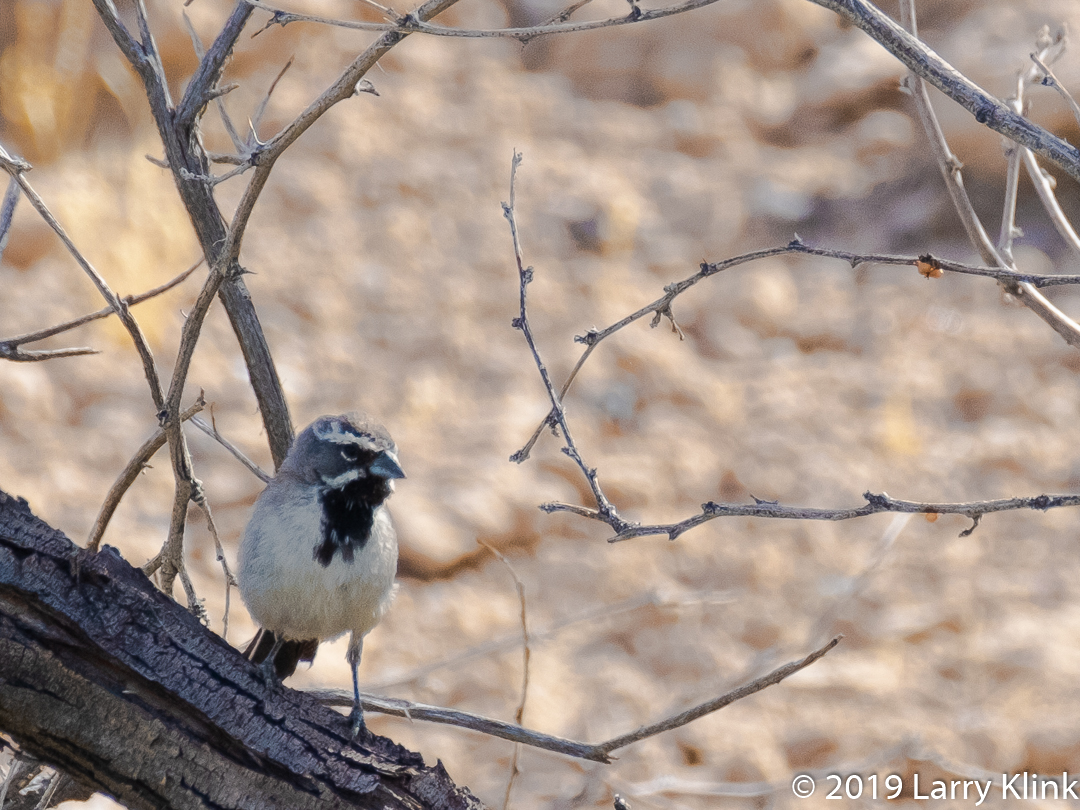
I found the Horned Lark and the Black-throated Sparrow at
Ash Meadows National Wildlife Refuge. Ash Meadows is an oasis, a marshland in
the Mojave Desert that is fed from springs that draw from an ancient aquifer.
You’ll find it in Amargosa Valley, NV . It is a great place to visit, in the
early morning.
The Yellow-headed Blackbird is a common bird in much of the western US. It thrives in marshes among the reeds and cattails.
Note: Please click on caption to see image at higher resolution.
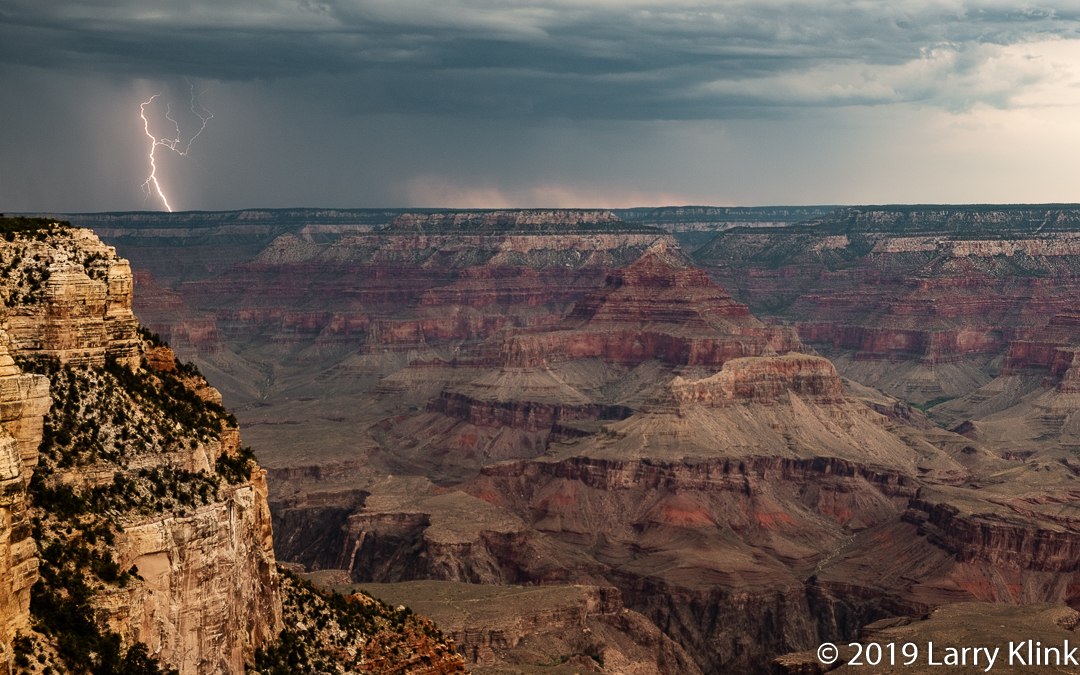
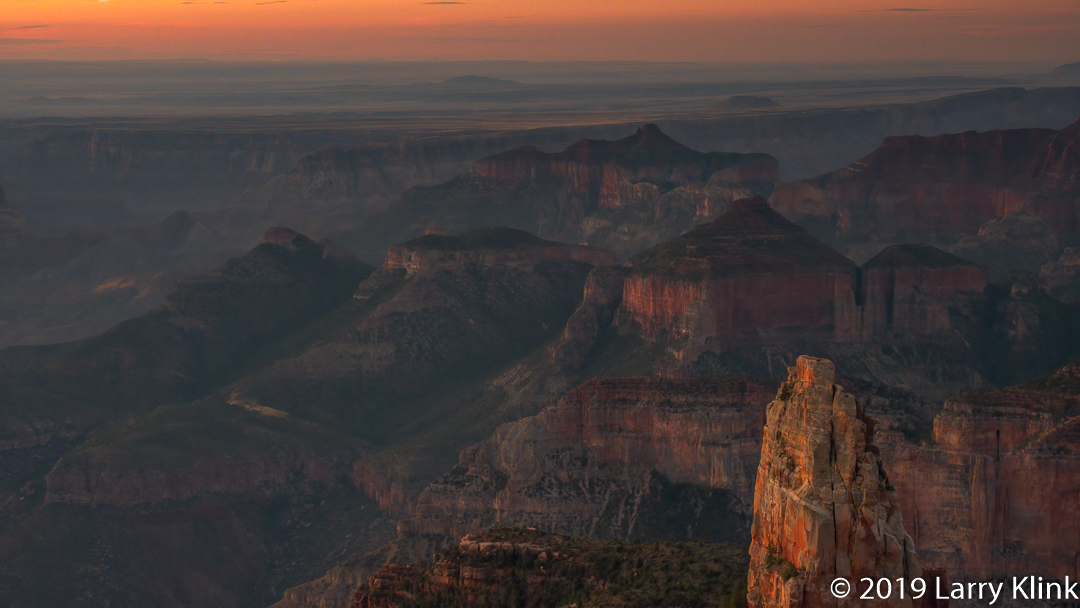
I recently had the privilege to photograph the Grand Canyon
during the monsoon season of Southwestern North America. It was a marvelous
time to visit this national wonder. We were treated to dark and stormy skies, lightning,
rainbows and vivid sunrises and sunsets.
I generally don’t think of the southwestern US as having a
monsoon season, after all, it is largely desert. I think of torrential rains in
places like India and the eastern coast of Africa. But, the monsoon season in southwestern
North America is very real. The term monsoon refers to the seasonal wind shift
that brings in warm, humid air. Those winds cause most of the rainfall received
by the desert southwest each year – all 1” to 8” of it; sometimes more and
sometimes less. It can be responsible for torrential downbursts that cause
flash flooding and lightning induced wildfires.
The southwestern North American monsoon season generally
starts in early July and runs through September.
In this post, I am sharing a few of the images I took while at the Grand Canyon. I’ll share a few more later this week.
Note: Please click on caption to see image at higher resolution.
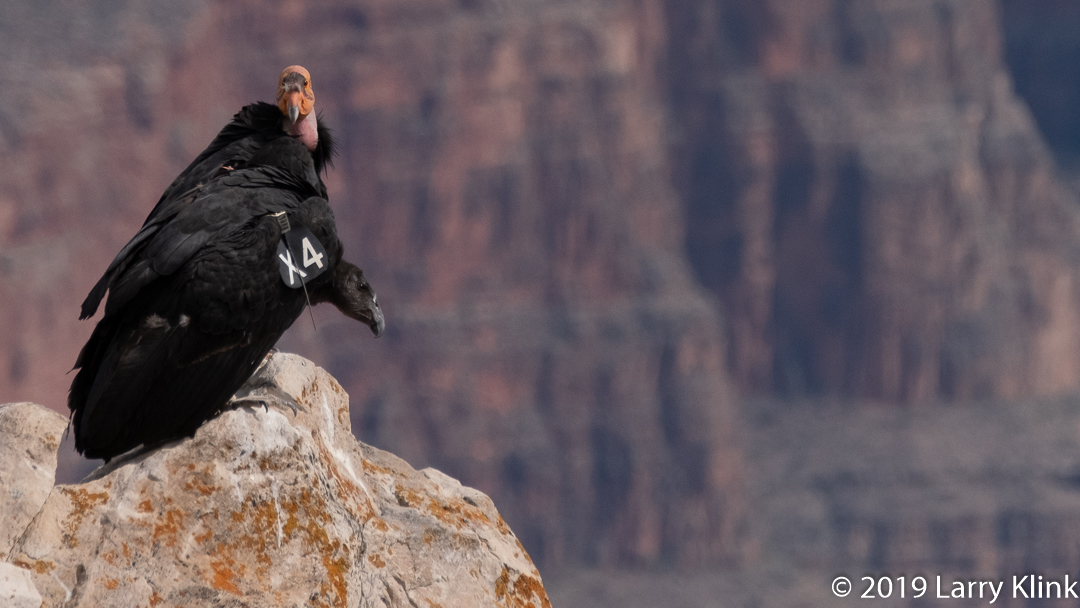
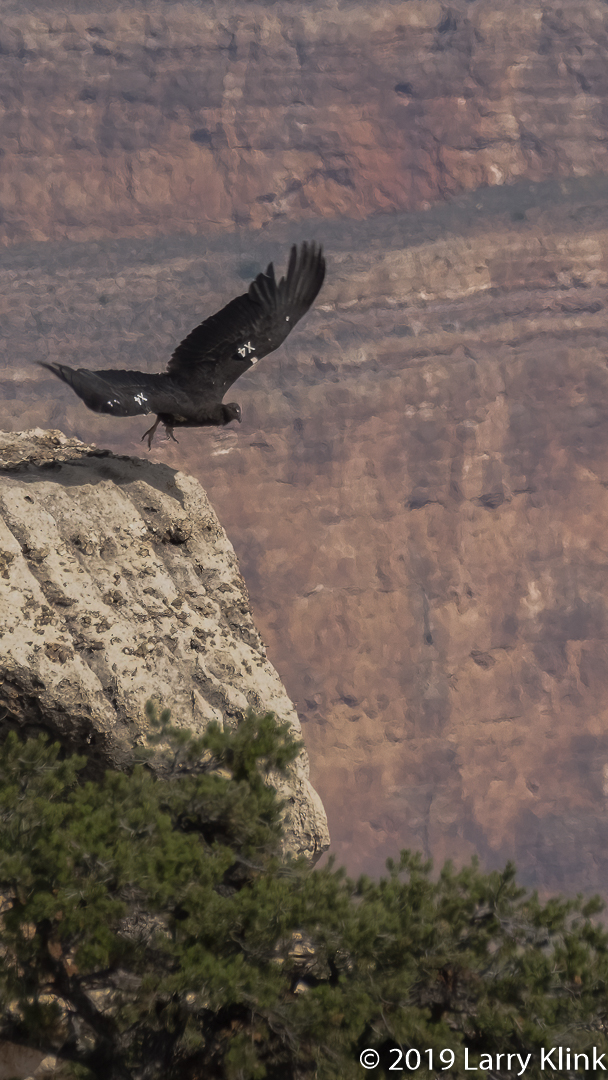
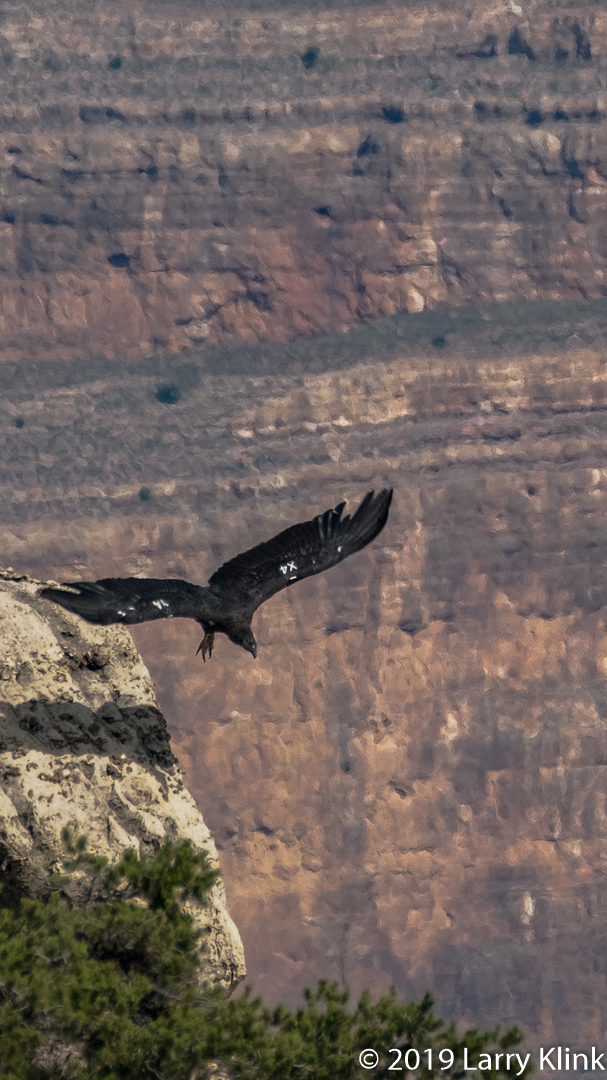
This past week, I had the opportunity to visit the Grand
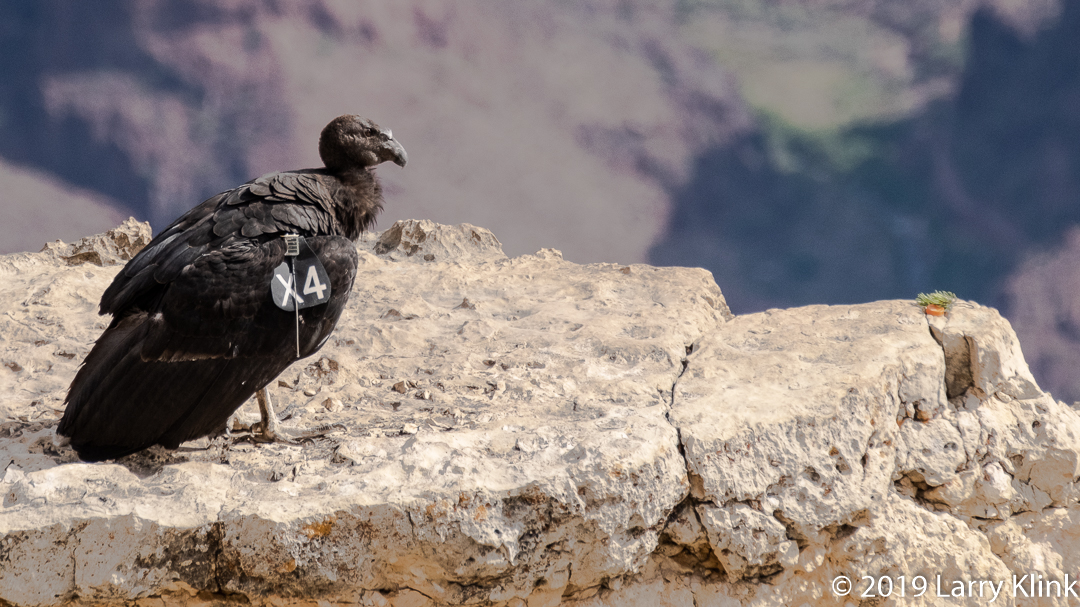
Canyon National Park. While there, I saw a rare site: a juvenile and adult
California Condor (Gymnogyps californianus). This vulture can reach 4 ½ feet
long with a wingspan of nearly 10 feet; 25% larger than the more commonly seen Turkey
Vulture.
What makes this bird remarkable, beside its size, is that it was nearly driven to extinction. Many millennia ago, it ranged across the entire North American continent. By the time European settlers arrived, it was found mostly in the western part of North America.
During the 20thcentury, California Condor populations declined until extinction became extremely likely. In 1987 all remaining 22 wild birds were captured. These birds formed the breeding stock for a federally sponsored program aimed at reestablishing them in the wild. These condors were bred and their offspring released into the wild. The birds have begun breeding in the wild. Captive birds continue to be released. The population is now expanding.
The birds can sometimes be seen in places like the Grand Canyon but seeing them is still the exception rather than the rule. So, I feel blessed to have been able to see and photograph these magnificent birds.
Note: Please click on caption to see images at higher resolution.
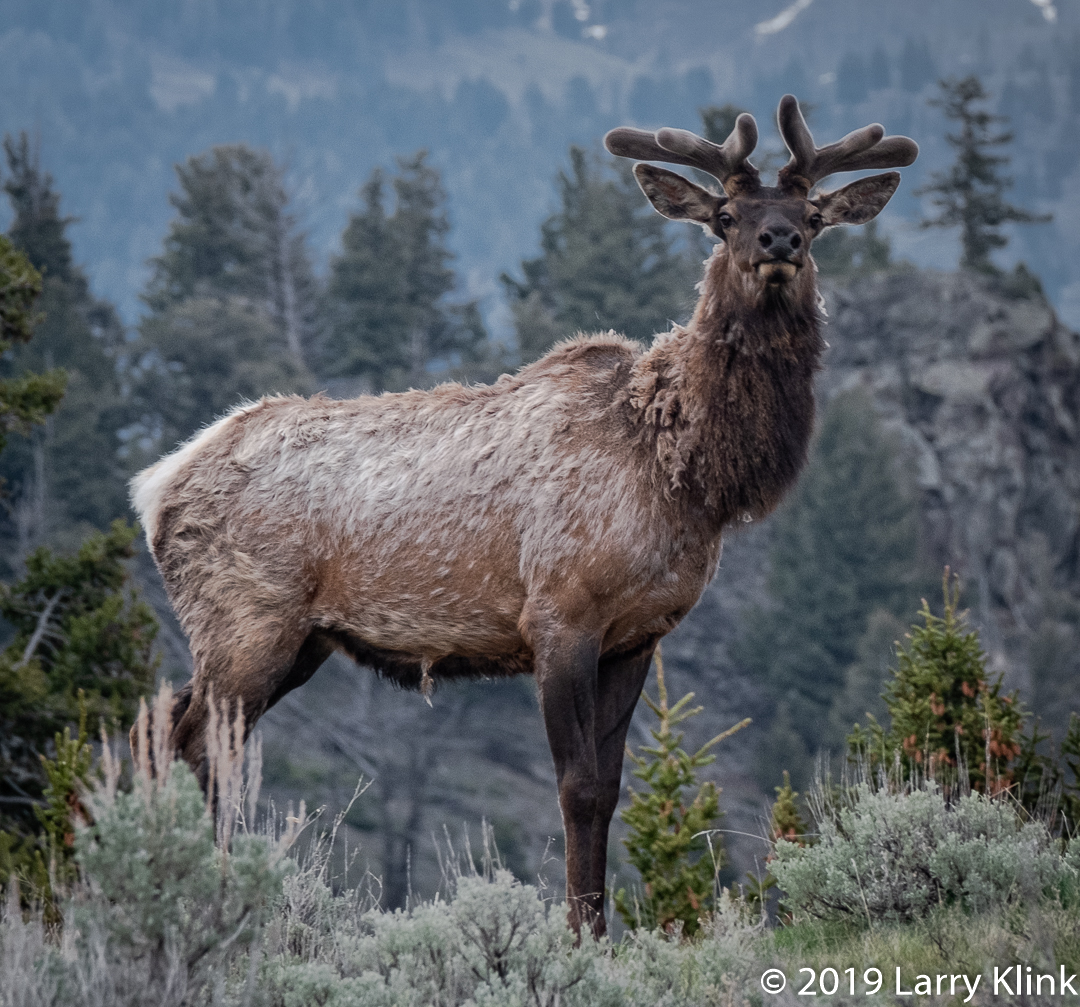
In sharing these images today, I am using the common North
American names for these animals. It was interesting learning about these
animals though because, the names are not consistent. Even in North America,
the Elk is referred to a Wapiti, from the Shawnee term Wa Piti meaning
White-rumped. Also, Elk are sometimes claimed to be the same as the European
Red Deer. However, mitochondrial testing in 2004 found that the much smaller Red
Deer is a different species.[i]
To confuse matters further, in Eurasia, the Moose is called an Elk.[ii]
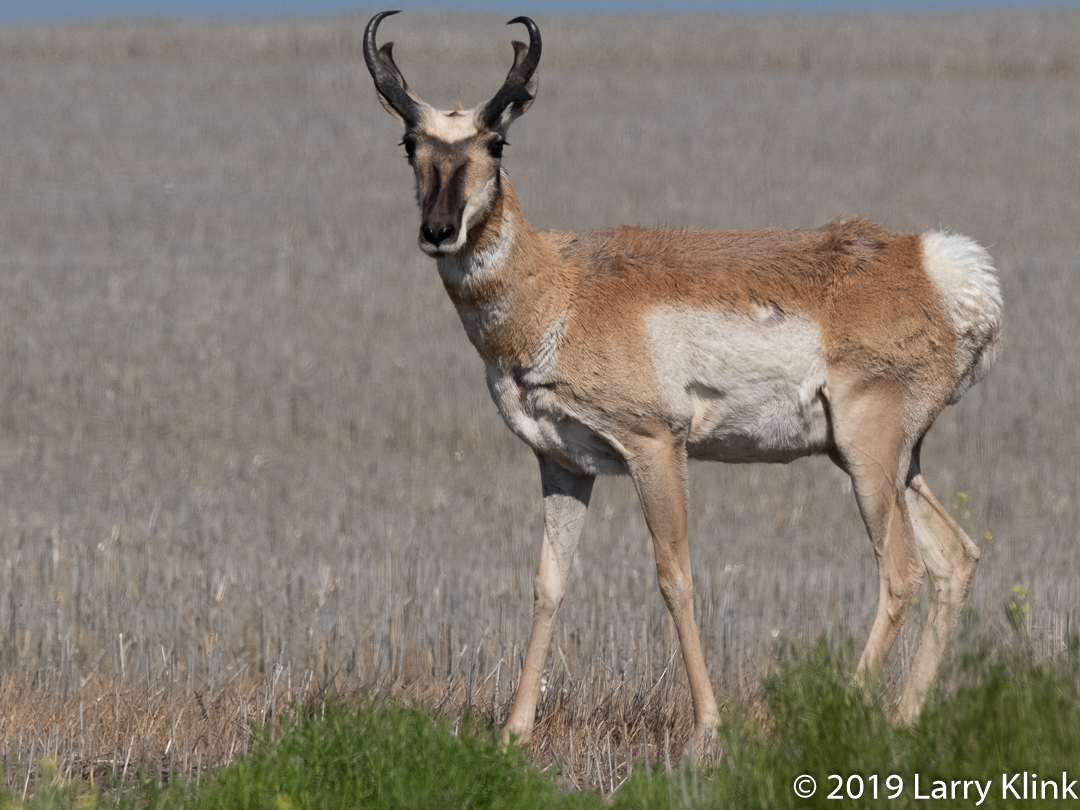
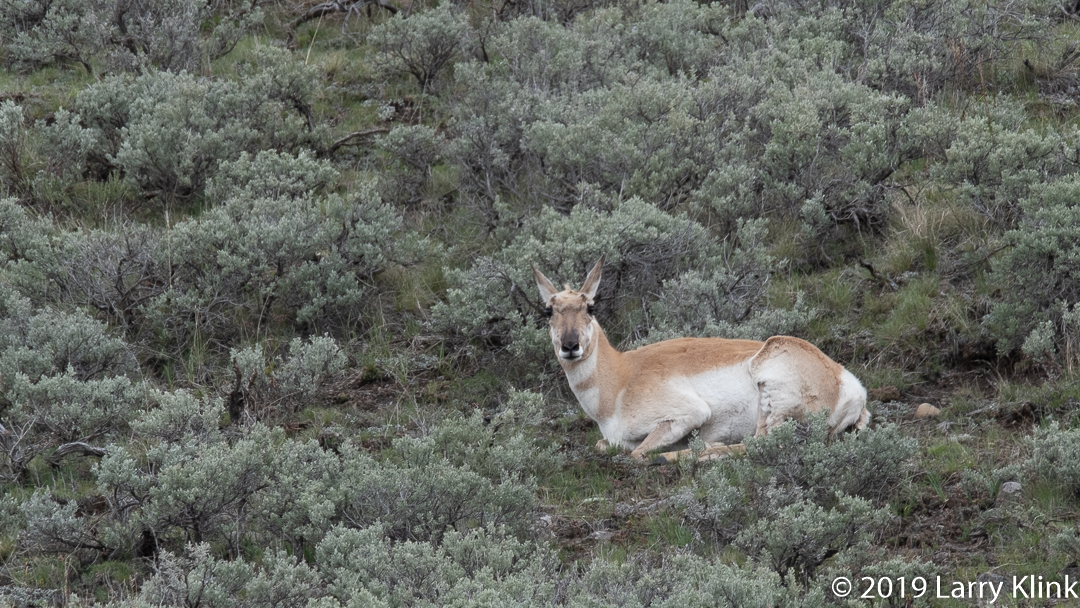
The Pronghorn is sometimes referred to as an antelope but it
is not a true antelope. Unlike true antelopes, the keratin sheathing on its
horns is shed and regrown annually. The pronghorn is also the only animal that
has branched horns.
The Elk and the Moose are members of the deer family, which
means they have antlers made of bone. The pronghorn and true antelope, as well
as cows, sheep and goats have horns which have a bony center covered by a keratinous
sheath.
Anyway, forget the confusion unless it helps in social
conversation and enjoy these magnificent animals.
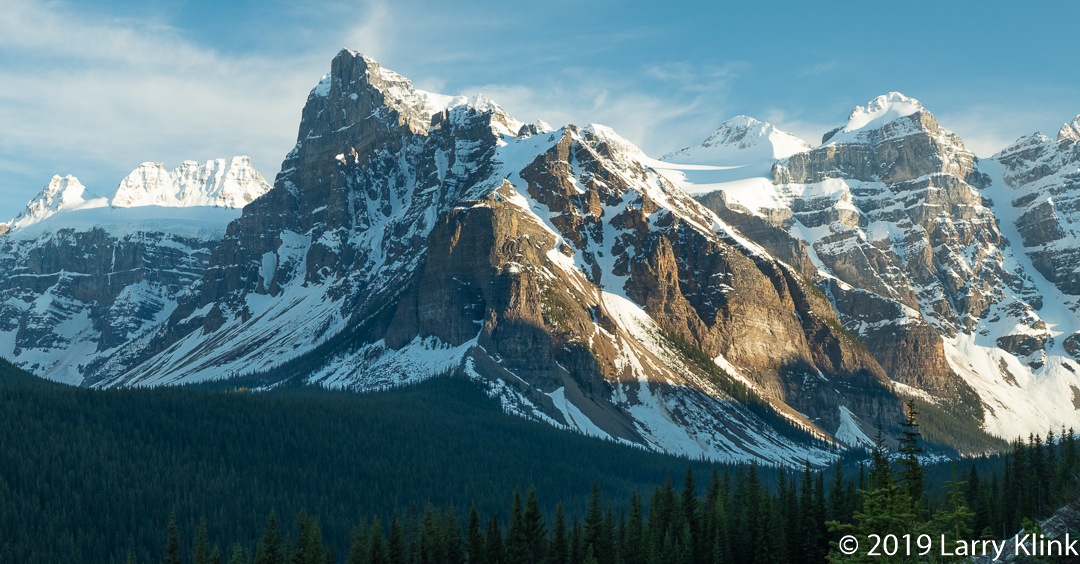
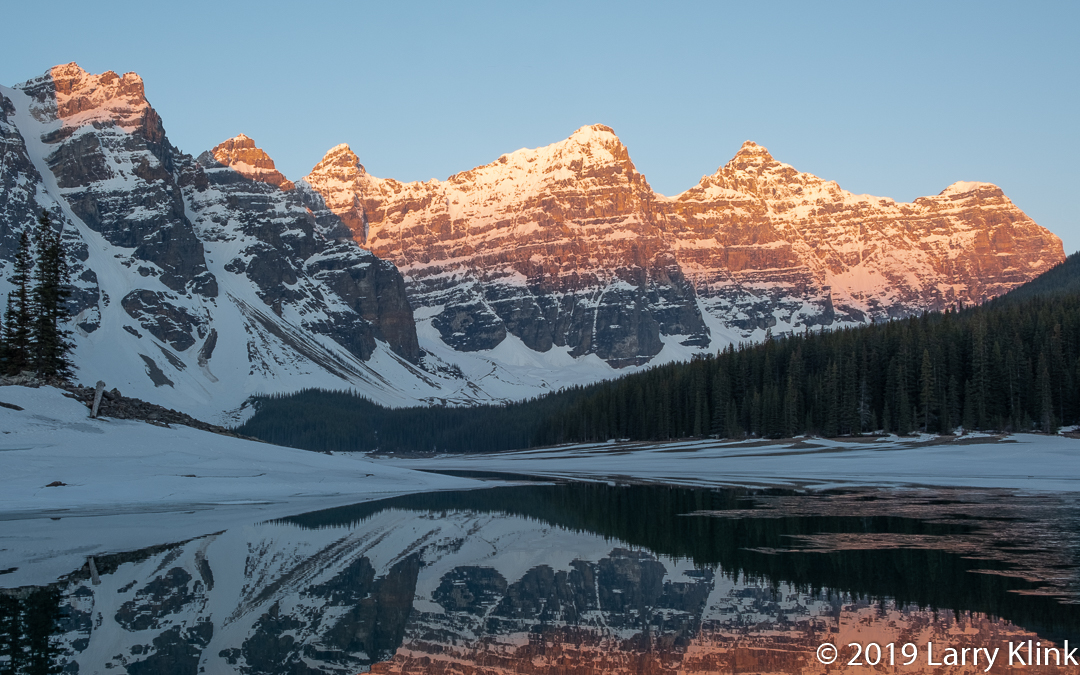
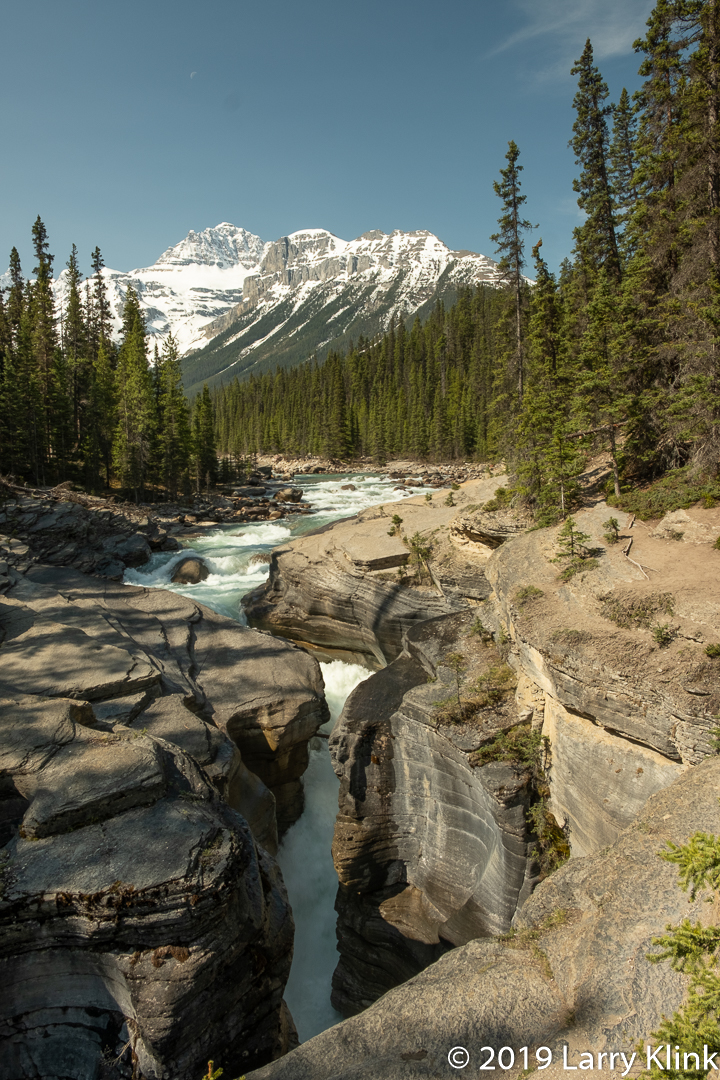
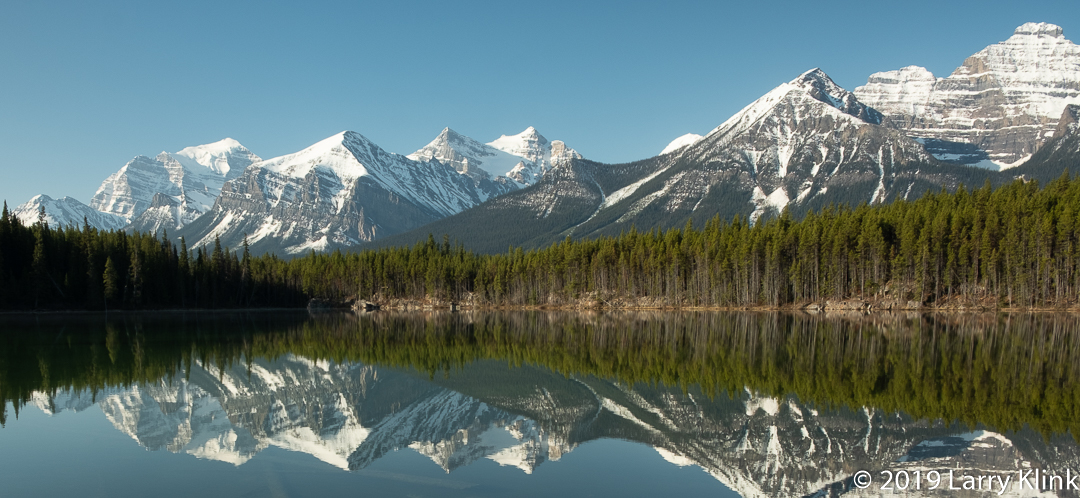
Canada’s Banff National Park is filled with stunning
mountain peaks capped with glaciers and snow. The steep, rugged mountains are
the source of beautiful, turquoise streams that feed alpine lakes.
The
turquoise water is interesting. As glaciers move, they polish the underlying
rock, producing very fine particles of dust called rock flour. The rock flour
mixes with the water traveling downstream. The color is a result of light reflecting
around the densely packed dust in the water. On bright days, with the sun
in the right position, the river displays the brilliant turquoise. If the sky
is more cloudy, the water will be a milky off-white. When it reaches the lakes,
the rock flour eventually settles out. But, if the river is filling the lake
quickly, the lakes can be turquoise also.
The
mountainside on this image from Kootenay National Park is beautifully colored.
But the coloring is deceptive. The rust color is dead conifers. The black is
foliage that was consumed by fire. Many of the conifers died due to pine beetle
infestation.
Please click on caption to see image at higher resolution!























 Earthwatcher