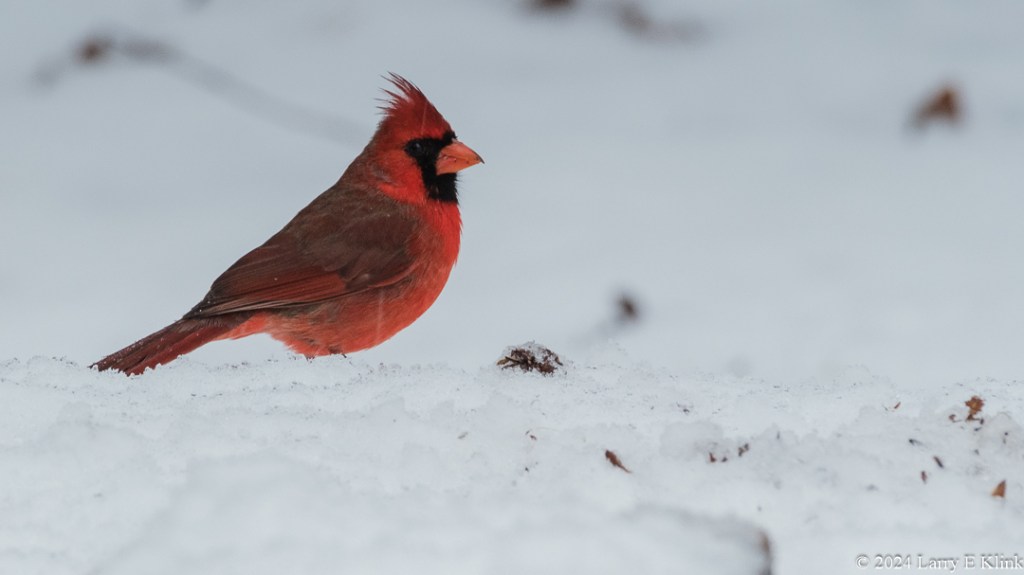
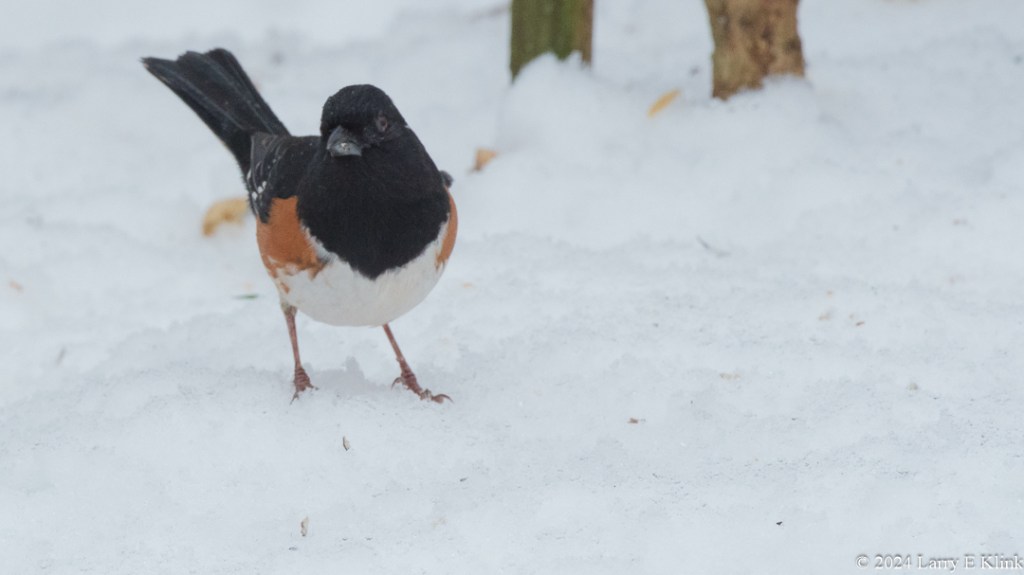
A few weeks ago, we got several inches of snow across the Atlanta, Georgia, USA metropolitan area. I took advantage of this uncommon occurrence to photograph some of the birds that reside here.
Please click on caption to see photos in higher resolution.
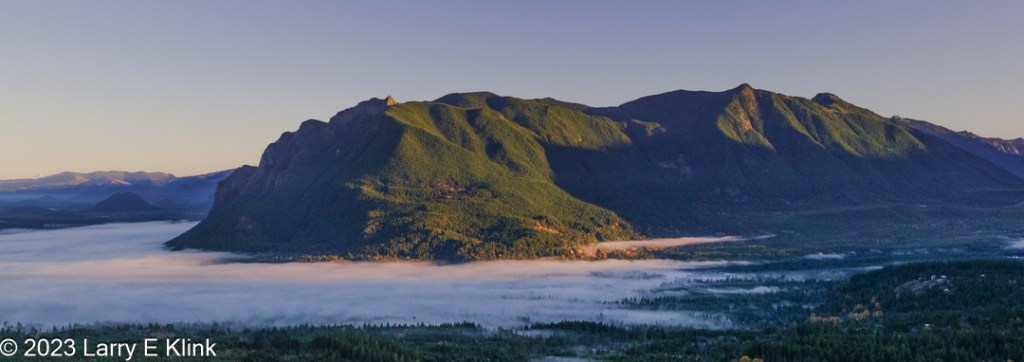
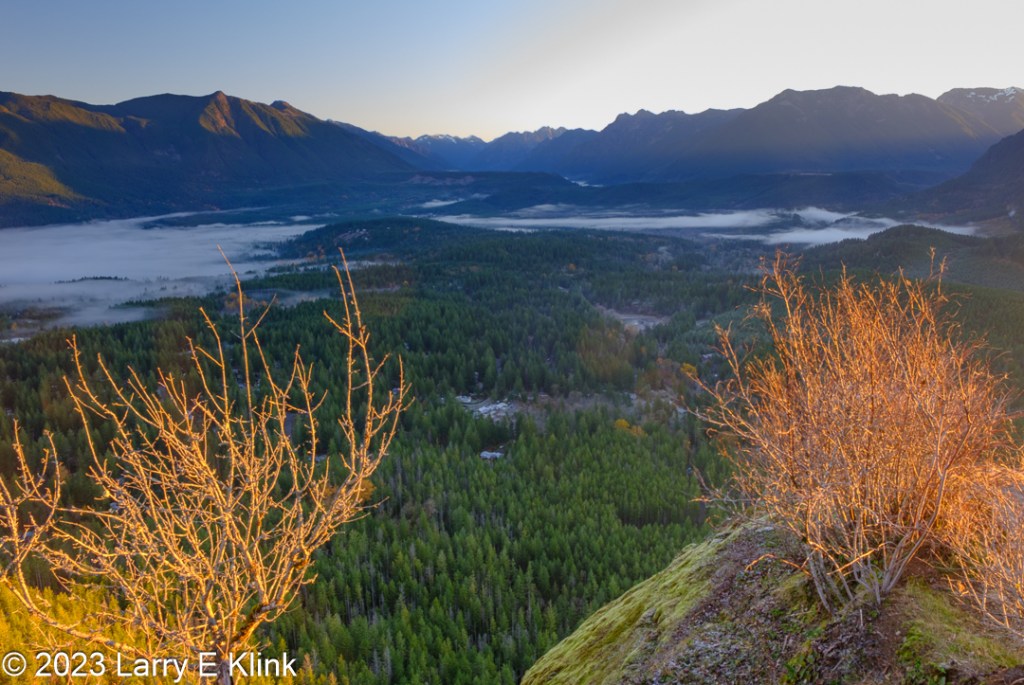
I was visiting my family in the Seattle area. One day we got up early and went to a spot with great views of mountains and a valley. The only issue was that we were in the valley and had to hike 2 miles up the mountain in order to get to the overlook.
The Rattlesnake Edge Trail is a trail cut into the side of a steep mountain lying in its angle of repose. The elevation gain over the 2 miles is 1160 feet. I’m not ashamed to say that it was a tough climb for me, but I made it. We got there about 10 minutes before sunrise.
Please click on caption to see image at higher resolution!
If anyone would like a copy of almost any picture in my library, for educational or research use, please contact me and I will happily share a digital copy with you.
If anyone would like a copy of almost any picture in my library, for educational or research use, please contact me and I will happily share a digital copy with you.
Please visit my website, www.earthwatcher.us to see my collection of landscapes and wildlife.
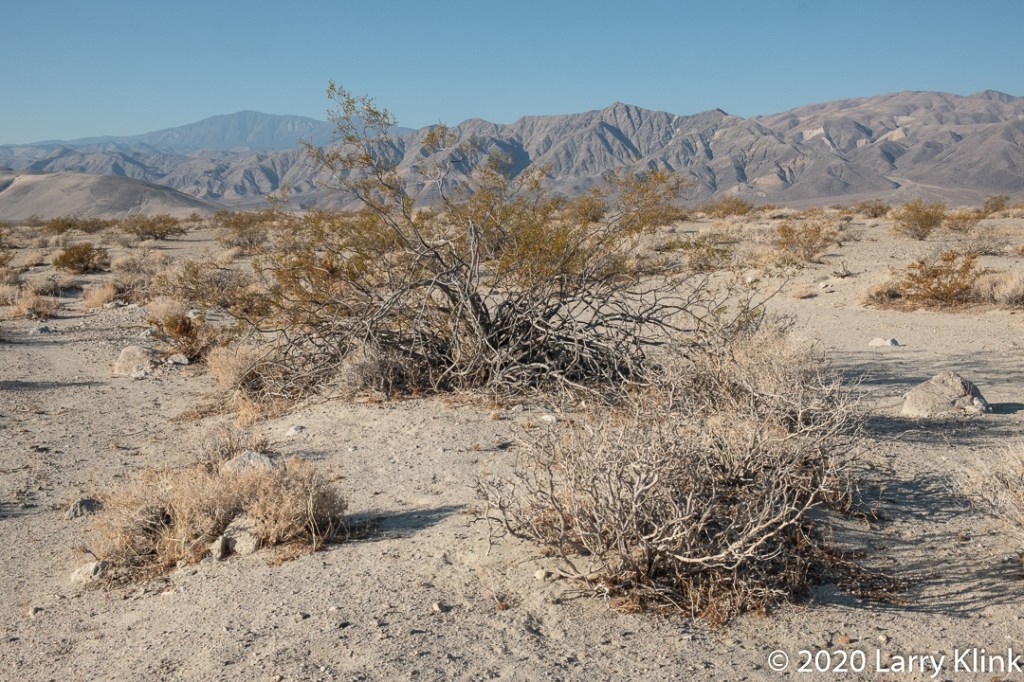
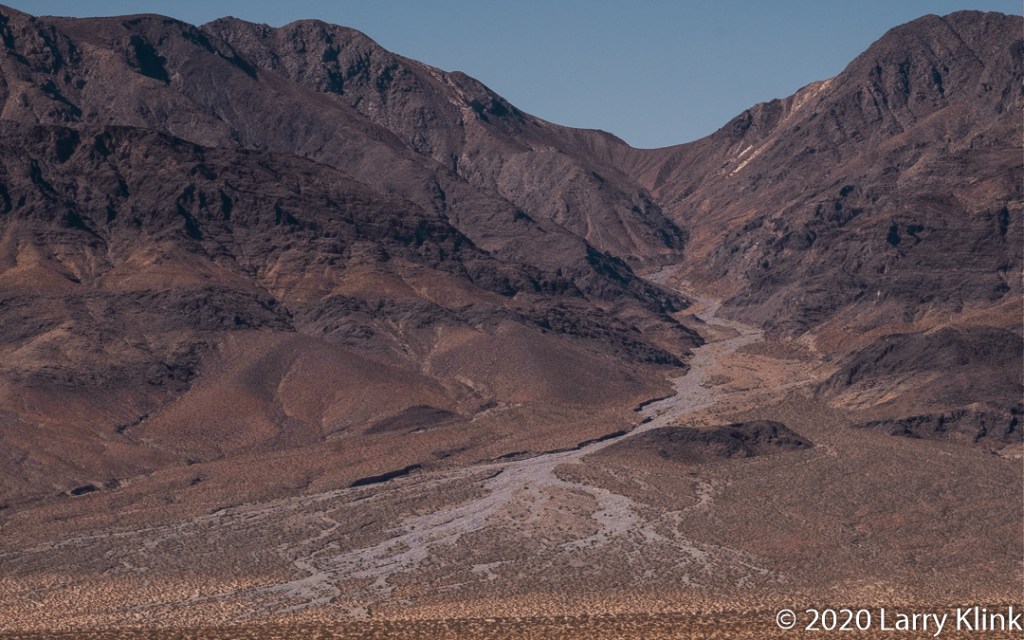
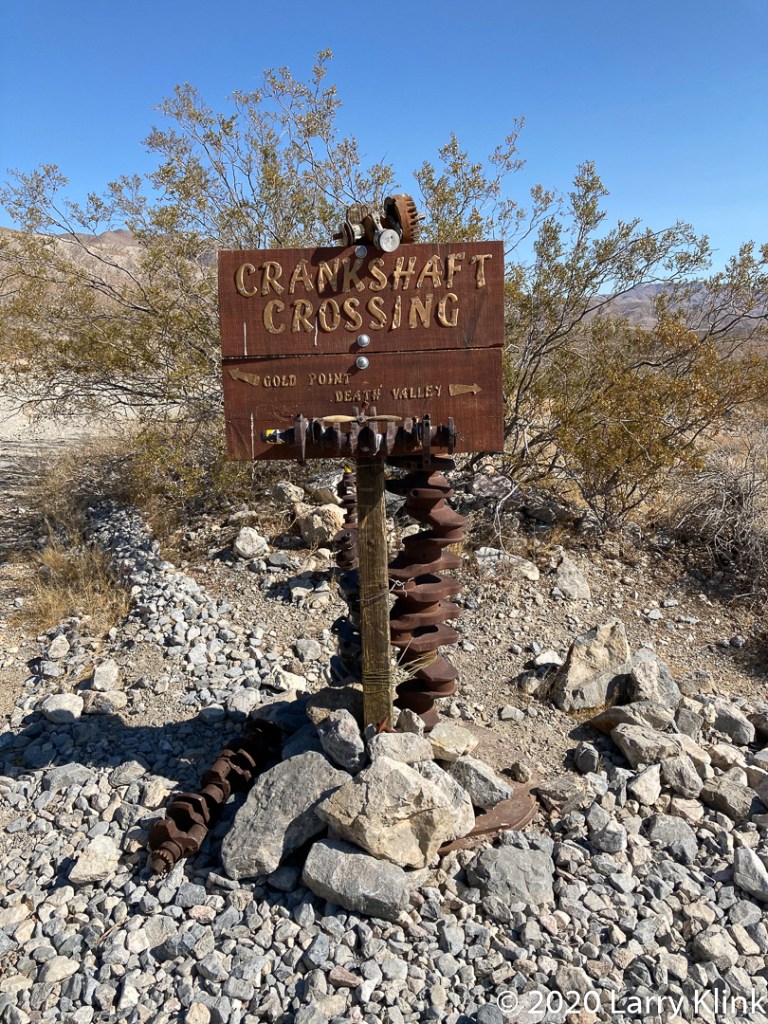
On our last trip to the Eastern Sierra, we explored Big Pine – Death Valley Road. Twenty-five miles from Big Pine, CA, the pavement ends, and you enter Death Valley National Park. The route took us through Eureaka Valley, over the Last Chance Mountains to Crankshaft Crossing where we made a right to continue on Death Valley Road. That led us to Ubehebe Road then to Scotty’s Castle Road and further to Stovepipe Wells. It was a fun trip through beautiful desert despite the tire shredding rocks and washboard grating on the road. If you ever take this route be careful. Have really good tires and plan your timing; there are many washes that cross the road. They were all in good repair when we took the trip in early autumn. But, they could be bad in other times of the year.
Please click on caption to see image at higher resolution.
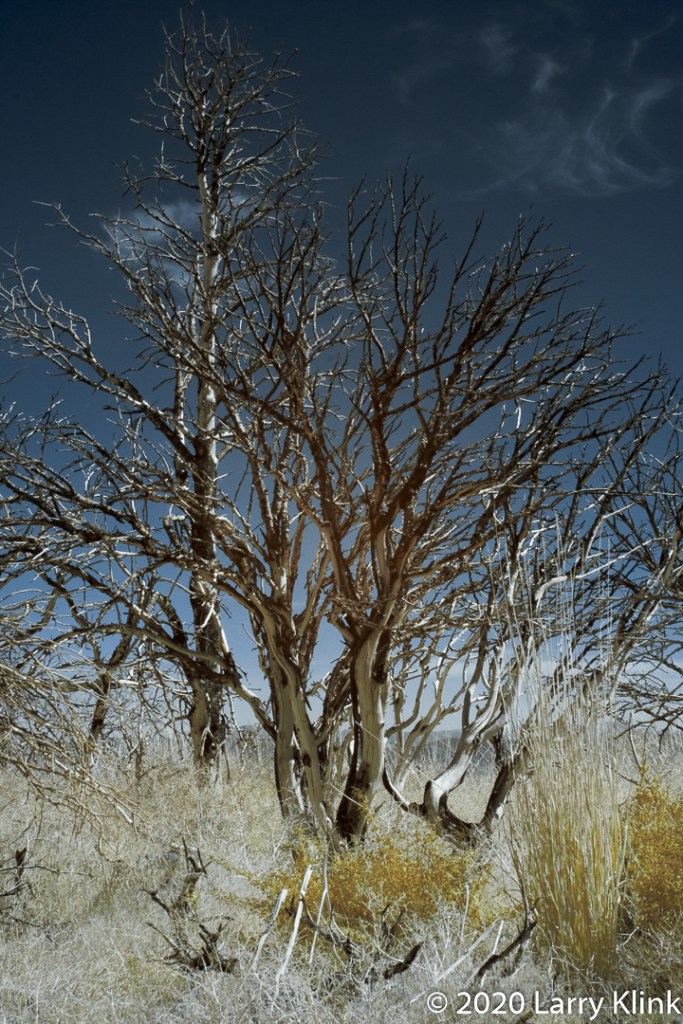
On our day trip to the mountains, we decided to visit and photograph a burn scar; a section of burned forest from a fire a few years ago. The burned trees were intriguing with their swirls of white wood and black charred wood. The grasses had repopulated the area and the Rabbit Brush was blooming. It was a fun time.
Please click on caption to see image at higher resolution.
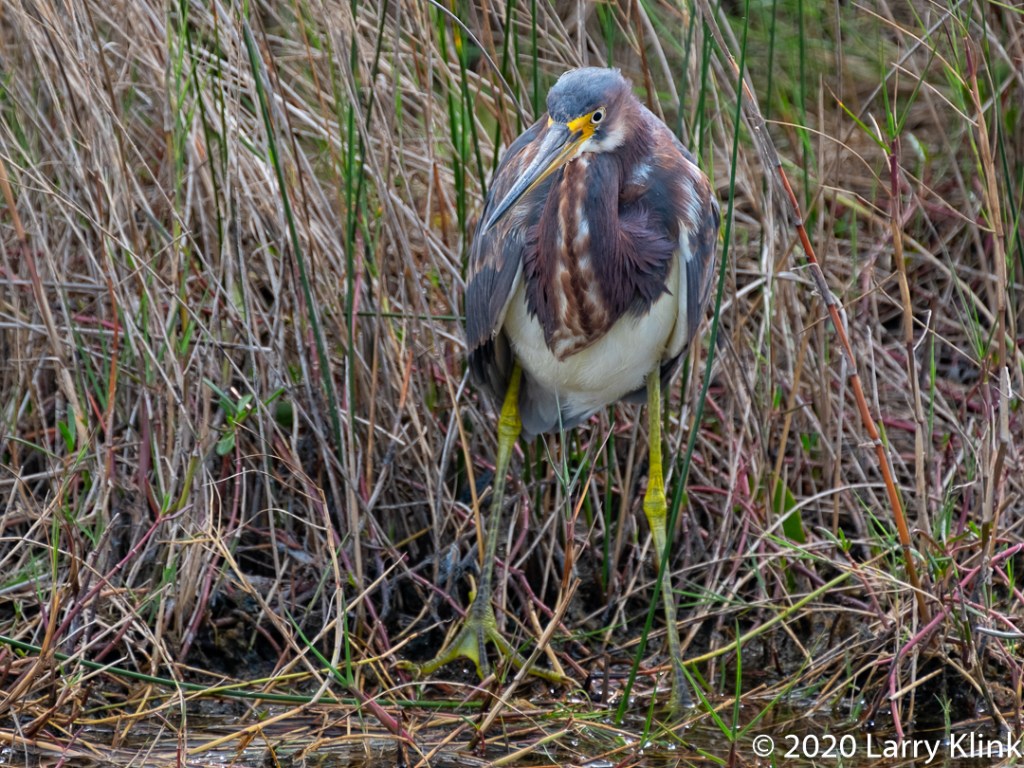
The Tricolored Heron is an amazingly beautiful, small heron – up to 30” tall. They are found, year-round in Florida and along the US Gulf Coast. During nonbreeding periods, they can also be found along the Pacific Coast of Southern California and Mexico as well as parts of Central America. They breed in areas of North Florida. They like the coastal estuaries, saltmarshes, mangrove forests and lagoons.
Tricolored Herons prefer to eat fish from brackish waters. They stalk and attack like other herons and egrets with a few minor uniqueness’s. They nest in colonies with other herons and egrets.
All About Birds from Cornell Labs posted an interesting observation about the Tricolored Heron: “Angsty teenagers aren’t just a human phenomenon. As Tricolored Herons get older they often lunge and snap at their parents when they arrive at the nest with food. To appease the youngsters, parents greet them with bows.”
I was amazed when I first saw one of these birds. I think all herons and egrets are beautiful but, for me, this one tops the list.
Note: Click on caption to see image at higher resolution.
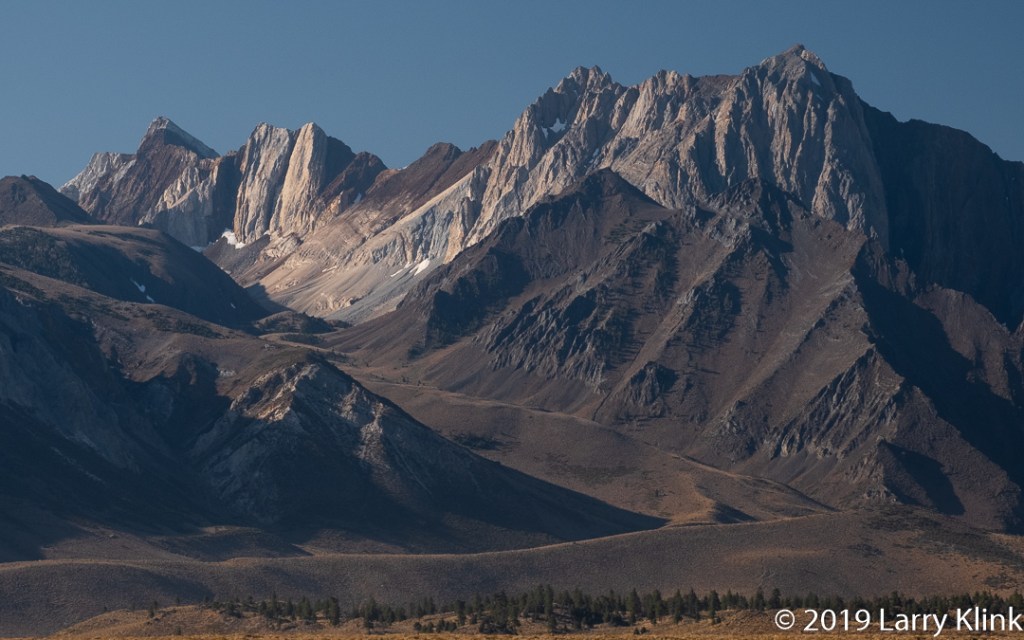
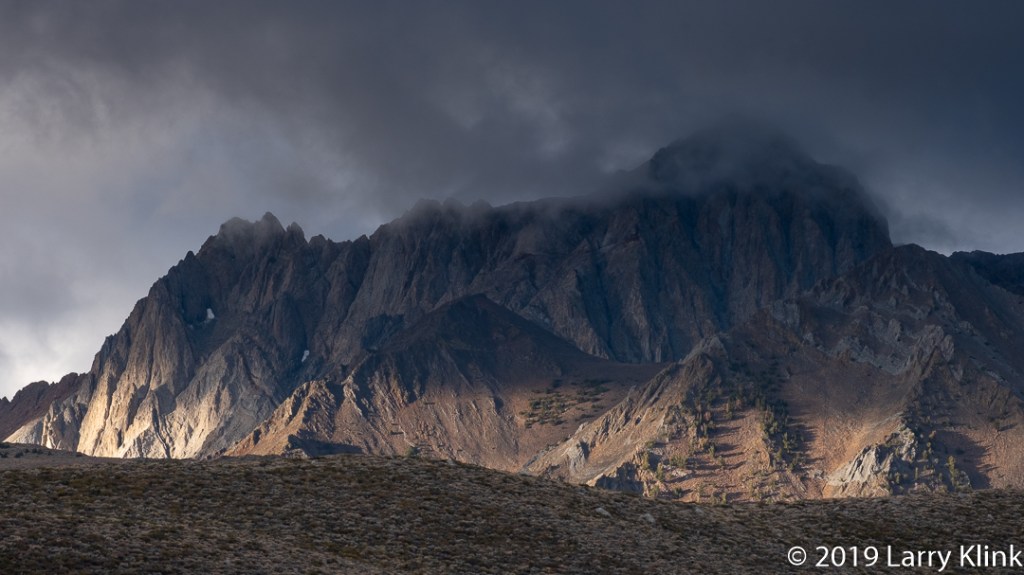
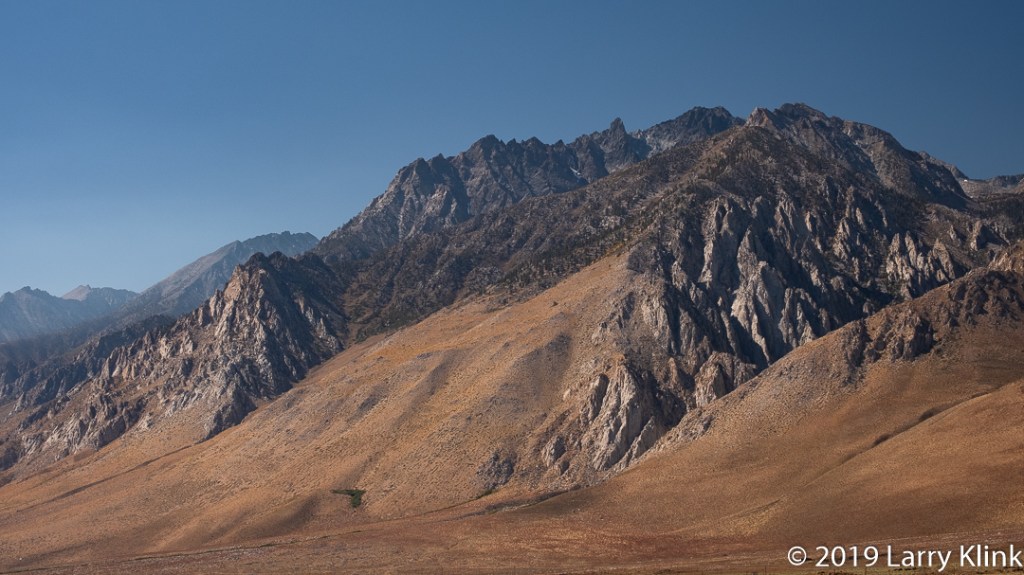
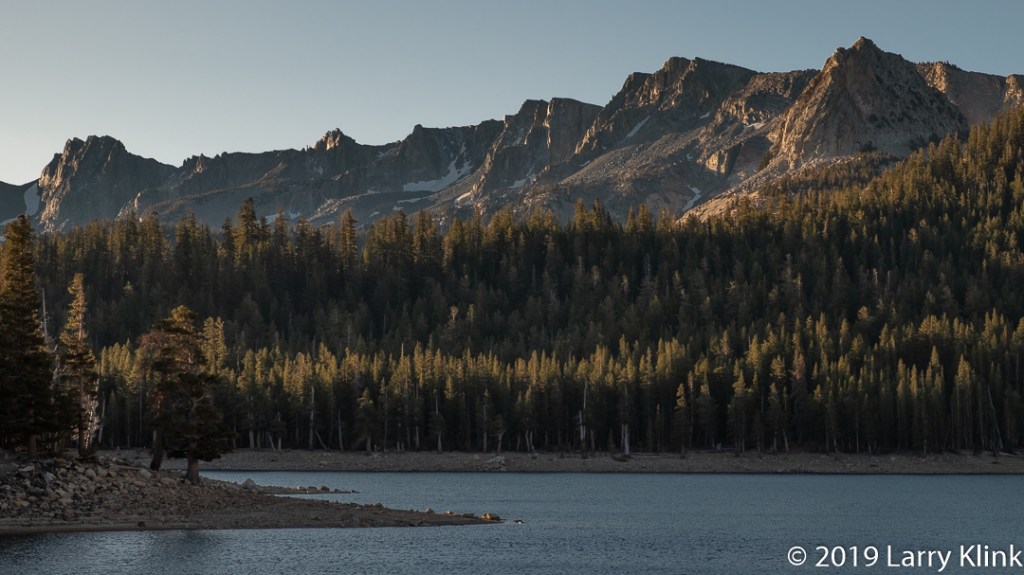
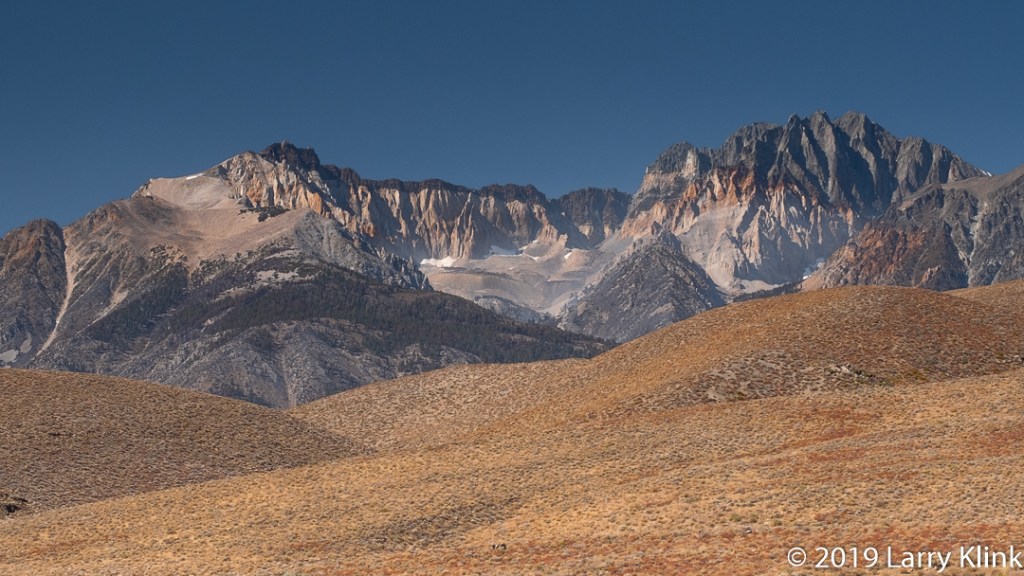
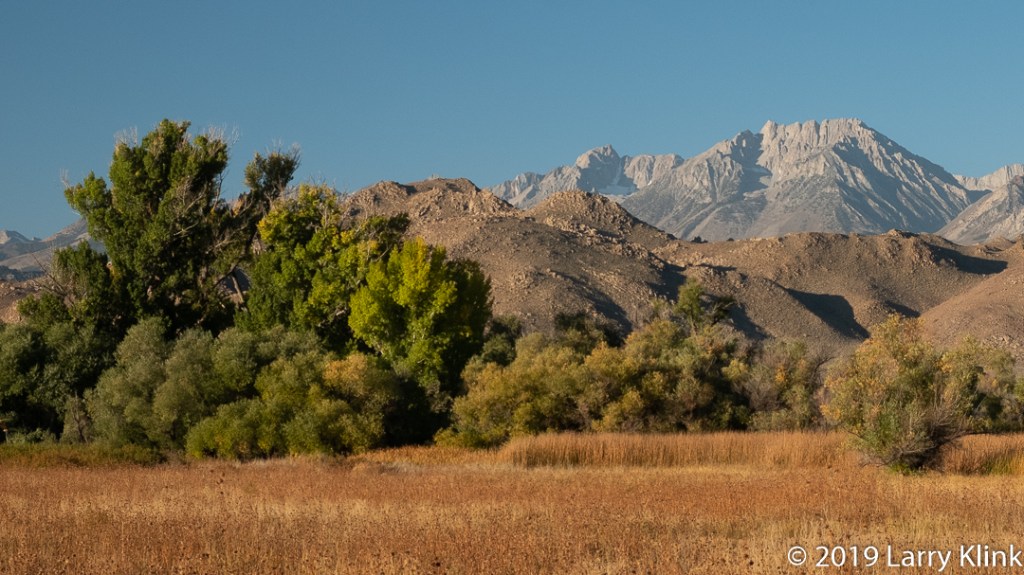
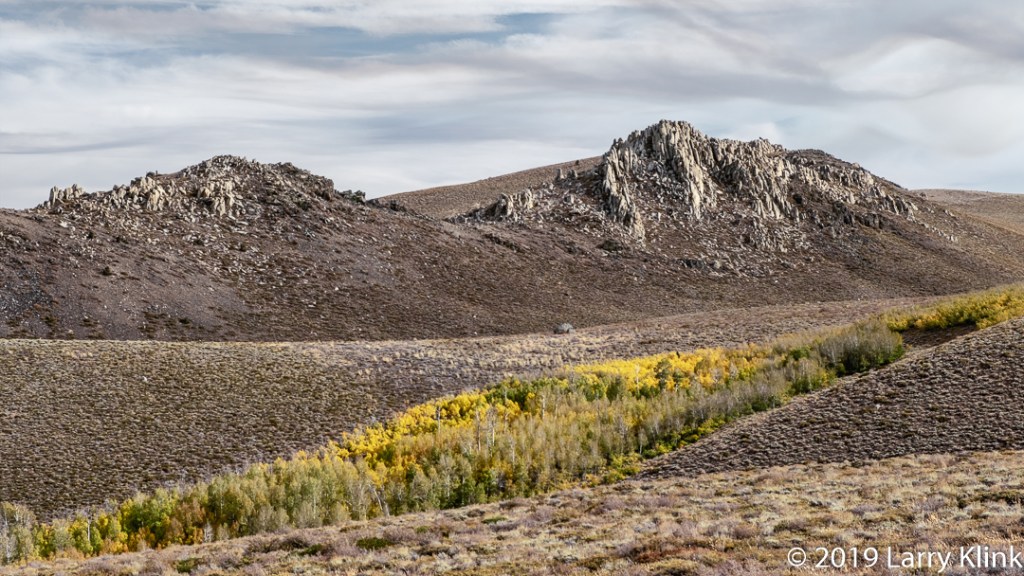
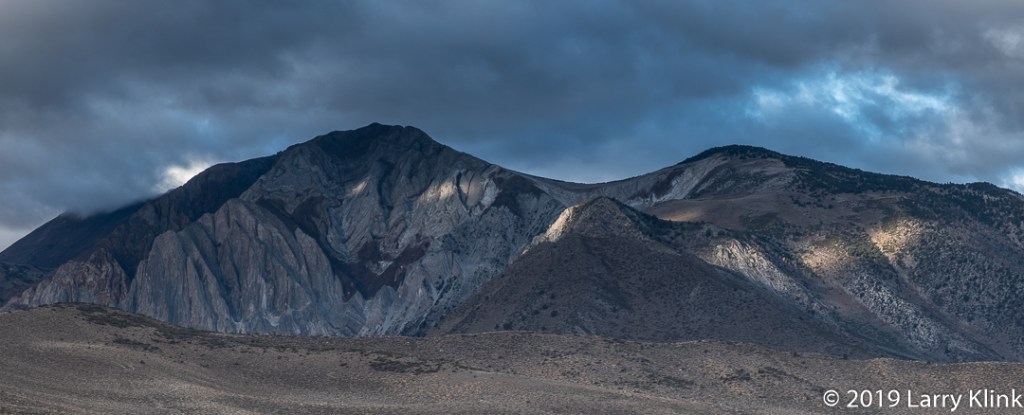
Today I am sharing images of various mountain peaks we see as we travel along US Route 395 in eastern California. Highway 395 extends from the US-Canada border to its southern terminus in the Mojave Desert at I-15 near Hiperia. Much of its way through California it traverses desert valleys sandwiched between the Sierra Nevada mountains and the White-Inyo mountains. It is absolutely stunning scenic drive. For the adventurous, there is mountain hiking and climbing and fishing. There are back road drives into the mountains to scenic lakes and great vistas. There are attractions like Mono Lake with its Tufa, the Ghost Town Bodie, The Ancient Bristle Cone Pine Forest, the museum and remains of the Manzanar Internment Center from World War 2 and the Movie Museum in Lone Pine. If you’ve never explored this area, I strongly recommend you check it out.
Note: Please click on caption to see image at higher resolution.
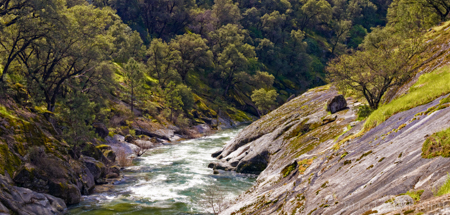
My wife, my mother and I decided to visit Daffodil Hill, a beautiful spring attraction in Amador County, CA. After the visit, we decided to wander some of the lesser traveled roads in rural El Dorado and Placer counties; an area where my wife spent a lot of time during her childhood. As we wandered, we crossed a small bridge spanning the North Fork of the Cosumnes River. The Cosumnes is a 52 mile long river starting as 3 forks in the Sierra Nevada, eventually merging with other rivers and flowing into the San Francisco Bay by way of the Sacramento/San Juaquin delta. We were somewhere along the North Fork near Somerset, CA. The recent rain and snow, brought on by the El Nino, has given us a brief respite from the years of drought. The river was flowing rapidly through this shallow gorge. The morning sun filtered through the forest, highlighting the bright spring green of life reawakening.
I hope you enjoy these 2 perspectives of this beautiful canyon.
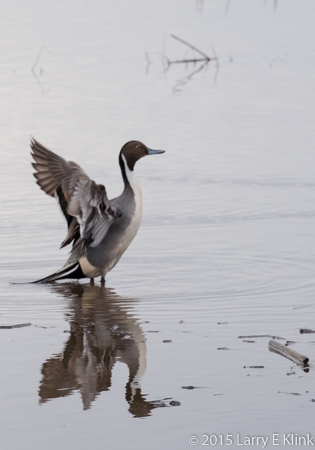
We are very lucky to be near the delta that flows into San Francisco Bay because it attracts many beautiful migrating birds in the winter. One of the birds that makes California’s Pacific Flyway their home is the Pintail Duck. I shot this image of a beautiful pintail Sunday morning, DEC 27, 2015.


















 Earthwatcher