Snowy Egret

Snowy Egret (Egretta thula) on Mangrove
J N “Ding” Darling National Wildlife Refuge; FEB 2020

The Snowy Egret is an elegant bird with bright white plumage, black beak and legs and bright yellow feet. When it displays its long, curved plumage, it is gorgeous. They can be found, year around, along the coastal waters of the US, Mexico, and the Caribbean. But its migration and breeding periods takes it into much of the interior of the US.

Like other egrets and herons, they nest high in trees, in colonies, with other similar birds. They forage on frogs, worms, crustaceans, and insects. I find watching Egrets and Herons stalk fascinating.

The Snowy Egret is noticeably smaller than its cousin the great egret; the one that is tall and has a yellow beak. When you see an egret, look closely; it might be a Snowy or, it might be a Great.

In this set, I mixed a few pictures from our recent trip to Florida as well as some I have taken locally.

Note: Please click on caption to see image at higher resolution.

Snowy Egret (Egretta thula)
Effie Yeaw Nature Center, Sacramento, CA; MAR 2020
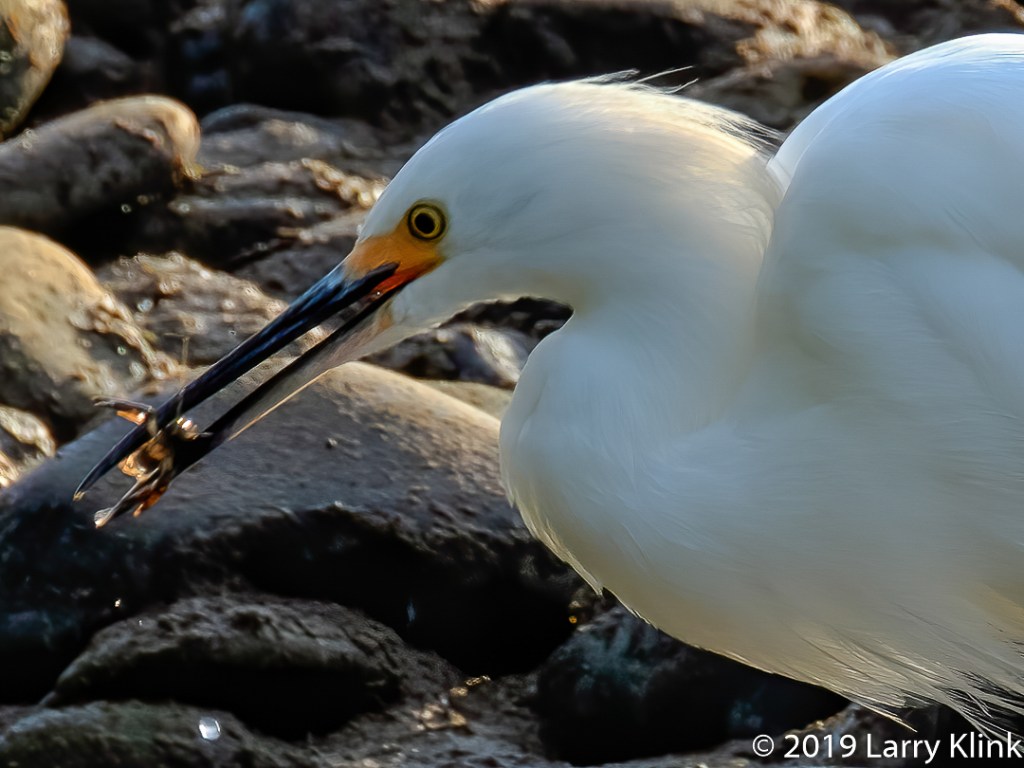
Snowy Egret (Egretta thula) with Prey
Effie Yeaw Nature Center, Sacramento, CA; SEP 2019
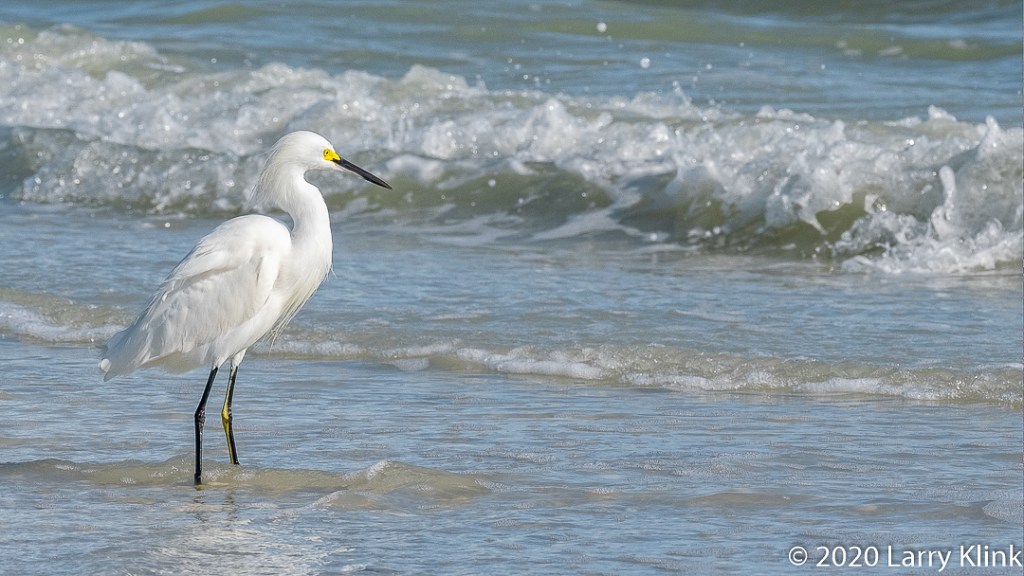
Snowy Egret (Egretta thula)
Sanibel Island, FL; FEB 2020
Snowy Egret (Egretta thula)
Sanibel Island, FL; FEB 2020
Snowy Egret (egretta thula)
Effie Yeaw Nature Center, Carmichael, CA; MAR 2019

Please visit my website, www.earthwatcher.us to see my collection of landscapes and wildlife.

These and other images are available to purchase by contacting larry.klink@earthwatcher.us.
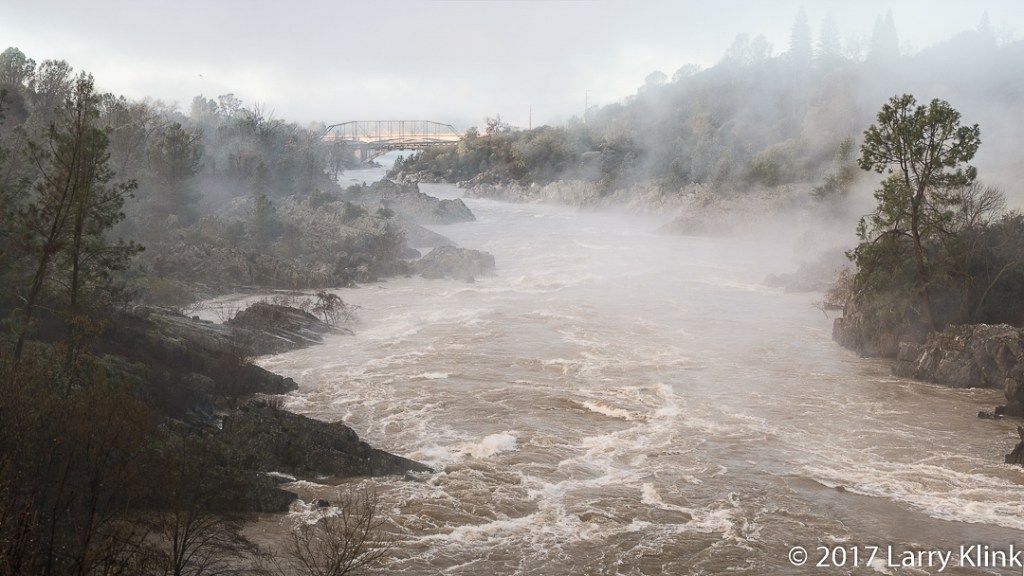
Folsom and Sierra Foothills

American River Gorge, Folsom, CA
Looking downstream on the American River toward footbridge in Folsom, CA after heavy rains. JAN 2017

Today I decided to share a few scenes from the area around Folsom, CA. Folsom is the site of the Folsom Prison that Johnny Cash put on the map. But there is more. It sits along the American River near the western end of the Sierra Nevada foothills. The small section of old town Folsom is still very nice. The outskirts are surrounded by oak woodlands primarily used for ranching.

Note: Please click on caption to see image at higher resolution

Lighting the Path
Historic Footbridge across American River, Folsom, CA. JAN 2
Reawakening
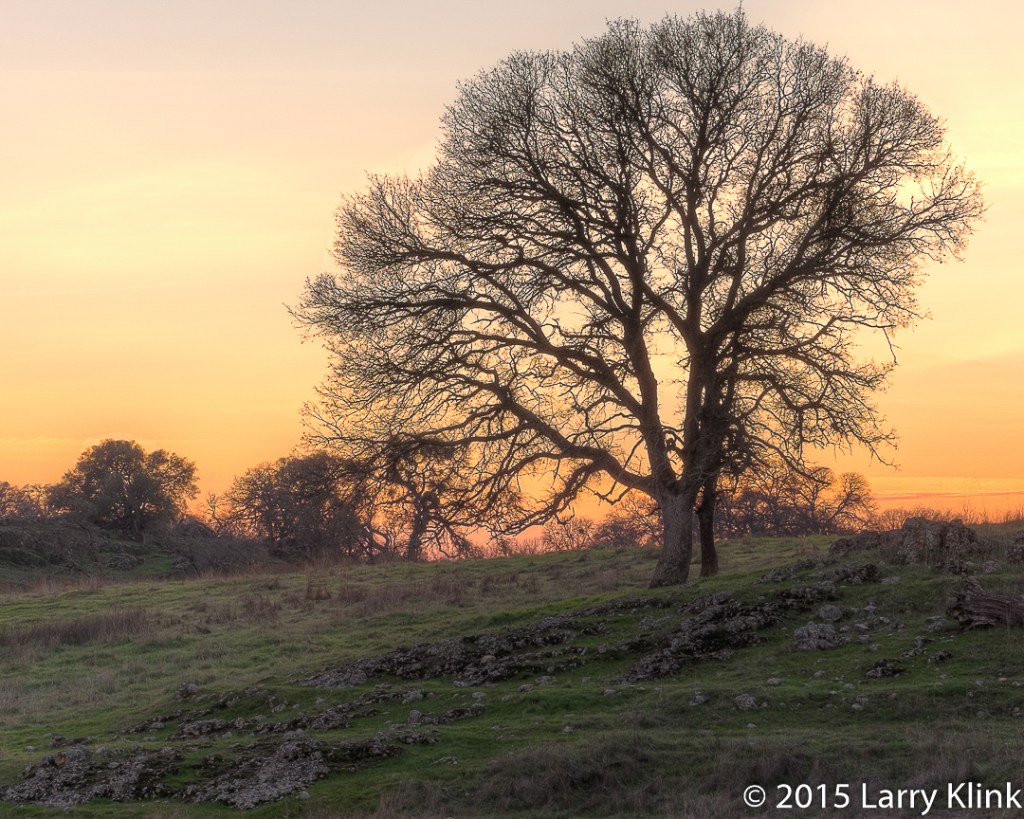
Auburn State Recreation Area, Auburn, CA, FEB 2015
Sierra Foothills, P2
Scott Rd, Folsom, CA. AUG 2014
Thunderclouds over the Sierra bring rain but not to the drought ridden foothills.
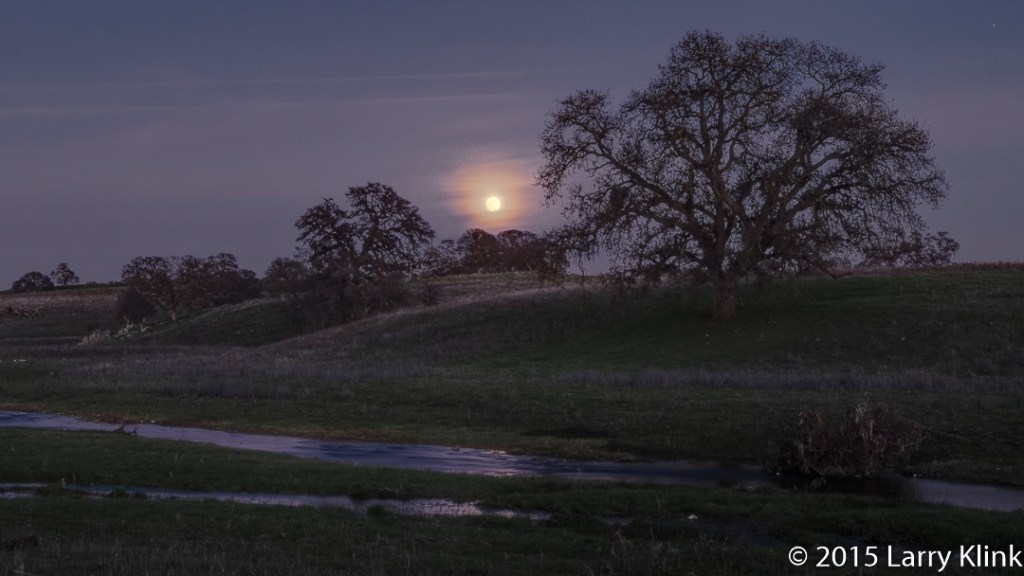
Sierra Foothiils, Moonrise Over the Foothills
Scott Rd, Folsom, CA, JAN 2015
Early Morning at Folsom Lake
Doton’s Point, Folsom Lake State Recreation Area, Folsom, CA; MAR 2019
Sunset Over the Foothills
Scott Rd, Folsom, CA, JAN 2015
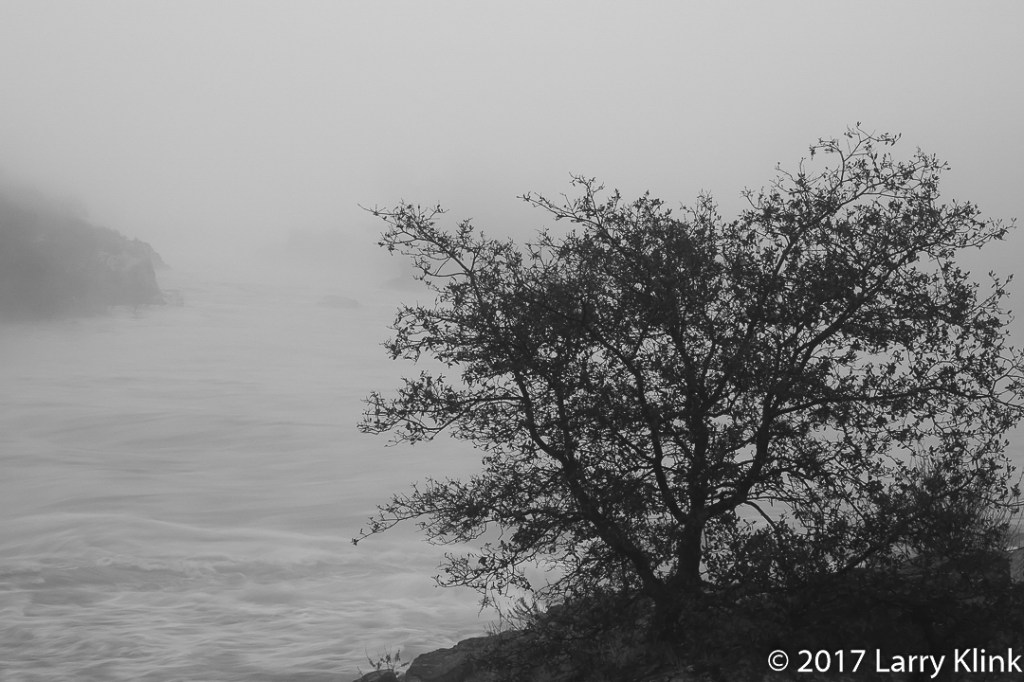
American River Gorge in Fog
American River Gorge, Folsom, CA; JAN 2017
Rainbow Bridge
Rainbow Bridge arch after heavy rains
Folsom, CA. JAN 2017

Please visit my website, www.earthwatcher.us to see my collection of landscapes and wildlife.

These and other images are available to purchase by contacting larry.klink@earthwatcher.us.

Yosemite – Small Vignettes of Spring and Summer

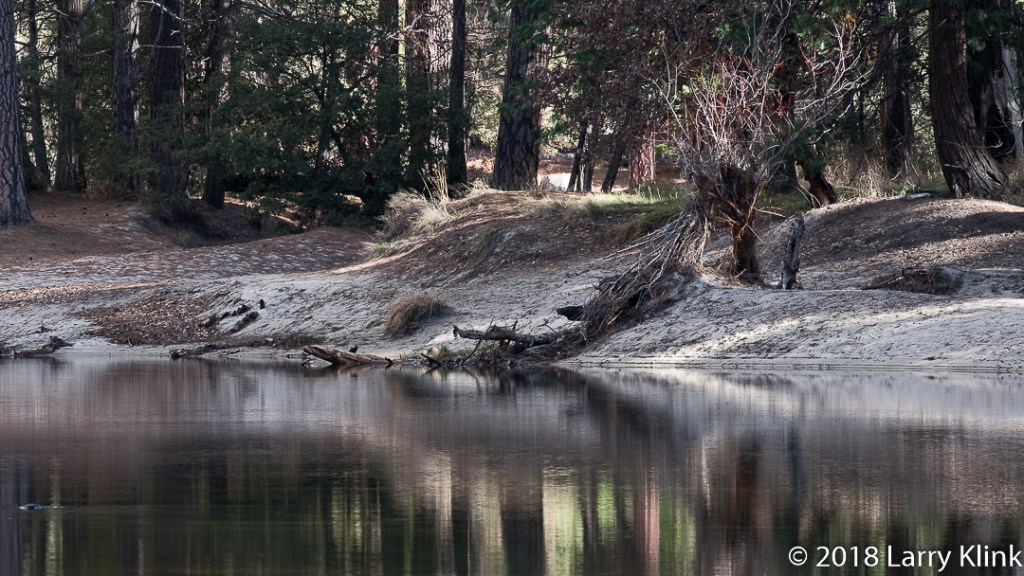
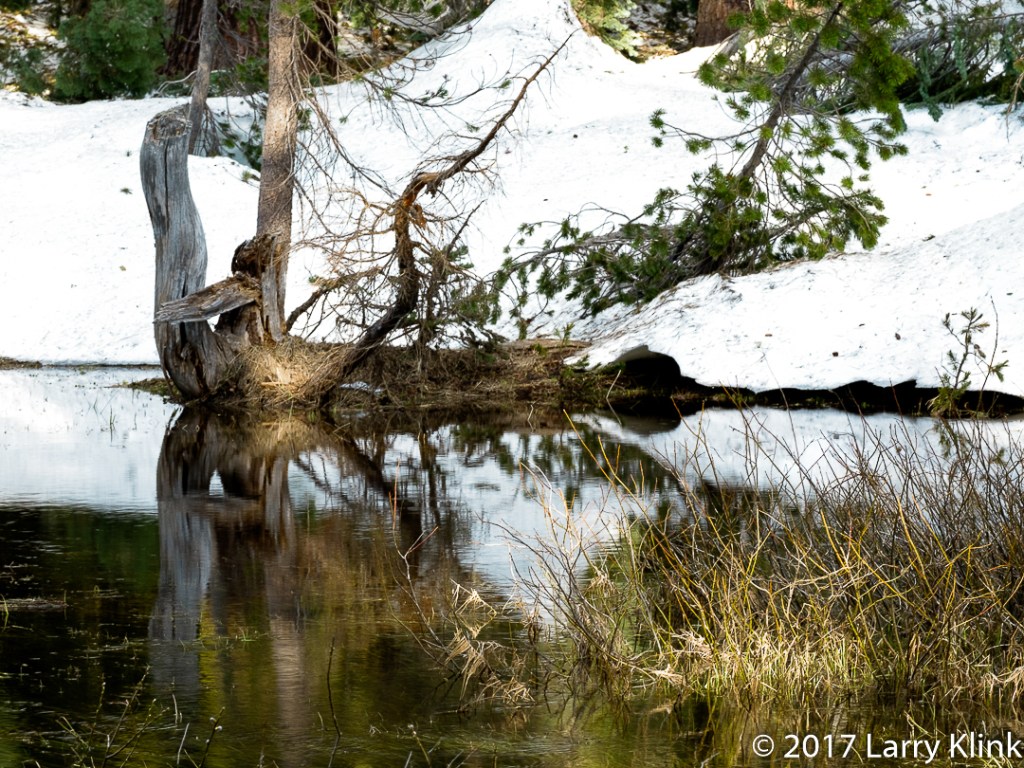
Reflections in a Pond
Glacier Point Road, Yosemite National Park, CA; MAY 2017

Following with my small vignettes of Yosemite, here are a few from the spring and summer seasons.

Note: Please click on caption to see images at higher resolution.

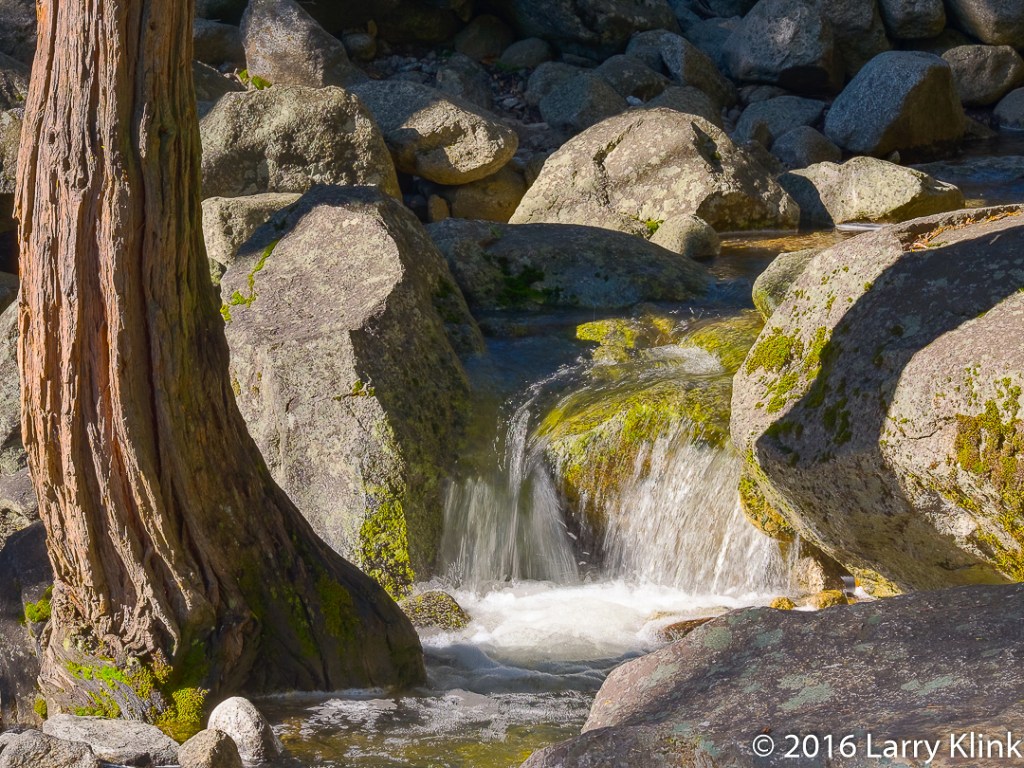
Cascade on Yosemite Creek
Yosemite National Park; APR 2016
A Spirit Within the Mountain
El Capitan, El Capitan Meadow, Yosemite National Park, JAN 2018
A Deceiving Role
Yosemite Falls, Yosemite National Park; APR 2016
View from the Merced River Near El Capitan Bridge
Yosemite National Park, CA; FEB 2018
Tioga Pass Road
Yosemite National Park; May 2013
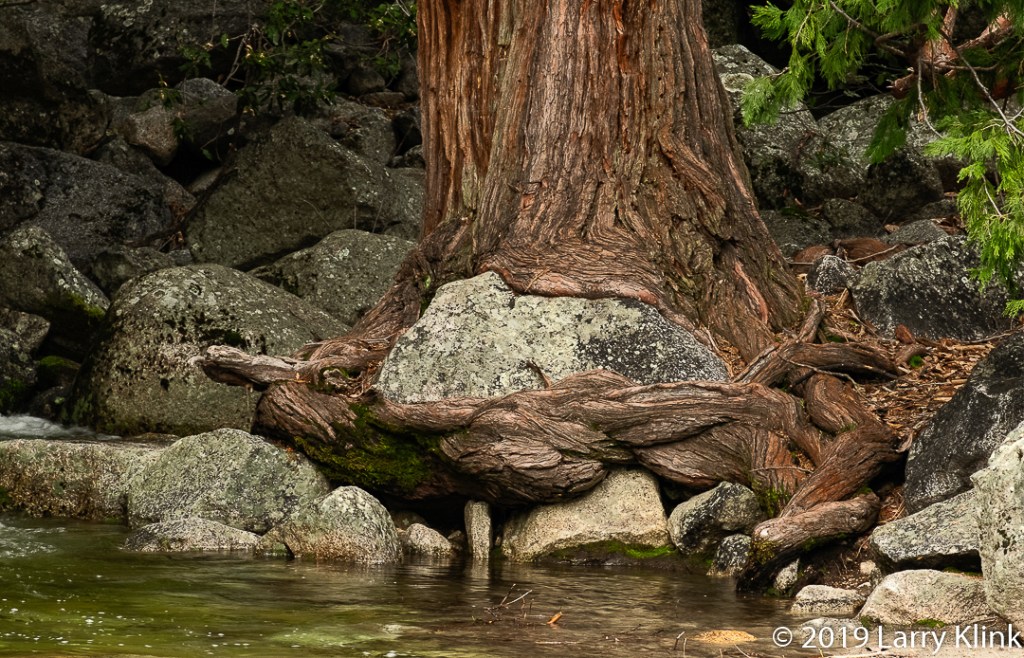
Tree at Base of Cascade Falls
Yosemite National Park; MAR 2019
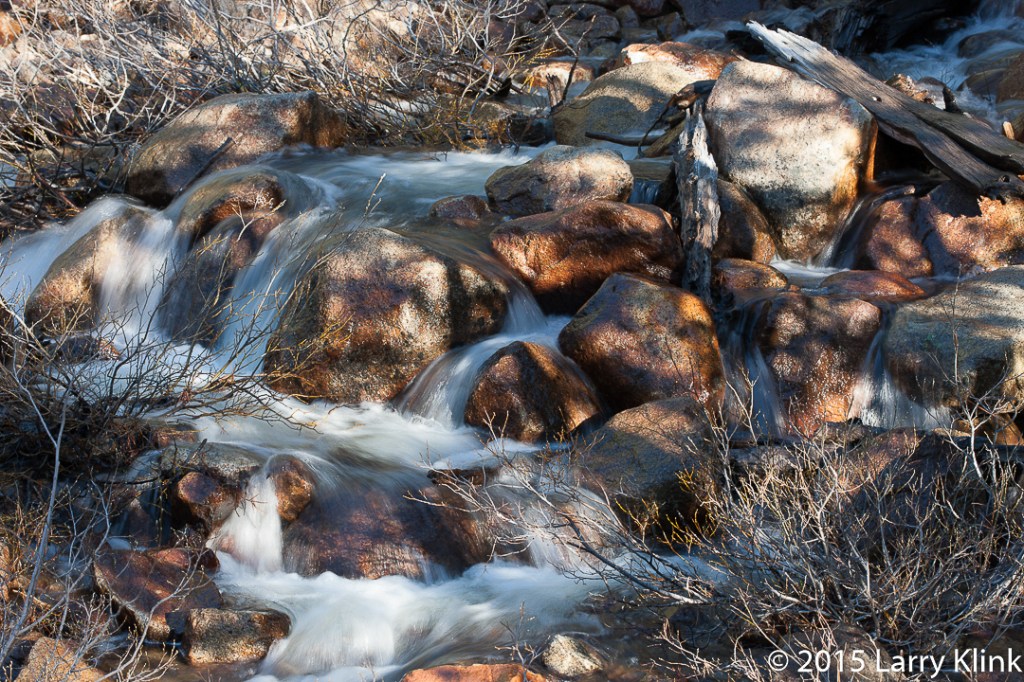
Roiling and Thundering
Tioga Pass Road, Yosemite National Park, APR 2016

Please visit my website, www.earthwatcher.us to see my collection of landscapes and wildlife.

These and other images are available to purchase by contacting larry.klink@earthwatcher.us.

Yosemite – Small Vignettes of Autumn and Winter

Gentle Flume
Yosemite National Park, OCT 2014

There is a request floating around Facebook asking people to share landscapes. So, I decided to gather my favorite images from places we visited and share them.

Yosemite is full of amazing vistas. I am in awe struck every time I see them. But for this post, I thought I’d share some of the small vignettes that are easily missed on the way to see and enjoy those amazing icons of nature.

Note: Please click on caption to see image at higher resolution.

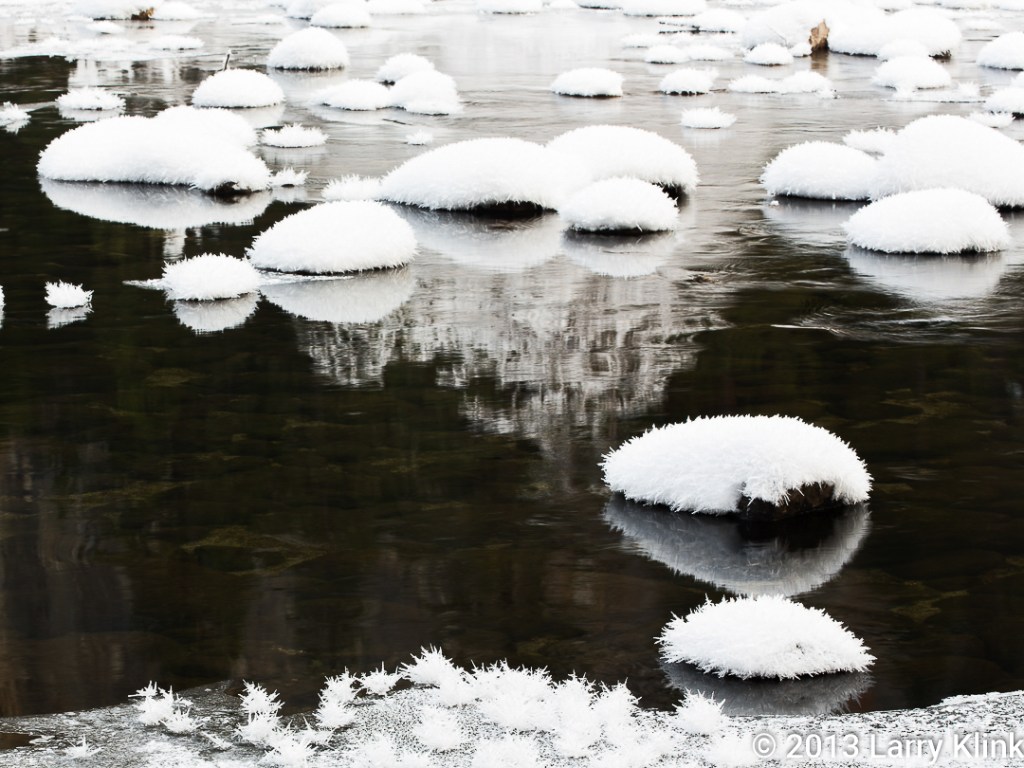
Ice Crystals on the Merced River
Yosemite National Park, Dec 2013
It’s Reflection Disturbed
Yosemite National Park, Merced River. OCT 2014
A Quiet Pool
Yosemite National Park, Merced River. OCT 2014
Ice Crystals on the Merced River
Yosemite National Park, Dec 2013
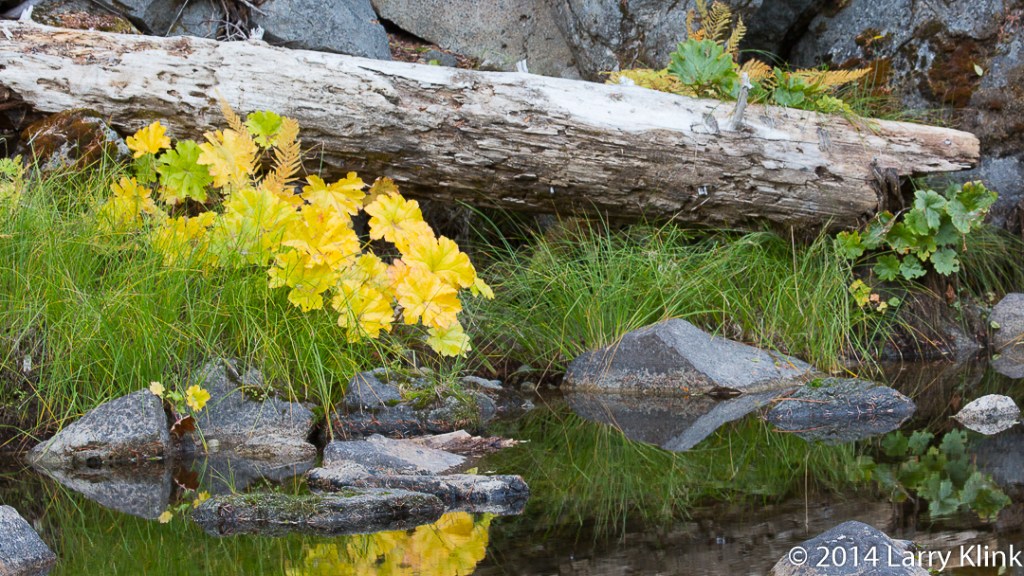
An Autumn Vignette
Yosemite National Park, CA; OCT 2014

Please visit my website, www.earthwatcher.us to see my collection of landscapes and wildlife.

These and other images are available to purchase by contacting larry.klink@earthwatcher.us.

Sanderlings and a Ruddy Turnstone

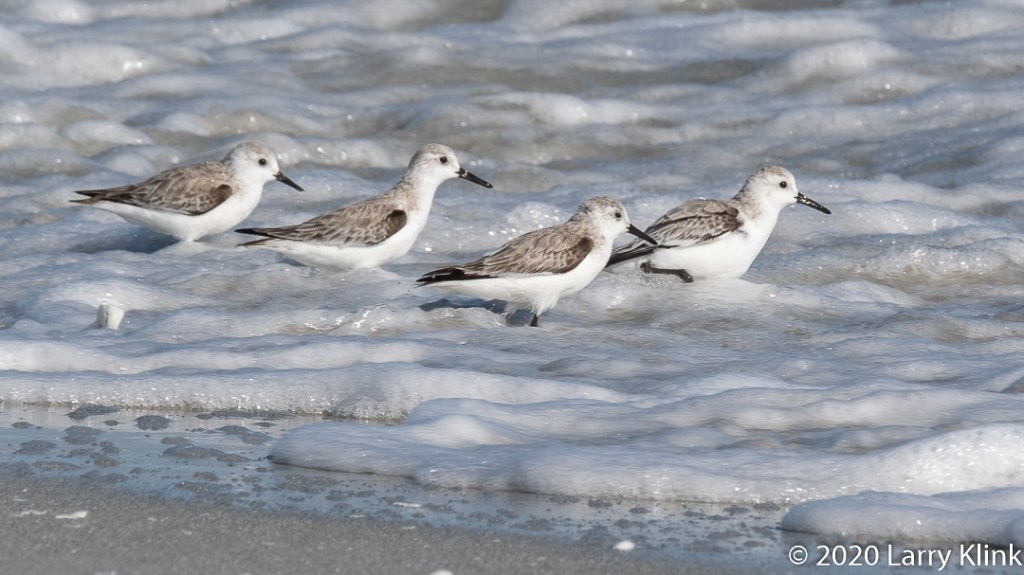
Sanderling (Calidris alba)
Sanibel Island, FL; FEB 2020

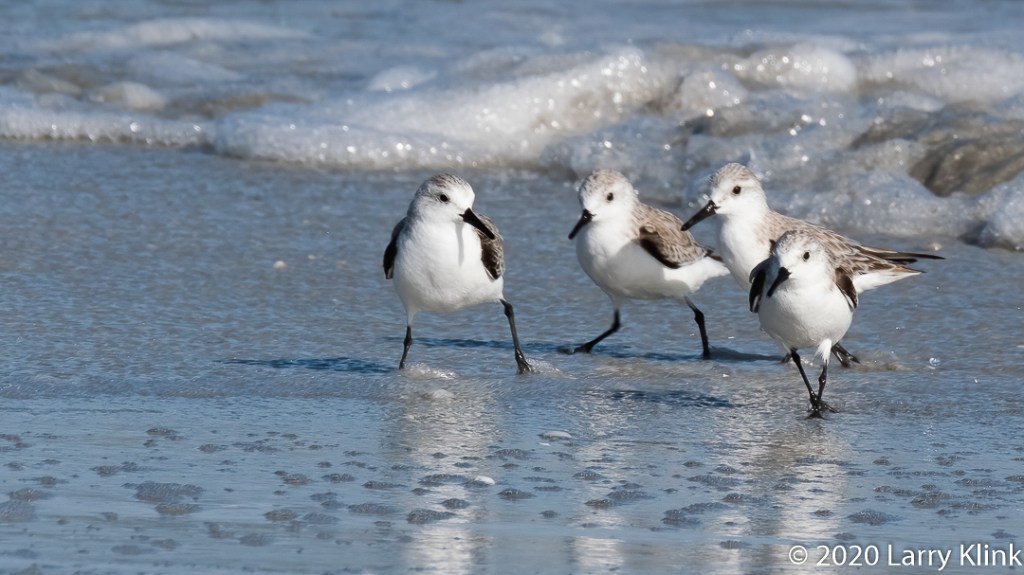
The Sanderling is the little white bird we see along the coast. It scurries after the receding surf collecting small invertebrates or probing the sand for small crabs, worms and mollusks. As the surf returns, they scurry back to dry shores. I think they are both interesting and amusing to watch.

In the US, we get to see Sanderlings along the Atlantic, Pacific and Gulf coasts outside the breeding season. They breed in far, northern Canadian islands and peninsulas. Interestingly, the use the “broken wing” behavior to lure predators from the nest similar to Kildeer.

I’ve included a Ruddy Turnstone in this post. It too is a bird that we can see along coastal waters but breeds in the far north. They hunt by flipping over rocks, shells and seaweed; they eat insects, small crustaceans and bird eggs.

This Ruddy Turnstone is perched atop an interesting feature; a large, naturally formed pile of sea shells that continually replenishes itself. Homo sapiens can often be found foraging in this pile for decorative objects.

Info from Cornell Labs All About Birds: https://www.allaboutbirds.org/guide/Sanderling/overview and https://www.allaboutbirds.org/guide/ruddy_turnstone.

Note: Please click on caption to see image at higher resolution.

Sanderling
Sanibel Island, FL; FEB 2020

Ruddy Turnstone (Arenaria interpres)
Blind Pass Beach, Sanibel Island, FL; FEB 2020
Sanderling
Sanibel Island, FL; FEB 2020

Please visit my website, www.earthwatcher.us to see my collection of landscapes and wildlife.

These and other images are available to purchase by contacting larry.klink@earthwatcher.us.
White Ibis

Photographic images of the White Ibis (Eudocimus albus)
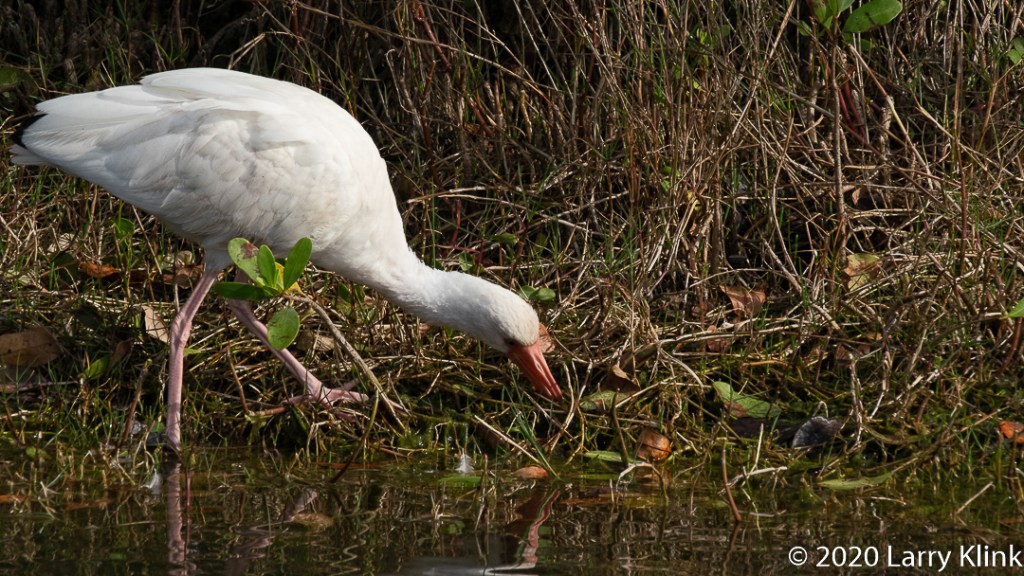
White Ibis (Eudocimus albus)
The Ibis with the gray neck and black feathers is a juvenile.
Harns Marsh, Fort Meyers, FL; FEB 2020

The bright pink and white colors of the White Ibis, remind me of the bright, flamboyant Cadillacs and Packards of the mid to late 1950’s.  The gray, pink and white Packard Caribbean convertible comes to mind.

The White Ibis is found, year around, along the Atlantic and Gulf Coasts of the Southeastern US as well as the Bahamas, the Caribbean and parts of Central America. They nest in trees, in colonies with herons and egrets.

These birds forage by walking along the shore line, sticking their beaks in the mud and feeling around for invertebrates, worms and insects. They will also stab fish, frogs  and crustaceans with their beaks. Interestingly, they remove the claws and pinchers from frogs and crabs before they eat them.

Info from CornellLab All About Birds: https://www.allaboutbirds.org/guide/White_Ibis/lifehistory

Note: Please click on caption to see image at higher resolution.

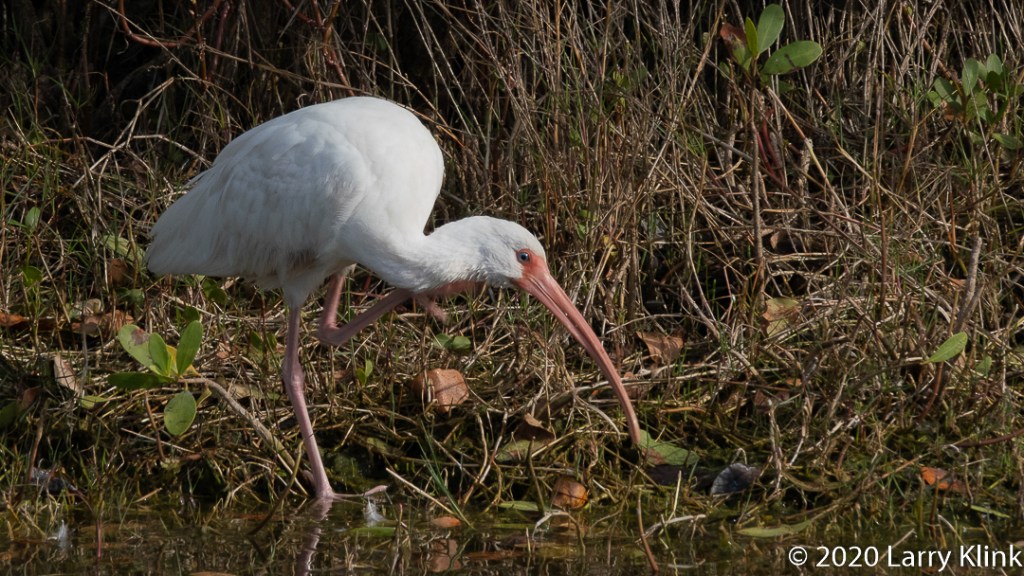
White Ibis
Merritt Island National Wildlife Refuge, Titusville, FL; FEB 2020
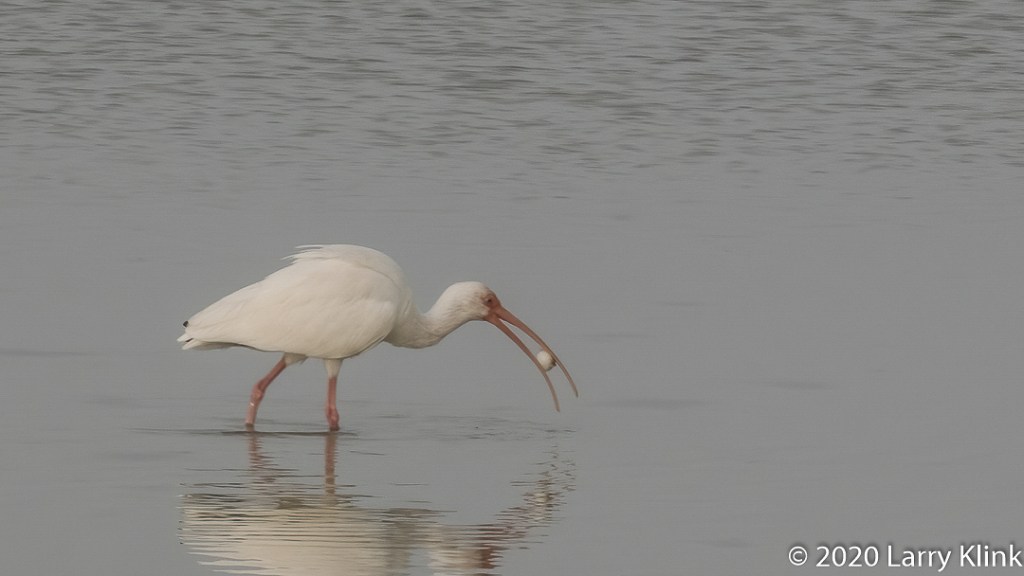
White Ibis with Inflated Pufferfish
Bunche Beach, Fort Meyers, FL; FEB 2020
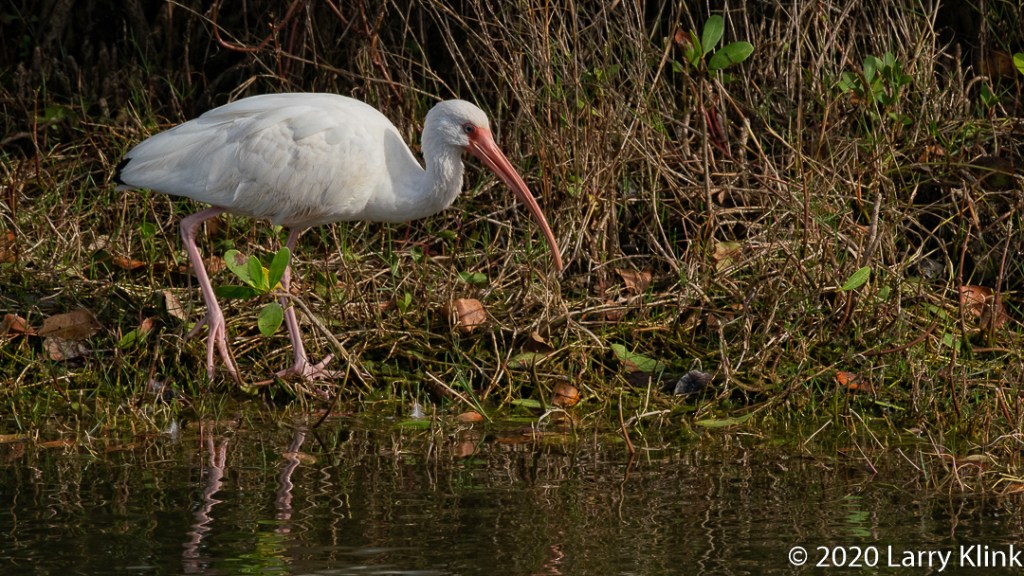
White Ibis
Merritt Island National Wildlife Refuge, Titusville, FL; FEB 2020
White Ibis
Merritt Island National Wildlife Refuge, Titusville, FL; FEB 2020

Please visit my website, www.earthwatcher.us to see my collection of landscapes and wildlife.

These and other images are available to purchase by contacting larry.klink@earthwatcher.us.

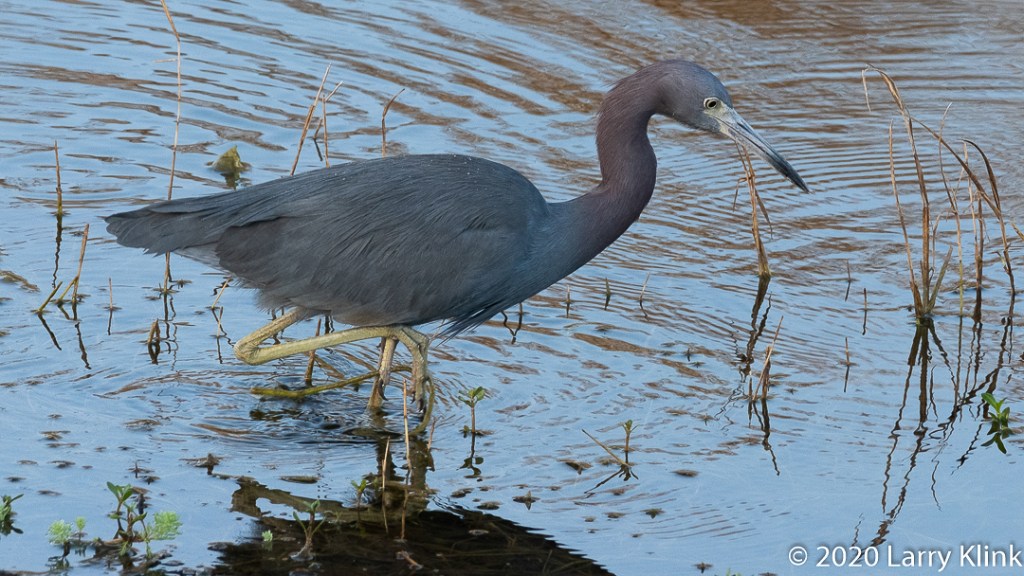
Little Blue Heron

Little Blue Heron (Egretta caerulea)
Harns Marsh, Fort Meyers, FL; FEB 2020

The Little Blue Heron is another small heron that, in North America, is found year-round along the Atlantic and Gulf Coasts of the Southeastern US as well as the Bahamas, the Caribbean, and parts of Mexico and Central America.  There is a group of Little Blue Herons that migrate from Mexico and Central America into more interior areas of the Southeastern US when breeding.

The Little Blue Heron forages in swamps, marshes, ponds, stream and other wetlands. They like small fish, small amphibians, crustaceans, insects and invertebrates. My observation is that they stalk and attack prey much like an egret – slow movements with the neck extended then attacking in rapid jut of the neck.

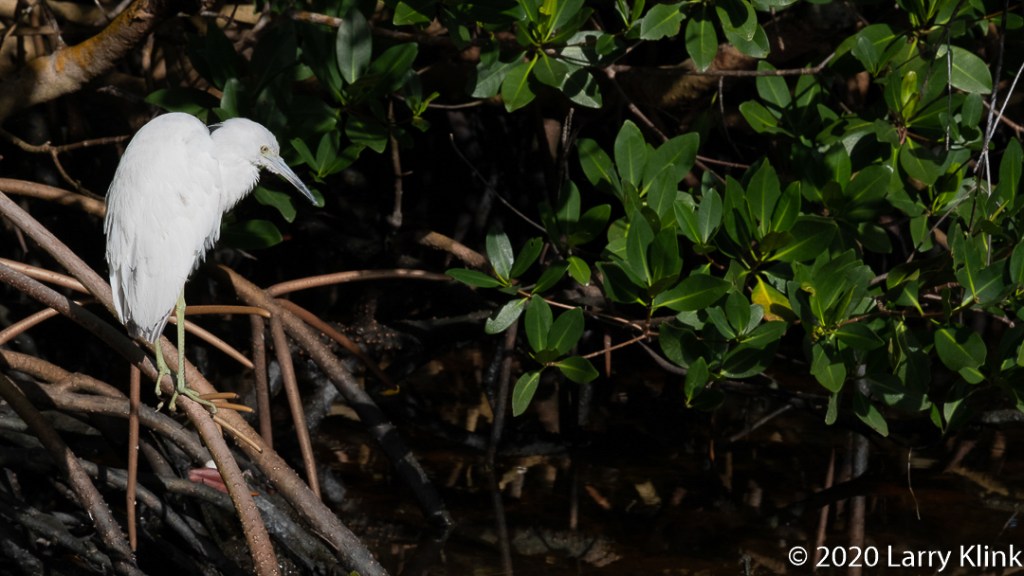
The juvenile Little Blue Heron is all white. Their legs are a gray-green color and the beak is gray. If you are in Little Blue Heron country and you see a bird that looks like an egret, take a closer look; it may be a juvenile Little Blue Heron.

Infor from CornellLabs All About Birds: https://www.allaboutbirds.org/guide/Little_Blue_Heron/lifehistory

Note: Please click on caption to image at higher resolution.

Juvenile Little Blue Heron on Mangrove
J N “Ding” Darling National Wildlife Refuge, Sanibel Island, FL; FEB 2020
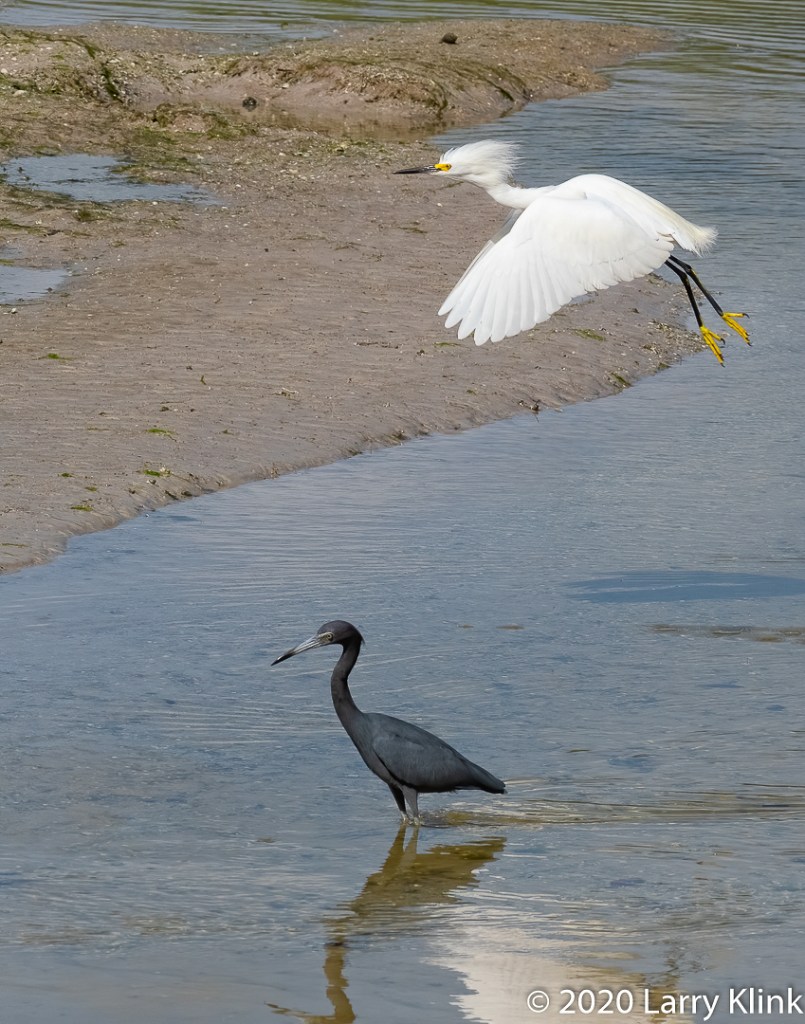
Snowy Egret (Egretta Thula) and Little Blue Heron (Egretta caerulea)
J N “Ding” Darling National Wildlife Refuge, Sanibel Island, FL; FEB 2020
Little Blue Heron
Harns Marsh, Fort Meyers, FL; FEB 2020
Little Blue Heron
Harns Marsh, Fort Meyers, FL; FEB 2020

Please visit my website, www.earthwatcher.us to see my collection of landscapes and wildlife.

These and other images are available to purchase by contacting larry.klink@earthwatcher.us.
Glossy Ibis

Glossy Ibis (Plegadis falcinellus)
Merritt Island National Wildlife Refuge, Titusville, FL; FEB 2020

The Glossy Ibis is another interesting wading bird. From a distance, it just looks like a gray bird with long legs and a long, curved bill. But as you get closer, the iridescence of its feather’s colors it in reds, bronze and greens. These birds forage in wetlands, as well as fresh and saltwater marshes for fish, insects and seeds.

The Glossy Ibis is found, year around, in Florida, the Atlantic and Gulf Coast of the US as well as the Bahamas and the Caribbean. In breeding season, they venture all along the US Atlantic Coast. They can also be found in Europe, Asia and Africa. They nest in trees, in colonies with herons and egrets.

Info from CornellLab All About Birds: https://www.allaboutbirds.org/guide/Glossy_Ibis/overview

Note: Please click on caption to see image at higher resolution.

Glossy Ibis
Merritt Island National Wildlife Refuge, Titusville, FL; FEB 2020
Glossy Ibis
Harns Marsh, Fort Meyers, FL; FEB 2020
Glossy Ibis,
Merritt Island National Wildlife Refuge, Titusville, FL; FEB 2020
Glossy Ibis
Merritt Island National Wildlife Refuge, Titusville, FL; FEB 2020

Please visit my website, www.earthwatcher.us to see my collection of landscapes and wildlife.

These and other images are available to purchase by contacting larry.klink@earthwatcher.us.
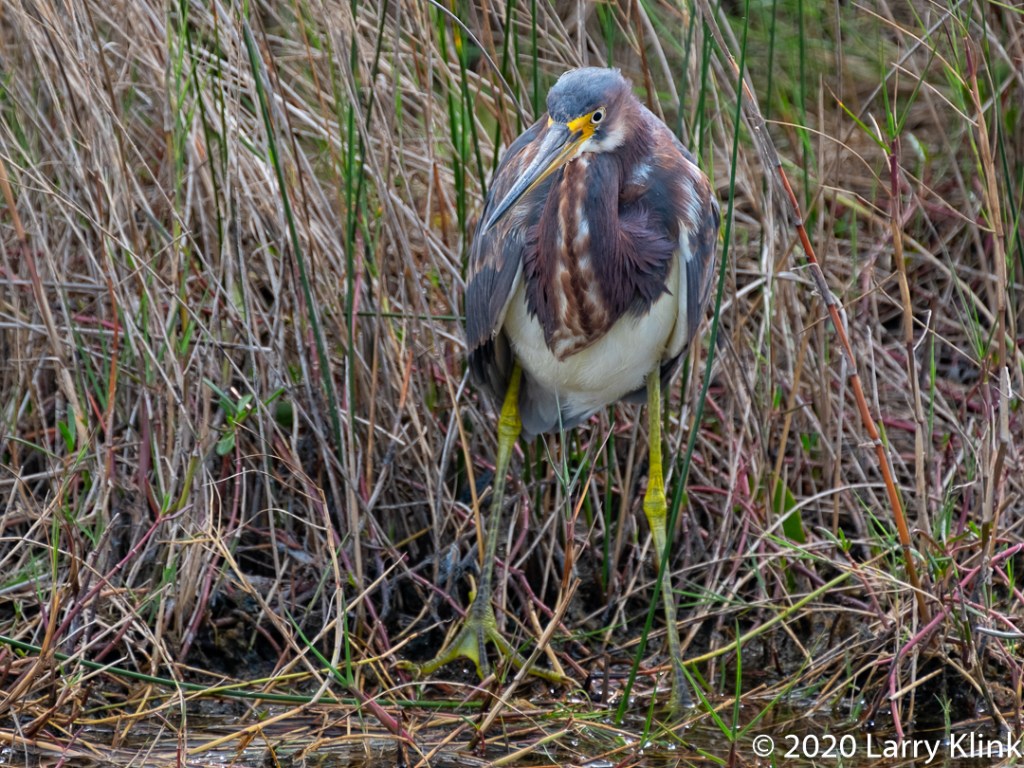
The Tricolored Heron

Tricolored Heron (Egretta tricolor)
Merritt Island National Wildlife Refuge, Titusville, FL; FEB 2020

The Tricolored Heron is an amazingly beautiful, small heron – up to 30” tall. They are found, year-round in Florida and along the US Gulf Coast. During nonbreeding periods, they can also be found along the Pacific Coast of Southern California and Mexico as well as parts of Central America. They breed in areas of North Florida. They like the coastal estuaries, saltmarshes, mangrove forests and lagoons.

Tricolored Herons prefer to eat fish from brackish waters. They stalk and attack like other herons and egrets with a few minor uniqueness’s. They nest in colonies with other herons and egrets.

All About Birds from Cornell Labs posted an interesting observation about the Tricolored Heron: “Angsty teenagers aren’t just a human phenomenon. As Tricolored Herons get older they often lunge and snap at their parents when they arrive at the nest with food. To appease the youngsters, parents greet them with bows.”

I was amazed when I first saw one of these birds. I think all herons and egrets are beautiful but, for me, this one tops the list.

Note: Click on caption to see image at higher resolution.

Tricolored Heron;
Harns Marsh, Fort Meyers, FL; FEB 2020
Tricolored Heron;
J N “Ding” Darling National Wildlife Refuge; FEB 2020
Tricolored Heron;
Merritt Island National Wildlife Refuge, Titusville, FL; FEB 2020
Tricolored Heron;
Merritt Island National Wildlife Refuge, Titusville, FL; FEB 2020

Please visit my website, www.earthwatcher.us to see my collection of landscapes and wildlife.

These and other images are available to purchase by contacting larry.klink@earthwatcher.us.

The Atlantic Brown Pelican

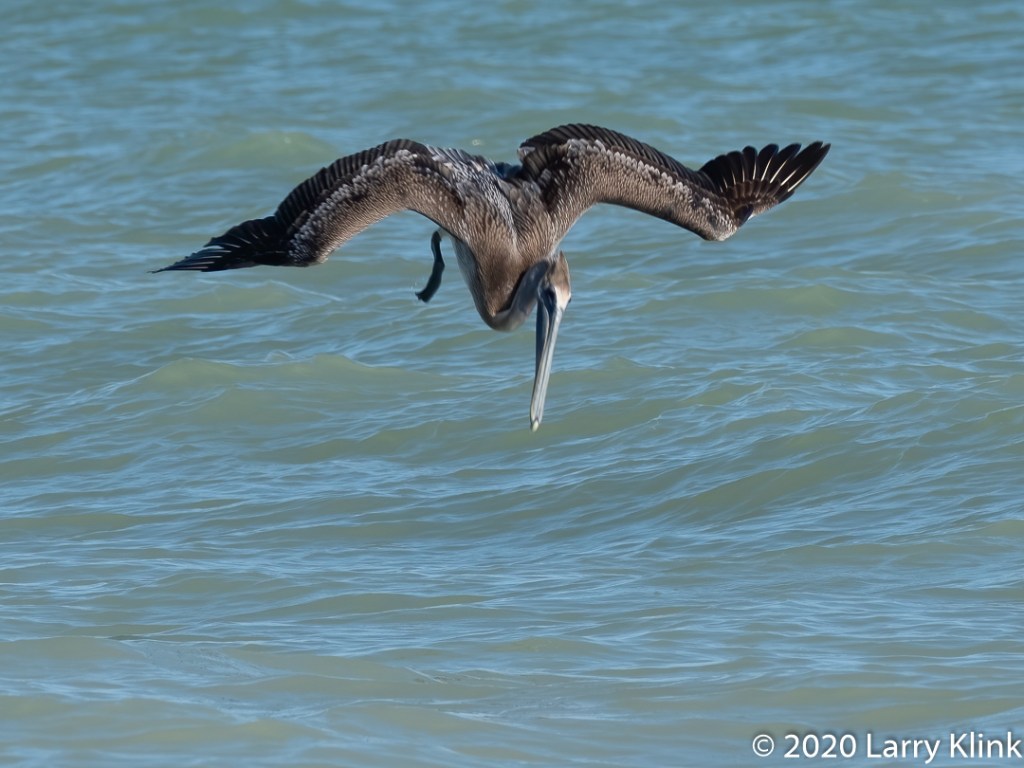
Brown Pelican (Pelecanus occidentalis carolinensis); Atlantic Subspecies
Island, FL; FEB 2020

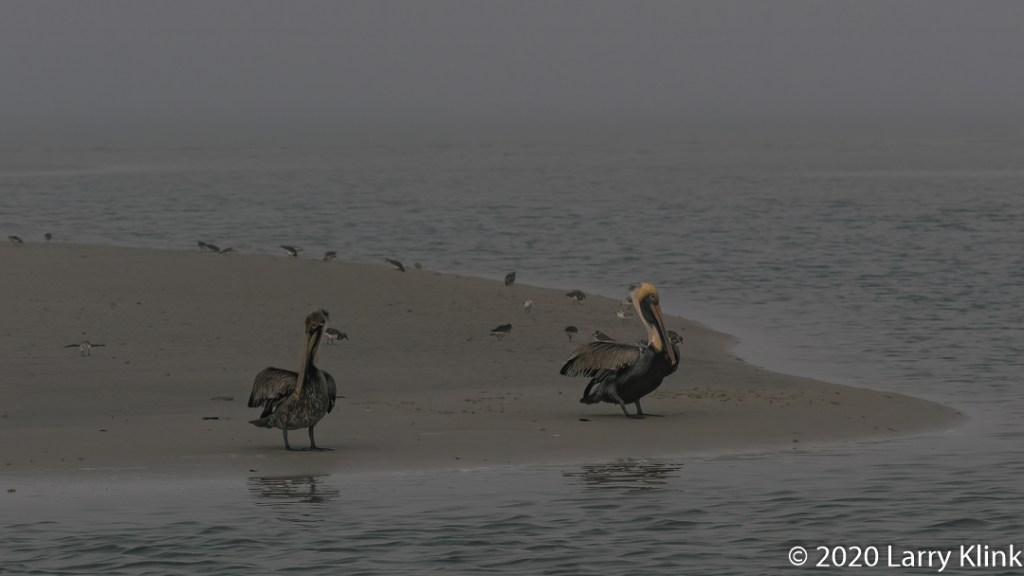
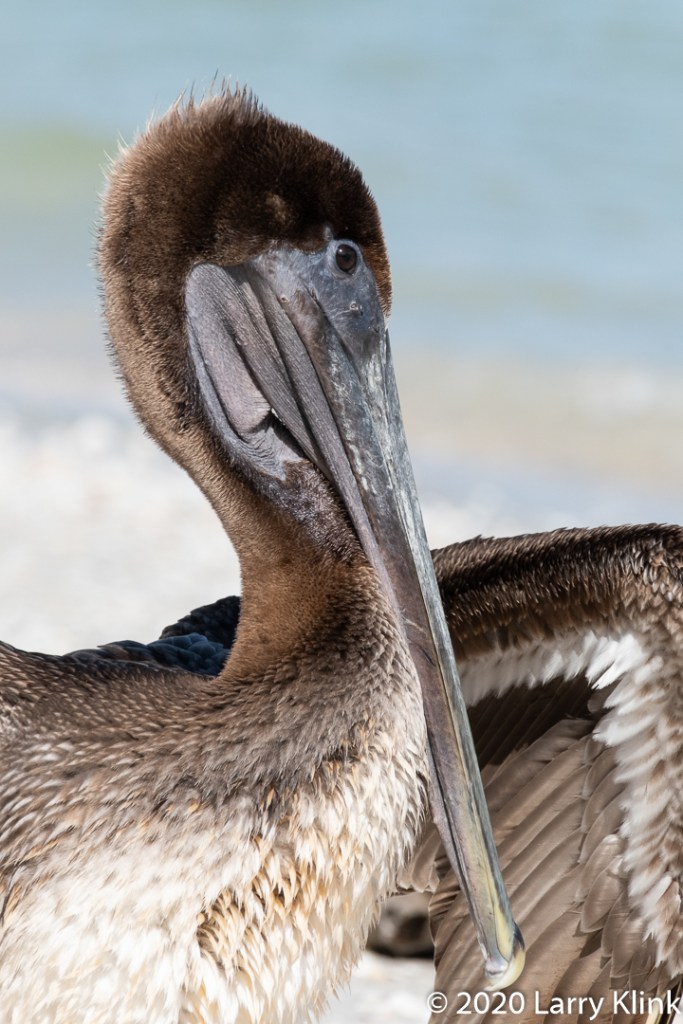
The Brown Pelican is the common pelican species we see along the east and west coast of the United States. There are 2 subspecies of the Brown Pelican – the Atlantic (Pelecanus occidentalis carolinensis) and the Pacific (Pelecanus occidentalis californicus). There are 3 other subspecies found in other parts of the Western Hemisphere. Today’s post pertains to the Atlantic subspecies birds I saw on a recent rip to Florida.

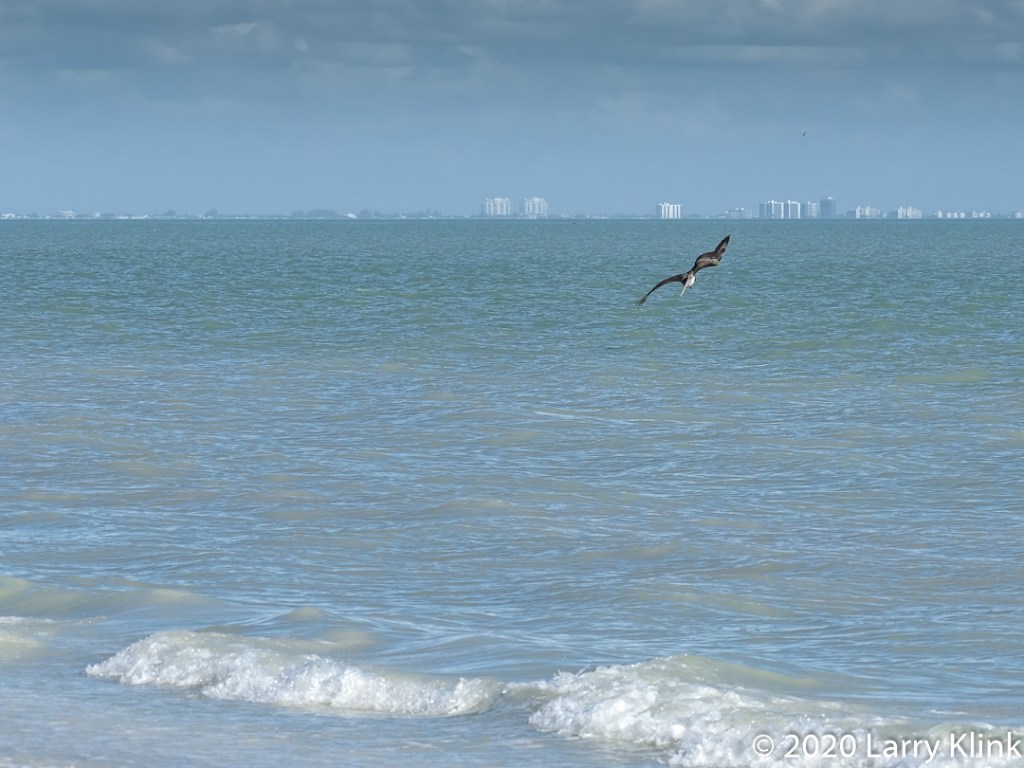
The Brown Pelican lives in flocks and are primarily year around residents of the areas where the forage. They do migrate to breeding grounds, but they are generally in close proximity to their foraging area. They prefer small fish but will eat marine invertebrates like prawns and scavange dead animals too. Thy sometimes swim in shallow water and scoop up food but they are renowned for  their steep, head first, dives into the water to scoop up their prey. It’s pretty cool to watch. They can pick-up as much as 2 ½ gallons of water with their prey.

Here are a few images to enjoy.

Note: Please click on caption to see image at higher resolution.

Brown Pelican (pelecanus occidentalis carolinensis)
The one with the yellow head is a breeding adult, the other is a juvenile.
Bunche Beach, Fort Meyers, FL; FEB 2020
Juvenile Brown Pelican (Pelecanus occidentalis carolinensis); Atlantic Subspecies
Fishing Pier, Sanibel Island, FL; FEB 2020
Seascape With Brown Pelican (Pelecanus occidentalis carolinensis)
Sanibel Island, FL; FEB 2020
Juvenile Brown Pelican (Pelecanus occidentalis carolinensis); Atlantic Subspecies
Fishing Pier, Sanibel Island, FL; FEB 2020

Please visit my website, www.earthwatcher.us to see my collection of landscapes and wildlife.

These and other images are available to purchase by contacting larry.klink@earthwatcher.us.
Info from All About Birds (https://www.allaboutbirds.org/guide/Brown_Pelican/lifehistory) and Wikipedia (https://en.wikipedia.org/wiki/Brown_pelican).