My wife and I just completed a road trip that took us
through several national parks in the US and Canada. The trip focused on the
northern Rocky Mountains. There was a lot to see and to photograph so it will
provide many posts in the weeks ahead.
Today, I’m starting with two of my favorite animals; bighorn
sheep and mountain goats. Though we
found signs warning of bighorn sheep in many places we only found them in
Yellowstone along with a small flock in an impossible place to photograph at
Banff National Park in Alberta, Canada. We saw the mountain goats in Glacier
National Park, MT as well as Banff National Park. Interestingly, we found the mountain
goats near “goat lick” areas; areas of clay soil with high concentrations of
minerals necessary to their health.
It was a real treat for us to see them. I hope you enjoy them also.
Please click on caption to see image at higher resolution.
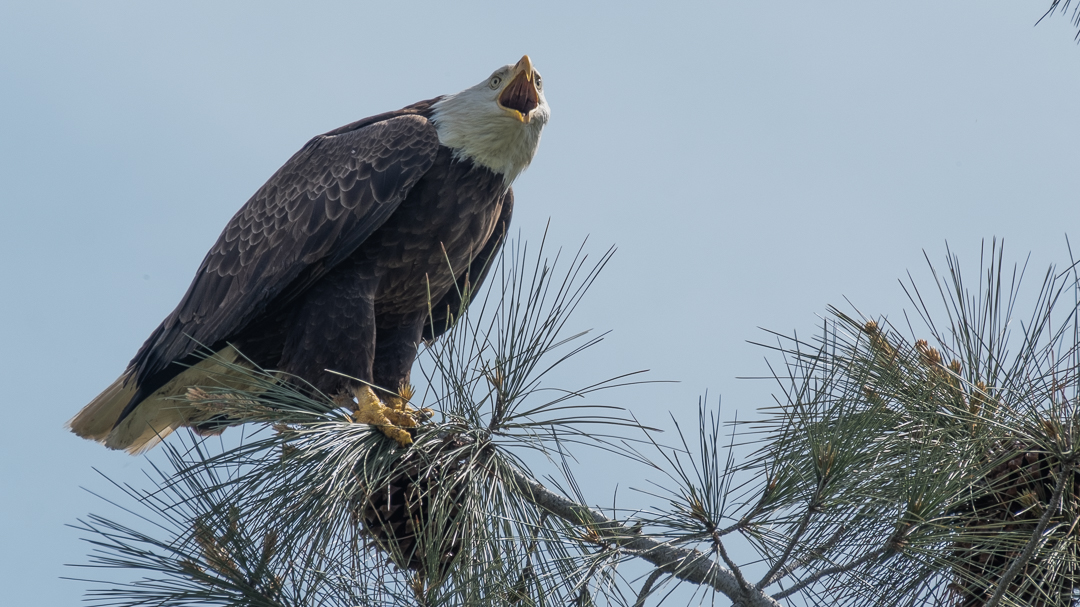
Eaglet at Week 8; Rollingwood Bluffs Park, Folsom – Orangvale, CA; May 17. 2019
Twenty Nineteen is the third season a pair of Bald Eagles
has nested on a bluff above Lake Natomas near Orangevale, CA. This year, as
well as the last 2 years, this pair of eagles has produced 2 offspring.
According to the volunteers that monitor the nest, the eggs were laid in late
February and they hatched approximately March 26. One baby hatched 3 days
before the other. This year, I decided to visit the nest weekly and post a set
of images showing them as they grow. It’s
been a great experience because I got to know some people who have been
observing eagles for a long time. They were very happy to share their knowledge
with me.
My first visit was MAR 31. On that visit, all I was able to
see was a tiny patch of down just above the nest edge. At week 2, I could see a
head. Although, it looked more like the stereotypical gray space alien with its
long head and neck. By week 3, the yellow down had been replaced by a gray down
that will remain as an underlayment for feathers throughout life. From week 3 to
week 4, the eaglets had grown substantially. One image shows some sibling
rivalry. At week 5, feathers are emerging. On the image, you can see the pin
feathers on the wing. By week 7, the feathers had filled in substantially, but
the flight feathers aren’t developed enough to support flight.
Mother and father eagle feed the oldest eaglet first and do
so until it is full because if it is not satiated, it will kill the younger
one. But, when they feed the younger one, they make sure it gets food by
preventing the older one from stealing it.
The babies will fledge by mid-June. By the end of June, the babies will reach adult size. They will not fully mature for 2 – 5 years. It takes about 3 years to get their distinctive adult plumage. Mom and dad will leave the nest about July and leave the babies to fend for themselves. They will return about November to prepare the nest for next year. When they do, the babies will be invited to leave and told never to come back.
I will try to follow-up with some more images as the summer progresses.
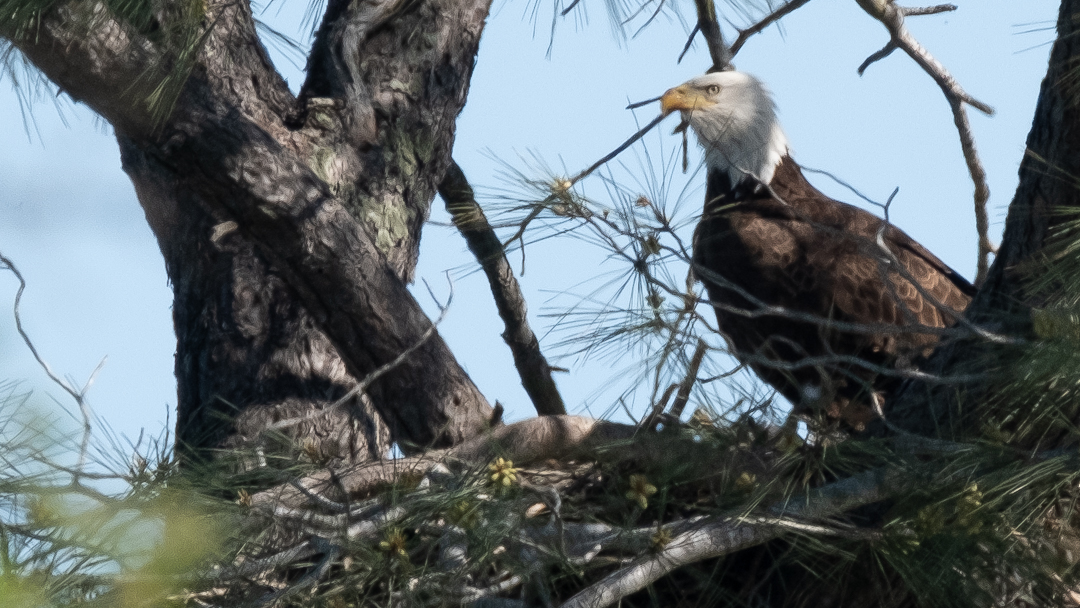
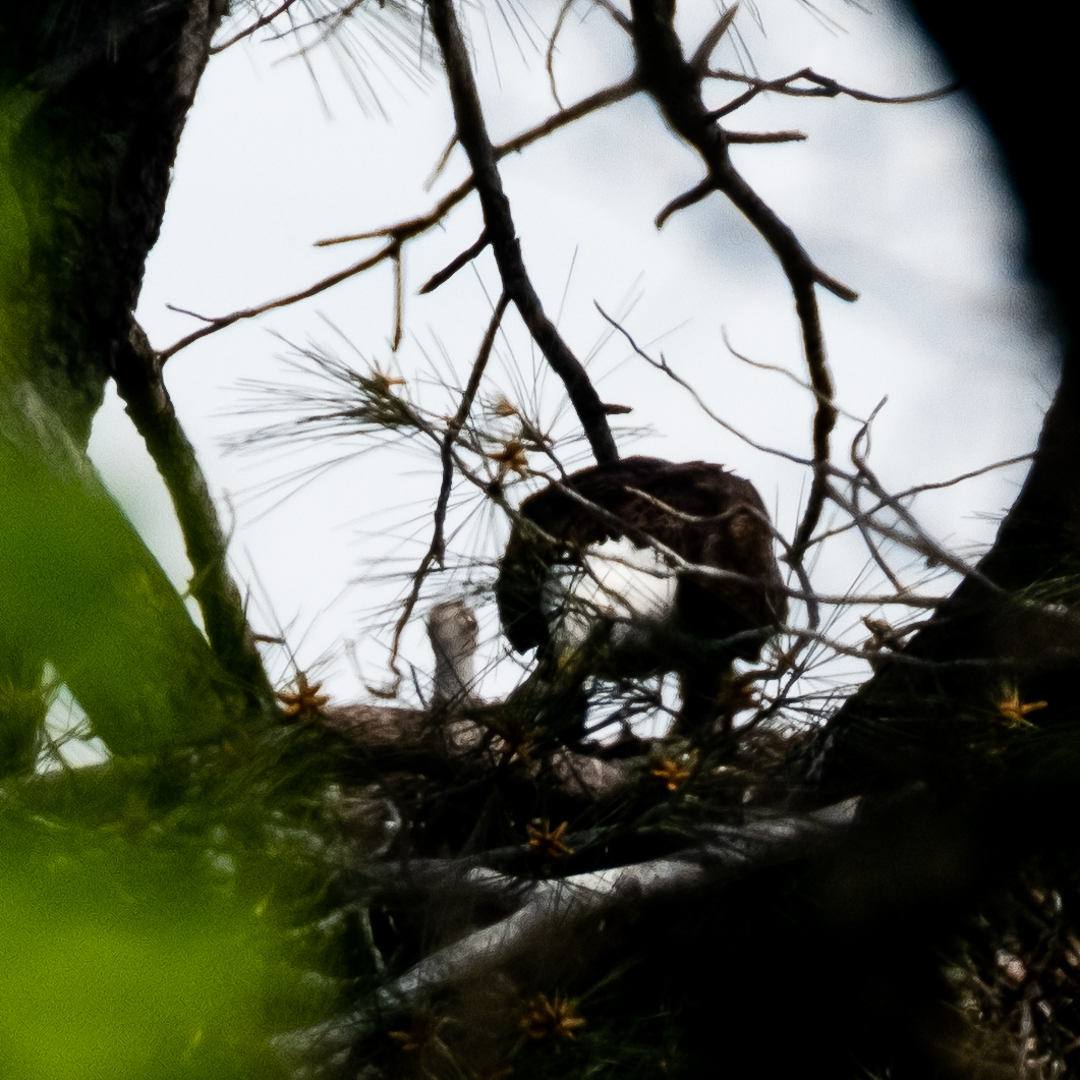
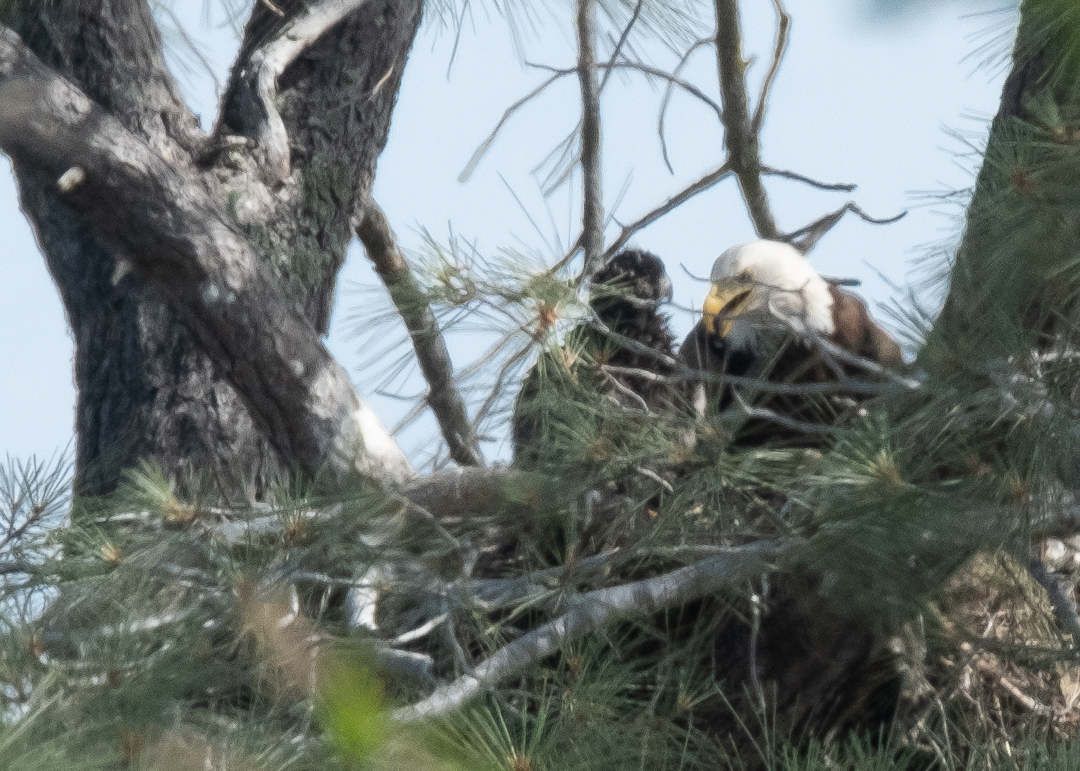
Two Eaglets born approximately MAR 26, 2019 are in the nest; A small patch of yellowish down can be seen below the adult to the right of a longer diagonal stick. That is one of the eaglets. March 31, 2019.Mother Eagle with one of the eaglets at Week 2. April 7, 2019.Mother Eagle with eaglet at Week 3; April 14, 2019.Eaglets at Week 4; APRIL 21, 2019 Some Sibling Rivalry. Eaglets at Week 4; APRIL 21, 2019 Mother Eagle with Eaglets at Week 5. April 28, 2019Mother Eagle and Eaglet at Week 5. Eaglet has Pin Feathers on Wings; April 28, 2019Mother Eagle with Eaglets at Week 5; May 3 2019Eaglets at Week 6; May 12, 2019Eaglet at Week 8; May 17, 2019Father Bald Eagle, April 7, 2019Mother Bald Eagle; April 7, 2019
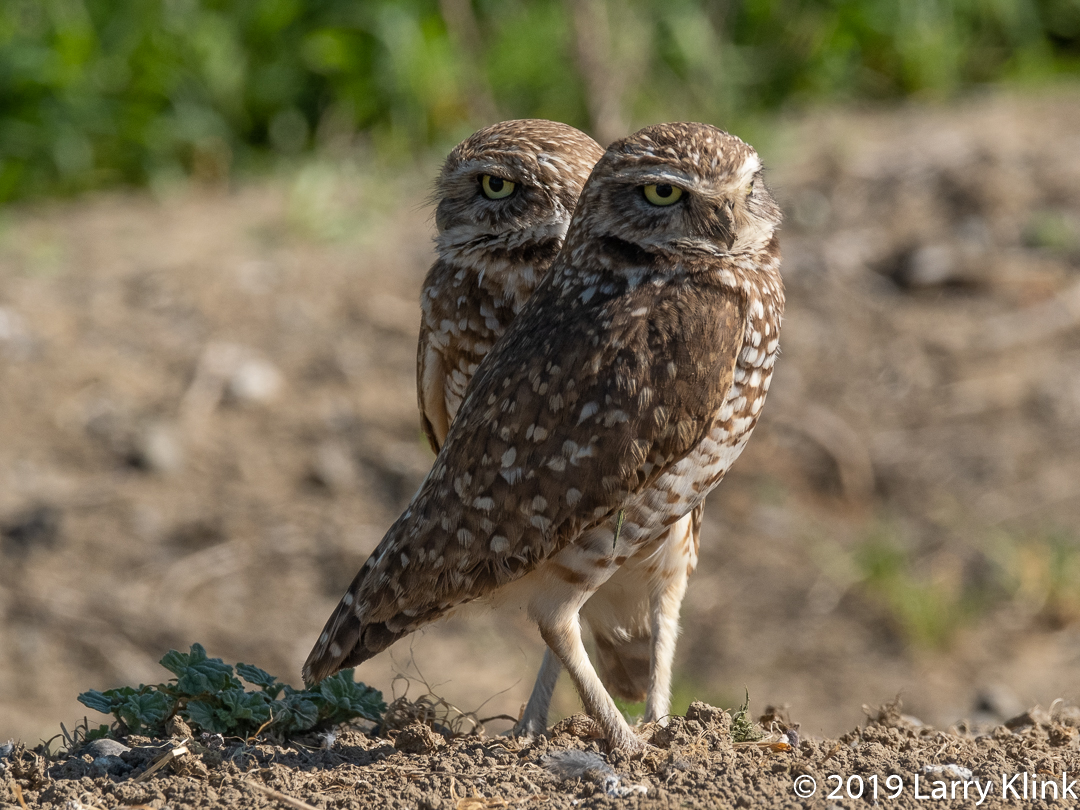
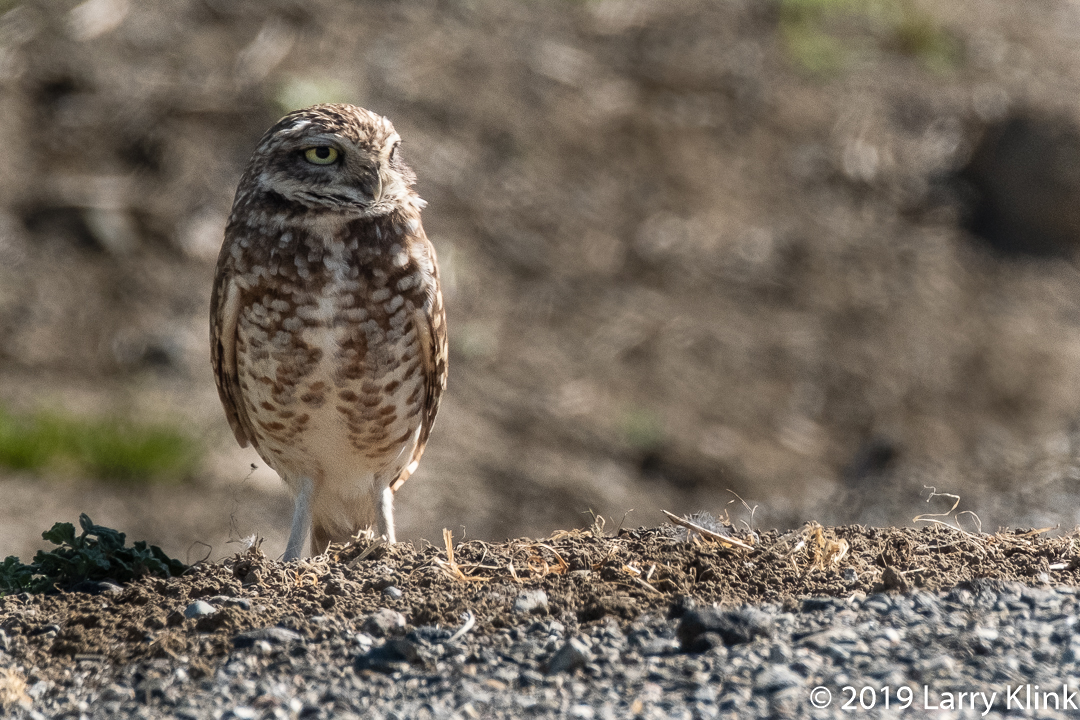
Burrowing Owls are interesting little creatures. Unlike most owls, these 8”-10” owls forage during the day and they live in burrows in the ground that were abandoned by ground squirrels, prairie dogs and the like. They spend most of their time on the ground or on low perches. They eat insects and small animals. I’ve even red that they will carry dung near the burrows to attract insects.
Please click on caption to see image at higher resolution.
Swallows are those little birds we see with their
distinctive back swept, pointed wings and their forked “swallow tail”. They maneuver
through the sky at high speed, in a seemingly erratic pattern, catching and
eating insects in flight. They will also eat mollusks, spiders and sometimes
fruit.
In the spring, along the American River, in the Sacramento
area, I commonly see two types of swallows: Tree Swallows and Cliff Swallows.
When I am lucky, I’ll see a Bank Swallow. I have been told we also have Violet-green
Swallows but I haven’t seen any.
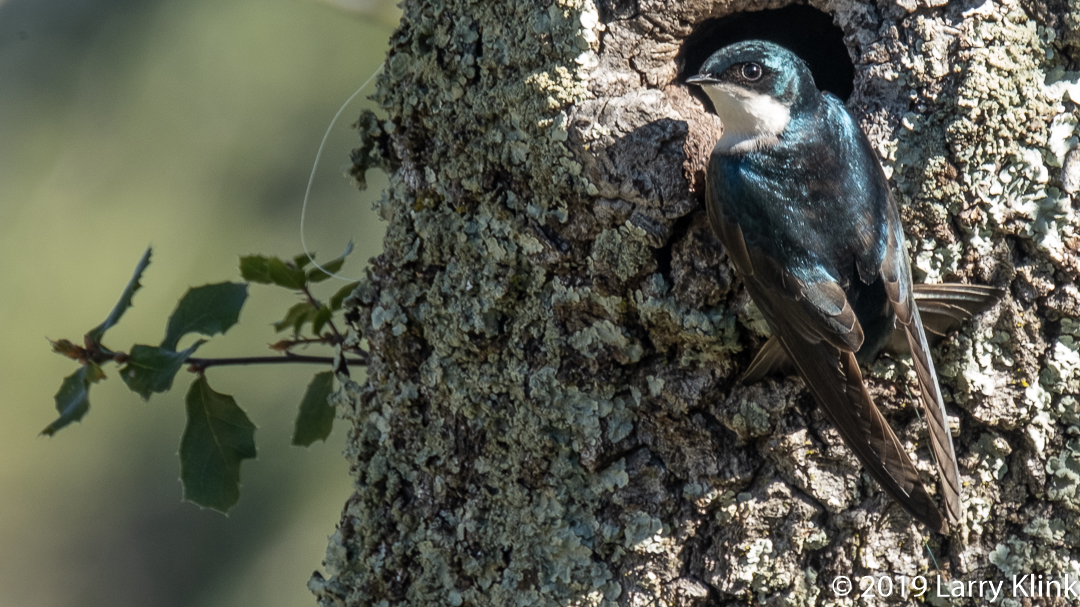
The most common swallow that I see is the Tree Swallow. They are called Tree Swallows because the nest in cavities in trees. It is a beautiful iridescent blue on its head and back, white on its breast and underside and blackish color on wings and tail. These birds live along the gulf coast, southern Mexico and Central America in the winter and move north throughout the US in summer.
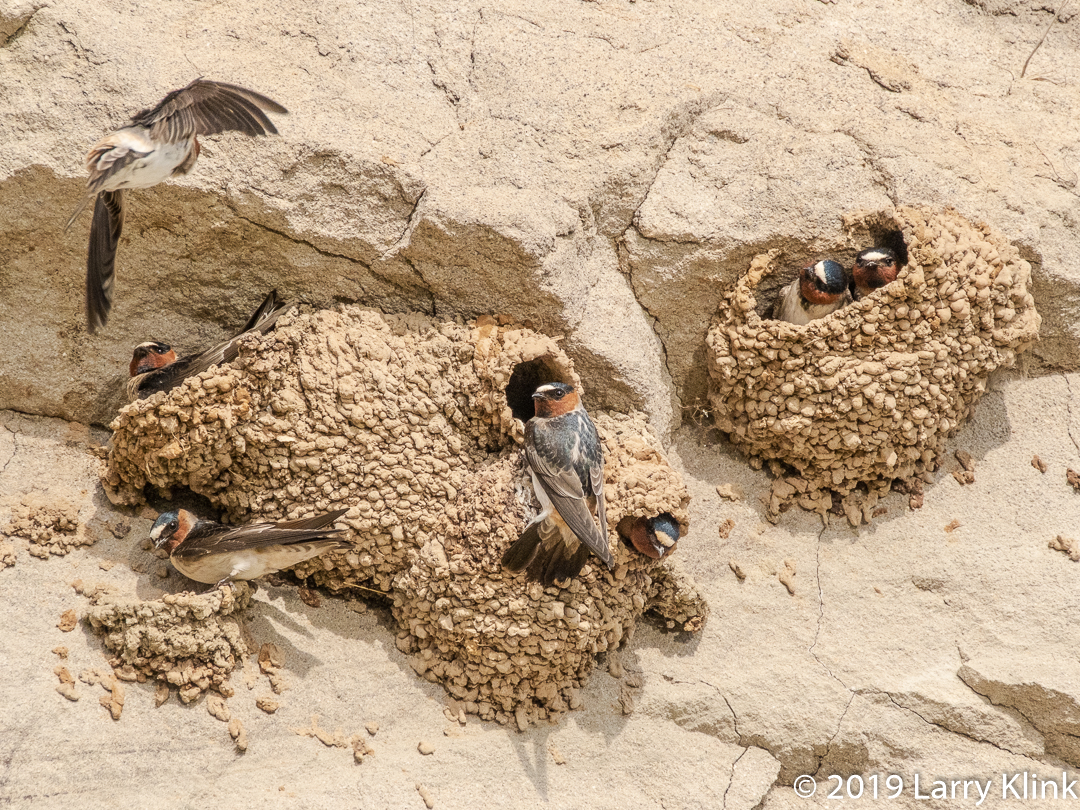
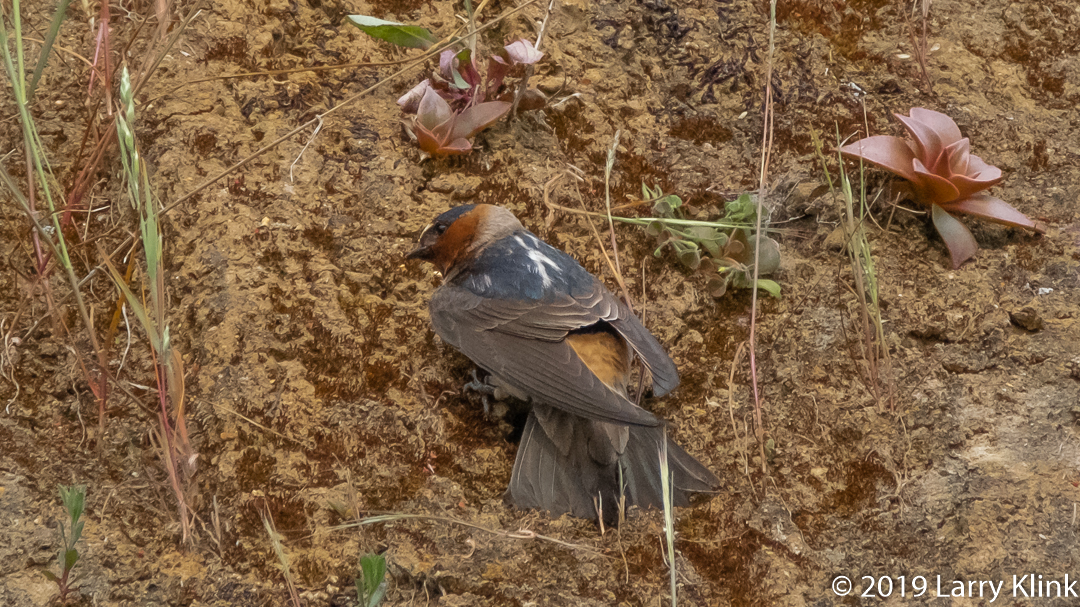
The Cliff Swallow is a multi-colored bird with off-white
underside, gray-brown wings, blue-gray back and head cap and a brown-red neck.
They are quire beautiful. They make nests of mud that appear precariously perched
on a cliff face. They also build nest in man-made structures like bridges and
buildings. They are very social; many birds build nests near one another and
hunt together. They also live along the gulf coast, southern Mexico and Central
America in the winter and move north throughout the US in summer.
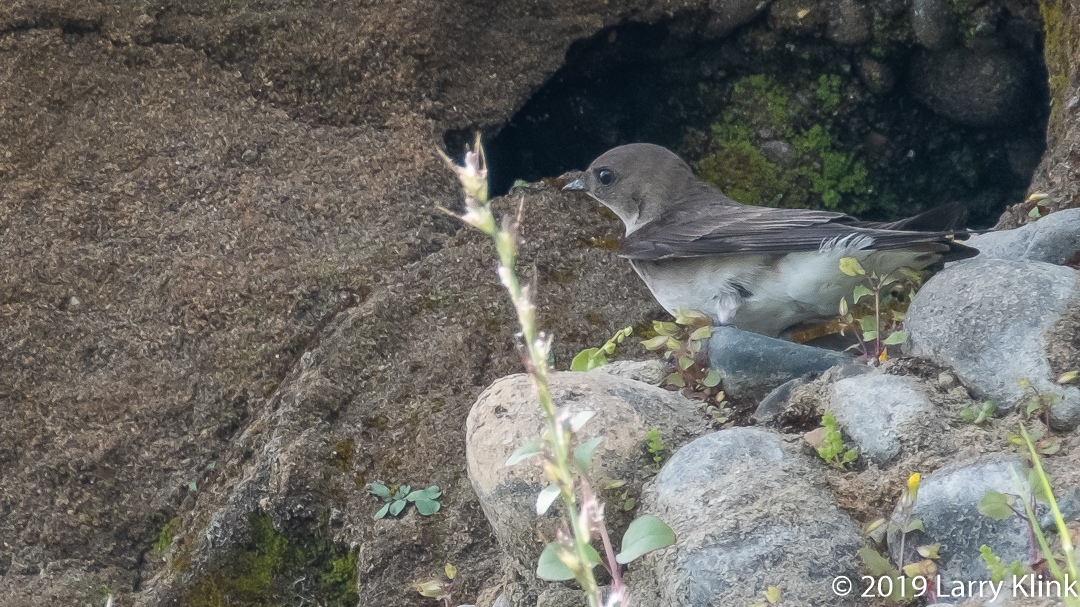
The bank swallow is a bird with different names in different
parts of the world. In Europe, it is the Sand Martin while on the Indian subcontinent
it is called the collard sand martin. They make a nest, lined with straw or
feathers, in a hole they burrow into sand or gravel. They have mostly white
underparts but have a gray back, wings and head. They will sometimes have a
prominent grey collar at the base of their neck. They winter across they
southern 1/3 of the US in winter then migrate north in the summer.
Here are some images of these beautiful swallows.
Please click on caption to see these images in higher resolution.
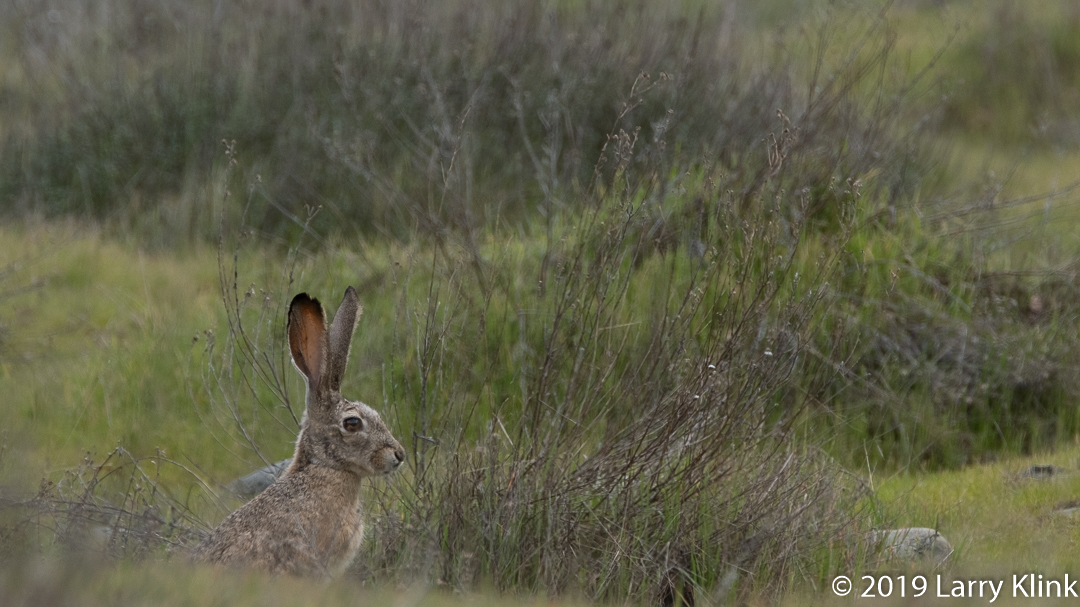
Here are images of a some animals that I’ve taken over the last few weeks; the Coyote, the Black-tailed Jackrabbit and the California Ground Squirrel.
Take notice of the coyote. His eyes face front. That is a trait of predators. The ground squirrel and the jackrabbit need to keep their eyes open for predators while they forage, so their eyes are on the side. Remember the adage: “Eyes in the front, the animal hunts. Eyes on the side, the animal hides.”
Please click on caption to see image at higher resolution.
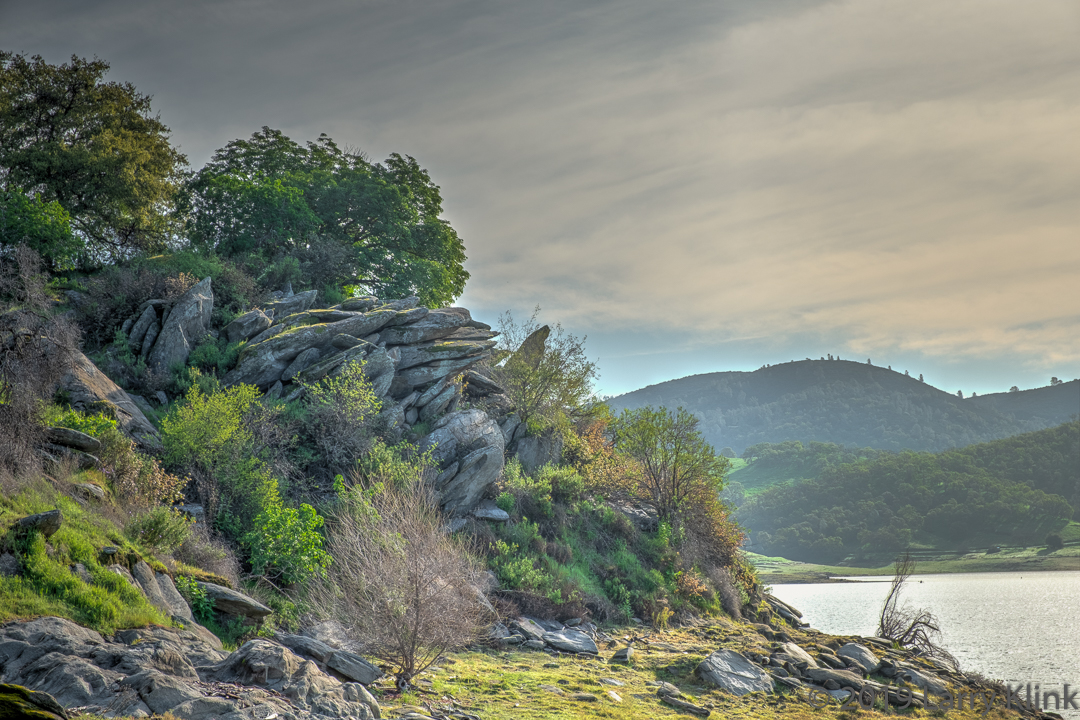
This past week, we had a morning where the rain clouds were
breaking up in the early morning. I chose that day to explore Doton’s Point trail
at Folsom Lake Recreation Area; a trail that was new to me. The grasses and
other plants were displaying their spring green. The early morning sun helped
saturate the colors. Spring was at its finest. I went with the expectation that
I might see some different birds. Instead, I discovered that it was time for some
landscapes.
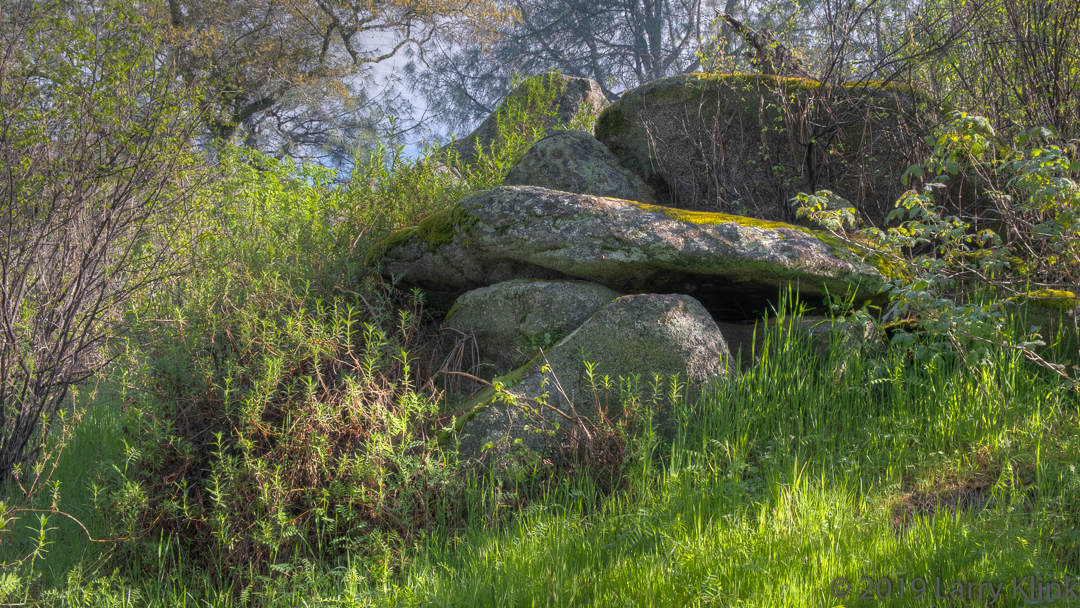
The beautiful rocks in this image are granite. The area around this portion of Folsom Lake is called Granite Bay because of the abundance of granite in the area. Like the Sierra Nevada mountains, this area sets on a pluton, a large blob of magma that cooled slowly underground to form granite then was uplifted and exposed.
Please click on caption to see image at higher resolution.
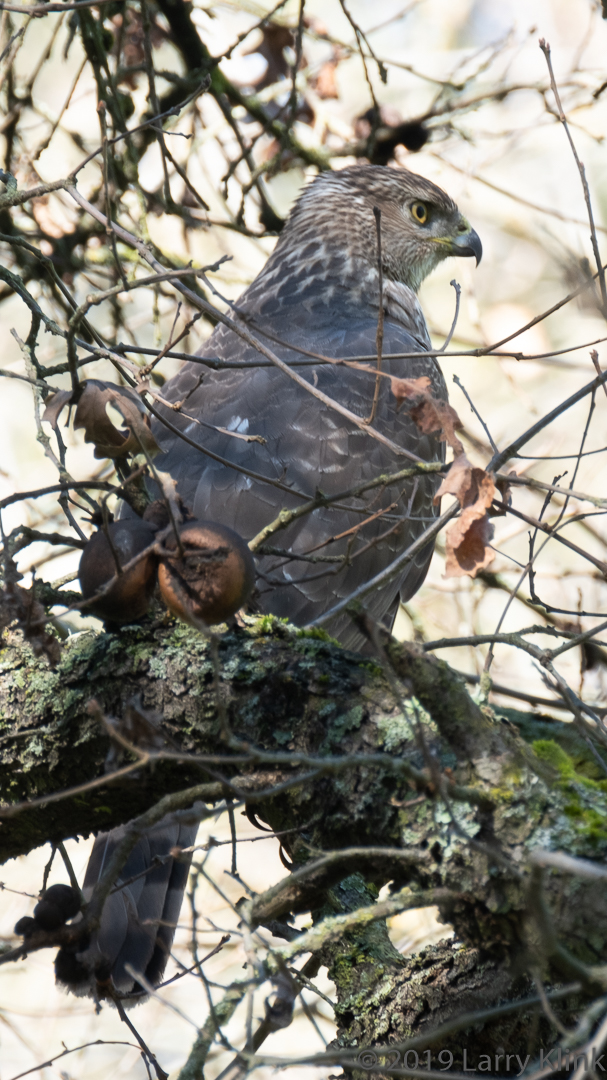
There are 2 major classifications of hawks. Buteos and Accipiters. Buteos are the familiar Red-tailed, Red-shouldered Hawks along with numerous others.The Accipiters are generally smaller, with shorter wings. This makes them more maneuverable; a skill needed because they live in more wooded areas and prefer to eat other birds. I’ve included images of 2 accipiters; the Coopers Hawk and the Sharp-shinned hawk.
Please click on caption to see images at higher resolution.
On our trip to Yosemite last week, a pair of ravens were
foraging among the trees outside our hotel room. They were totally unfazed by me as I followed
them around.
It was an interesting day to shoot ravens. Everyone knows
ravens are black. But black just means that its feathers absorb all frequencies
of color and reflect none back. Like some other birds, the raven’s feathers can
refract or bend light, allowing their feathers to appear other colors. When the
birds were in bright light, they were their bright, familiar, black. But, when
they were in lower light, depending upon how they positioned themselves, their
wing and tail feathers appeared blue. In one other instance, the light hit the
raven’s ruff under his chin and made it look brown.
Is it a raven or is it a crow. If its big and bulky and it makes a croaking sound, its probably a raven. If its smaller and makes the familiar caw, its probably a crow. But, sometimes its not so simple. I am collecting images to put together a simple but more complete illustrated guide.
Please click on caption to image at a larger size.
Last week, we took a trip to Yosemite National Park. We were a bit late in the season. We were looking for snow, but almost all of the snow was gone from the valley floor. There was some clinging to the nooks on the cliff side. It was sunny when we arrived but, as the golden hour approached, the skies became cloud covered and we got rain. Just being in Yosemite when there are few people is a real treat, so walking around in the rain was enjoyable even though photography opportunities were few. Little did we know the treat that would await us in the morning.
We dutifully got up and out ½ hour before sunrise – about an
hour before the sun would start to light up the valley walls. While planning
the trip, I learned we would have clear skies in the morning and that the sun
would be in a good position to light Yosemite Falls. Yosemite falls is often
shaded during the golden hours for photography. We found the position from
which I wanted to shoot and set up. It was then we got our first surprise –
snow had fallen on the cliffsides on either side of the waterfall. There was
even a dead tree that was partially snow covered that I could get into the
frame.
I set up my composition and waited in the cold. After a
period of time that seemed interminable, golden sunlight began to penetrate the
valley. Watching the sun light the mountain tops and valley walls is one of my
favorite experiences; I never grow tired of it. We watched and enjoyed. I would
shoot from time to time. But, I really wanted more light on the water fall.
When the light broke, I got a treat I hadn’t expected. The sun began giving the
water and the mist a golden glow. I watched and I shot as the different
sections would glow. We stayed through the entire show.
I’ve included 2 of the images I got that morning. I hope you enjoy them.
Please click on caption to see these images at higher resolution.

















 Earthwatcher