South African Countryside

Homestead Dotted Hillside
Homestead Dotted Hillside – Near Eshowe, South Africa, AUG 2016

We spent a lot of time in a car travelling through South Africa.  I was fascinated by the sights and sounds of daily life as we traveled.   We moved through farmland and towns, both large and small.  The main roads were very good. Parts reminded me of western Pennsylvania where I grew up, parts reminded me of the foothills of the Sierra Nevada while others reminded me of the deserts just east of the Sierra Nevada.  The Garden Route along the Indian Ocean was reminiscent of Big Sur.  It was a very interesting experience.

We spent much our time in the province of KwaZulu-Natal.  It is a governmental jurisdiction made from 2 former provinces: KwaZulu or Zulu homeland and Natal, an area inhabited mostly, by descendants of European settlers and Indian immigrants brought to South Africa generations ago as indentured labourers for the sugar plantations.  One part of the former Natal, which we drove through, reminded me of Pennsylvania with its rolling hills, farms with silos, cattle grazing and some towns with very German sounding names.  I was most fascinated by the rural areas of the former KwaZulu homeland.

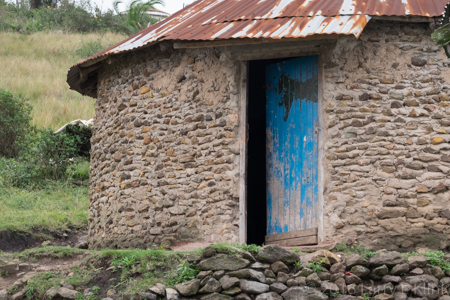
The Zulu are one of the subgroups of the Nguni people who migrated from central Africa some say as early as the 12th century, others the 15th century.  The Nguni were pastoralists; subsistence farmers who primarily herded cattle along with some sheep and goats. Some subgroups of the Nguni live in villages but the Zulu live in isolated homesteads – small family farms.  Traditionally, the area is communally owned and males who would be the head of the household must get permission from the king to establish a homestead – this still holds good in some rural areas today.  Each homestead is a cluster of huts for various family members surrounding a cattle byre or ‘kraal’ (corral).  Huts were traditionally a beehive shaped structure made of thatch with a floor paved with cattle dung.  As society modernizes, the thatch huts have been replaced by rondavels; round huts made of mud and stone, cement block or other, more modern material.  The roofs can be thatch, or corrugated metal.  The rondavels are increasingly being replaced by conventionally shaped homes with more modern building and roofing material.  Cattle graze the land communally but are brought to the corral overnight.  In older times, the corral served another surprising purpose – it was the burial place for family members.  The Zulu have great reverence for their ancestors and having them buried in the corral keeps their spirit close to look after them.  When travelling through the KwaZulu area, one sees hillsides dotted with these homesteads.

The Zulu and other Nguni people were traditionally herders; keeping mainly cattle and goats.  Their prize cattle are recognized today as the unique Nguni breed.  From what I have read the Nguni cattle are descended from Zebu (Indian) cattle and were further hybridized as European stock was introduced to Africa.    To these herders, livestock meant wealth. It takes 11 cows to buy a bride and a wealthy man may have several wives. The fascinating thing about these cattle is that they are classified by color. In the Zulu language are several very distinctive, almost poetic names for the different skin patterns, and there can be much debate around what type a particular animal may be.

We noted that the strip mall phenomenon common in the US is not prevalent in South Africa.  The smaller towns we traveled through all had busy main streets with markets.  On Saturdays the markets were packed with people buying and selling goods.  Another interesting feature are the rural taxis.  They appear to be 15- 20 seater ‘minibuses’, owned by small independent companies as well as individuals.  Those who live in rural areas rely largely on these taxis to commute to towns and cities for work and shopping, but ‘conventional’ bus services also run. Relatively few rural people have cars.

In other rural communities we passed through, we noted that the settlements were more village-like.  These ‘villages’ appear to be laid out in in a haphazard fashion with dirt roads and paths between the lots.  Much of this land is owned communally and, where this is the case, a person must ask the local inkosi (king) for permission to build a home.

South Africans of western origin tend to live in the more conventional structures on streets laid out in grids like we are used to seeing in the US and have access to most modern amenities, (though I don’t believe the McMansion craze which has hit the US has hit there).  In today’s South Africa, suburbs are much more integrated than during the Apartheid era, but there are still clusters of communities of similar ethnic origin found throughout the country.  Unfortunately, with a wide dichotomy between rich and poor still very prevalent, crime remains an issue and I was troubled by the many homes in more affluent neighborhoods which are fenced and gated, often with razor wire topping the fence.

It was a fascinating journey.  Observing the culture was as interesting to me as observing the wildlife.

Regards,

Larry

Note: Click on image to see in larger size
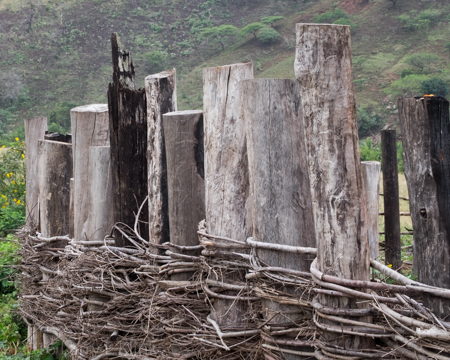
Kraal
Corral (Kraal) – Near Eshowe, South Africa, AUG 2016
Roundavel
Rondavel – Near Eshowe, South Africa, AUG 2016
Local Convenience Store
Local Convenience Store – Near Eshowe, South Africa, AUG 2016
Homestead in Transition to Modernity
Homestead in Transition to Modernity – Near Eshowe, South Africa, AUG 2016
Nguni Cattle - Perspective 2
Nguni Cow – South Africa, AUG 2016
Main Street Business District
Butterworth, South Africa, AUG 2016; Note mini buses used as taxis

These and other images are available for purchase on my website: http://www.earthwatcher.us or by contacting me.

African Penguin

African Penguin - Perspective 2
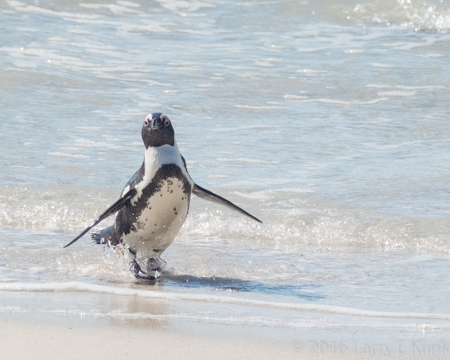
African Penguin – Perspective 2, Boulder Beach Penguin Sanctuary, Table Mountain National Park, Simon’s Town, South Africa, August 2016

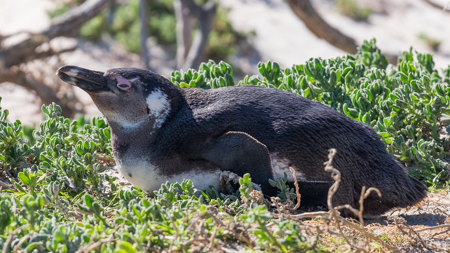
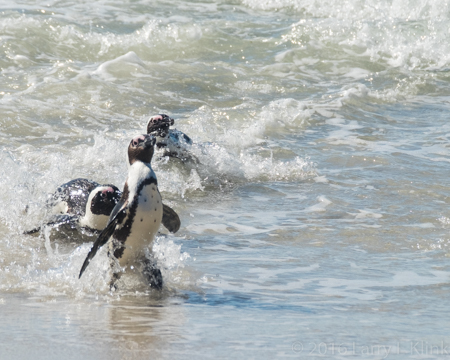
The African Penguin is a species of penguin found in the waters surrounding southern Africa.  It is also known as the jackass penguin because of its donkey like bray.  Its numbers are declining and it is considered endangered.

South Africa has created a reserve for these penguins on Boulder Beach near Simon’s Town.  There is a nice boardwalk down to the beach and an observation platform for viewing.  The penguins meander around and come very close to you.  They were a lot of fun to watch.

I hope you enjoy these images.

Regards,

Larry

Note: Click on individual images to see in larger size.

African Penguin - Perspective 6
African Penguin – Perspective 6
African Penguin - Perspective 5
African Penguin – Perspective 3
African Penguin - Perspective 1
African Penguin – Perspective 1
African Penguin - Perspective 4
African Penguin – Perspective 4
African Penguin - Perspective 3
African Penguin – Perspective 3

These and other images are available for purchase at my website: www.earthwatcher.us or by contacting me.

Antelope

Waterbuck - Perspective 2
Waterbuck – Perspective 2, Elephant Plains Game Lodge, Sabi Sands, South Africa

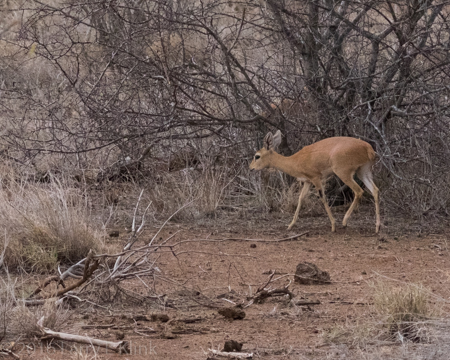
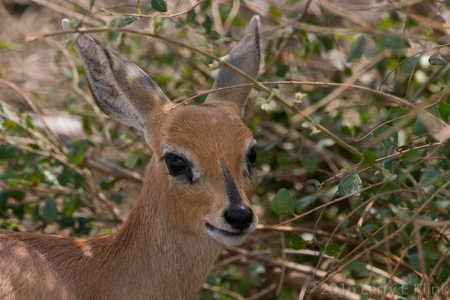
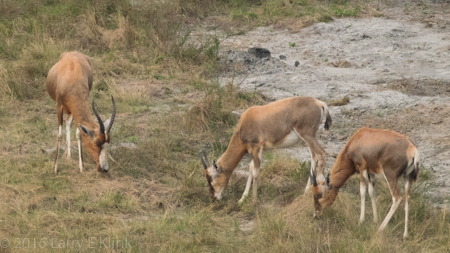
I learned on my trip that South Africa has no deer, only antelope.  I had never been curious enough to find out what the really is the difference between deer and antelope; they look mostly the same.  I learned that deer, as well as elk and moose, have antlers made of bone and are shed and regrown every year.  Antelope have horns which have a bony core covered by keratin.  Horns are not shed and regrown.  I did know that there were different varieties of antelope but, though I only saw a sample, I was really surprised at how many varieties there are.

A few weeks ago I published pictures of the beautiful kudu.  Today I am rounding out my collection with the tiny duiker and steenbok, the klipspringer (rock jumper), the ubiquitous impala, the bontebok, the hartebeest and the big, beautiful waterbuck.

I hope you enjoy these images.

Regards,

Larry

Note: the images can be seen in a larger size at: https://larryklink.smugmug.com/South-African-Adventure-2016 in the Antelope and Waterbuck Galleries

Duiker
Duiker, Elephant Plains Game Lodge, Sabi Sands, South Africa
Impala Herd
Impala Herd, Kruger National Park, South Africa, AUG 2016
Waterbuck - Perspective 3
Waterbuck – Perspective 3, Kruger National Park, South Africa, AUG 2016
Steenbok - Perspective 1
Steenbok- Perspective 1, Kruger National Park, South Africa, AUG 2016
Steenbok - Perspective 2
Steenbok, Perspective 2, Kruger National Park, South Africa, AUG 2016
Klipspringer
Klipspringer (Rock Jumper), Kruger National Park, South Africa, AUG 2016
Bontebuck
Bontebuk, South Africa, August 2016
Hartebeast
Hartebeest, Addo Elephant Park, South Africa, AUG 2016


These and other images are available for purchase at my website: www.earthwatcher.us or by contacting me.

The African Fish Eagle

African Fish Eagle in Flight - Perspective 1
African Fish Eagle In Flight – Kruger National Park, South Africa, AUG 2016

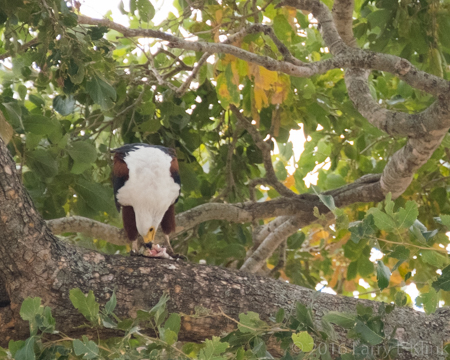
The African Fish Eagle was the most common large raptor we saw on our trip to South Africa.  It is a beautiful bird that is a cousin to our American Bald Eagle.  I learned from my friend Kevin that both the African Fish Eagle and the Bald Eagle belong to the family of fish eagles.  They are distinguished from the family of booted or true eagles by their legs.  True eagles have feathers on their lower legs.  I am a novice birder and never realized there were different types of eagles. By the way, our Golden Eagle is a snake eagle; yet another type.

Our most interesting encounter was watching a fish eagle being chased by a Blacksmith Lapwing.  I guess the eagle was too close to a nest.  It was fun watching it fend off numerous attacks.

I hope you enjoy these images of these magnificent birds,

Regards,

Larry

African FIsh Eagle Feeding - Perspective 1
African Fish Eagle Feeding – Perspective 1, Kruger National Park, South Africa, AUG 2016
African FIsh Eagle Feeding - Perspective 2
African Fish Eagle Feeding – Perspective 2, Kruger National Park, South Africa, AUG 2016
African FIsh Eagle Fending Lapwing Attack - Perspective 1
African Fish Eagle Fending Lapwing Attack – Perspective 1, Kruger National Park, South Africa, AUG 2016
African FIsh Eagle Fending Lapwing Attack - Perspective 2
African Fish Eagle Fending Lapwing Attack – Perspective 2, Kruger National Park, South Africa, AUG 2016
African FIsh Eagle and Great Egret
African Fish Eagle and Great Egret, Kruger National Park, South Africa, AUG 2016

Note: These and other images are available for sale on my website: www.earthwatcher.us or by contacting me.


Wildebeest, Cape Buffalo and Warthogs

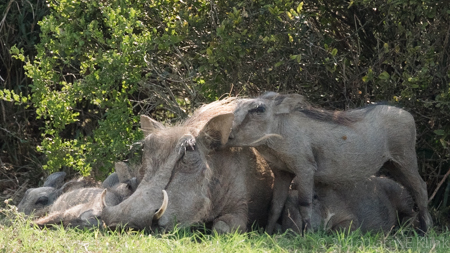
Momma Warthog and Babies
Mama Warthog and Babies, Addo Elephant Park, South Africa, AUG 2016

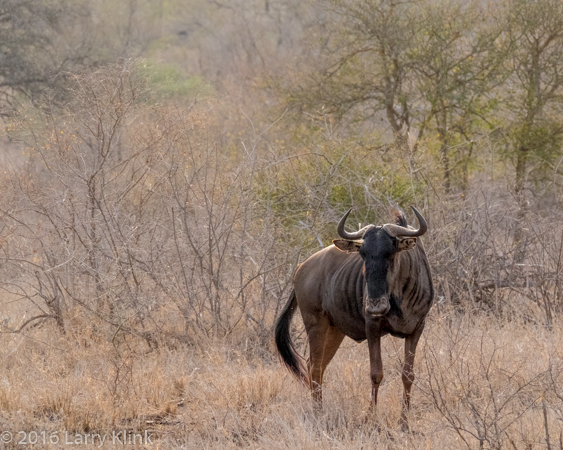
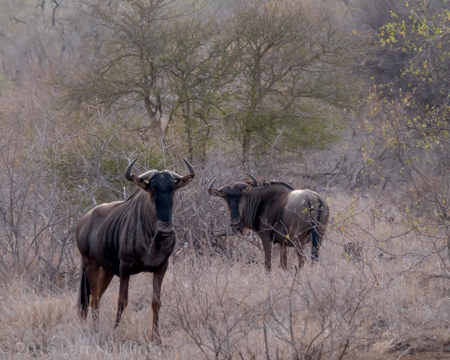
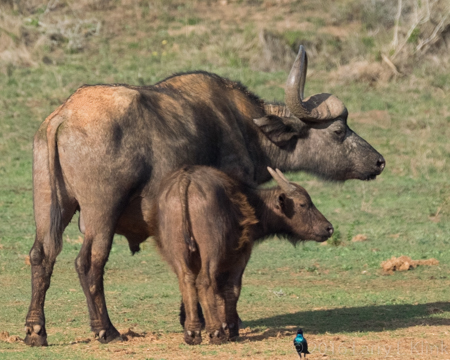
Everybody gets excited about the big cats, the elephants, the hippos and other big game.  But there is a lot more out there and I will be sharing it over the next few weeks.  Today, I’ll share my images of the wildebeest, also known as the Gnu, the cape buffalo and the warthog.

The wildebeest and cape buffalo are grazers, eating the grass that grow in the savannahs.  The warthog grazes on the grass and digs for roots.  Their place in the ecosystem is controlling the plant life so it doesn’t take over and serving as food for the larger prey animals.  Though not as exciting as the big cats, they are each beautiful in their own way.

Regards,

Larry


Note: Click on images to view in larger size

Cape Buffalo - P1
Cape Buffalo – Perspective 1, Elephant Plains Game Lodge, Sabi Sands, South Africa

Wildebeest (Gnu) - P4

Wildebeest – Perspective 4, Kruger National Park, South Africa, AUG 2016

20160831-south-africa-2066-web
Wildebeest – Perspective 3, Kruger National Park, South Africa, AUG 2016
Cape Buffalo - P2
Cape Buffalo – Perspective 2, Addo Elephant Park, South Africa, AUG 2016


These and other images are available for purchase at my website: www.earthwatcher.us or by contacting me at: larry@earthwatcher.us.

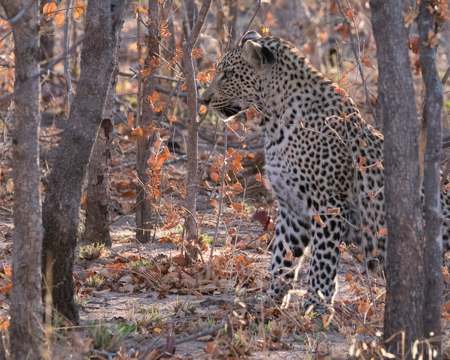
Leopards

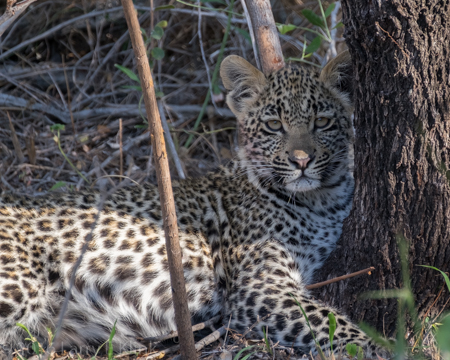
Karula's Unnamed Cub
Karula’s Unnamed Cub – Elephant Plains Game Lodge, Sabi Sands, South Africa

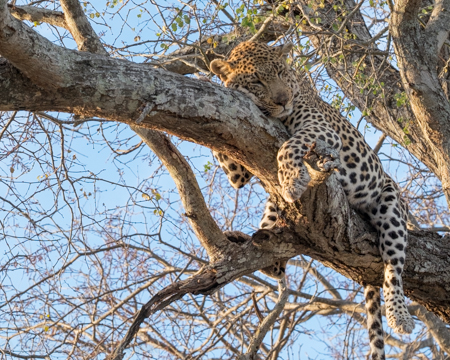
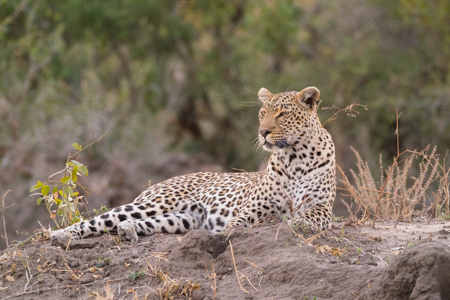
A highlight of our visit was the Elephant Plains Game Lodge tour guided by Tusk Photo.  Elephant Plains is a private game lodge and is the “go to” place for leopards.  It sets on the edge of Kruger National Park and it shares its wildlife with the park.  So, aside from the leopards we saw a lot of other wildlife on that part of our adventure.

We did an early morning and a late/afternoon game drive each day. We traversed the bush in open 4-wheel drive vehicles on rutted dirt roads.  We had a tracker who sat on a jump seat attached to the front bumper who, along with our driver, looked for tracks and other signs of animal life.  When leopard tracks were spotted or another tour group reported a sighting, we went off road with the vehicle to find them.  It was fun and exciting.

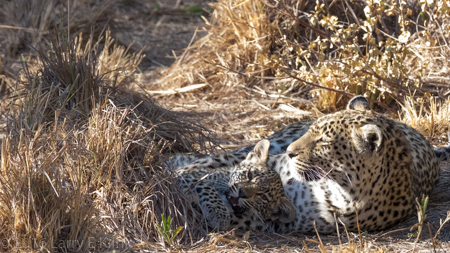
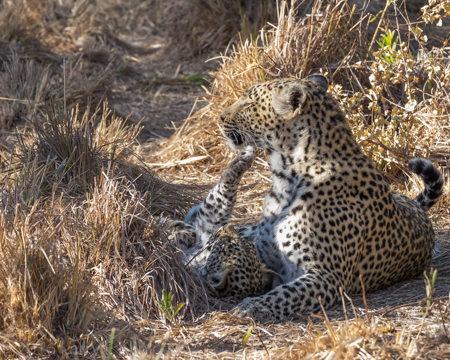
It’s hard to describe the awe of our first wild leopard sighting and the wonder of seeing 14 month old Tiyani walk to within 5 feet of our car while her mother looked on.  The wildlife is acclimated to humans and their tour groups.  They went about their business as if we weren’t there.  But, if the guides sensed that the animal was disturbed, we’d back off and leave them in peace.

It was an amazing adventure.  I’d go back in a heartbeat.  I hope you enjoy these images.

Regards,

Larry

Note: Click on image to see in larger size.

Salayexe
Salayexe – Elephant Plains Game Lodge, Sabi Sands, South Africa
Karula's Unnamed Cub
Karula’s Unnamed Cub – Elephant Plains Game Lodge, Sabi Sands, South Africa
Karula's Unnamed Cub
Karula’s Unnamed Cub – Elephant Plains Game Lodge, Sabi Sands, South Africa
Karula with Unnamed Cub
Karula with Unnamed Cub – Elephant Plains Game Lodge, Sabi Sands, South Africa
Karula with Unnamed Cub
Karula with Unnamed Cub – Elephant Plains Game Lodge, Sabi Sands, South Africa
Tingana
Tingana – Elephant Plains Game Lodge, Sabi Sands, South Africa
Tingaia
Tingana – Elephant Plains Game Lodge, Sabi Sands, South Africa
Salayexe
Salayexe – Elephant Plains Game Lodge, Sabi Sands, South Africa
Salayexe and Tiyani
Salayexe and Tiyani – Elephant Plains Game Lodge, Sabi Sands, South Africa
Tiyani
Tiyani – Elephant Plains Game Lodge, Sabi Sands, South Africa
Titani
Tiyani – Elephant Plains Game Lodge, Sabi Sands, South Africa
Tingana
Tingana – Elephant Plains Game Lodge, Sabi Sands, South Africa

These and other images are available for purchase at my website: http://www.earthwatcher.us or by contacting me at larry@earthwatcher.us

Elephants

Nuzzling
Nuzzling, Elephant Plains Game Lodge, Sabi Sands, South Africa

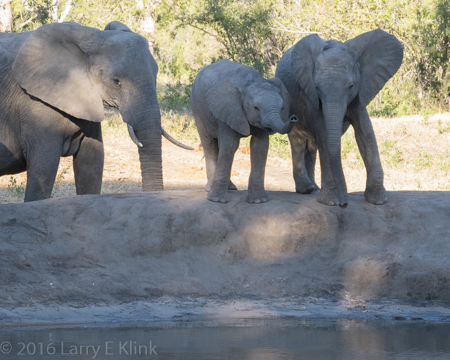
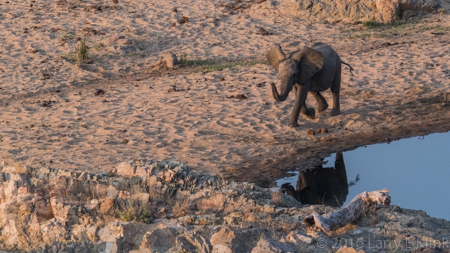
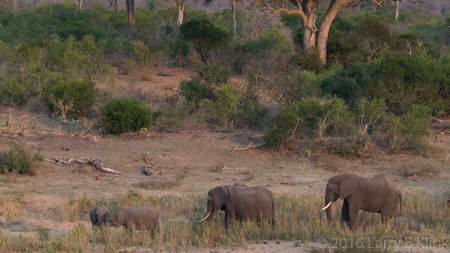
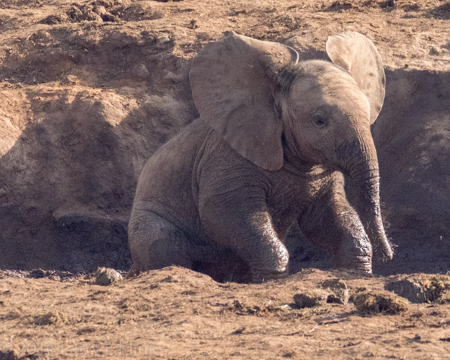
Today, 9/22, is National Elephant Appreciation Day; yes, really it is.  So, to celebrate, I decided to publish my elephant pics from South Africa.

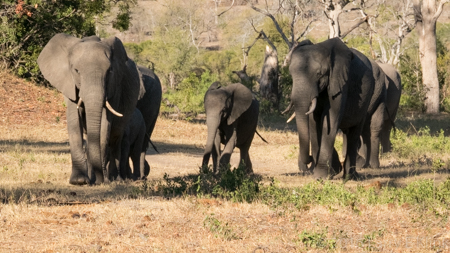
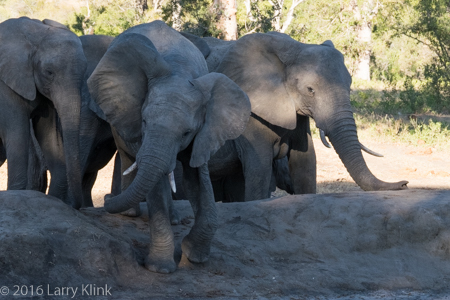
Our elephant experience was interesting.  I learned that they are not subtle animals.  You only have to look at the broken brush, trees and branches as well as the trail of dung to know elephants have been through.  Elephants eat a lot but only digest a small portion of what they eat.  Their dung becomes a source of food for other animals.  At Addo Elephant National Park, they have signs warning you not to run over dung beetles because they are the clean-up crew and are an important part of the ecosystem.

I knew from documentaries that elephants are very protective of their young.  But, it was interesting to see it in action.  When elephants didn’t feel threatened, the calves romped and played.  At the first sign of threat, the adults herded the young in between them.  It is really neat to see this behavior firsthand.

I hope you enjoy my images of these fascinating creatures.

Regards

Larry

Note: 1) Click on image to see in larger size

2) These and other images are available for purchase at http://www.earthwatcher.us or by contacing larry@earthwatcher.us

Coming to the Water Hole - P1
Coming to the Water Hole – Perspective 1.  Elephant Plains Game Lodge, Sabi Sands, South Africa
Coming to the Water Hole - P2
Coming to the Water Hole – Perspective 2. Elephant Plains Game Lodge, Sabi Sands, South Africa
Ready for a Swig
Ready for a Swig. Elephant Plains Game Lodge, Sabi Sands, South Africa
Calf at the Water Hole
Calf at the Water Hole. Elephant Plains Game Lodge, Sabi Sands, South Africa
Elephant Calf
Elephant Calf. Kruger National Park, South Africa, AUG 2016
Along the Game Trail - P1
Along the Game Trail – Perspective 1. Kruger National Park, South Africa, AUG 2016
Along the Game Trail - P2
Along the Game Trail – Perspective 2. Kruger National Park, South Africa, AUG 2016
Foraging at Sunset
Foraging at Sunset. Kruger National Park, South Africa, AUG 2016
Calf at the Mud Hole
Calf at Mud Hole. Addo Elephant Park, South Africa, AUG 2016
Momma and Baby - P1
Momma and Baby – Perspective 1. Kruger National Park, South Africa, AUG 2016

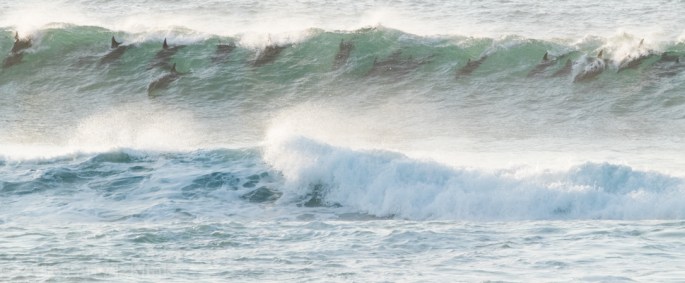
Dolphins in the Surf

Dolphins in the Surf
Mboyti River Lodge, Lusikisiki, South Africa, AUG 2016

Sometimes you are lucky and are at the right place and right time. We spent one night at Mboyti River Lodge, Lusikisiki, South Africa; a lovely place along the Indian Ocean coast. I got up early in the morning hoping to get a nice sunrise shot. I did and will share it later. I found a nice spot, on a small embankment overlooking the ocean. As I scanned the ocean, I saw a few dolphins. Over the next few minutes a whole pod showed up – probably 30 of them. I have wanted a shot of the dolphins in the surf line for a long time. This morning, they put on a great show for me. I hope you enjoy this image.
Note: Click on image to see it in a larger size.

Baboons

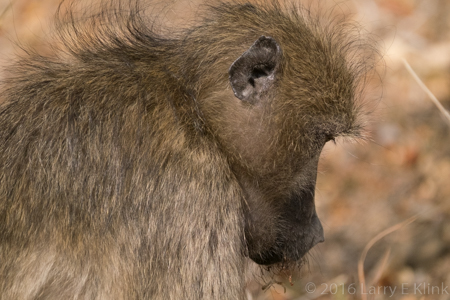
Pensive Baboon
Pensive Baboon, Kruger National Park, South Africa, AUG 2016

My wife says that Baboons are wretched creatures.  They look like monkeys but have an unsettling grunt and 3 inch canine teeth.  When we stayed at Elephant Plains Game Lodge, we were awoken each morning by their unnerving growls that sounded like they were right outside our door and on our roof.  The Leopard’s growl wasn’t as unsettling as the Baboon’s.

Baboons are very smart; especially when it comes to acquiring food.  We were warned to keep our doors locked because they can open doors and will trash your room looking for food.  At one stop, I watched a baboon open a garbage can and grab some leftovers.  We were also warned that they will grab bags you may be carrying or steal food from your table.

Though they can be a fearsome nuisance, they are also fun to watch.  They are fellow primates and I could see some of us in them.  We watched them jumping and chasing each other through trees and over rocks.  We watched them groom each other and care for their young.  Wretched, maybe. Scary, sometimes.  Interesting and fun to watch, absolutely.

I hope you enjoy these images.

Regards,

Larry

Note: Images can be viewed at a larger size by clicking on image.

Infant Baboon
Infant Baboon, Kruger National Park, South Africa, AUG 2016
Grooming the Little Baboon
Grooming Little Baboon, Kruger National Park, South Africa, AUG 2016
Baboon - Perspective 3
Baboon – Perspective 3, Kruger National Park, South Africa, AUG 2016

These and other images are available for purchase at my website: http://www.earthwatcher.us or by contactin larry@earthwatcher.us.

The Lions

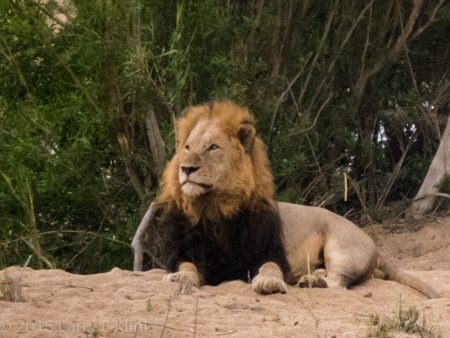
A Coalition of Male Lions
Coalition of Male Lions, Elephant Plains Game Lodge, Sabi Sands, South Africa

We had 4 lion sightings on our trip. Unfortunately, on the best opportunity, a female babysitting the pride’s cubs, I had to shoot through the windshield because we couldn’t get a good position. As is expected, lions draw big crowds and lot of folks beat us to the site. So, with that, I’ll tell you that my lion images aren’t of the quality I typically post. I posted them more because I thought they would be interesting.

Except for the cubs, lions like to lay down and sleep most of the time. Our first encounter was with 3 males. Except for one who took a few minutes to look at us, they all laid down and closed their eyes as if we weren’t there. The best shots came at night, in Kruger, when we encountered a mating pair. When mating, the male and female roam together, away from the pride, for three days. We watched and photographed them for 15-20 minutes before they walked off into the bush.
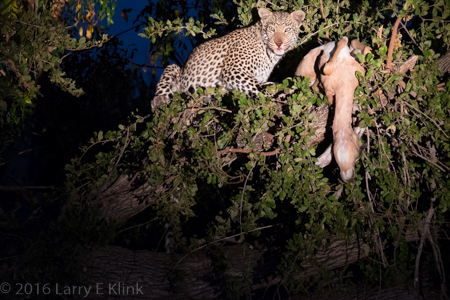
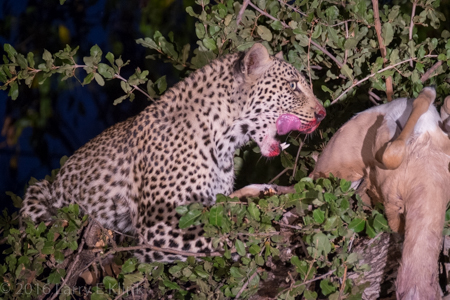
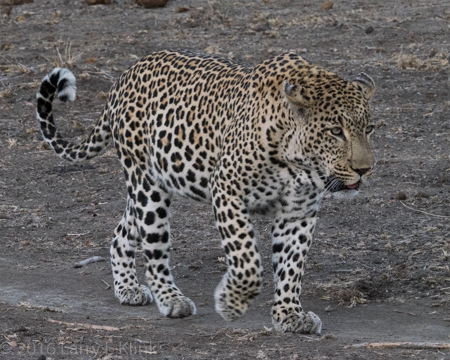
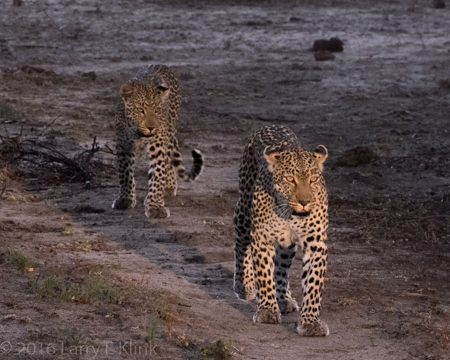
By the way, I learned something about lions while I was there. A pride of lions is a group of females and cubs. They have a territory but live in a territory that is controlled by a coalition of male lions; usually brothers. One male in the coalition is the alpha.

I hope you find these shots interesting. Again, my apologies on the quality.

Regards

Larry

Note: Click on image to view it in a larger size

Female Lion and Cubs
Female Lion with Cubs, Kruger National Park, South Africa, AUG 2016
Male Lion
Male Lion, Kruger National Park, South Africa, AUG 2016
Lions, Mating Pair - P1
Mating Pair – Perspective 1, Kruger National Park, South Africa, AUG 2016
Lions, Mating Pair - P2
Mating Pair – Perspective 2, Kruger National Park, South Africa, AUG 2016

These and other images can be purchase on my website: http://www.earthwatcher.us or by contacting larry@earthwatcher.us