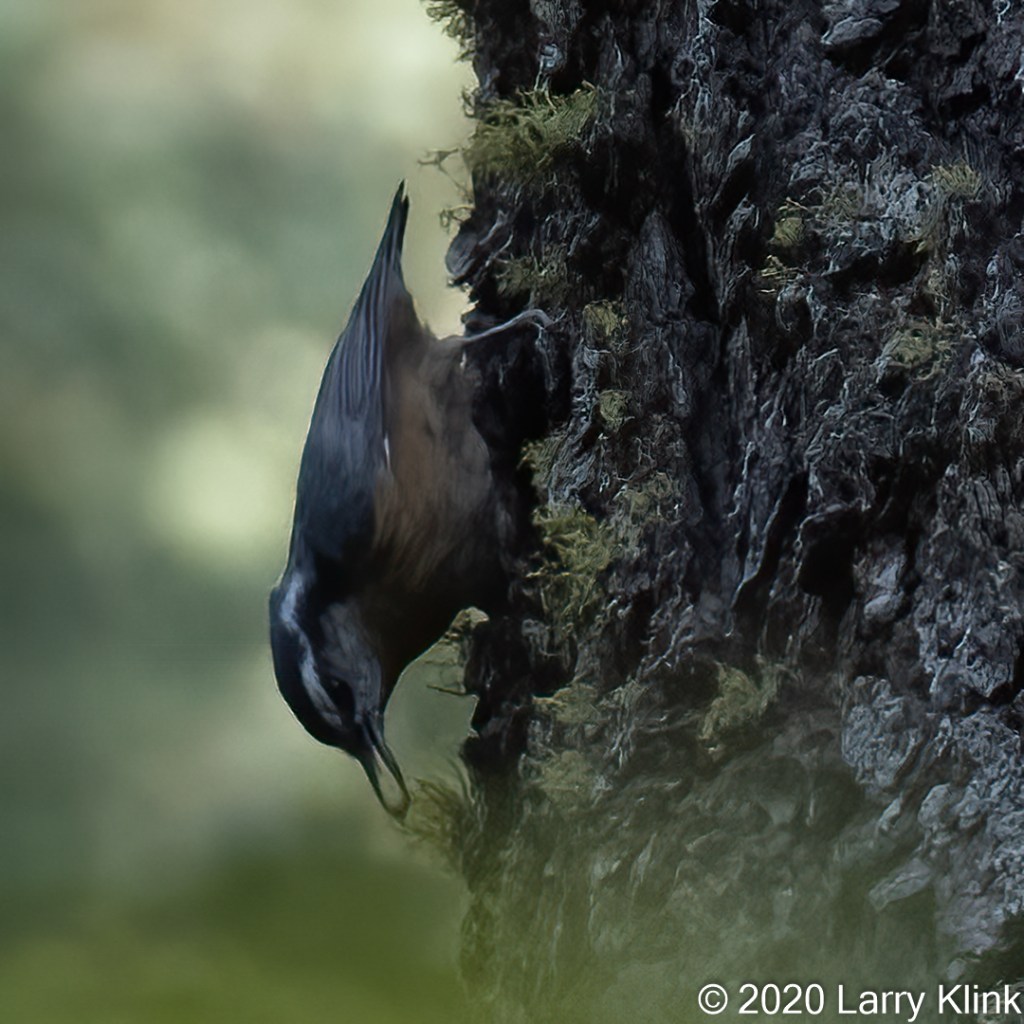
If anyone would like a copy of almost any picture in my library, for educational or research use, please contact me and I will happily share a digital copy with you.
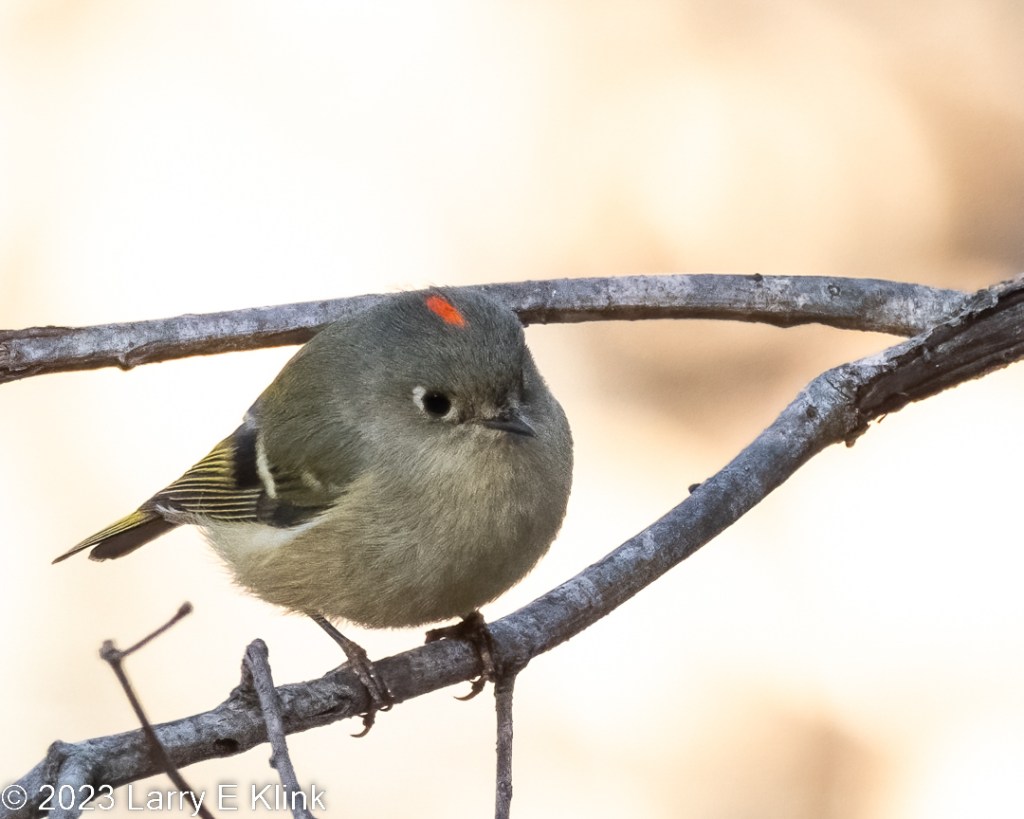
Check out the Ruby-crowned Kinglet. It was a cold morning. It had itself puffed-up to insulate against the cold. Doing so included flashing his red crown. I’ve been trying for several years to get a picture with the crown showing; it’s a rare shot to get. Being all puffed-up, he looks like he escaped from the Angry Birds game.
Please click on caption to see image at higher resolution!
If anyone would like a copy of almost any picture in my library, for educational or research use, please contact me and I will happily share a digital copy with you.
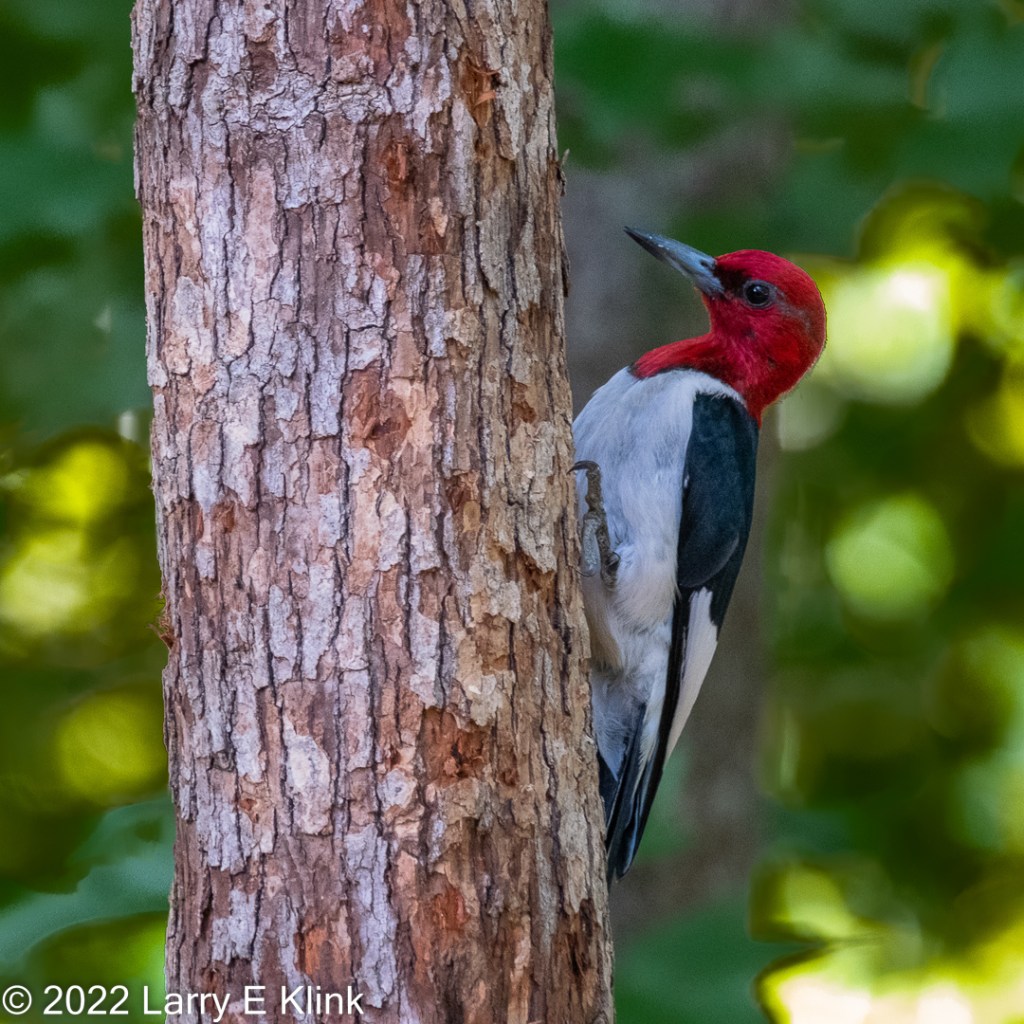
Since moving to Georgia, we’ve been visited by a variety of woodpeckers. We had a variety in California also but the only one in common is the Downy Woodpecker.
Though I’ve seen the Yellow-bellied Woodpecker here, I had to use an older picture from Florida because the one I got here wasn’t so good. Note the rings of holes on the tree trunk. Sapsuckers peck in rings around the tree trunk. If you see those rings, you know a Sapsucker has visited it.
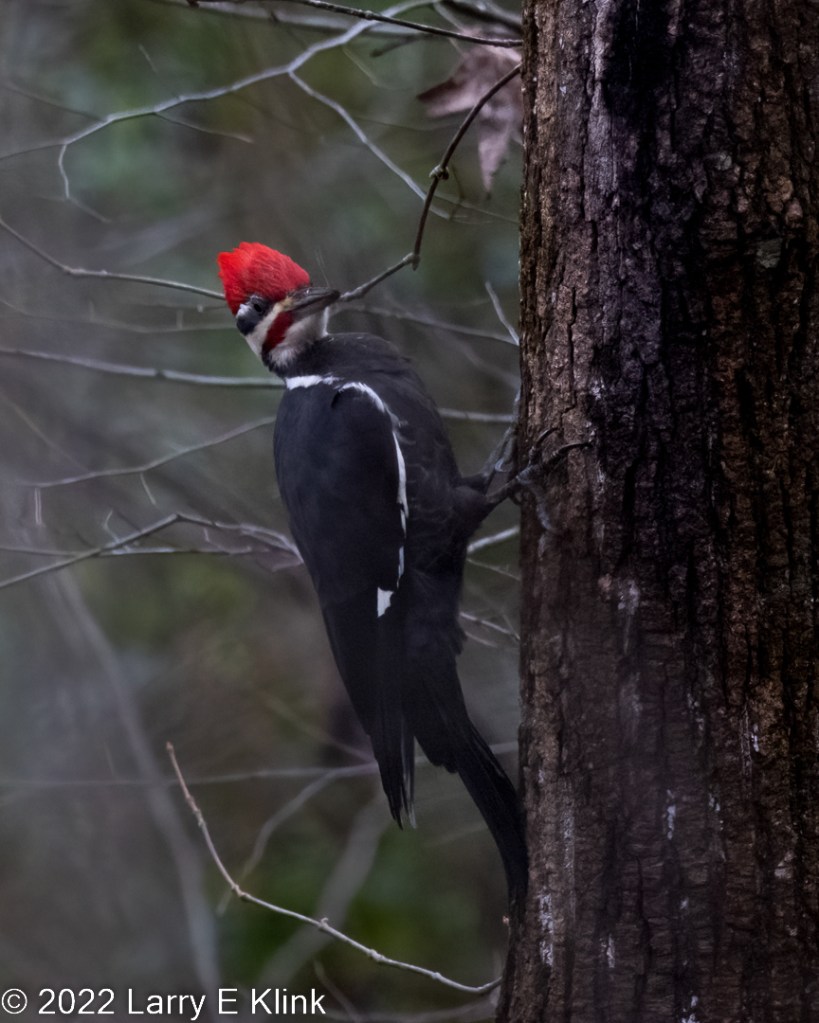
The male and female Pileated Woodpecker looks almost identical but the male has a red patch above its beak.
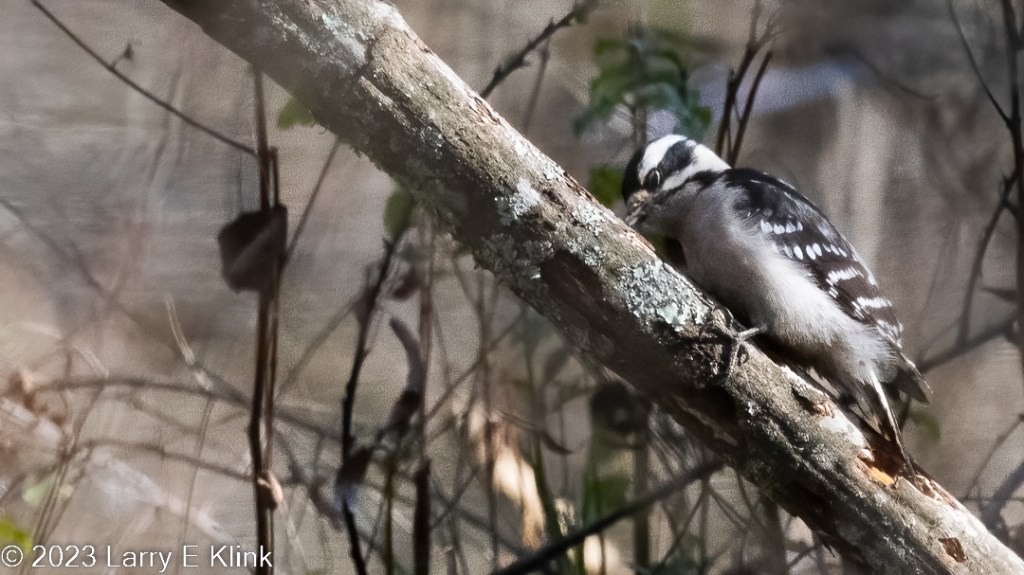
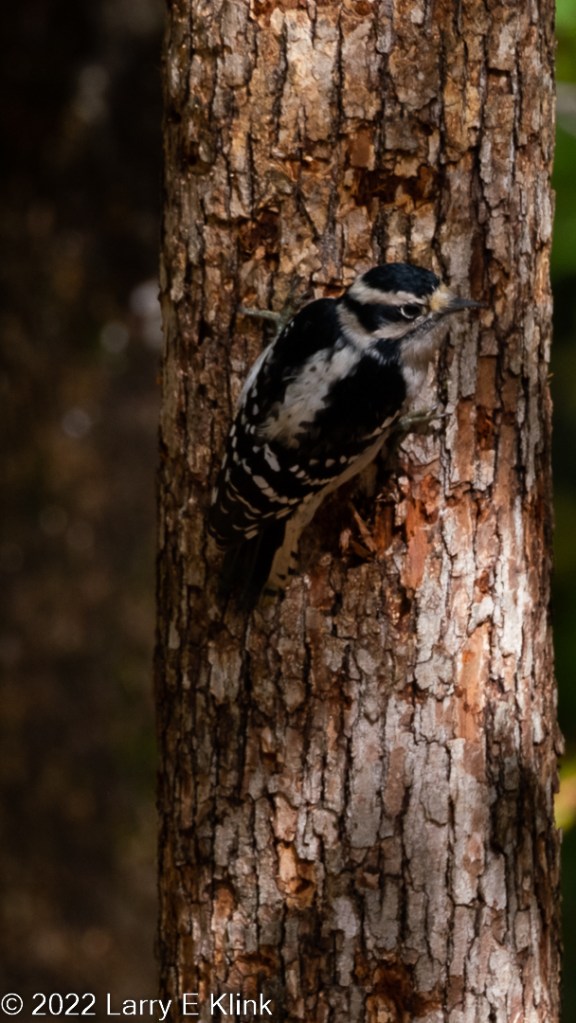
The Downy and Hairy woodpeckers look nearly identical except that the Hairy is considerably larger and its beak is nearly as long as its head. The males of both species have a red patch on the back of their head.
Please click on caption to see image at higher resolution.
If anyone would like a copy of almost any picture in my library, for educational or research use, please contact me and I will happily share a digital copy with you.
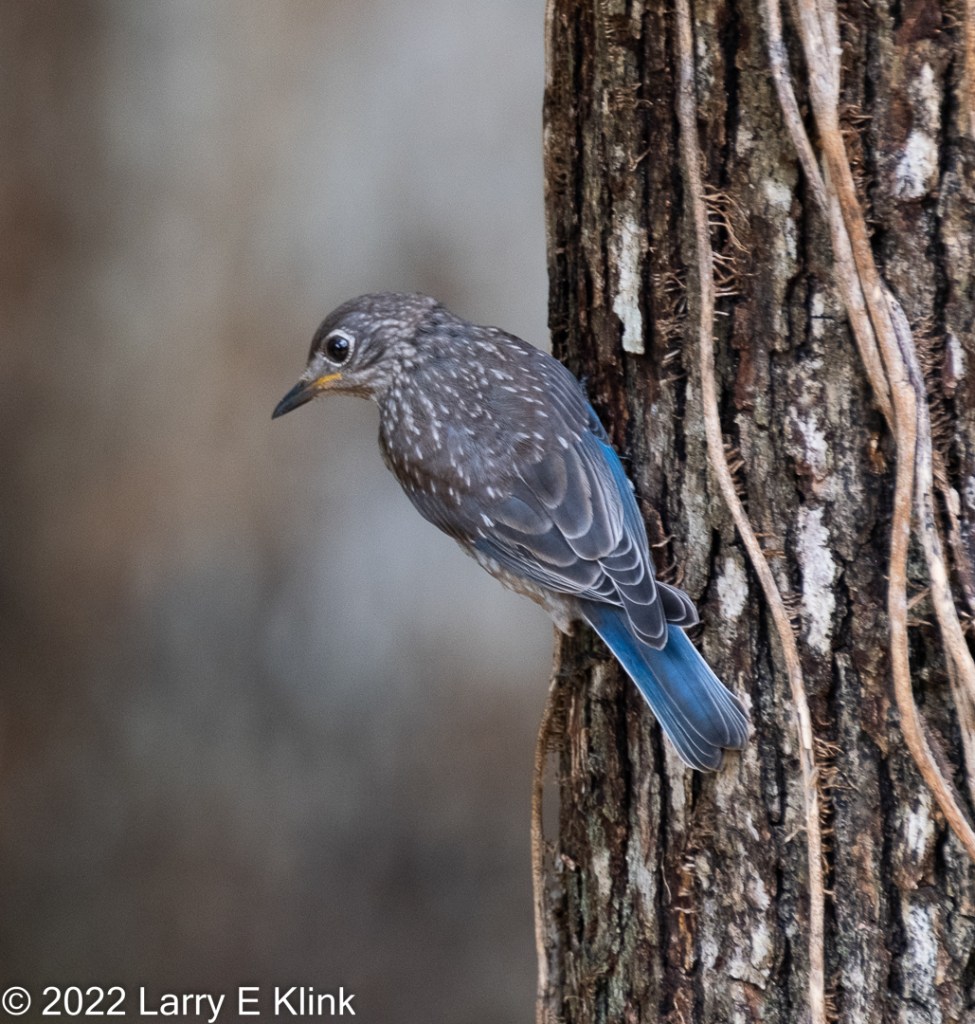
The past couple of weeks are backyard feeder has been flooded with juvenile Eastern Bluebirds. I have counted as many as 6 at one time. So, I thought it might be a good time to post some “family” pictures. I don’t know which adults parented which juveniles, but you get the idea.
Please click on caption to see images at higher resolution.
If anyone would like a copy of almost any picture in my library, for educational or research use, please contact me and I will happily share a digital copy with you.
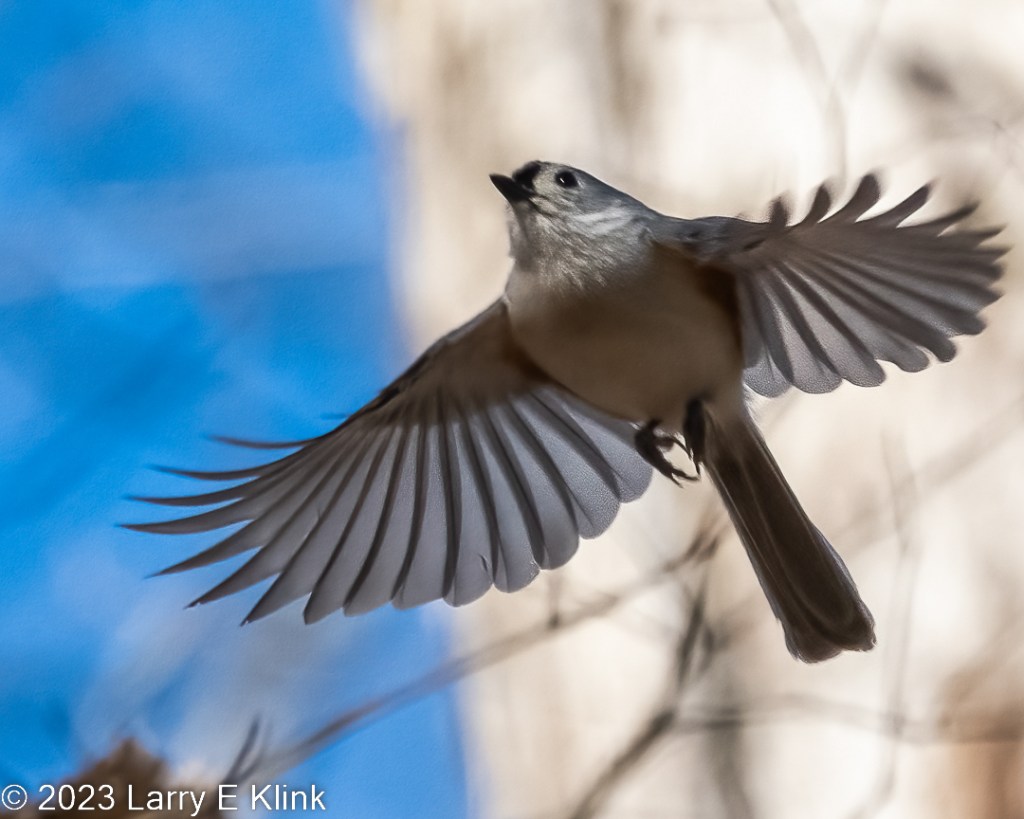
I enjoy watching Nuthatches as they forage in trees. These energetic, small, birds fly in and grab a trunk or branch that is many times their size to perch on. They quickly move up and down the trunk and branches of trees looking for insects. When they climb down, they face downward.
In 2 prior posts, I misidentified a White-breasted Nuthatch; I called a Red-breasted Nuthatch. I did do my due diligence in identifying them but still go confused. Lesson learned.
If anyone would like a copy of almost any picture in my library, for educational or research use, please contact me and I will happily share a digital copy with you.
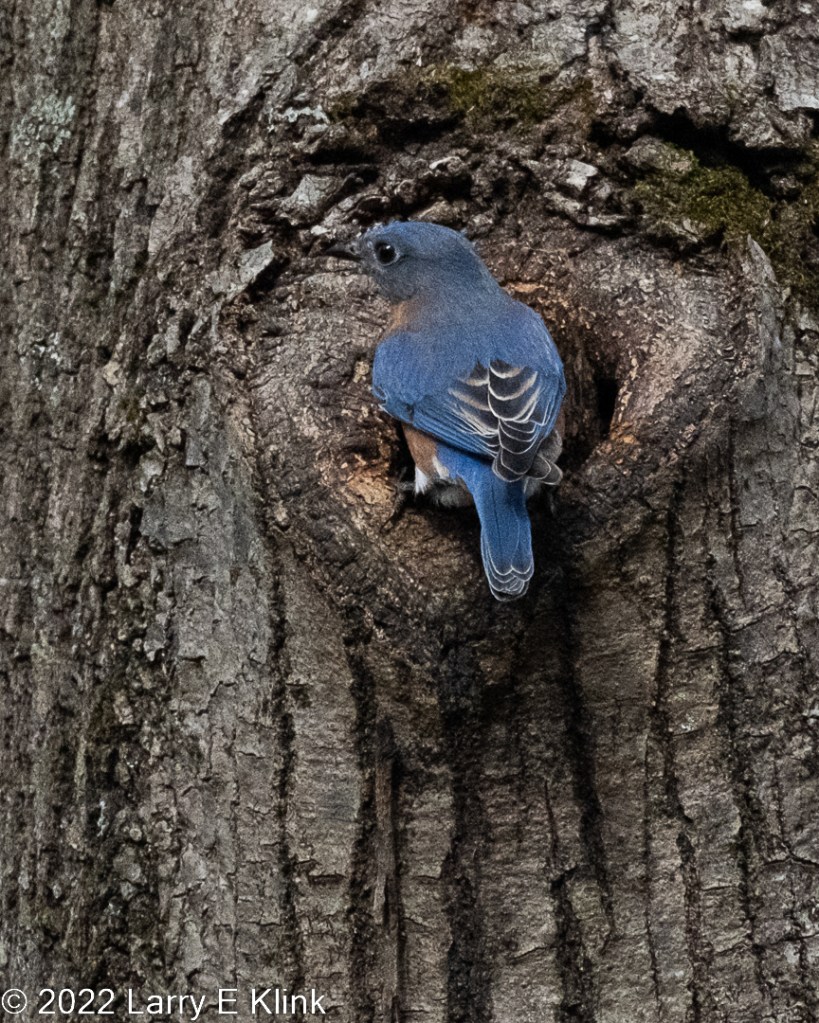
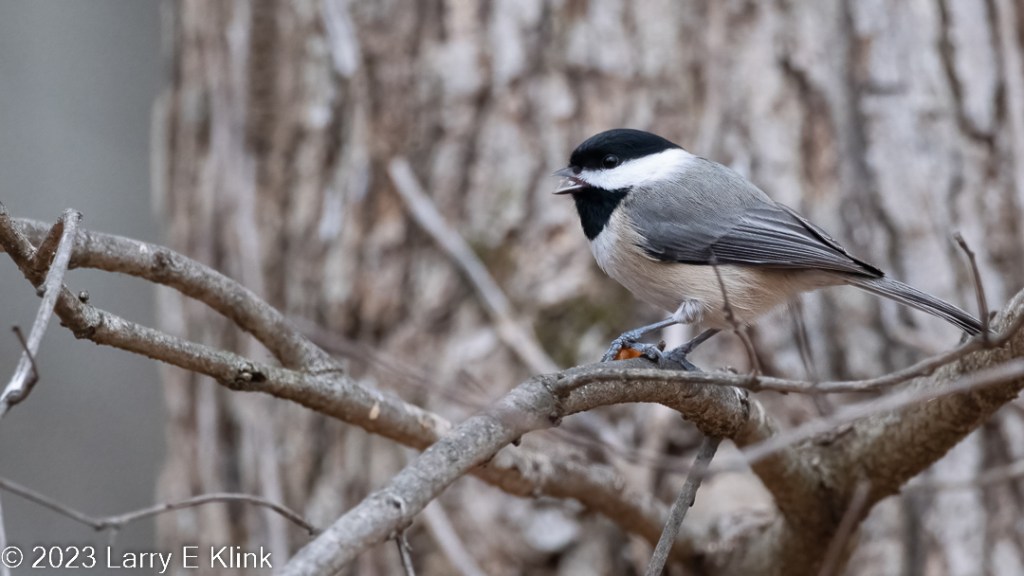
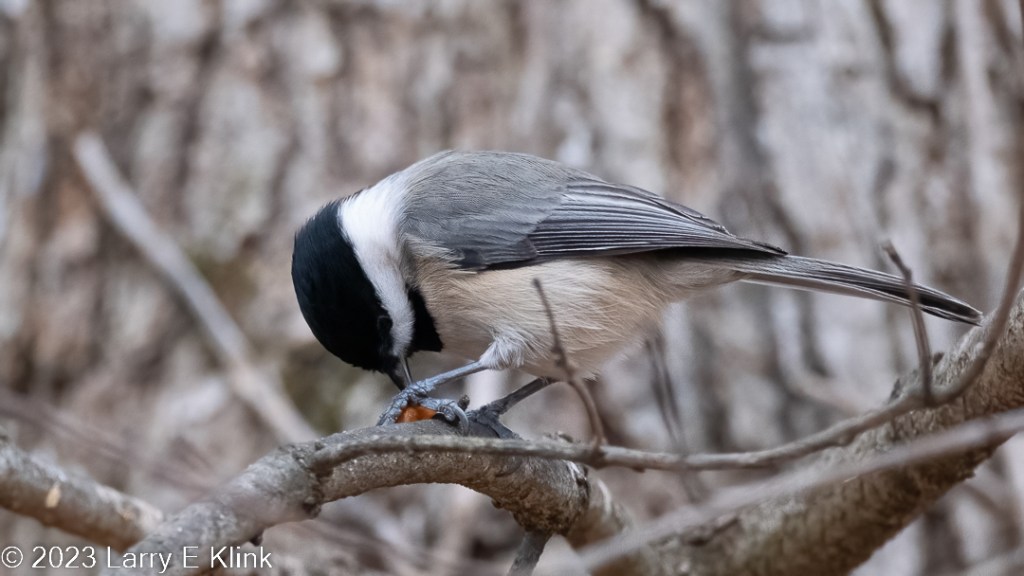
This week, I’m sharing a few more backyard birds from our new home. I’ve learned few some things. The tufted Titmouse behaves like the Oak Titmouse we had in California. It comes to the feeder takes one seed then flies away. The Carolina chickadee’s pig out; those tiny birds are always at the feeder.
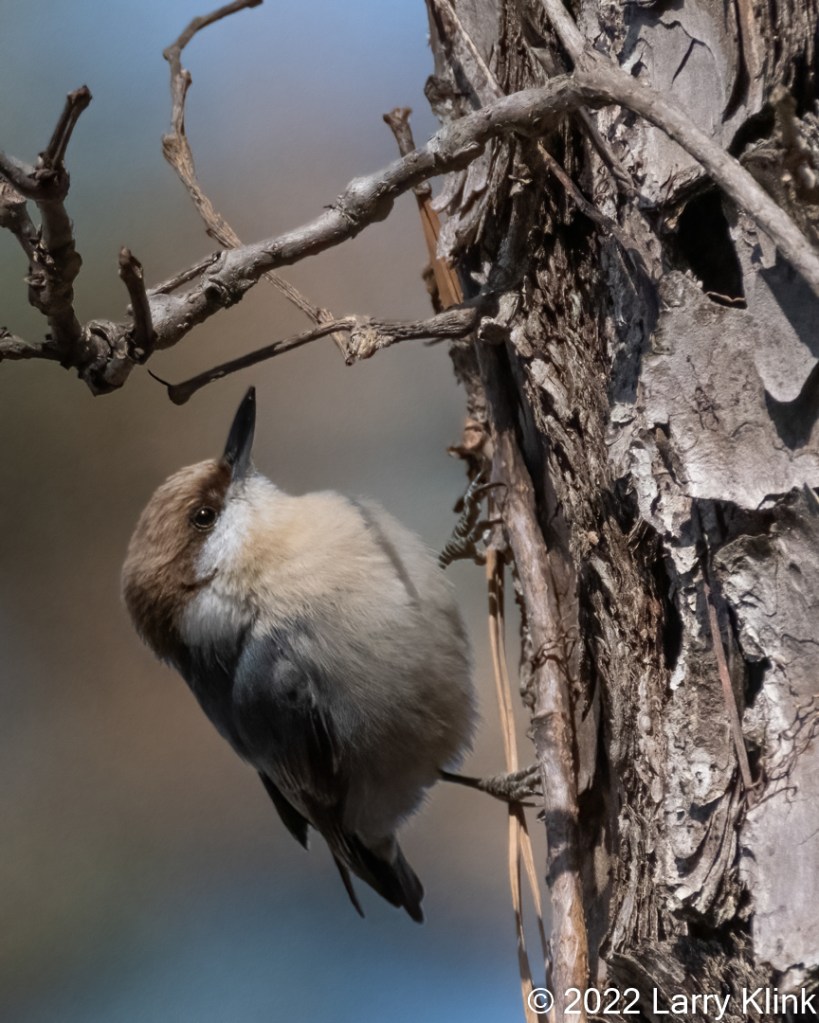
If anyone would like a copy of almost any picture in my library, for educational or research use, please contact me and I will happily share a digital copy with you.