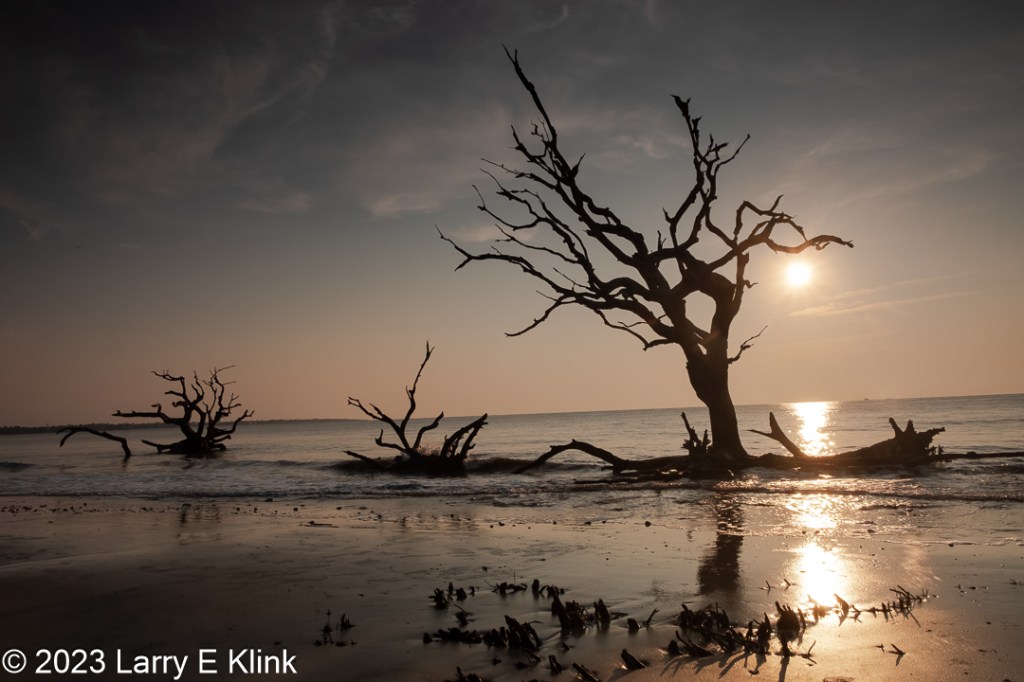
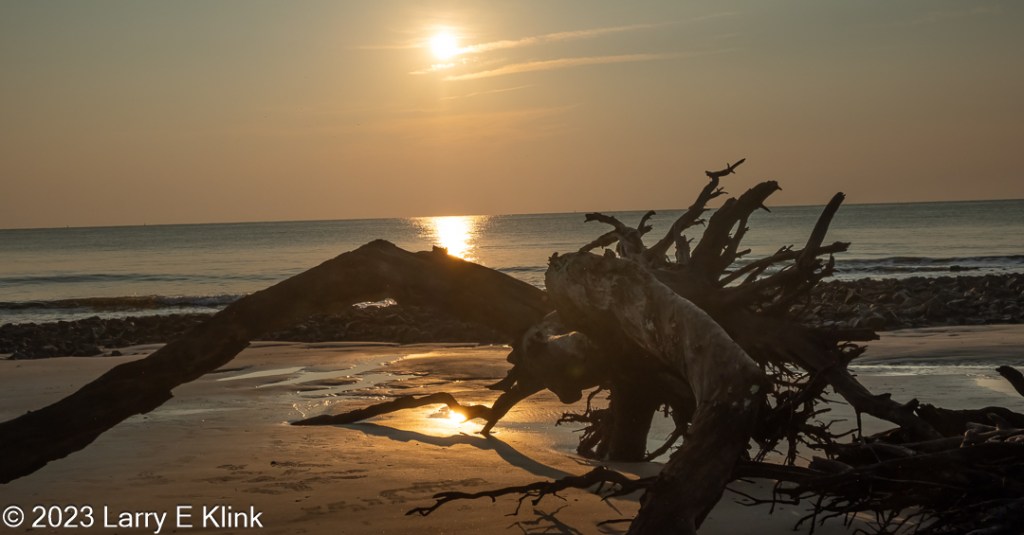
Driftwood Beach is small beach on the Atlantic Ocean, at the north end of Jekyll Island, Georgia, USA. The beach is adorned with both standing and fallen dead trees; trees that were unable to survive in the salt water and tides. I was fortunate to be able to visit and photograph during a beautiful, clear sunrise.
By the way, there is no driftwood at Driftwood Beach, just beautiful, sculptural dead trees.
Please click on caption to see image at higher resolution!
If anyone would like a copy of almost any picture in my library, for educational or research use, please contact me and I will happily share a digital copy with you.
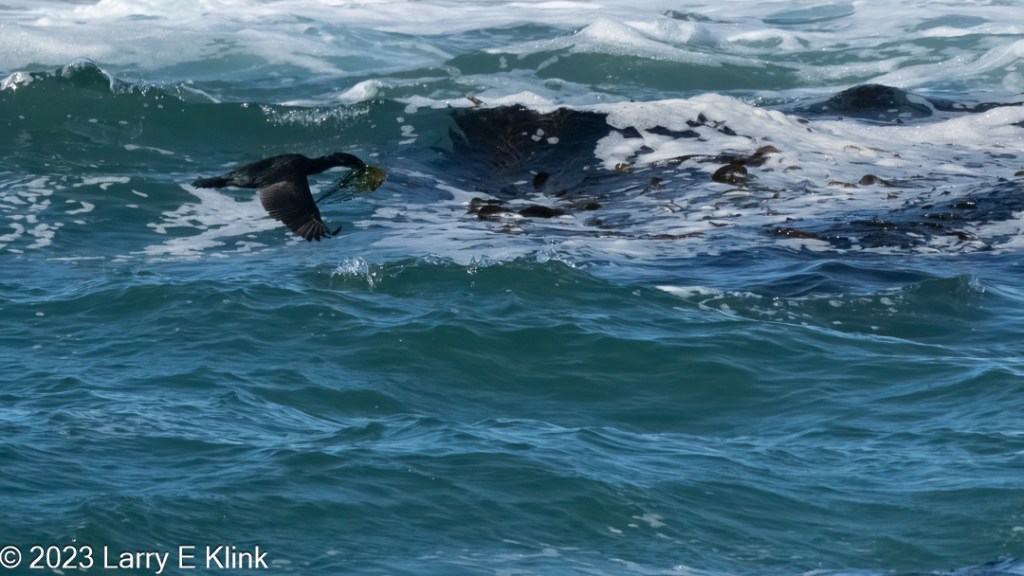
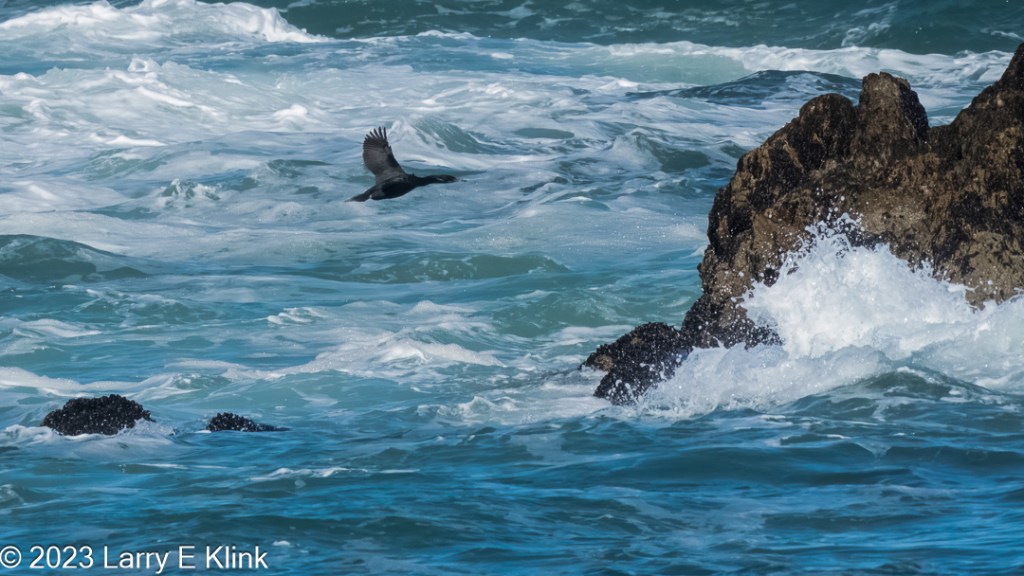
We returned to northern California for 2 weeks and visited many familiar spots. So, for the next few weeks, I will be featuring photos from that trip. I was intrigued by the birds thriving in the rough rocks and surf of the Pacific Ocean around Monterey and Carmel-By-The-Sea, California, USA.
Please click on caption to see image at higher resolution!
If anyone would like a copy of almost any picture in my library, for educational or research use, please contact me and I will happily share a digital copy with you.
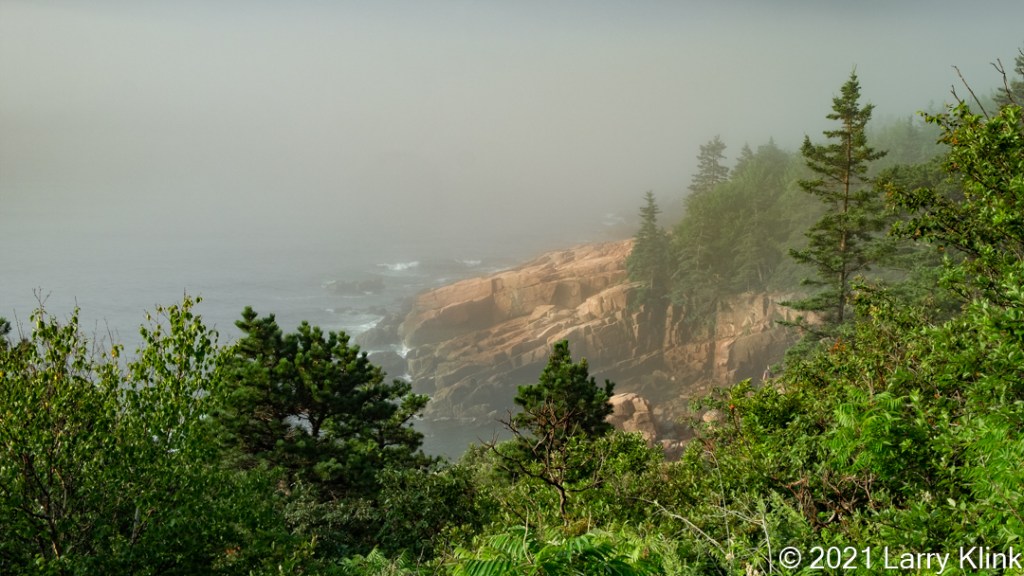
We recently visited Acadia National Park. Overall, I liked the park, but the area had more of the feel of a beach resort than a national park. It is served by Bar Harbor ME, a typical tourist resort town.
The Park Loop Road is a beautiful ride but much of the coastline is obscured by forest. There are several trails and if I ever go again, I need to explore those because I think I missed some scenic views. The weather wasn’t cooperative.
Cadillac Mountain is the go-to place for sunrise; the first place where the sun shines on the United States in the morning. I didn’t prepare well enough. I learned, several weeks ahead of time that reservations are required for any time of day to drive onto Cadillac Mountain. For sunrise, they open 20% of the 3:30AM slots several weeks ahead then open the remaining slots 48 hours in advance. I had a reservation in my sights but didn’t press pay fast enough so I lost it. I took all of 15 seconds but was too slow. I settled for sunset. It was quite nice but not spectacular, again the overcast skies. I did my sunrise on the Park Loop road.
Acadia has 4 units, Northeast which contains the Park Loop Road and Cadillac Mountain, the Southwest Unit which contains the lighthouse, Schoodic Peninsula which provides a drive along the coastline and Isle Au Haute which is available by ferry. Our trip was a good survey trip. We allowed 2 ½ days which wasn’t enough.
Please click on caption to see images at higher resolution!
If anyone would like a copy of almost any picture in my library, for educational or research use, please contact me and I will happily share a digital copy with you.
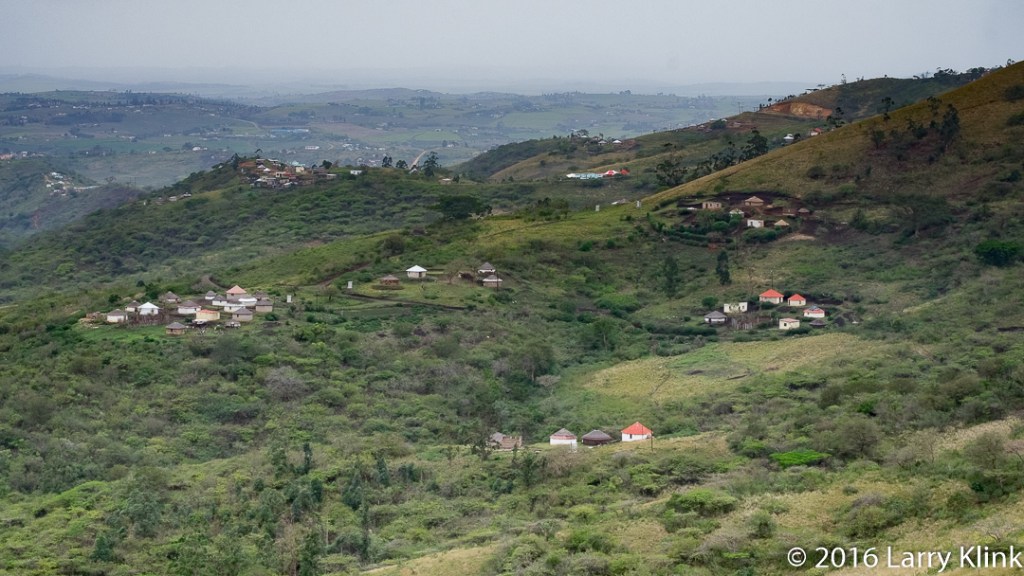
Three years ago, we visited South Africa. Afterward, I shared many images, mostly of the abundant and beautiful wildlife. Though I published some landscapes and seascapes, I have many that I didn’t publish. I thought I’d go back and share some of them now. There will be more in the future.
Note: Please click on caption to see image at higher resolution.
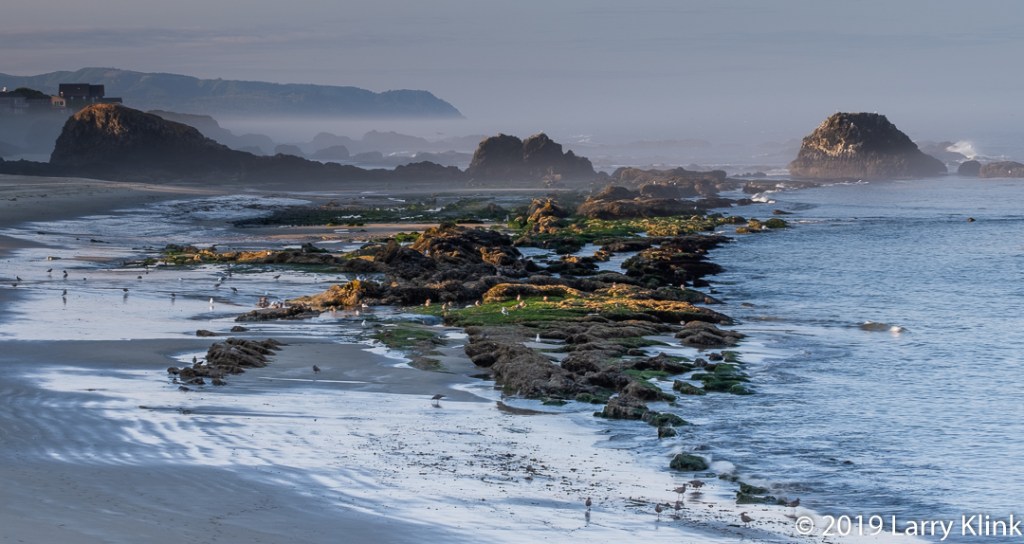
We recently spent a few days on the beach at Waldport, OR.
It is located in Oregon Dunes area of the coast. Just outside of town sets a
beach amongst a craggy, old volcanic lava flow. It is a beautiful beach with
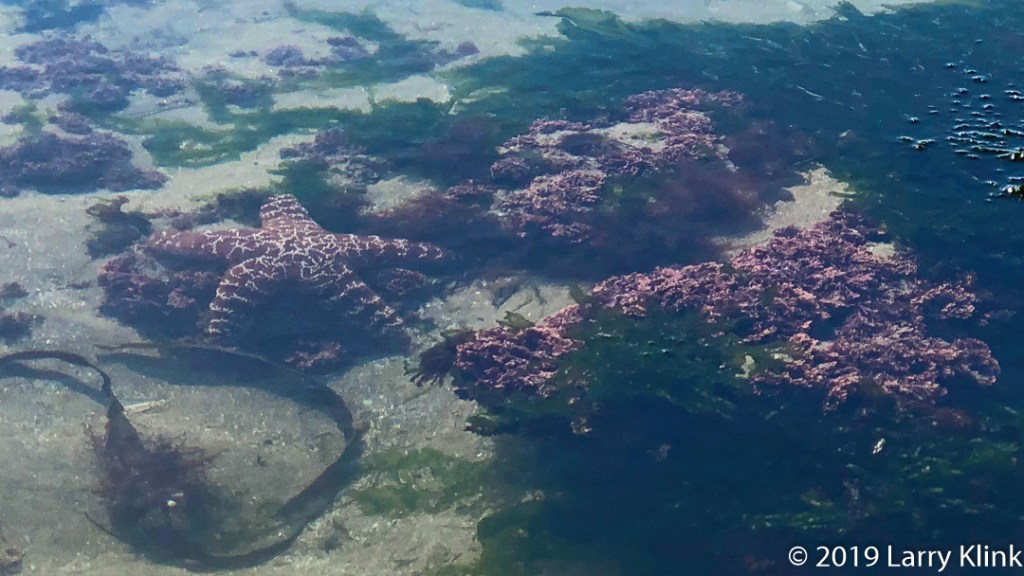
many tidal pools left teeming with wildlife as the tide recedes.
On this visit, the birds really took center stage. We saw
some seals, but they were offshore and all I could see were heads bobbing. So,
they weren’t photo worthy. But we found some Pelagic Cormorants (Phalacrocorax
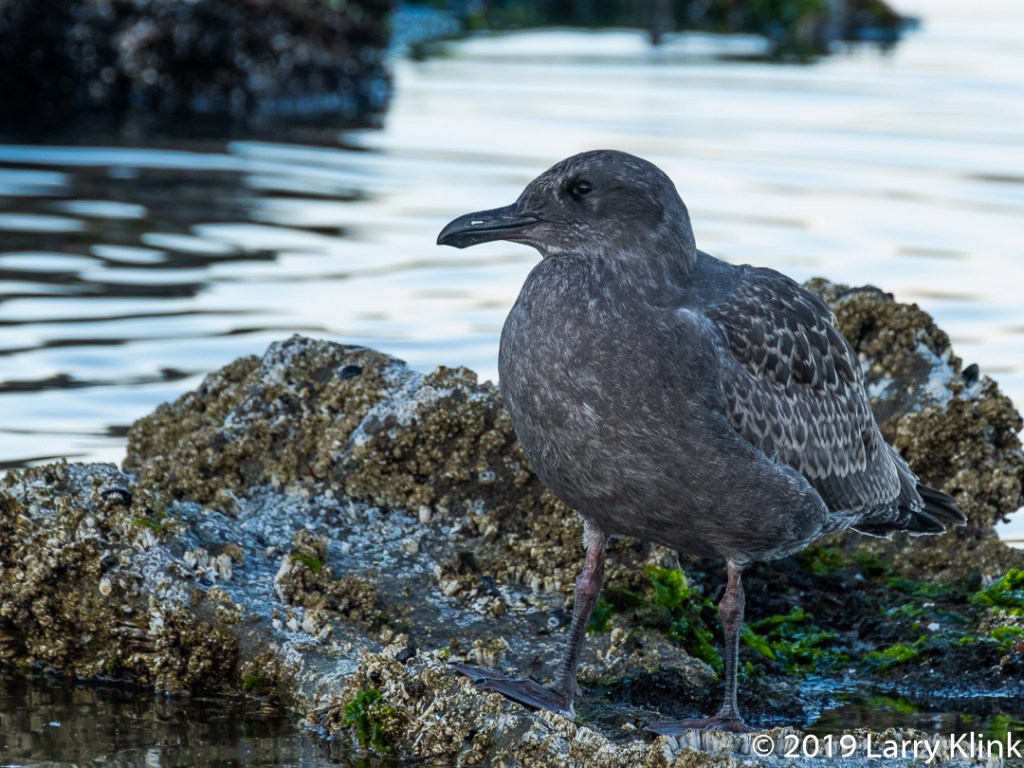
pelagicus); one with a chick on the nest. We found Western Gulls (Larus
occidentalis), many of which were recently fledged juveniles.
The Pelagic Cormorant is found along coastal waters and eats
fish and marine invertebrates. It roosts and nests on steep, inaccessible rocky
cliffs. It swims and dives for food.
The Western Gull is the common gull that you find on US West
Coast beaches. They like fish, marine invertebrates, bird eggs and jelly fish. They
will also scavenge on carrion and human refuse.
Our experience with the Western Gull brought some amusement. The juveniles were in the water and along the shore. When they wandered too far inland, an adult would chase after and send it back to the shoreline with the others. In the early morning, we even saw adults force the young into the tidal pools to splash and bathe. It was great fun.
Note: Please click on caption to see image at higher resolution
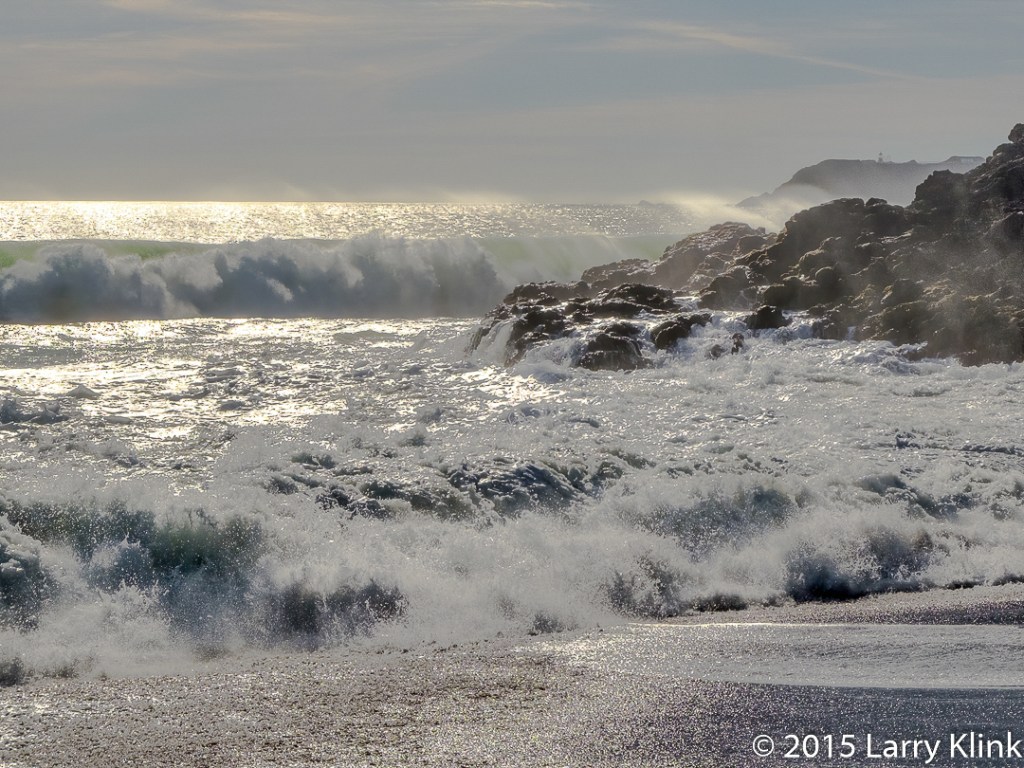
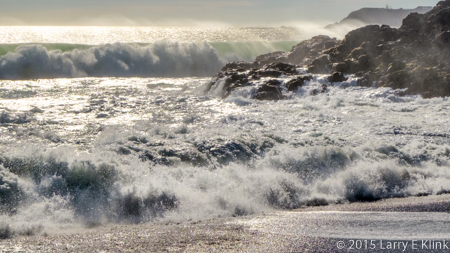
Black Sands Beach, Bonita Cove, Marin Headlands, Marin County, CA, FEB 2015
Almost a year and half ago, my friend Richard Bieniek took a day trip to the Marin Headlands outside of San Francisco. The Headlands are the area north and west of the Golden Gate Bridge that border on the ocean. It was a beautiful day. The sun was almost blindingly bright. The waves were tall and strong. As we walked down the steep that was path cut into the cliff side, you could hear the waves thunder before you could even see them. When we reached the small, sandy beach in the cove, the unfolding scene was remarkable. It was mid—afternoon. The sun was so bright it caused strong silvery reflections on the water. Those reflections contrasted with the deep shadows in the surrounding rock. As the waves approached, they gave the impression of a wall of water coming right at you. The scene was full of energy. Though difficult, I knew I had to share the story of what I saw.
I hope this image gives you that picture because it was wonderful to behold.
How Did I Process This Image
Those of us who shoot with a DSLR will recognize the difficulty in capturing this image. The dynamic range, the difference in exposure needed to display some detail in the shadows while not blowing away the highlights in this image is well outside the capabilities of most cameras. The obvious answer is HDR. However, that requires 3 identical images with exposures about 2 stops apart. The problem is that the ocean won’t stand still and pose long enough to make that happen. I might have chosen to blur the waves but that would have defeated one of my main objectives, to show the energy of the scene.
As you can see from the histogram in this this screenshot below, I exposed the image to minimize both the black and white clipping thus minimizing the loss of detail in both shadows and highlights. However, the digital negative is very dark. Despite many hours of trying, there was no way get a good image just manipulating the sliders and using other features of Lightroom. I had to rely on HDR. I made 3 virtual copies of the digital negative in Adobe Lightroom. I opened the exposure of 1 copy about as far as I dare; about ¾ of a stop. I made one of the others about 2 stops brighter and the other about 2 stops darker than the first. I opened the 3 copies in Photomatrix to merge them into a single HDR image. I chose the option that gave me the best, most realistic image I could find. I made a few minor tweaks and created the final HDR image. But even that created an image where the foam in the foreground churn was dark and dingy. I couldn’t open the exposure, the highlights or the whites. It would cause the ocean to blow out and lose the silvery reflection. So, I finished the image using Lightroom’s paintbrush to open the exposure on just that section of the image. I believe it worked.























 Earthwatcher