I shared some scenes from our trip to Canada last July.
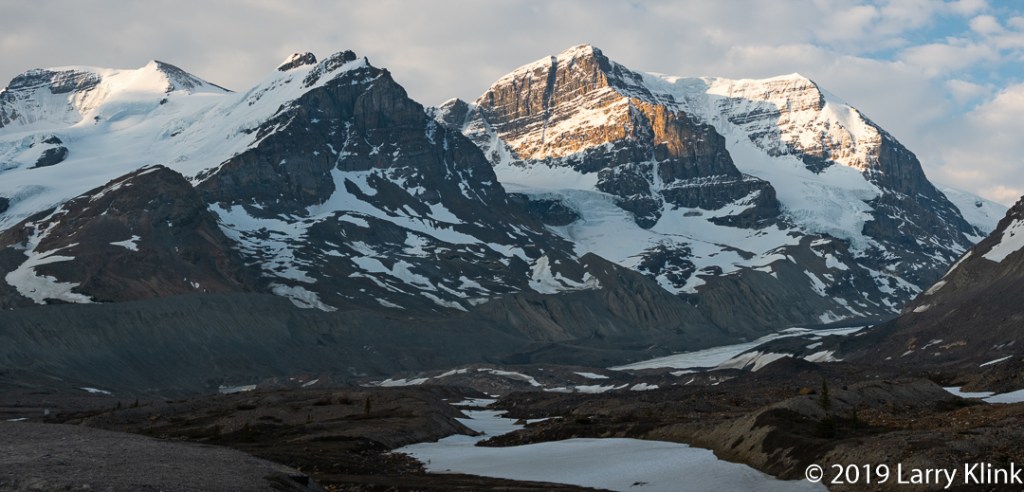
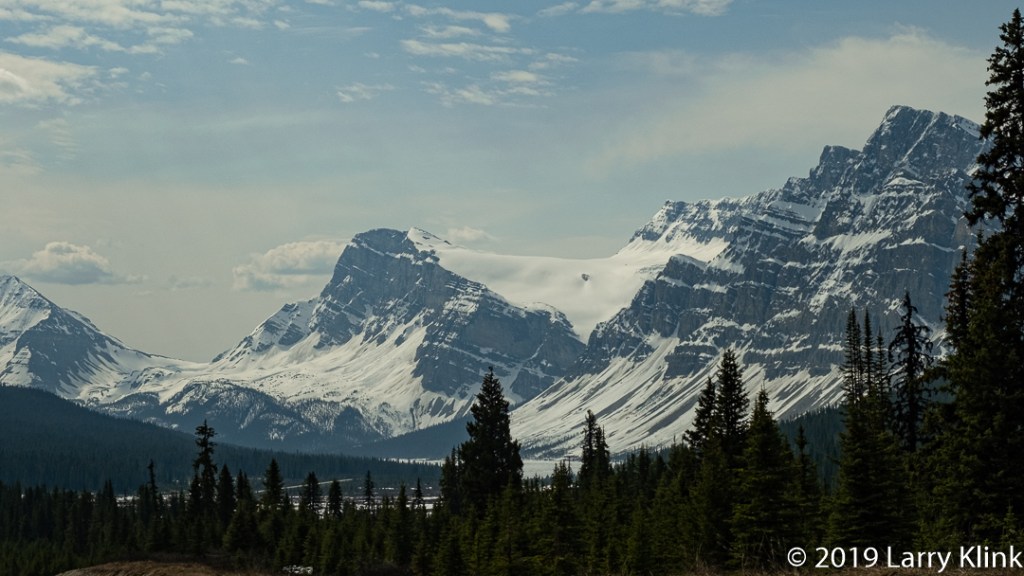
Today, I am going to share a few more. These are mountain peaks along the
Icefields Parkway.
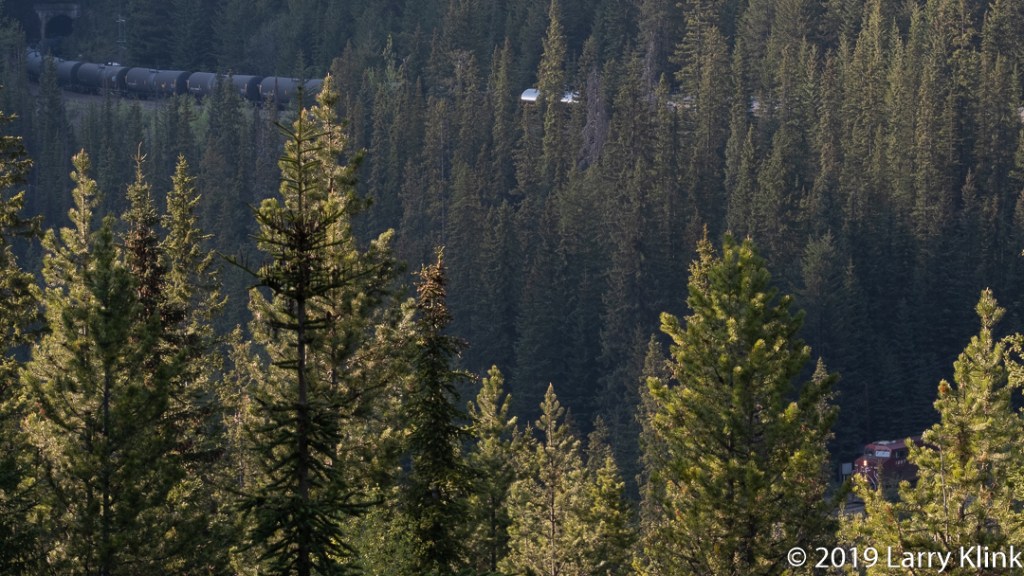
I included two images of something out of the ordinary for
me. I am a closet lover of railroads and trains. Kicking Horse Pass crosses the
Big Hill west of Banff, AB in Canada. It sets on the Continental Divide and on
the Alberta/British Columbia border. When British Columbia joined Canada, a
railroad was built across British Columbia. Crossing the Rocky Mountains presented
a significant obstacle. The best solution at that time was to send the railway
up Big Hill and over Kicking Horse pass. But that meant ascending and
descending 1,070 feet on 4 ½% grade; i.e. for every 100 feet of horizontal distance
the hill rose/fell 4 ½ feet. The doesn’t sound like a lot, but it is. Pay
attention to the grade signs on highways when you drive. When in use, there
were many accidents on this hill. The Canadian government eventually contracted
to build the “Spiraling Tunnels”. The Spiraling Tunnels is a set of 2 tunnels
and connecting roadbeds under the mountains to make the ascent and descent more
gradual[i].
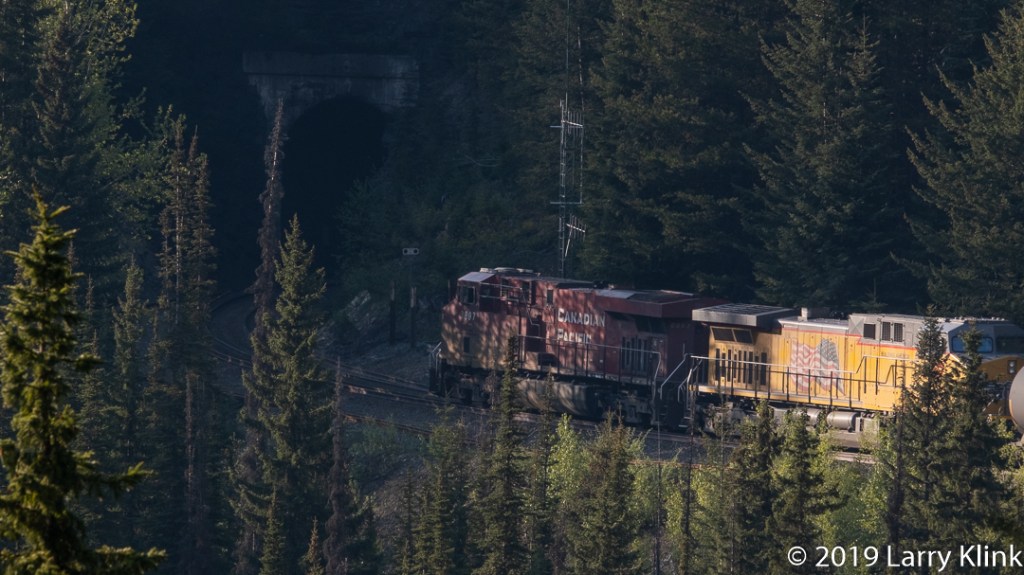
The images I have included shows a train entering one of the tunnels and later
as the locomotive exits the tunnel while part of its train is still entering.
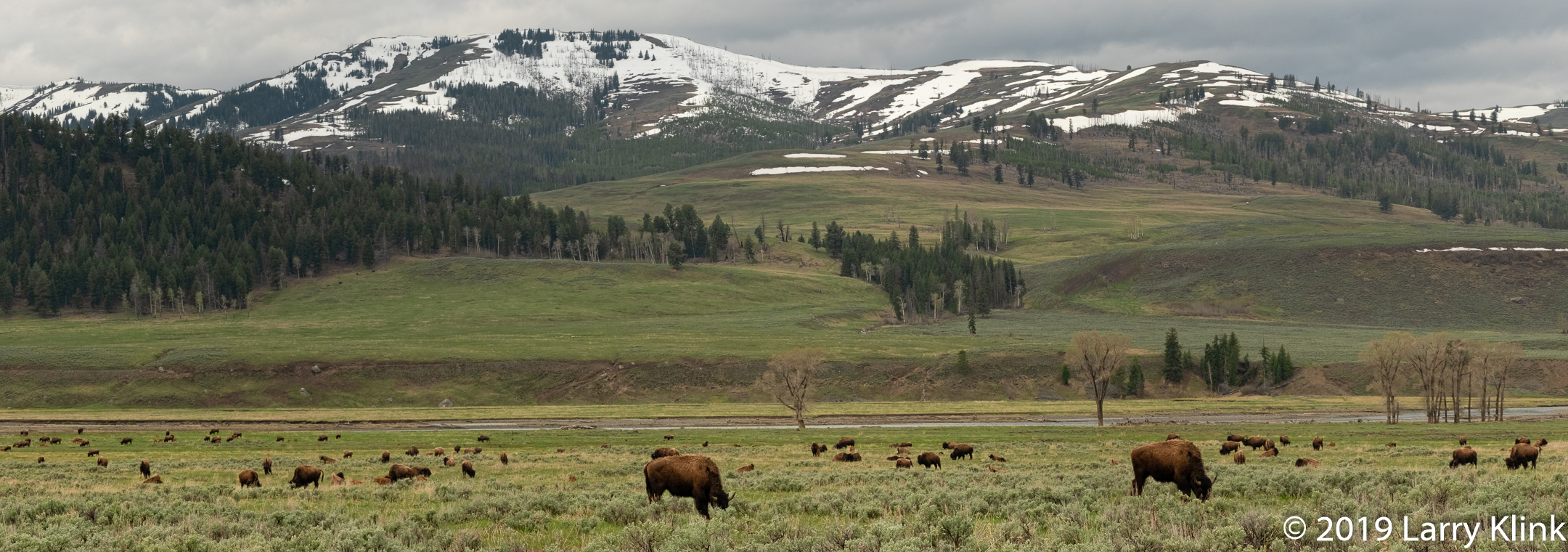
Bison (Bison bison) are an iconic species at Yellowstone
National Park. As many as there are and as often as I see them, I am still in
awe of them. This trip was especially fun because of the large number of
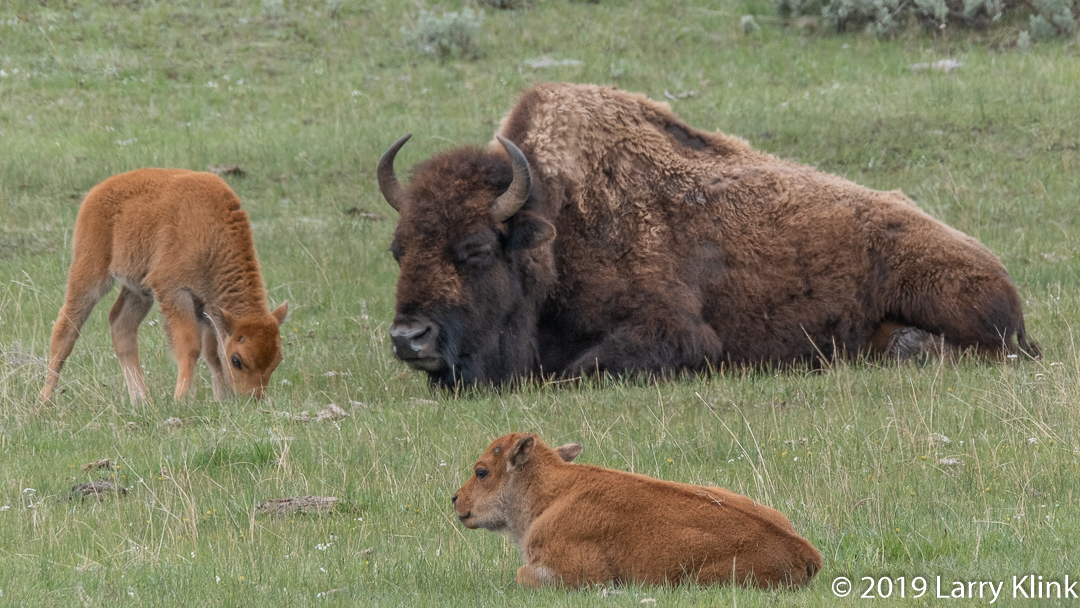
babies. They were standing, sleeping, scampering about; all the things babies do.
For the first few months of their life, the baby bison have a reddish colored coat; many people refer to them as red dogs. The adults were losing their winter coat, so patches of fur were missing or dangling on many of them. Others had a beautiful coat that appeared gold in the sun.
Please click on caption to see images at higher resolution.
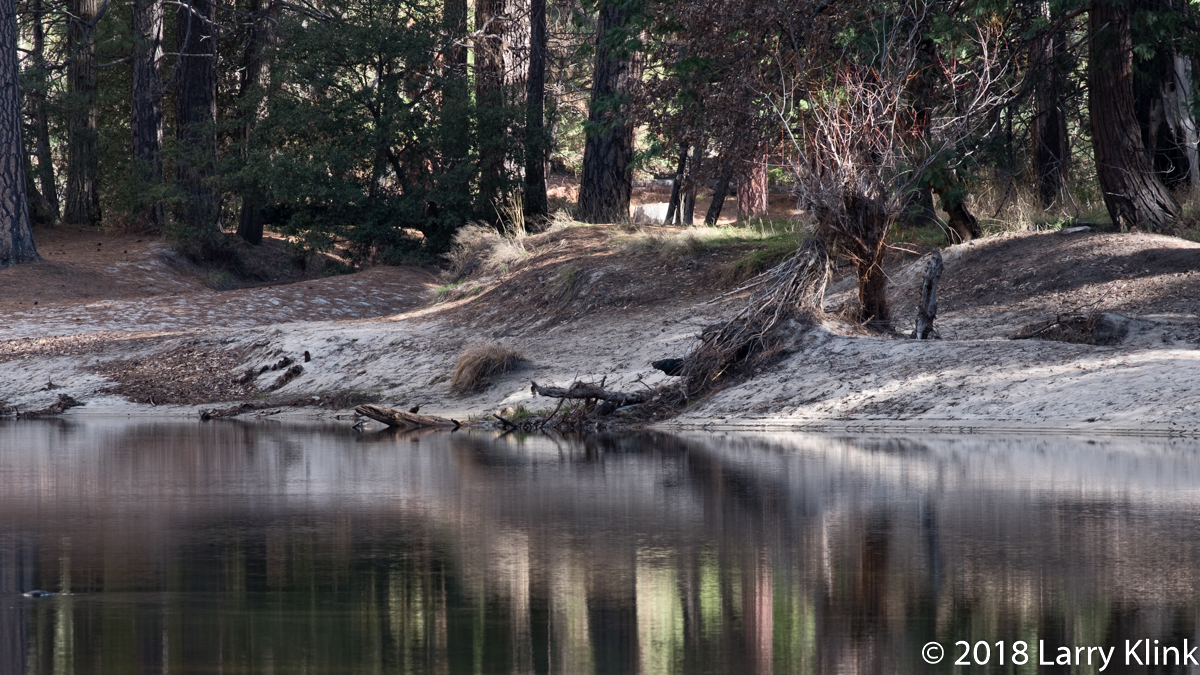
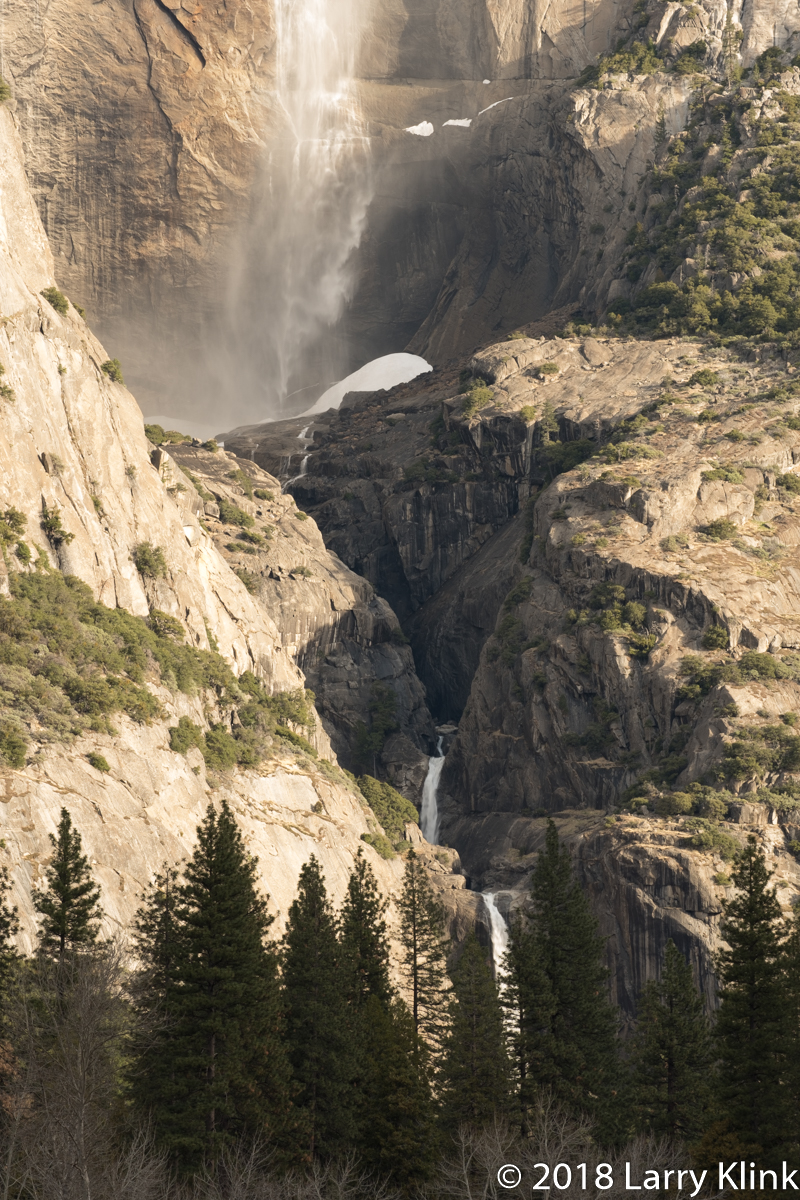
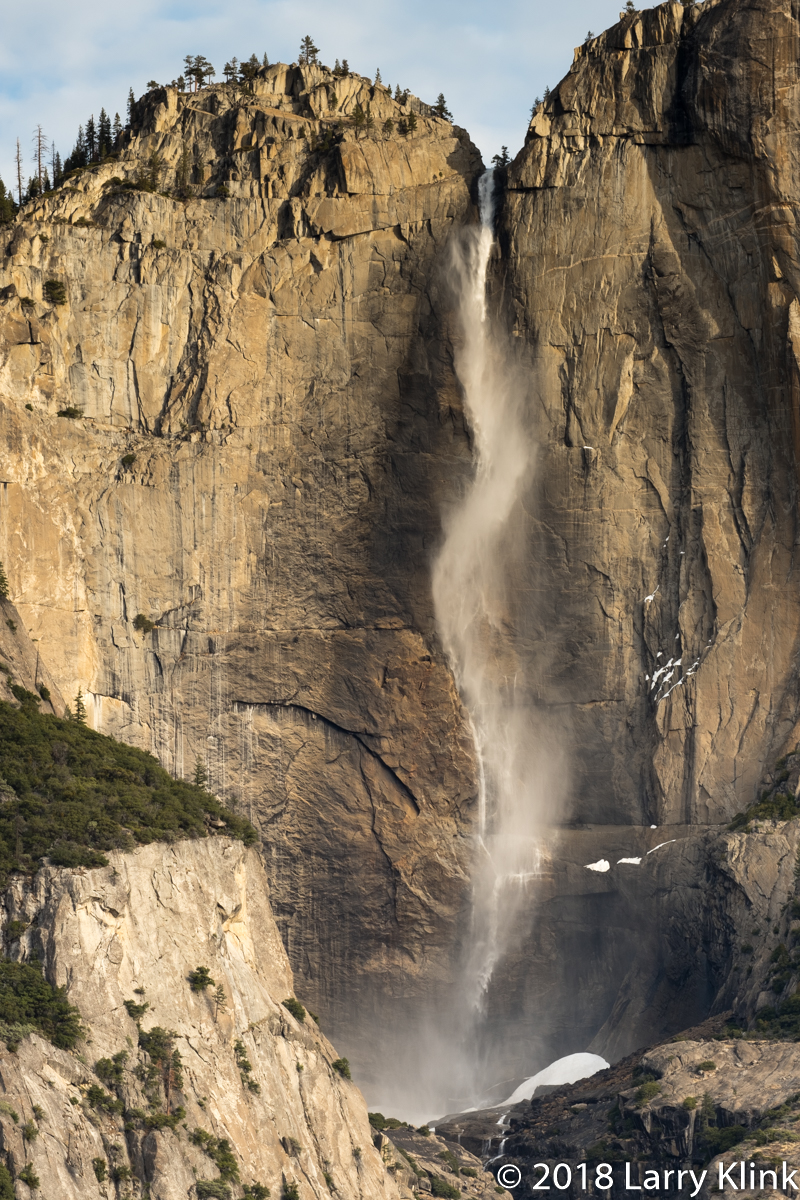
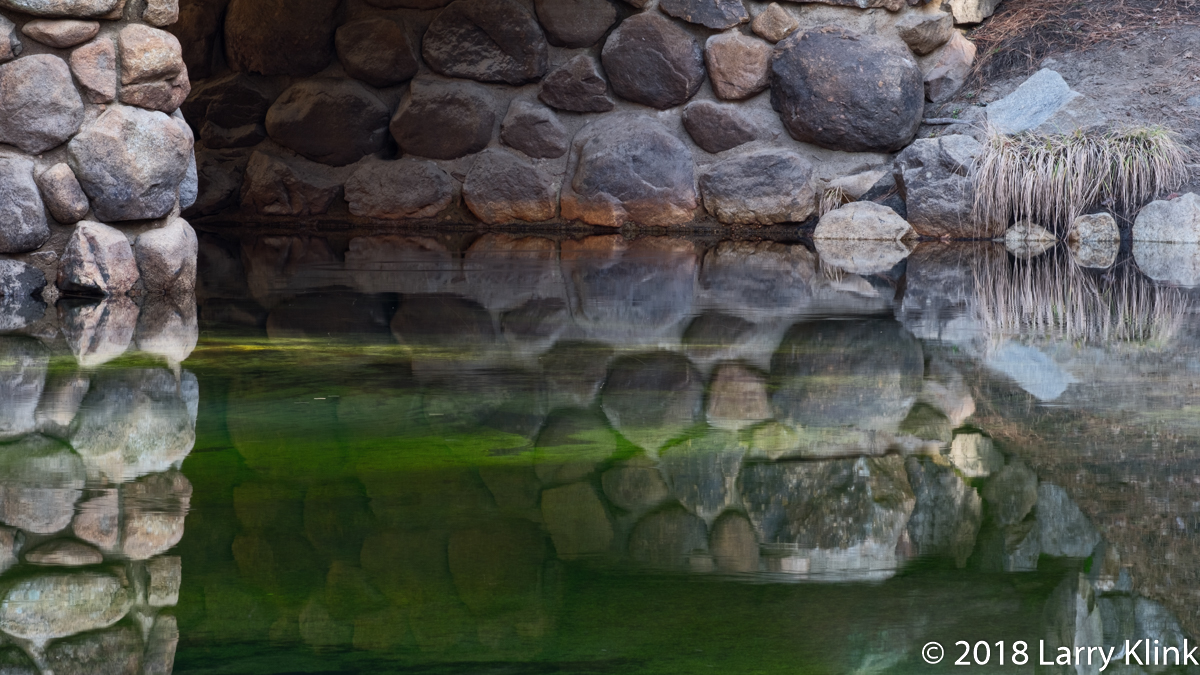
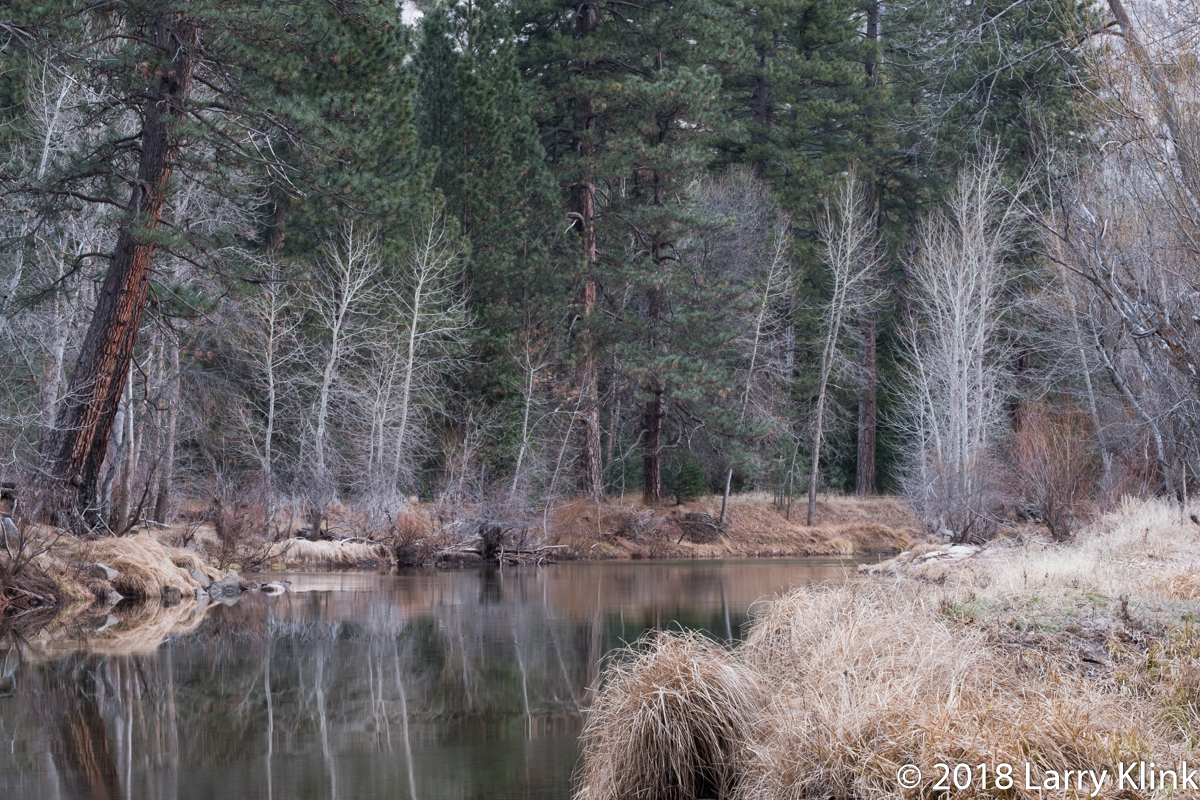
We recently visited Yosemite National Park. On the day we visited, I decided to look for perspectives that aren’t commonly photographed. I love the iconic images but there are lots of nooks and crannies that provide wonderful landscapes. I hope you enjoy these images.
Regards,
Larry
Note: Click on caption to see image at larger size.
On August 1st, Welcome Books released Lighthouses of America. I am pleased to announce that 2 of my images, St Augustine Lighthouse, FL and Point Arena Lighthouse, CA were included in this great book. Please check it out.
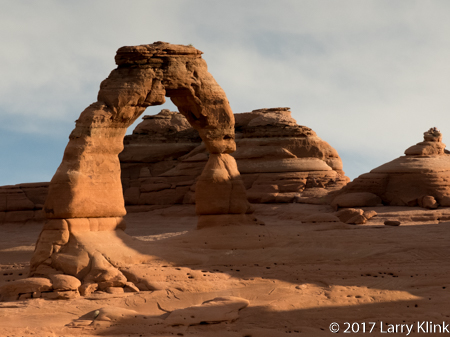
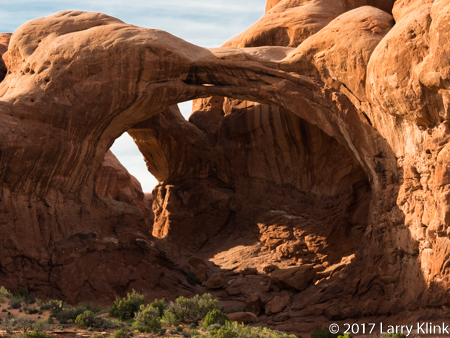
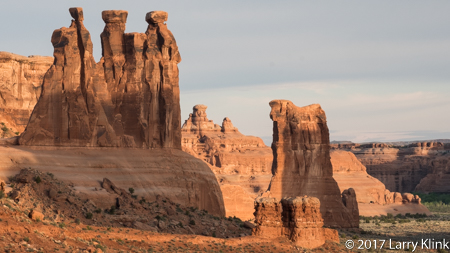
We took a day on our road trip and spent it at Arches National Park. During an evening and a morning, you can see many of the main attractions but there is a lot to see that require short to moderate hikes. I hope to go back and spend a few days hiking.
The park is located over a geologically unstable salt bed. The movement of the salt bed and the earth’s tectonic forces caused large blocks of sandstone to uplift. Over millions of years, the sandstone eroded forming the arches and rock monoliths we see today. The park service claims more than 2,000 arches; some just a 3 foot opening through a mountain to the largest: 306 feet base to base. There are massive stone walls whose size, shapes and eroded faces bring pagan temples to mind. There were lots of wildflowers and some wildlife.
I left thinking that I’d like to spend time watching the sun, moon and stars rise and set over these geologic wonders. To me, it is a spiritual place. Our mistake was not giving ourselves the time to take in the spirit.
Please click on caption to see image at a larger size.
Regards,
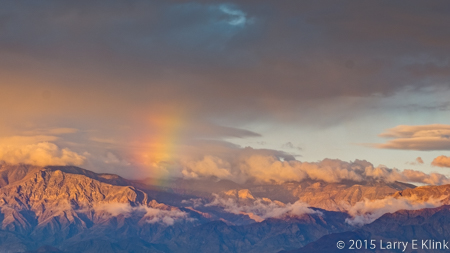
In October, 2015, Donna and I made a tour of the Great Basin area in Nevada. I recently revisited the images I took during that trip and decided to get them ready to publish. The first image is of a special Joshua Tree forest. It is special because, over the mountains,behind the forest, lies Groom Lake, the fabled Area 51. I wonder what you’d see if you were a bug on one of the trees. The second image is of a rainstorm over the desert. It is raining in the distance as crepuscular rays cast their beams over the desert landscape. The third image is a rainbow over Death Valley. I’ve published a version of this image before but wasn’t happy with it. Now it’s back and will be one of the images featured in my show at ACAI Gallery and Studios beginning December 17. The fourth image is one of Mesquite Dunes in Death Valley. It too will be displayed in my show.
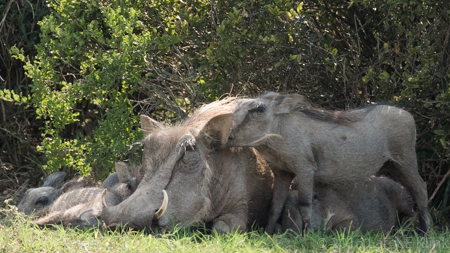
Mama Warthog and Babies, Addo Elephant Park, South Africa, AUG 2016
Everybody gets excited about the big cats, the elephants, the hippos and other big game. But there is a lot more out there and I will be sharing it over the next few weeks. Today, I’ll share my images of the wildebeest, also known as the Gnu, the cape buffalo and the warthog.
The wildebeest and cape buffalo are grazers, eating the grass that grow in the savannahs. The warthog grazes on the grass and digs for roots. Their place in the ecosystem is controlling the plant life so it doesn’t take over and serving as food for the larger prey animals. Though not as exciting as the big cats, they are each beautiful in their own way.
Regards,
Larry
Note: Click on images to view in larger size
Cape Buffalo – Perspective 1, Elephant Plains Game Lodge, Sabi Sands, South Africa
Wildebeest – Perspective 4, Kruger National Park, South Africa, AUG 2016
Wildebeest – Perspective 3, Kruger National Park, South Africa, AUG 2016
Cape Buffalo – Perspective 2, Addo Elephant Park, South Africa, AUG 2016
These and other images are available for purchase at my website: www.earthwatcher.us or by contacting me at: larry@earthwatcher.us.
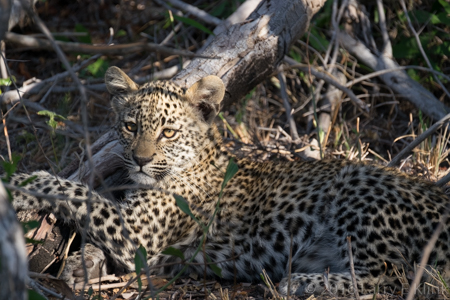
Karula’s Unnamed Cub – Elephant Plains Game Lodge, Sabi Sands, South Africa
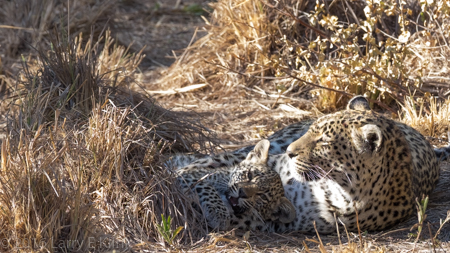
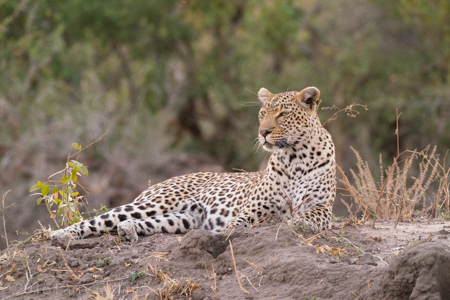
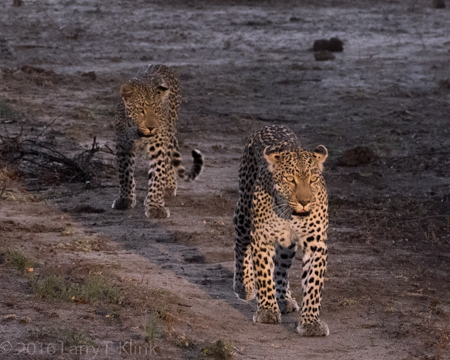
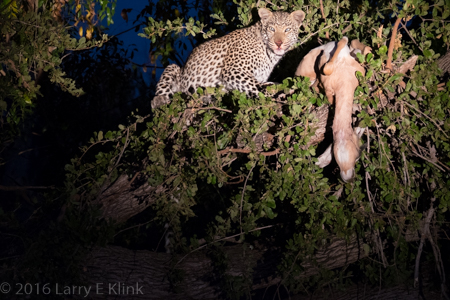
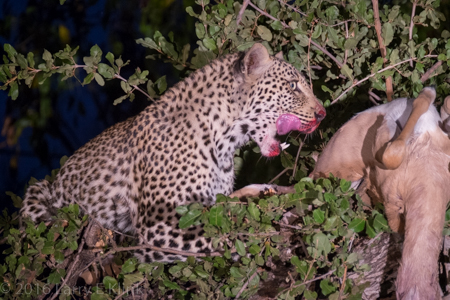
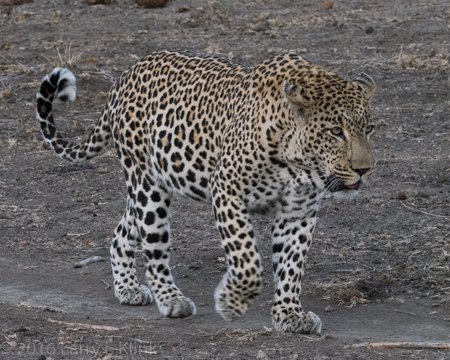
A highlight of our visit was the Elephant Plains Game Lodge tour guided by Tusk Photo. Elephant Plains is a private game lodge and is the “go to” place for leopards. It sets on the edge of Kruger National Park and it shares its wildlife with the park. So, aside from the leopards we saw a lot of other wildlife on that part of our adventure.
We did an early morning and a late/afternoon game drive each day. We traversed the bush in open 4-wheel drive vehicles on rutted dirt roads. We had a tracker who sat on a jump seat attached to the front bumper who, along with our driver, looked for tracks and other signs of animal life. When leopard tracks were spotted or another tour group reported a sighting, we went off road with the vehicle to find them. It was fun and exciting.
It’s hard to describe the awe of our first wild leopard sighting and the wonder of seeing 14 month old Tiyani walk to within 5 feet of our car while her mother looked on. The wildlife is acclimated to humans and their tour groups. They went about their business as if we weren’t there. But, if the guides sensed that the animal was disturbed, we’d back off and leave them in peace.
It was an amazing adventure. I’d go back in a heartbeat. I hope you enjoy these images.
Regards,
Larry
Note: Click on image to see in larger size.
Salayexe – Elephant Plains Game Lodge, Sabi Sands, South Africa
Karula’s Unnamed Cub – Elephant Plains Game Lodge, Sabi Sands, South Africa
Karula’s Unnamed Cub – Elephant Plains Game Lodge, Sabi Sands, South Africa
Karula with Unnamed Cub – Elephant Plains Game Lodge, Sabi Sands, South Africa
Karula with Unnamed Cub – Elephant Plains Game Lodge, Sabi Sands, South Africa
Tingana – Elephant Plains Game Lodge, Sabi Sands, South Africa
Tingana – Elephant Plains Game Lodge, Sabi Sands, South Africa
Salayexe – Elephant Plains Game Lodge, Sabi Sands, South Africa
Salayexe and Tiyani – Elephant Plains Game Lodge, Sabi Sands, South Africa
Tiyani – Elephant Plains Game Lodge, Sabi Sands, South Africa
Tiyani – Elephant Plains Game Lodge, Sabi Sands, South Africa
Tingana – Elephant Plains Game Lodge, Sabi Sands, South Africa























 Earthwatcher