Sandhill Cranes Are Back

Sandhill Cranes
Sandhill Cranes

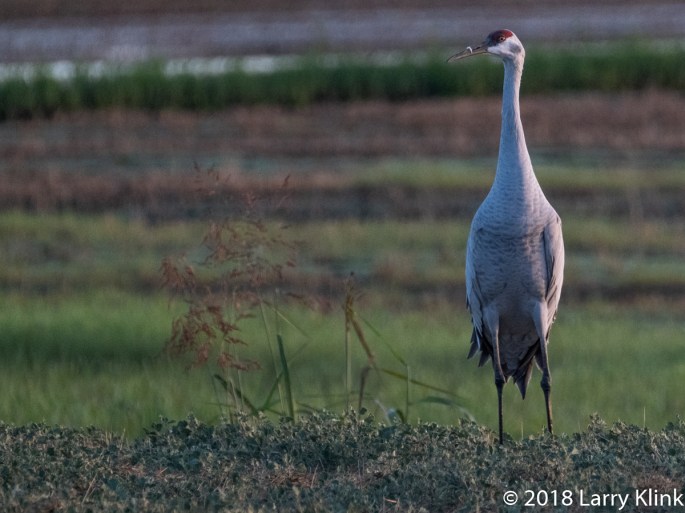
Sandhill Cranes populate much of the North America. But here, around Sacramento, we live along the Pacific Flyway; one of the primary migratory paths for birds heading to their wintering spot. One of the treats is that we attract large numbers of Sandhill Cranes who spend their nights in flooded rice fields and their days foraging in fields of cut grasses and grains.

Note: Please click on caption to see images at higher resolution.

Juvenile Sandhill Crame in Flight
Juvenile Sandhill Cranes in Flight
Sandhill Crane
Foraging Sandhill Crane
Sandhill Crane
Sandhill Crane

Note: These and other images are available to purchase on my website, www.earthwatcher.us or by contacting larry@earthwatcher.us.

Some Wildlife from Recent Trips

Black Bear
Black Bear, Markleeville, CA

Here is a few shots of some wildlife we saw travelling through various places. The locations are listed with each image.

We hadn’t seen any bears in the wild for several years. Then, on one trip, we saw 2. Unfortunately, the one that got away, was a cinnamon colored one. Maybe someday I’ll be able to photograph one of those.

The tufa in Mono Lake are beautiful themselves but we got a rare treat – an osprey on its nest on top of a tufa.

Note: Click on caption to see image at higher resolution.


Yellowstone Wildlife

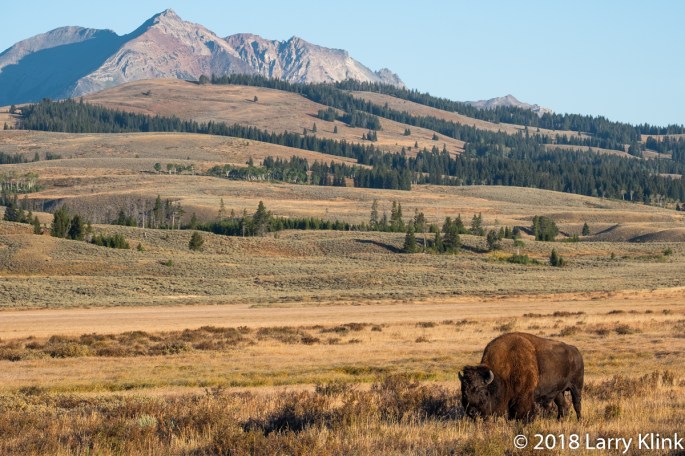
Scene from Swan Lake Flat
Scene from Swan Lake Flats, Yellowstone National Park; SEP 2018

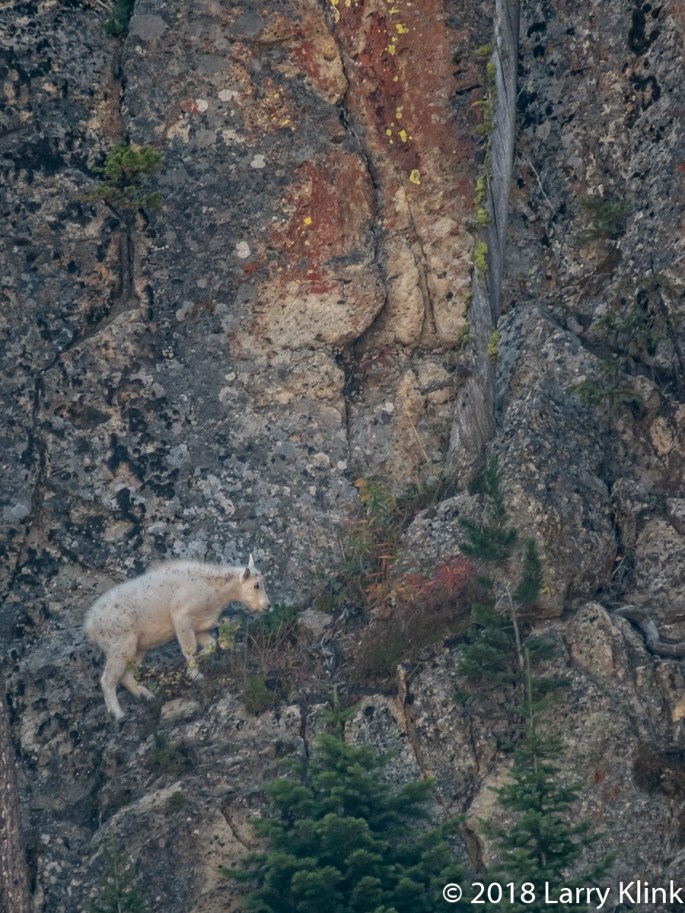
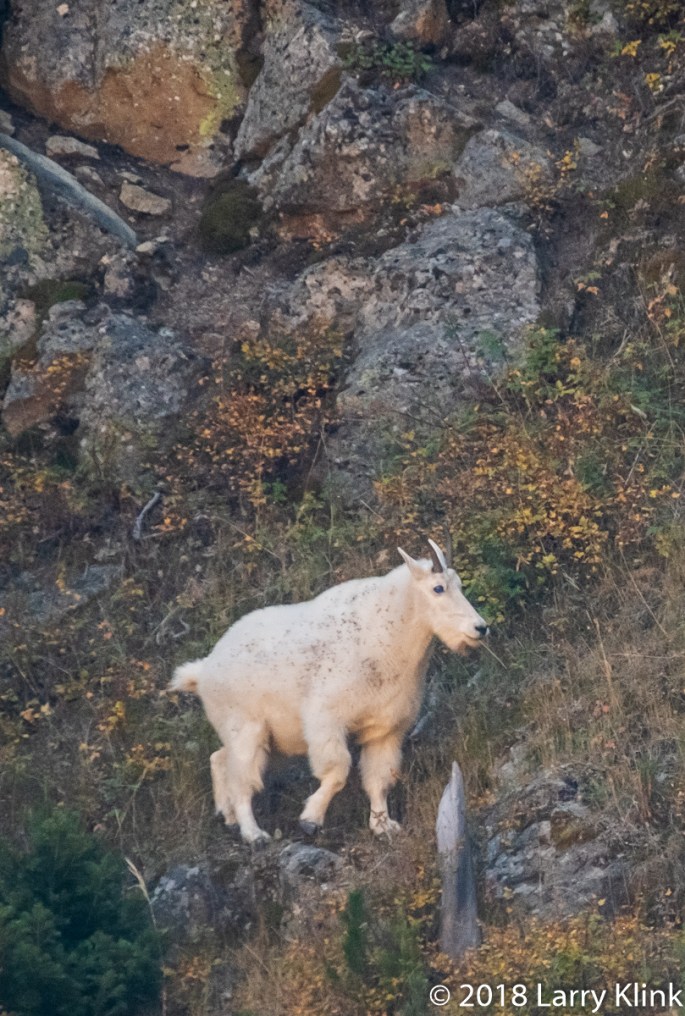
Yellowstone is known as much for its wildlife as its great geologic features. North America’s apex predators, the wolf, grizzly bear and the mountain lion all roam Yellowstone’s wild lands along side the bison, elk, moose, deer and other prey species. Sadly, many of the species we had hoped to see didn’t show and a few were too far away to get a good picture. But we did see some and what we saw was amazing.

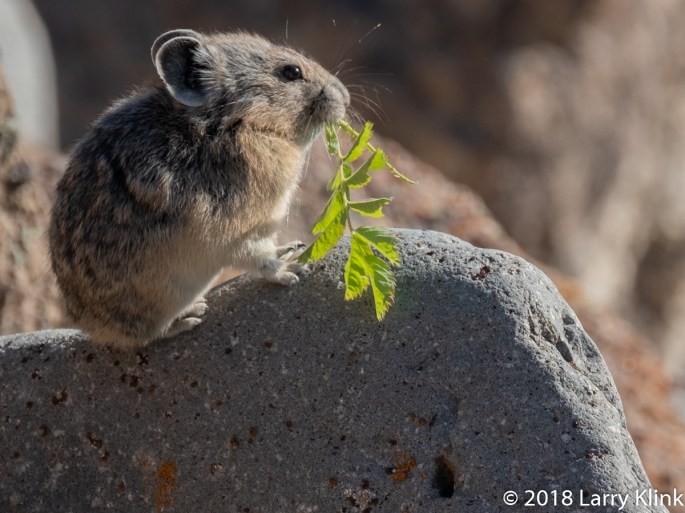
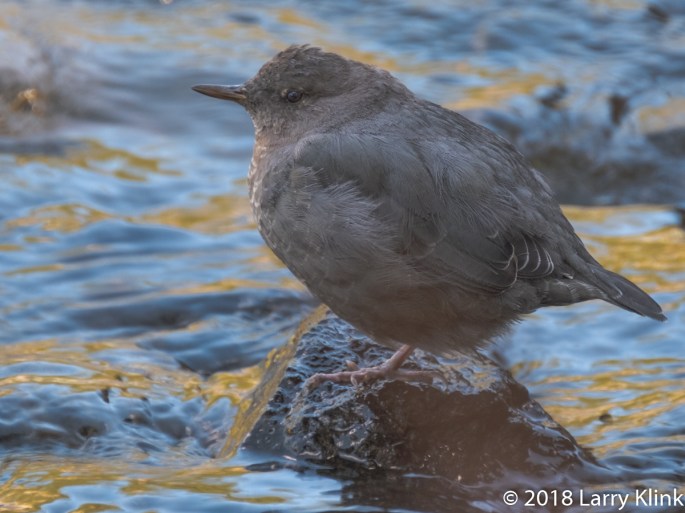
In this post, you’ll see the pica, a relative of the rabbit that lives in higher altitude rock fields. You’ll see the pronghorn which is related to but is not an antelope and the mountain goat which is not a goat but, an antelope. Finally, the American Dipper; the only North American song bird that feeds underwater in stream beds.

The Swainson’s hawks we taken not far outside of Idaho Falls, ID on the last leg of our journey to Yellowstone.

I hope you enjoy these images.

Regards,

Larry

Note: Please click on caption to see higher resolution image.

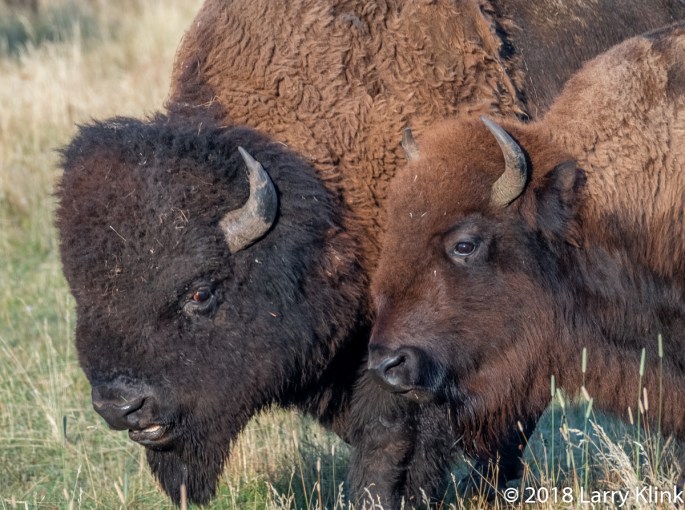
Mating Pair of Bison
Yellowstone National Park, West Entrance Road; SEP 2018
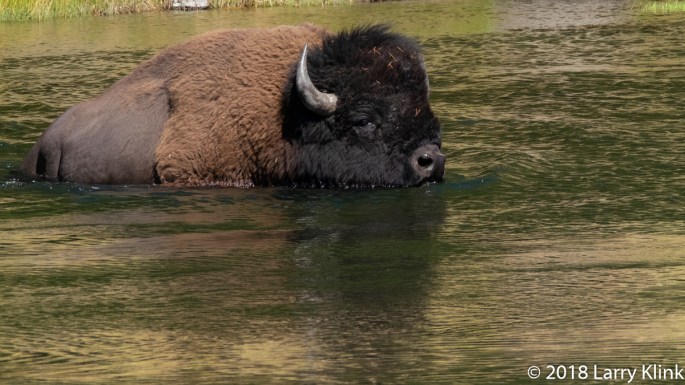
Bison Fording a Stream
Juvenile Mountain Goat
Juvenile Mountain Goat (Kid)
Female Mountain Goat
PICA
Pica
Foraging Pica
Foraging Pica


Lamar Valley, Yellowstone National Park; SEP 2018
Pronghorn Buck
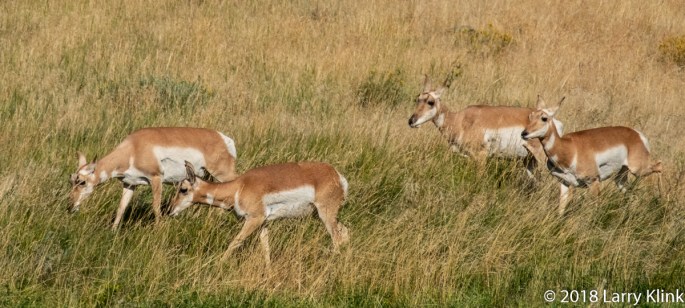
Pronghorn
Female Pronghorn
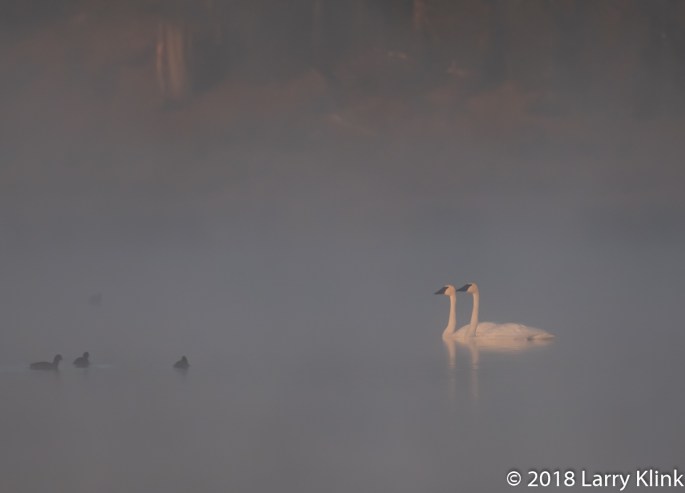
Trumpeter Swan's at Sunrise
Trumpeter Swans at Sunrise
American DIpper
American Dipper
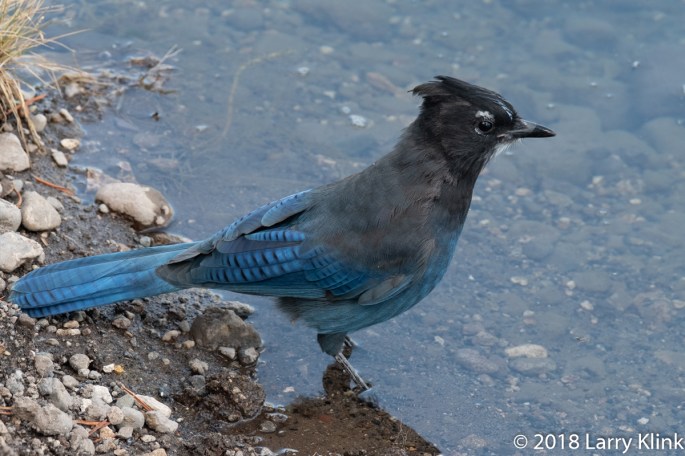
Stellars Jay
Stellar’s Jay
Swainson's Hawk
Swainson’s Hawk
Swainson's Hawk
Swainson’s Hawk

Note: These and other images are available to purchase on my website: www.earthwatcher.us or by contacting larry@earthwatcher.us.
The Turkey Vulture

20180711-Effie-Yeaw-032-Web
Turkey Vulture

Almost every day I see a kettle of Turkey Vultures soaring in search of food. One spot, where I walk up a half mile, 5% grade, there are always a few perched on a tower at the top. I hope you enjoy the images of these stately creatures with their odd looking heads.

Regards


Larry

Turkey Vulture
Turkey Vulture

Note: Click on captions to see images in larger size and higher resolution.

These and other images are available for purchase at www.earthwatcher.us or by contacting larry@earthwatcher.us.
Cooper’s Hawk

Cooper's Hawk
Cooper’s Hawk

We have an active backyard. Several species of birds frequent our feeder and the ground beneath. My wife is always chasing squirrels from the feeder. This afternoon, we had an unexpected visitor – a Cooper’s Hawk. He was very gracious. He hung around for about 15 minutes and allowed me to photograph him. Interesting though, no birds came to the feeder, no squirrels came around. Not a tweet could be heard; not even from the baby starling that has been crying all week. It took about an hour after the hawk left for backyard life to resume.

Regards,


Larry

Note: Click on caption to see larger, higher resolution image.

Note: This and other images are available to purchase at my website: www.earthwatcher.us or by contacting larry@earthwatcher.us

Some Interesting Wildlife Sightings

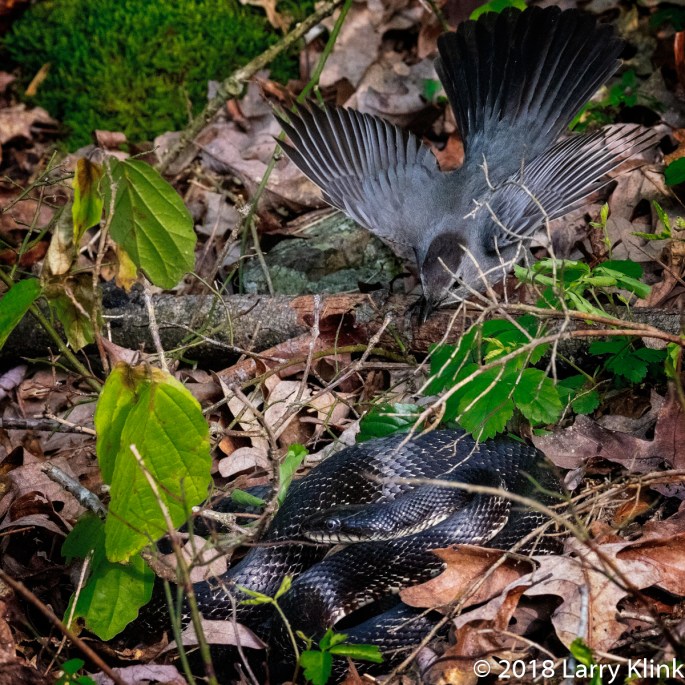
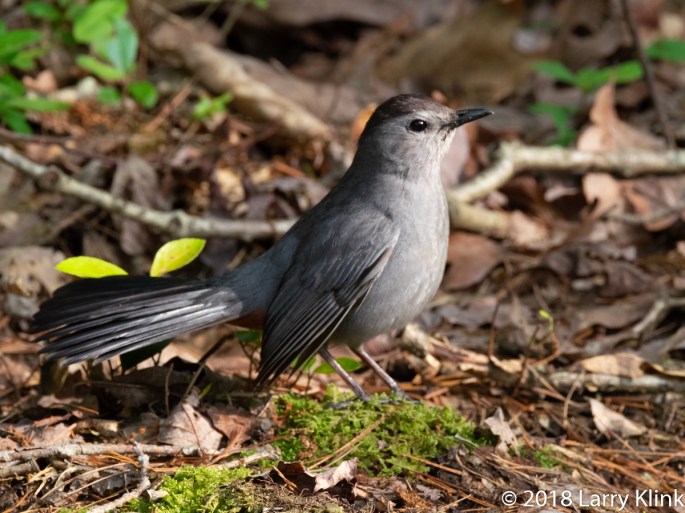
Grey Catbird Defending Nest Against Northern Black Racer Snake
Gray Catbird Attacking a Northern Black Racer Snake

Last week, we made a visit to Cowans Gap State Park in central Pennsylvania. We were fortunate to get two rare and interesting wildlife sightings.

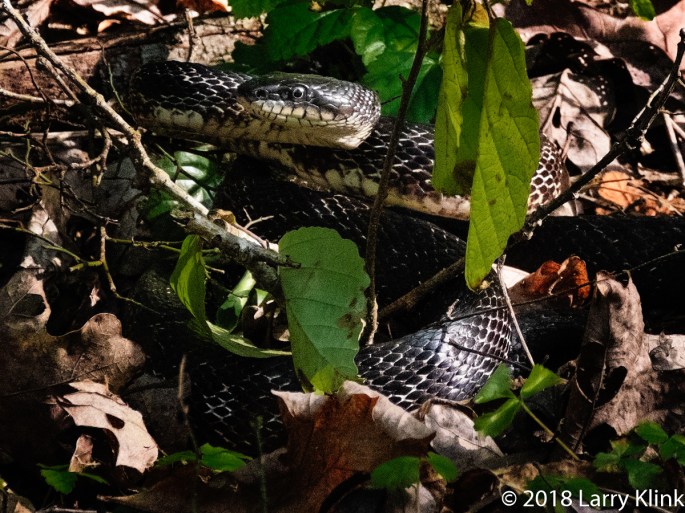
The first sighting was a grey catbird dancing around at the base of a tree. We watched for a few minutes, perplexed by what it was doing. When I got my camera and tripod set-up, I noticed a northern black racer snake curled up in the bush near the bird. As we watched, we learned that the catbird’s elaborate dance, coupled with pecking the snake’s head was really an attempt to chase the snake away. Though we didn’t see the bird’s nest, we surmised it was nearby. It was really fun to watch this activity live rather than a scene in a TV documentary.

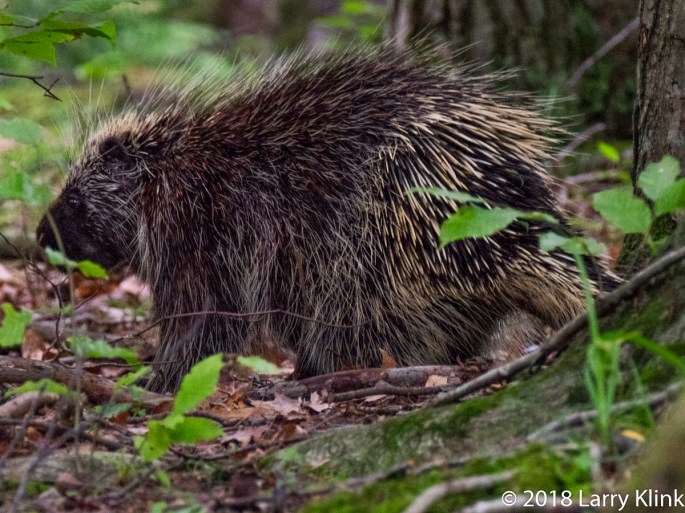
The second sighting was of a very large porcupine. It was the first time I have seen a porcupine in the wild.

I hope you enjoy these images.

Regards,

Larry

Note: To see images in larger size and higher resolution, click on the caption.

Northern Black Racer Snake
Gray Catbird
Gray Catbird
Cowan Gap State Park, PA; JUN 2018
Porcupine


Note: These and other images are available to purchase by visiting my website: www.earthwatcher.us or by contacting larry@earthwatcher.us.
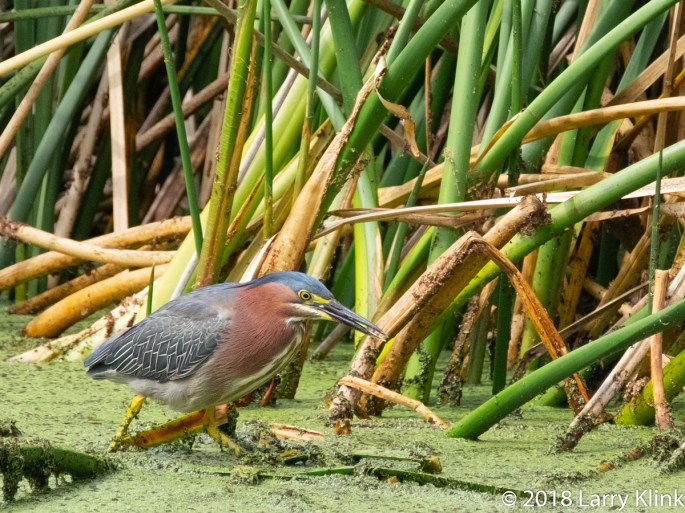
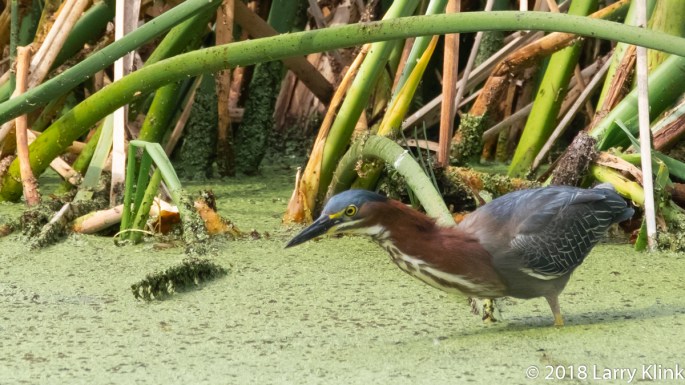
Green Heron

Green Heron
Green Heron, Effie Yeaw Nature Center, Sacramento, CA; MAY 2018

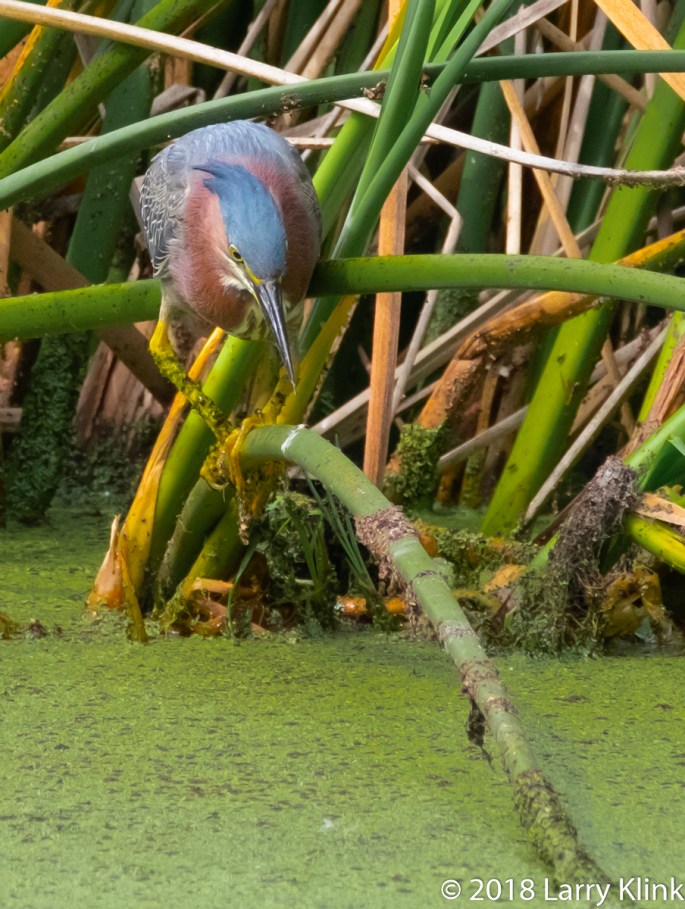
This week, I was blessed to be able to observe and photograph a green heron for 10 minutes. I see green herons from time to time but only one other time did I see one long enough to take a photo and one shot was all he gave me. This colorful bird is much smaller than its more familiar cousin, the Great Blue Heron. Why it is called the green heron, I do not know. I only see gray, blue, chestnut red and yellow. Regardless, they are beautiful. I hope you enjoy these images.

Regards,

Larry.

Note: Click on caption to see image at larger size and greater resolution

Green Heron
Green Heron
Green Heron
Green Heron
Green Heron
Green Heron

Note: These and other images are available to purchase at my website: www.earthwatcher.us or by contacting larry@earthwatcher.us.

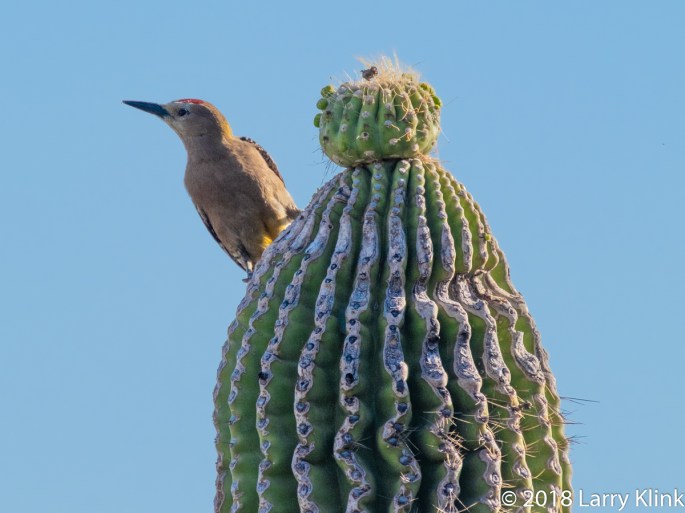
Visitors to the Saguaro

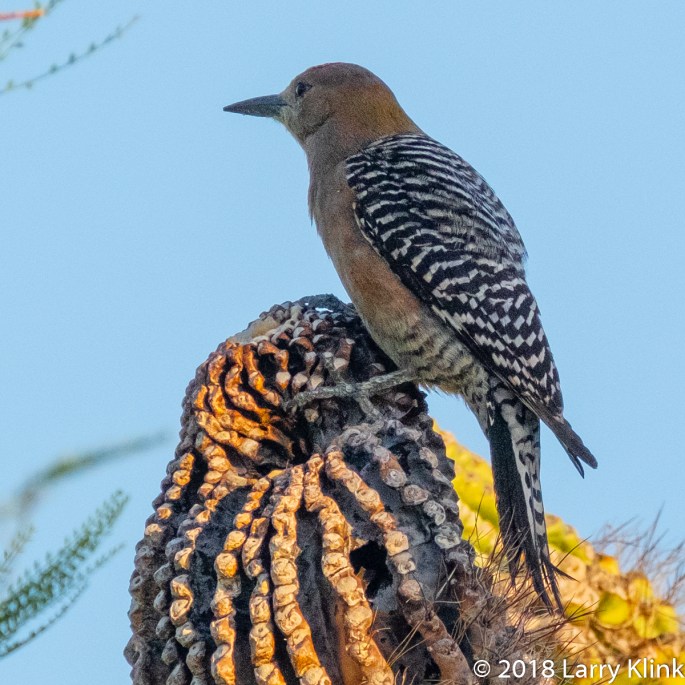
Image of a Gila Woodpecker perched atop a saguaro cactus
Gila Woodpecker

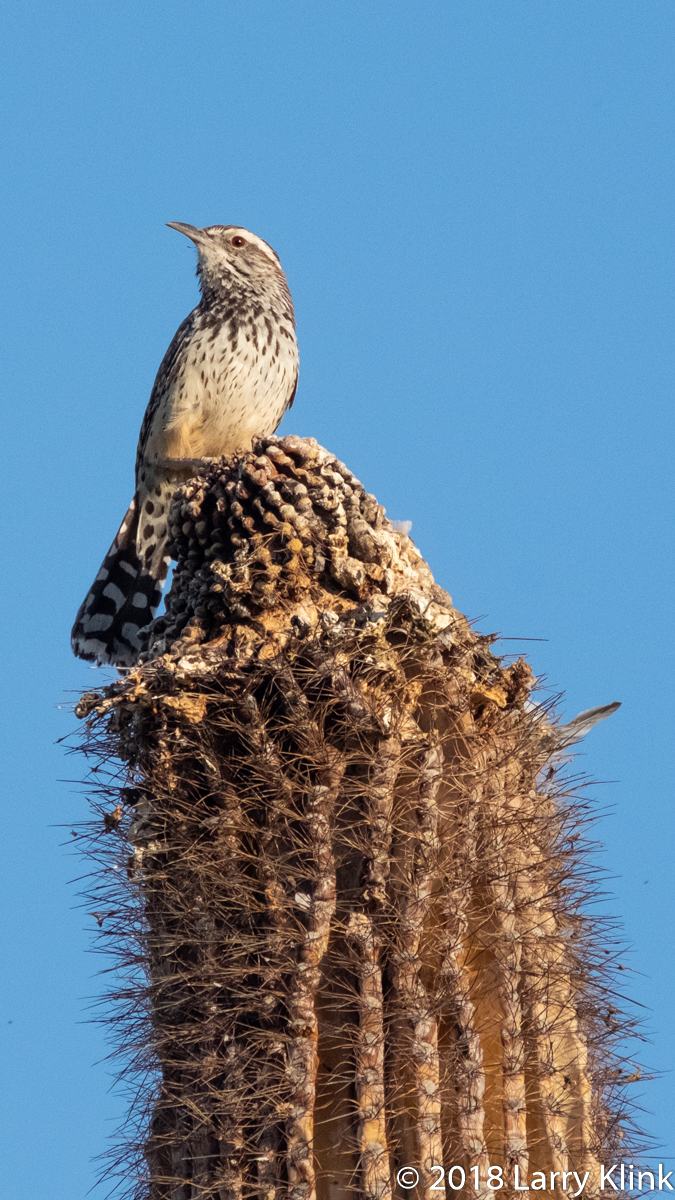
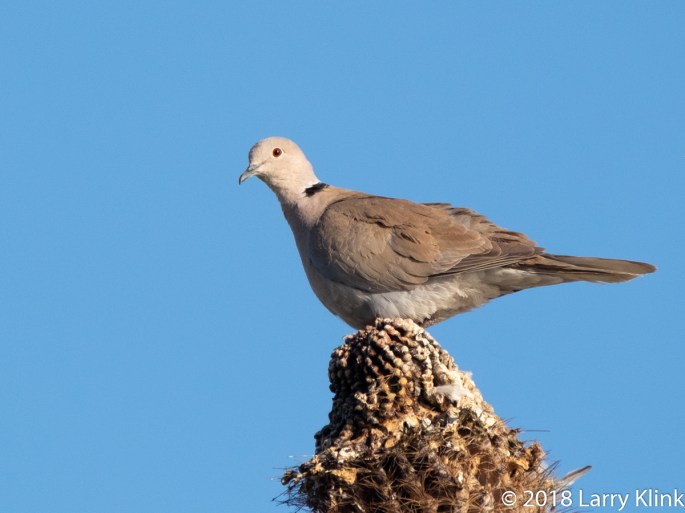
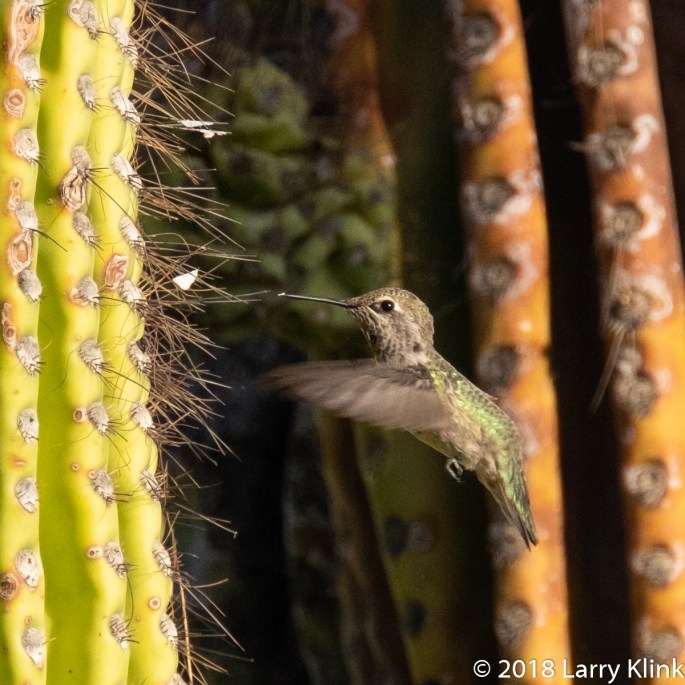
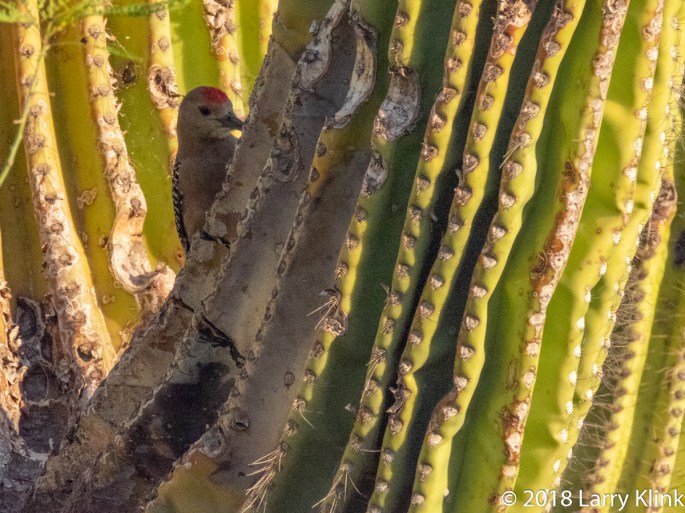
I visited Phoenix, AZ recently. I stayed at a beautiful place at the foot of South Mountain. The place had a patio that overlooked the city and at the corner of that patio was a large saguaro cactus. The mornings were beautiful, so I sat on the deck and watched the birds as they visited the cactus. Here is some of what I saw.

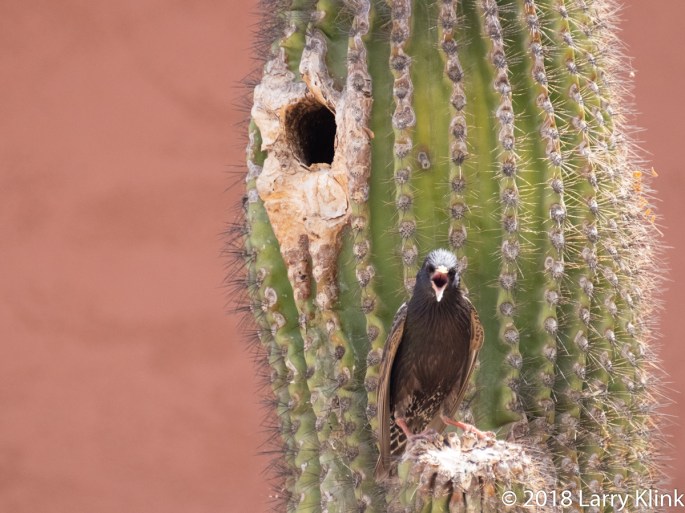
The starling was not taken on the same cactus. It was sitting outside its nesting hole on a cactus at another location.

Note: Click on caption to see image at a larger size.

Image of a Cactus Wren perched atop a saguaro cactus
Cactus Wren
Image of a European Collared Dove perched atop a saguaro cactus
Eurasian Collared Dove
Image of a Gila Woodpecker perched atop a saguaro cactus
Gila Woodpecker
Image of an Anna's Hummingbird hovering alongside a saguaro cactus
Anna’s Hummingbird
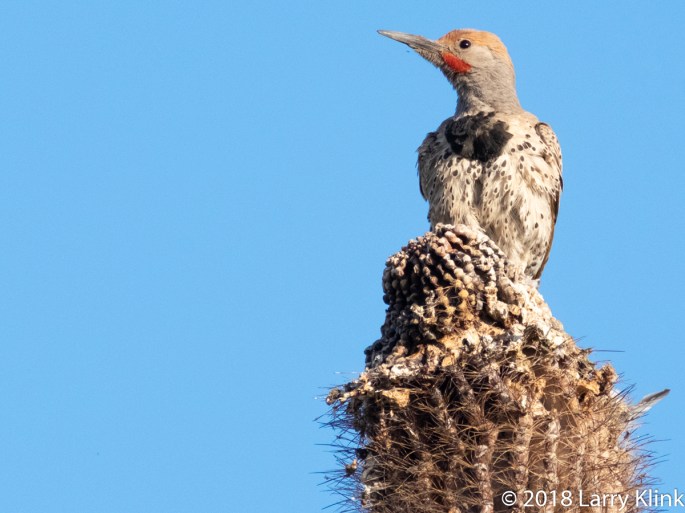
Image of a Gilded Flicker perched atop a saguaro cactus
Gilded Flicker
Image of a Gila Woodpecker hidden among the arms of a saguaro cactus
Gila Woodpecker
Image of a European Starling standing by its nesting hole in a saguaro cactus
European Starling

The Magnificent Wood Duck

Image of a male wood duck perched in a tree
Male Wood Duck

Ducks swim in lakes, ponds, rivers and oceans. They waddle around on the ground. Many display beautiful coloring. One of my favorites is the strikingly colored wood duck. They are a bit of an oddity among ducks; they perch and nest in trees. When the young have developed enough, the parents make them jump to the ground, without help, and waddle to the water to begin their life as a duck.

Note: Click on caption to see image in larger size.

Image of a pair of wood ducks.
Pair of Wood Ducks
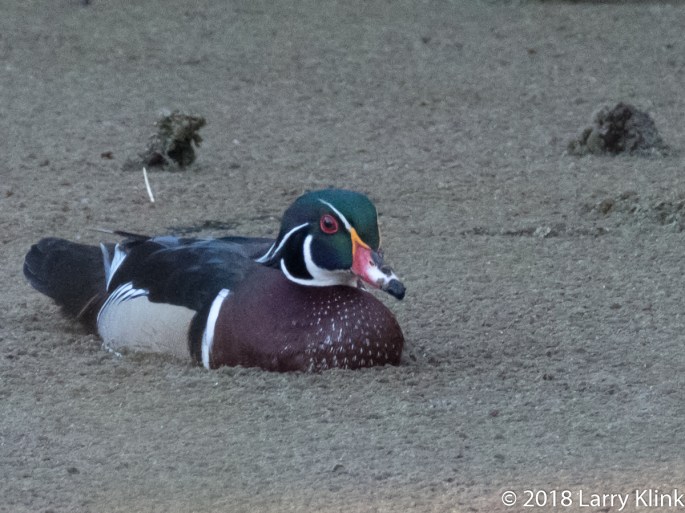
Image of a male wood duck in a pond.
Male Wood Duck

Note: These and other images are available for purchase by visiting my website: www.earthwatcher.us or by contacting: larry@earthwatcher.us.
More Common Views from Sacramento and Colusa National Wildlife Refuge

Snow Geese
Snow Geese, Sacramento National Wildlife Refuge, JAN 2018

A few days ago, I shared some images of the less common sightings at these 2 major refuges on the Pacific Flyway. But, the usual suspects were there also. Today, I will share a few images from this set.
Regards,

Larry

Note: Please click on caption to see image in larger size.

Western Pond Turtle
Western Pond Turtle, Sacramento National Wildlife Refuge; JAN 2018
Western Meadowlark
Western Meadowlark, Sacramento National Wildlife Refuge; JAN 2018
Great Blue Heron
Great Blue Heron, Sacramento National Wildlife Refuge; JAN 2018 
Whte Fronted Goose
White Fronted Geese, Colusa National Wildlife Refuge; JAN 2018
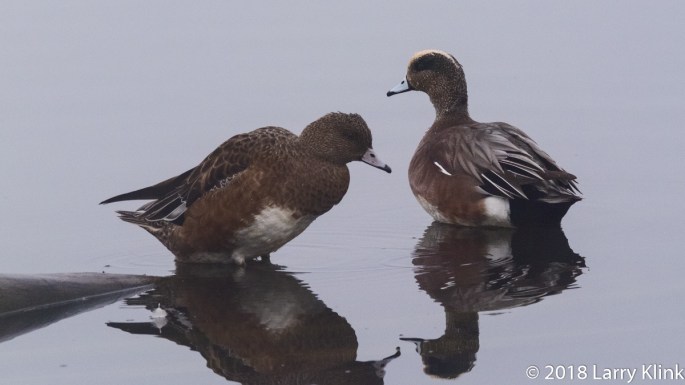
American Wigeon
American Wigeon, Colusa National Wildlife Refuge; JAN 2018
An American Coot in High Key
American Coot in High Key, Sacramento National Wildlife Refuge; JAN 2018
Killdeer
Killdeer, Colusa National Wildlife Refuge; JAN 2018


Note: These and other images are available to purchase on my website, www.earthwatcher.us or by contacting larry@earthwatcher.us.